
In 1966, the Ford Mustang was the hottest thing going since sliced bread. After debuting in mid-1964, the new pony car sold nearly 1.3 million copies in 2.5 years (that’s crazy, man!). I owned a ’66 Mustang with a… more»
• For Sale • 30 Comments
Barn Find Original: 1969 Dodge Dart Custom
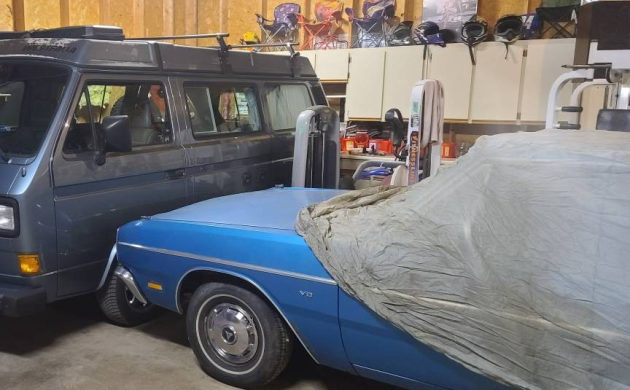
Hoping to attract a younger audience to its Dart compacts, Dodge added a 2-door hardtop to the lineup in 1969. It was available in two trim levels, Custom and Swinger, though they didn’t seem to differ much unless you… more»
• For Sale • 17 Comments
Original Paint! 1957 Ford Fairlane Skyliner
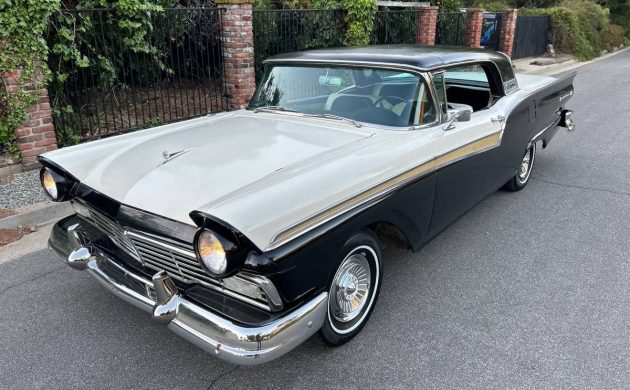
Always looking to one-up each other, Ford, GM, and Chrysler were all working overtime in the gadget-conscious 1950s (and since I suppose). One of Ford’s more interesting engineering feats and marketing ploys was the retractable headliner, dubbed the Skyliner,… more»
• For Sale • 40 Comments
Garage Find: 1954 Chevrolet Bel Air
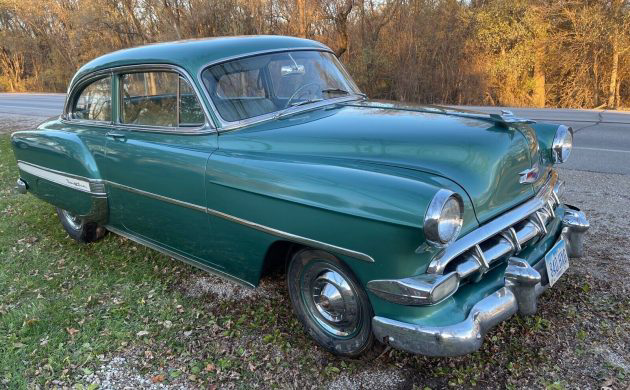
After a restyle in 1953 that increased sales by nearly a third, the relatively unchanged 1954 Chevrolets still saw another 7% bump in production. The Bel Air was still “top dog” followed by the 210 and 150 series. Even… more»
• For Sale • 26 Comments
Two-Owner Muscle Car: 1970 Buick GS 455
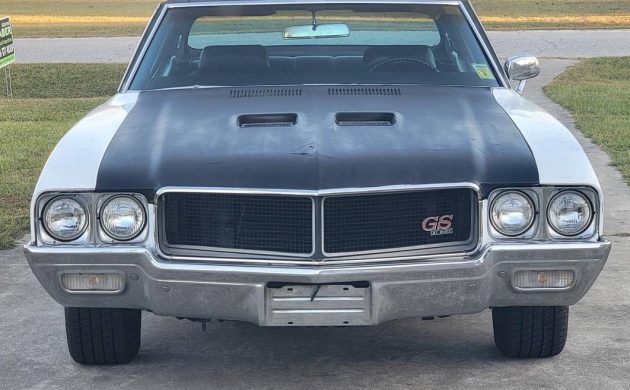
Except for Cadillac, all of General Motors’ divisions offered a mid-size muscle car back in the day. Chevy had the SS 396/454, Pontiac the GTO, Oldsmobile the 442, and Buick the Gran Sport. New for 1970 in the Buick… more»
• For Sale • 62 Comments
Cheap Survivor: 13k Mile 1991 Dodge Monaco
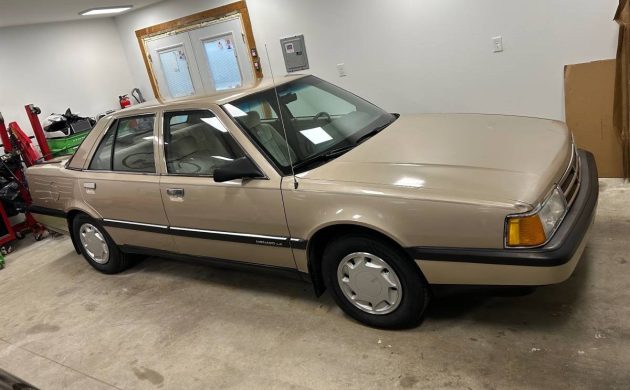
Here’s a car that I don’t remember, the 1990-92 Dodge Monaco. It’s a badge-engineered version of the AMC Eagle Premier. My failure to remember the automobile might be because the Eagle outsold the Monaco on a scale of 5… more»
• For Sale • 25 Comments
Limited Edition Garage Find: 1978 Chevrolet Corvette
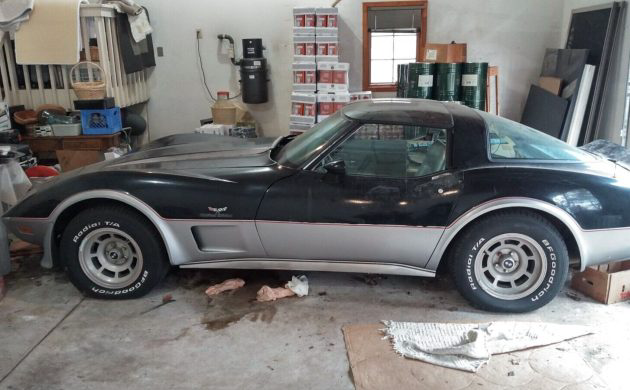
The 1978 model year was the 25th anniversary of the Chevy Corvette. Not only did they build replicas of the ones that paced the field that year at the Indianapolis 500, but also a special edition as the 25th… more»
• For Sale • 11 Comments
Tri-Power Drop-Top: 1966 Pontiac GTO
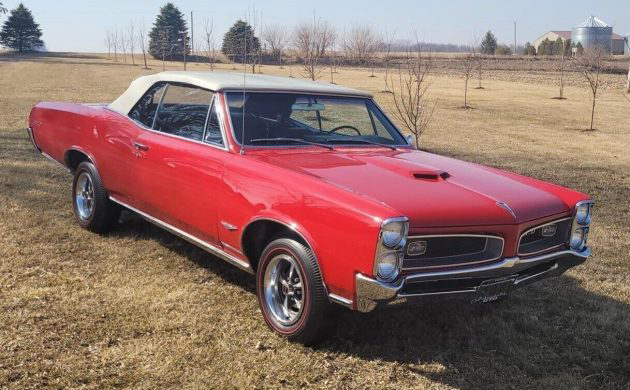
This beautiful 1966 Pontiac GTO checks a lot of boxes. Besides being a real GTO (not a Tempest), it’s also a convertible, has a 4-speed manual transmission, and the highly desirable Tri-Power 389 cubic inch V8. The seller doesn’t… more»
• For Sale • 42 Comments
Nicest One Left? 1962 Ford Falcon Deluxe Wagon
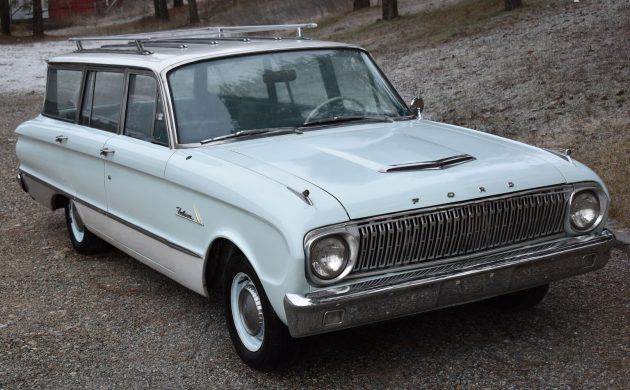
When Ford introduced the Falcon in 1960, there were only two other U.S.-built compact cars on the market. And since both (Rambler American and Studebaker Lark) were products of independent auto manufacturers, the Falcon shot right to the top… more»
• For Sale • 19 Comments
Rare Roller: 1970 Pontiac GTO Convertible
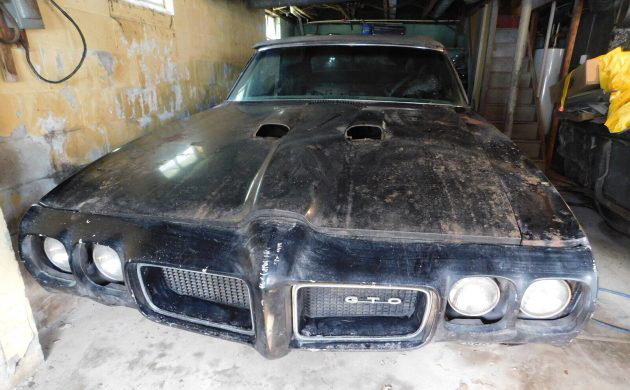
The muscle car movement of the 1960s reached a plateau in 1970, including the Pontiac GTO. Sales were tapering off due to higher insurance premiums (and later, higher gas prices). Pontiac built fewer than 4,000 GTO convertibles that year,… more»
• For Sale • 16 Comments
Worth Fixing? 1970 Dodge Coronet Project
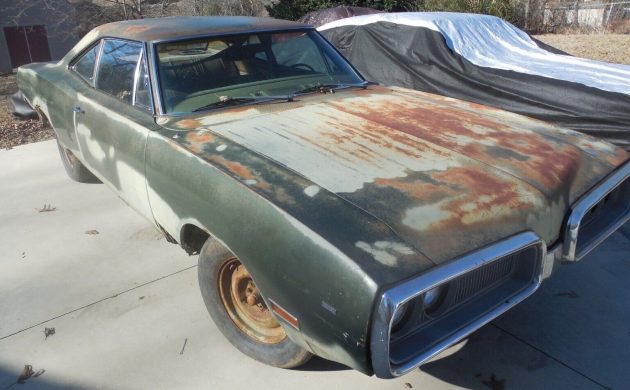
In the late 1960s, the Dodge Coronet played second fiddle to the Charger. It was more pedestrian overall, though it was also a B-body intermediate, but without hidden headlights or a tunnel back roof. This 1970 Coronet is the… more»
• For Sale • 21 Comments
Camper Conversion: 1964 GMC TDH-3501
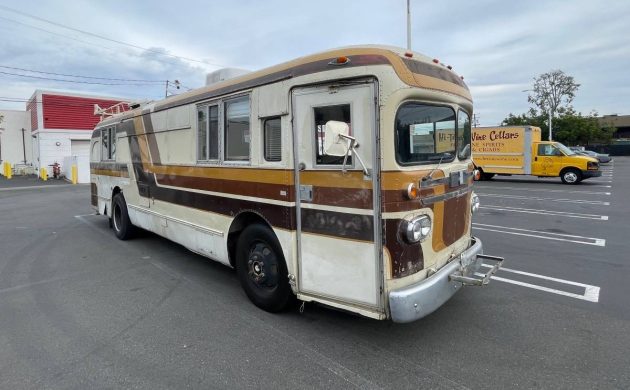
As best as we can tell, this coach has a commuter look to it and began life as something other than a camper but became one later. It looks to be in good condition and ready for some road… more»
• For Sale • 12 Comments
New Under the Hood: 1970 Plymouth AAR ‘Cuda
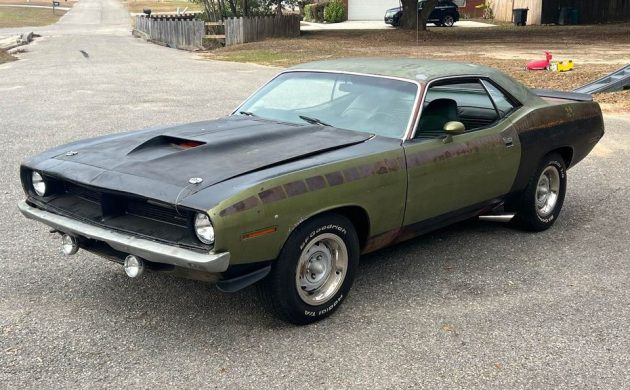
The 1970 model year was perhaps the pinnacle of the muscle car movement. A lot of hot cars were around in those days, like the Pontiac GTO Judge or Chevelle SS 454. But we can’t forget the AAR ‘Cuda… more»
• For Sale • 16 Comments
Chauffeur Optional: 1997 Toyota Century GZG50
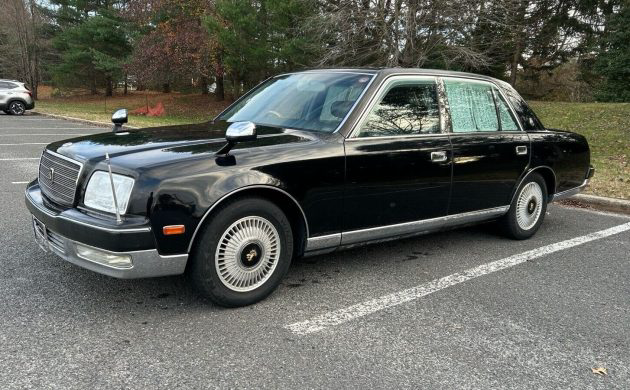
If you thought that the Lexus was the most luxurious car built by Toyota, you’d be ignoring the Century. Still in production today, the Century is a series of full-size luxury sedans (now SUVs) and limos built mostly for… more»
• For Sale • 15 Comments
Stretch Limo Conversion: 1964 Pontiac Catalina
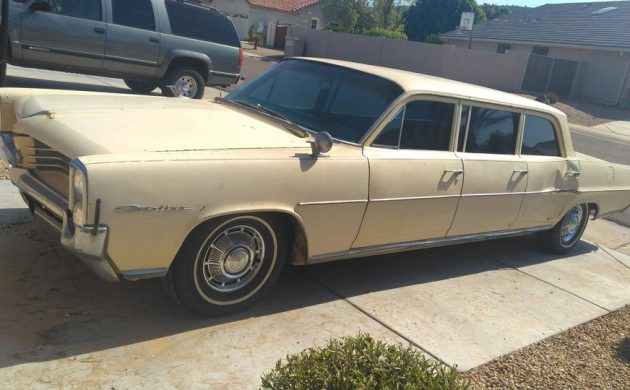
Several well-known coachbuilders have been creating ambulances, hearses, and limousines for the last hundred or so years. One of them is Armbruster- Stageway, which originated in 1887. Usually, they begin with a luxury sedan or station wagon and go… more»
• For Sale • 11 Comments
Cheap Wheels! 1973 Bradley GT
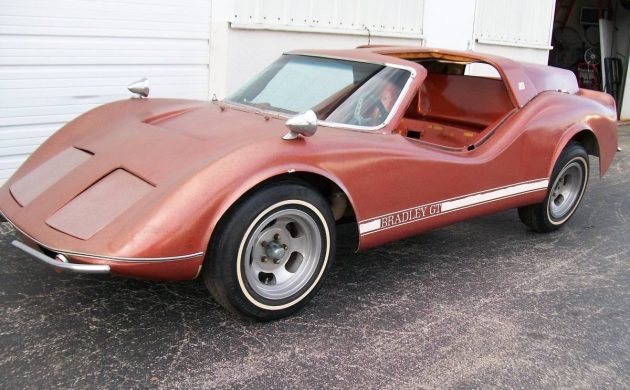
Who doesn’t remember the dune buggy/kit car craze of the 1960s and 1970s? Bradley Automotive was one of the big players in that space and is said to have built 6,000 kits or complete cars during their heyday. Perhaps… more»