- Seller: Iconic Motors (Contact)
- Location: Oklahoma City, Oklahoma
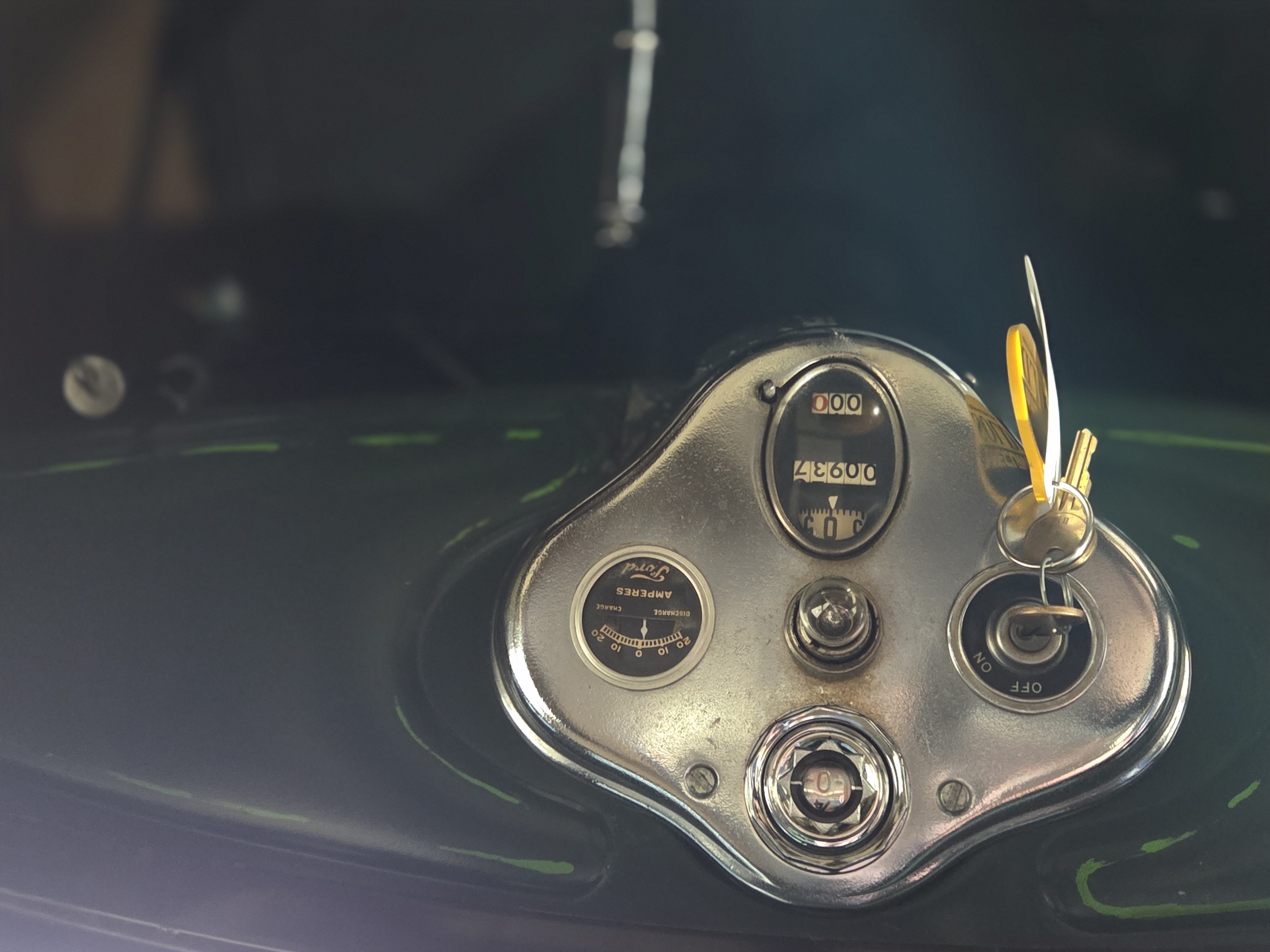
- Mileage: 937 Shown
- Chassis #: A4866974
- Title Status: Clean
- Engine: 201cui Inline-4
- Transmission: 3-Speed Manual
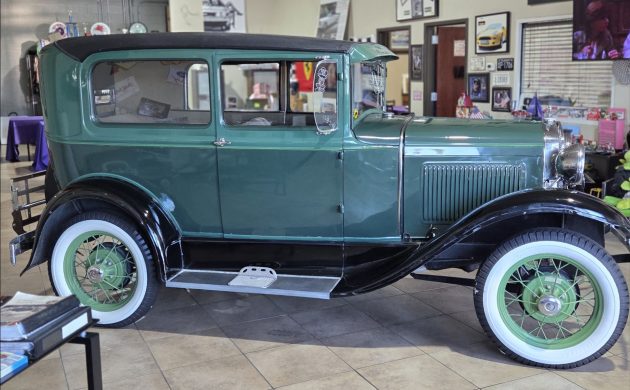
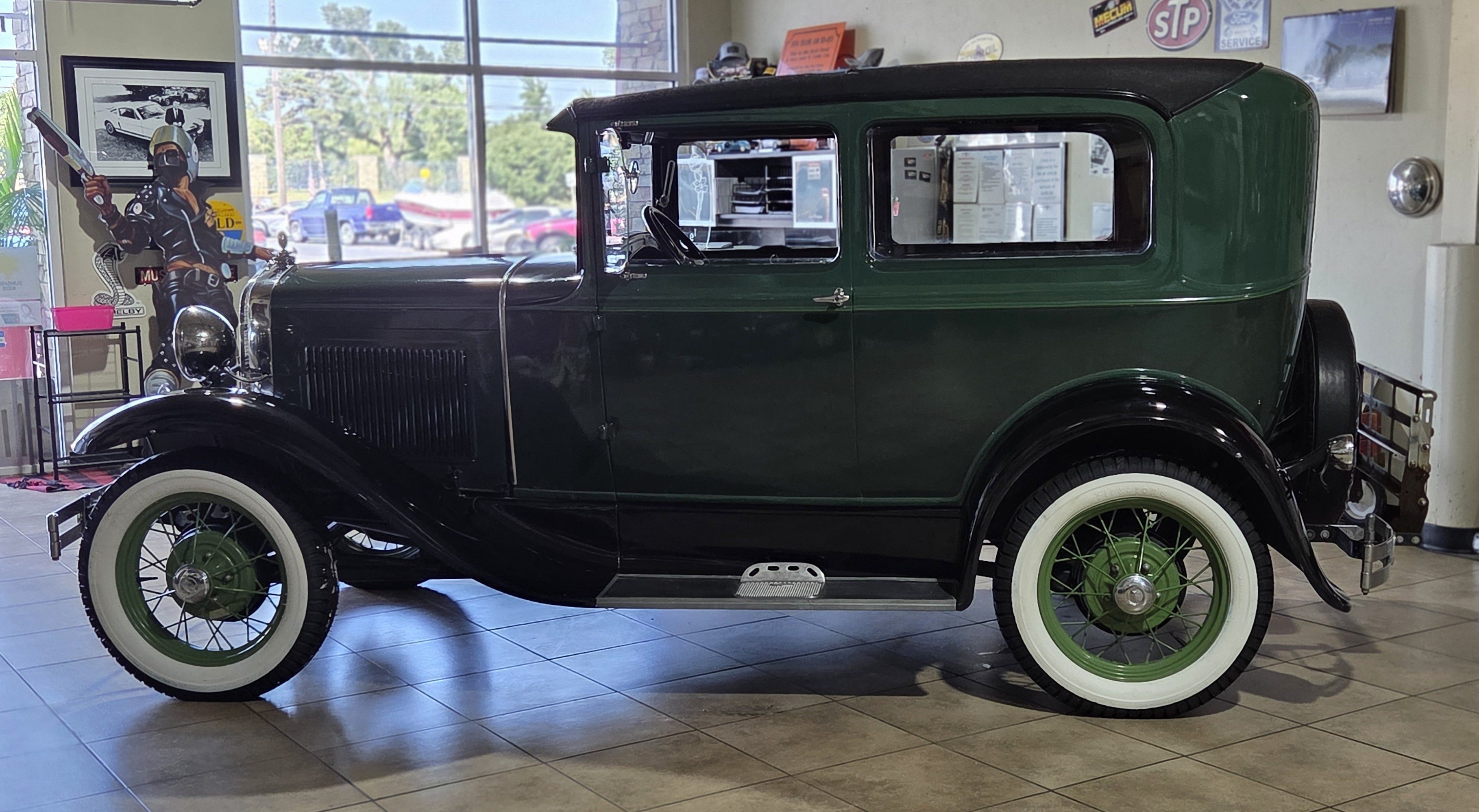
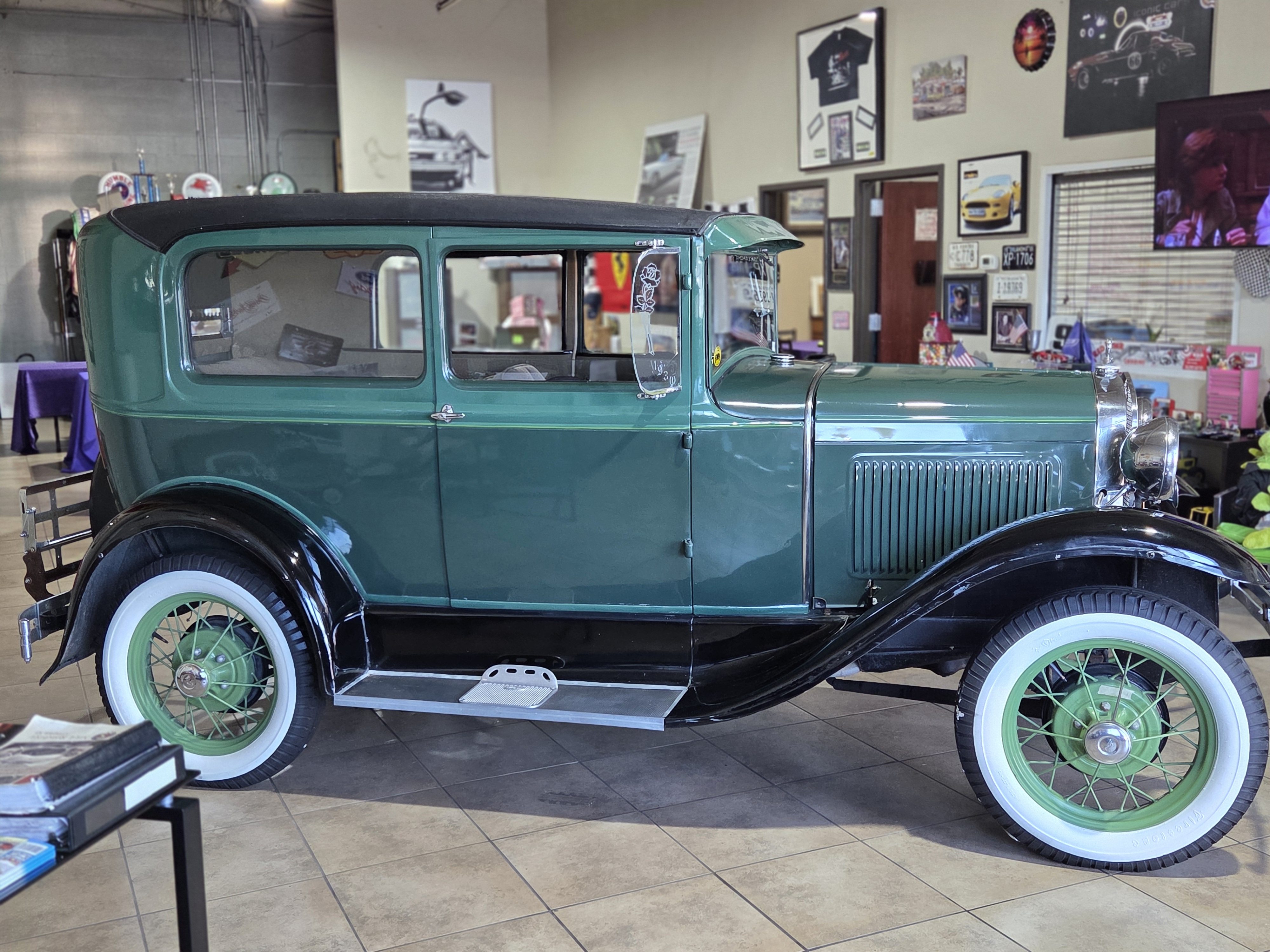
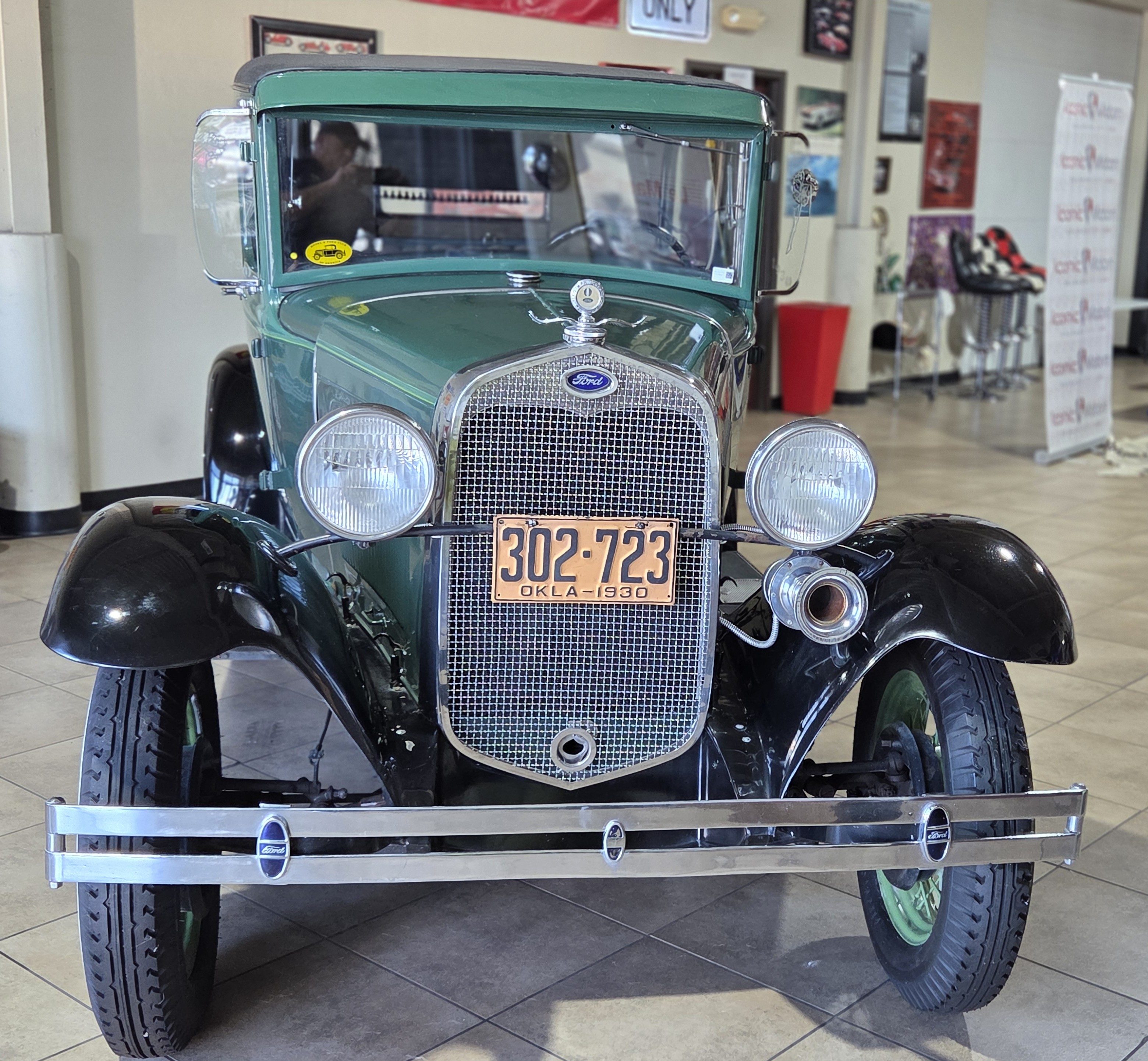
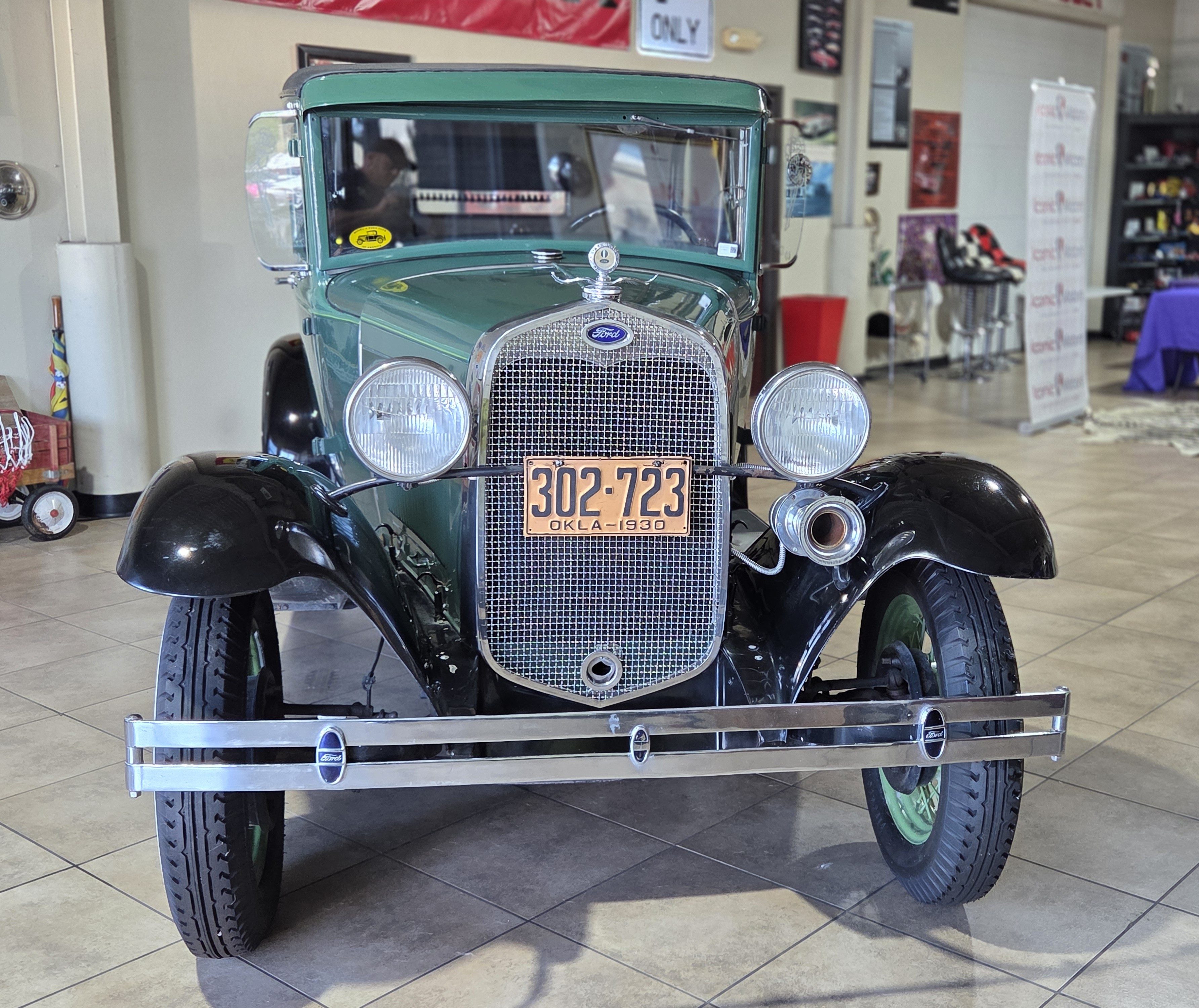
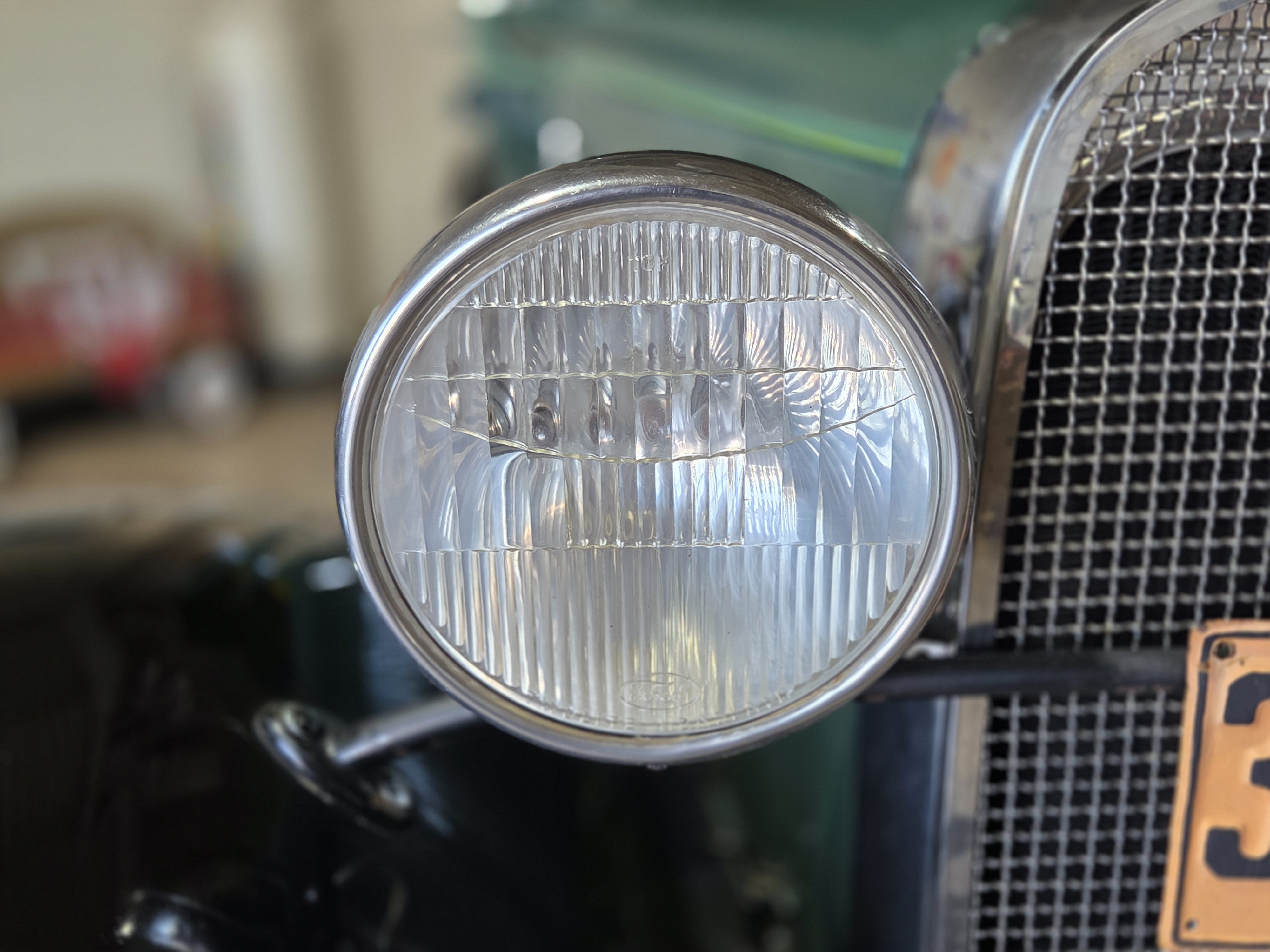
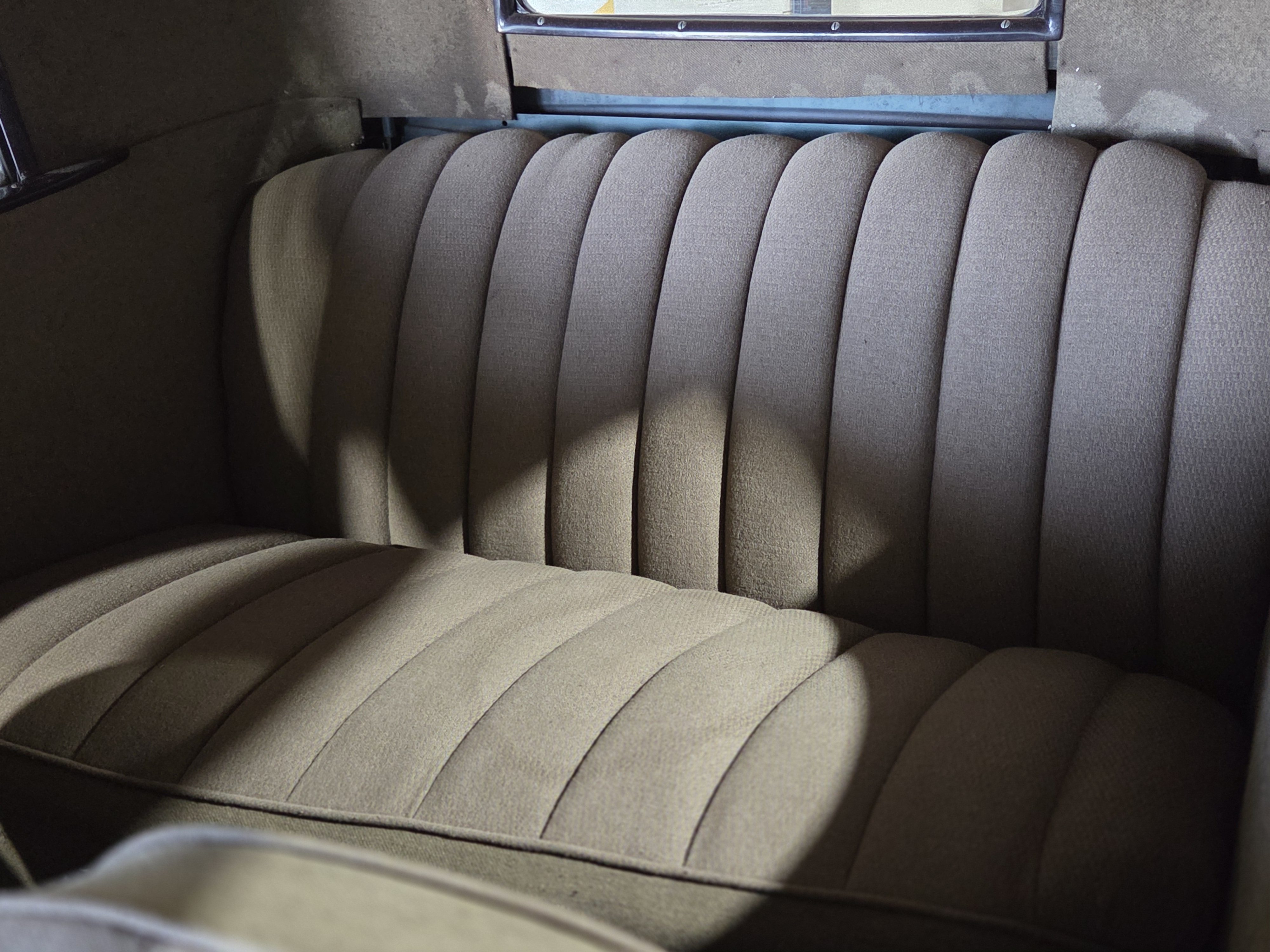
The Ford Model A helped define early American motoring, and surviving examples continue to capture the attention of collectors and enthusiasts alike. This 1930 Ford Model A, now listed as a Barn Finds Auction in Oklahoma City, is presented as a true survivor with just 937 miles showing and a clean title.
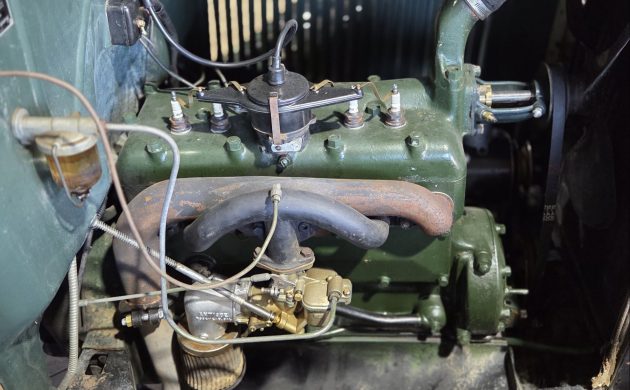
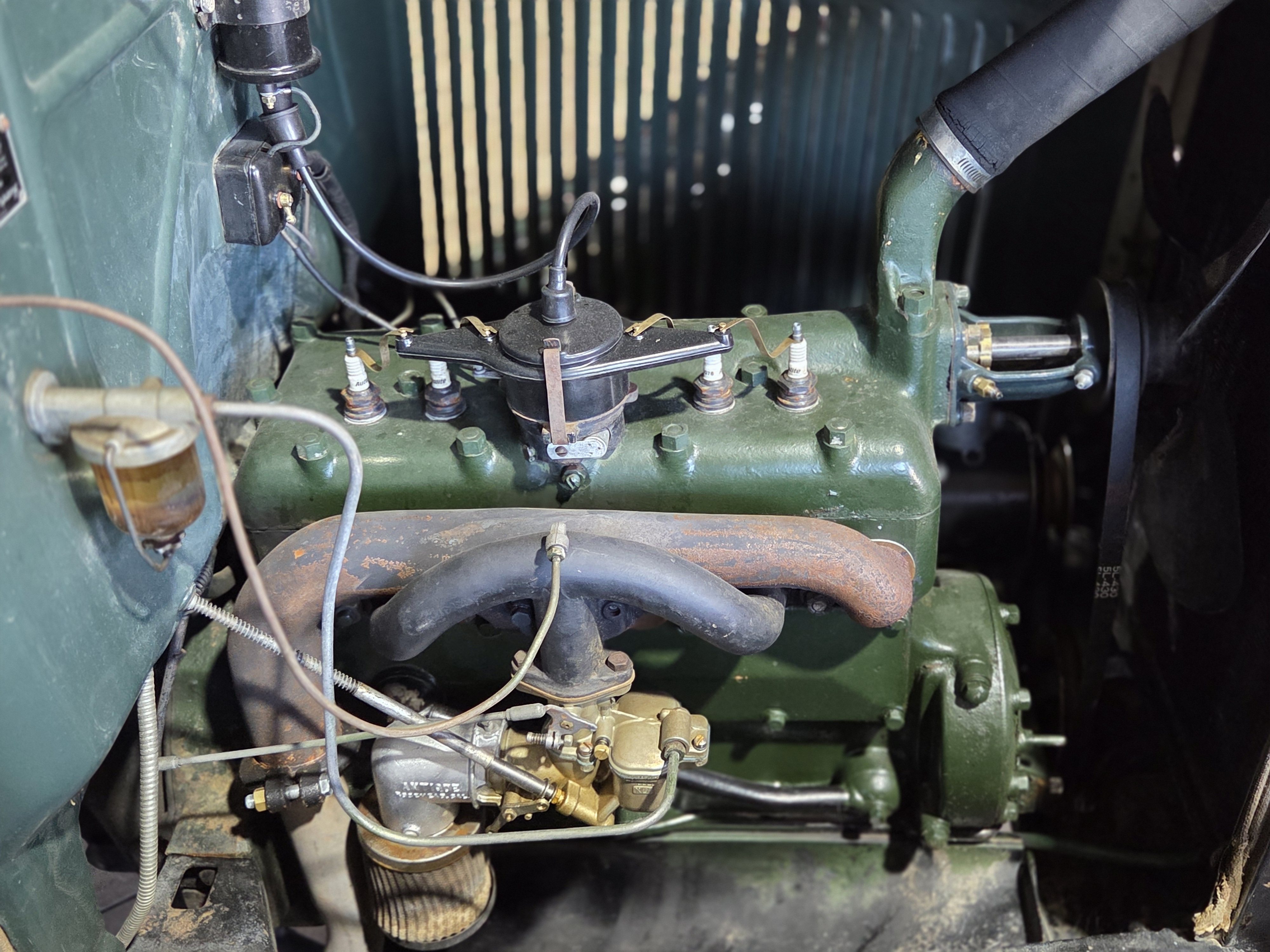
Under the hood sits the original inline four-cylinder engine paired with a three-speed manual transmission. The engine is listed as a 201 cubic-inch unit, consistent with the Model A’s classic powertrain. Fuel delivery comes through a gravity-fed carburetor that was recently cleaned and adjusted as part of maintenance.
According to the listing, the car has had a recent tune-up that included a new battery, fresh spark plugs, an ignition timing adjustment, and a distributor cleaning. The points and condenser have also been serviced, and new gaskets and seals have been installed. These updates help keep the vintage drivetrain operating as intended while maintaining the car’s original mechanical character.
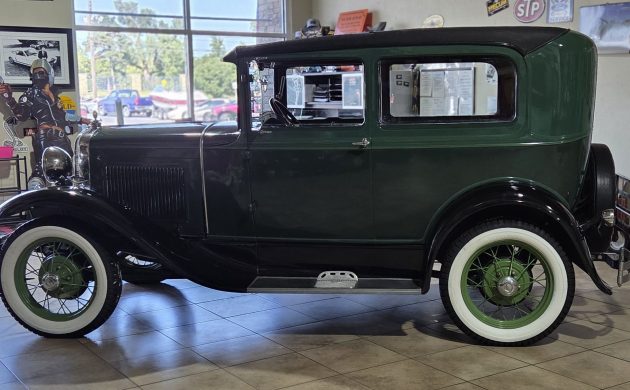
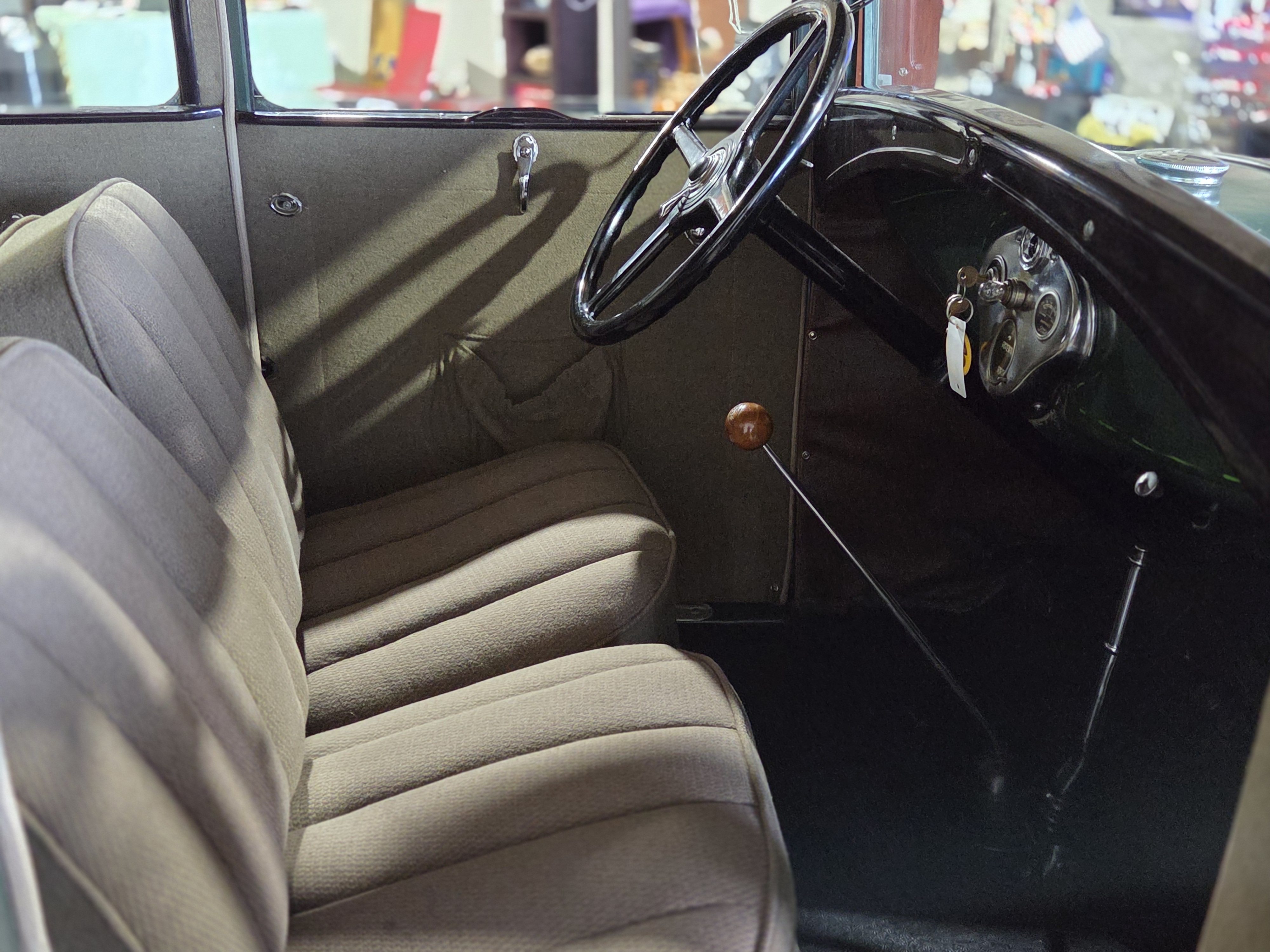
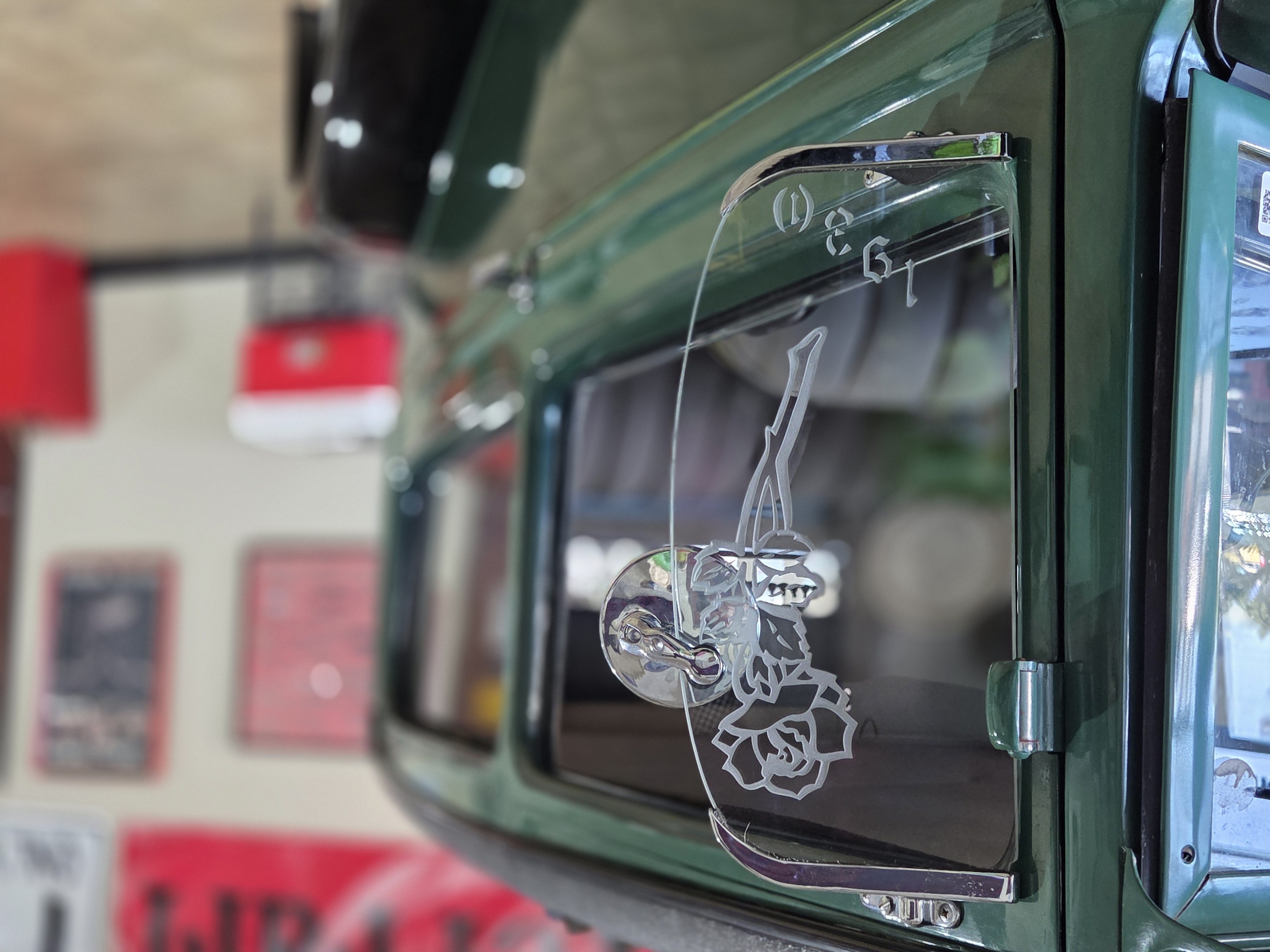
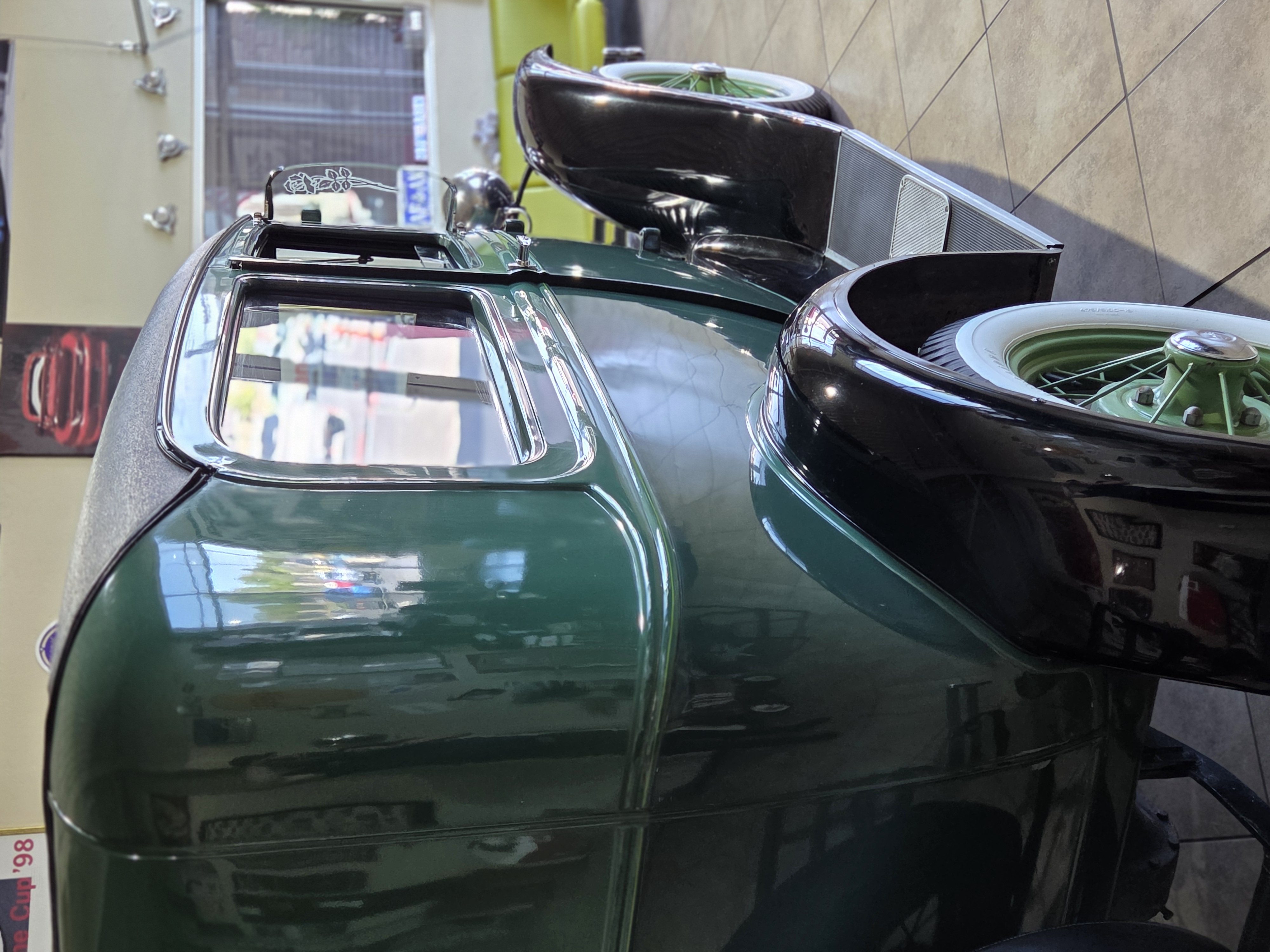
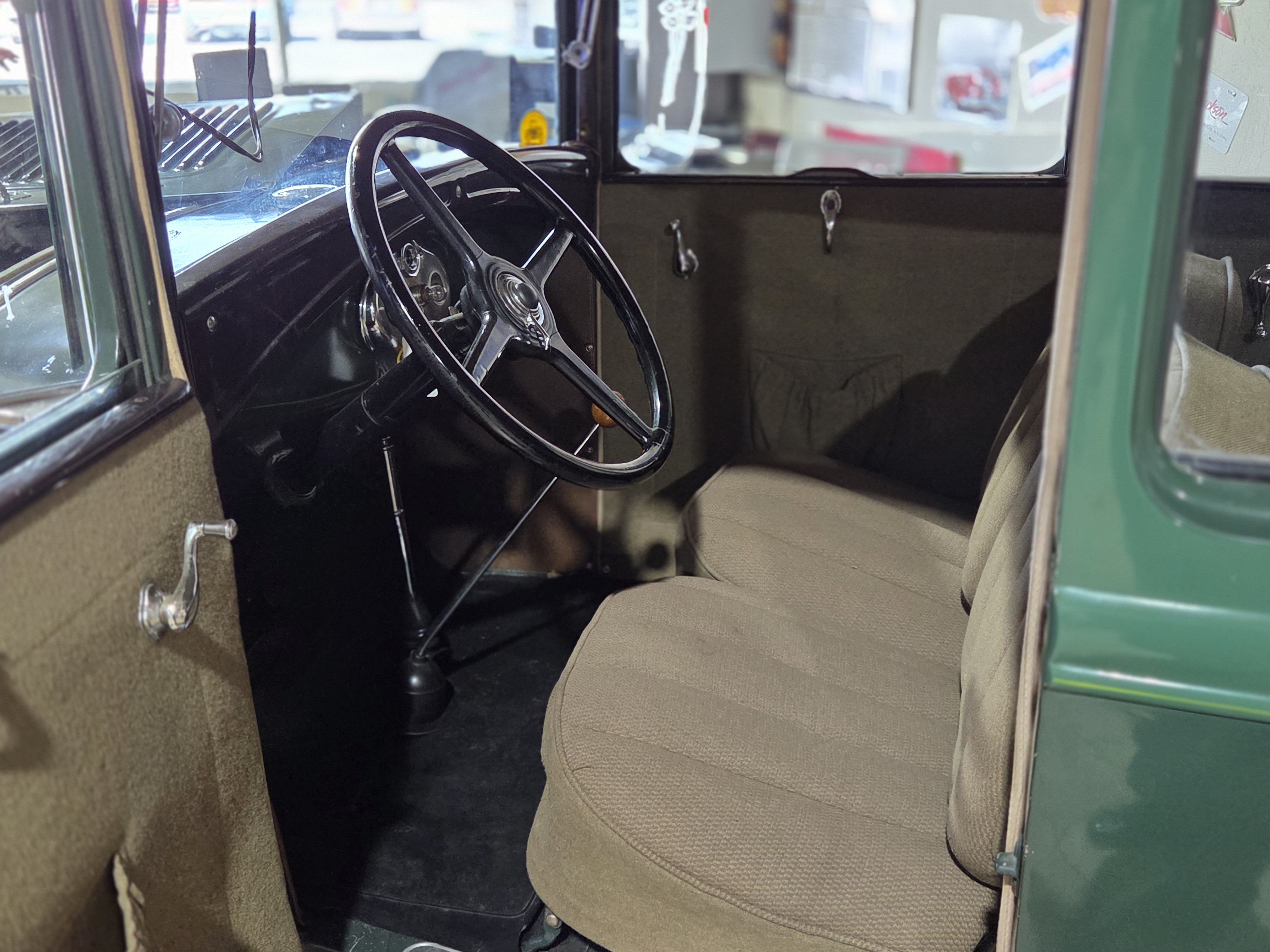
The Model A retains a steel body complemented by wooden accents, reflecting the construction methods used during this era of automotive production. When they say, “they don’t build them like this anymore”, that really is the case with this one. While it’s incredibly simple compared to modern cars, that simplicity is really a selling point. Everything here is mechanical, simple to use, and easy to maintain.
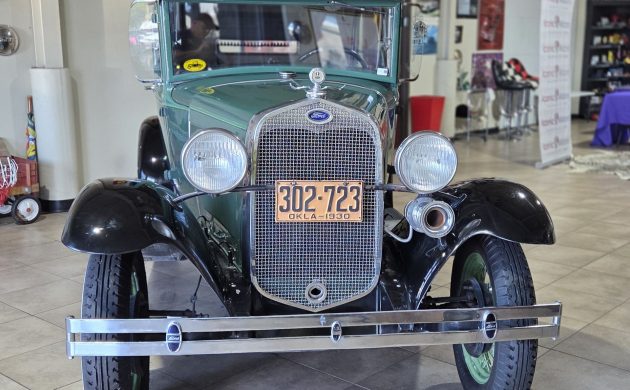
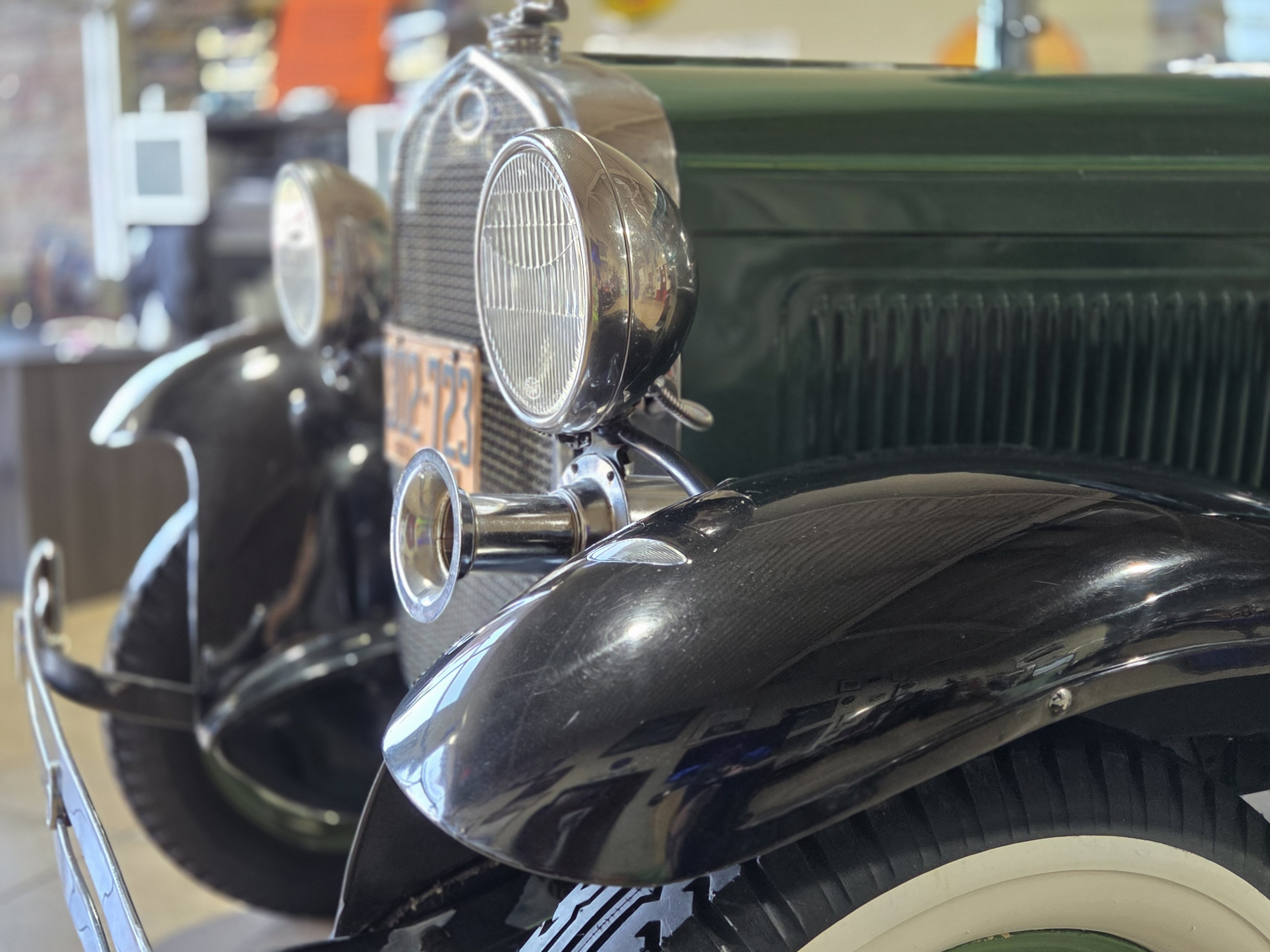
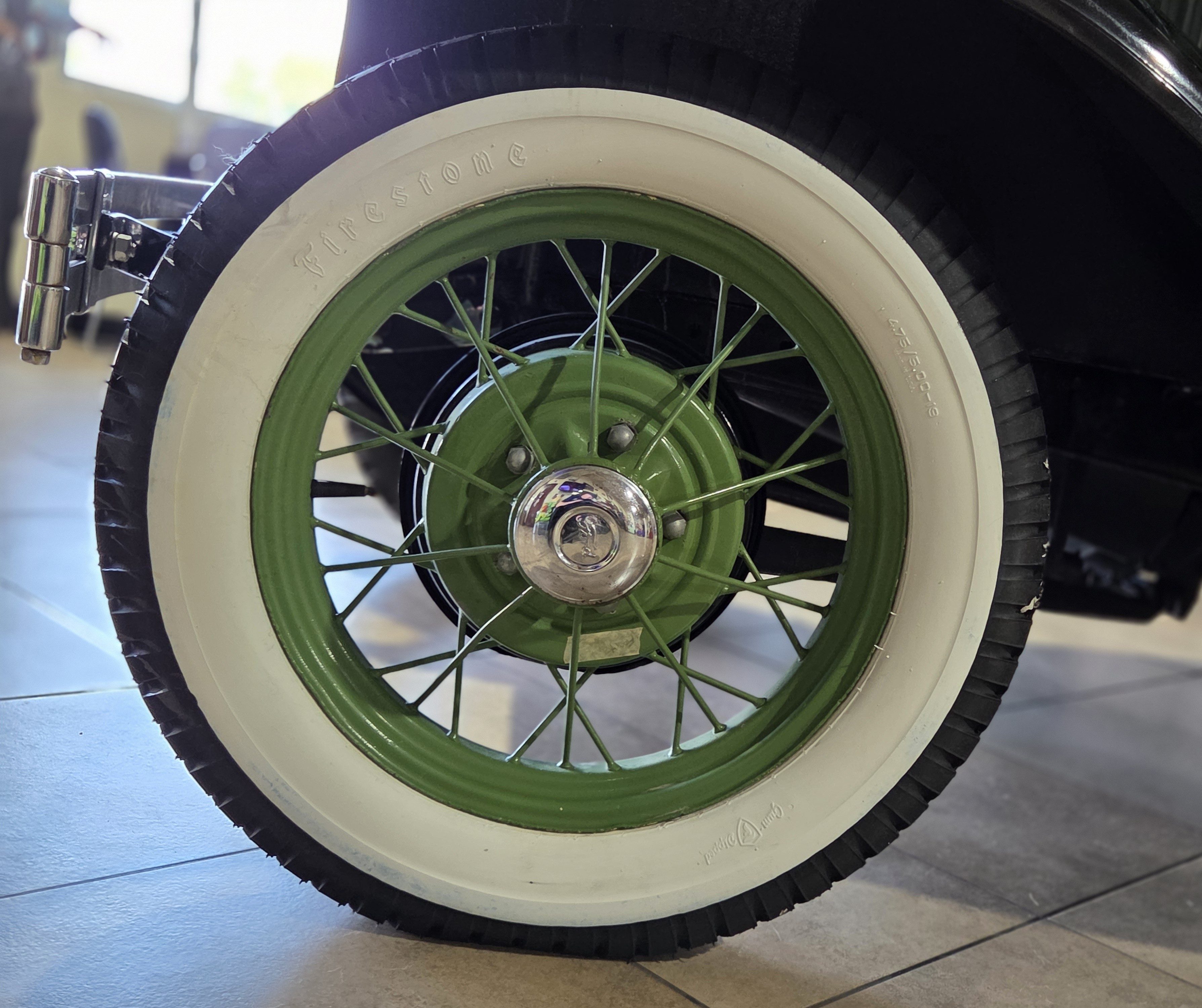
Like most vehicles of its time, the suspension is based on transverse leaf springs. This traditional setup helped give the Model A its durable and straightforward mechanical layout, a design that enthusiasts have appreciated for decades. Another recent update includes new whitewall tires, which suit the car’s period appearance while ensuring it’s ready for the road. These details combine to present a vintage automobile that appears both preserved and maintained.
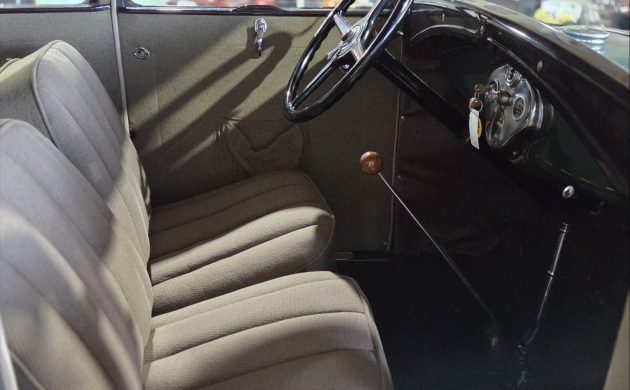
More than ninety years after it was built, the Model A remains one of the most recognizable early automobiles ever produced. Its simple engineering, distinctive design, and enduring charm continue to make it a favorite among collectors and hobbyists.
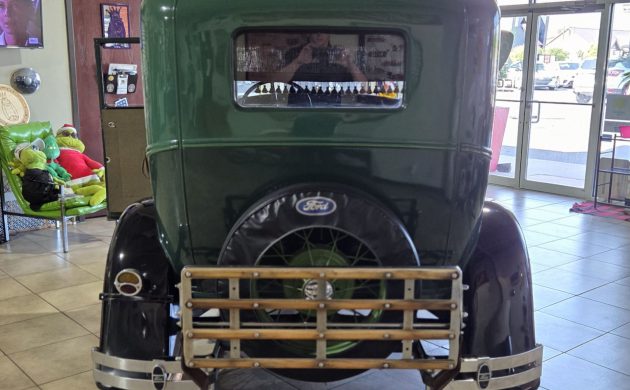
With its original drivetrain and recent service work, this 1930 Ford Model A offers a chance to experience early automotive history firsthand. Would you keep this survivor just as it is, or take it out regularly to enjoy a piece of motoring from another era?
*Note – Oklahoma Document Fee of $495
Bid On This Auction
 Oscar H bid $8,500.00 2026-03-06 15:31:20
 JMD bid $8,000.00 2026-03-05 12:16:54




Transverse leaf springs were mostly a Ford thing; longitudinal semi-ellipticals outnumbered them pretty well by 1930.
You are correct about the springs. Only a few other than Ford used them. One benefit of transverse leaf springs is that the spring stack is not part of the unsprung weight of the suspension. With longitudinal springs the stack/stacks are carried by the axle and those two spring stacks are unsprung. I believe that was one consideration in using transverse springs when you consider the very high tire pressures needed for those skinny tire of the period.
z1rider, I really like your explanation of the physics of suspension of the Fords of the era. I just don’t understand it. I know that Henry would agree with you though.
Dave in PA..Unsprung weight is all of the mass that moves when you go over a bump. That would include the tire, wheel, spindle and suspension control arms and if that wheel is driven the halfshaft. It also includes the part of the spring that moved the most such as the bottom of the coil springs, and as I mentioned in longitudinal leaf springs the spring stack. Everything on the other side of the spring, the frame, body and essentially everything that benefits from the use of a suspension is the sprung weight.
That is one of the reasons for mag wheels. They are lighter and therefore reduce the unsprung weight and the tendency for the wheel to bounce up off the pavement when hitting a big bump. The issue of unsprung weight is also why in the 50’s when wheels/tires were still pretty skinny and running higher pressures some braking systems in the independent rear suspension of racing cars were mounted inboard. Jaguar did that with disc brakes and Mercedes did it with their drum brakes on the 300SLR. Those brakes mounted inboard did not have to move with the wheels and so did not add to the unsprung weight.
I like this. I wonder what it will sell at.
If I had space in the garage, I’d buy it and take it out for a drive every week. Put some miles on this baby!
Beauty example from the early age of motoring.
I would love to be able to own it!
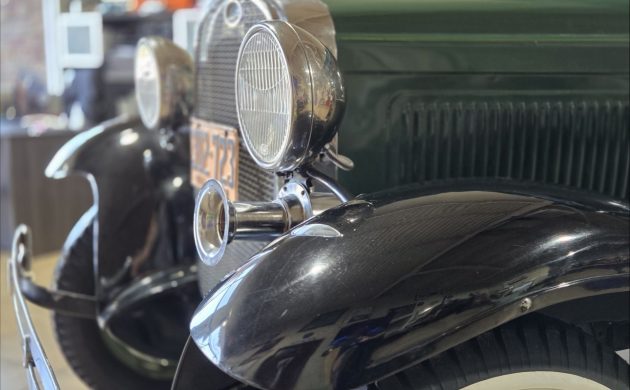
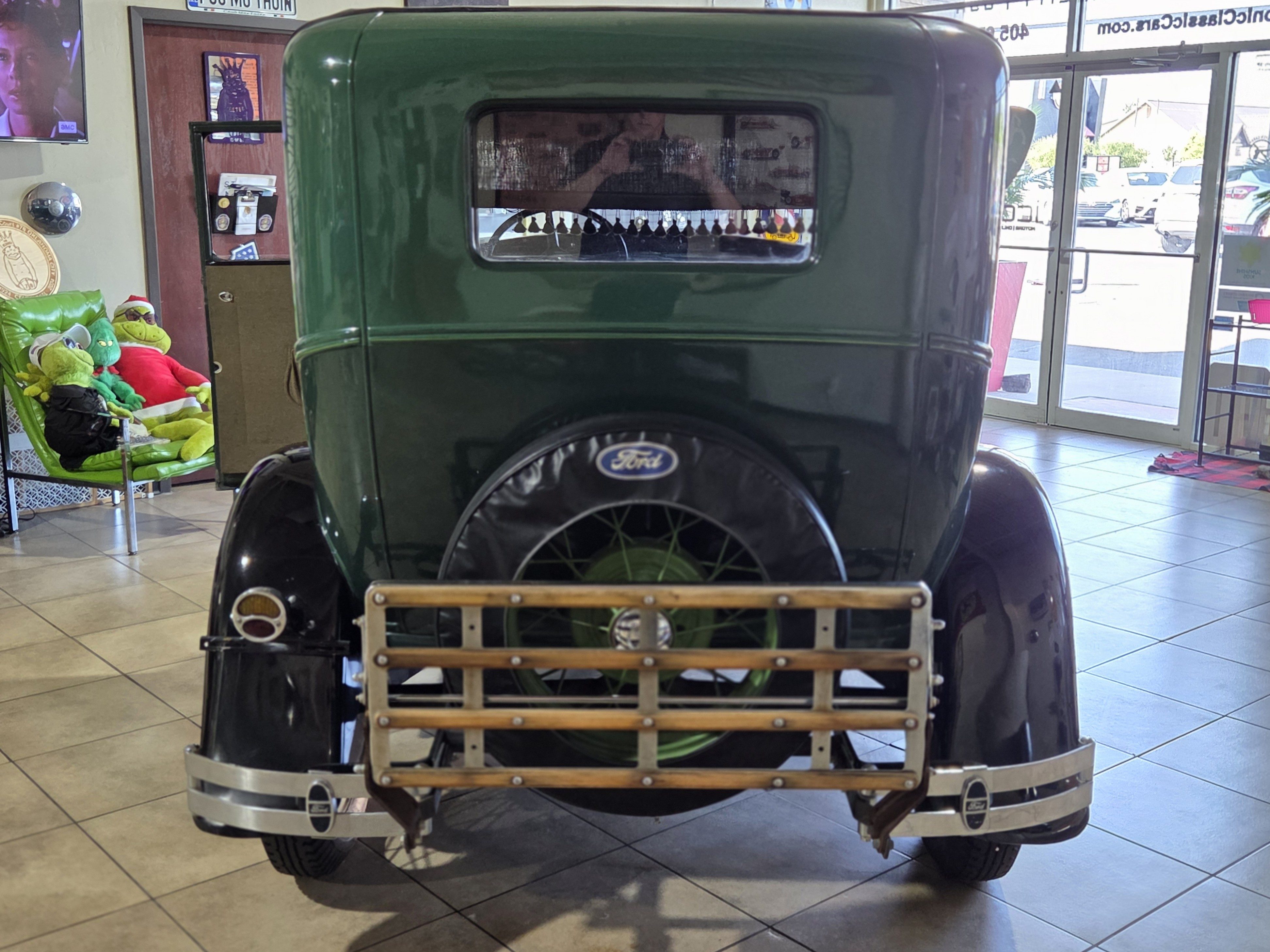
Is it just me or does the car look “crooked” in the head on shots?
Might just be the bumper that looks higher on driver side.