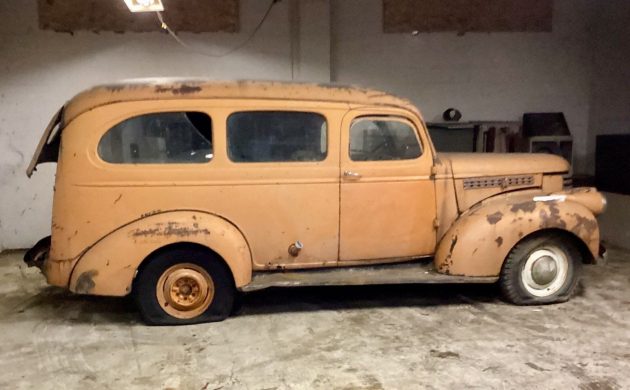
- Seller: Lane M (Contact)
- Location: Pontiac, Michigan
- Mileage: 60,394 Shown
- Chassis #: 11050
- Title Status: Clean
- Engine: 216 cui Inline-6
- Transmission: 3-Speed Manual
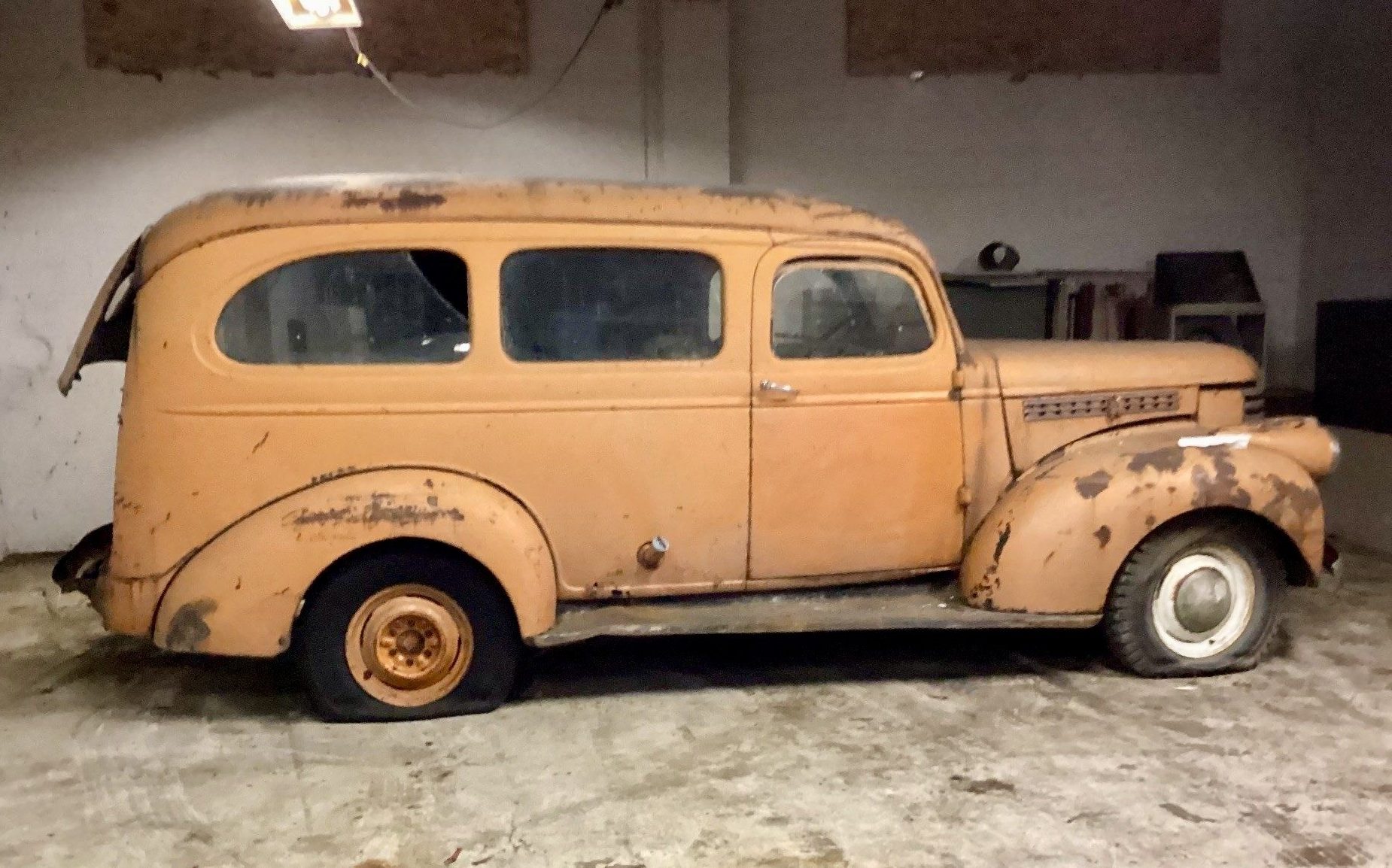
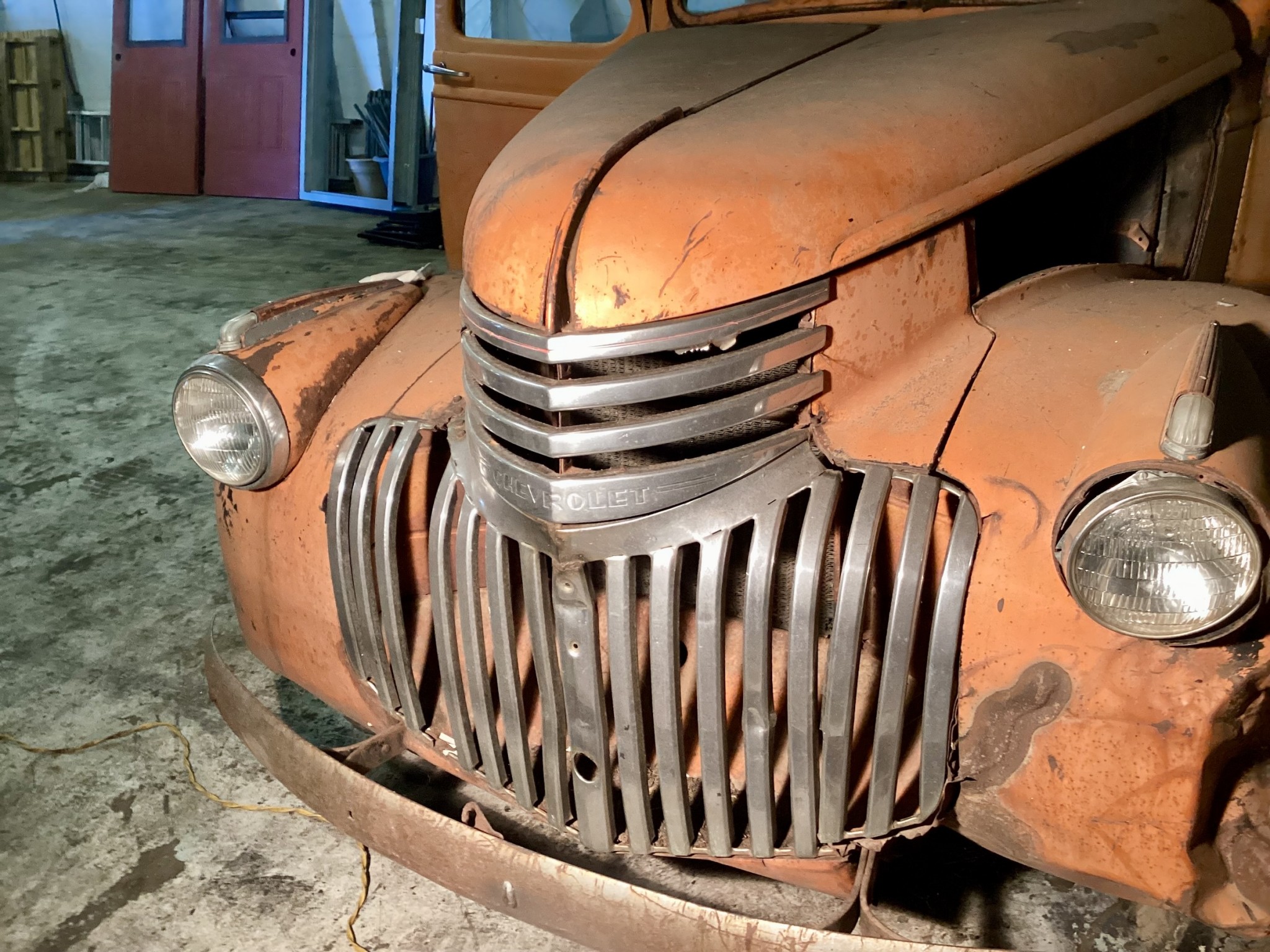
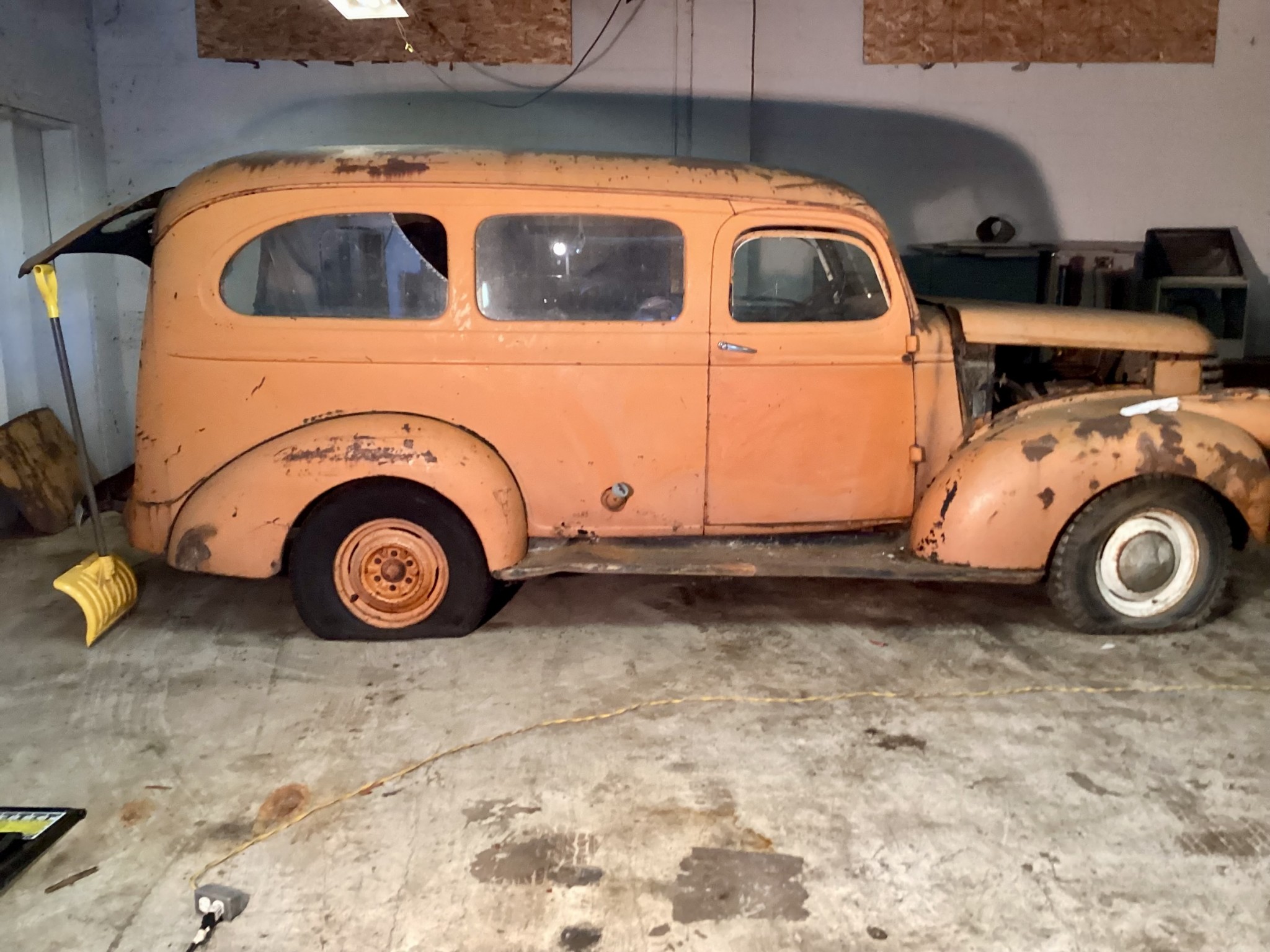
Long before the debut of the massive SUV known as the Suburban, Chevrolet was putting the Suburban name on some incredibly cool vehicles! This 1941 Carryall Suburban wasn’t designed to haul kids to soccer practice, but instead was built to be a utility vehicle. Sure, it could be equipped with enough seats to haul the biggest of families, but it could also be optioned for hard work, whether that was as an ambulance or a delivery vehicle. This example has been off the road since 1974 and is going to need restoration work, but it’s a rare find that deserves to be rescued. If you’d love to tackle this project, it’s being offered here as a no-reserve Barn Finds Auction!
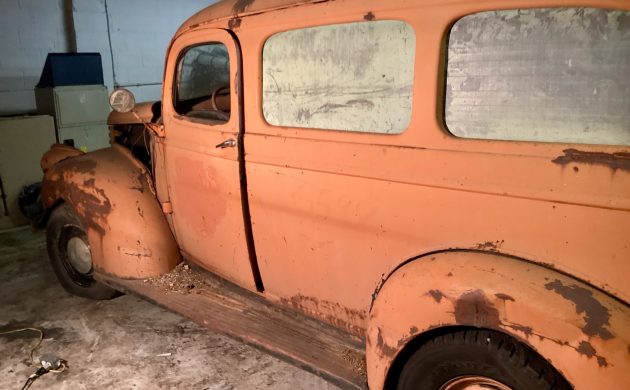
The Carryall Suburban name was first used in 1934 as an 8-passenger station wagon body that was fitted to a truck chassis. In 1941, the design was updated with the debut of the then-new AK-Series of trucks on which it was based. This meant it also received a new, larger engine and a 3-speed manual transmission. There were three body styles offered: the Carryall, a panel truck, and the canopy express. Consumer production was paused during World War II and didn’t resume until 1946. As a result, very few were built, and it’s hard to say how many have survived.
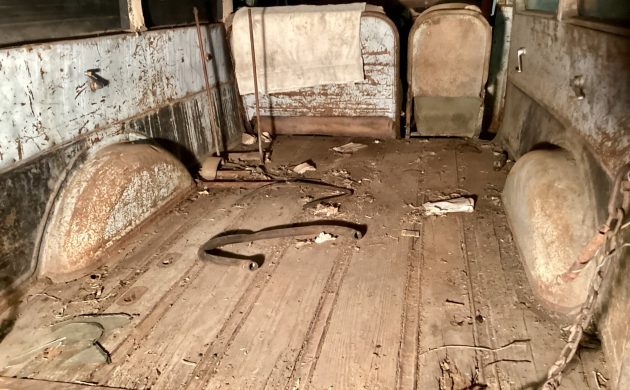
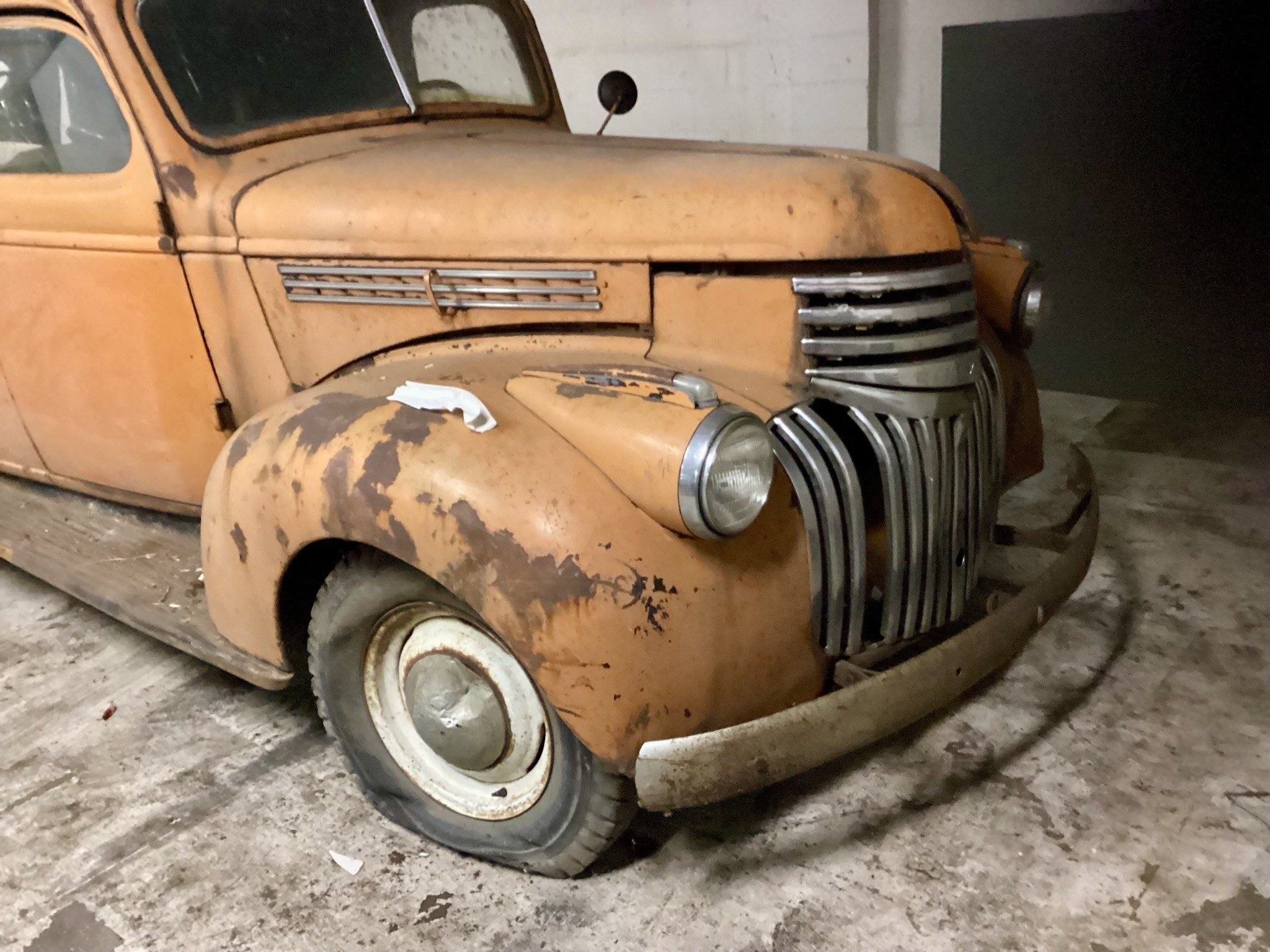
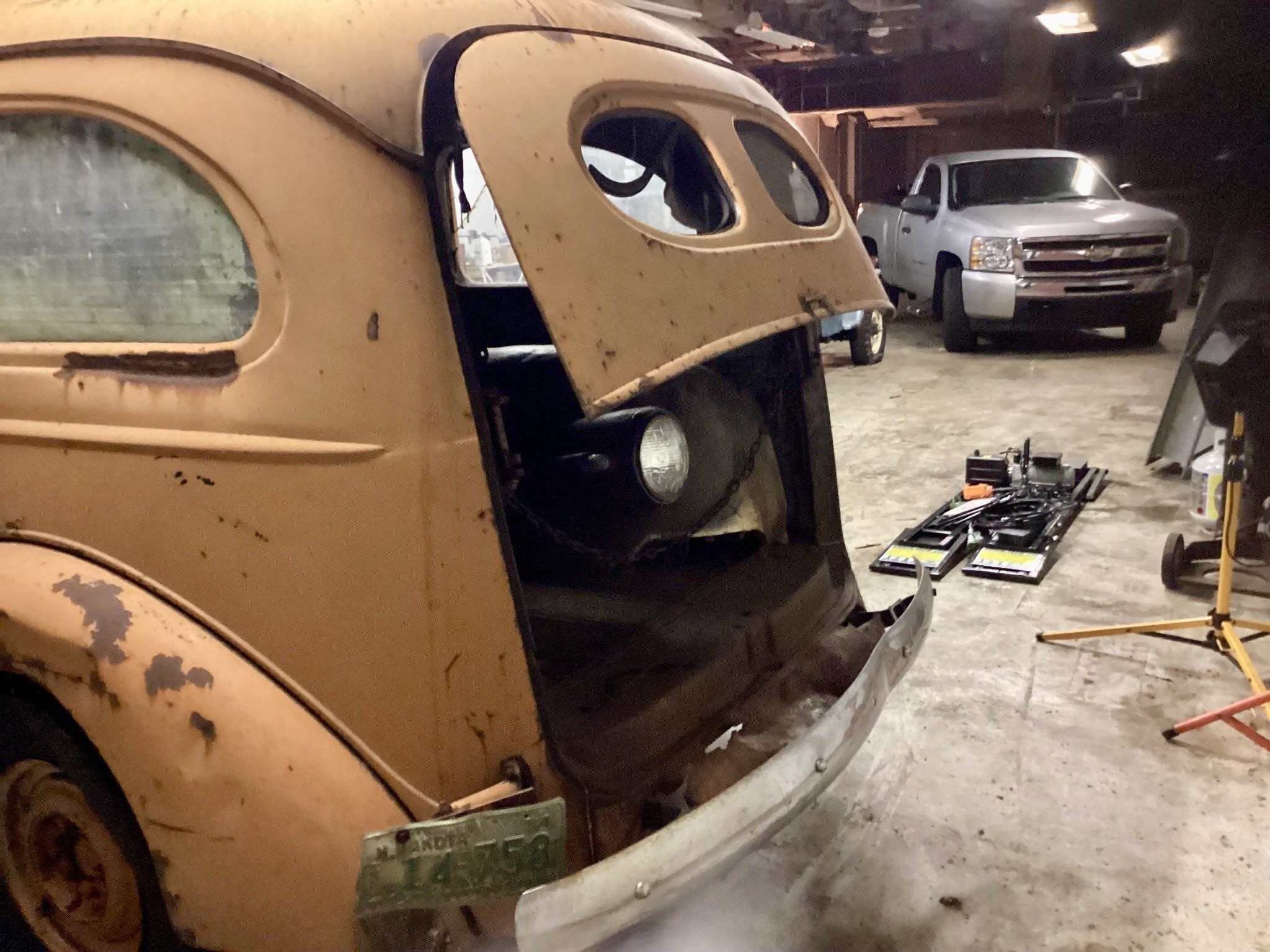
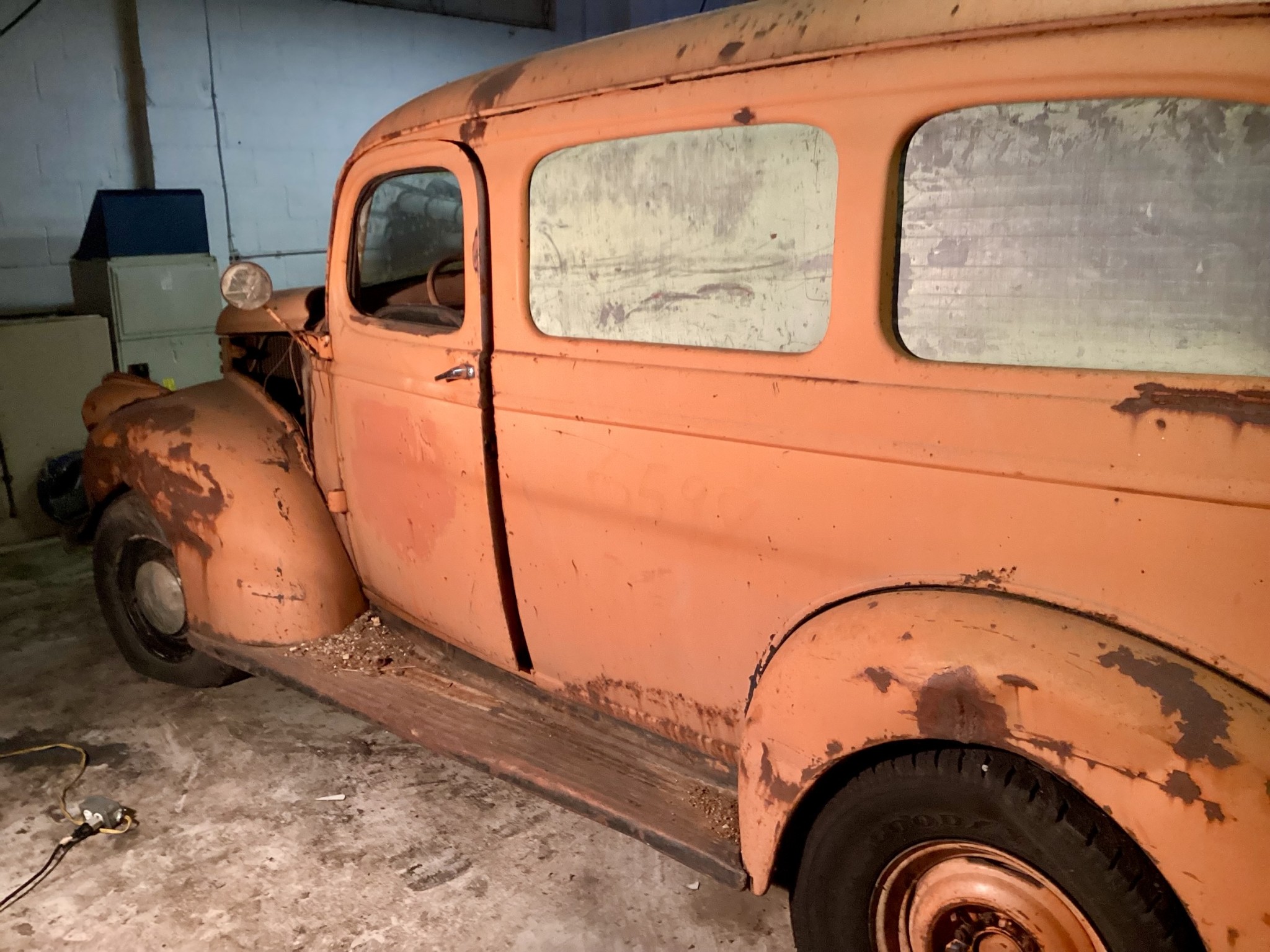
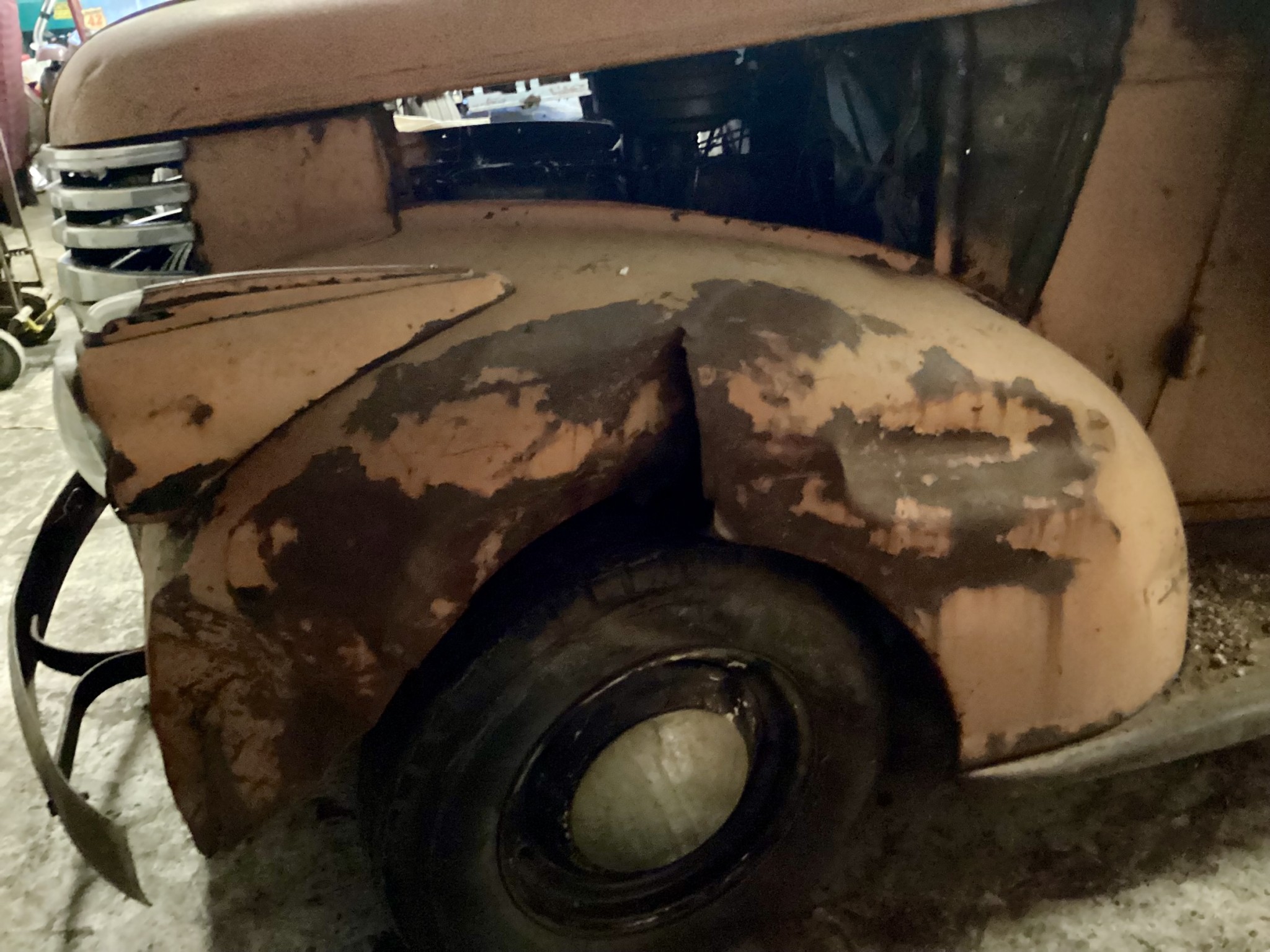
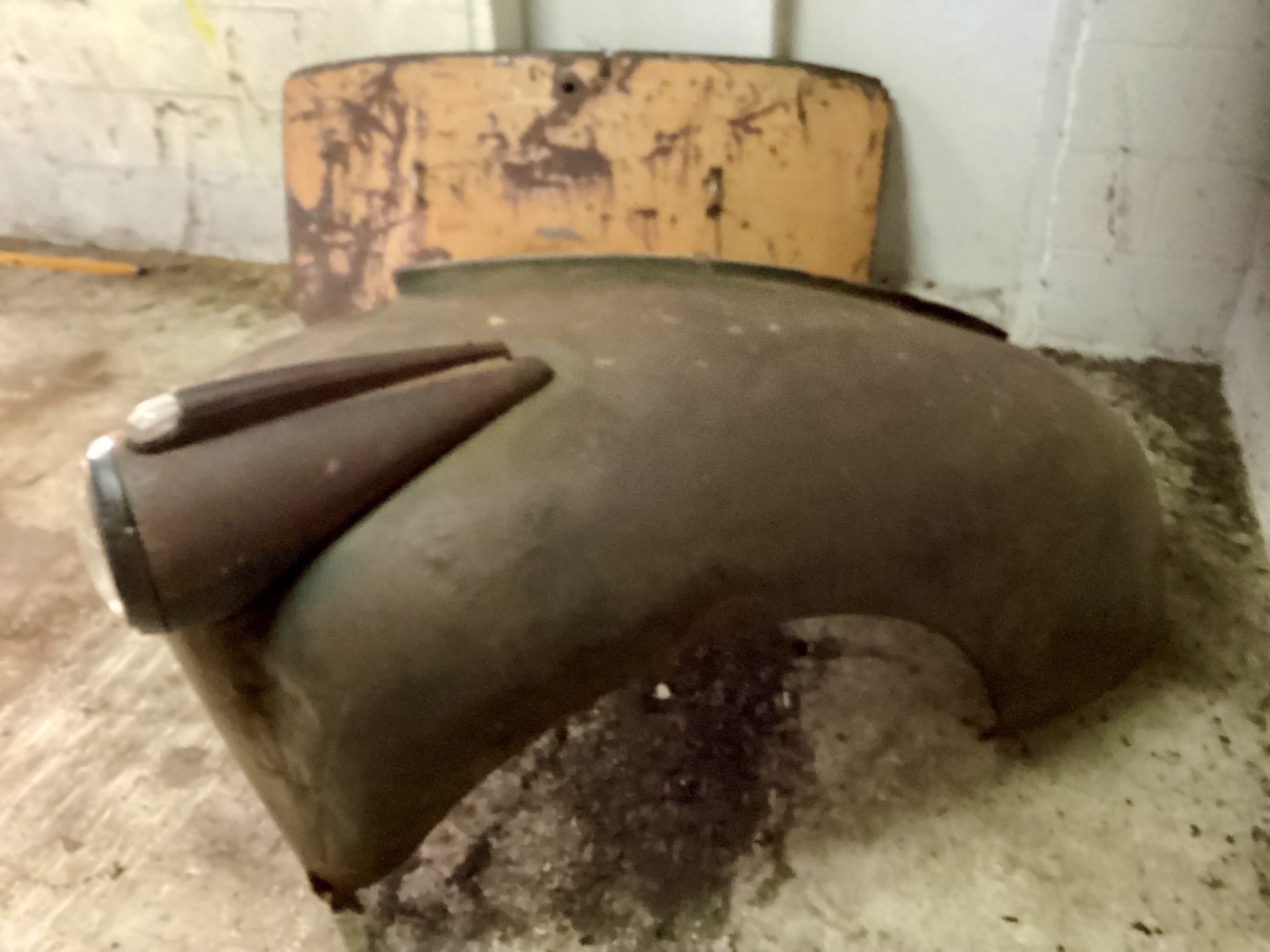
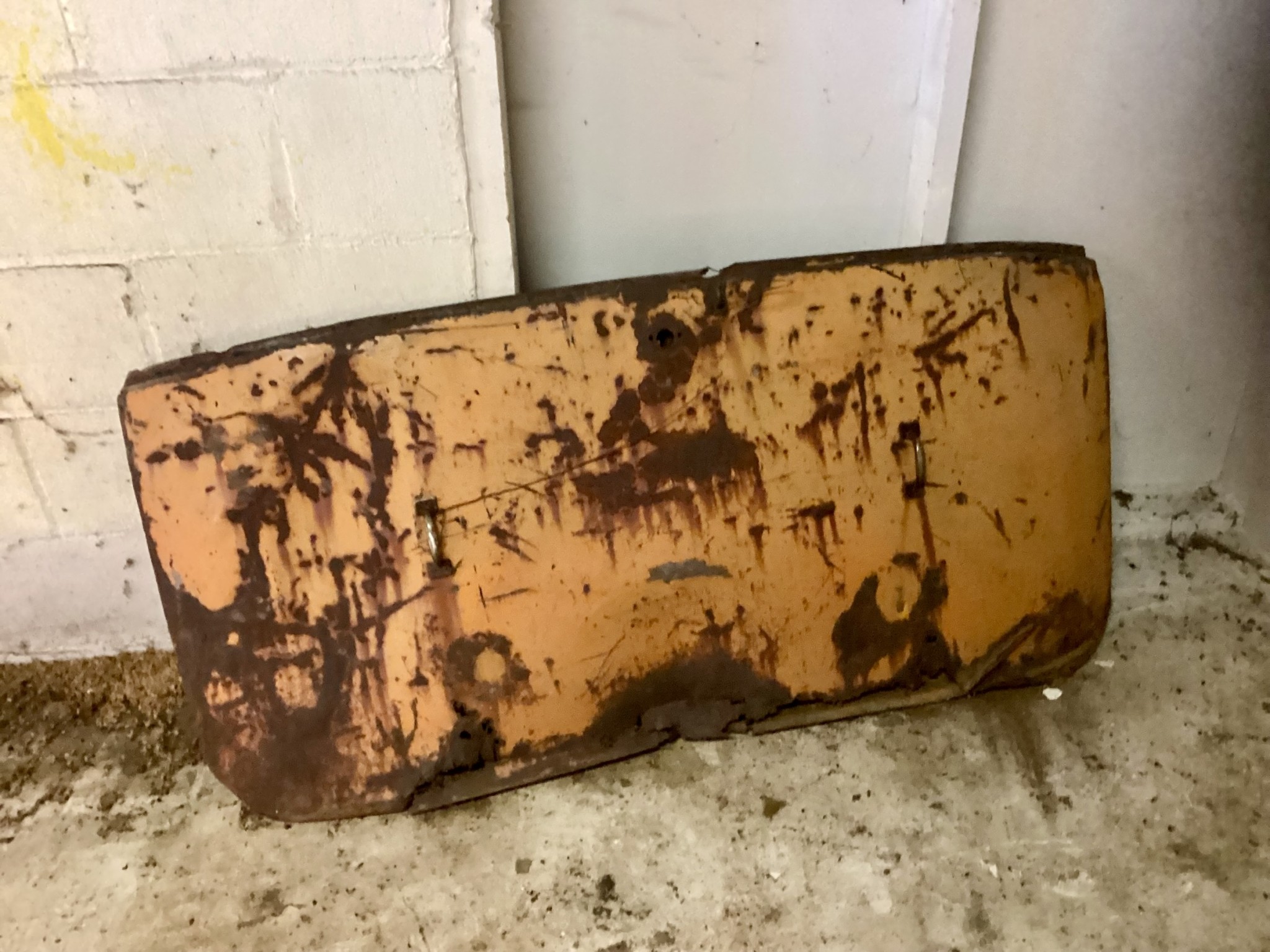
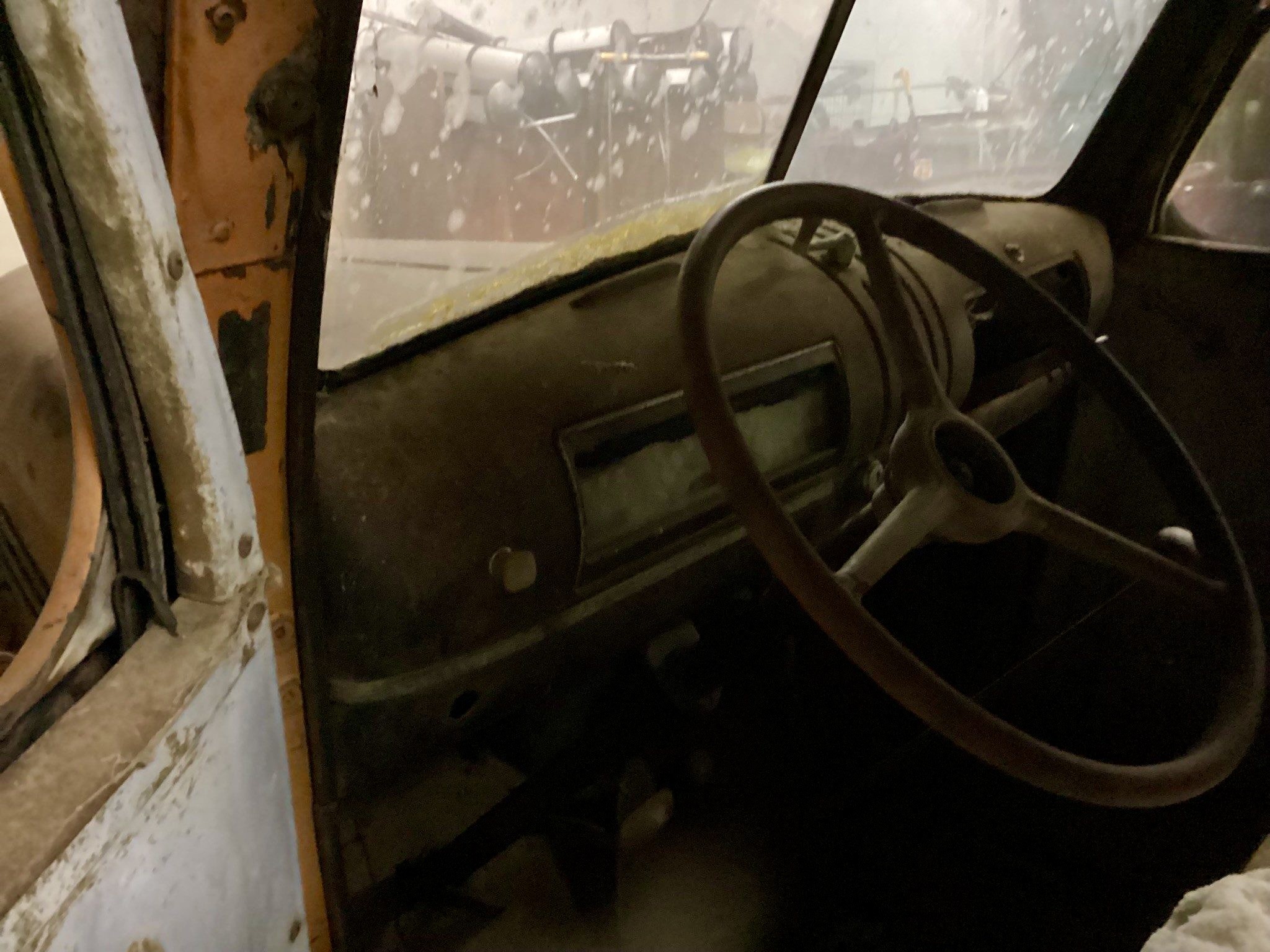
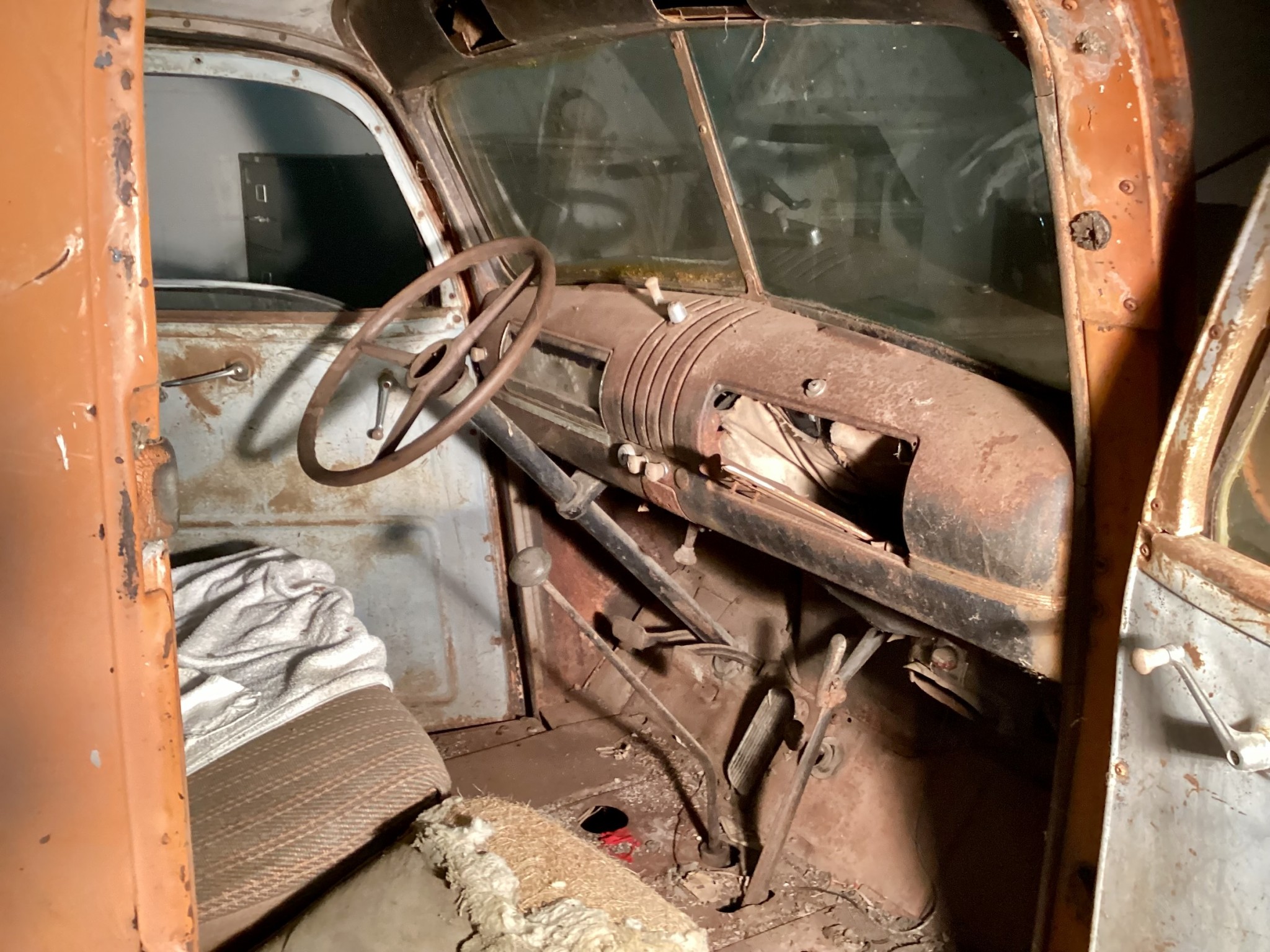
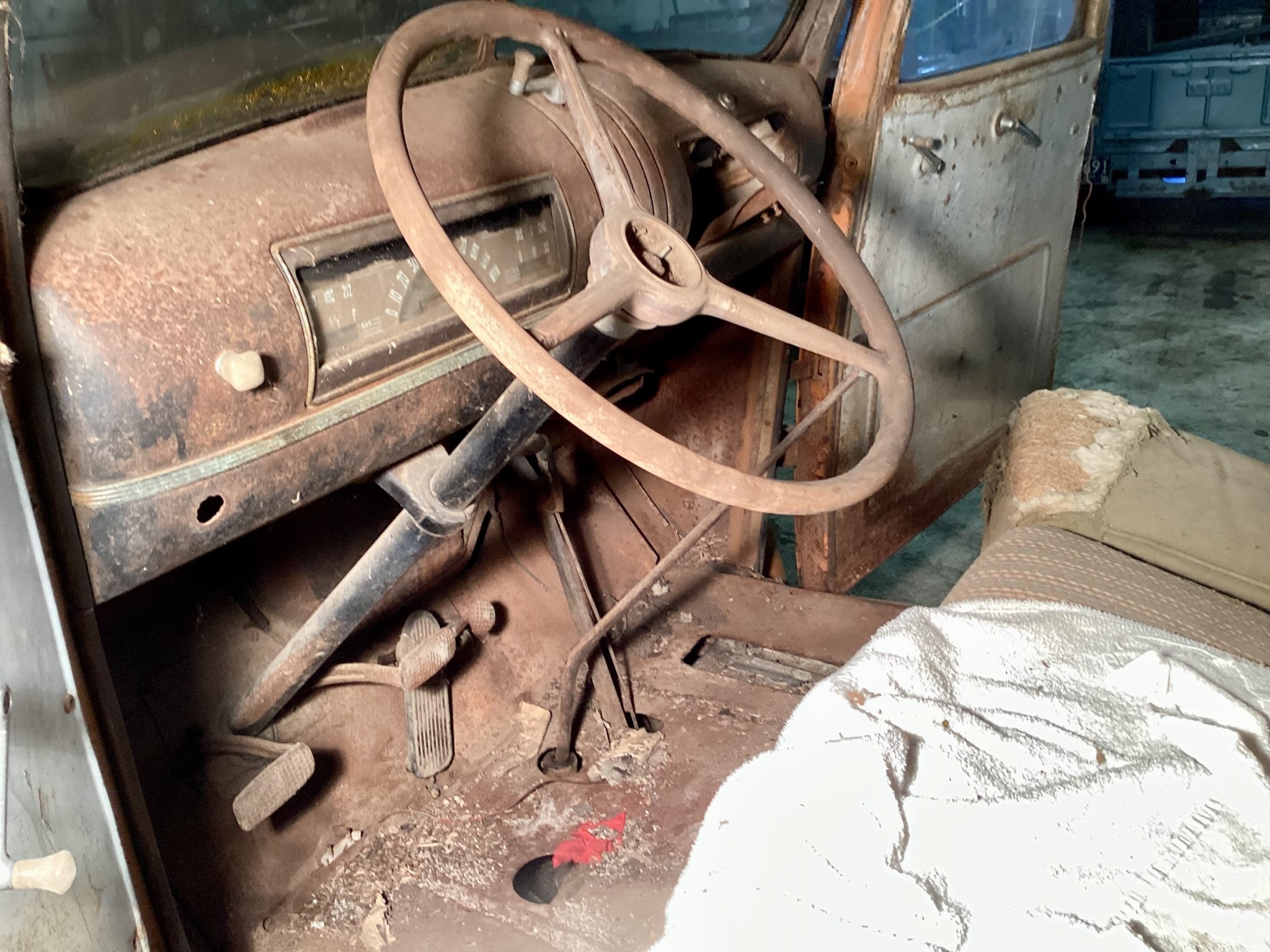
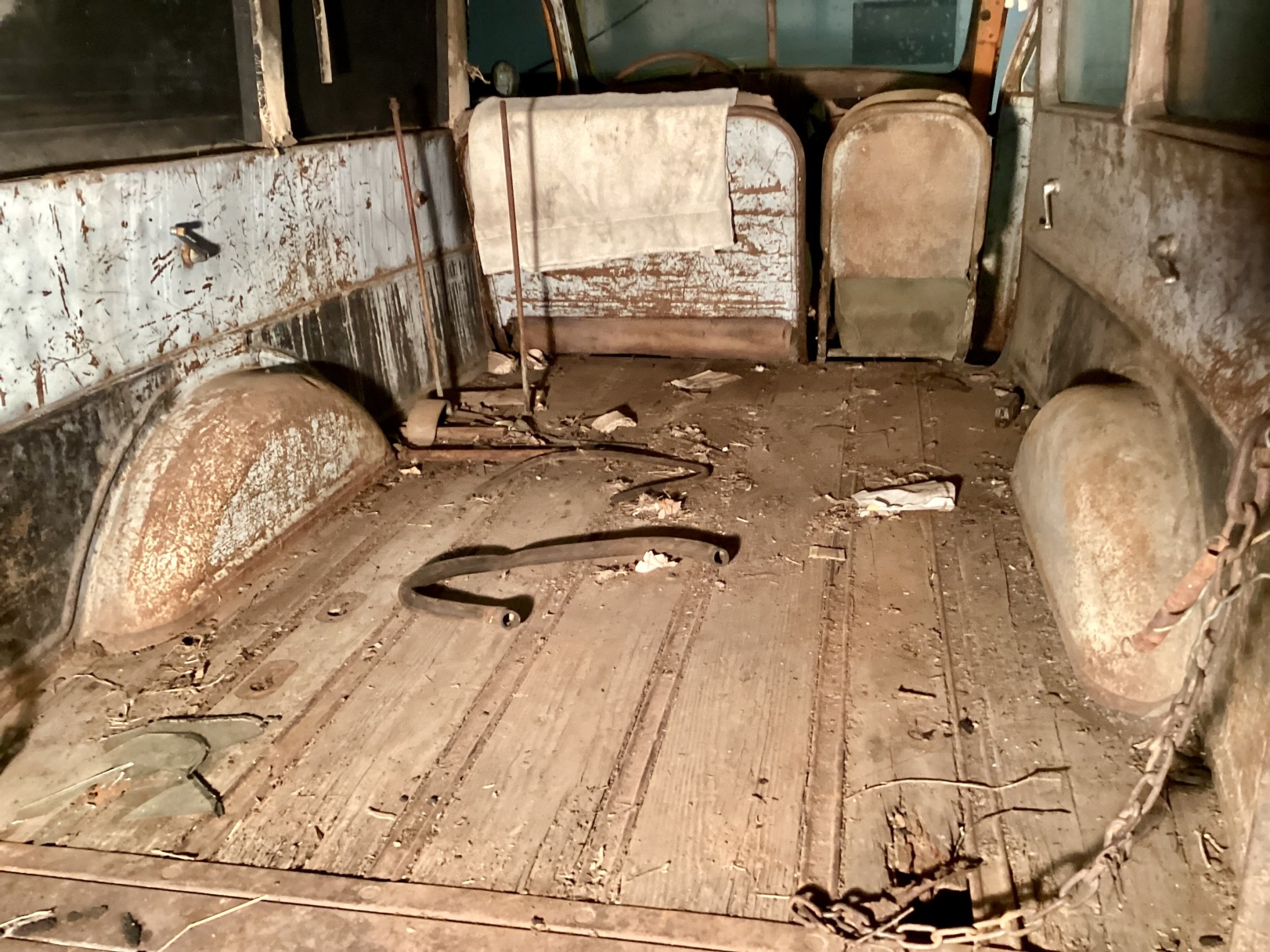
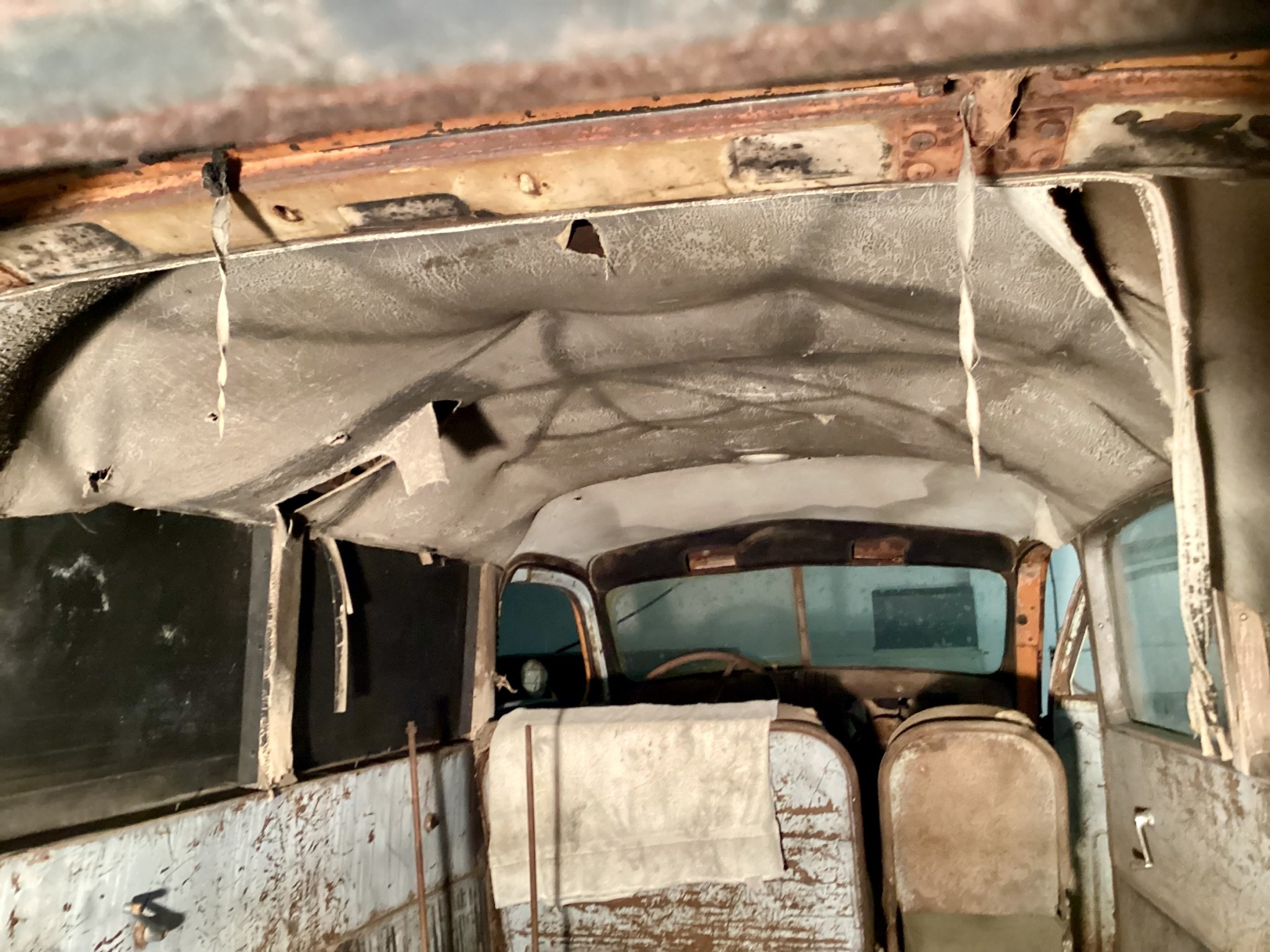
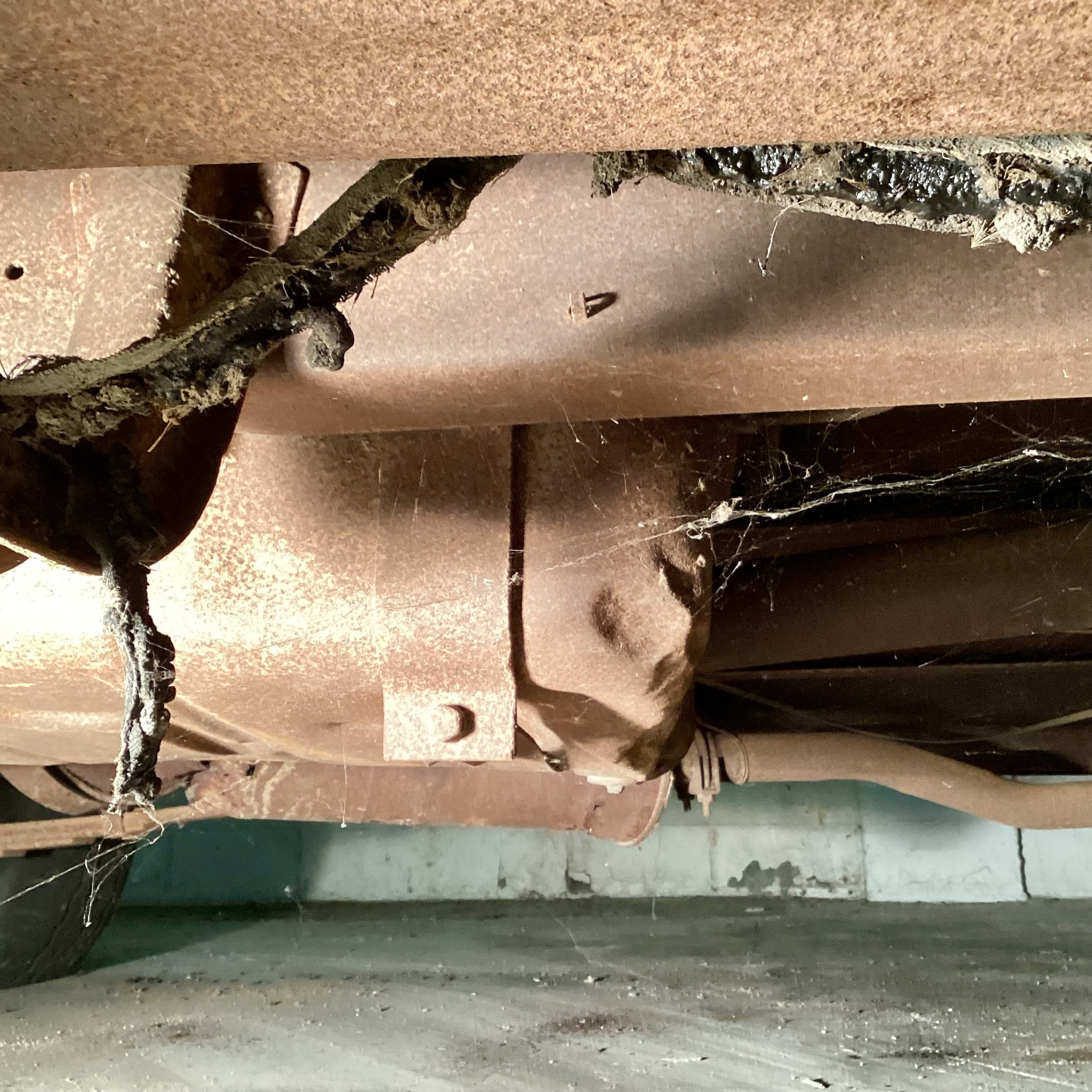
While not nearly as massive as a modern Suburban, this Carryall is quite spacious inside. Unfortunately, it isn’t equipped with the rear seats, so if you plan on hauling the family in it, you are going to have to source those. The seller notes that it has some surface rust and the wood floor will need replaced, but that it is solid. The bottom clamshell for the rear tailgate has rust issues, and some of the side glass and the glovebox door are missing. Since it’s based on the AK-Series, much of the front interior is readily available. The seller also notes that a replacement front fender is included with the vehicle.
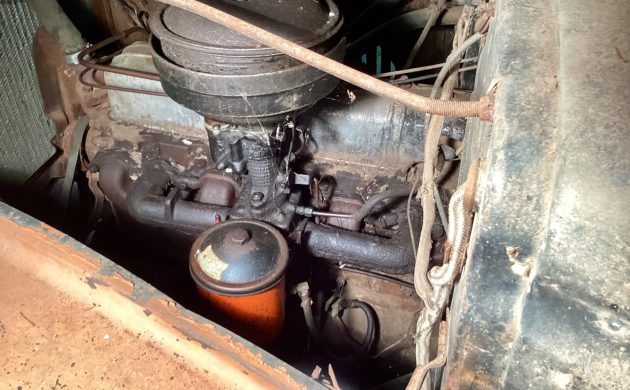
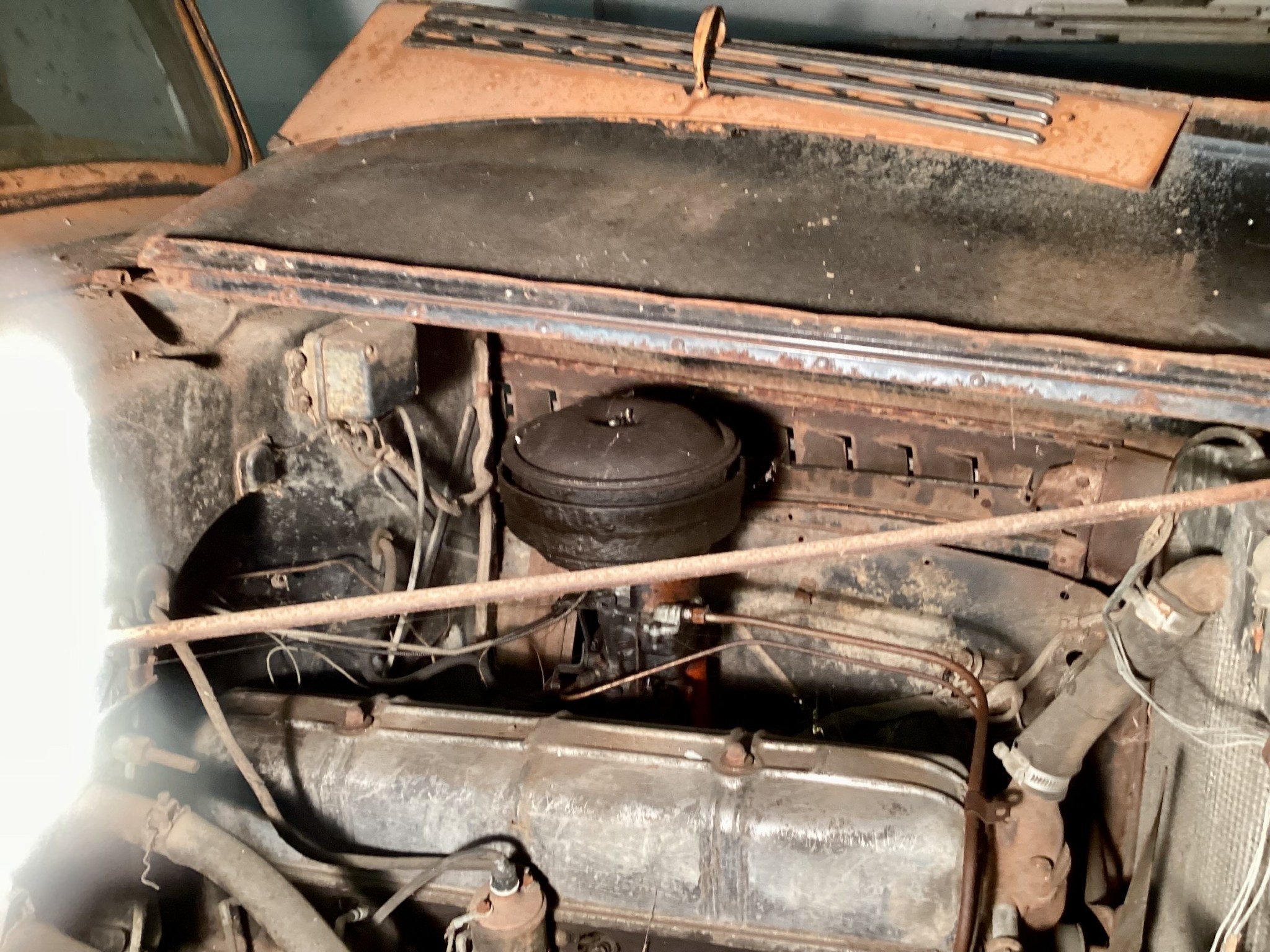
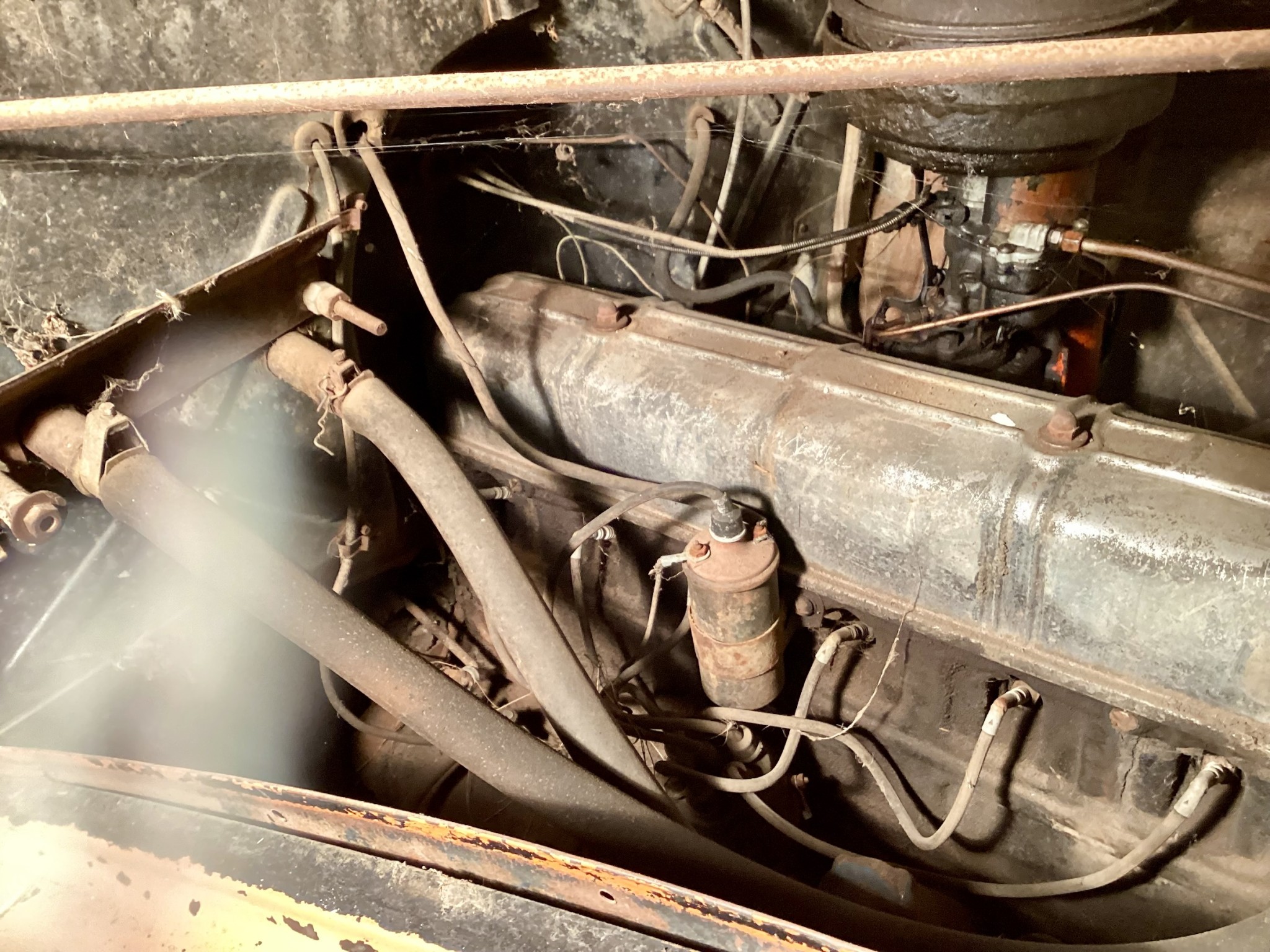
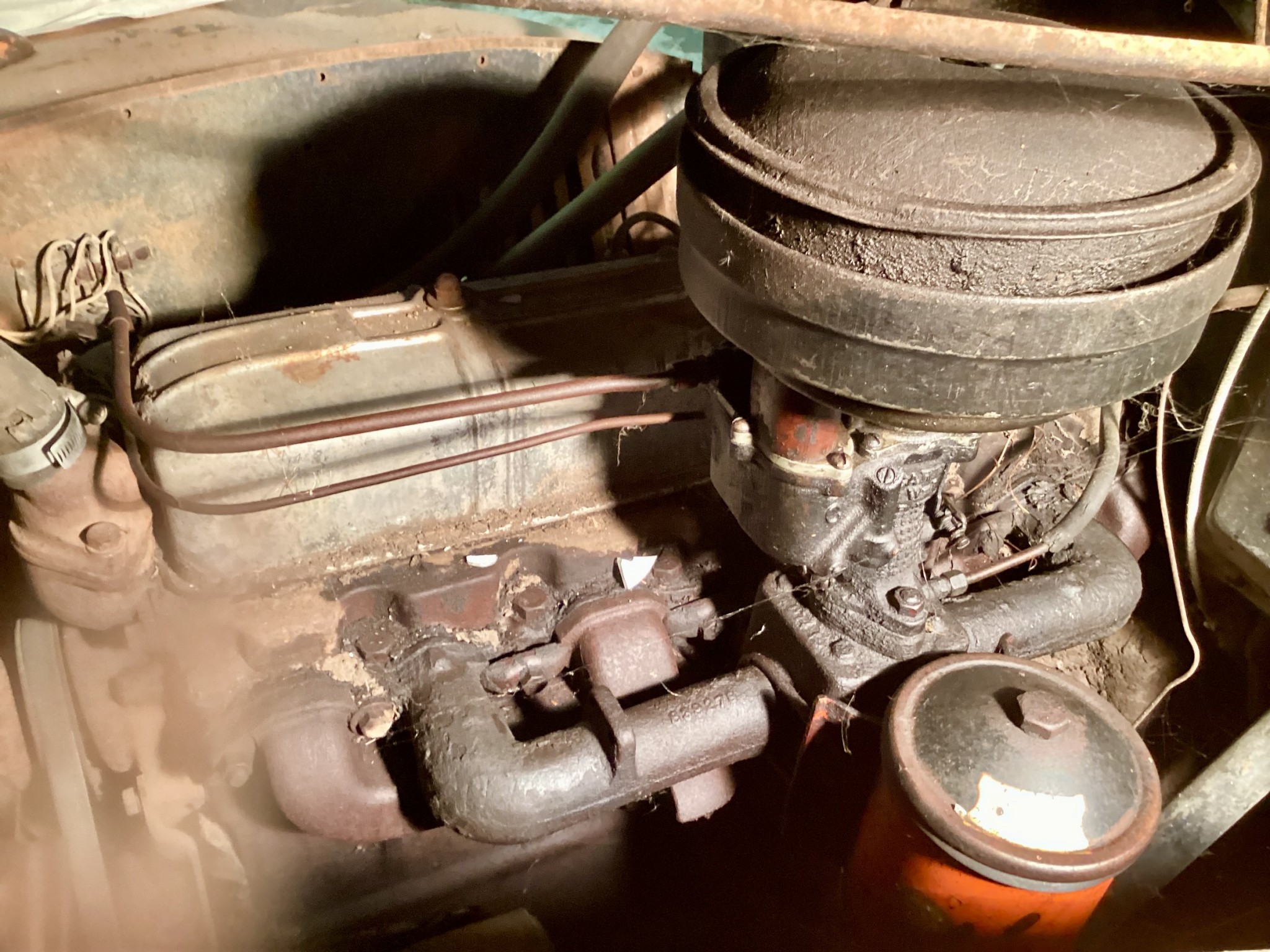
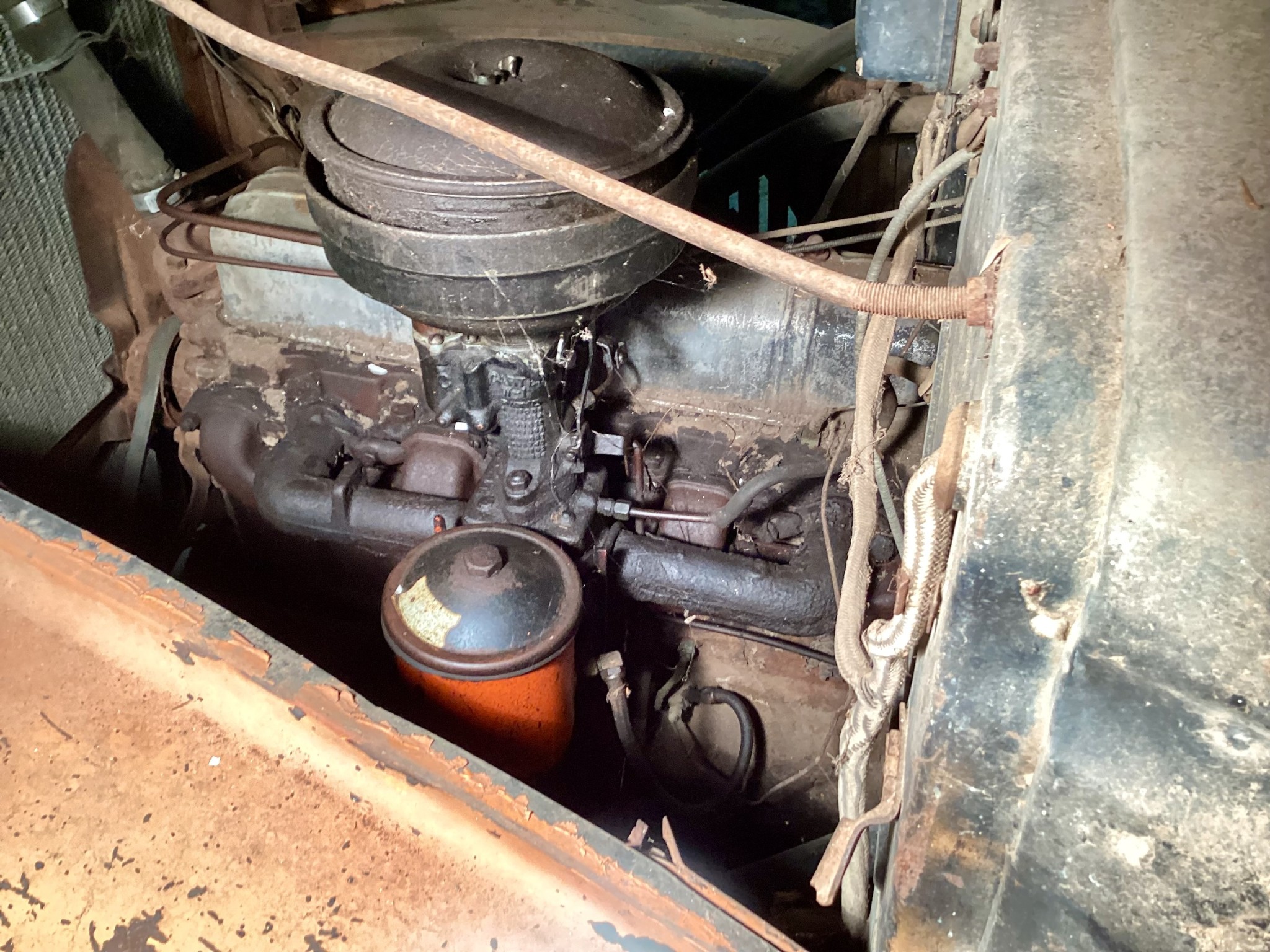
Power was provided by the 216 cui inline-6. While not the most powerful engine available, these are durable and simple engines. The seller hasn’t attempted to get this one running. While it might be possible to get it running, a V8 swap would make this a more interesting vehicle to drive. Kits are available to simplify the task of fitting a small block into it.
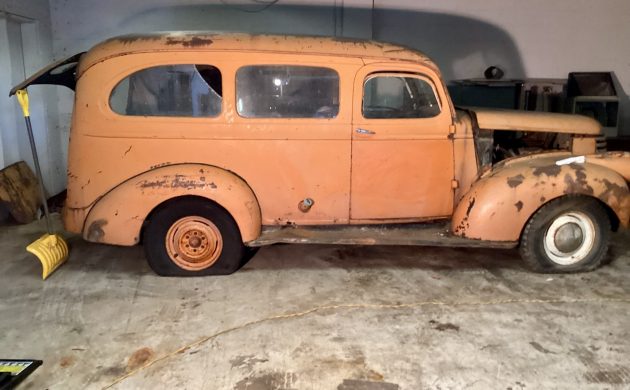
Whether you decide to restore it back to original condition, build it into a rat rod, or restomod it, this looks like a great starting point. Find one in solid shape is quite rare these days, heck, just finding one is uncommon. It’s going to take some work, but will surely be worth it in the end. So, if you’d love to resuce this Suburban, bid below. And leave any questions you have in the comment section.
Bid On This Auction
 An1913t bid $1,200.00 2025-10-07 10:05:02
 ltdhall bid $900.00 2025-10-07 07:59:39
 Bump52 bid $700.00 2025-10-06 19:44:01
 Vitto bid $600.00 2025-10-06 15:02:54
- ltdhall bid $500.00 2025-10-06 06:35:50
 Pat bid $325.00 2025-10-01 08:38:28




WOW! What a great project! A driver quality restoration and it’d make a great rolling billboard or small farmers market truck. Sure draw a crowd.
I agree with Jim!!! A great basis for building a driveable show piece..
Wow, I doubt very many of these did survive. If it were mine I’d try and tune that 216 up and get her running and drive it awhile. Also, do some research on what more modern chassis would work for this body. Maybe a 90s Blazer or long bed C10 and a SBC drivetrain.
That would depend on what you want to use it for??? Each to their own, BUT I would make it driveable as is..
Ok, I know that the 216 is splash lubrication. (I had one in my 1953 panel delivery) So how does the optional oil filter (shown in the pictures) oil filter work without oil circulating? Is there actually an oil pump? I have never had one of these apart. A 235, yes, but not a,216. Very cool truck.
216 had pressurized lubrication on bottom end. Splash for valve train. 235 was full pressure.
Based on that, I would quietly upgrade this rig to a 235.
It’s referred to as “splash lube” but the rods had dippers on them that lined up with a trough and a jet in the pan, one for each rod. Mains, cam and top end were pressure lubed at about 15psi. The aftermarket canister filters you see are a by-pass that picks up flow from the main oil galley, filters it and returns it to the pan. The old 216s get a bad rap but they were good engines. I had one in a ’49 Chevy pickup. I bought it in the spring of ’77, ran it all summer long then rebuilt it over the winter. It was my daily driver till spring of ’85, never gave any trouble, I moved up to a ’68 C10, a little more or a highway vehicle. The ’49 sits in the shed awaiting resurrection.
I remember the canvas sided roaming the alleys in Baltimore. Produce showing w/sides rolled up, the call-out sing/song to com’n buy. Every one was back there – tin knockers, shoe repair, ice man, milk man, etc, etc… not all rode @ this level of style & convenience~
The 235s were a little more robust than the 216, but not by much. I’d rather go with a SBC with carb if I were going to the trouble of swapping engines. I’d also be concerned about upgrading suspension and brakes. I sold a 54 Belair to a guy who did a Mustang11 front suspension upgrade.
I’d follow with HC, do a modern chassis swap, add some creature comforts & us it as a dual purpose company billboard vehicle & weekend family runabout.
Even into the 80s they were referred to as a Carryall and required you to specify the 2nd and 3rd row seat. By then I wonder if anyone ever ordered one with front seat only. Maybe a conversion company?
Got a friend that has a 41 GMC panel; put a 327 with a 700r, barely fit.
Says it is too much engine for it. So it sits in his shop looking pretty as a surf wagon.
I got a 46 panel with a 235, 3 on the floor. That is just enough engine for it.
It will do 70 no problem. You don’t want to go that fast, wasn’t made for it.
Aside from the engine, it is bone stock. That caught the attention of one of the studios, so I leased it for the filming of the series Manhattan.
Won’t do that again! They left it running all day long for 6 months; fried the exhaust and I had to recore the Radiator, the oil was totally black.
They did zero maintenance and ran crap gas.
Now; this rig; keep in mind, oil back then had a lot of Bees wax in it, so; your oil gallys are going to be clogged. The engine is not junk.
To rebuild the original engine; you will have to hot tank it, a few times, to get all that wax out.
If you are going with the straight 6 up to 1984, you will need to run Valvoline VR1 Racing oil, it has the zinc necessary for the valve train. If not you will be bending push rods.
I lived that mistake on a 292, not cheap.
Who ever gets this; is going to love driving it.
Great to have you share your wisdom! Thank you!
This truck should be kept as a survivor, or at least a period correct resto. It would be a shame to resto mod it.
Awesome wisdom! 👍🏻
Small correction: The Suburban Carryall was introduced in 1935, not 34. I was the Museum Manager at Muscle Car City Museum in Punta Gorda, FL the last 2 years it was open. Owner Rick Treworgy closed it in January, 2021. Along with 50s, 60s, and 70s Big Block GM muscle cars and had a special liking fir 1935 Chevy trucks. He also loved Suburbans. In his collection were 2, 1935 Suburban Carryalls. One was totally untouched and original. The second he bought from a private owner in Vermont. It had been restored about 30 years prior. All original good running engine, nice interior and rust free dark blue older repaint. At that time he said to his knowledge, there were only 5 1935s known to exist in the world. He was very excited to have 2 of them in his collection.
Quite a find! There were some of these out west that were used as mini school buses. When I saw this I was thinking that we found another bus.
If this came my way I would treat it to a decent driver-quality restoration and keep driving it. If that old babbitt-pounder was still sound there’s no reason why I would replace it with anything else. I’ve seen a lot of 216s handle no end of abuse but I will acknowledge that this would be about the biggest load I would task this car with.
If you want to feel like you are flying an A20? This one will do it.
Splash lub with babbit rod bearings.
As Geomechs said (school busses): I had two 1952 Chevy panels with windows like this one and one 1958 Chevy which had a non factory window on each side. I mean the side windows were not GM (I think) but done by a GM contract shop since I have seen several such. In Oregon these were called a “Crummy” and had a folding passenger front seat and second row folding and sometimes third row seats to haul loggers up into the logging camps. :-) Terry J