
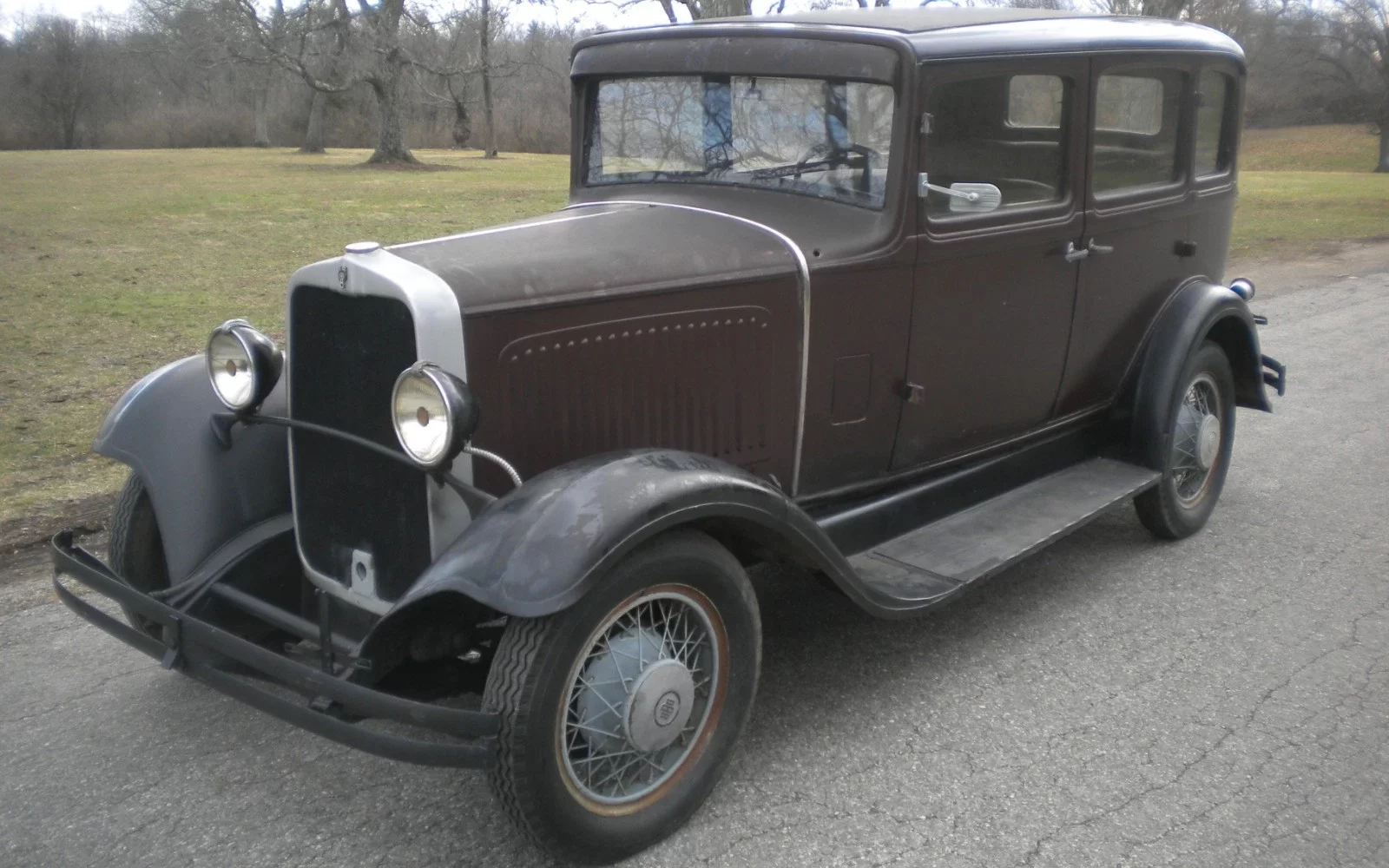
The colorful, roistering Dodge Brothers had sadly been gone a decade when their company, recently purchased by Mr. Walter P. Chrysler, introduced a car of which they most likely would have thoroughly approved: the Dodge Eight DC. Introduced smack dab into the Great Depression, the poor eight-cylinder Dodge never gained traction with its potential audience, and it was canceled after 1933. Those that survive, however, are an uncommon reminder that Chrysler, at least under its founding namesake, was a company that took some chances (cough, cough…Airflow). Of the 25,127 DCs built in a prolonged 1930 model year (that included some early 1931 models in the tabulation), 20,315 of them were sedans such as this solid example that you can now find on eBay in Cincinnati, Ohio. The seller has been posting some interesting no reserve cars lately, and this 47,982-mile Dodge is no exception. The current high bid is just $1,559.
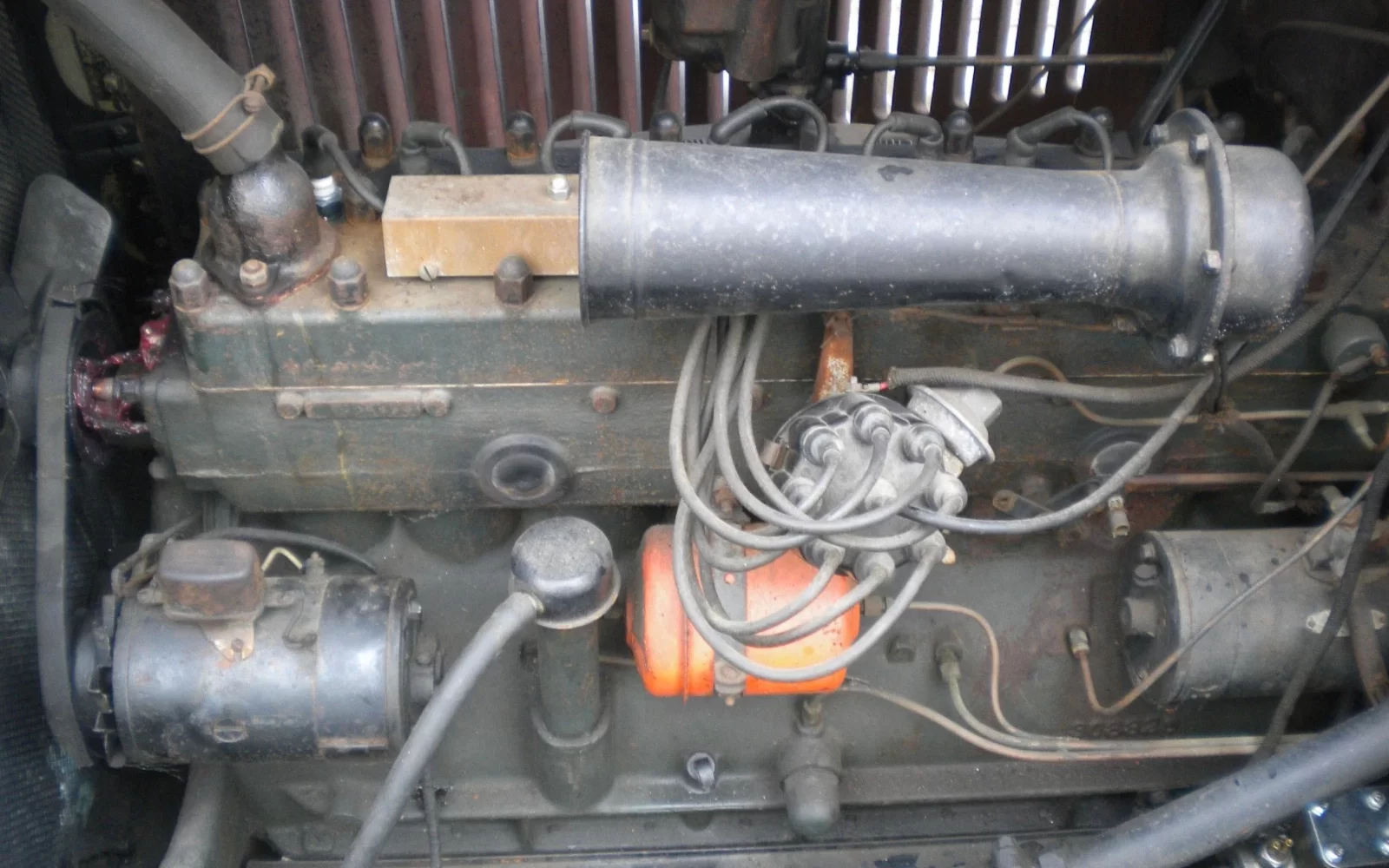
The DC’s engine was a traditional flathead straight eight displacing 220.7 cubic inches. With an extremely undersquare architecture (2.88 inch bore x 4.25 inch stroke), the Dodge produced 75 horsepower, not bad for 1930. It’s barely visible in this photograph, but Dodge beat a lot of its competition to the punch with a downdraft carburetor, which was still something of a novelty in an era where the updraft was king. Mechanical access is excellent, with the distributor practically handing its points to the waiting mechanic on a silver platter. The seller says that although it had been sitting for 40 years, they “pulled it out, cleaned out the gas tank, replaced the spark plugs, battery and master cylinder and started it right up. It runs like it needs a complete tune-up.” Remember that Chryslers of the period used hydraulic brakes, as does this Dodge, and it now “has brakes…[and] is ready to be driven onto a transporter.”
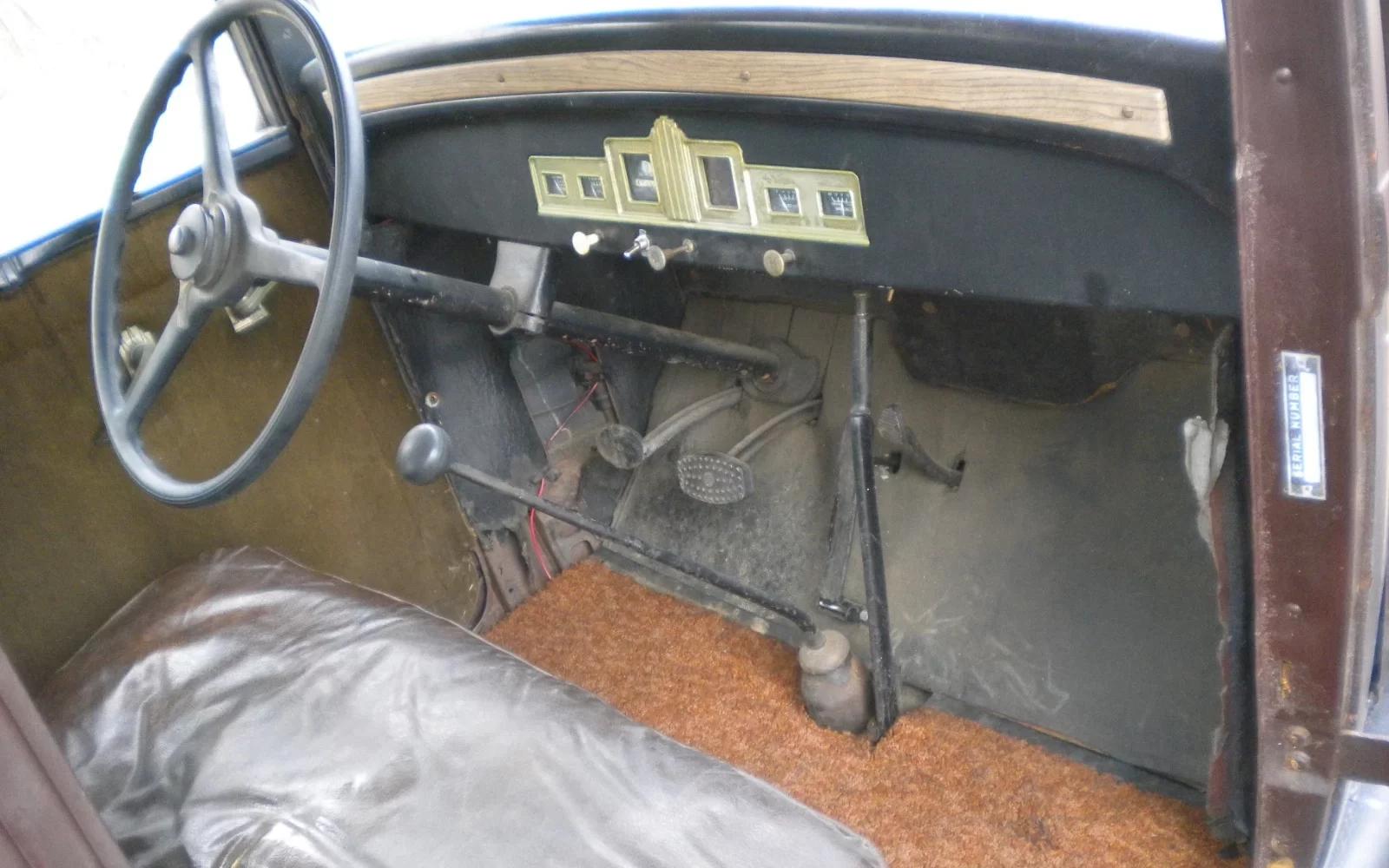
Unfortunately, the interior is covered in “a mismatch of materials,” so most of a buyer’s restoration costs will certainly go to interior restoration. The transmission is a three-speed manual, and you’ll get to practice your double-clutching, because it’s of a “selective sliding gear type,” according to sales materials.
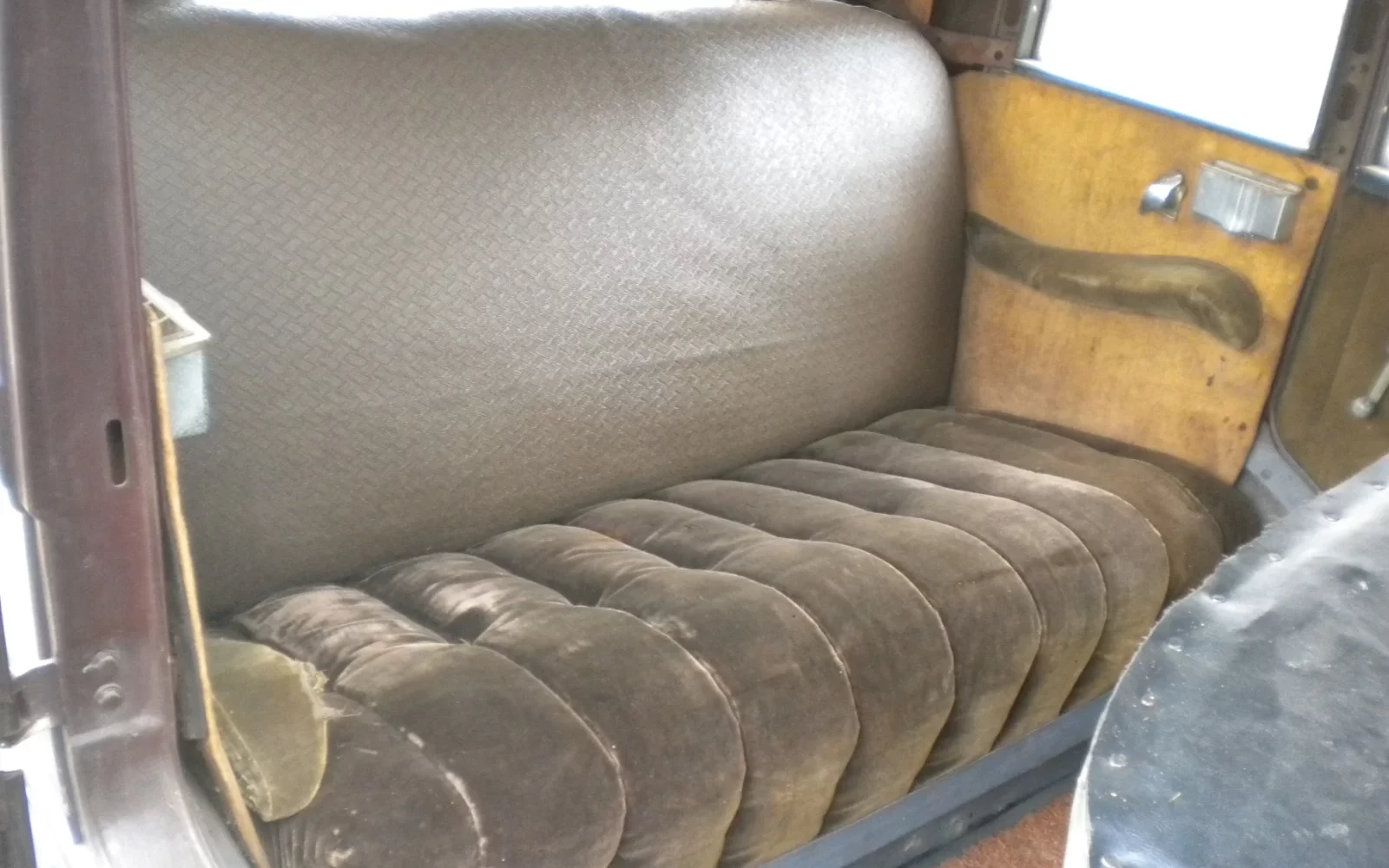
Yes, the interior is a bit indecisive, but the door panels, dashboard, and lower rear seat are original. Luckily, the exterior is “rust-free,” with “very old paint and patina,” a good roof, and good glass.
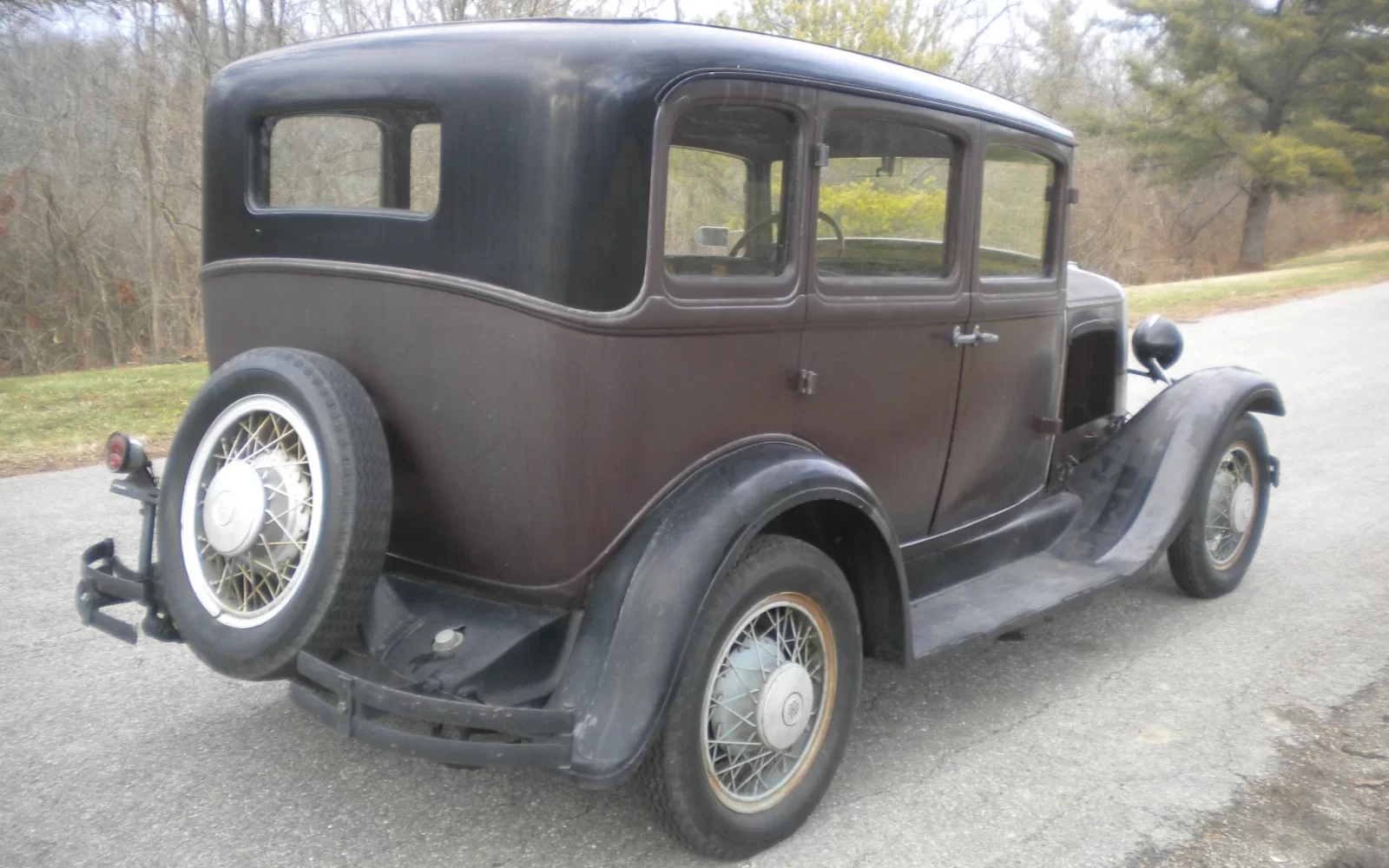
It’s interesting that the Dodge Eight didn’t make more of an impact on the market. The timing certainly couldn’t have been much worse, but although it did outsell its cheaper DeSoto counterpart, it lost ground to mid-priced makes like Buick, whose more powerful (and expensive) sixes outsold the Dodge Eight. Even though it might not have been a huge success at the time, it makes for an interesting (and potentially quite inexpensive) collectible that’s certain to be the only one on your block.


The lack of comments and bids tells the story on another pre-war beauty. It’s not a show winner, but it runs and drives. Clean it, tune it, check the brakes and drive it till the end. (you or the car, whichever comes first!)
I could see myself driving this to Carlisle for the Mopar Nationals.
I’d rather look at the car in this condition at a show (or in a museum) than a fully restored show quality car.
I’m not a fan of these old cars but this one is worth cleaning up you wouldn’t have to dump a bunch of money in it
I wish it was here withme.
Once again younger me would buy this assuming I could get it for 5K or less including shipping. I could have fixed this right up twenty years ago. Not now. If you can’t do it yourself now then it’s too expensive to pay someone else to do it. I hope it finds a good home and gets back out on the road and car shows. It’s neat to see something different than a Model A. GLWTS.
Who knew Dodge made a straight eight in 1930. Very cool car I would love to have it in my garage if I didn’t already have a full house. Dodge always seemed to be ahead of it’s time.
So after seeing this, I pulled out the Chrysler Engines 1922-1998, by Willem L. Weertman. Not a word about this engine in the book. This is in great shape and doubtless would make a great street-rod, much to the chagrin of purists.
More importantly, it’s a great find that probably would find a place in Chrysler’s Highland Park Museum, if their masters at Stellantis would allow the monies for purchase and restoration of this beautiful, short lived car and engine.
Unfortunately, Jake, the Chrysler Museum closed for good in December 2016.
Dodge offered 4, 6 & 8-cylinder engines around this period. Look up the 4-cylinder DM of 1932 and you won’t find it because it was a US export model only and was in fact, a rebadged PB Plymouth.
I would love to see this mechanically restored to original reliability, the correct 1930 interior also restored (maybe even keeping the original faded upholstery on that rear seat), leave the aged exterior as it is, and proudly drive it places occasionally. NO STREET ROD! AND NO SEAT BELTS!! AND NO 12 VOLT CONVERSION!!!
I agree except for the 12 volt conversion. There is a company in the US offering 12 volt alternators that look the same as the original 6 volt generator.
The car is missing the prancing ram with curled horns radiator ornament. Also missing is the crank hole cover plus the headlights appear to be smaller diameter that I would have thought was used.
As some trivia, note the sunshade over the front window and the bar between the mudguards on which the headlights are mounted. Around 31/32 the sunshade was dropped and internal sunvisors were fitted the same as today. The headlight bar was also dropped and lights were mounted directly onto the mudguards. In addition, the engines were treated with Floating Power, that is rubber engine mounts. These were not your ordinary mounts but two only, one under the water pump and one under the gearbox. A line could be drawn between the two mounts and this was where there was equal engine/gearbox mass on either side of the line. A small leaf spring was attached to the engine and chassis to resist the engine torque. Freewheel and automatic vacuum clutch was introduced but dropped in 34 or 35. The big knob on the dash of this car looks like the freewheel control.
I drove a six-volt car for 27 years, with no problems at all. They crank more slowly, but they start reliably. As with double-clutching or manual.chokes or anything else with an early car: you simply need to adapt to how it prefers to operate, and things turn out just fine.
I’d up date it. Cut the top, full suspension it.
Add all current niceaties. Cruise the wheels off.
My neighbor also has one. His has the wheel wells in both front fenders for spare tires and a luggage rack on the back. Also a straight 8 car. In fact he told me it was the1st year for the Dodge Brothers 8 cylinder engine. His runs and drives with ease.
I would restore it to what it was in 1930: LET THESE ORIGINAL CLASSICS ALONE!!! (unless they are simply bleached-out and gutted body-shells you can use for “style”). I HATE HOD-RODS AND STREET RODS!!! and I did also in the late 1940s through the 1950s! How many all-original 1932 Ford Model B coupes can you find now? (I rest my case). Nothing in the way of vehicle-culture is more offensive to me, than the entire southern California “American Grafitti” scene! Back when I was a young adult, I saw all of these leather-jacketed James Dean greasers, with their cigarette-packs rolled into their T-shirt sleeves, and the ready cigarette tucked into the top of one ear, with that Elvis Presley sneer on their face, looking over my small frame in a suit and tie, as though they wanted to punch me in the face simply for sport. THESE were the “hoods” that drove “moon-equipped” 1939 Chevys with straight pipes and no mufflers, deafening hapless passers-by. And that is the permanent mental-image that I associate with street-rods. (WHEW! — i got THAT off my chest!!!)