- Seller: Jesse M (Contact)
- Location: Boise, Idaho
- Mileage: 1,723 Shown
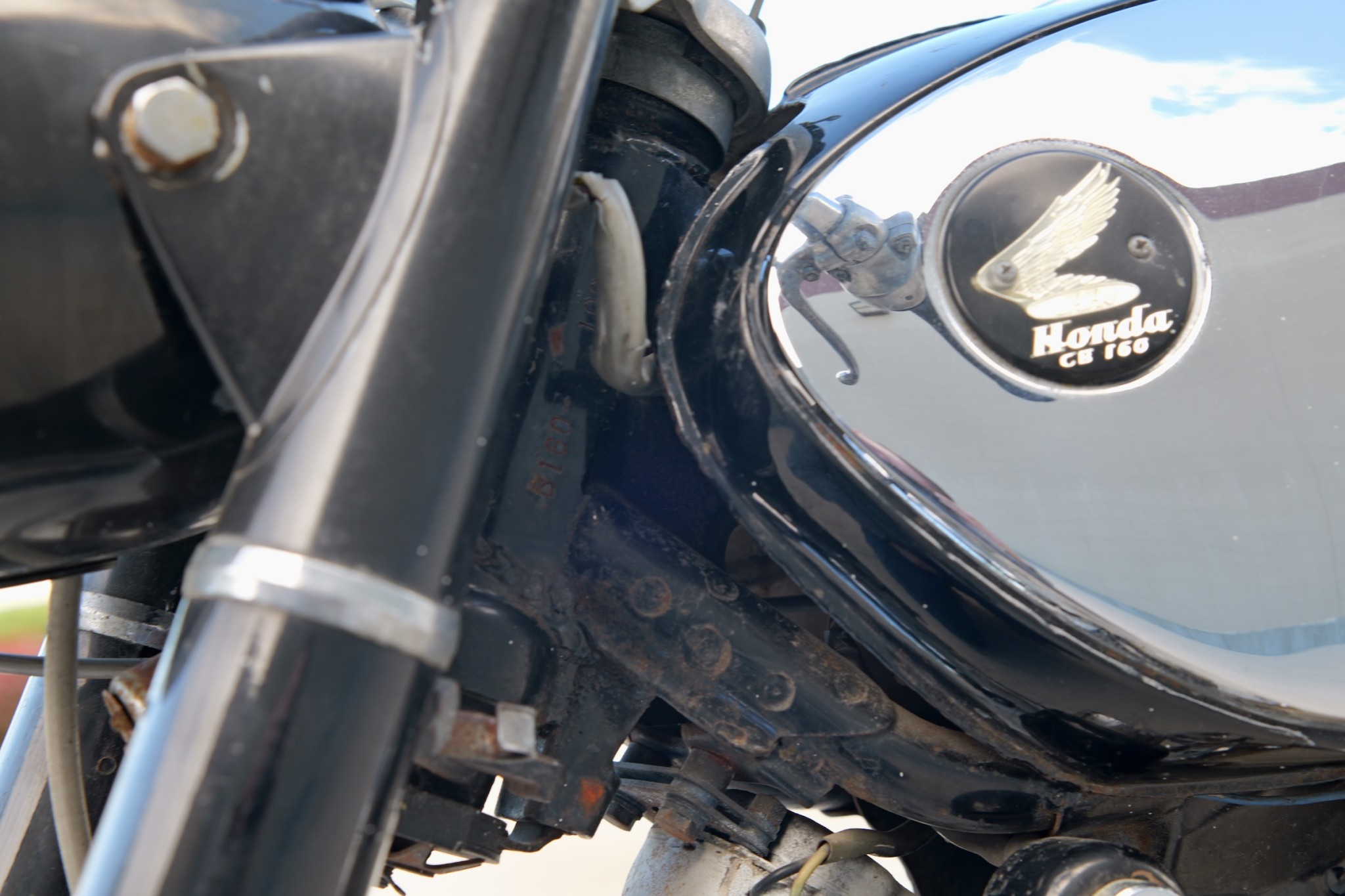
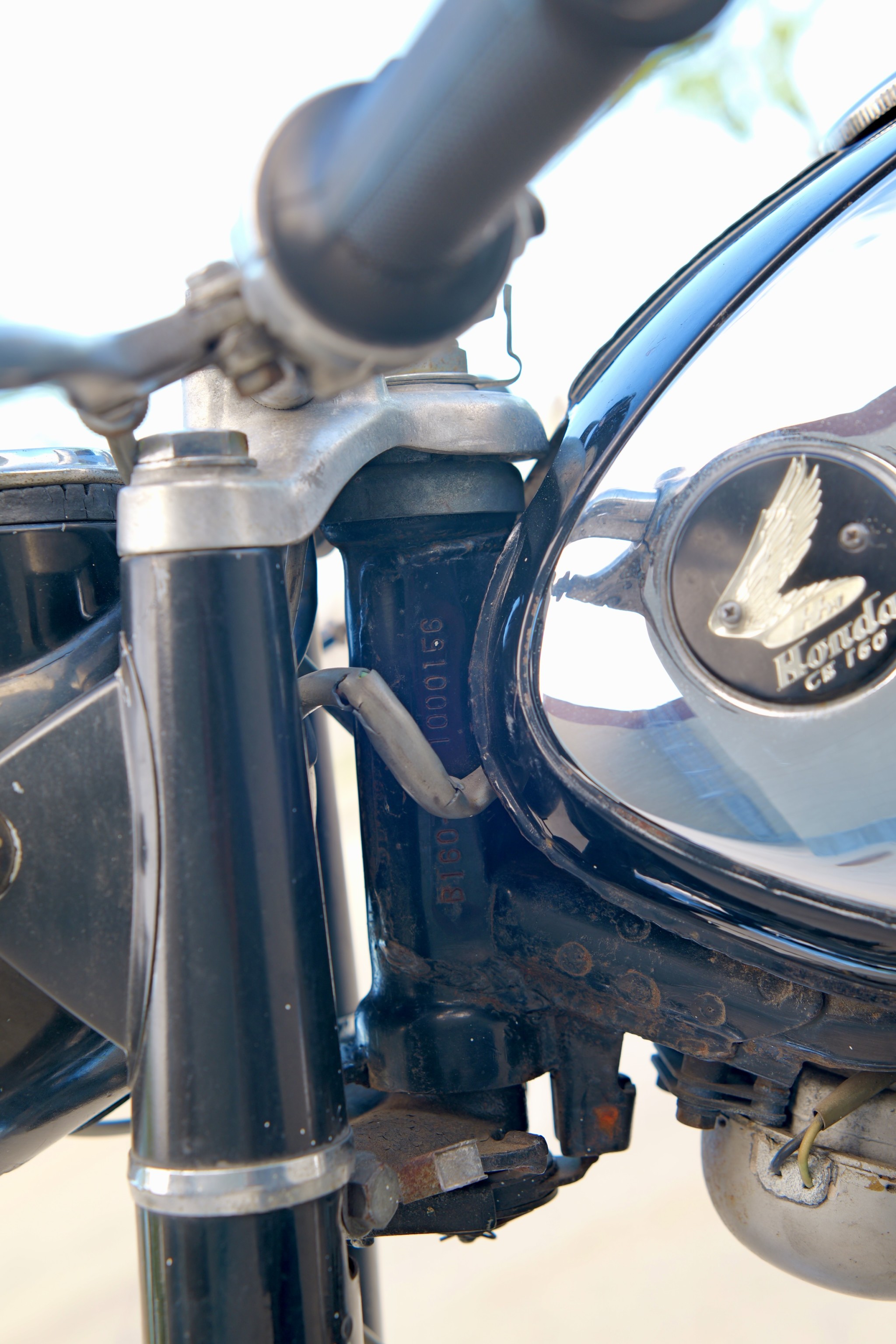
- Chassis #: B160-1000156
- Title Status: Clean
- Engine: 174cc Air-cooled Parallel Twin
- Transmission: 5-Speed Manual
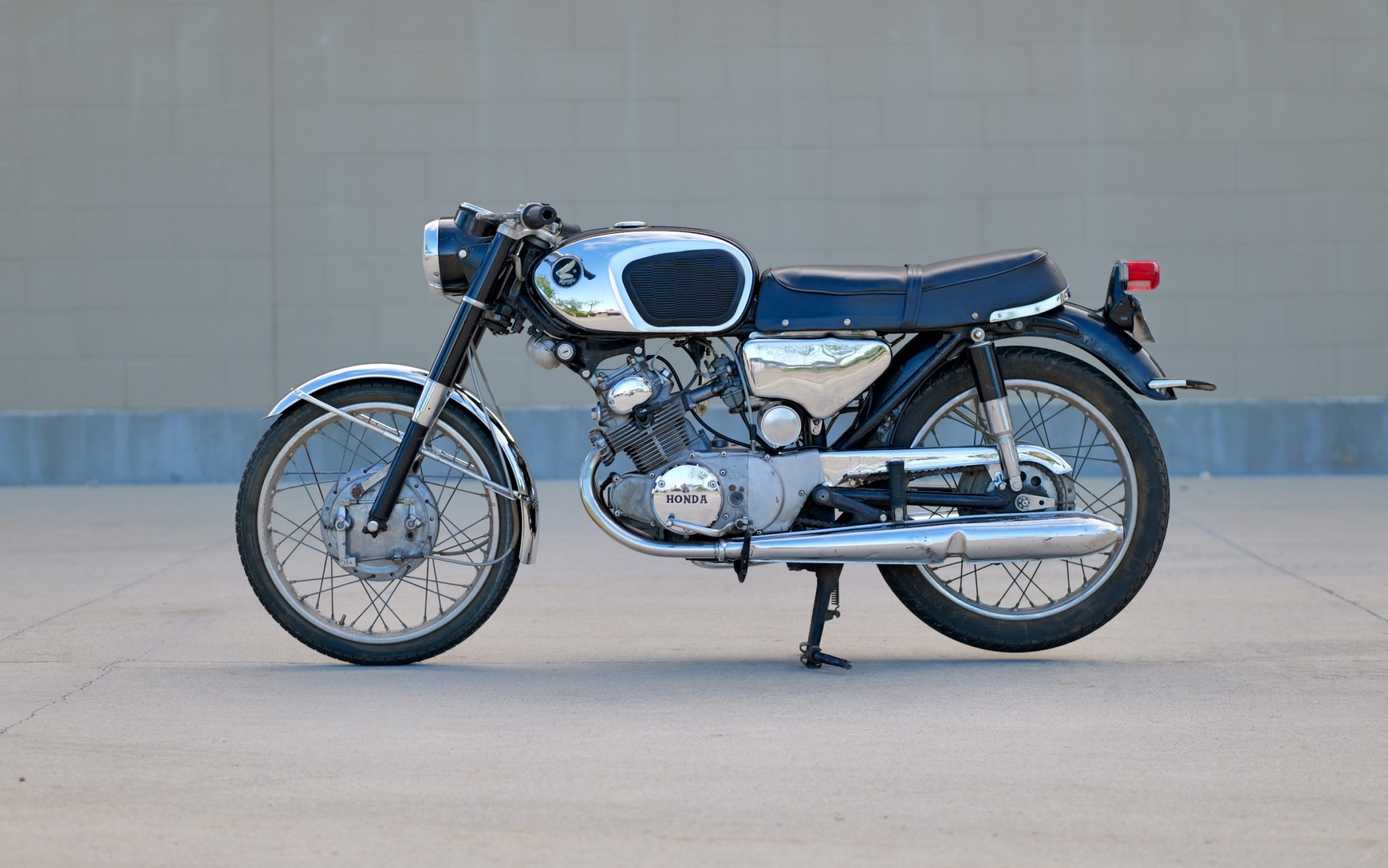
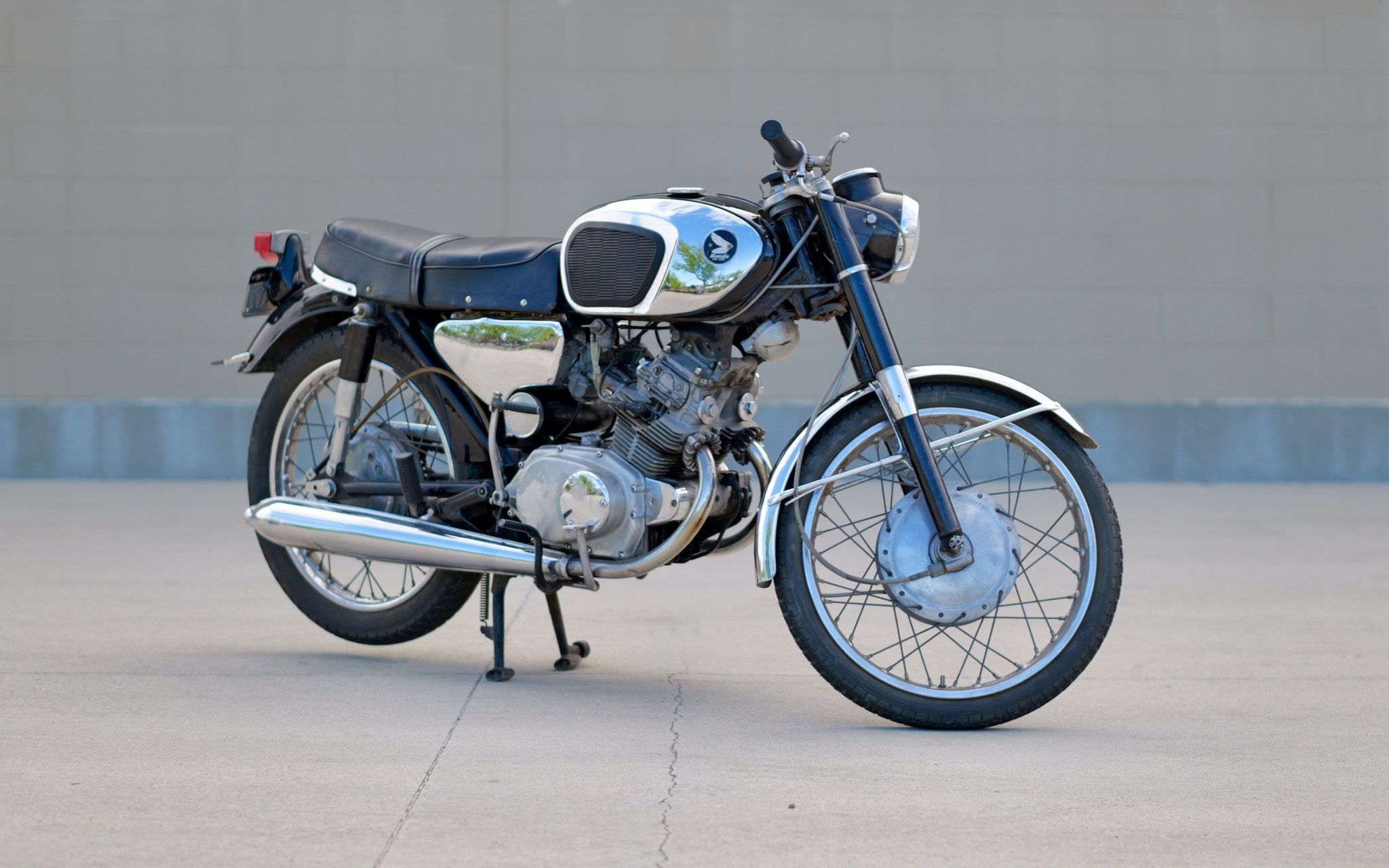
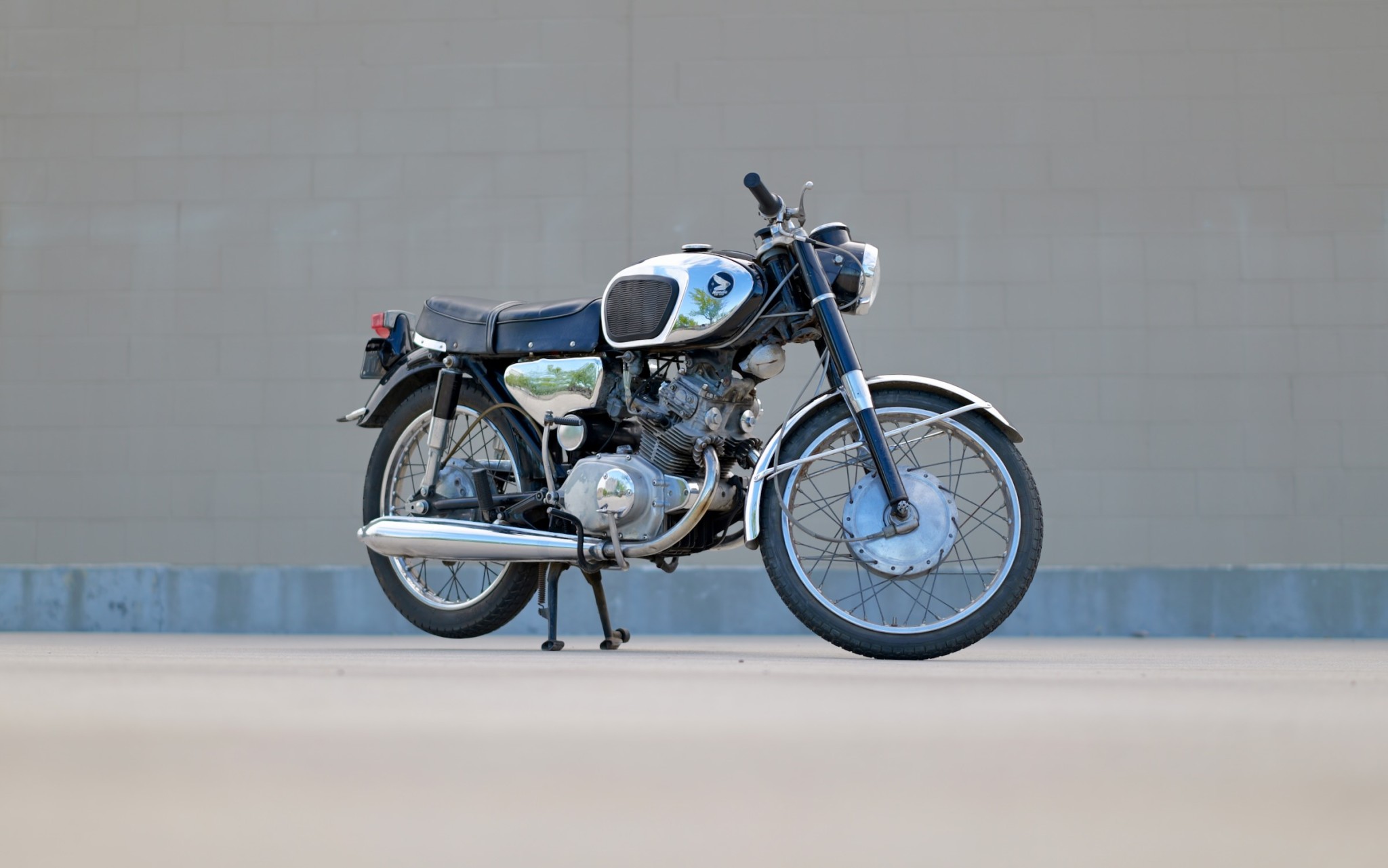
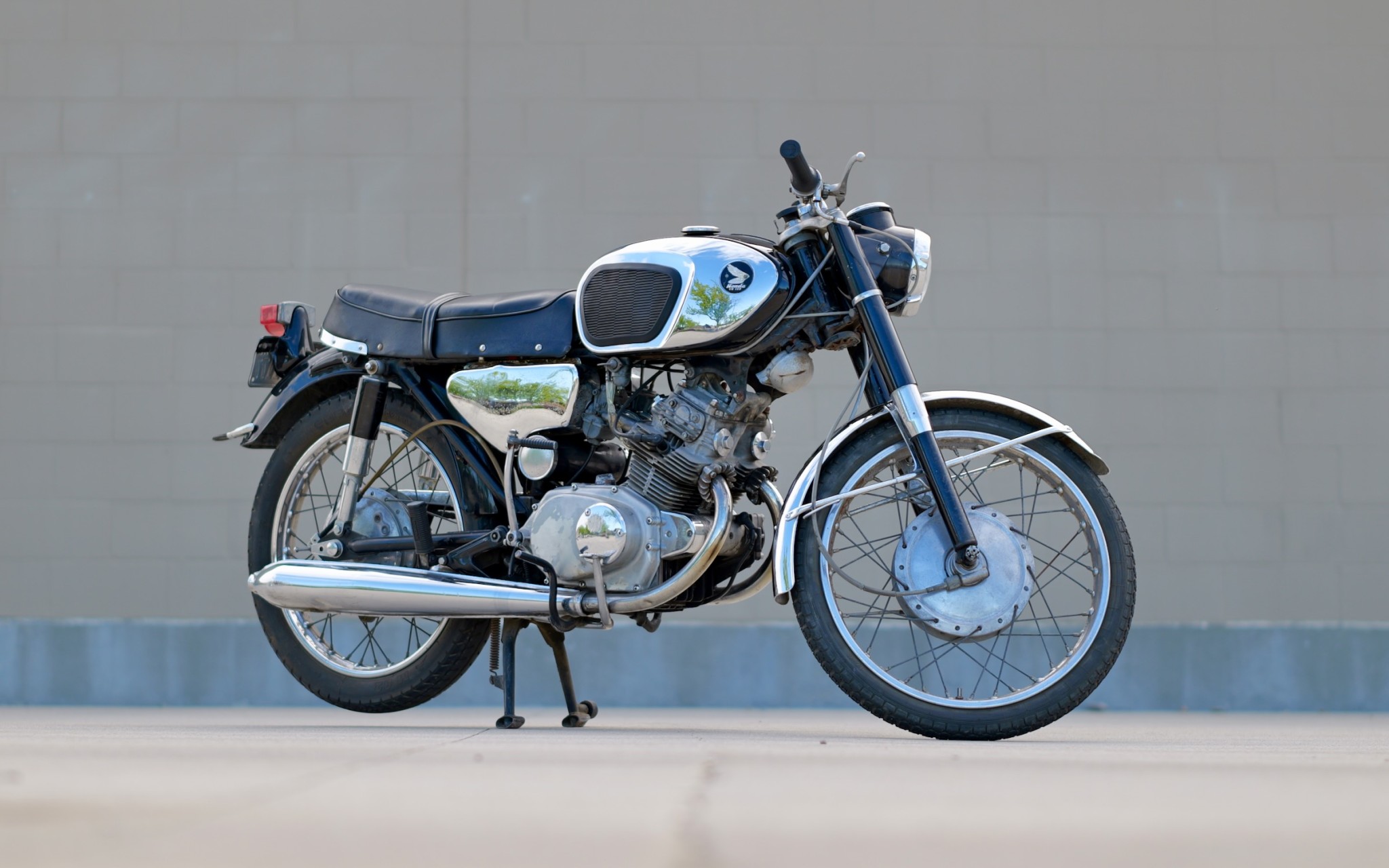
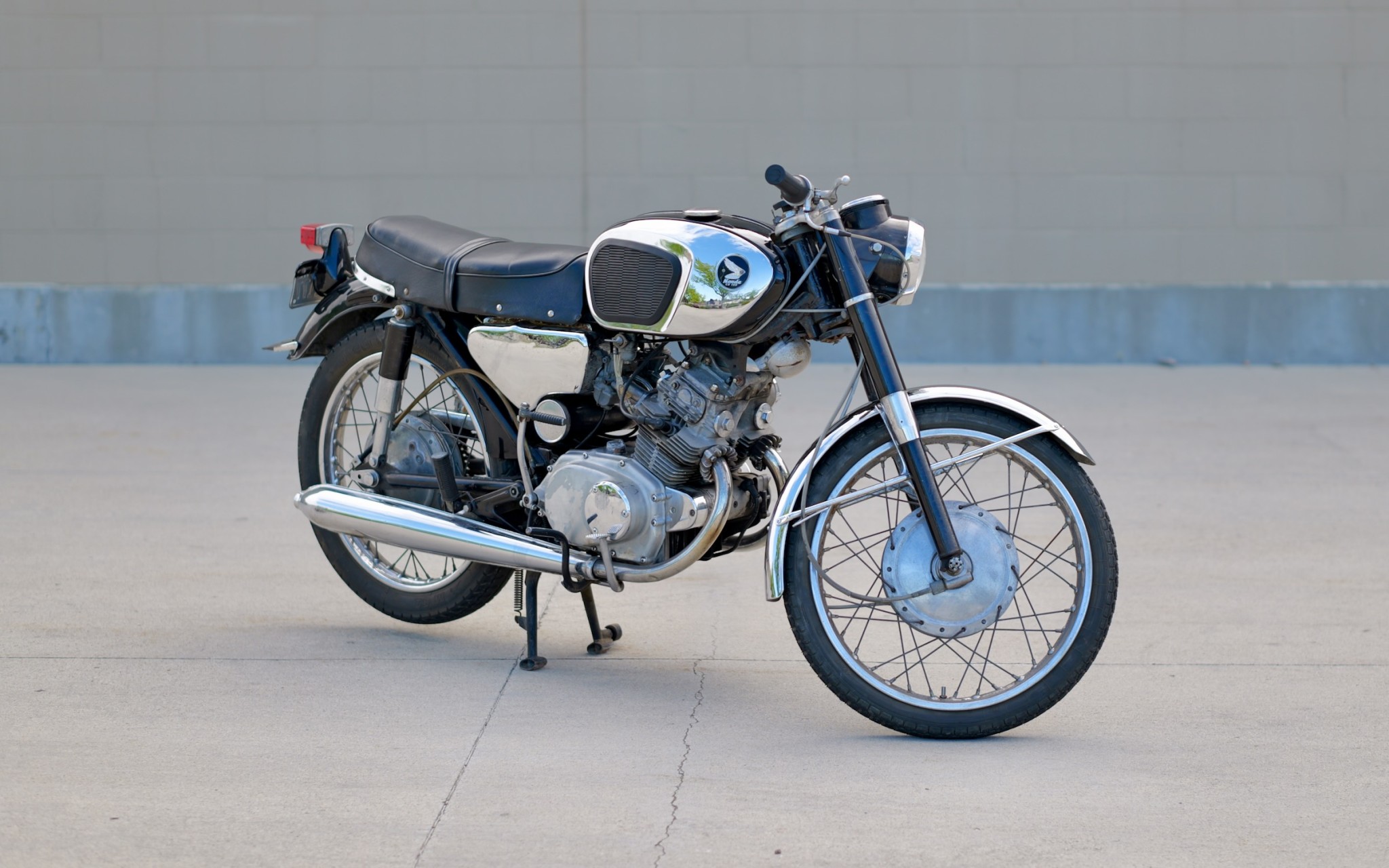
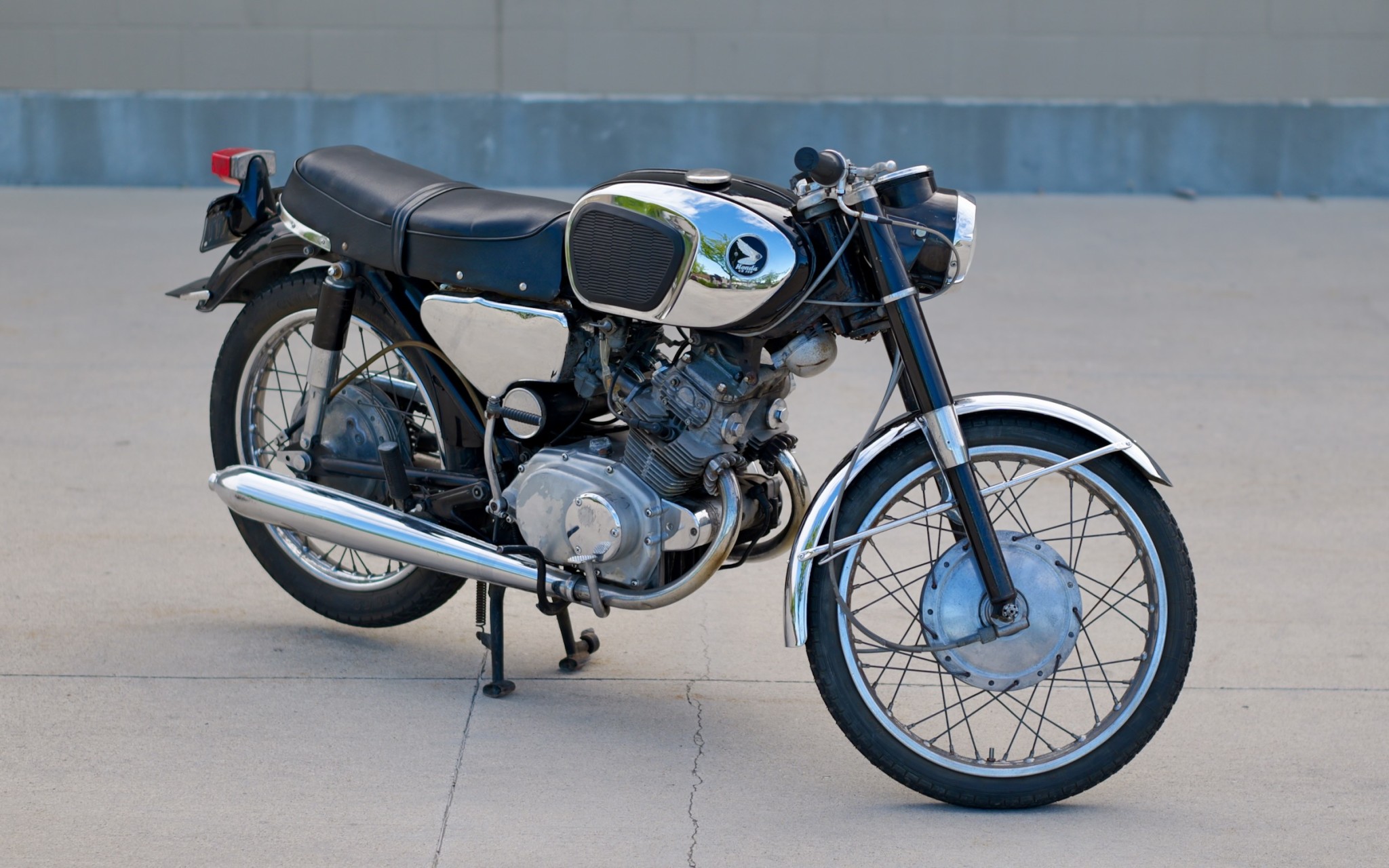
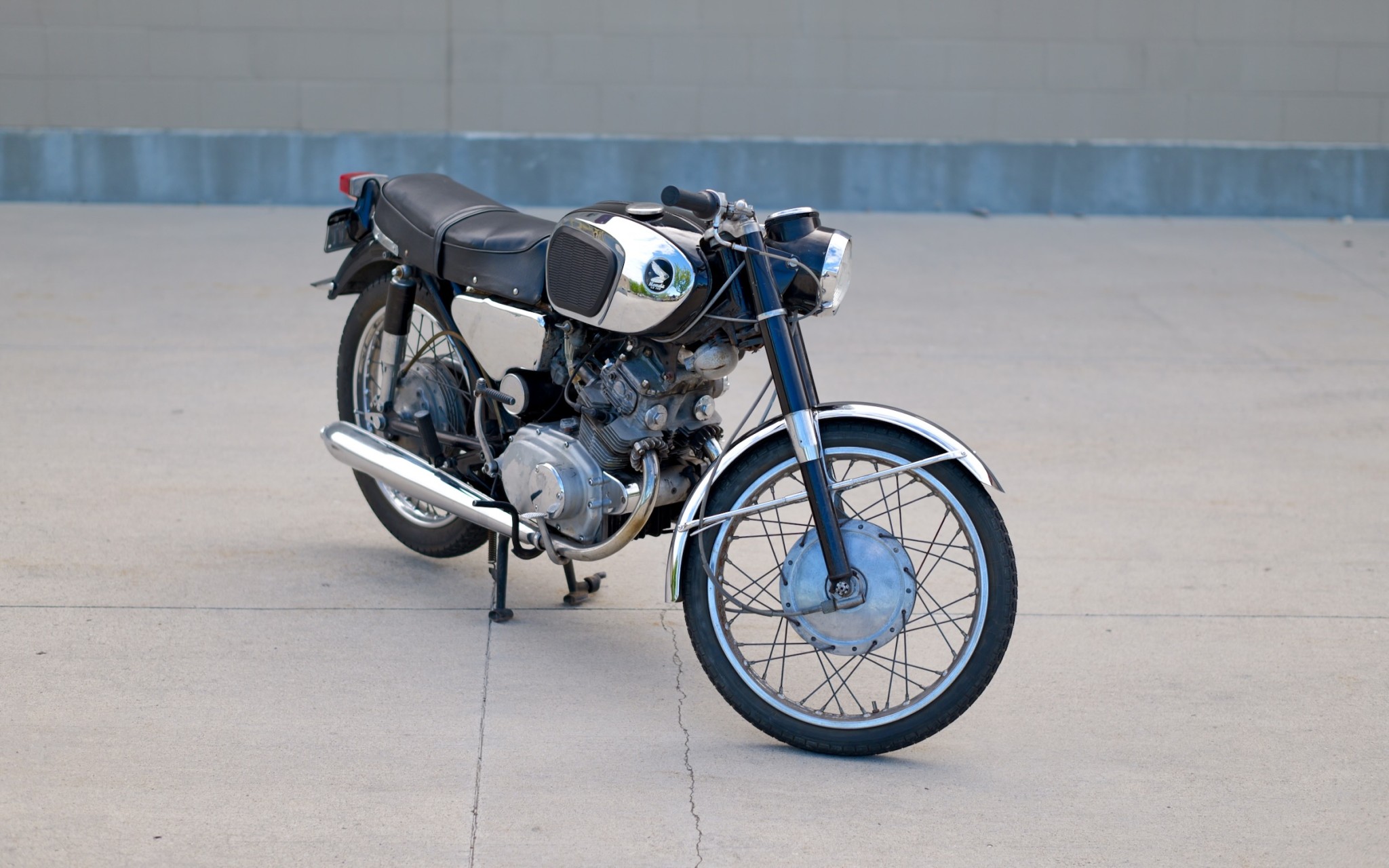
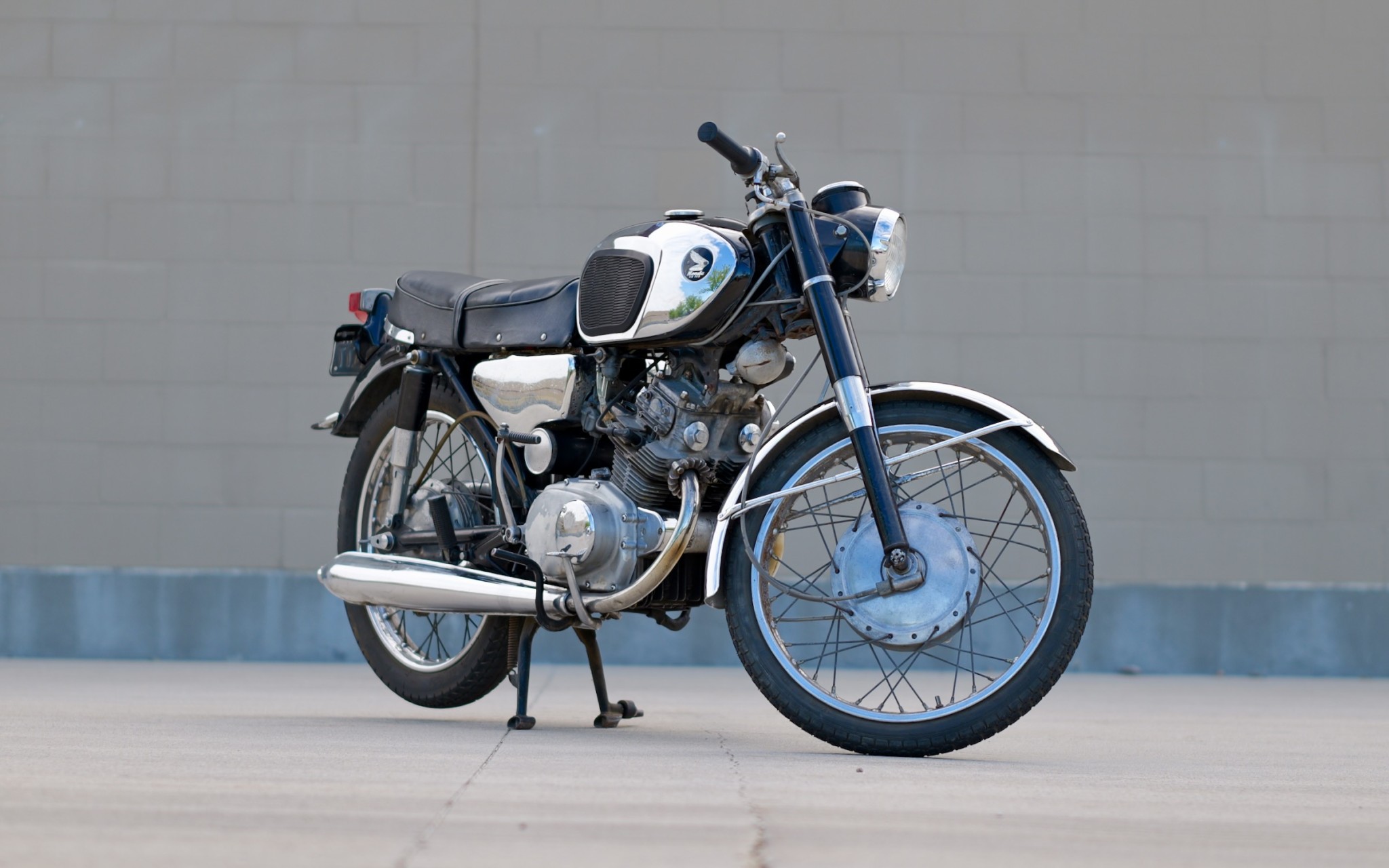
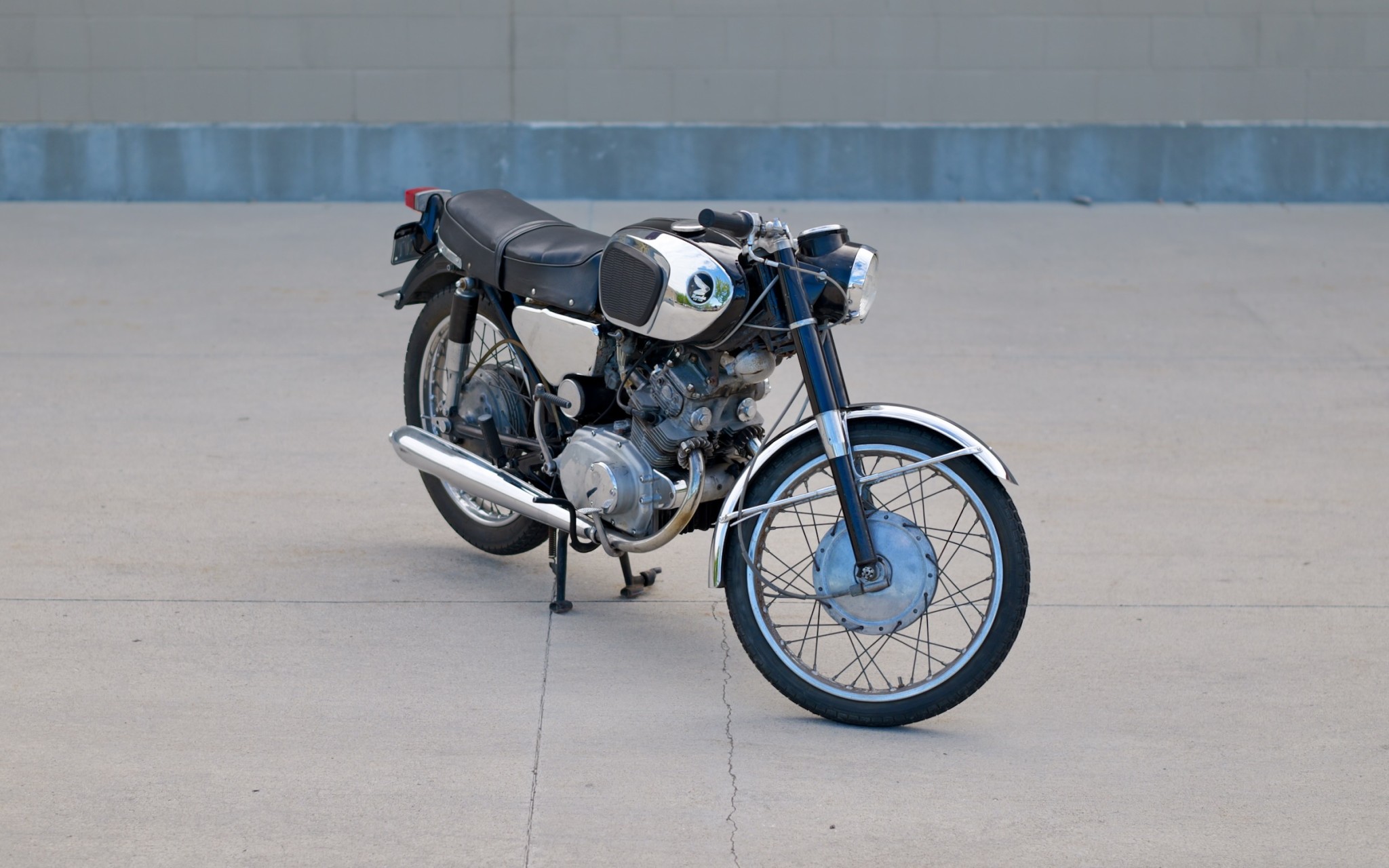
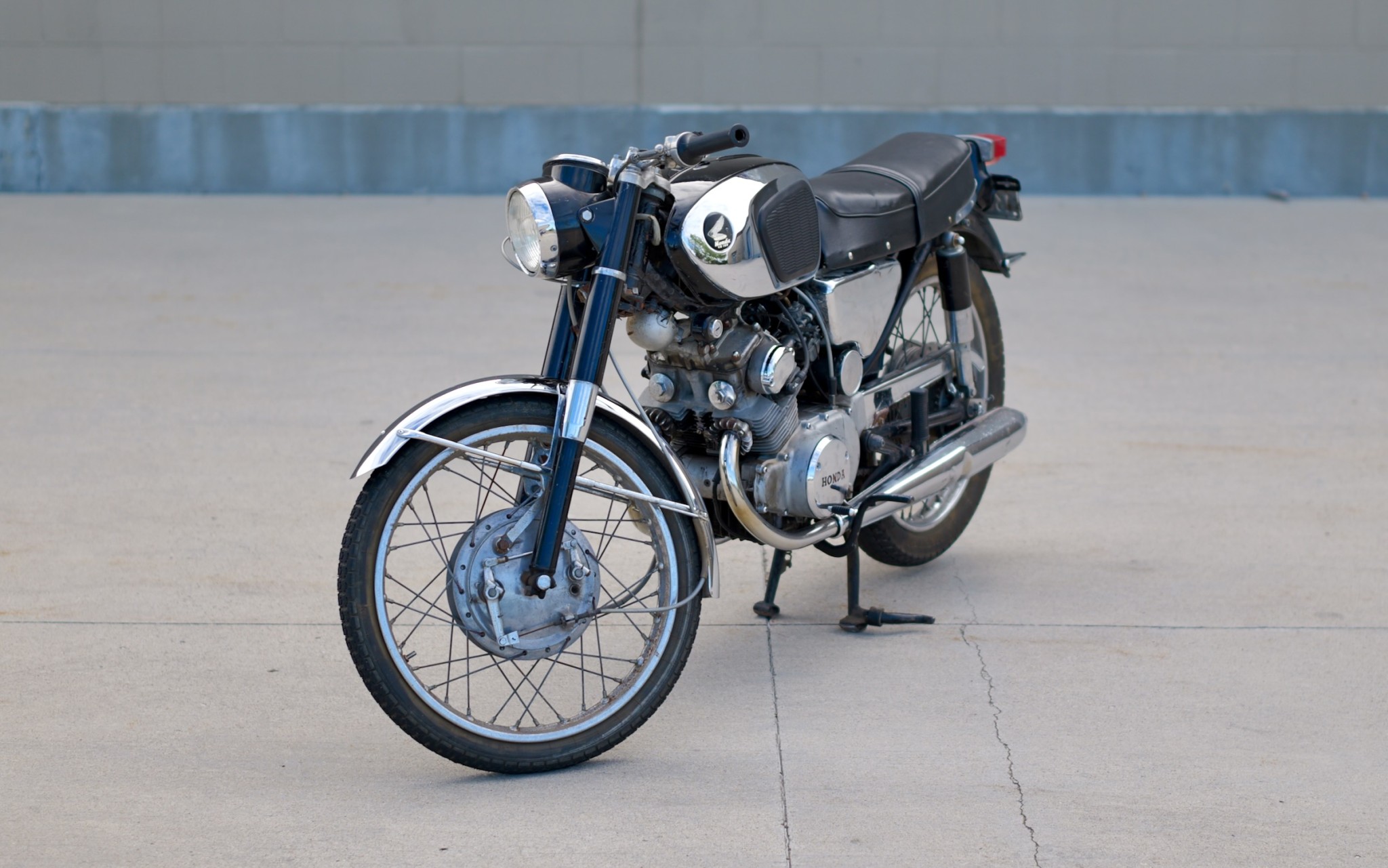
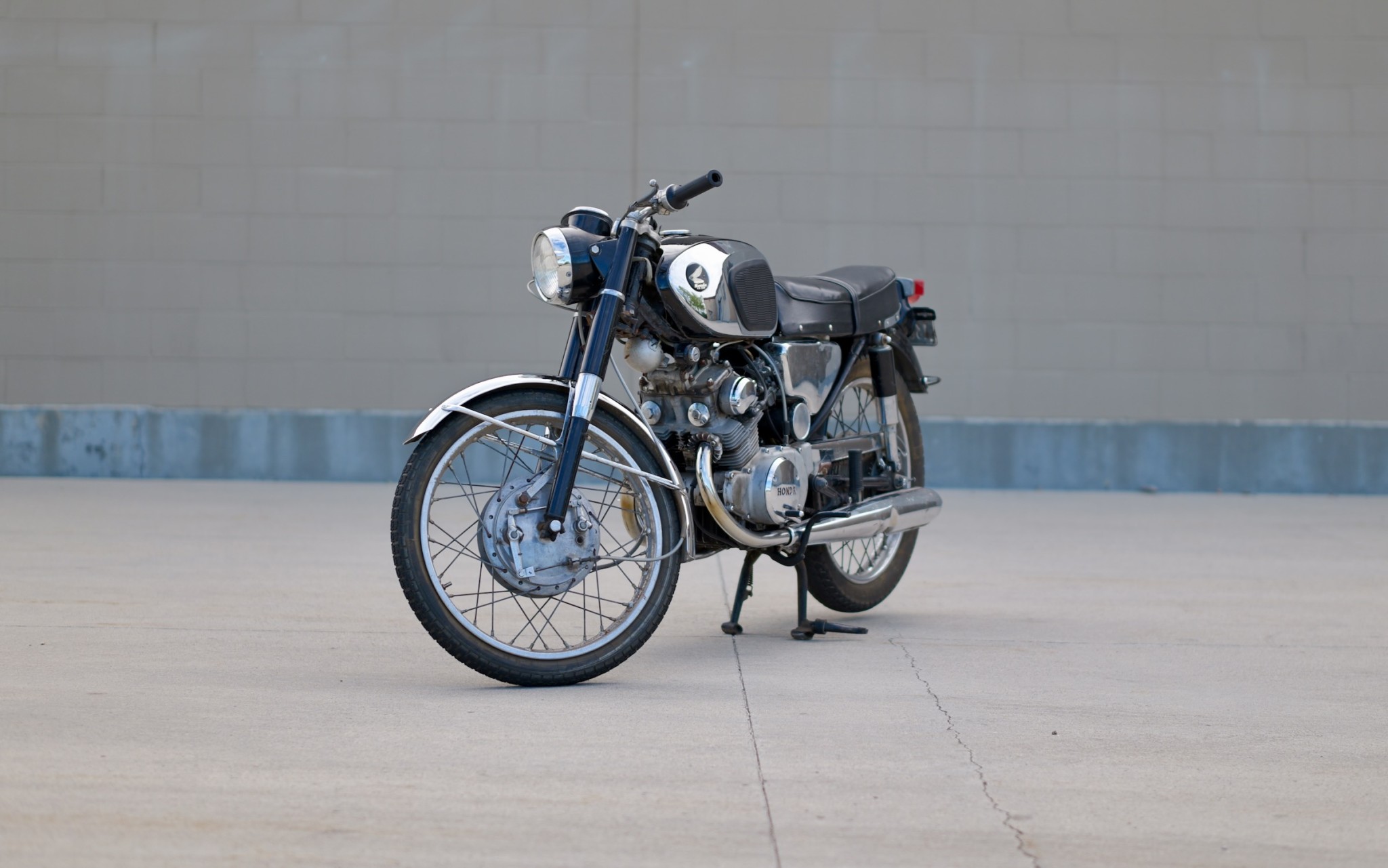
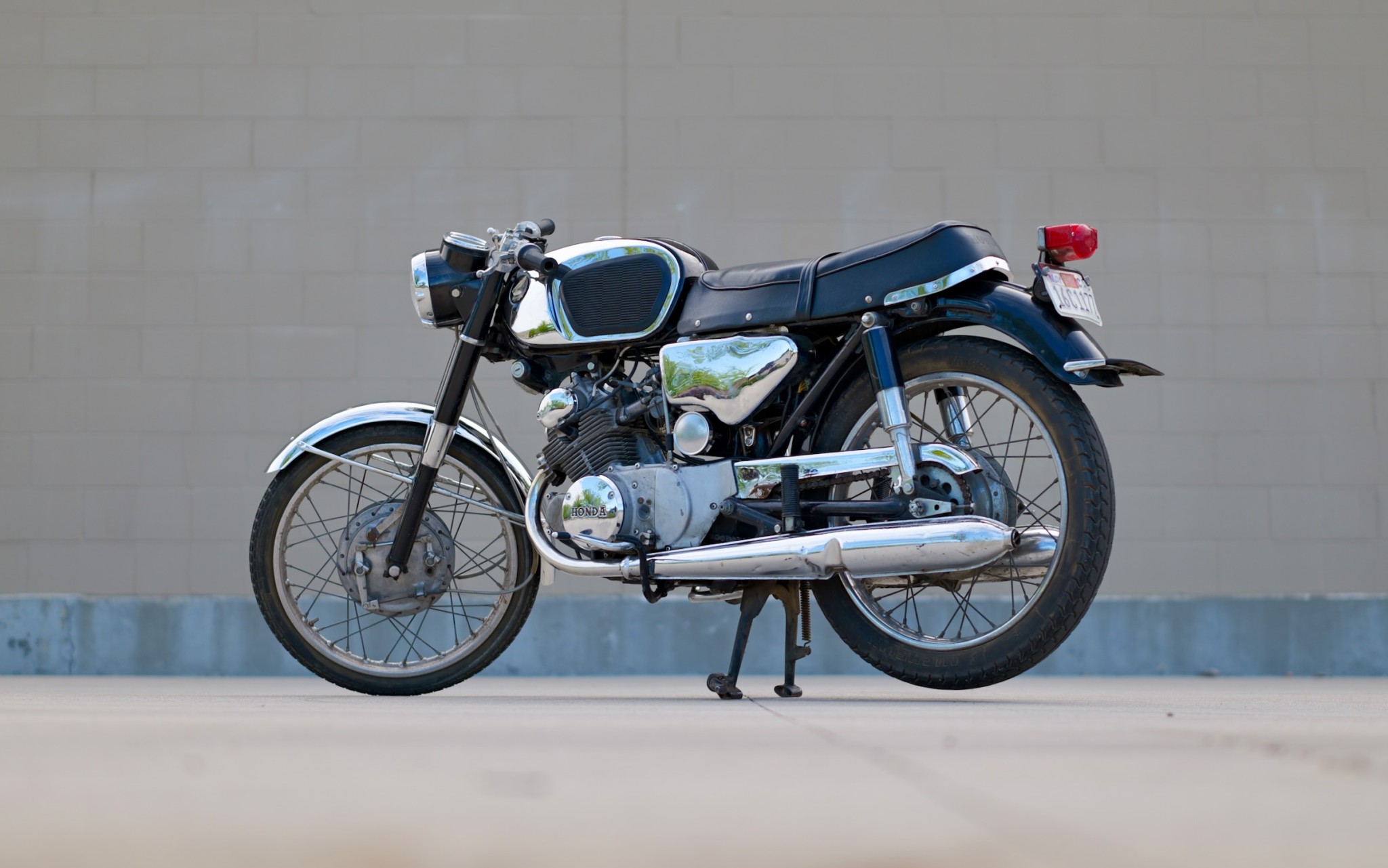
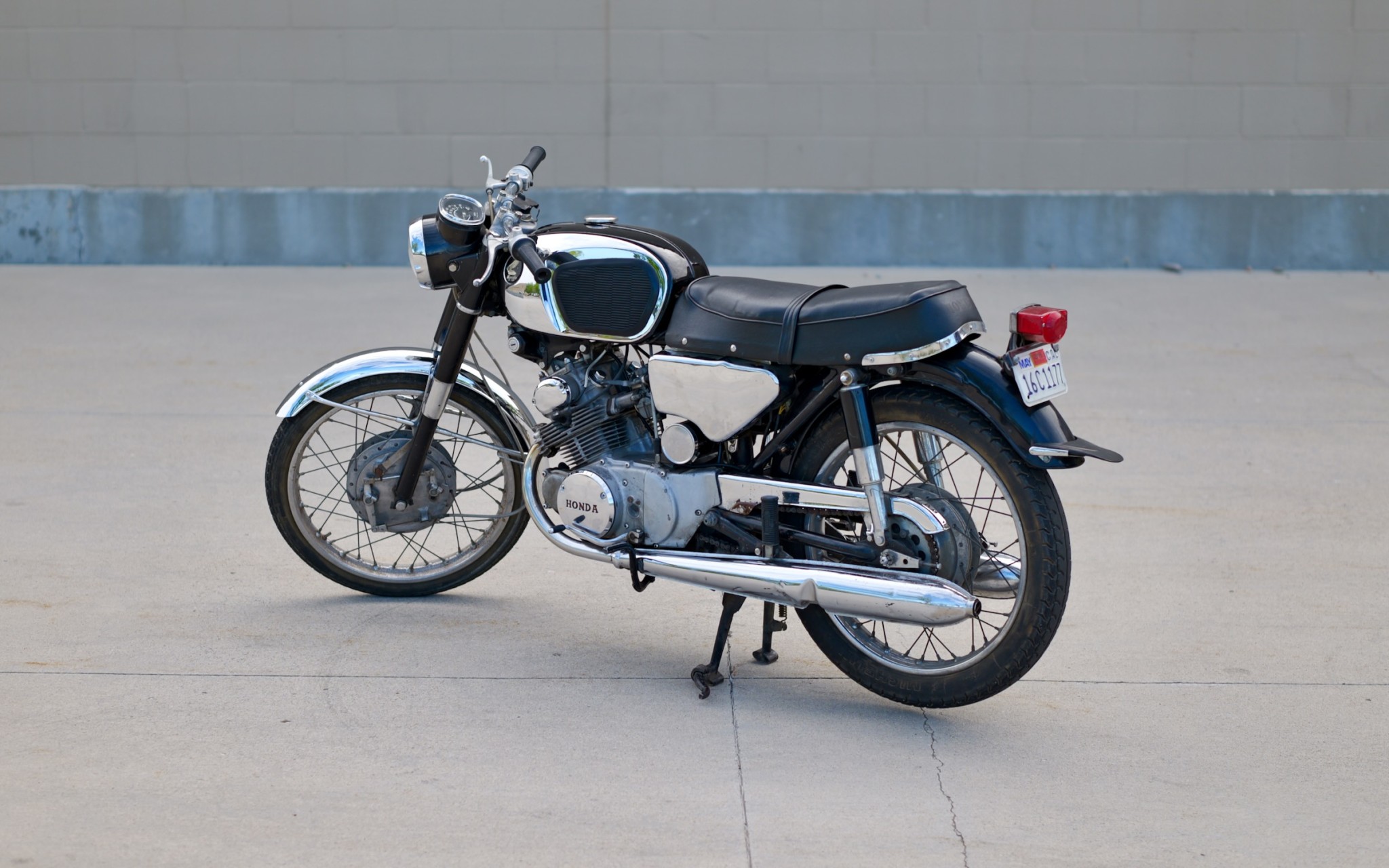
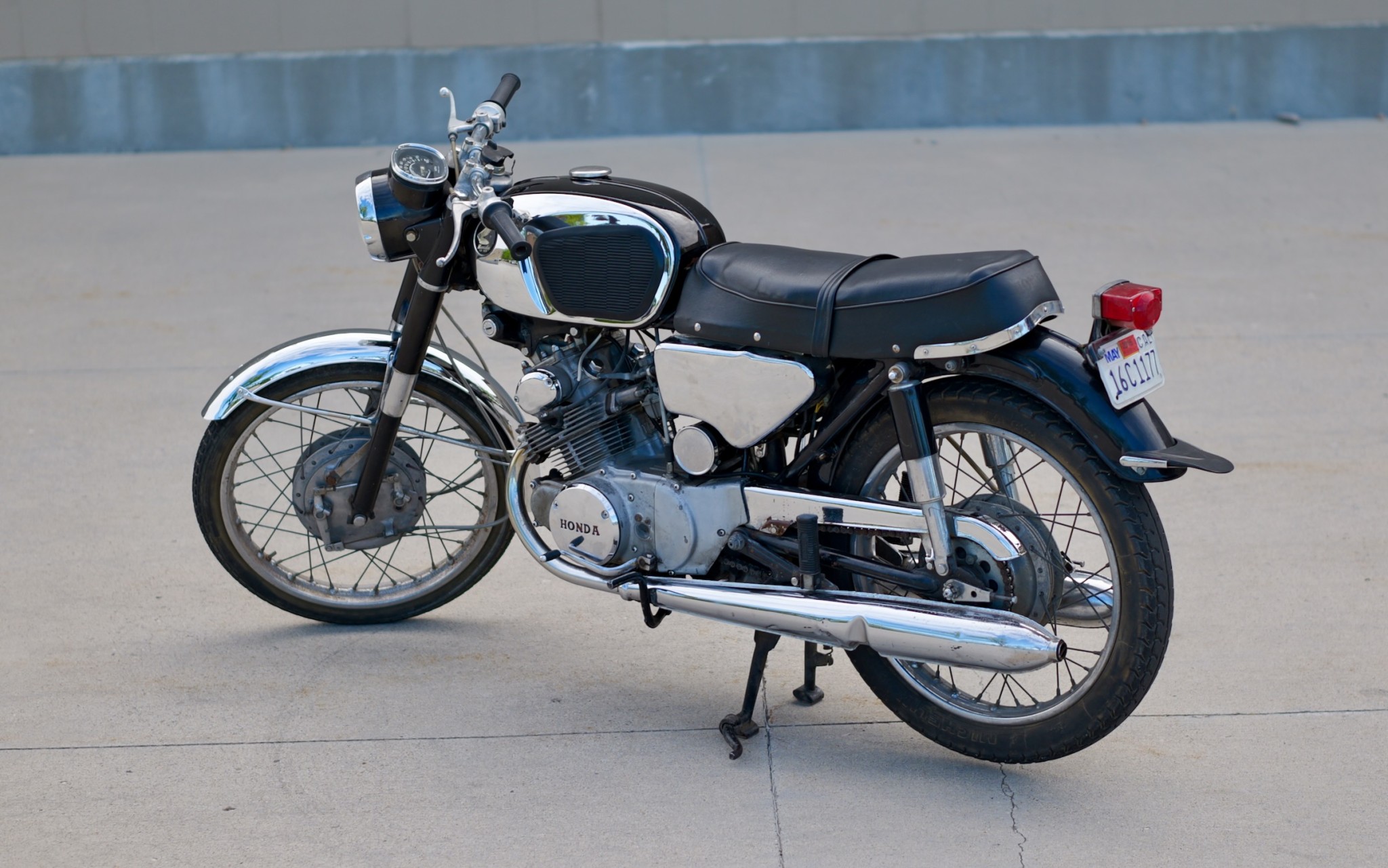
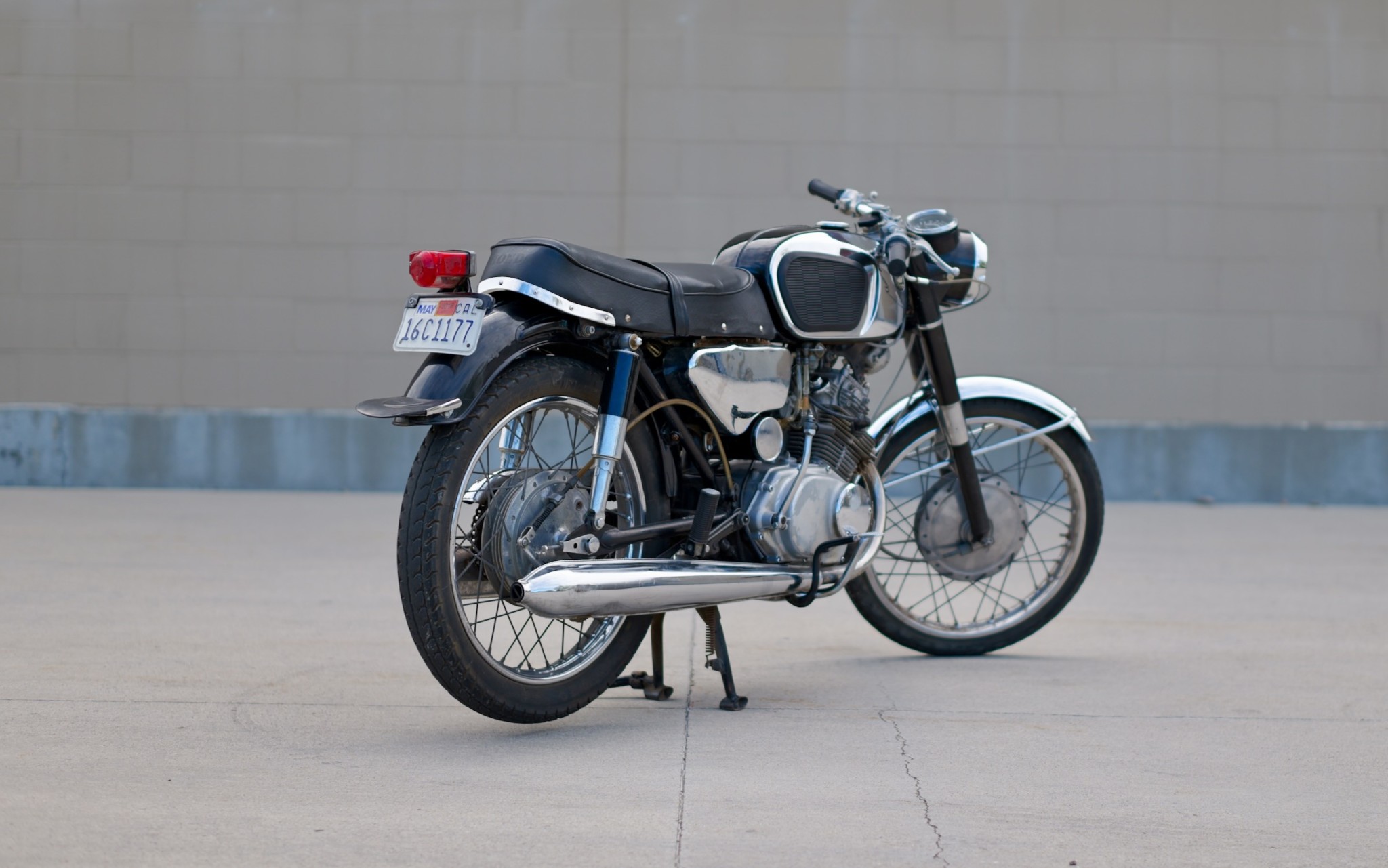
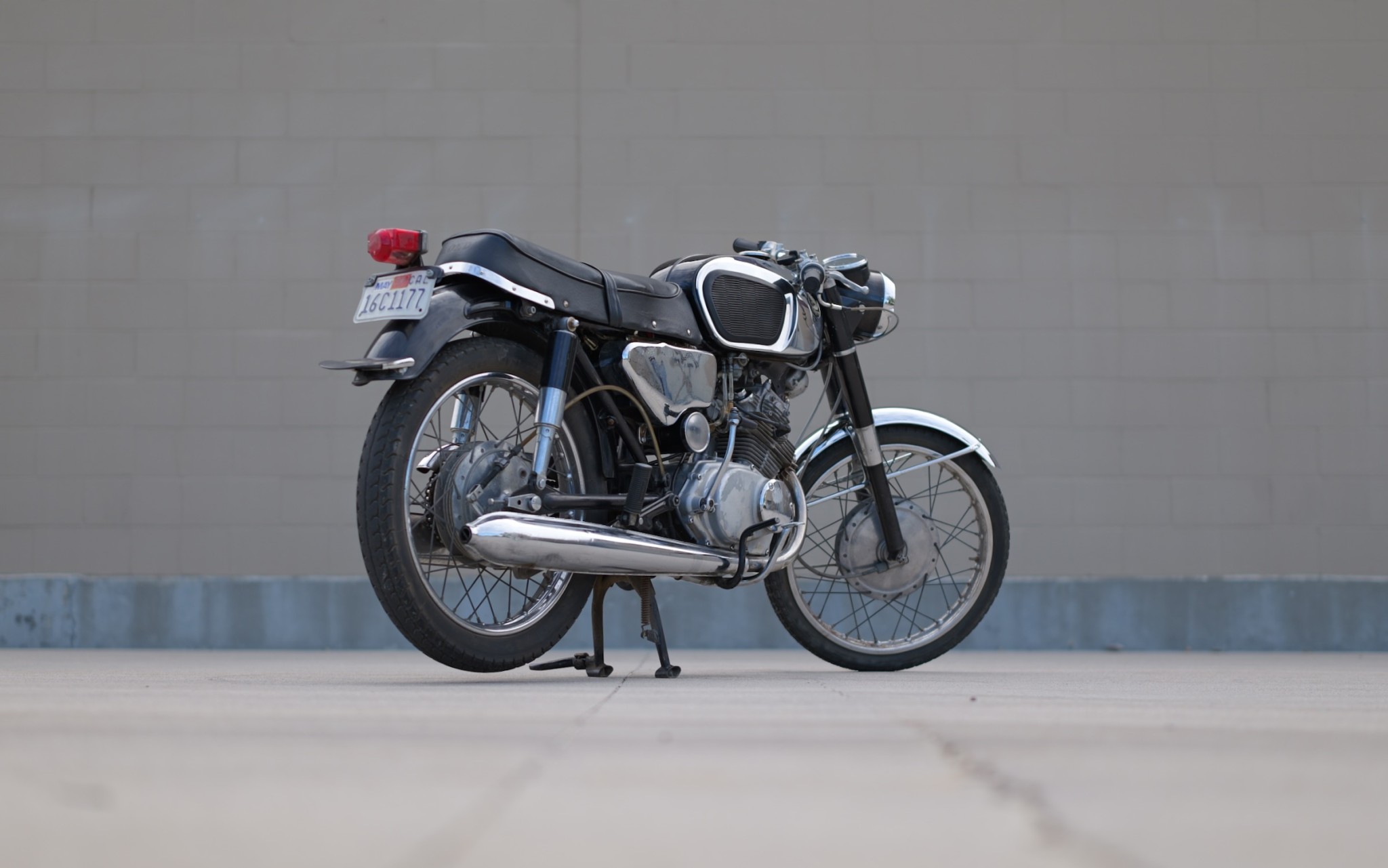
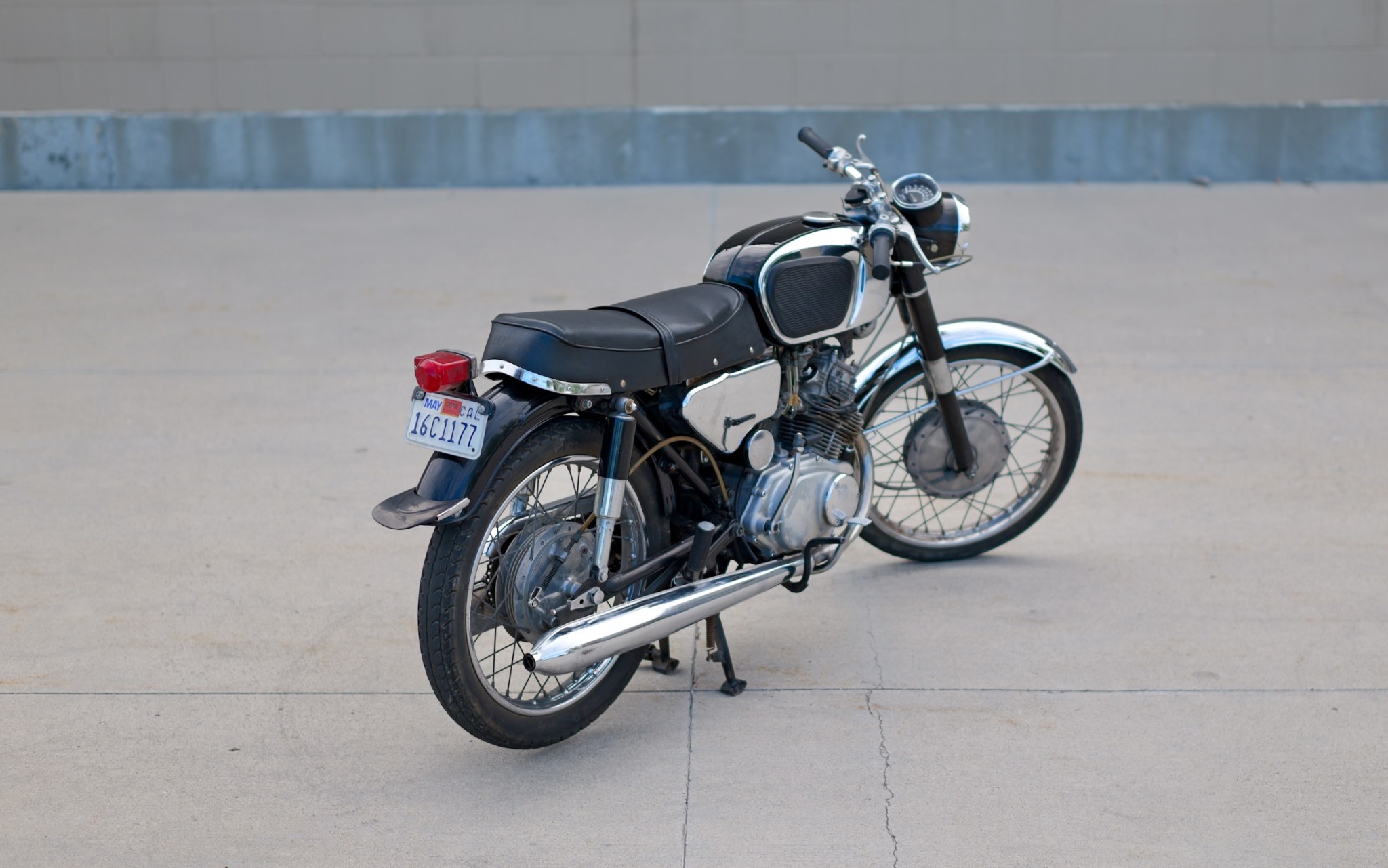
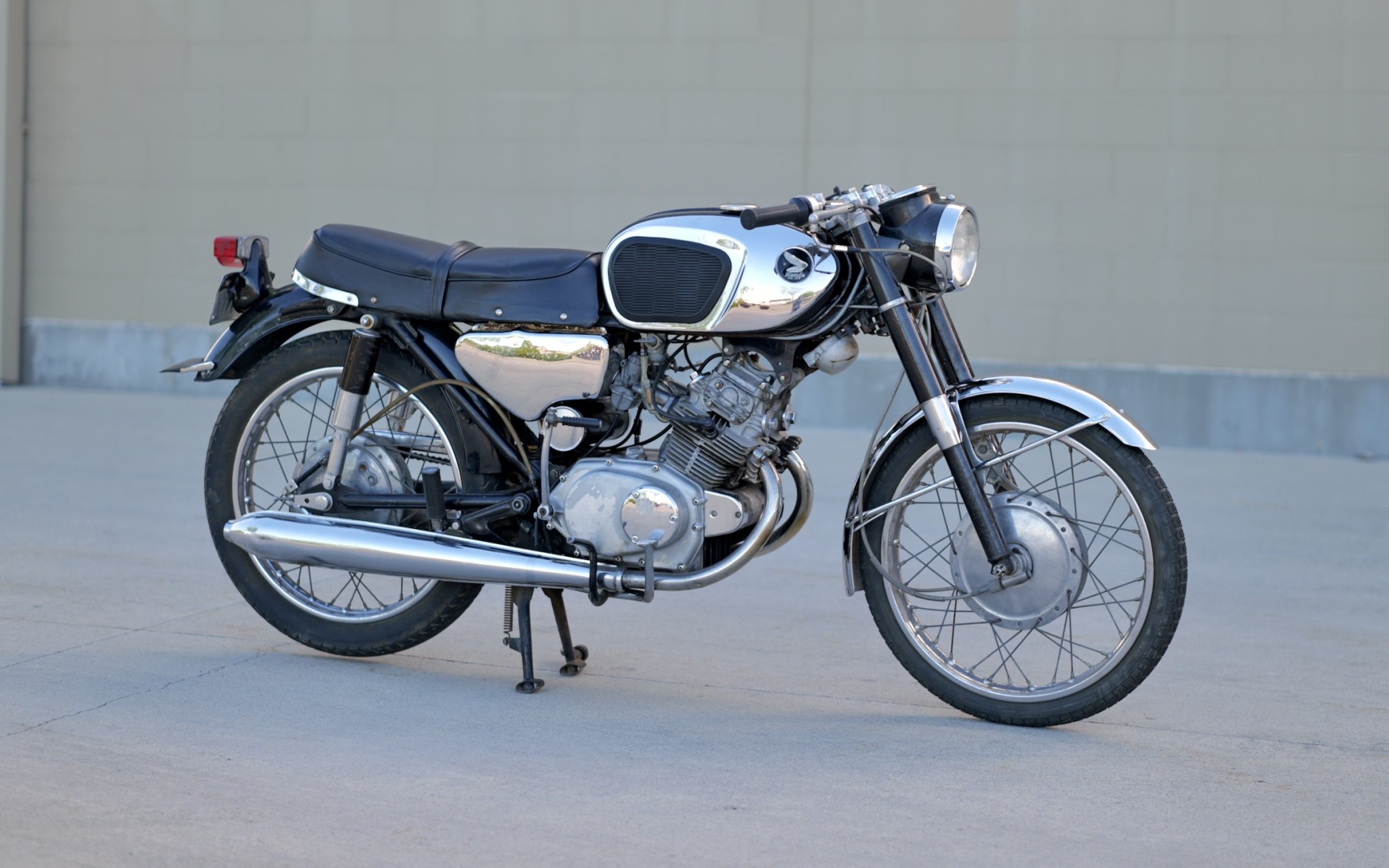
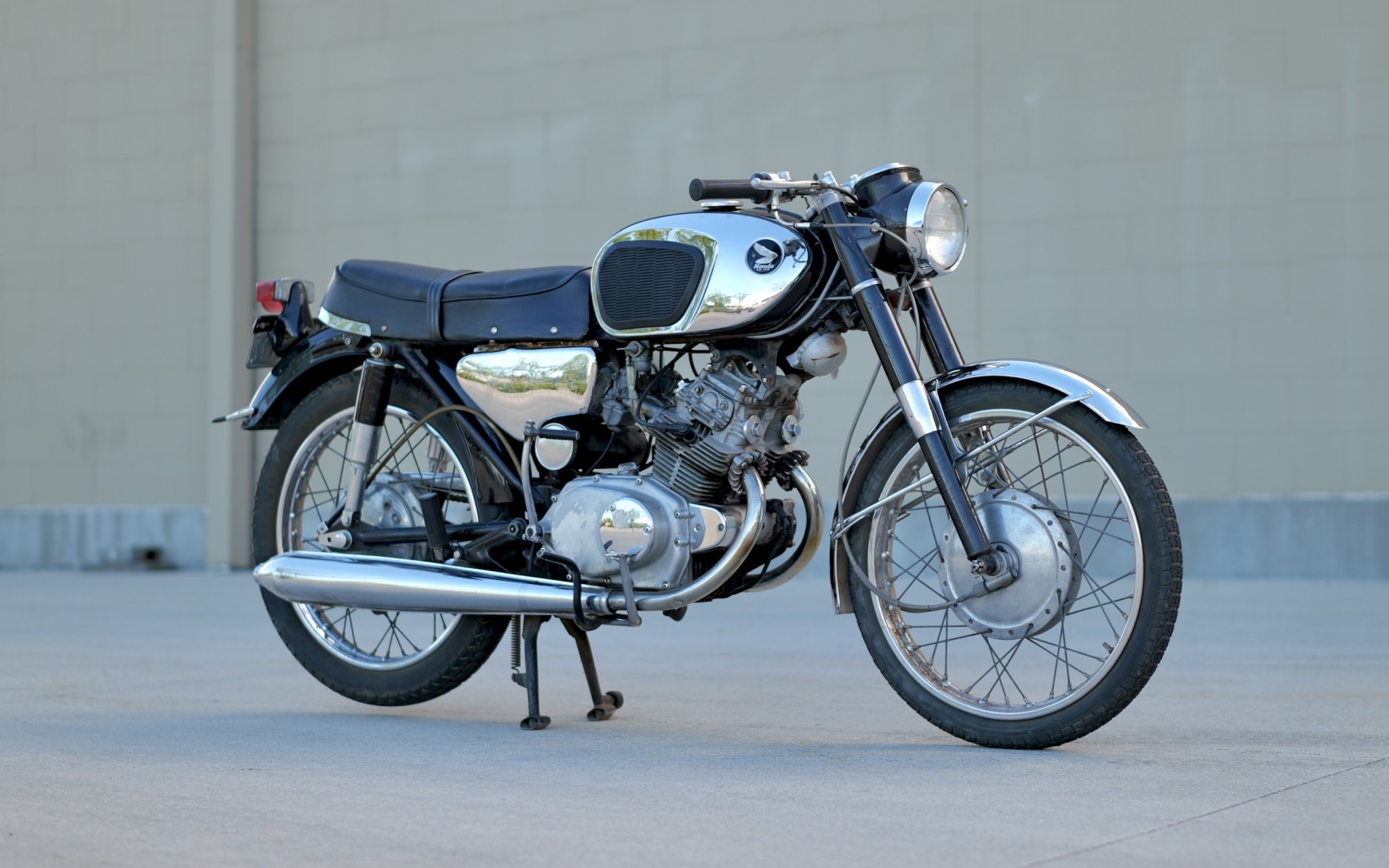
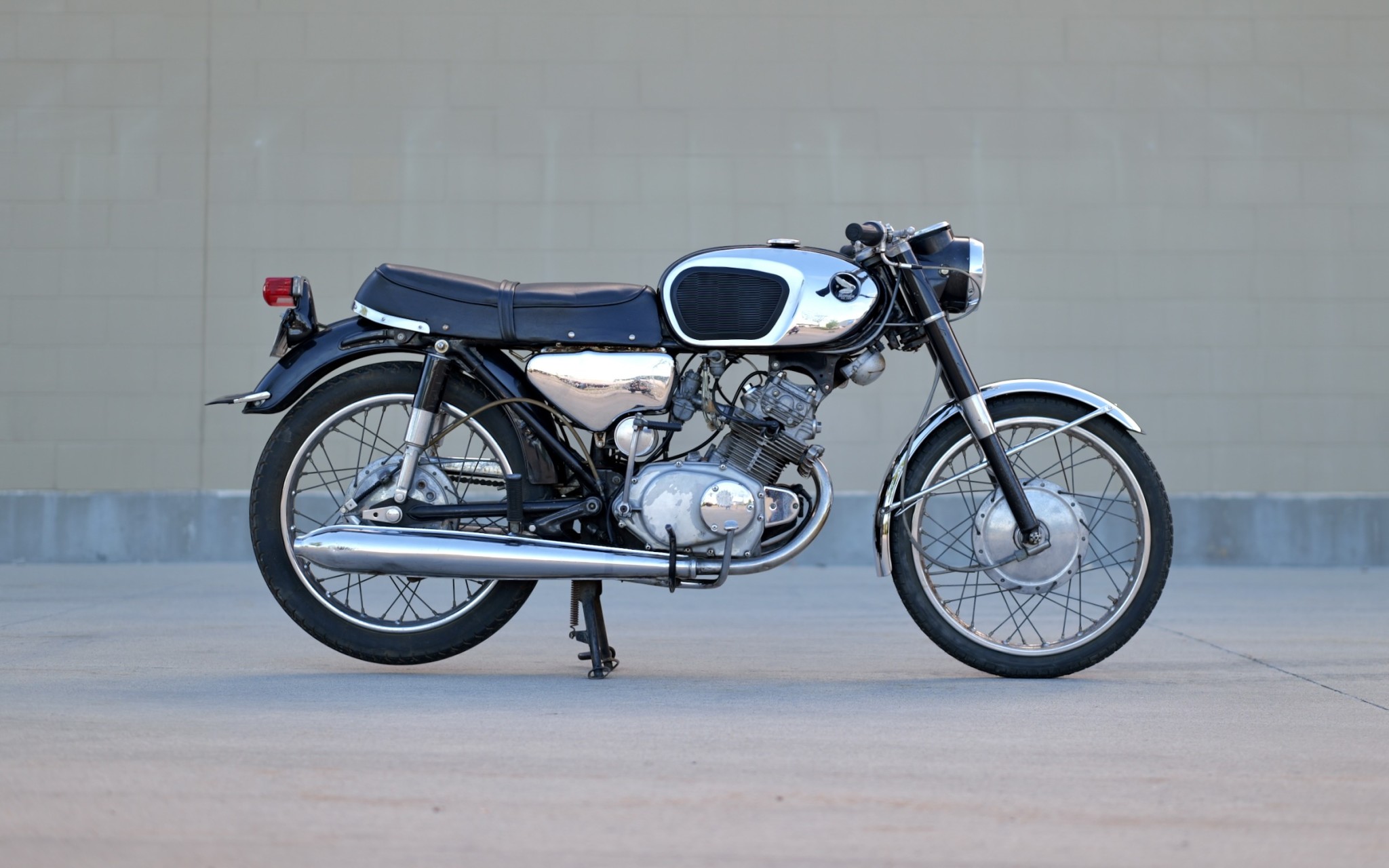
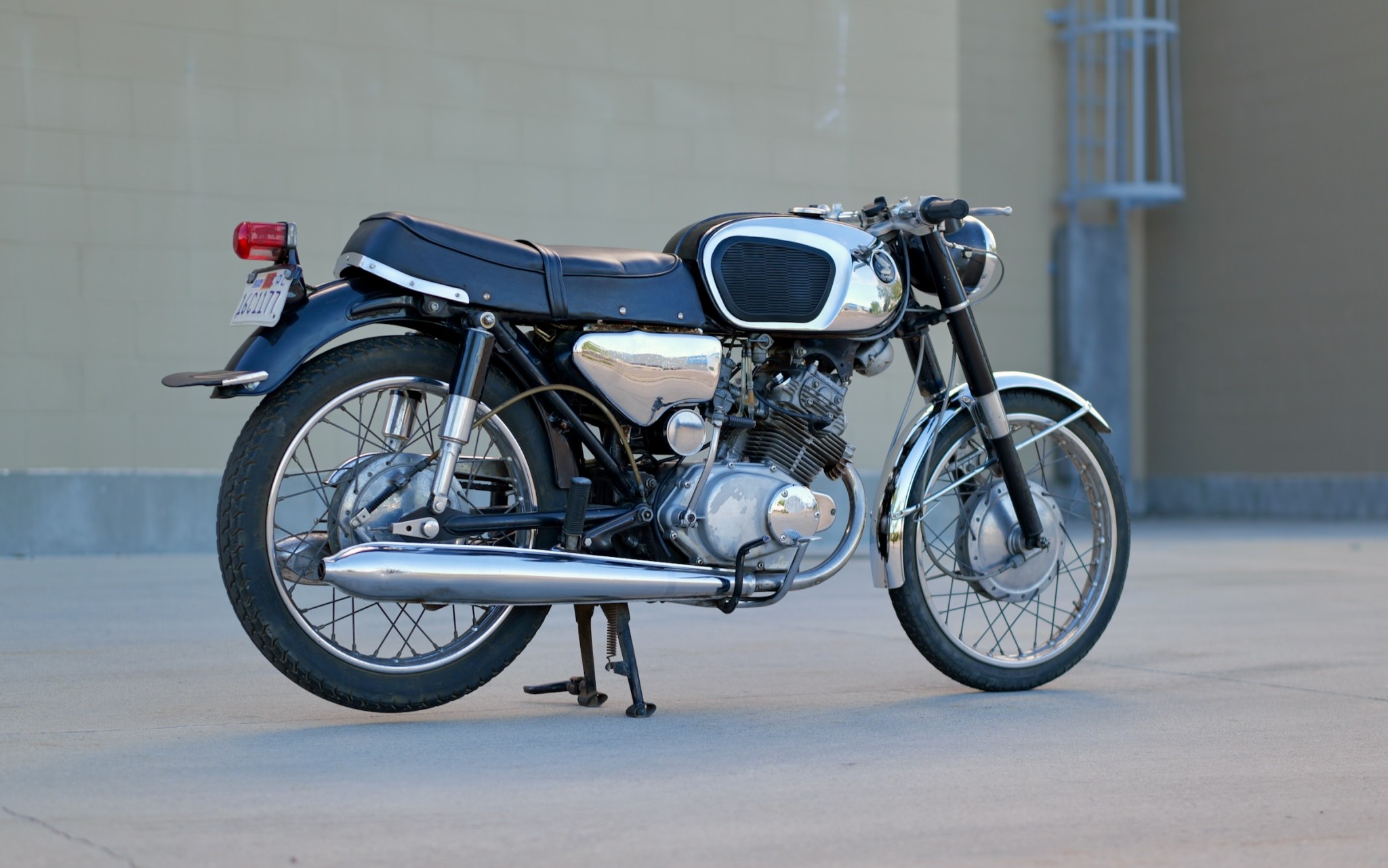
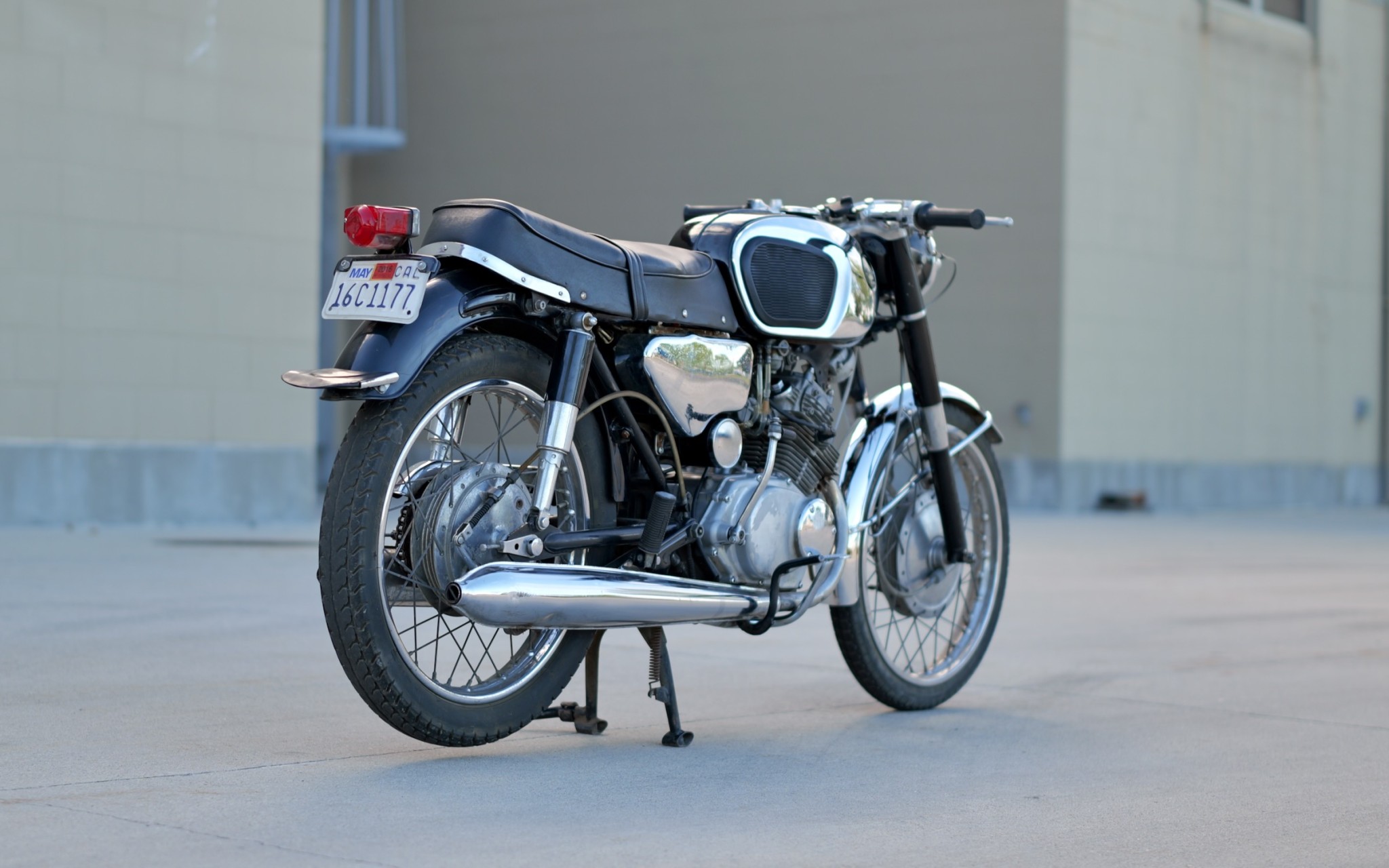
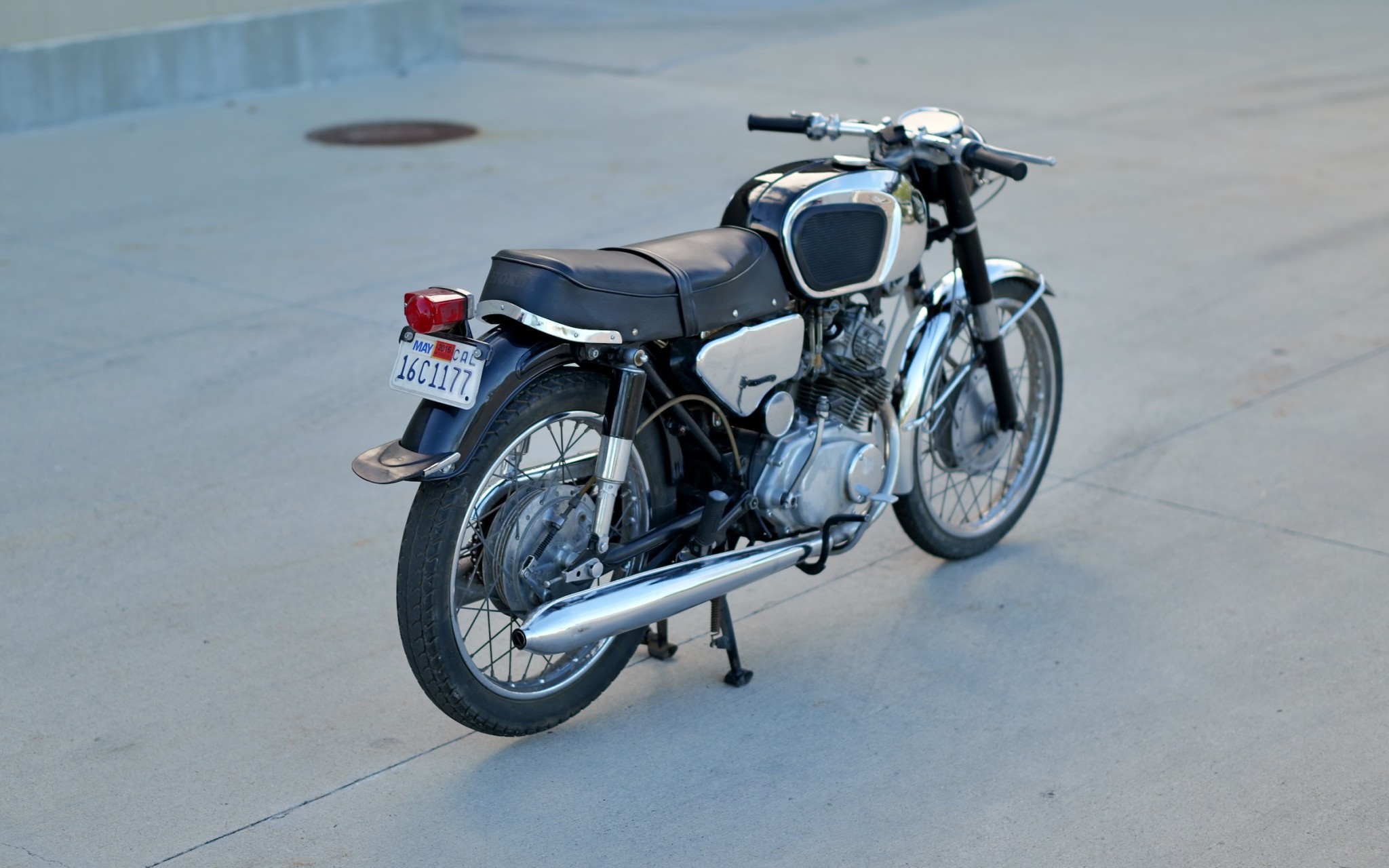
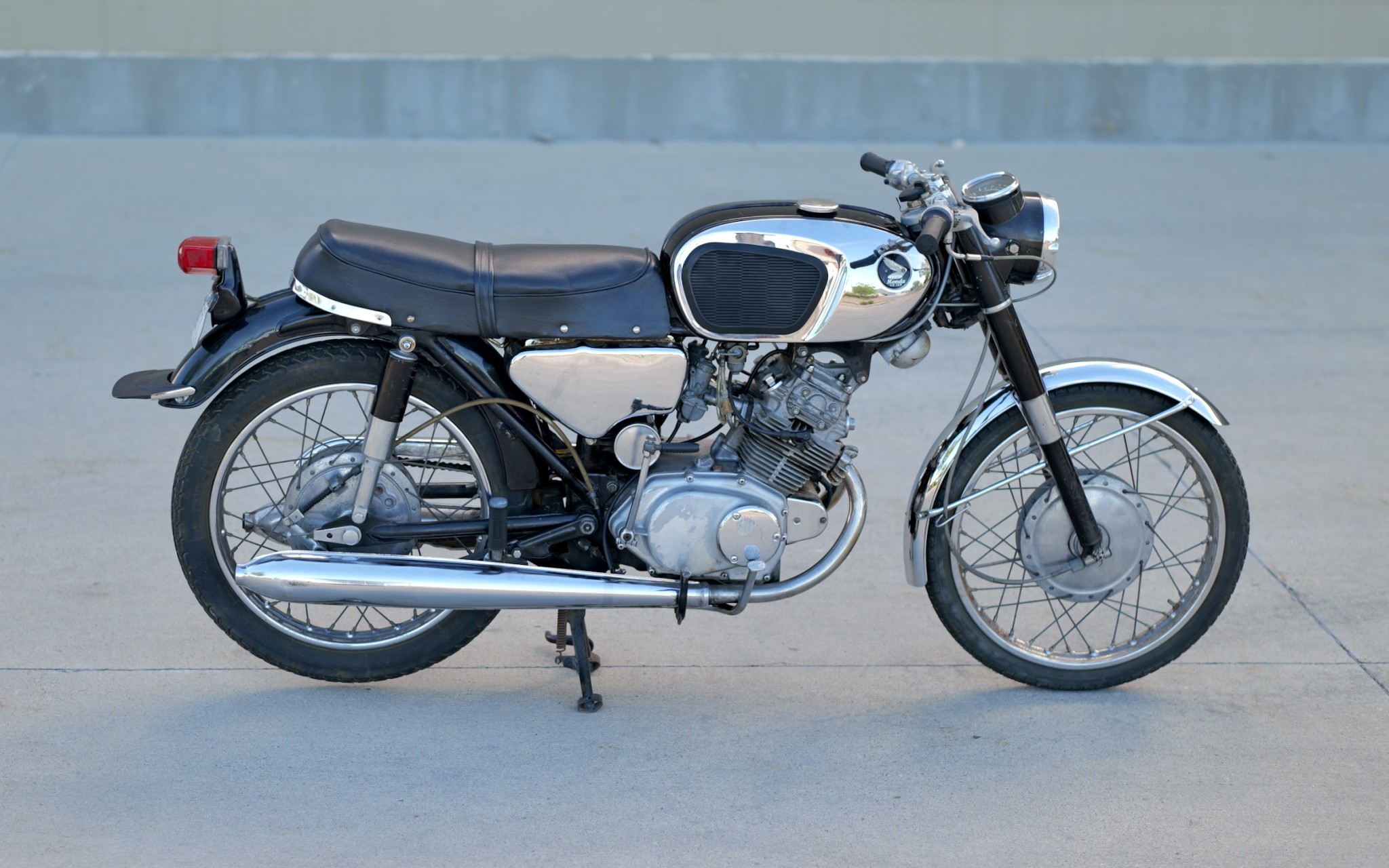
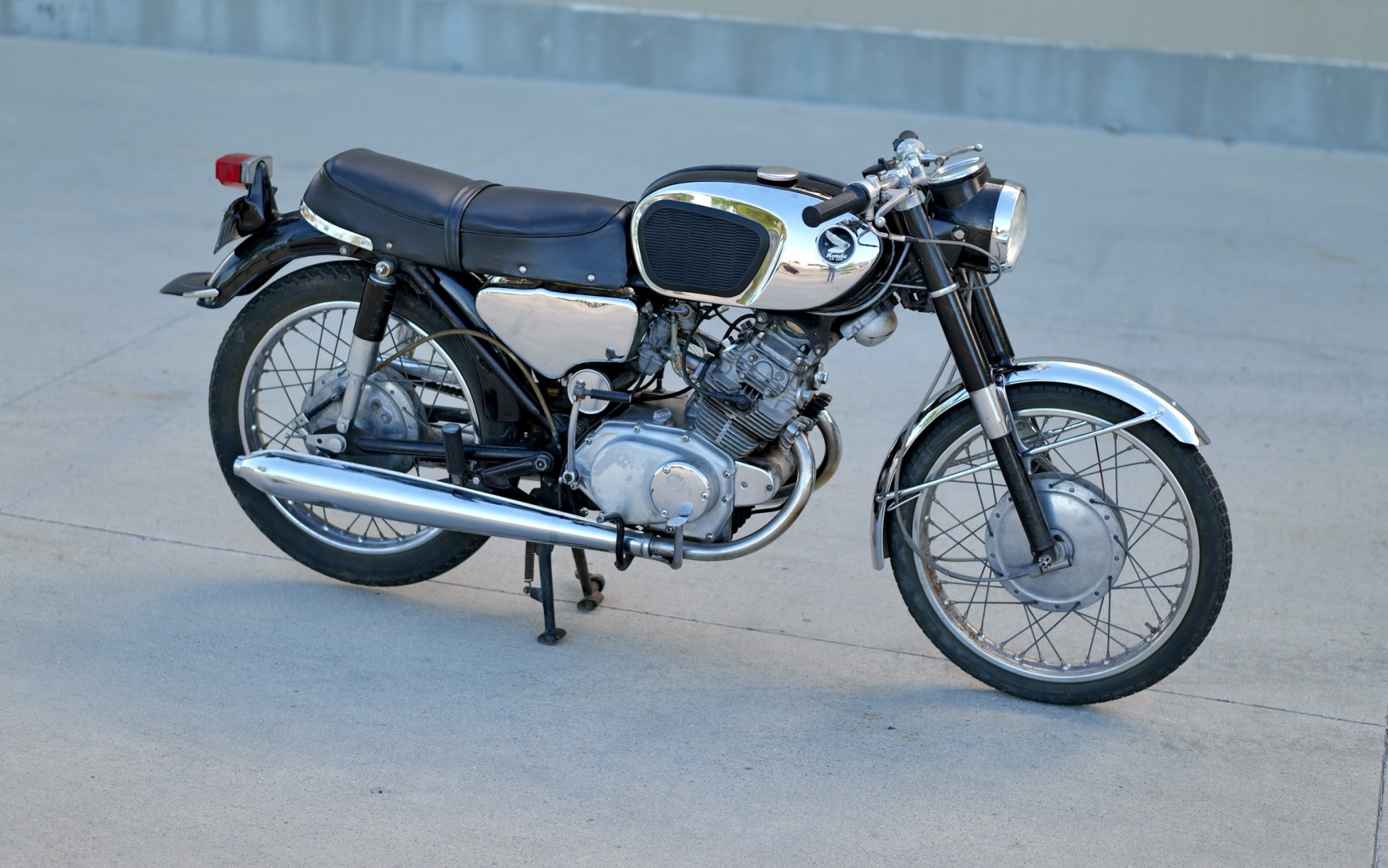
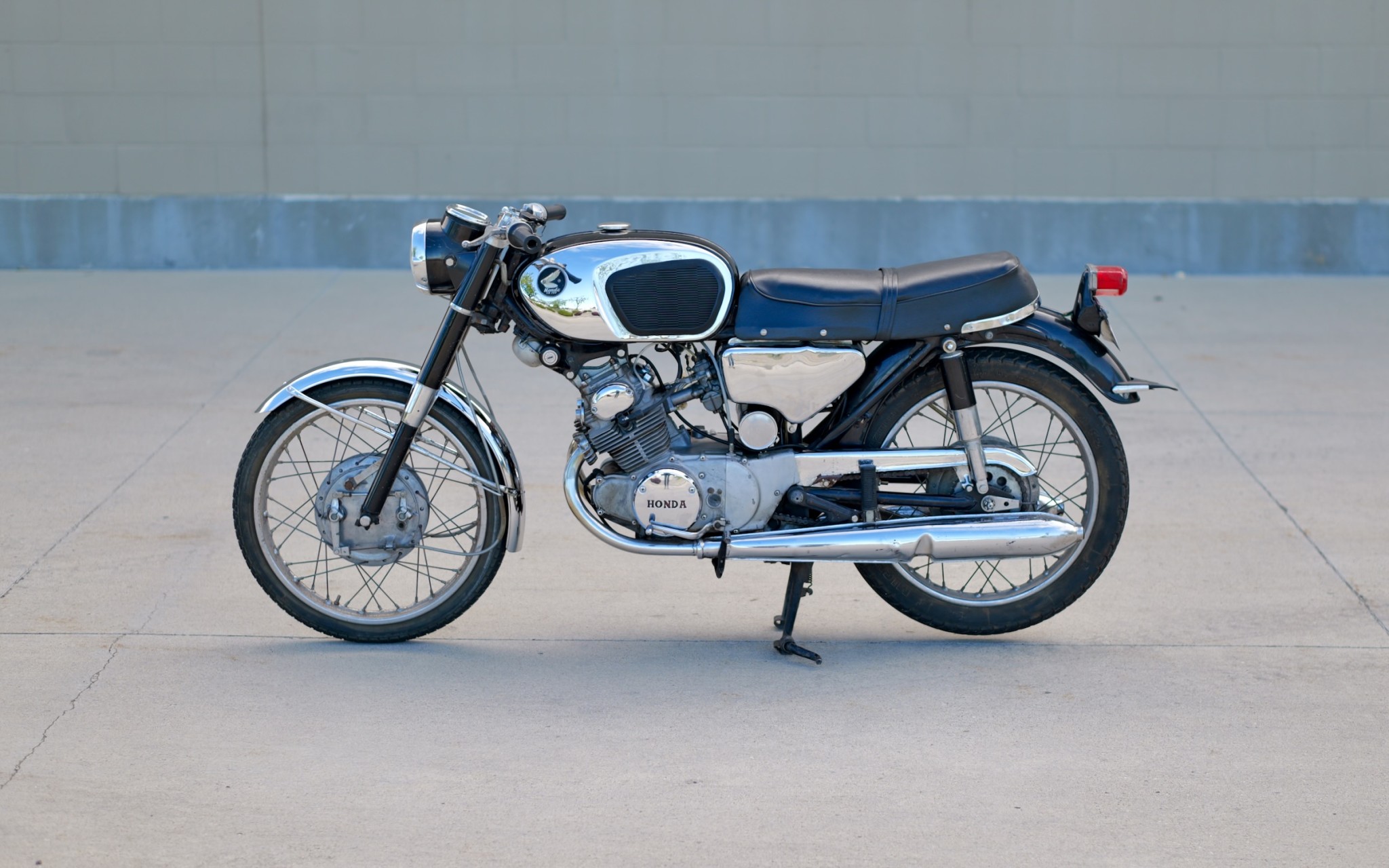
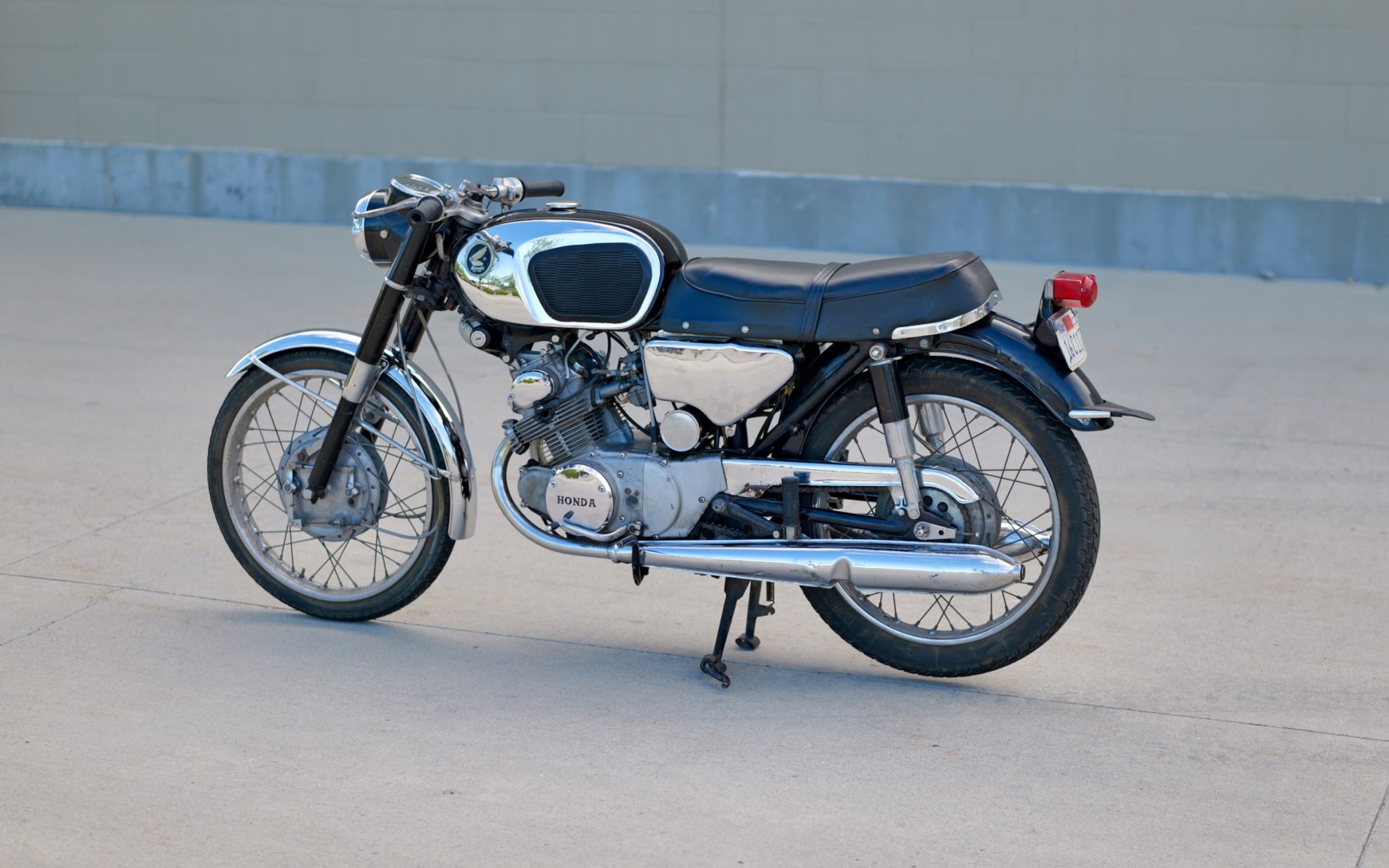
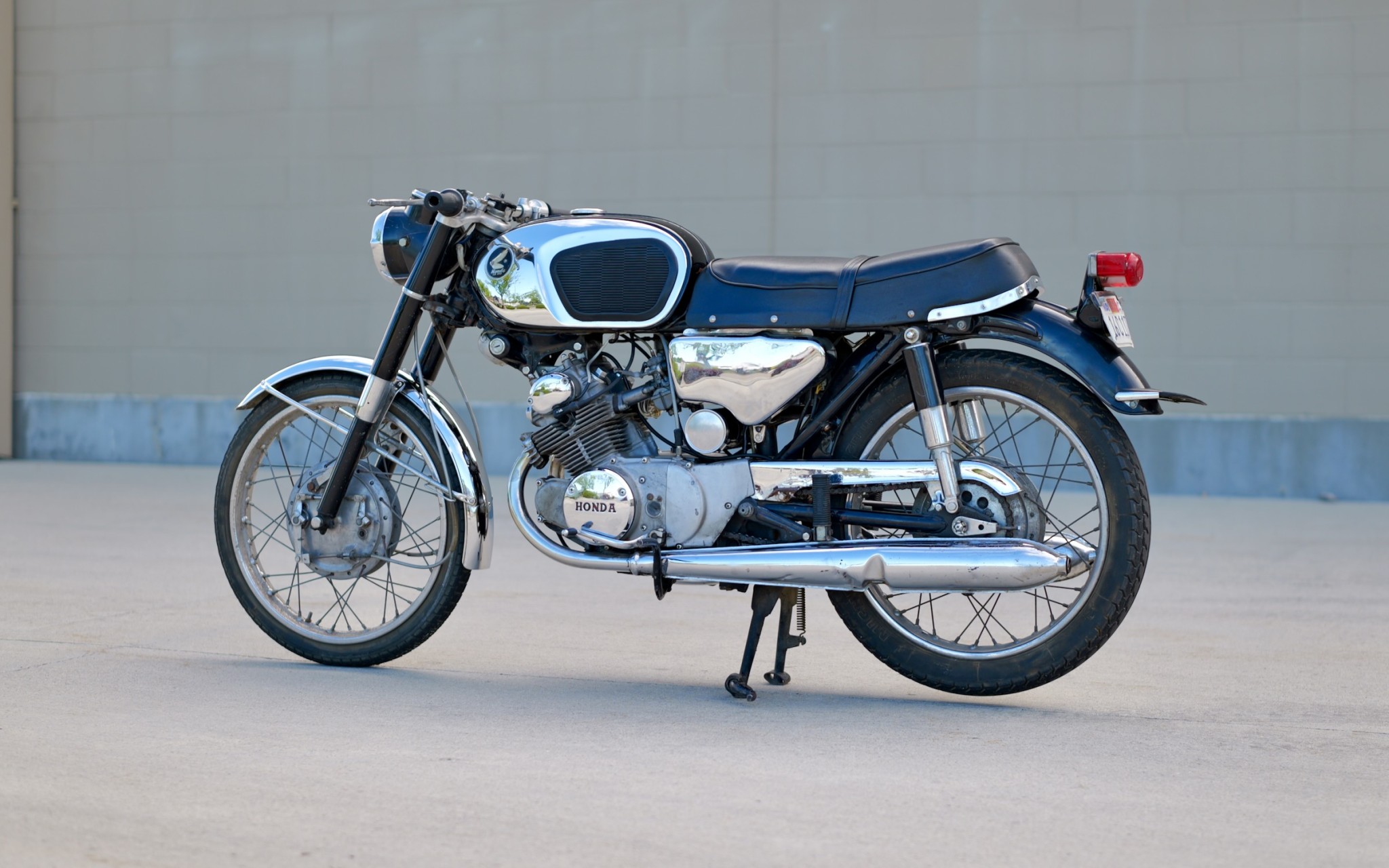
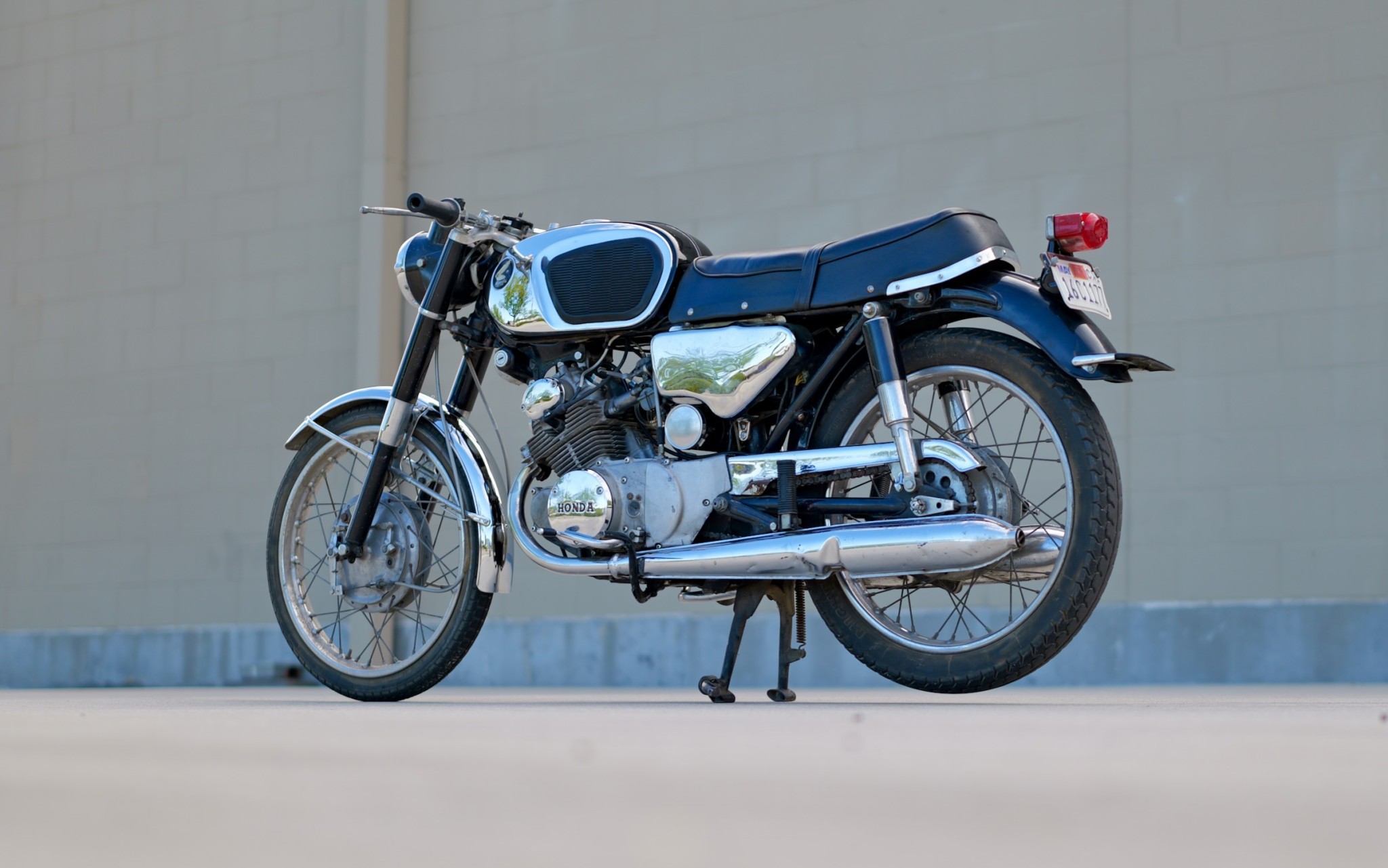
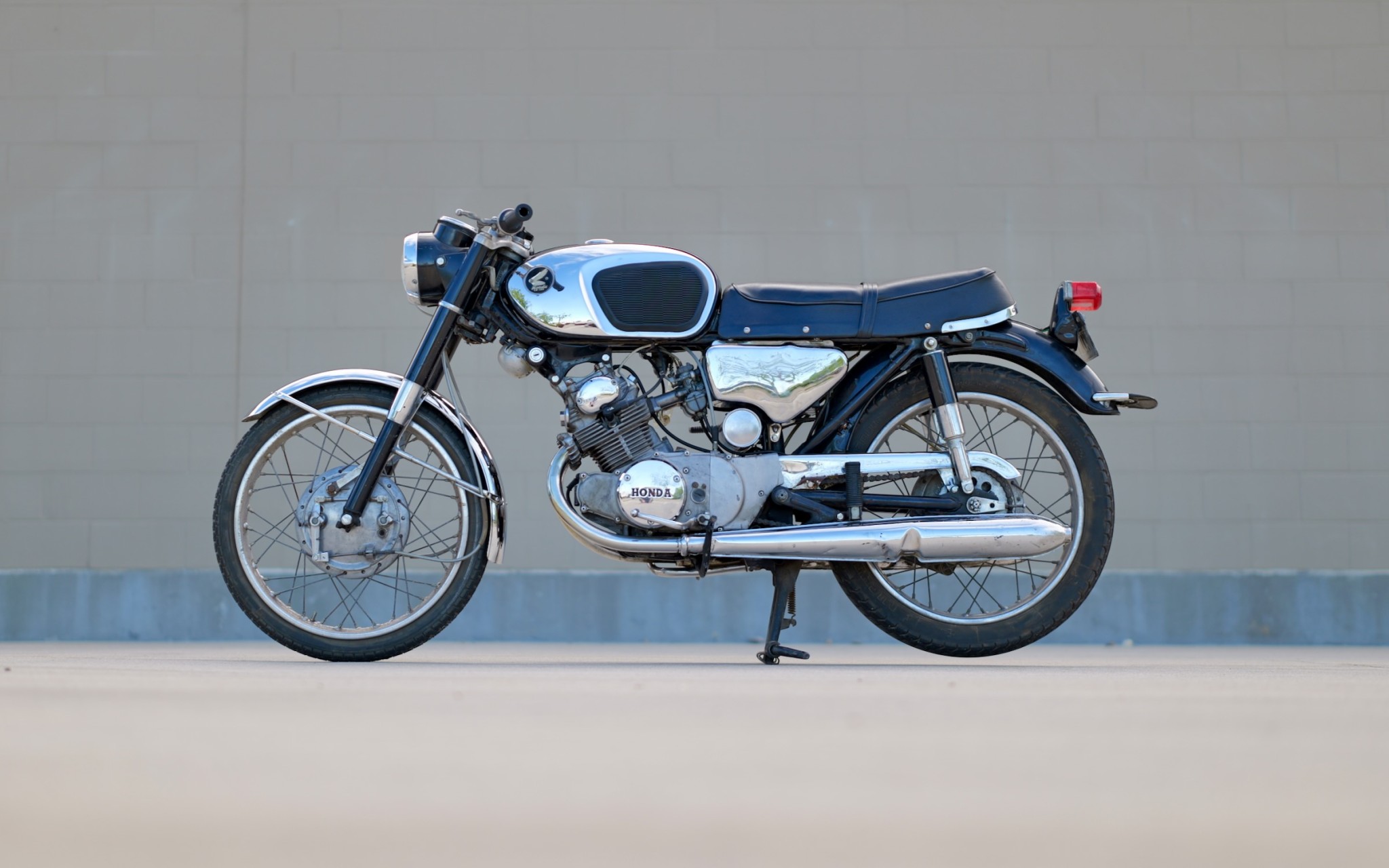
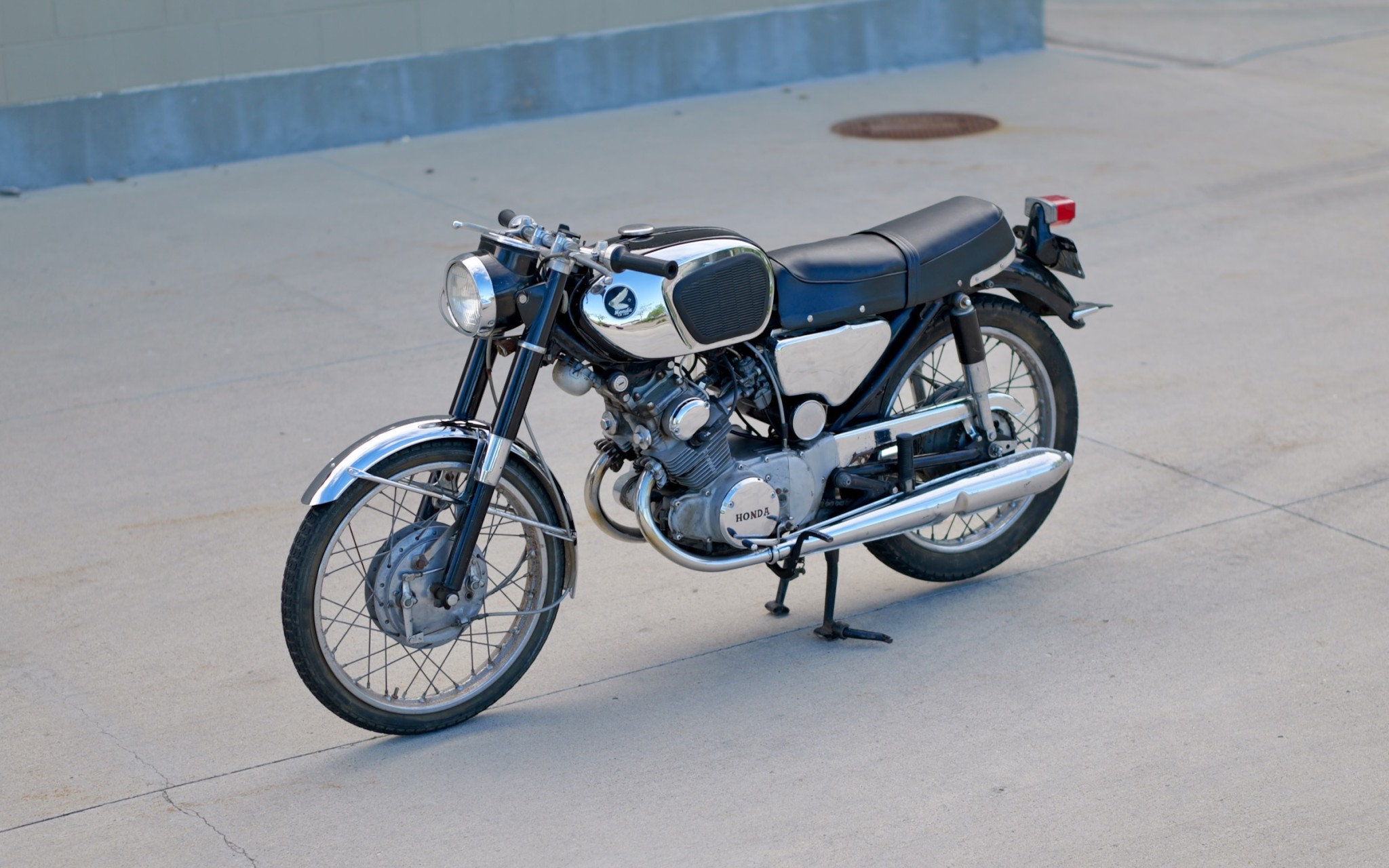
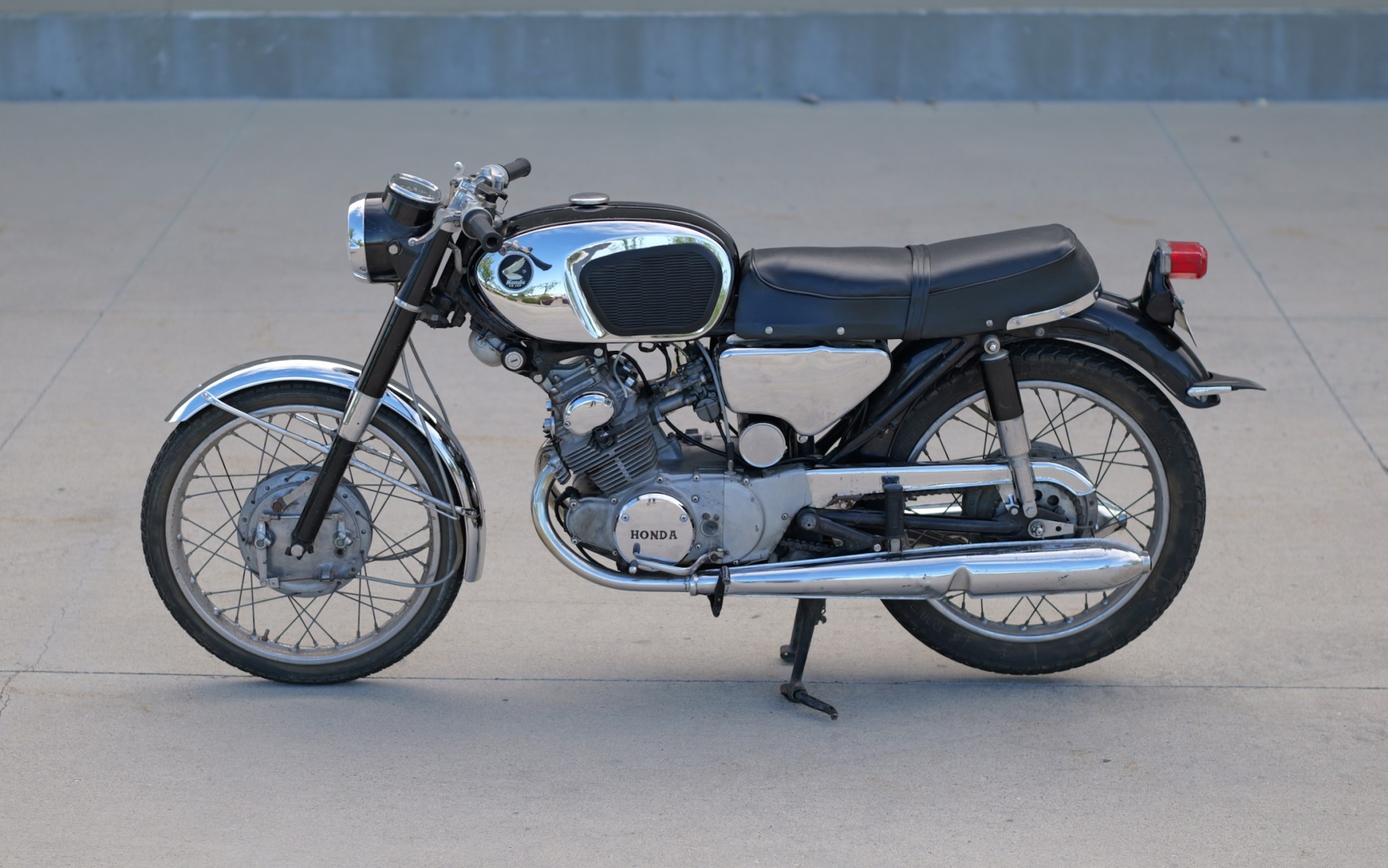
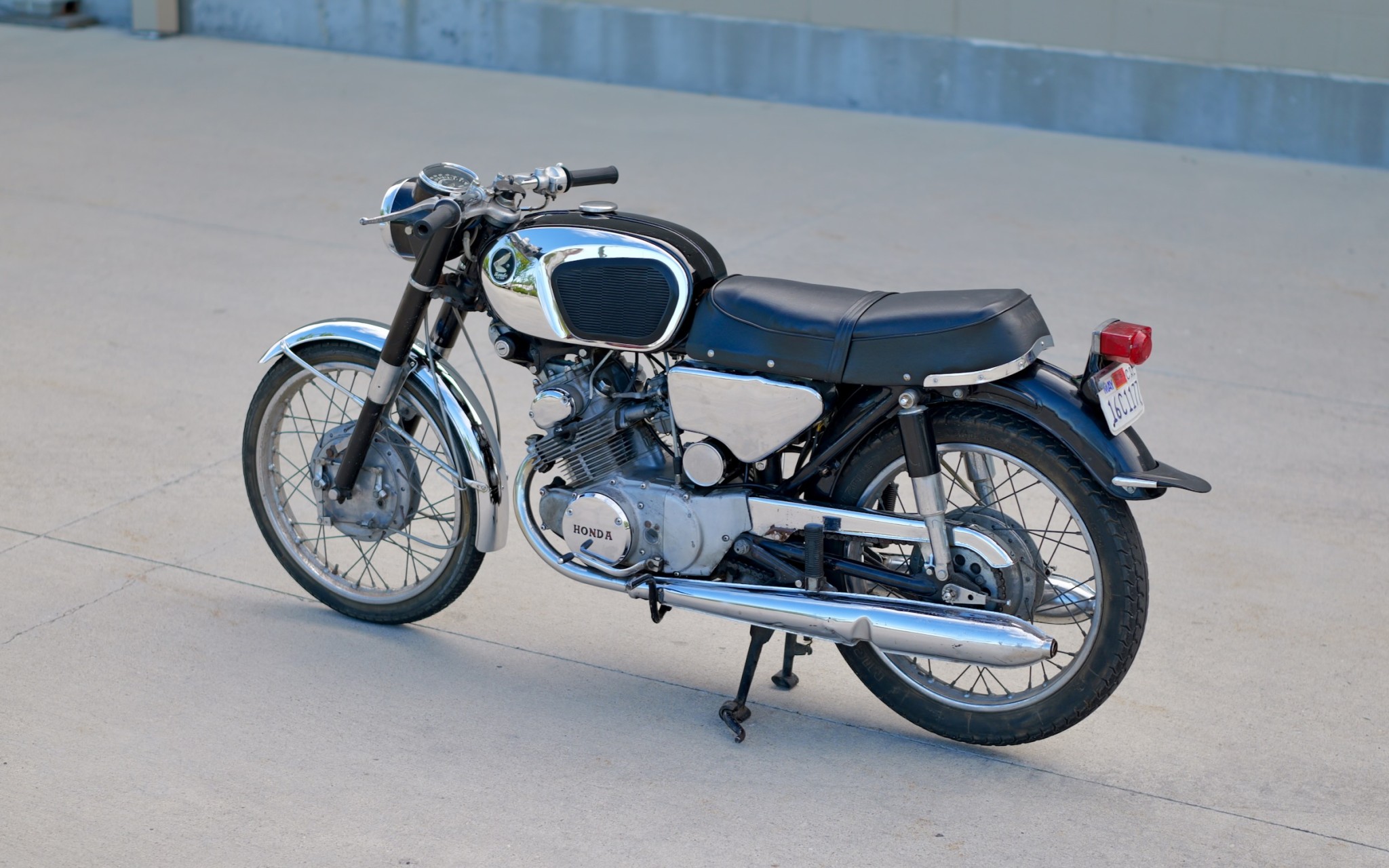
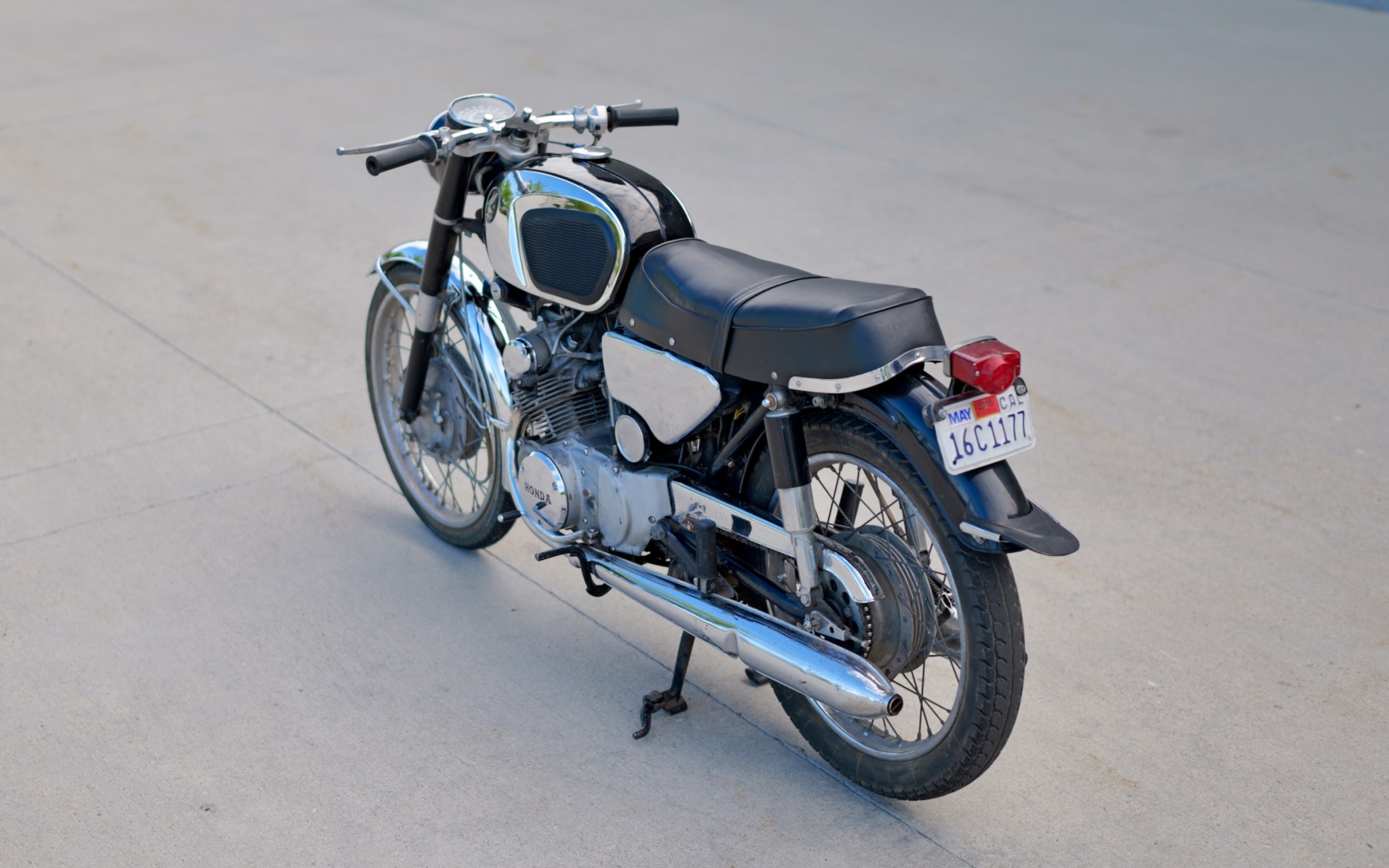
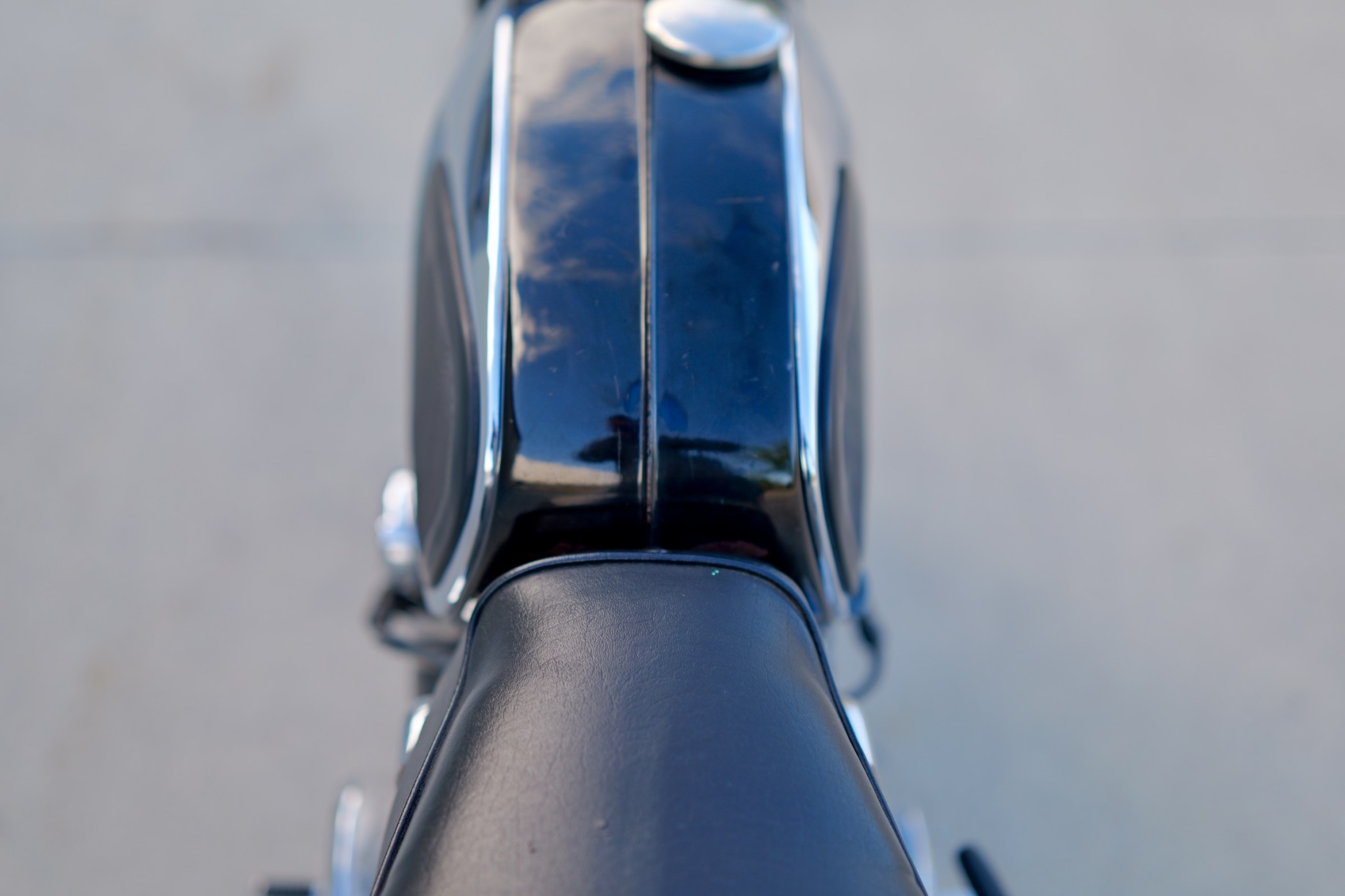
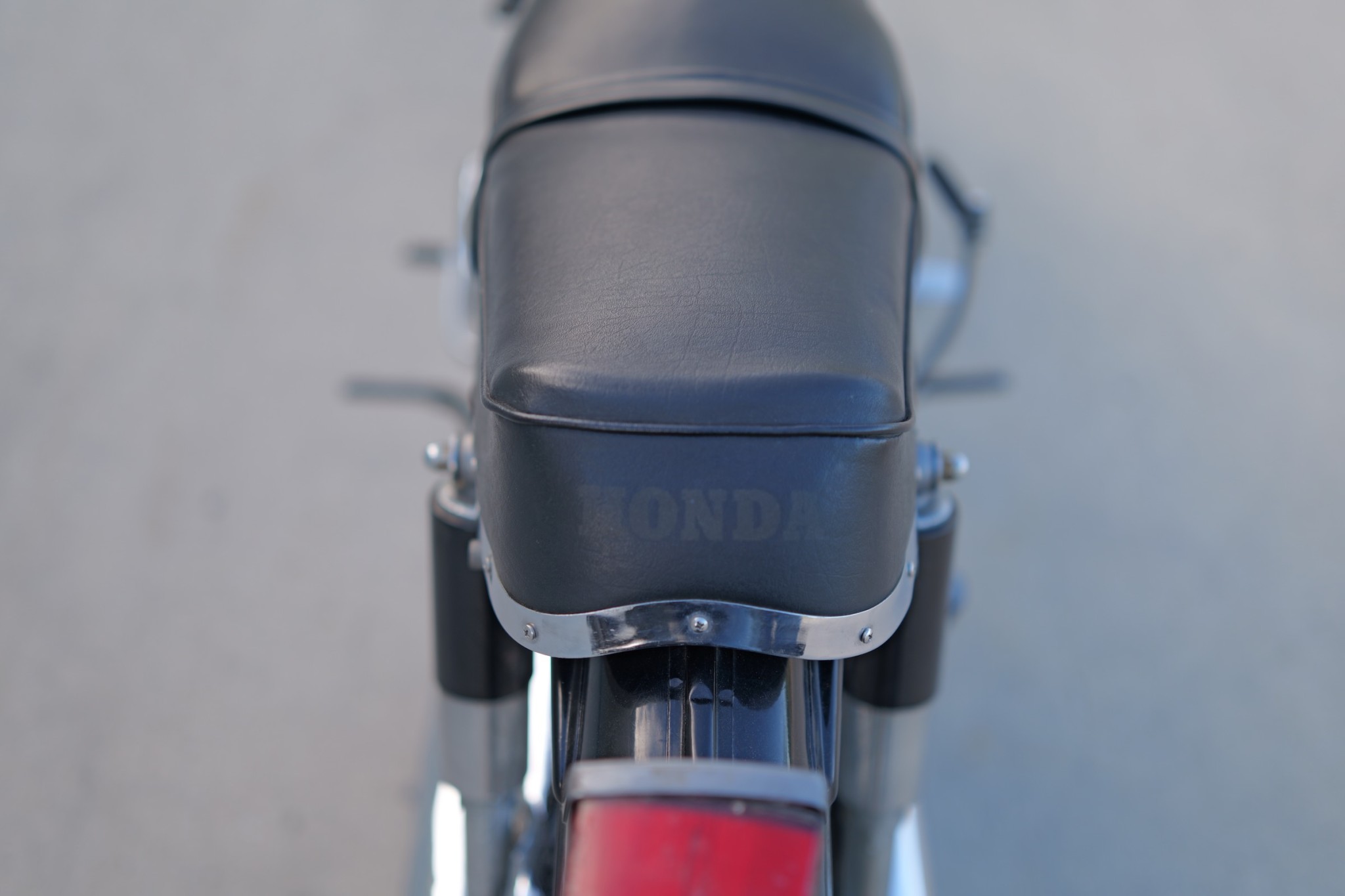
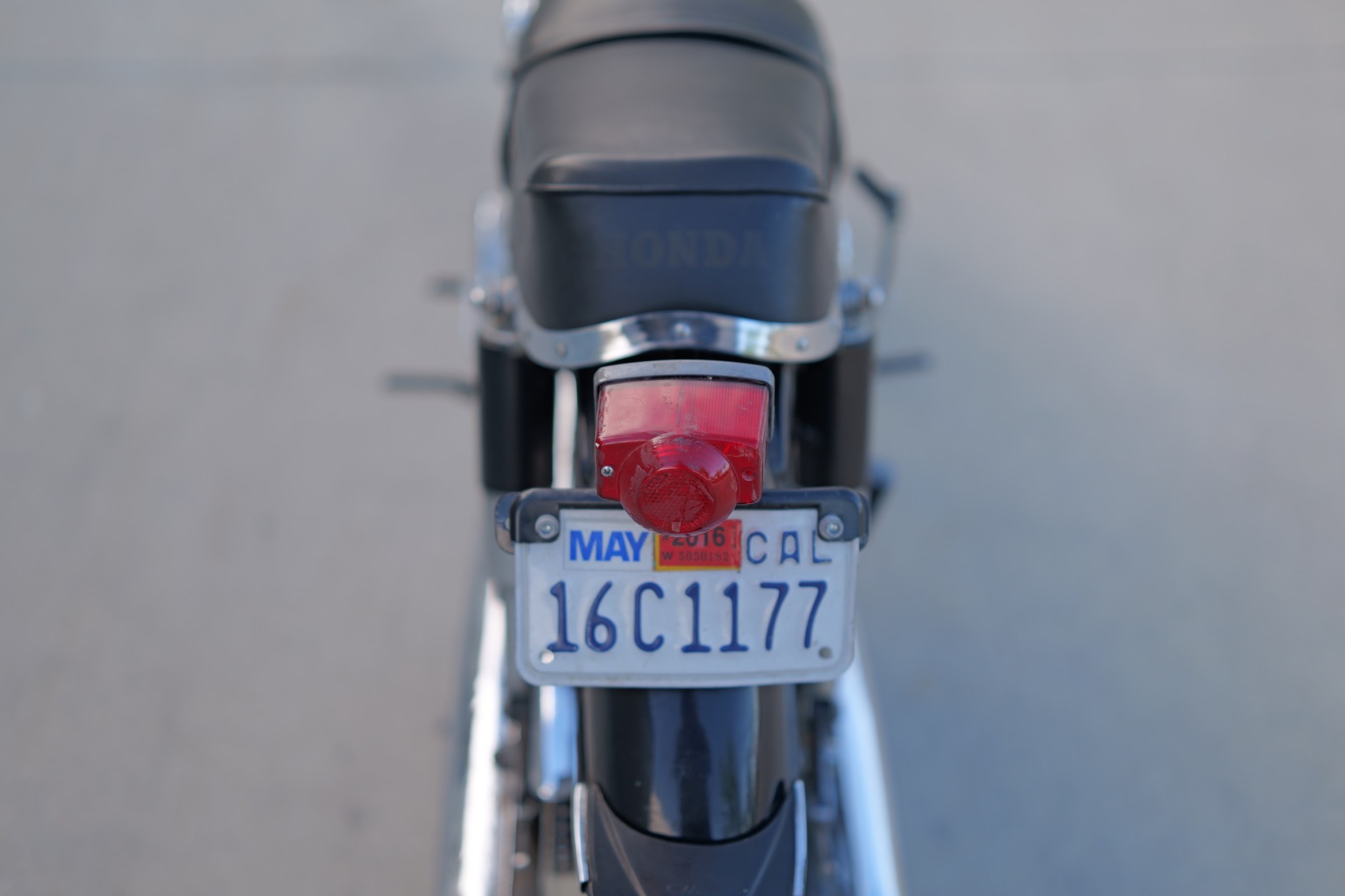
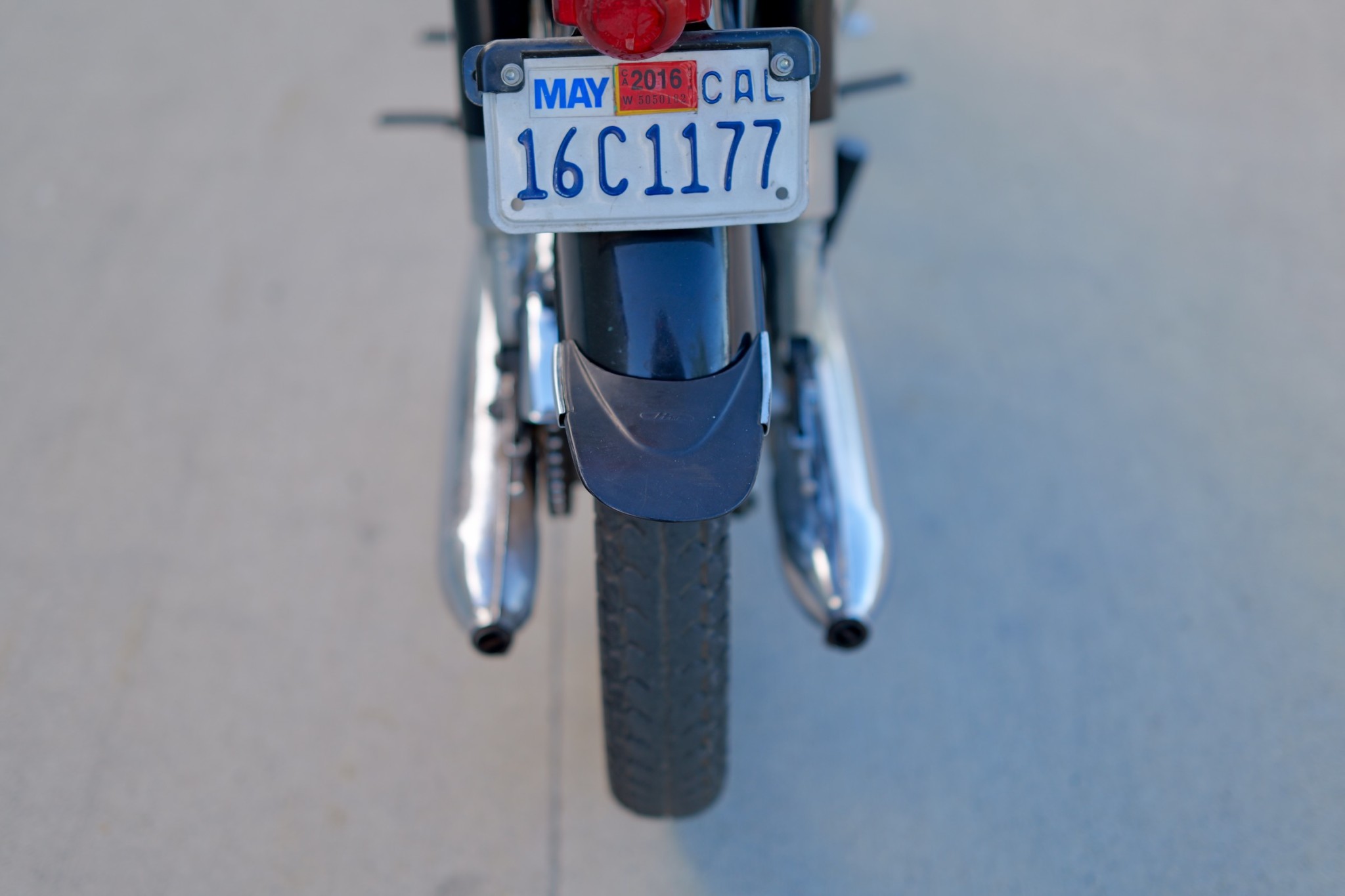
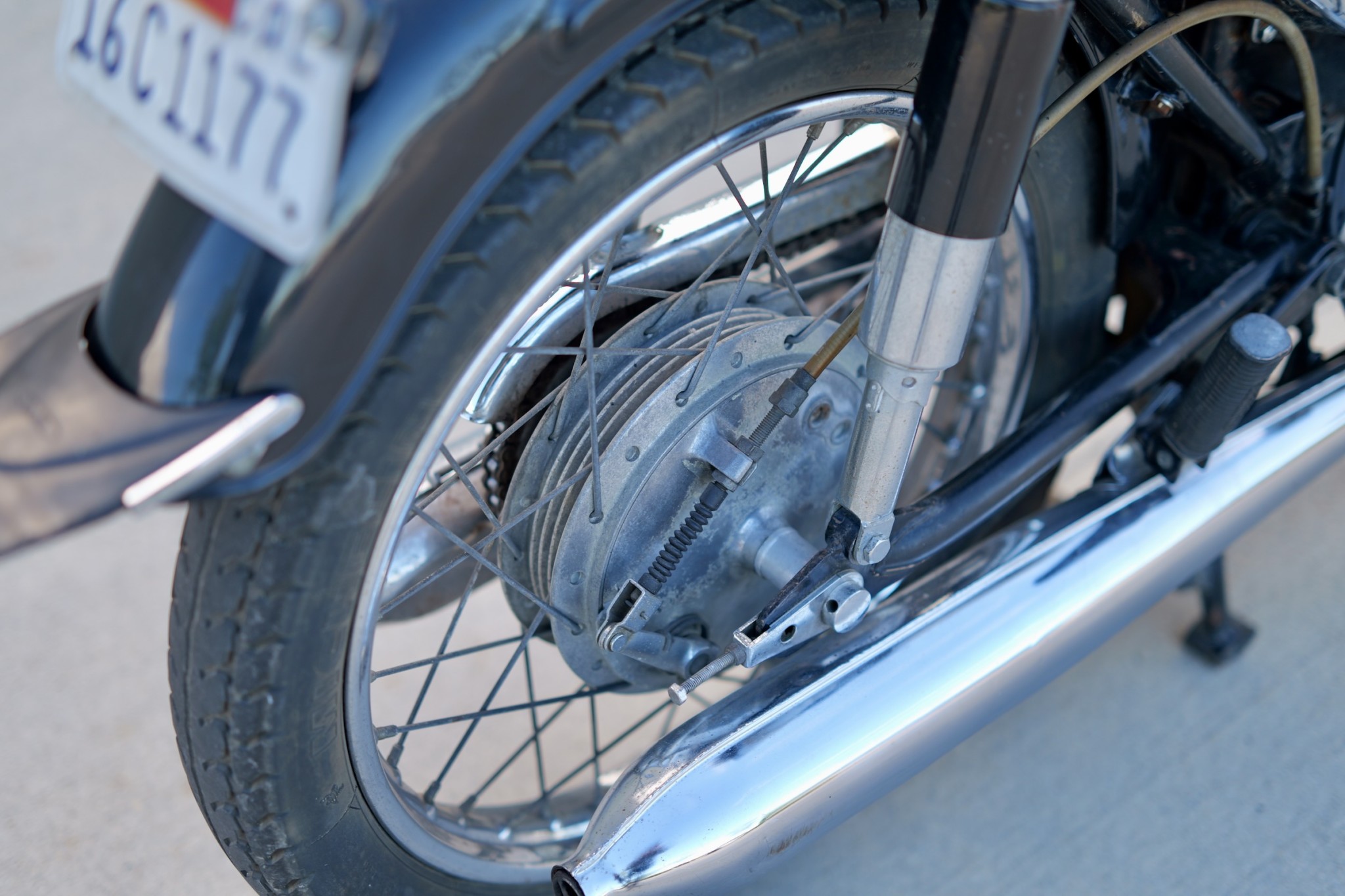
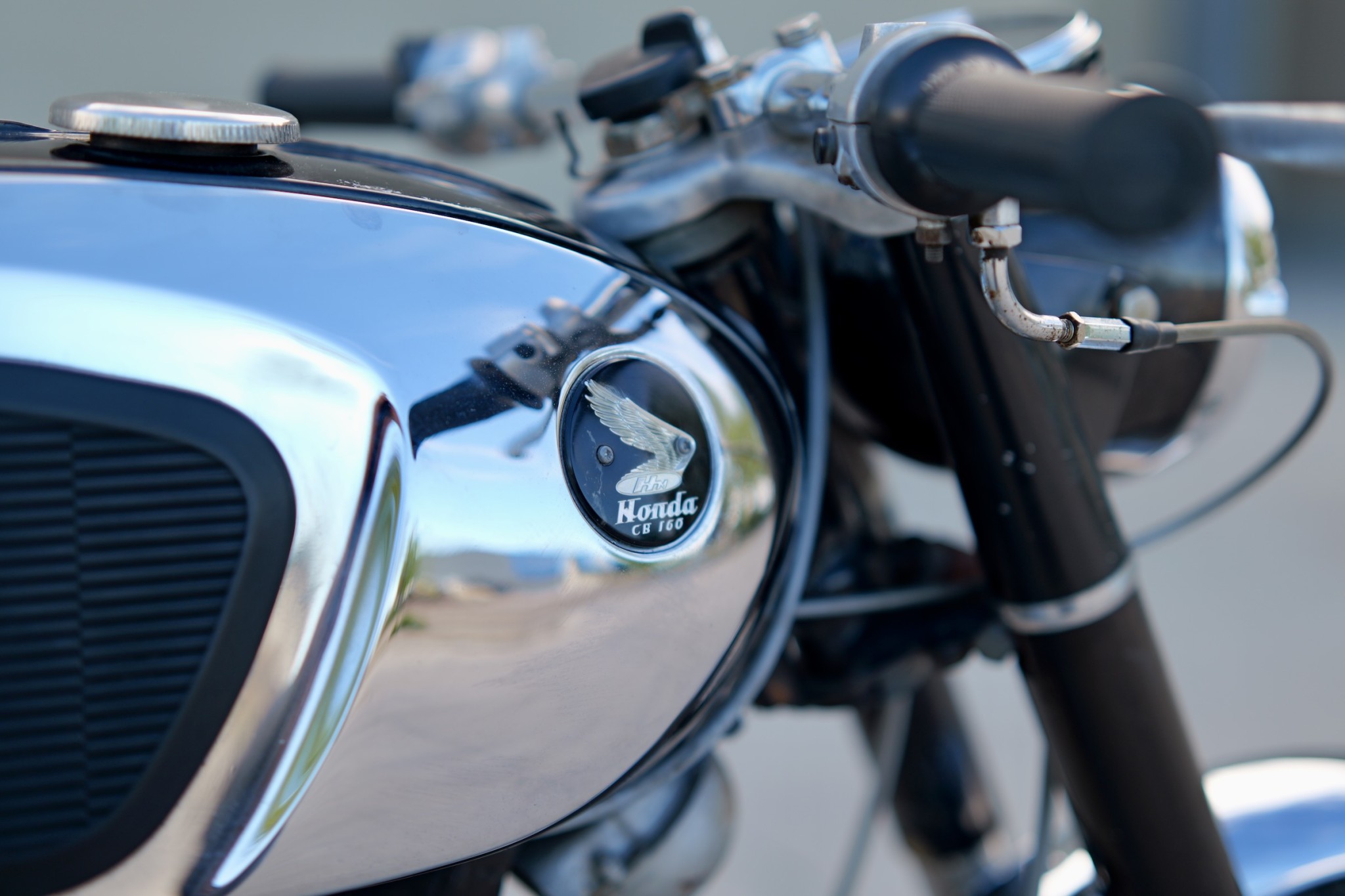
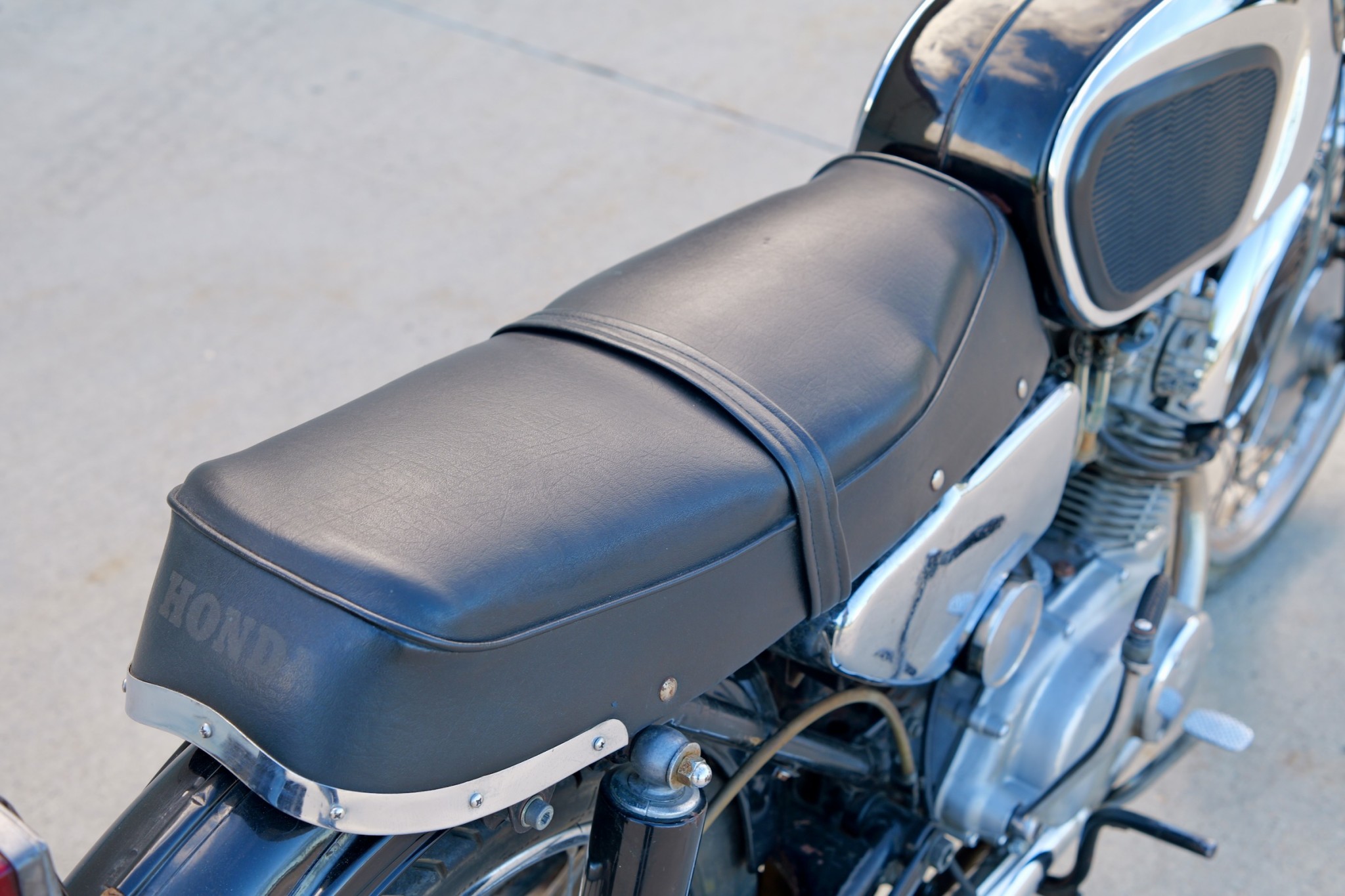
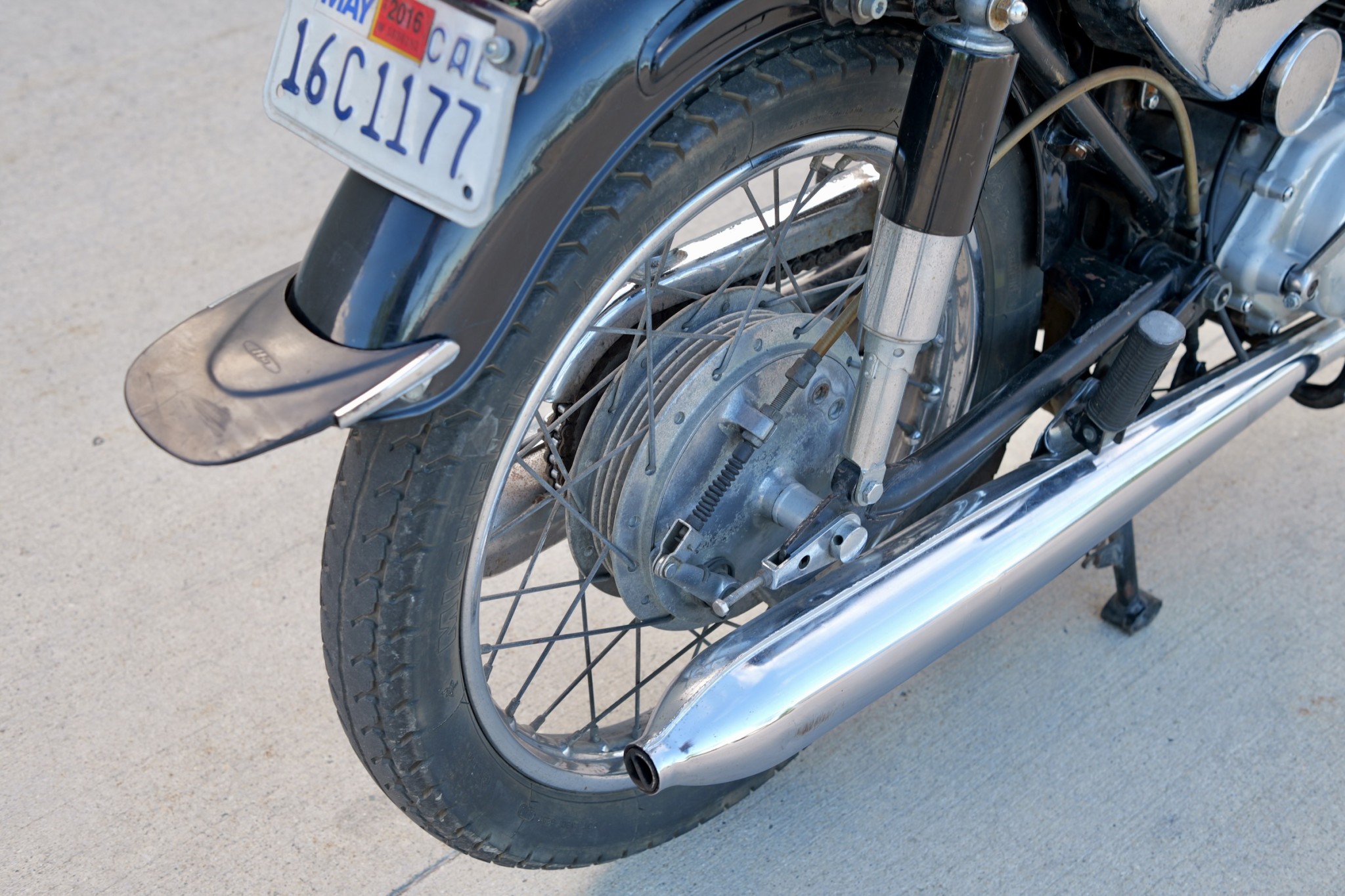
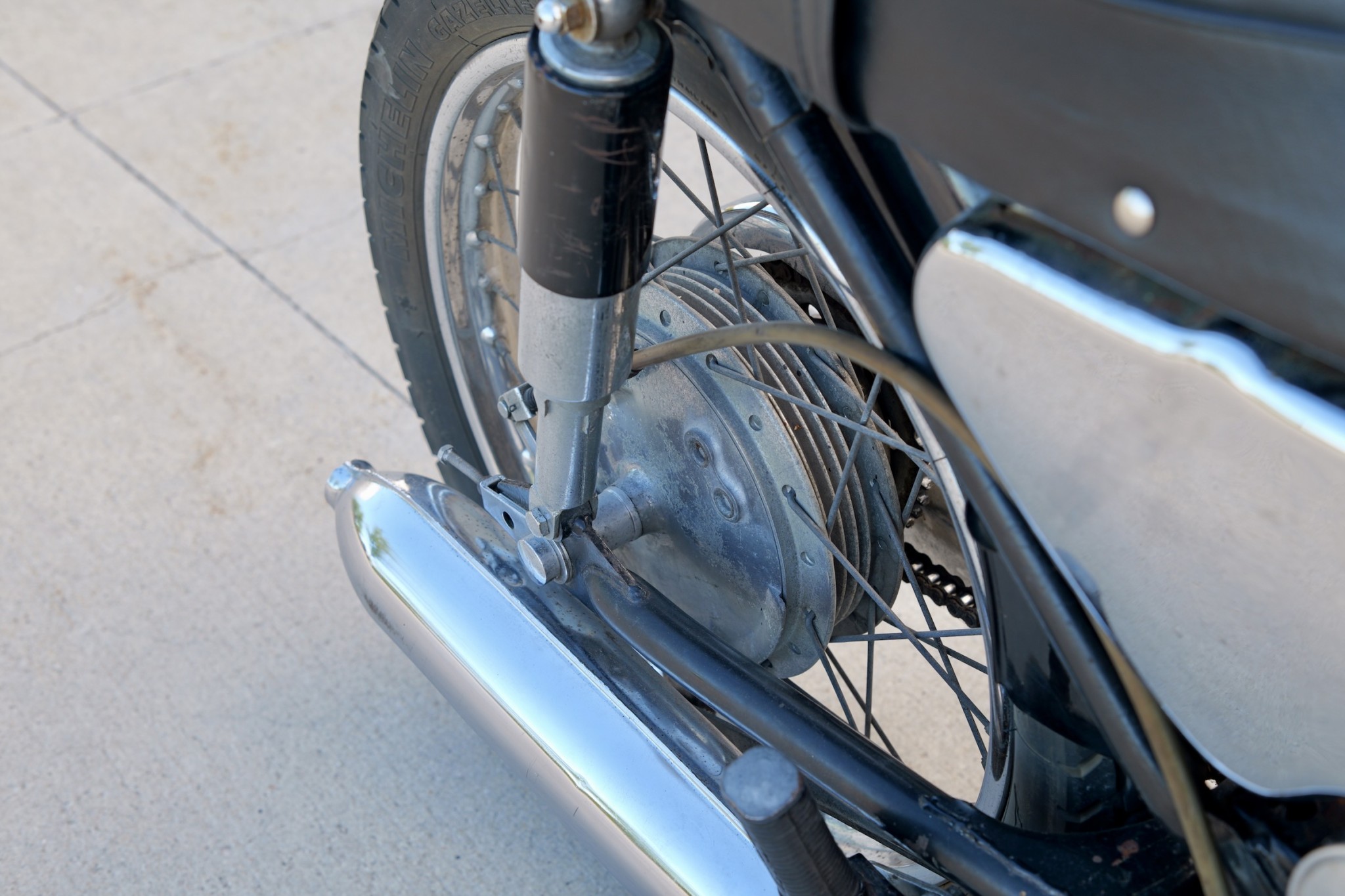
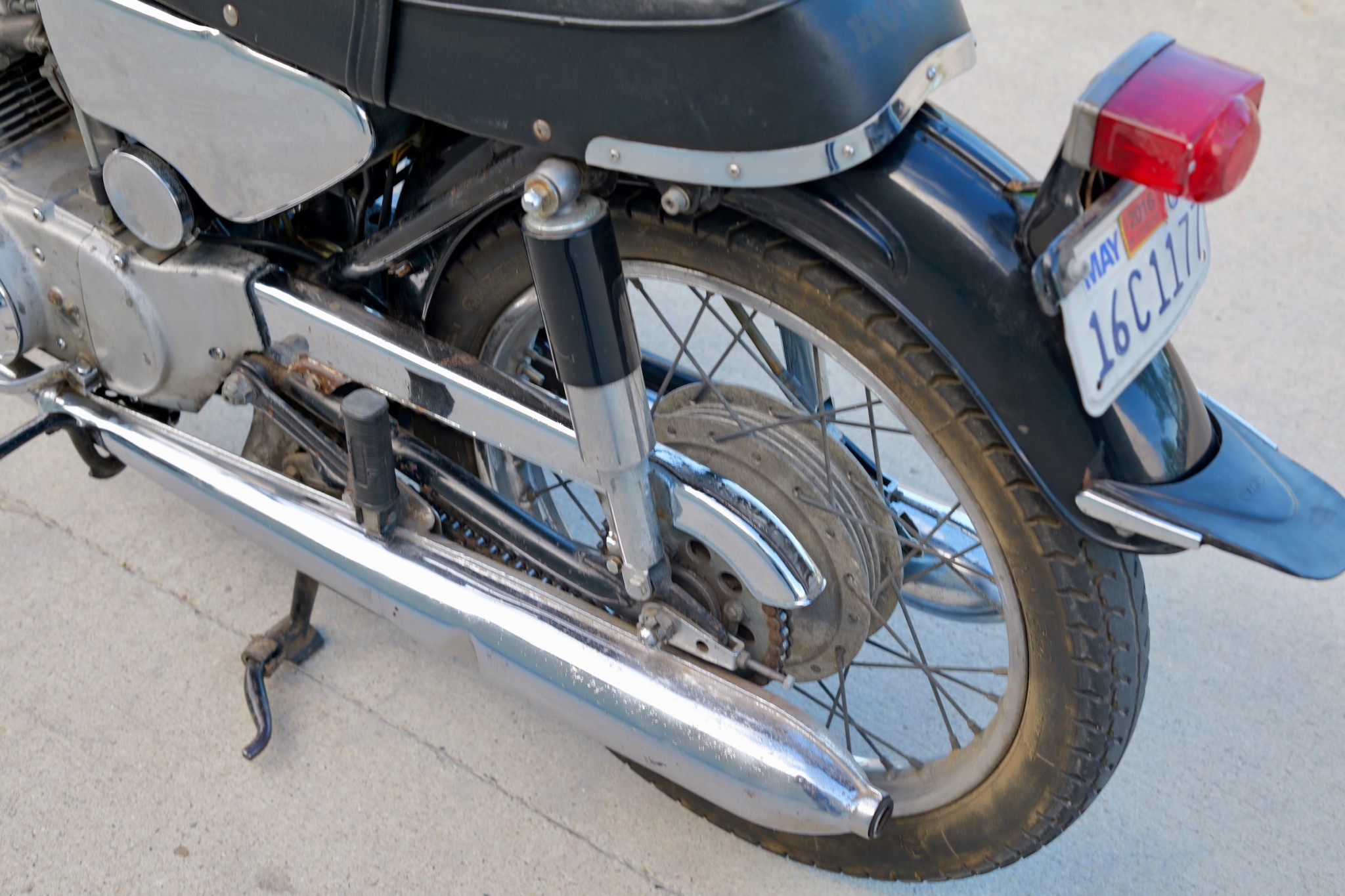
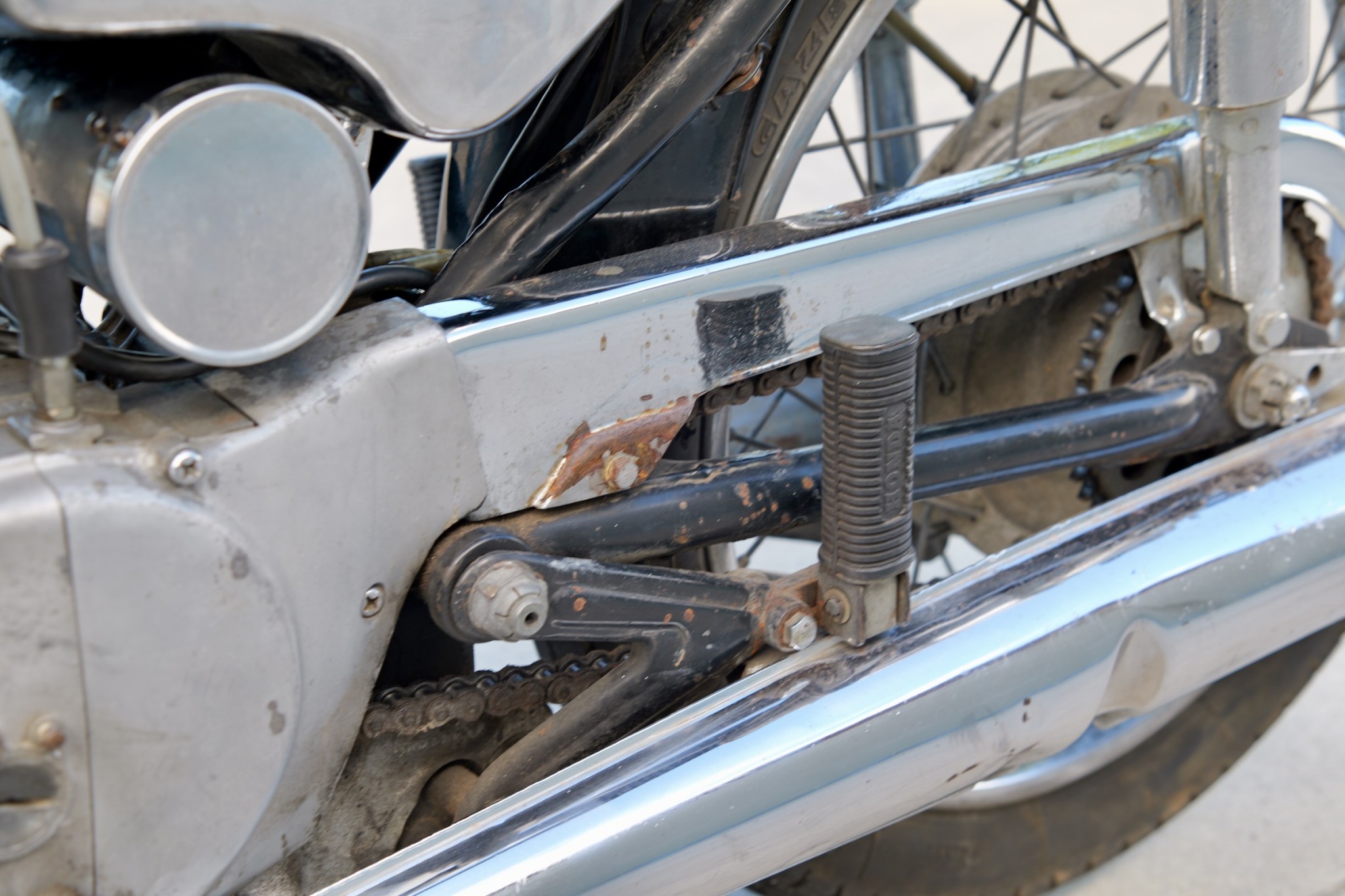
For the past few years, this 1964 Honda CB160 has been parked in the Barn Finds Office. We bought it with plans of getting it back on the road, but we never got around to it. Plus, it looks so cool sitting in our front room that we decided to enjoy it as a piece of art. Well, recently, we got a wild hair to get it running again. After servicing the fuel system and performing a tune-up, we got it running and took it for a test ride. It still needs a few minor things to be ready for daily use, but can be ridden as is. It’s a blast to ride, but the only space we have for it is in our office, and it’s too fun to be office decoration. If you’d love to put it back on the street, be sure to bid below!
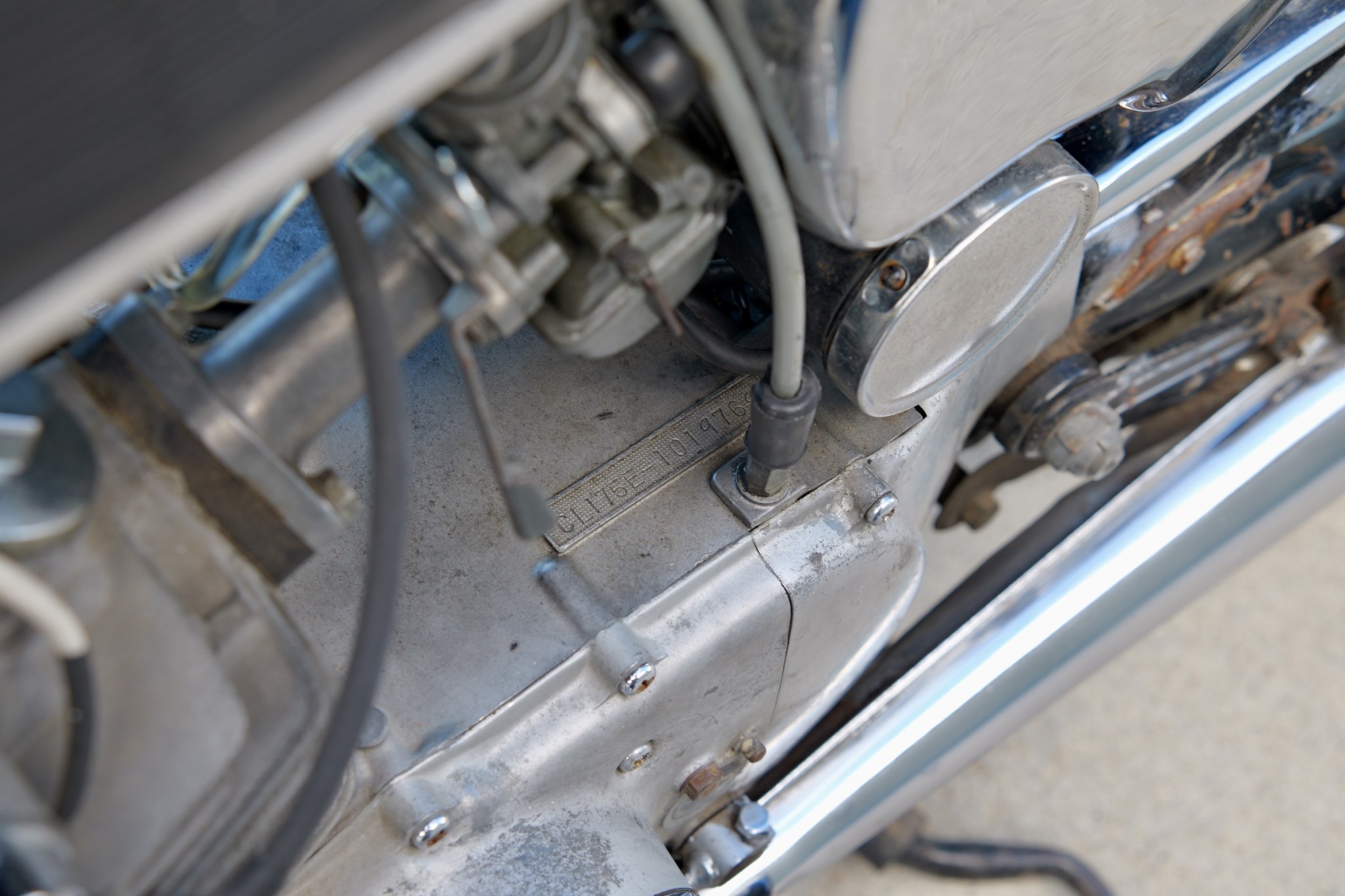
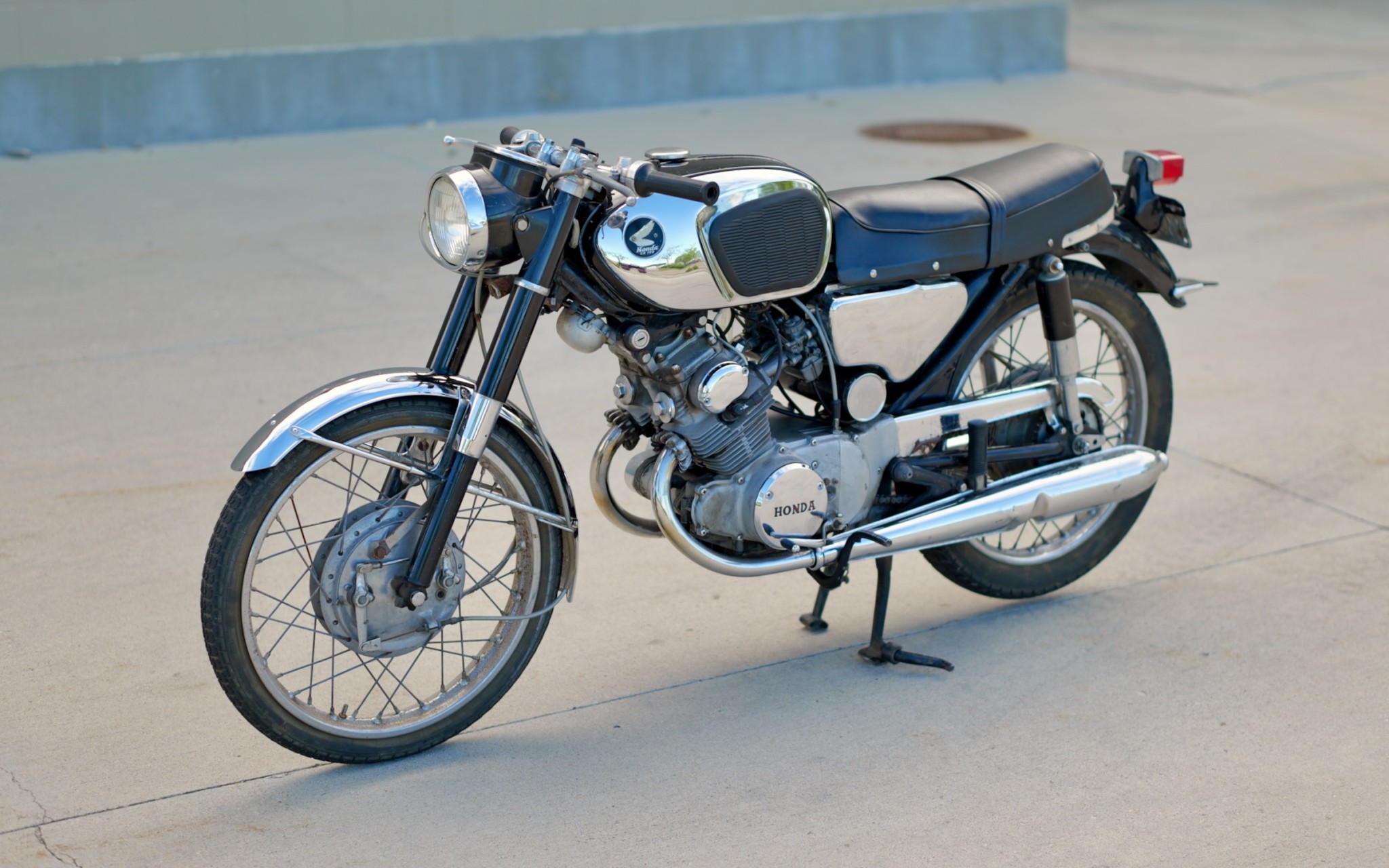
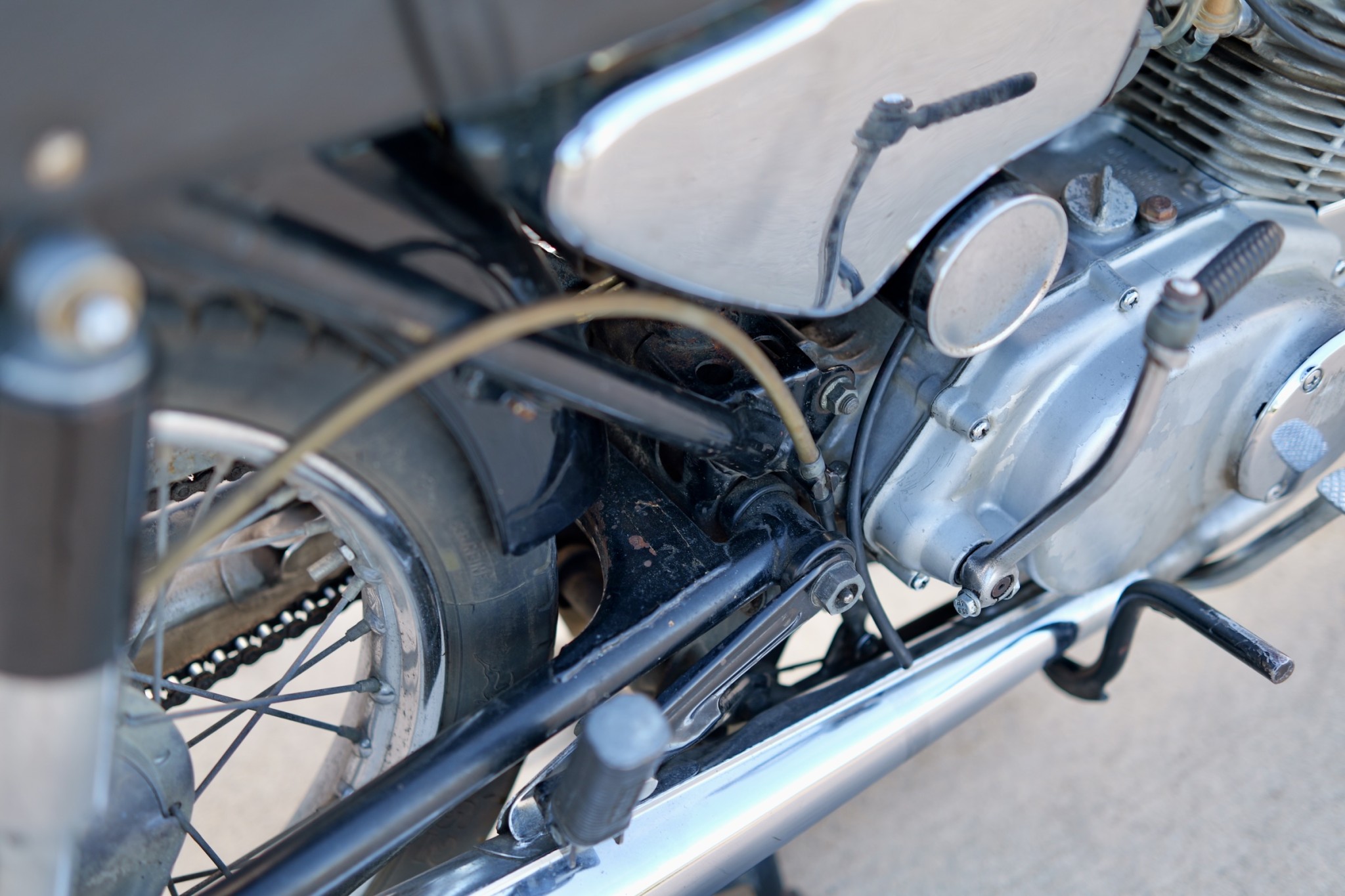
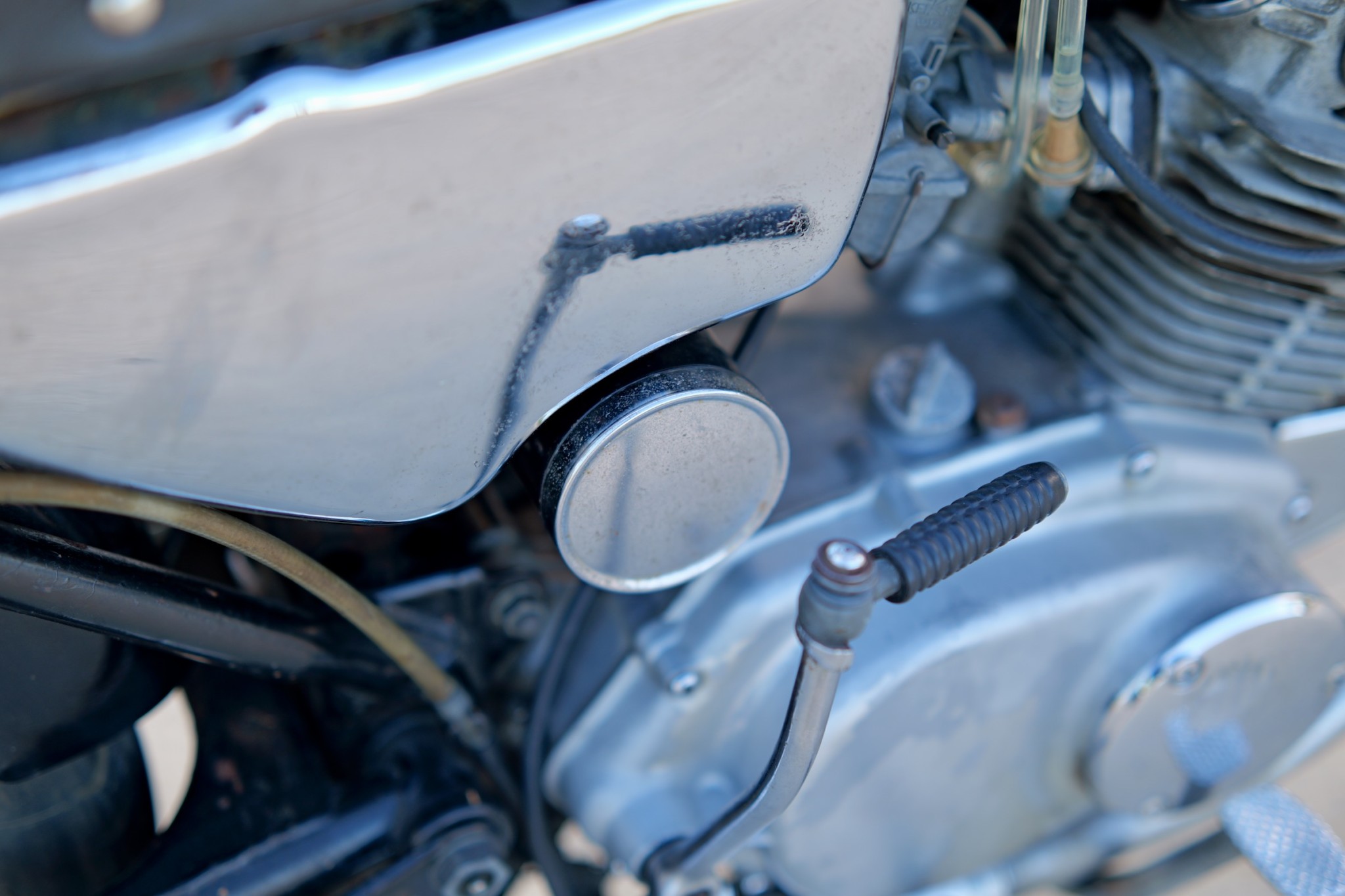
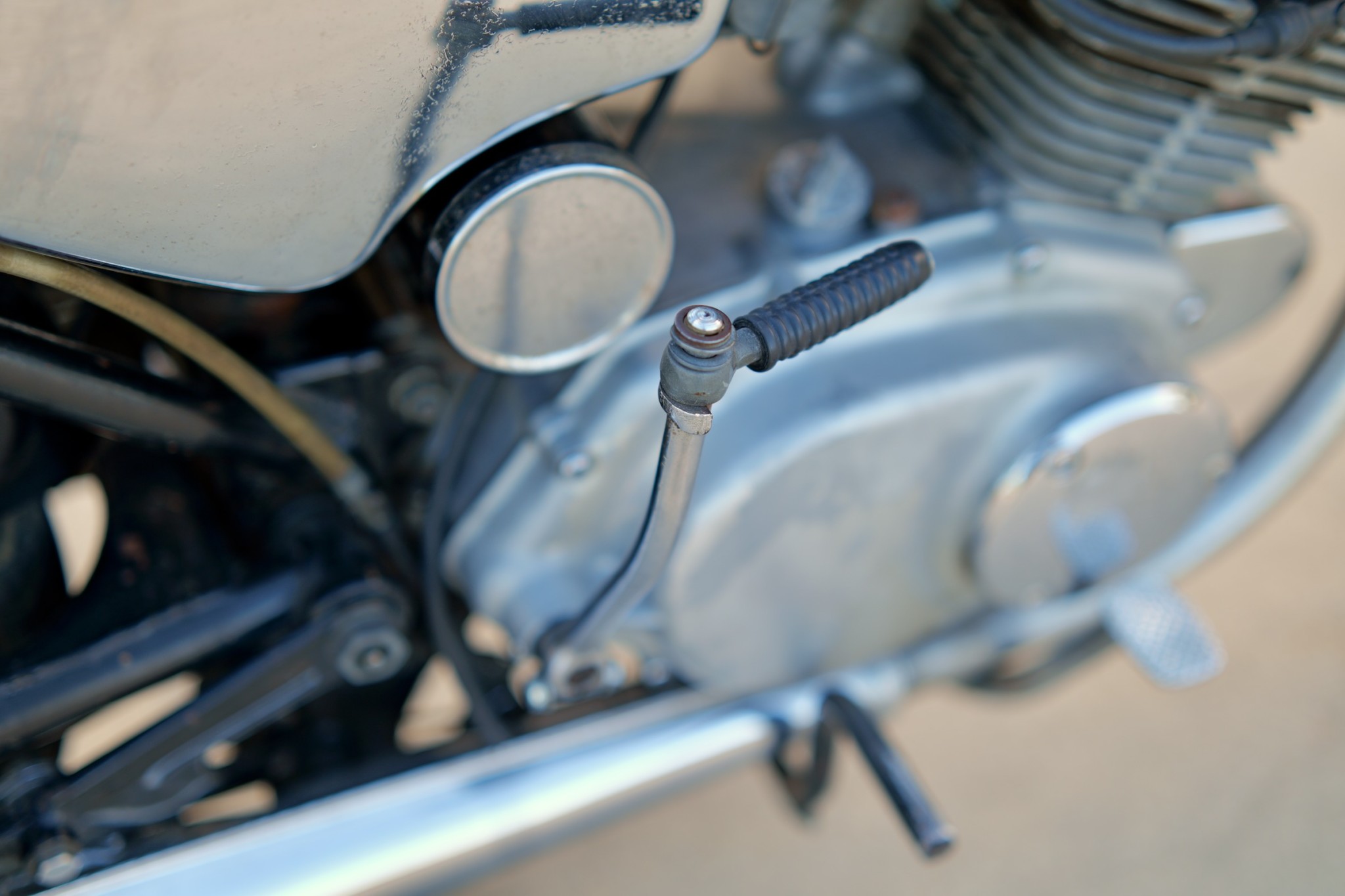
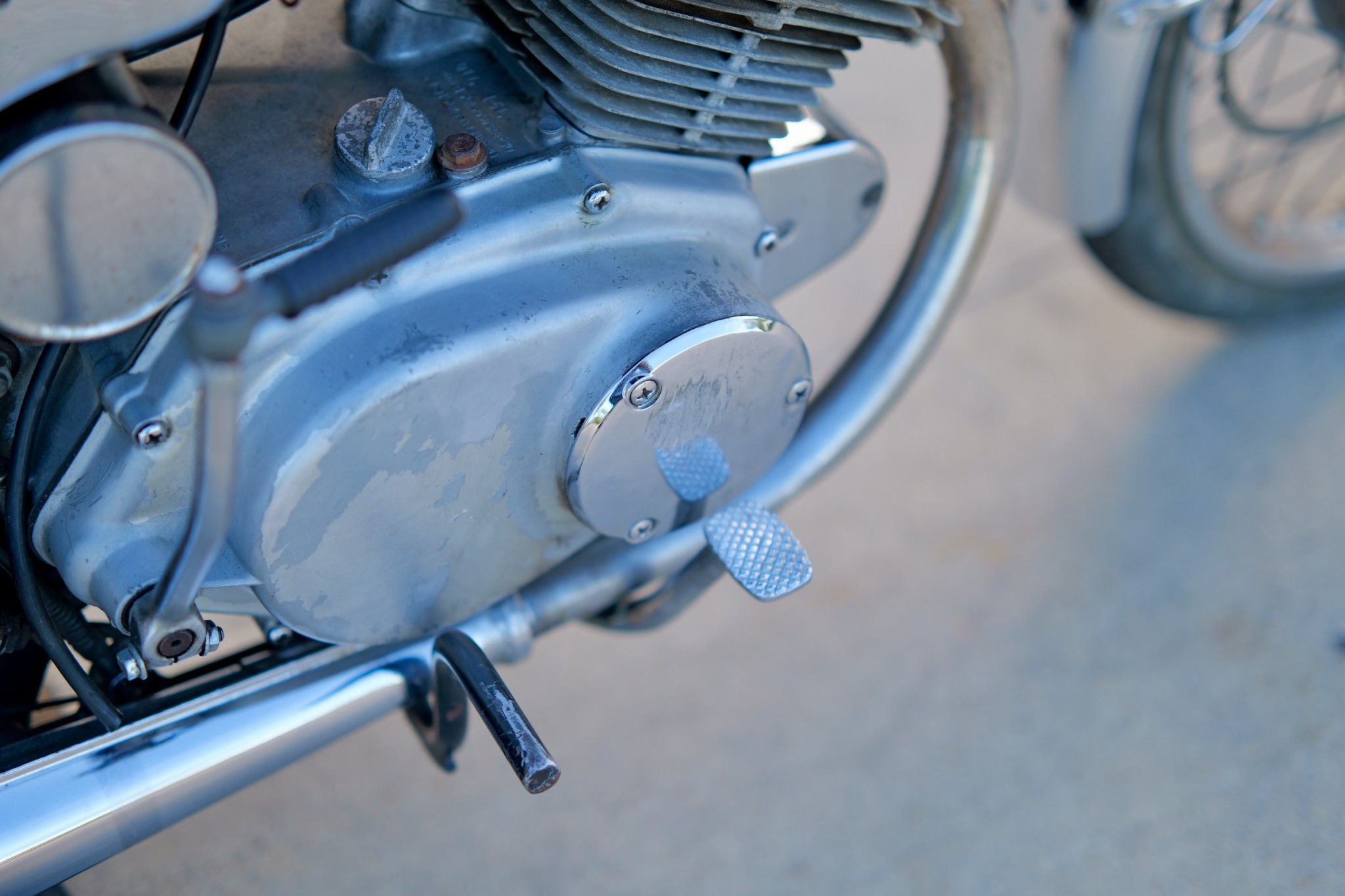
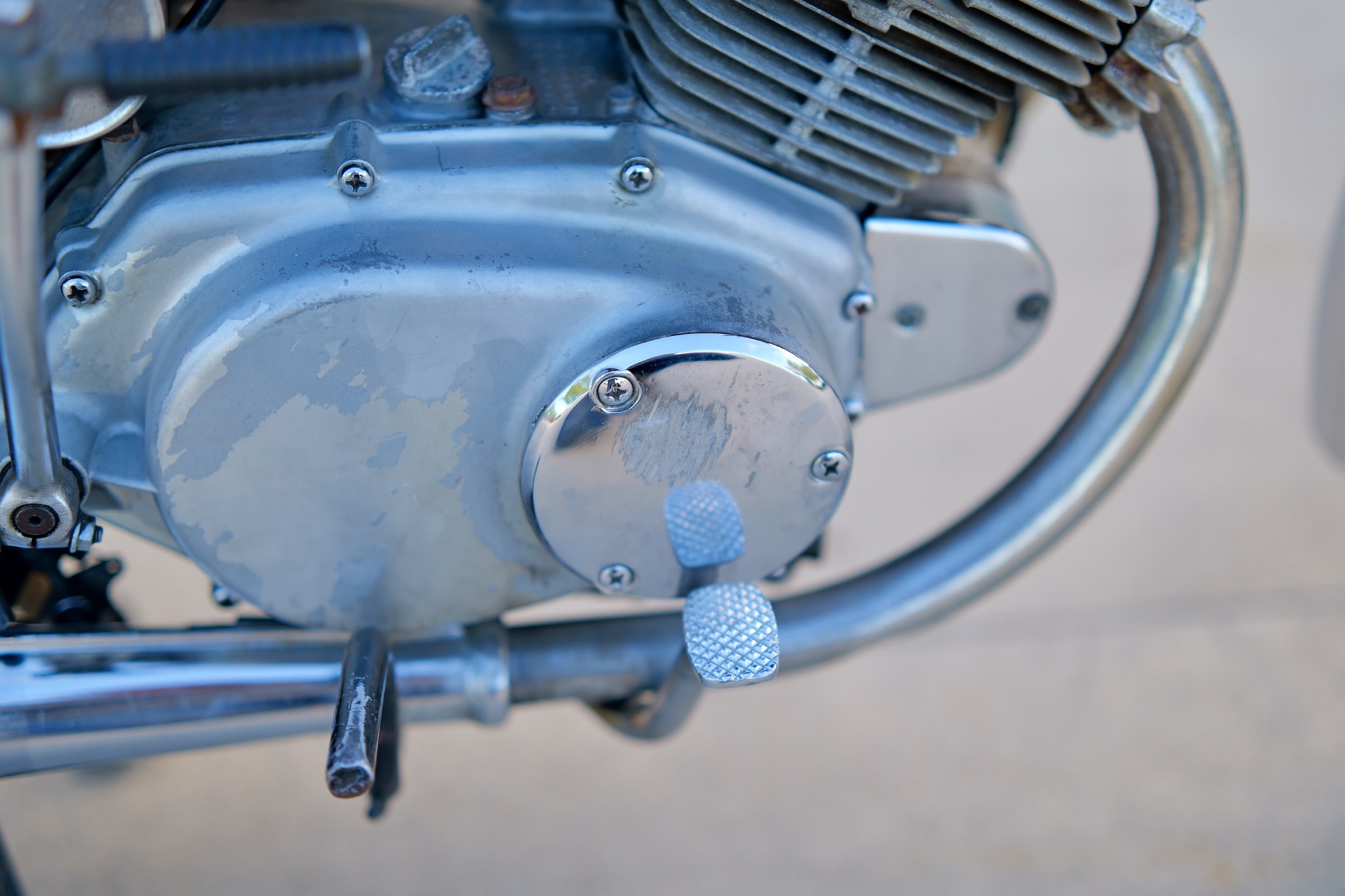
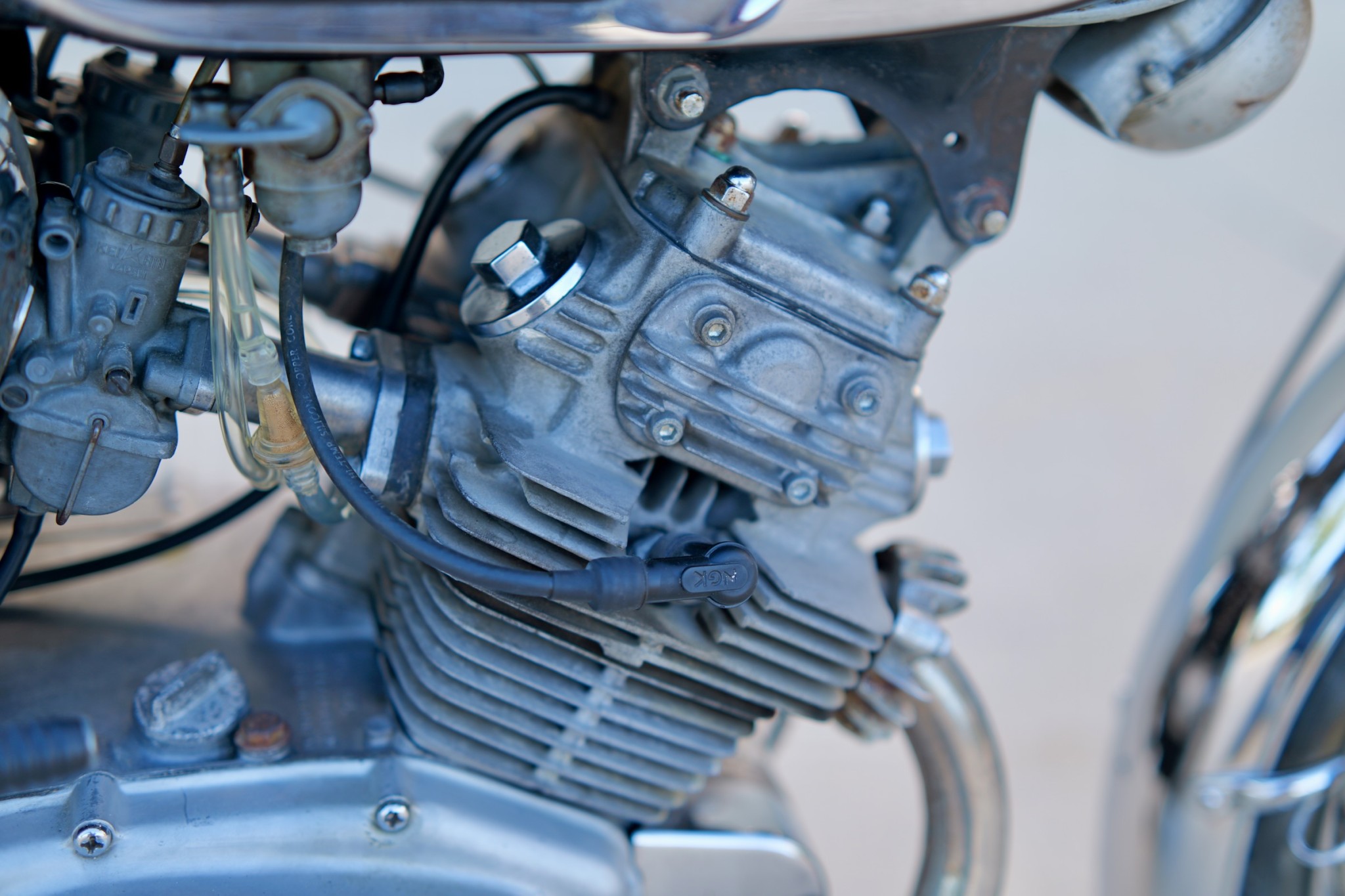
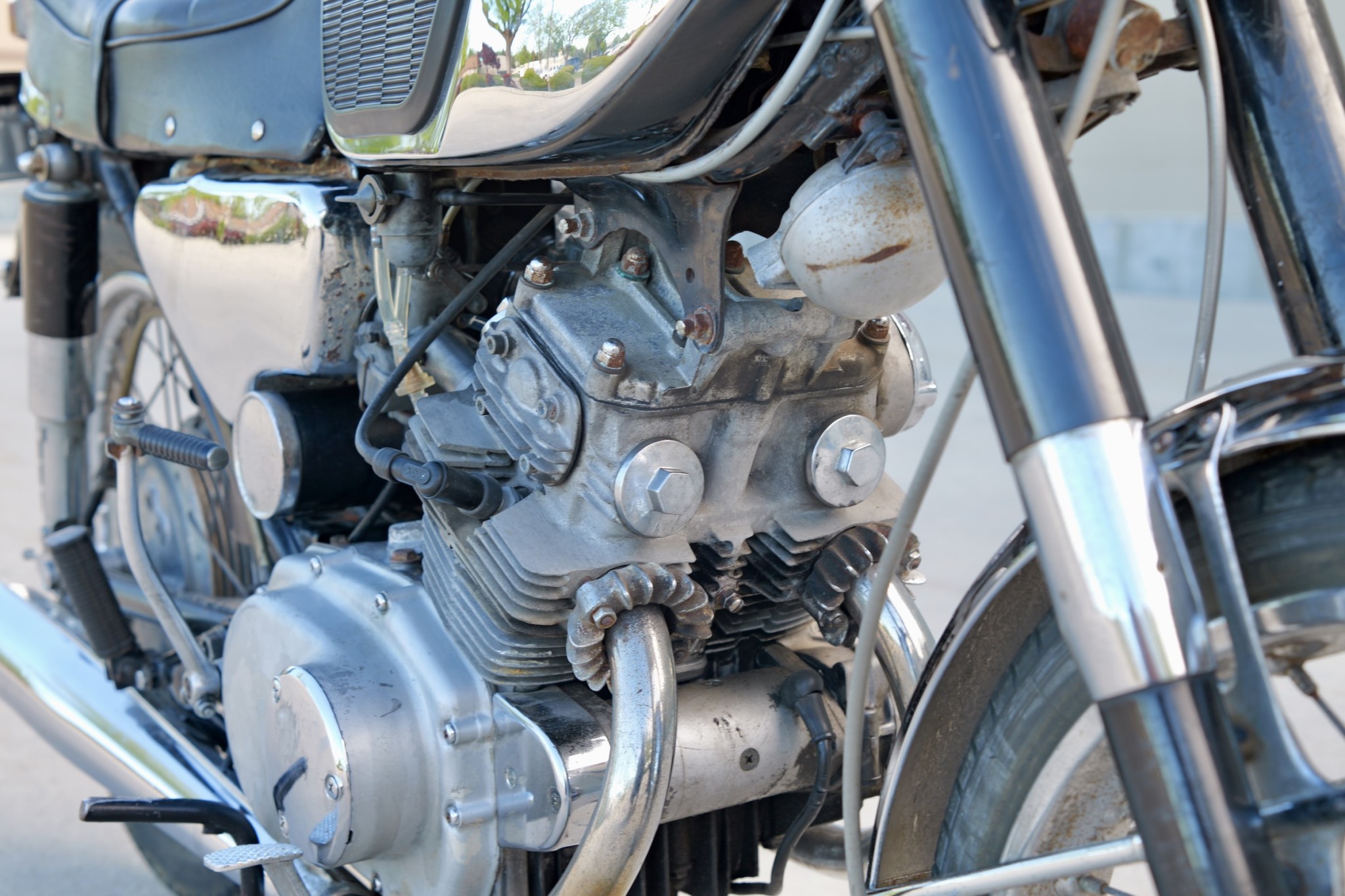
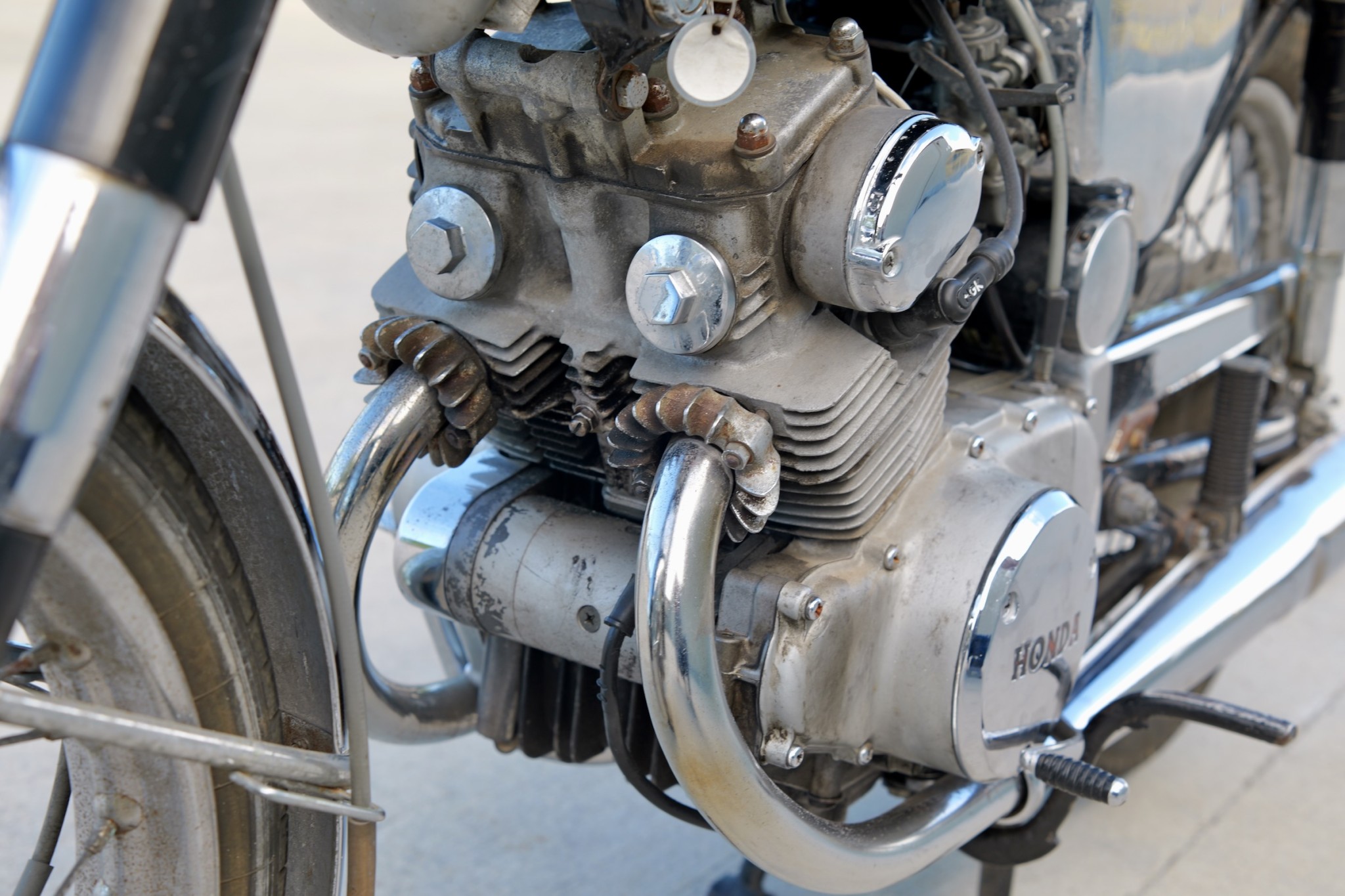
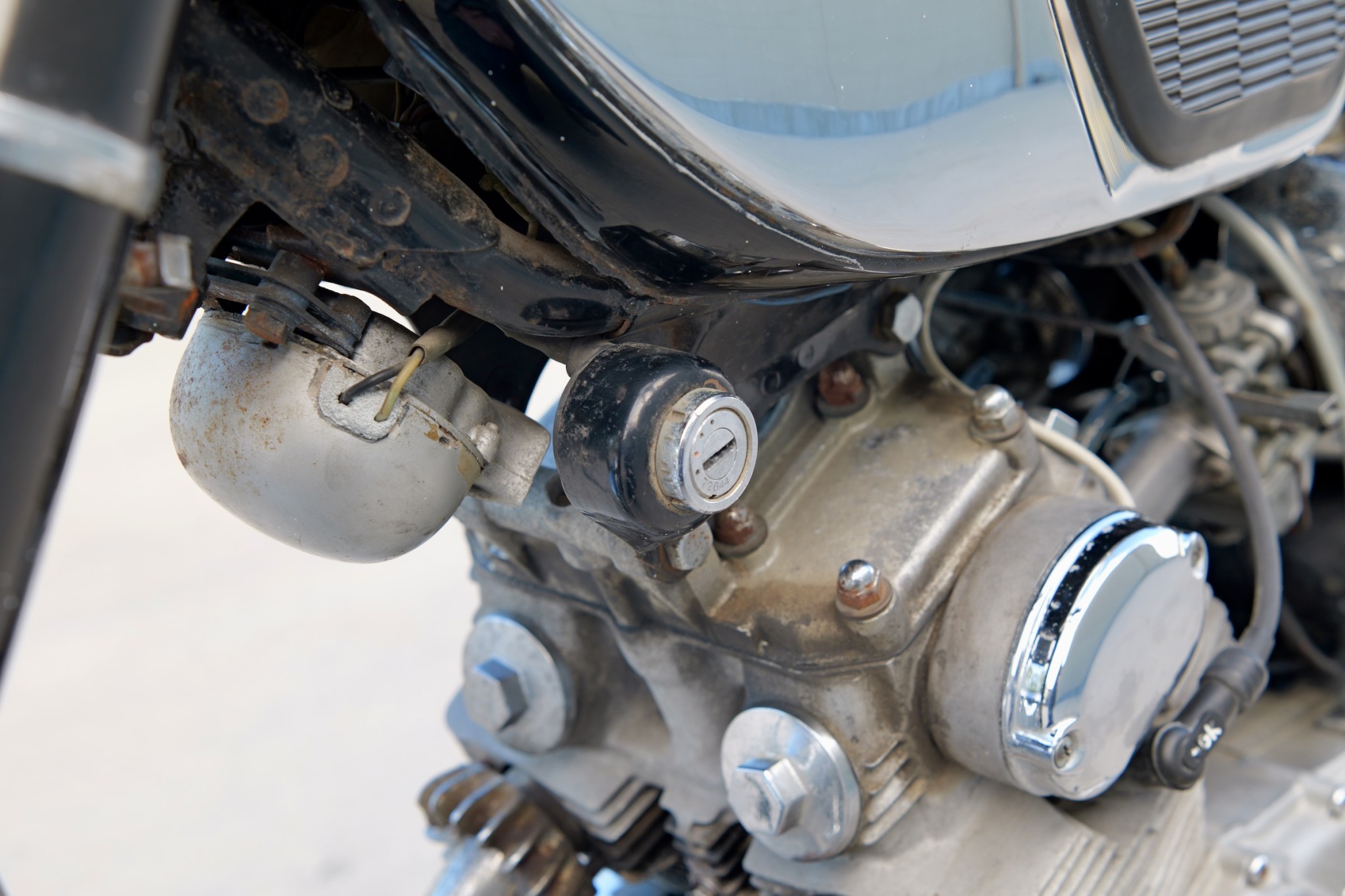
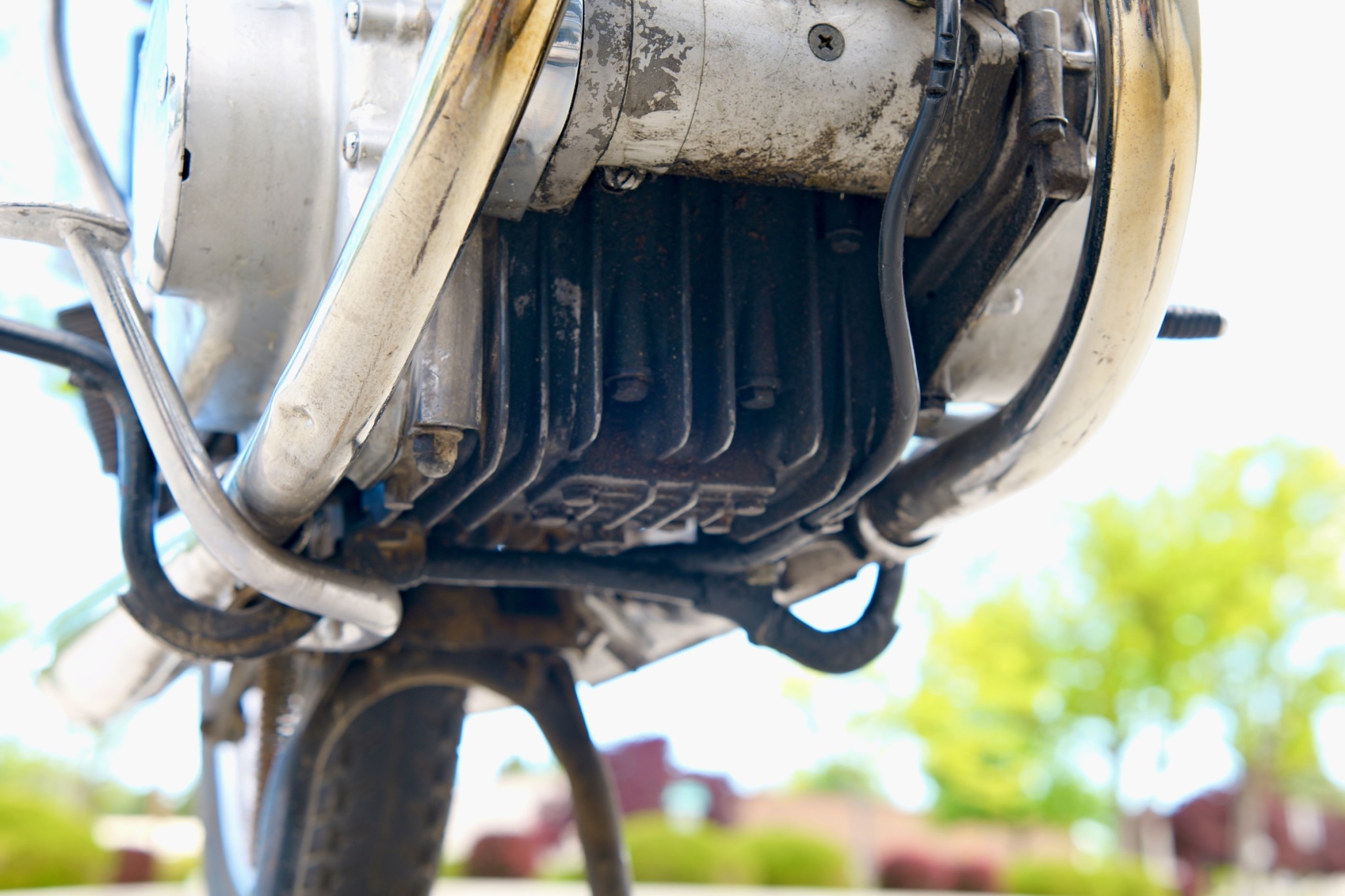
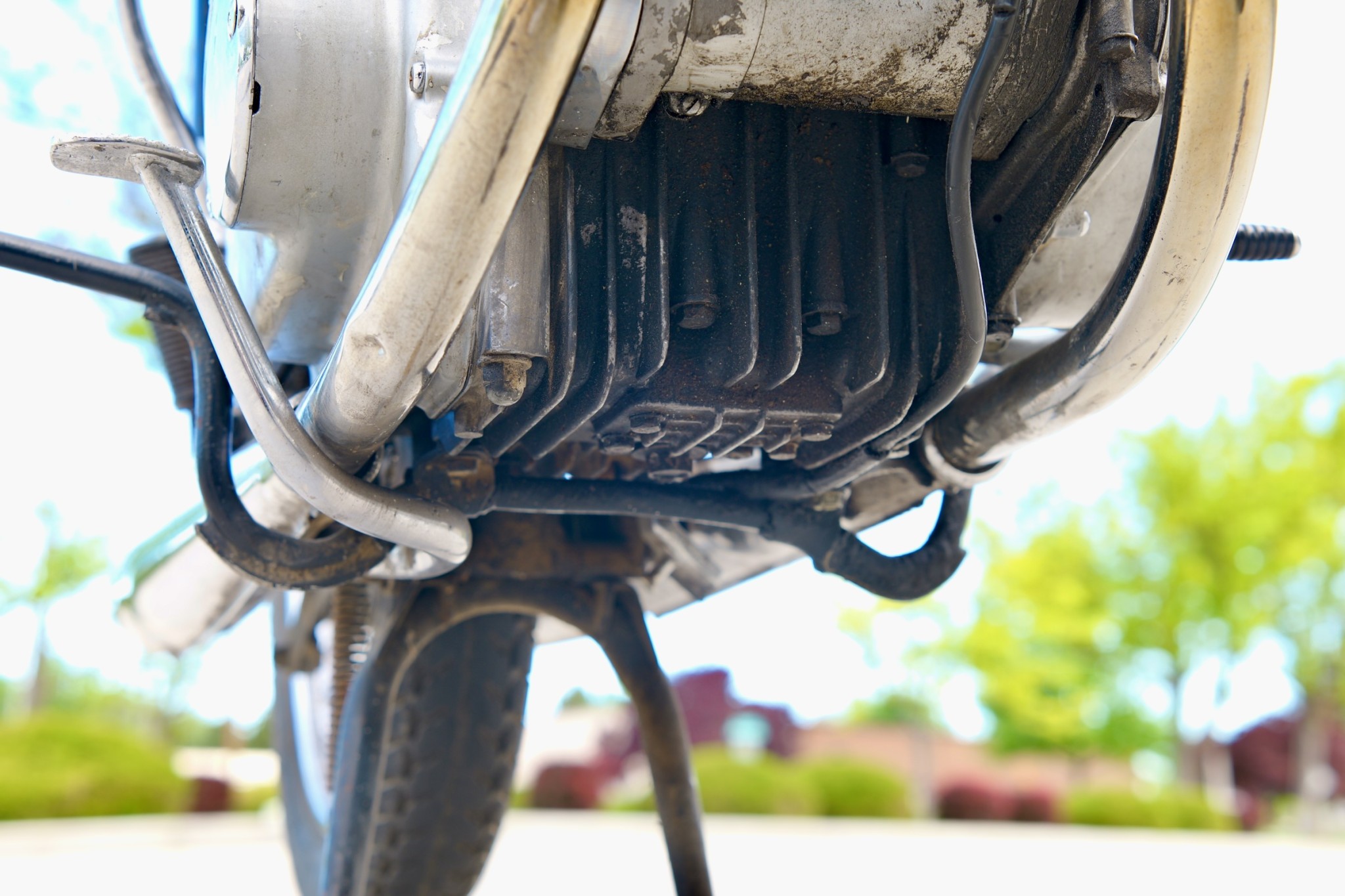
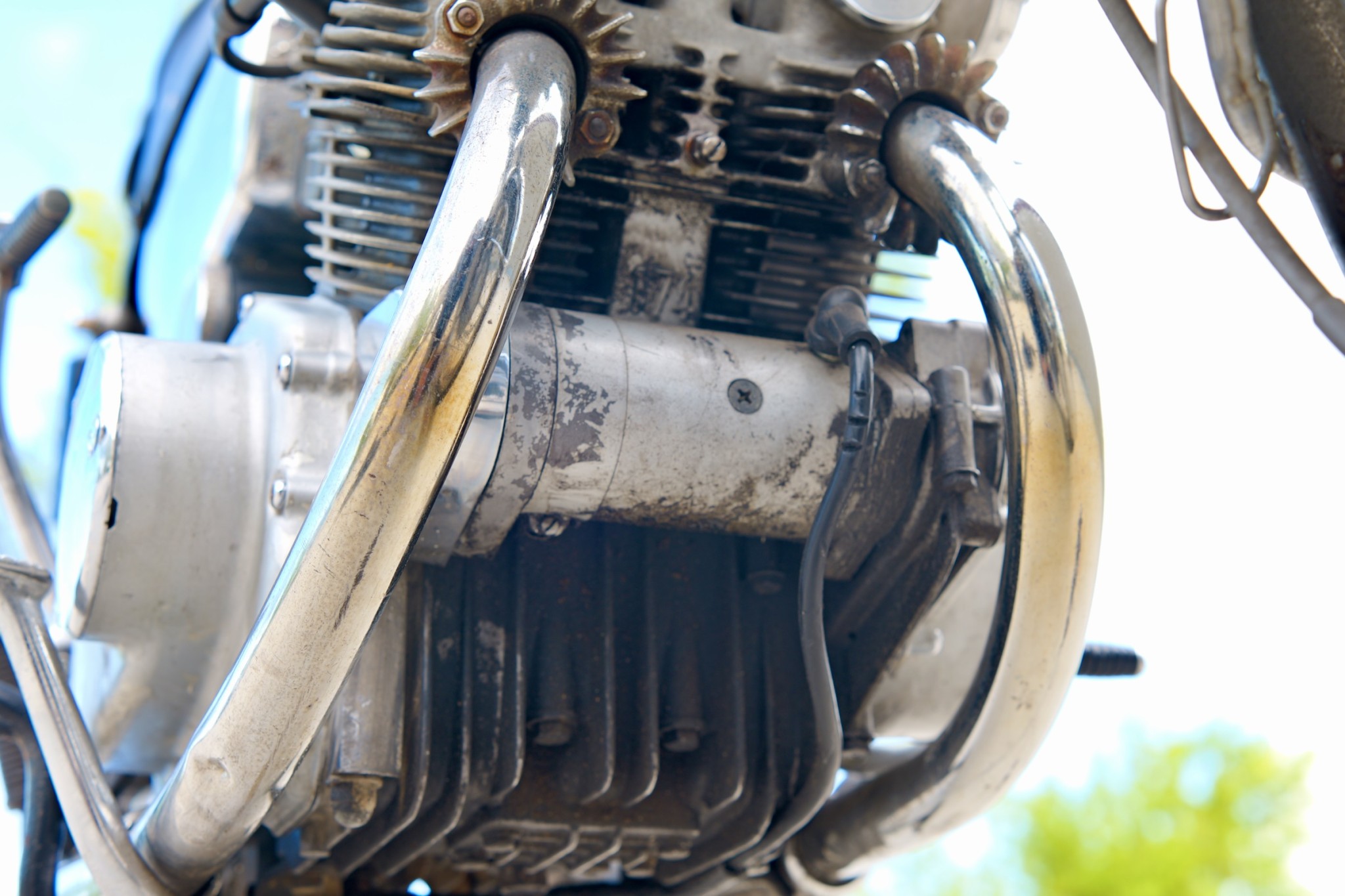
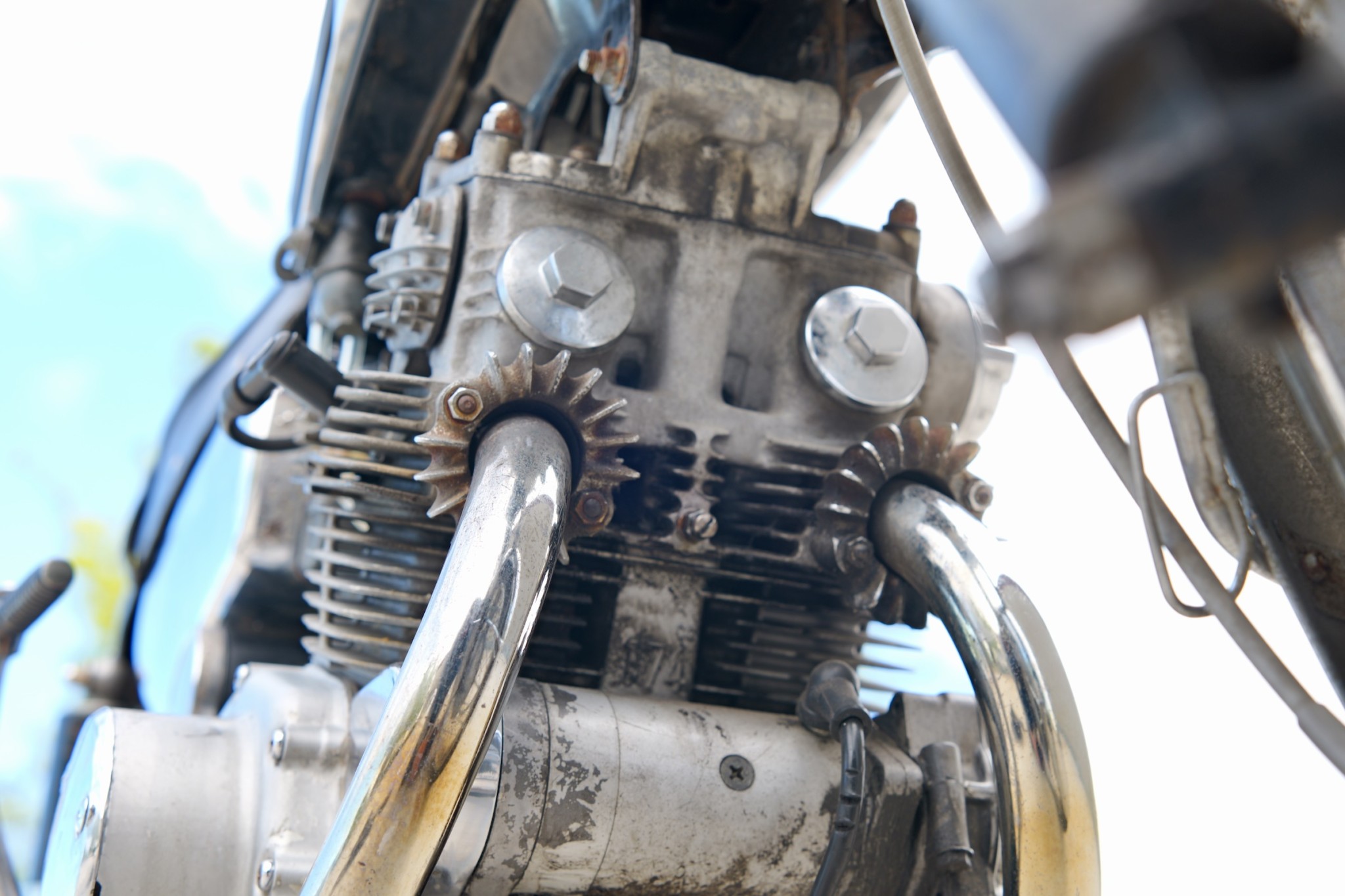
The previous owner purchased this bike while living in San Francisco, California, and used it briefly as their daily commuter. When they moved to Idaho, they brought it with them, but between work, family, and the fact that Boise is comparatively spread out, it got parked and rarely used. They felt that the money from it would be better used towards parts for their camper van. We had several Honda CT70s at the time and thought this looked like a fun upgrade. Upon closer inspection, we noticed that the engine numbers weren’t correct for a CB160 and that it had five gears. Inspecting the numbers, we discovered that it had been upgraded with a CL175 drivetrain.
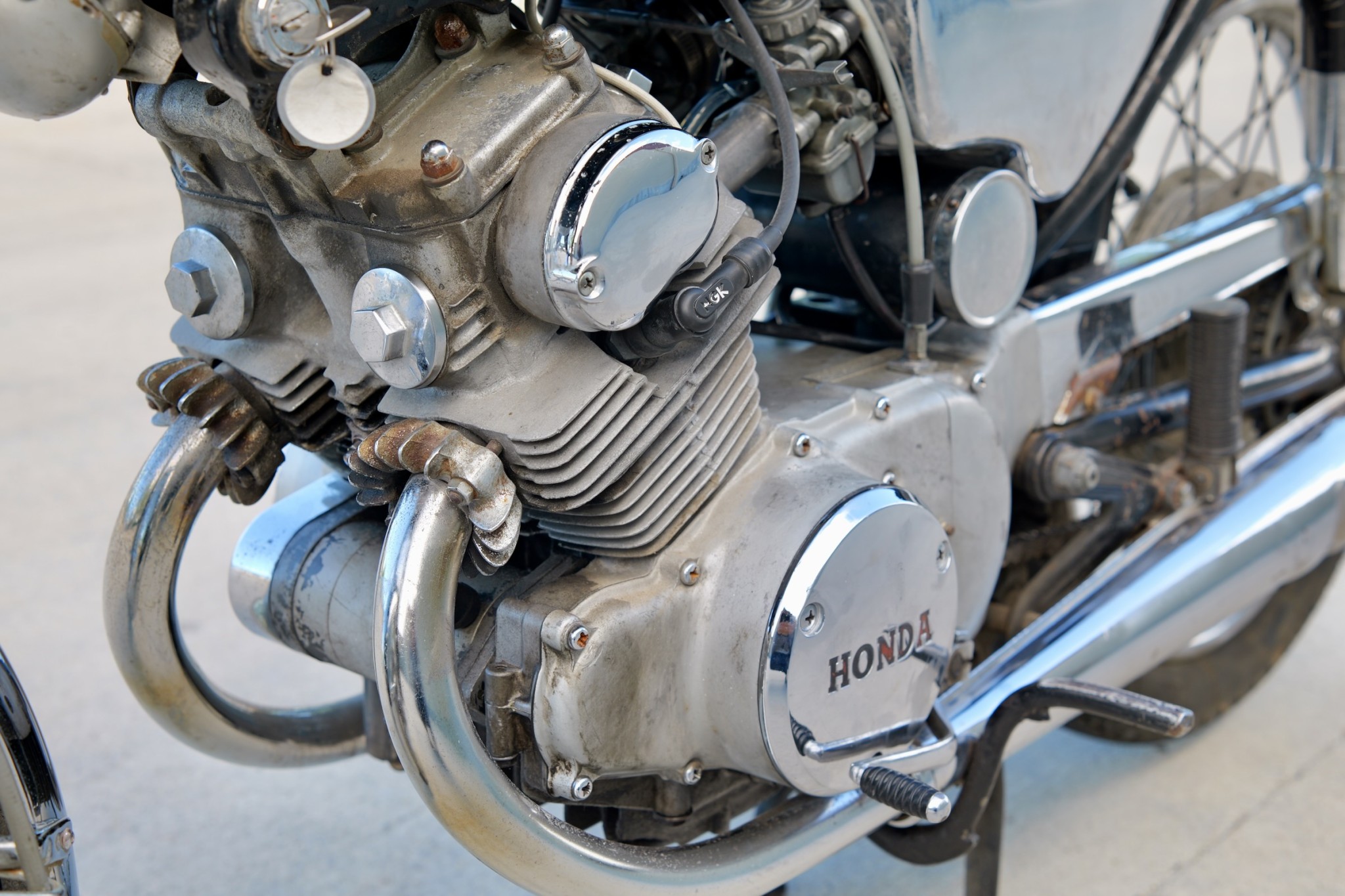
The CB160’s 161cc two-cylinder engine was rated at 16.5 horsepower and was paired to a 4-speed transmission. It’s a great engine that loves to rev, but having a little extra power and a fifth gear makes for a more comfortable bike to ride in modern traffic. The CL175 was based on the same case as the CB160, but was enlarged to 174cc and featured higher compression, which increased the rated horsepower to 19.7. It doesn’t sound like much, but in a bike that weighs less than 300 pounds, it’s a big boost. Since the drivetrain was based on the CB’s, this is a direct swap that doesn’t require any modifications to the frame, so if you wanted to return it to its original condition, you could do so fairly easily. Honda eventually offered a CB with this engine and transmission, so even Honda saw the benefits of this swap.
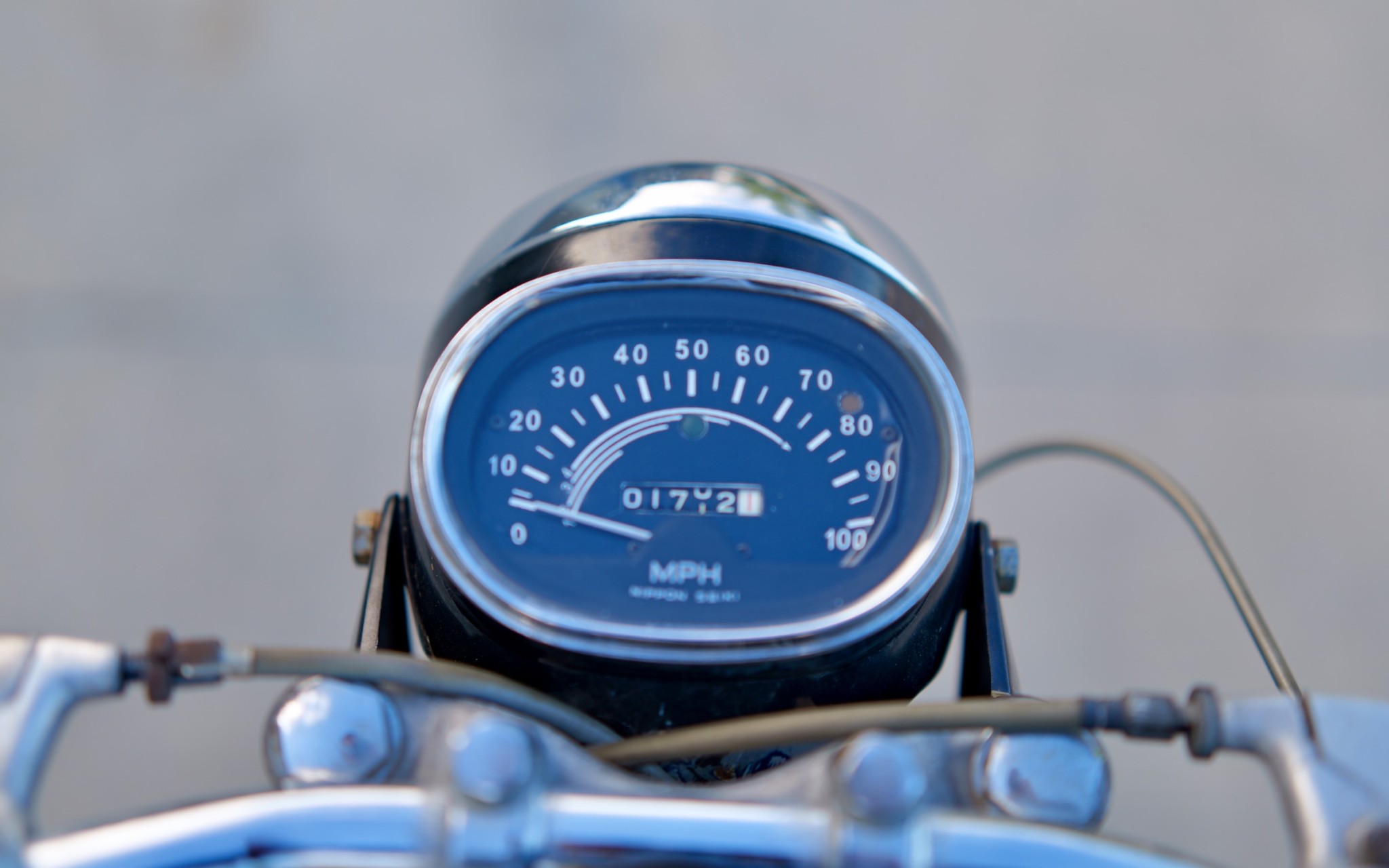
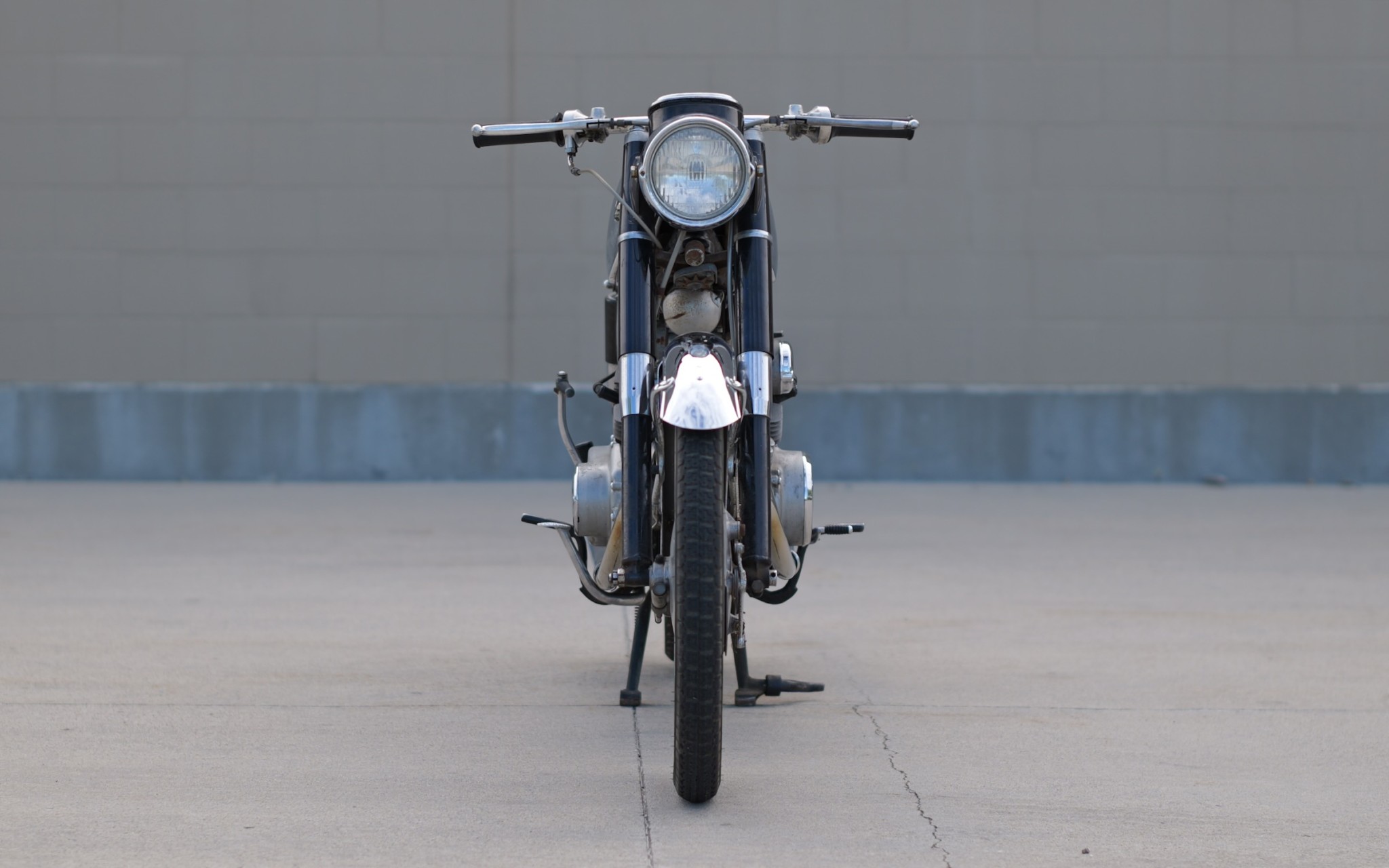
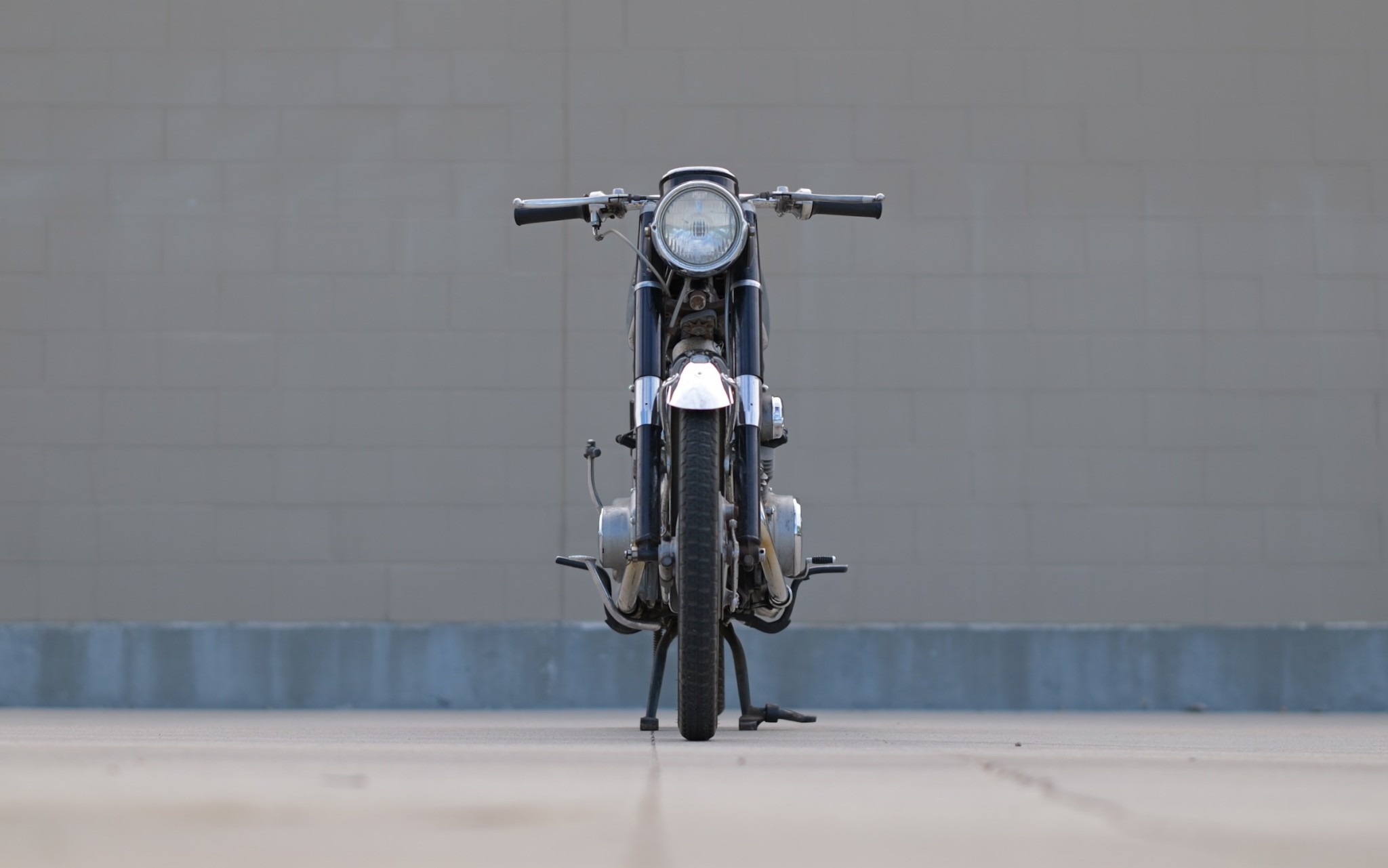
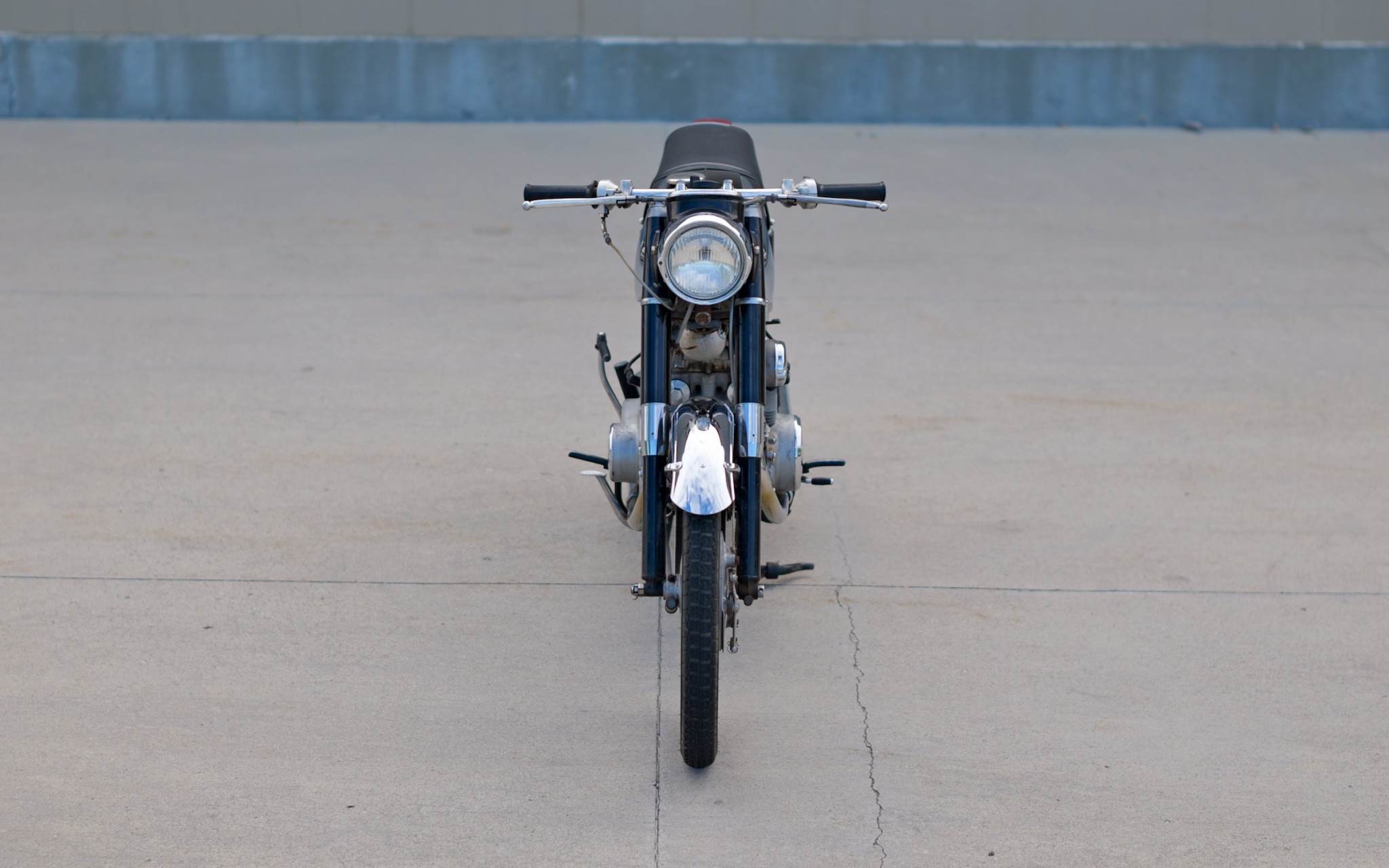
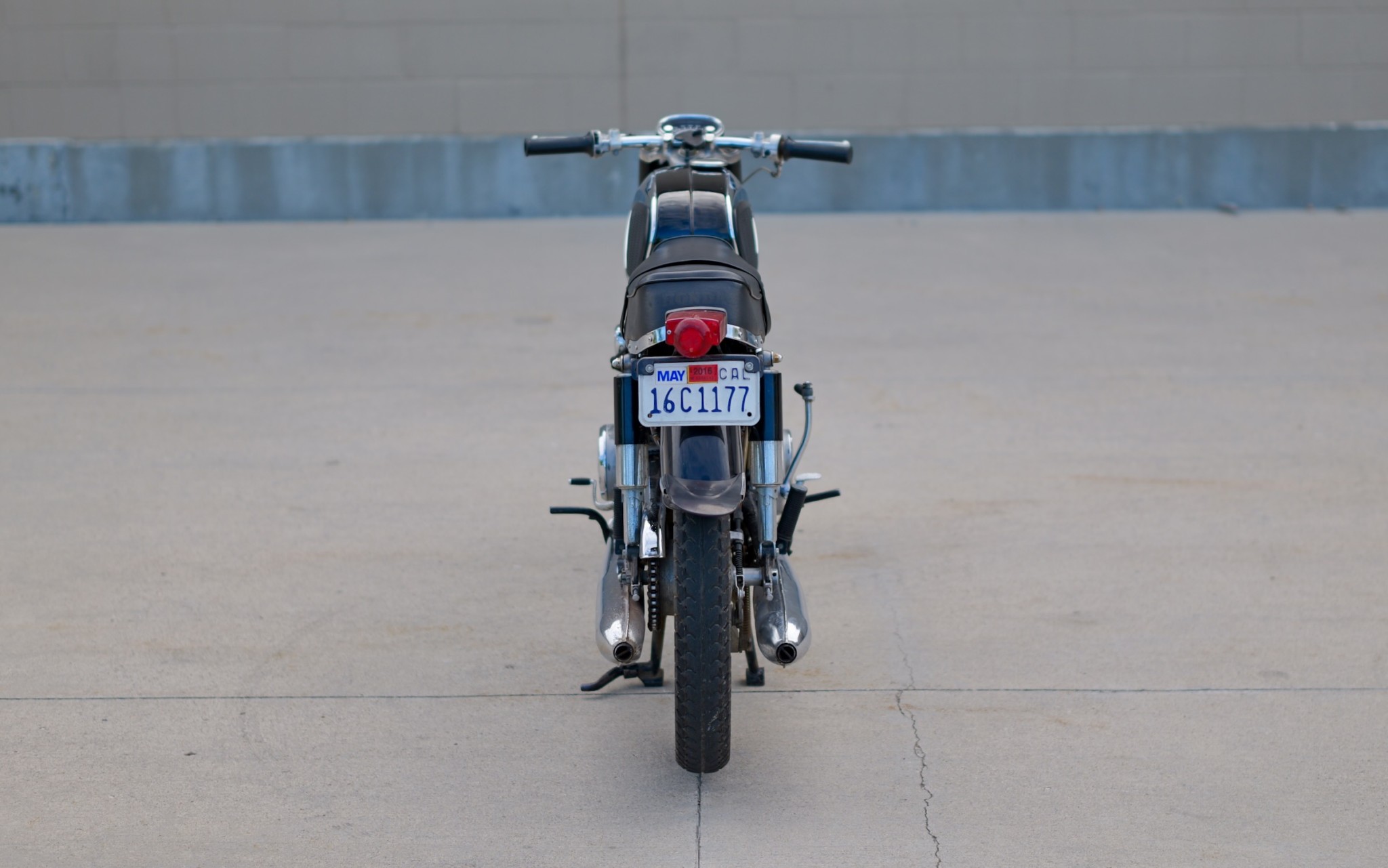
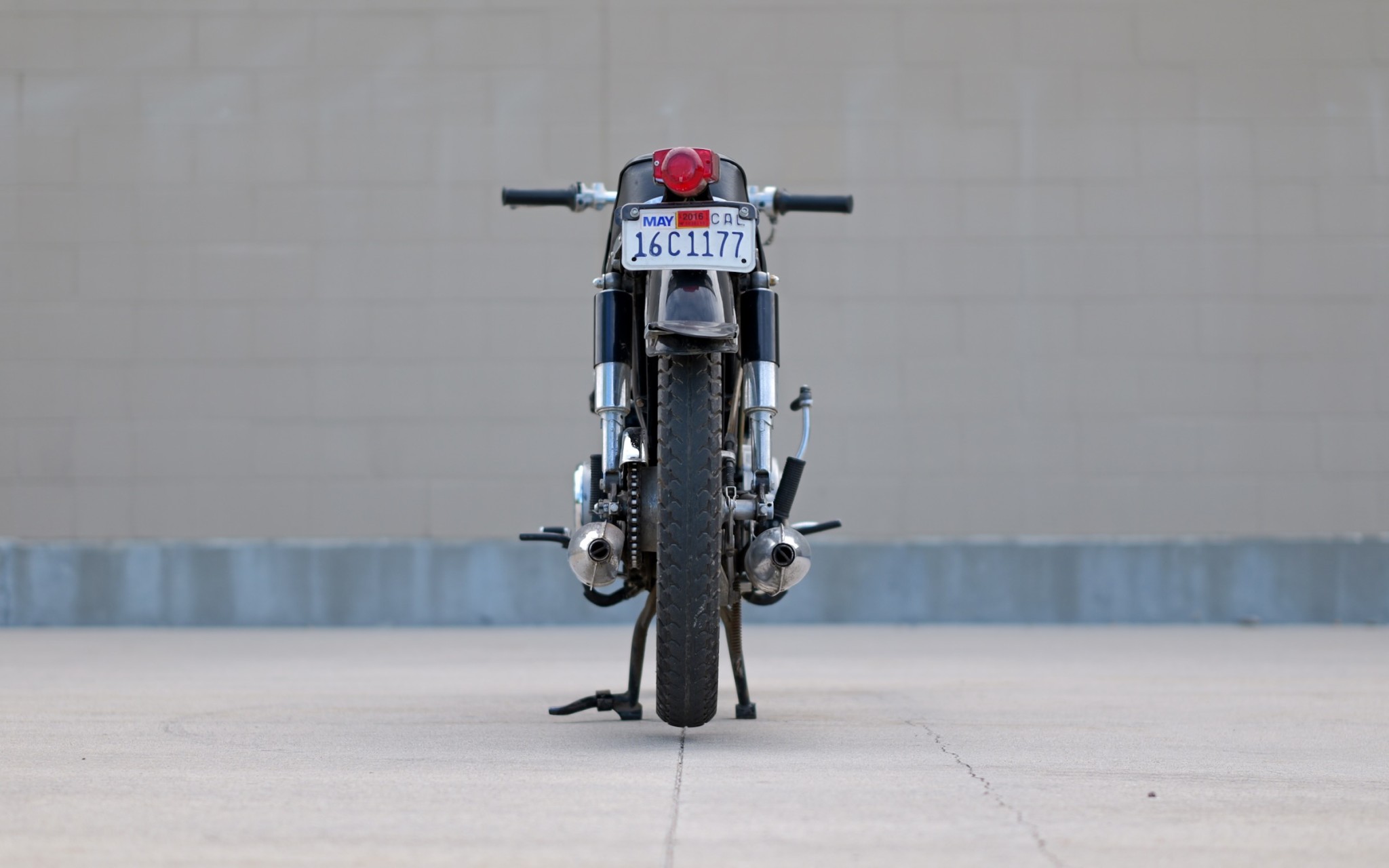
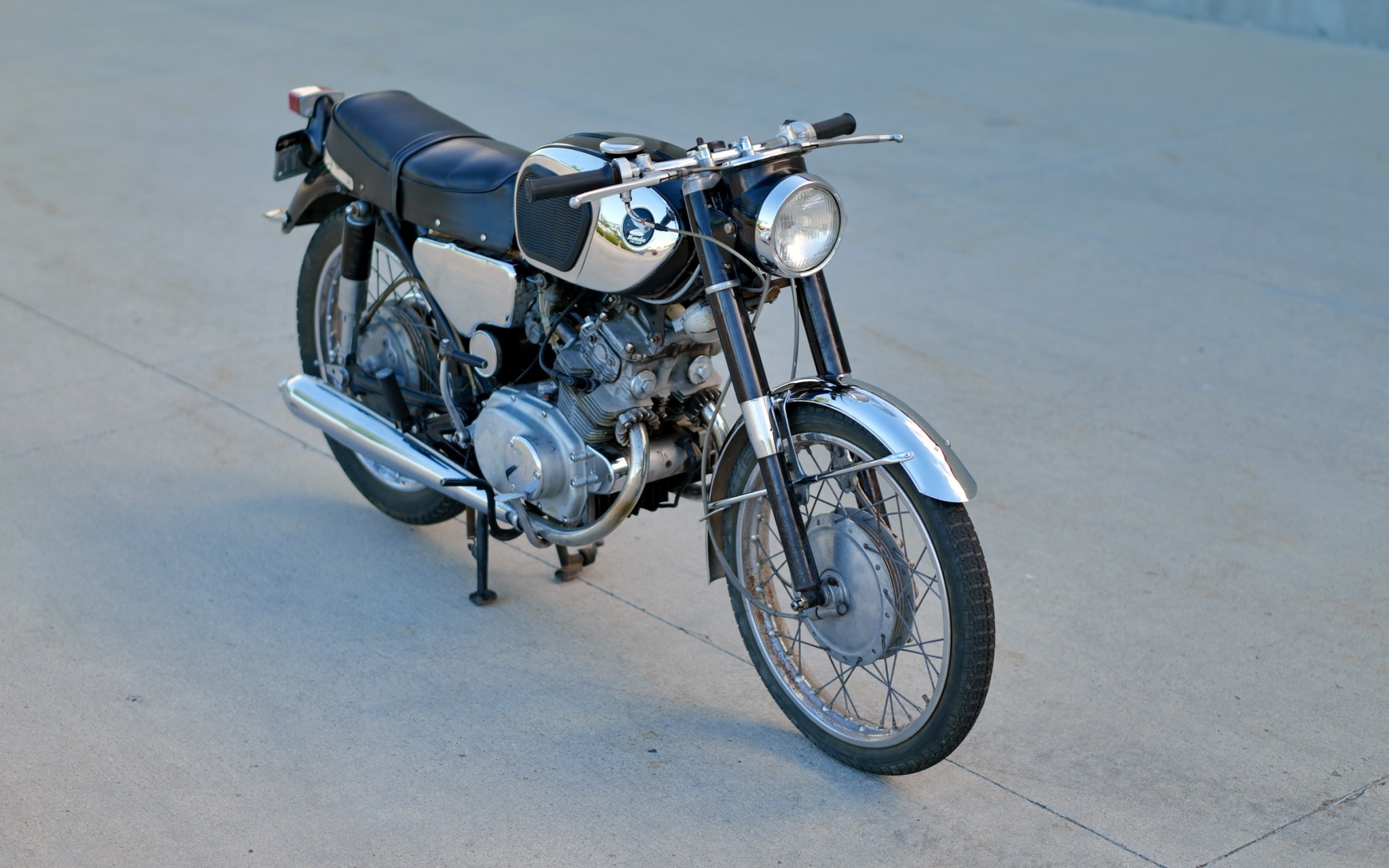
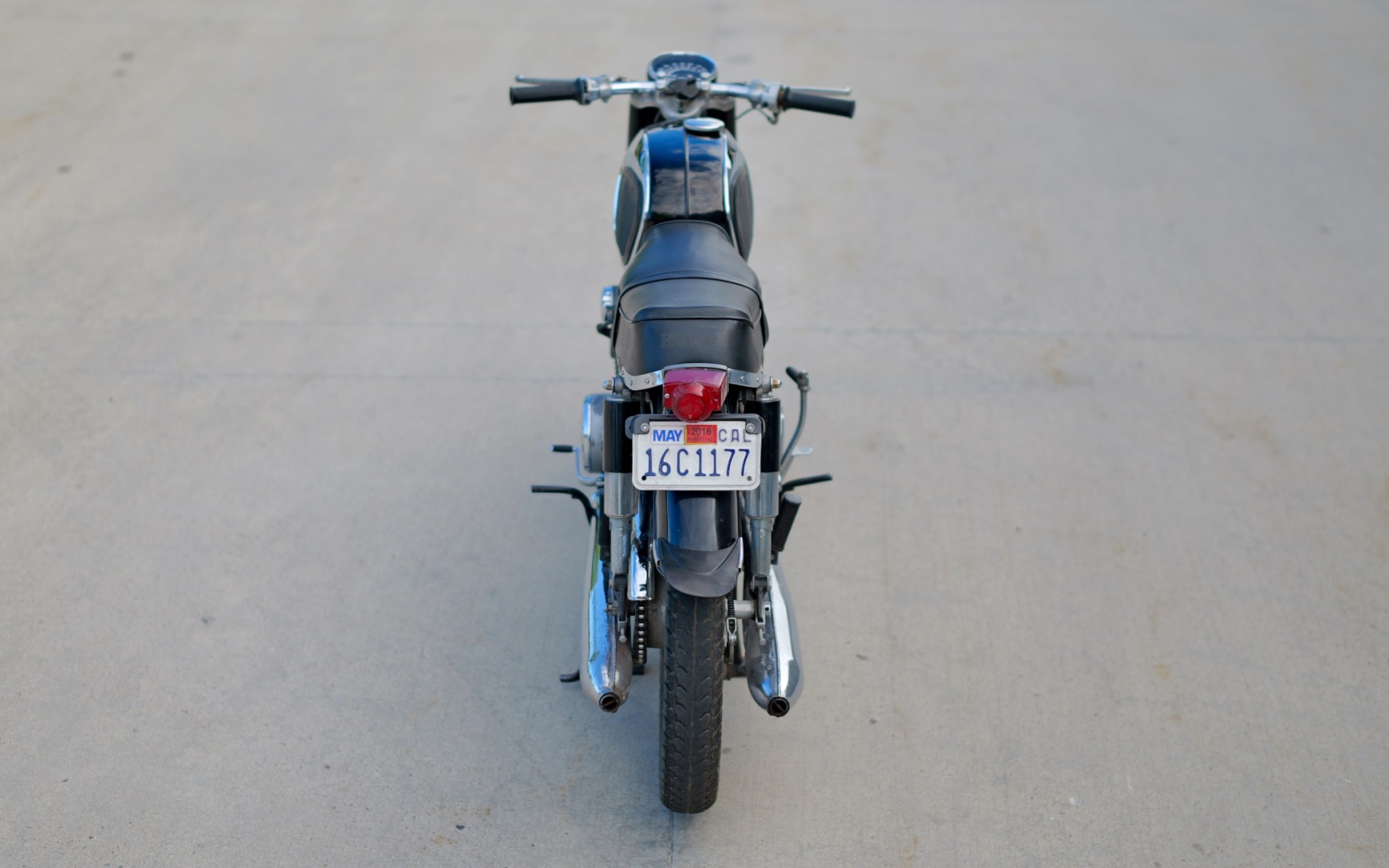
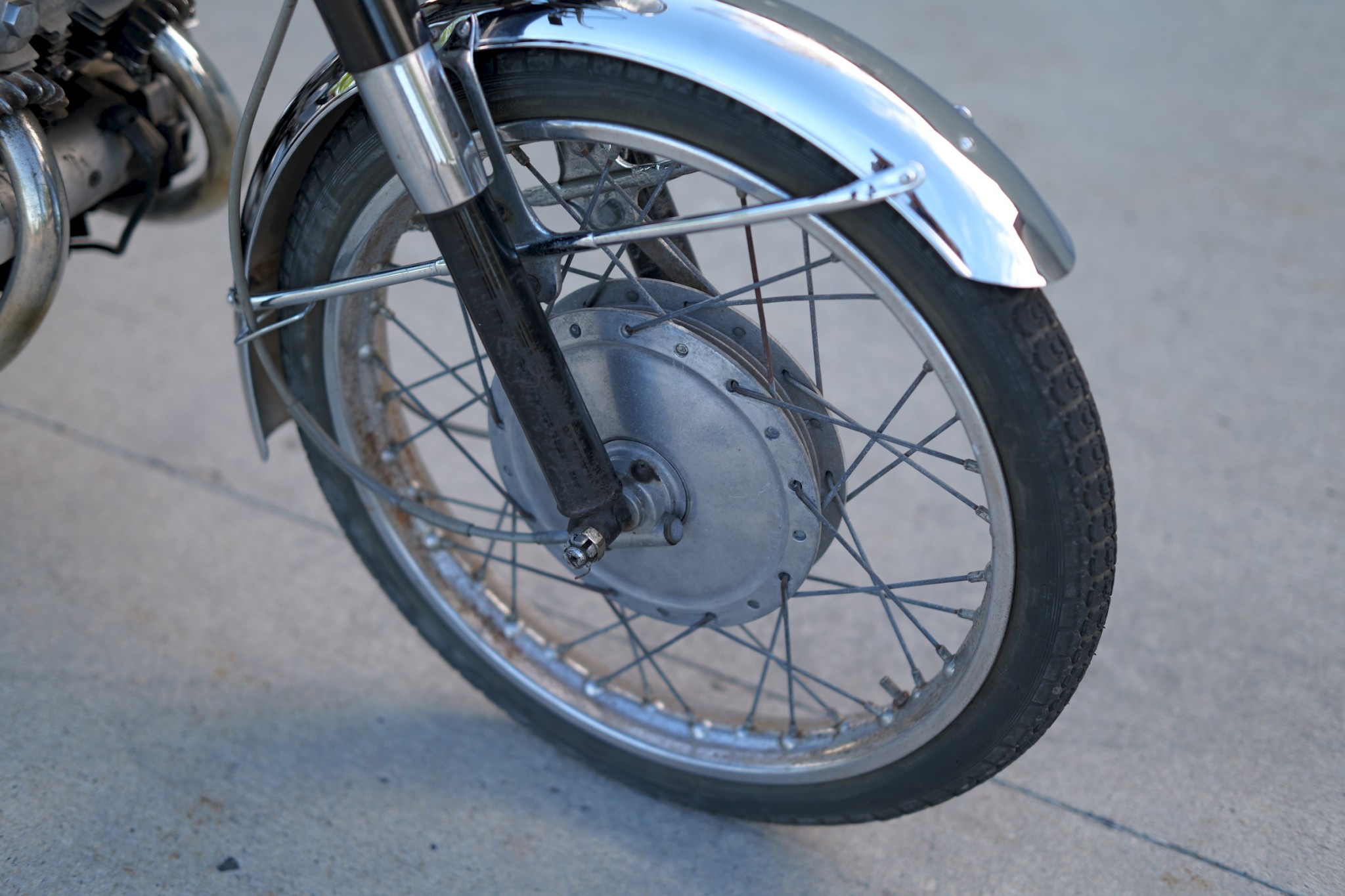
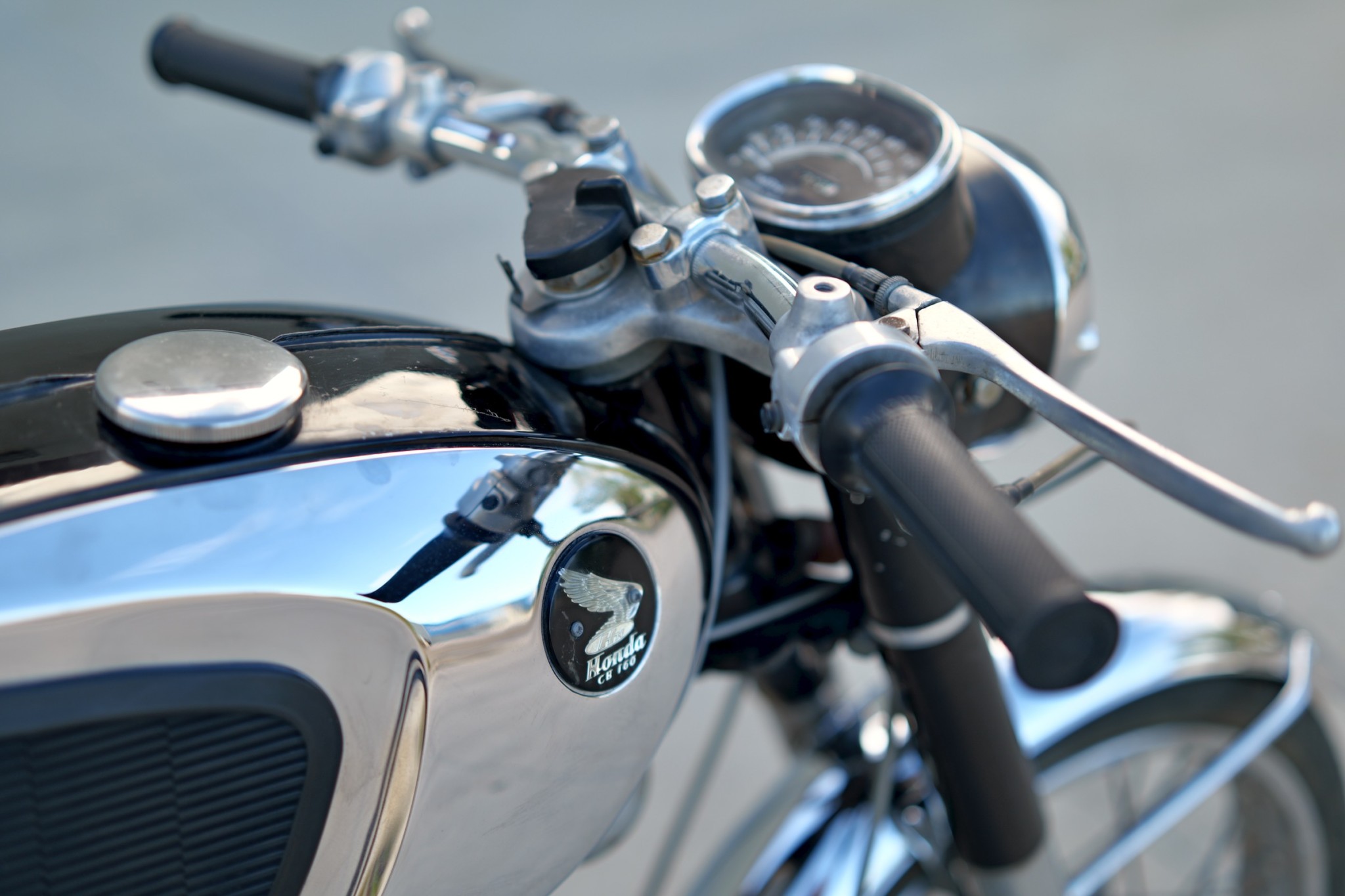
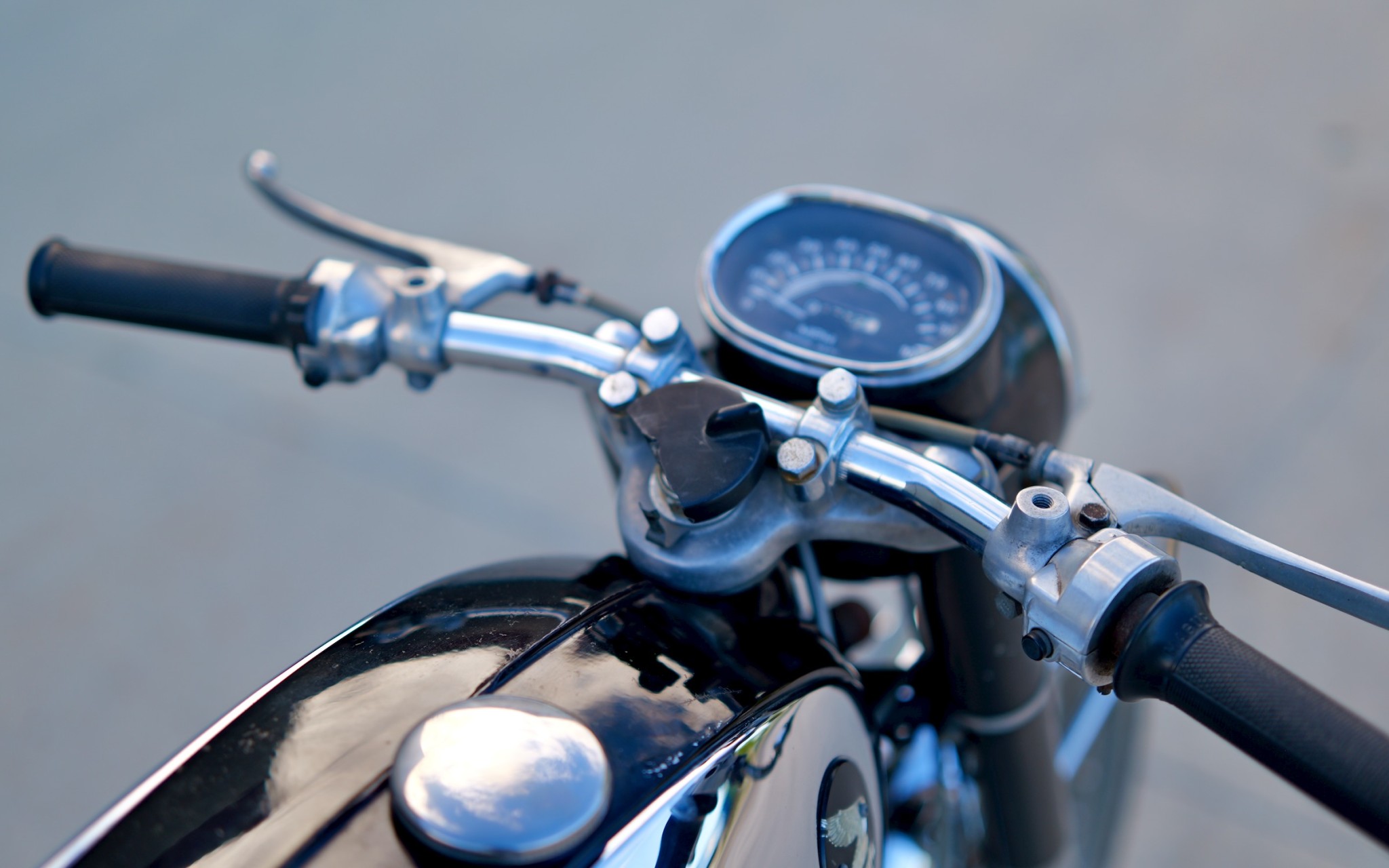
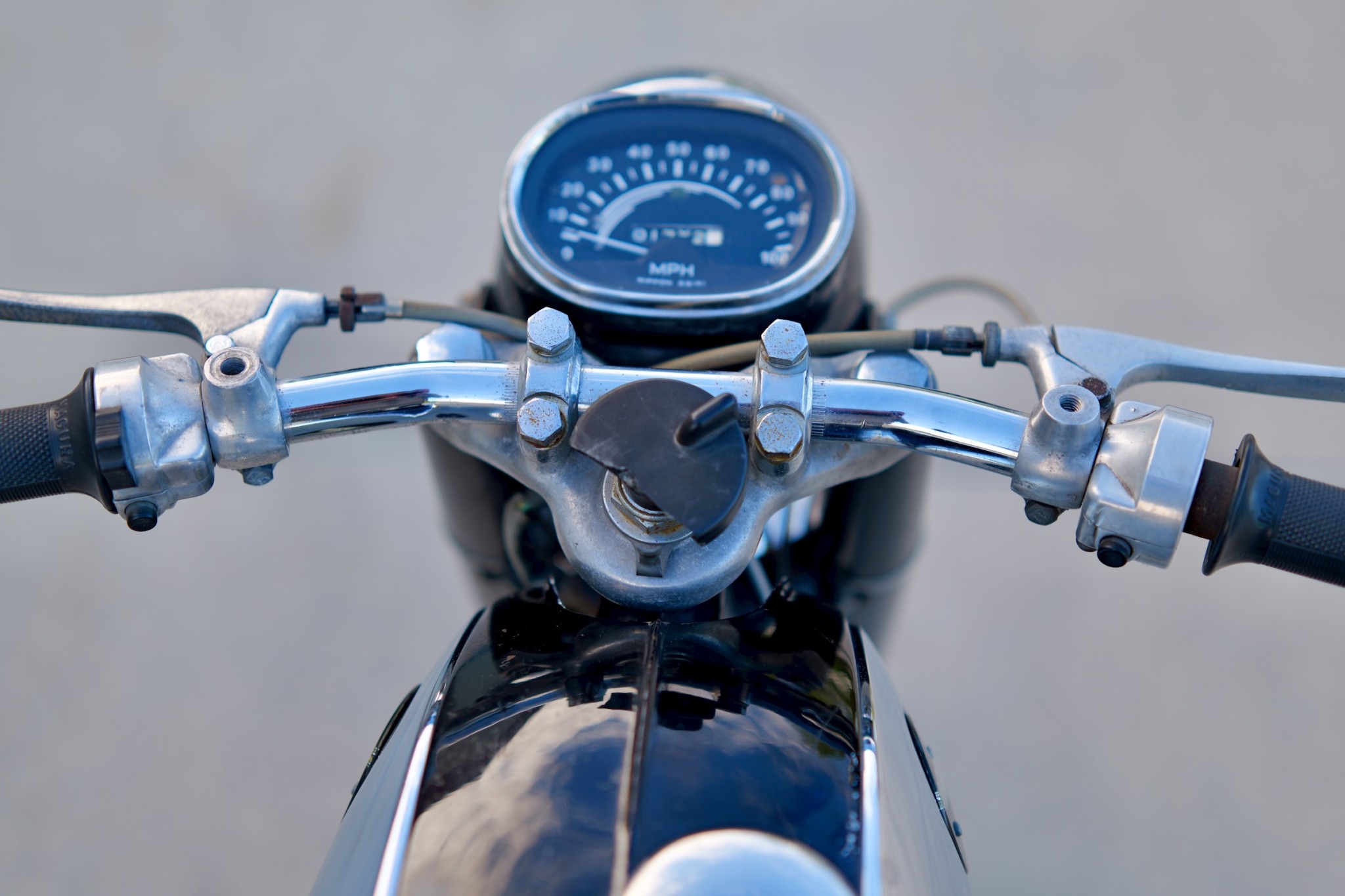
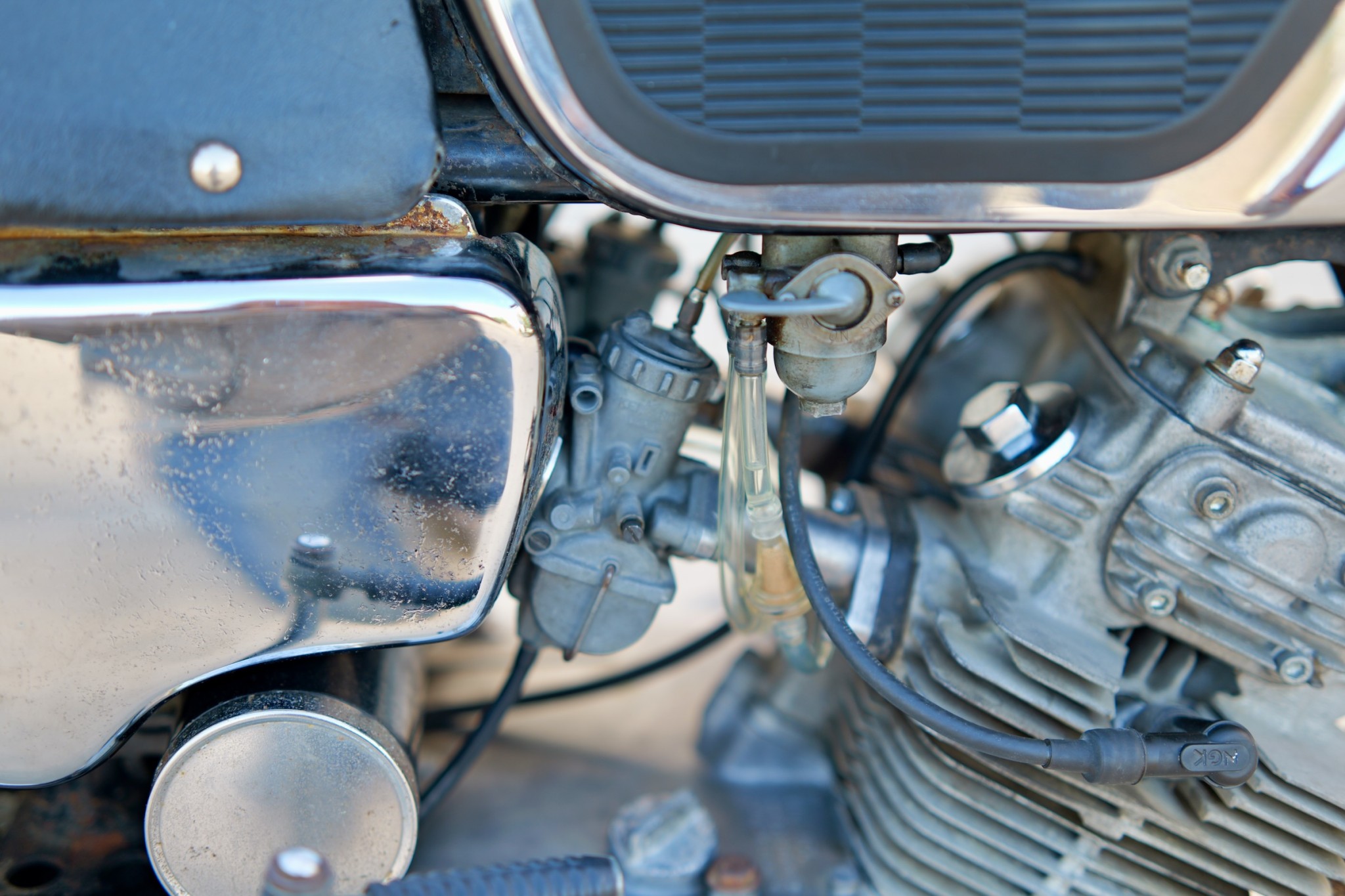
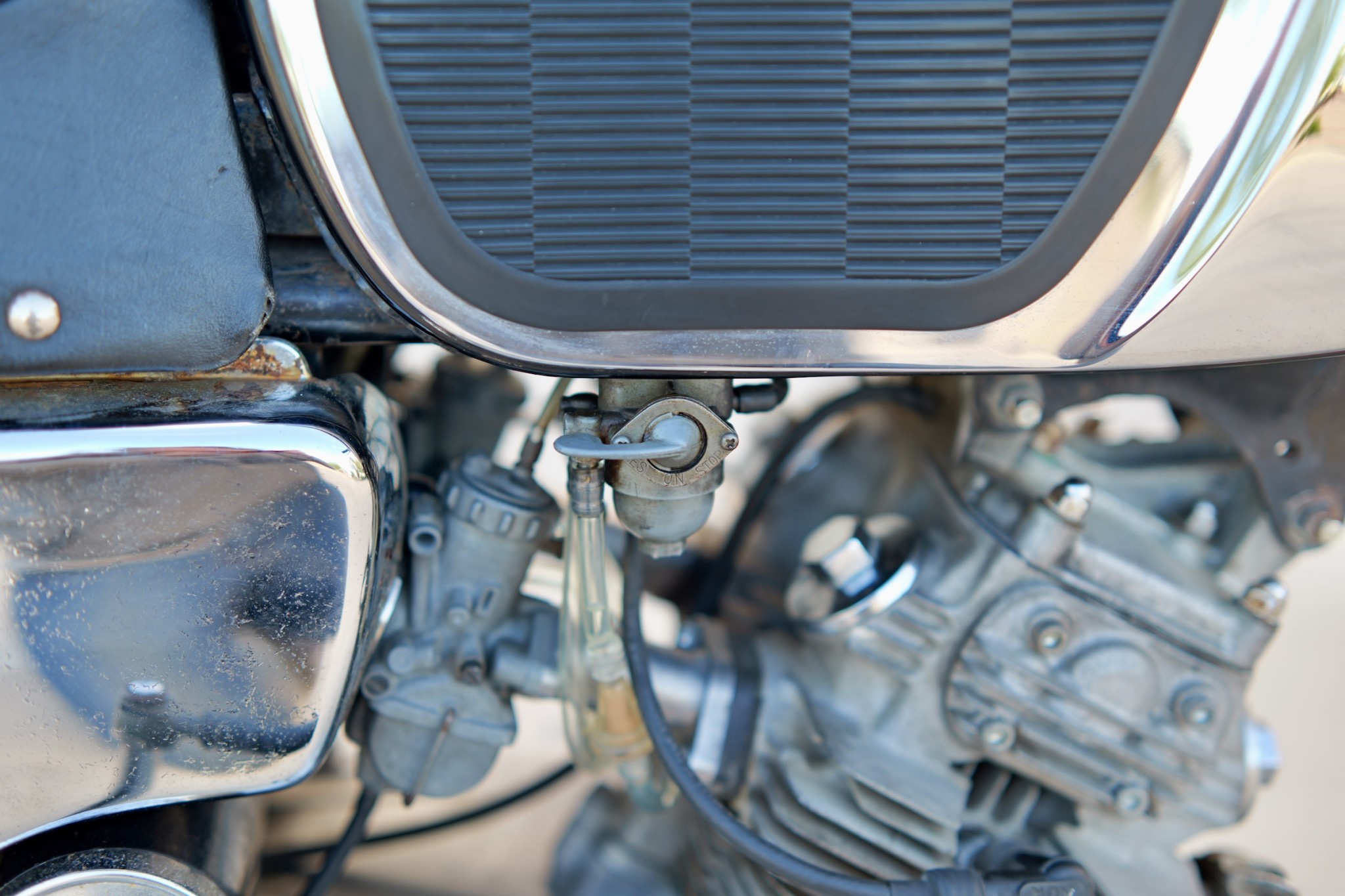
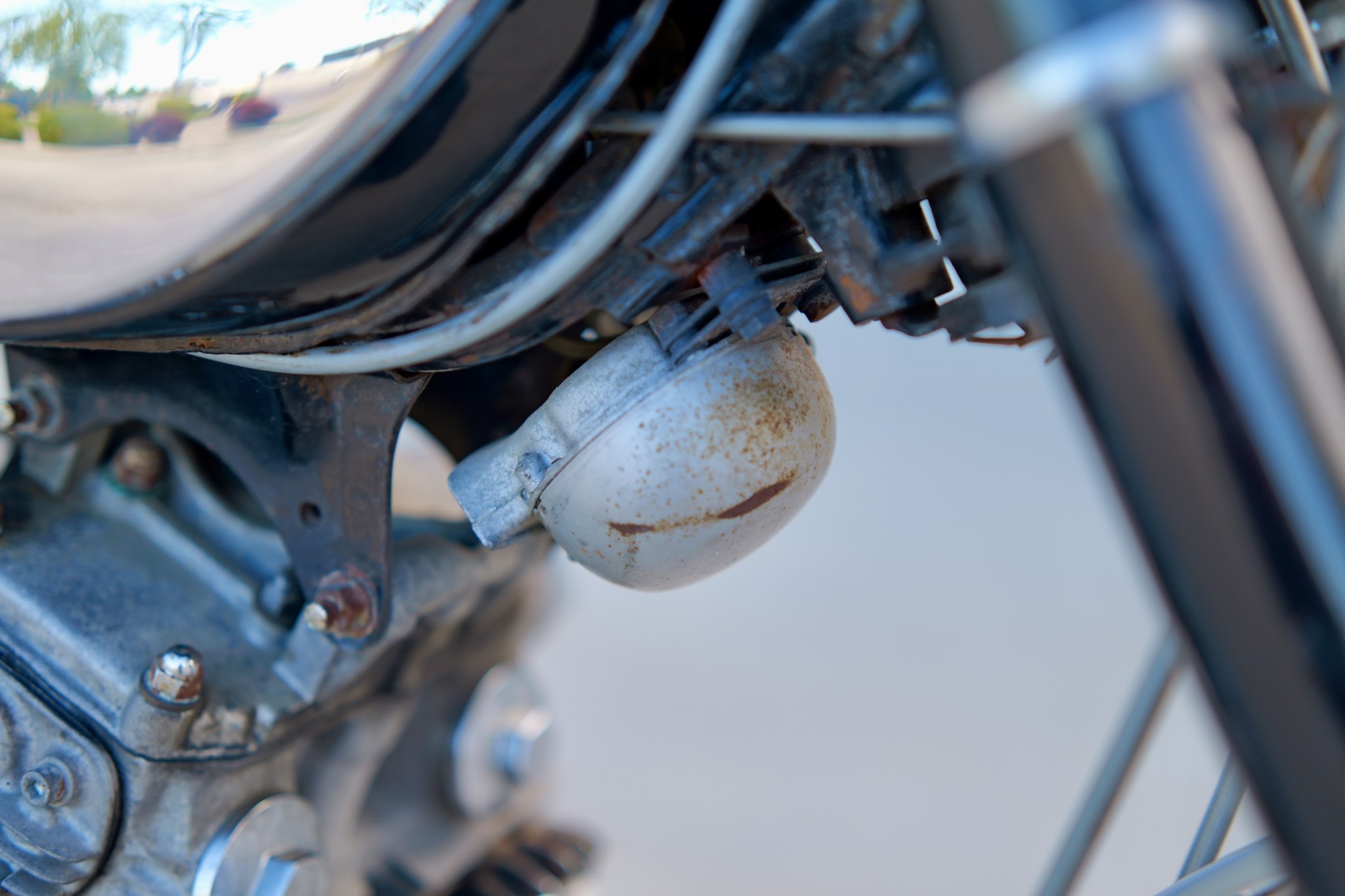
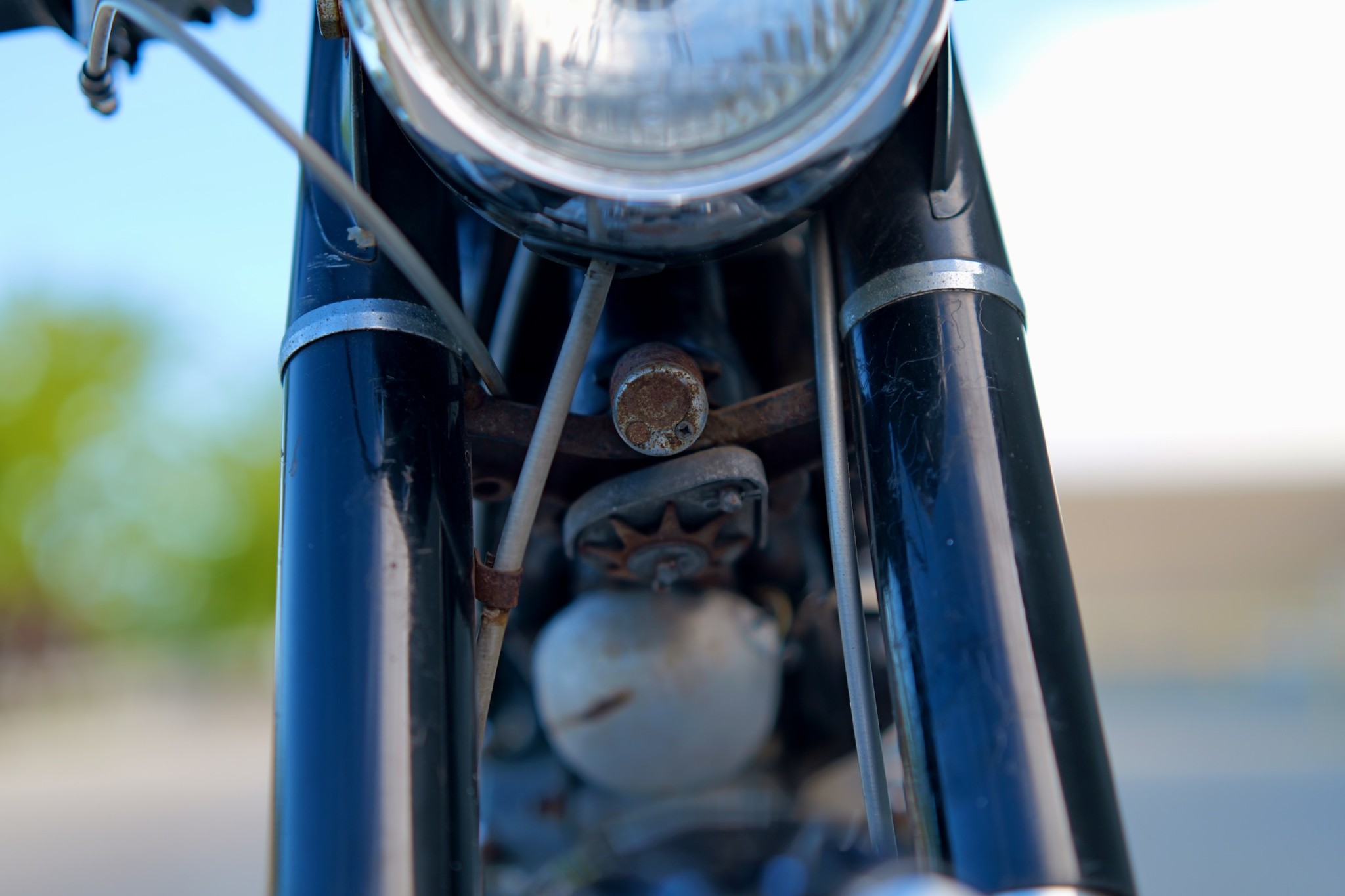
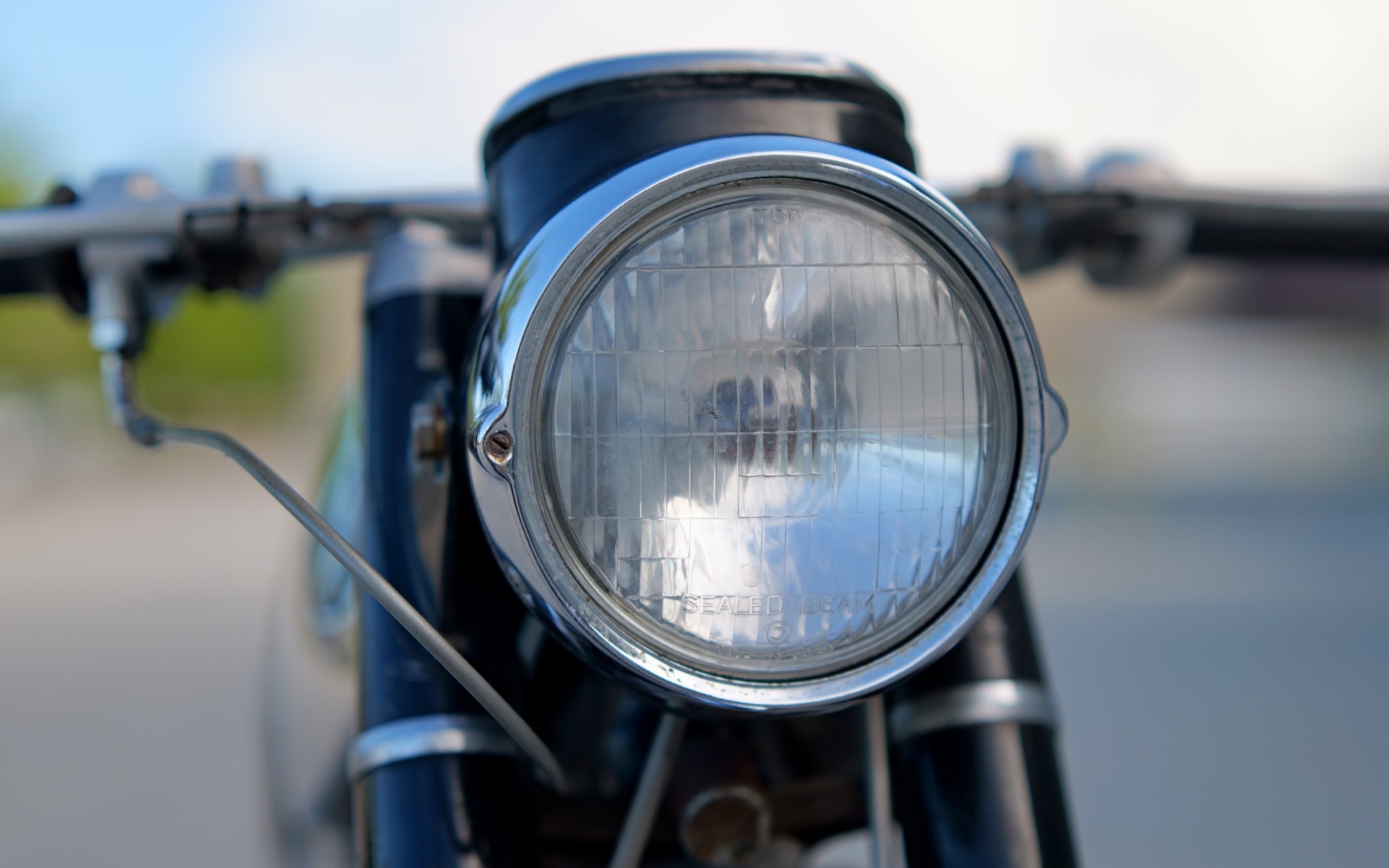
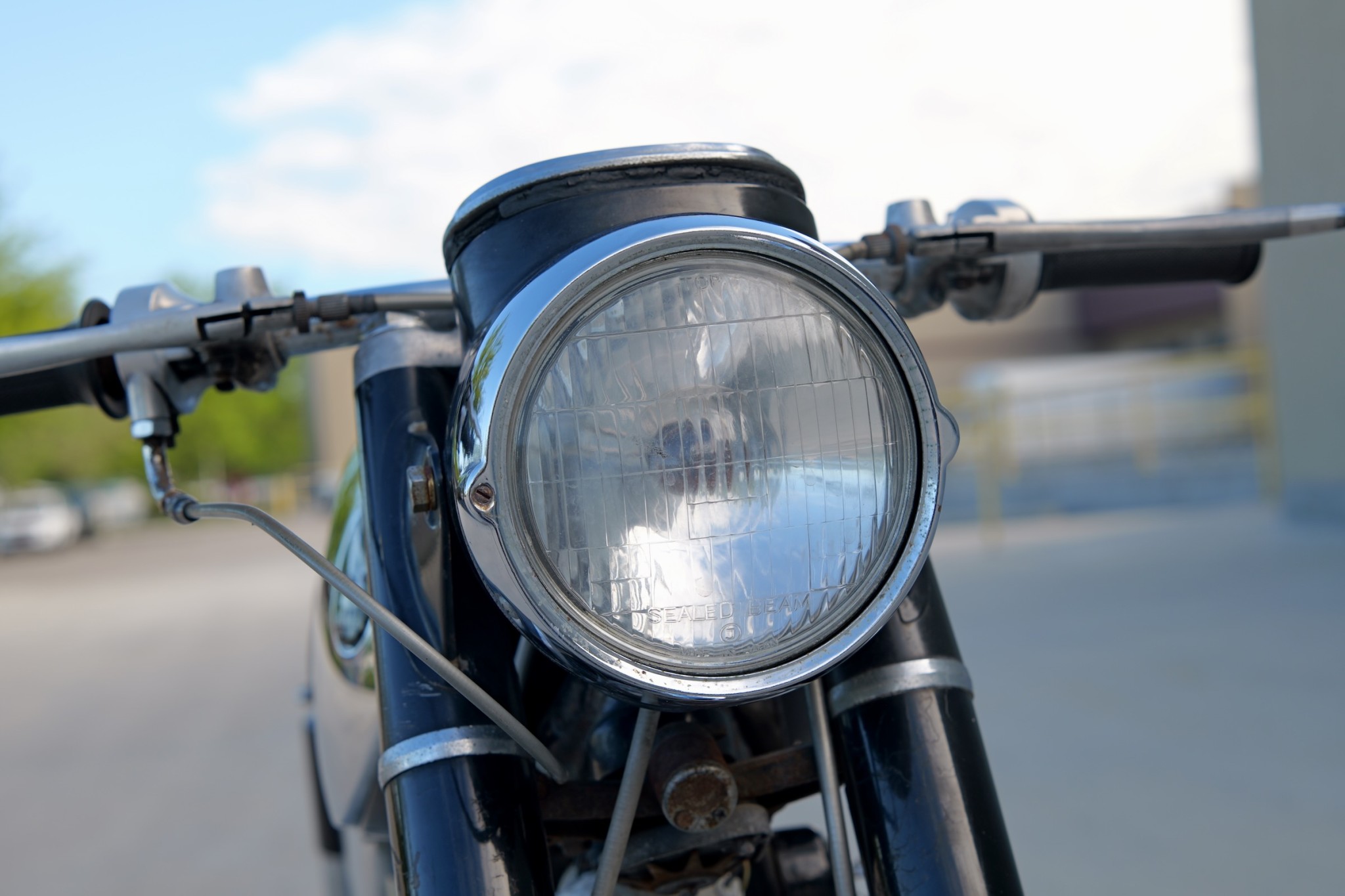
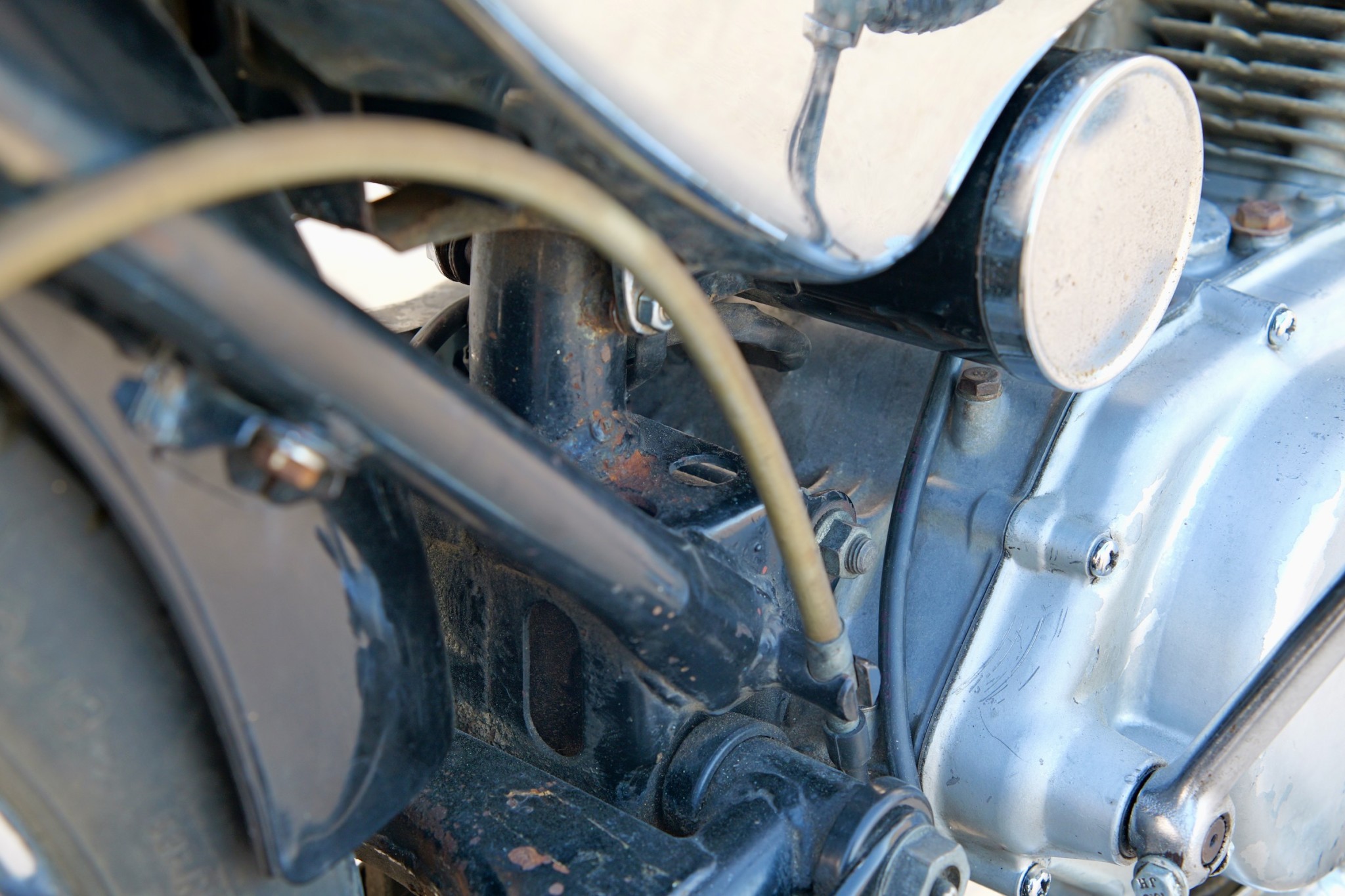
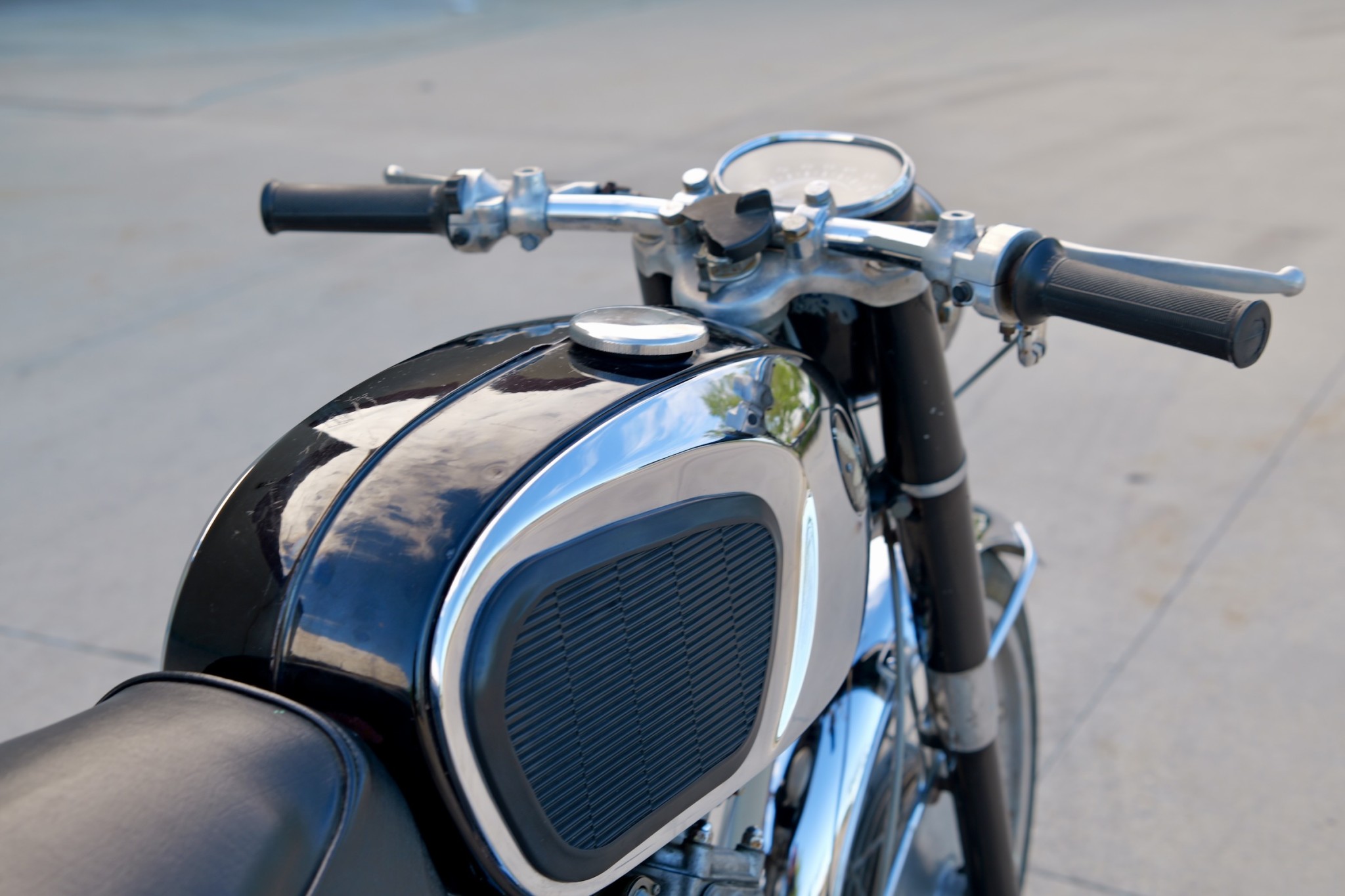
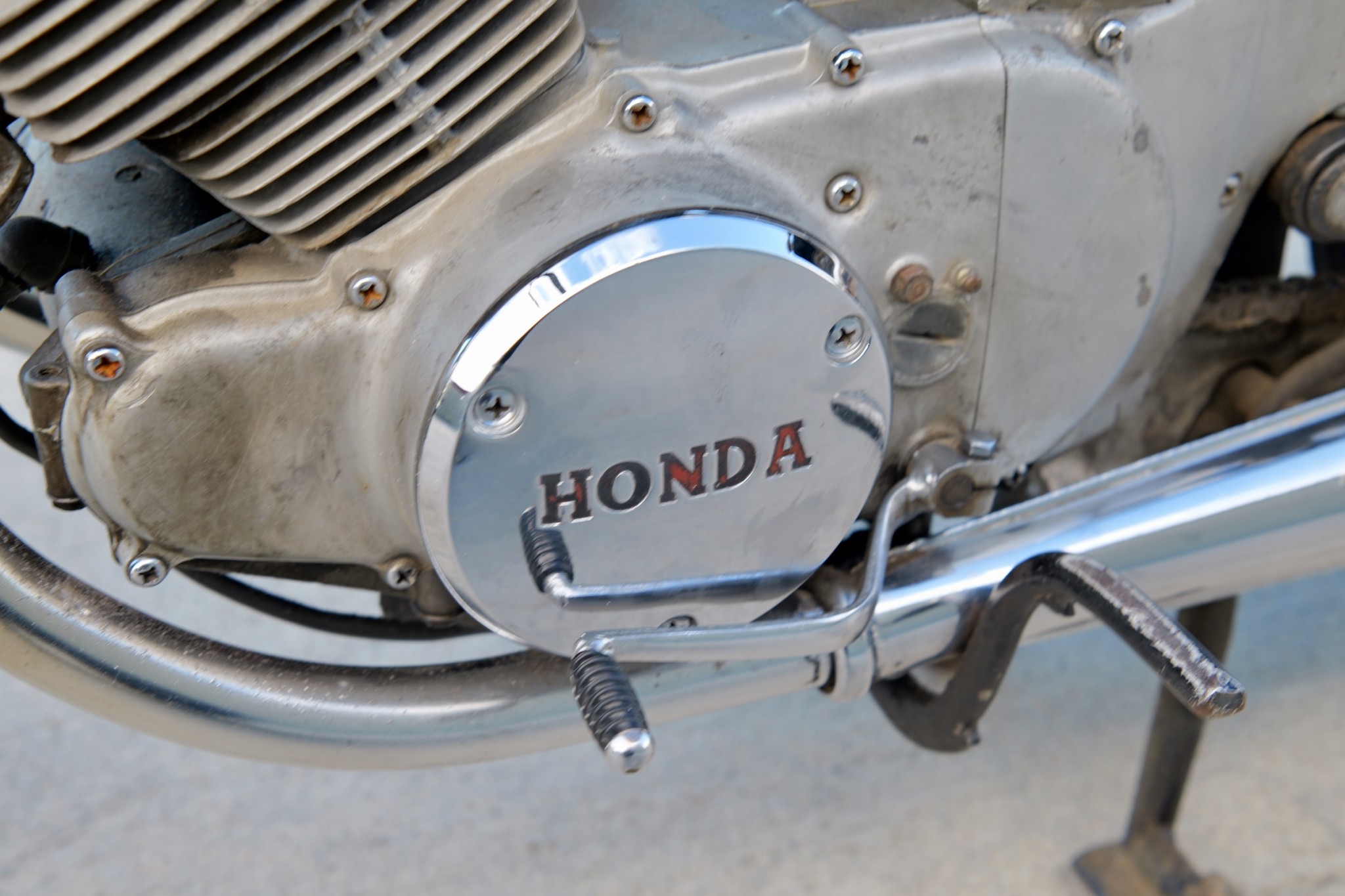
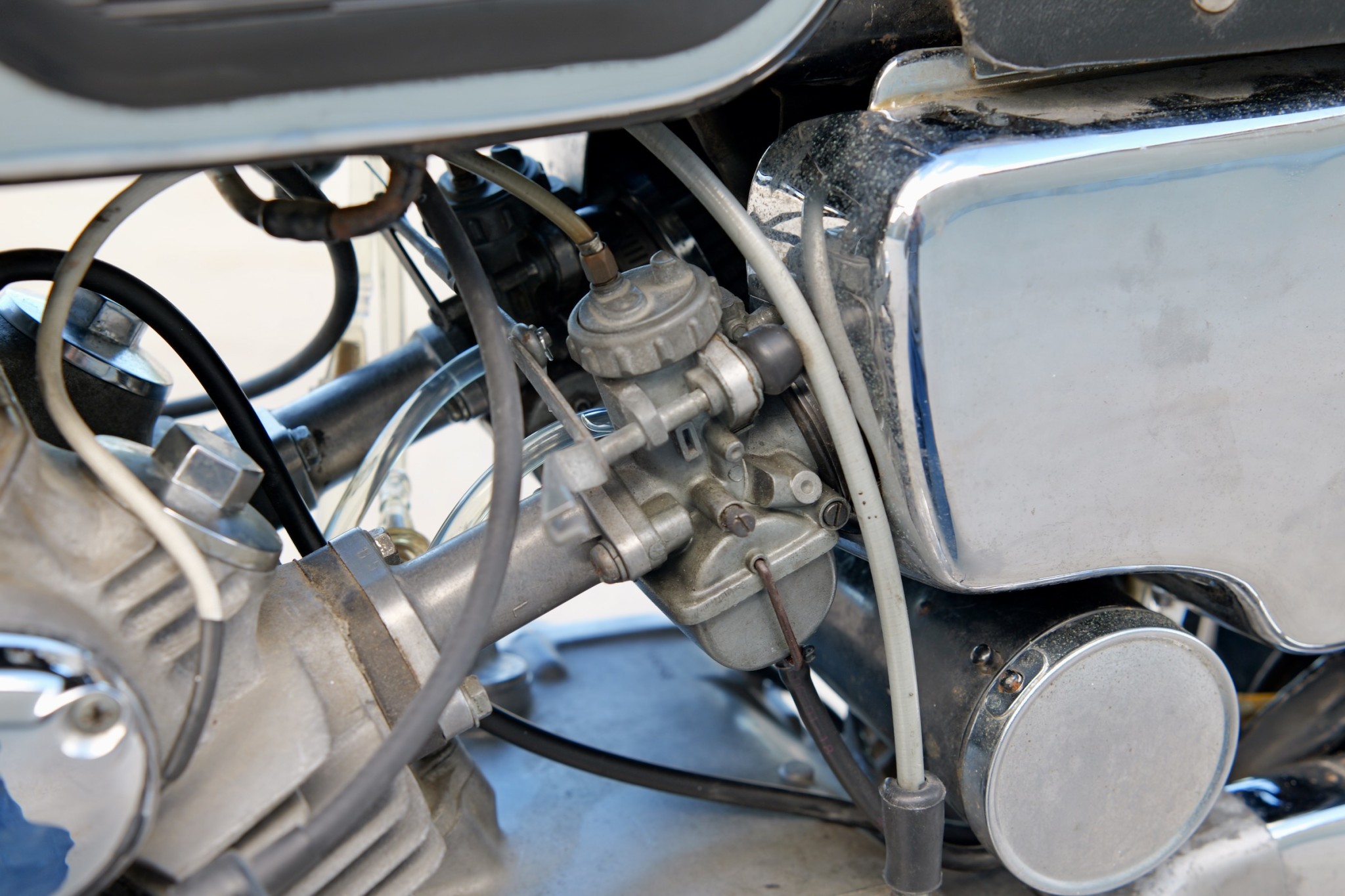
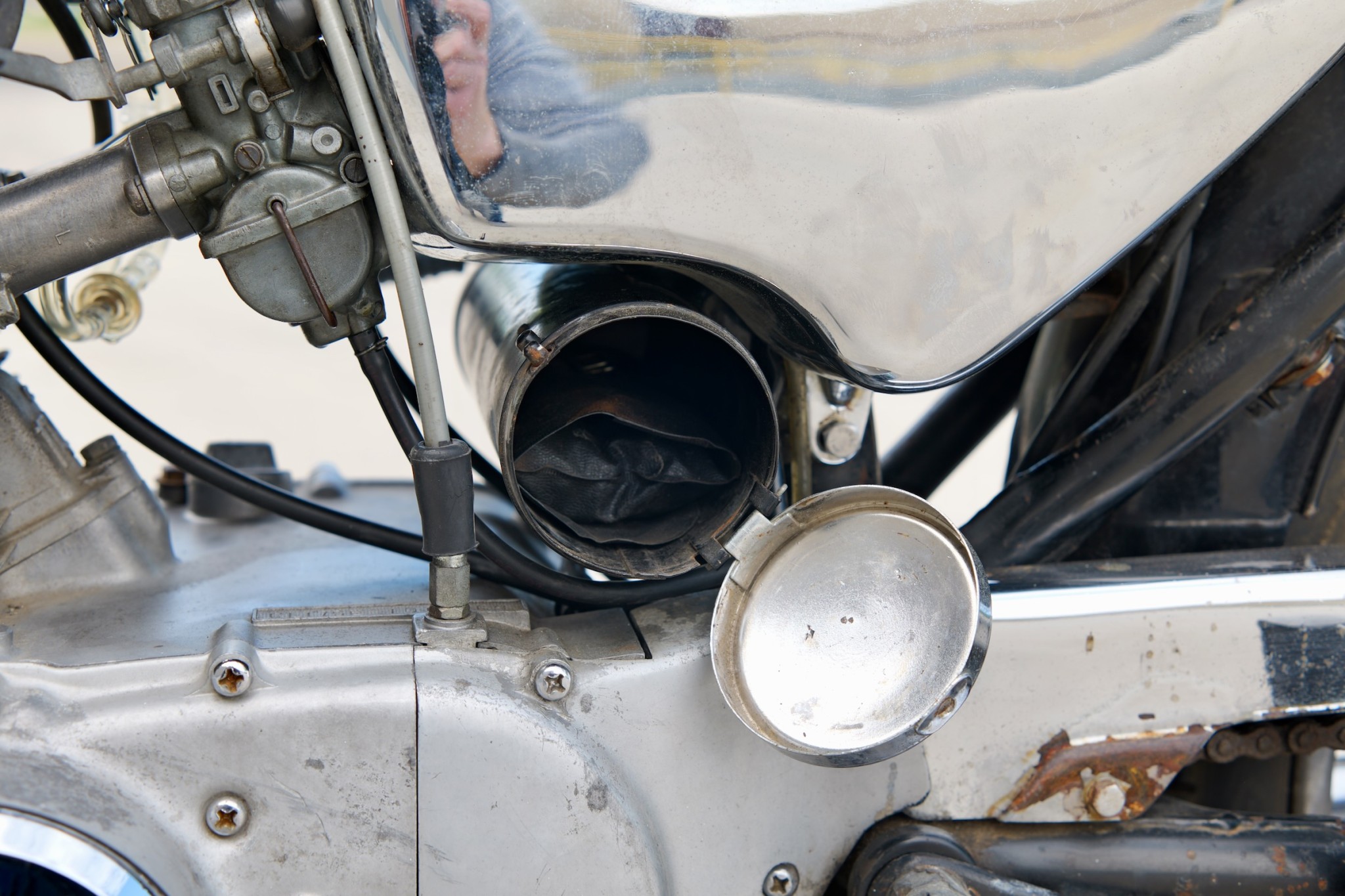
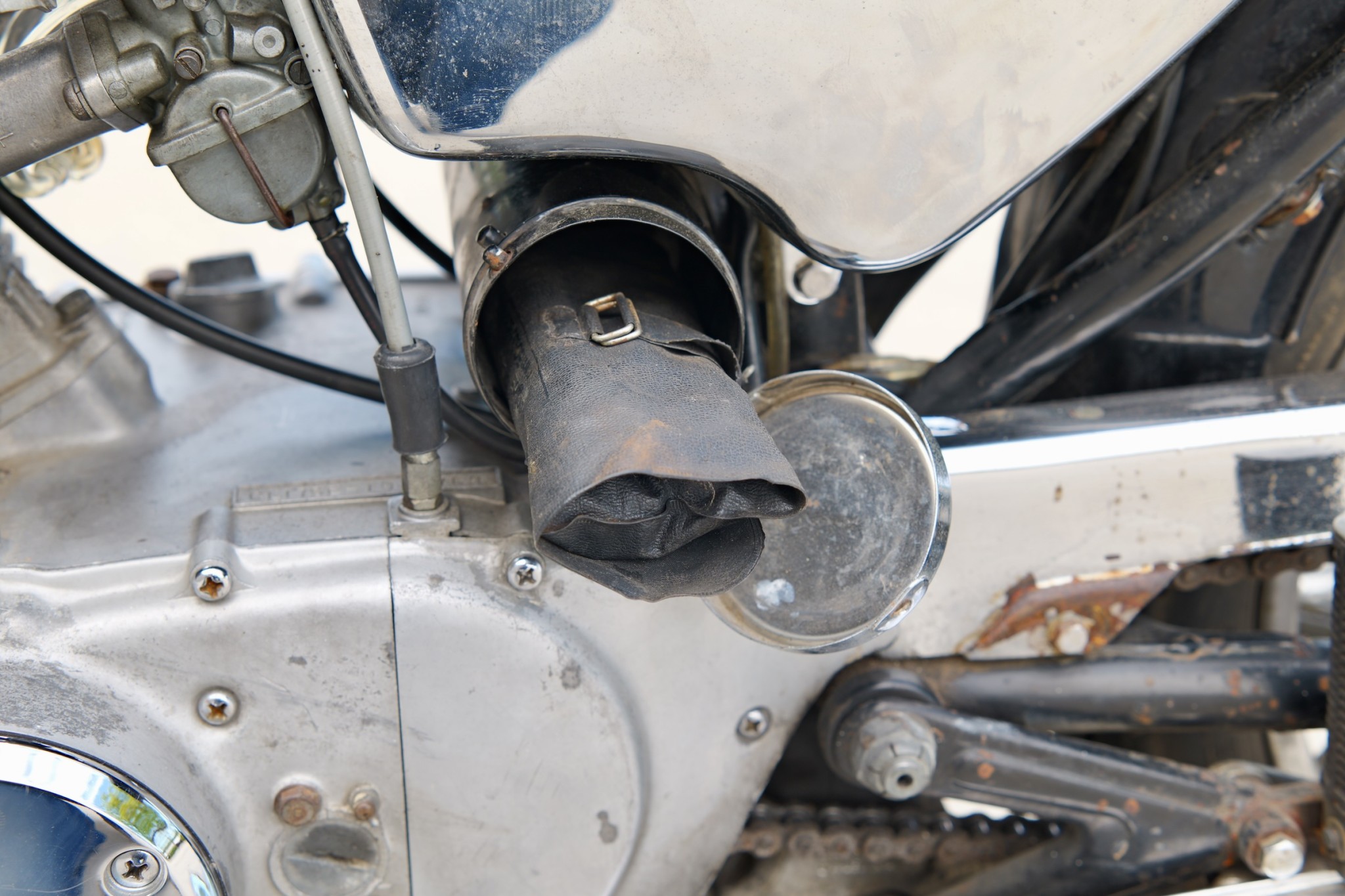
While servicing the bike, we discovered that someone had installed an electronic ignition system, so there aren’t points to adjust. We also found that the kick starter is inoperable, but the bike features a push-button starter, which works well. The dual 20mm Keihin carburetors have been treated to rebuild kits, and the petcock has also been rebuilt. The carbs still need to be fine-tuned, but the bike starts, idles, and goes down the road. We would also recommend installing new tires, as the current ones are pretty old. They hold air, and we’ve ridden on them up to 45 mph, but we would want to replace them if we were going to ride it extensively or in traffic. The headlight, horn, speedometer, odometer, and taillight work. If we were keeping it, we would also order original-style handlebars for it. The current racer-style handlebars look fantastic, but aren’t the most comfortable.
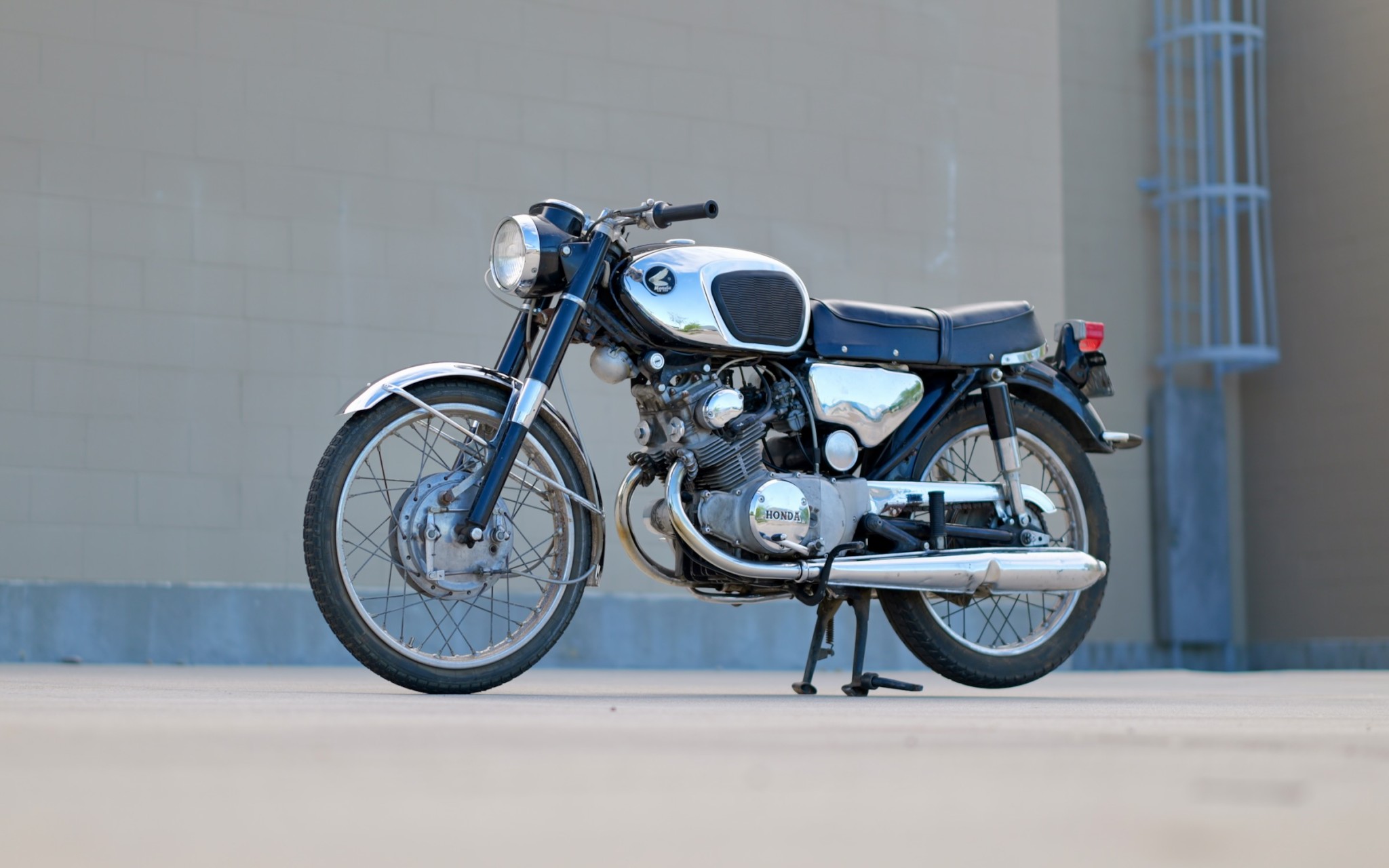
We will be sad to see this bike go. It’s beautiful, but it deserves to be ridden and enjoyed rather than sitting in an office. The drivetrain swap makes for a much more usable bike, especially if you plan on going faster than 35 mph. With a bit of work, it would make for a fun bike to zip around town on. Every time we ride it, we can’t believe it’s a 61-year-old motorcycle! Cast your high bids below and let us know if you have any questions.
Bid On This Auction
 Olhondaguy Bob bid $1,250.00 2025-06-11 11:41:15
 Ron bid $501.00 2025-06-07 07:14:45
 MartyOpp bid $399.00 2025-06-06 17:13:35
 MikeMecca bid $250.00 2025-06-06 10:04:40




✔️✔️✔️
Whew, that’s a lot of pics, would have cost a fortune at the “Foto-Hut”. Ah, the CB 160. Having grown up with these, I noticed the motor right away, and frankly, it now is kind of an oddball. Not in a bad way, just missing the key ingredient of a 160, the motor. Before motors got covered up, they were an important part of the design. It was one of the 1st things you noticed. This is fine if those details don’t bother you, and it does make it a bit more rideable, but for me, I’d like the original motor.
The CB160 is probably the 1st real motorcycle offered from Japan, previously known for smoking 2 strokes and rickshaws. Oh sure, there were Limeys, Beemers and kooky Italian jobs, but Harley was the staple in America then. The Honda 160 was the 1st bike to make Milwaukee nervous. These weren’t particularly fast, but would do the speed limit, dependable as a washing machine, and above all, it didn’t leak oil. Many also found their way as cobbled dirt bikes too. Mufflers were the 1st thing to go. Just try and find any today. The 160 was a “gateway” bike, as most went on to the Super Hawk and beyond, but many started right here.
As far as this bike, I think it still retains enough of the original charm, some may not even notice the motor, and will certainly turn heads. They were wonderful bikes, and changed motorcycling forever.
The engine looks the same Howard. You are just gaining a 5-speed and more cubic centimeters.
I was going to say the same, Jesse. I had a red 160 , same year when I was about 15 and this engine looks just like that one did. I don’t believe you would know the engine was swapped unless you checked numbers, as the author did.
First you say CB160 then CL175, which one is correct?
Not my bike, not my auction but – read the article. All explained!
This is a CB160 with a CL175 engine. It is definitely an improvement over the original stock configuration.
So if $250 wins the high bid does the Buyer Premium: 5% ($500 min.) apply? Then you would pay $750. ???
Yes, that’s correct.
Easily worth it to the collector, if the bike was completely original. I’m not sure how much this would bring even in its modified and I’d say improved state.
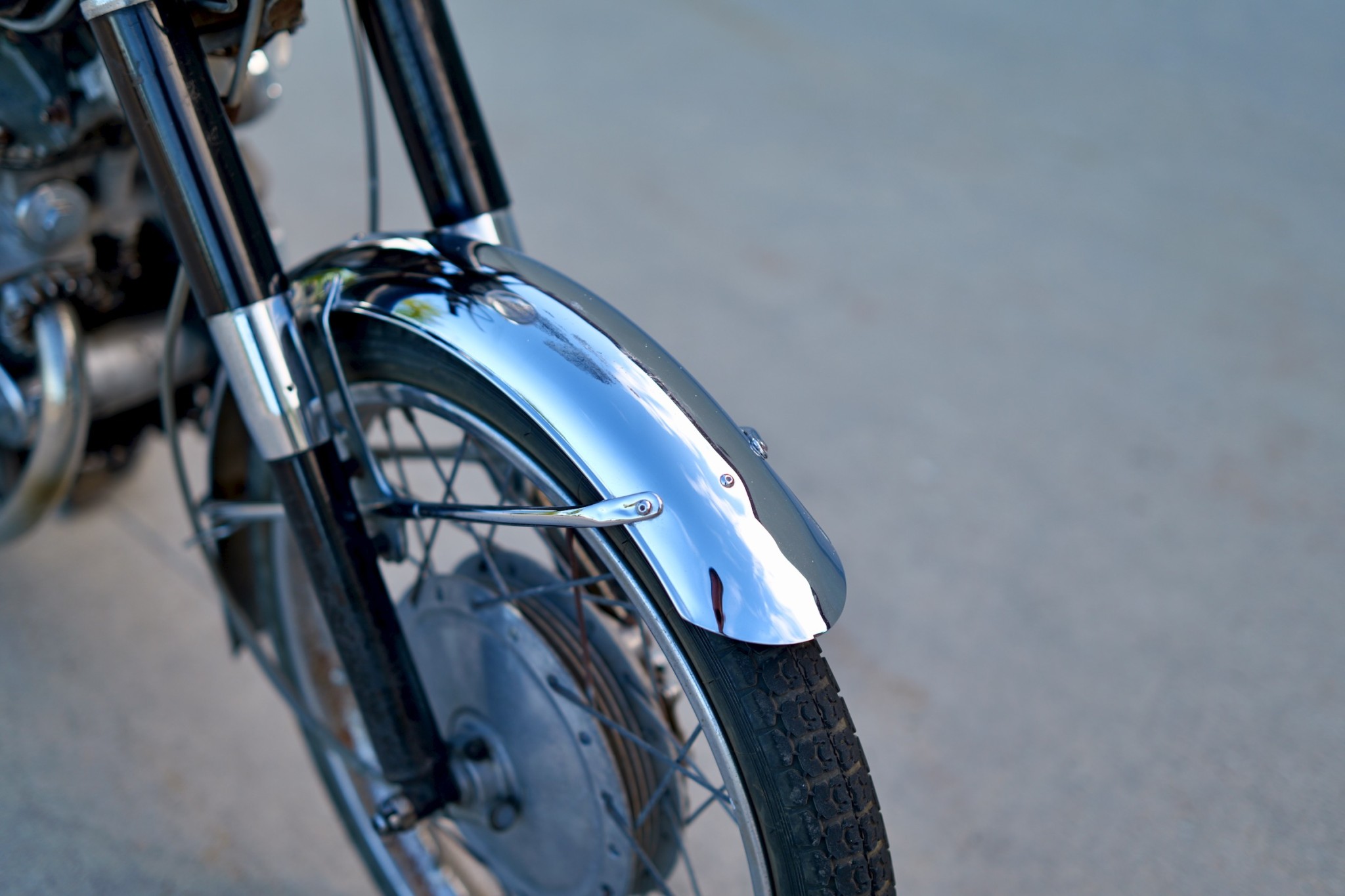
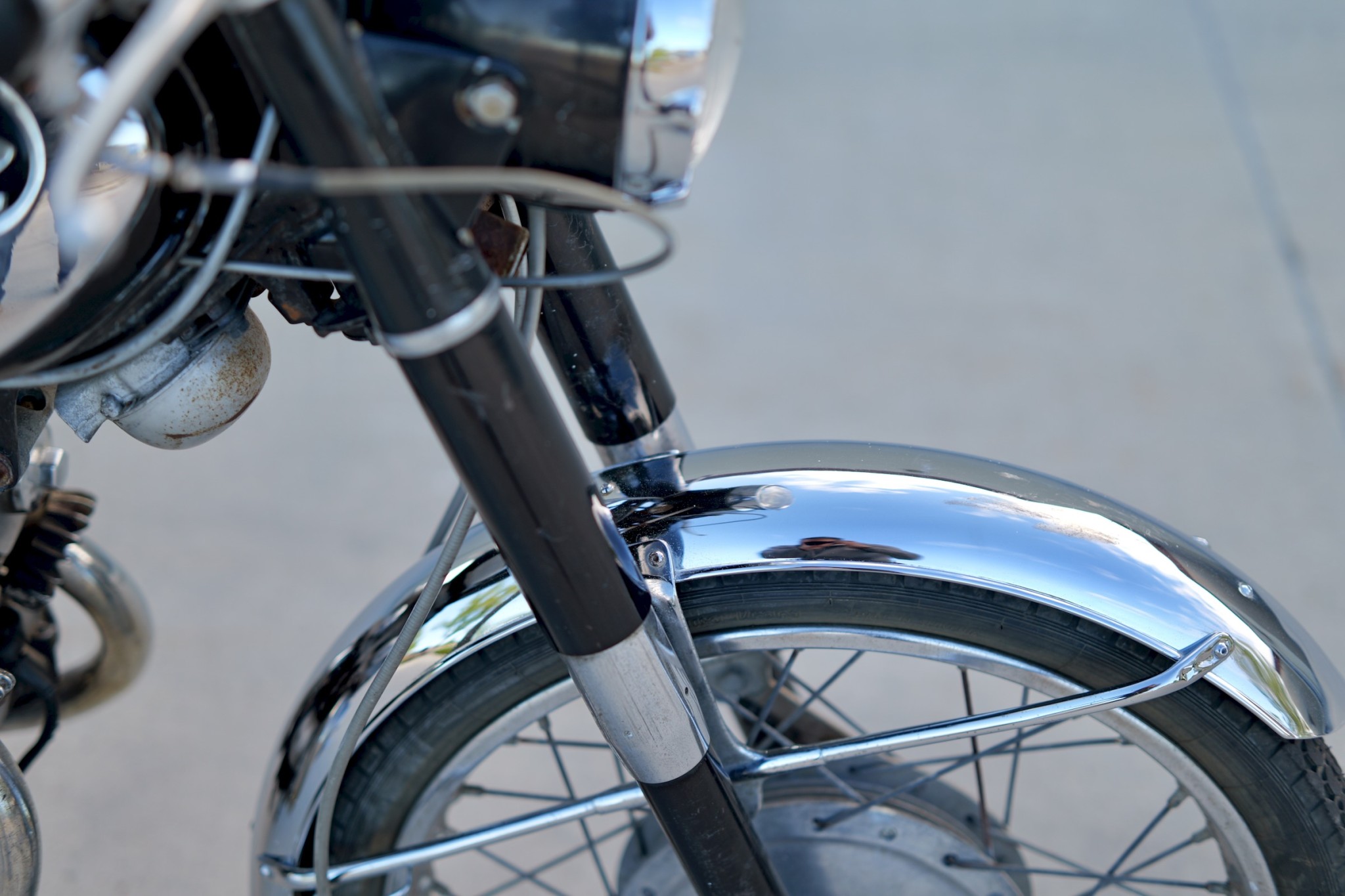
Pretty bike, even with the mechanical improvements! The (2) things I noticed were both fenders should be painted silver up thru the ’65 model year. To me the chrome front and the black plastic rear fenders need to go back to original.
This would be tempting if I didn’t still own my ’65 S90, another fun around town bike!
The rear fender is metal and I’ve seen photos of them both ways. This is an early one so perhaps they were different than the silver fendered ones?
My 1965 Honda color brochures of the model line (including my S-90 and the CB-160) show silver painted metal fenders on these bikes. I know that by 1966 or 1967 they did change to chrome metal fenders.
This bike was built in ’64 so it’s possible it came this way from the factory. Check out how low the vin is.
My first exposure to a, CB160 was the one that didn’t stop in time for my school bus. It was a glancing blow and the bike was just a little scared up. The rider came back to pick up the bike with his arm in a cast. I was very intrigued by the bike as the only motorized 2 wheeled vehicle that I had any experience with was a 4 cylinder inline Indian. I liked the CB160 instantly.
Any idea what year the 175 cc engine is? Also, maybe there should be a different auction fee matrix for motorcycles or lower-priced vehicles, say maybe10% percent, perhaps with a built-in reserve? According to your current formula, folks should bid the price up to make the auction fee a lower/more reasonable percentage of the overall cost! (e.g., if the item sells for $5K, the $500 auction fee is only 10% – yes!) – Hmm…
I’m not sure what year the engine is and we aren’t changing the auction fee right now. It’s worth more than $500 and the math is easy to do so I’m not sure what the problem is there.
I read the 175 sloping twin was 1968, and the vertical twin came out in 1969-1973. I’d guess this is a 1968, as I remember 175 vertical twins. As the sites biggest skeptic, it’s worth way more than $500, but, and being the seller and founder of this wonderful site, it may be tough to swallow, interest just isn’t there. Glaring examples come through here daily and the sad reality, is nobody wants a vintage motorcycle, regardless of what powers it. If I couldn’t tell, most today couldn’t tell the difference anyway. Something like this has to strike a nerve with someone that was there, and nostalgia, and sadly your audience that would/could want this, are pricing electric wheel chairs. That’s the way I see it.
The 65 S90 that I got from my wife’s step dad has silver painted fenders and I’m sure it came that way because he was too cheap to spend the extra money for chrome.
This bike was built in 1964. There’s a possibility the early ones were different than later ones.
There is a lot to consider in all this commentary…
So I went to the basement where my 1966 CB 160 near-basket case sits sadly with my other procrastinated good intentions.
We note
Mufflers are impossible to find if you need them buy this bike
Tank badges with the text CB 160 I can’t find them.
My 66 fenders are painted silver…
Suspension shocks are elusive too, you might get new gas units more easily.
Not sure about the headlight…mine seems like a sealedbeam unit rated 35 watts. Bulb is sealed to the fixture.
The text 161 cc is cast into cam tower on the front between the exhaust pipes.
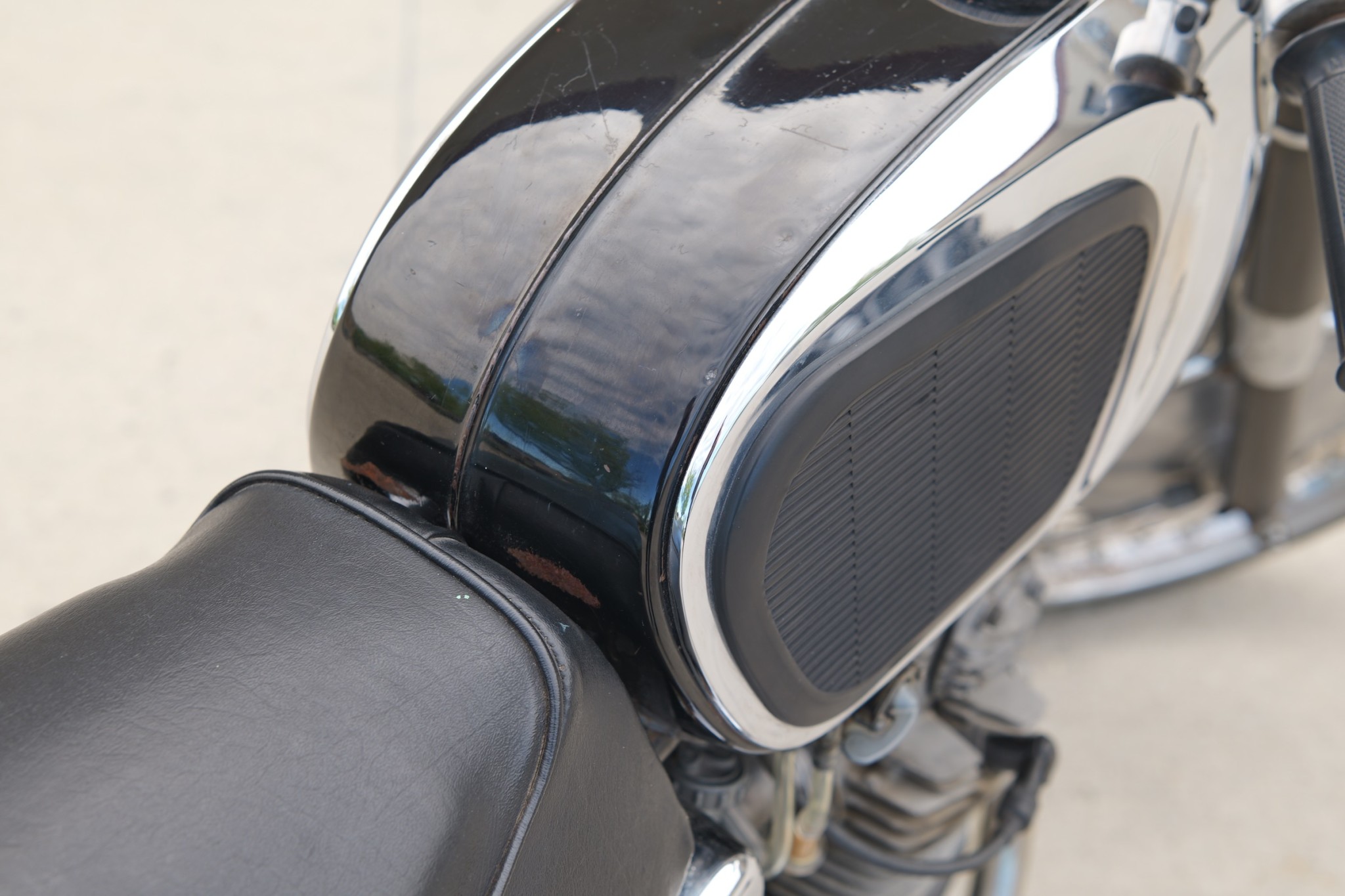
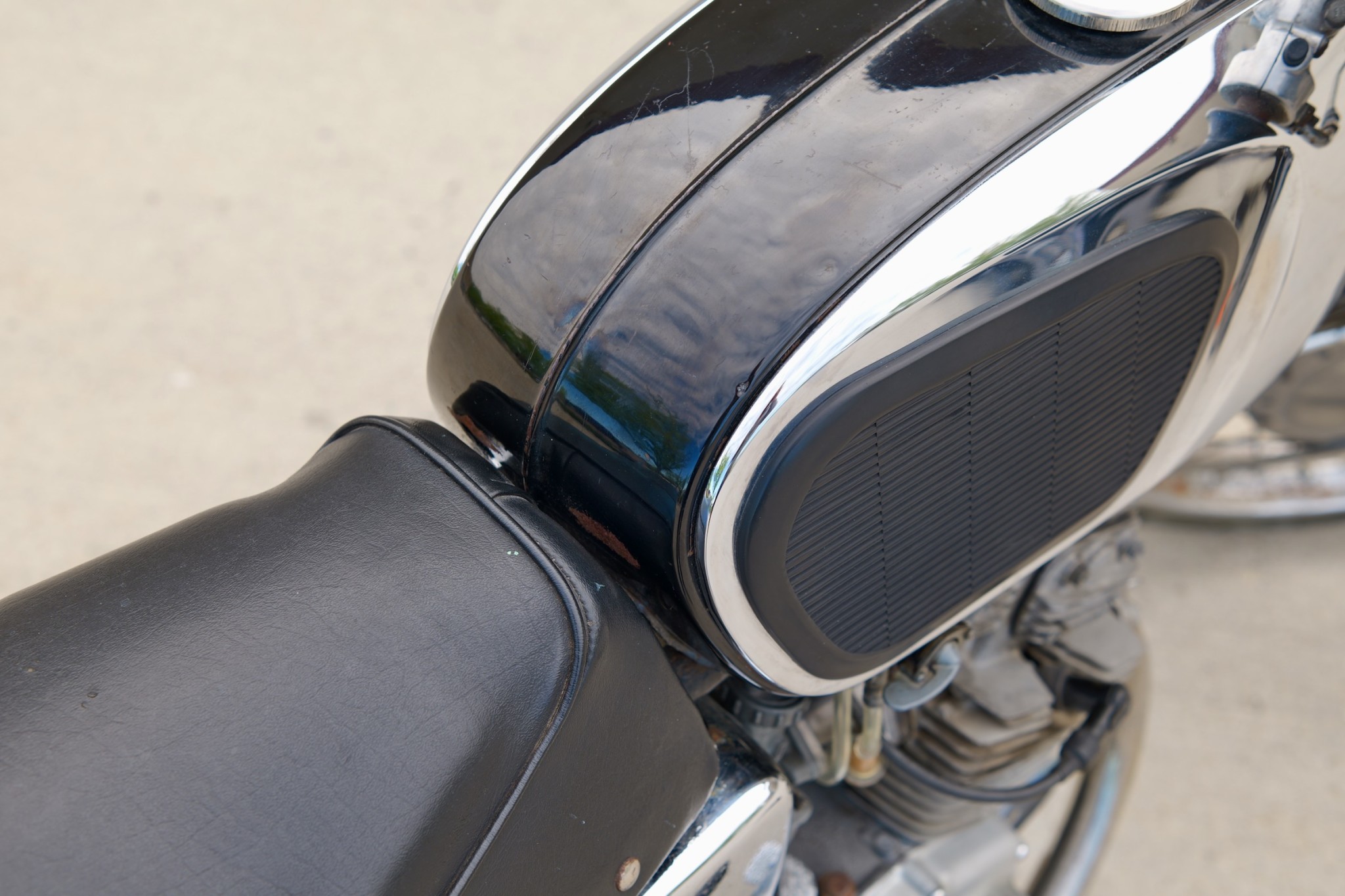
So based on my part searches this complete stock 160 is a rare piece and worth a good price because of completeness and finish.
Question . Did the 175 eventually switch from a sloper to a vertical twin ?
For fun search out 160 Cafe bikes.
You can still buy mufflers from Taiwan,& eBay is the best place to look for them. While not completely identical to the “OME” ones they are close, also expect to pay about $350-400 for them.
Honda changed the tank badge mid way through the production run and the early ones are harder to find.
I did find a Led headlight that fits a few years ago and I don’t remember where I bought it.
I still have my old CB 160 & should restore it, I also have the early CA 95 (150 benly), that I paid $150 for in 1986. And a CA 160, CA 72. I still l occasionally look for a CA 77 at a reasonable price.
My collection is a far cry from the 35 dreams I had during the early 80’s.
That engine and the other “sloping” twins were the same architecture used on the Honda RC-166 250 6(!) cylinder racer. That bike won every race it finished, until Honda withdrew from the 250 class in 1968.
If I owned this bike I wouldn’t worry about restoring it, I’d put on a set of new tires and use if for around town cruising. I first saw one of these when I was delivering papers on my Cushman Eagle and I wanted one SO bad despite the retoric at the time that Japanese stuff was garbage. The only one I wanted more at the time was a Dream 300, but either way these are quality bikes that will last.
But wait! There’s more!
Check out cappellinimoto.com for the coolest upgrade parts for 160 Motors.
Sump expanders, external oil coolers, cam drive bits, and the always lovely finned tappet hole adjustment covers.
They show up on the website. Could they really be instock?
The auction is ending soon so please let me know if there any last minute questions. Thanks!