
- Seller: Bryan D (Contact)
- Location: Kerrville, Texas
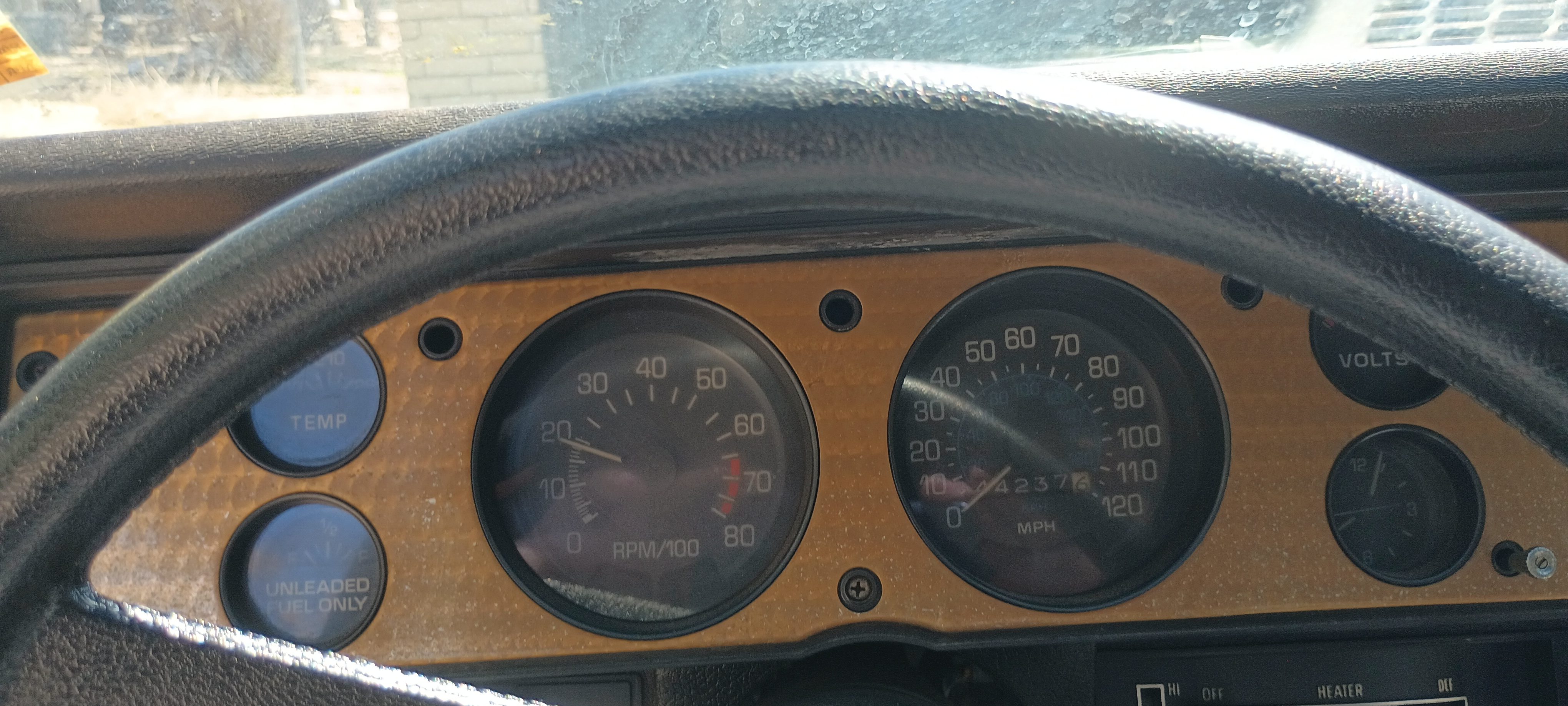
- Mileage: 44,237 Shown
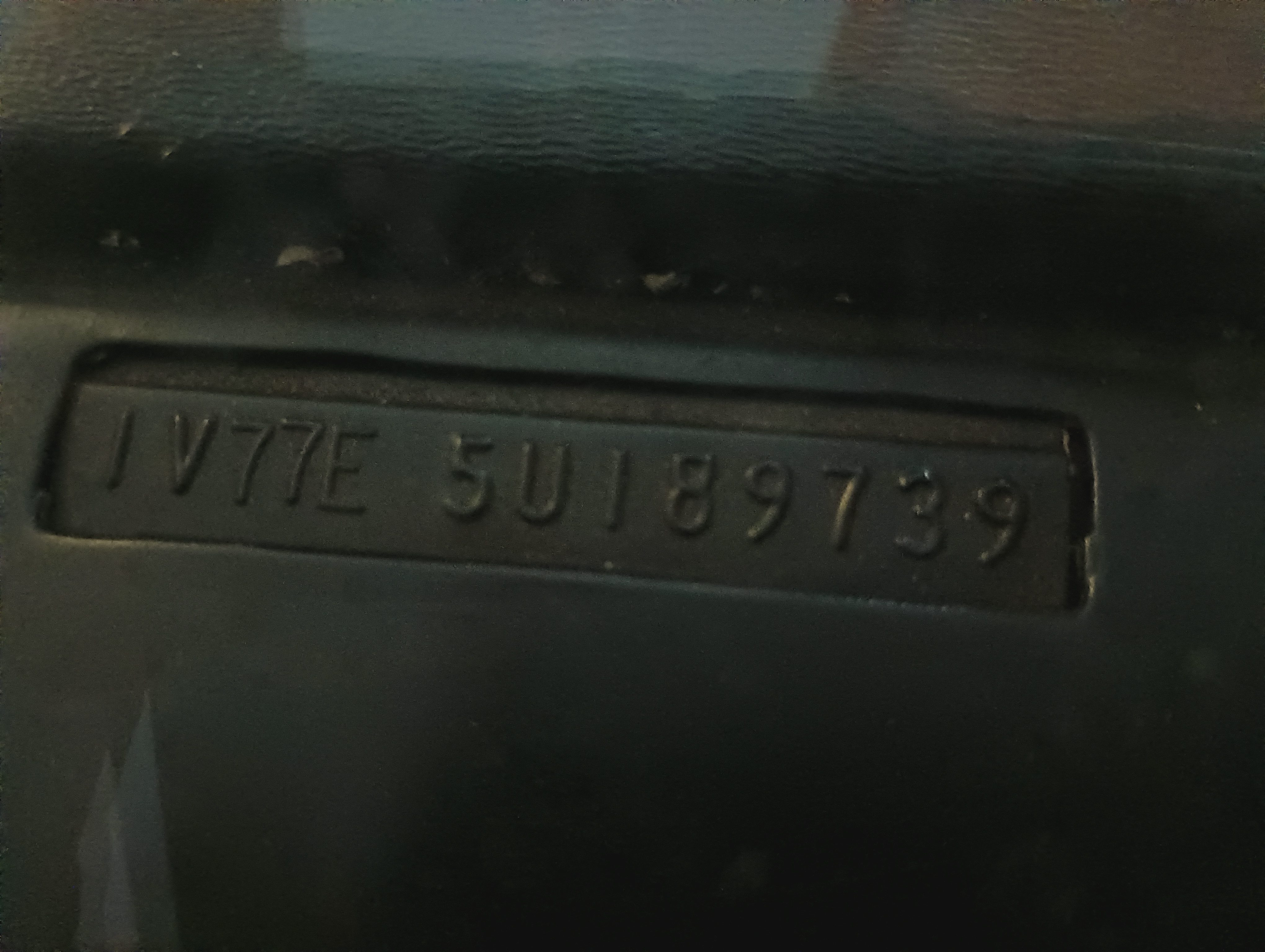
- Chassis #: 1V77E5U189739
- Title Status: Clean
- Engine: 2.0-Liter Twin Cam 4-Cylinder
- Transmission: 4-Speed Manual
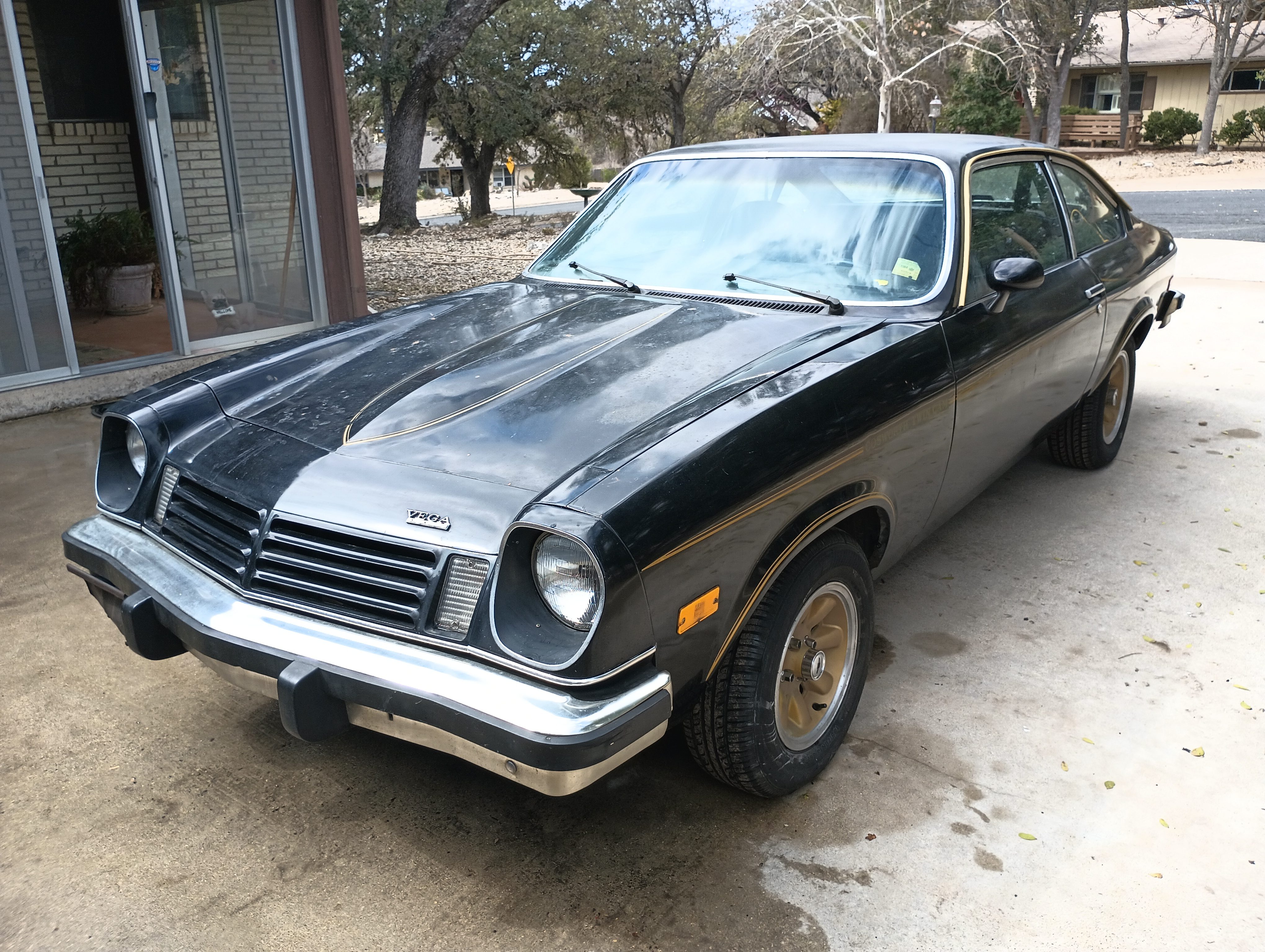
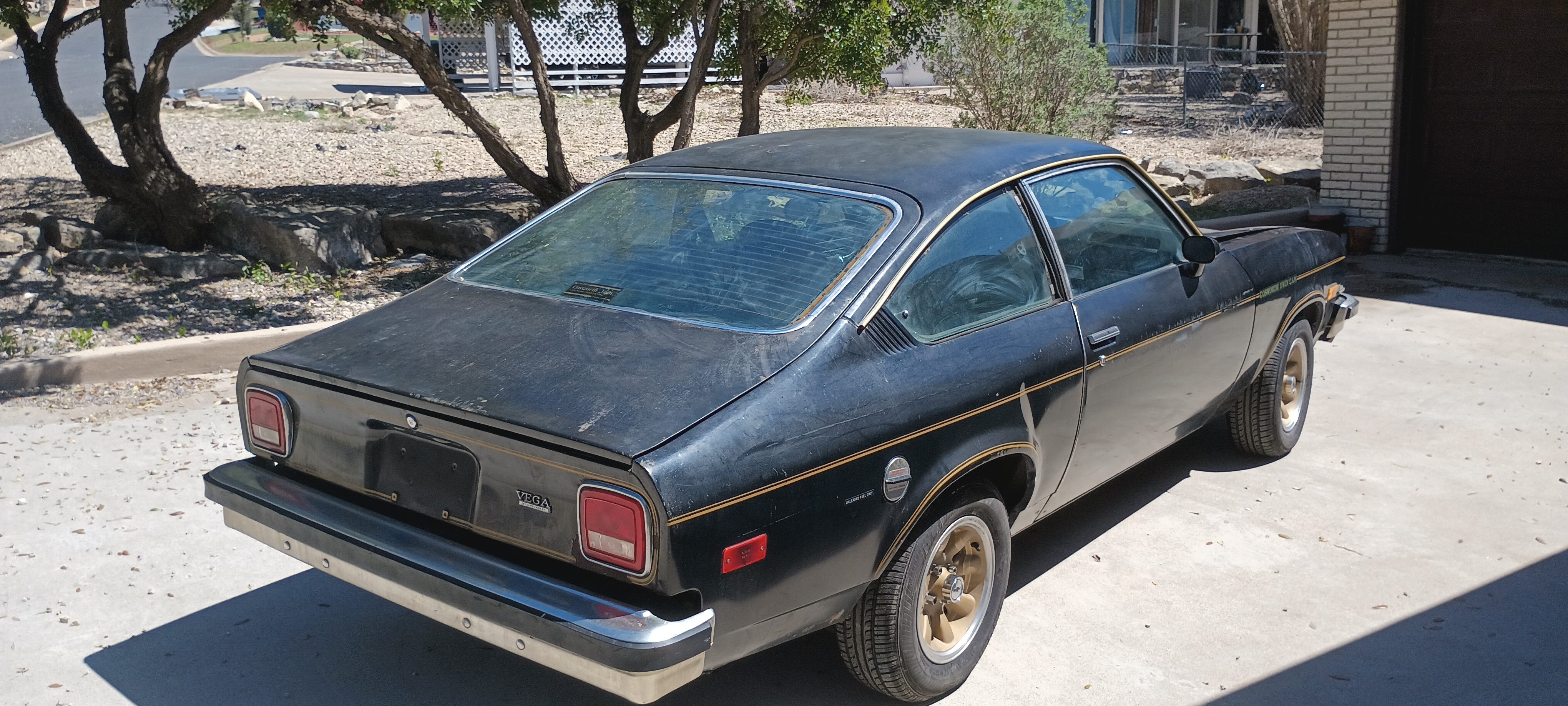
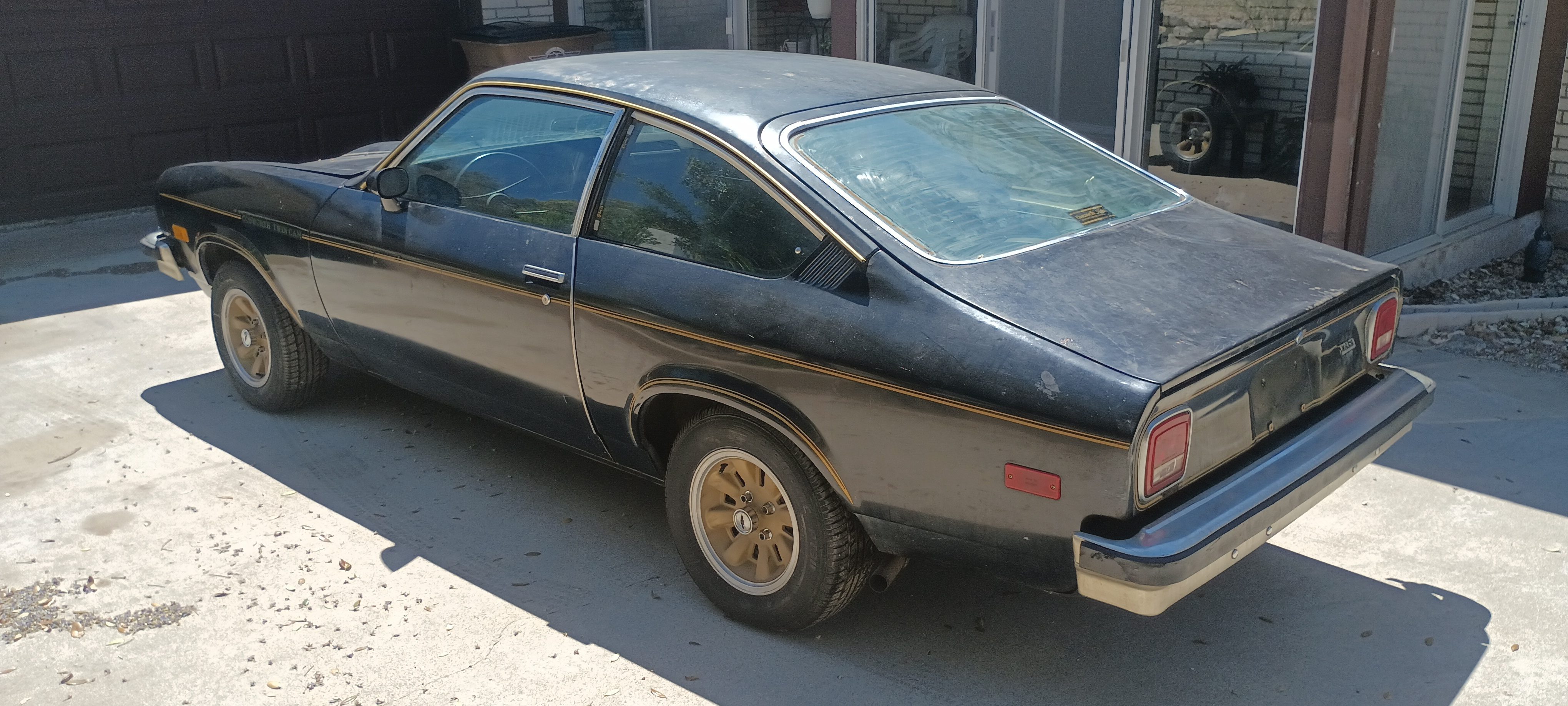
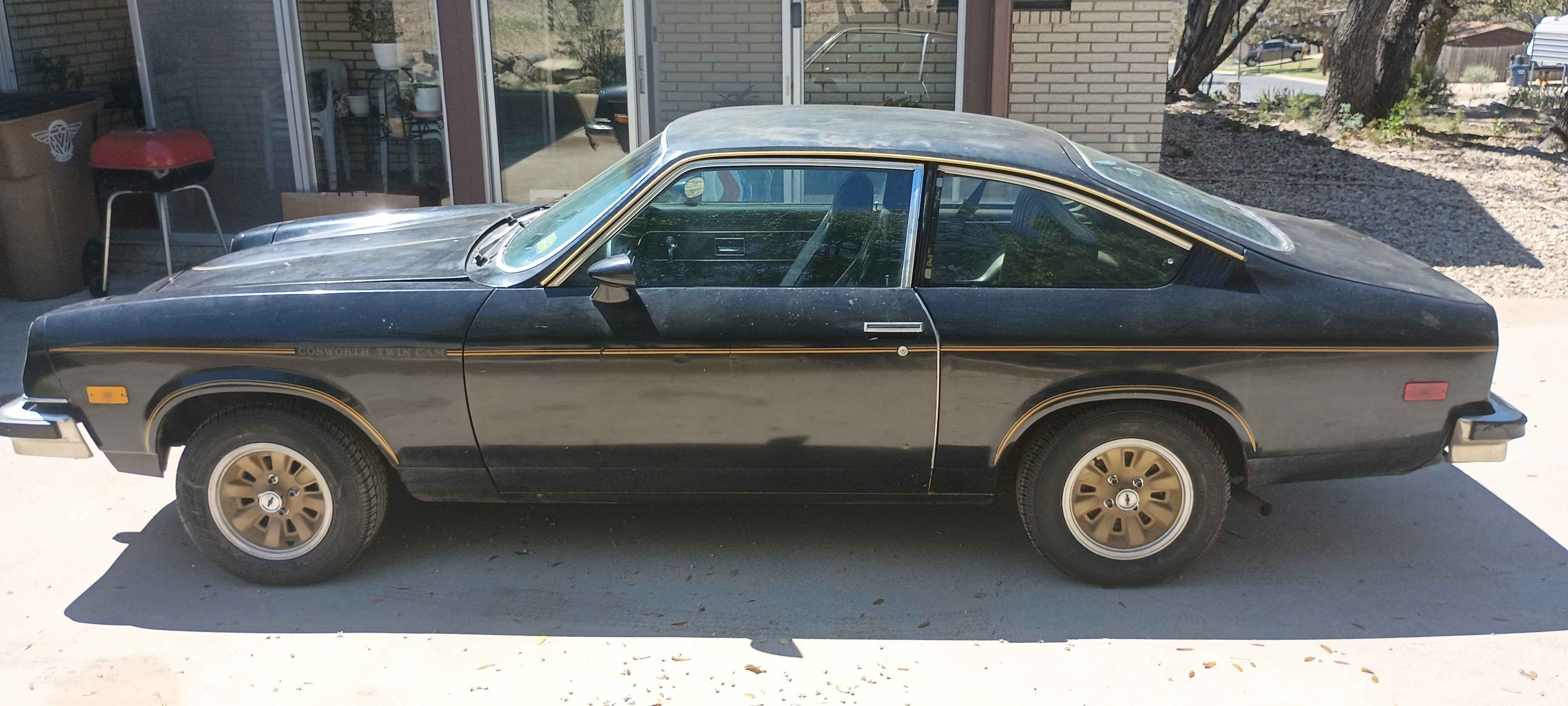
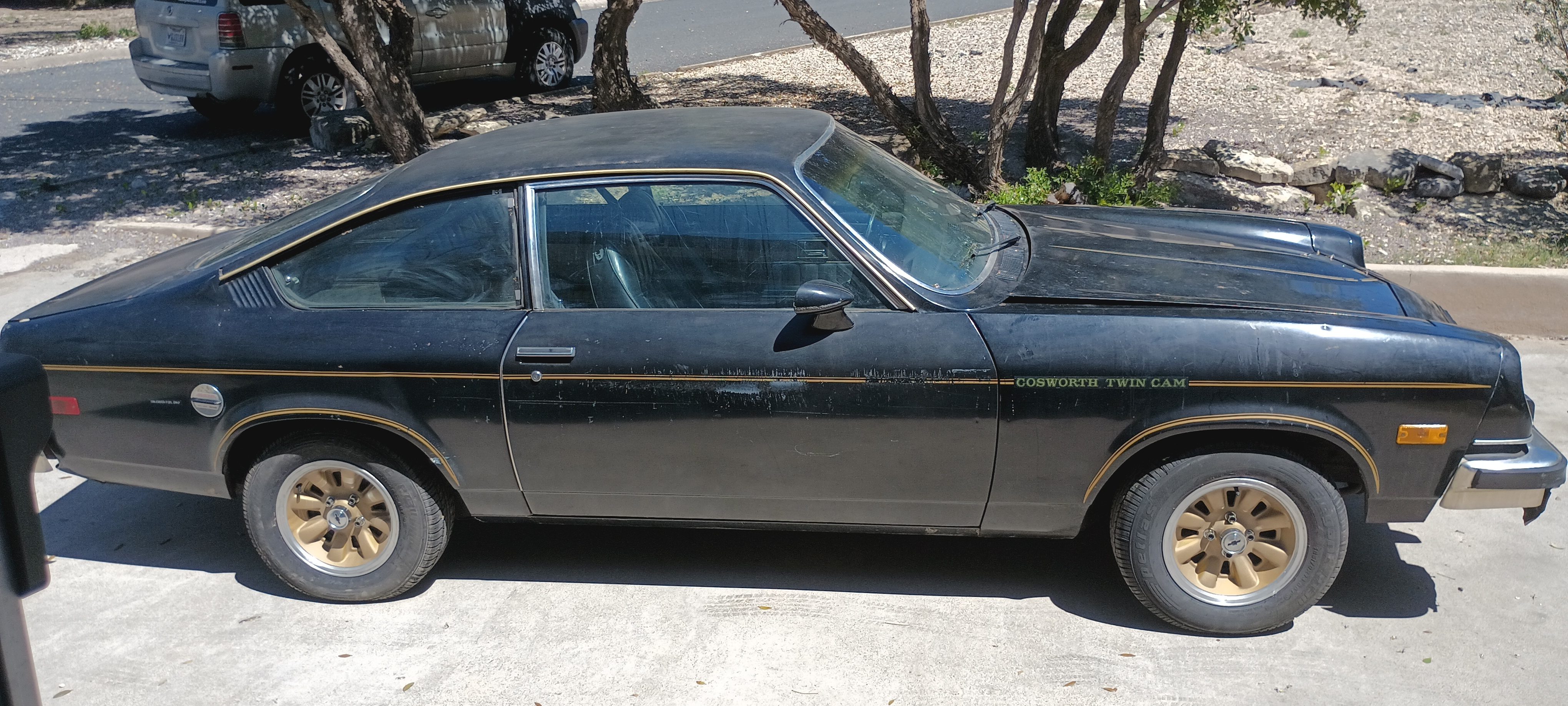
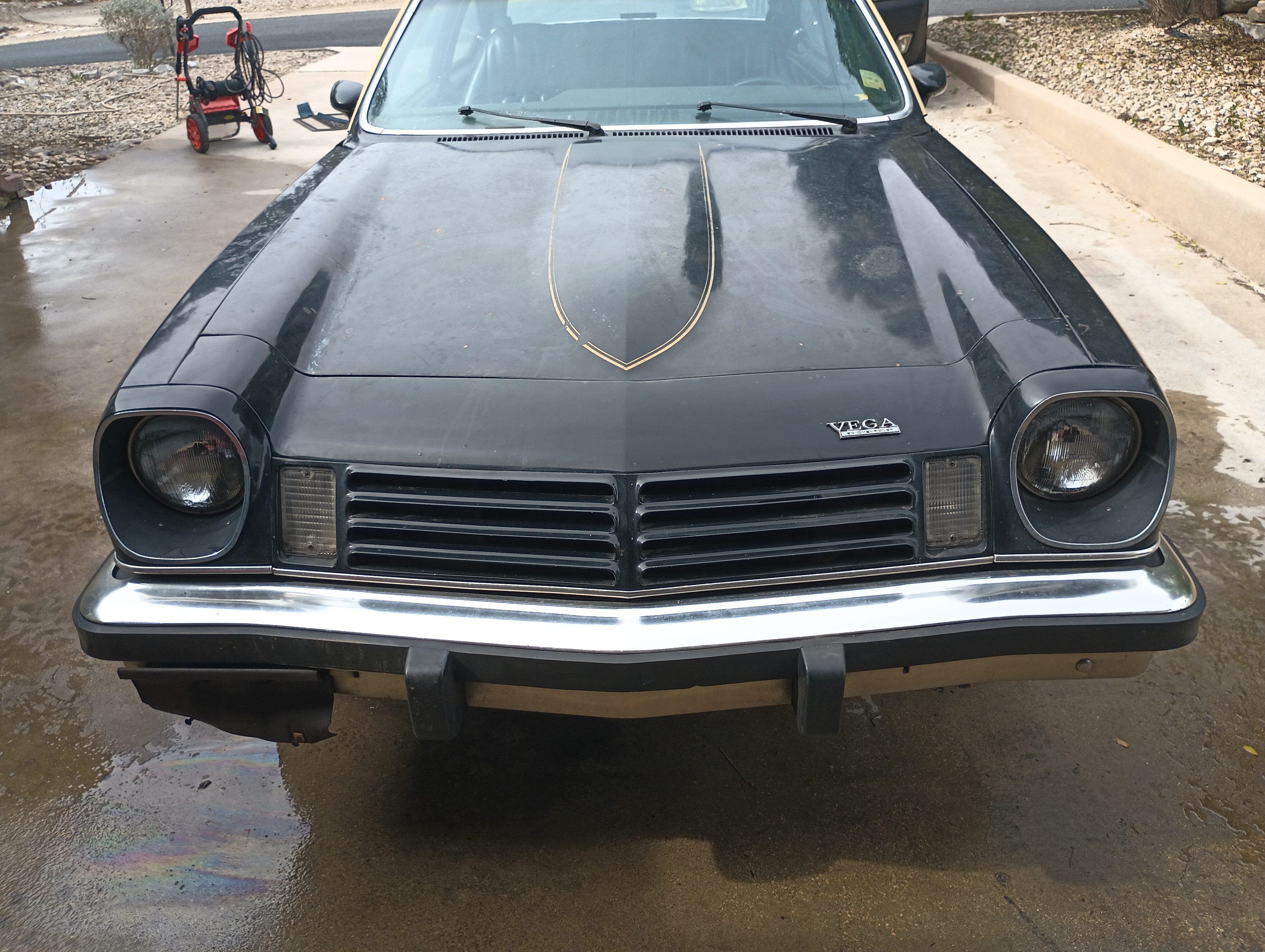
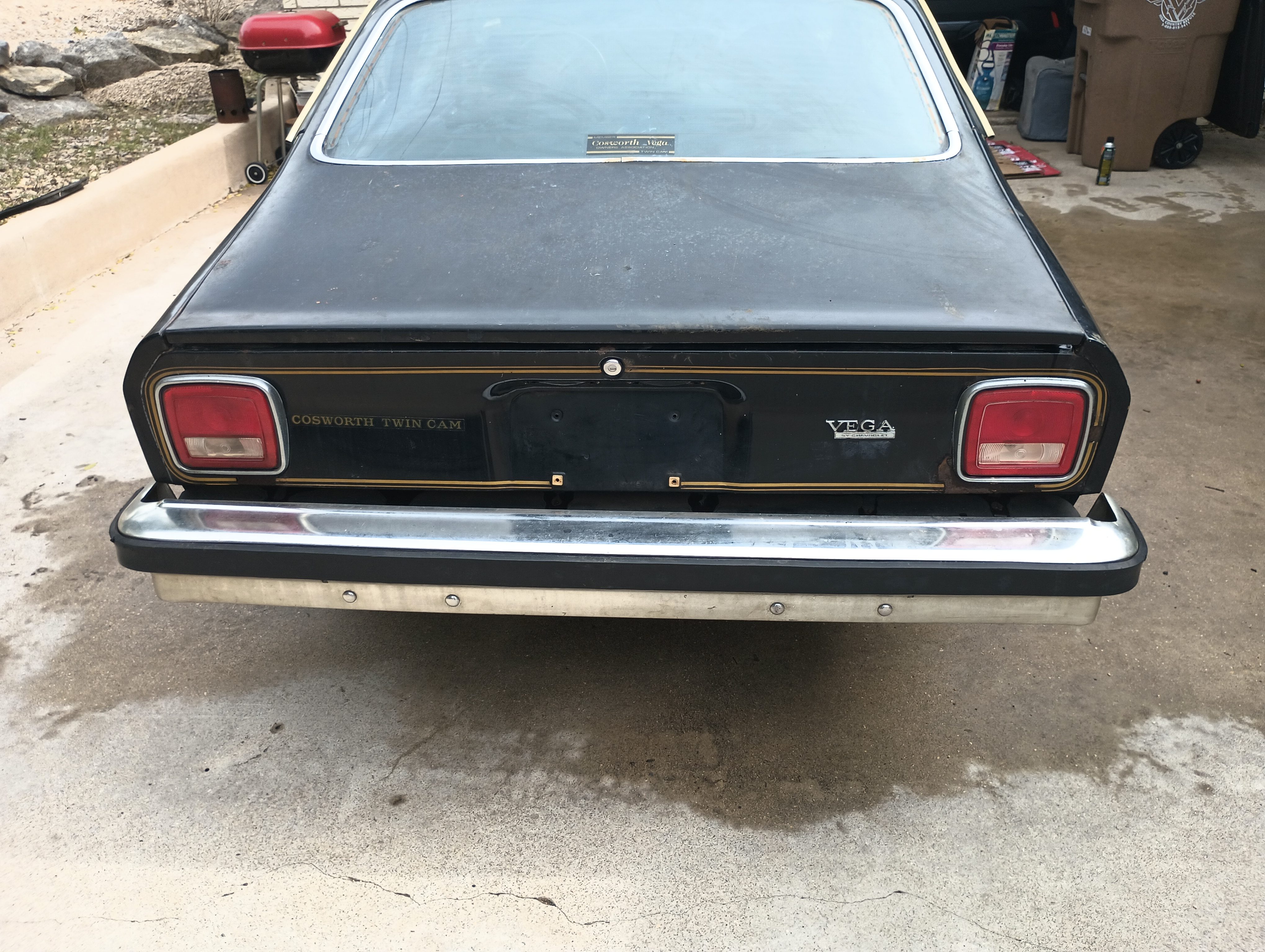
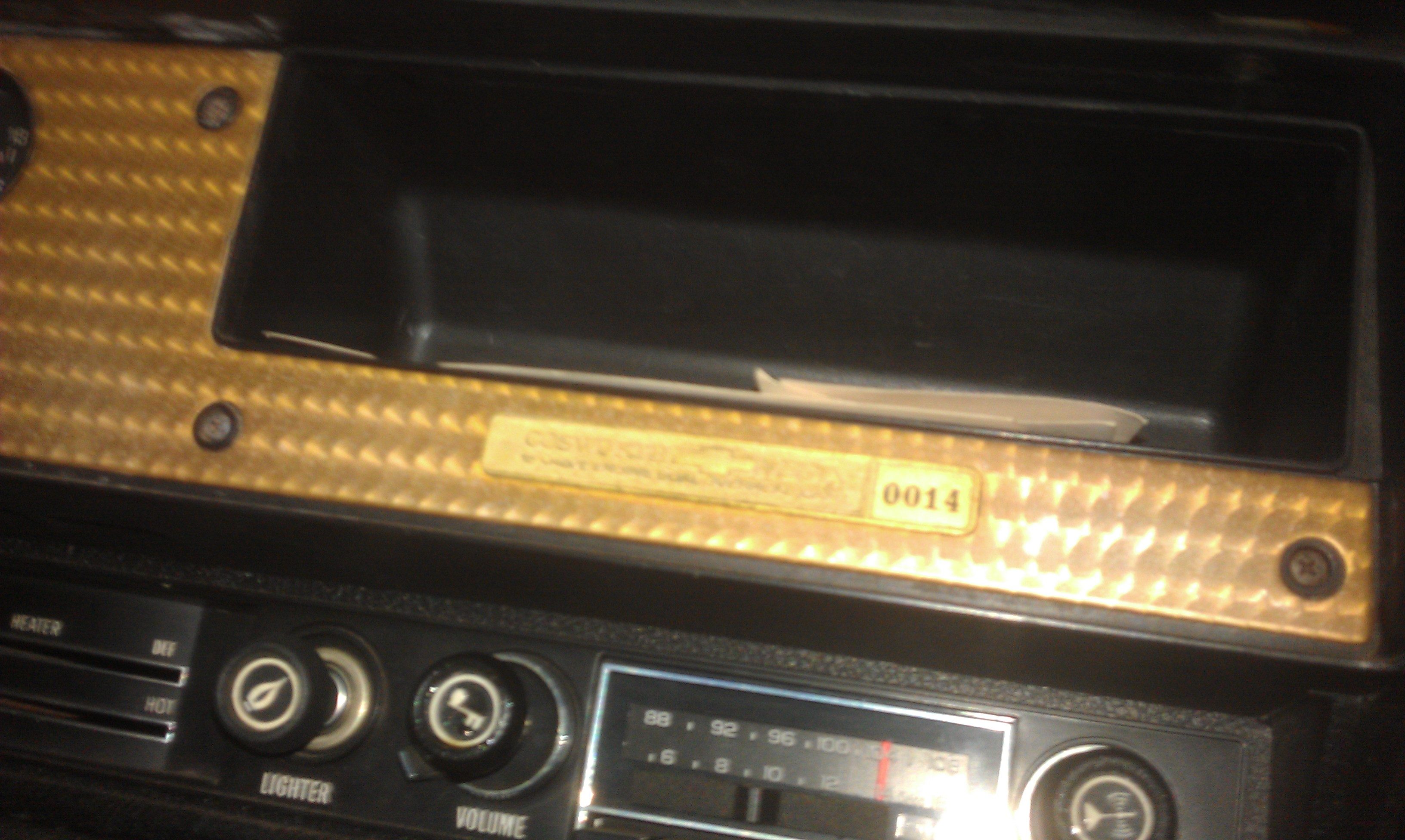
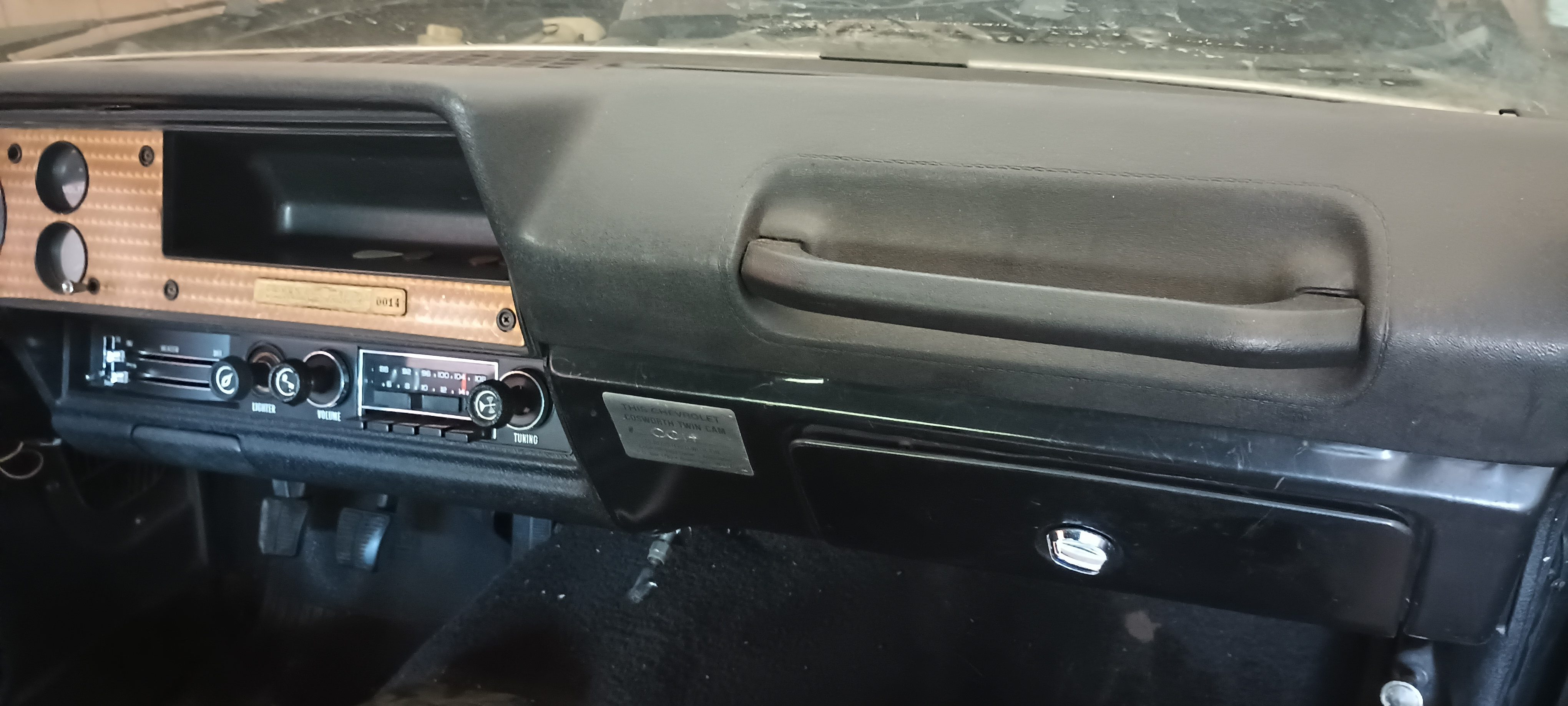
Here’s a hypothetical scenario: Imagine if Chevrolet had concocted the Cosworth Vega in 1965 rather than introducing it as a 1975 model. Imagine that they didn’t have to submit the drivetrain to the EPA for emissions certification, and instead, Chevy engineers were free to release an unfettered two-liter twin-cam screamer. It’s fun to think about, but the Cosworth Vega as released is still a fascinating piece of engineering that lasted just two model years: 1975 and 1976. The seller of this Cosworth says that it’s number 14 out of roughly 3,500 built (the exact total seems to be a point of debate), and it’s now being offered as a solid Barn Finds Auction in Kerrville, Texas.
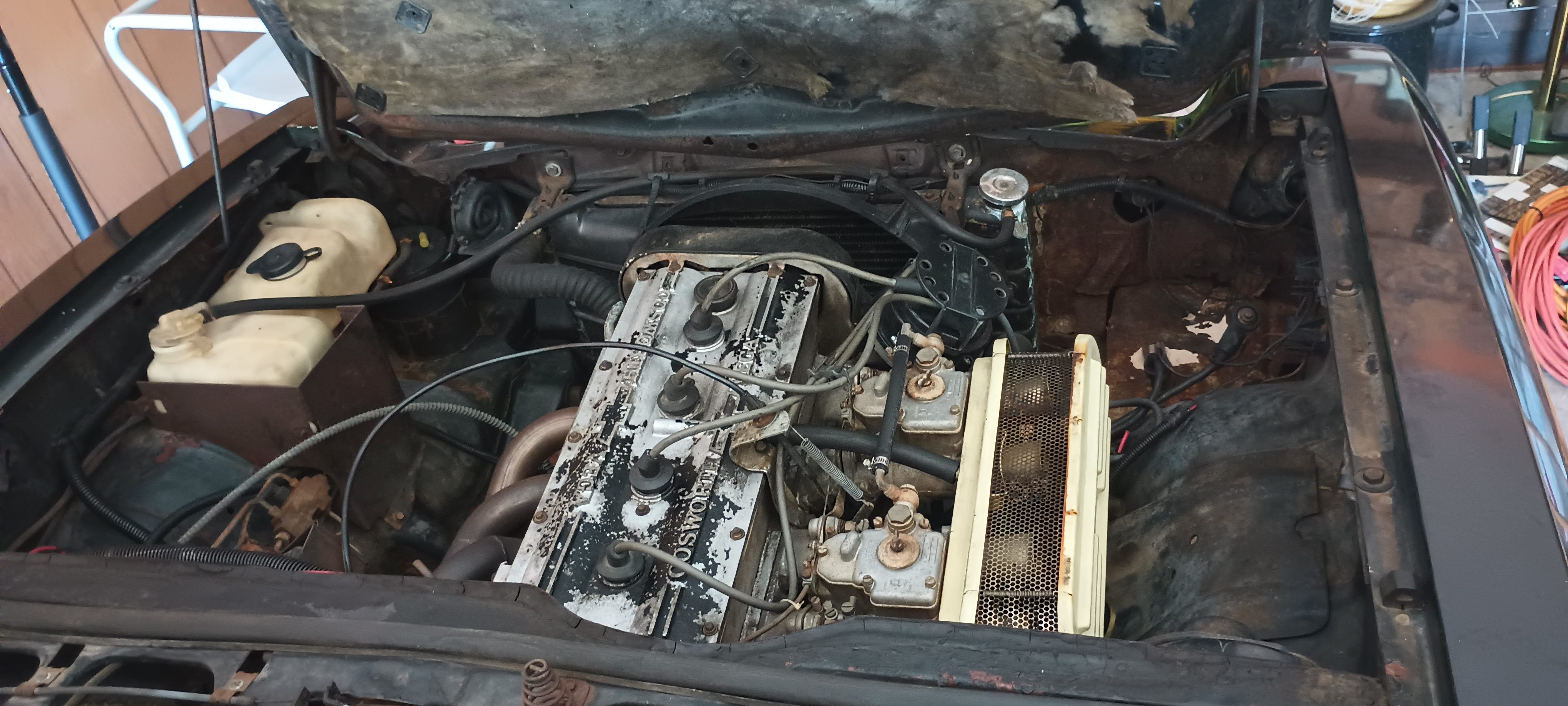
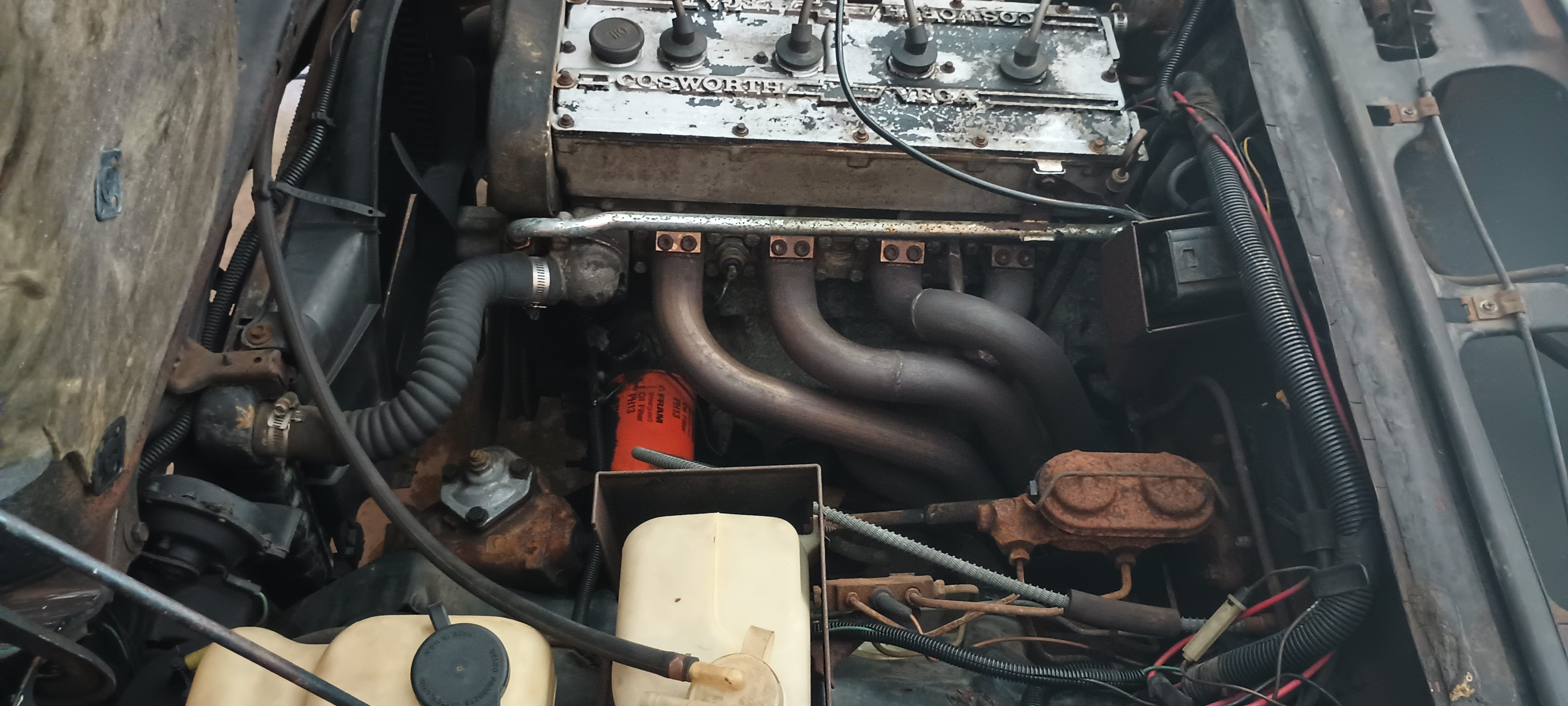
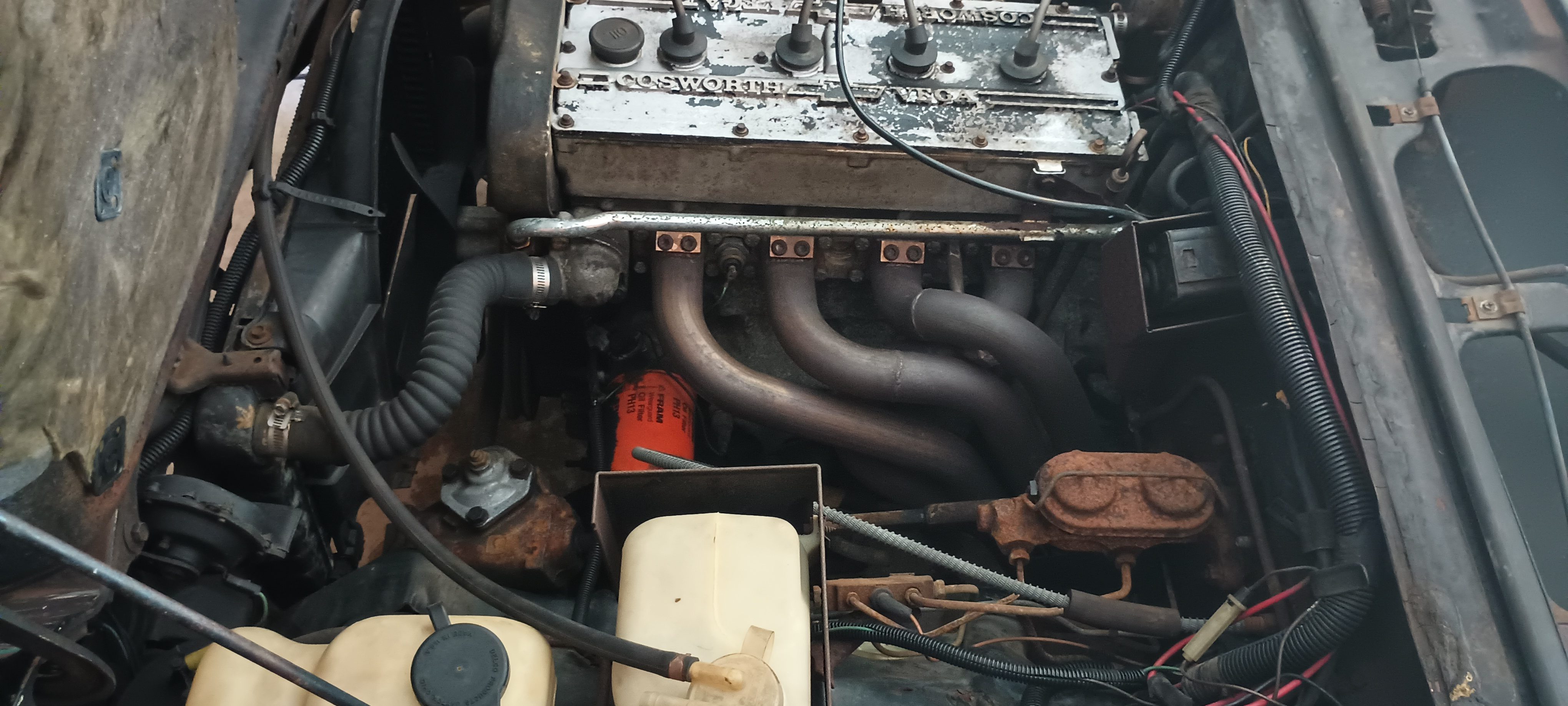
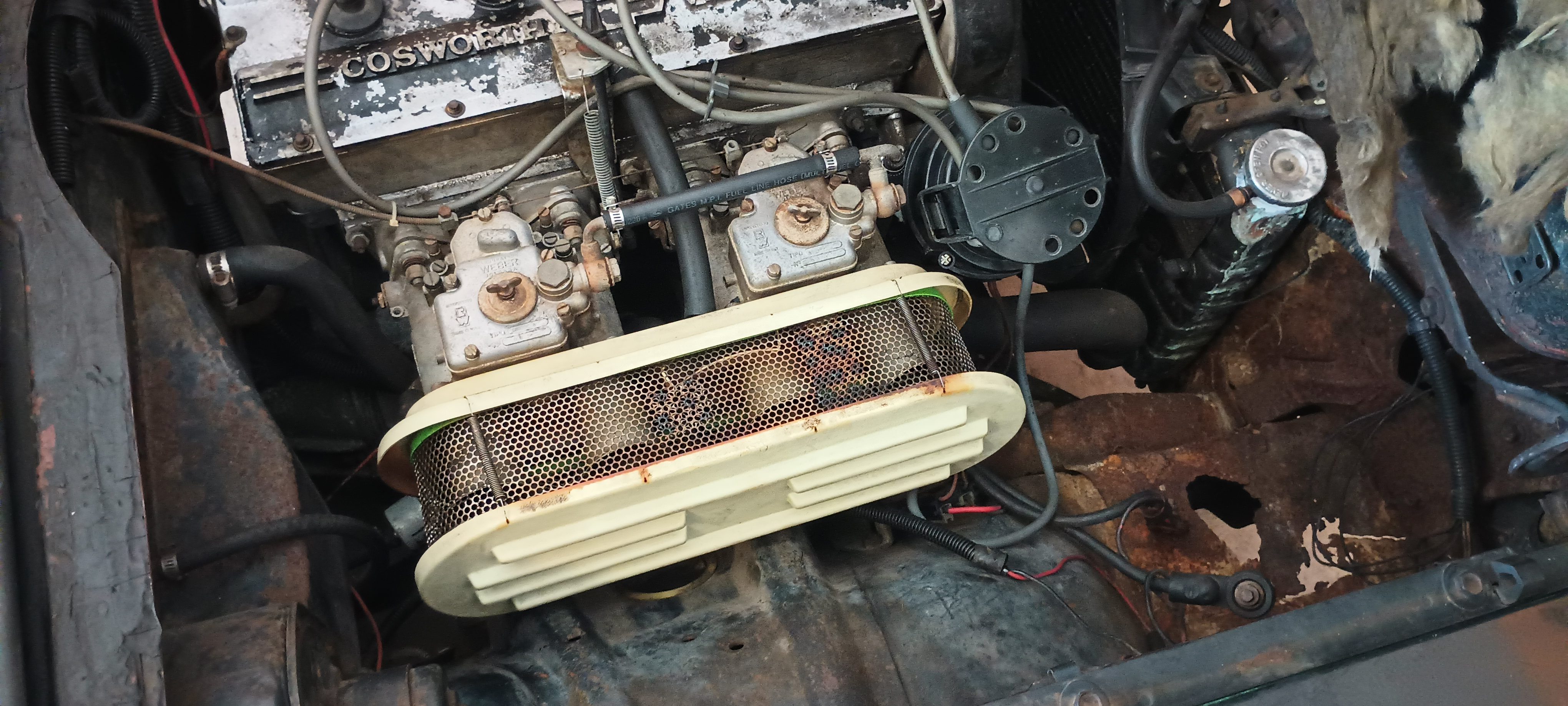
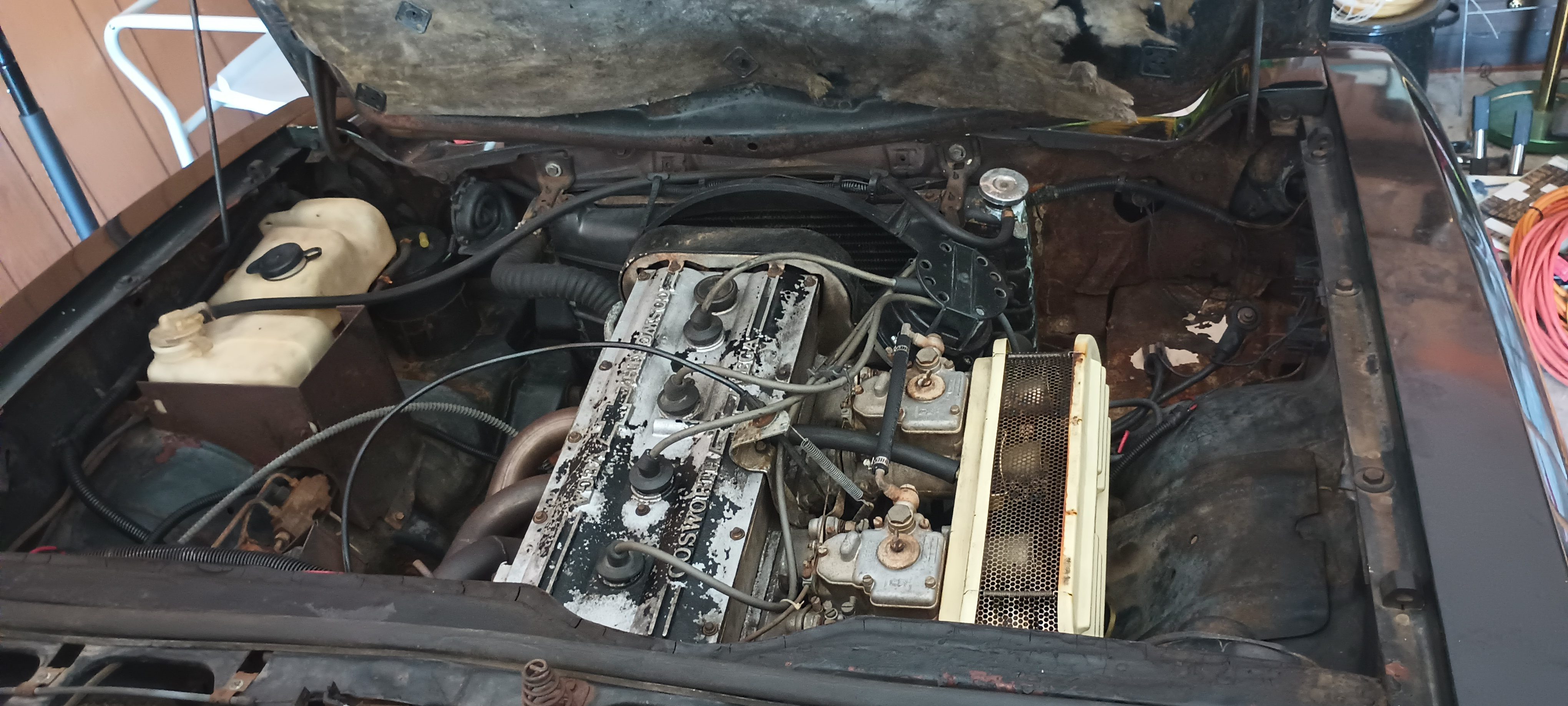
The standard Vega was already a great platform in terms of handling and roadability, so what makes the Cosworth example interesting is, of course, the engine, a destroked version of the standard Vega powerplant. Displacing 122 cubic inches, the Cosworth had a special twin-cam cylinder head (designed by Cosworth’s Keith Duckworth, according to the brochure), fuel injection, an exhaust header, a forged crankshaft, and forged pistons. Prototypes cranked out up to 170 horsepower, but by the time Chevy finalized the tune and cleared everything with the EPA, the engine was rated at 110 horsepower at 5,600 rpm and 107 lb.-ft. of torque at 4,800 rpm. This car’s engine has a “Hutton Motor Engineering” dual Weber carburetor conversion (they are 40 DCOEs).
Road & Track tested a Cosworth Vega in 1976, and they regretted that Chevy couldn’t have released one of the snorting prototypes that Chevy teased just a few years beforehand. Still, they found that the Cosworth was reasonably quick for a mid-’70s compact, hitting sixty in just over 12 seconds.
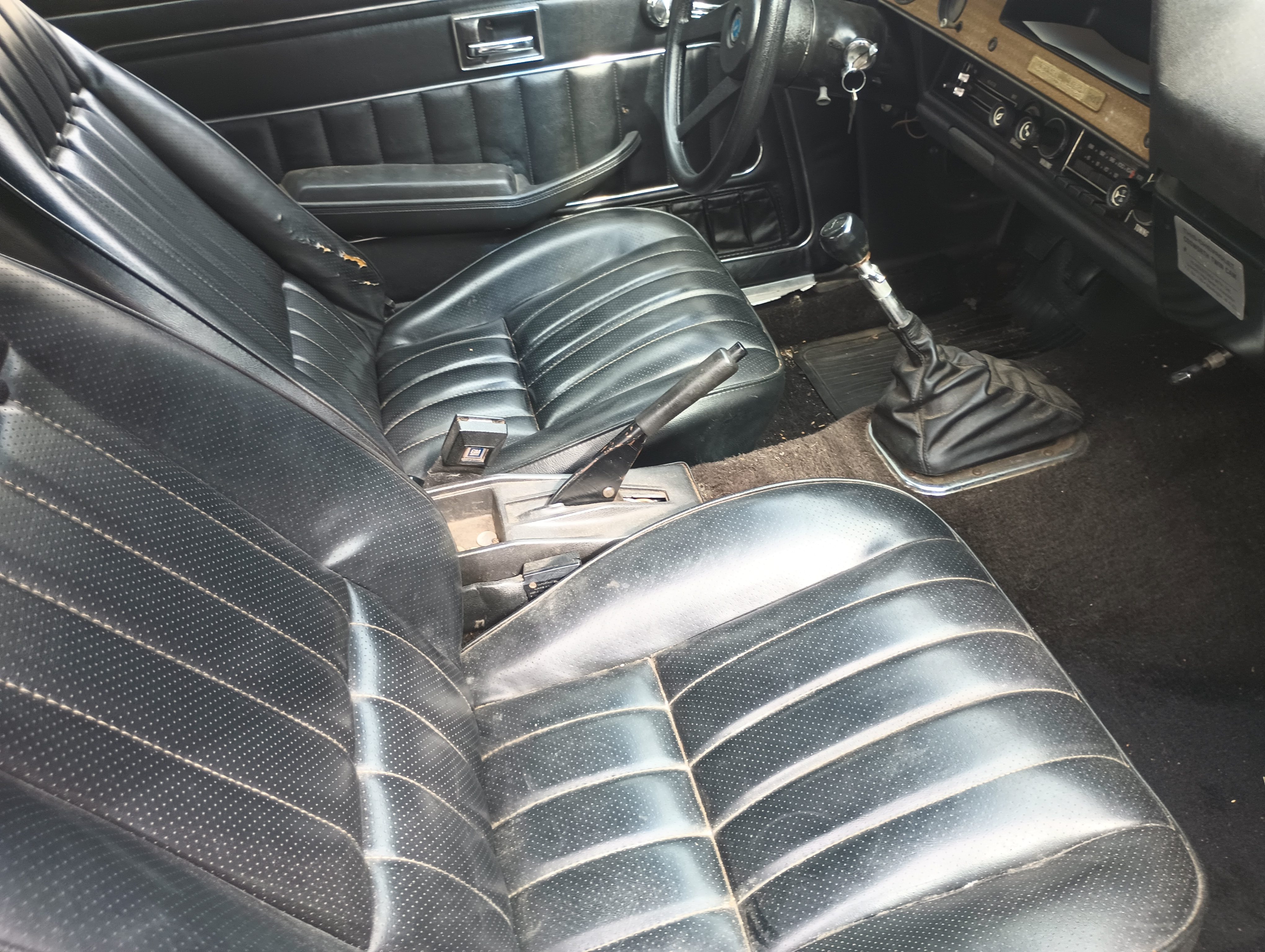
The 1975 model had a four-speed manual and 3.73:1 gears out back, so it was bound to be a fun around-town car regardless of the powertrain.
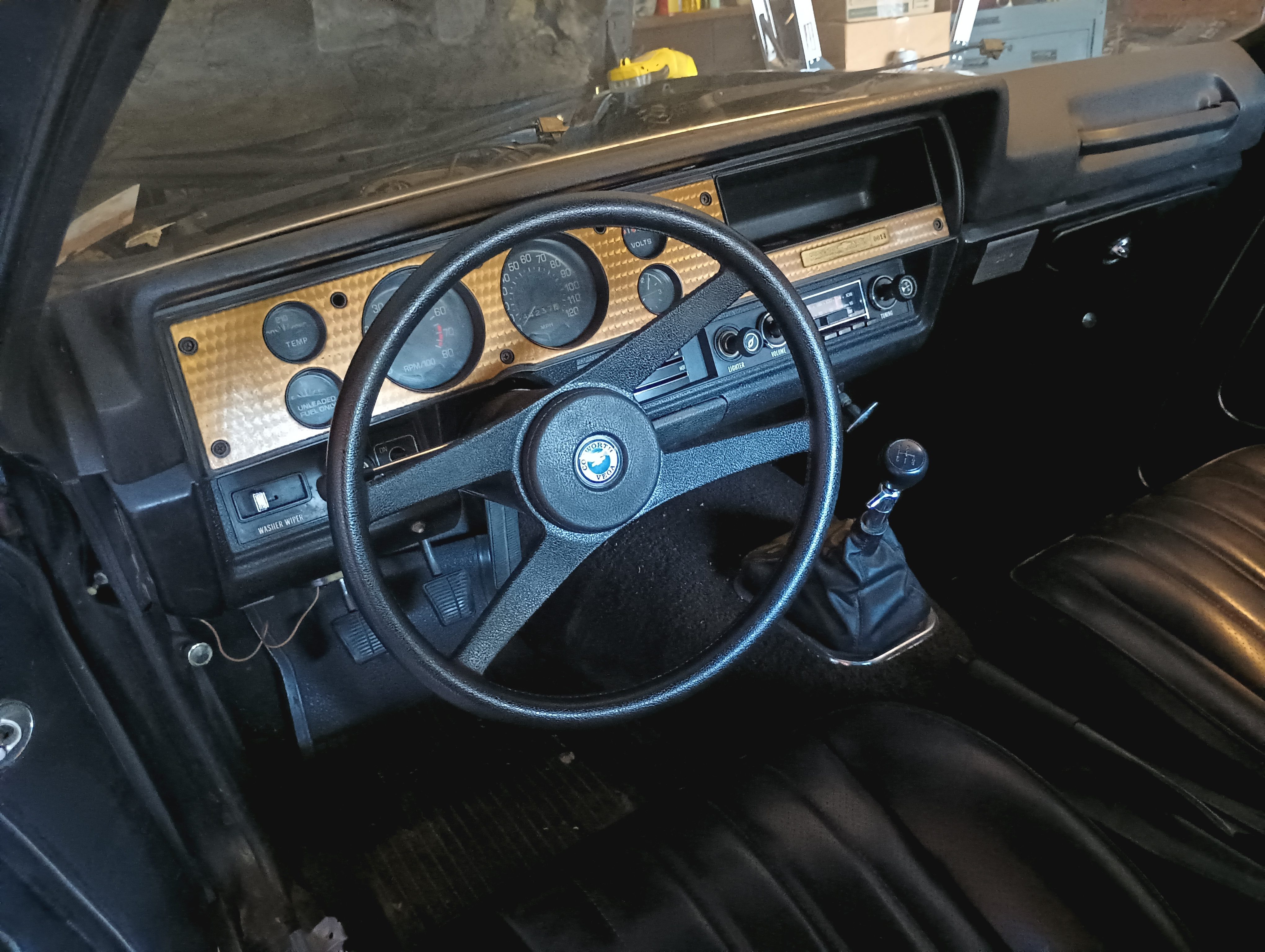
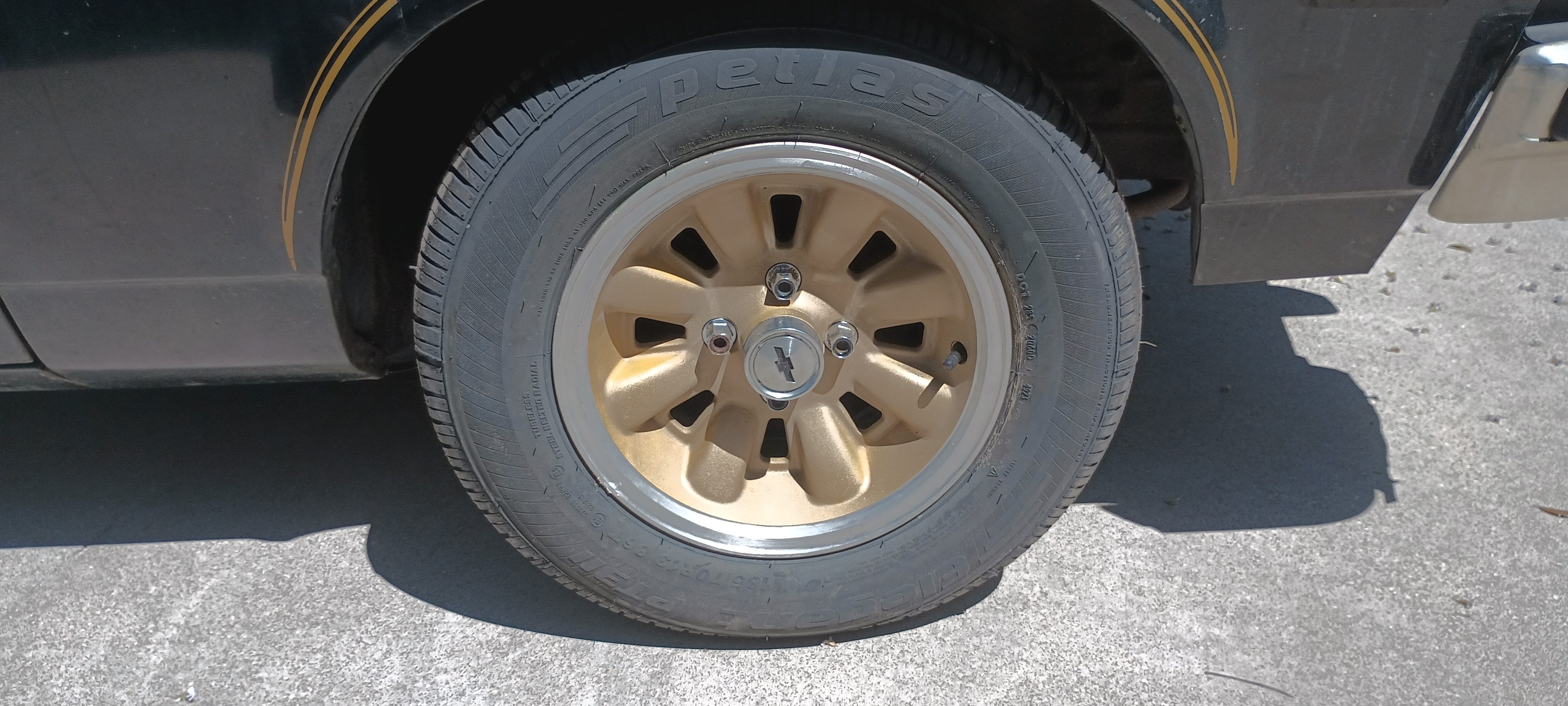
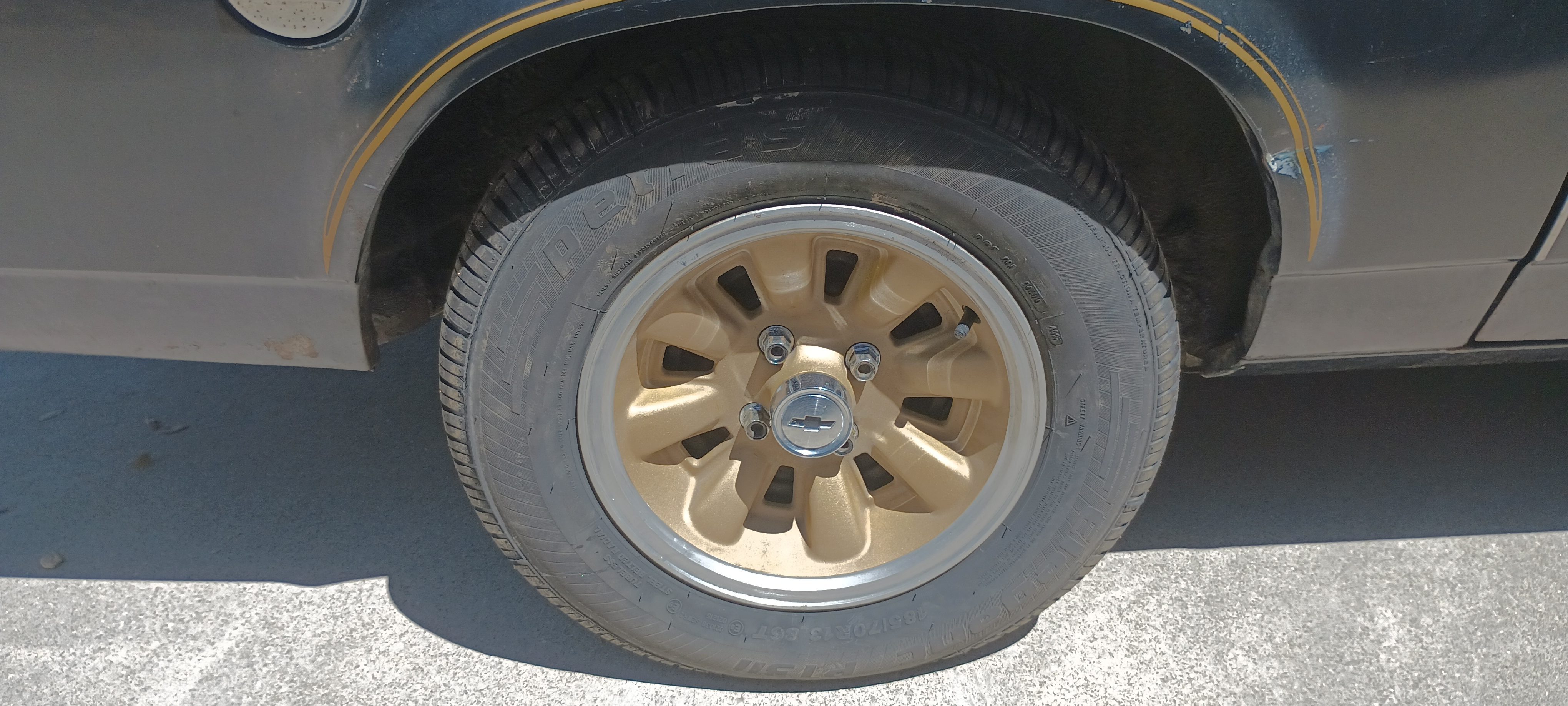
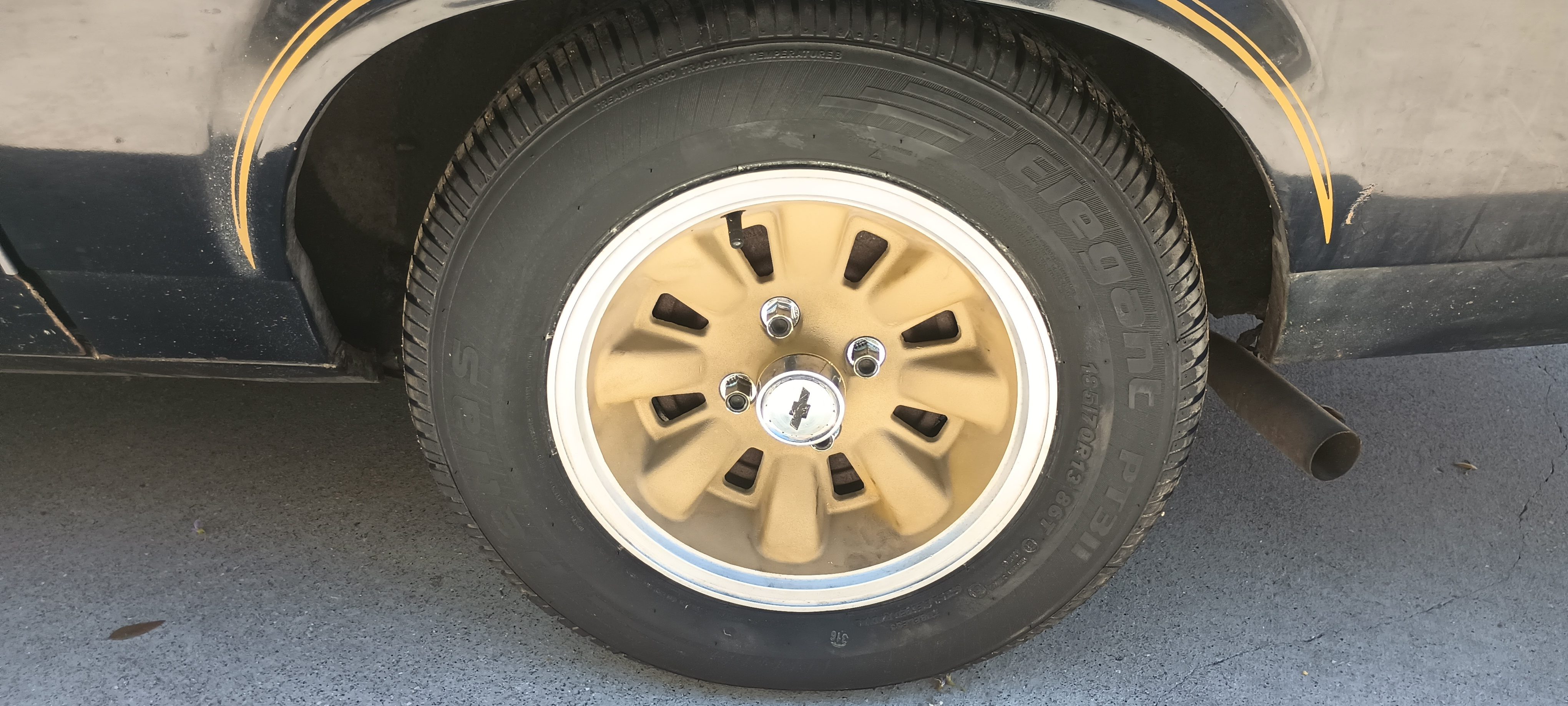
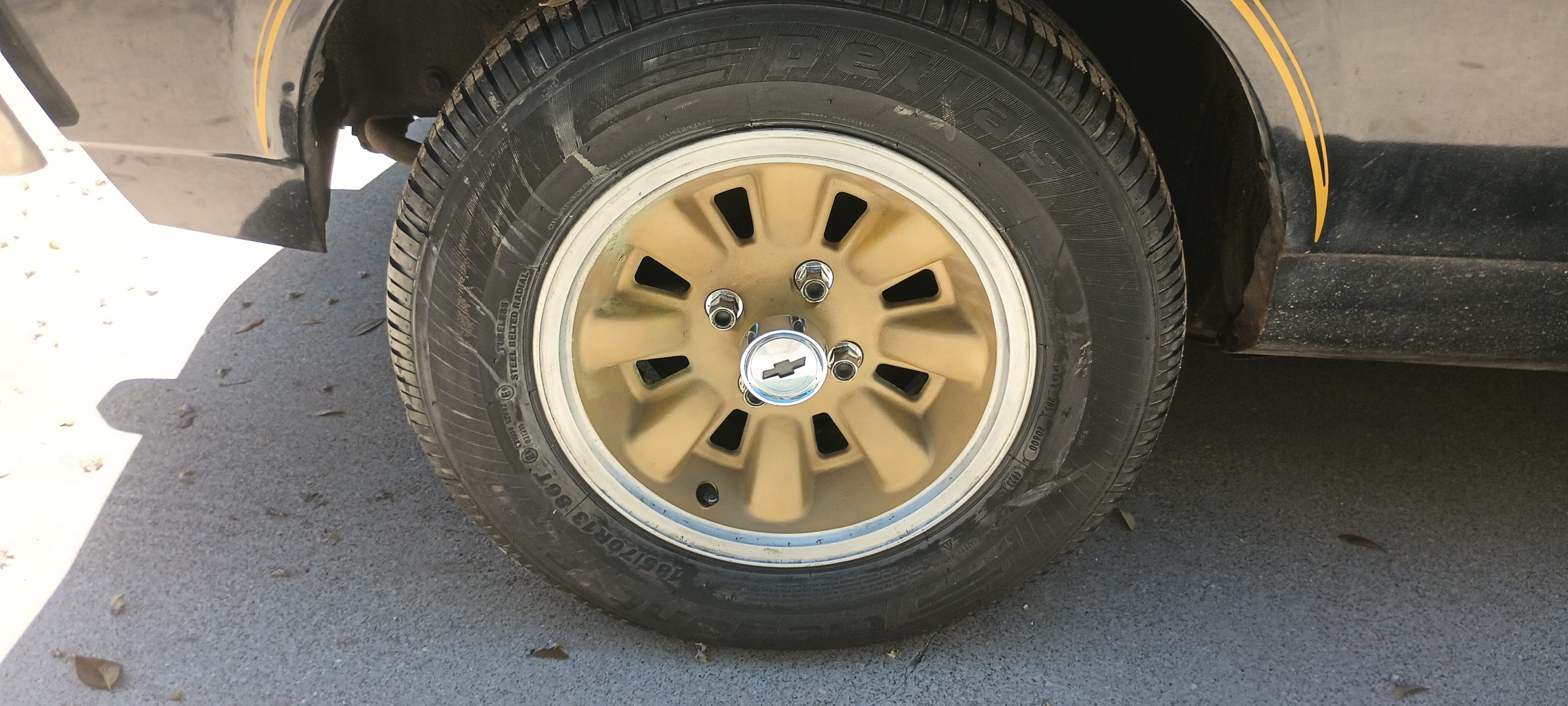
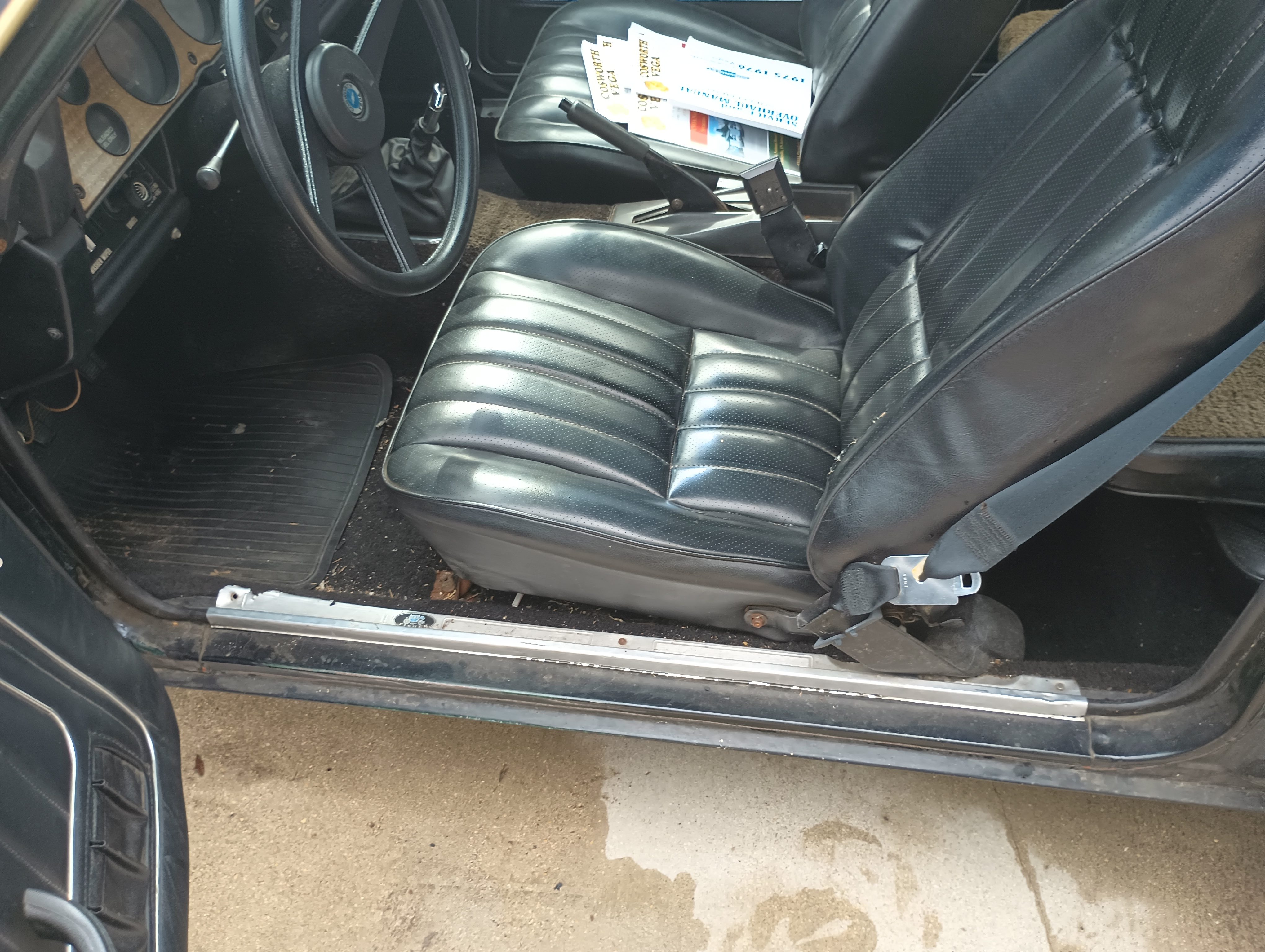
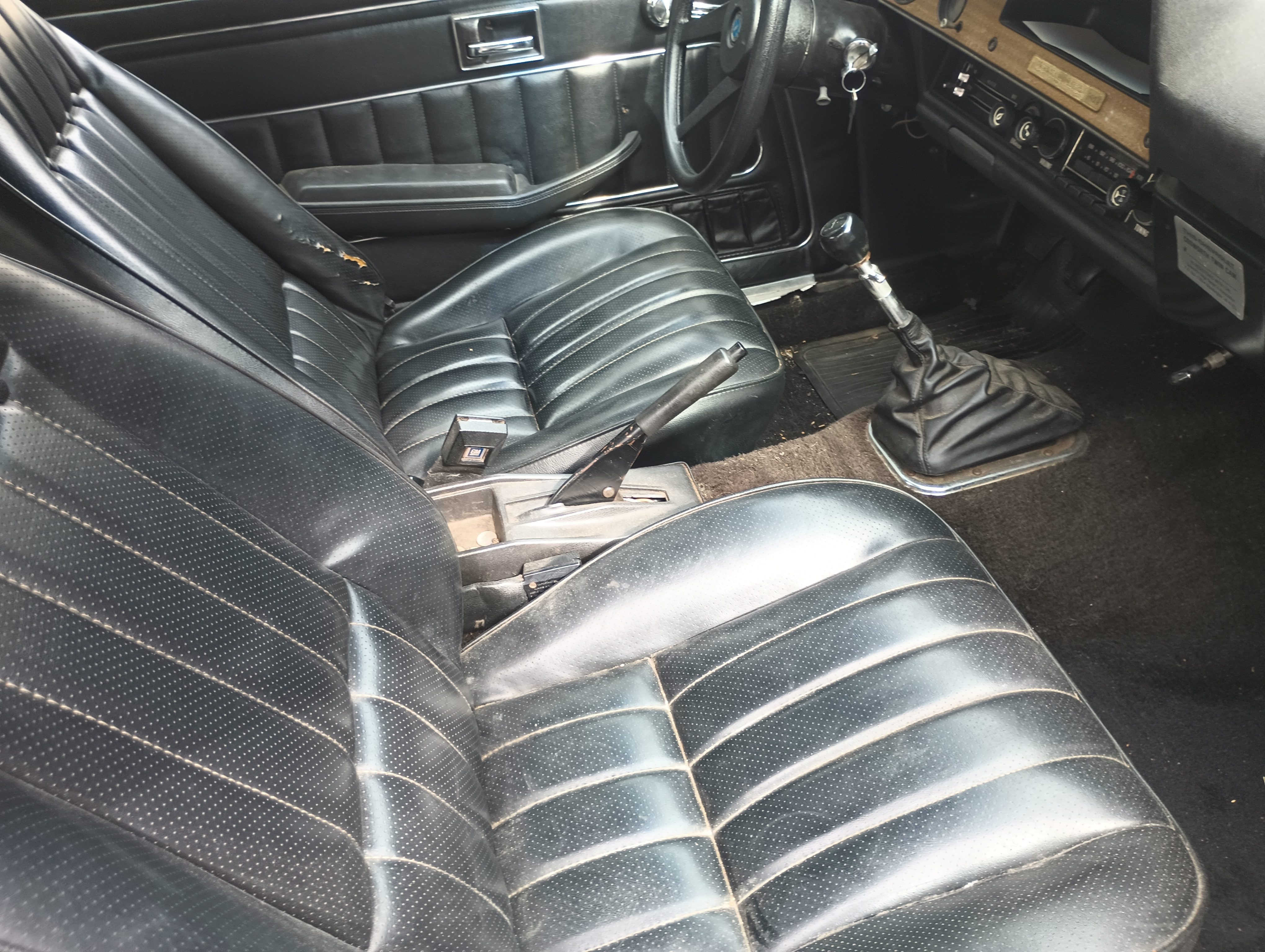
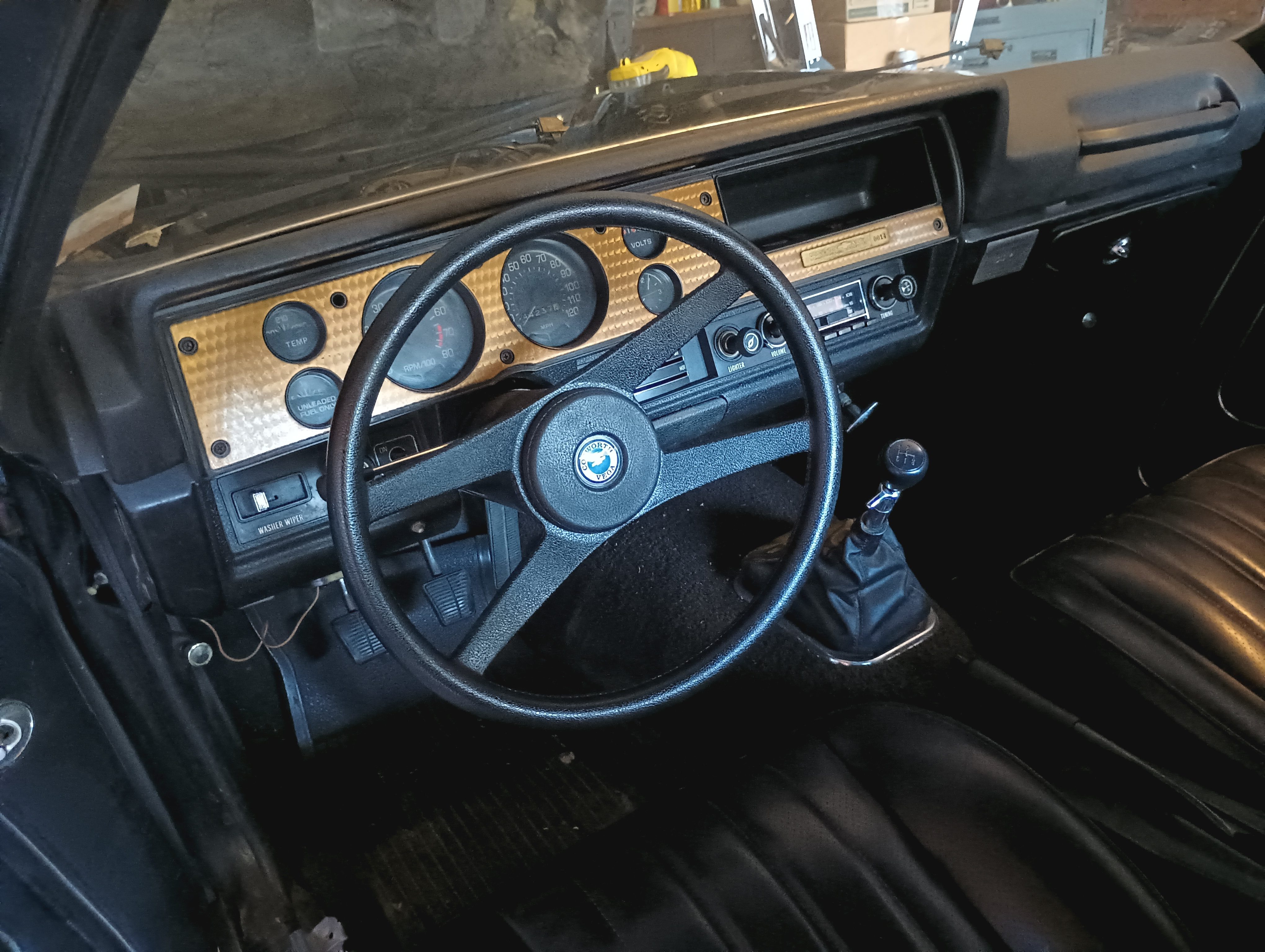
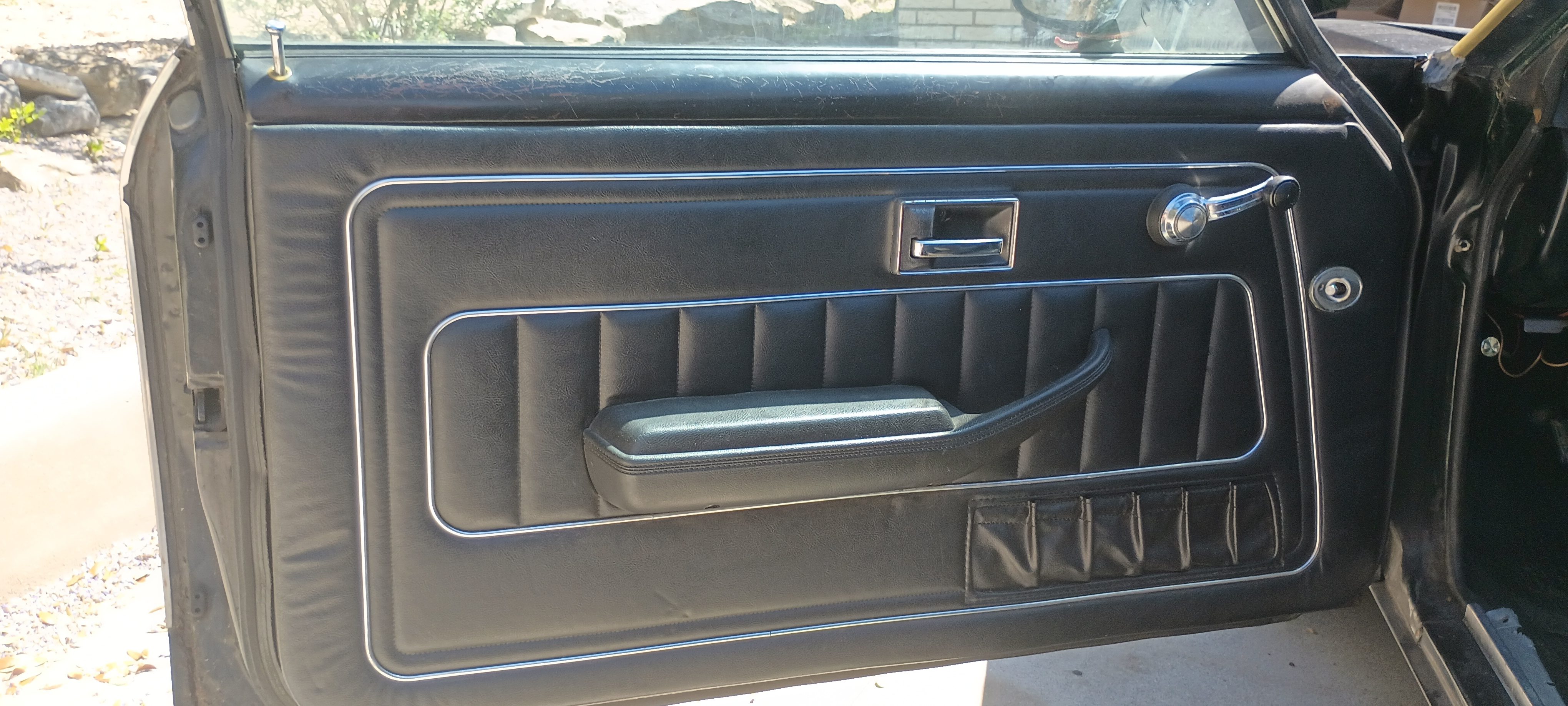
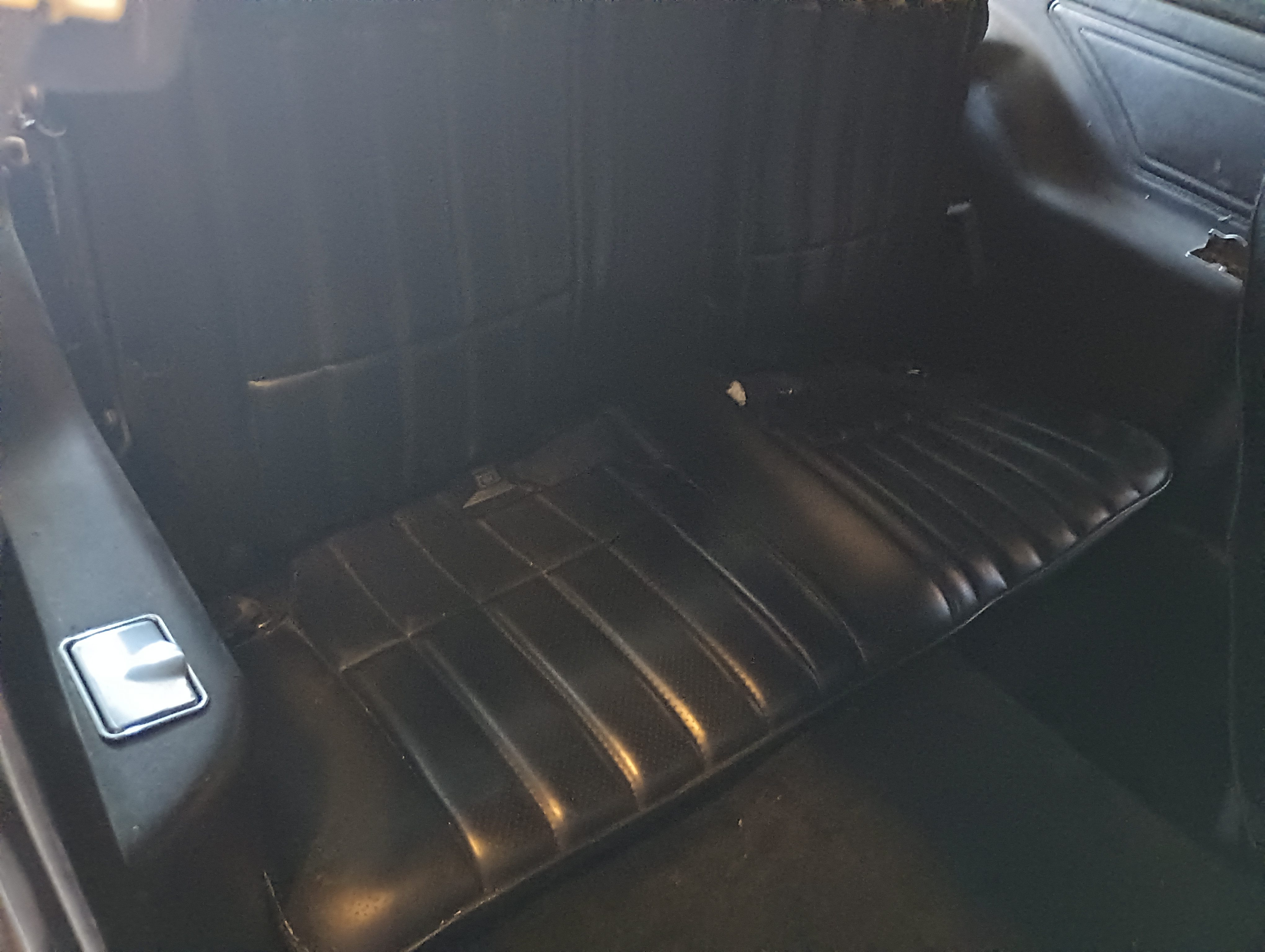
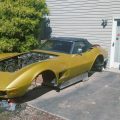
Cosworths also got an engine-turned dashboard and a tachometer with a 6,500-rpm redline. In 1975, they were all painted black with gold accents and special wheels, and most of them had the black vinyl interior seen in our auction car.
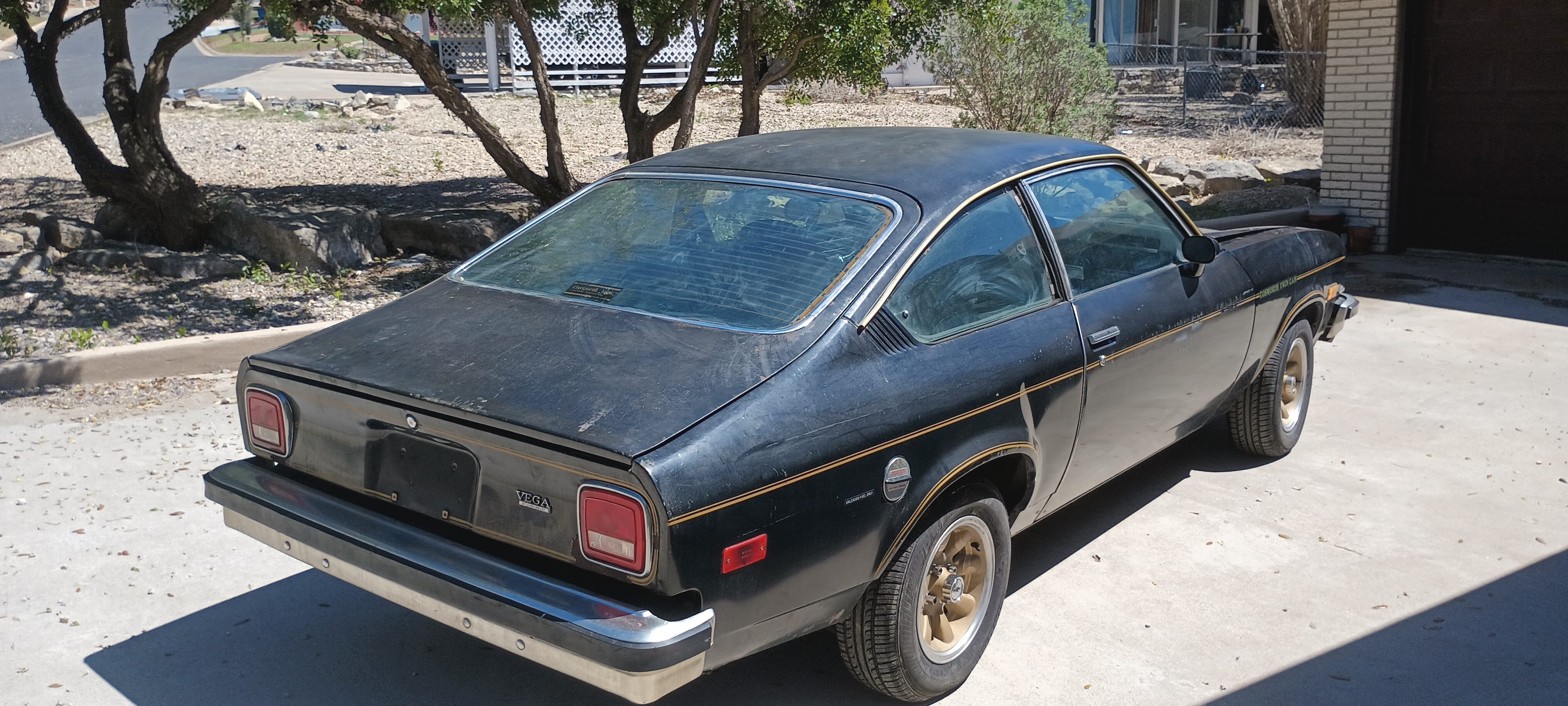
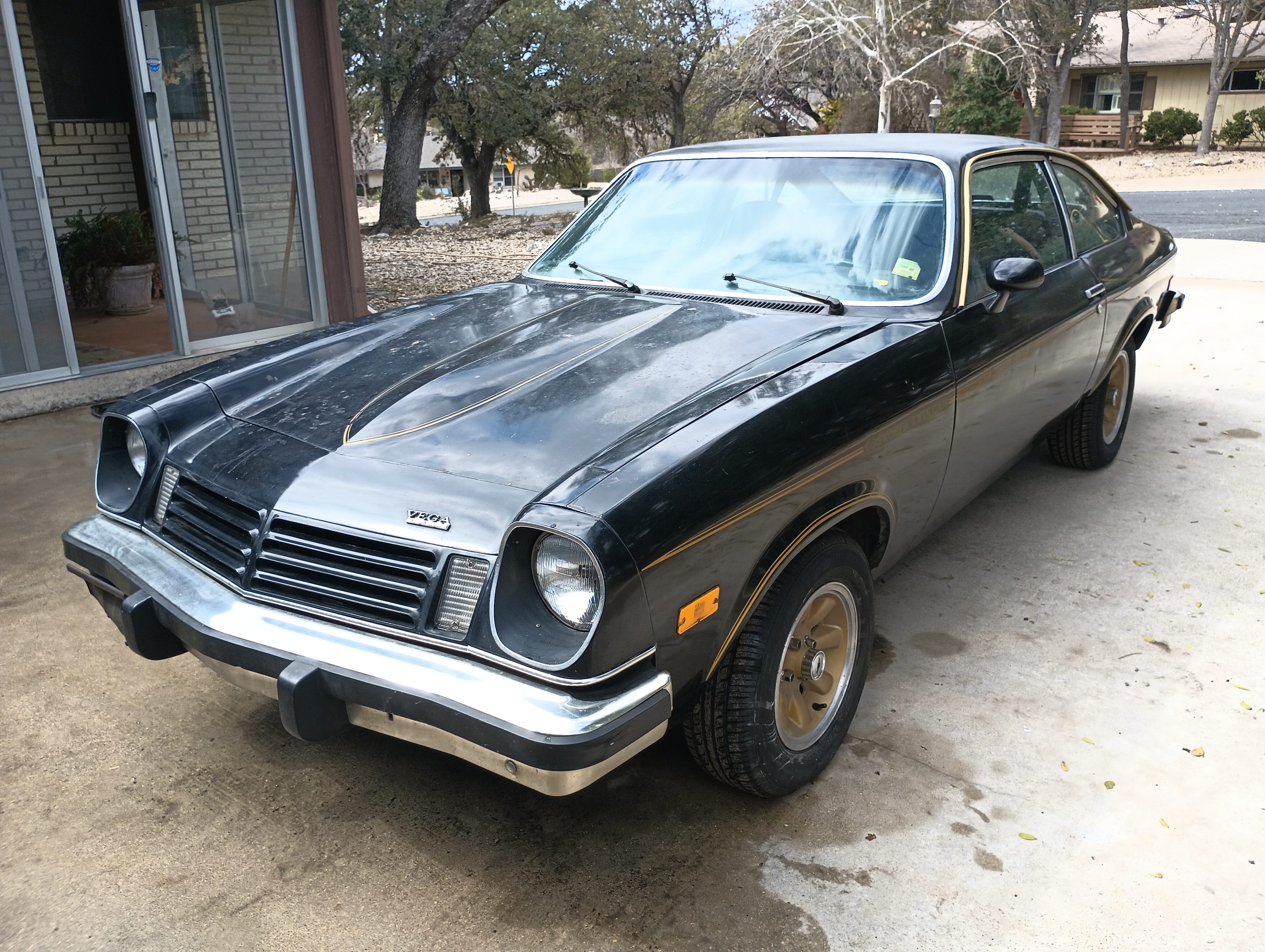
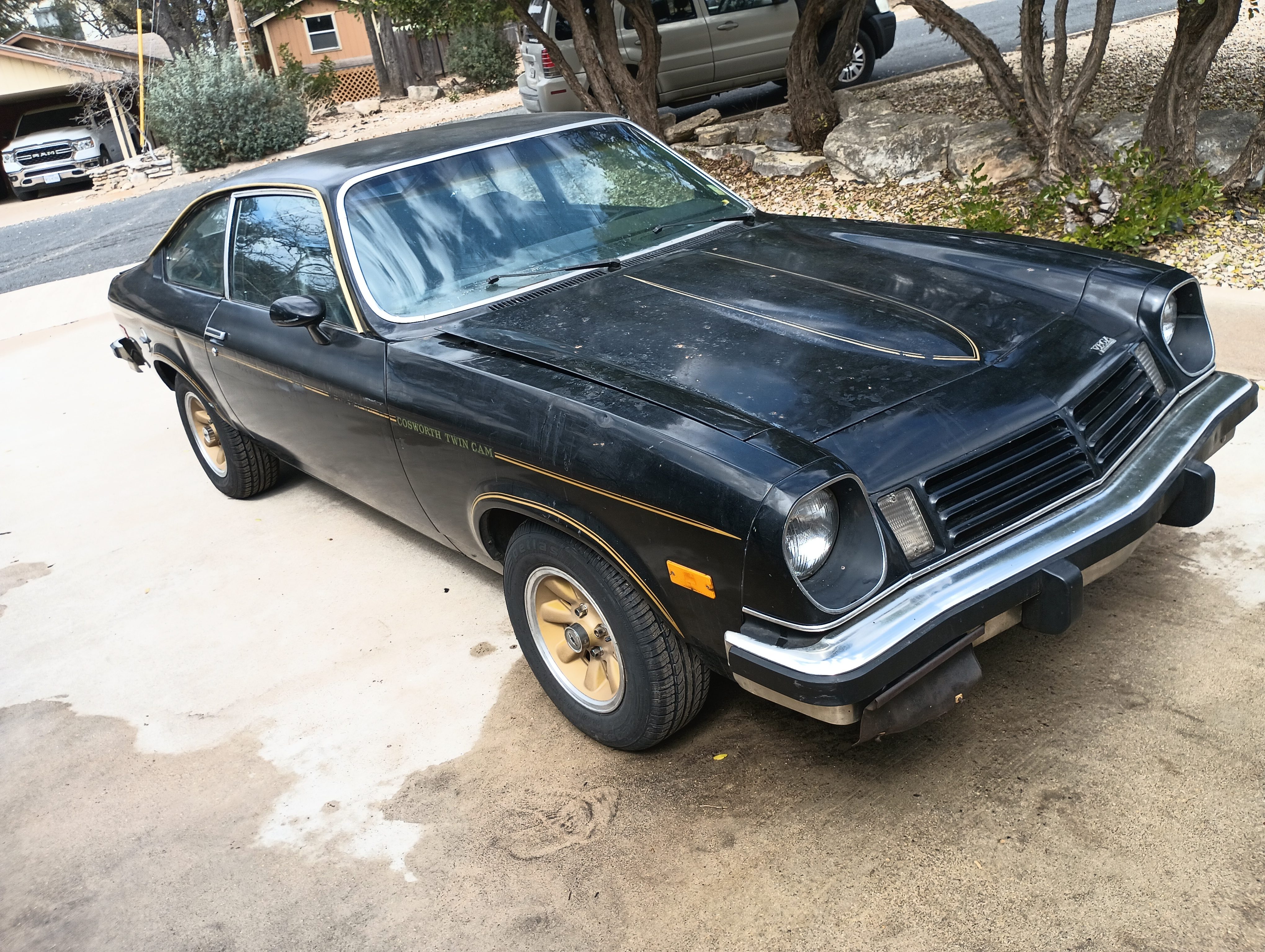
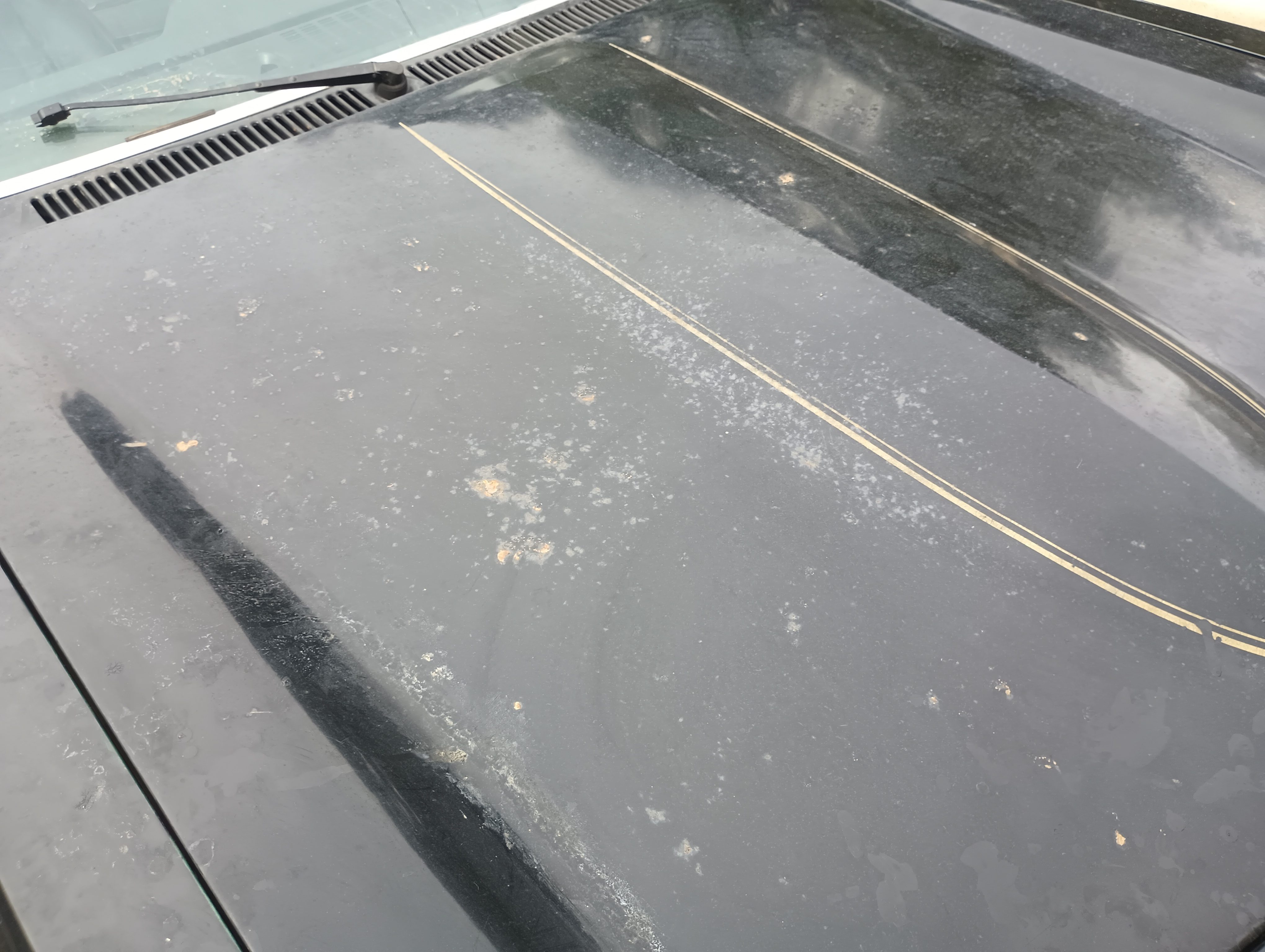
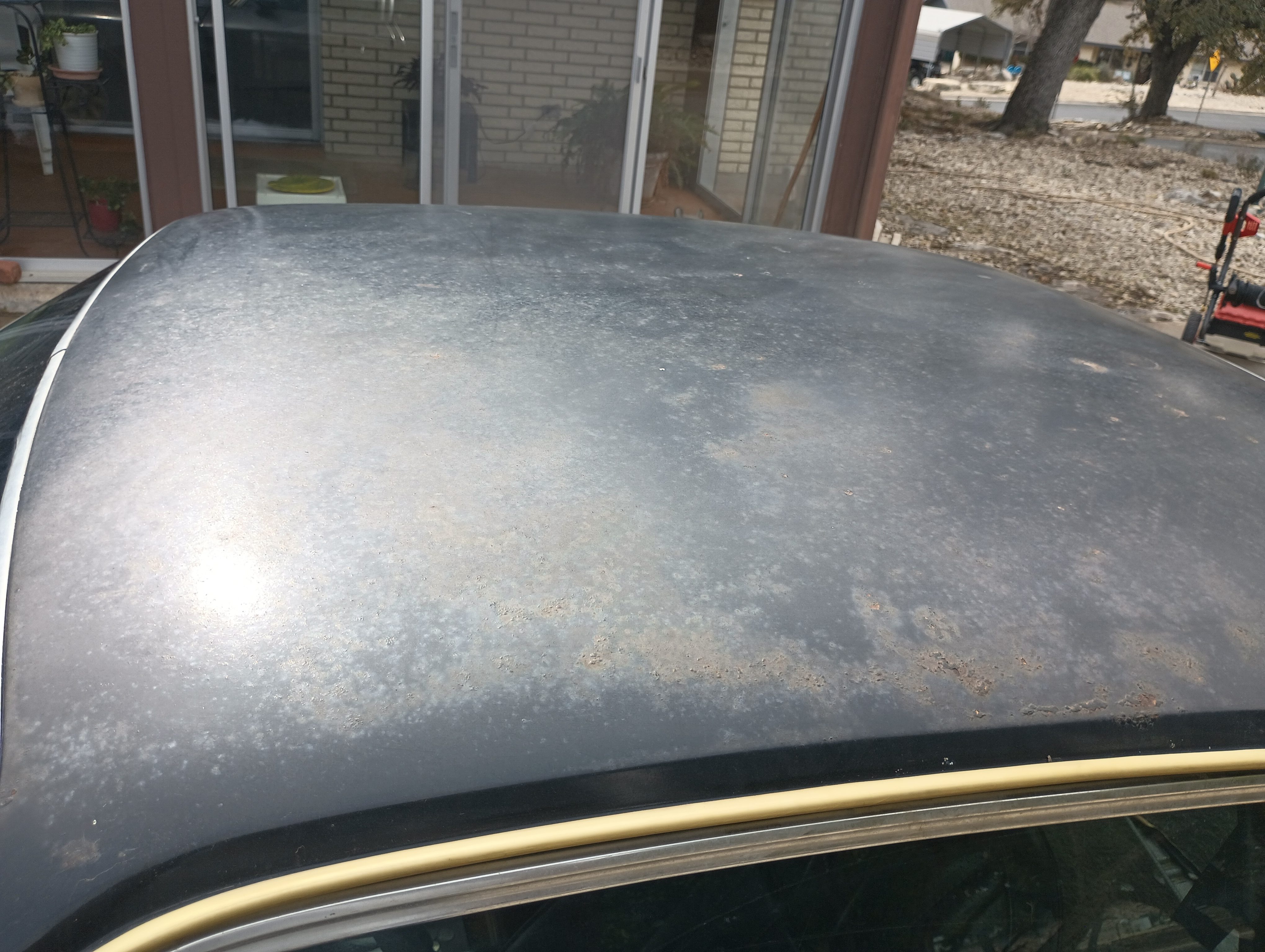
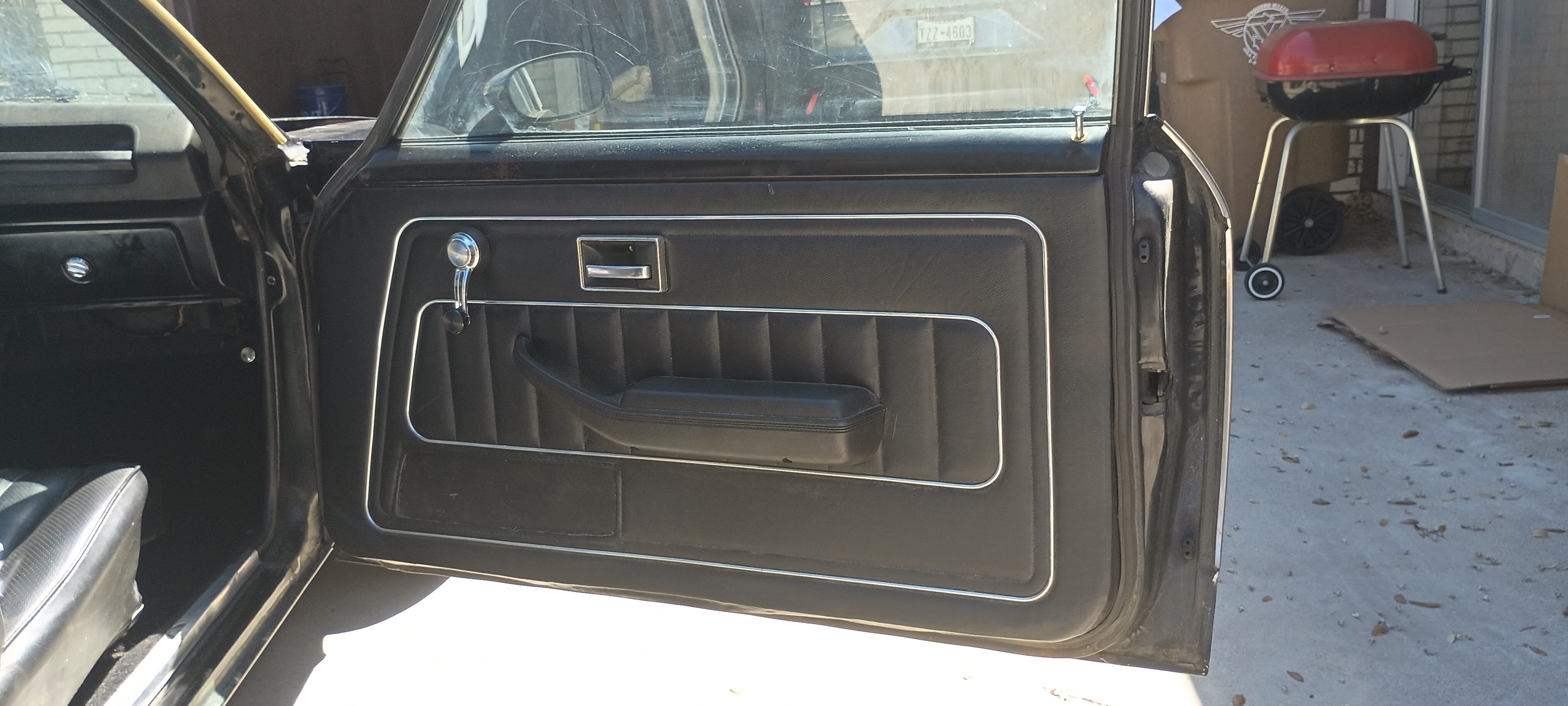
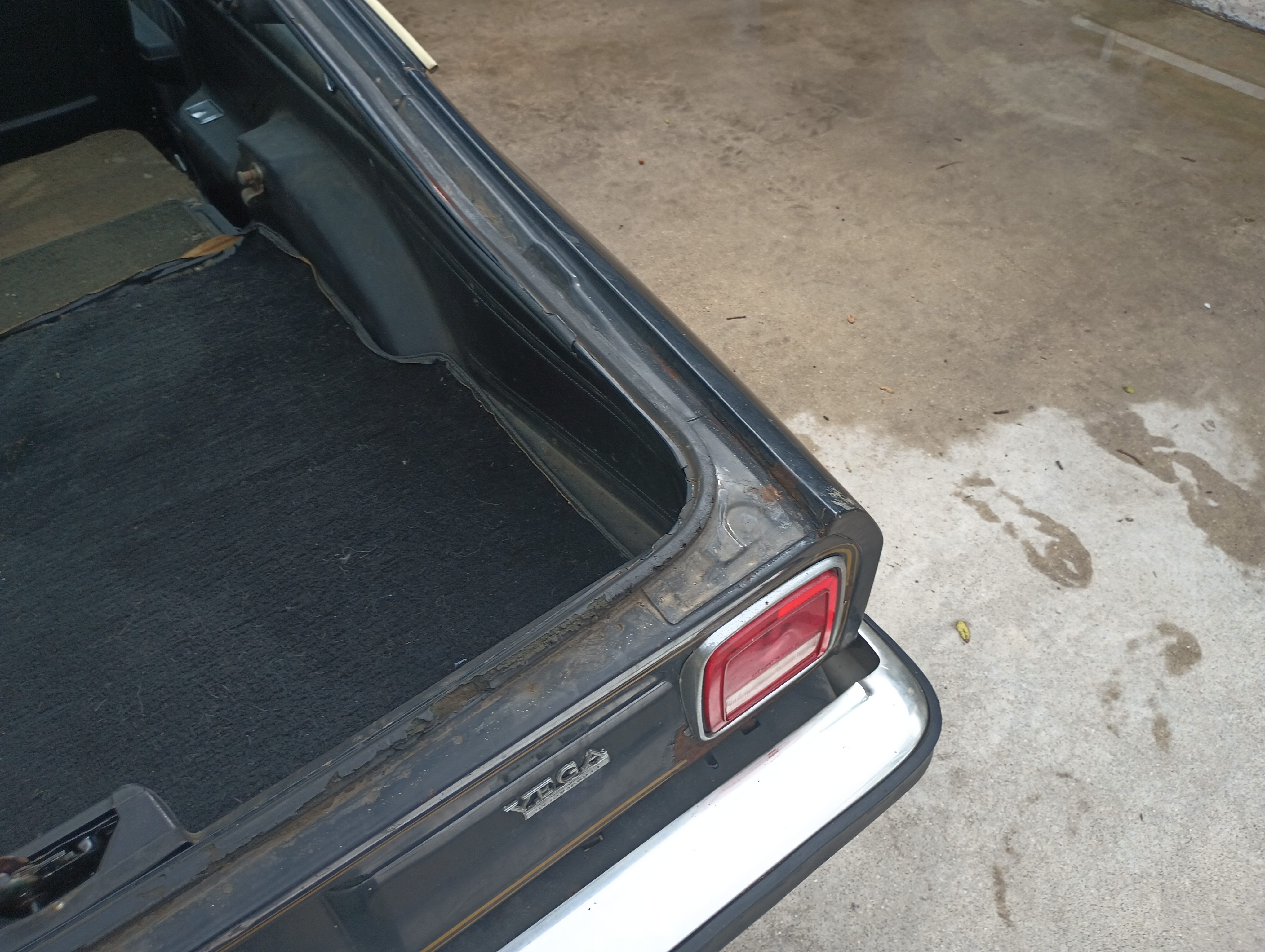
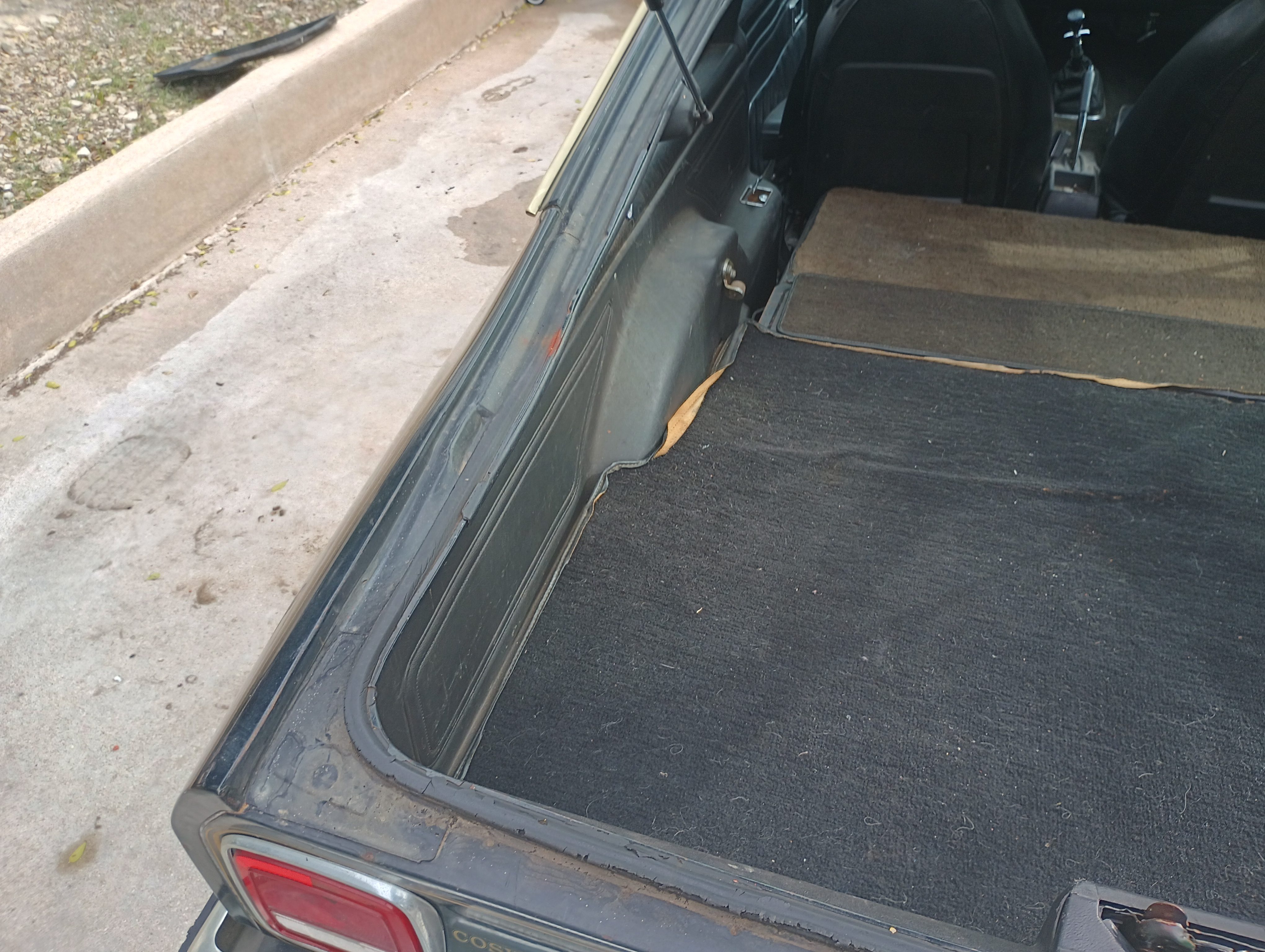
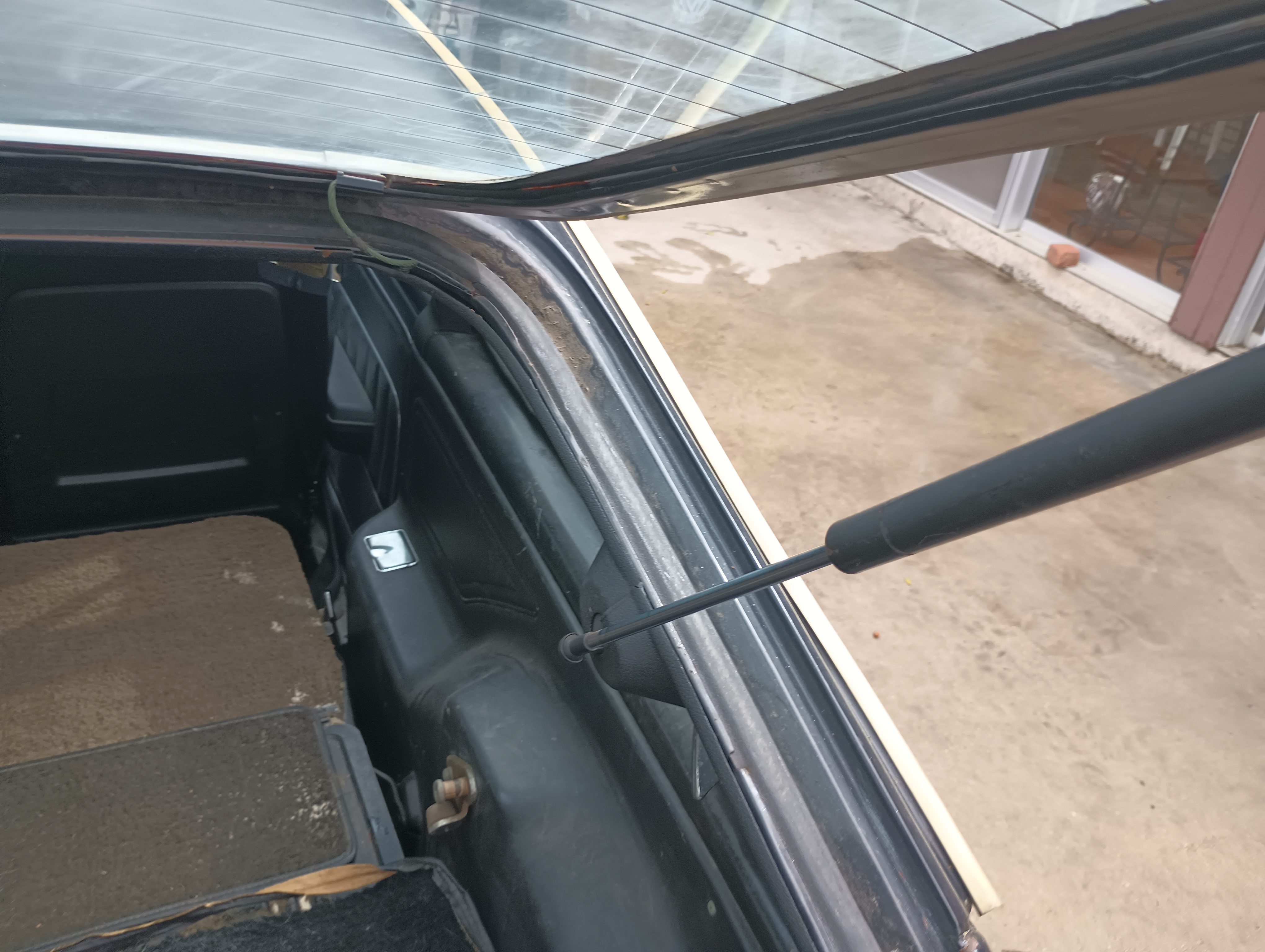
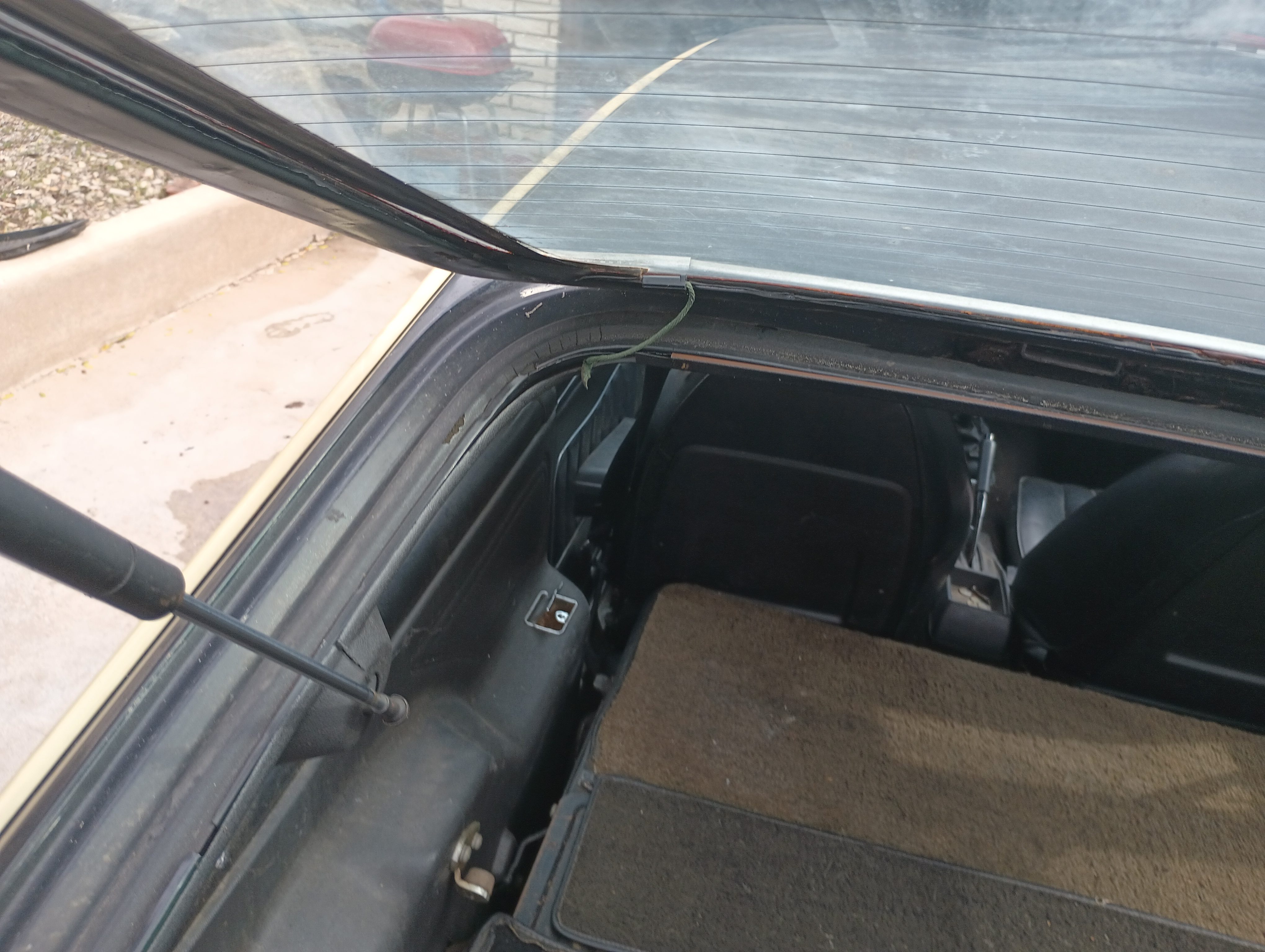
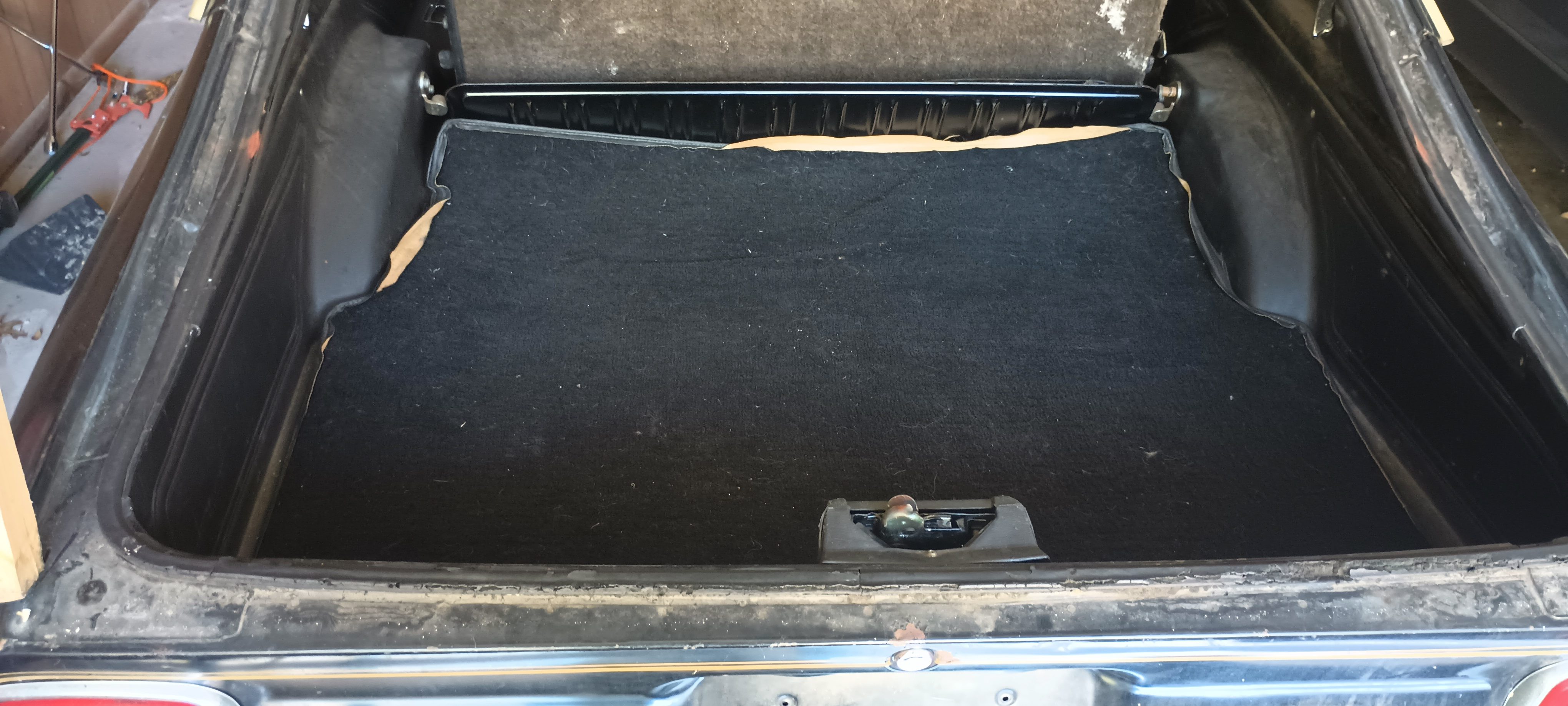
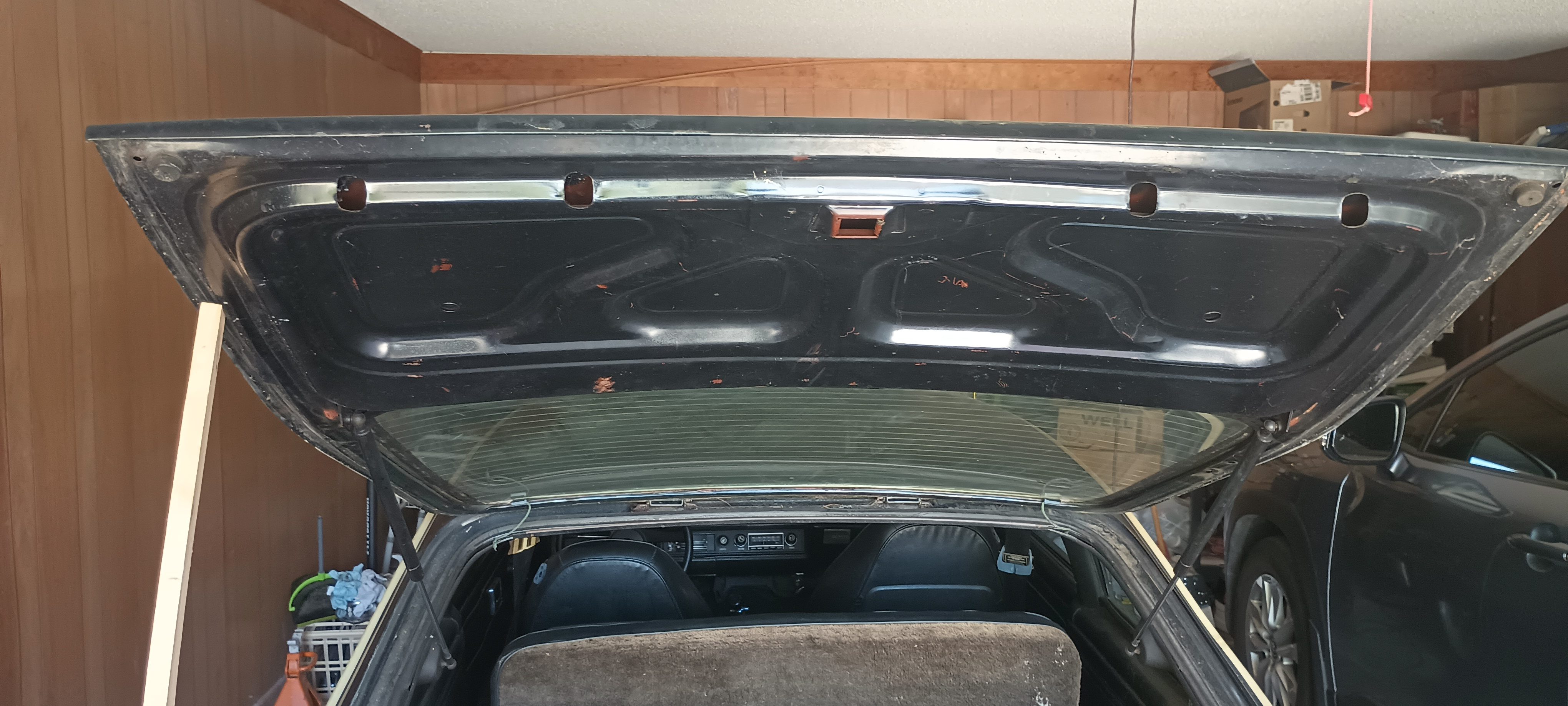
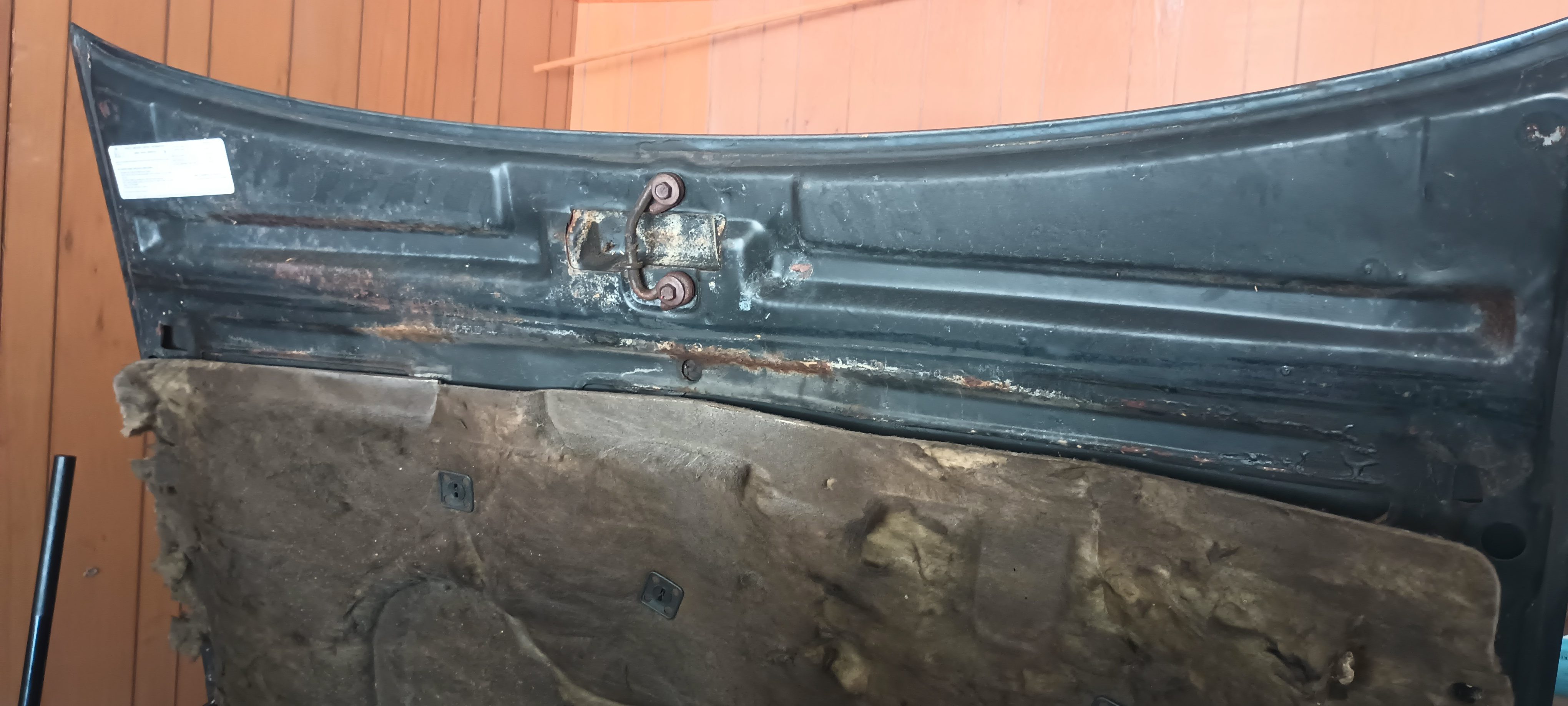
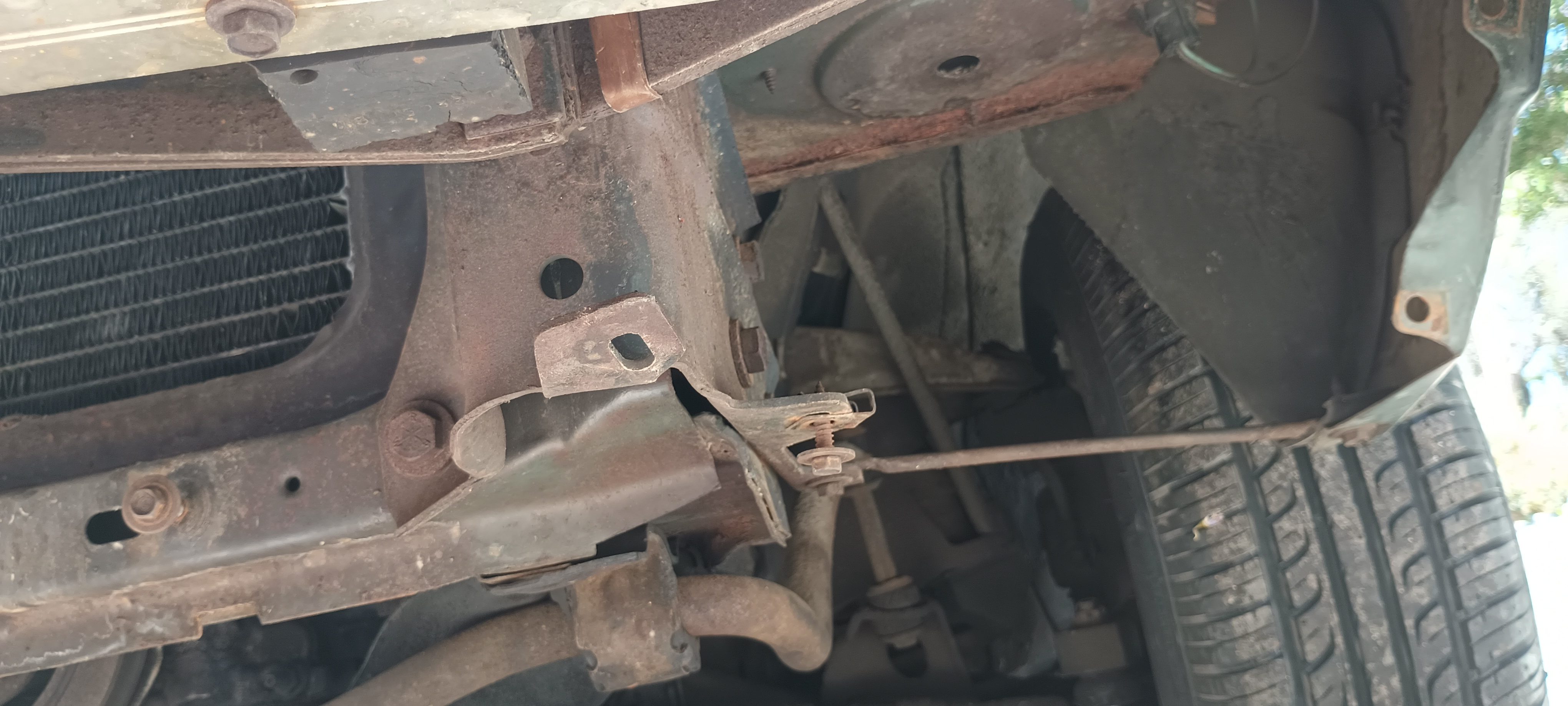
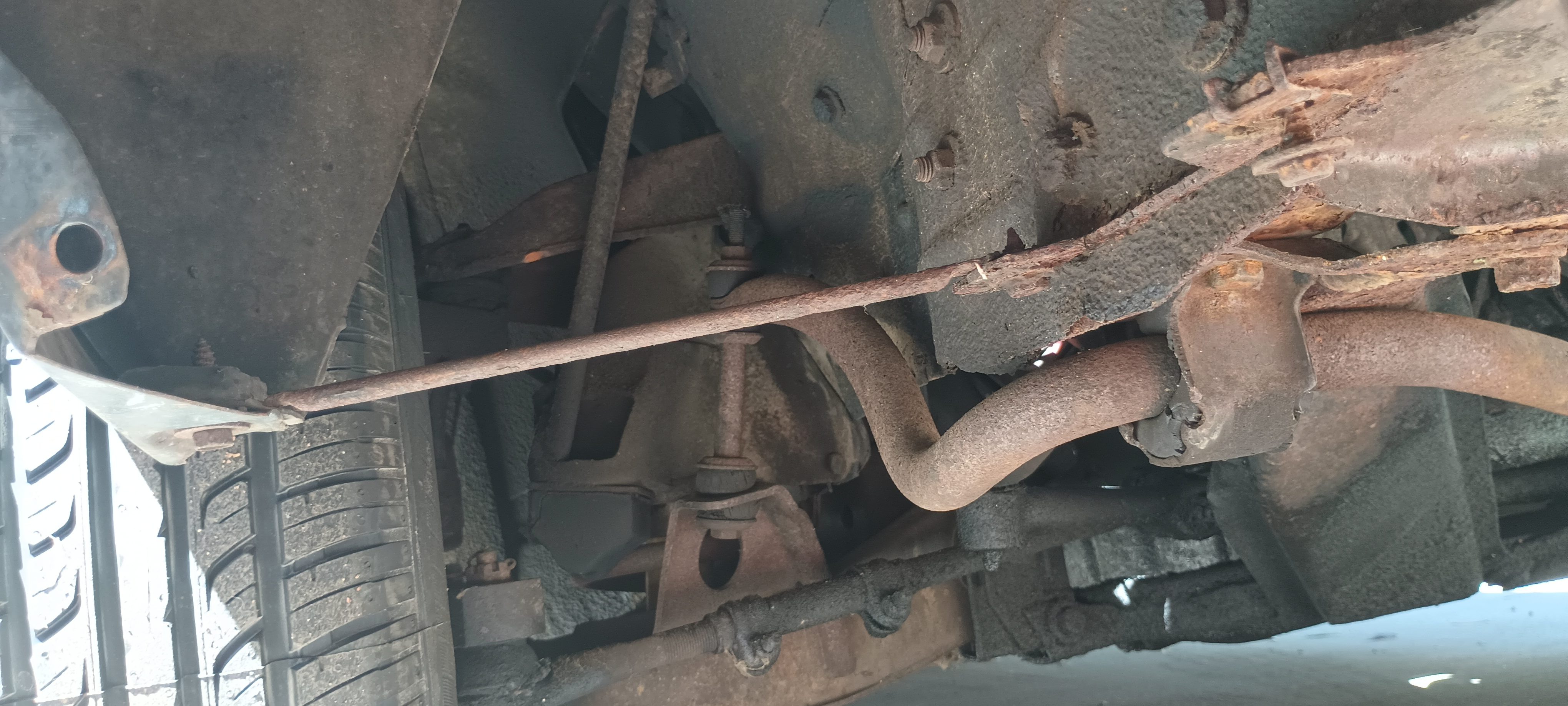
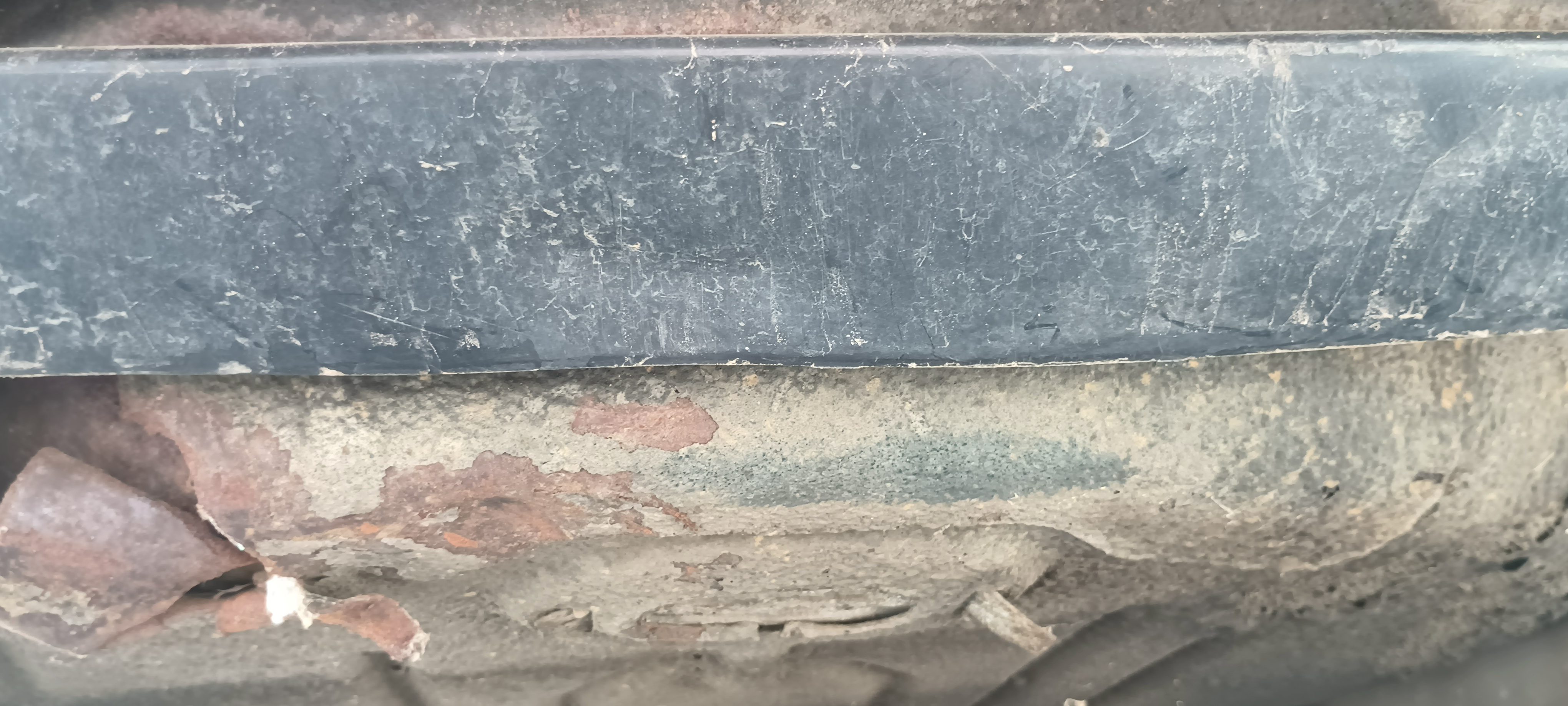
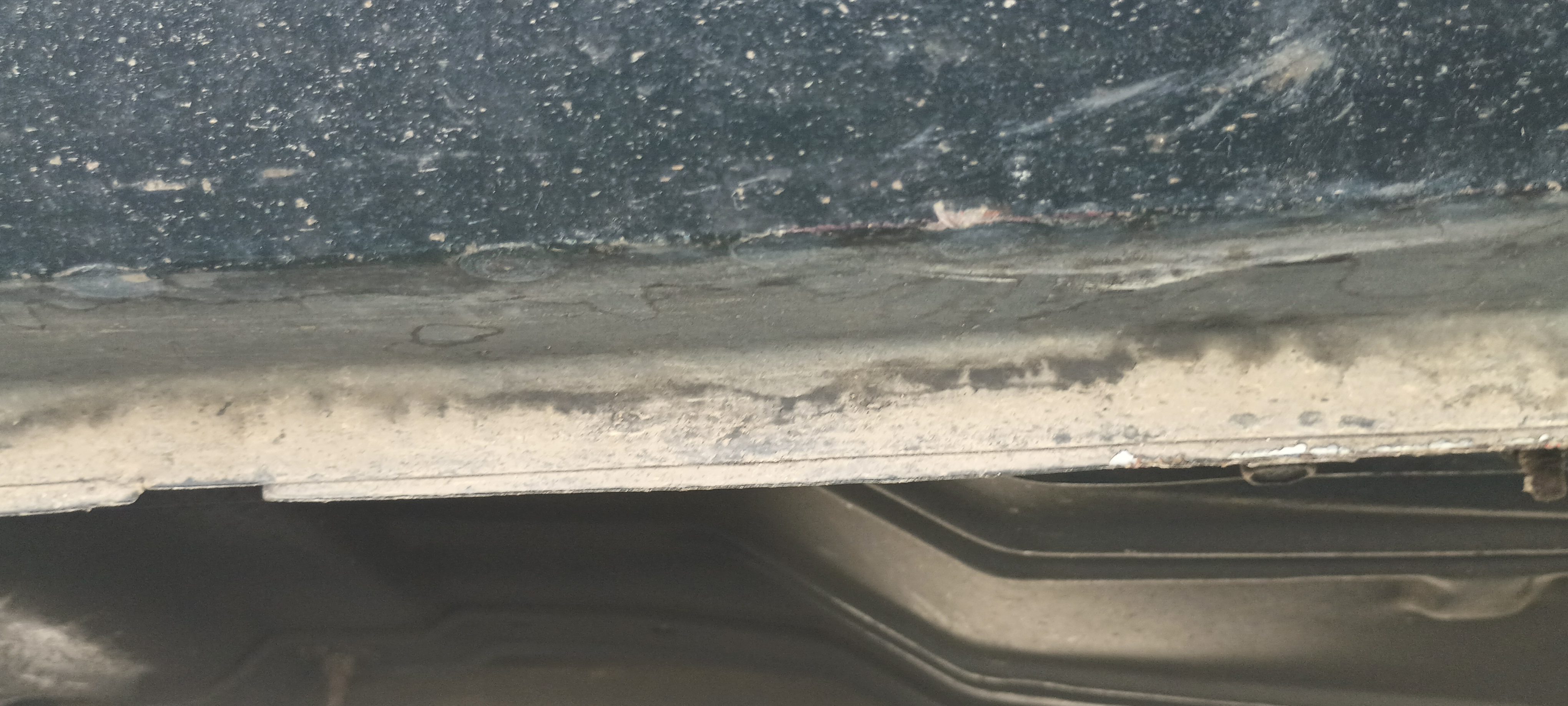
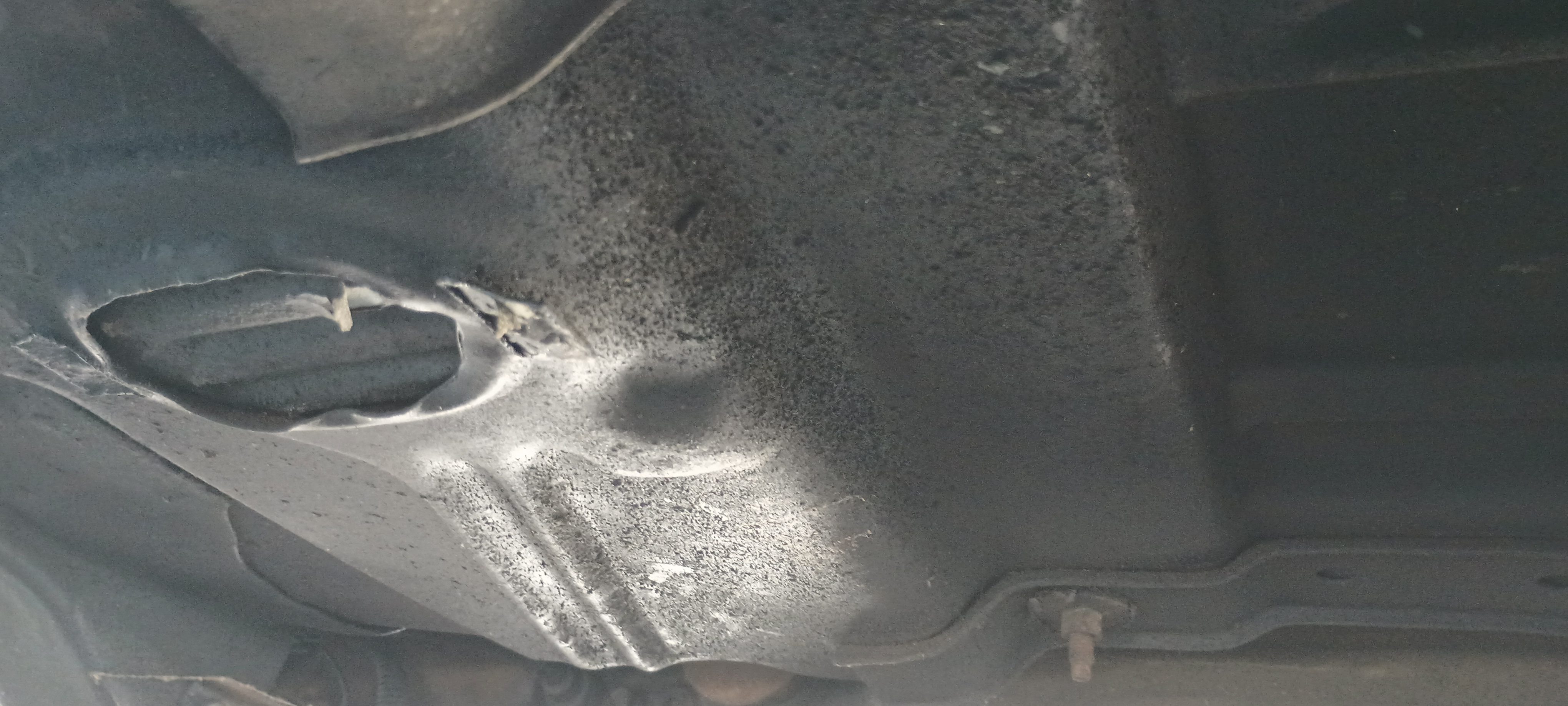
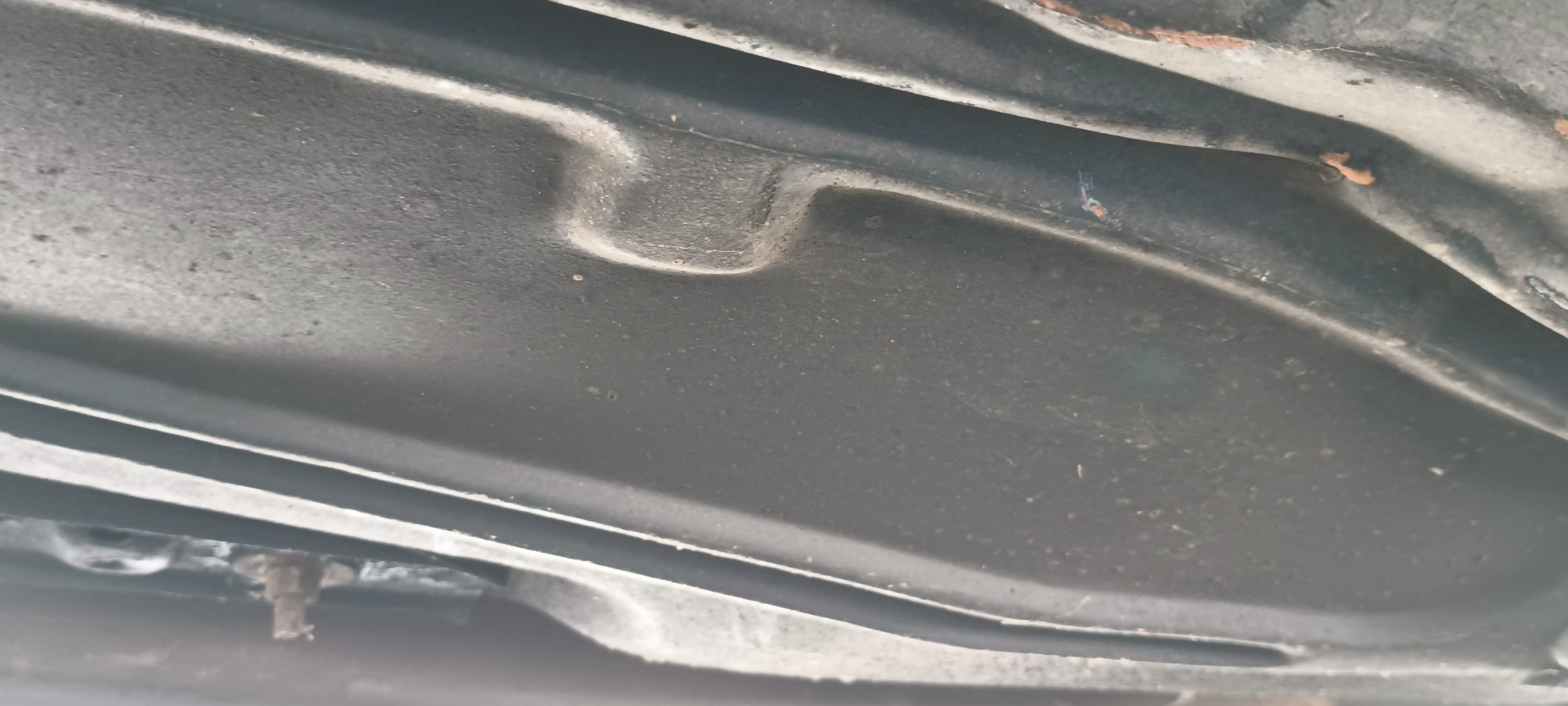
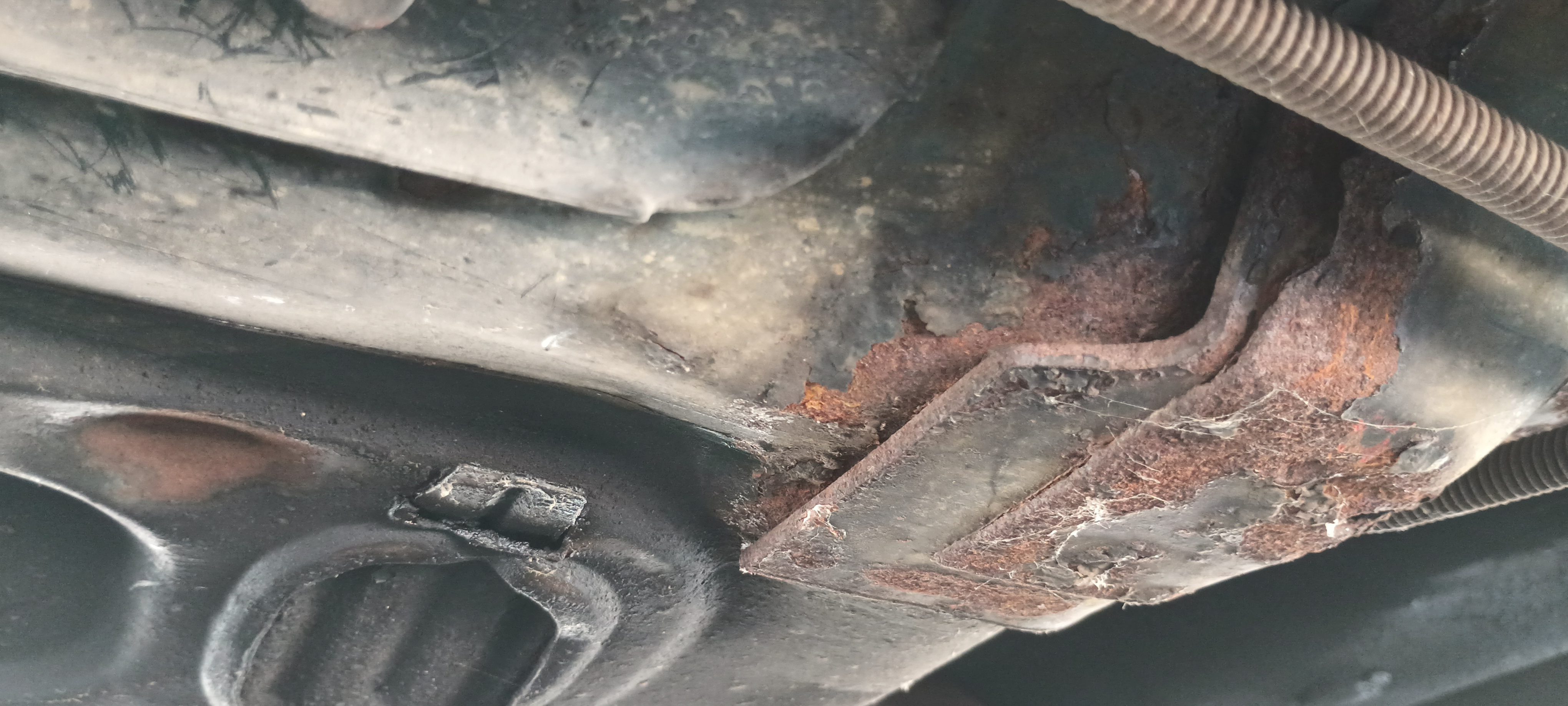
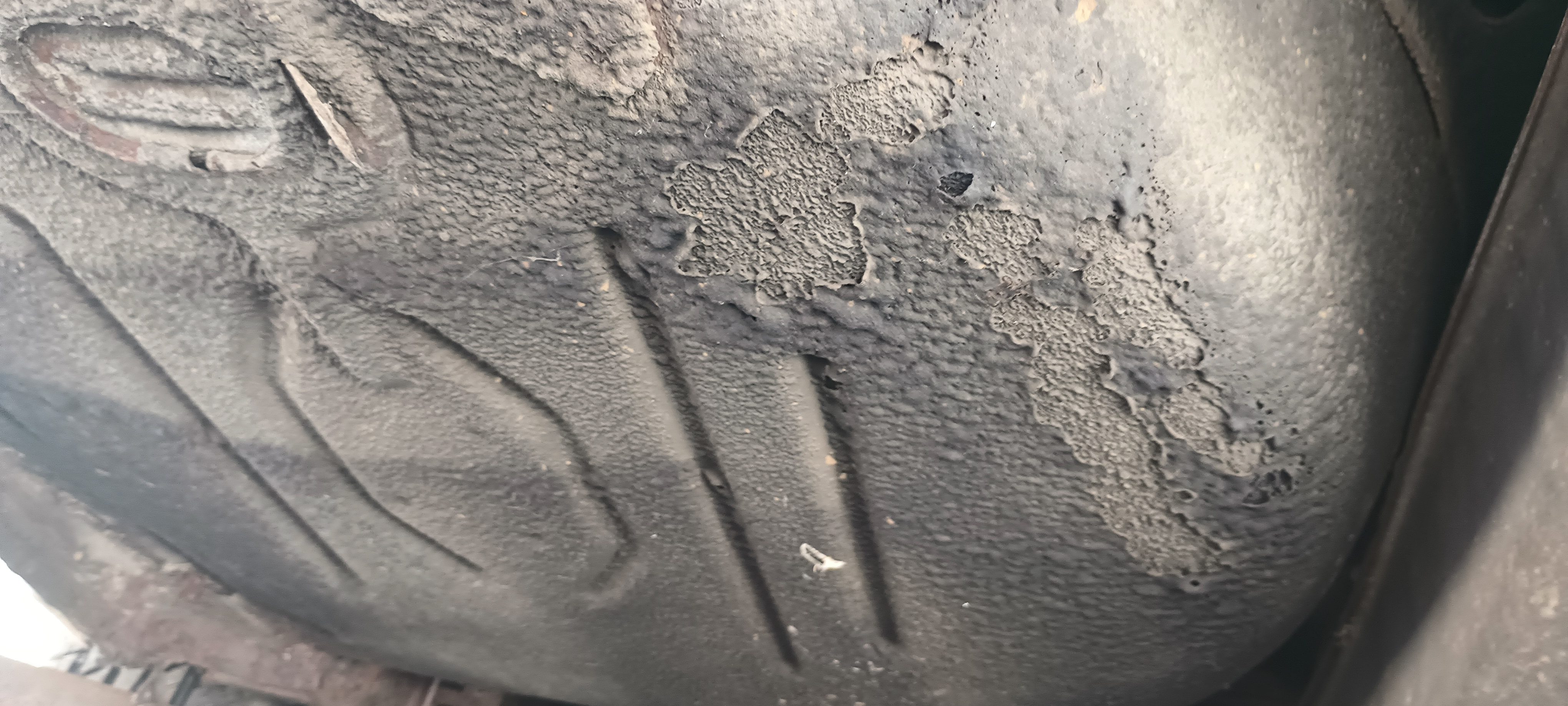
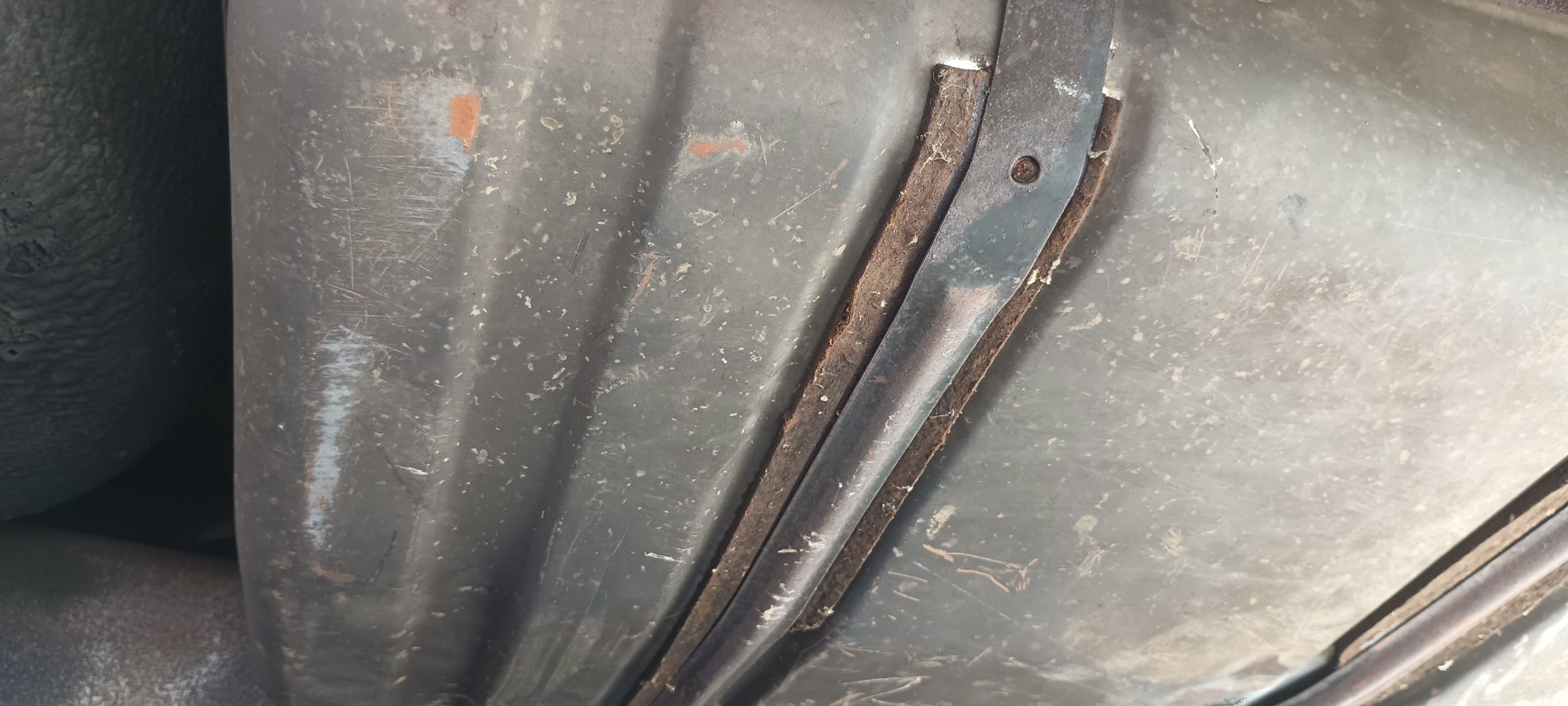
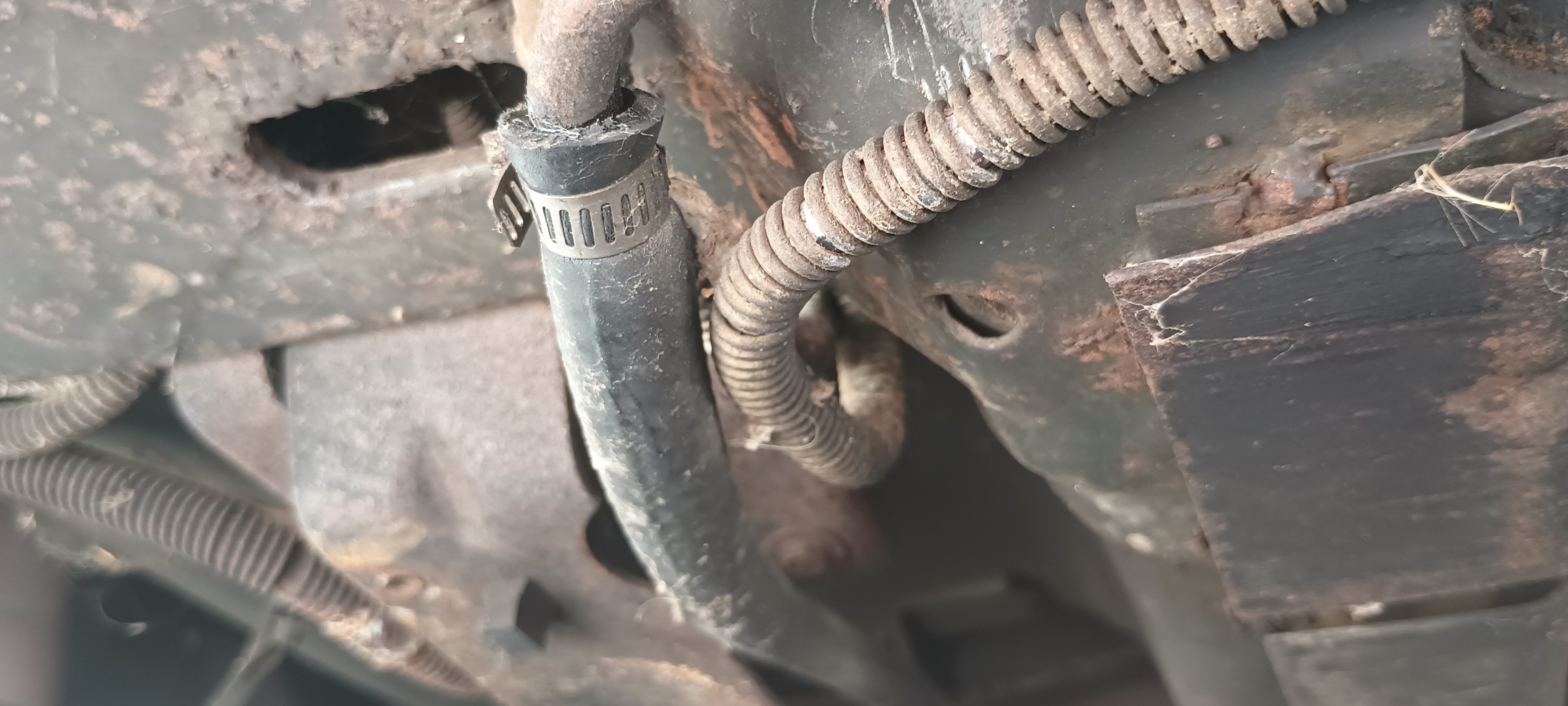
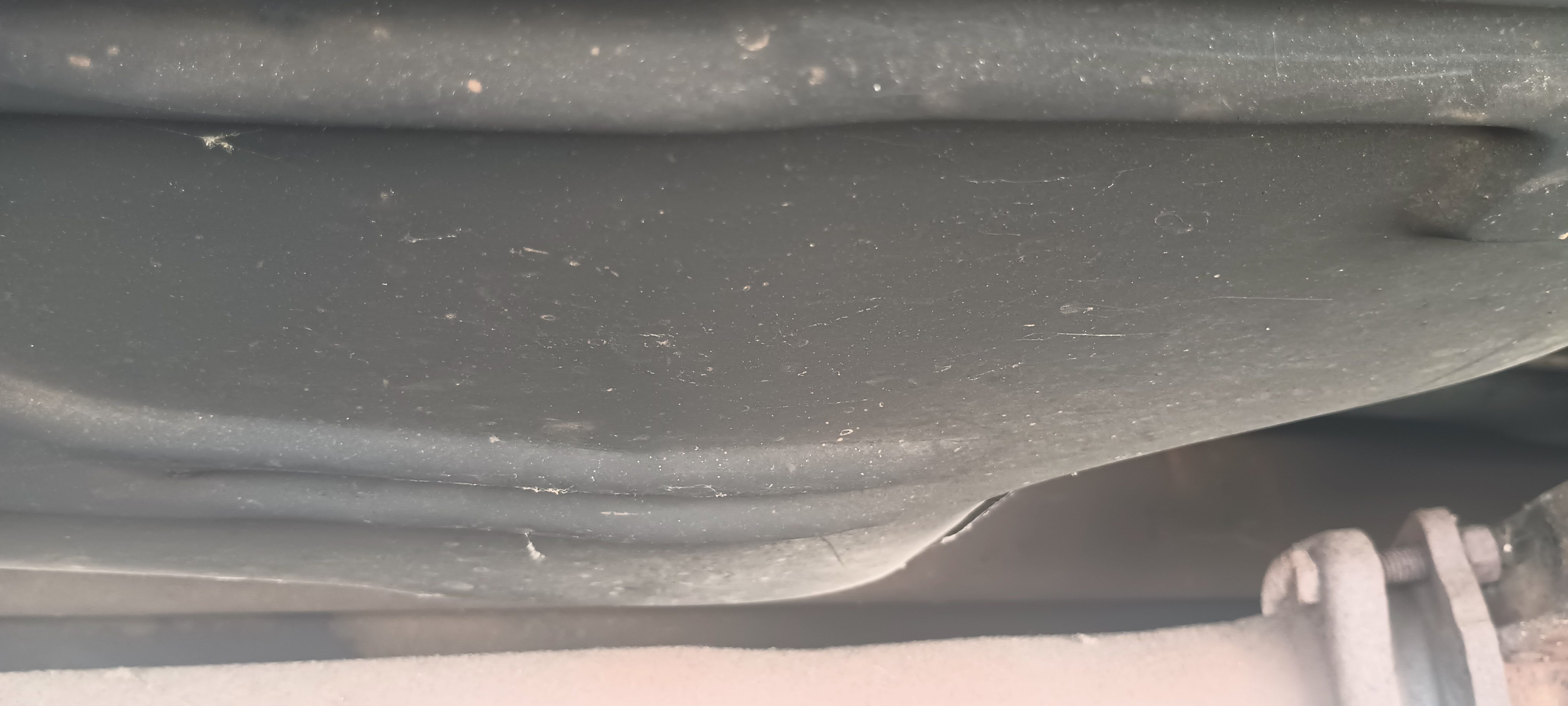
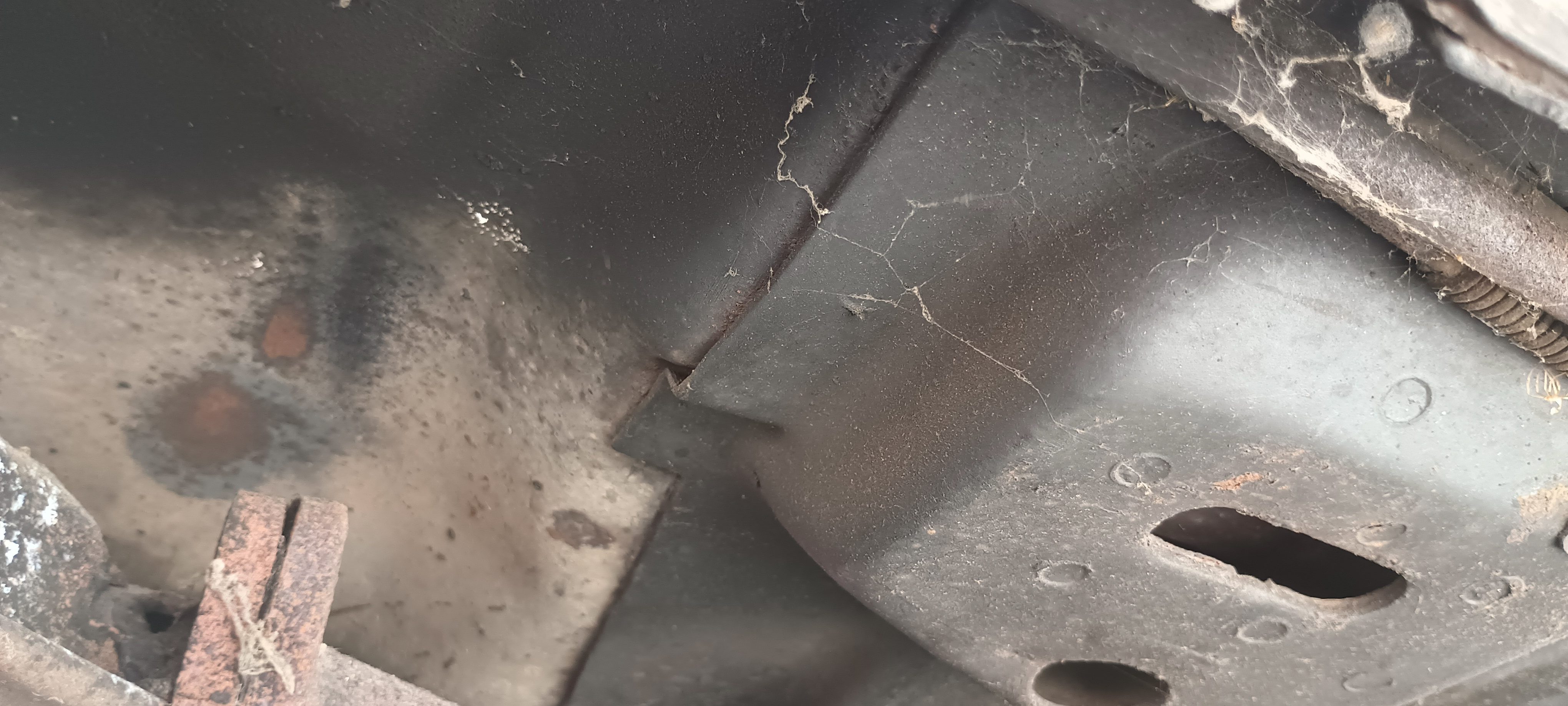
The seller says this, “the paint has surface rust, the battery box is rusted and [there is] a spot [of rust] on the inside corner of the drivers door. The floor pans and trunk pans are good.” The car was a daily driver before the seller moved to Texas, and it’s been garaged since 1991; therefore, it will be a fun rehabilitation or restoration project. The mileage sits at 44,237, and combined with the solid (especially for a Vega) body, this car leaves the new owner with plenty of options. If you think the whole concept of the Cosworth Vega is cool, bid now!
Bid On This Auction
 MikeM bid $1,000.00 2026-04-06 10:20:38
 DOCTORVEHICLE bid $900.00 2026-04-06 10:11:55
- MikeM bid $800.00 2026-04-06 09:28:59
 larry b bid $500.00 2026-03-31 20:18:15
 stilloldschool bid $200.00 2026-03-31 19:43:03

If nothing else, the Cosworth engine was worlds better than the stock lump the Vega came with. The rest of the car was still a good rolling commercial of why Americans should buy “foreign”. About a million people bought Vegas. A couple years later, about a million people bought any small car that wasn’t made in America.
“Cosworth” Vega aluminum engine block was designed and built by GM. Cosworth supplied the DOHC head. Therefore, I expect they were still subject to failure similar, if not worse than a stock Vega.
They were quick though. Back in the day I had a somewhat modified ’74 Pinto with a 2300. I could best basically any Pinto or Vega- until I poked a Cosworth Vega. He literally went by me in a screaming flash…
No, the block was modified by Cosworth as well, by adding iron sleeves, just like the Buick/Rover 215 aluminum V8 got. I saw an article in Science & Mechanics magazine back in the day with a photo sequence showing the sequence of steps required to change a stock Vega block into a Cosworth engine, which included a picture of the sleeves being pressed into the block. The stock Vega engine had iron heads, which was part of the reason that the head gaskets would fail, due to the differing rates of thermal expansion between aluminum and cast iron.
The Cosworth Vega’s biggest problem, however, wasn’t the engine, but the price! At $5000, it was within $500 of the base list price of a brand-new Corvette, and about $1400 more than a loaded Trans-Am! Hmm, let’s see, do I buy a Corvette, a Trans-Am, or a Vega? Doh! Oh, and Cosworth Vegas couldn’t be had with air conditioning, either. A/C was starting to become more popular, and that was a show stopper in the warm weather states.
The Cosworth Vega is noteworthy for the fact that it was the first GM car with electronic fuel injection, built by Bosch, of course! It would be approximately another ten (10) years before the Corvette got EFI (the system offered in the ‘Vette from 1958 to ’62 was mechanical)! In 1976, the final year of Cosworth production, other colors besides black were made available, and a five-speed manual transmission was added.
Objectively, the Cosworth was both a financial and engineering failure, as the EPA certification stole most of the engine’s power potential. As a historical artifact, however, it has value. This one is rough, and removing the stock EFI setup hurts the value, but that was common back in the day, as GM mechanics didn’t know how to work on fuel injection! A preview of our future, however!
I agree with Robert in that the biggest problem was price. Not too many takers for an economy car priced close to the division’s top of the line sports car.
The engine did not use sleeves from the factory, nor did it have the regular 2.3’s “problems”. I am an owner of one of these and know them well. I find myself here defending them too often, so this will be the last time.
The 2.3’s problems actually originated with its choice of cylinder head. A cast iron head on an aluminum block will be problematic if it is not cooled properly. They used minimally sized radiators that were improperly positioned on the early Vegas, and didn’t even use an overflow reservior the first year. Improvements were made to the cooling system by 1974.
However, the engines still had crankcase ventilation issues that were also related to the cylinder head design. This usually caused the valve seals to dry out, then they would start burning oil. This issue was actually corrected for 1976 on the 2.3. Many 1976-1977 2.3s are still running.
Neither problem was relevant to the Cosworth, however. The Cosworth used a Cosworth designed and built aluminum head that was good enough for this engine to be used in F2 racing between 1970-1973. The cooling systems are also overbuilt on the Cosworth. These don’t overheat, I can assure you.
The cylinders are NOT sleeved either. Issues would arise on the 2.3 when they overheated. The silicon would separate from the aluminum when overheated. Again, this is a non-issue for the 2.0, as it did not have the overheating issues of the early 2.3s. I did a top end rebuild on mine (only really because I needed to adjust the shimmed valves and had the head just about off anyway), and the cylinders were perfectly smooth on the inside, even at 94,000 miles. The silicon aluminum alloy is very hard and has a MOH rating of 7. Steel is 5, a diamond is 10, for perspective.
These engines also use forged aluminum pistons and a forged steel crank and connecting rods. They were also fully balanced and also hand assembled in a clean lab.
These are tough engines built for racing and the hold up extremely well to anything you can throw at it on the street.
The Cosworth Vega being strangled by the basically brand new EPA, shows you just how out of touch non car type govt officials can be. The Vega itself showed what was wrong with the American auto industry. And sorry, a big part of the problem was the UAW.
So it was OK for management to keep paying themselves millions while the workers who actually made the cars had to stand back. The workers didn’t design the cars or approve new ones based on questionable marketing. Other than that, I like this car but if I brought it up here to rust belt it probably wouldn’t last long.
You hit the nail on the head! There’s enough blame to go around for both management and labor at all of the Big Three back in the ’70’s, but the problems seemed worse at GM, simply because they were the biggest and most arrogant of the Detroit car makers. Complacency, in the form of “We don’t have to care, they’ll buy whatever crap we sell them anyway!”, combined with union demands for higher pay and more benefits without corresponding improvements in productivity were to blame. The increasing Government demands for safer, cleaner cars, spurred on by the likes of Ralph Nader and Joan Claybrook didn’t help. The result was that Detroit was caught flat-footed.Then Japan, Inc., showed up and changed the rules of the game forever! Game, set, match, Japan, Inc..
I don’t like Ralph Nader, because he was just another ambulance-chasing product liability lawyer, drumming up business for his ambulance-chasing buddies, but he did force Detroit to build better cars, up to a point. Japan, Inc. finished the job for him, but he got the ball rolling.
Did you ever hear of the old saying: “Don’t buy a car built on a Monday, or a Friday?” Why do you think that was? Because the guys that built those cars were hung over in Monday’s, and half bombed on Fridays, after lunch. How did they keep those jobs? Hmmm…
Meh, clearly a knee-jerk reaction to the dismal opinions Vegas had imposed, quick, what do we do? Since the Asians were kicking our arses, something had to be done. Since US car makers had their pants down, I felt this was a foolish mistake. Still using the timing belt, I could think of so many better motors. I remember, this was touted as the “Vega that should have been”, but at almost $6GRAND, double the cost of a “regular” Vega, and $800 less than a Corvette, it was not very popular. The one thing, it did have was some steam. 0-60 7.7 sec and the 1/4 mile was 16.2@85mph, so not far off from the detuned Corvettes of the time. As an AMC fan, I was used to ” a swing and a miss”, and GM had very few of those, except the Cosworth Vega was one.
Price was in line with the ‘Vette and Caprice Convertible and Estate wagon, but still a Vega. The Detroit News automotive test writer deemed it to be the only Vega worthy of its 100 mph speedometer.
Another GM “might have been”. We waited impatiently for this vaunted automotive revelation to appear-what a disappointment! A significant artifact for historical if not performance reasons (although you could probably desmog it and recover the promised performance-at a price).
I wonder what the price and horsepower might actually have been without EPA interference. We know that the horsepower was flushed like a toilet. But how much time/money got sucked up at the same time? The GM arrogance is still alive and well there in the Detroit area. Mary Barra learned from the best. Just because she uses a different bathroom as the “big boys”.There is no attitude or thought process any different from years ago. She still bends to the Chevrolet whim.
The Fiero, Reatta and Allanté were all killed by accounting in one of many measures taken by GM management to shore up its stock price after the oft-forgotten stock market crash of October, 1987
GM decided to eliminate all specialty cars, and almost killed the Corvette, too, and concentrate on core products, leading to a generation of cars best suited to a rental car company
Improving fuel economy was seen as a matter of national security in the 70s. Air pollution was in fact a major health issue. You had to have been in Los Angeles or Manhattan in the 60s to appreciate that.
But GM could have fixed this, as they stated elsewhere by reinforcing the block which caused worth had recommended
The Fiero was another GM “might have been” that we waited months for, but were bitterly disappointed when it finally landed in showrooms! The styling was writing checks that the Iron Duke engine couldn’t cash! By the time GM got the bugs worked out and the car could deliver on its potential, sales were dismal, and GM pulled the plug! Rats!
Imagine if they had put a conventional iron block and some fender liners in it.
I have lost count of how many Vegas I have purchased from abandoned car auctions all over Snohomish and king counties and sold off parts or get them running again and sell them cheap or just scrap them. With all those I never came across this model I had heard of them they just never popped up in the abandoned car auction, I did find a few where someone crammed a V8 under the hood good luck to the seller as Vegas go this was way more dependable than the basic model.
I always liked the looks of them but yeah, they were nothing to write home about. Couple guys had them in high school, varied degrees of issues. One was brand new, automatic 75. Cute car, he put mag wheels and a loud muffler on it, we used to tease him it sounded like a mad bee. Only thing that happened when he floored it was it got louder! He traded it in less than a year later for a new Nova.
An automatic Cosworth? Sorry, did not exist.
I see that there was some fuel spit from the DCOEs and then backfire. (Probably when the engine was cold) And it burned out the air filter element. As you can see the velocity stacks through screen used to keep out the small rocks and children. I wonder how long the engine was run with virtually no air filter? I never got to play with or drive one. I drove a couple of Vega GTs and they handled fairly well. We had a member of our sports car club back in Illinois (Lake Region Sports Car Club) who had one of these as his daily driver. He spent some serious money on removing all the smog related parts and managed to get it up to a claimed 180 HP. He never ran the car in an event. He had a Healey 1000 for that.
I never ran it without filters….it was put up in a garage in 91.
The foam had degraded so I removed it…..you just put the foam around the box.
“a great platform in terms of handling and roadability”
Says who? The one my parents bought new certainly was not.
Good body, bad motor!
See my comments above about the modifications performed by Cosworth to the stock Vega engine blocks before the 16-valve DOHC aluminum heads were fitted, that turned a stock Chevy engine into a “Cosworth” Vega engine. The Cosworth versions were much better that stock, but at $5000 a copy, they languished on dealer showroom floors!
And thousands of the engines were sent straight to recycling because of slow sales of a car with the price of a Corvette and the prestige of Vega— and on a premium priced car, air-conditioning was not available
Many dwell on regulations for the engine’s low power and certainly, fuel economy and emissions regulations reduced its power.
There was a simple fix that Cosworth had recommended: stiffening of the block. GM declined to spend the money.
The mid 70s were an atrocious time to be an auto maker in Detroit and they probably had desperate needs elsewhere, but they could have modified the engine and met all applicable regulations
My brother Dale had one. In his estate I had inquires about it with a common question: Is it still stock or does it have the Weber conversion? Stock. Aww too bad, that Weber conversion is worth as much as the rest of the car. Had a road racer/autocross friend ask about it. Then a couple months later he contacted me about it again. It had been playing on his mind. Nope sorry pal, it’s gone. :-) Terry J
Borla makes a TBI setup that looks like a set of DC0E Weber carbs, so that might be an option for this car if the stock Bendix/Bosch EFI setup has gone A.W.O.L.! Bosch originally built its EFI systems under license from Bendix, which also built the original mechanical fuel injection for the 1958-62 Corvette. But by 1975, the system may have had the Bendix name on it, but many of the parts were stock Bosch EFI parts!
I like the Cosworth Vega! There! I said it! Yes, they were way overpriced, and the EPA cancelled most of the power potential, but they were an example of GM engineering innovation back in the day, like the Y-Body compacts (Buick Special, Olds F-85, Pontiac Tempest), the Corvair, the De Lorean OHC six-cylinder engine or the Buick/Olds 215 aluminum V8, to name a few examples. GM was willing to take risks and innovate in the 50’s and ’60’s, but the twin bogeys of Ralph Nader and the Government scared them into timidity! A lightweight, high-revving engine, made entirely out of aluminum, with 16-valves, dual overhead cams and electronic fuel injection, that was racing technology back in the ’70’s! The fact that you could buy it at your local Chevy store was nothing short of amazing, back in the day! Now, such technology is commonplace, but back then, it bordered on science fiction!
This one is pretty rough, and much better examples are out there for not too much more money, but since GM built less than 8,000 examples over two (2) years, it might be worth saving. It will take someone with better skills and much deeper pockets than I’ve got to make it happen, though. Hard pass for me.
https://en.wikipedia.org/wiki/Chevrolet_Cosworth_Vega
I was a salesperson at a large NJ Chevrolet dealership in 1975. The Cosworth Vegas in inventory attracted quite a bit of floor traffic. And they remained on the showroom floor for some time when the potential buyers read the bottom line on the sticker.
I came within a hair of buying a Cosworth Vega from Jim’s Motors in Cuba, Missouri, my sophomore year in engineering school at Rolla. I was hooked the first time I drove it. Always liked the way they looked and the way they ran. Ended up taking the poor college student route & bought an Opel Manta, which turned out to be a similar screamer!I
I’m with you on the Opel Manta! We bought two (2), I bought a 1972 Opel 1900 (the Manta’s Plain Jane sister) with dealer-installed air conditioning, and my brother bought a 1974 Opel Manta Rallye (both used), to replace his 1969 Pontiac Firebird Sprint Convertible that was stolen from our dorm parking lot!
I bought a manual transmission, yellow vega from a neighbor. I loved it. Not a cosworth. by 60K the thing smoked like chimney. I switched out the motor for one with steel liners. Low power? Yes. But ya know it did not seem to me to handle that bad eh? With the rear wheel drive I could head into corners faster than say a big old sedan, and it would fishtail, not plow when going off an expressway on a sharp curved exit ramp. I would like another one, sorta, although … I did trade it for an OPEL GT two seater. Still, the vega let me feel like a boy-racer yet did not put me in danger of a high speed wreck. The steering and the big fat tires and the stick shift and gas mileage made it a nice car. I could enjoy knowing I was wringing out everything it had to give and still need most of the gears to hit 80mph. I have always preached… if you can’t control the car in a controlled 4-wheel slide (you could with a Vega) then you should not long for more horsepower, but rather better driving skills!
I still remember what the inside of a vega looked and felt like after 70K miles.
Cheap quality and feel. The engine belongs in something better.
True. If GM had put it into the Chevy Monza instead, they might really have had something! Make the Cosworth the base motor, with the Buick V6 and 305 V8 as optional upgrades!
It’s missing the cool part! The fuel injection.
As Jason V knows: Why did GM go to the effort to build a revolutionary and untested 4 banger aluminum cylinder bore engine for the lowly Vega? Wasn’t that technology a huge gamble? If you look deeper you will find that the famous Chevy 427 ZL-1 all aluminum Can Am race engines didn’t have liners in some cases.This was really a proving ground of the design. Of course a Can Am race team took better care of their race cars than the typical American driver who thinks nothing of hopping in their car and driving coast to coast without opening the hood. :-) Terry J
They used the Nikasil aluminum alloy because you got the weight advantages of an aluminum engine without the very high expense of cast-iron cylinder liners.
And it would have worked had the bean cutters on a suicide mission put in a radiator entirely inadequate for the cooling needs of a temperature critical motor
Quad 4 transplant!! After you install a upgraded head gasket!!
And the upgraded timing chain, tensioners and guides. There was non-stop upgrades and modifications to that engine. Before ordering parts you had to make sure that you were ordering all the latest stuff. Take it from an ex-Oldsmobile service manager.
Might as well use a regular Vega if you are going to replace the engine with anything else.
hasnt this particular car been here , like 3 times already ?? apparently theres just something ” off ” about car #14 . im wondering how hard it would be to source a complete F.I. system for it AND how much THAT would cost . it needs to be put right . IMHO
There is nothing wrong….they rerun the auction from last week because we had a bad link.
I bought the car in 1989 like it is.
The car is registered in the Cosworth Vega Club.
Is the engine free ??? stuck?? story tells me nothing
I also had a 76, and was going to note that it was a labelled Bendix EFI system, not Bosch (although the components may have been Bosch-sourced, I don’t recall). It’s a shame this one has lost that, I found it was very robust and reliable. In addition to the engine, there were also some nice chassis tweaks as well, such as the strengthening brace that ran from the transmission back to the rear end. Mine had the 5 speed, with a 4.10 (!) rear end, that thing would wind out! I had the transmission overheat and weld itself solid after all the lube spun off the main shaft on I-85 in southern VA, that was exciting getting to the shoulder before it came to a stop! I had custom pistols made for it by Hutton Motor Engineering that raised the compression to 9.5:1 IIRC. It was a fun car for the time and I wish I still had it today.
Yes, indeed the EFI was a Bendix system, not Bosch. It did use some Bosch parts however, including the injectors, MAP sensor, etc. It shares a common ancestor with the Bosch D-Jet (the Bendix Electrojector from the late ’50s, the first EFI ever). The Bendix system theory of operation is the same as D-Jet, but uses an actual solid state sensor in the distributor for a speed sensor (as opposed to a separate set of points as D-Jet) and is also FULLY sequential (almost unheard of for 1975 and many years after).
Just one point of clarification about the DCOE conversion here. This was very common, yes, partially because few understood the EFI, but also because it breathes better than the EFI does. The prototypes were built with Webers and yielded 170 HP with an open exhaust. You basically get what was intended for these cars if you remove the cat, (as well as the PAIR system), and replace the EFI with the DCOEs. Hutton recommended this setup if the exhaust was opened up. Many people made this conversion, as did I. However, I kept all of the EFI hardware and it can be reinstalled in an afternoon. Everything is on one harness.
Just as an FYI, Borla makes a port injection setup that mimics Weber DCOE’s, essentially each throttle body has its own injector, but they bolt on directly in place of a set of DCOE single-barrel carbs. The throttle bodies are available as stand-alone items, for those who prefer to develop their own setup, or as part of a kit that includes an ECU, sensors and a wiring harness, for certain engines. The best of both worlds, free-breathing Webers with the control of fuel injection! See link below.
https://www.borlainduction.com/
Just a fun comment. The 1975 AMC Gremlin With a 258 six had 110 horsepower and 195# torque and was good for a 10.8 second 0-60! It probably didn’t handle as well as the Vega and though!
I miss AMC.
Wow! Tons of comments and most are by people who lived through the Vega experience. I, too was one of them! The Cosworth was a good looker, but that was where it ended for me…My girlfriend in the late 70’s drove a standard Vega and that was a hunk of junk….I taught her to drive a stick and she upgraded to a 5 speed Toyota Corolla which she loved and drove for many years!! The Vega was GM’s way of responding to the import flux…. It did not really work because the bean counters and the union in the 70’s were more important than building a quality car…….
True. They called it the “Malaise Era” for a reason, LOL! BTW, the term Malaise Era came from a famous speech given by President James Earl “Jimmy” Carter at the time, which essentially blamed the American people for Carter’s own political trouble. They punished him at the ballot box in 1980 by electing Ronald Wilson Reagan the fortieth (40th) President of the United States.
And then that speech, Jim Carter said that if we didn’t wage “The moral equivalent of war,” on fuel consumption, that would be an endless war in the Middle East for the foreseeable future
We are less dependent on foreign oil just because of more drilling and fracking, but because many of the reforms that Jimmy Carter made for energy conservation
The car was a daily driver until it was garaged in 91. The motor turns freely….the cylinders were fogged.
When talking about auto related air pollution. Leaded fuel was the biggest culprit. I read a very involved story by a scientist that was involved with air pollution testing. Lead was so prevalent everywhere because of vehicle emissions. That it took years to find a laboratory that wasn’t lead contaminated! All of their testing for years was wasted time because of everything was contaminated. The air in the labs. Their clothing, all the equipment in the labs. They were actually trying to figure out a way to build a new lab. that wasn’t contaminated. But the logistics were mind boggling. The lab they found was in the middle of Canada somewhere where lead was not used in fuel. Lead is very bad for you! Normal lead contamination is virtually nonexistent any longer.
Excellent comment.
The automotive writer Jamie Kittman did a masterful article in “The Nation,“ about 15 years ago, covering how lead got into gasoline around 1918, over the overwhelming opposition of medical organizations and scientists, even back in those days.
And it is exactly as you say, they had trouble measuring lead in the environment because it was so persuasive.
One important correction: although lead pollution in cities is generally much less, lead is still permitted in aviation fuel, and civil aviation remains a huge contributor of toxic lead pollution in the environment
Wow! Thanks for the info! It has been proven now that lead is not needed. Especially with the upgraded lubricants we have now days. Unless you have more info.
Wayne,
Modern motors have hardened valve seats and don’t need lead. Old cars can be rebuilt such that they no longer require it, as I have done with my ‘56 Thunderbird
Modern oils can be an issue because of the elimination of zinc.
I would buy it for probably what hes looking to get for it as long as I could drive it back home. My contact is spikey36 at hotmail
Do you have a question for me?
Do you have a question for me?
GeorgeB, I agree. That’s why vehicles produced after about 1985 have roller lifters. I have a couple of older Massey Ferguson tractors (1957 “50” and a 1958 “65”.) The ’58 gets used regularly and I use a “lead/zinc” additive in the oil. And as a tip to others. These old tractors have “wet sleeve” cylinder liners. They are prone to coolant seepage into the oil. So instead of ethylene glycol coolant. I use 0W20 motor oil. It’s approximately the same viscosity and Alaska brand oil coolant is close to the same thing. (Make sure all the old coolant is drained out first.) If some sweeps into the engine oil, so what? I have been using this for close to 10 years now with no issues.
If seller can contact me , I will most likely buy the car spikey36 at hotmail