
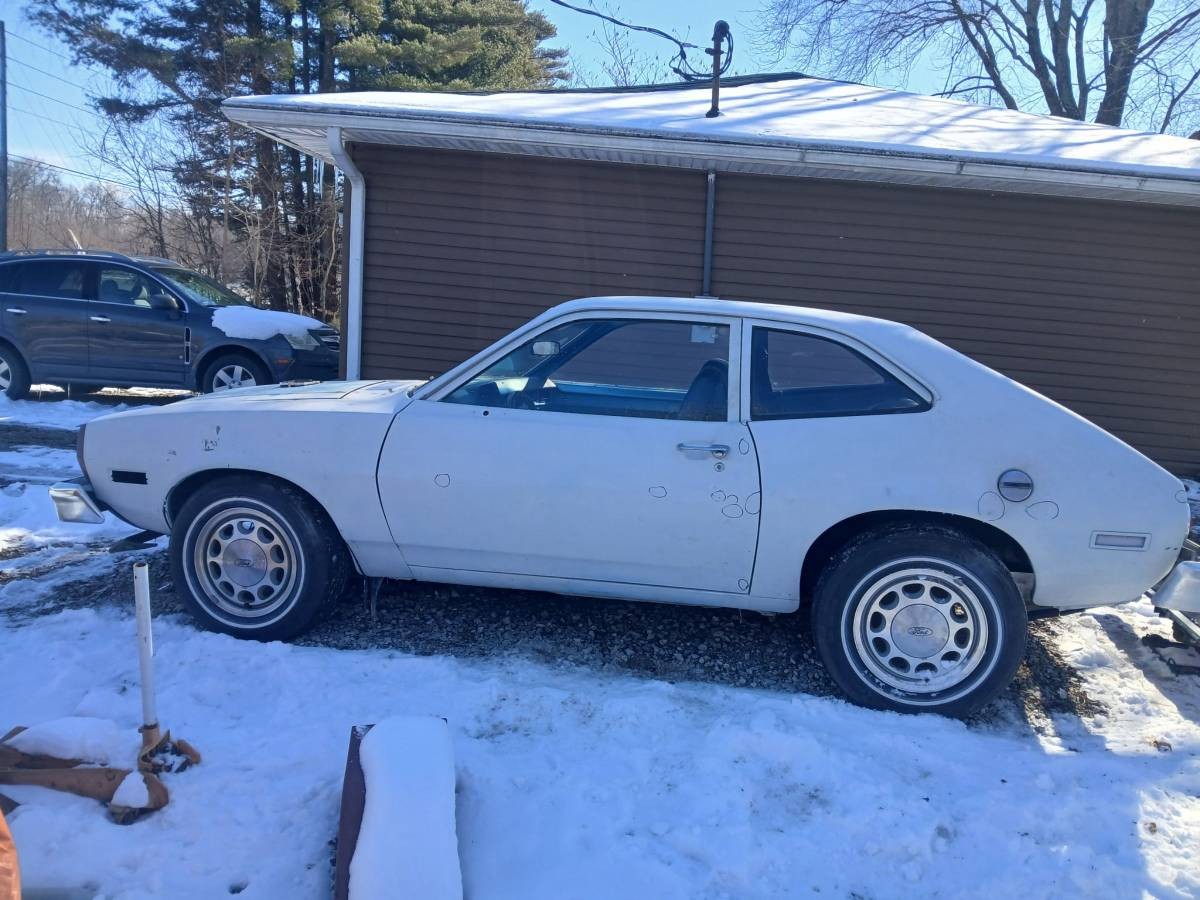
You have to give credit to builders who take a chance on making a car that the factory never intended to build. The Ford Pinto is obviously known throughout history for all the wrong reasons despite being a potential game-changer for the company’s entry level offerings, and this seller’s extensive modifications to his 1978 model shows what could have been. The Pinto listed here on craigslist features extensive modifications, including a 2.3L “Lima” four-cylinder that has been turbocharged and is paired to a 4-speed manual gearbox. Thanks to Barn Finds reader Roger for the find.
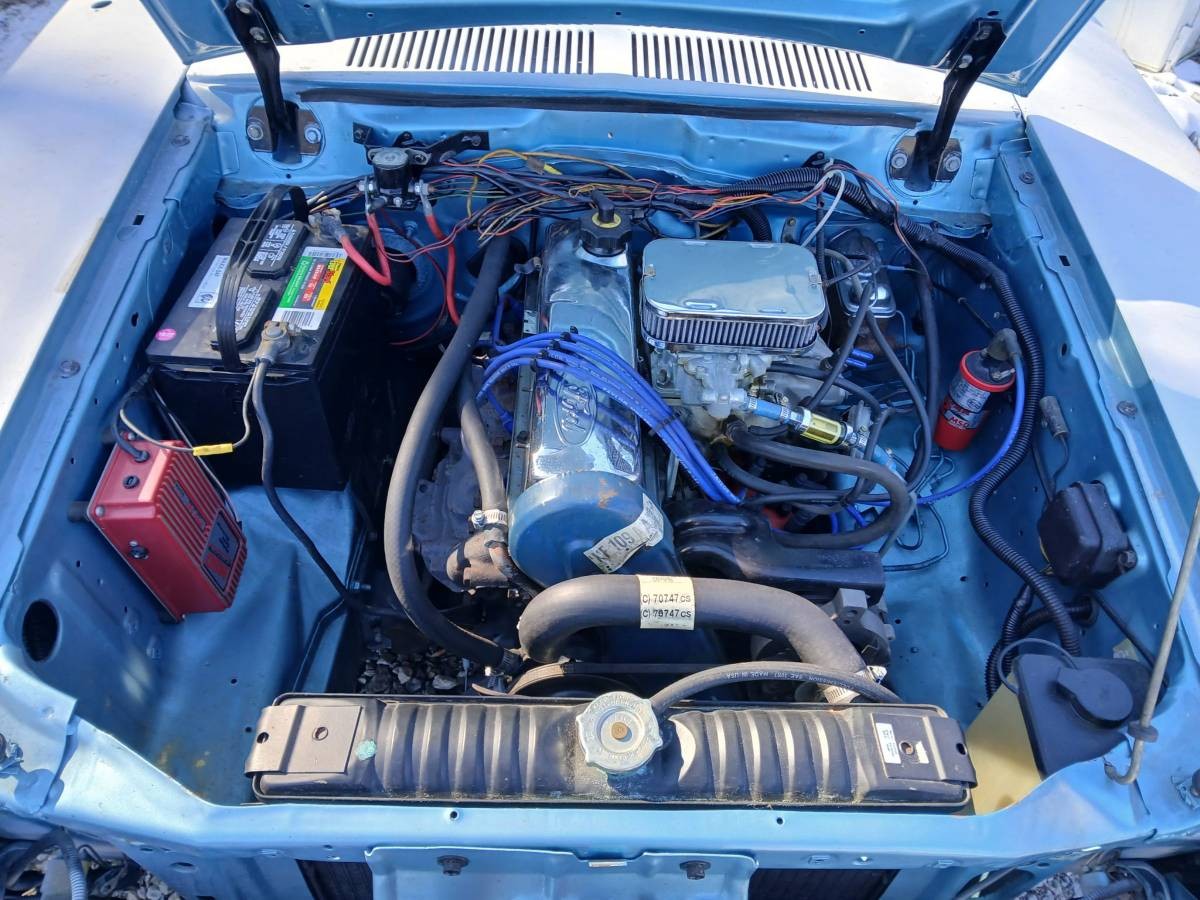
When we see engine swaps, one of the first ways to evaluate the effectiveness of the build is whether the engine bay still looks factory. On this criteria alone, the builder of this turbocharged Pinto has done a masterful job of making this look OEM correct. The seller notes that “…everything on engine is new,” and we certainly see plenty of evidence of recently unboxed components under the hood. The MSD ignition, hoses, radiator, and plug wires all appear to be quite fresh, and the seller notes that the turbocharged engine has just 20,000 miles on it. The Mustang II that gave up its engine also donated its entire front end suspension arrangement.
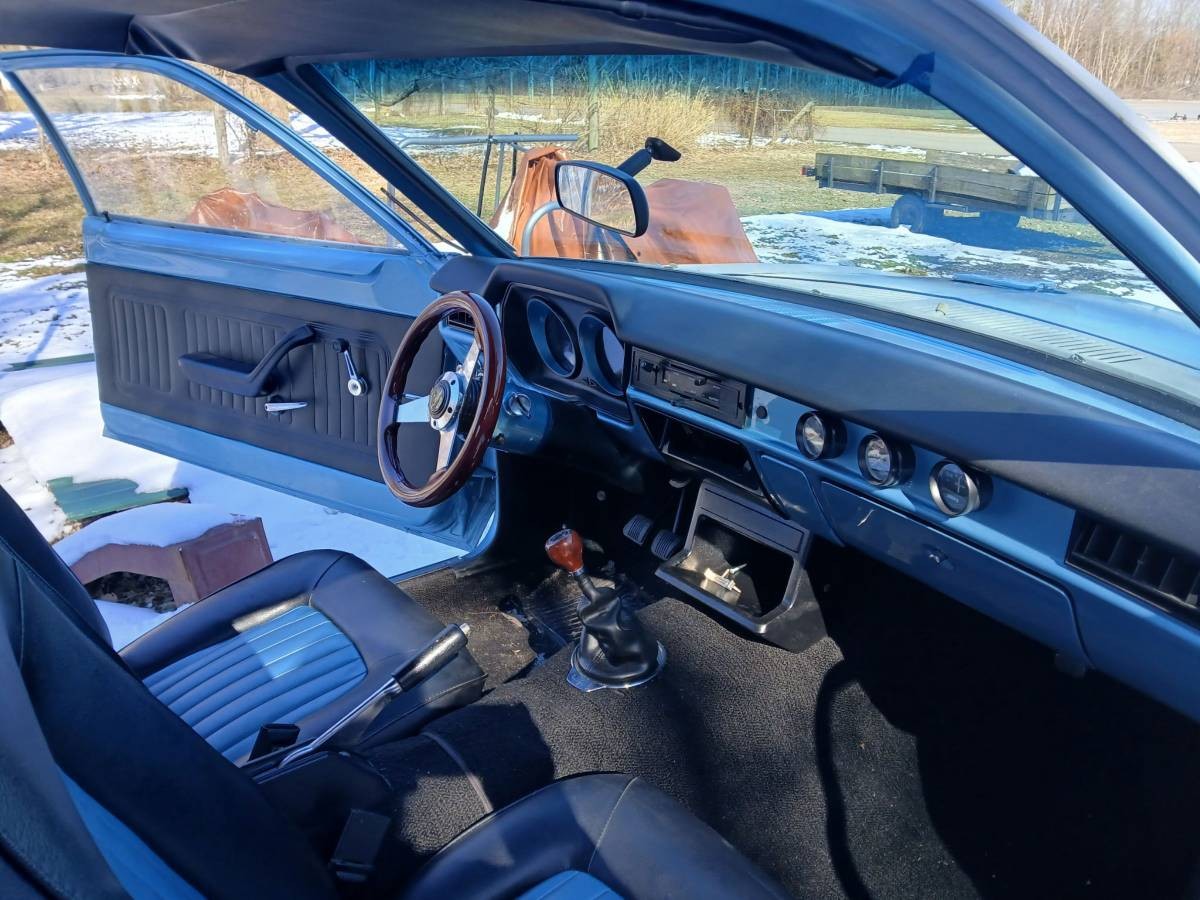
The interior is quite tidy as well, with what has to be new carpets and seat upholstery, not to mention a crack-free dash pad, some custom gauges, and minty door panels. The 4-speed manual has been rebuilt, and the same goes for the Ford 8” rear end that’s equipped with positraction. When I see a build like this that is 90 percent of the way complete – the seller needs the carb needs some fine-tuning and the exterior is in need of paint – you have to wonder what causes them to pull the trigger now versus going all the way. To some extent, I think everyone who takes on a project like this eventually runs out of energy and just needs to draw a line in the sand.
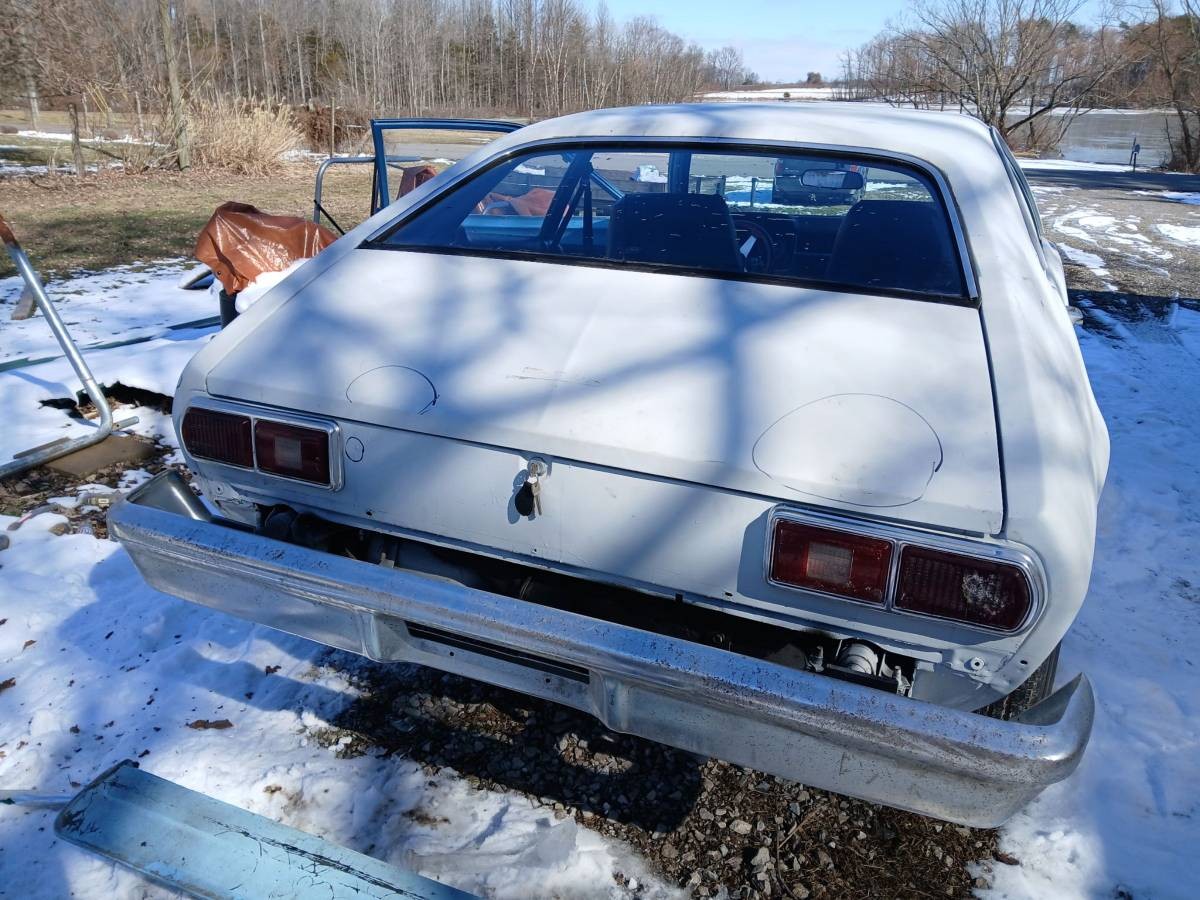
The stance is perhaps my favorite detail, with the 15-inch SVO wheels sitting on the absolute extreme ends of the fenders. Lowering the Pinto would make it even more aggressive, but I’d also lose the white-line radial tires. The engine swap is interesting – there’s plenty of evidence that the Lima swap is popular and easy to tune for more power, but so is a modern Ecoboost engine. The need to paint this Pinto also demands that the next owner commits to pouring more cash into a car that will likely never be worth more than the $4,500 asking price. Would you finish this Pinto or just get it tuned correctly and drive the doors off of it?


Where did they hide the turbo on this car?! Maybe I’m just looking too hard, but it really looks plain stock to me. Completely sorted out and finished means you won’t see one like it at Car & Chrome, LOL!! GLWTS!! :-)
On the driver’s side under the carb
How the heck is the turbo set up on this thing? Is it even blowing into the engine at all? Certainly not blowing through the carb.
They did offer a blow through carb turbo. Wasn’t a big improvement.
Shelby made some Paxton supercharged Mustangs with the blow through carb set up. Very rare. Even more rare is the 427 Cobra Super Snake. Only 1 exists, 427ci with dual Paxton superchangers. There was one other built and it used to belong to the comedian/TV star Bill Cosby but he claimed it was too fast for him and he gave it back to Shelby and the subsequent owner ended up killing himself in it.
Almost looks like it’s blowing in under the carb?
Is it sucking air in and not blowing it in?
Im not saying it makes sense but it is a ford
Looks to be set up as a “draw-through” turbo, with the turbo downstream of the carb. A “blow-through” turbo pressurizes the air upstream of the carb. The advantages to a draw-through system are easier packaging, easier plumbing, and no need to put the carb inside a pressure box. The downside is that it draws air and fuel through the turbo, which affects the quality of the air-fuel mixture and makes it difficult to keep the turbo lubricated.
This is a neat idea, but I would have started with an earlier, small bumper Pinto and installed a fuel injected 2.3 turbo out of a T-Bird.
Of course, you are correct. Seem workable enough, I guess, but I’m with you on using an FI motor rather than the carb.
Nice explanation, CCFisher. This set up is very typical of turbo cars. My brother’s 1980 turbo Trans Am is set up that way also.
I think a lot of people are confusing a turbo charger with a centrifugal supercharger such as made by ProCharger, etc. Turbo systems work with a double impeller, one impeller is spun by the exhaust gases and spins on a shaft that rotates another impeller on the other side of the turbo housing that pulls the air fuel mixture from a carburetor or fuel injection and forces it into the combustion chamber. Centrifugal superchargers push air into a carburetor or throttlebody where it is combined with fuel then forced into the combustion chamber . Centrifugal superchargers are driven by a belt versus the turbo, which is driven by exhaust gases. Each has its advantages.
May have to modify that 8inch rearend if you swapped in a newer 2.3T motor Lavery. They’re pretty stout but 300+hp and tq, along w high rpm manual shifts, clutch dumps would probably be at the very limit for the stock unit.
Given the weight of the vehicle that would not be an issue!
Nope!
Wiring courtesy of the Spaghetti Factory.
Unusual because turbo pintos almost always utilize a turbo coupe drivetrain. Now that swap looks factory.
Yes, the smaller rear dif. Is not as strong as the 8.8. But the SVO had the smaller diff. It would be interesting to see the tube piping under the car. Turbo mounted low in the car, suction pipe from the carb, and a pressure pipe to gu under the carb. Far as I know (Ford service manager at the time these were new AND an owner of 1984 SVO) SVOs never came with 15″ wheels. These look to me to be T-Bird wheels. The real weak point in this car is the 4 speed transmission and shifter. This car needs the smaller bumpers.
i was just getting ready to ask if it’s the original transmission? I had an earlier Pinto that I put a header and bugspray carb on it. I was forever having to reinstall the shifter after shifting to hard and pulling the shifter and the stupid threaded nylon base right out of the top of the transmission. Nothing like trying to thread it back in at the next light. . One of Fords better ideas.🤣🤣 I kinda miss that little car.
Please never mention an Ecoboost swap again. All you need to do is look up the problems with the Ecoboost engine and all the recalls. The Ecoboost may provide a good bit of power over the older designs, but unless you like swapping motors every couple years stay as far away from the Ecoboost as you possibly can. They are trouble
They call them “Ecobust” for a reason. I’d stick with the Turbo Coupe swap any day of the week over so-called “modern tech”.
Well, I don’t know, and I am admittedly not a Ford expert by any stretch of the imagination, but isn’t this about 10 times a better buy than $35,000 one advertised yesterday?
A friend from high schools mom had one about 74 with a 4 speed he got around 30 mpg. A few years later i bought one for my wife, with an automatic. It was a used one from a relative. That one was lucky to get 17-19 mpg. A stark difference. They just needed to turn the bolts around that held the gas tank and they wouldn’t have punctured so easy.
Not true about the bolts. Recall kits included a shield for the fuel tank, guards for the shock bolts AND a longer filler neck. Besides the tank getting punctured the more often fire waas caused by the filler neck popping out of the tank. Any fire is bad news when the sheet metal crunches into the doors and you can’t get them open! Other that a fire, and the crappy 4 speed gear boxes, these were competent reliable cars.
Sounds like a testament for just the kind of car you want to have the wife and kids in.
Pintos weren’t inherently more dangerous than other cars of comparable size. The legend looms much larger than history.
Correct Steve. Many, many cars had even worse rear fuel tank issues. Original style Mustangs, Falcons, Comets, Audi Foxs/80s, and a lot of others had the same possibility of fuel leak from rear end collision. Because of rear mounted (and bolted in) fuel tanks doing double duty as a trunk floor. The tank could easily split (particularly with the tin foil bumpers .most cars had until 1973/4.) However, the Pinto situation (which was blown way out of actual happenings and condolences to family’s that experienced the bad situation) was exasperated by the fact that if rear ended bad enough, (and the hit had to be just right) the rear quarter panels would fold into the rear of the doors. This made it impossible to open the doors. With a car on fire, this is a bad thing. Needless to say panic sets in and climbing out windows is usually not considered. Again, an injured person inside may not even be able to attempt that.
Pinto…chevette..horizon…all junk outside being a stop in automotive history. None are a joy to ride. IMHO
You sound like a BMW owner.
I have ridden (and even had one) some nice handling Pintos. They have a low center of gravity, unequal length front control arms (many of hot rod have Pinto/Mustang II front suspensions) and generally bodies resistant to torsional loads. I had a Pinto wagon with wider steel wheels and wheel covers (very sleeper looking) with a 2.3, high compression pistons and a hot camshaft. It would roll.past 100 mph just as fast as past 60 mph. And it handled to boot! The Chevettes were very tossable and fun to drive with a stick. The Horizons were copies of a VW Rabbit and were not bad driving cars. BUT, The quality of build was pretty poor. ( the Pinto being the better of the 3) Yes a “step” in history with poor quality.
The turn around in the quality issues (in my opinion) were brought on by 2 things.
#1 The quality of the Japanese cars making in “inroad” and making American manufacturers embarrassed and panicking the loss of sales.
#2 The advent of JD Power and Assoc. Rating car brands and service departments. And then manufacturers advertising their ratings.
I spent a couple of hours with a good friend and John Power who had just quit as the Autoweek editor to start his “Quality ranking company”. I could not see/figure out how he was going to make money doing what he was planning to do. Evidently John Power is much smarter than me! Naturally, his automotive contacts from Crain Publishing helped him get started.
I have ridden (and even had one) some nice handling Pintos. They have a low center of gravity, unequal length front control arms (many of hot rod have Pinto/Mustang II front suspensions) and generally bodies resistant to torsional loads. I had a Pinto wagon with wider steel wheels and wheel covers (very sleeper looking) with a 2.3, high compression pistons and a hot camshaft. It would roll.past 100 mph just as fast as past 60 mph. And it handled to boot! The Chevettes were very tossable and fun to drive with a stick. The Horizons were copies of a VW Rabbit and were not bad driving cars. BUT, The quality of build was pretty poor. ( the Pinto being the better of the 3) Yes a “step” in history with poor quality.
The turn around in the quality issues (in my opinion) were brought on by 2 things.
#1 The quality of the Japanese cars making in “inroad” and making American manufacturers embarrassed and panicking the loss of sales.
#2 The advent of JD Power and Assoc. Rating car brands and service departments. And then manufacturers advertising their ratings.
I spent a couple of hours with a good friend and John Power who had just quit as the Autoweek editor to start his “Quality ranking company”. I could not see/figure out how he was going to make money doing what he was planning to do. Evidently John Power is much smarter than me! Naturally, his automotive contacts from Crain Publishing helped him get started.