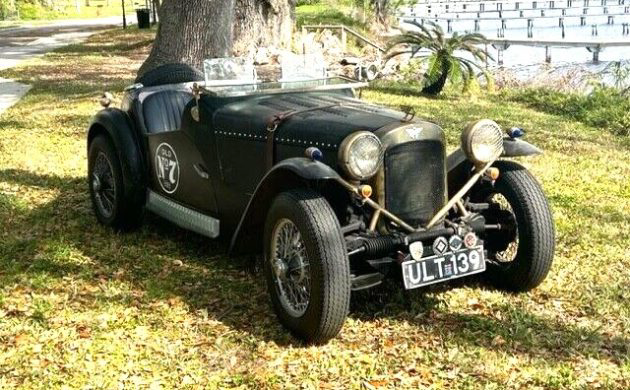
The Nippy was a 2-seat roadster based on the Austin 7 (or Seven), built in England between 1934/35 and 1937. Production numbers were low, so the quantity of survivors today can’t be large. Due to their low weight and… more»
• For Sale • 15 Comments
Lotus Twin Cam: 1973 Jensen-Healey Roadster
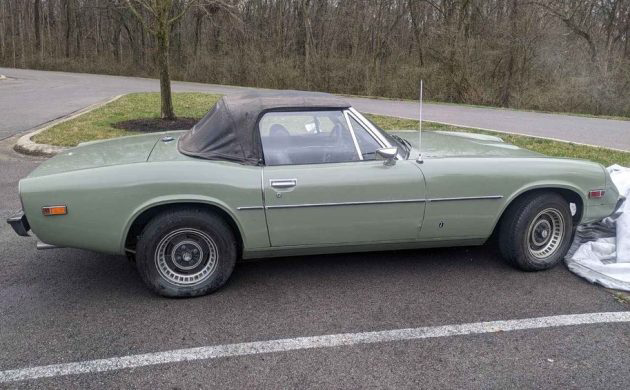
The Jensen-Healey was a collaborative effort between Jensen Motors and Donald Healey after production of the Austin-Healey 3000 had ended. Healey provided the bodies, and Jensen assembled them. These luxury sports cars were on the market from 1972 to… more»
• For Sale • 92 Comments
Wrecked and Bent: 1969 Plymouth Road Runner
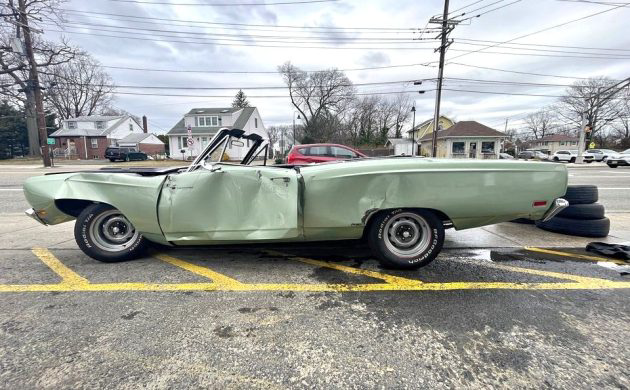
Plymouth introduced its budget mid-size muscle car, the Road Runner, in 1968. It was an instant hit but was only available at first as a coupe (pillared or hardtop). When 1969 rolled around, they added a convertible which saw… more»
• For Sale • 5 Comments
Ambitious Project: 1959 Triumph TR3
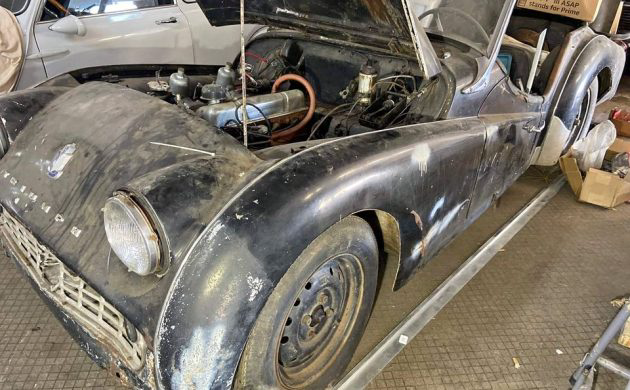
The TR3 successfully replaced the TR2, resulting in nearly 75,000 assemblies between 1955 and 1962. The cars were changed little over time and the TR3A and TR3B were unofficial variants of the evolving design. This 1959 edition is said… more»
• For Sale • 20 Comments
Assembly Required: 1970 Dodge Charger 500
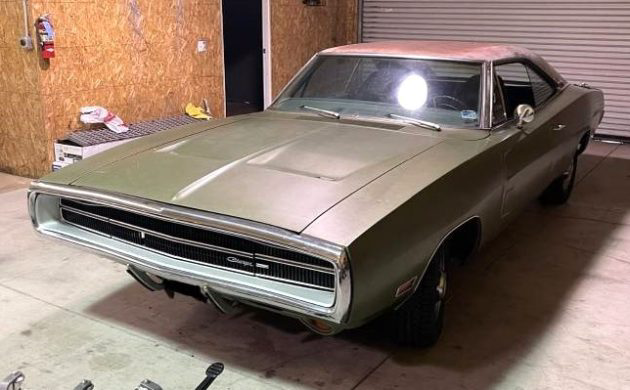
To better compete in NASCAR, Dodge developed the Charger 500 in 1969. It was more aerodynamic than the rest of the series, with a flat front end with exposed headlights and no tunnel back for the roof. That didn’t… more»
• For Sale • 21 Comments
It’s Not a Jeep! 1953 Willys Aero
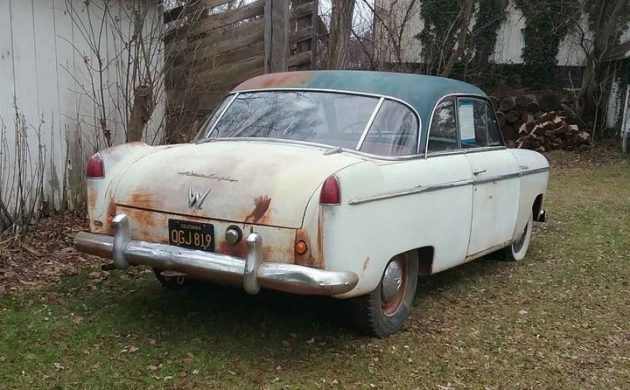
When you think you the Willys brand, you likely have visions of the venerable Jeep that was built in huge numbers during and after World War II. But they were also in the automobile business for a time, including… more»
• For Sale • 18 Comments
454 V8 Roller: 1972 Chevrolet Monte Carlo
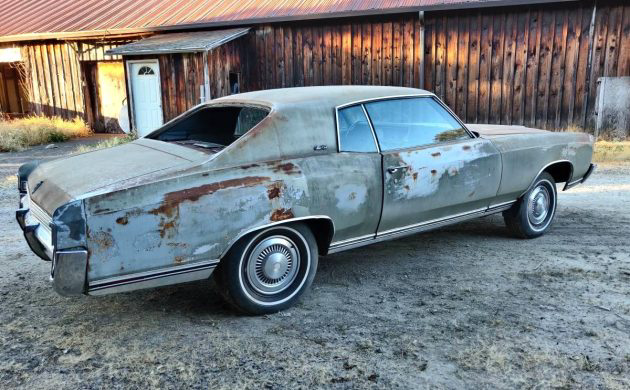
The Monte Carlo was Chevrolet’s personal luxury car and was in its third year in 1972. The cars were little changed and the emphasis on luxury was increased with the discontinuance of the SS 454 package. Yet, the engine… more»
• For Sale • 29 Comments
6,500-Mile Survivor: 1954 Hudson Jet
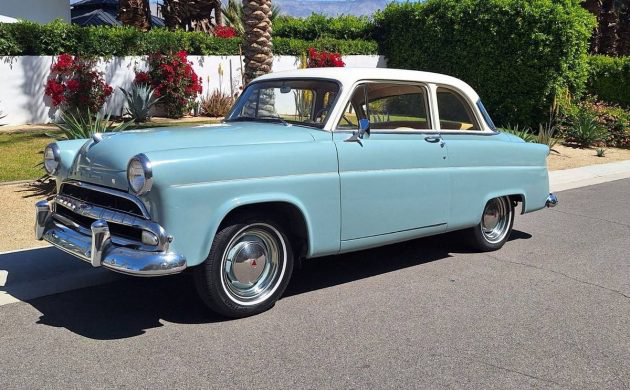
Attempting to remain competitive in the automobile business, Hudson Motor Car Co. developed and launched the compact Jet in 1953. However, the cost of bringing the little car to market left minimal capital for much else, so Hudson merged… more»
• For Sale • 20 Comments
Just Out of the Barn: 1955 Packard Clipper
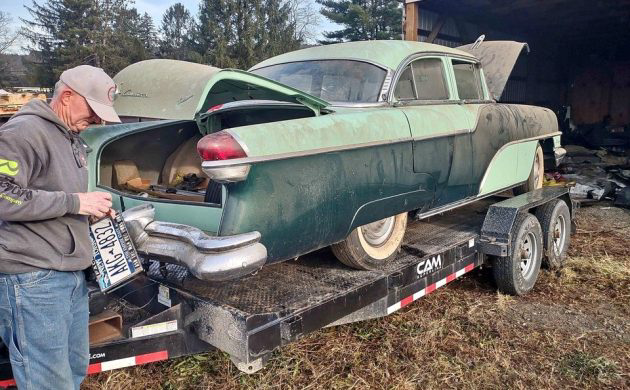
The Clipper enjoyed a sporadic run at Packard in the 1940s and 1950s. In later years, it was the entry-level product for a car company that had touted luxury. But the Clipper was seen internally as a sales draw… more»
• For Sale • 7 Comments
Bubble Car: 1958 BMW Isetta Moto Coupé Deluxe
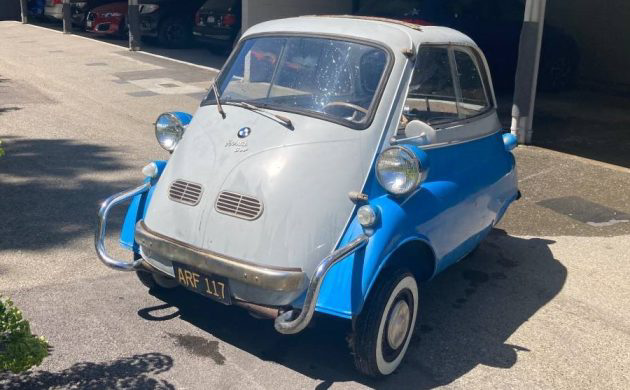
The Isetta was an unusual microcar built mostly by BMW in the 1950s. Designed in Italy, the egg-shaped automobile was produced under license in a variety of countries, including Germany. It became known as the “bubble car” for its… more»
• For Sale • 19 Comments
Richard Petty Tribute: 1965 Plymouth Barracuda
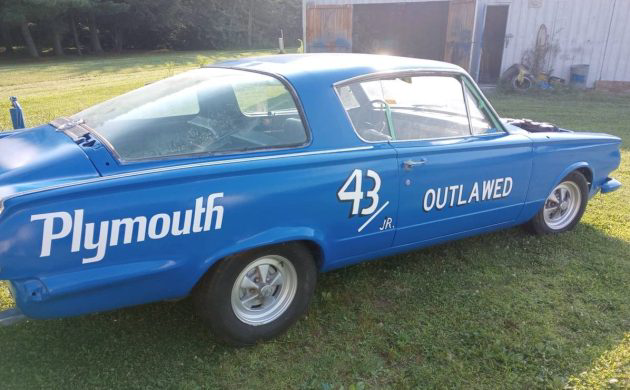
After NASCAR put a moratorium on the Chrysler Hemi in 1964, driver Richard Petty took a year off from stock cars and tried his hand at drag racing. It was a one-year detour and by 1966, NASCAR relented and… more»
• For Sale • 21 Comments
Mild Sleeper 283 V8: 1966 Chevrolet Bel Air
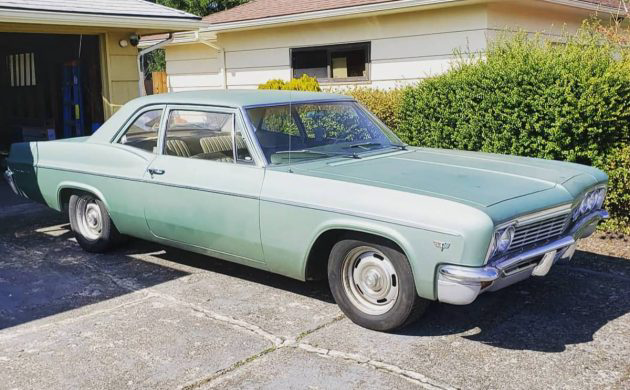
Chevrolet set a record for sales in 1965, so without many changes going into 1966, it was no surprise that sales with drop off (about 20% for the full-size cars, depending on model). Still, Chevrolet managed to build more… more»
• For Sale • 8 Comments
New Interior: 1963 Ford Fairlane 500
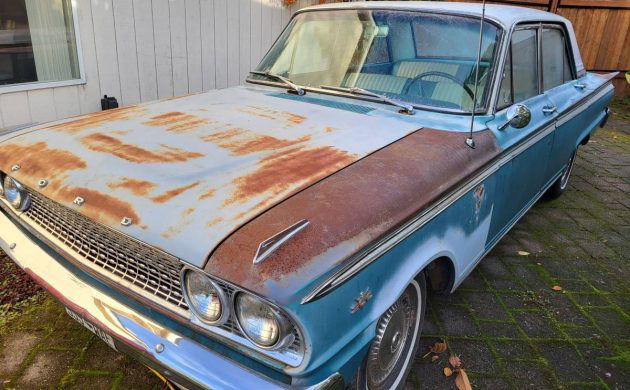
The Fairlane, named after Henry Ford’s estate in Michigan, was Ford’s primary car in the late 1950s. By the beginning of the 1960s, it played second-fiddle to the new Galaxie series, and in 1962 Ford moved the name to… more»
• For Sale • 39 Comments
1 of 100: Retro-Look 1996 Toyota Classic
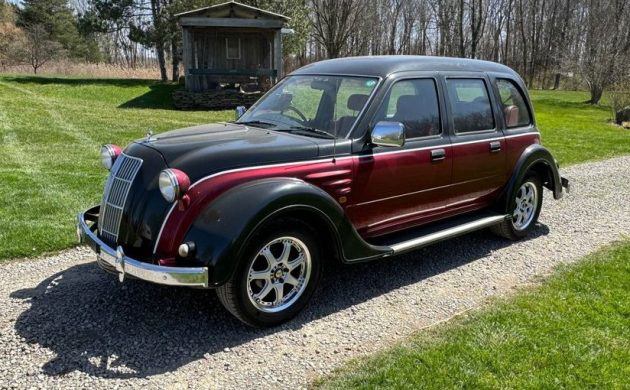
To celebrate the 60th anniversary of its first production automobile, Toyota developed a limited-build vehicle called the Classic. It had a 1930s retro look and reminds me a bit of the 2000s Plymouth PT Cruiser. Only 100 were assembled… more»
• For Sale • 11 Comments
Money Maker: 1980 Chevrolet Camaro
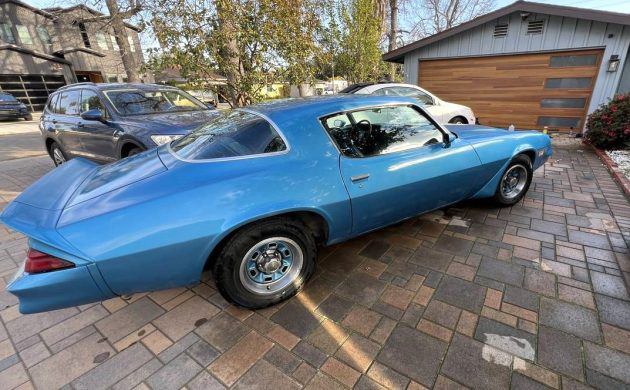
The second-generation Camaro enjoyed a long run, 12 years to be exact. But by 1980, the market had changed once again and demand for the older design had waned (the third-gen would debut in 1982). To save gas, most… more»
• For Sale • 34 Comments
Real Deal Survivor? 1970 Chevrolet Chevelle SS 396
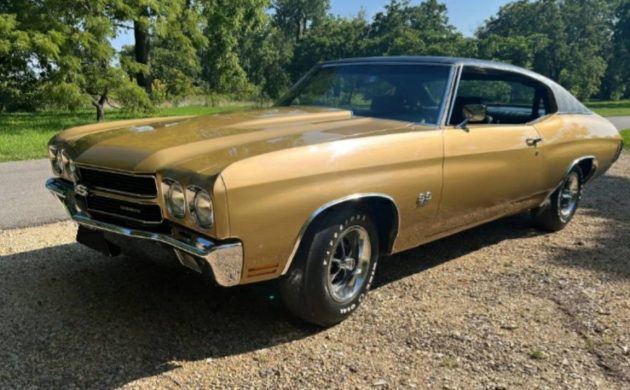
Whenever a 1970-ish Chevelle SS 396 pops up for sale, the first question usually revolves around whether it’s authentic or a clone. Because RPO Z25 was an option on the Malibu, it’s hard to settle this debate without a… more»