- Seller: Joe P (Contact)
- Location: Perkins, Oklahoma
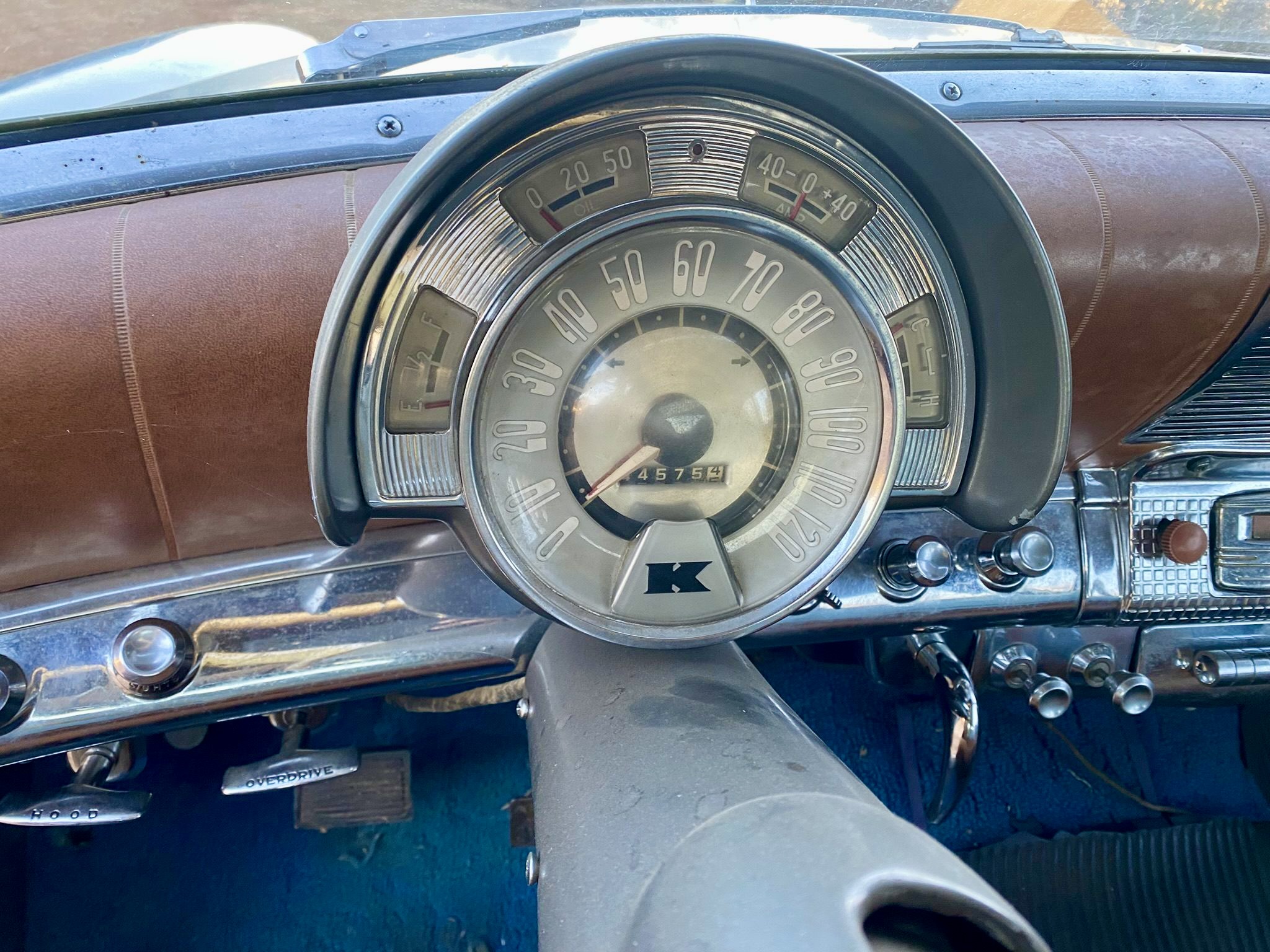
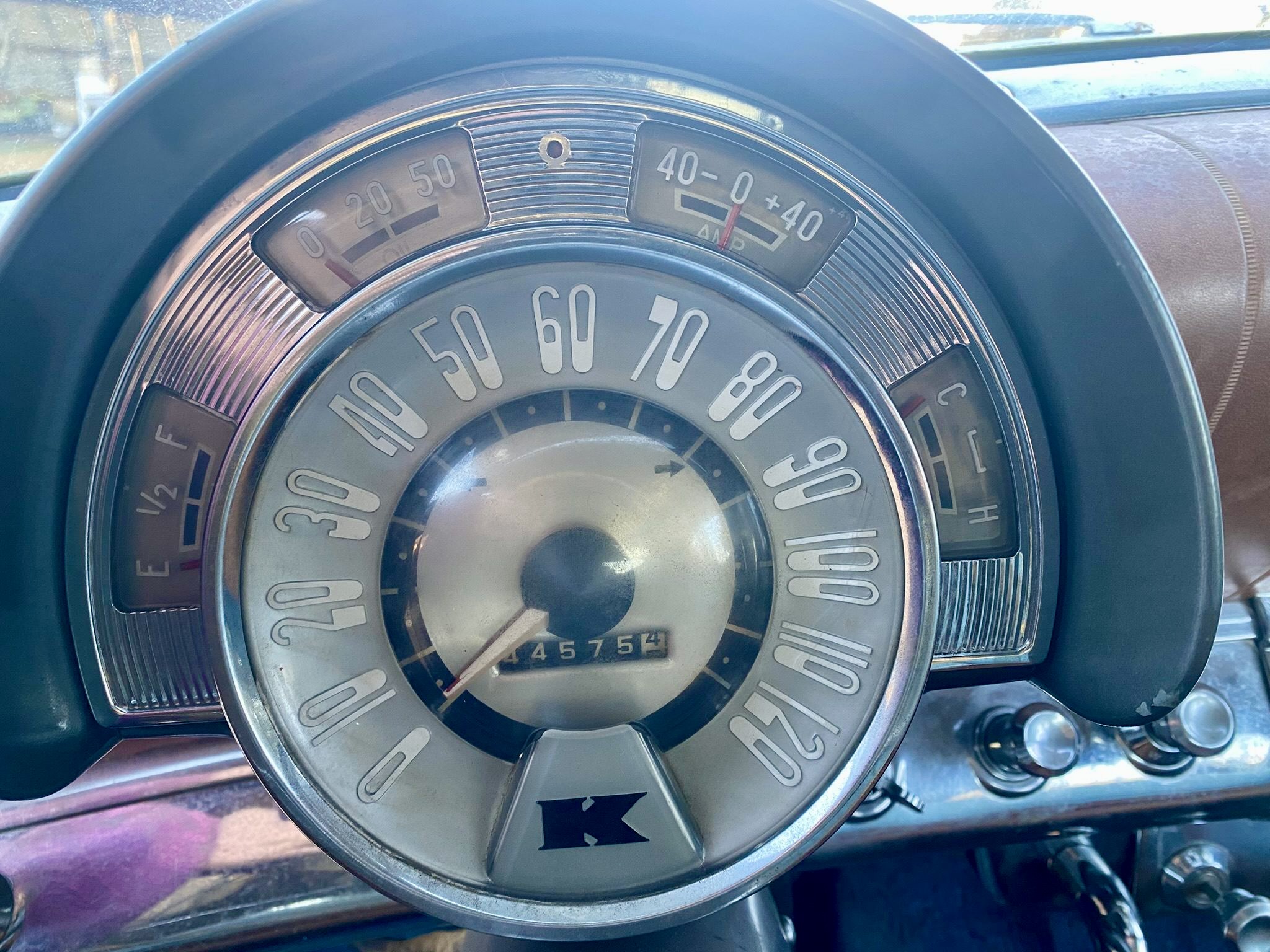
- Mileage: 44,575 Shown
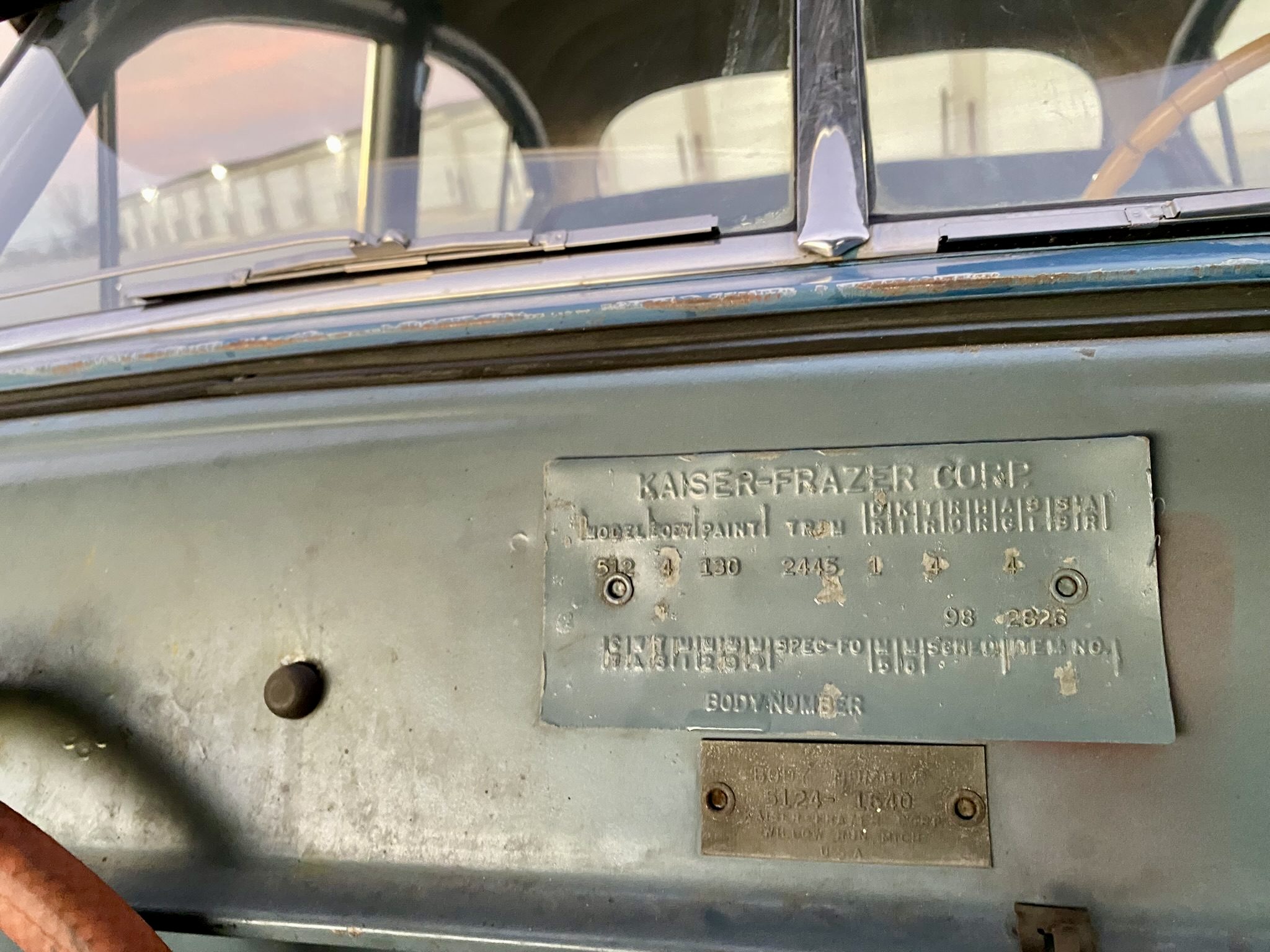
- Chassis #: 5124-1640
- Title Status: Clean
- Engine: 226cui Flathead 6-Cylinder
- Transmission: 3-Speed Manual W/Overdrive
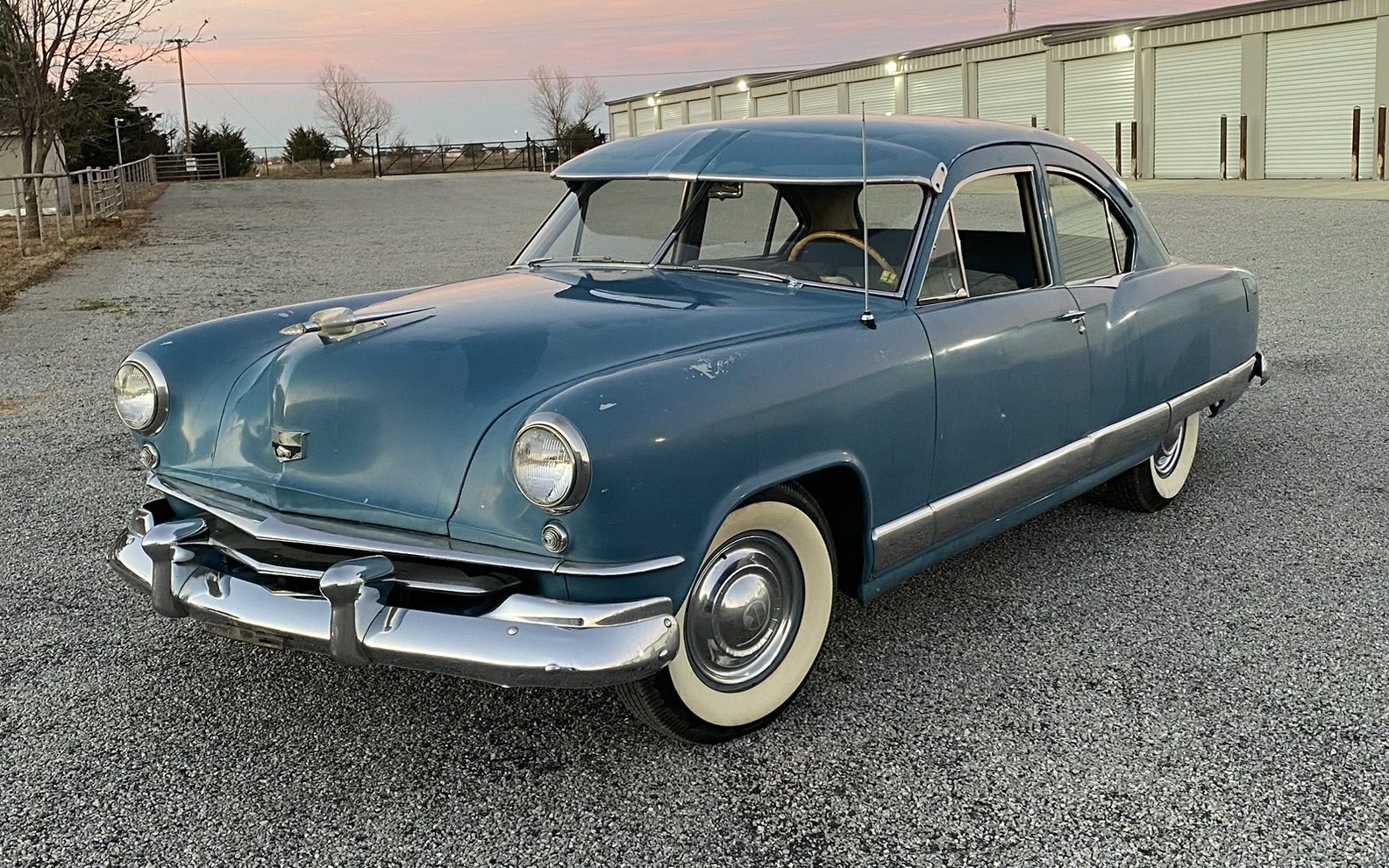
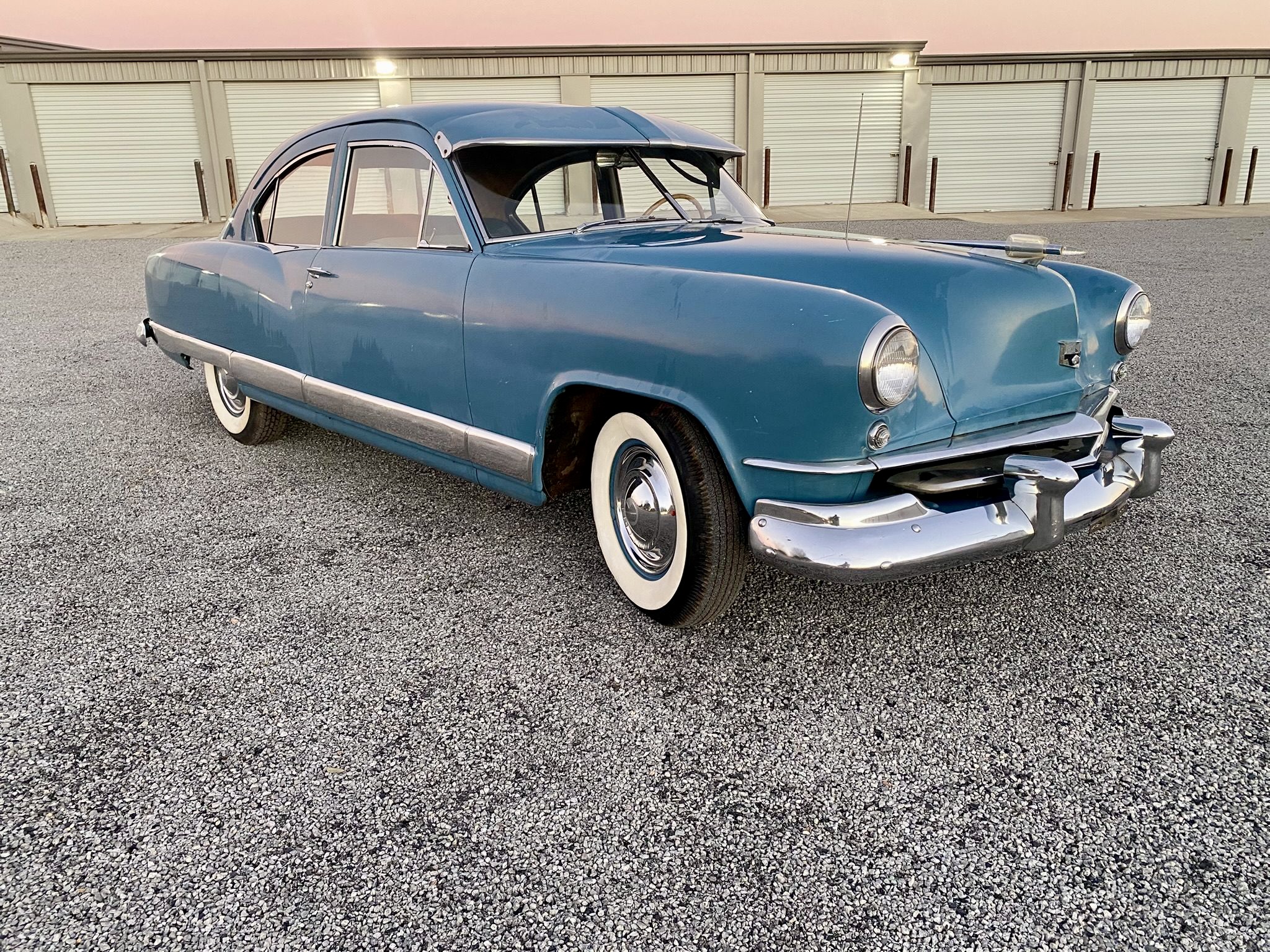
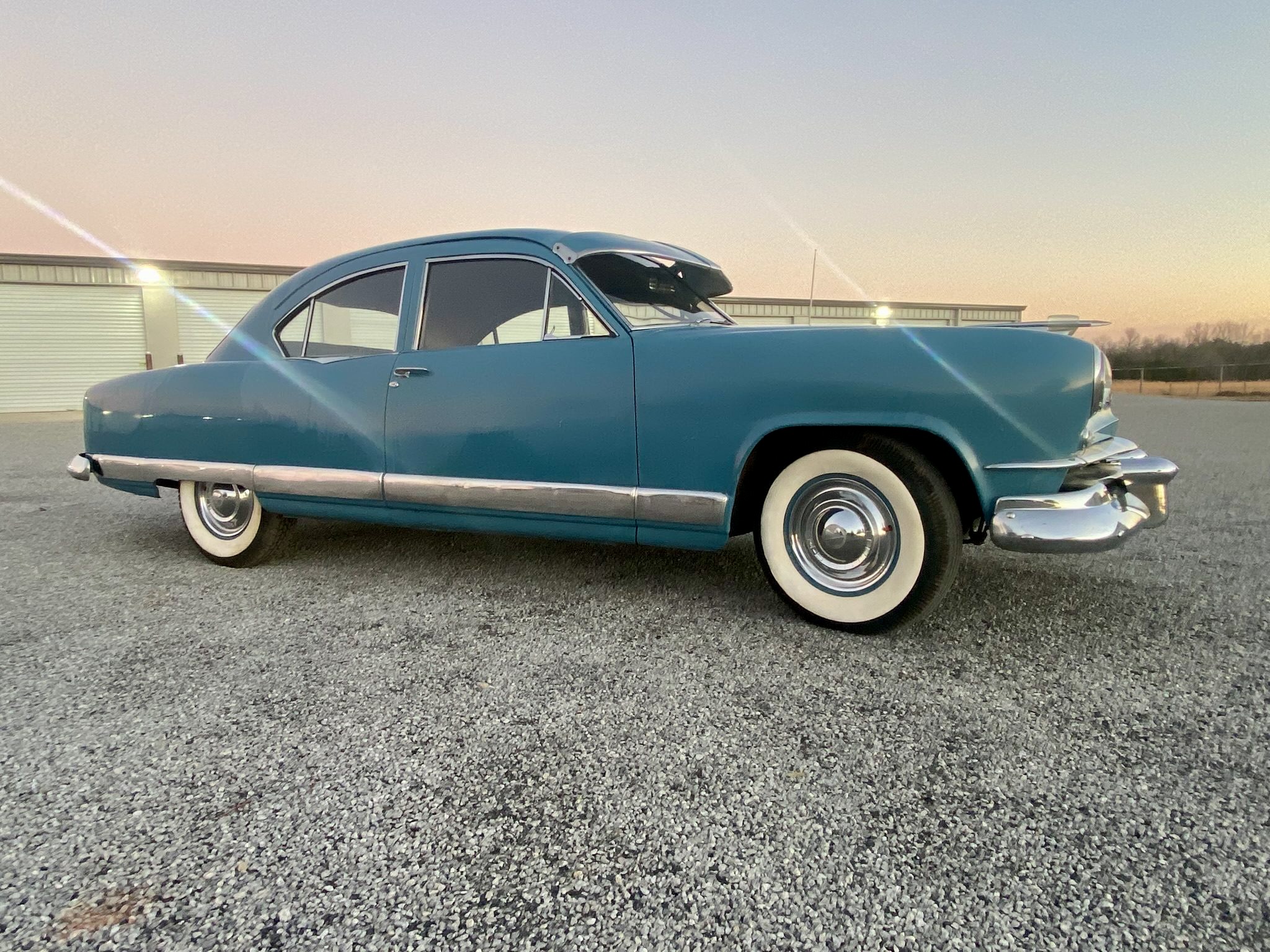
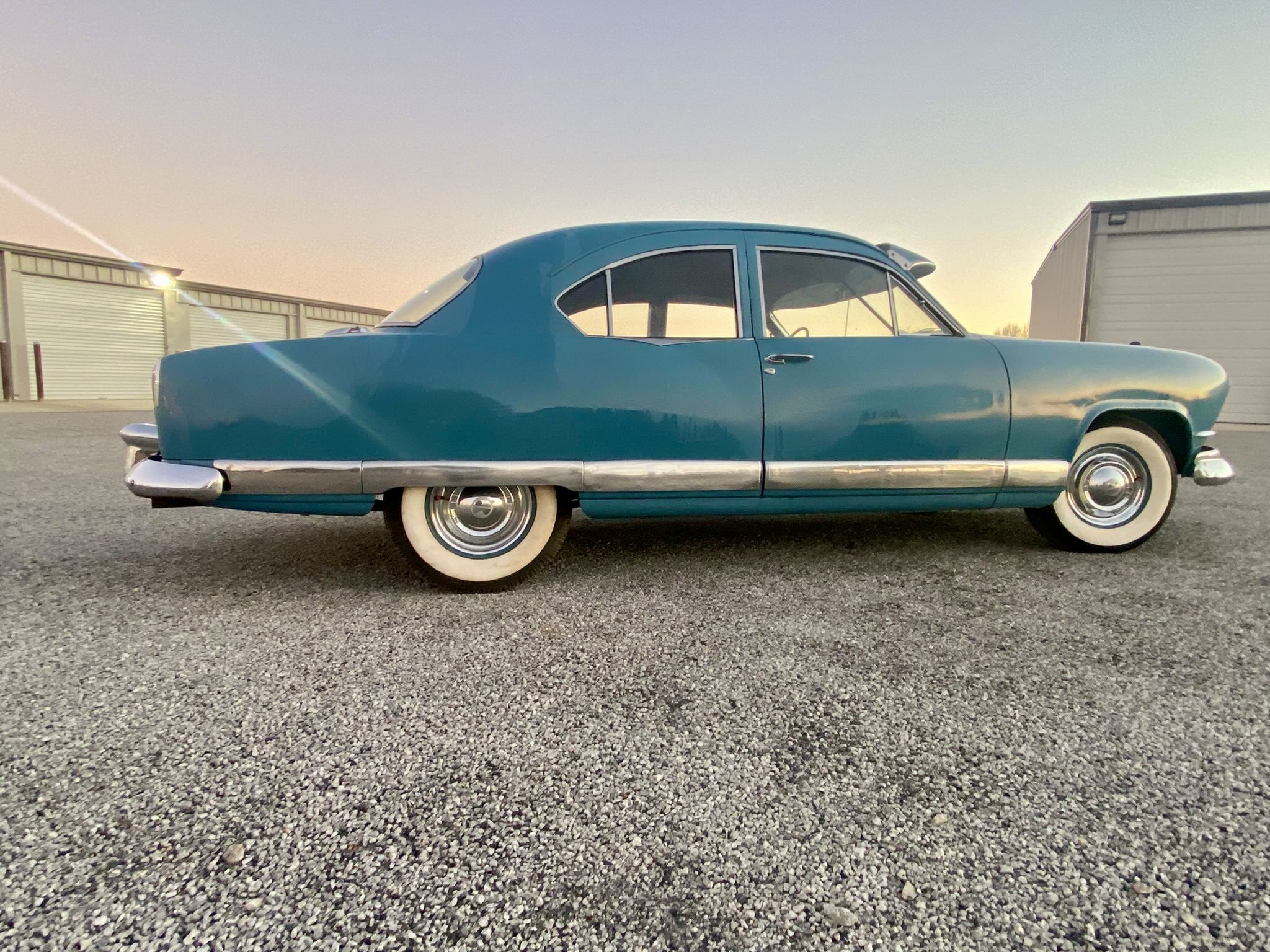
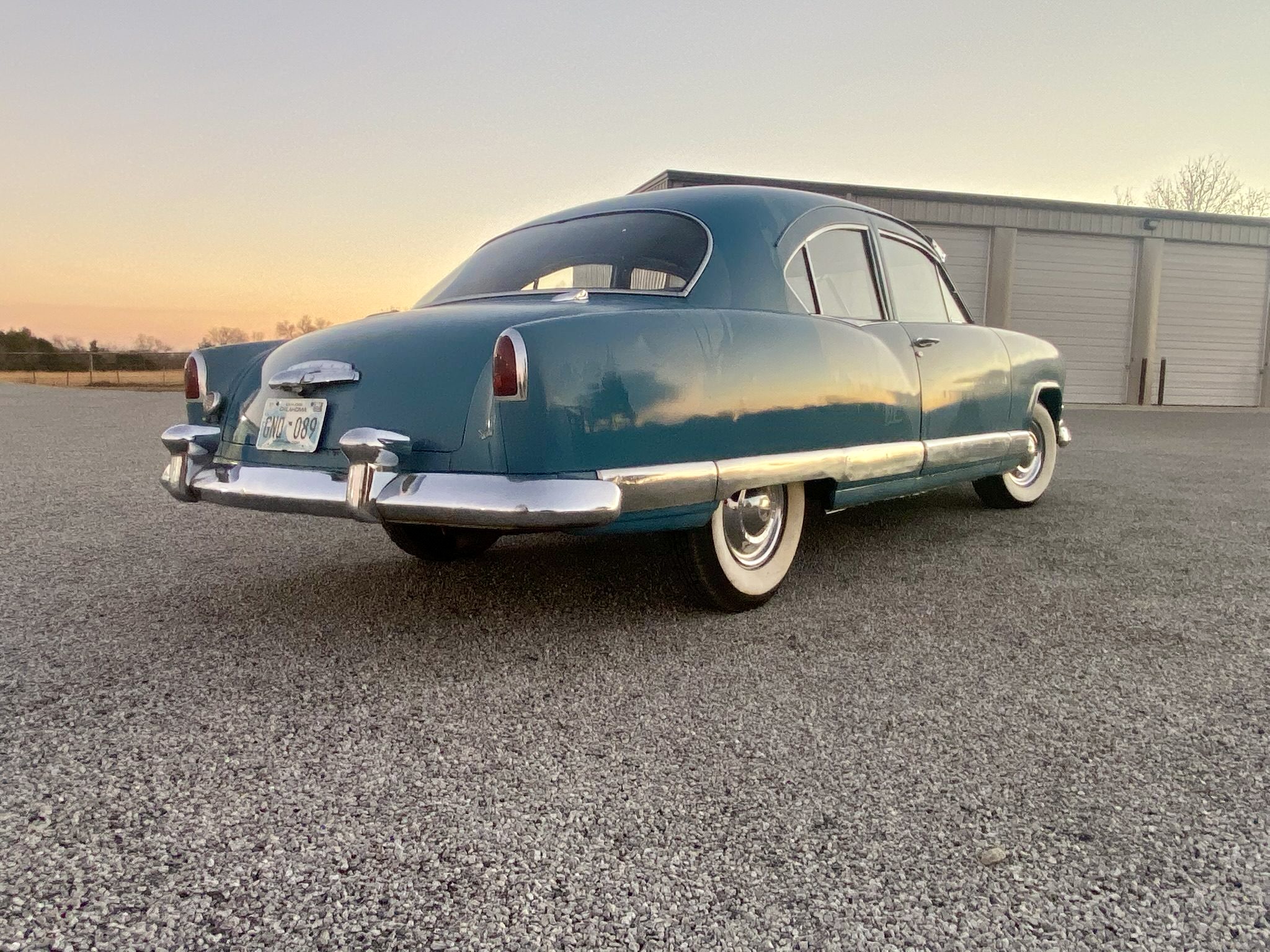
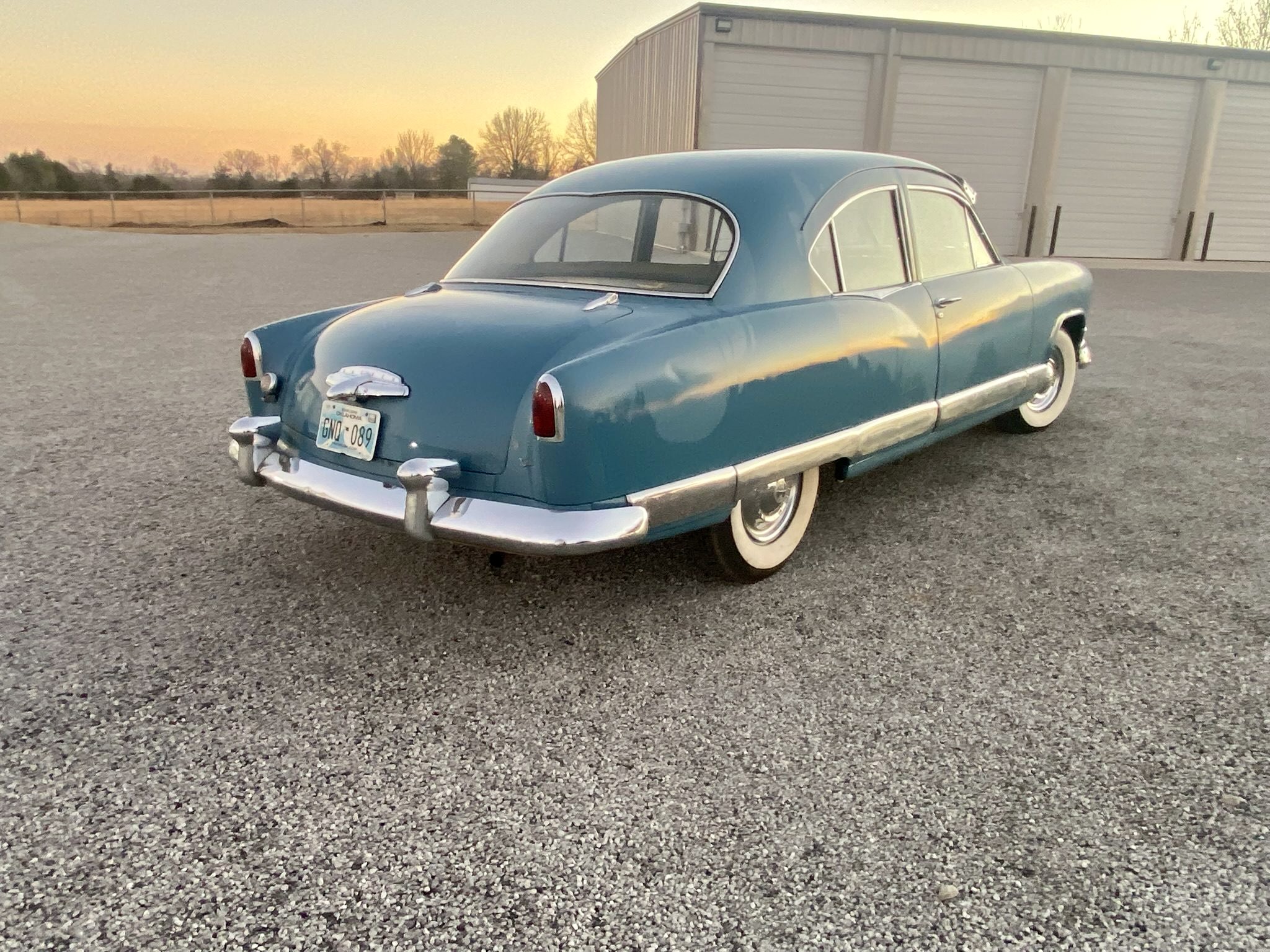
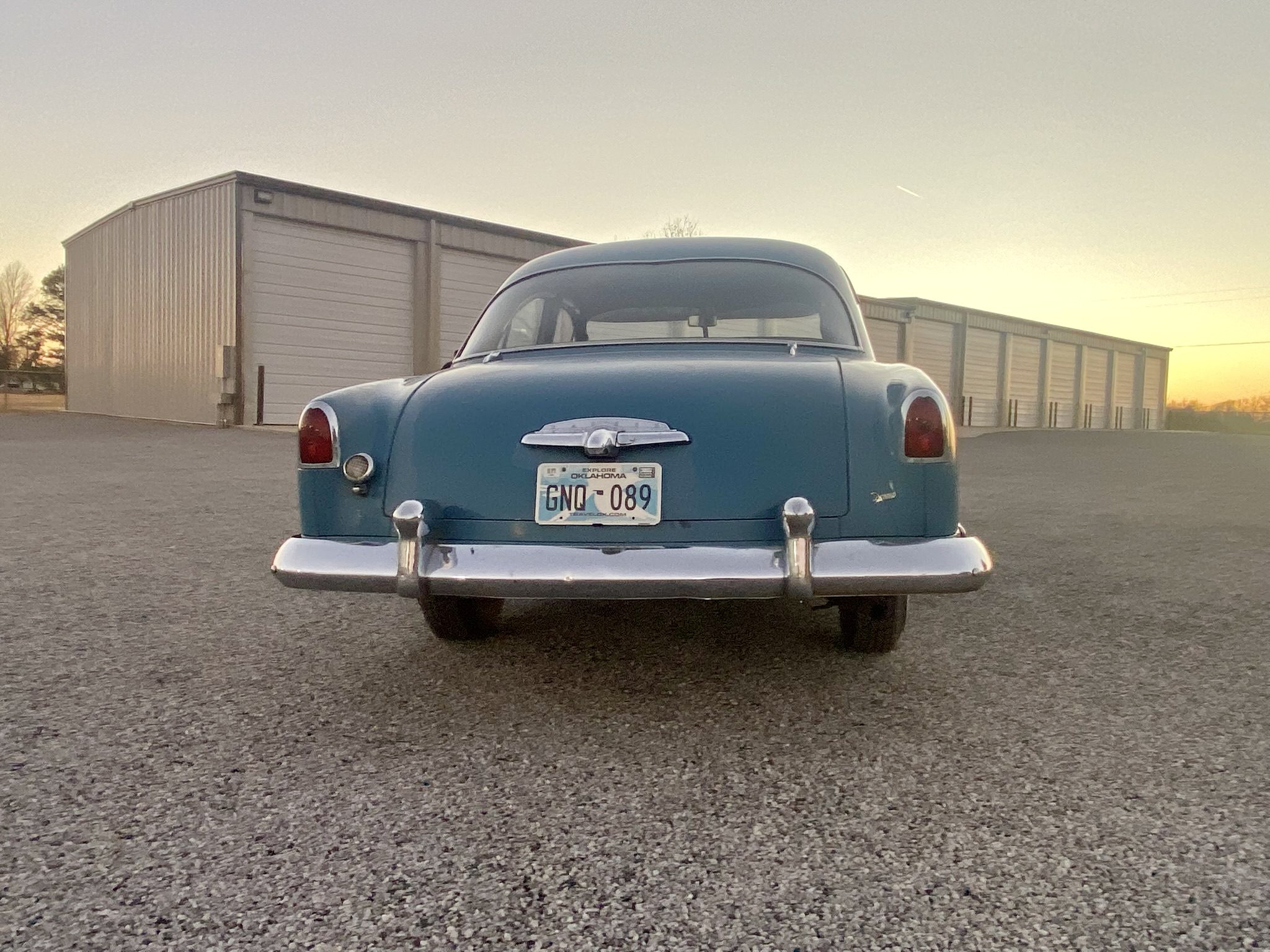
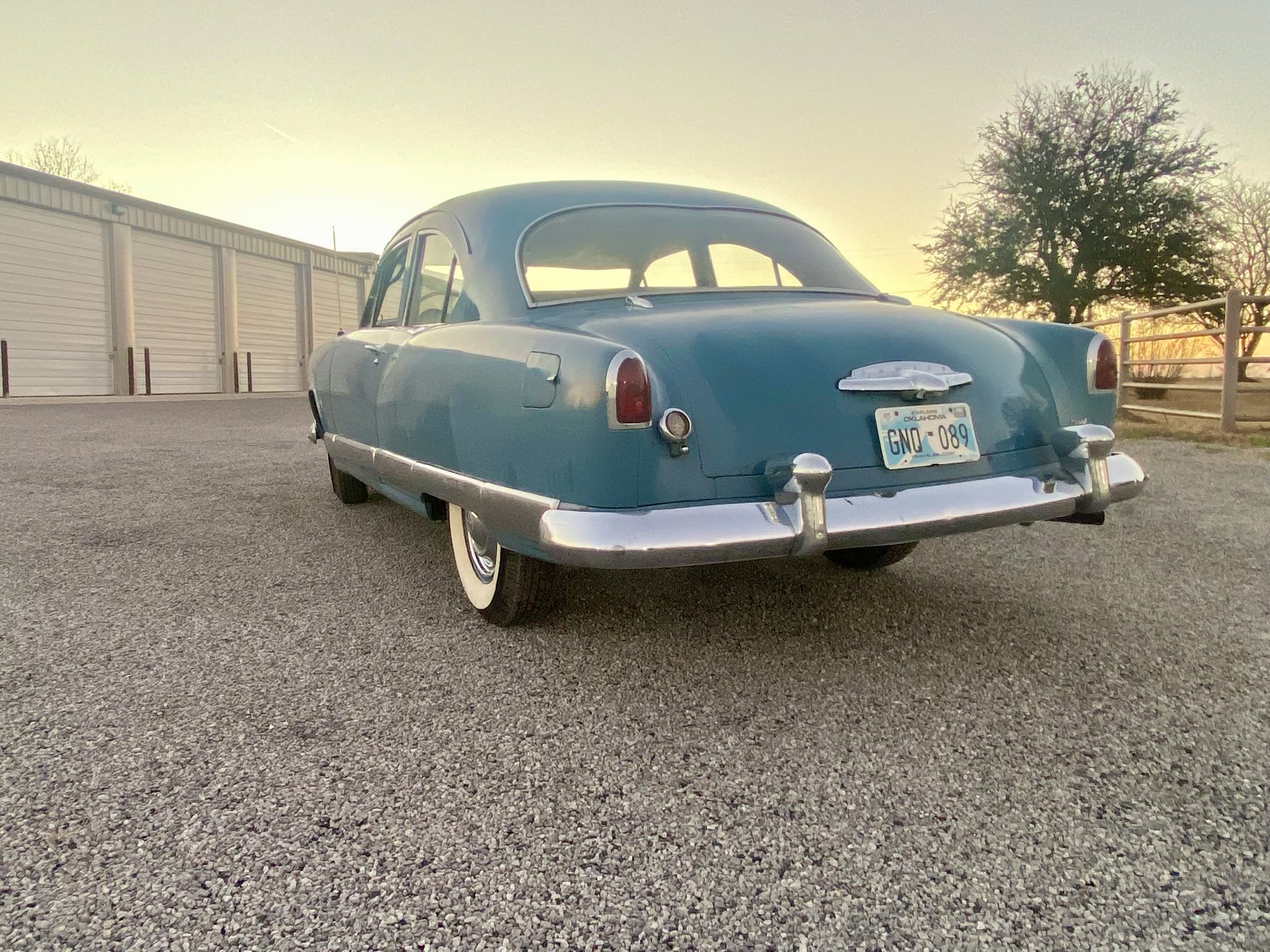
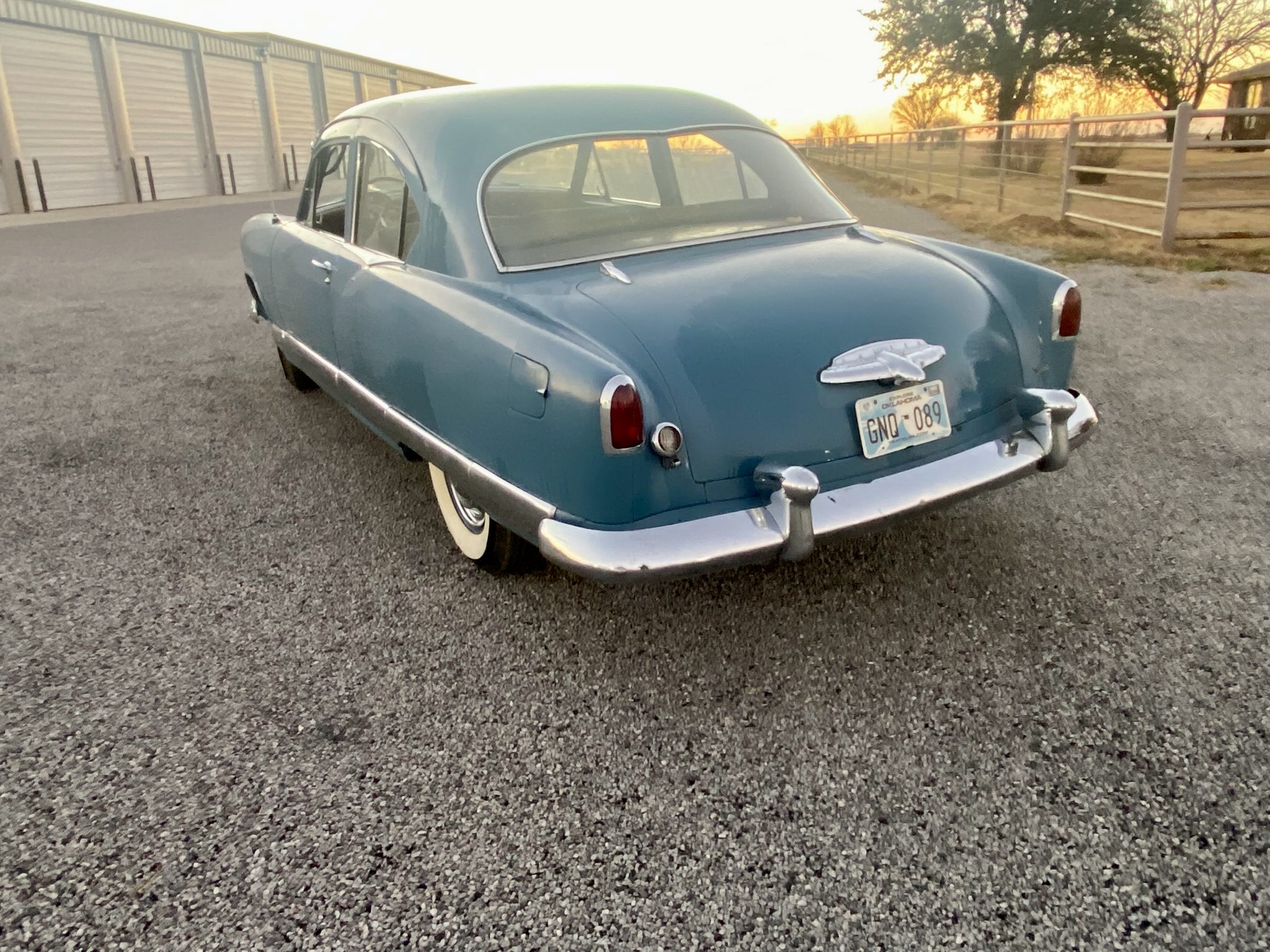
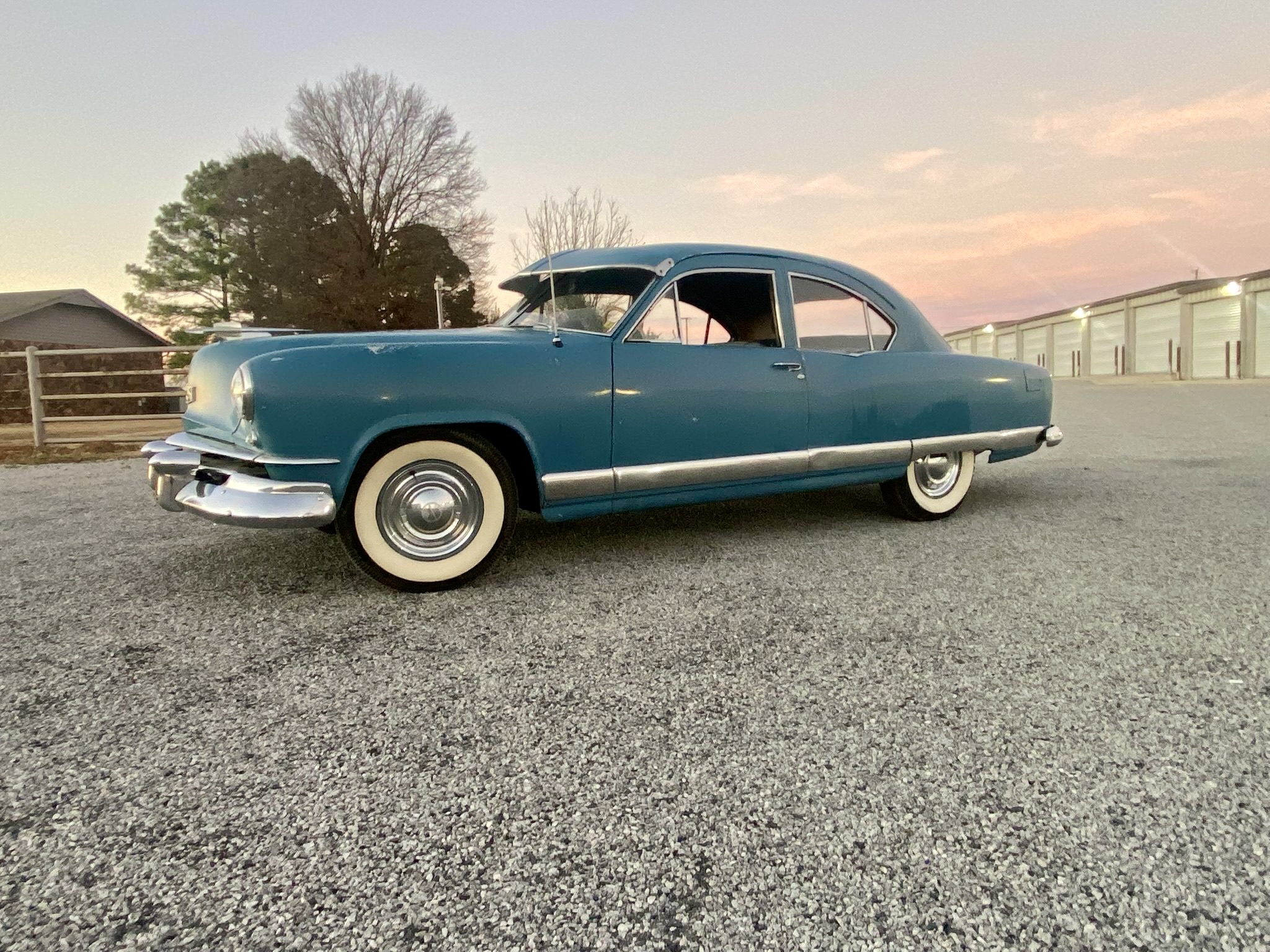
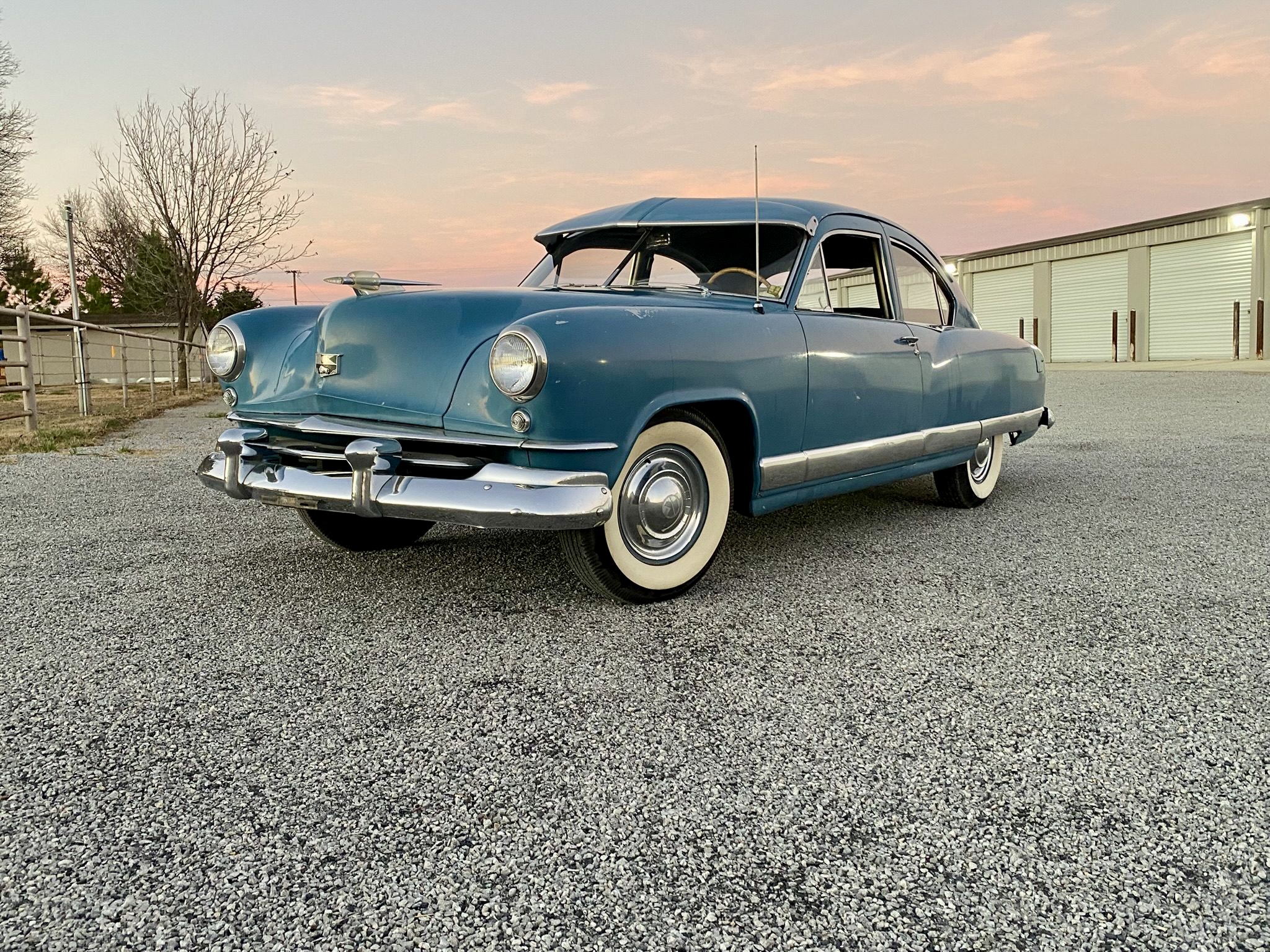
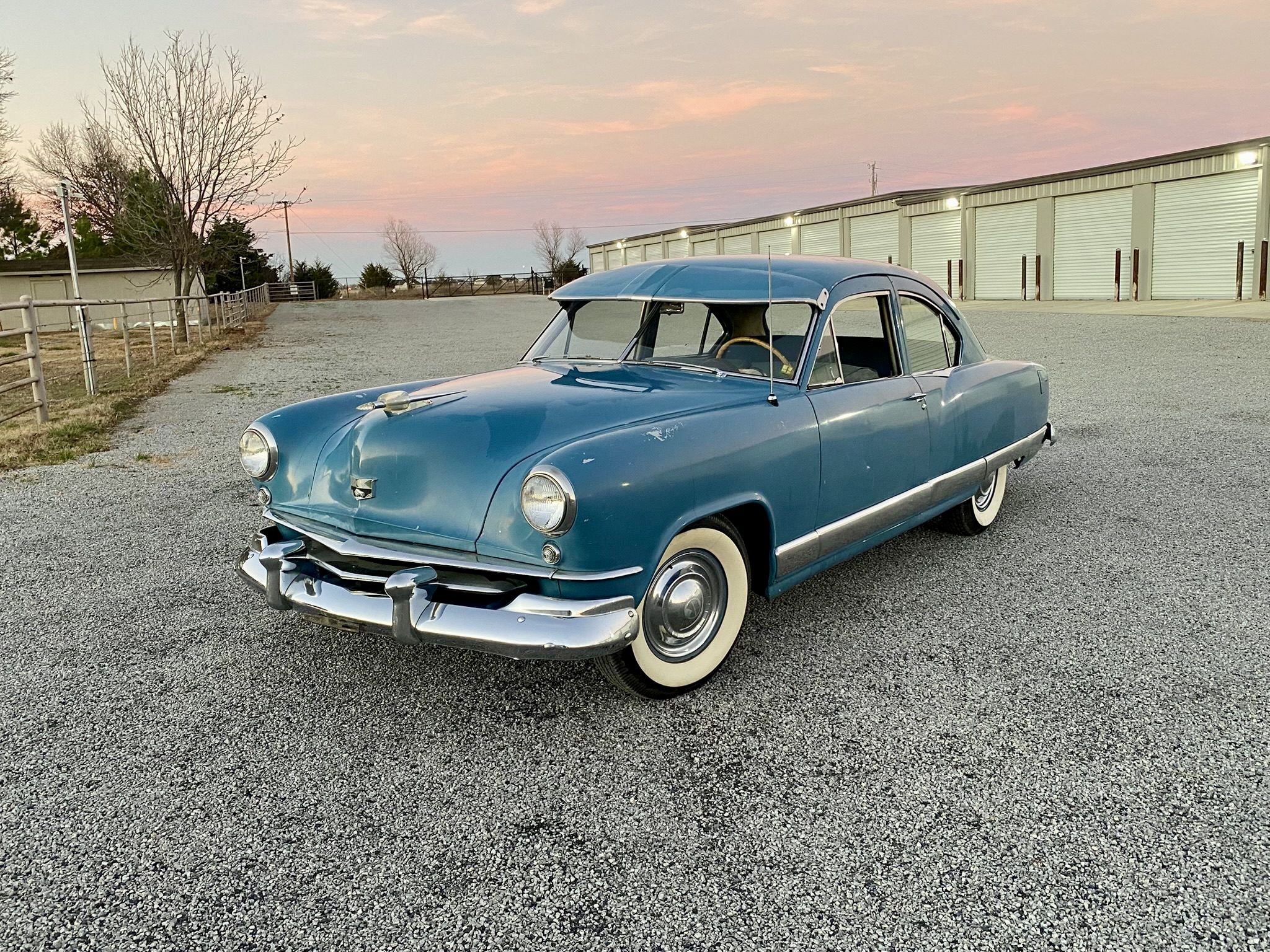
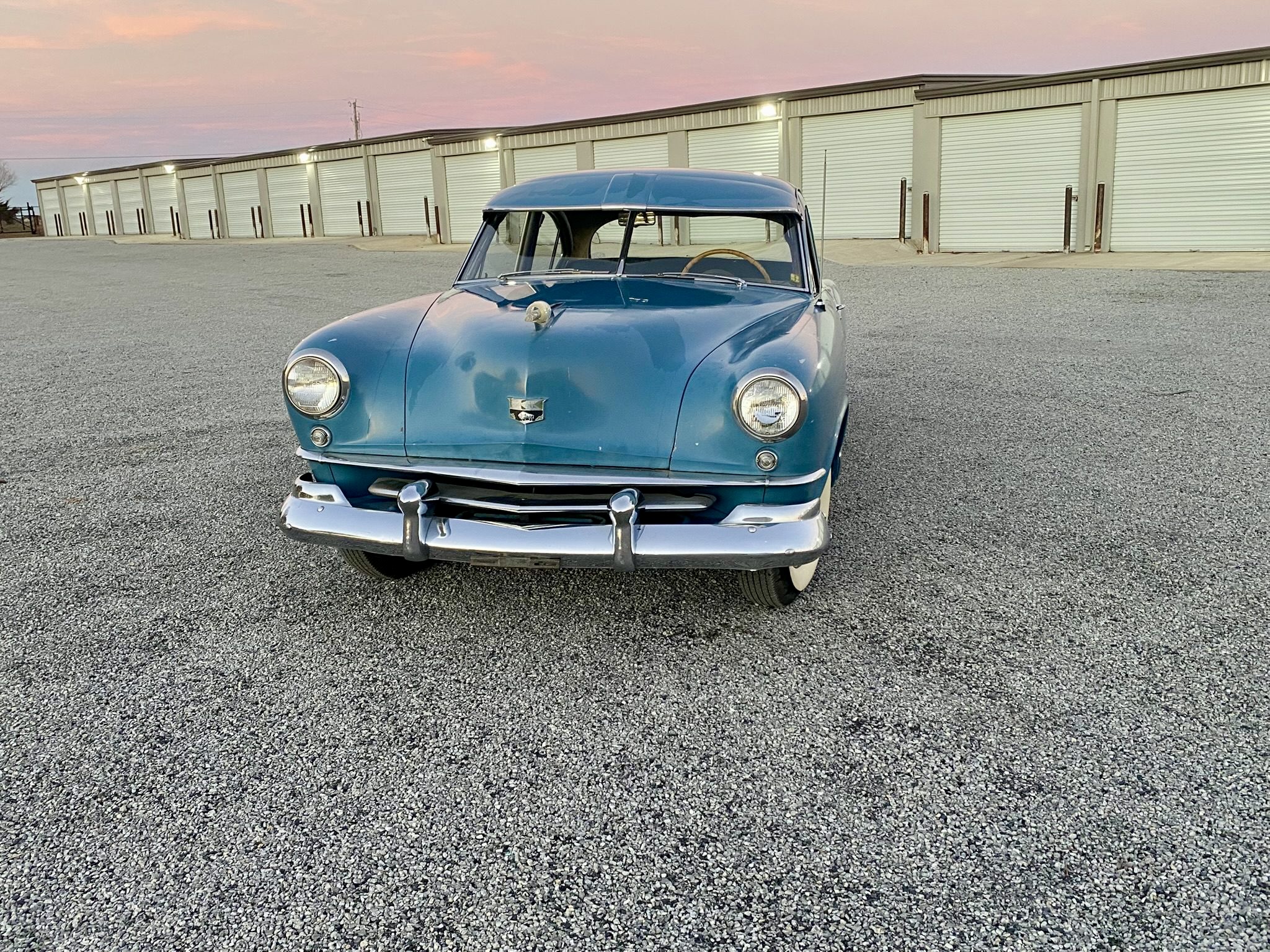
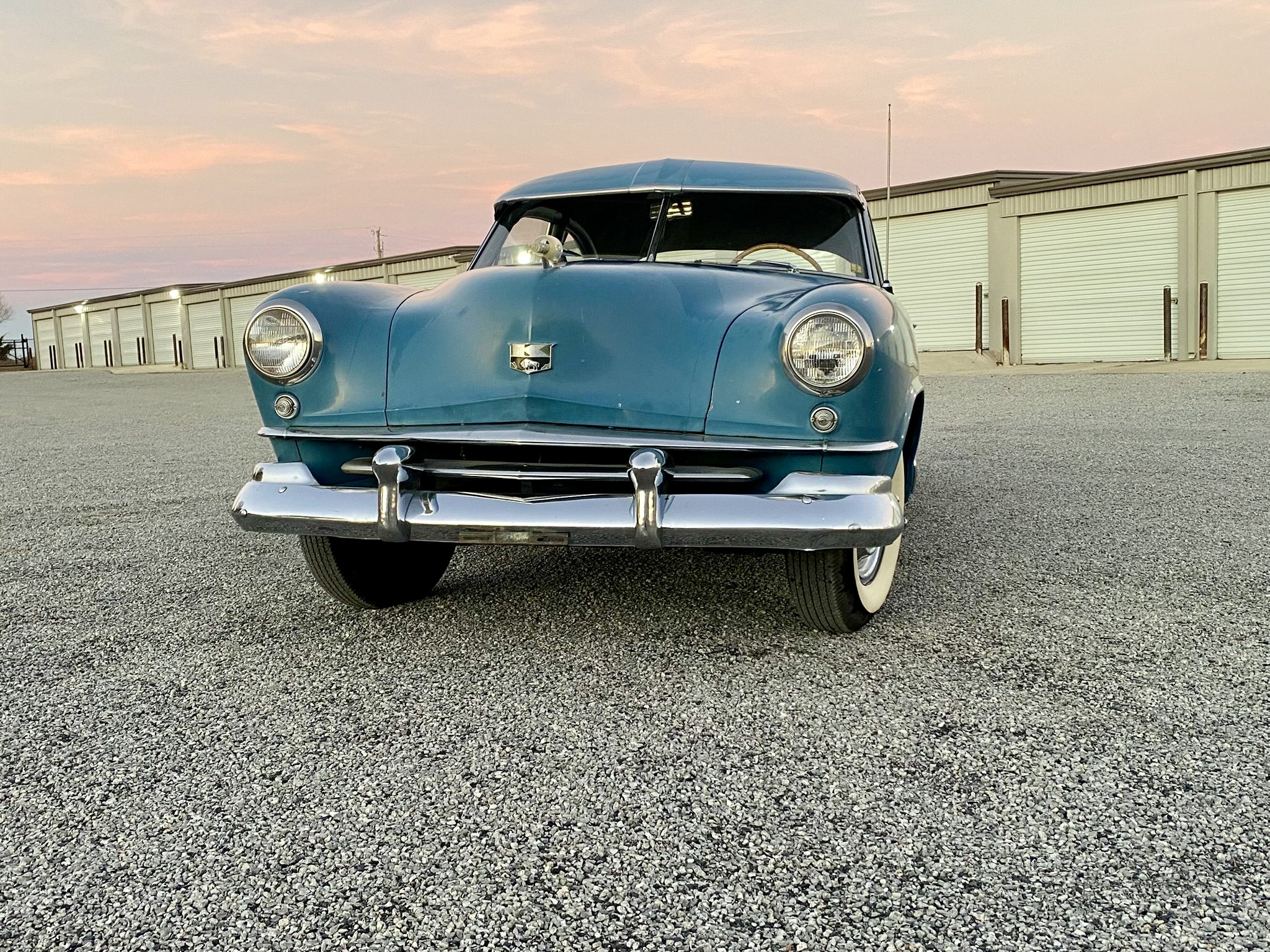
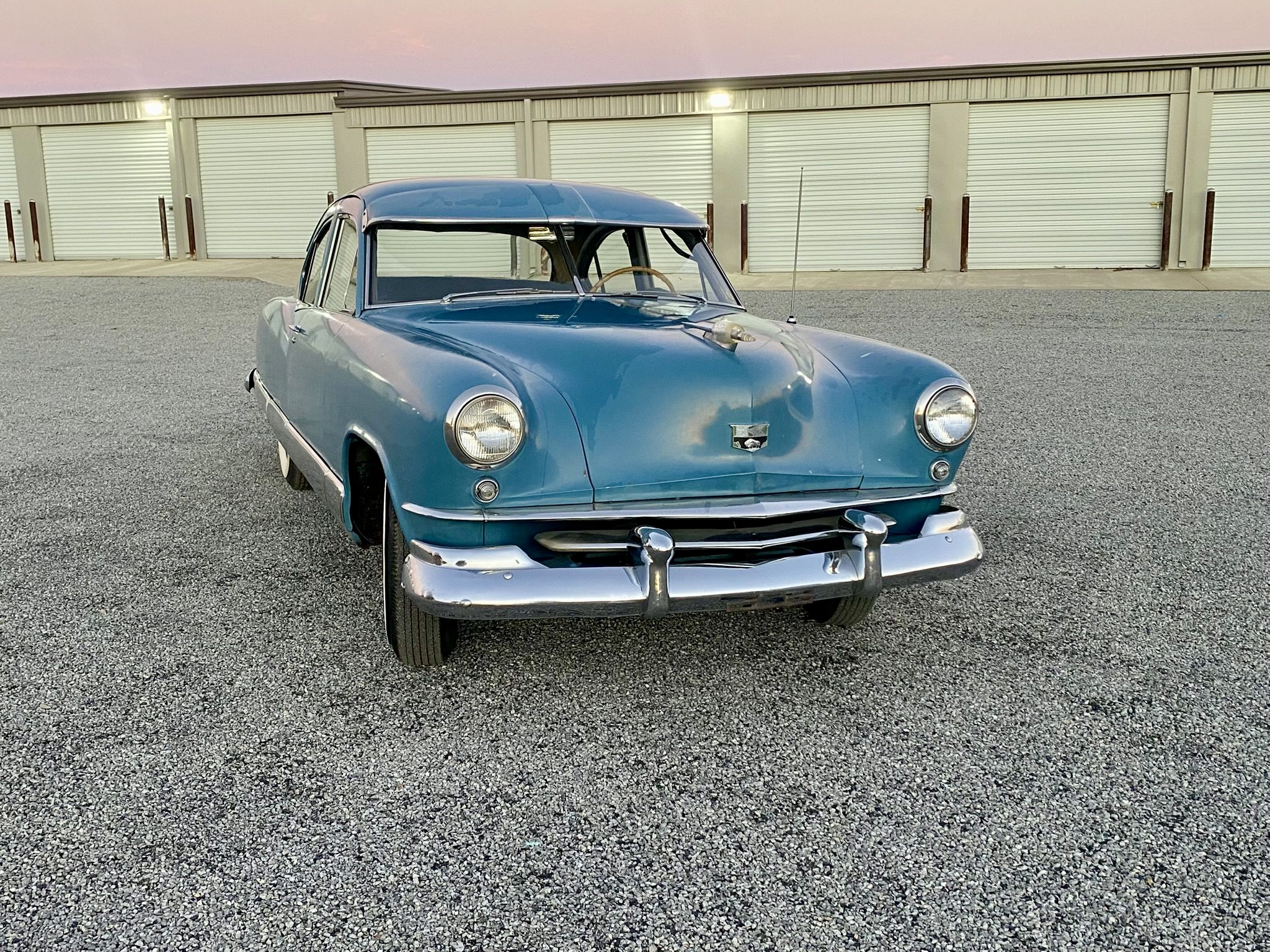
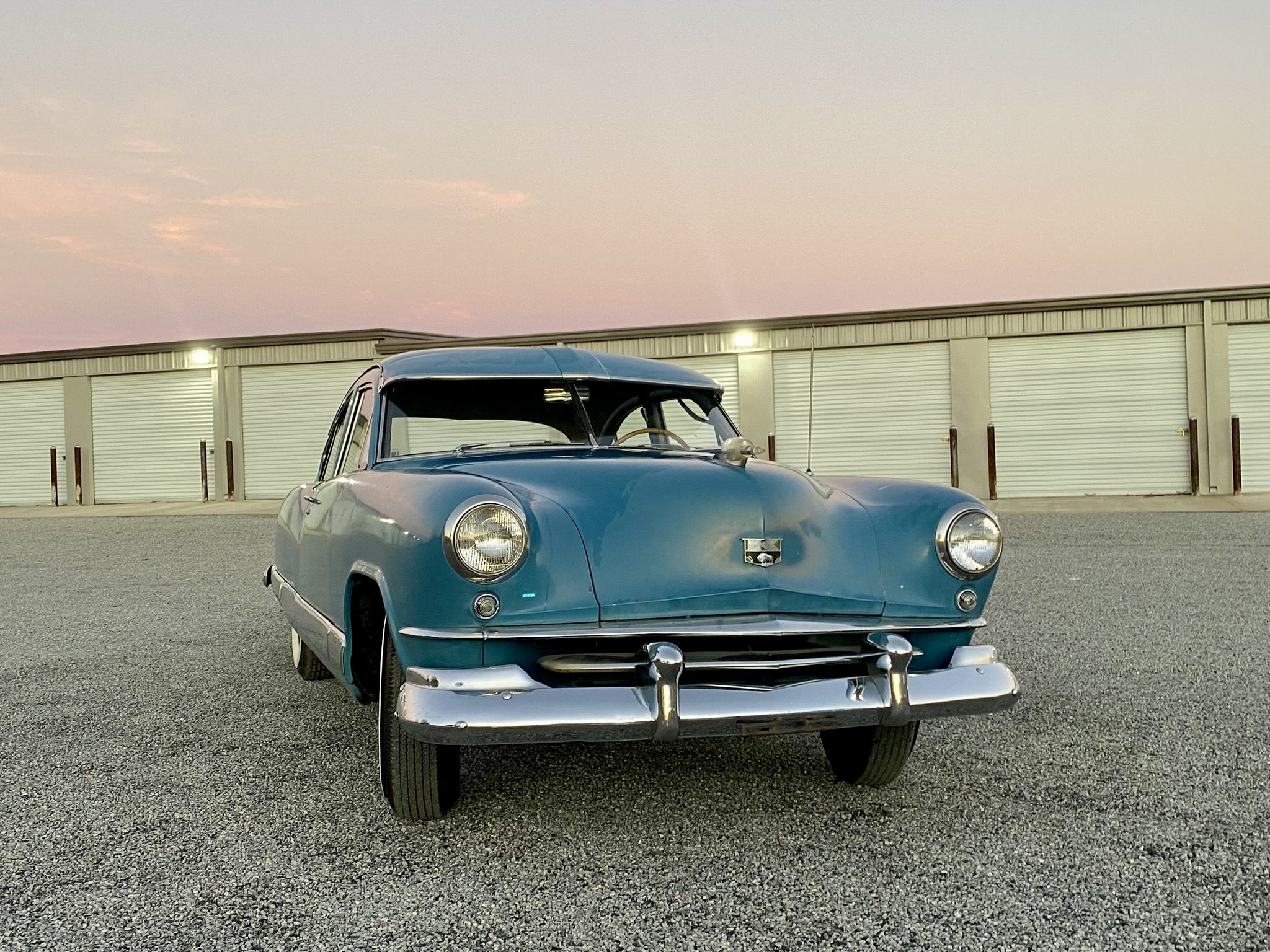
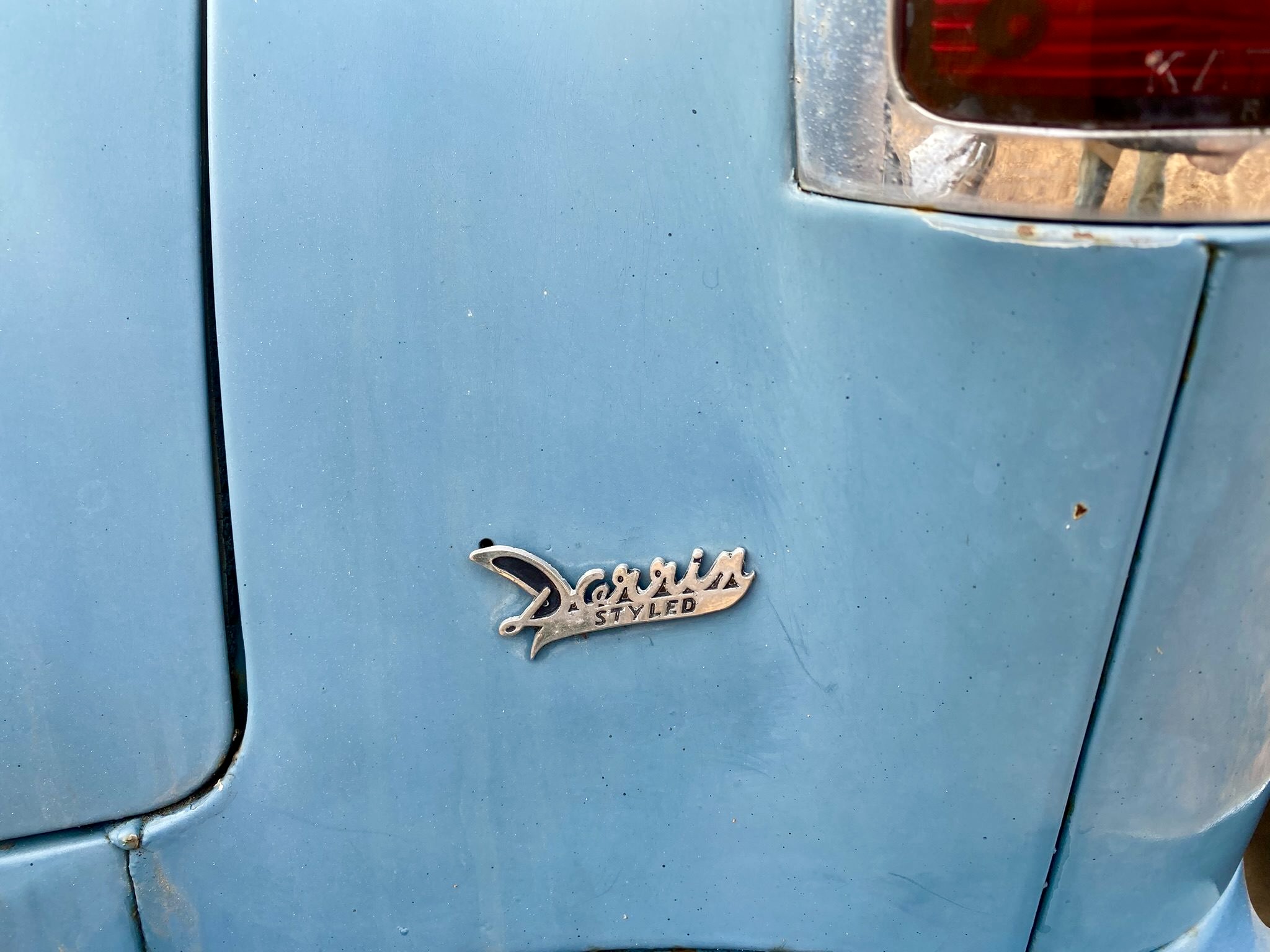
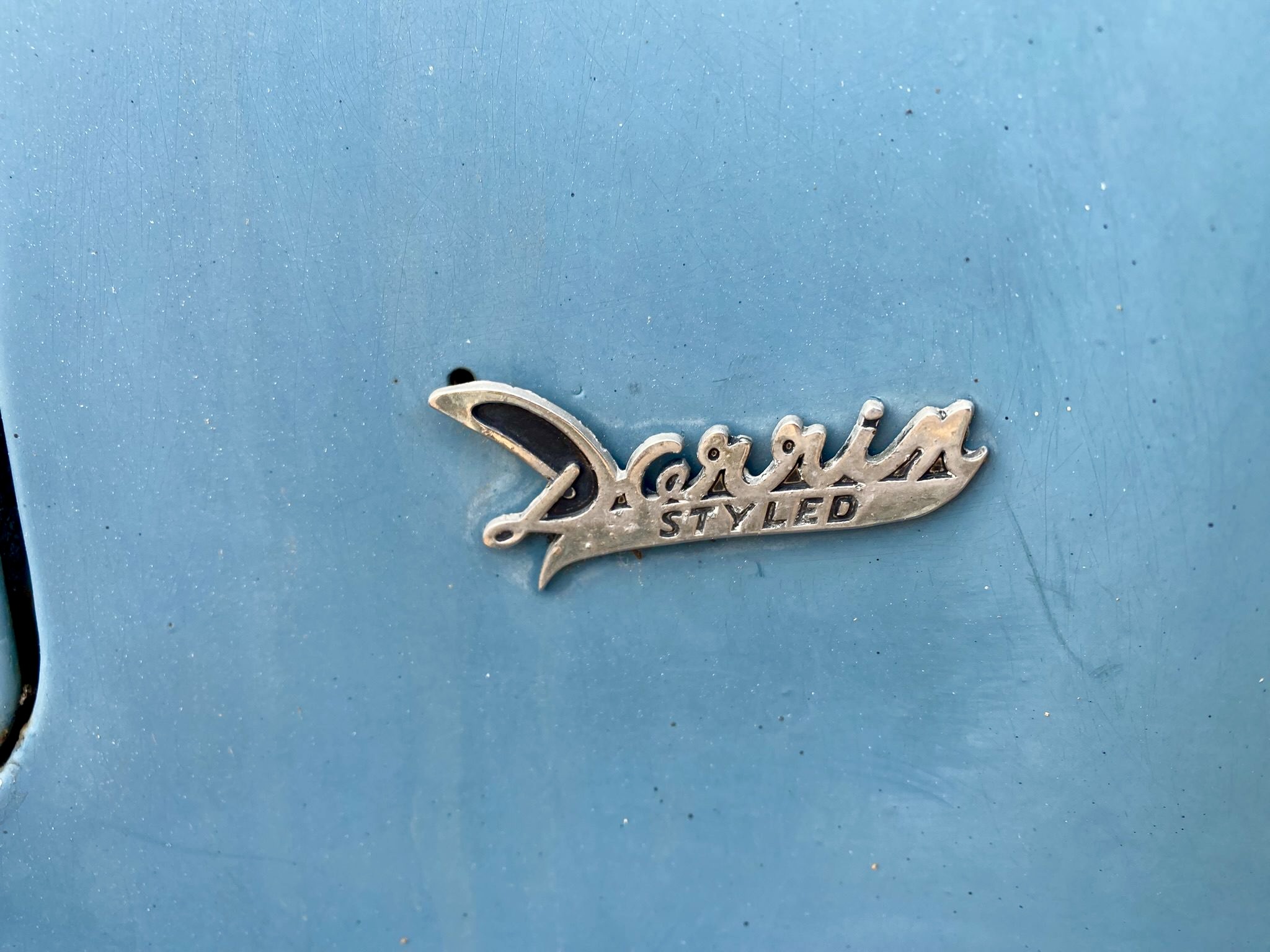
Isn’t it a shame that a car this pretty has been largely neglected by the collector car community? Designed by the famous Howard “Dutch” Darrin, the 1951 Kaiser, seen here in “DeLuxe” guise, must have seemed like a styling revelation when it was introduced. Low and sleek, with Darrin’s “sweetheart dip” windshield, the Kaiser feels like a missed opportunity, its fans bemoaning the fact that it would have certainly been a best seller with one of General Motors’ nameplates on the fender. Still, Kaiser wasn’t doing too badly in 1951, and its rugged and simple mechanical bits make it an easy car to maintain and enjoy. This example was once in the collection of a now-closed Kaiser museum near Perkins, Oklahoma, where it’s now being offered as a Barn Finds Auction.
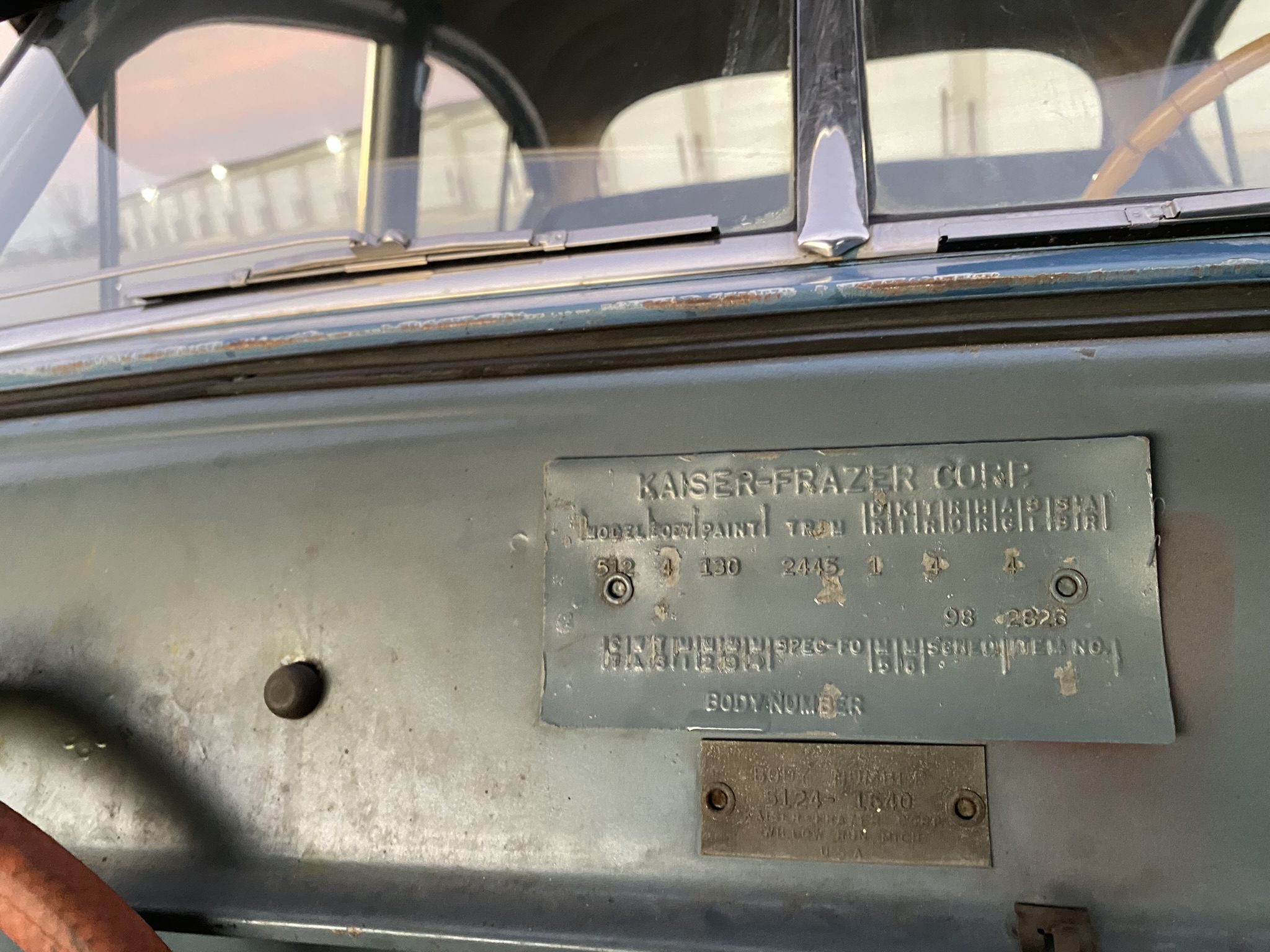
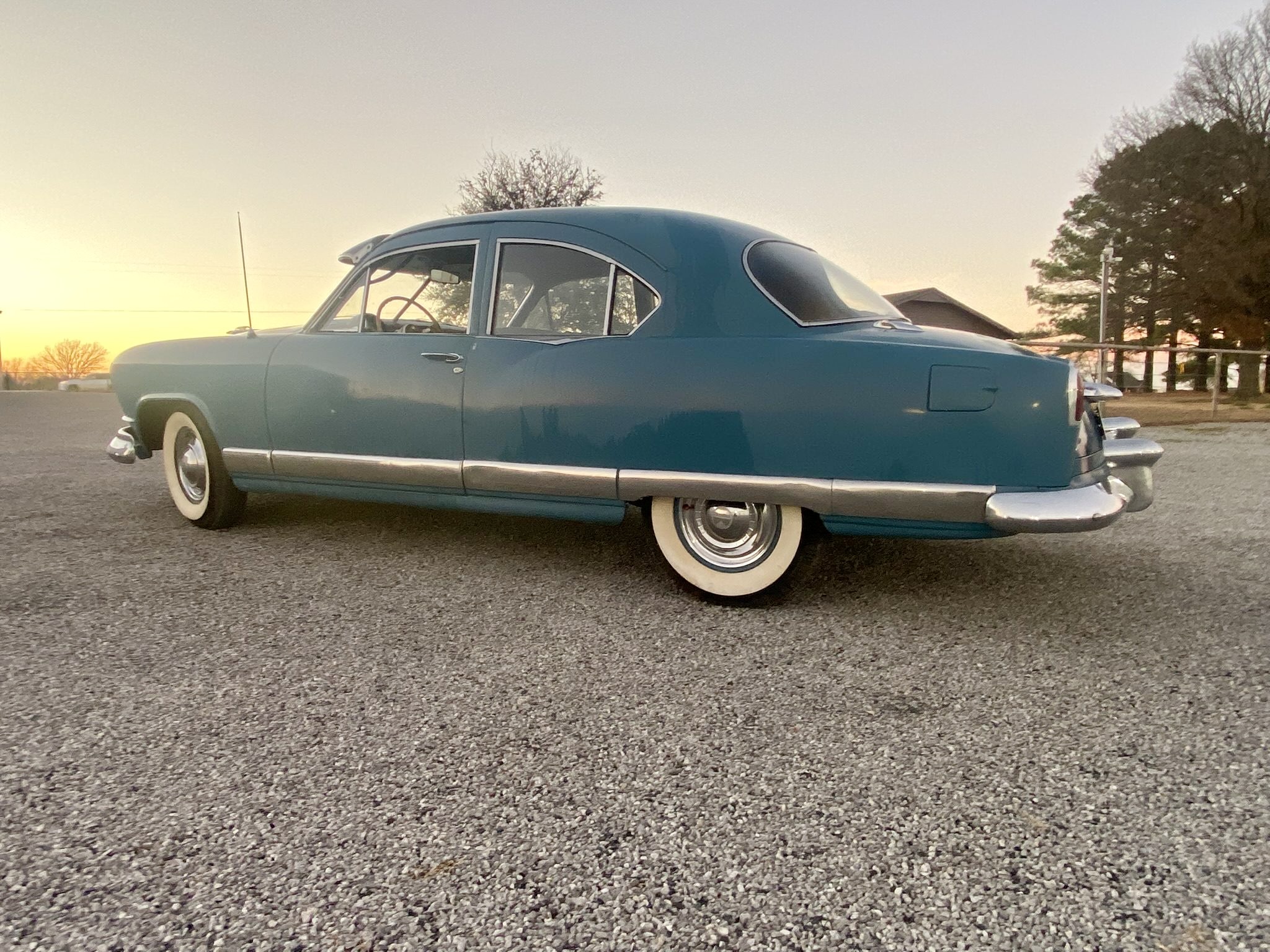
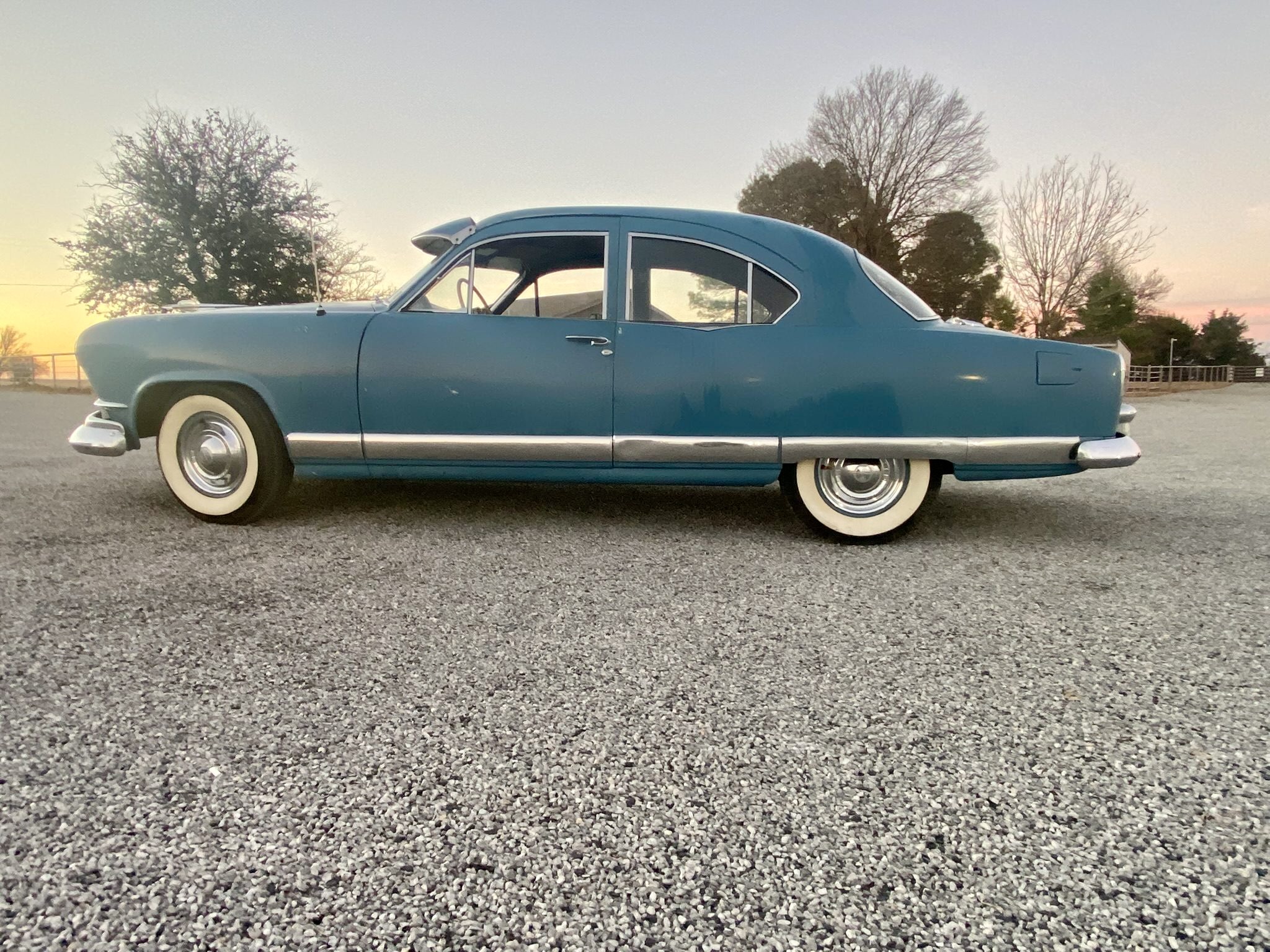
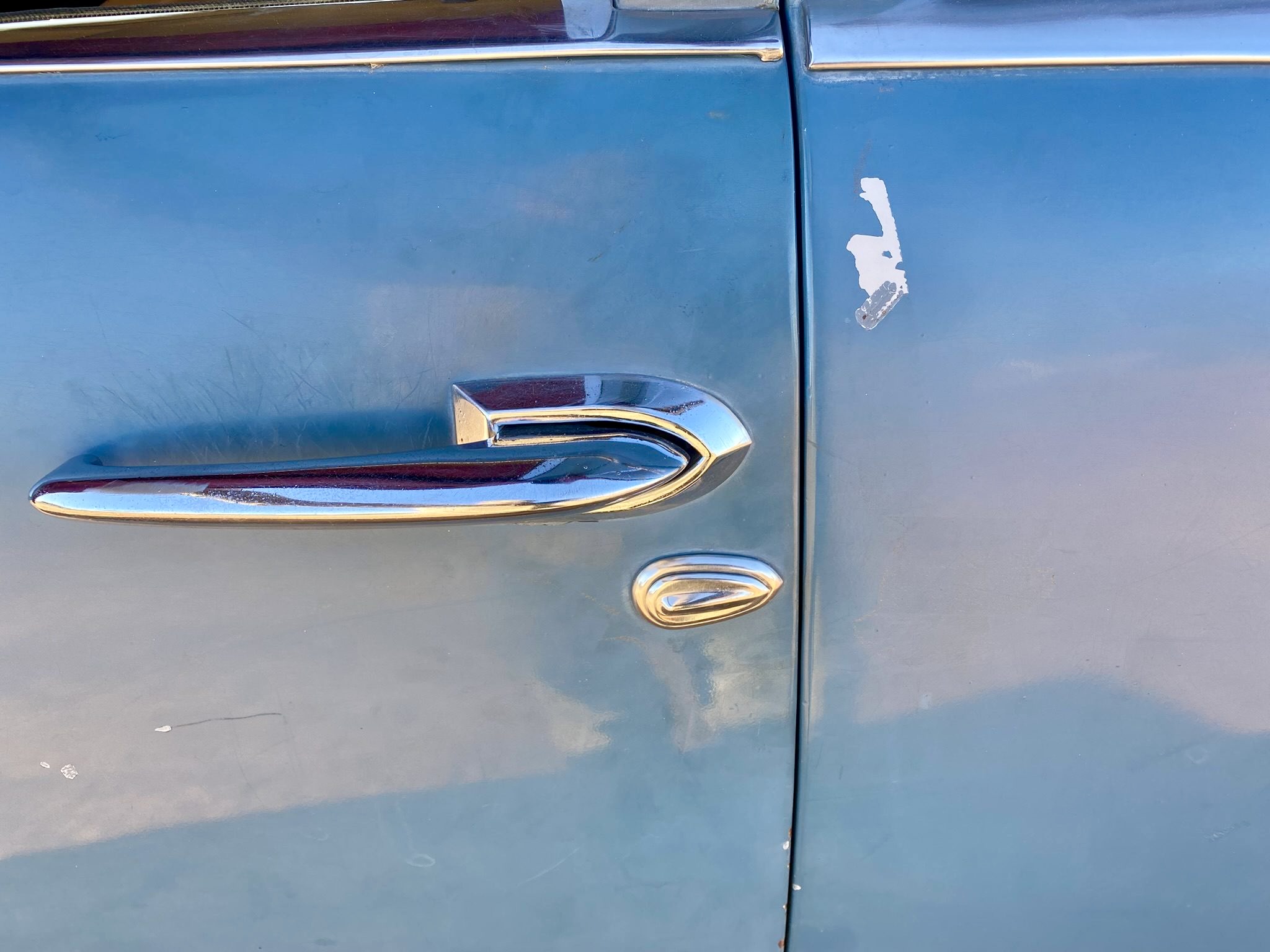
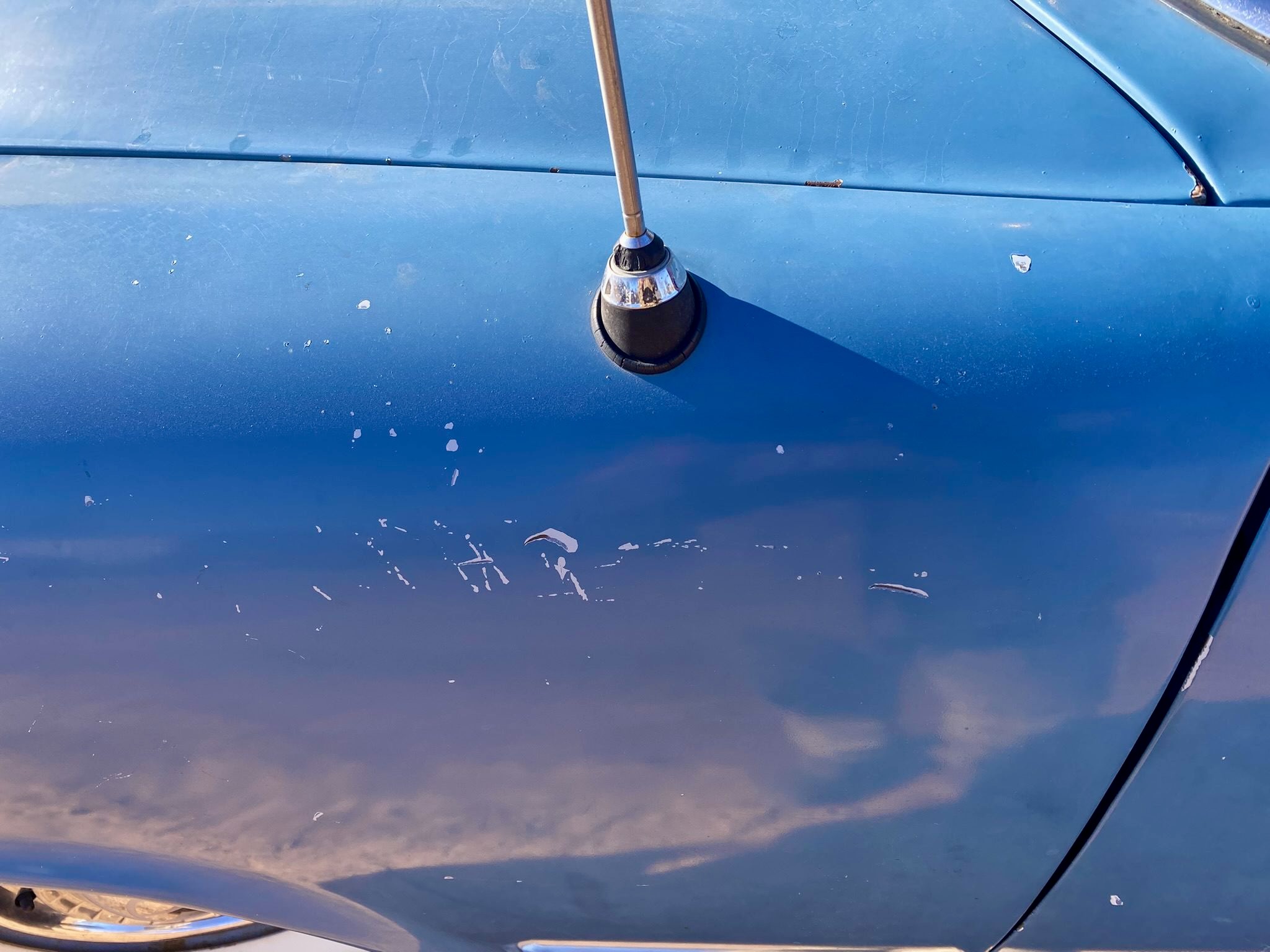
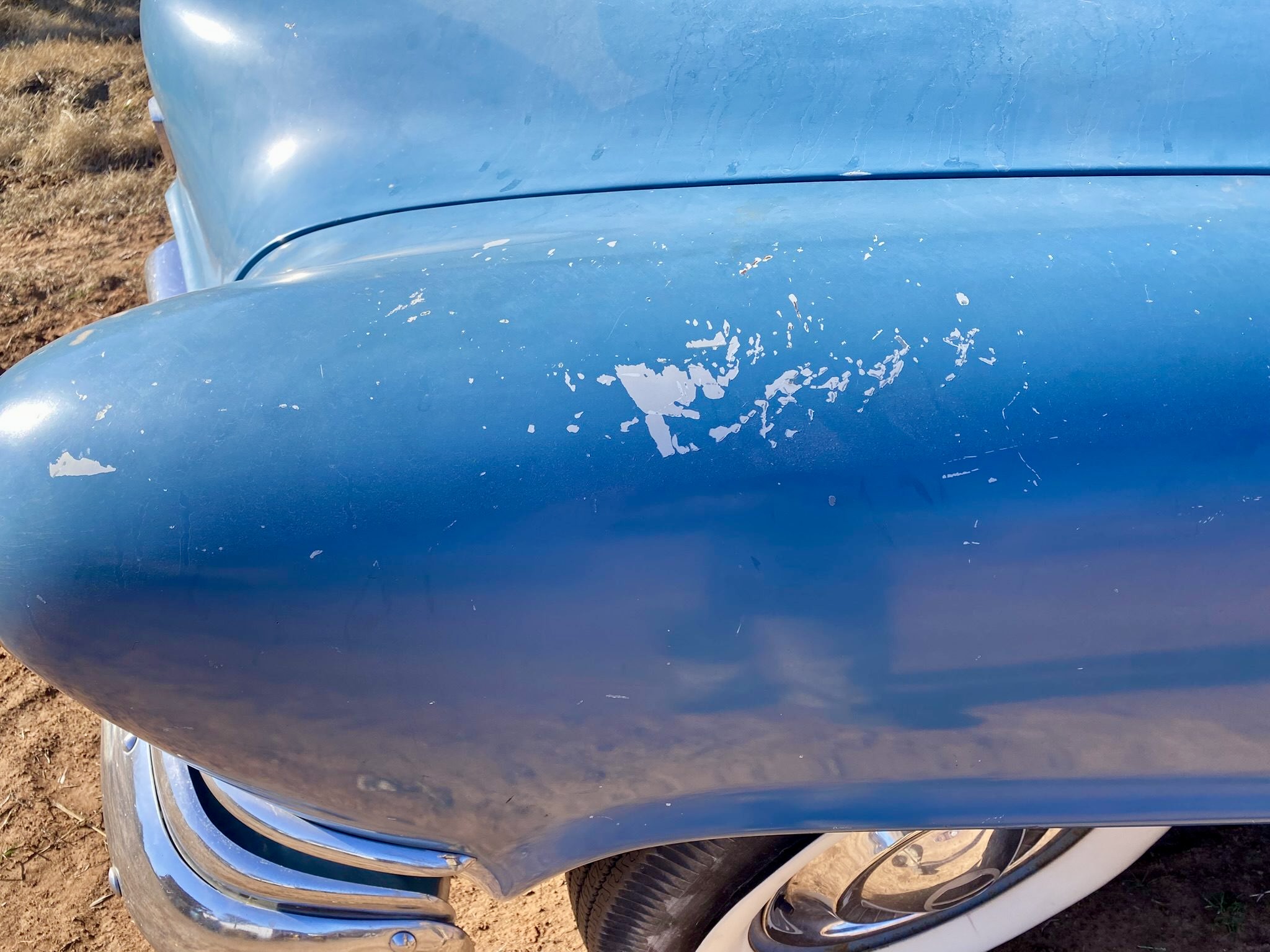
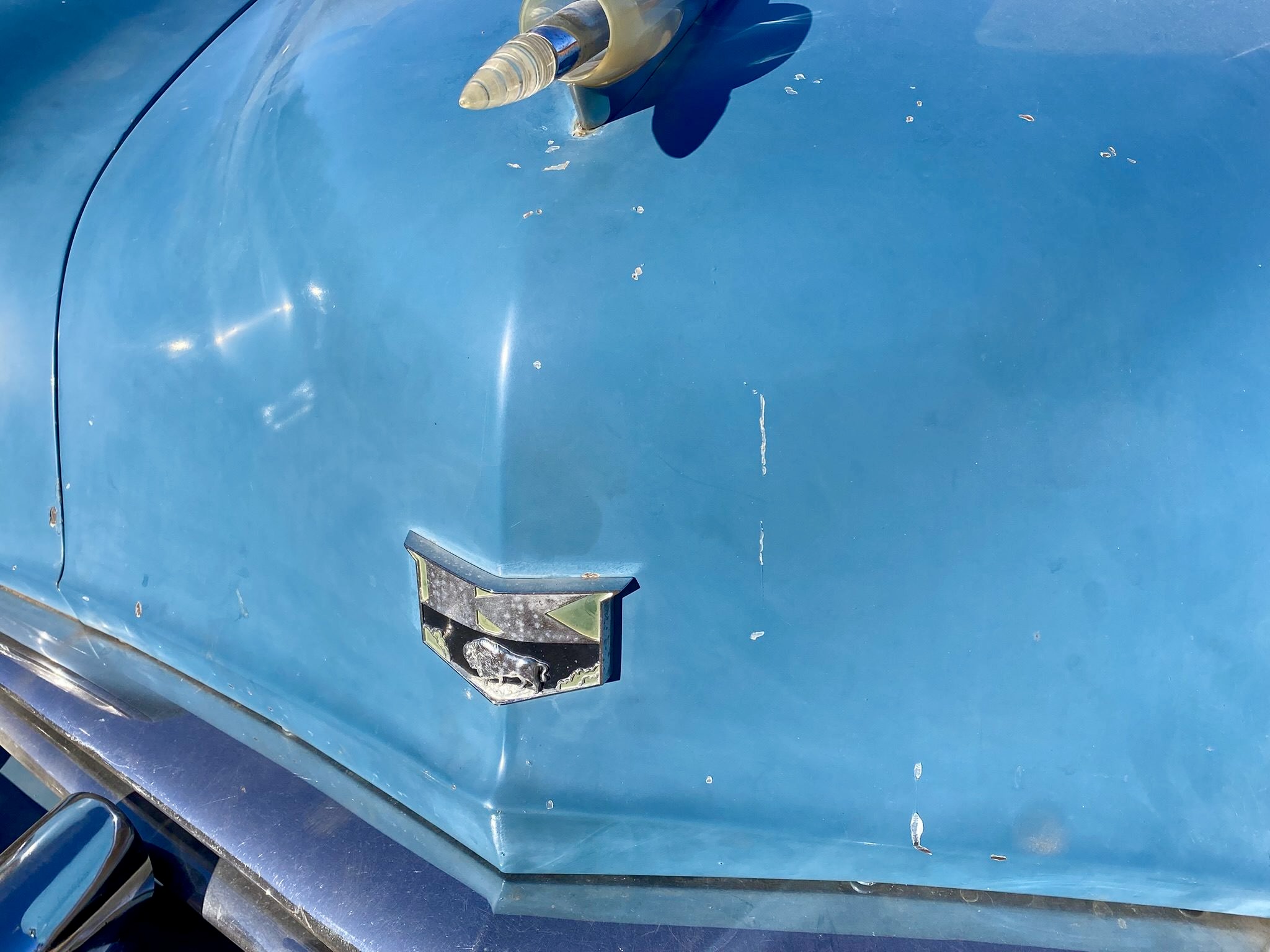
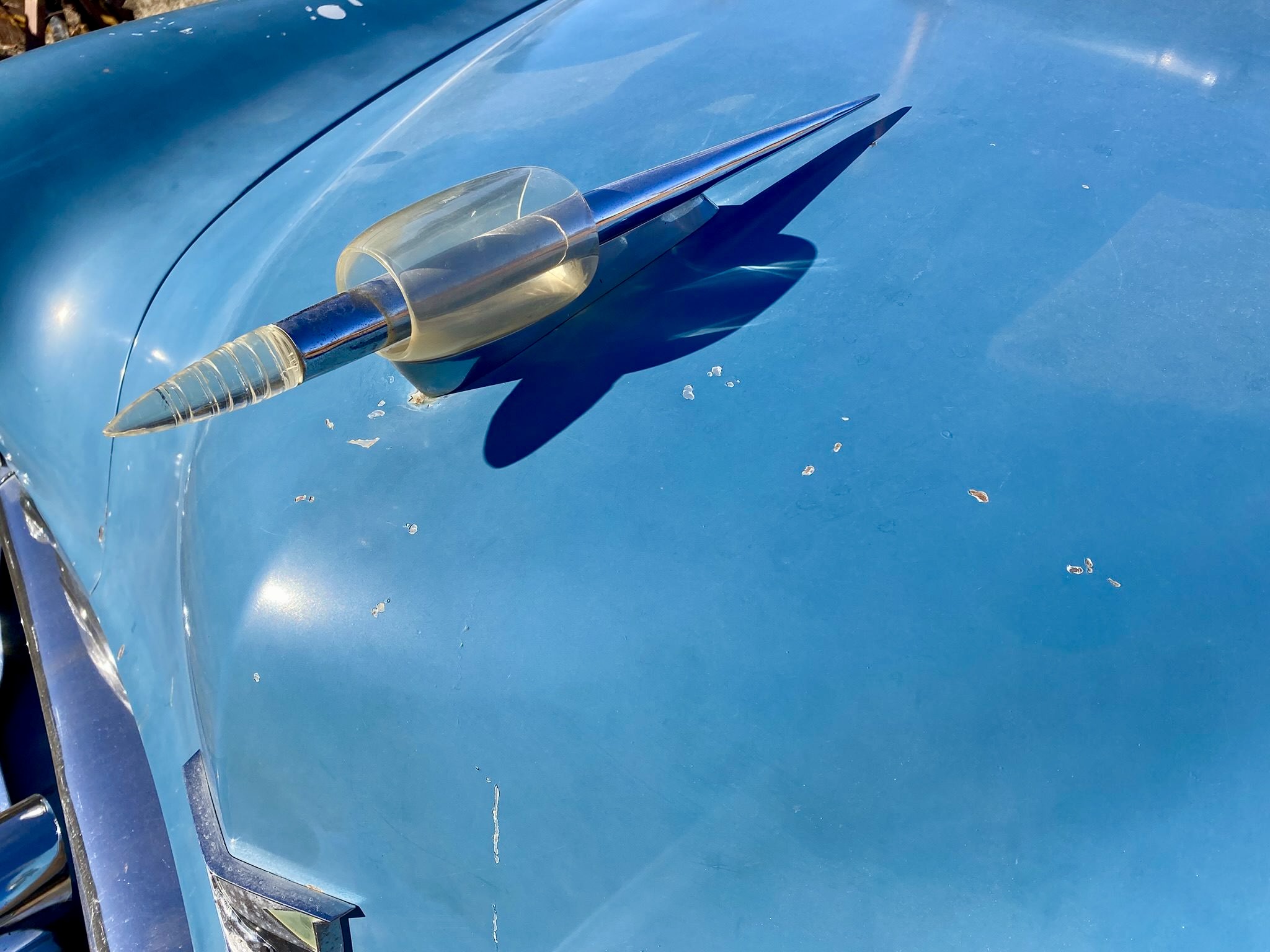
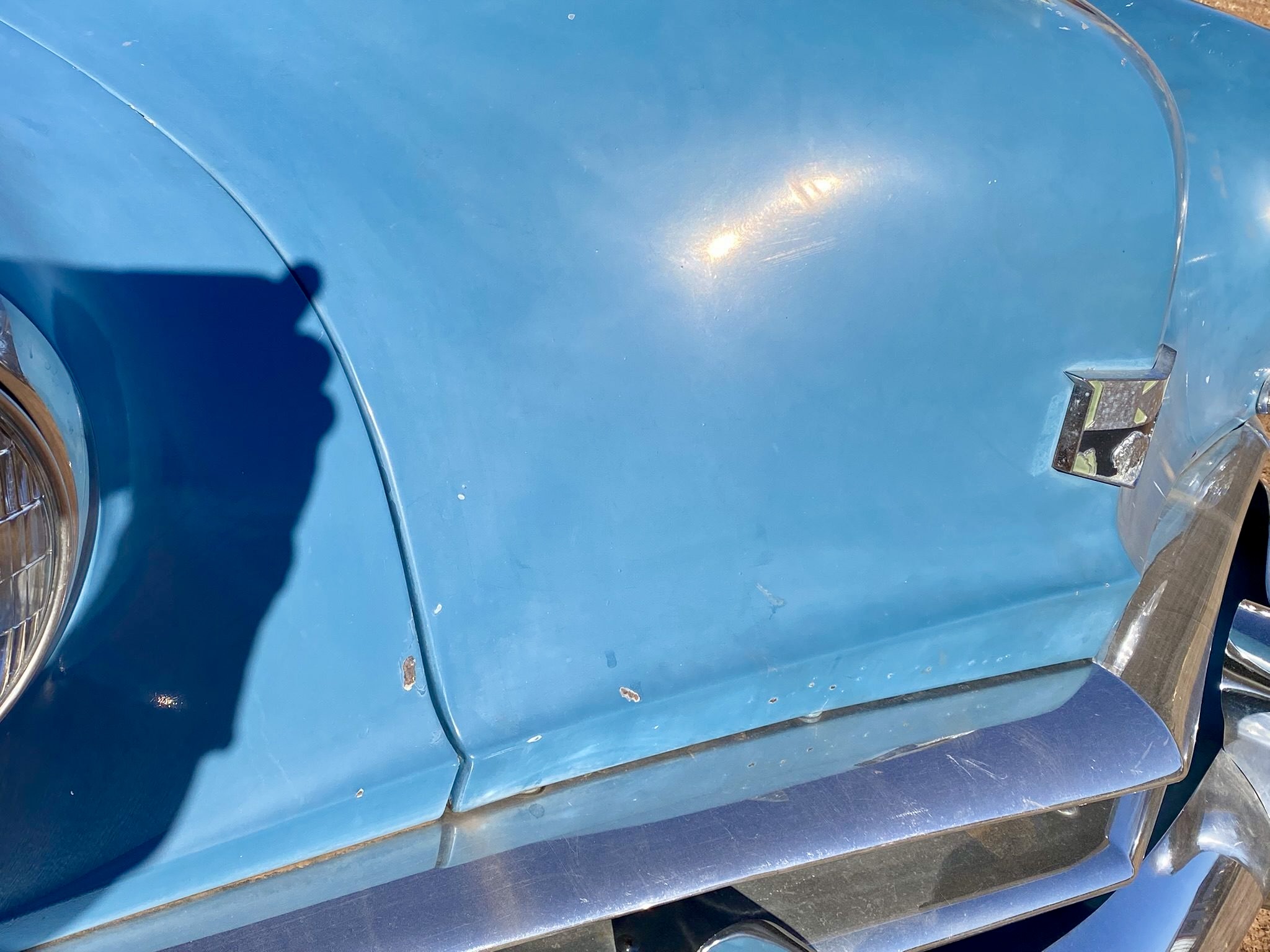
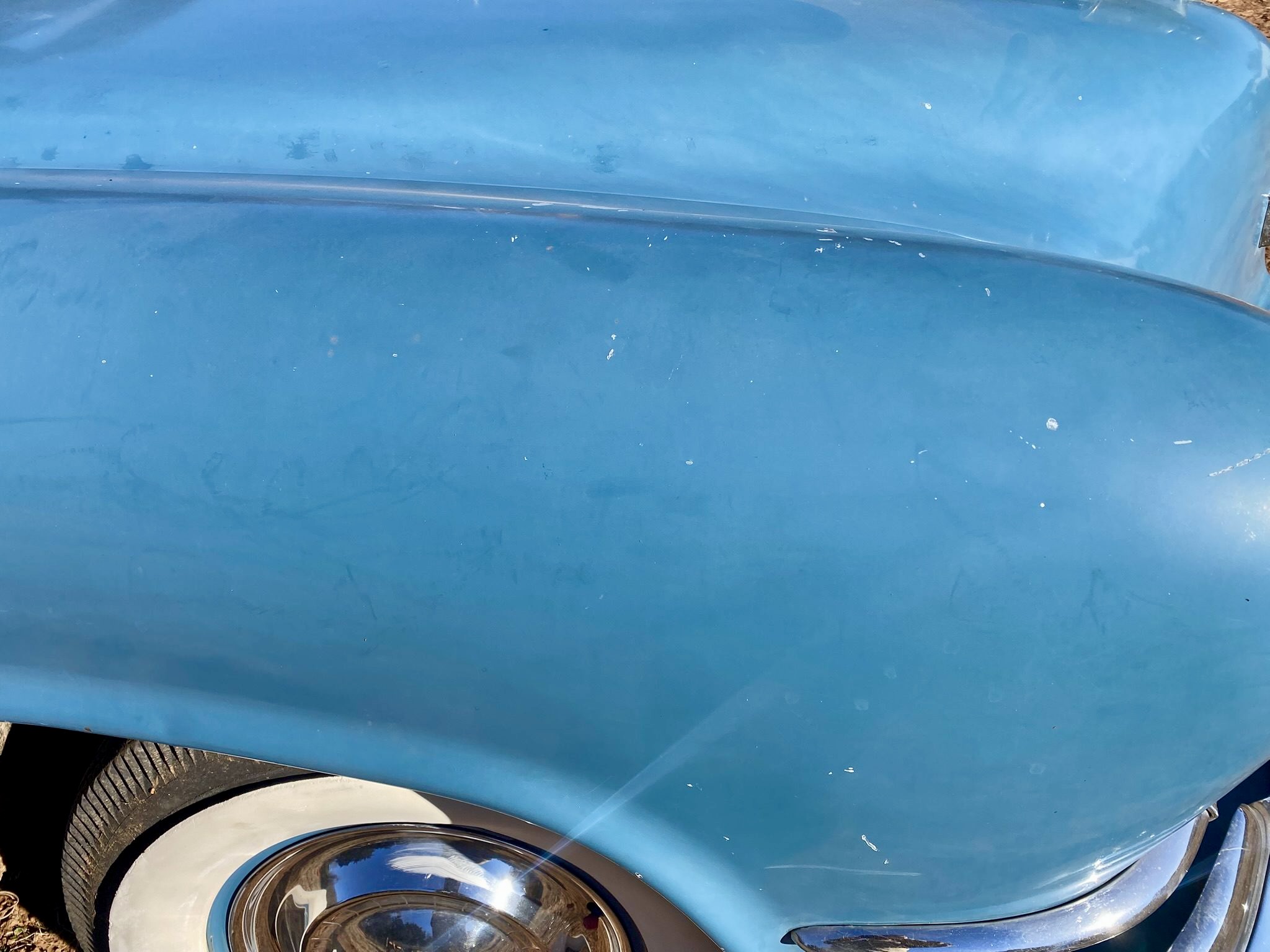
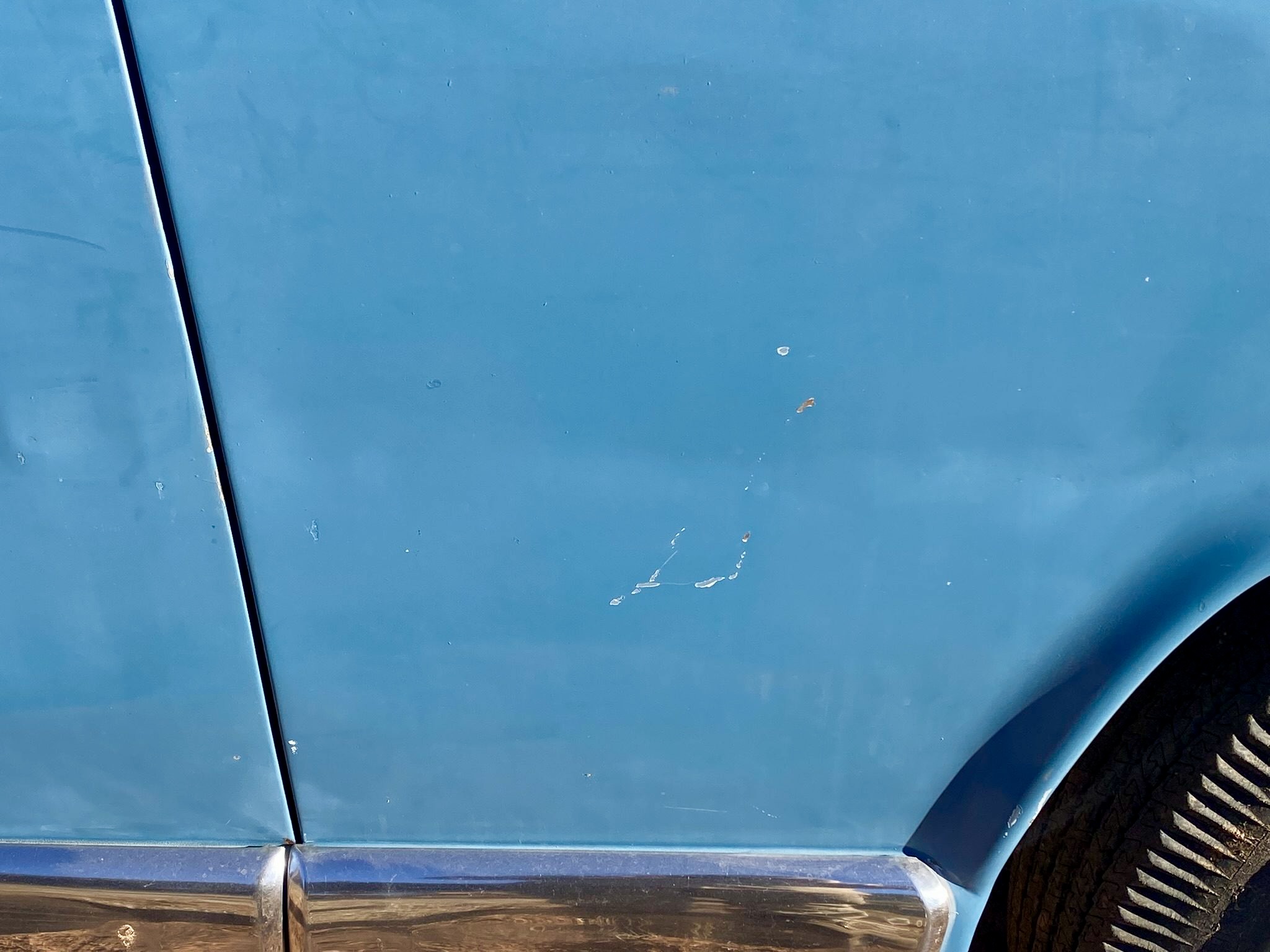
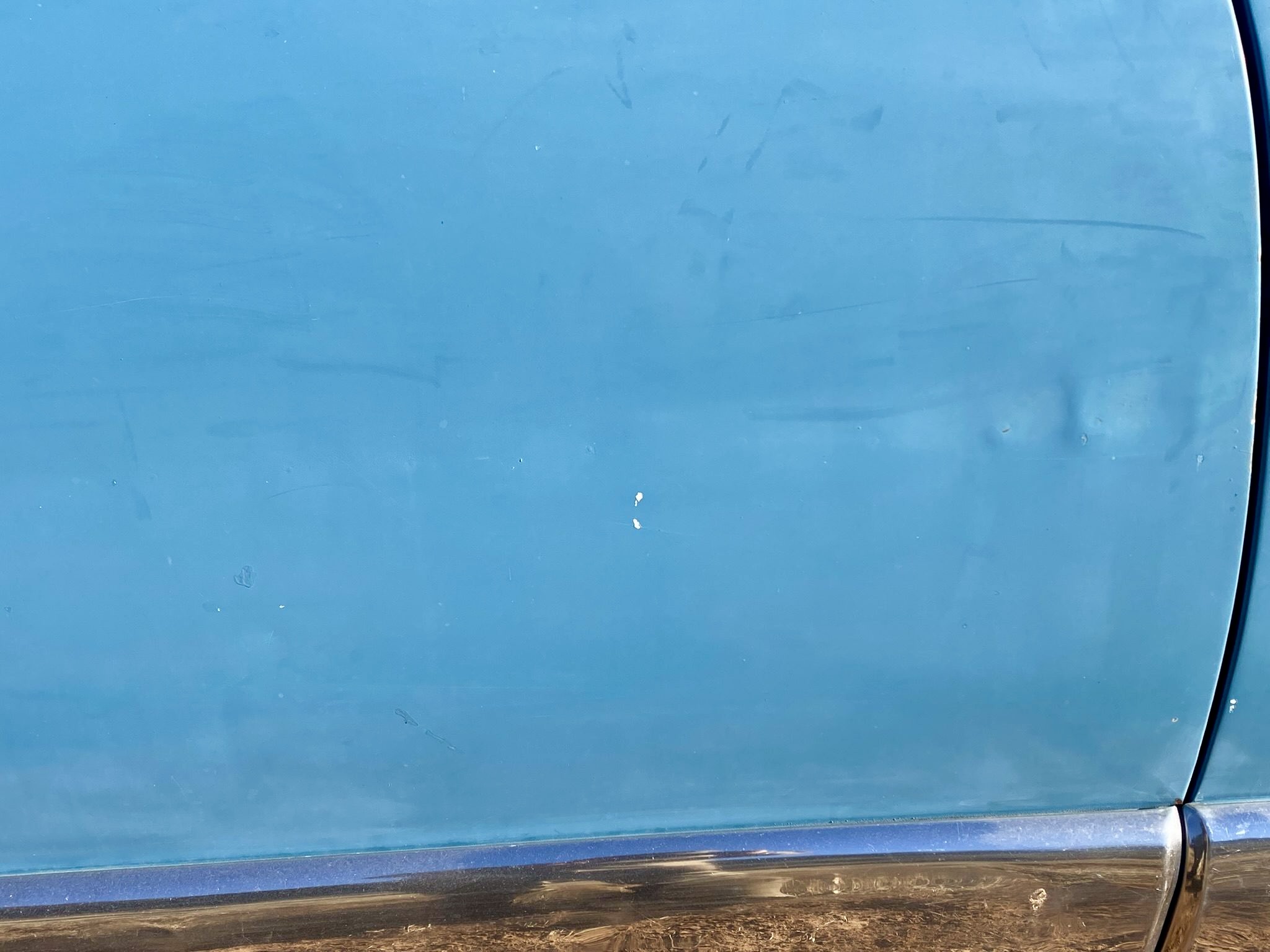
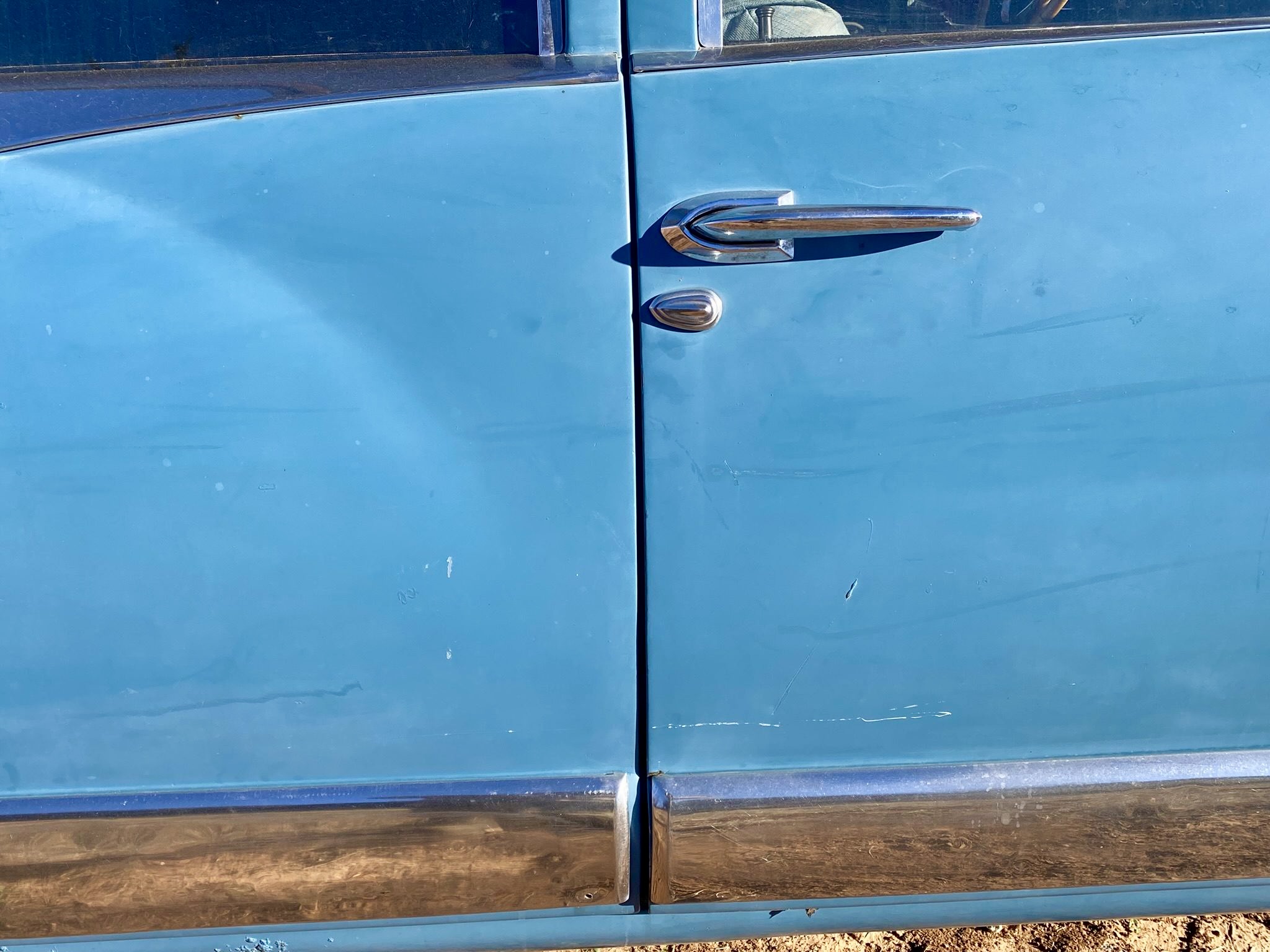
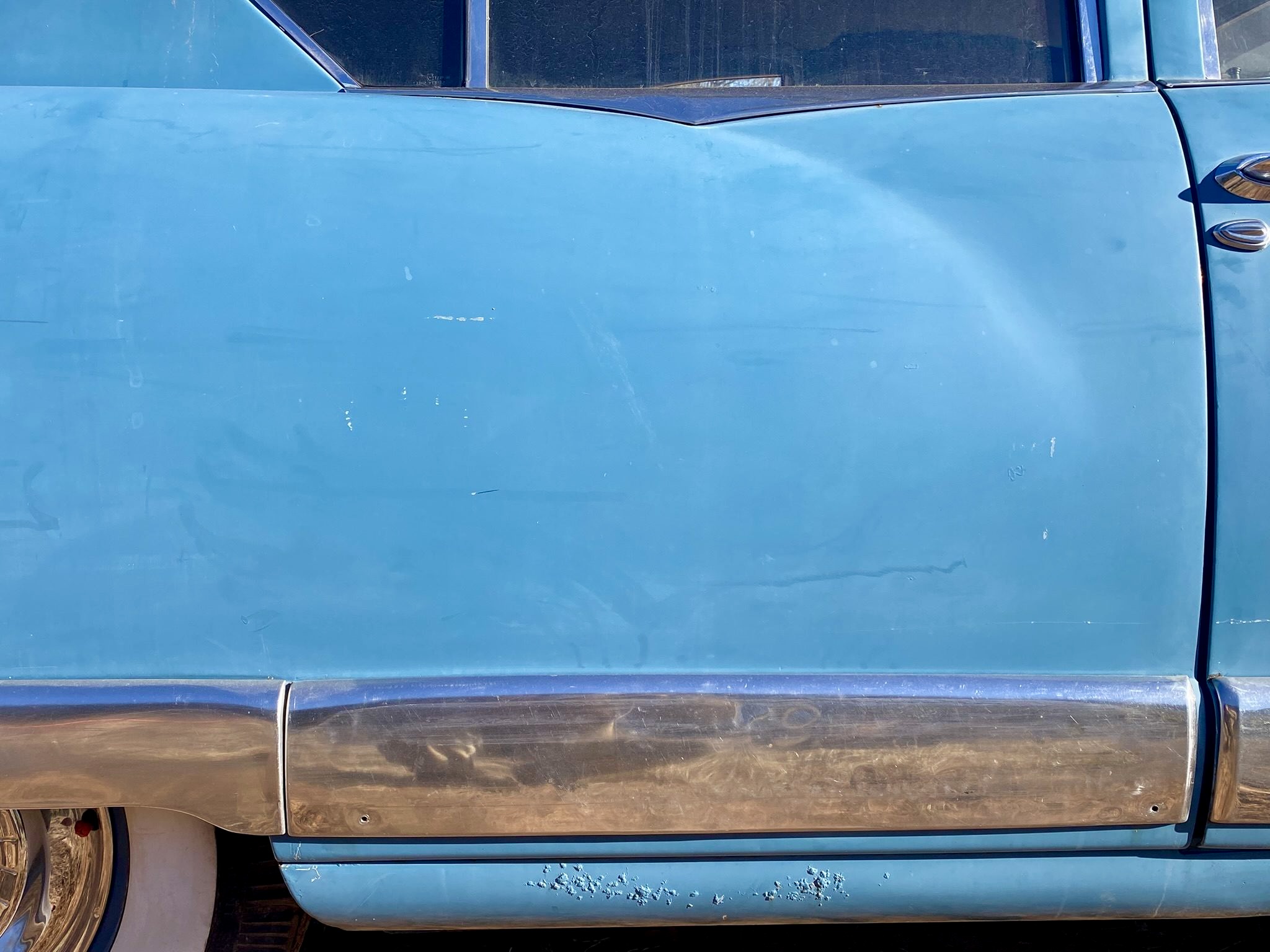
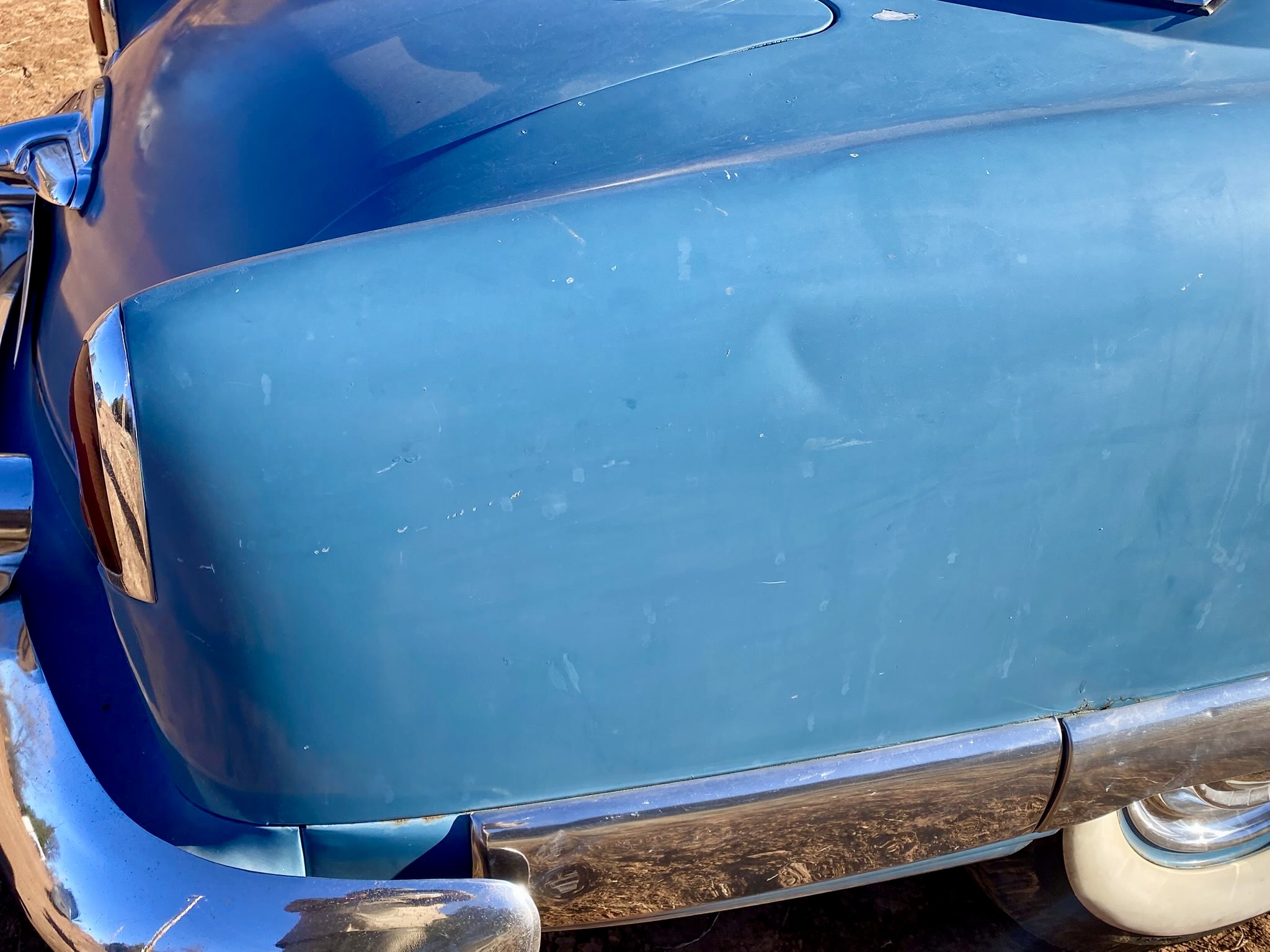
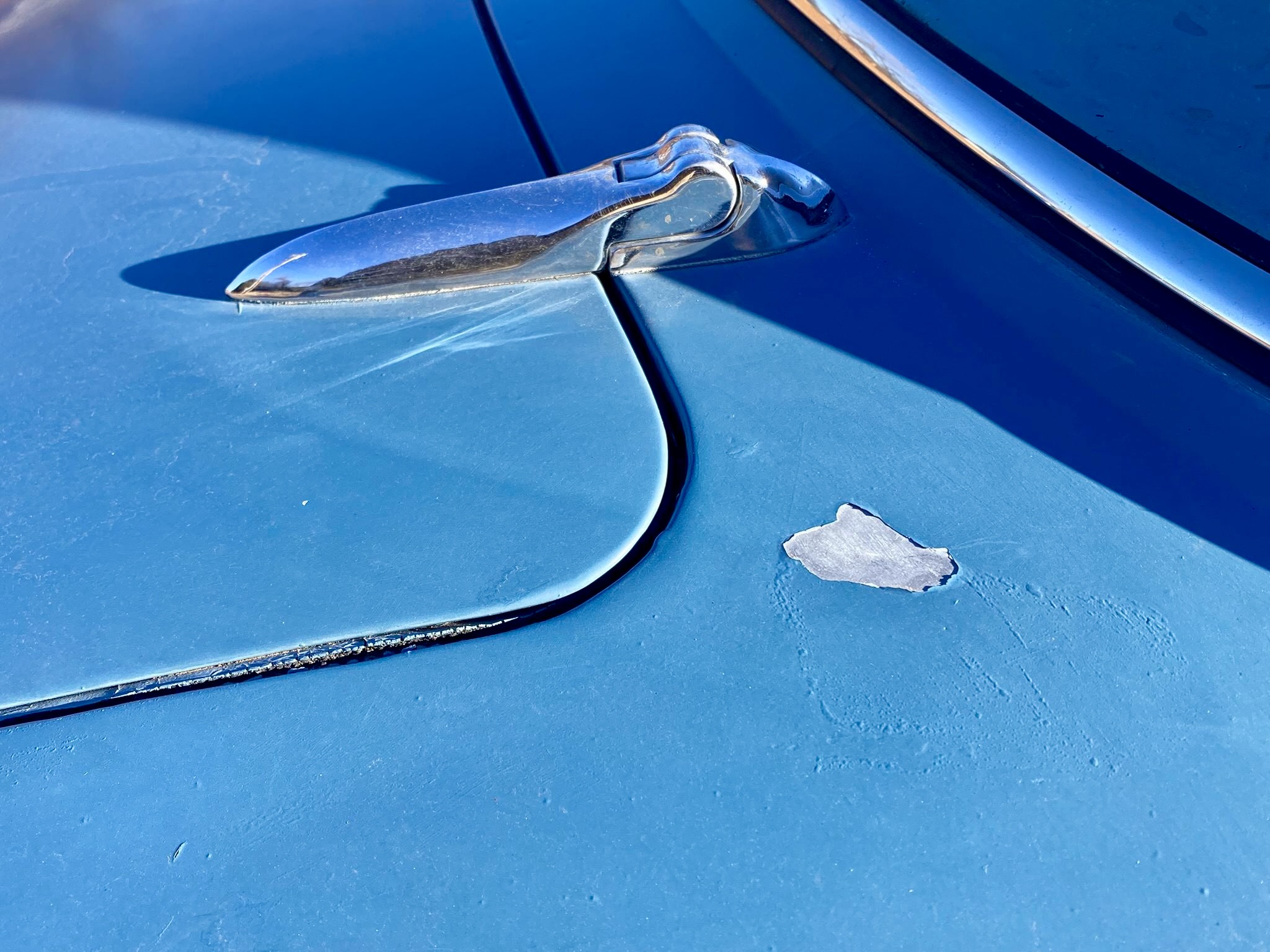
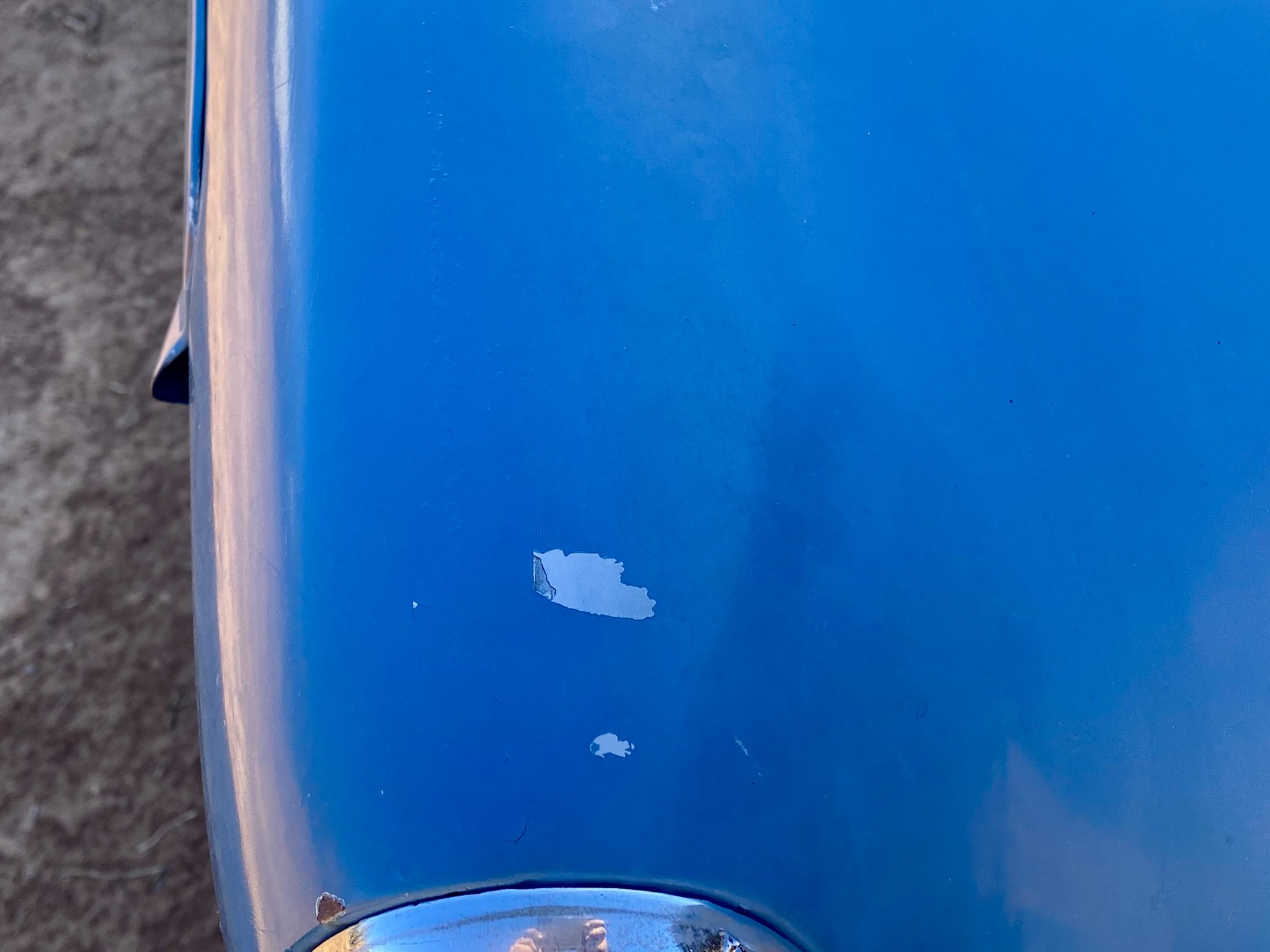
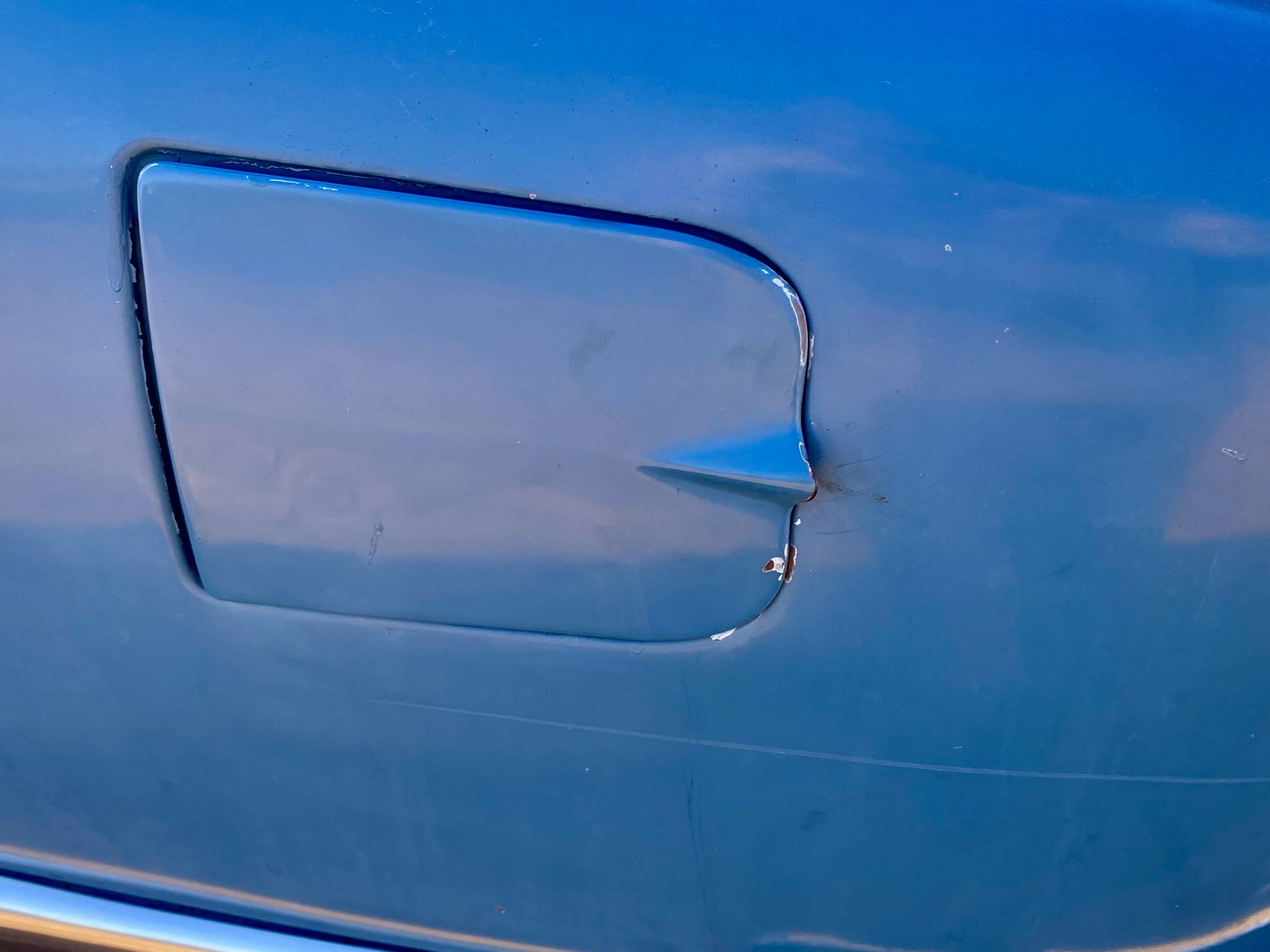
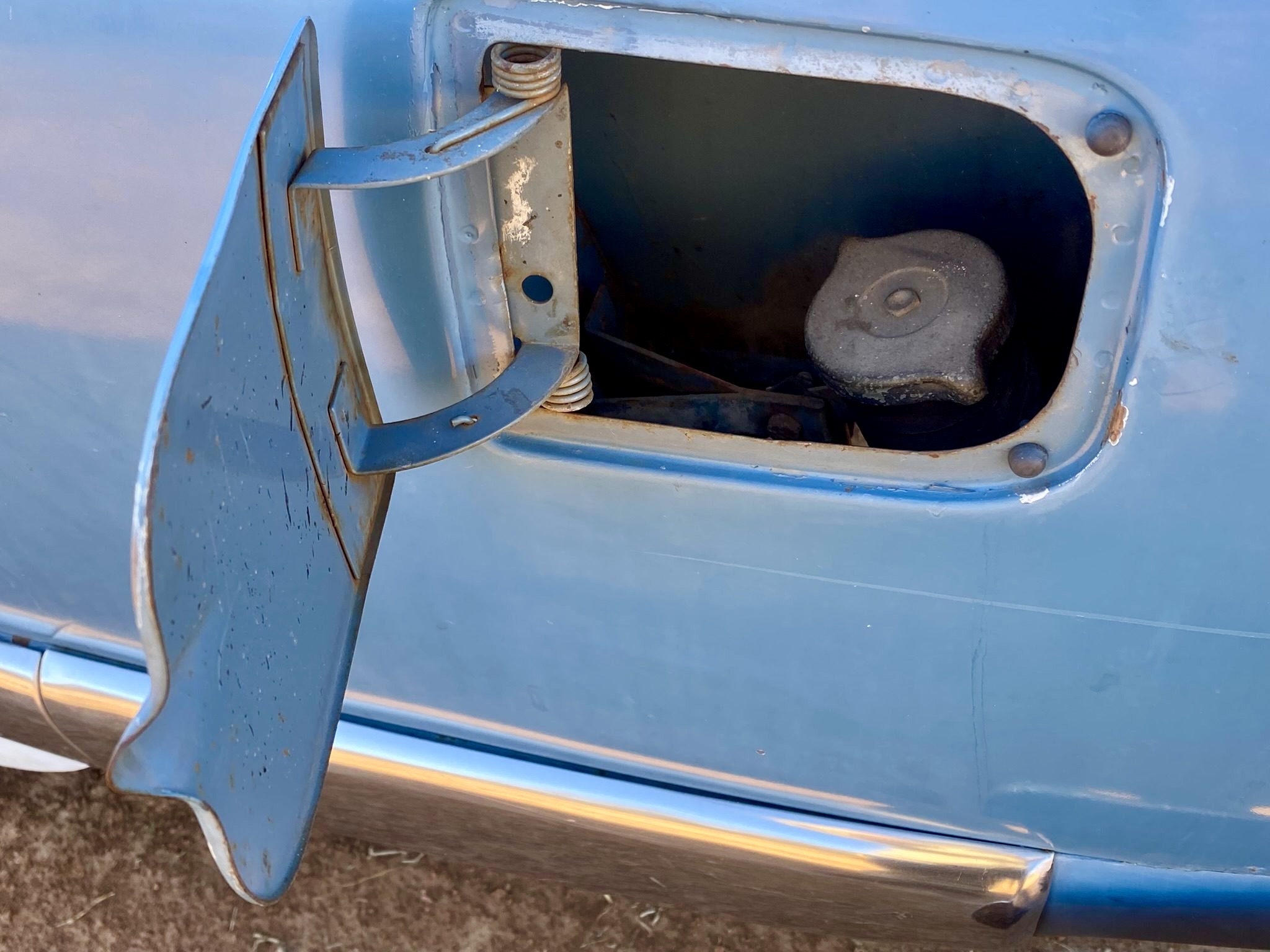
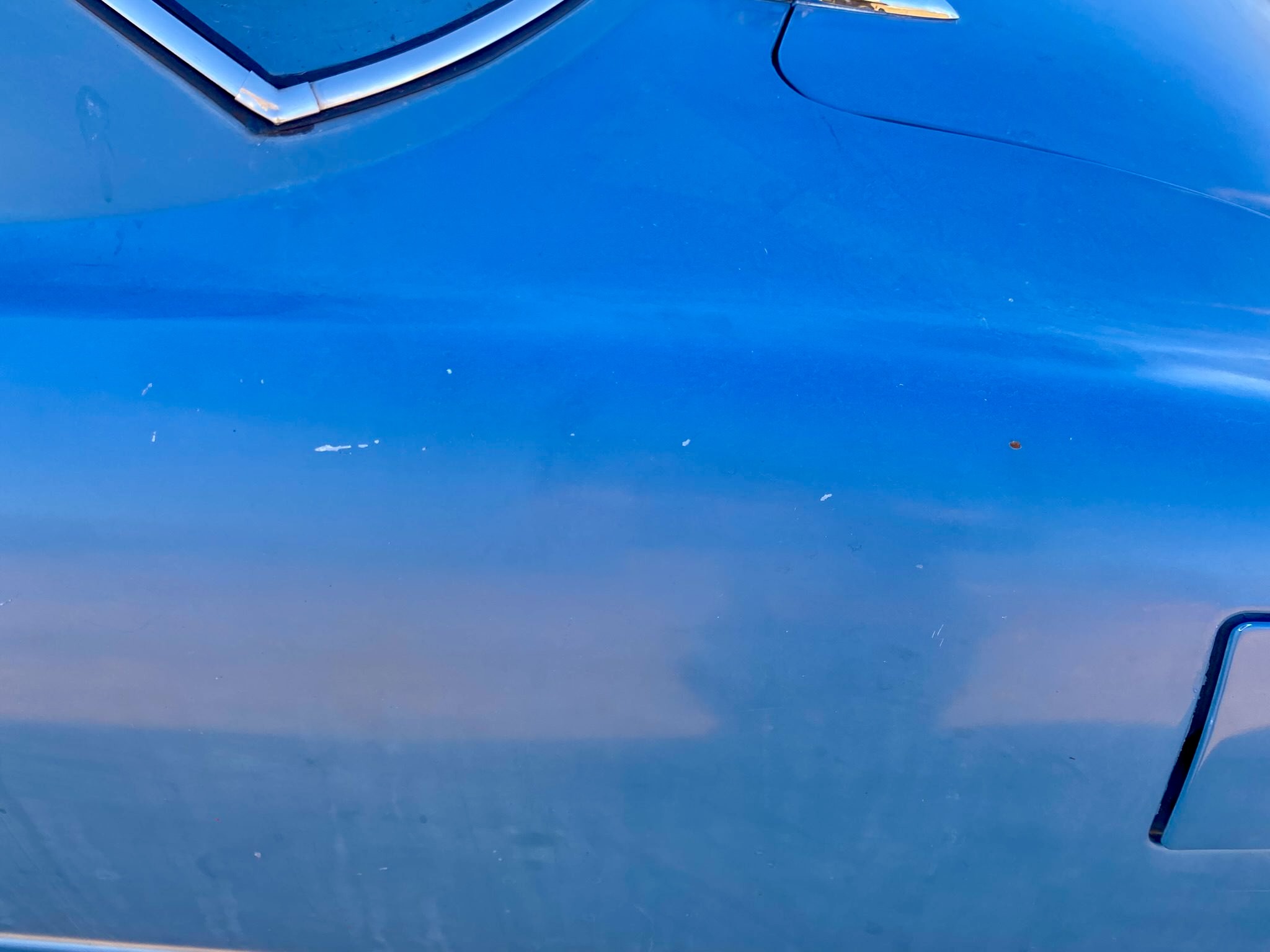
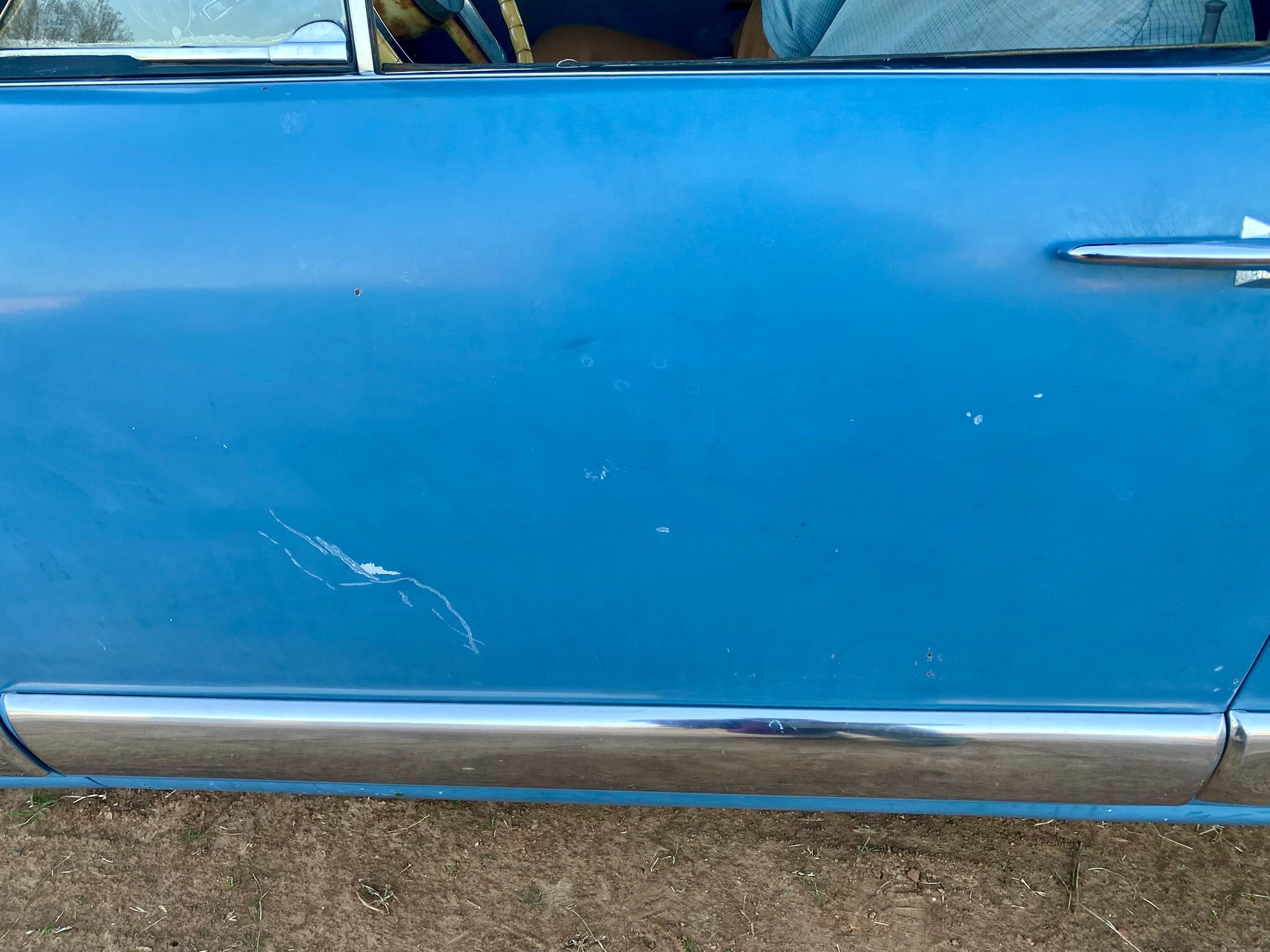
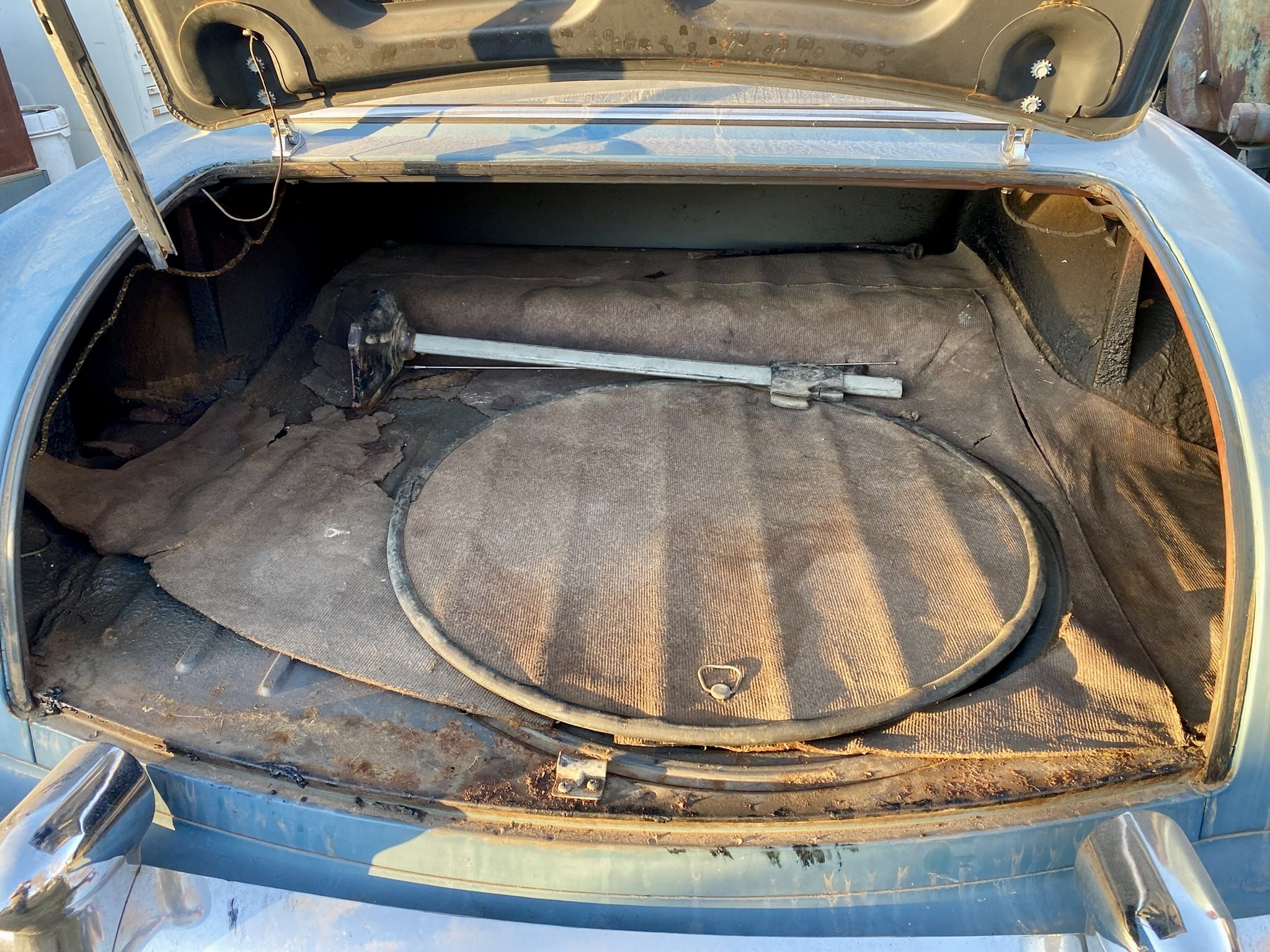
The body tag confirms that this is a Model 512 DeLuxe, one of 8,888 two-door sedans built for the 1951 model year. The four-door sedan was far more popular, with 56,723 produced, but even so, our featured car was the third most popular Kaiser offered that year. The paint code is 130, which is “Horizon Blue,” a beautiful color. The paint itself is fading and peeling in spots (see the pictures posted below), so the car is certainly a candidate for a Comet wash and perhaps even a wipe-on clear coat to preserve what’s there.
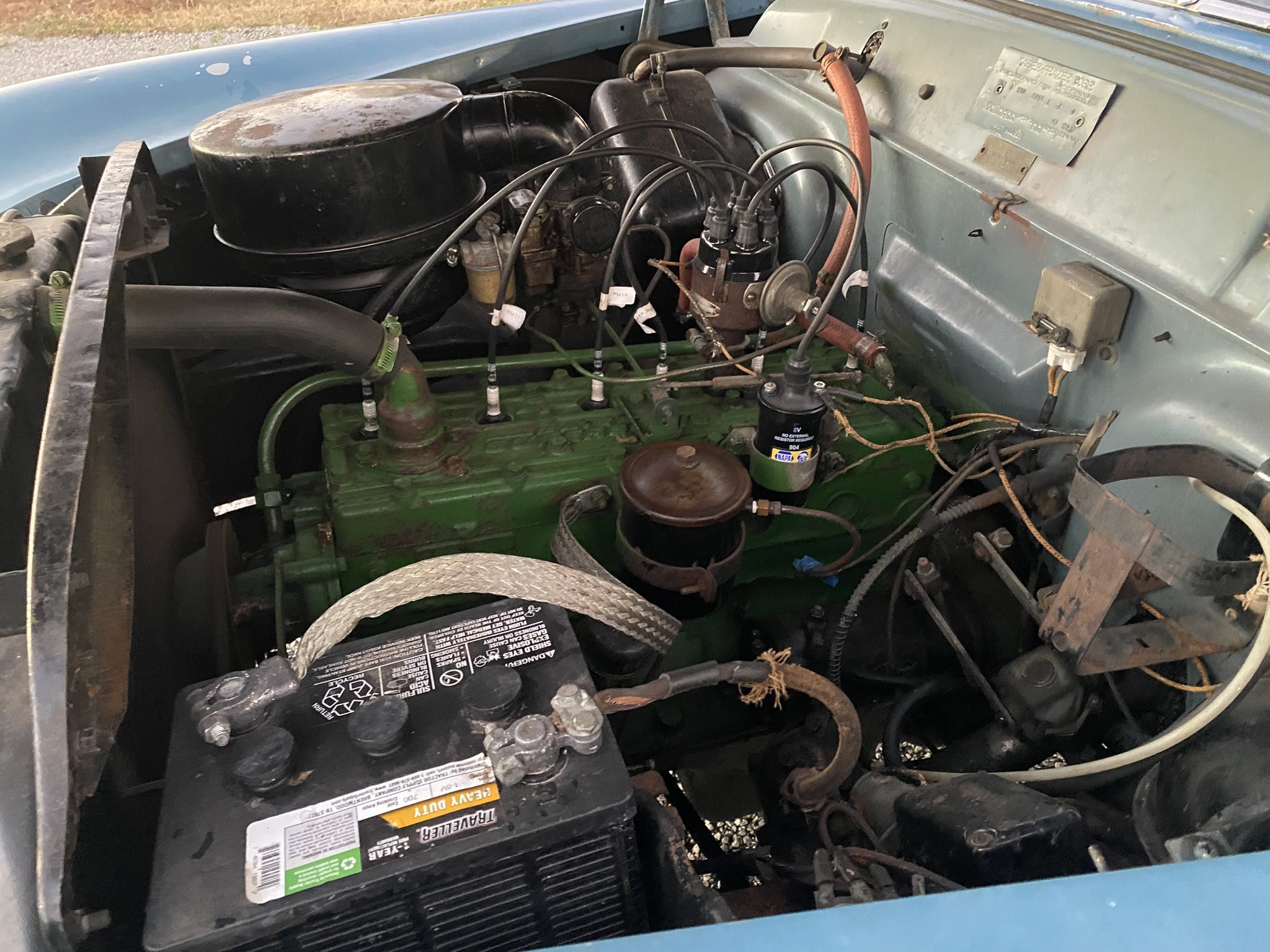
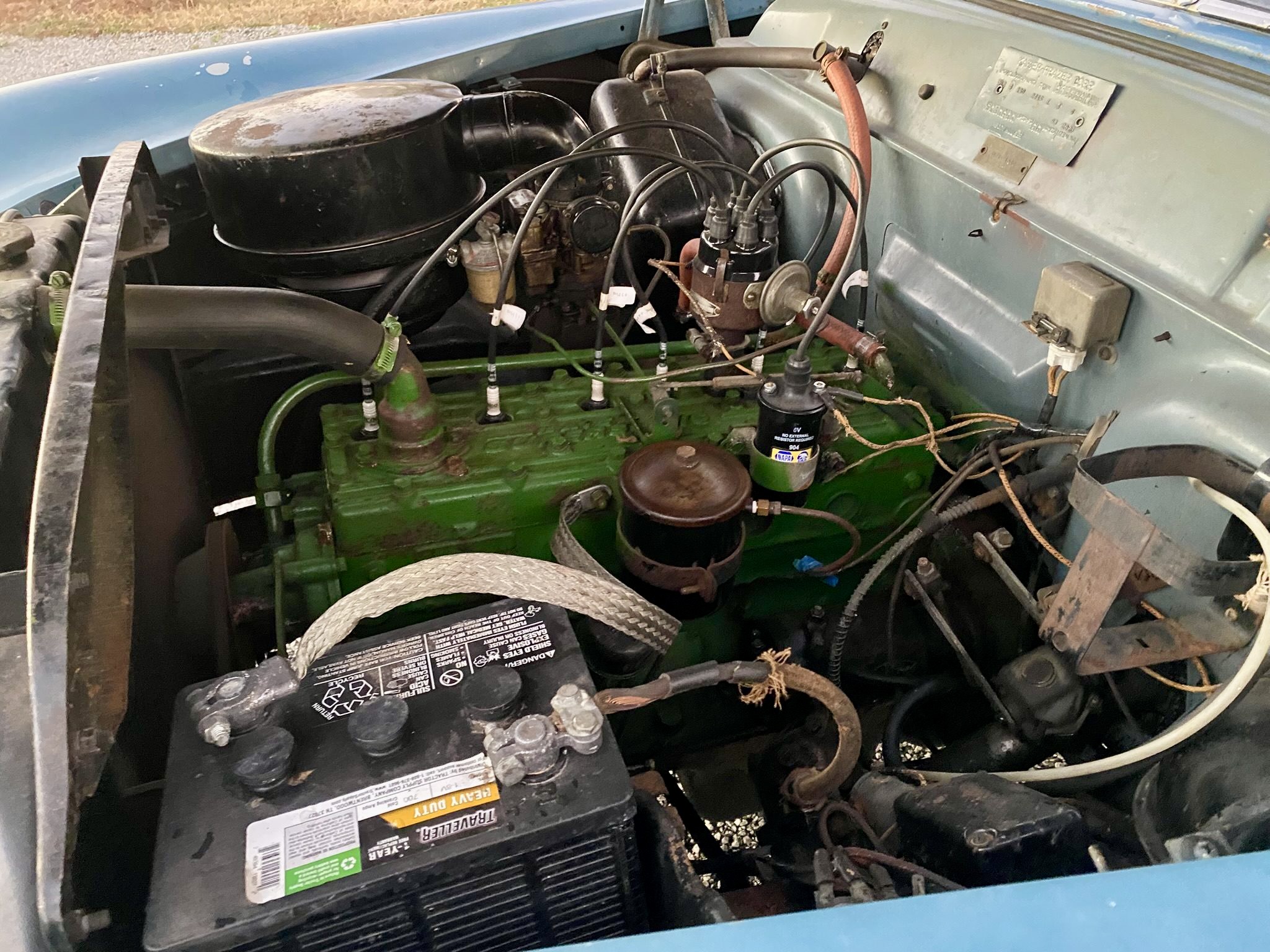
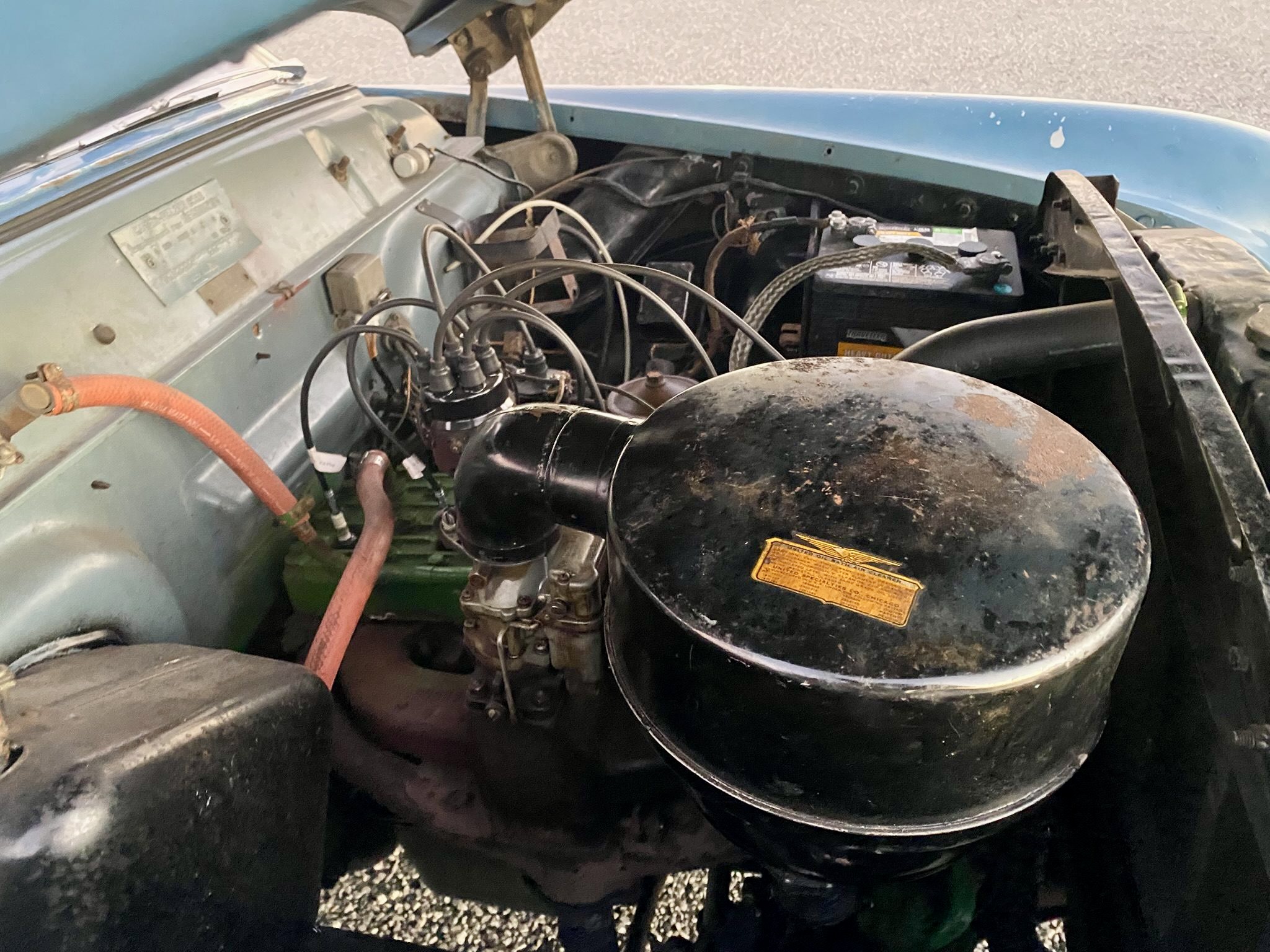
The Kaiser’s engine is a straightforward Continental designed 226-cubic-inch flathead six, which produces 115 horsepower. Being that V8 engines were becoming more common in cars that cost roughly the same as the DeLuxe’s $2,275 base price (namely the Oldsmobile), it becomes clear why Kaiser-Frazer eventually ran into trouble; however, from today’s perspective, anyone wanting to enjoy an early 1950s independent is probably not too concerned with a missing 20 or 30 horsepower. This one runs and drives (the seller has posted this video), but it will need brake work, like most cars that have been sitting around for a protracted period. An outfit called Willow Run KF Parts can supply new shoes (see here) and all hydraulic parts necessary for a brake rebuild.
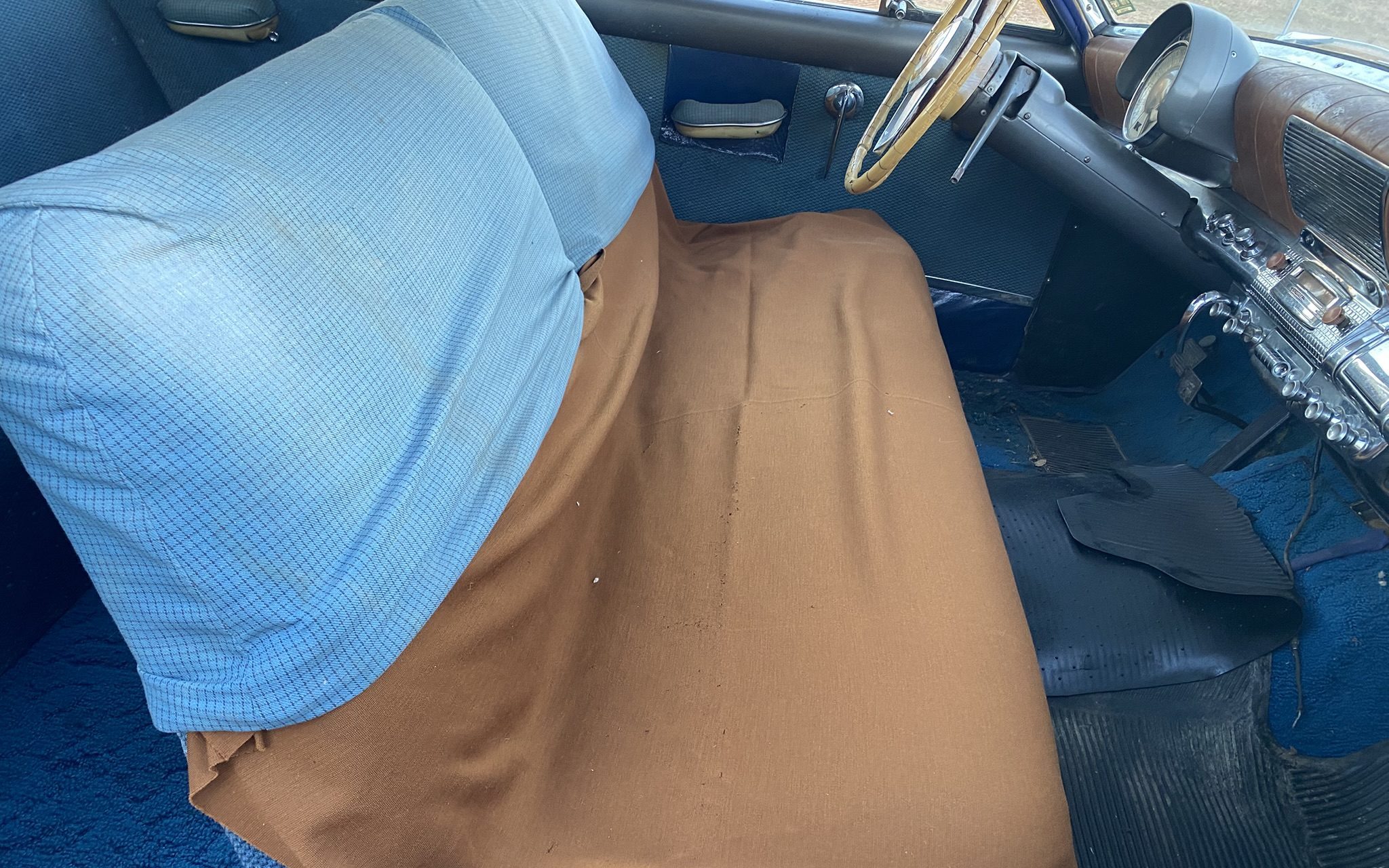
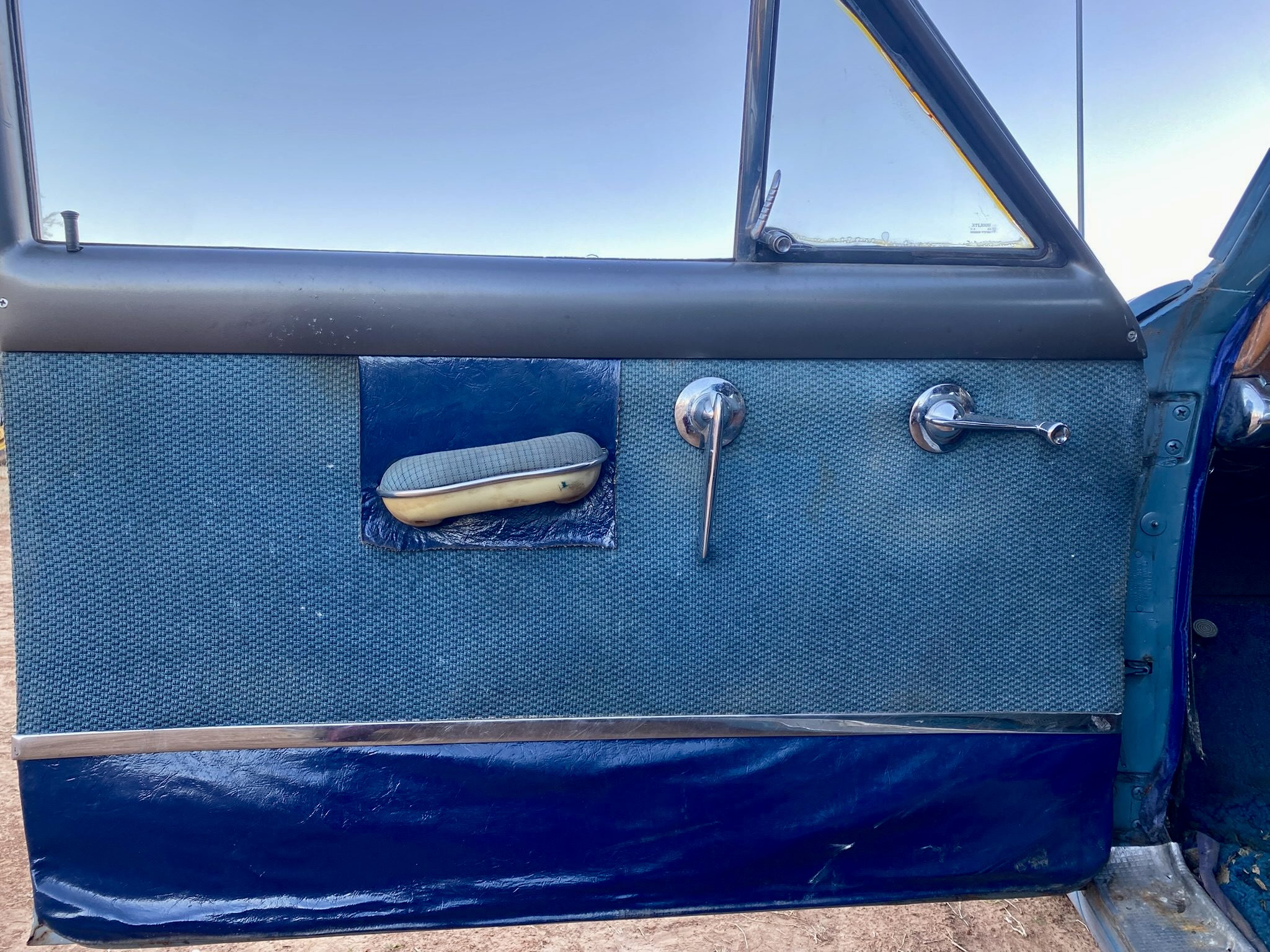
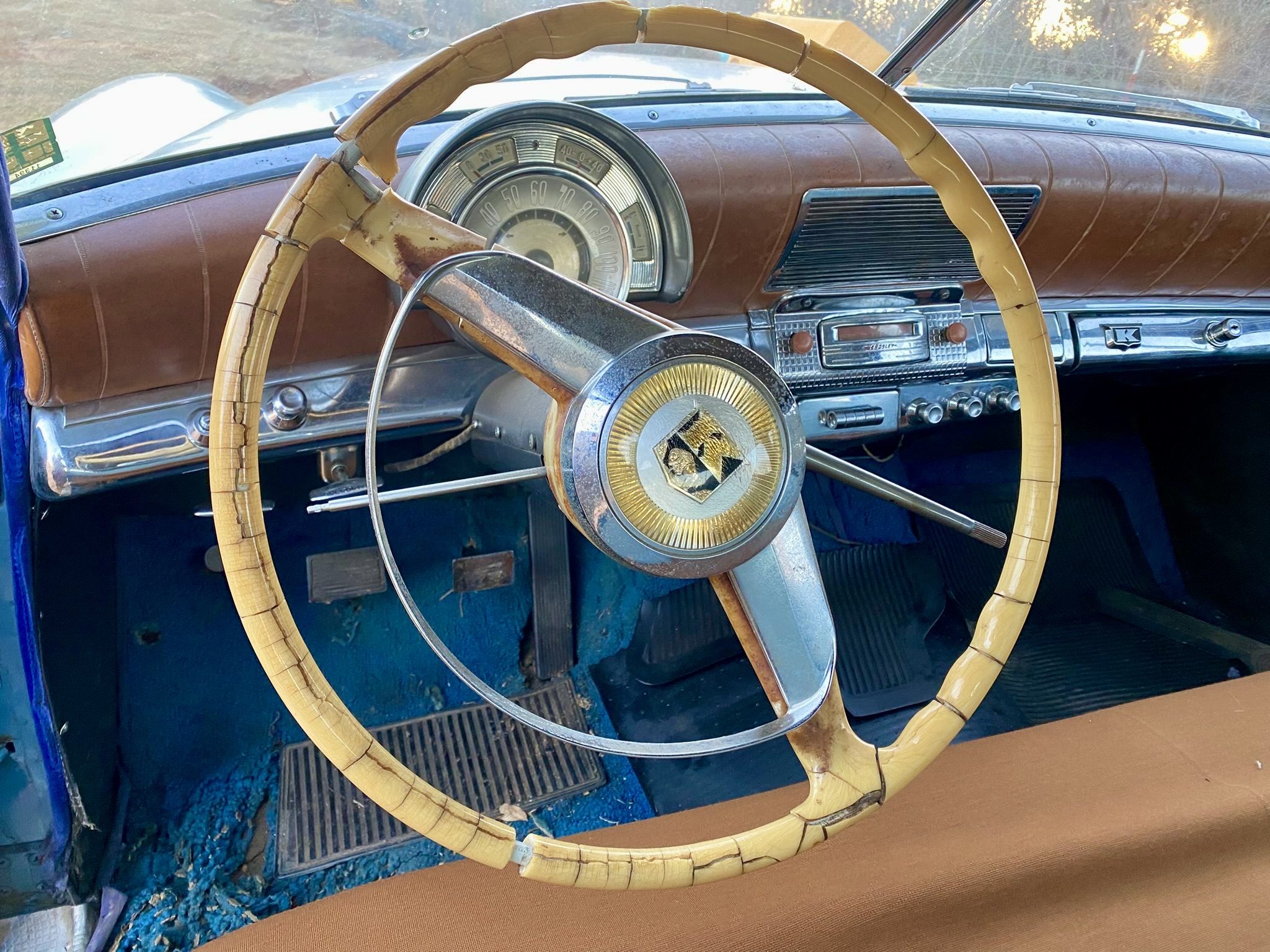
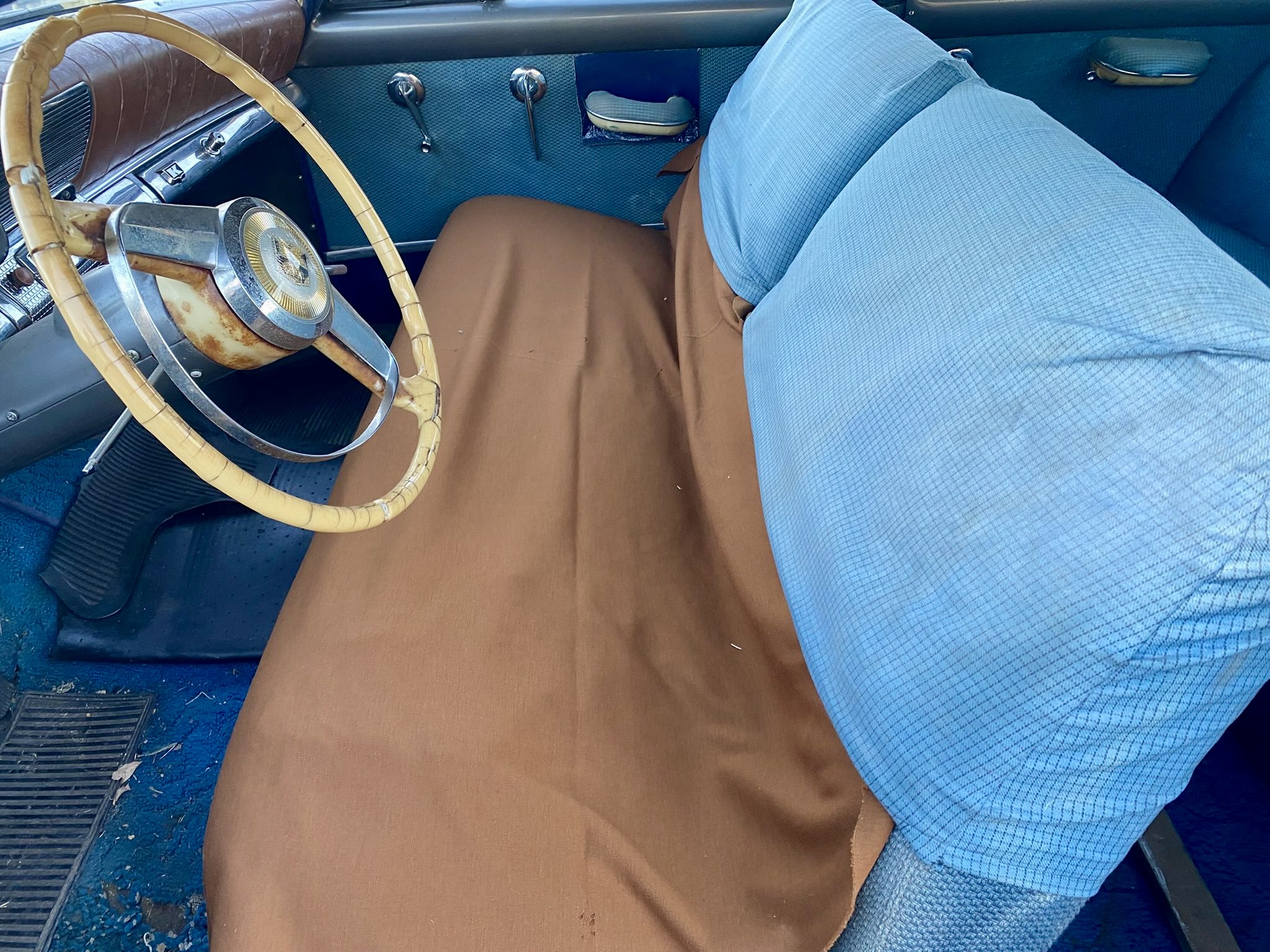
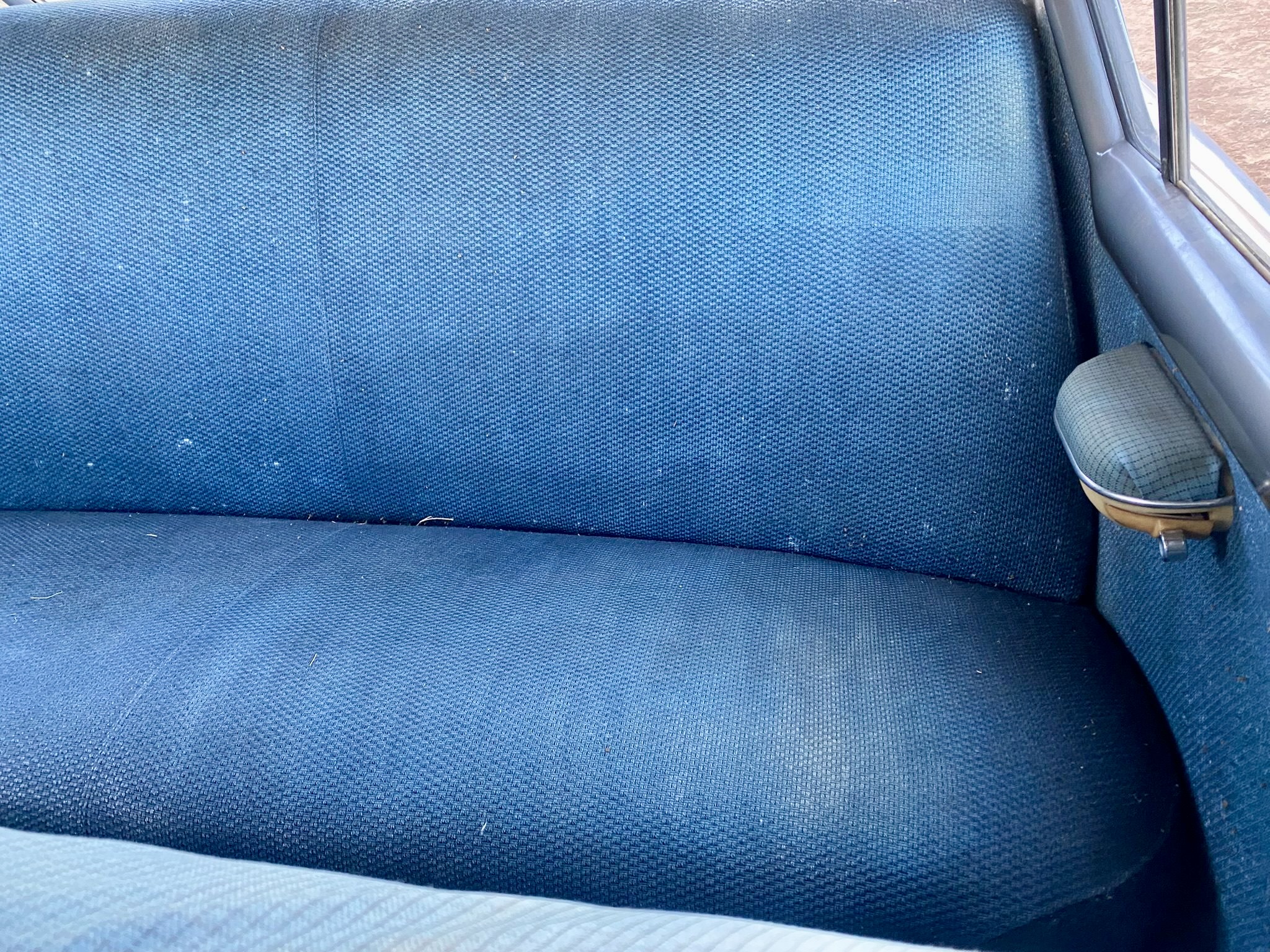
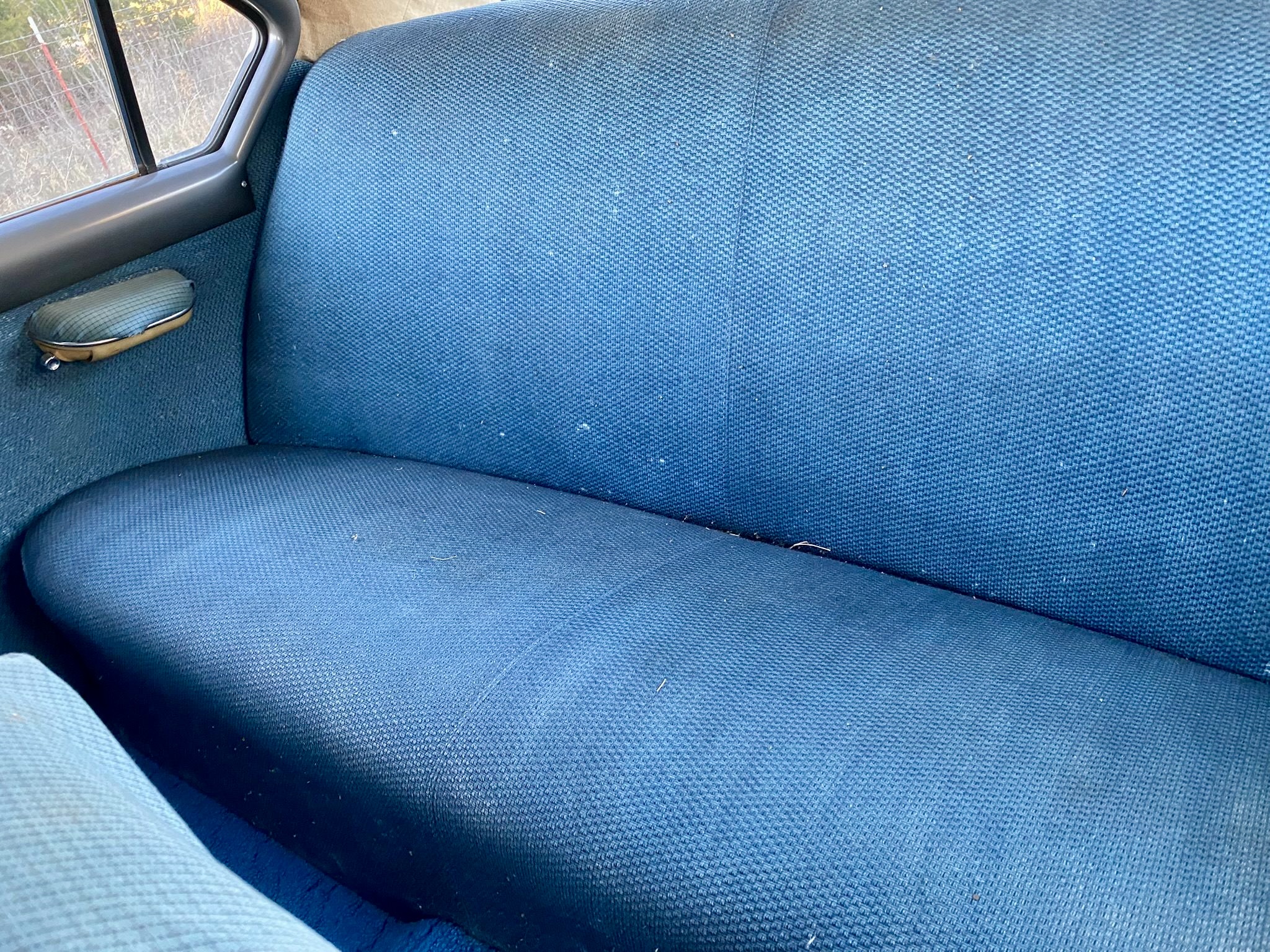
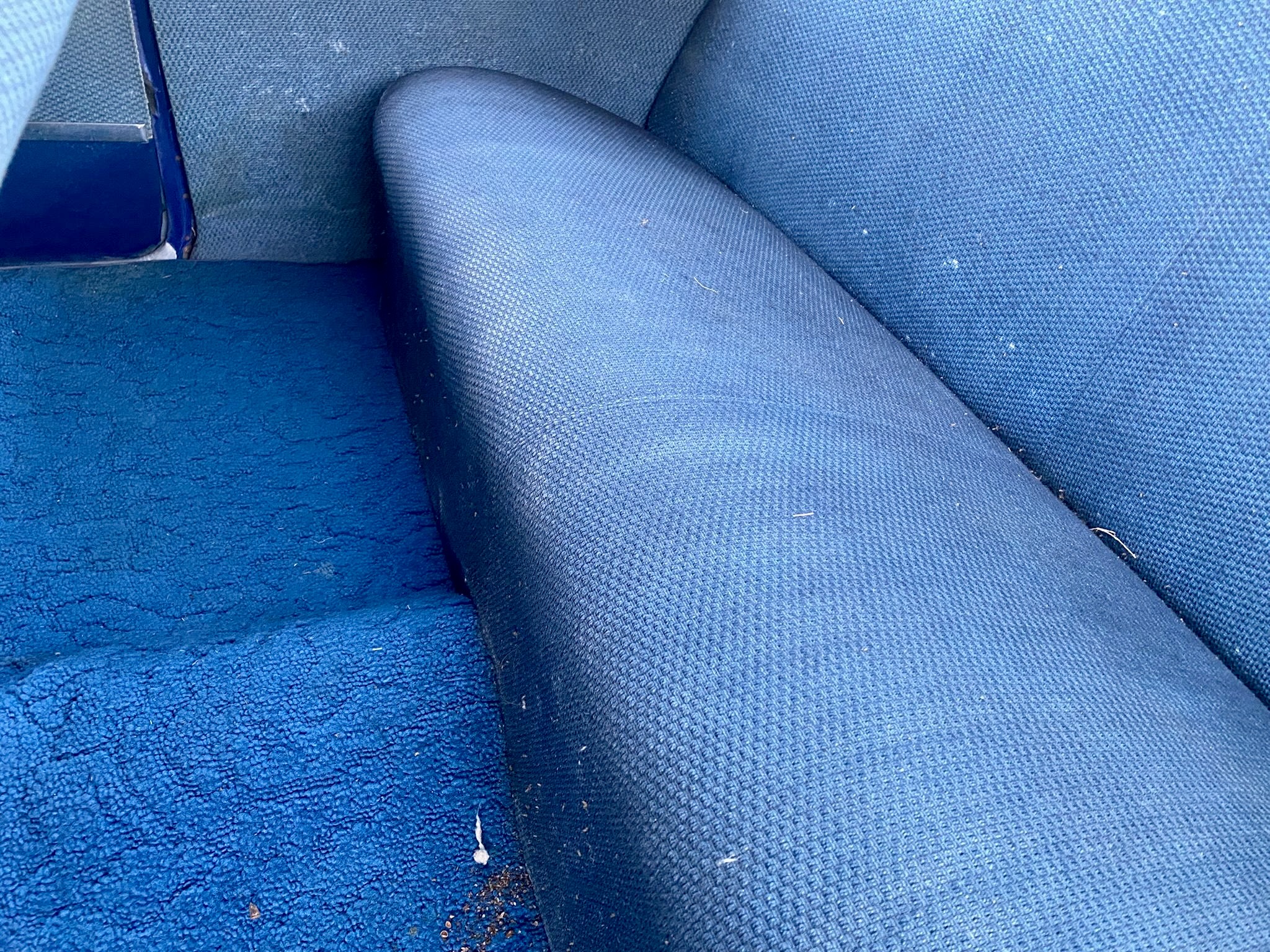
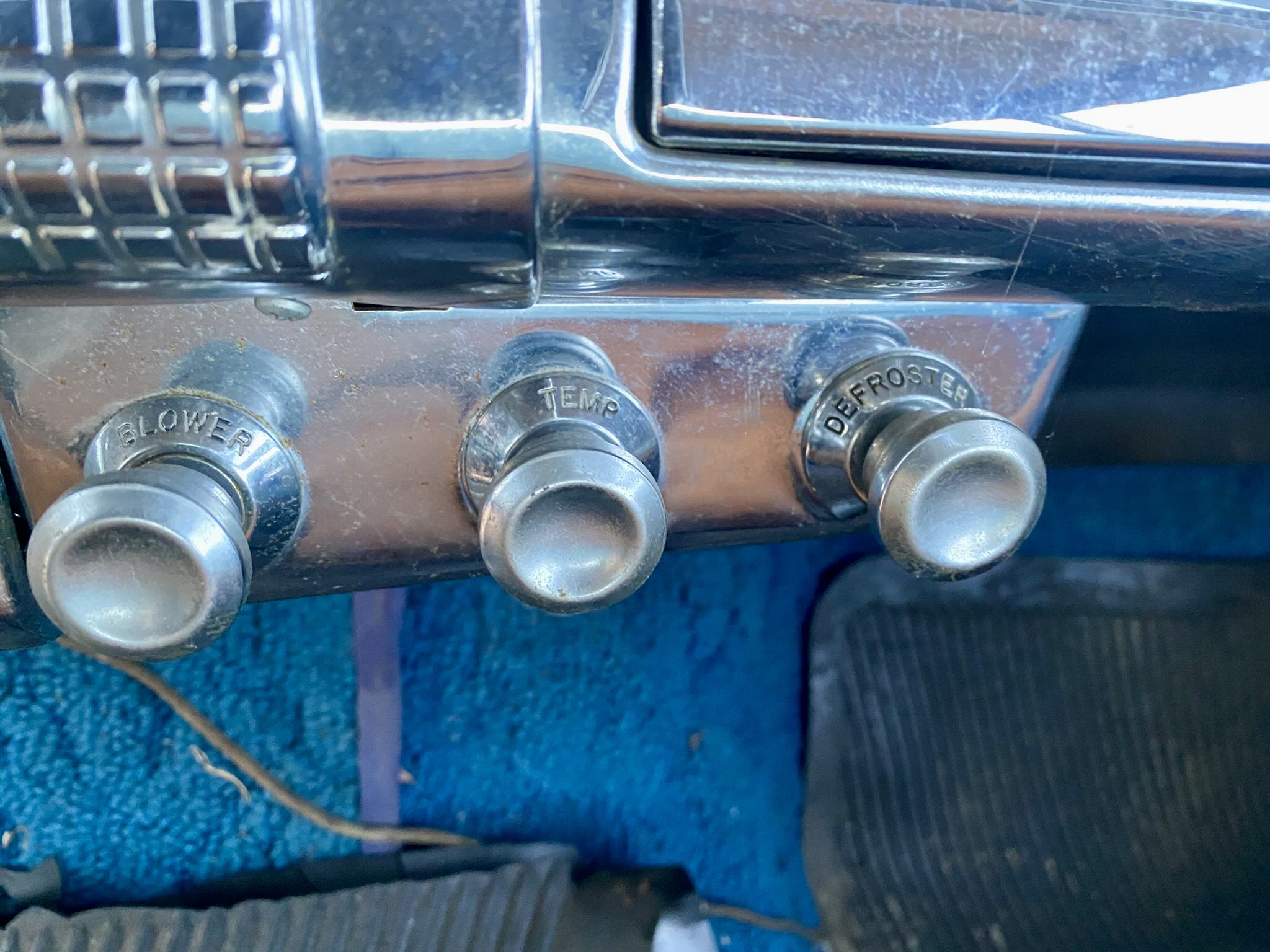
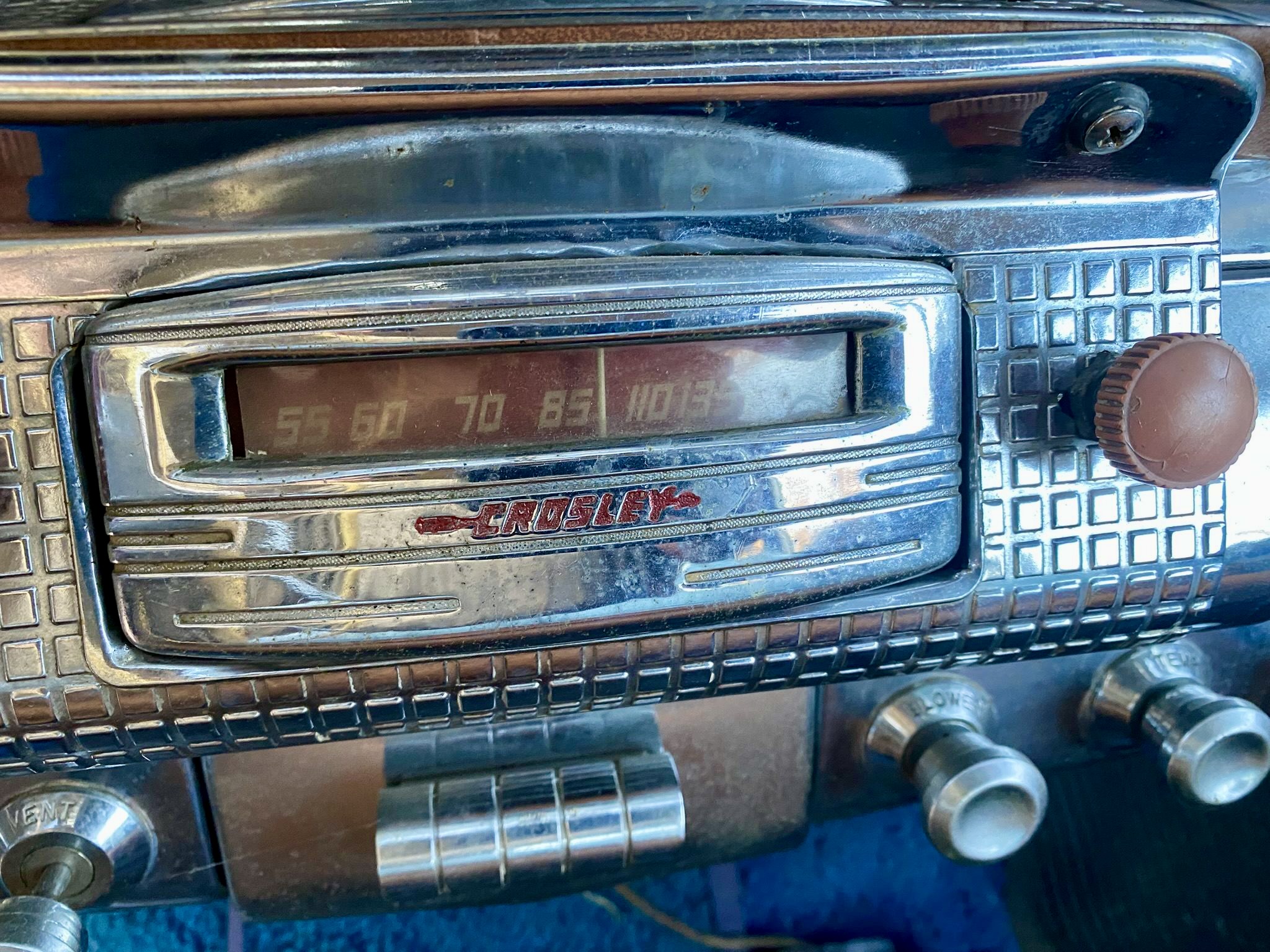
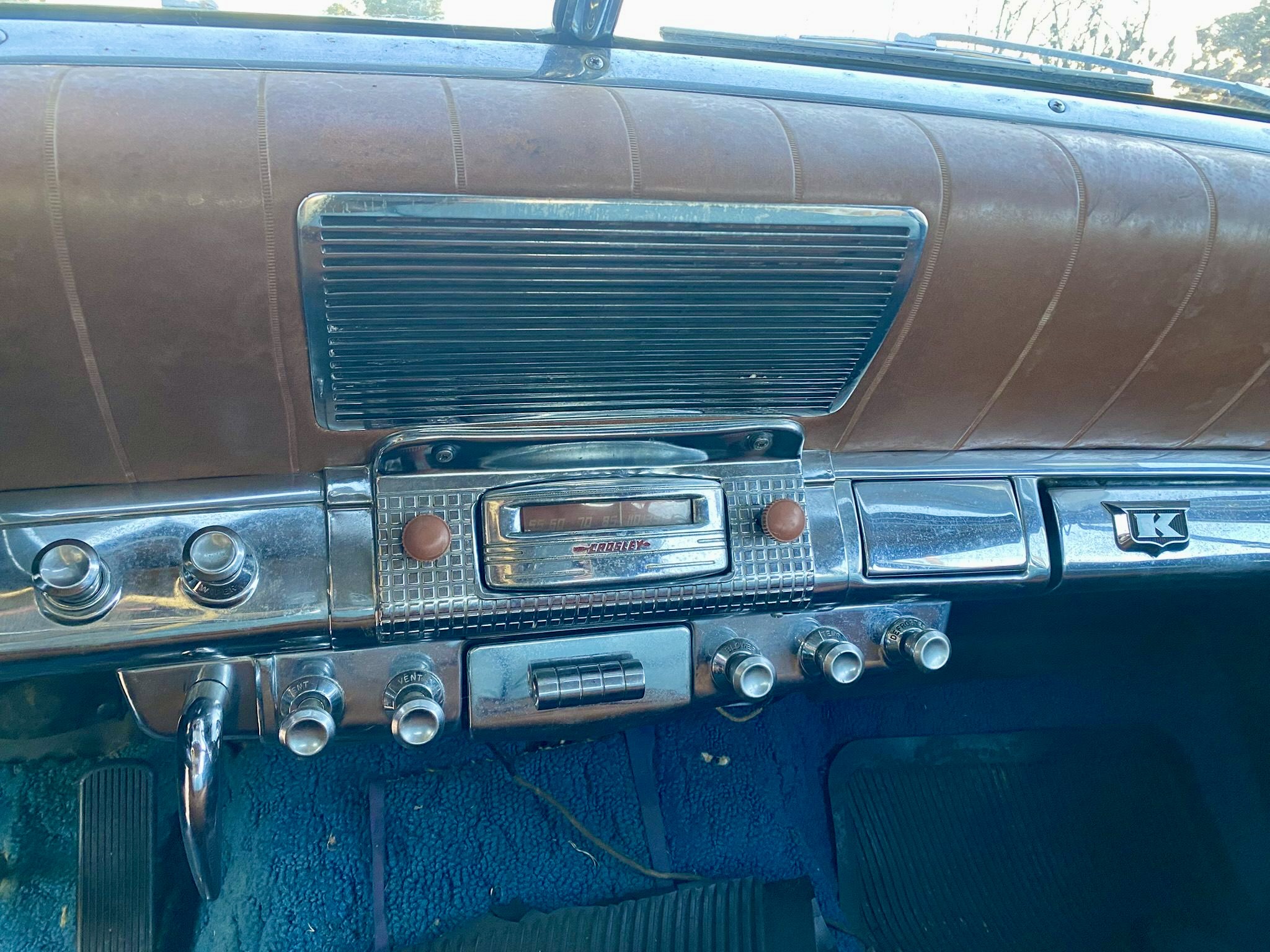
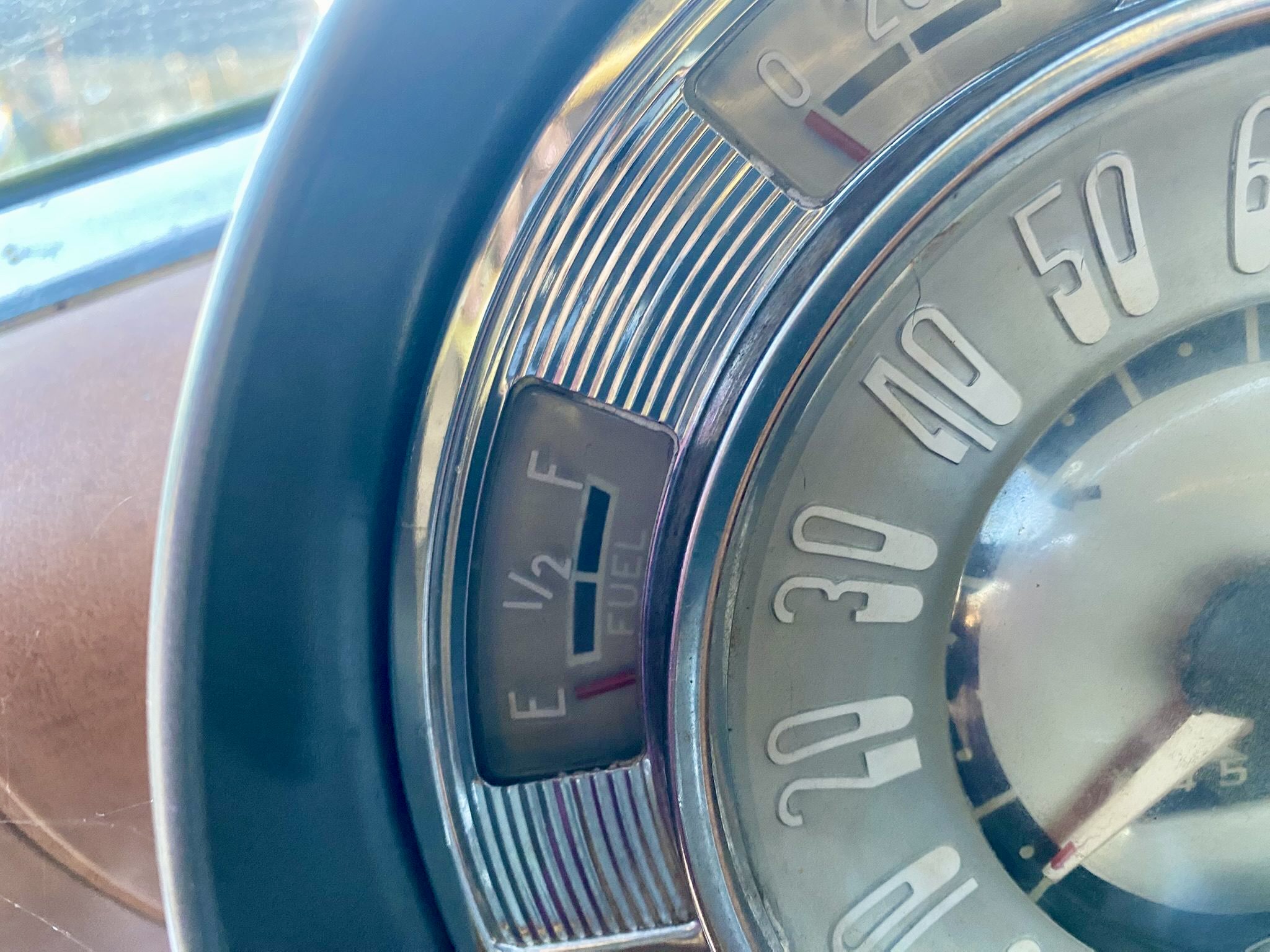
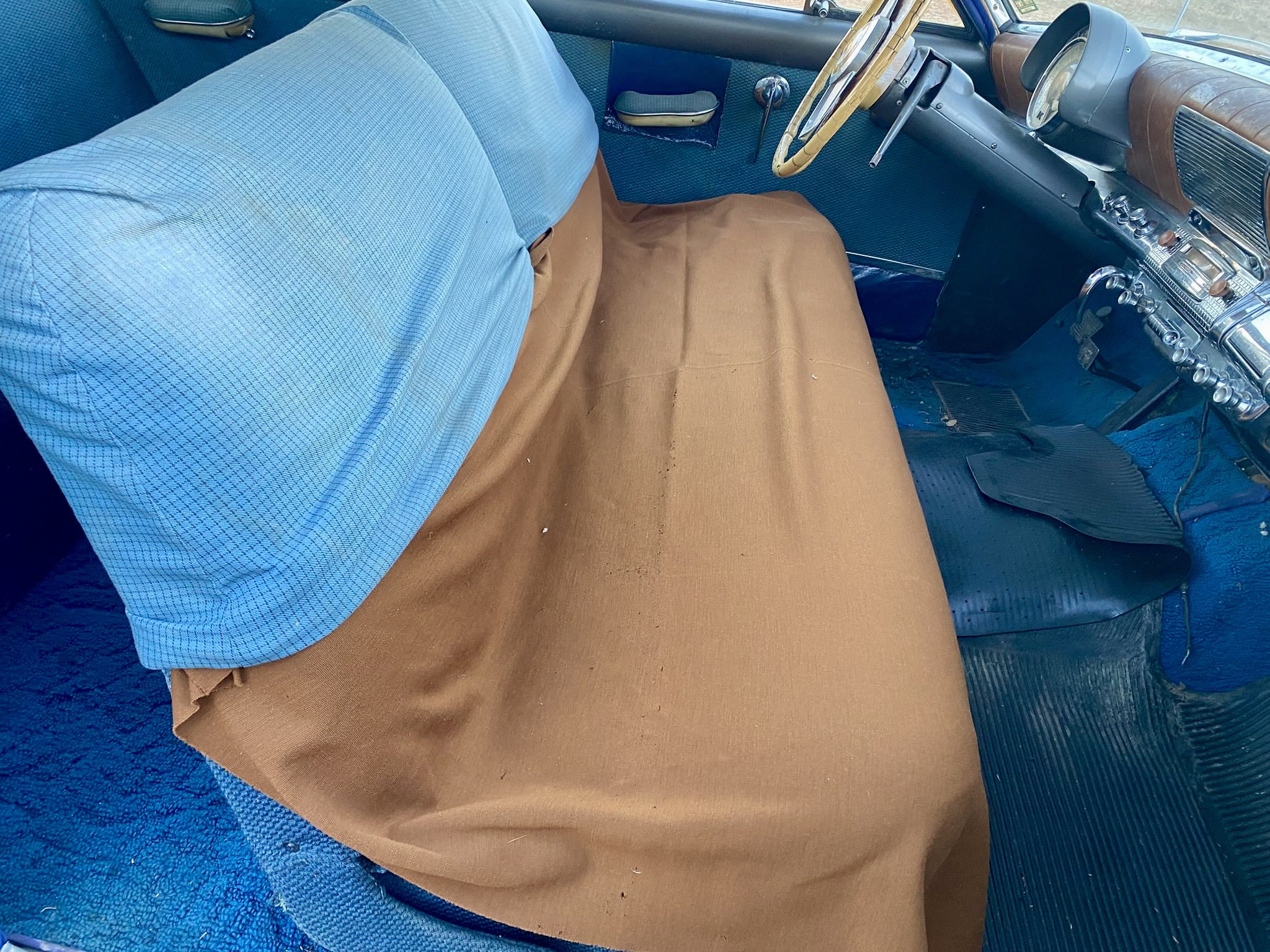
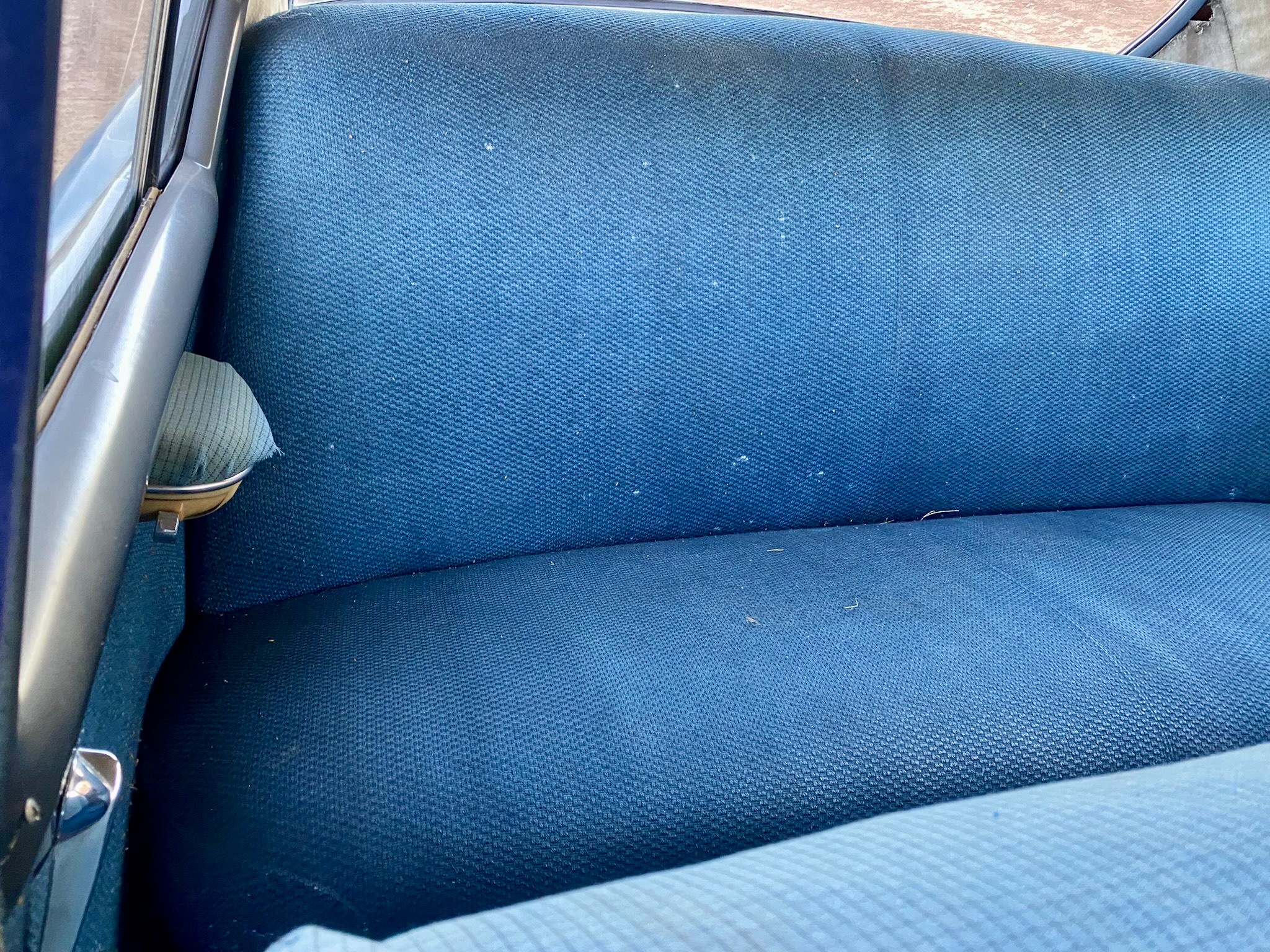
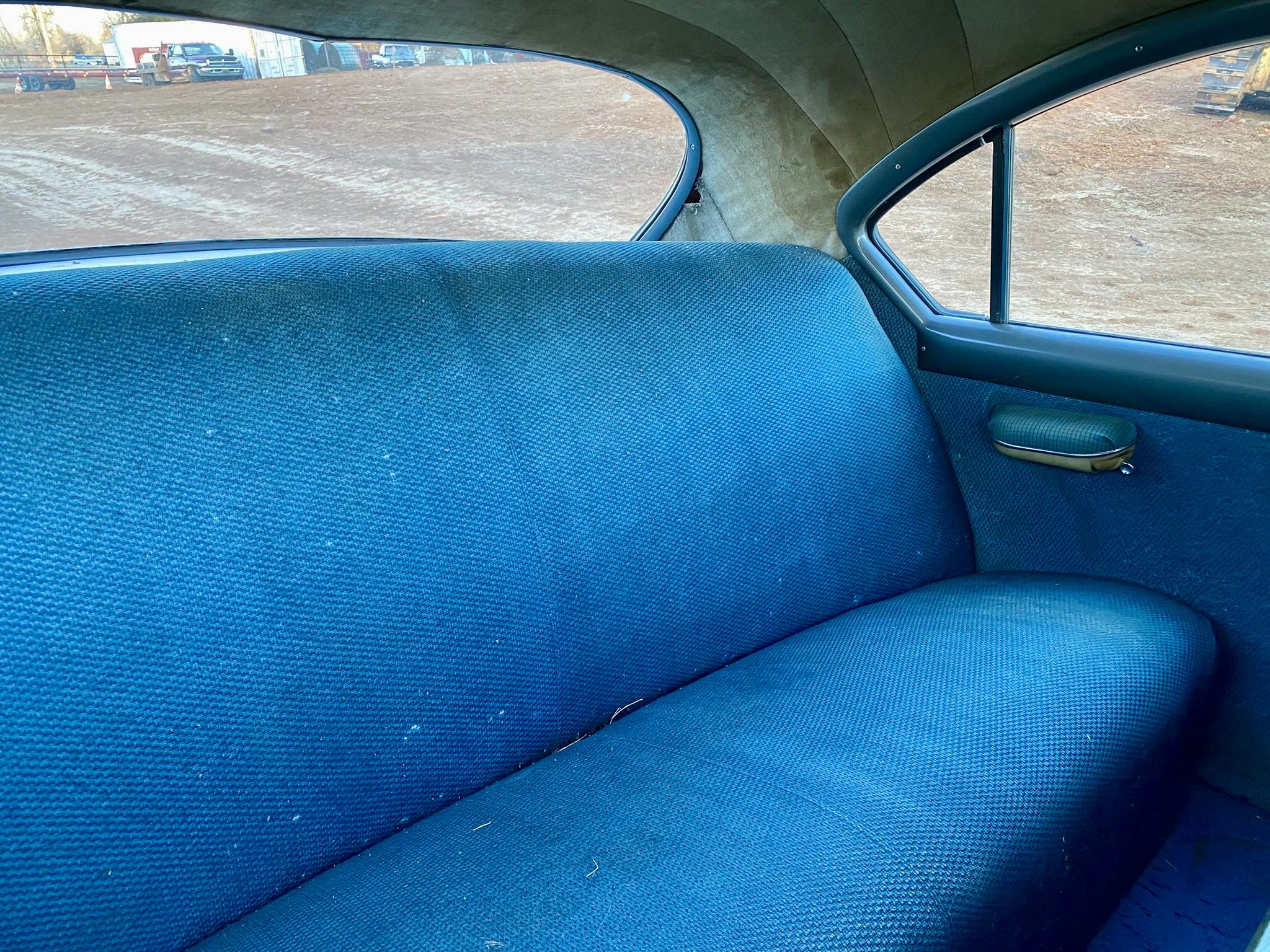
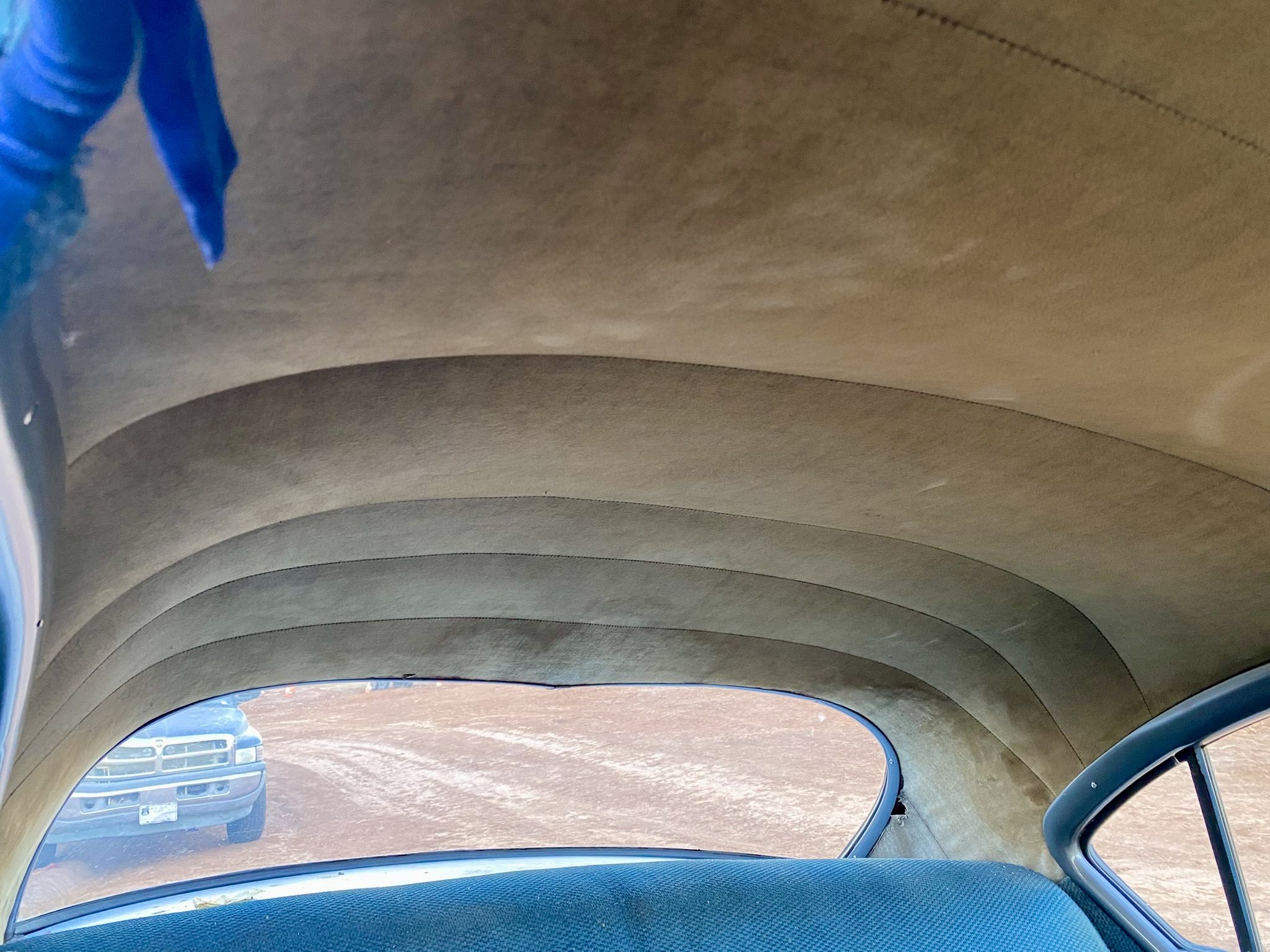
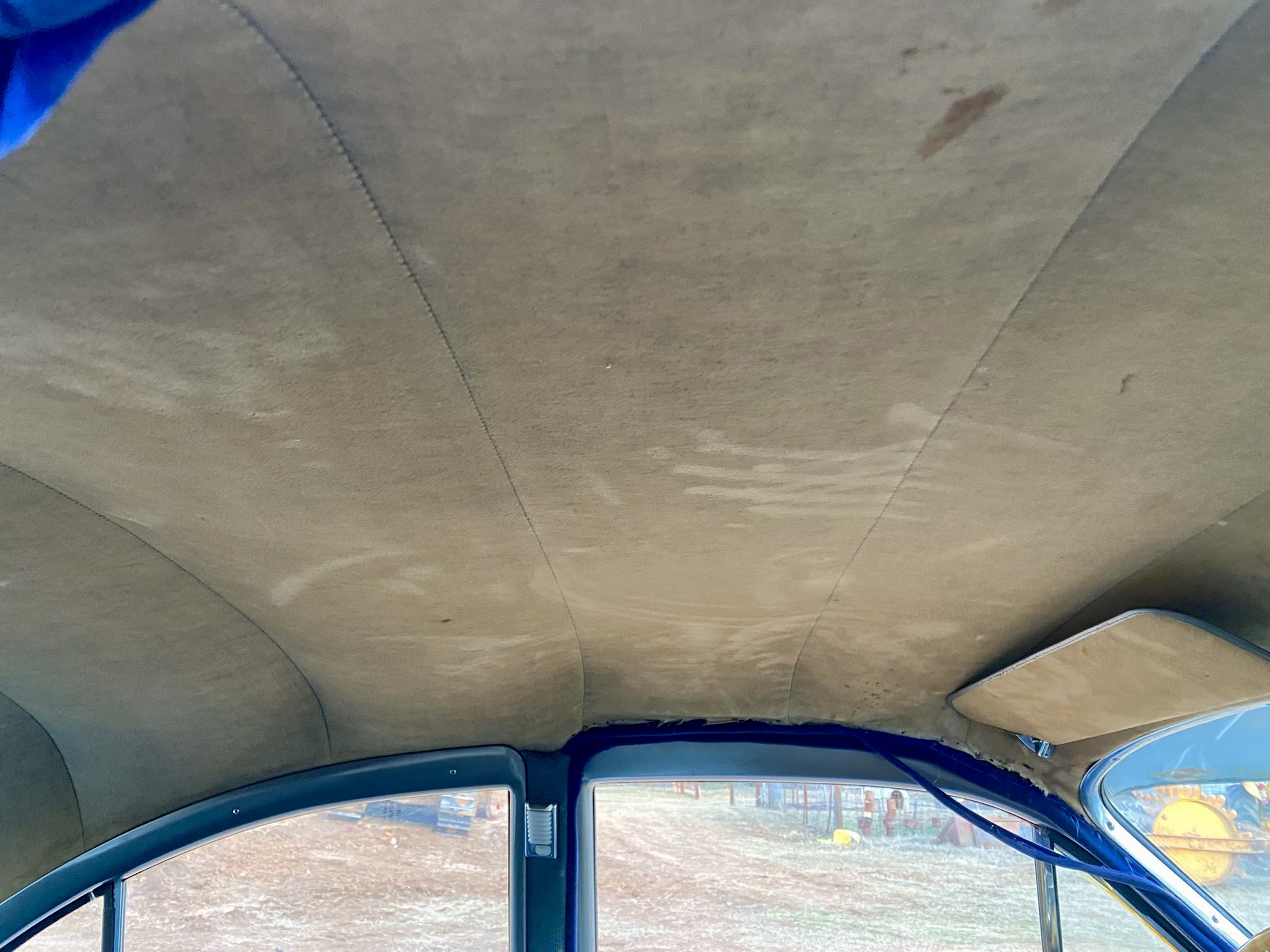
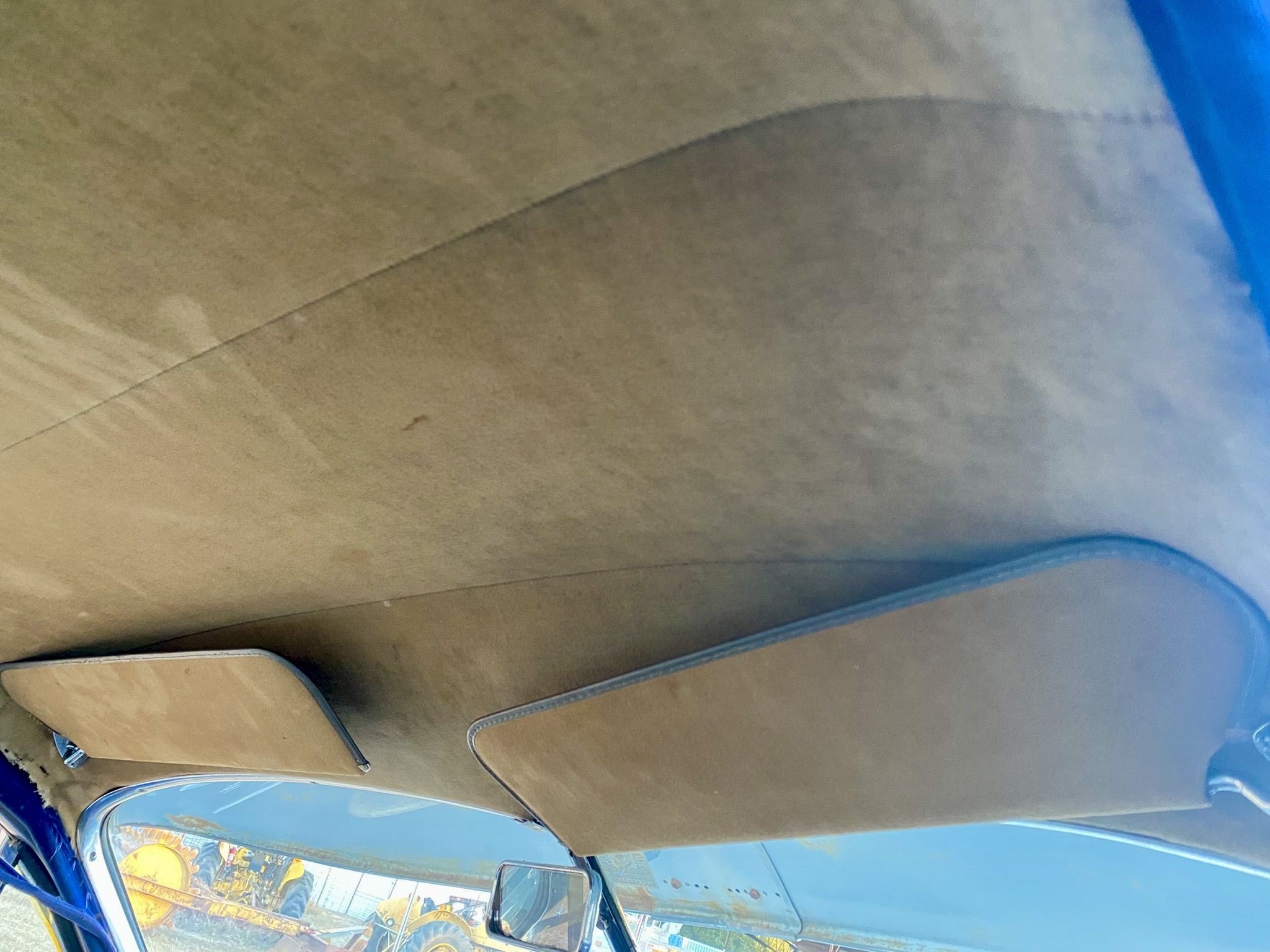
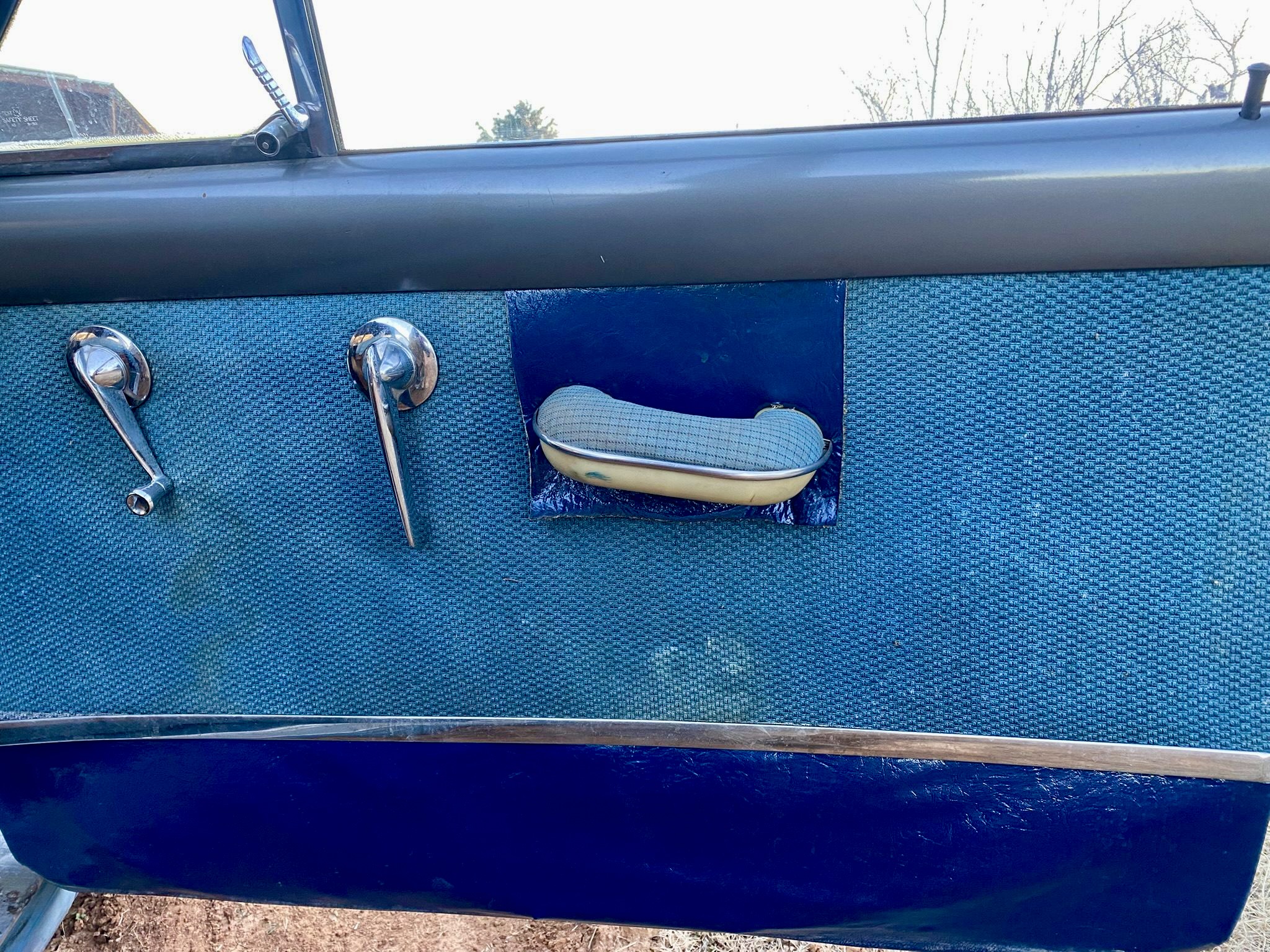
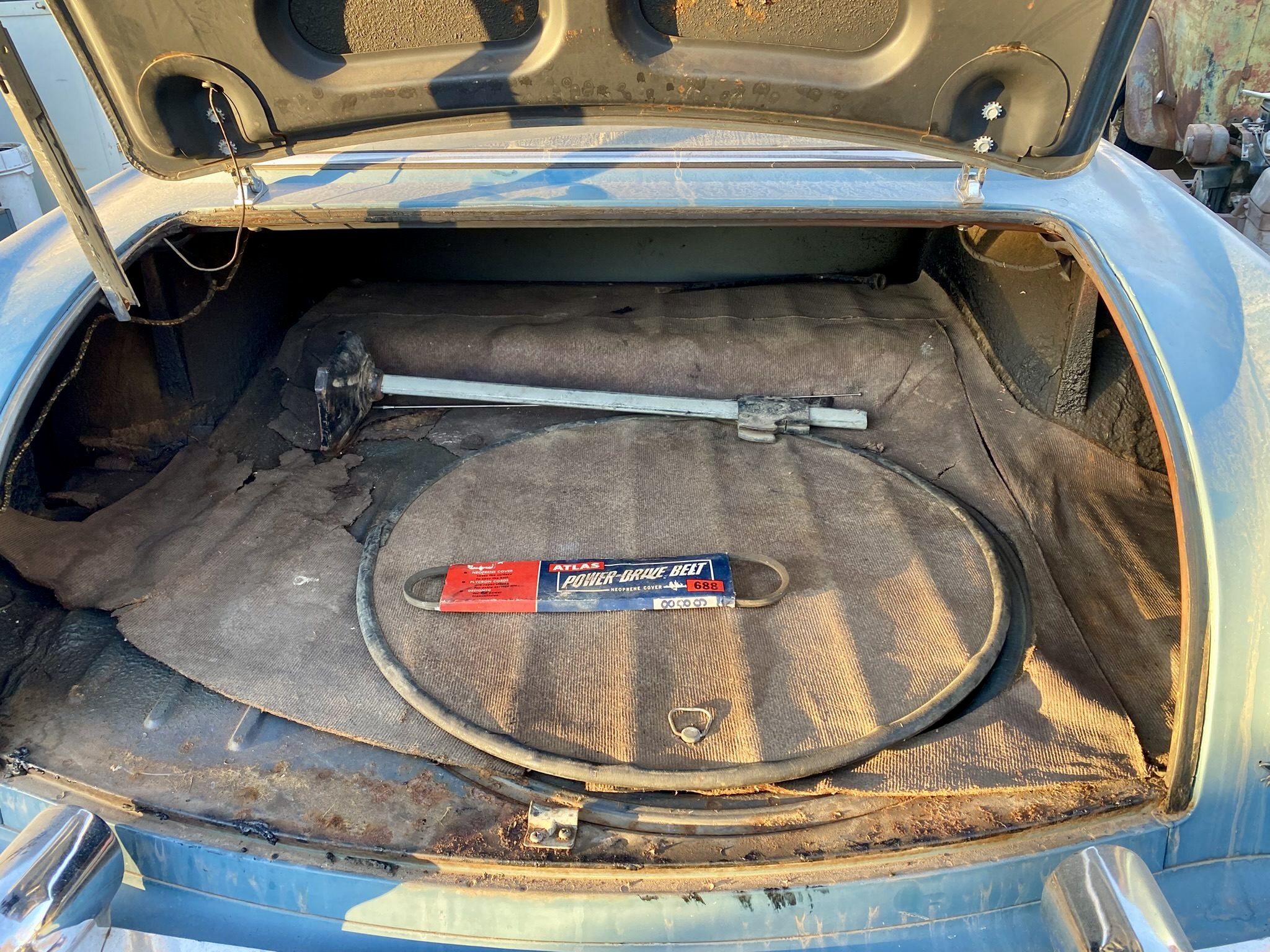
The Kaiser’s interior is not exactly in mint condition, with a carpet that could use replacement and a front seat that could most likely use reupholstering; however, a new temporary seat cover and floor mat might look just fine until the new owner is ready to commit the funds for replacement.
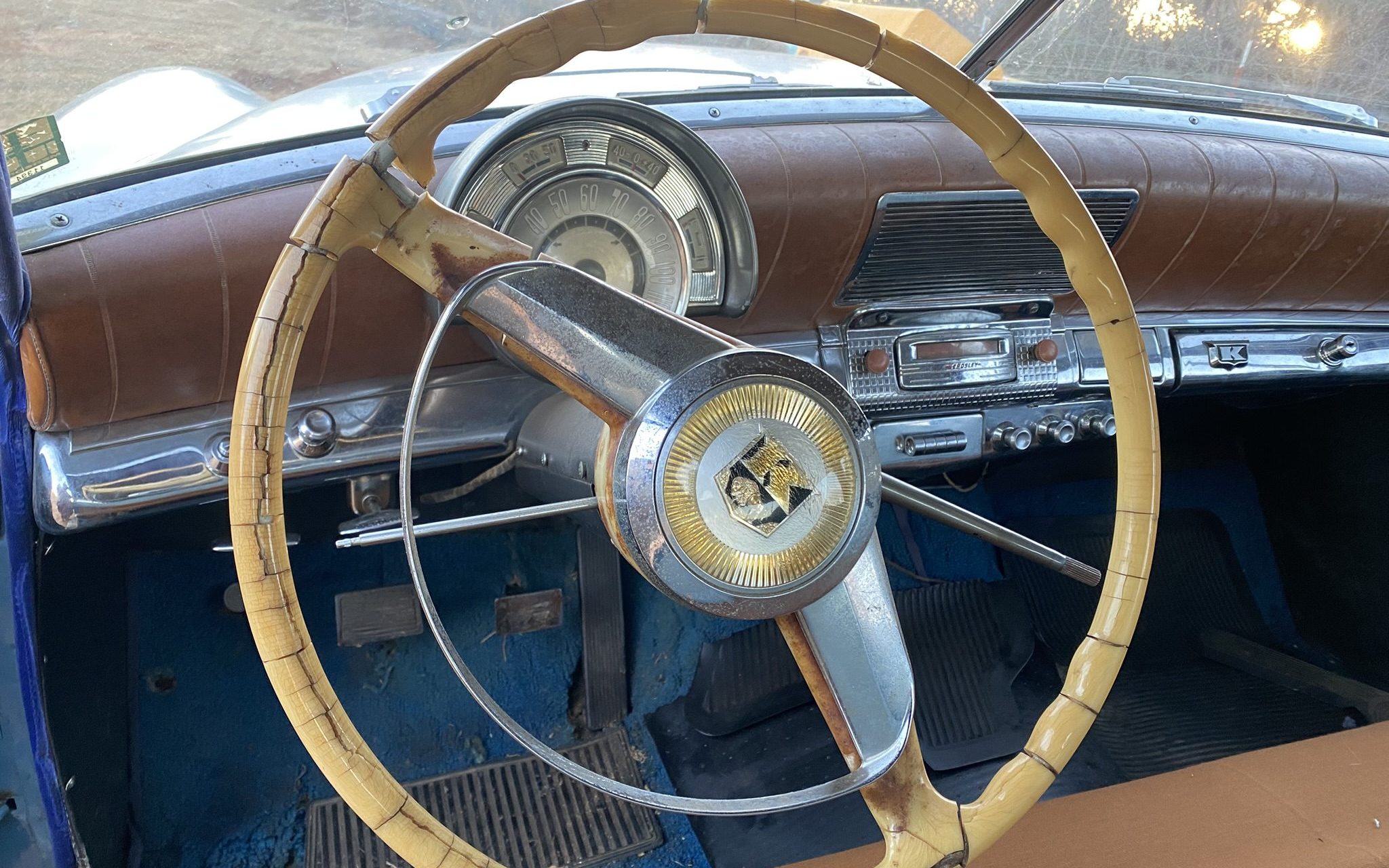
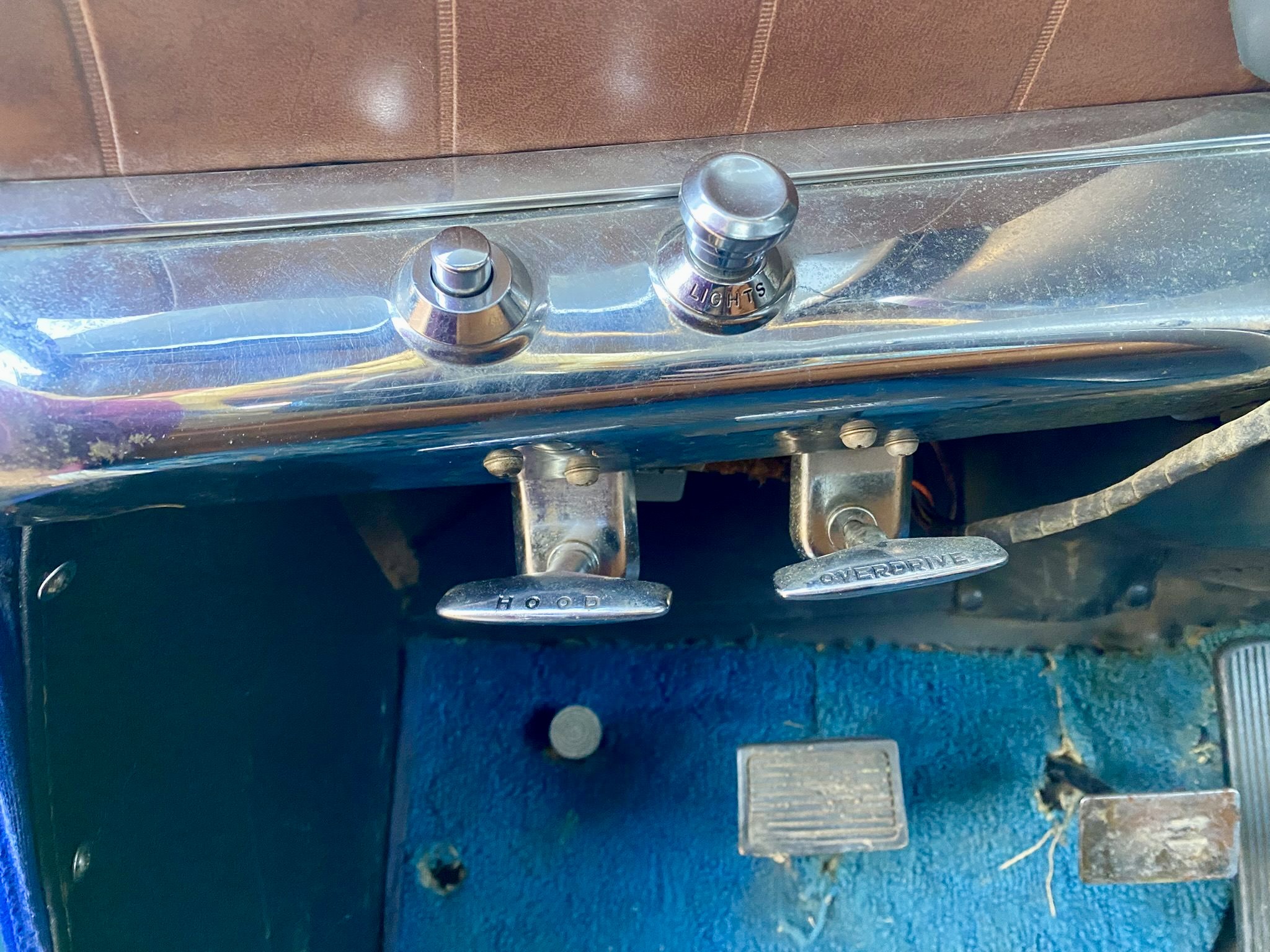
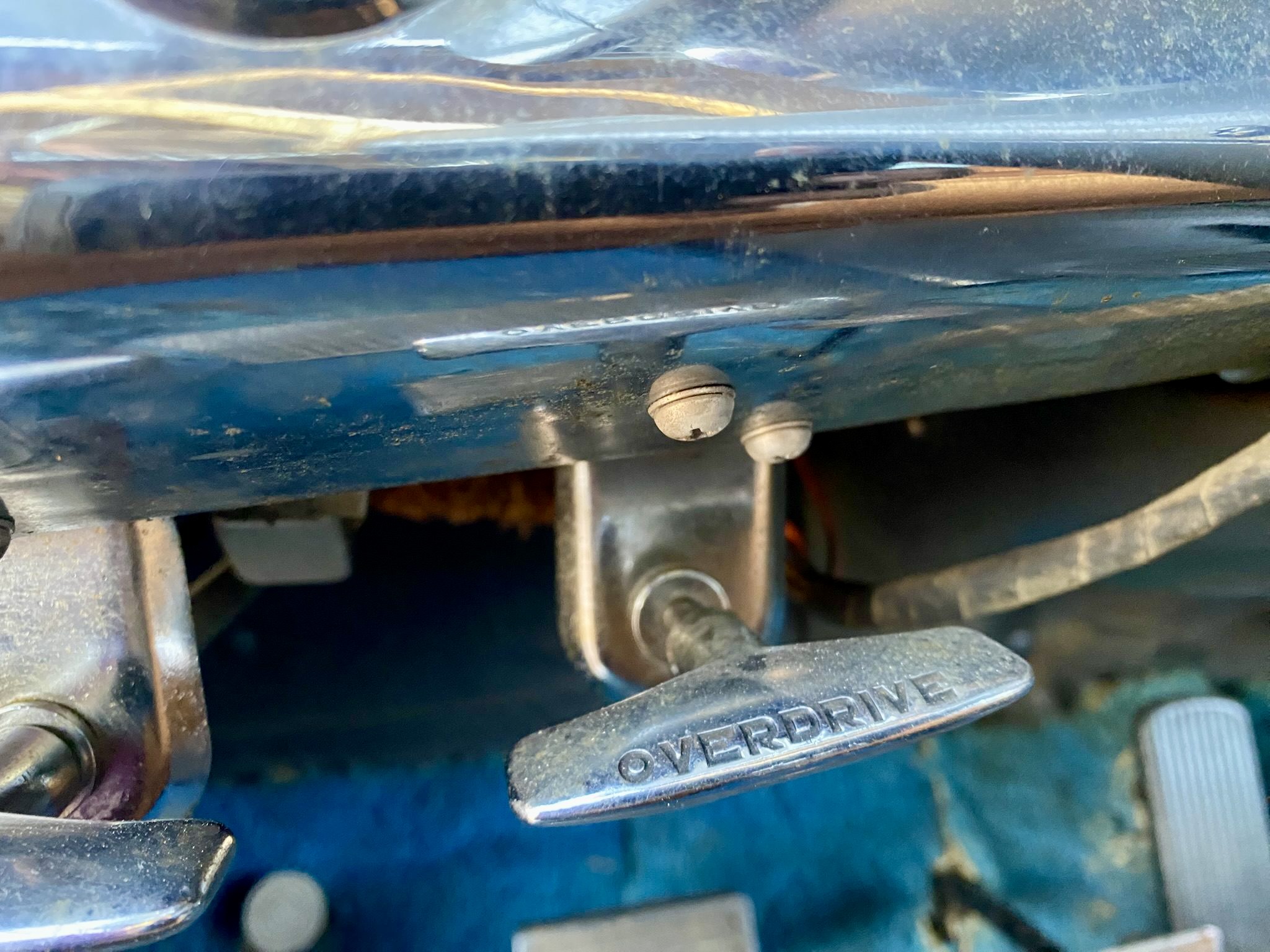
The steering wheel too has succumbed to many decades of handling and storage. Notice the third pedal on the floor: Although GM’s Hydra-Matic was an option, this car has the three-speed manual with overdrive, the overdrive being a required option on DeLuxe models with a manual.
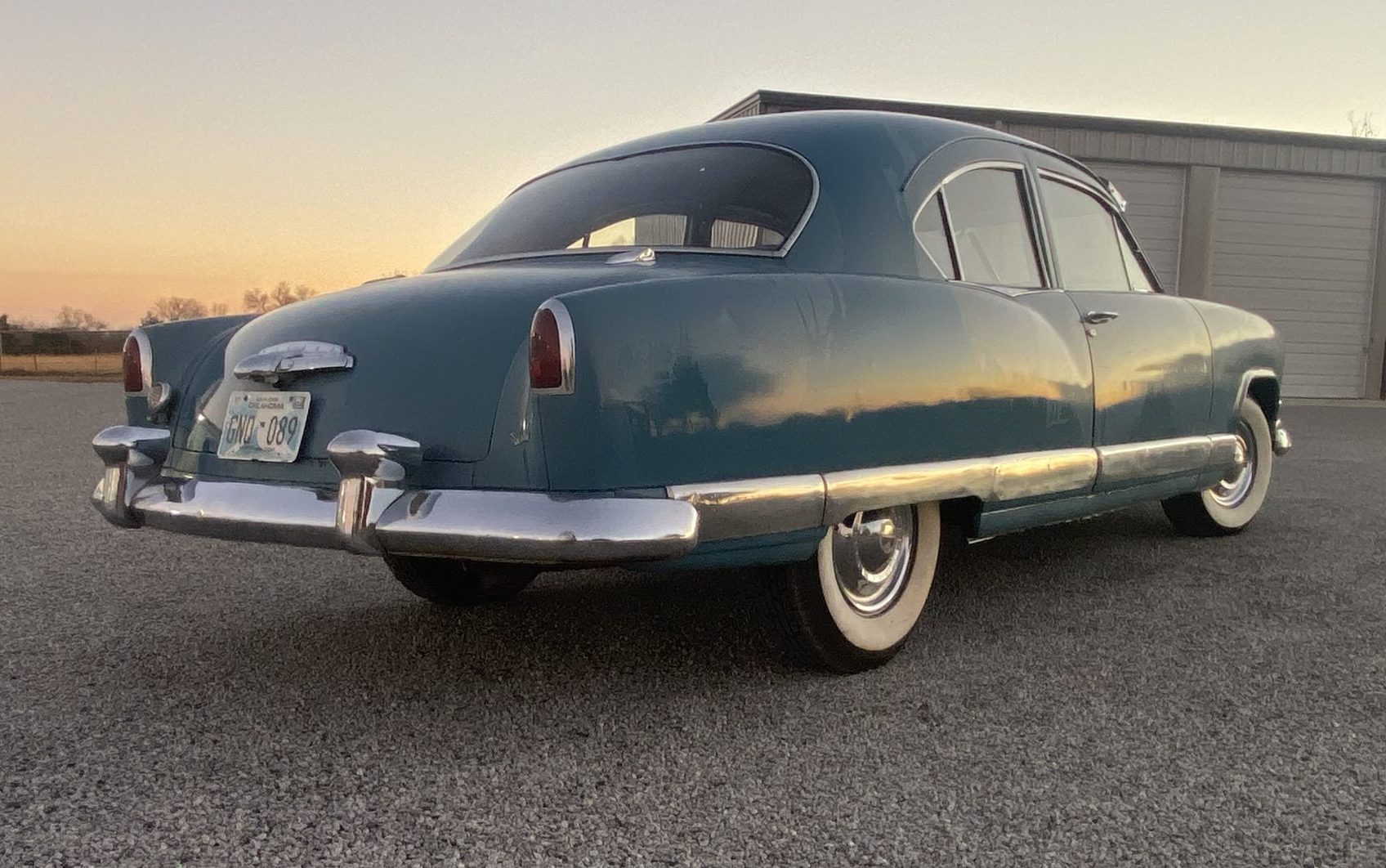
The 1951 Kaiser is certainly a niche car in a world where all 1950s models are (sadly) suffering from lagging interest, but that means that those of us who still love them can find some pretty good deals. If you’re a booster of 1950s cars, of independents, or of both, bid now!
Bid On This Auction
 Landshark bid $1,400.00 2026-02-04 20:13:38
 wes johnson bid $1,250.00 2026-02-04 17:43:42
- Landshark bid $1,100.00 2026-02-04 17:26:10
- wes johnson bid $900.00 2026-02-04 16:20:48
 joelvscars bid $750.00 2026-01-30 13:42:24




I do so love a good orphan story, and this looks like a decent place for a new enthusiast to start. Question for those in the know – was this the four-door where the rear doors were welded into place, and new larger front doors were cut into the sides?
Think you are on to something there regarding welding the back doors shut and calling it a 2-door. The heavy belt-line trim is sectioned right where a door would go . . . the front doors look like stardard 4-door fare to this eye.
Yes iknow them well my uncle had two 4drs in 60s rode wonderful
Those doors are longer and different from the 4 door models.
No this is a 2 door body, with distinct 2 door doors, they are not 4 door doors. The quarter panels are all one piece, no welding. You might be thinking of the Traveler-Vagabond hatchback, where those 4 door bodies did weld one rear door shut for body strength
We had a 51 Traveler and it was a 4 door with no doors welded shut. The rear window hatched up, and the pickup-like trunk folded down (with the license plate holder rotating downward as well so it could be seen).
I’ve got a 50 Traveler, and you’re right, the left rear door is welded shut. When they decided to make the hatchback they had no place to put the spare tire to provide a flat floor. The spare time is housed in the shell of the left rear door which has no inside door handle, door panel or window crank. Story is the Henry Kaiser wanted a station wagon but couldn’t afford the tooling to make the body panels. He designed the Traveler on a napkin at lunch and told them “build it like this!”
I always thought the body proportions of the 51 and up Kaisers were kinda weird, and that “widow’s peak” in the windshield looks unnecessary.
Never thought about that but a close exam of other pix of the ’51 model shows that the 4-door’s skirt-belt has a different shaped break with the top slightly farther back and a curve which follows the wheel cutout. I think the split in this one is the forward edge of the rear fender skirt… and, yes, that broad trim piece at the rear fender was just that, a removable skirt.
This one, and other 2-doors, have a vertical split. Interesting thought, tho’.
I was a junior in HS when this came out and, boy, what a break from other cars it was! Gorgeous then, gorgeous today. This and Albrecht Goetz’s BMW 507 are tops in my book.
One thing that really creeps me out in this listing is that loose and floppy ground strap in such close proximity to the positive post/cable. Yikes!
It’s the story of car collectors from each passing decade, their nostalgic memories, and their beloved cars, a dying breed waiting for its turn to enter obscurity.
Old car museums are places where aging enthusiasts go to relive their past and show their grandchildren the world they grew up in.
Yes. I’m still waiting for that to happen to the C2 Corvettes!
It’s a shame that sweetheart lip windshield line got covered up by a visor.
Yes most KF enthusiasts prefer no outside visor
You go ahead and remove the visor, and find out why it was there after you get blinded by the sun when it’s at high noon and any other time of the day. My parents had a ’49 Pontiac with the visor and the shop removed it while fixing some hail damage and didn’t put it back on. When they picked it up, they asked about it, and they said they would have to locate it and give them a call when they did. Well – Mom drove it for a couple days and took it back – telling them in certain strong language it was there for a good reason – and she can’t drive it with the sun constantly in her face. They found it rather quickly and re-installed it. So many think they know better than the car designers – but DON’T!!!
My thought exactly. The “Darrin Dip”, as it was called, was unique and gave the K-F character.
My great uncle (grandmother ‘s twin brother) was a Kaiser freak. I always thought them stodgy . And I guess that I’m in the minority. As I really distaste the windshield dip. From what I understand. Very well built and solid cars.
LOL, Wayne, I think they are butt ugly. In fact I know where one is that has been for sale for ages. Not as nice as this one but it is complete and I don’t think it is a rust bucket. Just too ugly for me to stop and look at it.
I LOVE it! I’m used to seeing Kaiser’s in a more-door body style. I like the looks of the 2 door
Man, the memories! This was my high school car, exact same 2 door except mine was that loud lime green color, and it had the hydramatic. I got a lot of grief from the guys with ’32 and ’40 Fords and ’50 Olds, but it got me around.
My Dad worked for Kaiser, so we had 3 or 4 of these cars, even one of the Travelers as mentioned above…yes, the lr door was welded shut.
I’ll bet this car goes for next to nothing .
I’m always interested in cars of this era. More so when they are orphans. I imagine that first gear in this car is not synchronized. Whoever was driving it in the video was a grinding. The first to second shift seemed overly slow as well. I have to wonder what condition the clutch is in. Sitting for a long time doesn’t help them either. And why do so many of these flatheads have the idle set so high? Was this still a cold engine on fast idle? The right person can have fun with this. GLWTS.
I was prompted to hear the video, the engine doesn’t even sound like a Kaiser engine during the idling sequence. Even at a very high idle the sound should be different. So who knows, probably a in person exam would be better.
I was wondering about the engine also. It doesn’t look anything like the 226 c.i. in my ’49 Frazer Manhattan. While I admit that Kaiser could have improved the 226, it should then have an increase in horsepower.
Kaiser bought the 226 motor factory from Continental in 1950-51 who used it in a lot of commercial vehicles besides selling them to Kaiser. The only thing Kaiser did to it was change the name cast into the cylinder head from “Continental” to “Kaiser”. When horsepower became more important they couldn’t afford to build or buy a V8, so the added a McCollough supercharger to it.
The shifting was rather cautious in the video due to minimal brakes, the idle has not been adjusted.
She’s a beauty, and you very seldom see a two-door Kaiser.
John Frazier, (like your name!) those engines are close to identical, the 1951 variety has a different cylinder head, but that’s just for appearance. By 1953 the HP was up to 118 through some modifications. The supercharged engine for 1954 was 140 hp. The engine was modified years later to a over head cam version, in many Jeep models.
I had a 4 door Deluxe, from 1947, for sale last year. It was the 9th one ever built and in as good a shape as this one, maybe a touch better. They are the perfect entry point for someone getting into the classic car world, as they’re inexpensive,(we sold it for $4800) the NAPA and O’Reilly stores around here still have a lot of tune up parts, brakes bits, etc. and a lot of other parts are still available through a myriad of “Orphan Car” resources. The 226 flat head six pulls strong, they’re hard to kill. I wouldn’t take it on the highway, but it’ll stroll along secondary roads at an easy 50+ MPH.
I also sold one of these 2 doors maybe two years ago. It pulled quite a bit more money than the 4 door, but was also in much better condition.
At shows, cars and coffees, etc. no one knows what they are so they generate a good deal of discussion, which is one of the main reasons we go, right? :>)
Oh, you guys with the “wouldn’t take it out on the highway” mentality. I grew up in that era and cruising at 65 MPH was no sweat for both my flat head sixes, a ’46 Olds “66” and a ’50 DeSoto. Loaf along all day long at those speeds. I just never trusted bias-ply tires at much more than that, regardless of how new they were. Yes, yes, I know, John Cobb topped 400 MPH on Dunlop bias tires (Railton Mobil Special, 1947), but still, …
My 51 Kaiser with standard 3 speed no overdrive would easily cruise at 75-80, and my 54 Kaiser with Hydramatic, that year 4th is overdrive, would cruise at 85-90, as I went across Kansas one early morning, That was years ago, I was young and fool hardy. But the car did this no sweat. All of those on bias, that I trust more than radials, that have a life span of 7 years.
Saw lots of these when they were new, and well into the 1960s. Owners liked them. And I see a number of them now coming to visit my mechanic who specialises in working on older cars. Regardless how “weathered” they look, regardless how ratty the interior, they always seem to be in solid running condition. There is someone in Rexford who has a whole fleet of “Dutch” Darrin-period Kaisers. For some reason, 1951 always seemed to be the least prevalent year: 1953 was the year I always saw most frequently. 1954 saw the most dramatic face-lift in the front end, with those Buick-like head lamp frames. I have a special warm spot for Kaisers. Frazer in 1951 looked like a full-sized version of the Henry J.: what say YOU?
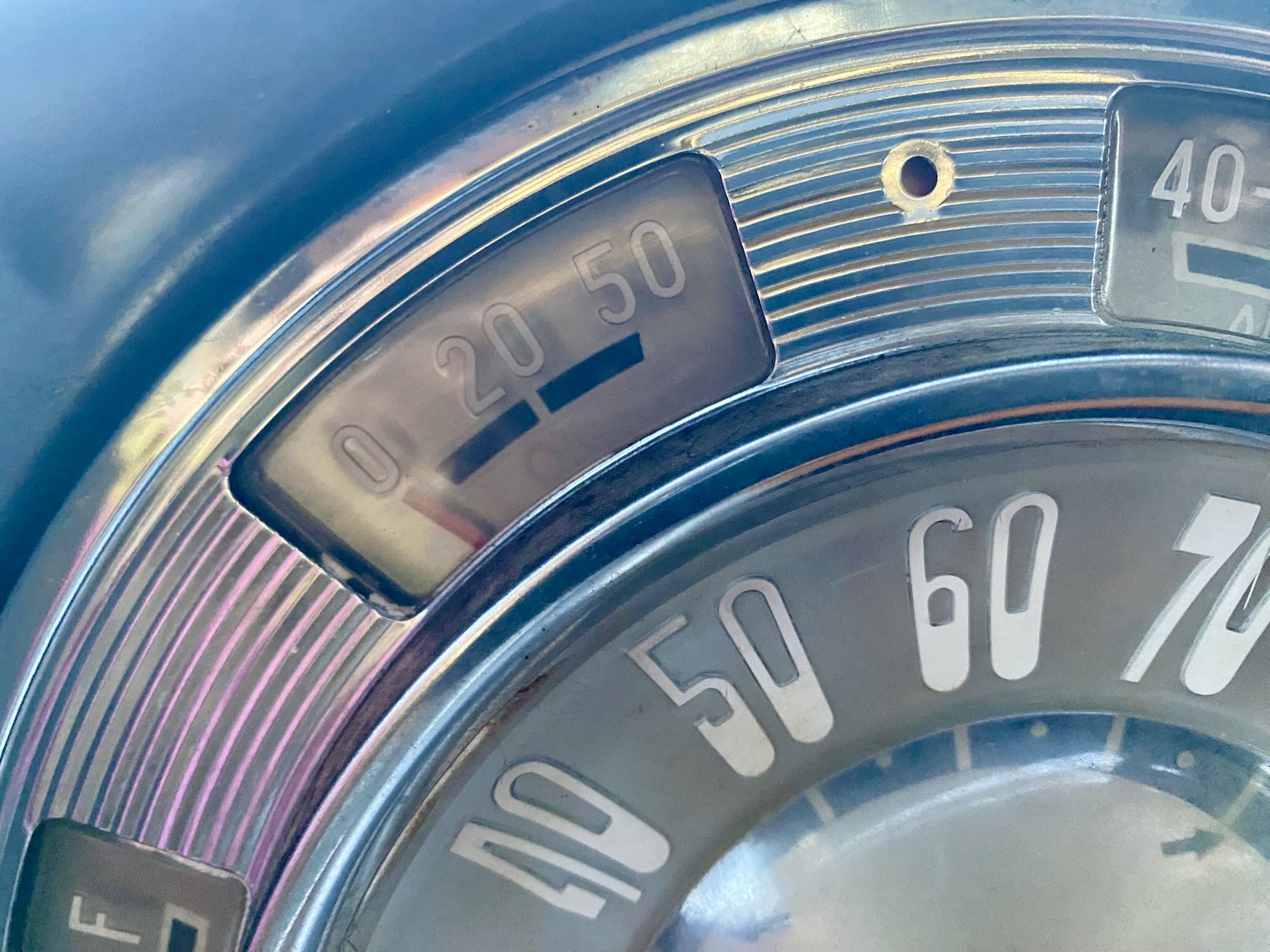
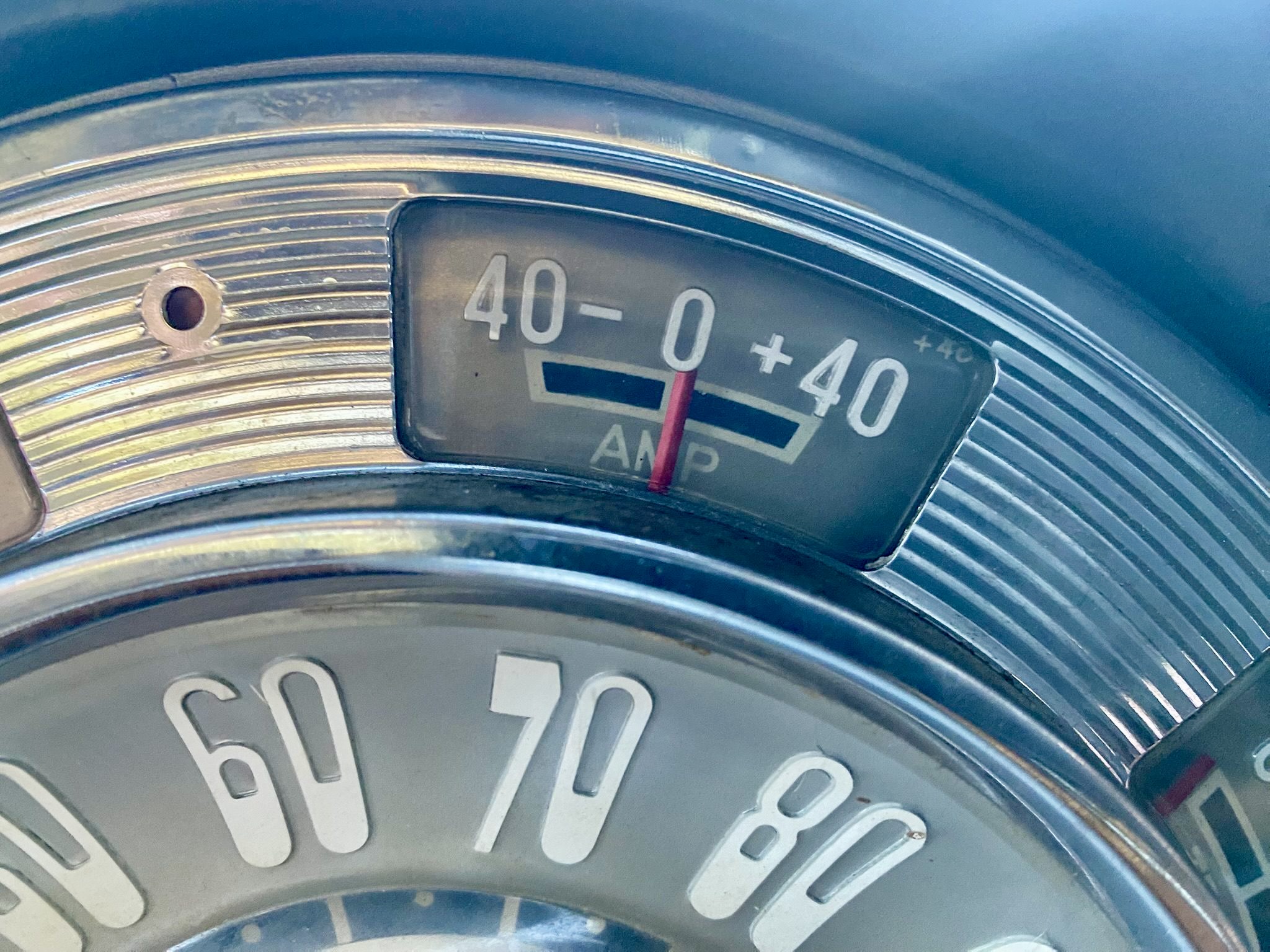
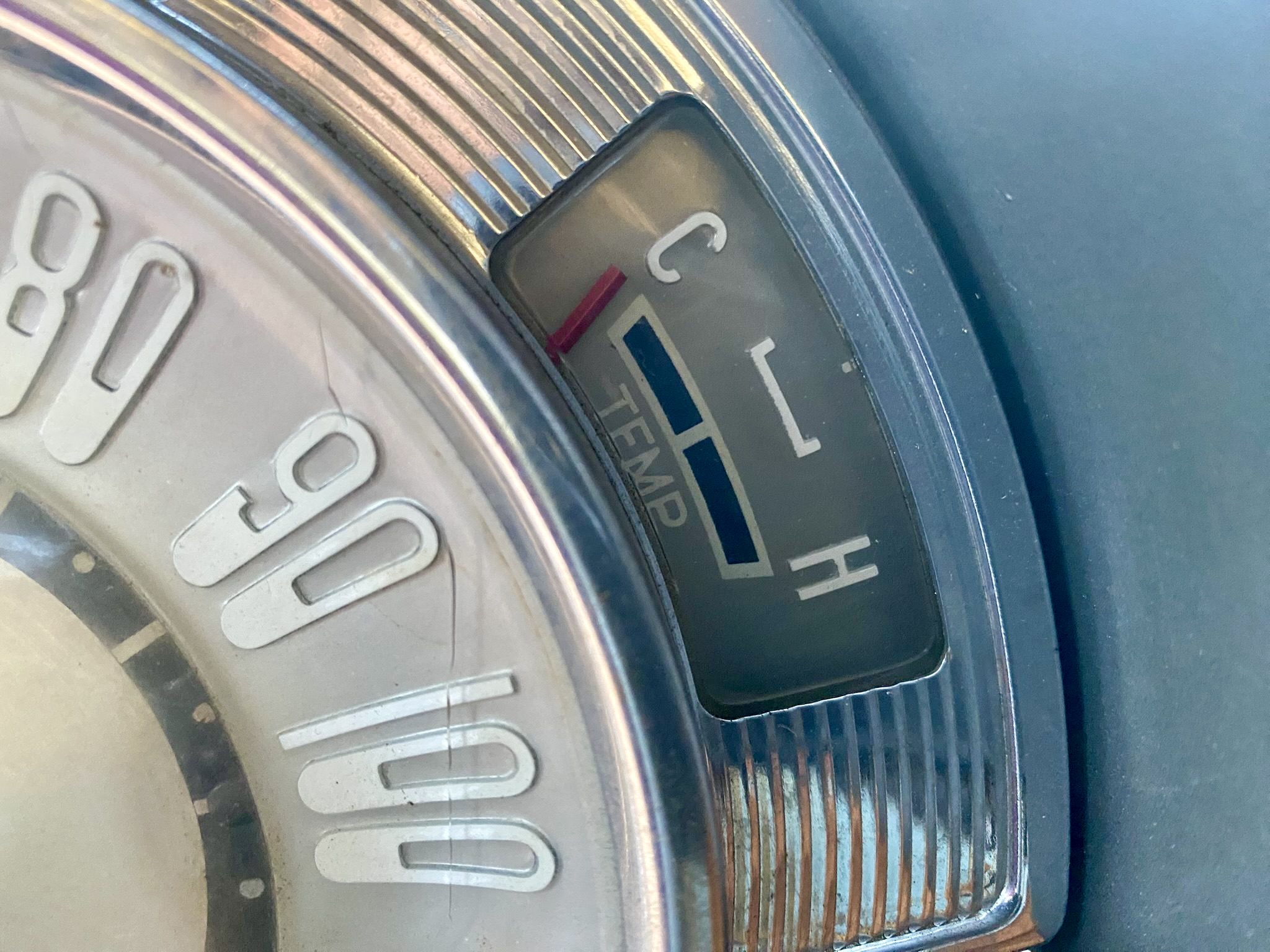
I know exactly the place you are talking about in Rexford, right near the golf course. I love driving past and seeing the sweetheart windshields and asking friends if they can identify the cars – very few know. My dad always had good things to say about KF cars, and he was in both sales and service in the 1950s so he saw them both ways. This would be a fun project, as others have said. It is attractive in its clean simplicity. And the instrument cluster is beautiful, right down to the speedometer font.
I have a 1949 Four door, parts car at $400. Sadly no takers and will meet the crusher soon.
Did you advertise on Facebook, Craigslist, and the Kaiser Frazer owners club?Crusher price will only bring you $100-$150 tops, maybe consider lowering your price to $250? Then you have to tow the car to the crusher, that takes time, gasoline and effort, many crushers won’t take the car without a title also.
Henry Davis, you’re a little off on the Kaiser engine. While it’s true that initially KF purchased the engines from Continental, that was only for a short time, by 1948 all of the engines were manufactured by Kaiser Frazer in Willow Run since KF purchased the rights to build the engine themselves. Kaiser revised the engine also, and the 1951 engine had major redesign of the crankshaft and main bearings for example. The manifolds were of entirely KF design.
Thanks for the correction Duaney, it sounds right. I was trusting to a memory of when I got my Kaiser 25 years ago.
Wonder if there’s any chance of buying the hood ornament only lol
I think the chrome bison on the earlier models is a better ornament.
The 2dr sedan had the 4dr roofline with longer doors and quarters. In 51 they also made a coupe with a shorter greenhouse which I think looks a lot better than the 2dr sedan. They didn’t build or sell many and the bodystyle was dropped although there were supposed to be a few 52 coupes built from leftover 51s. A few privateers have built 53 and 54 coupes by swapping out the appropriate pieces.
I used to drive the British Ford Zephyr Sixes in Rhodesia, Central Africa, and on the open road cruised behind my friends Mercedes 230 S at 95 mph on his speedo for nearly 300 miles, on Bias Ply tyres, which were known as “Cross ply” in those days. We also had what were called “Strip roads! They were just two strips of tarmac, one strip of tarmac for the left side wheels and another strip for the right side wheels. I rarely slowed down below 70 mph, and that was when I had to leave the “road” to the left, leaving the drivers side wheels on the one strip while the oncoming vehicle did the same until we had passed each other and then jump back onto both strips! Lots of chipped and broken windscreens and headlights. I worked for a plastics company in those days where we made w/screen and headlight covers from clear “Perspex” and affixed them using rubber suckers so that the wipers could still work. Very exciting drives in the 1950’s!
Had a ’51 a few years back, restored to near perfection before I got it. Went to Hardee’s one morning for breakfast and was immediatley surrounded by a crowd of “old guys” (about ten years older than me!). An hour later I had somehow sold it. Drove him and his wife to get the title transferred and it was very apparent she was not on board with him buying it. He didn’t care and put it under his carport. Years later it was still there, getting assaulted by the weather.