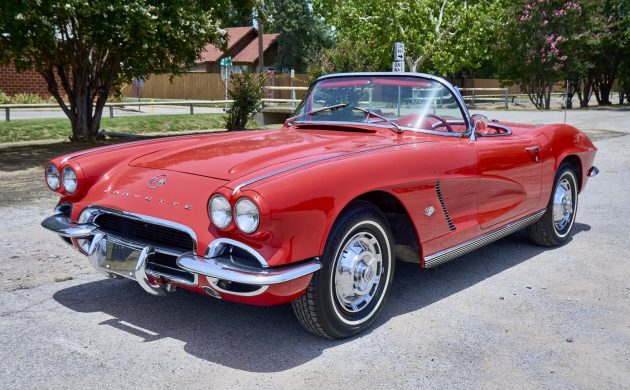
- Seller: John B (Contact)
- Location: Mineral Wells, Texas
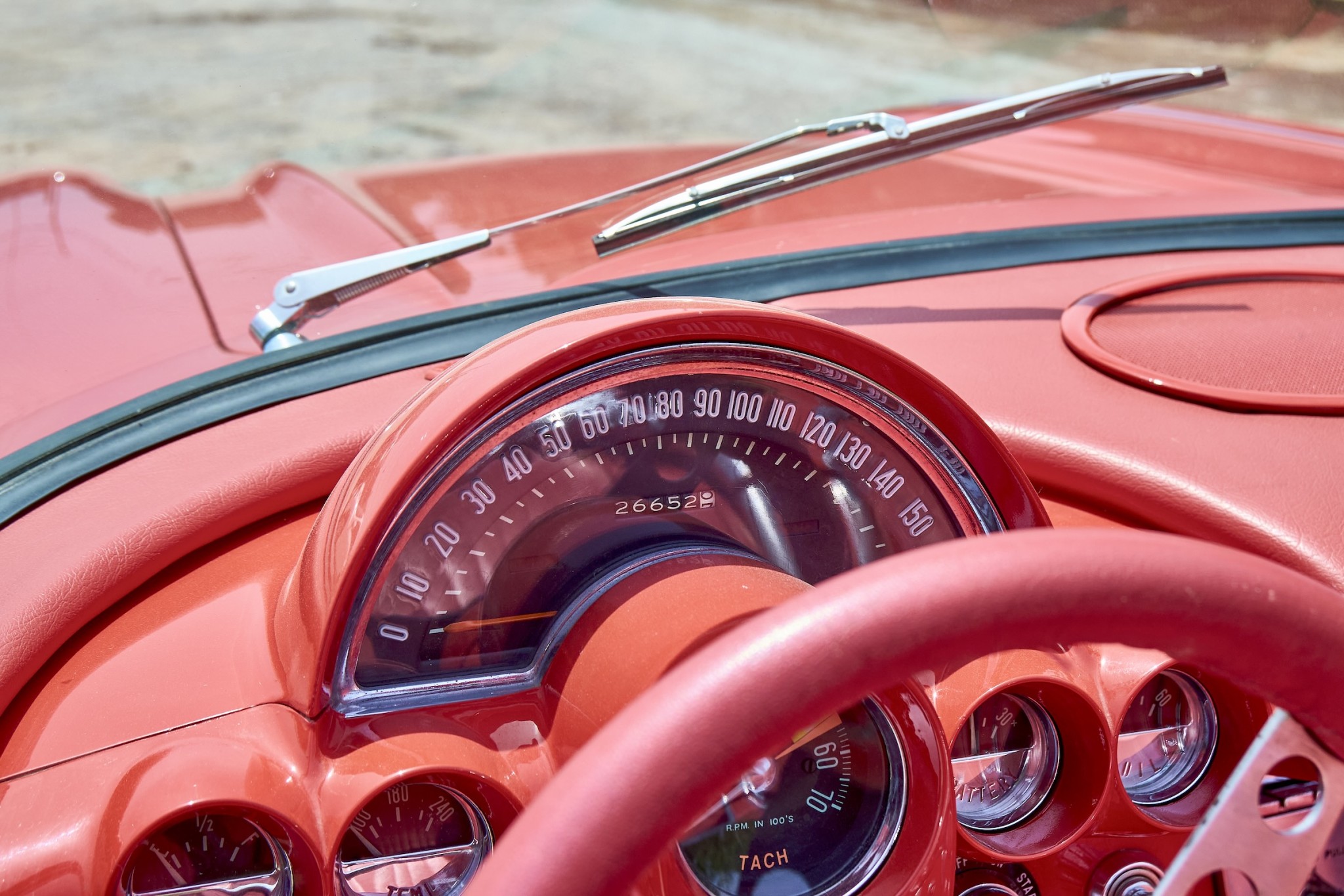
- Mileage: 39,000 Shown
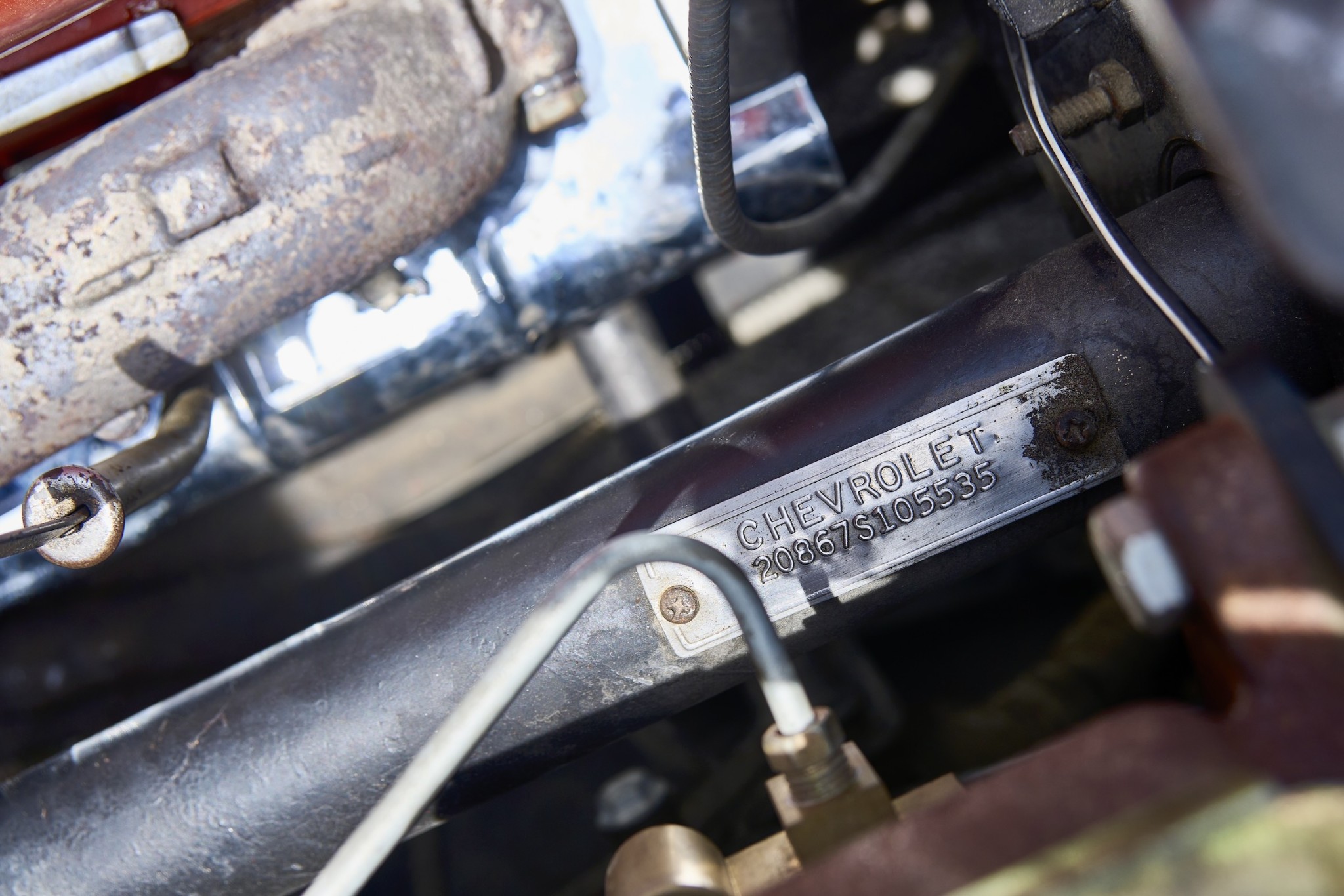
- Chassis #: 208675105535
- Title Status: Clean
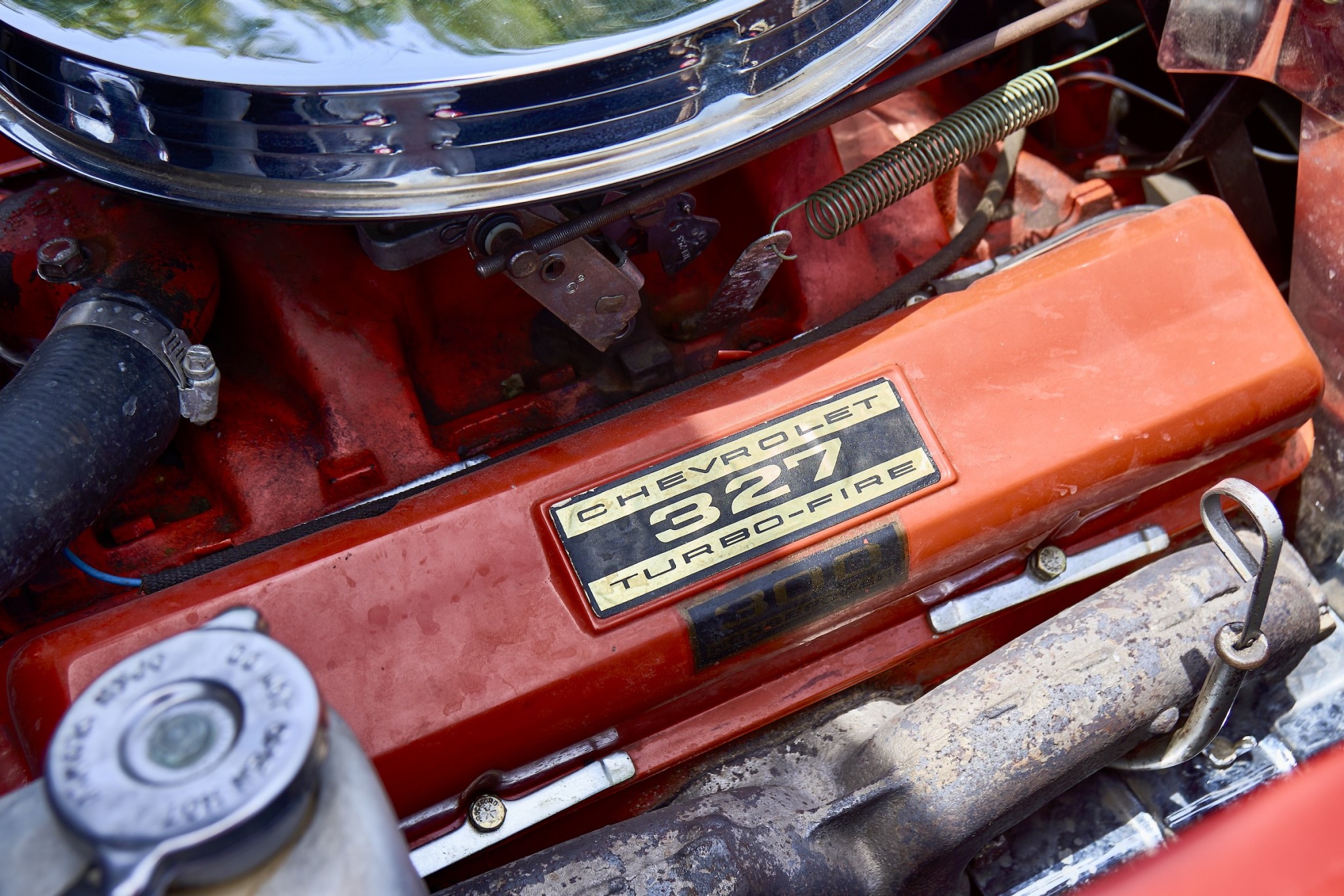
- Engine: 327 cui V8 with 300HP
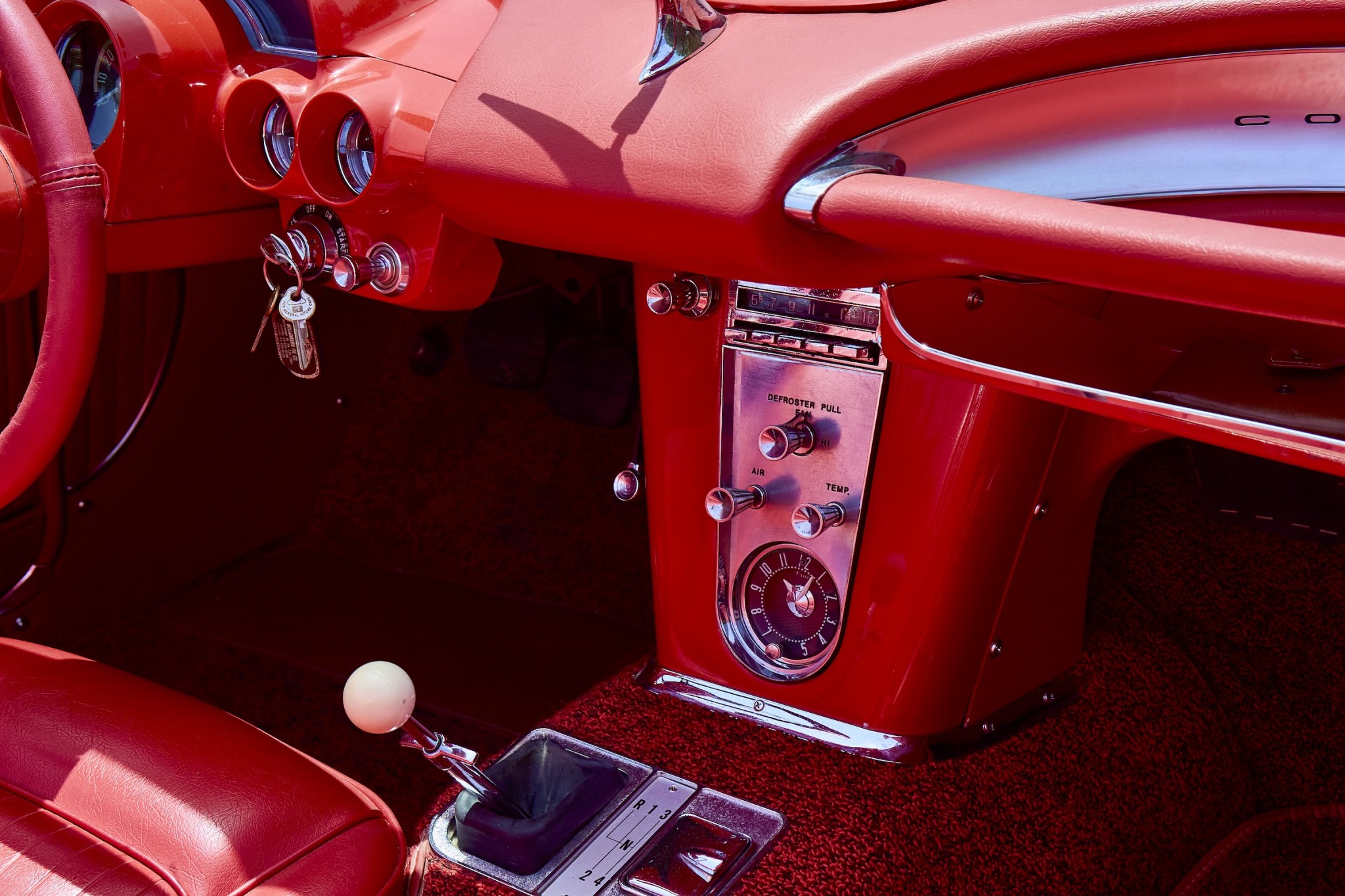
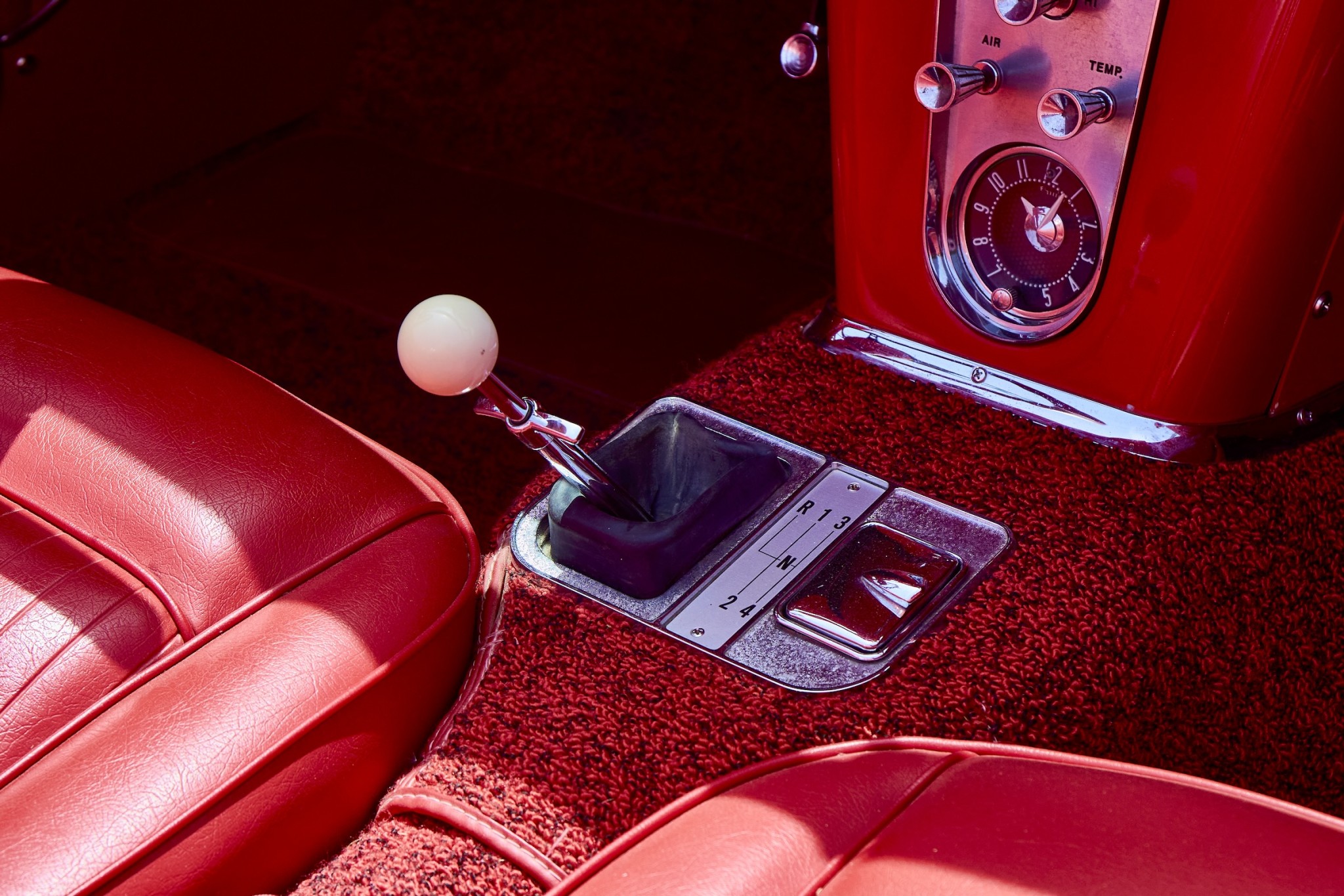
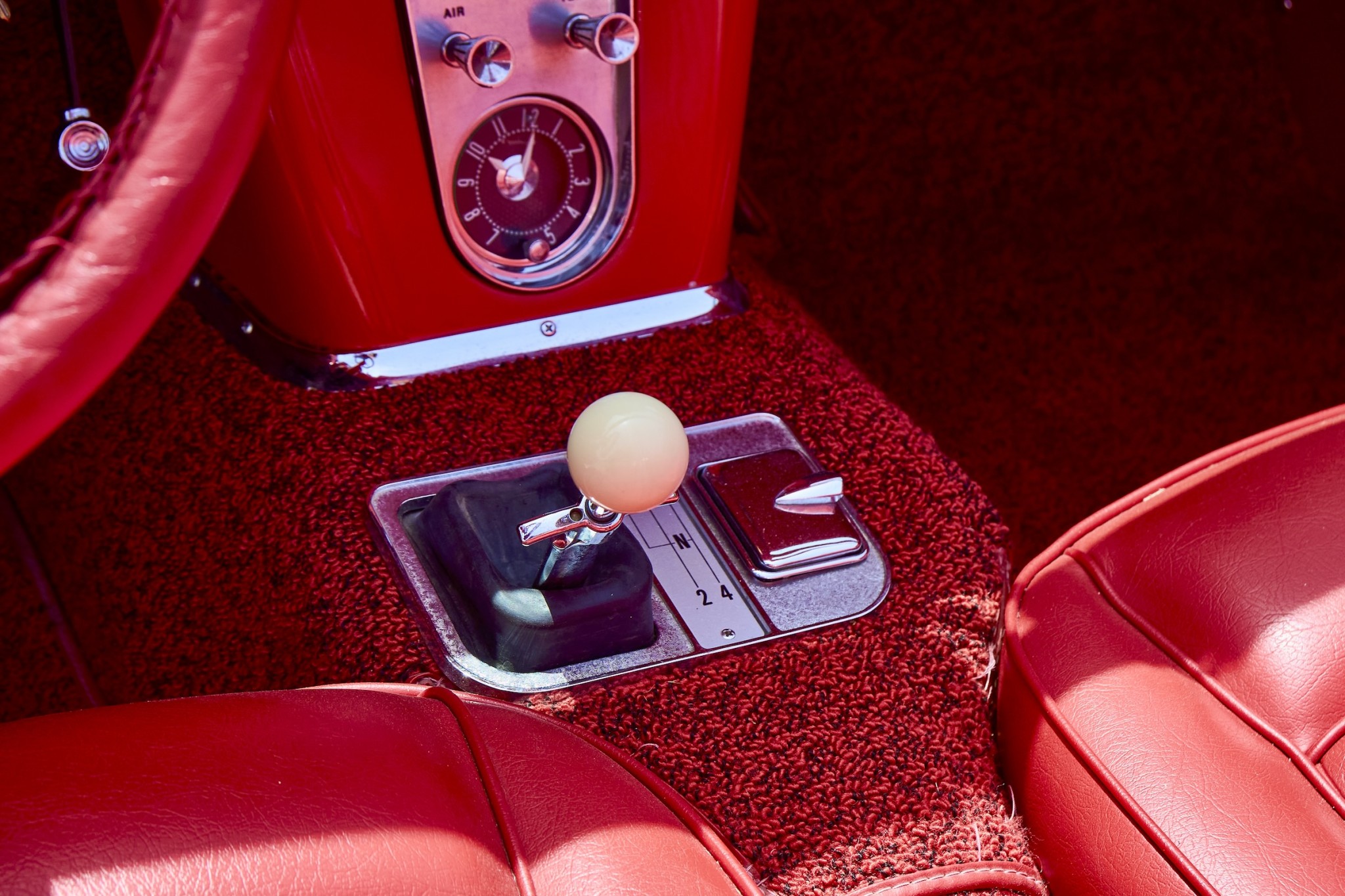
- Transmission: 4-Speed Close Ratio Manual
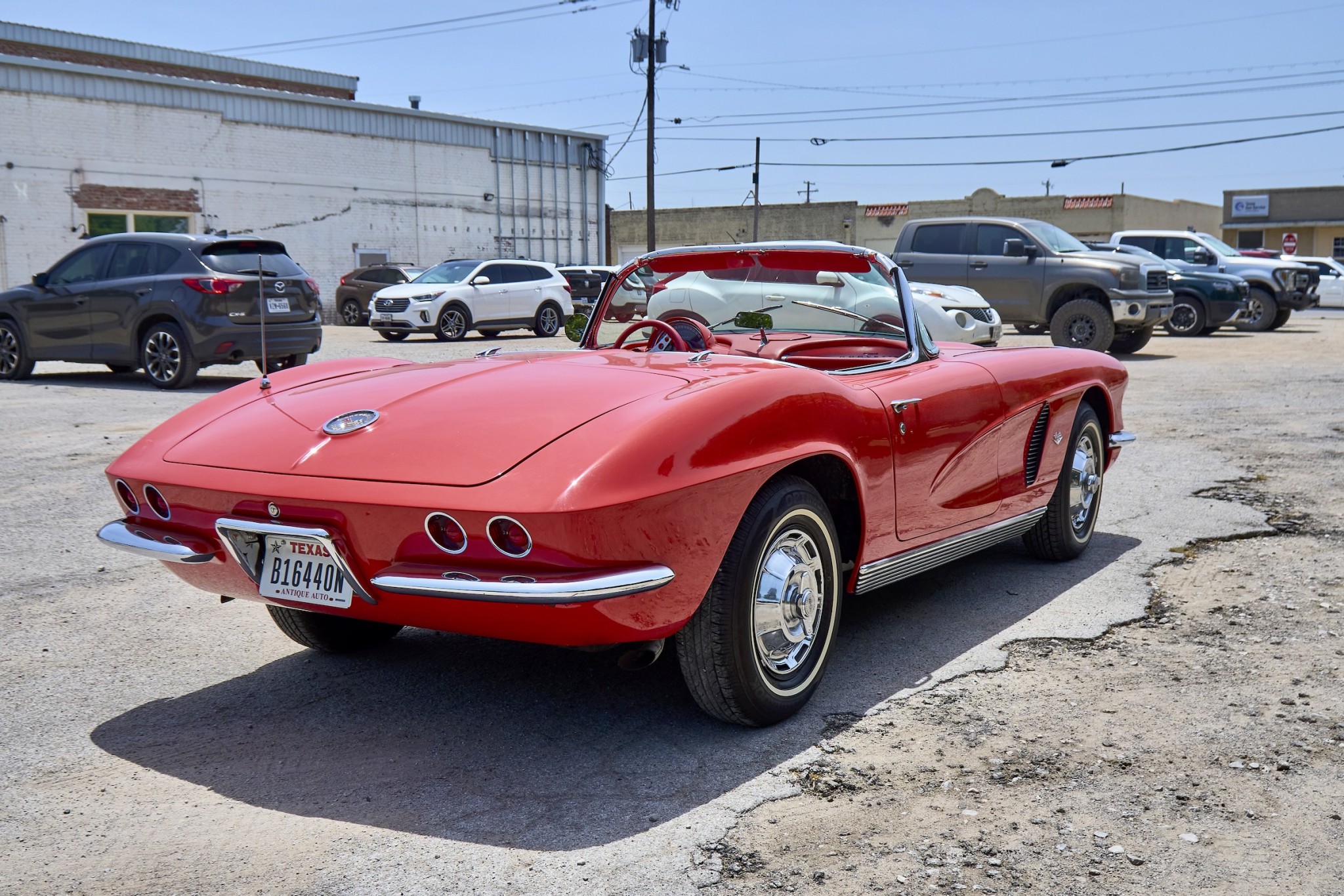
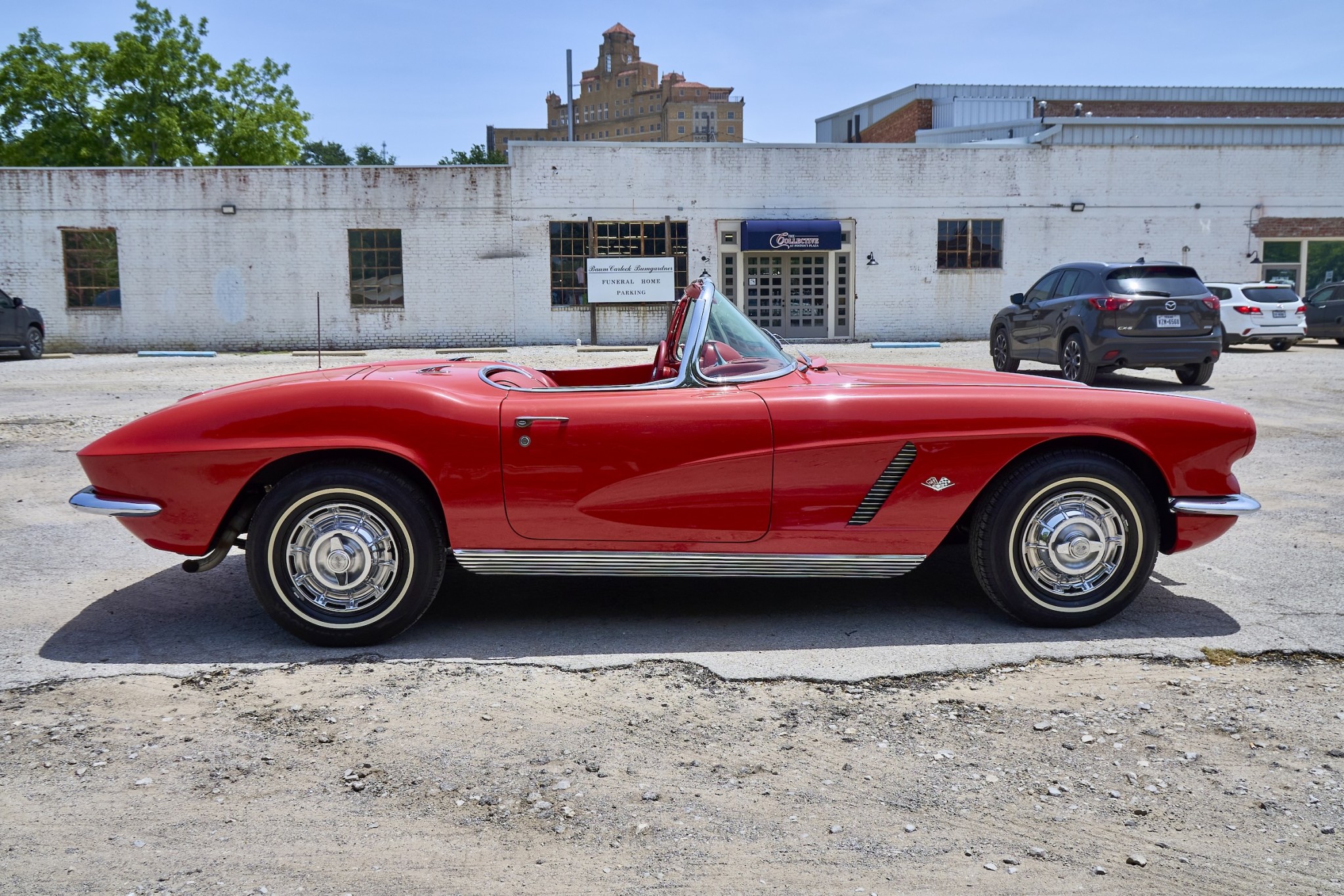
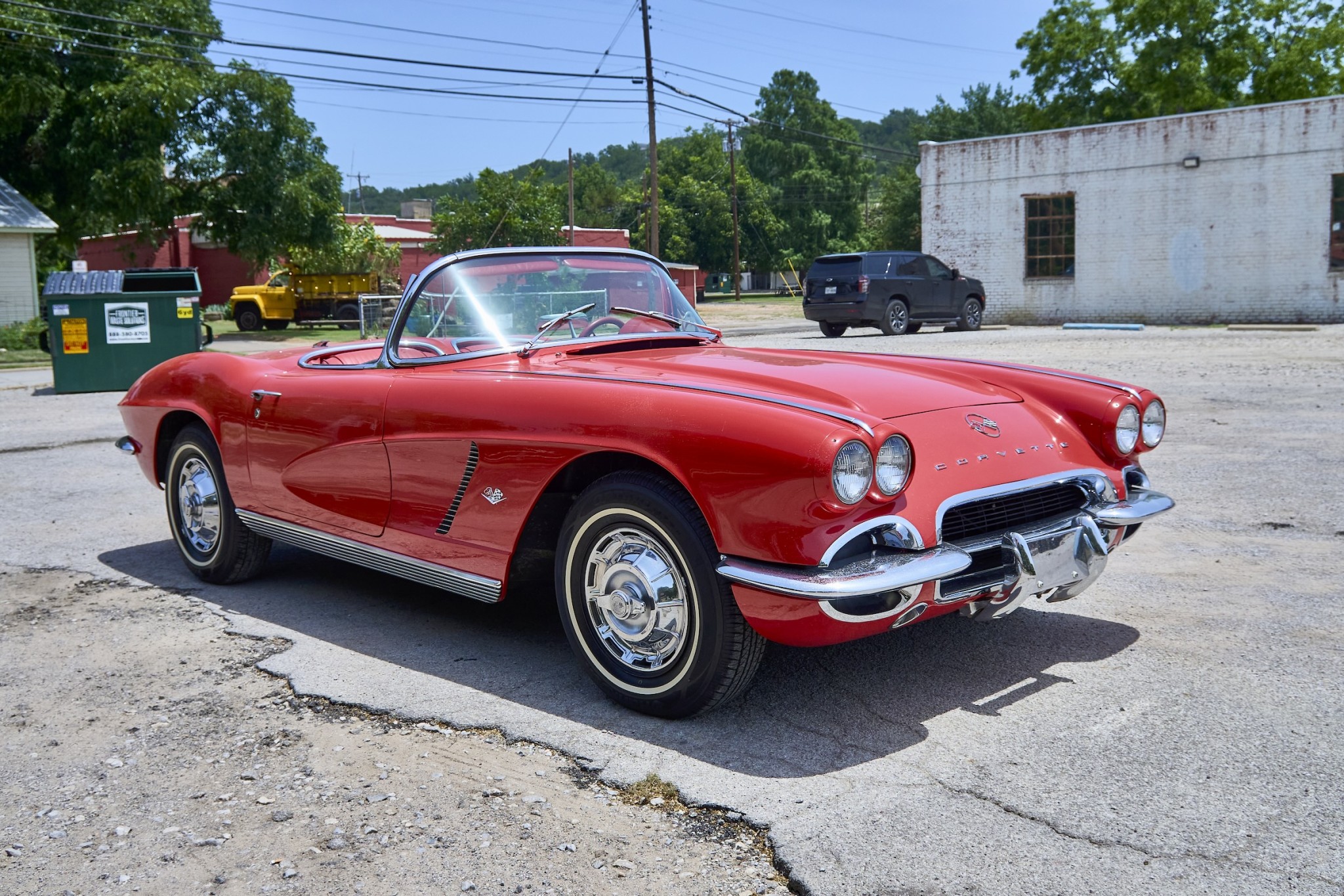
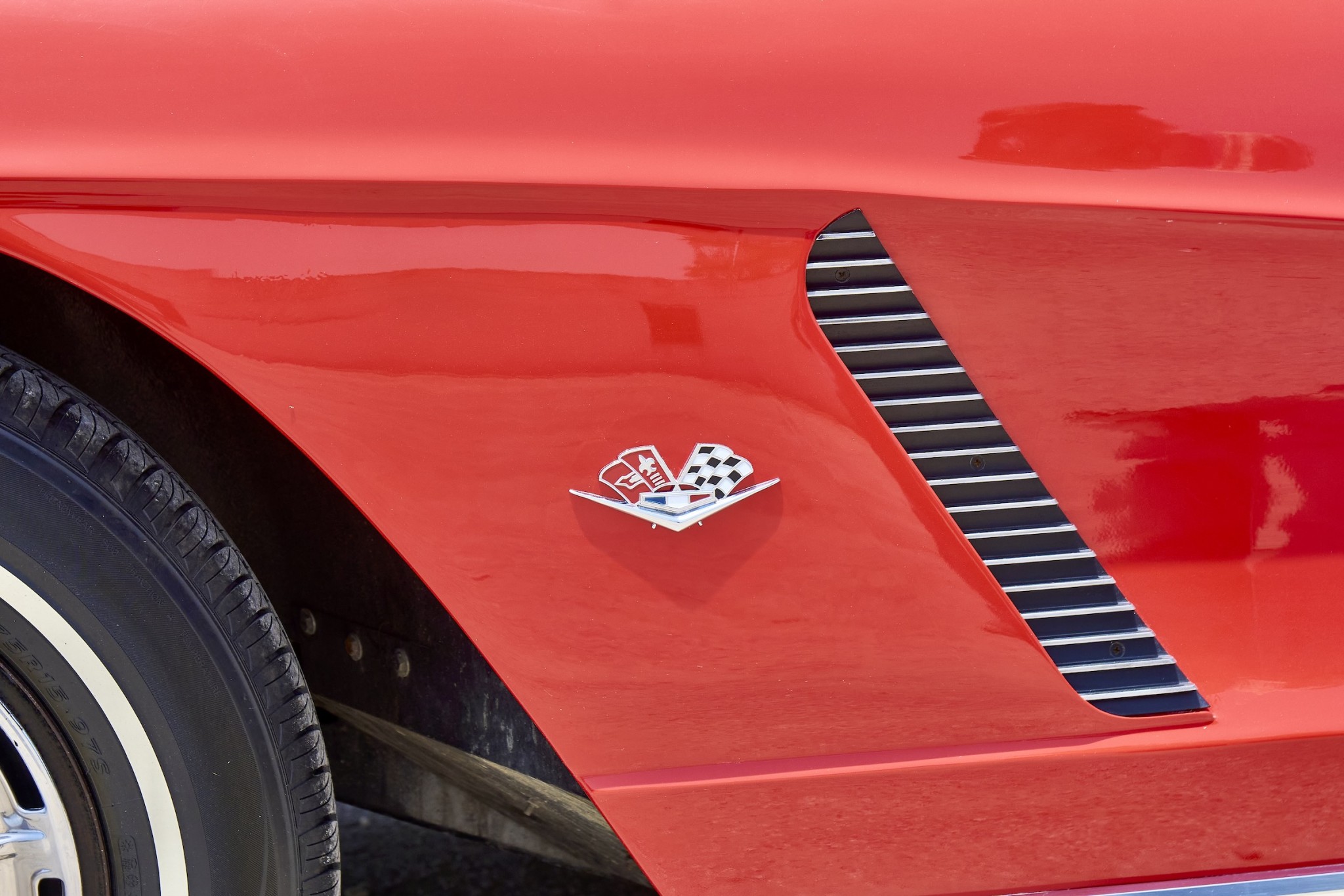
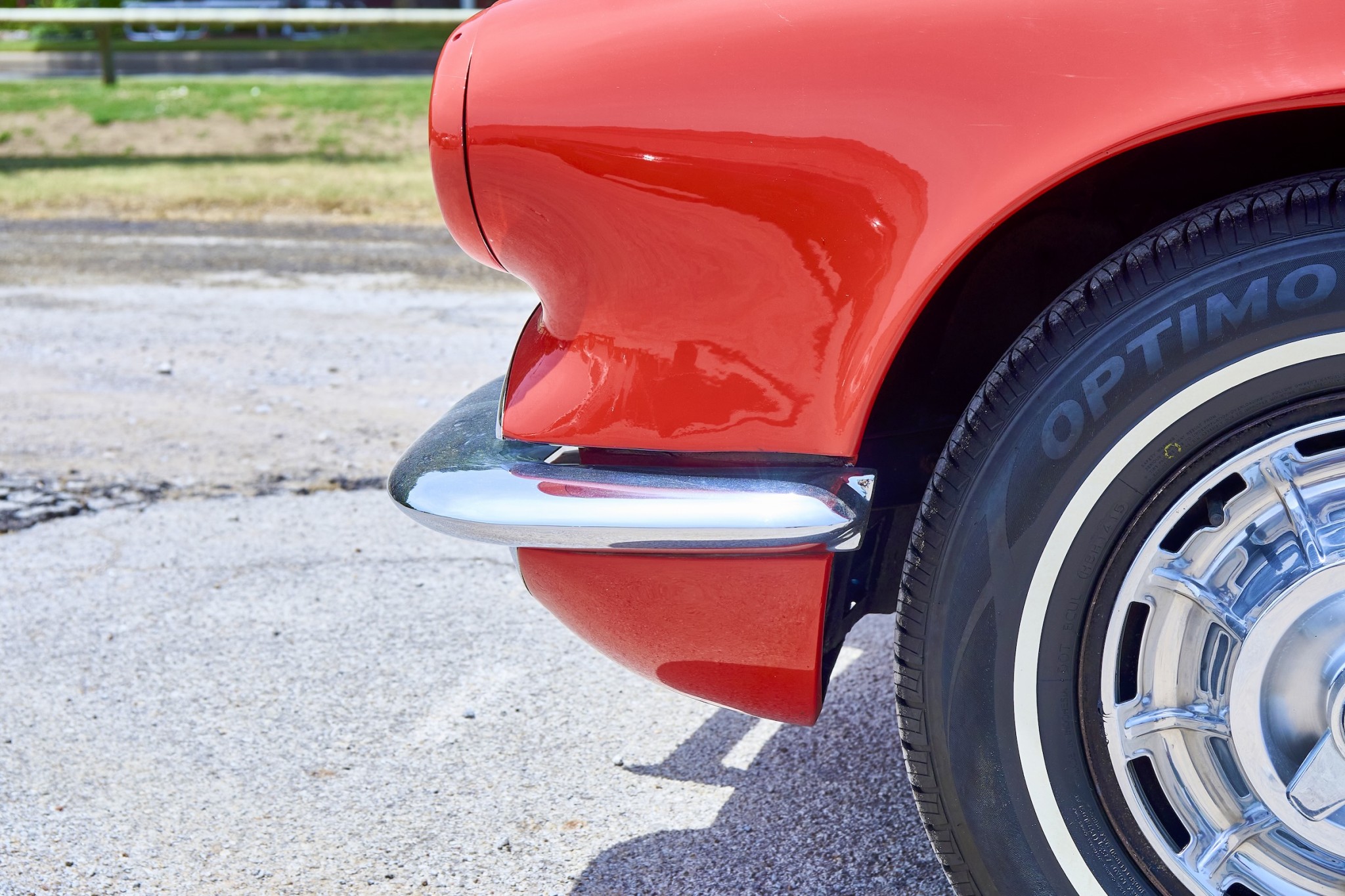
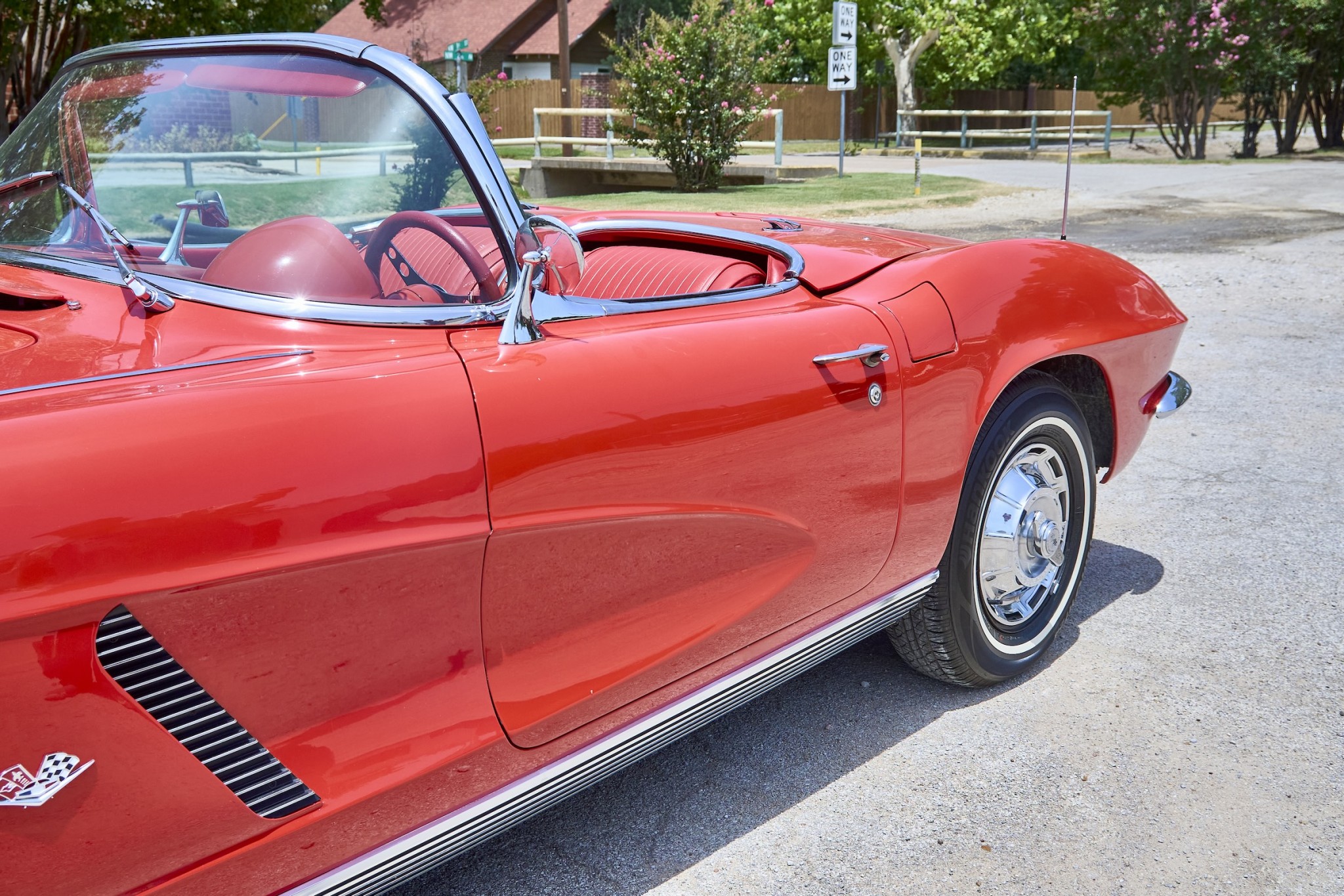
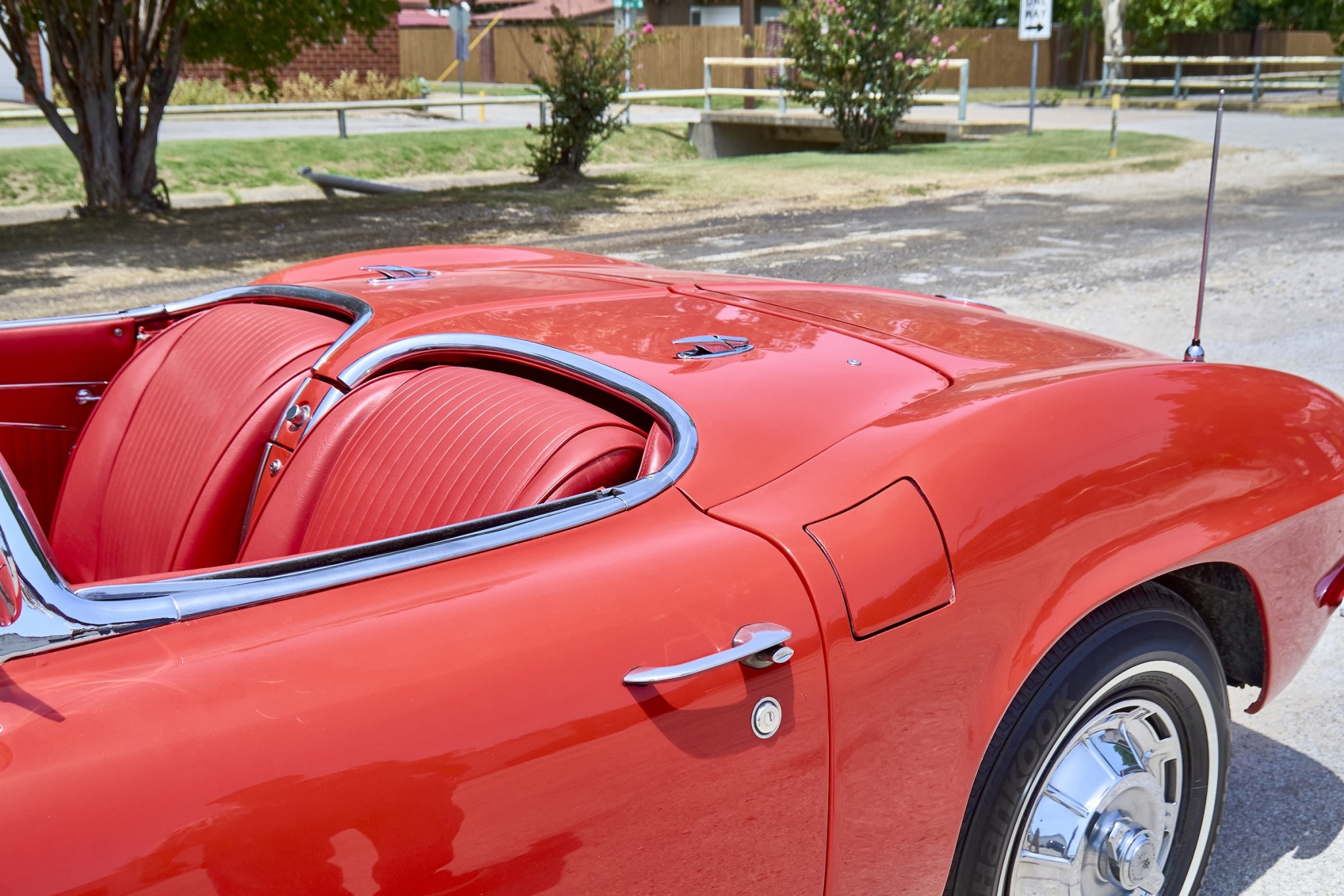
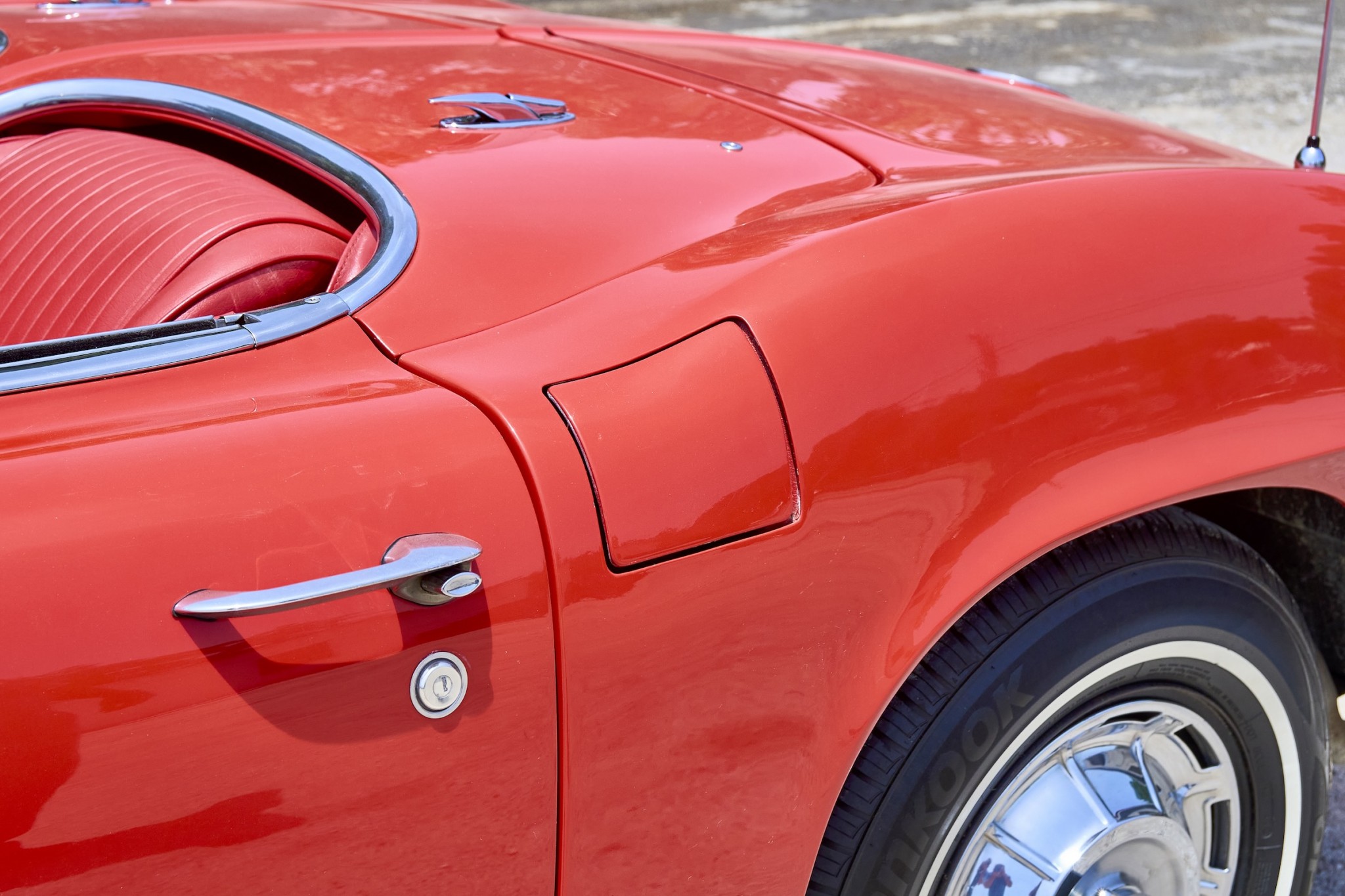
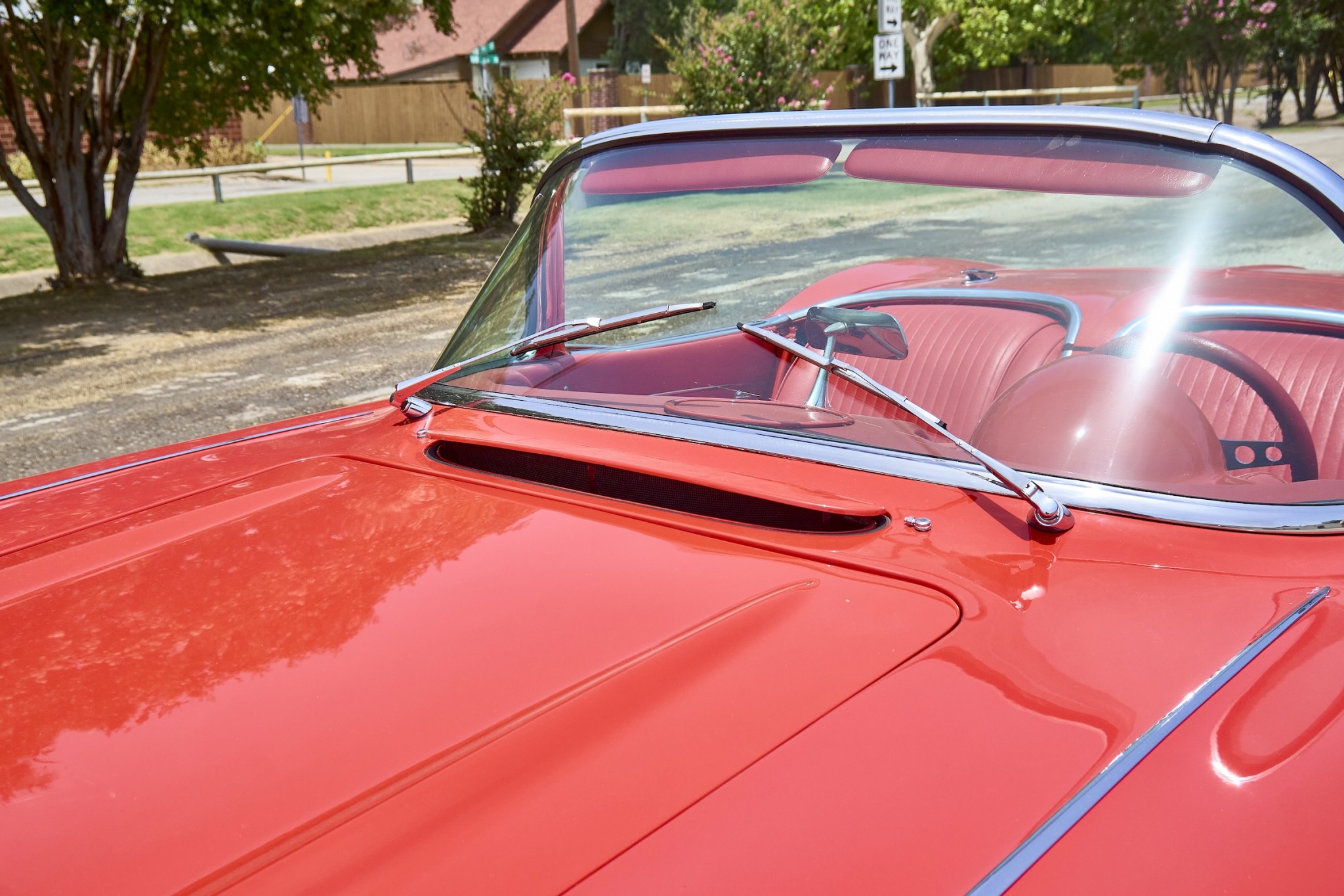
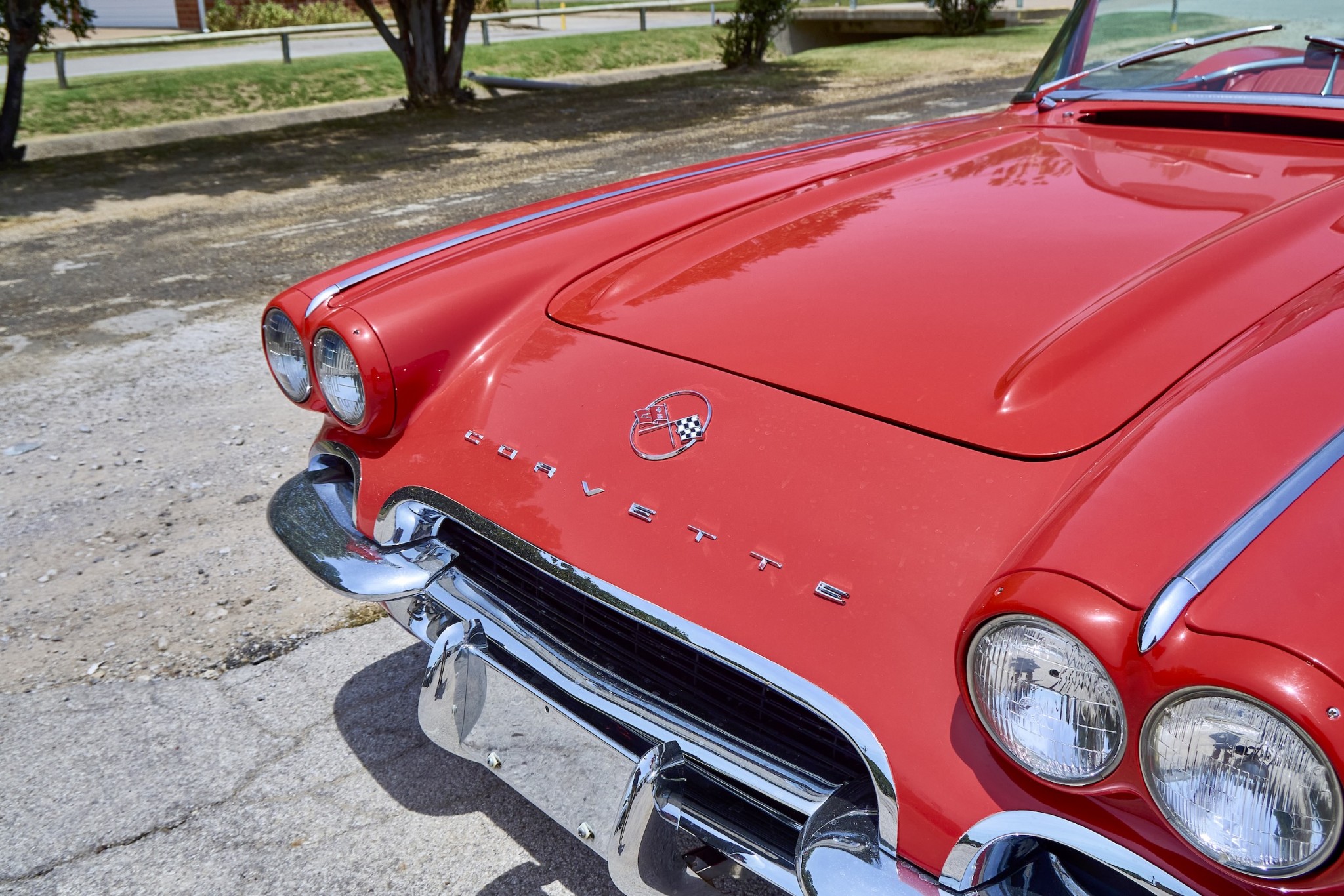
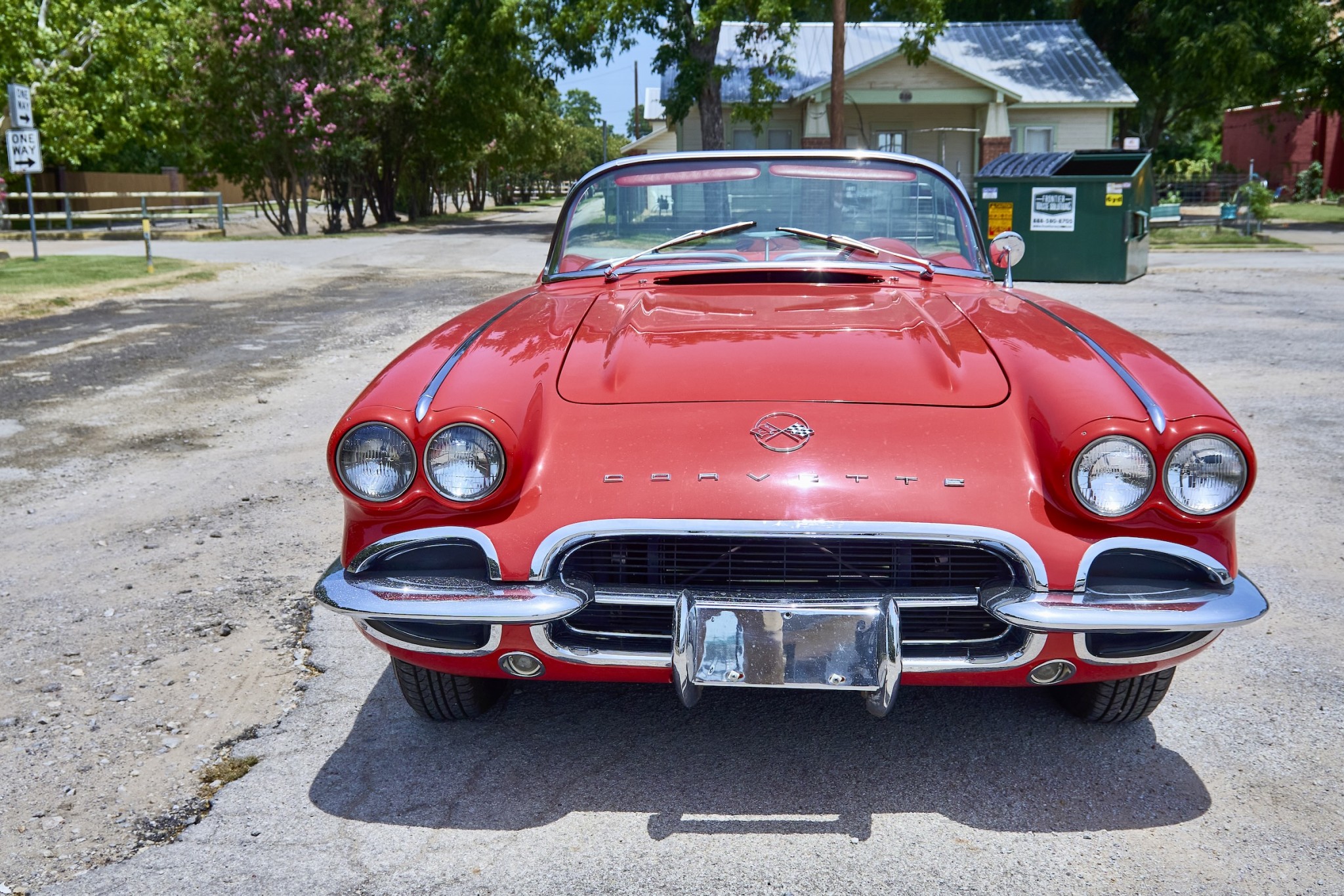
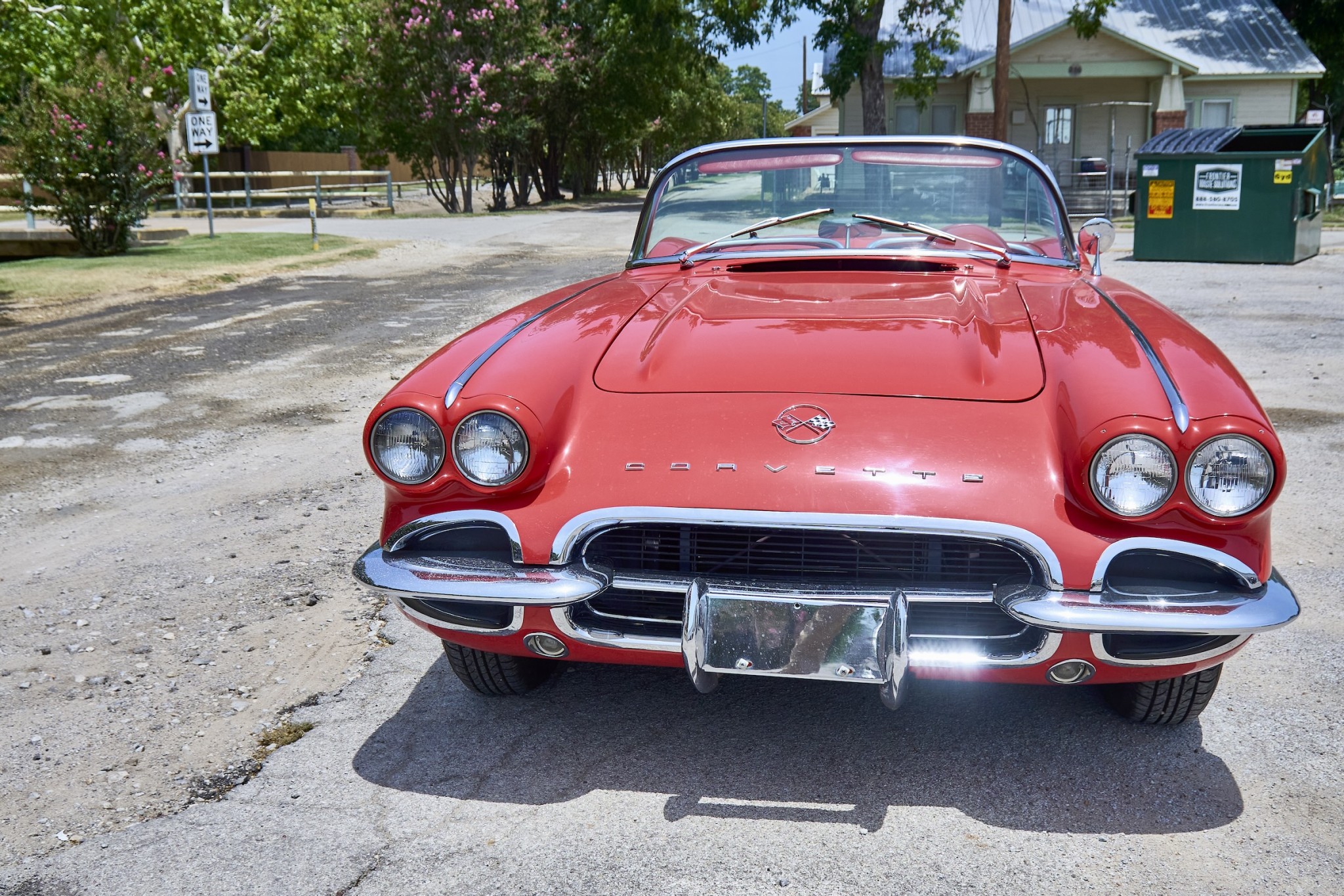
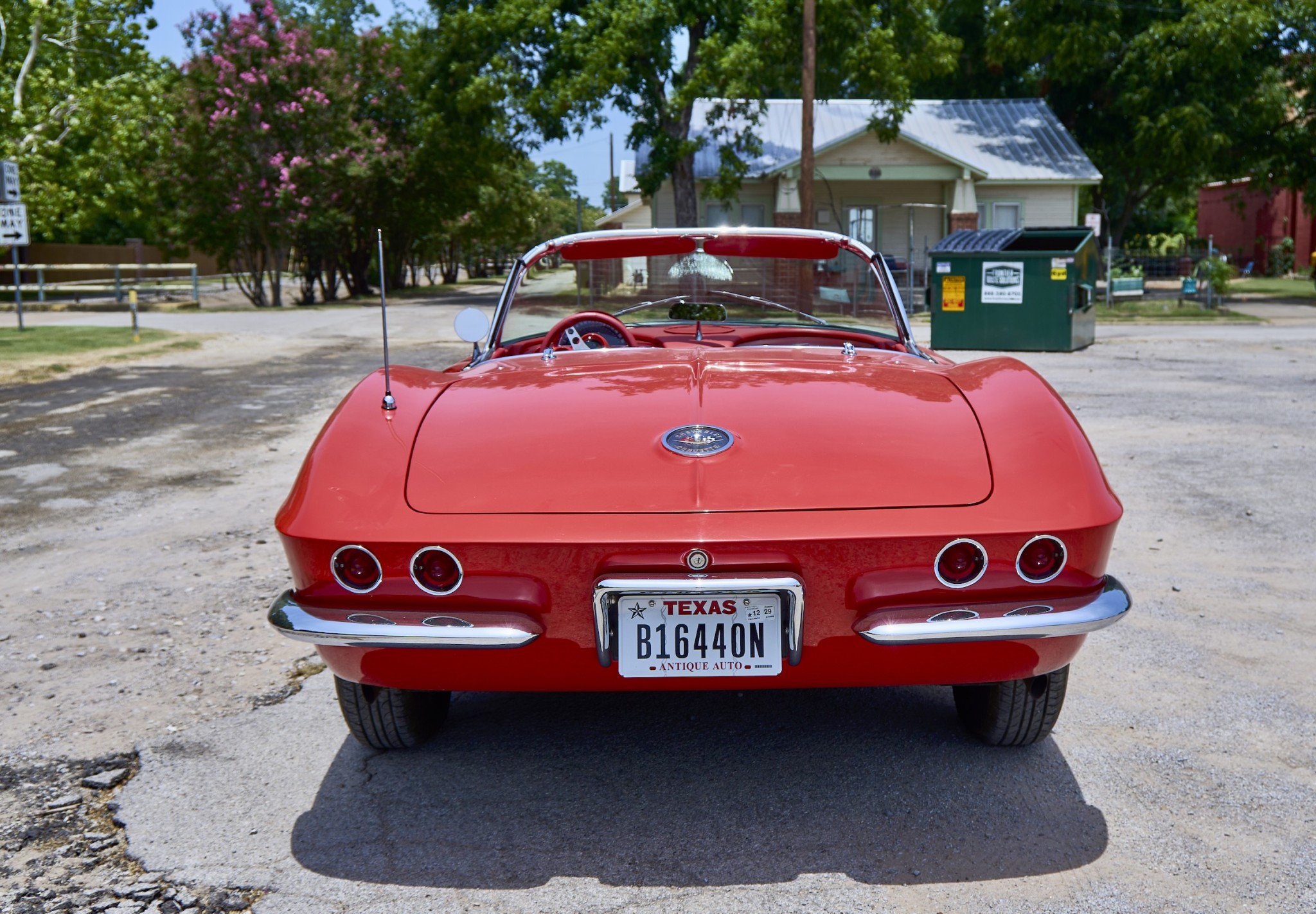
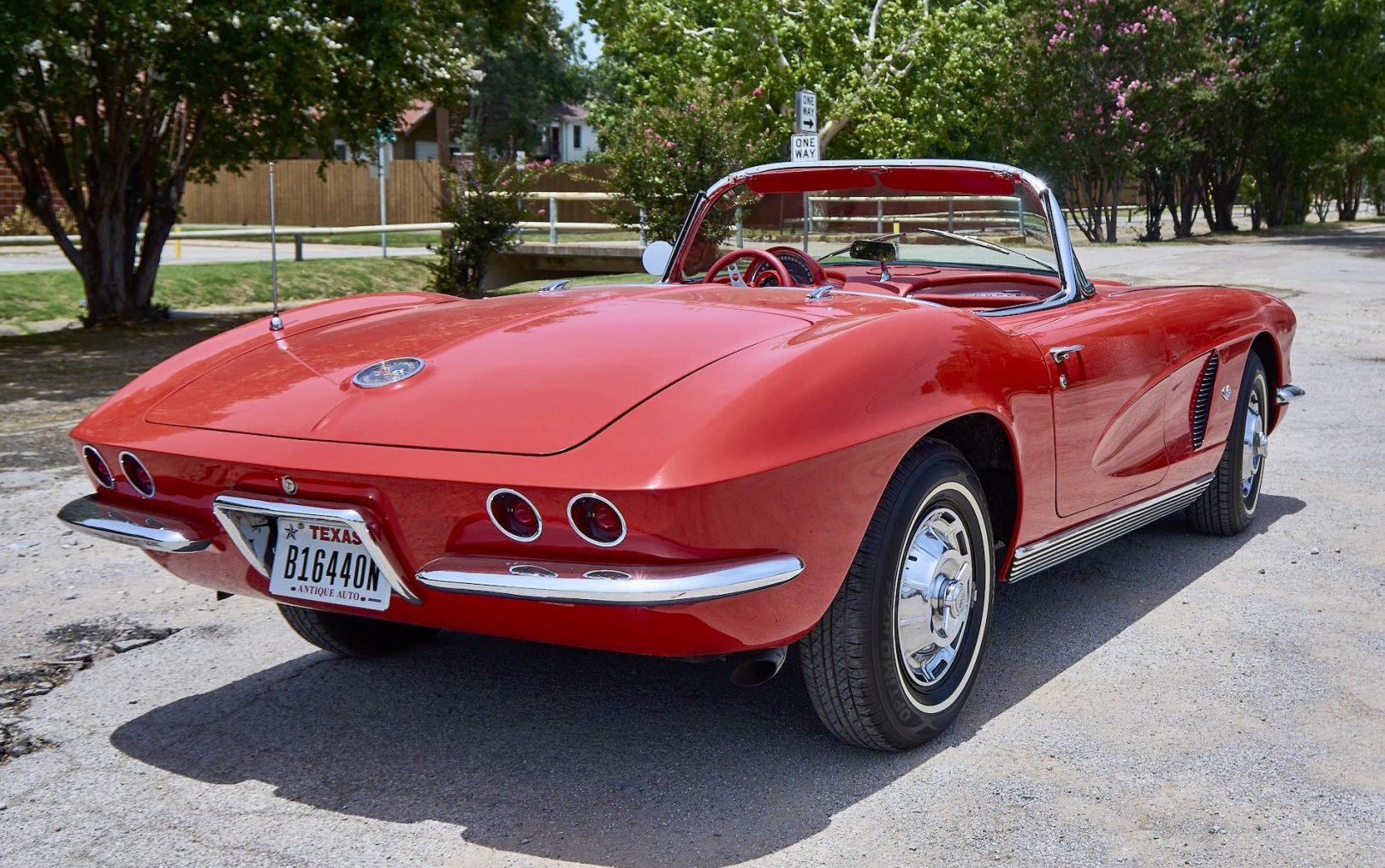
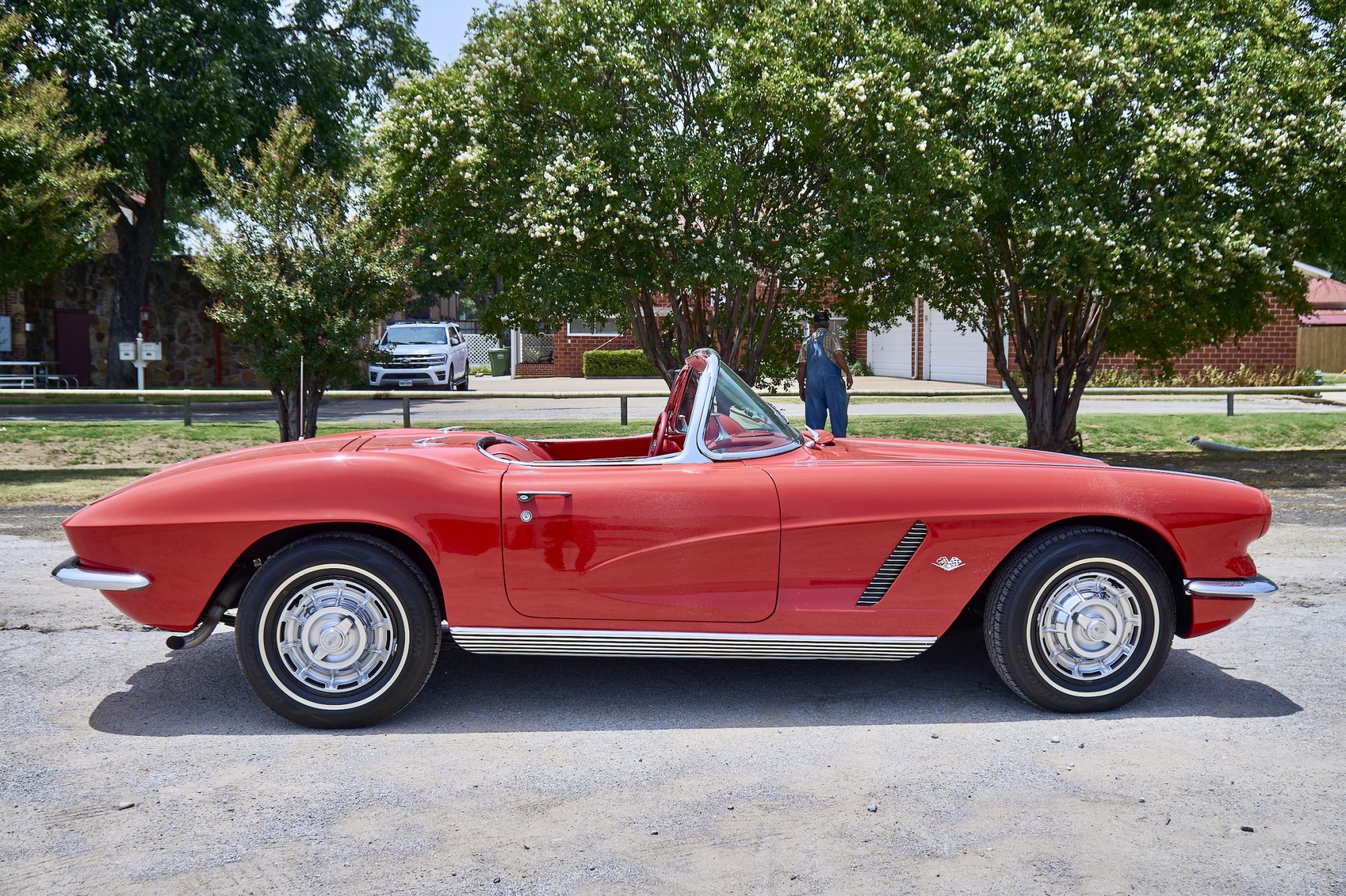
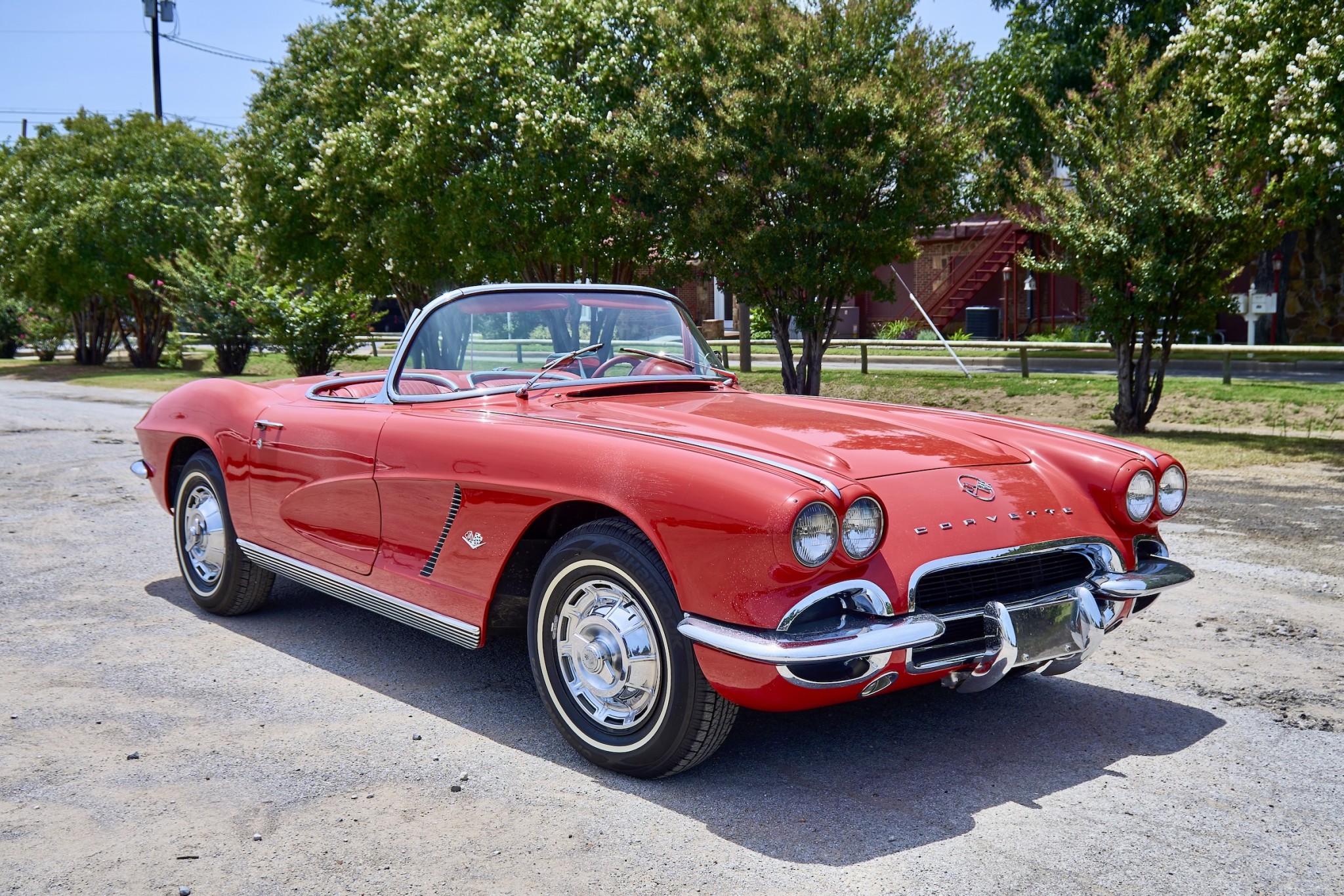
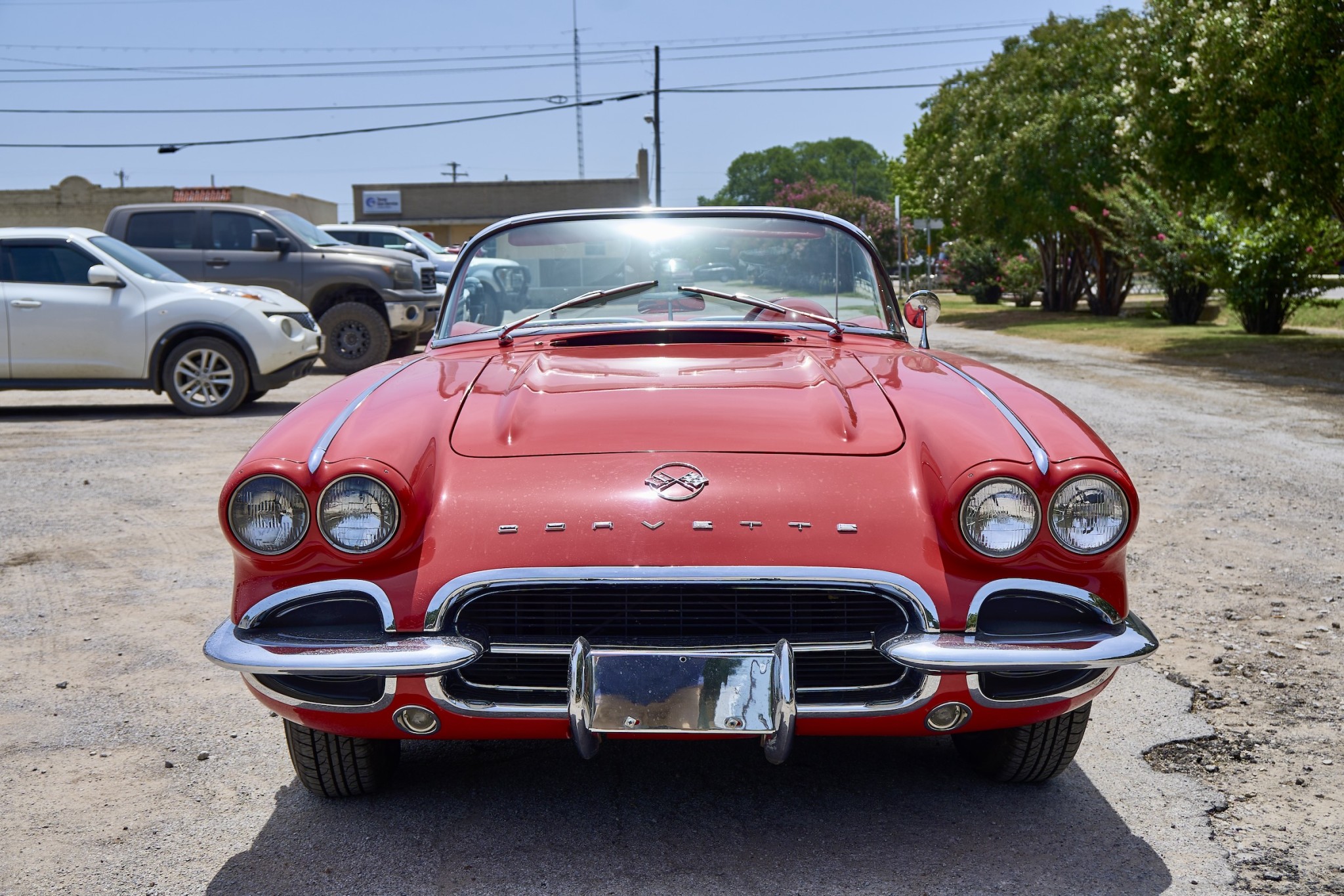
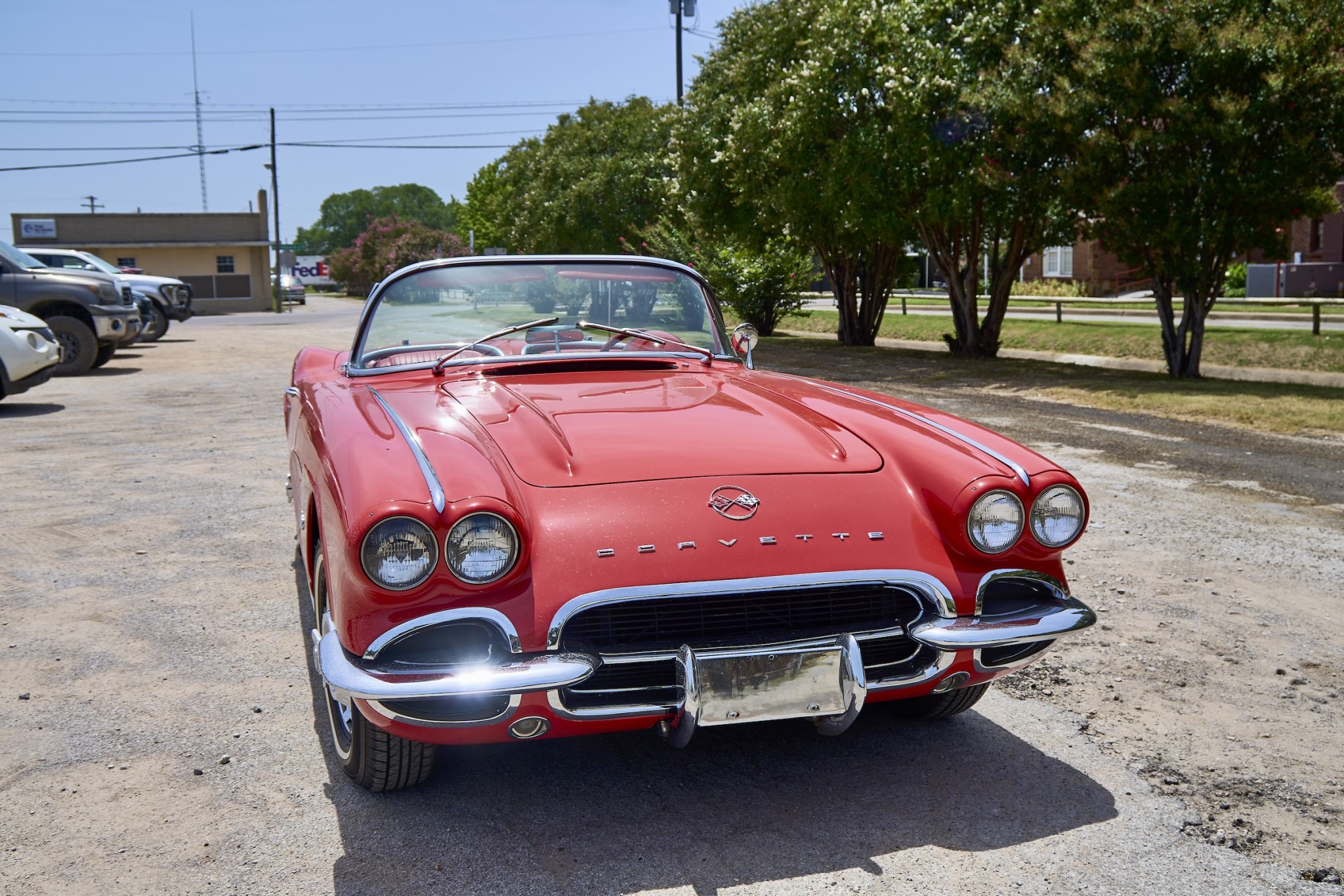
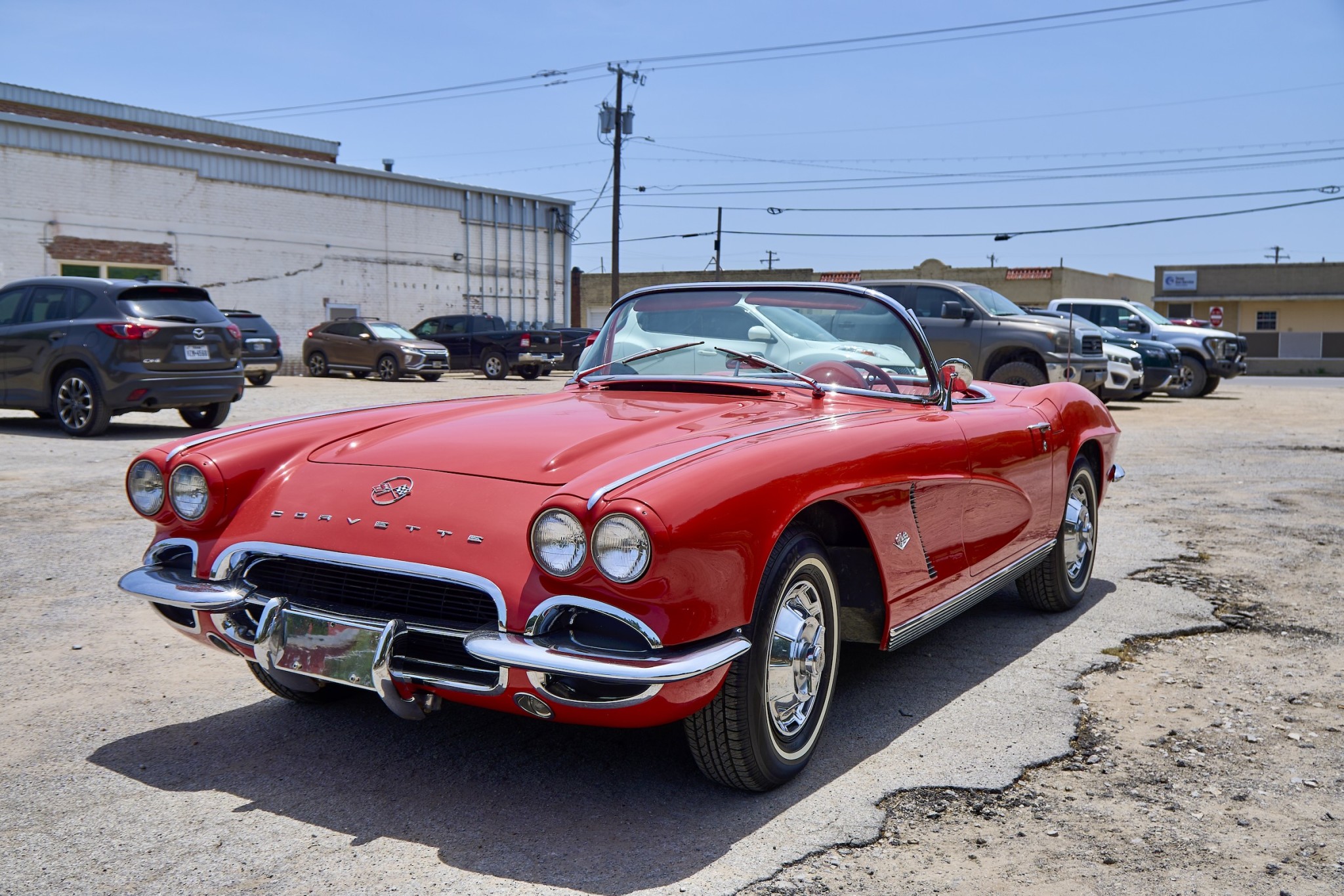
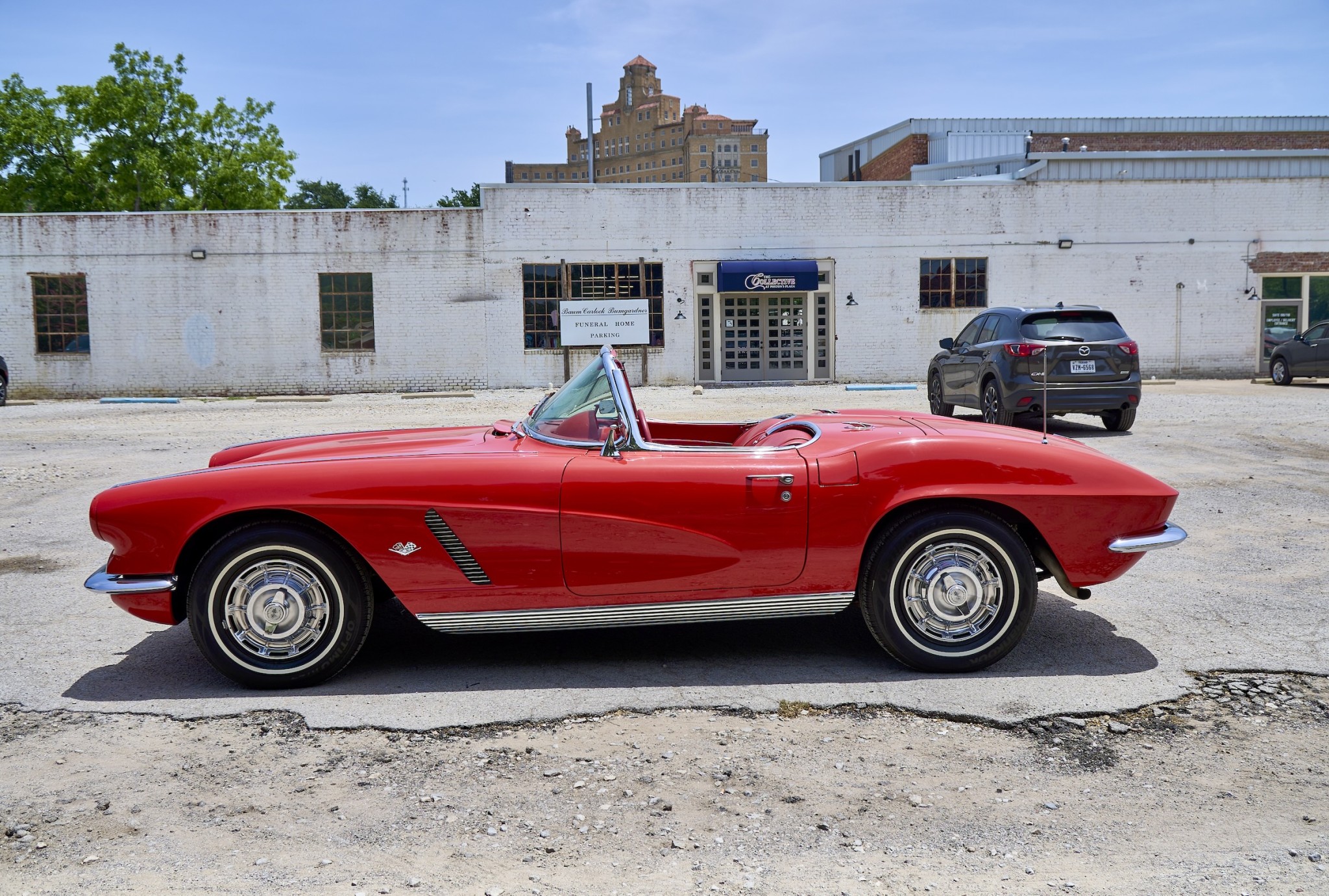
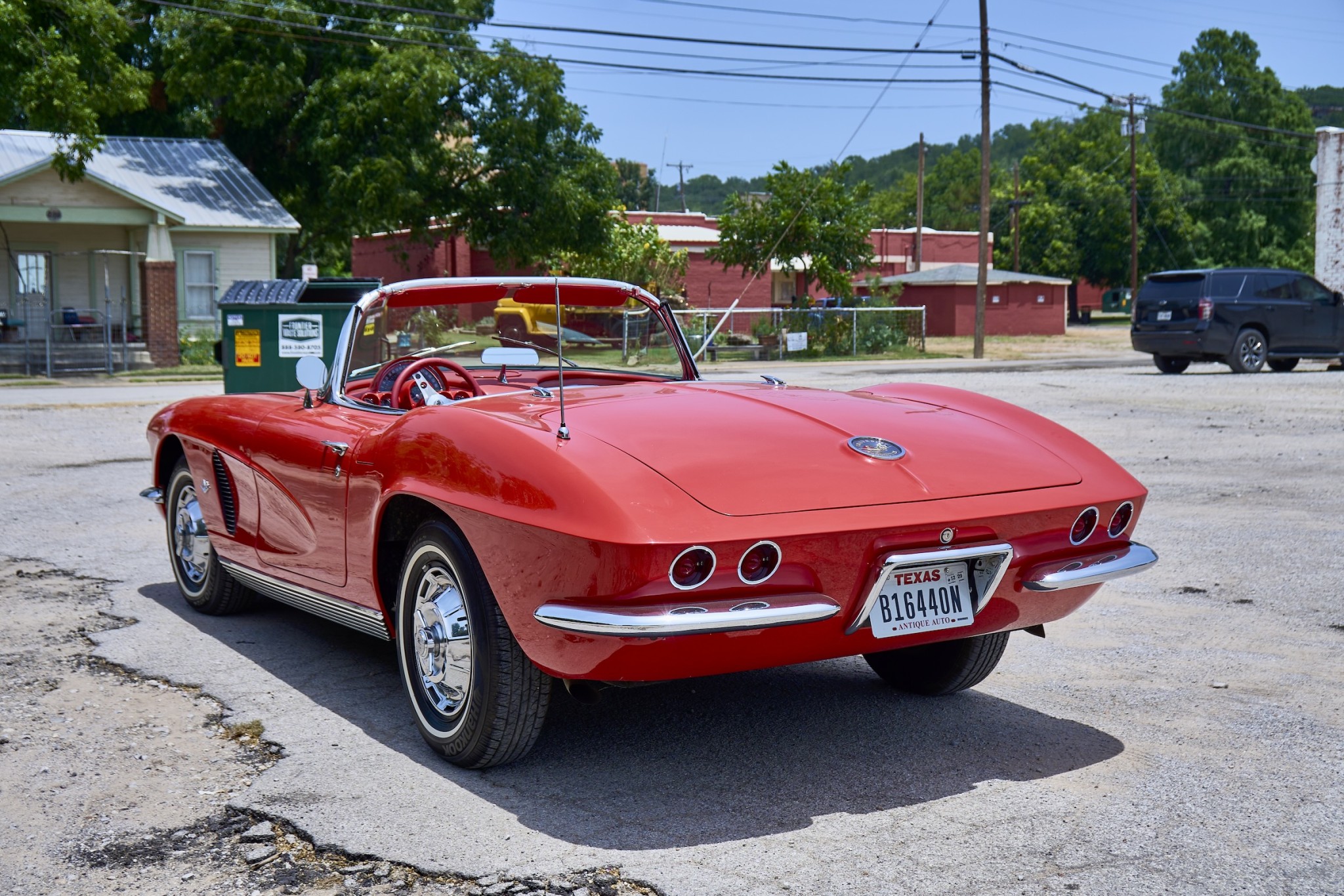
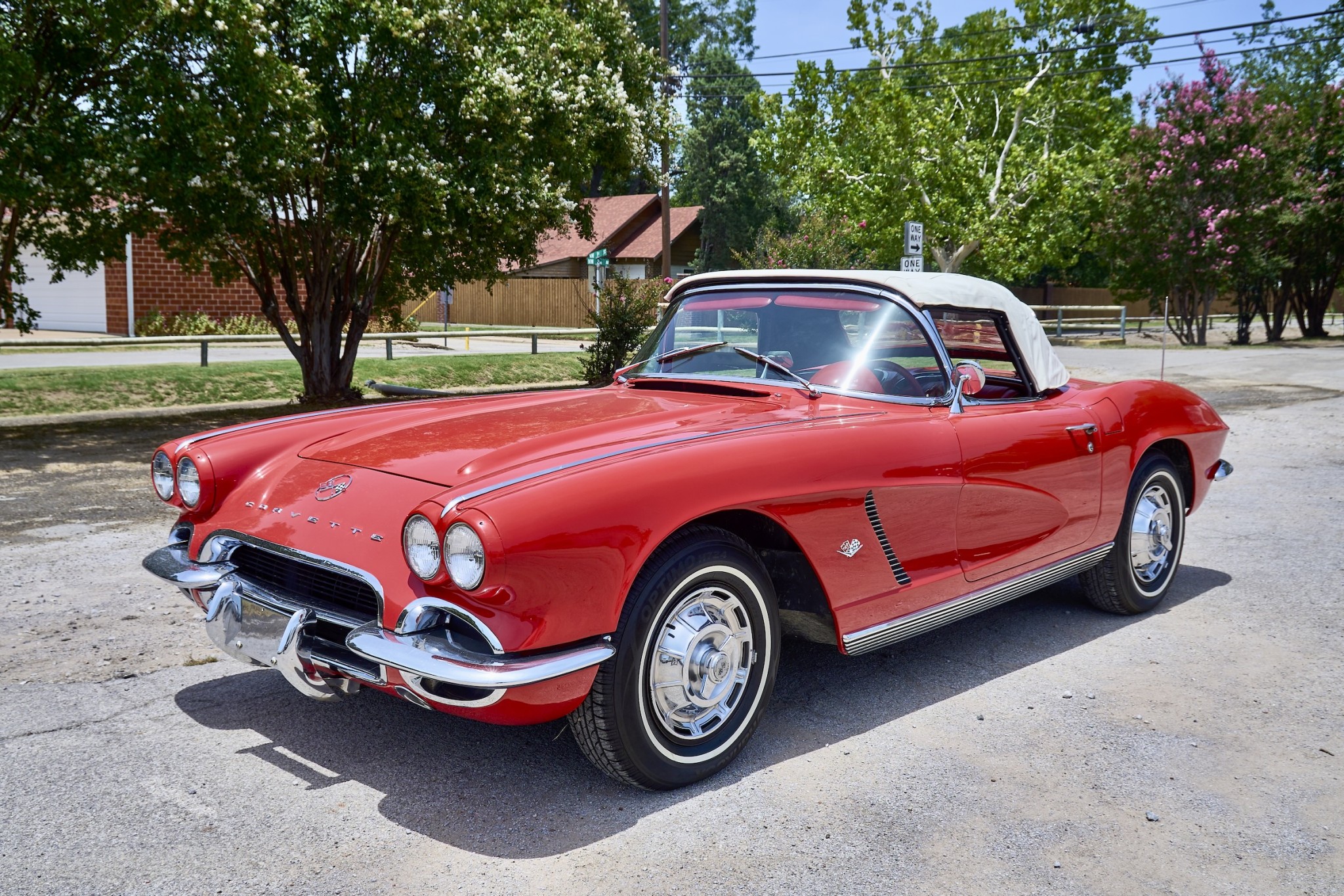
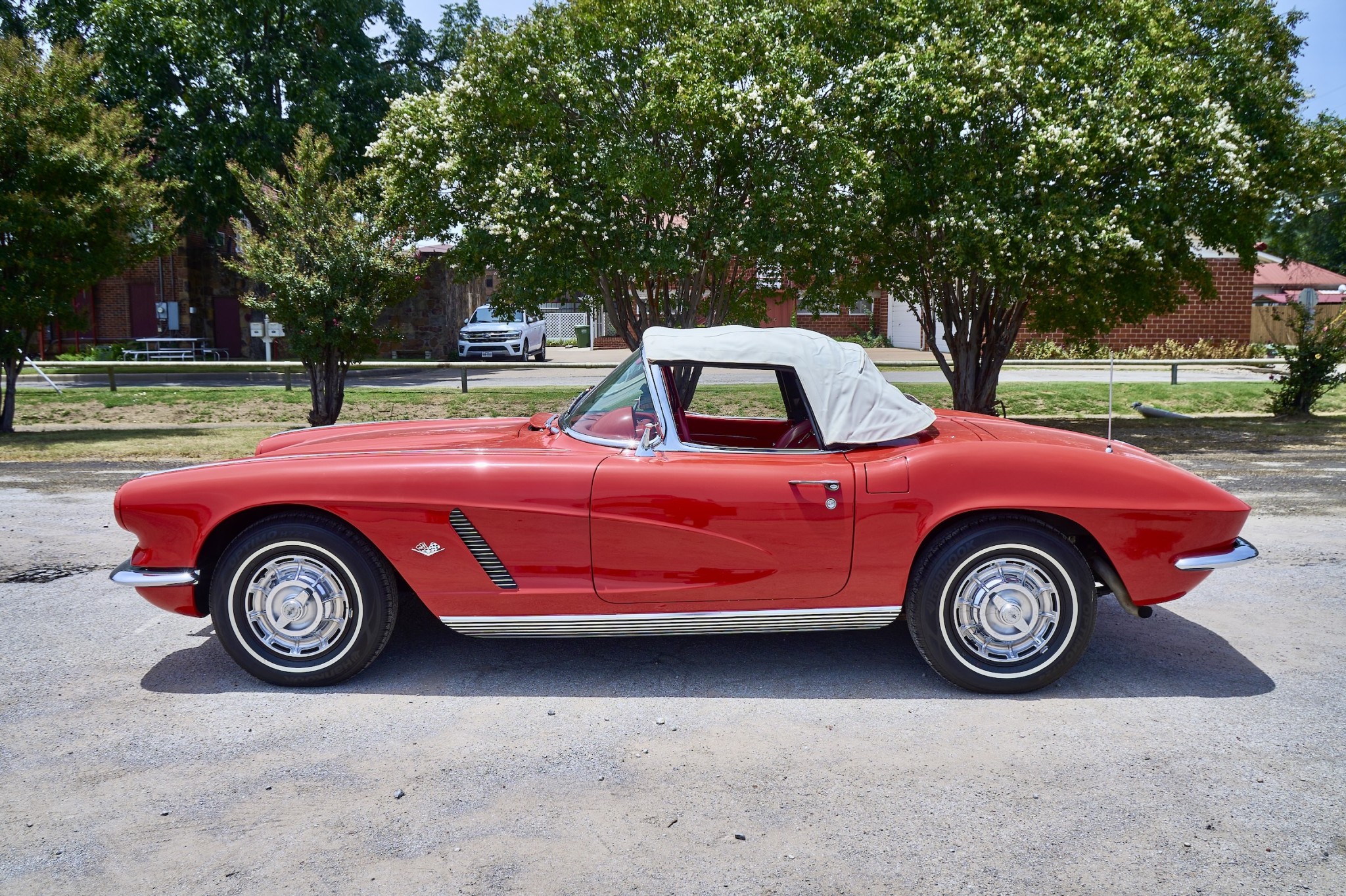
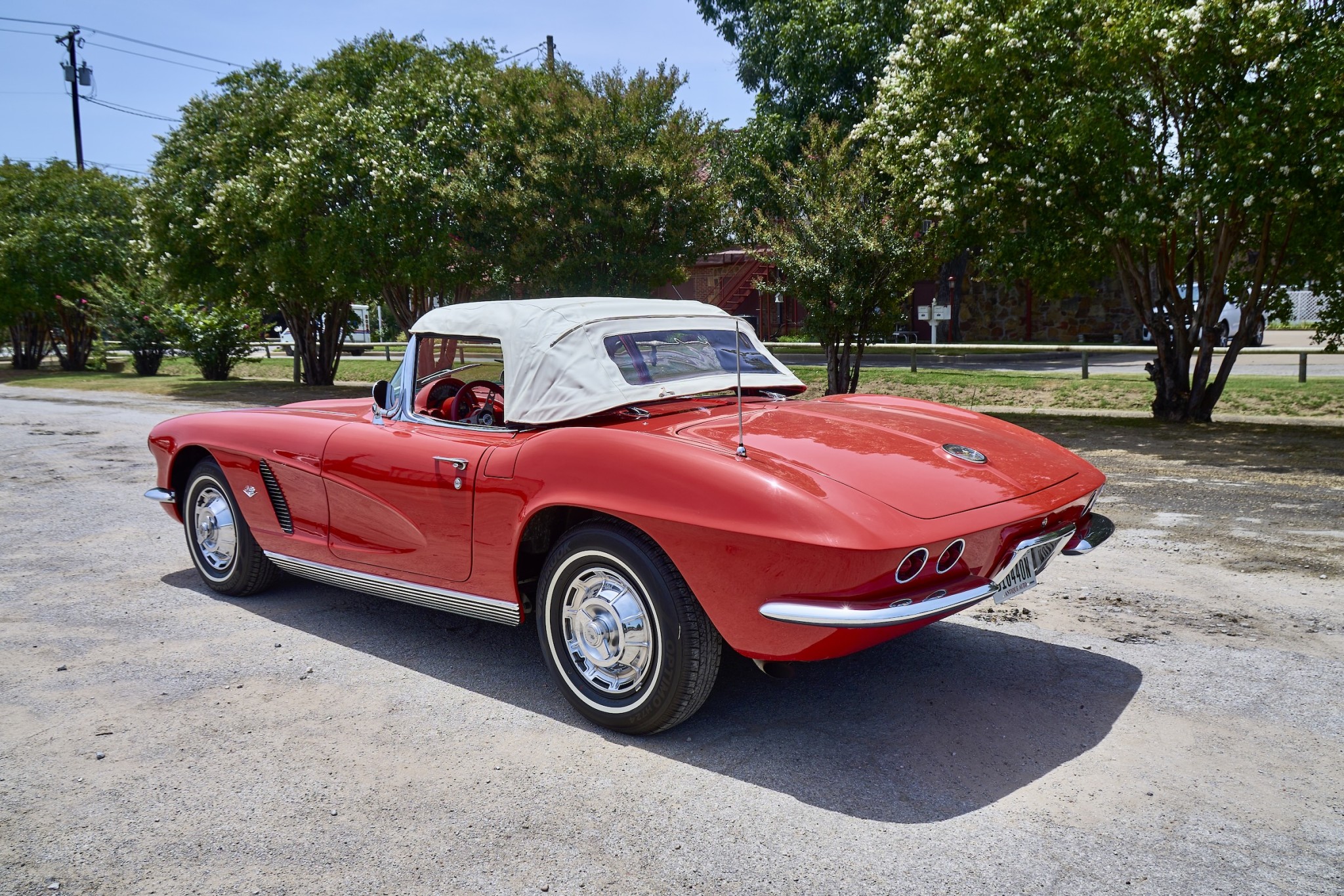
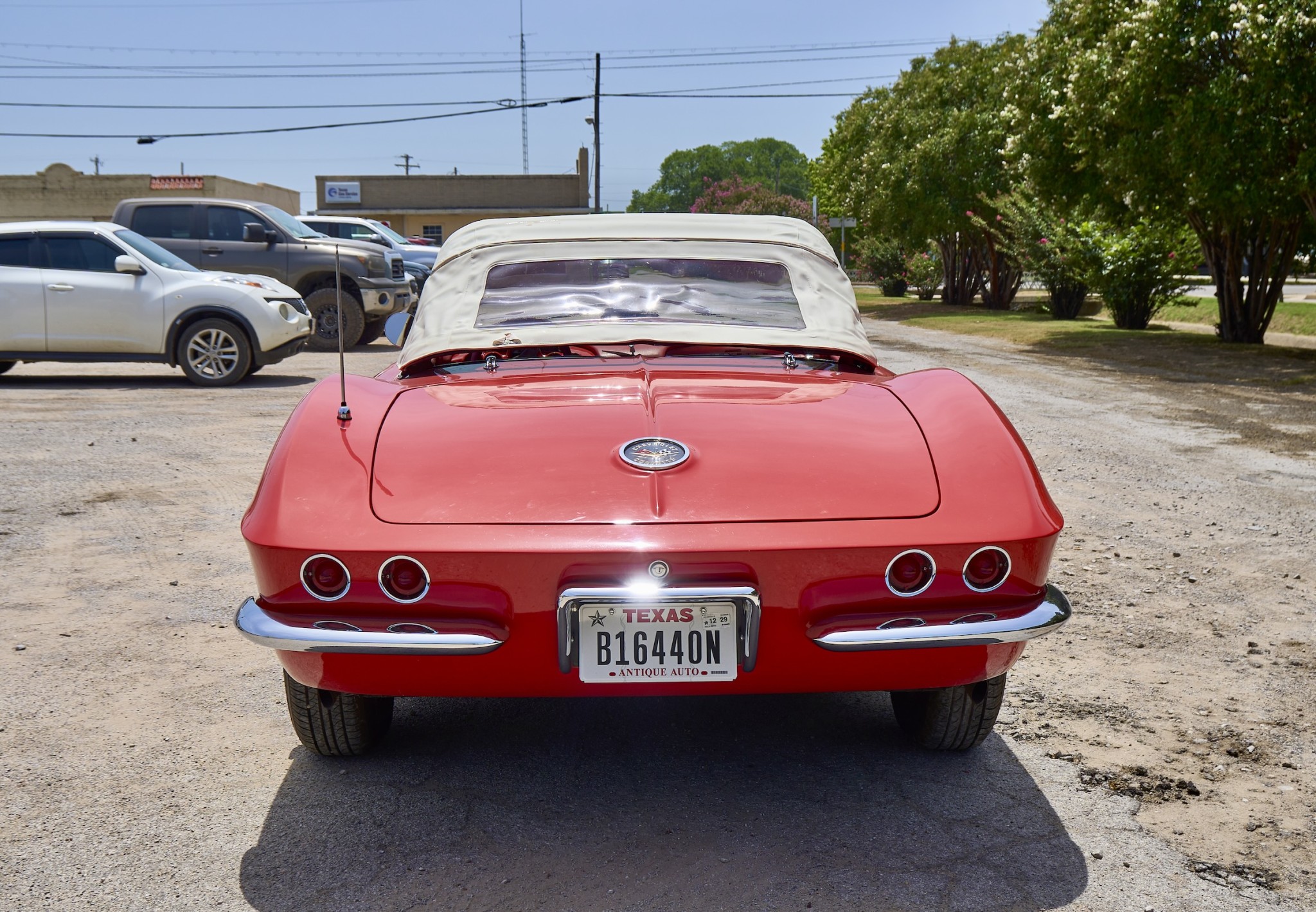
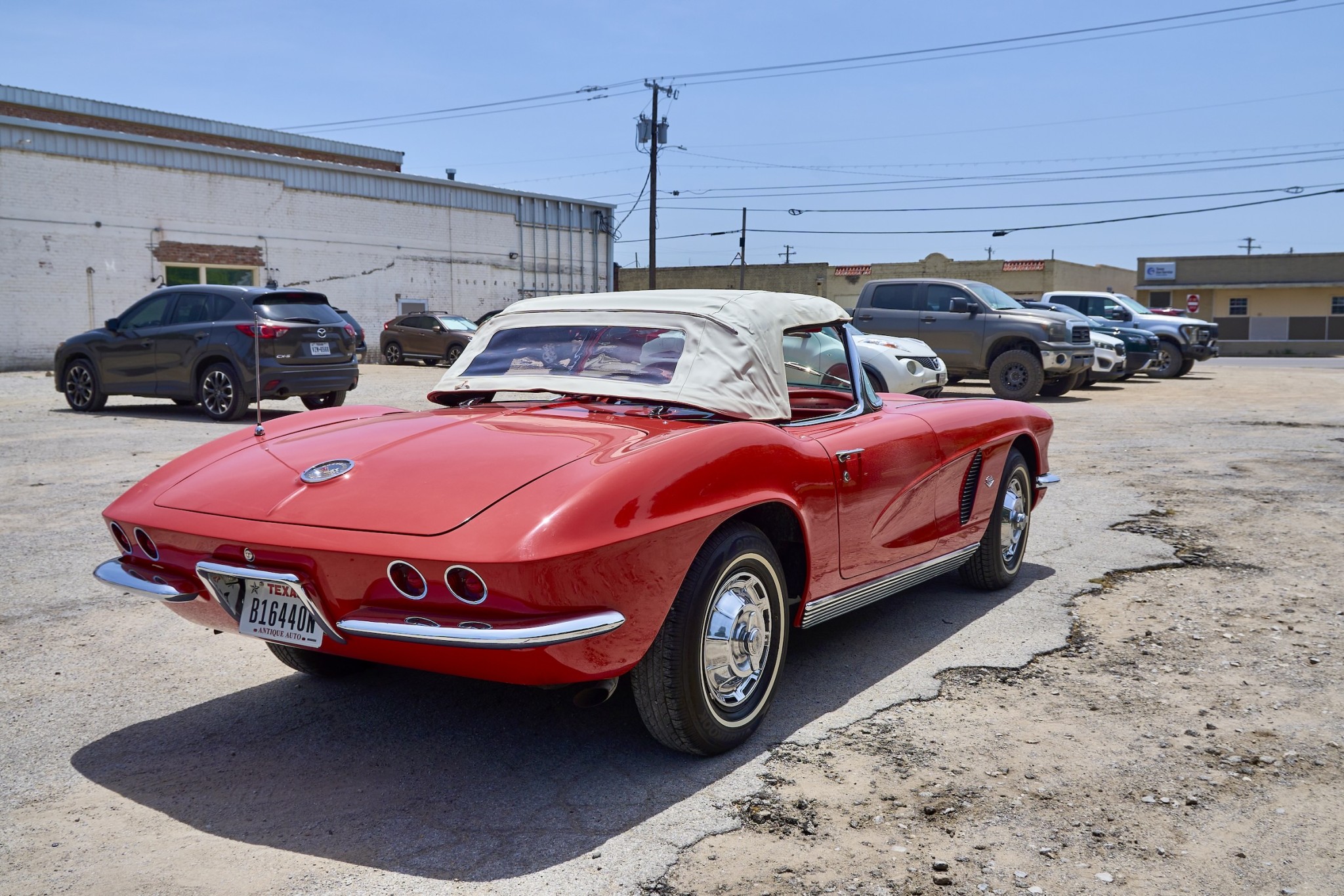
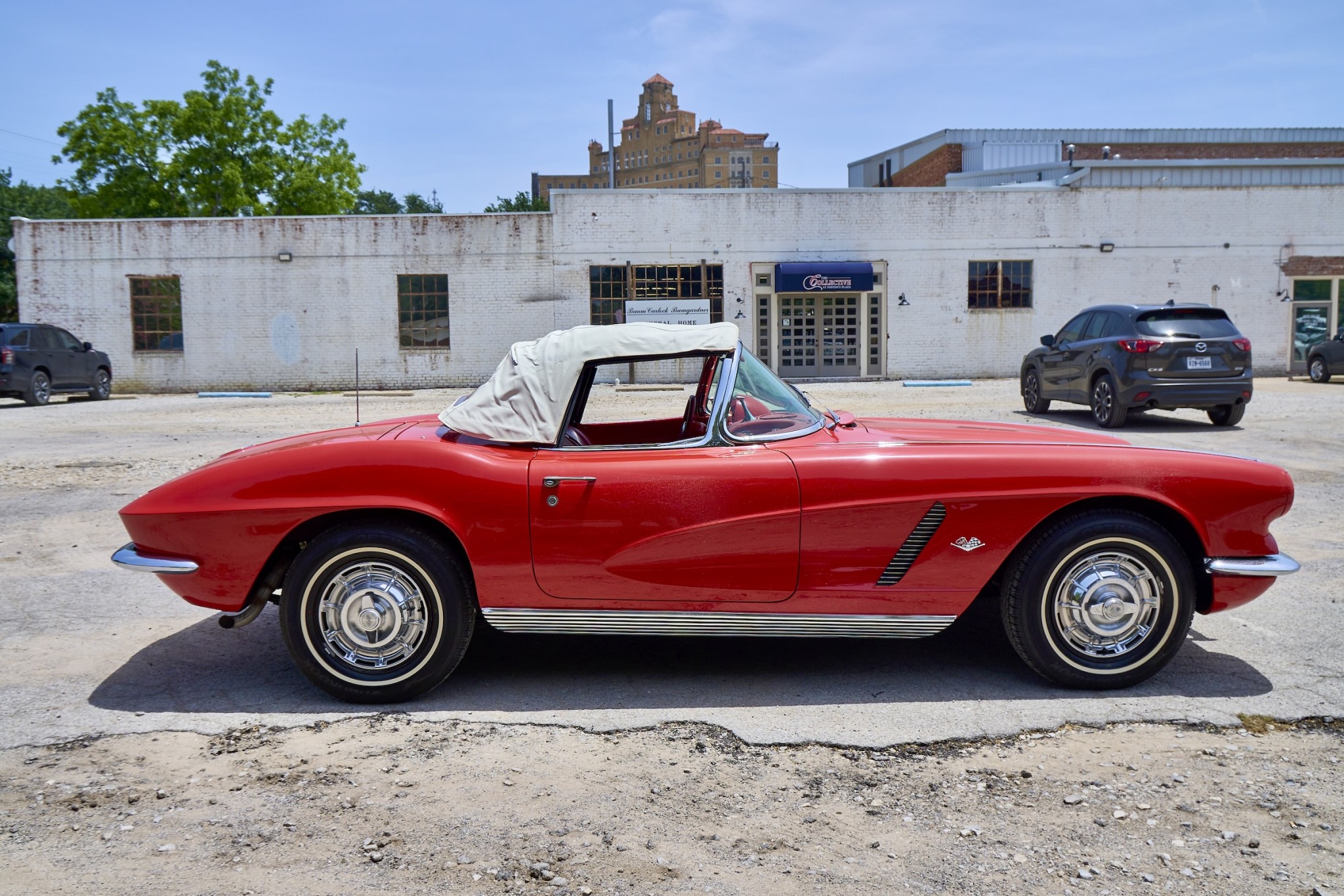
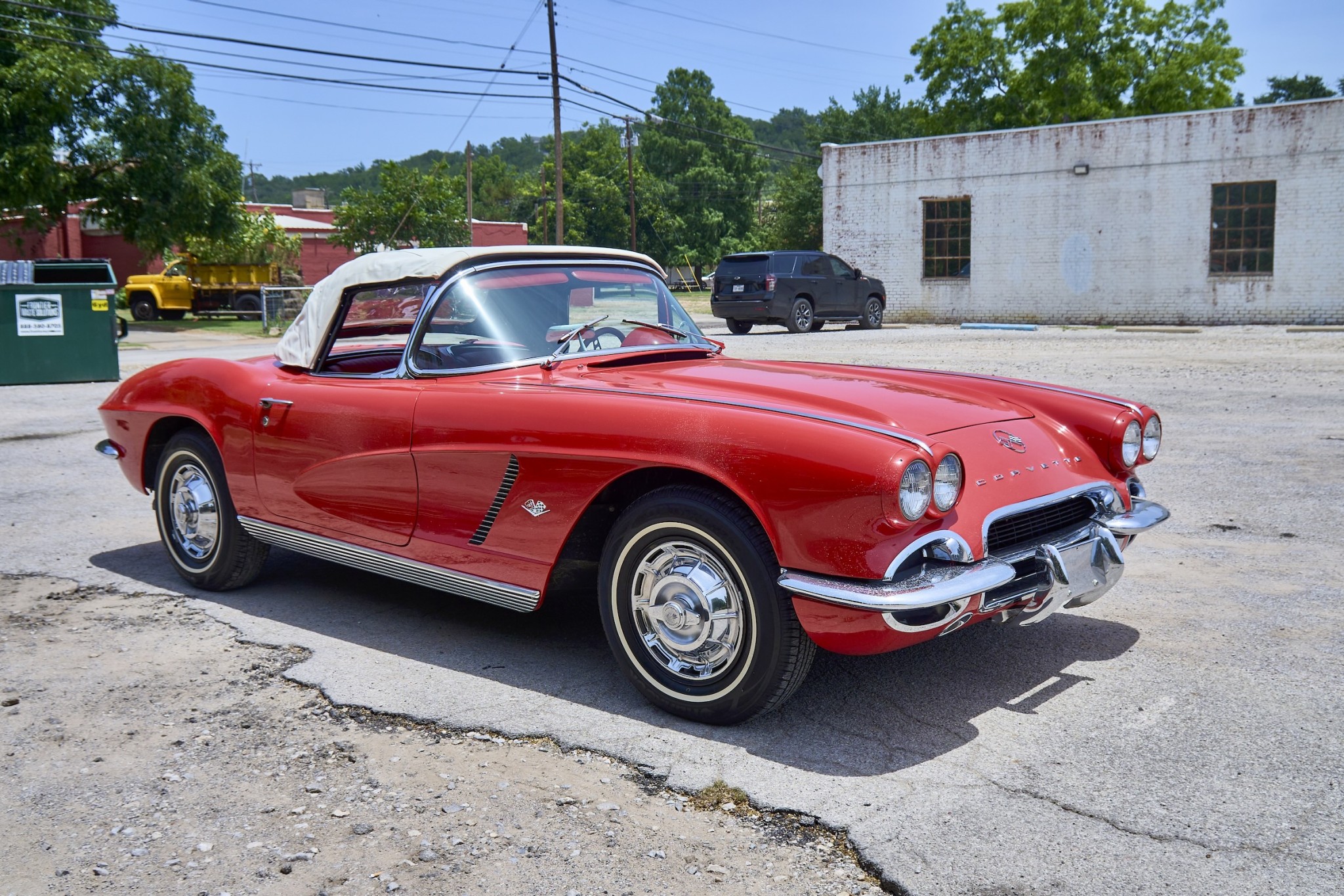
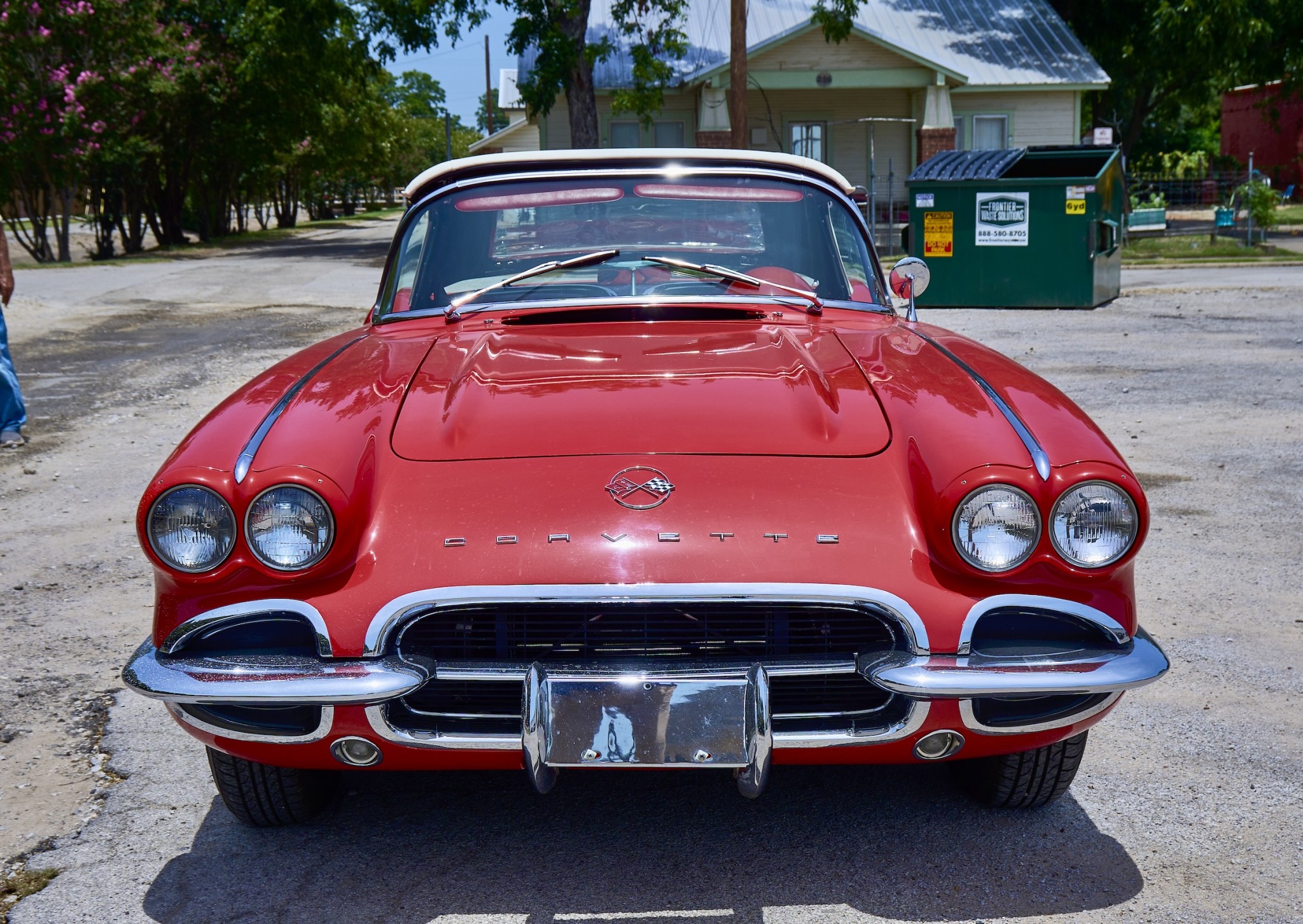
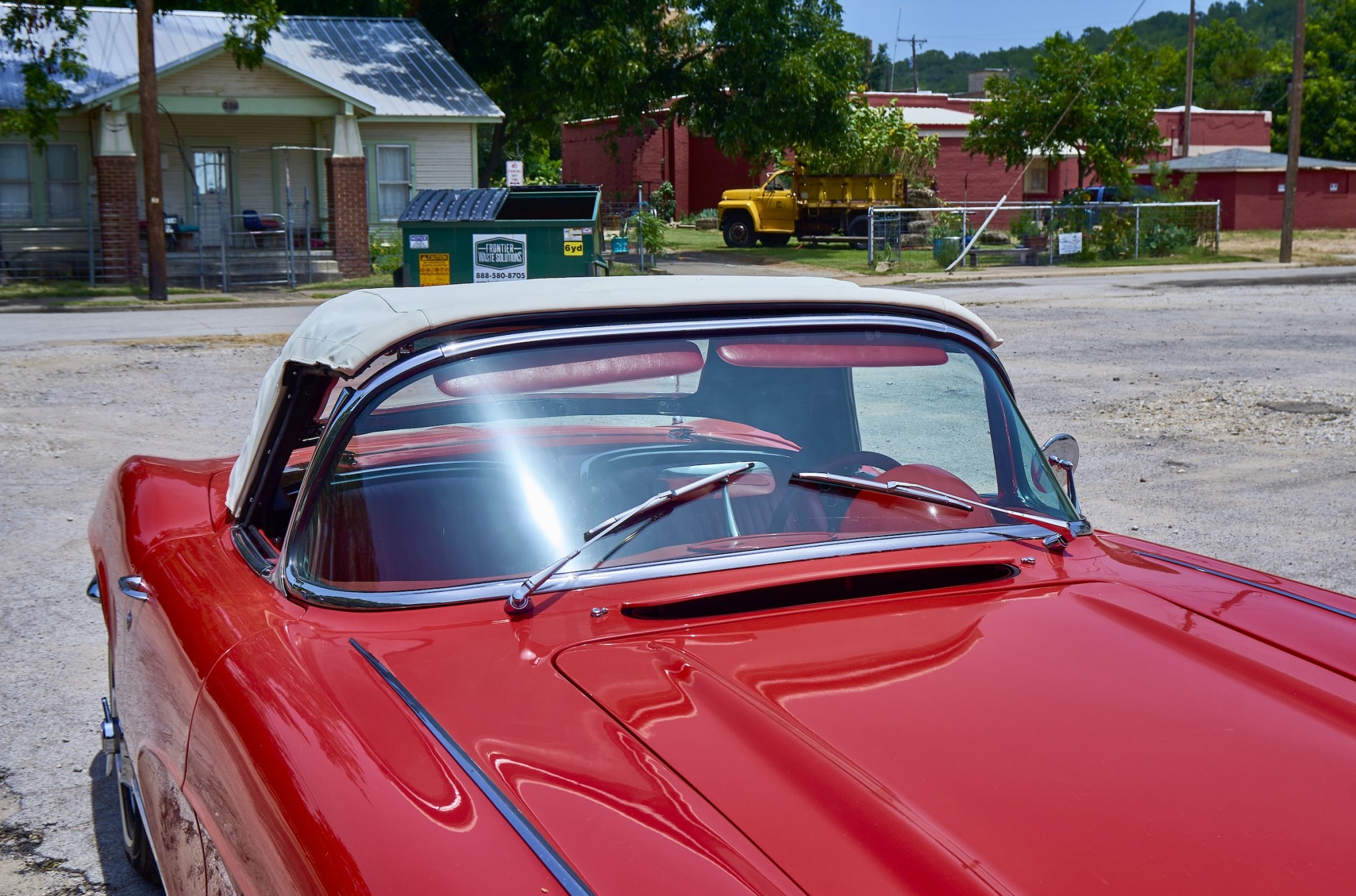
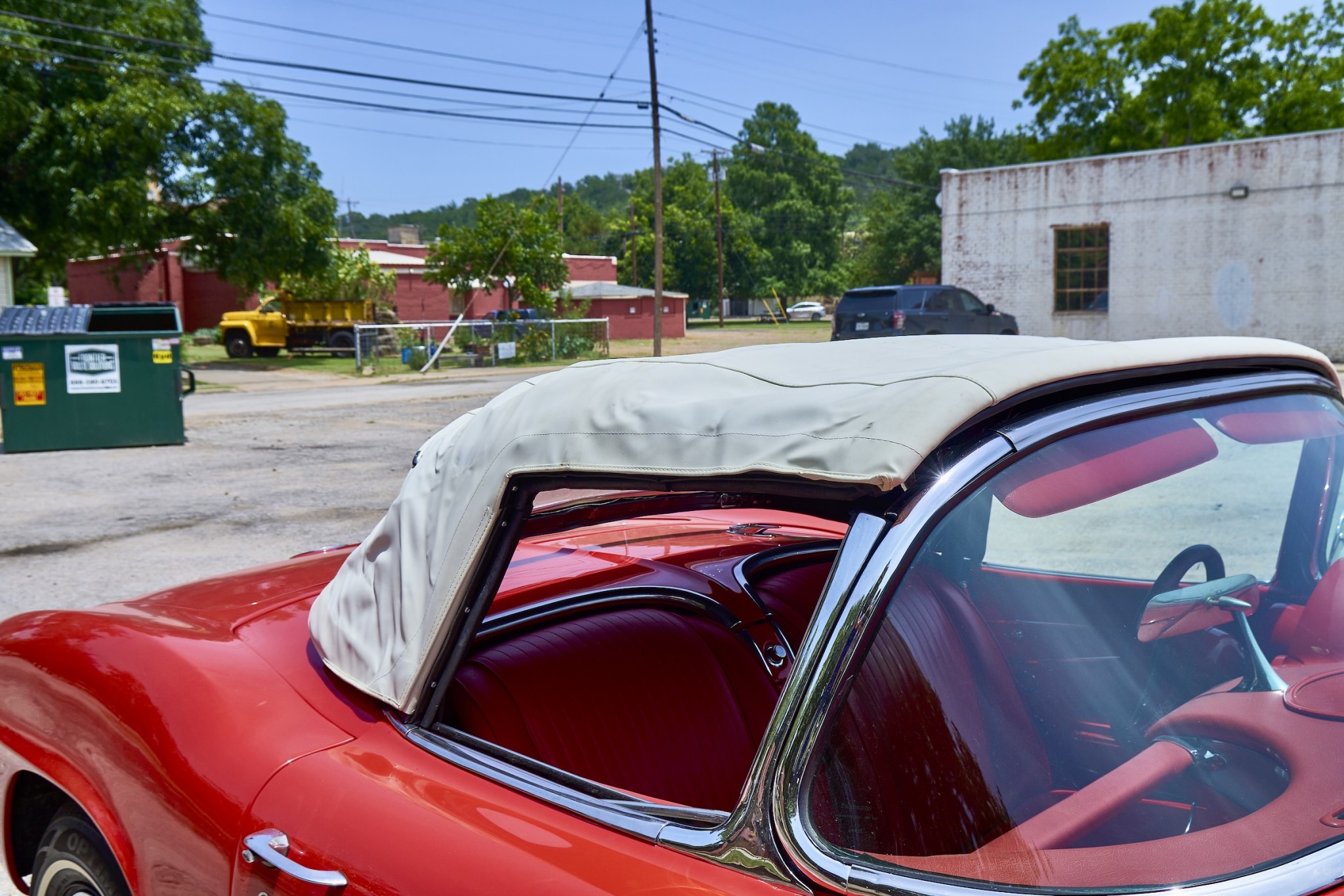
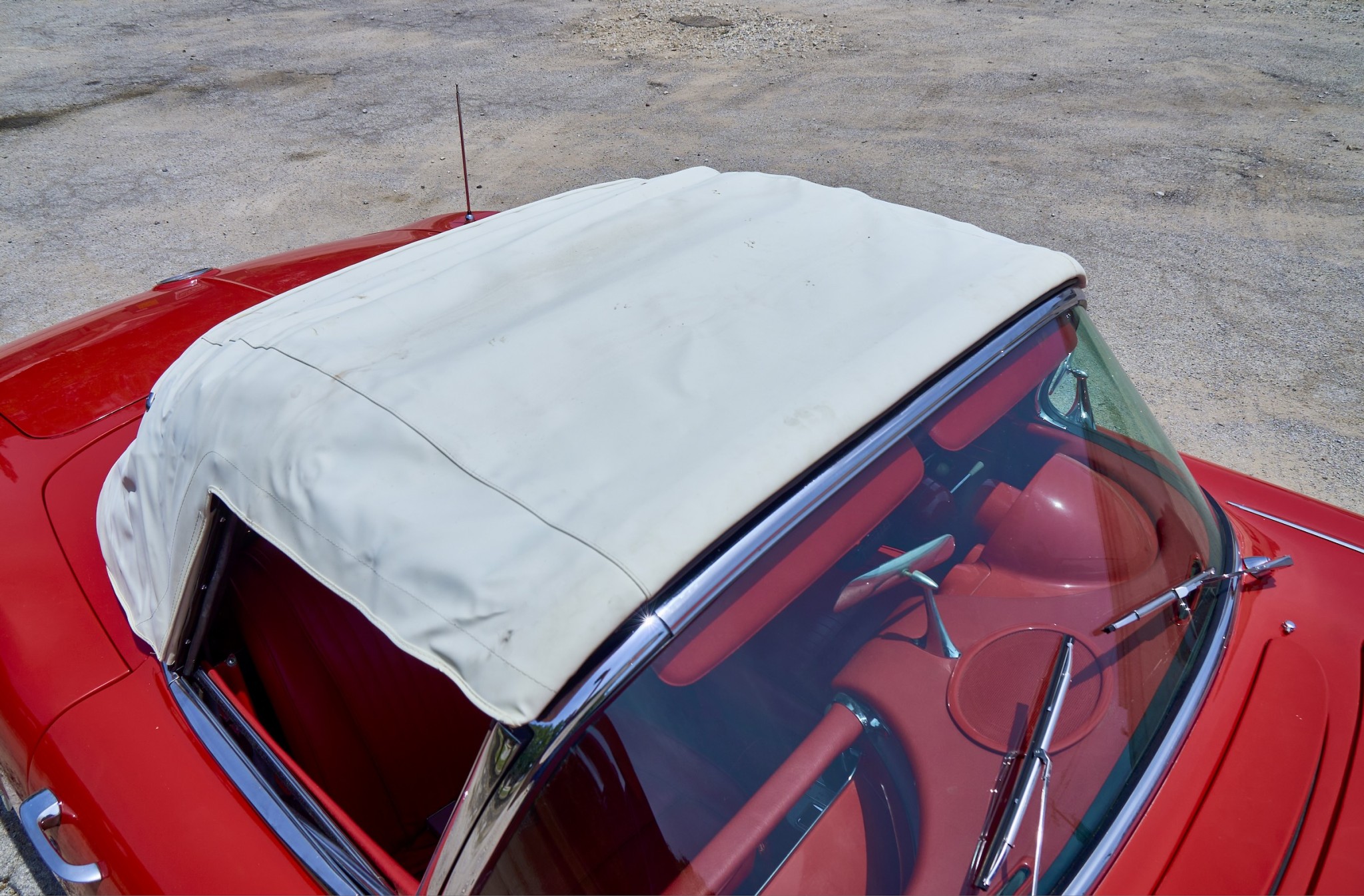
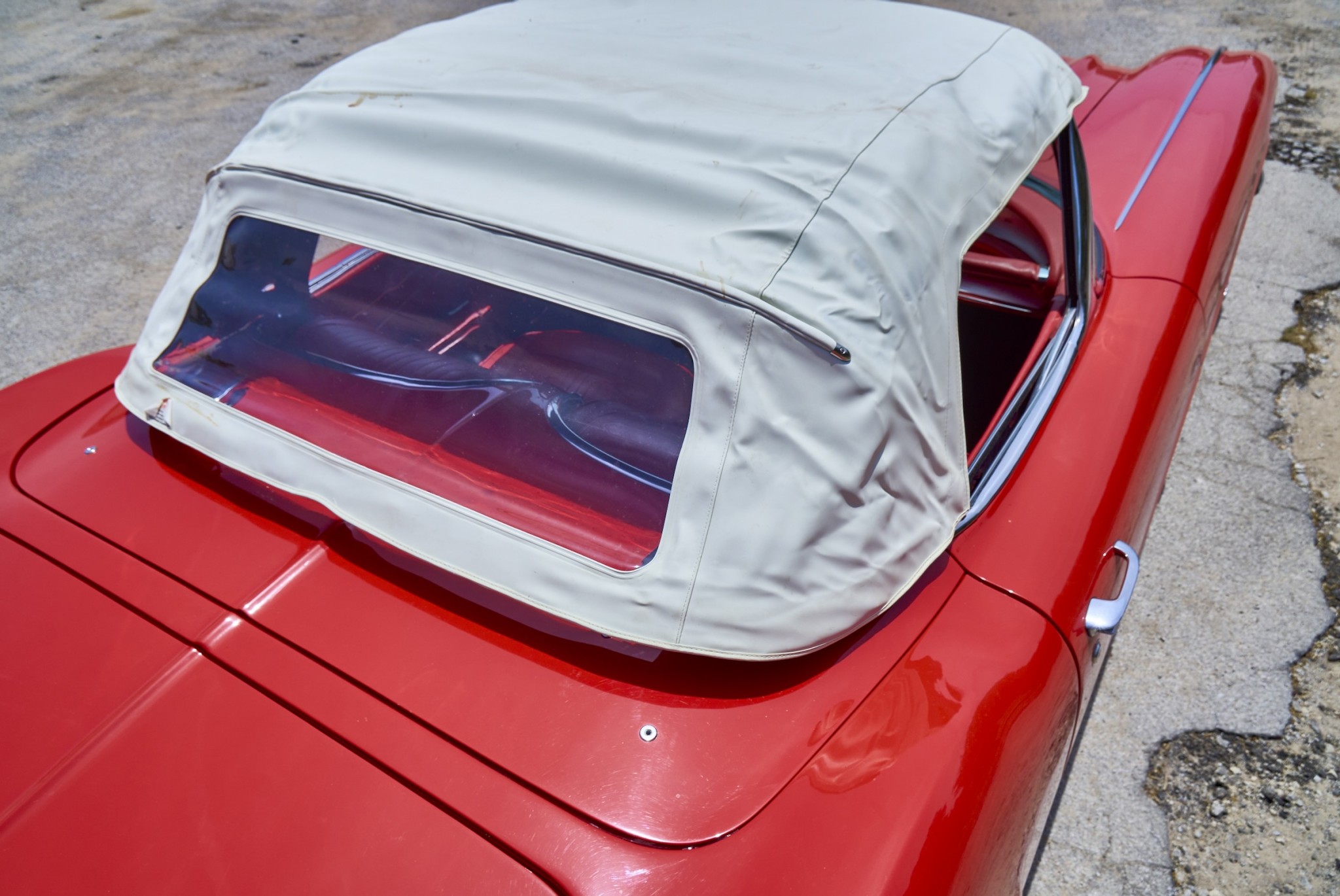
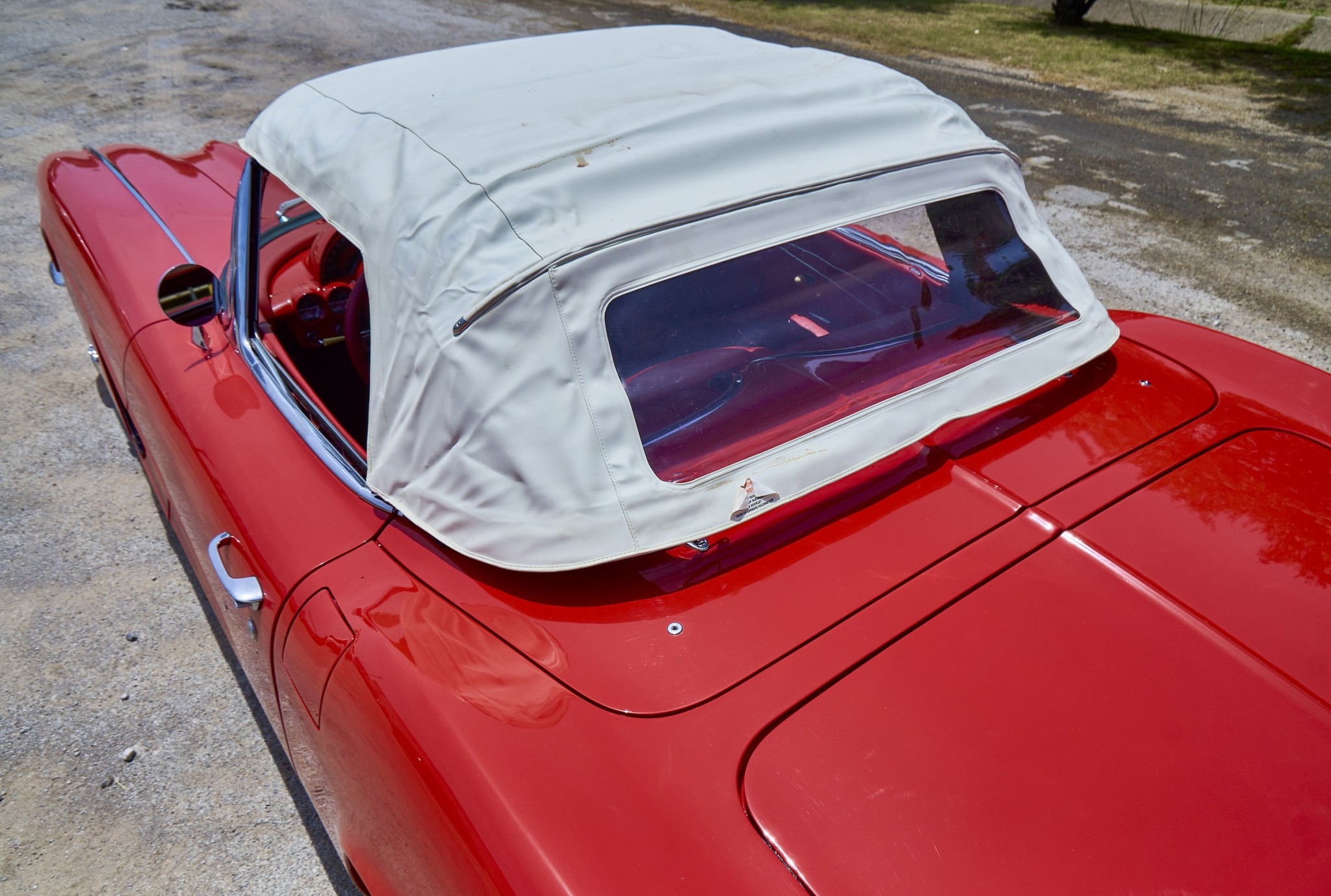
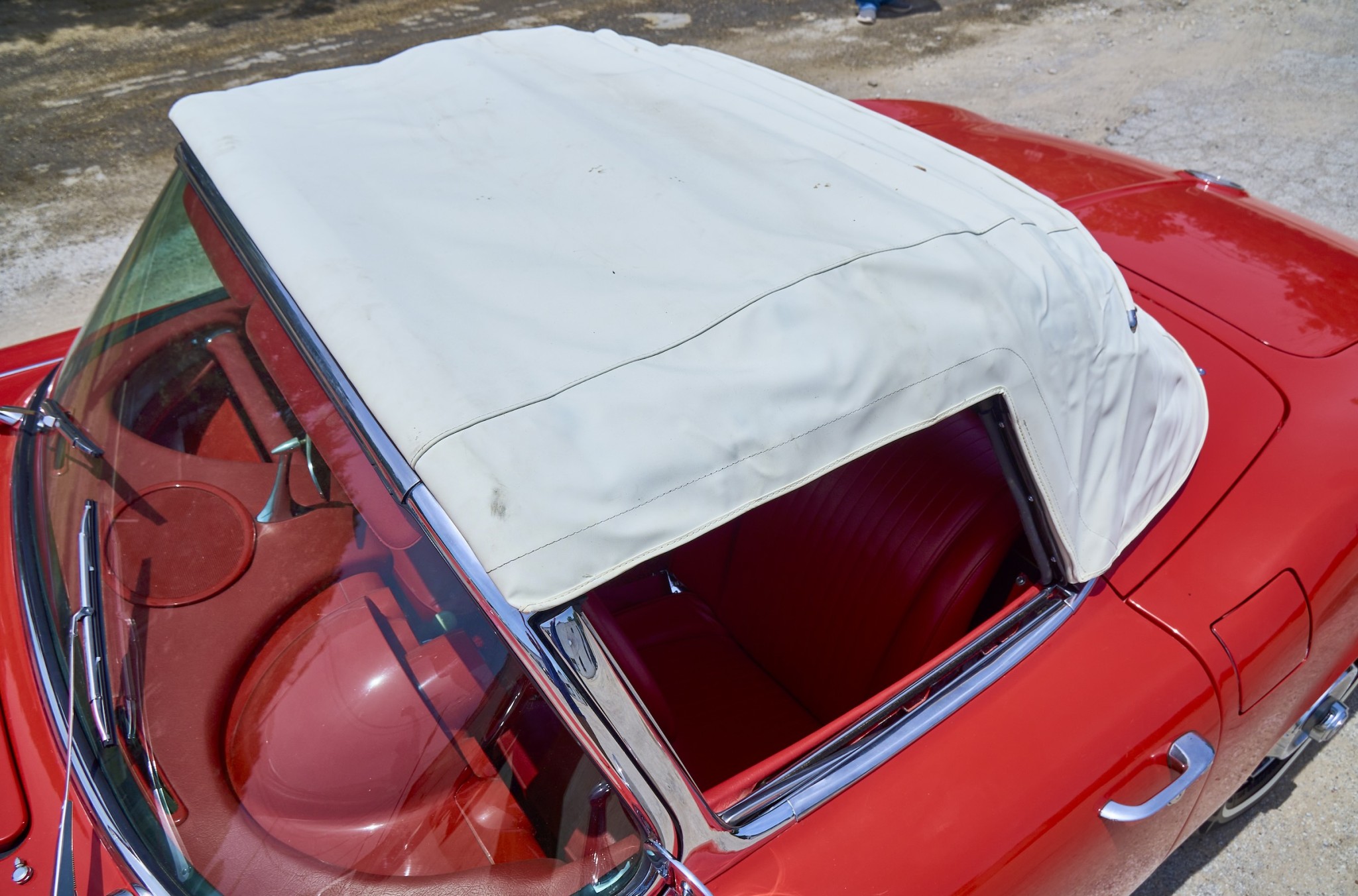
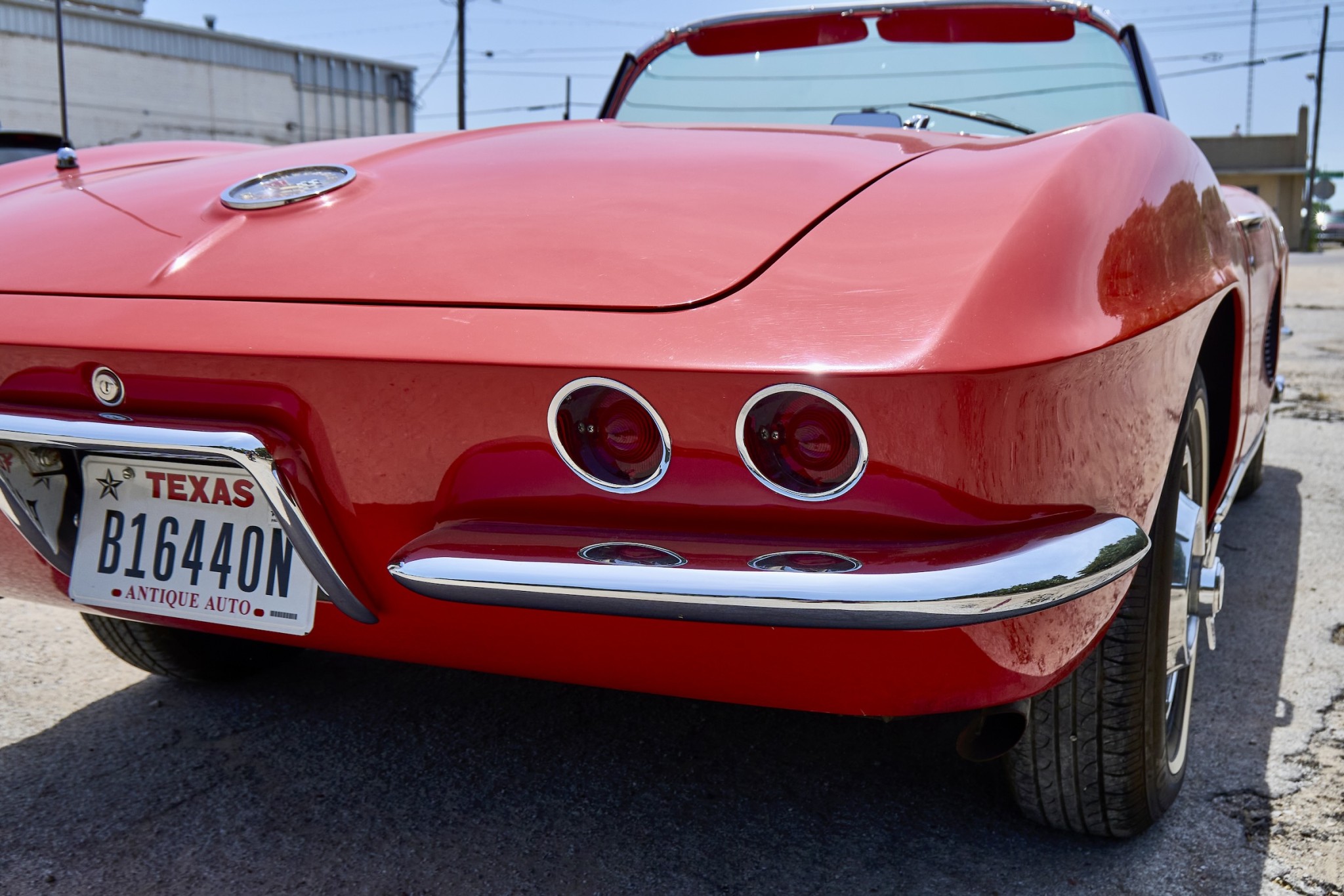
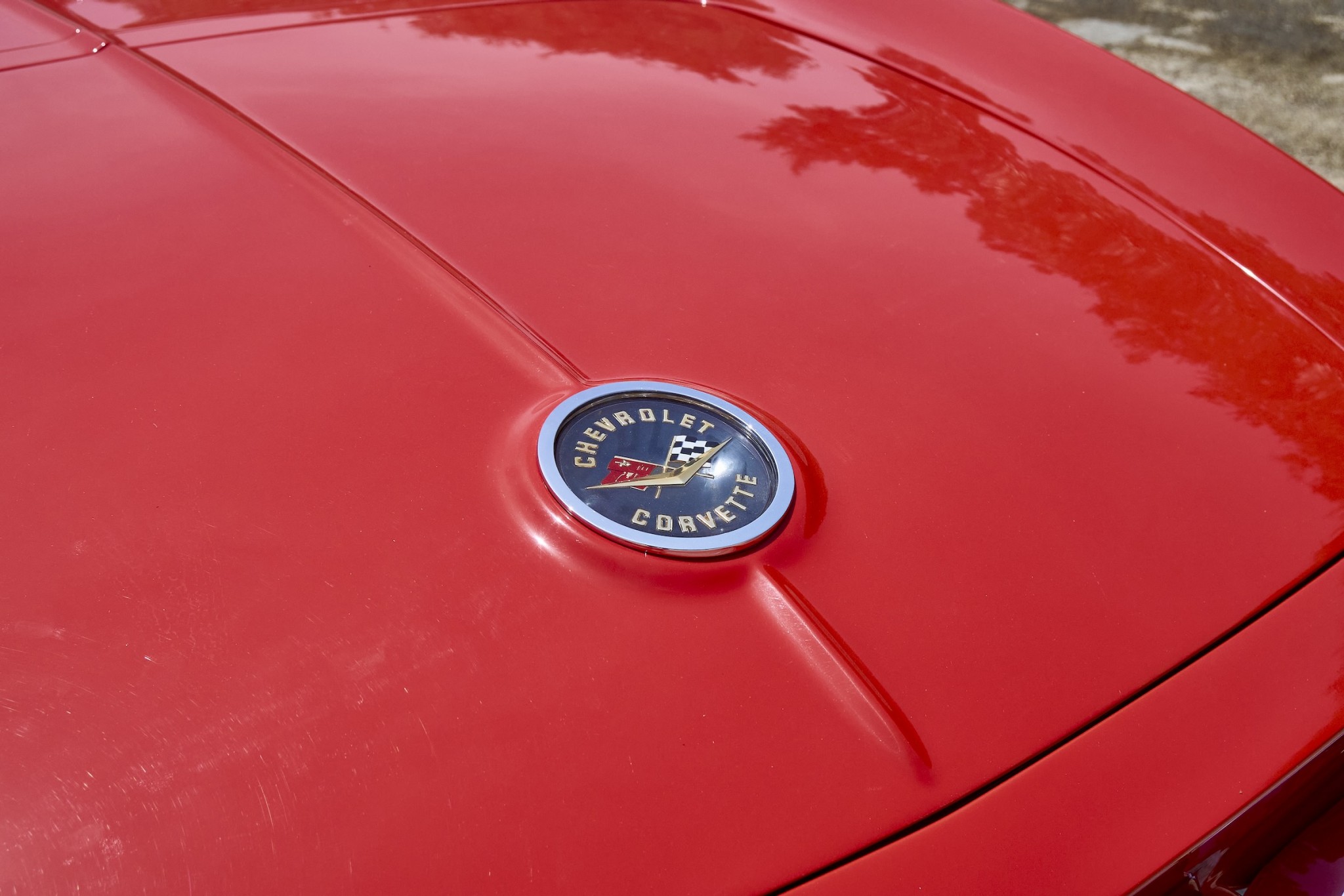
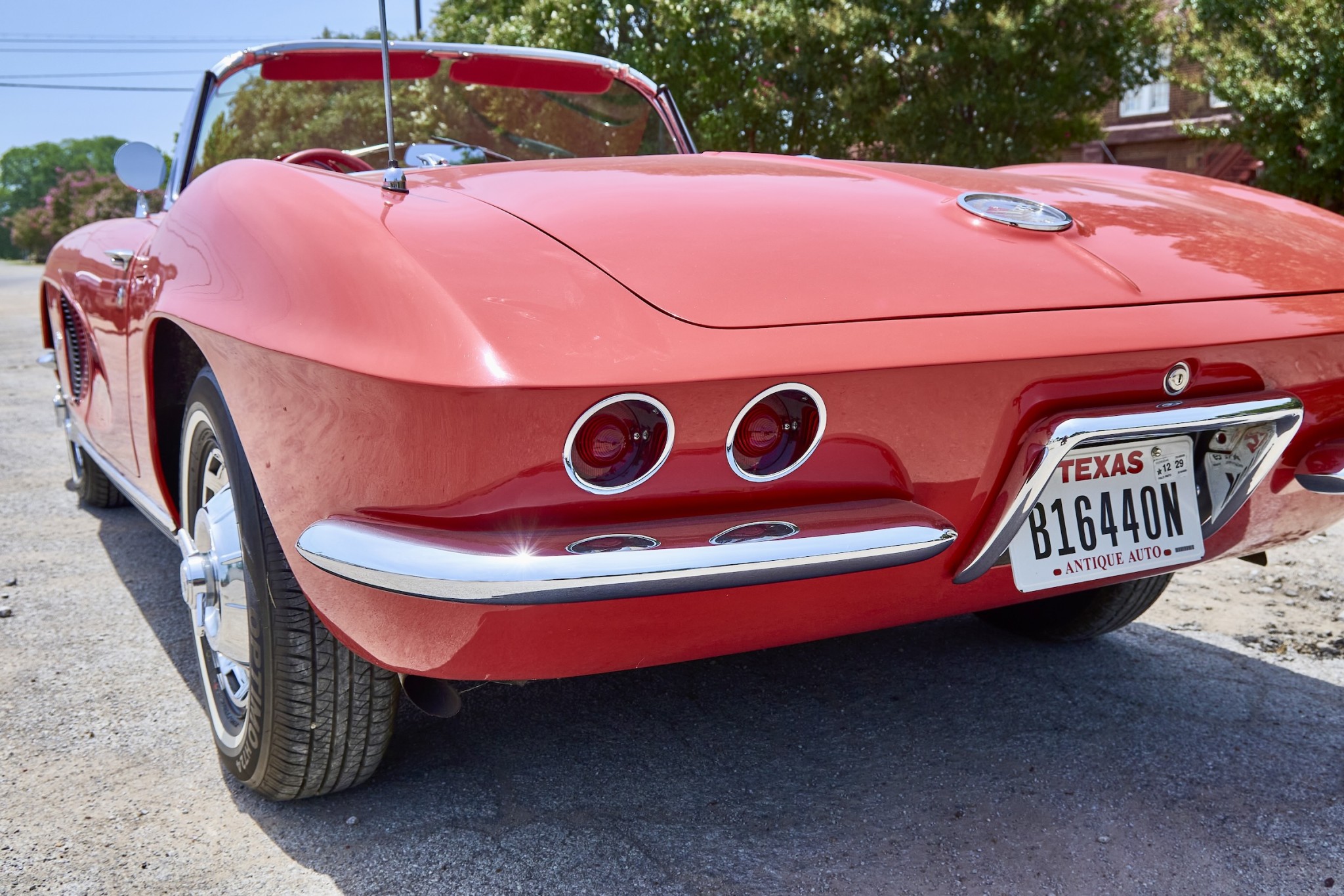
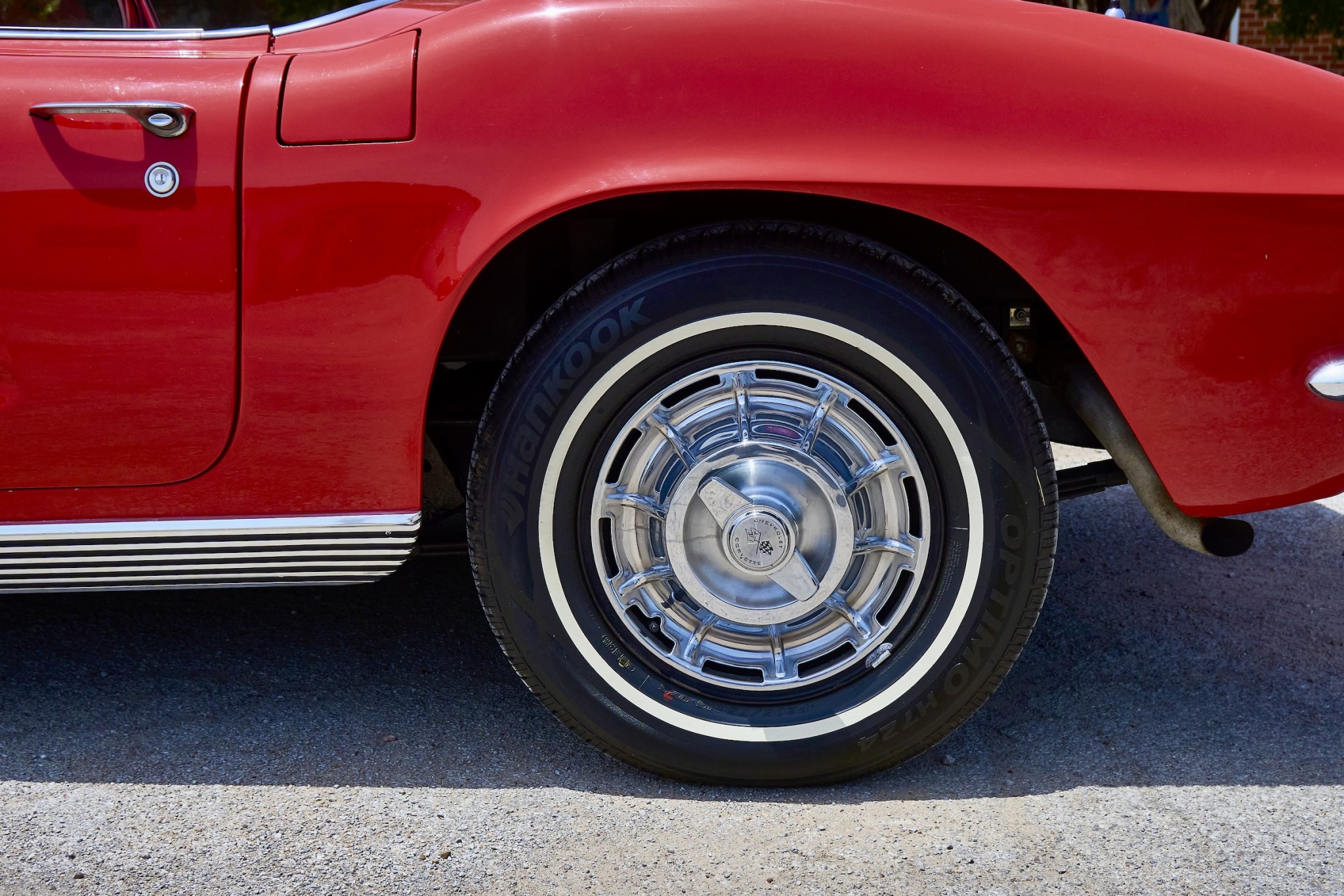
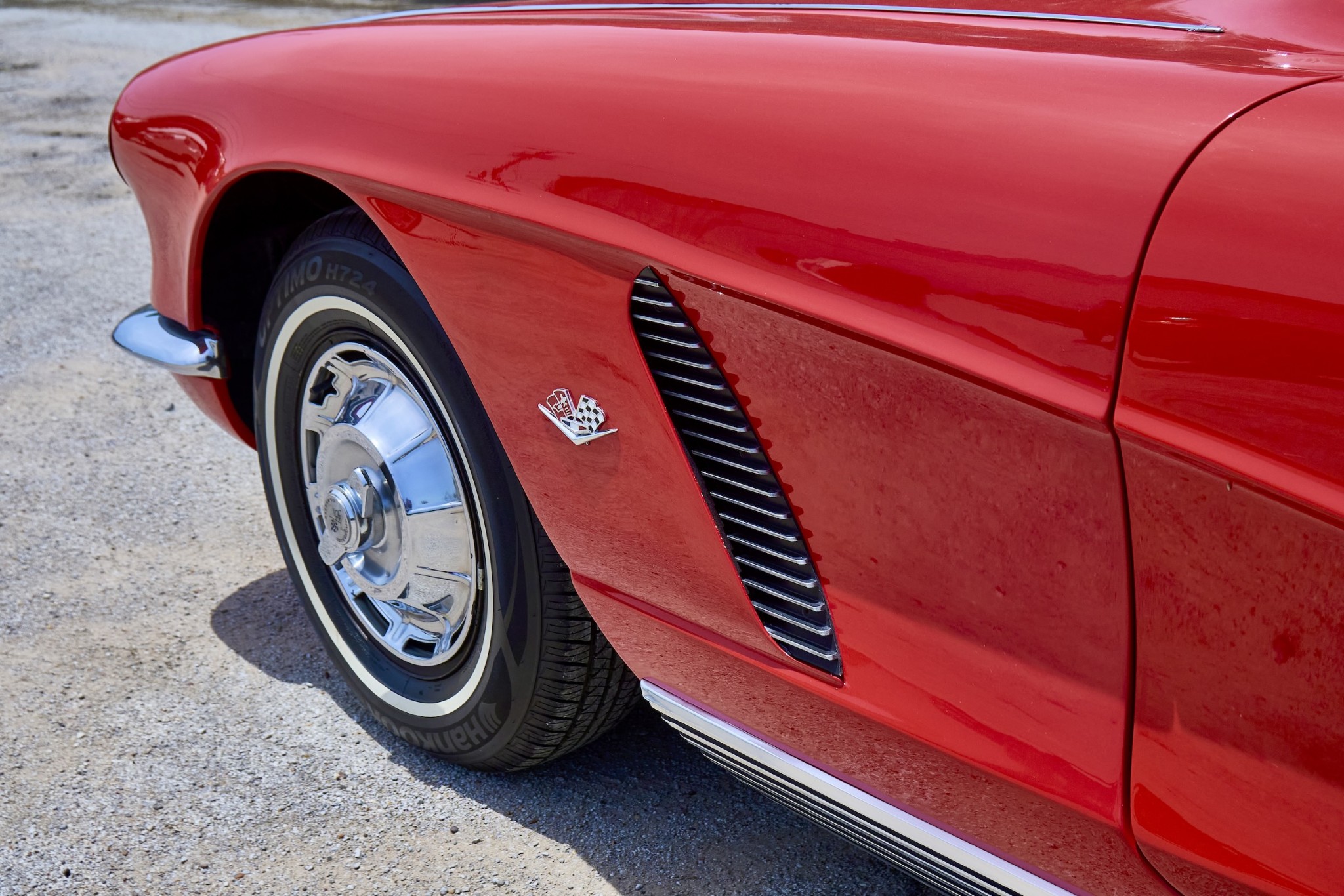
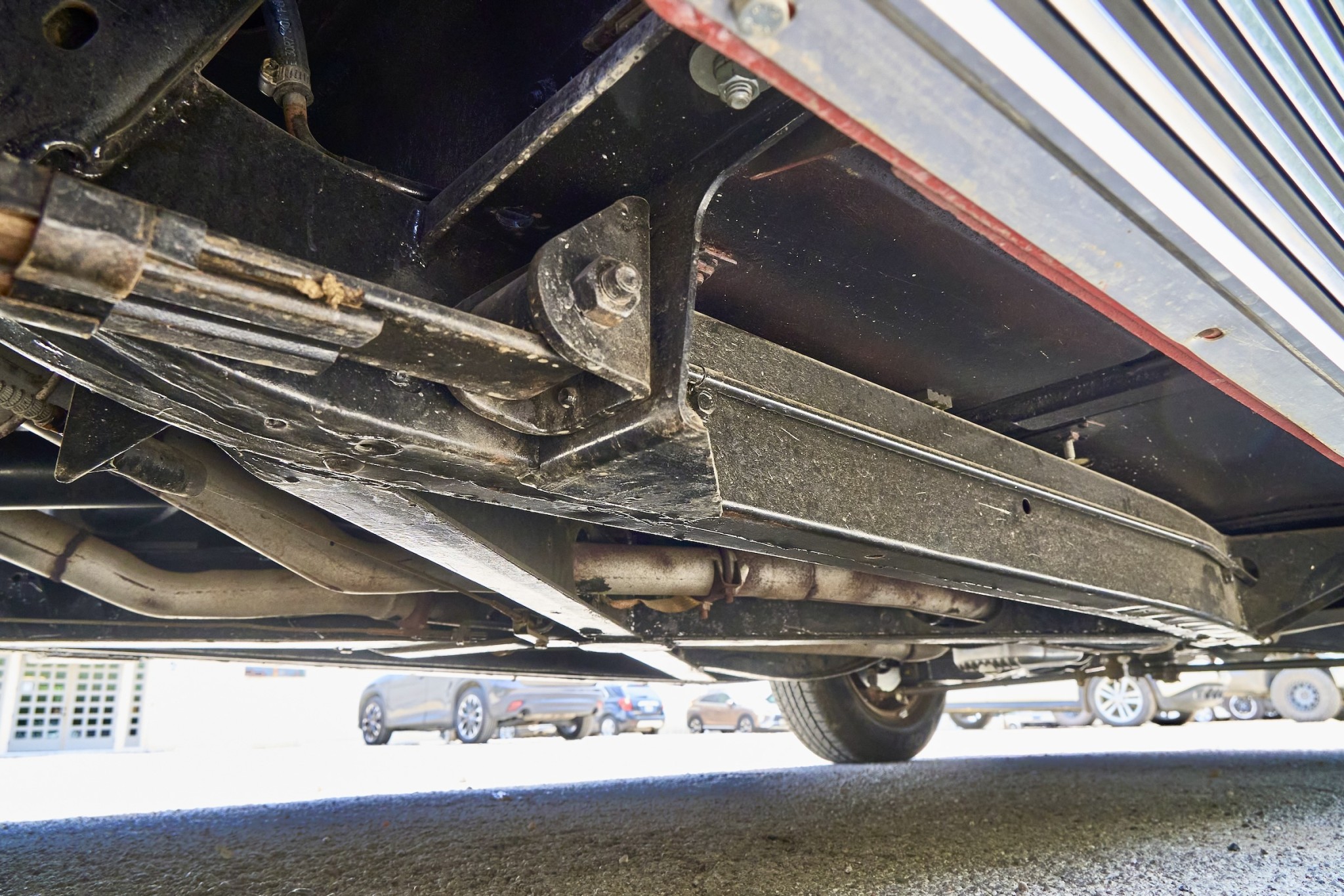
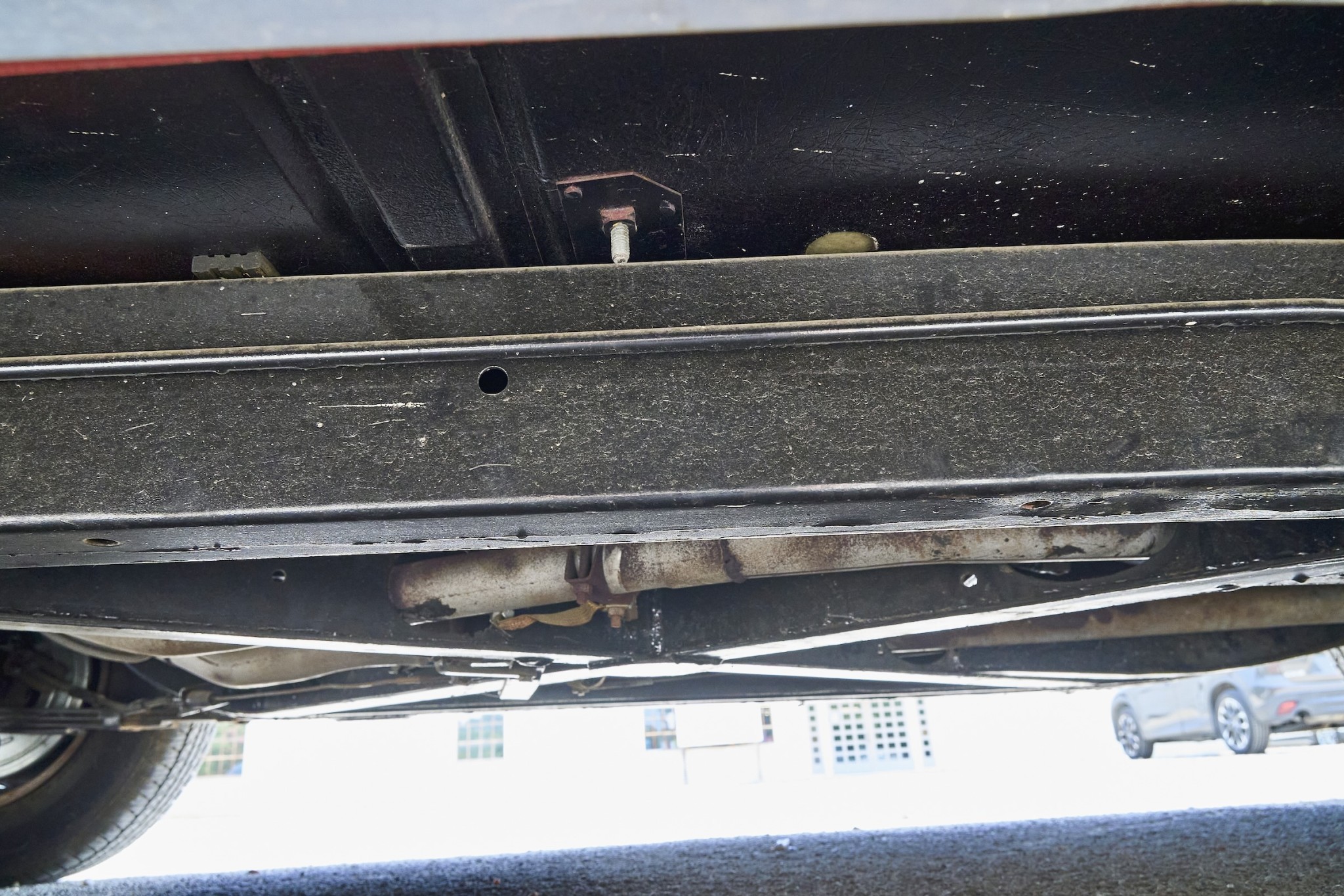
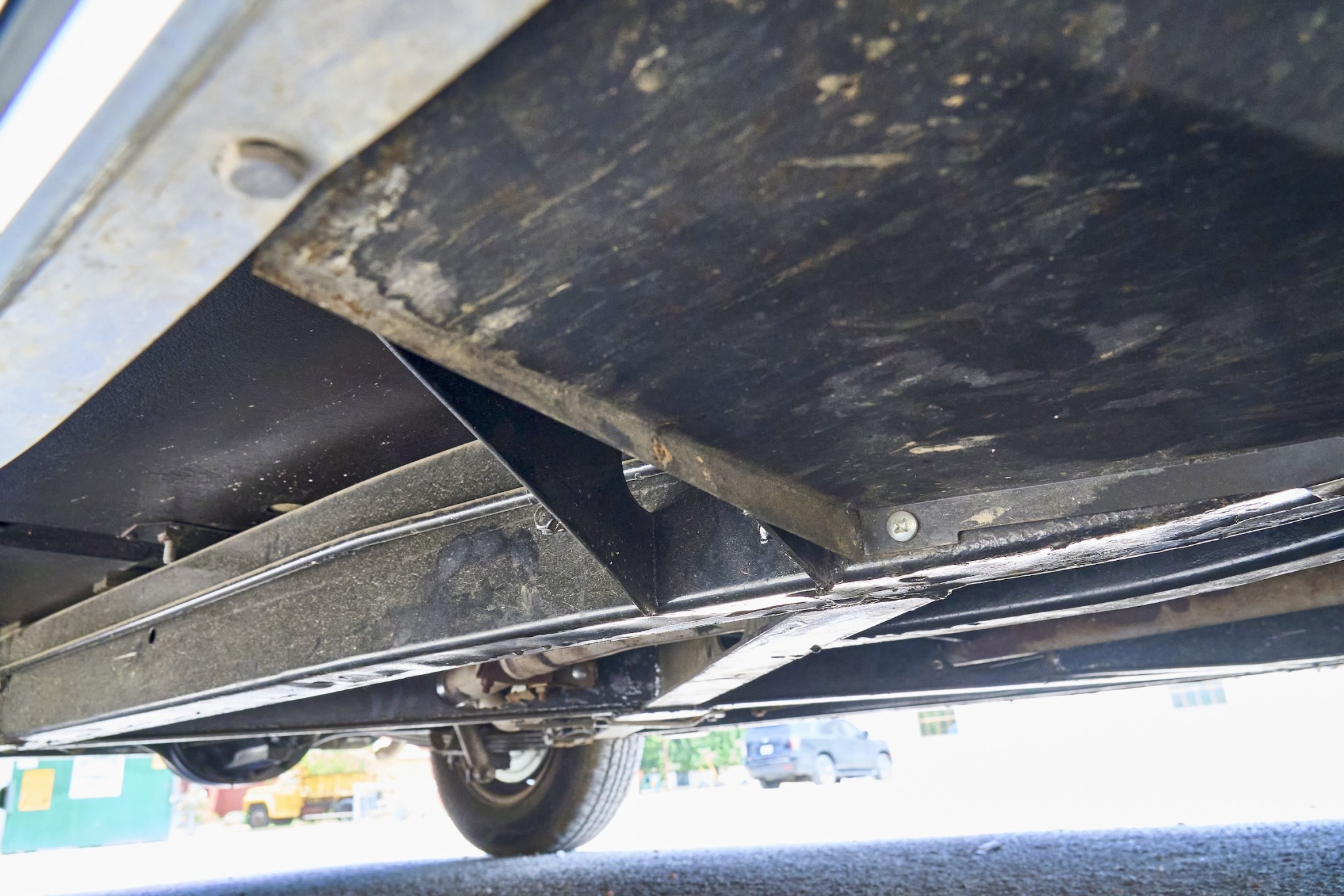
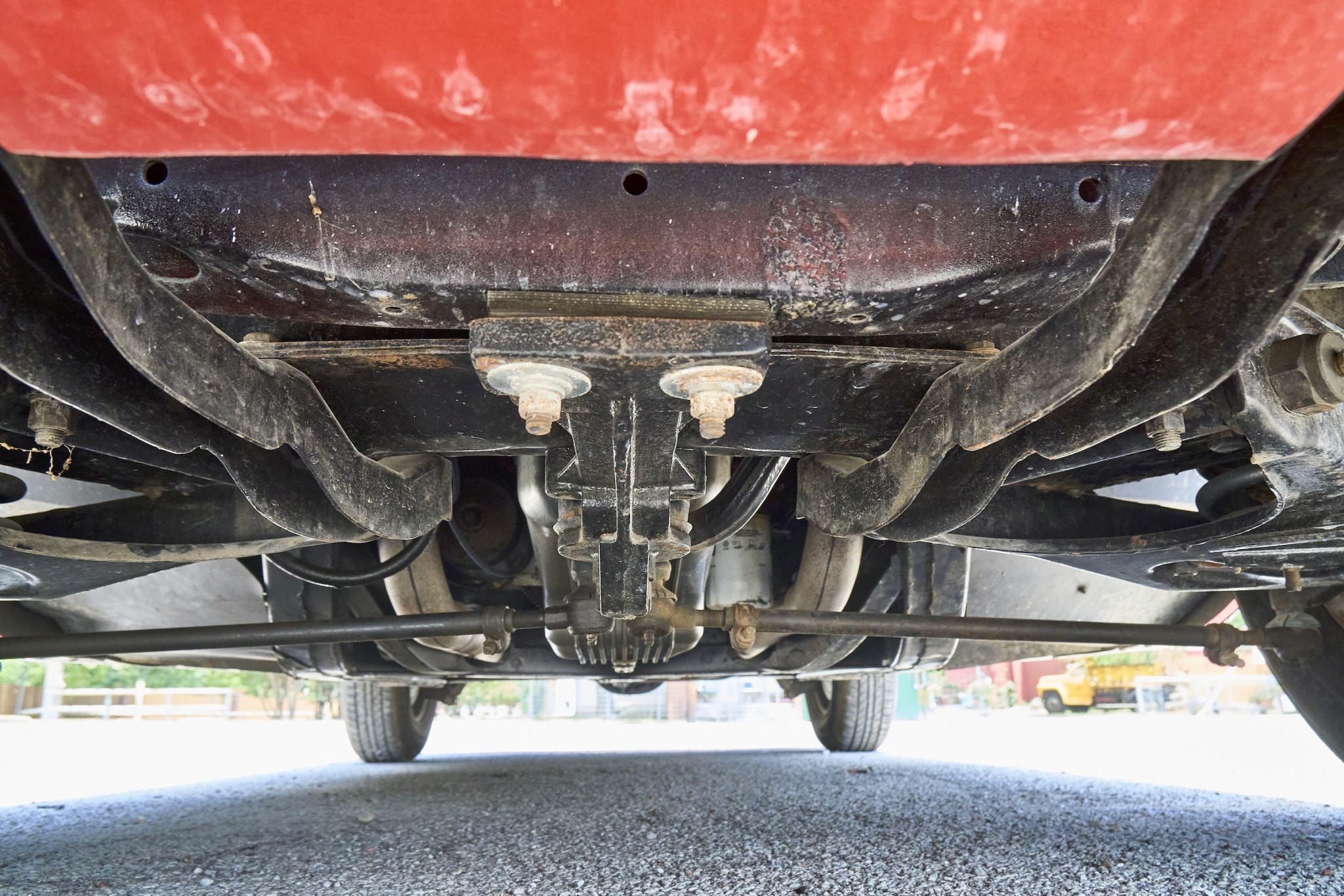
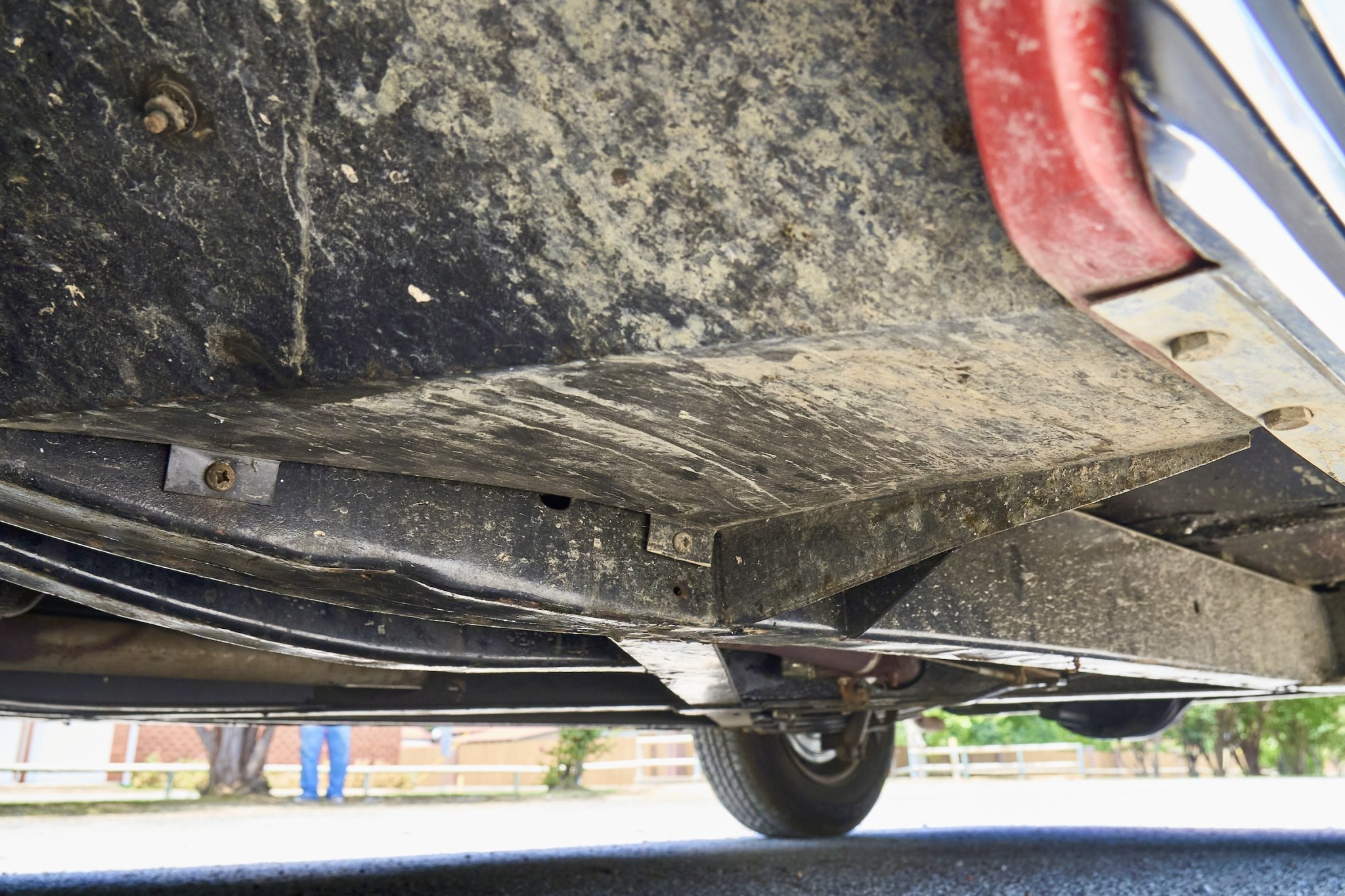
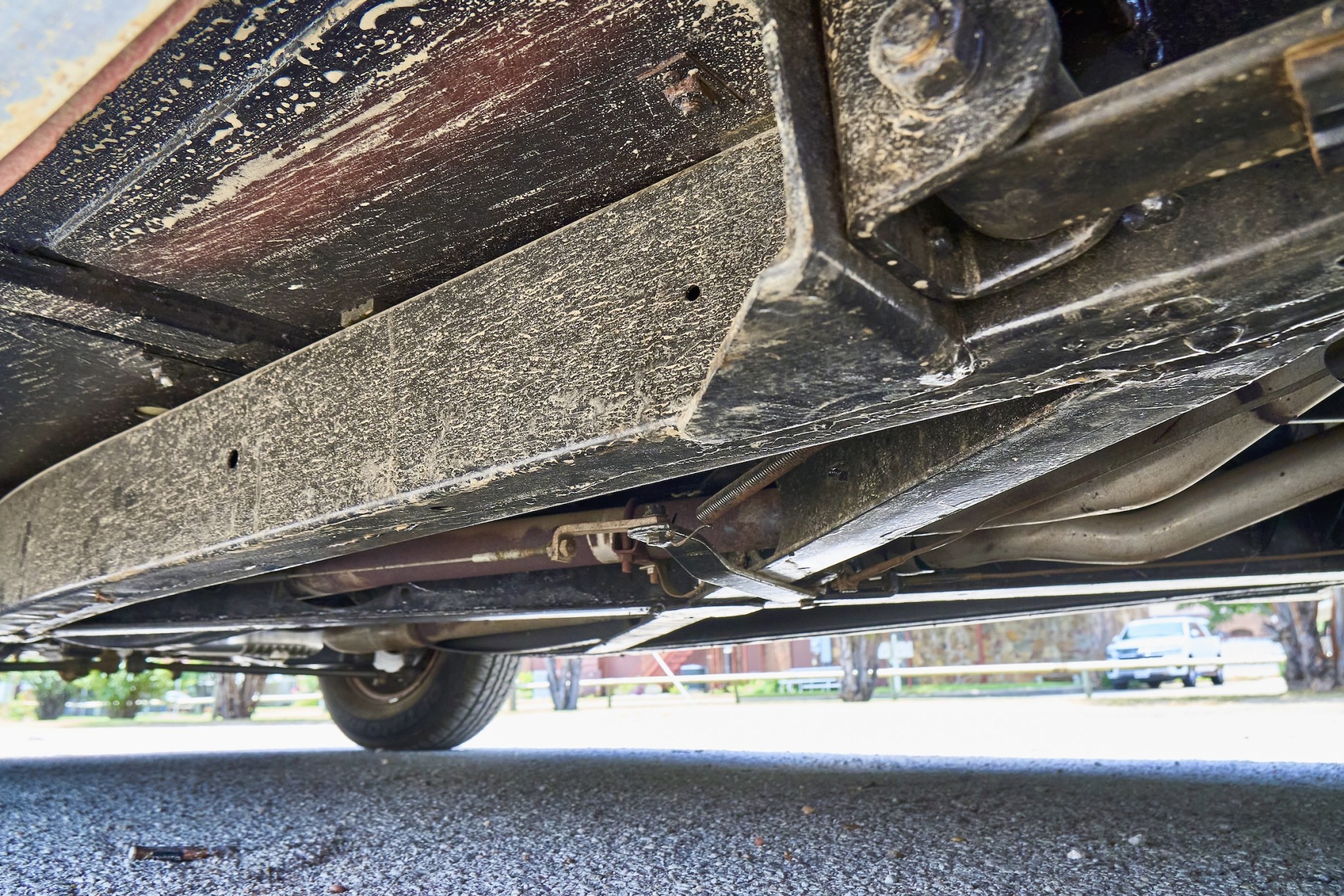
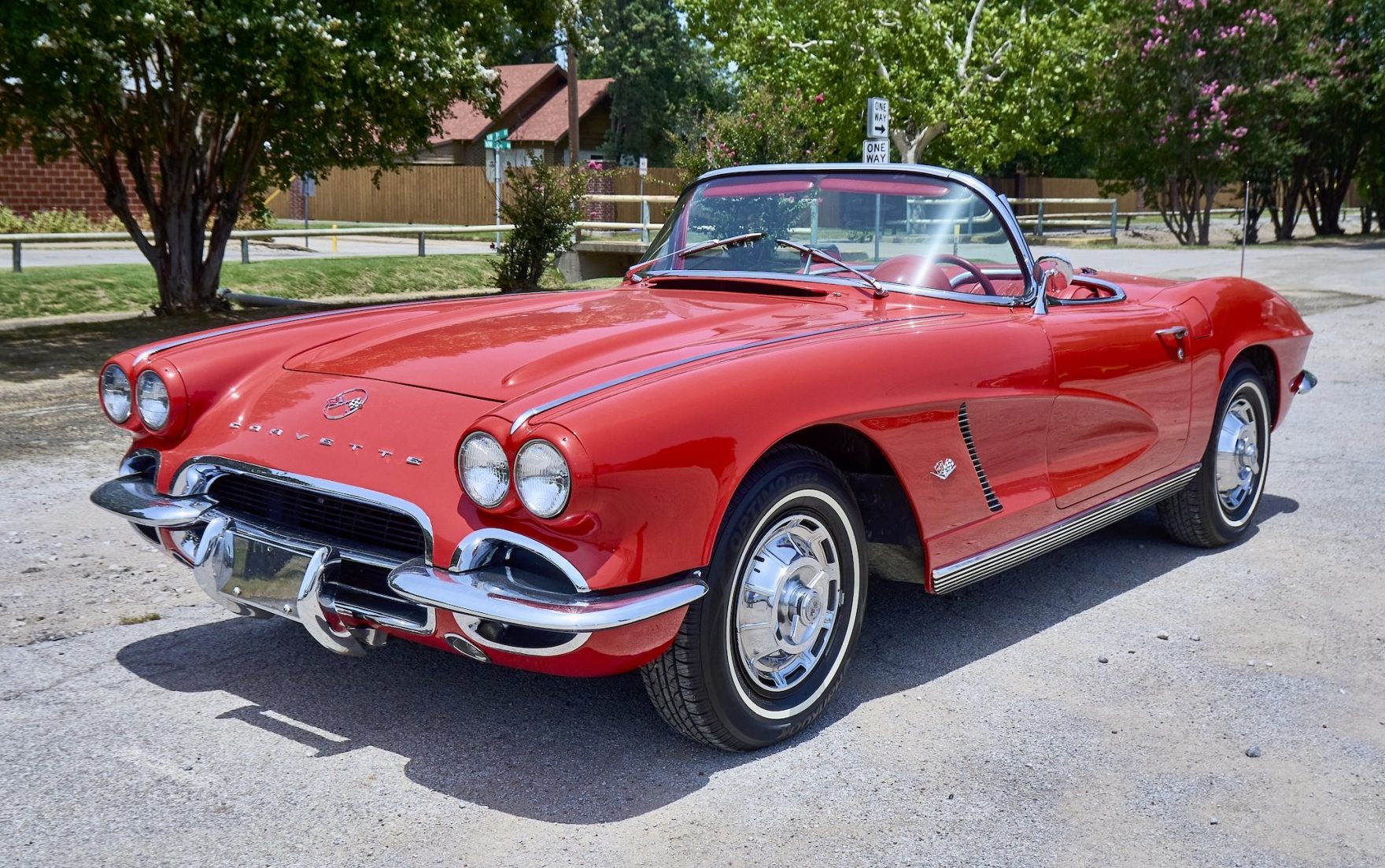
The seller describes this Corvette as a graduate car, as in someone graduated from college and bought themselves a Corvette to celebrate. The person who optioned it didn’t want all the bells and whistles; they just wanted a fun driver, and that’s exactly what they got. When the seller acquired the car in 2009, they sent it off to the restoration shop for a full body-off restoration. They added a few upgrades during the restoration and have put a few thousand miles on it since its completion. It’s a beautiful car inside and out, but the time has come to find a new home for it. If you’d love to have it, be sure to cast your bids right here on Barn Finds!
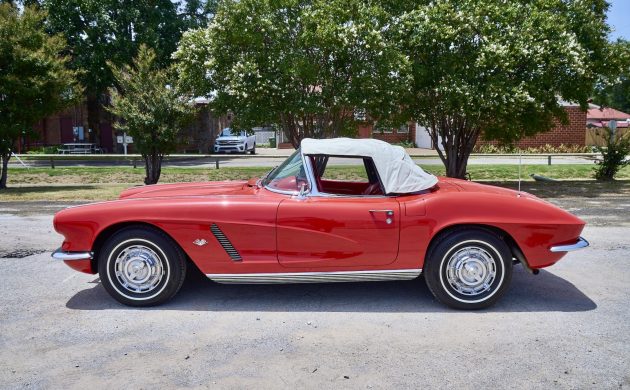
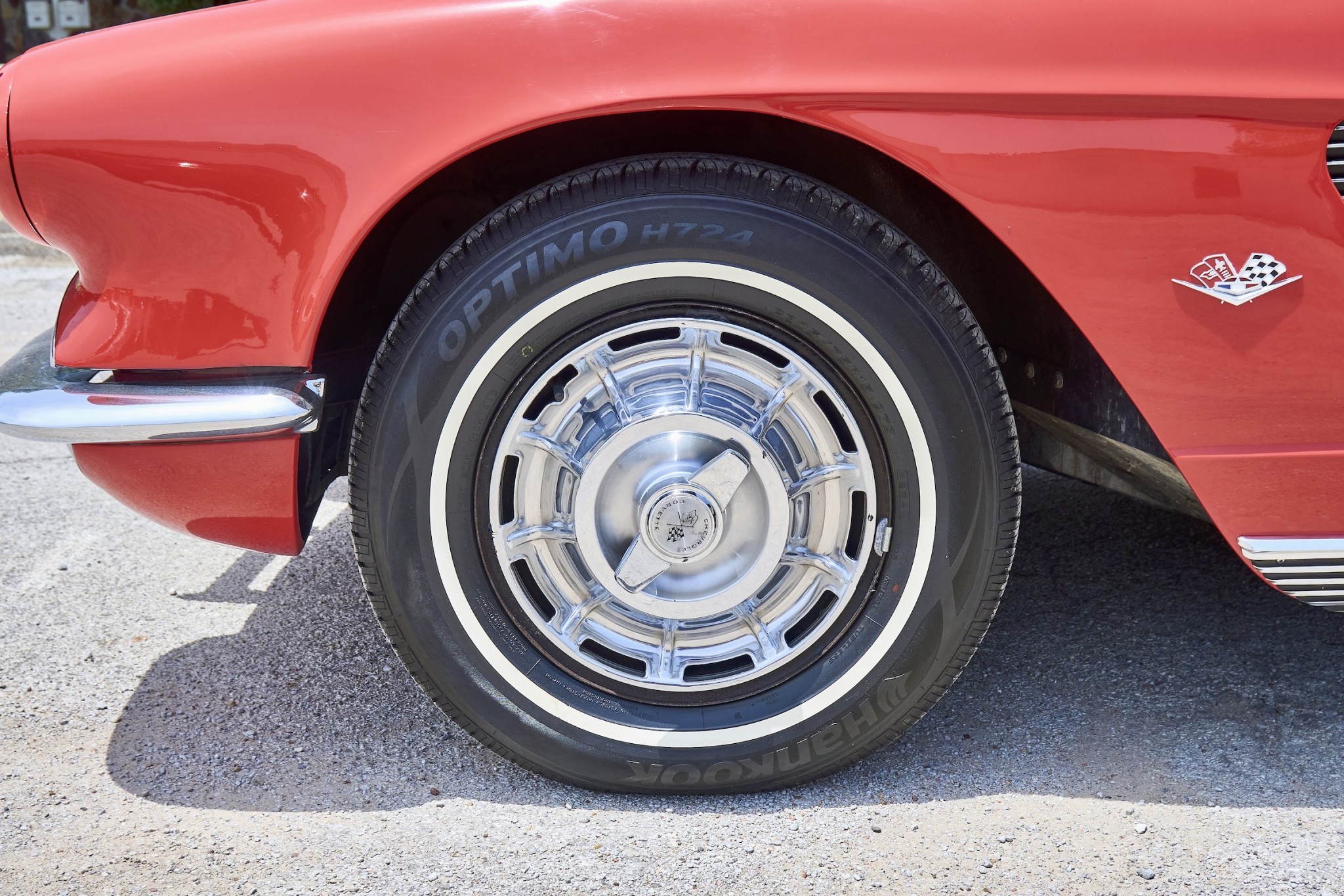
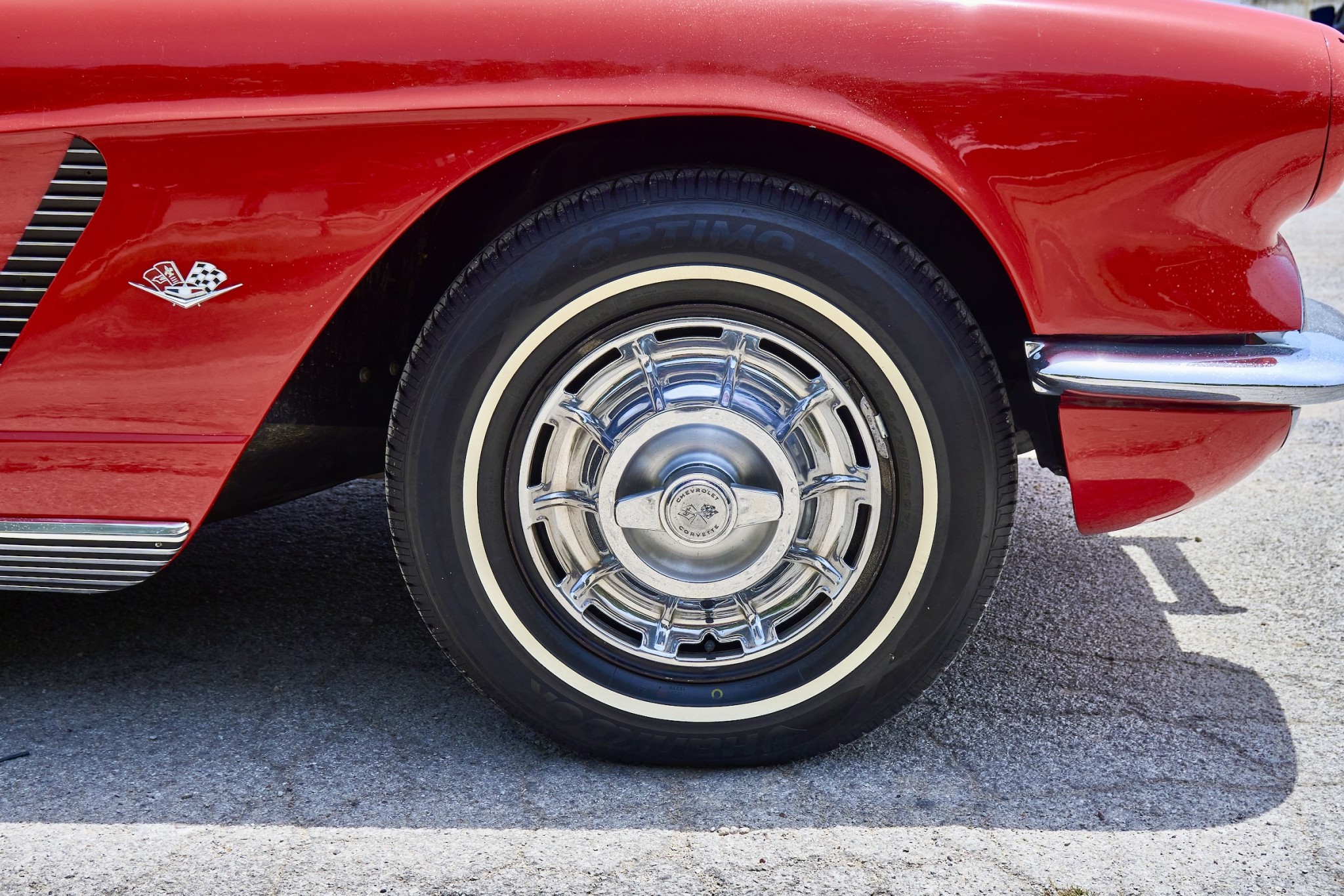
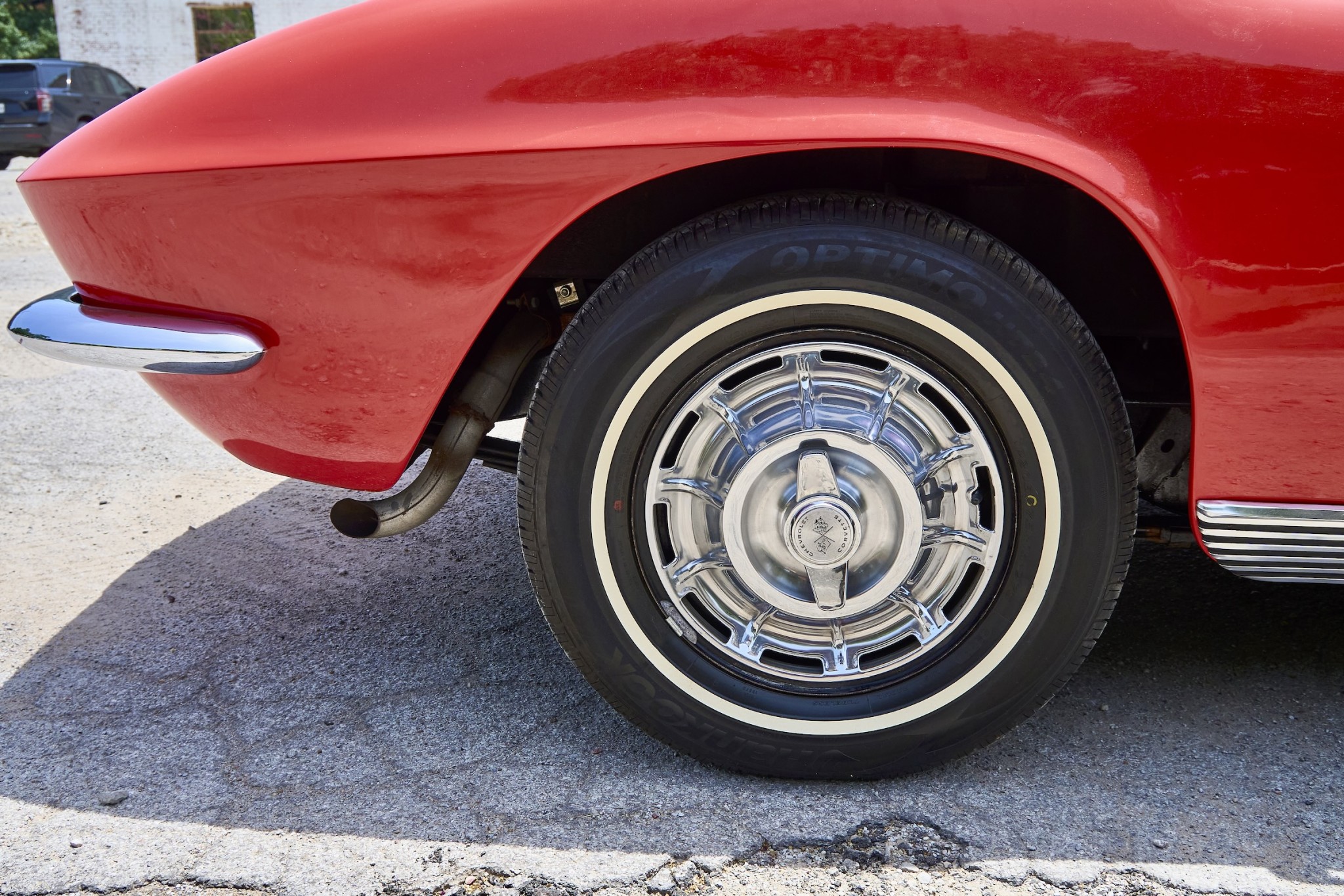
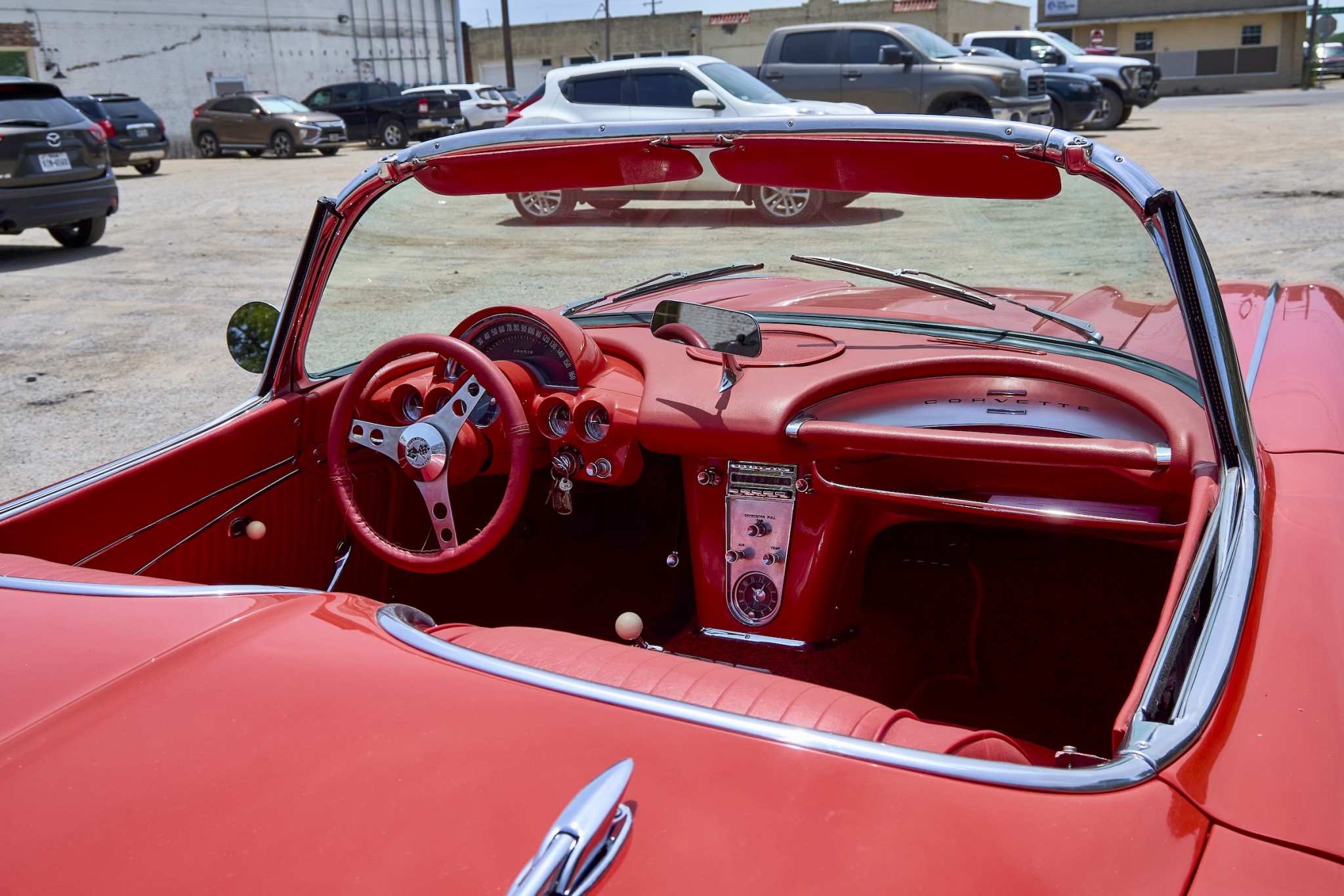
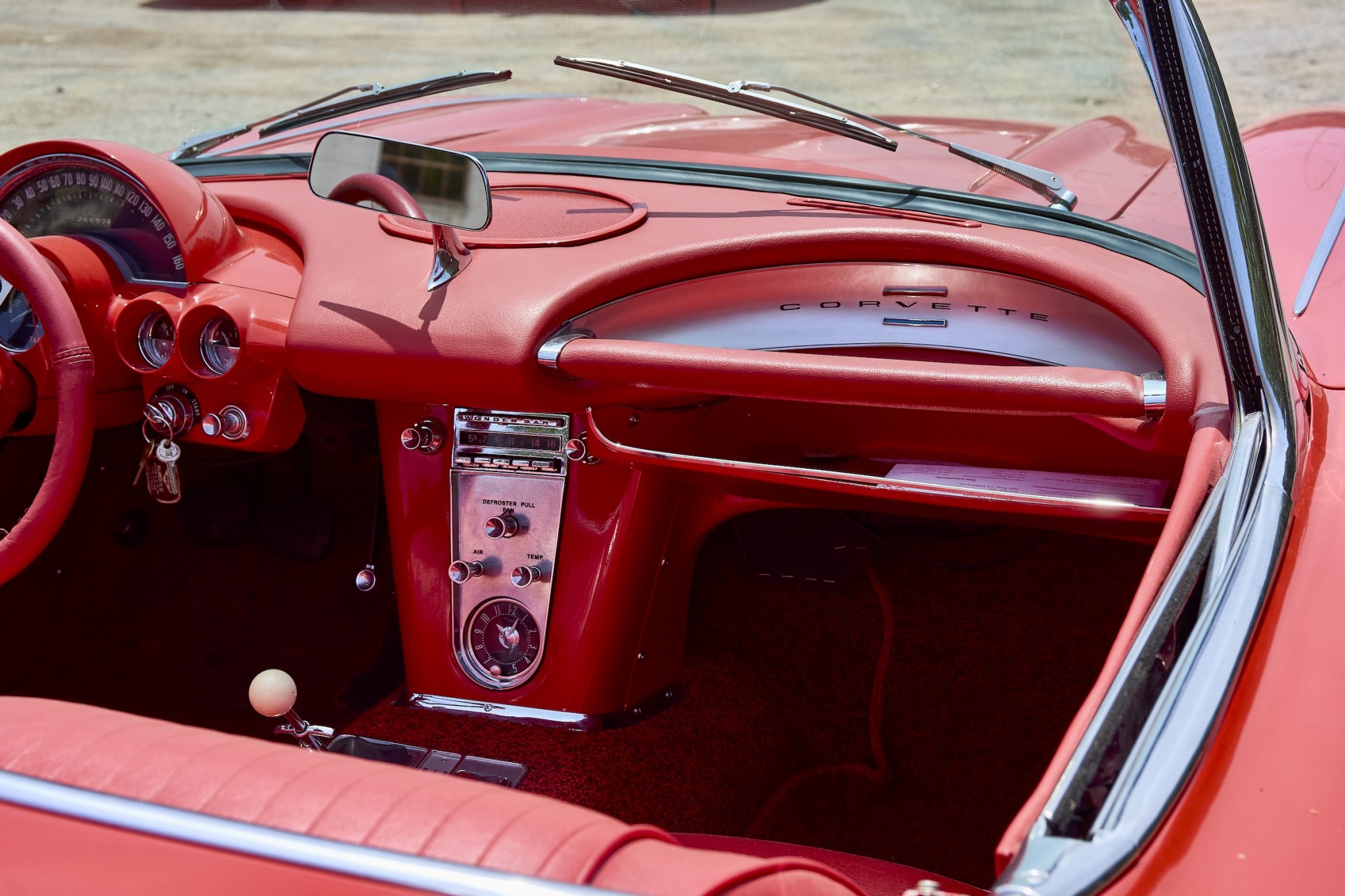
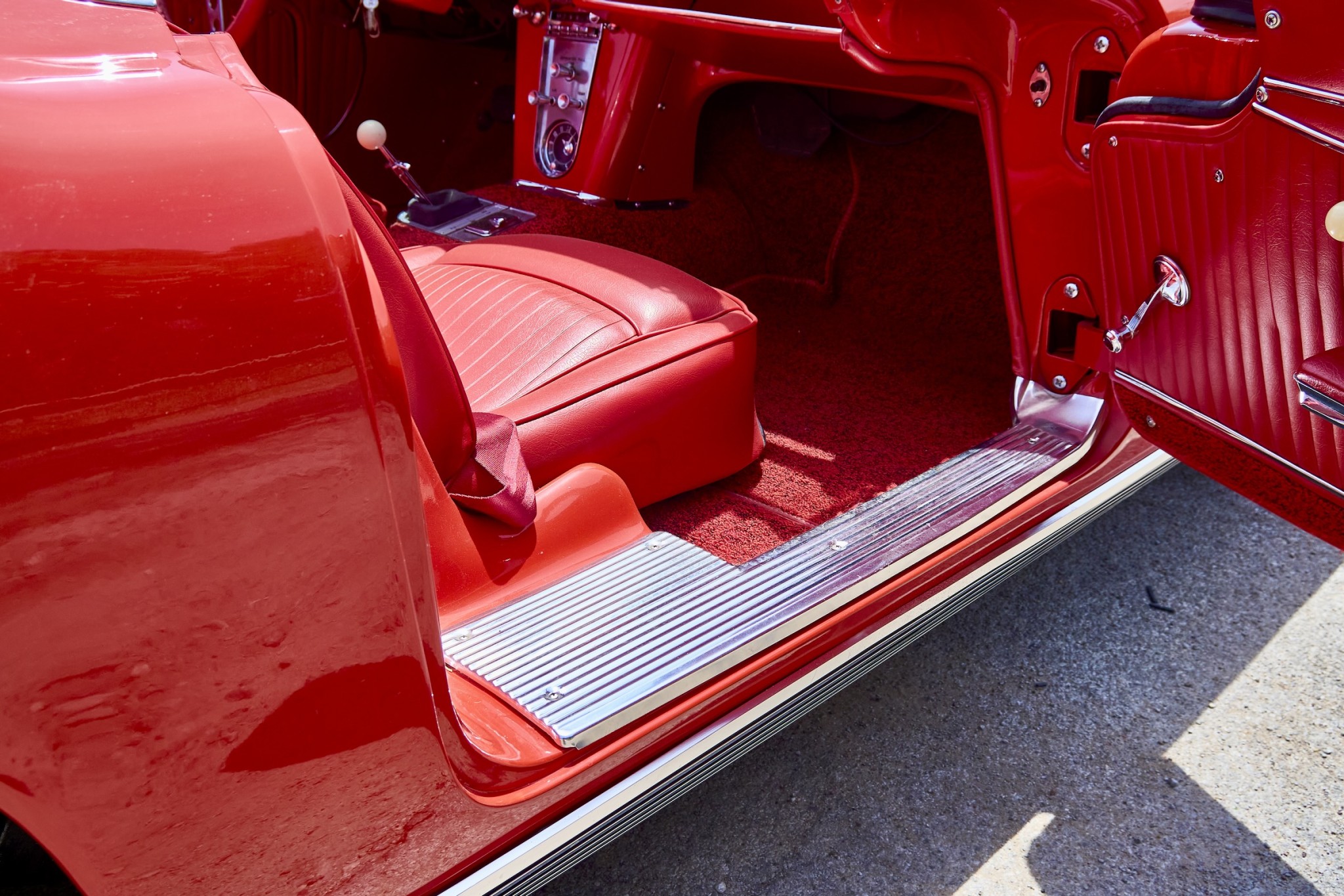
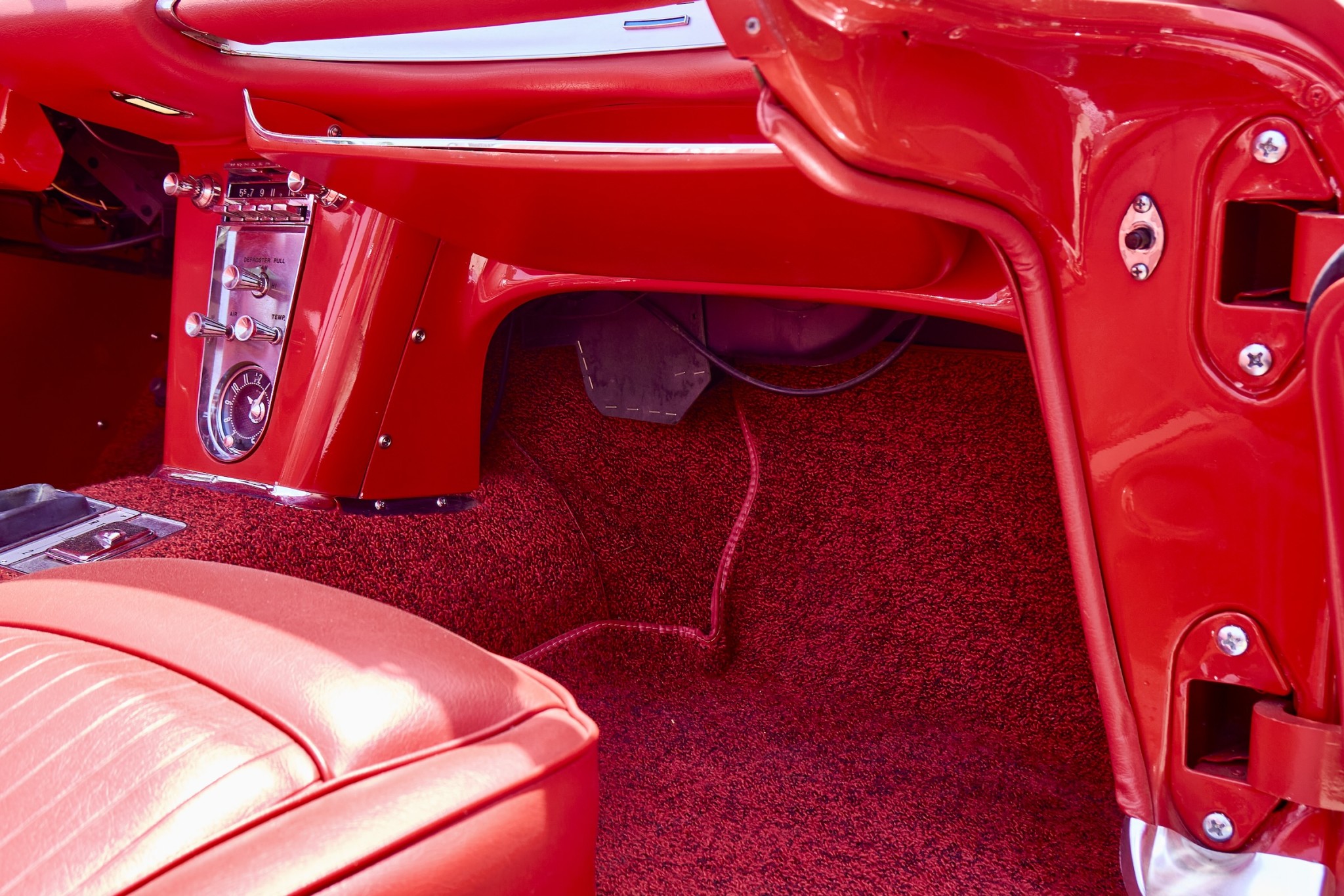
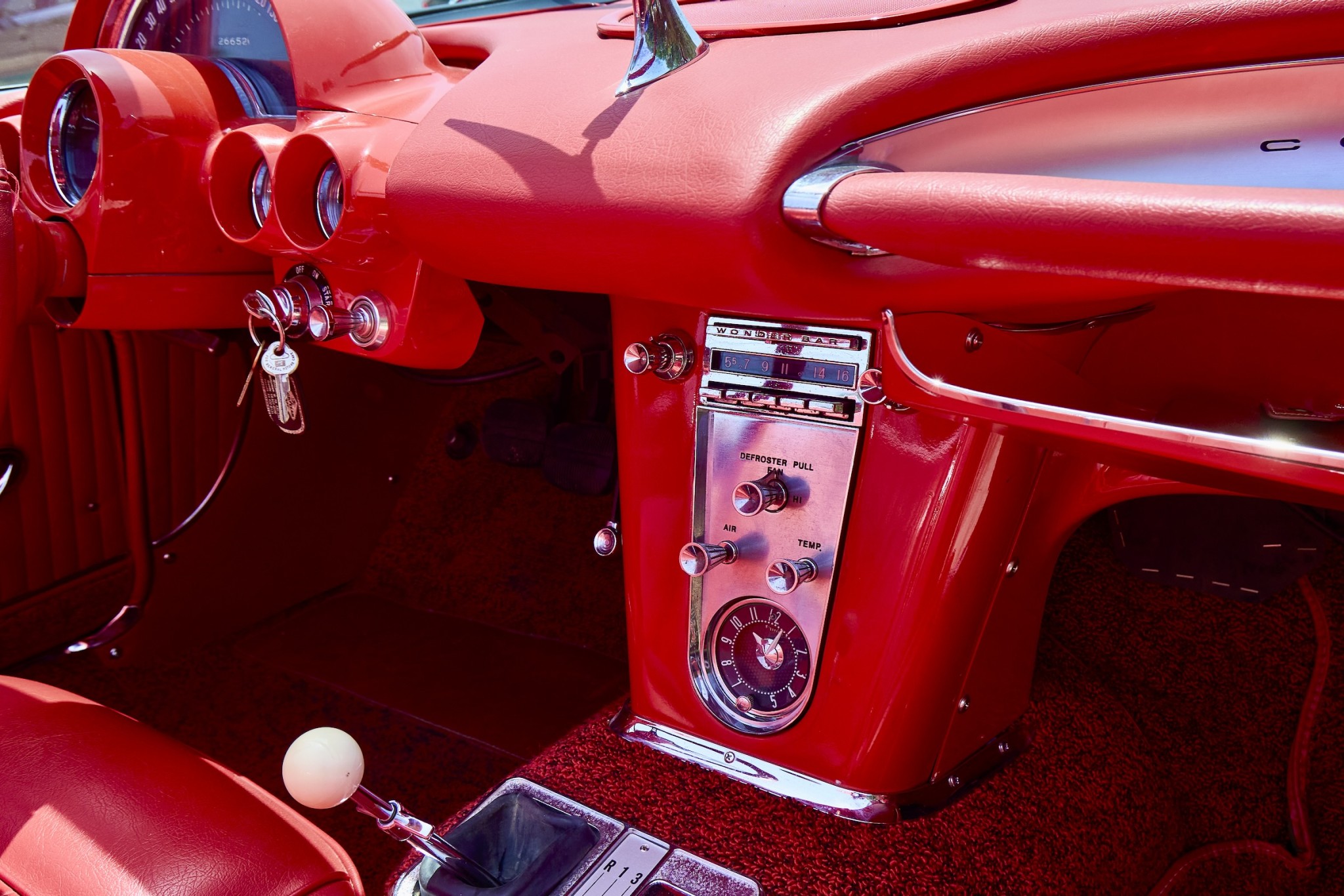
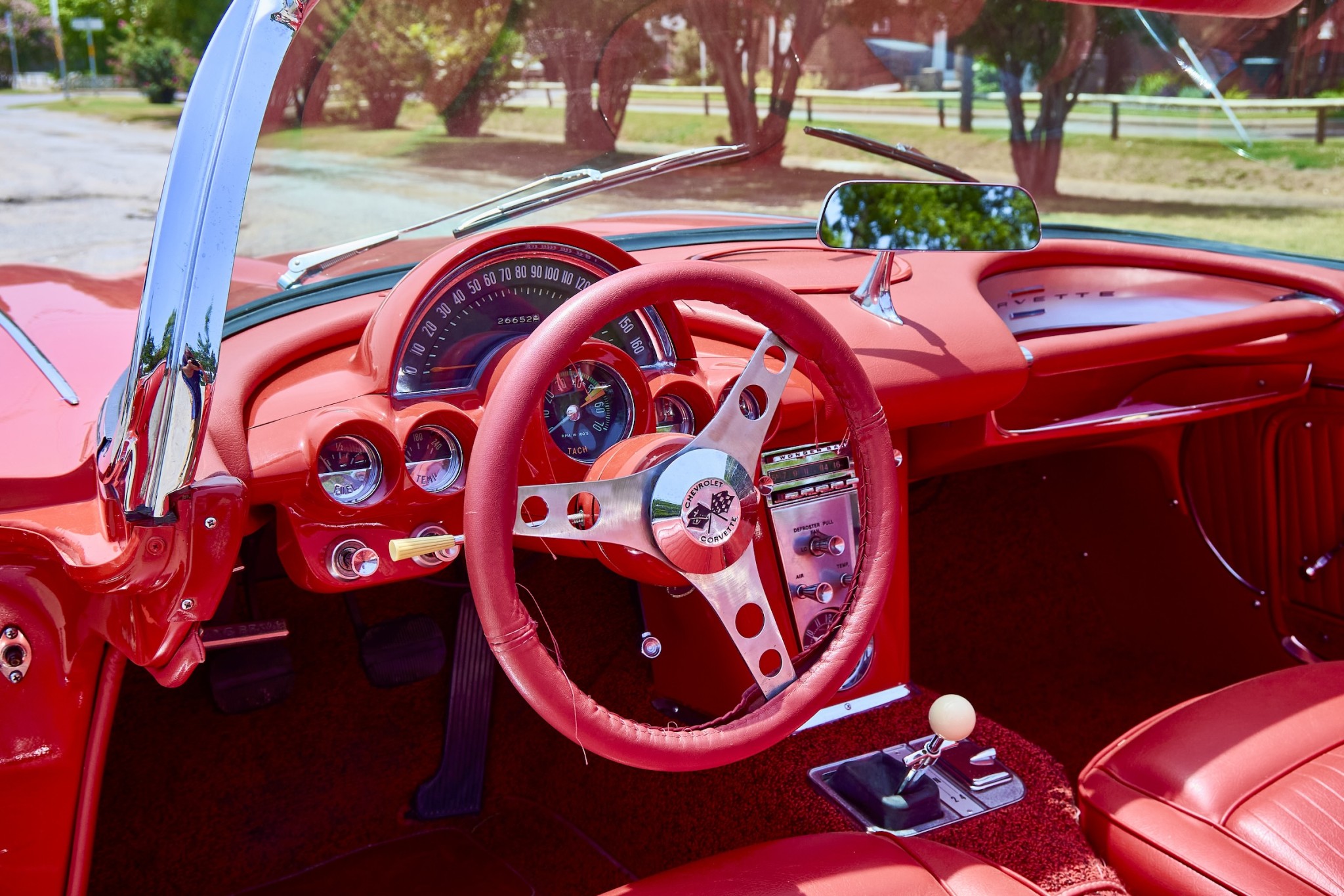
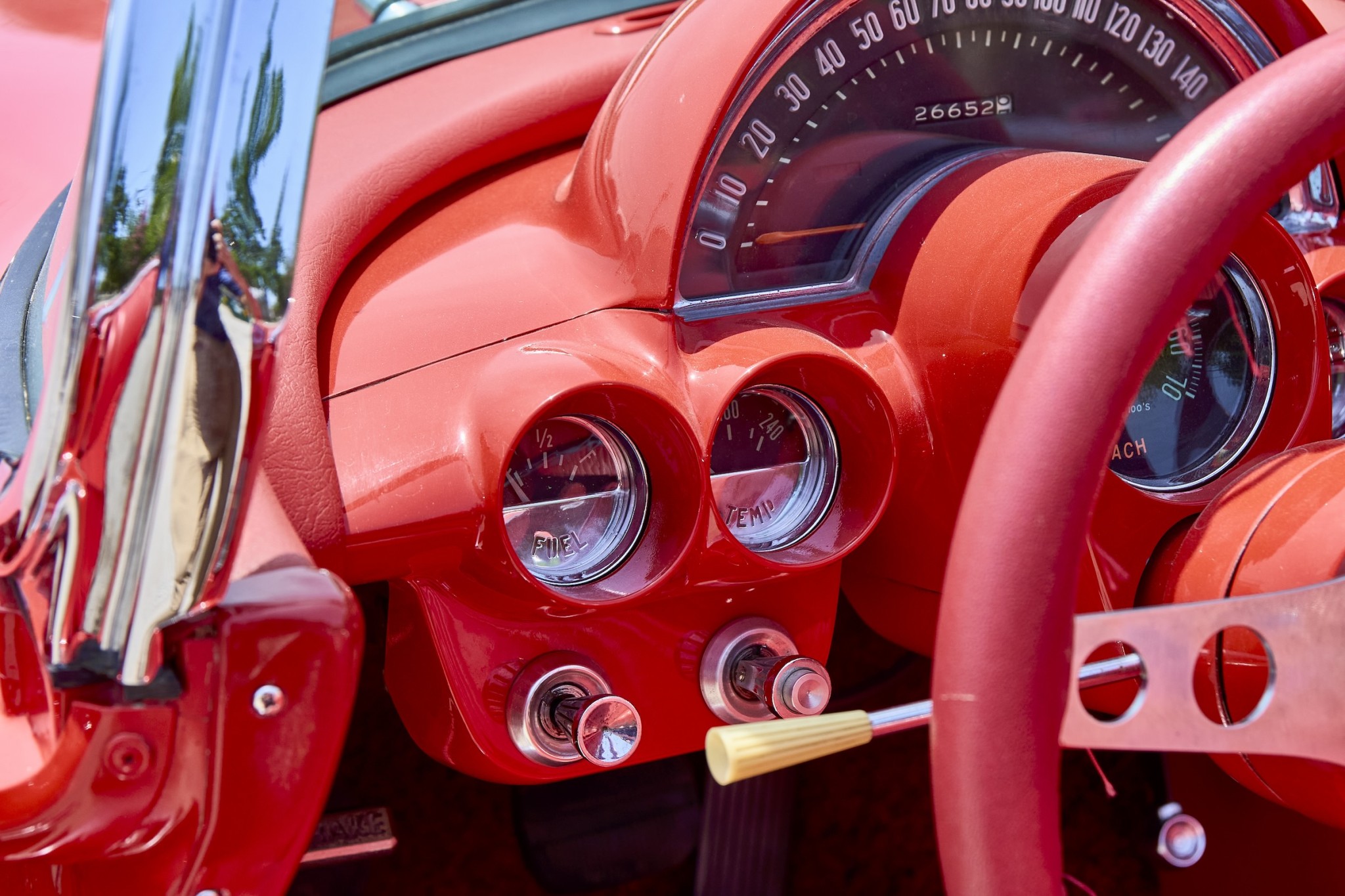
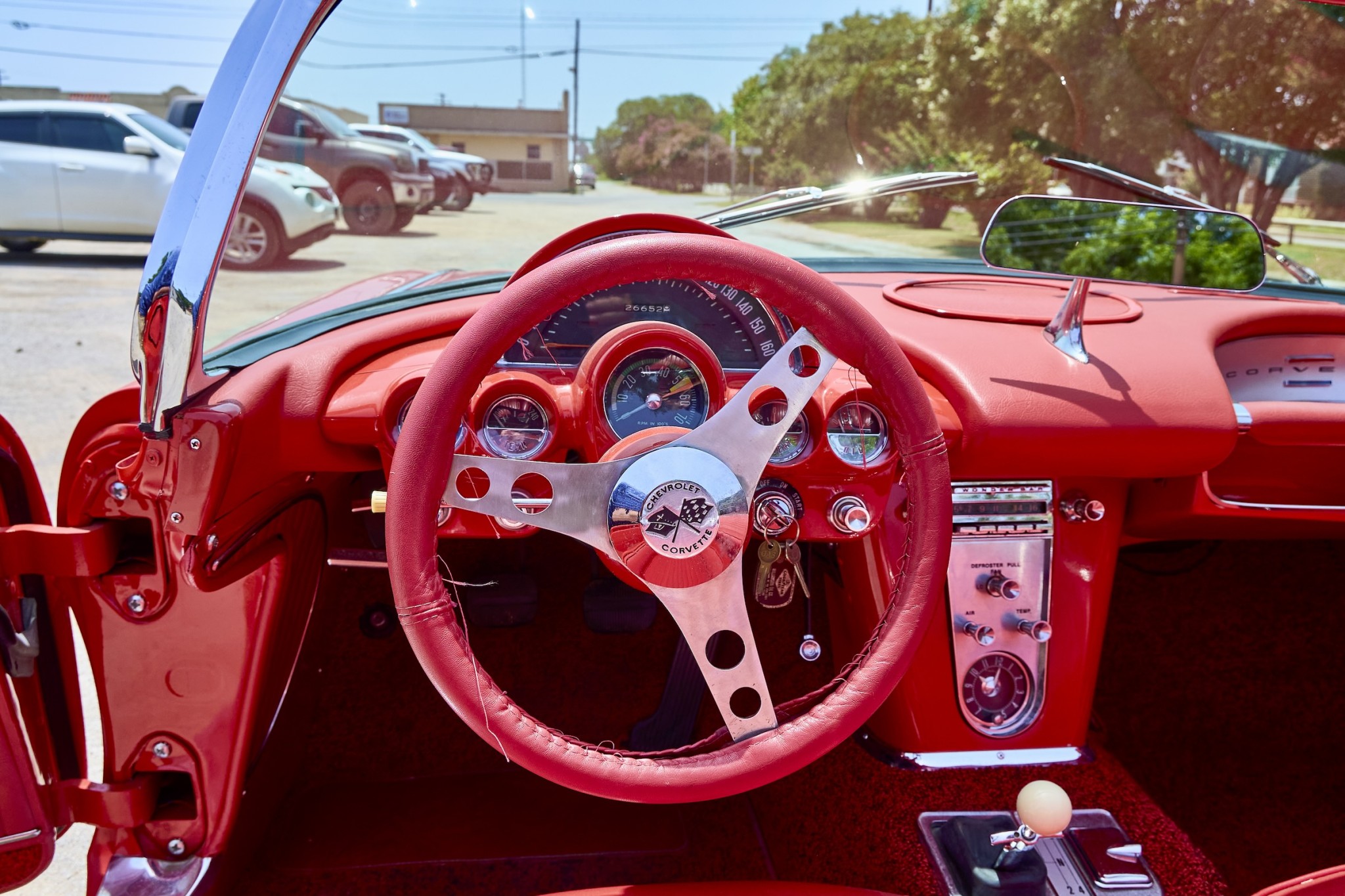
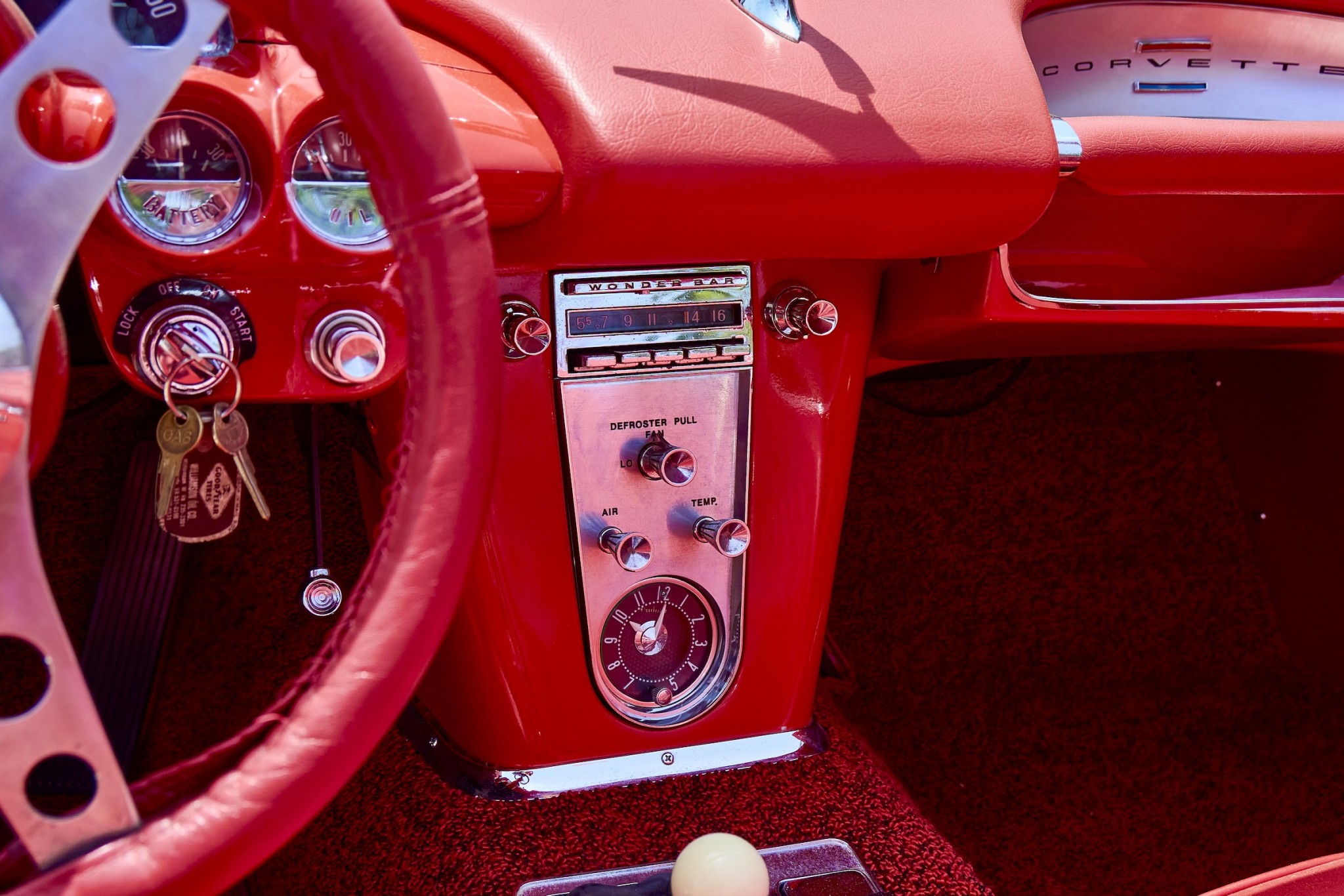
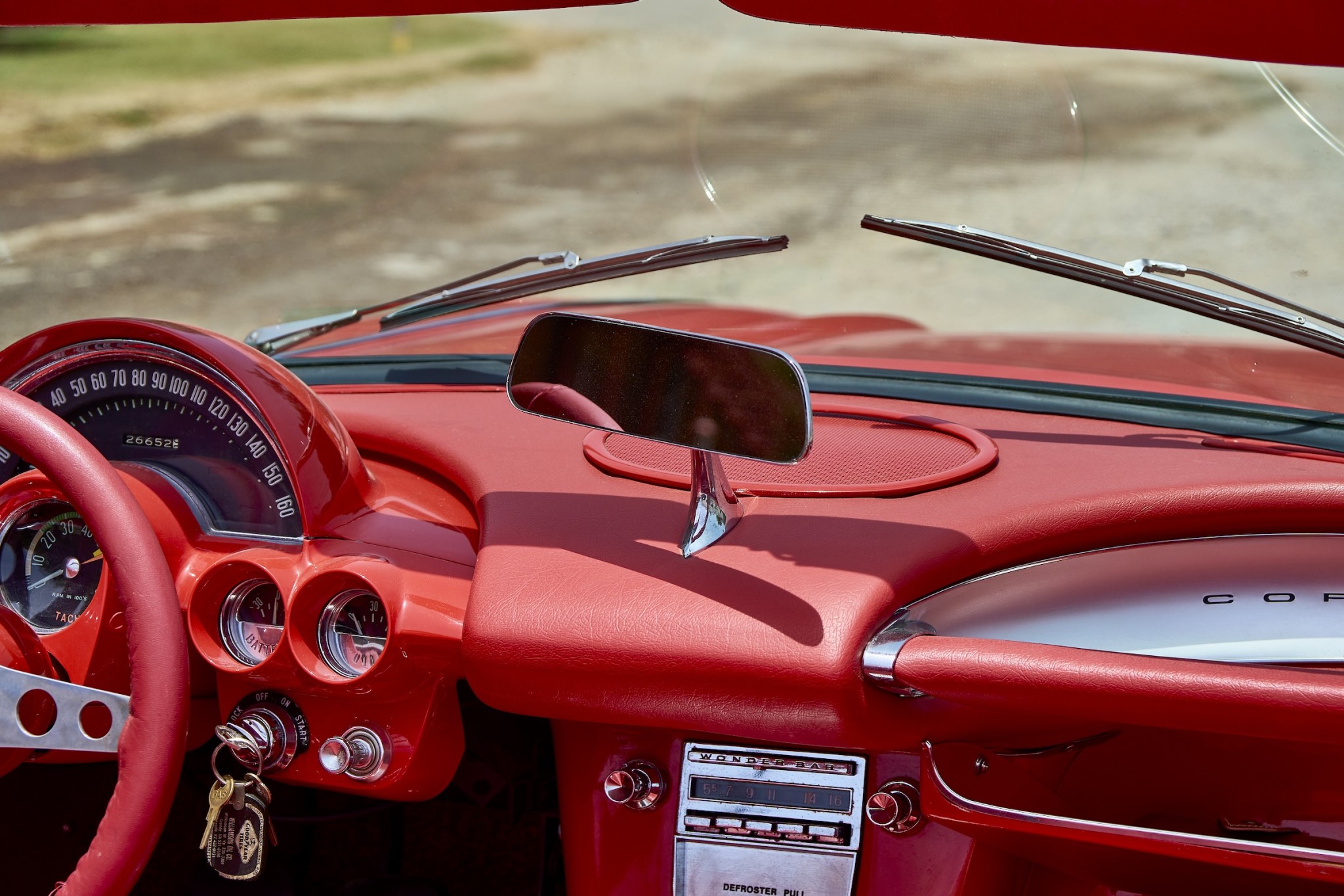
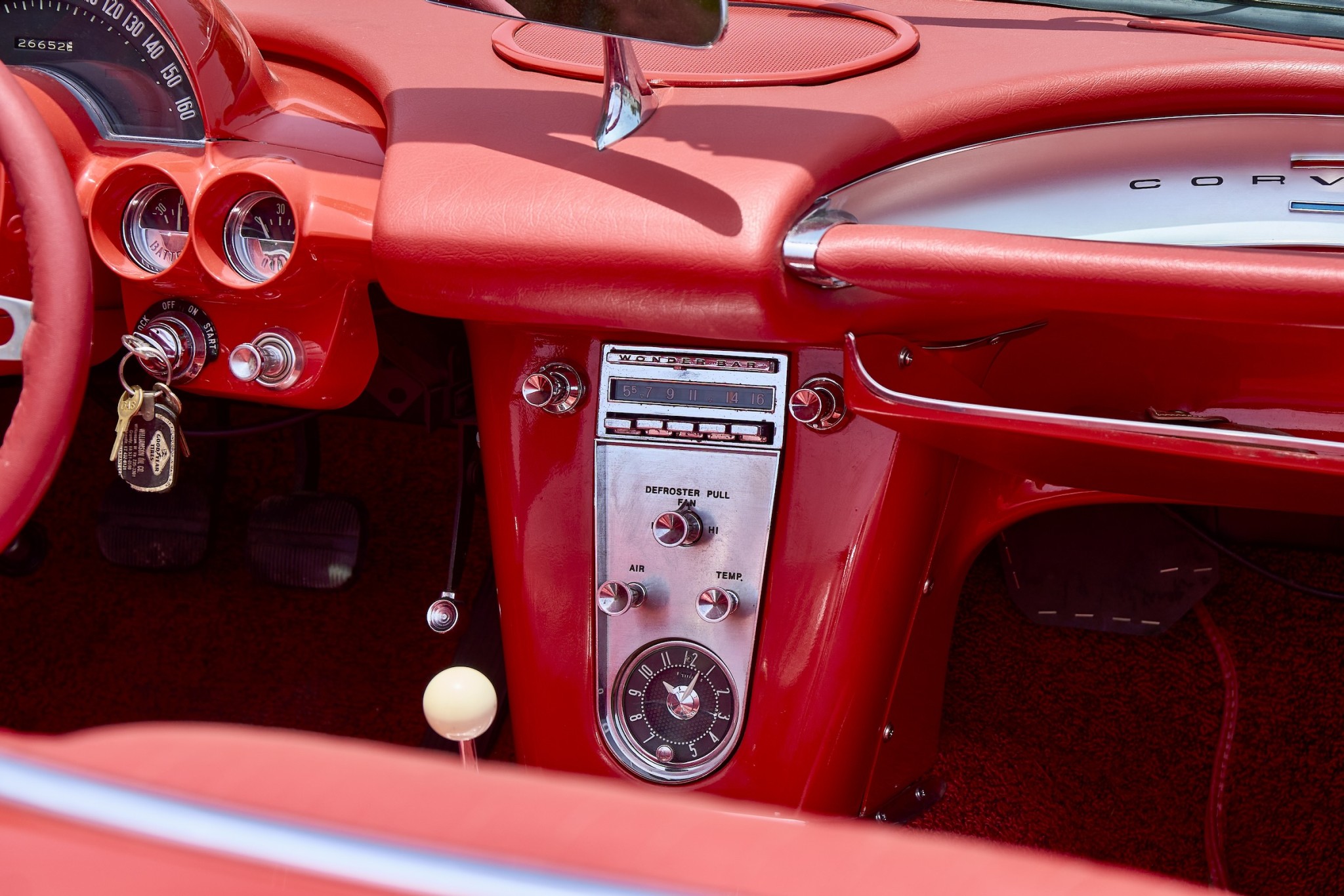
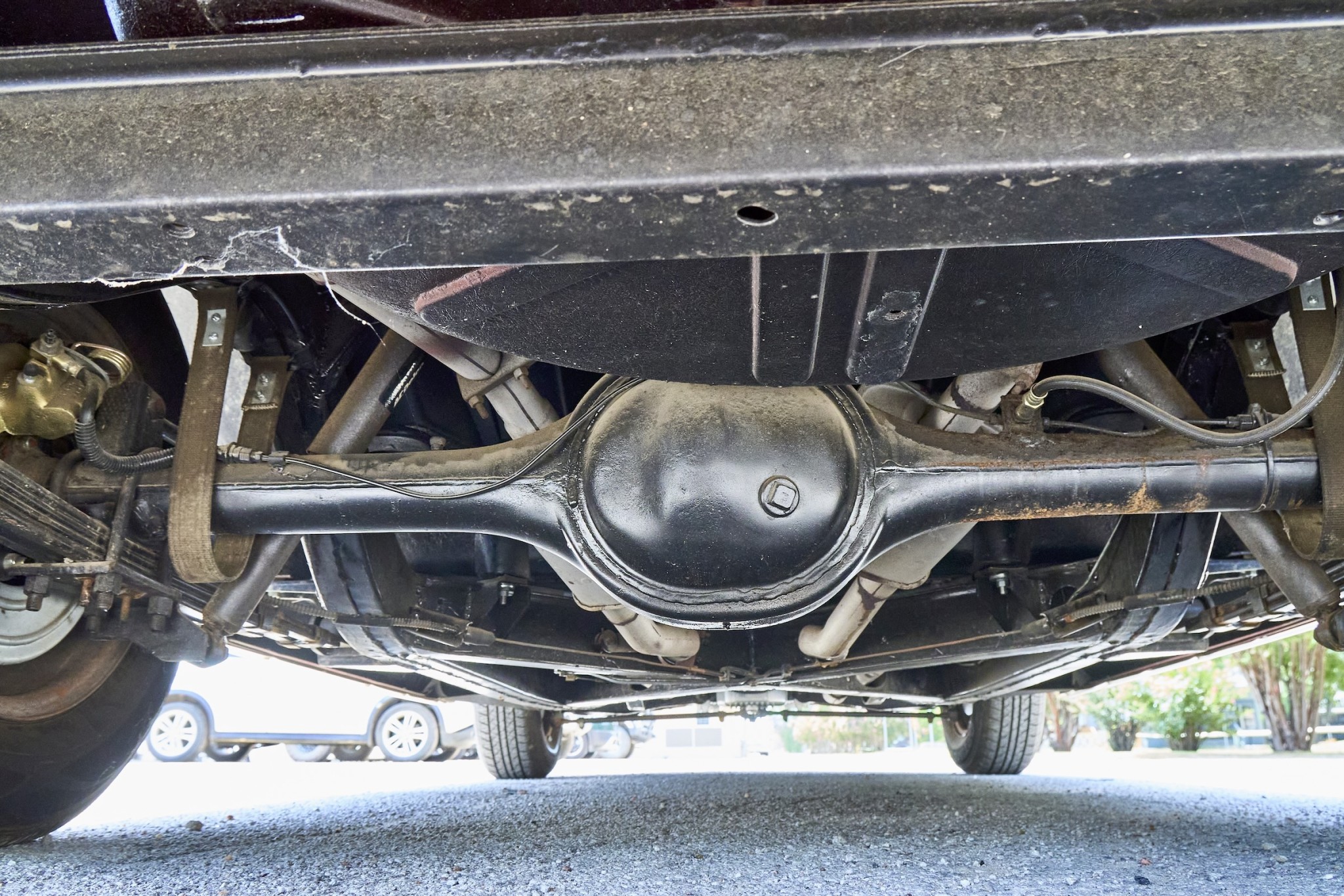
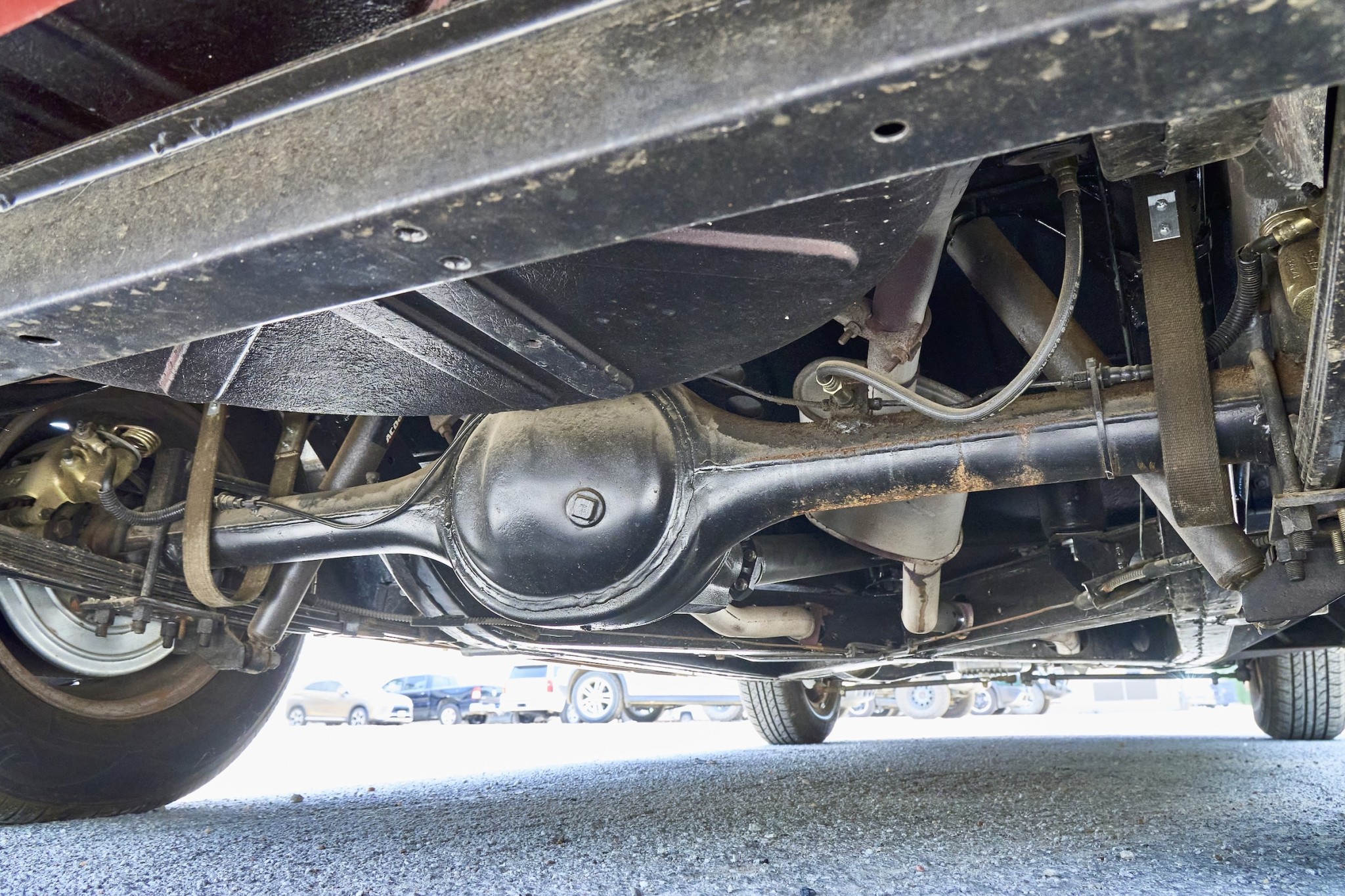
This Corvette left the factory with the base 327 V8, 3-speed manual transmission, and no radio. During the restoration, the transmission was replaced with a 4-speed close ratio manual, the rear end was upgraded to a 4:11 Positraction rear, and a period radio was installed. The original 3-speed and rear end are still with the car, so it’s next owner has the option to put it back to original, if they prefer. A previous owner installed disc brakes at all four wheels, but didn’t add a booster. The car is now a fun driver that has primarily been used in parades and car shows.
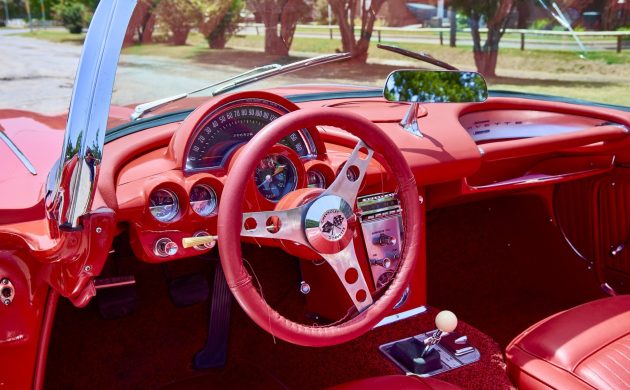
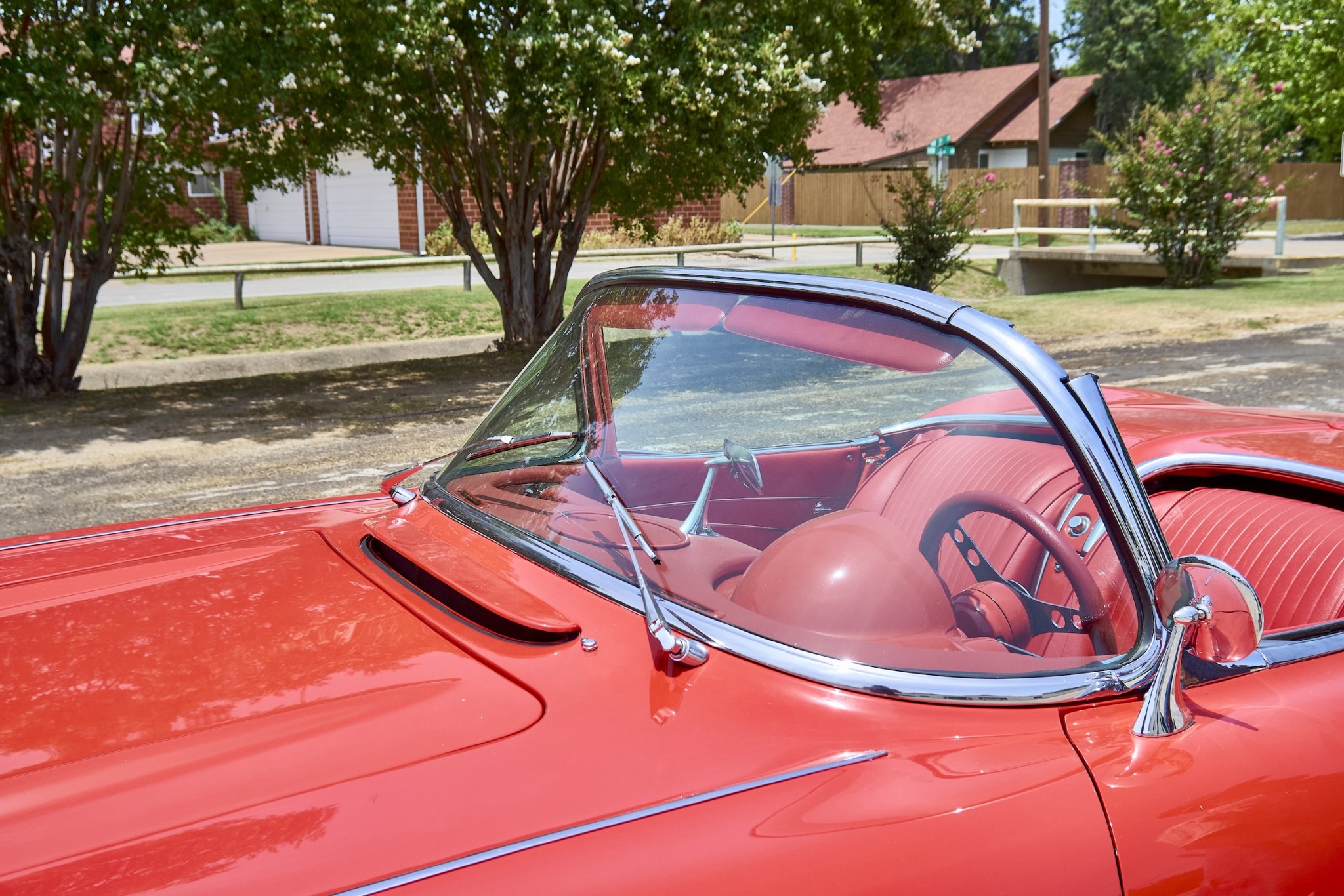
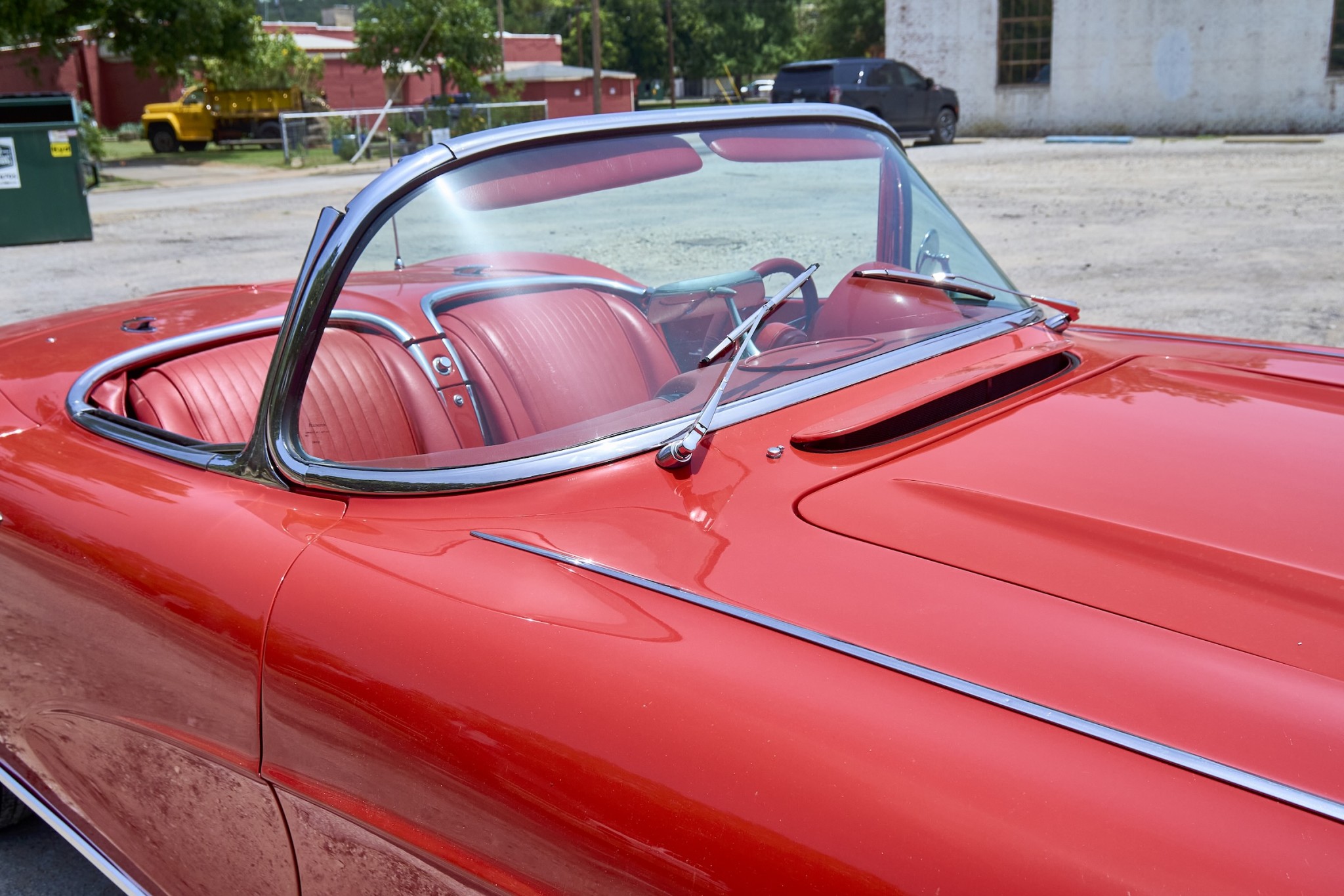
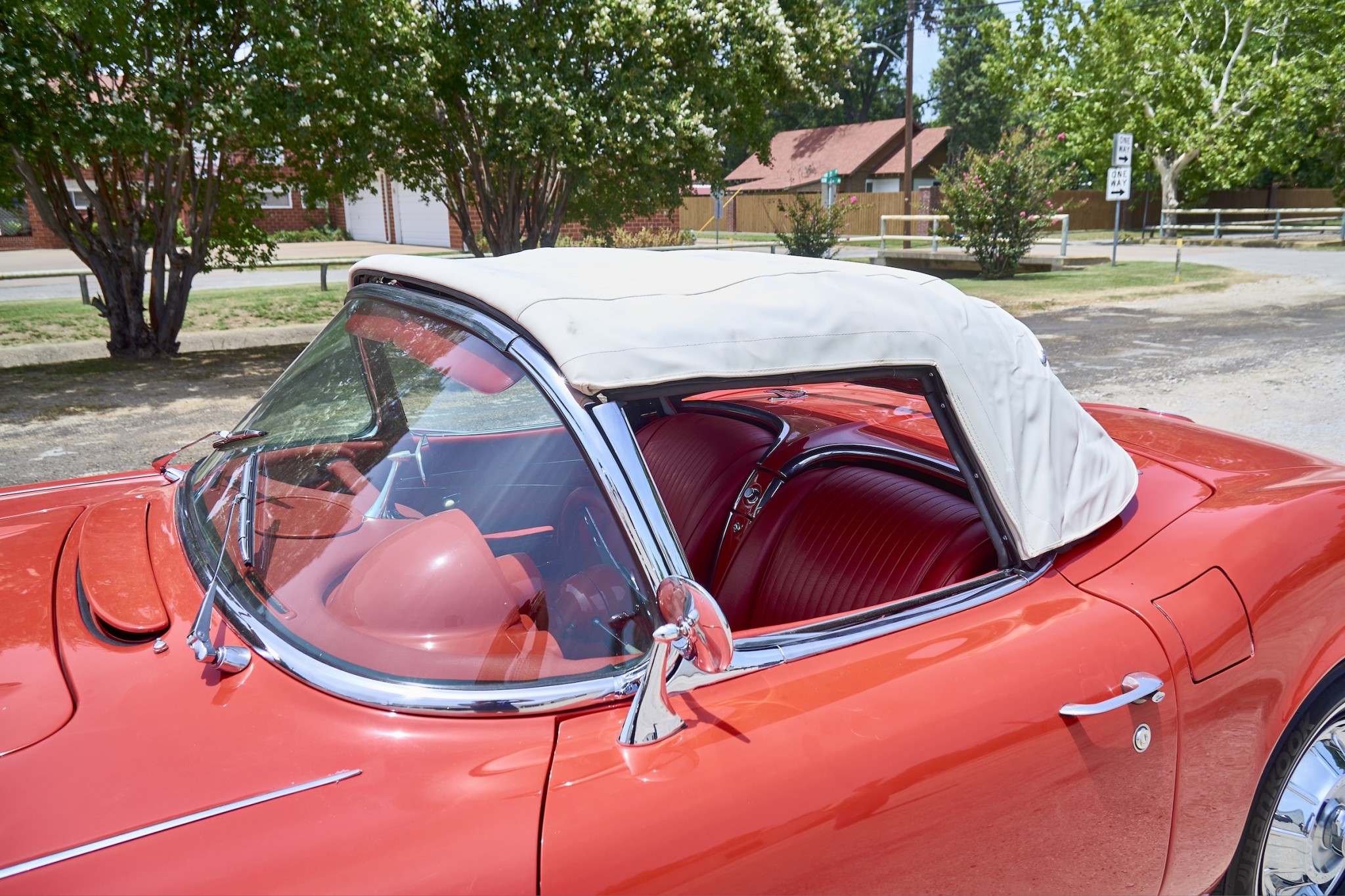
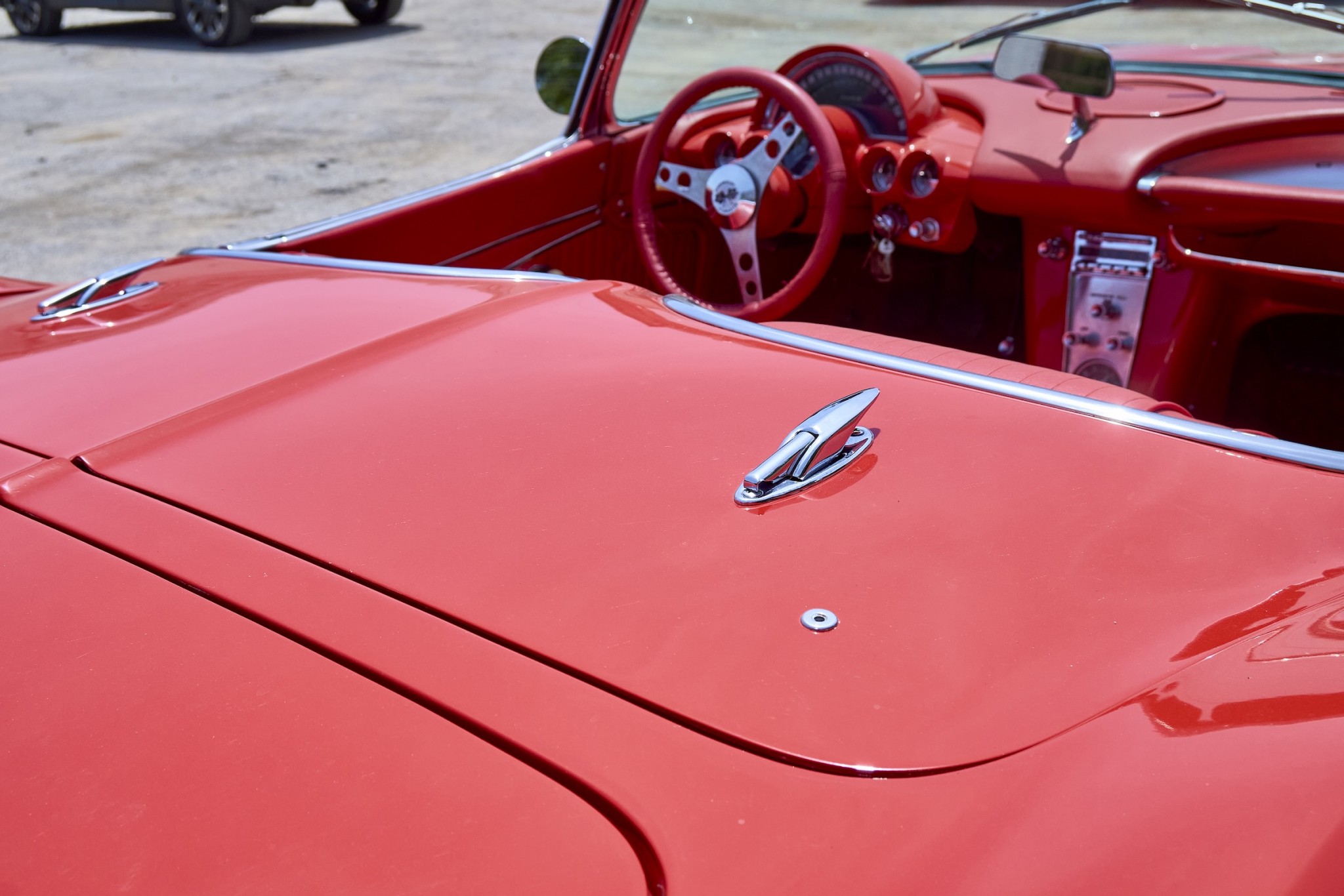
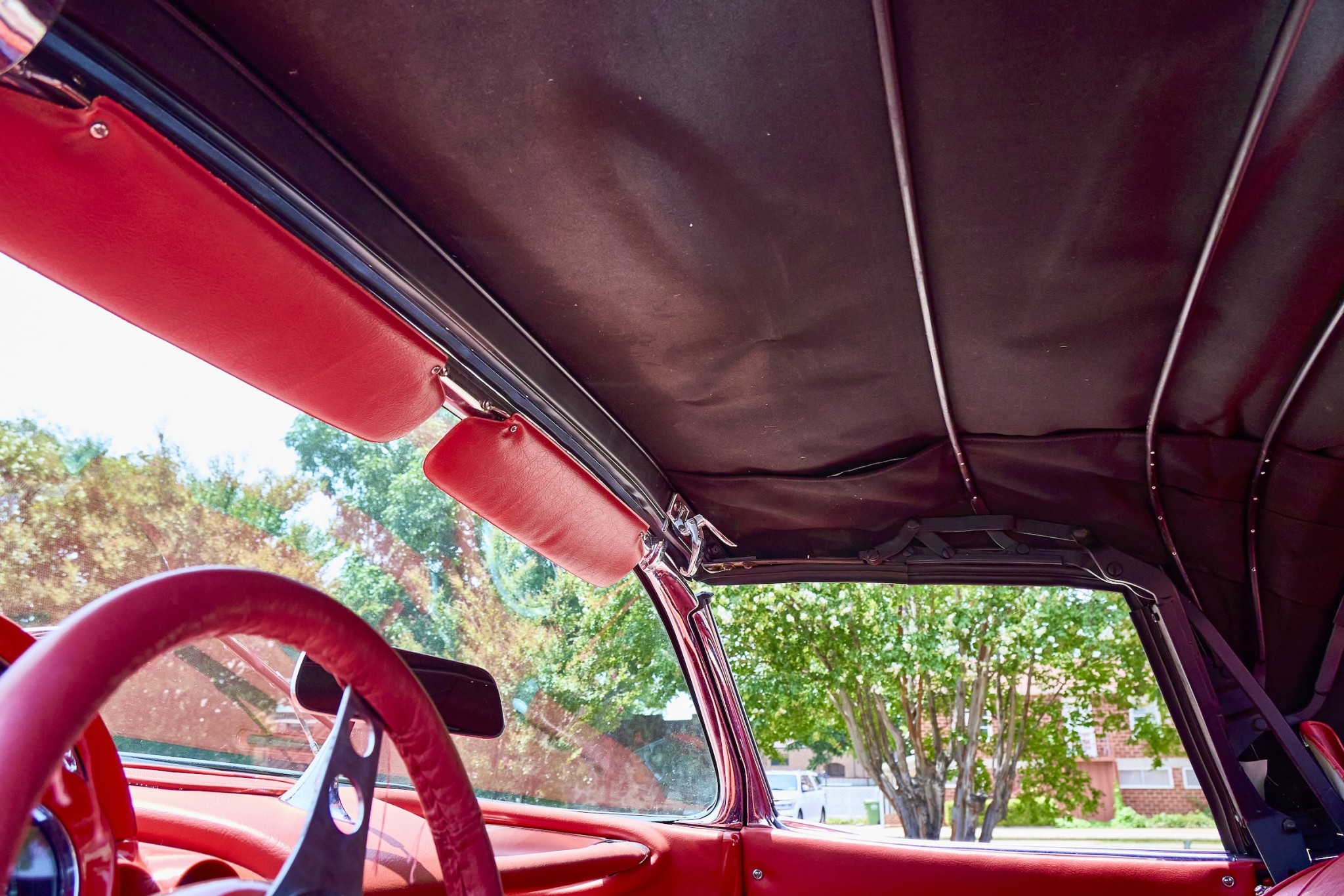
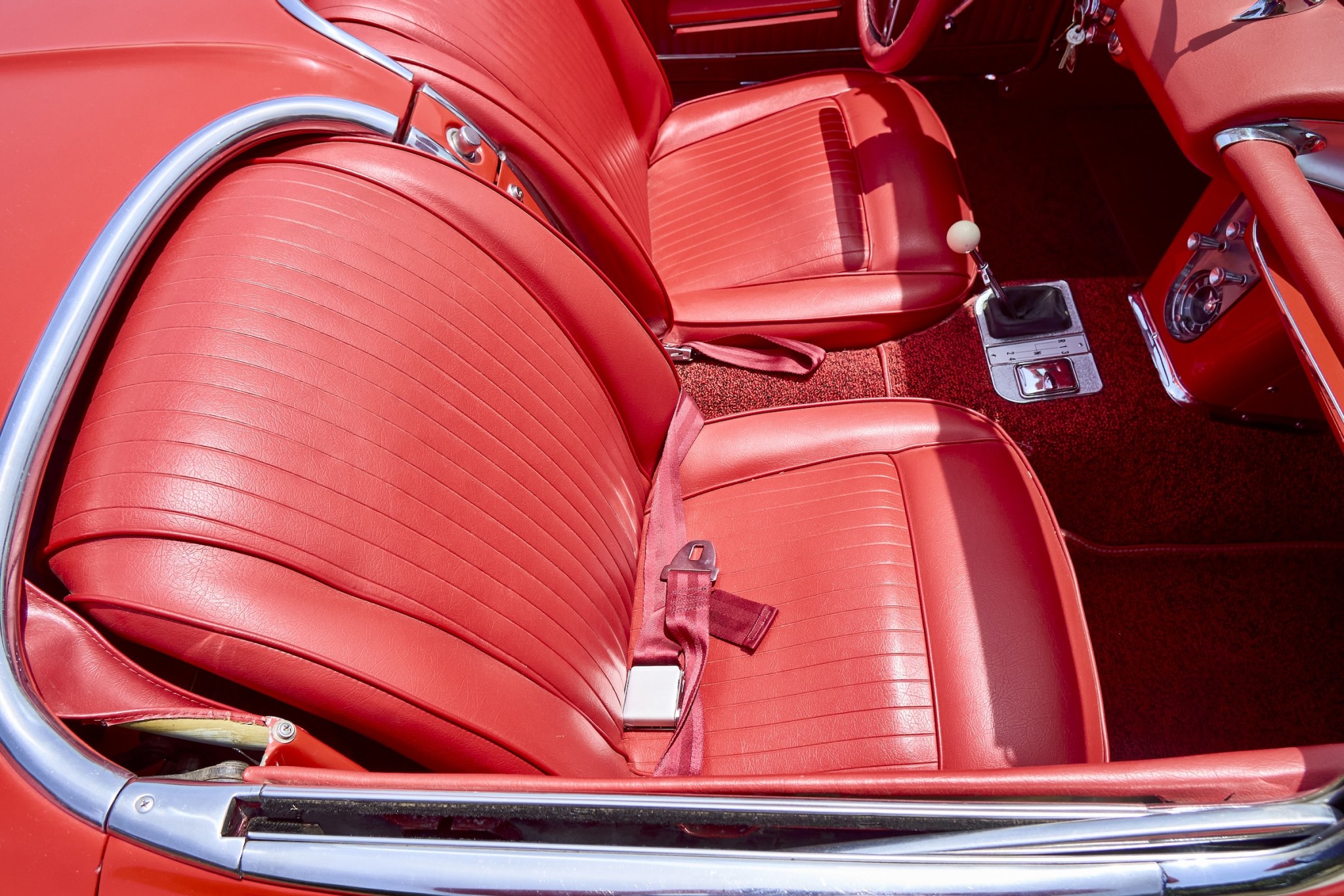
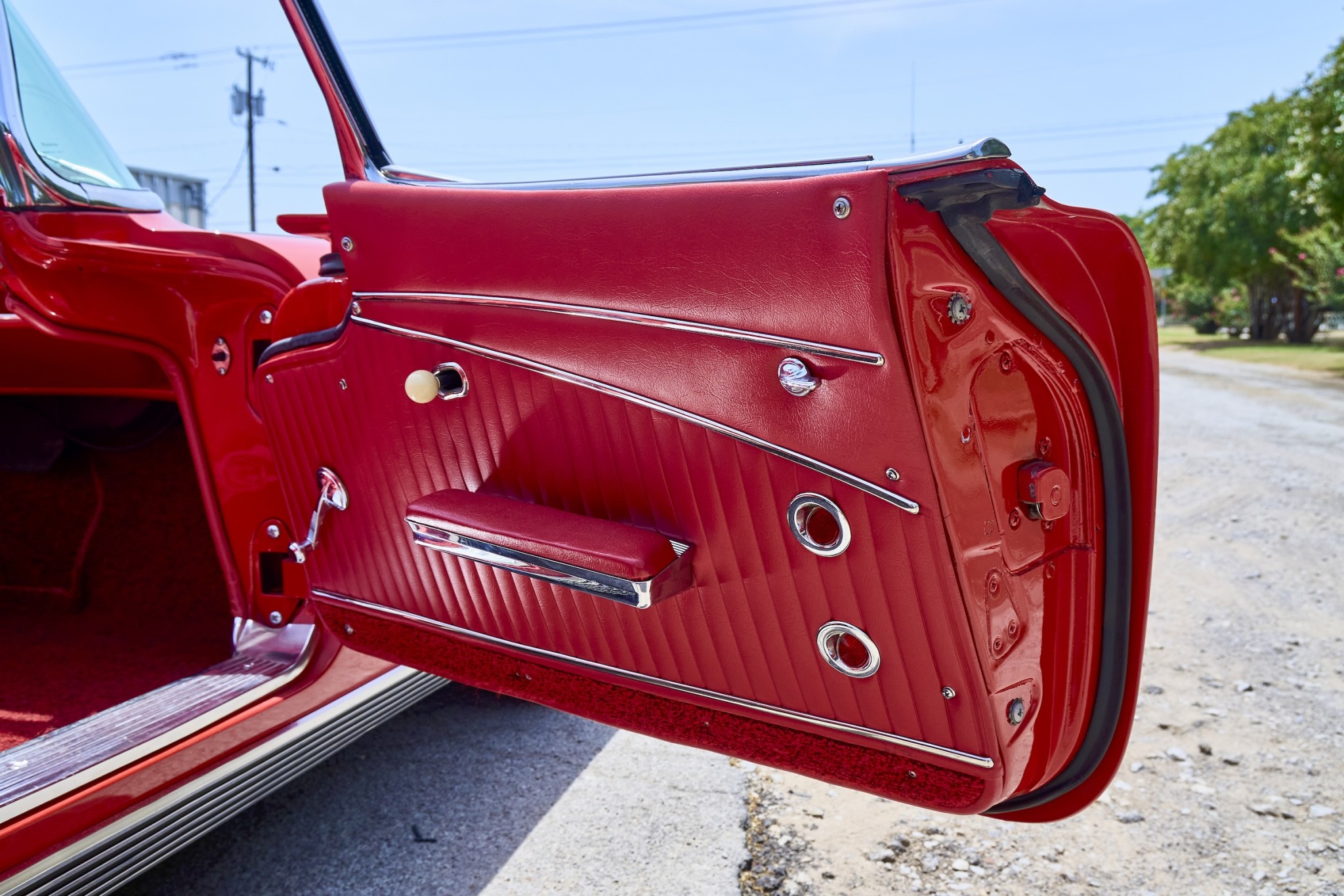
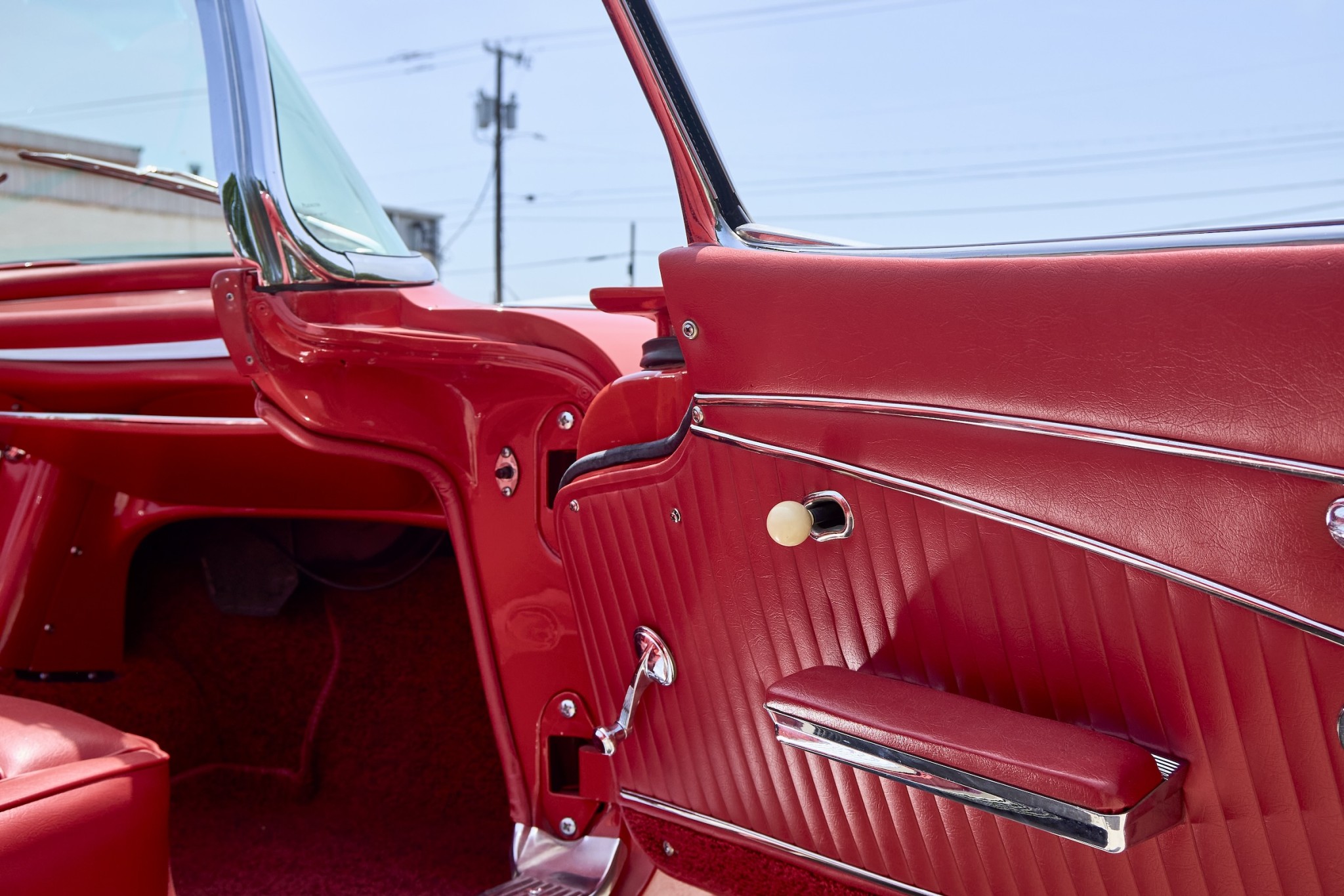
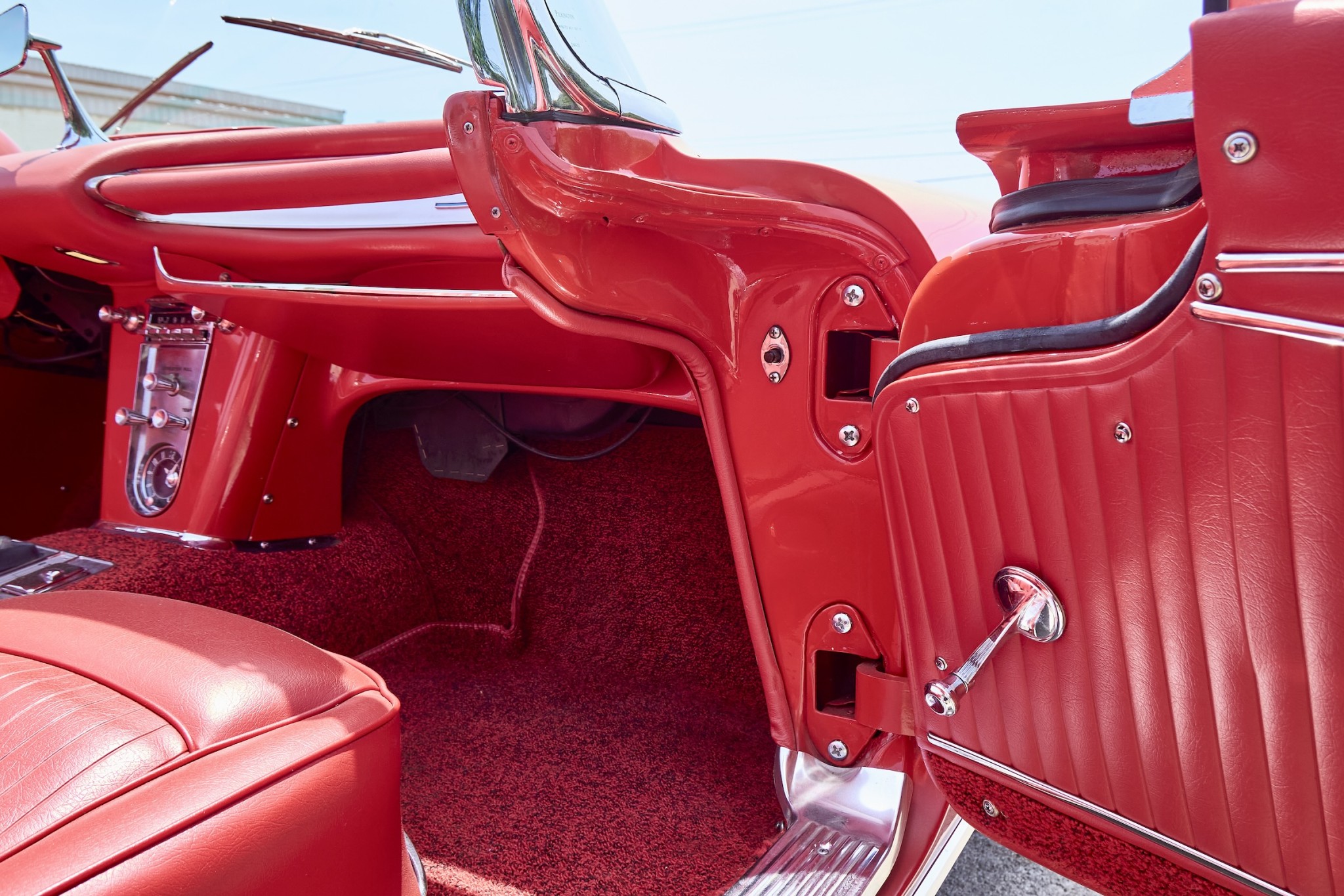
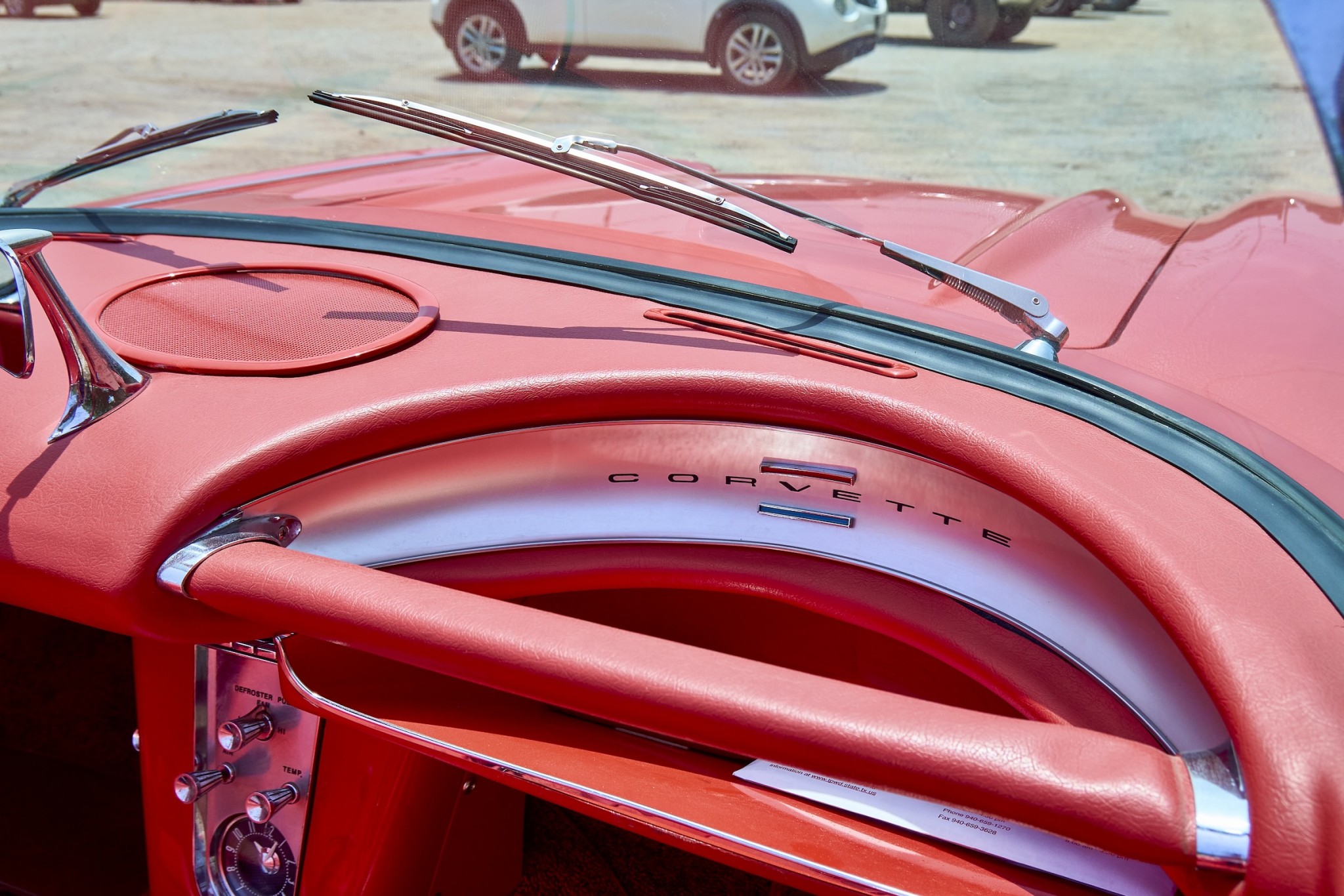
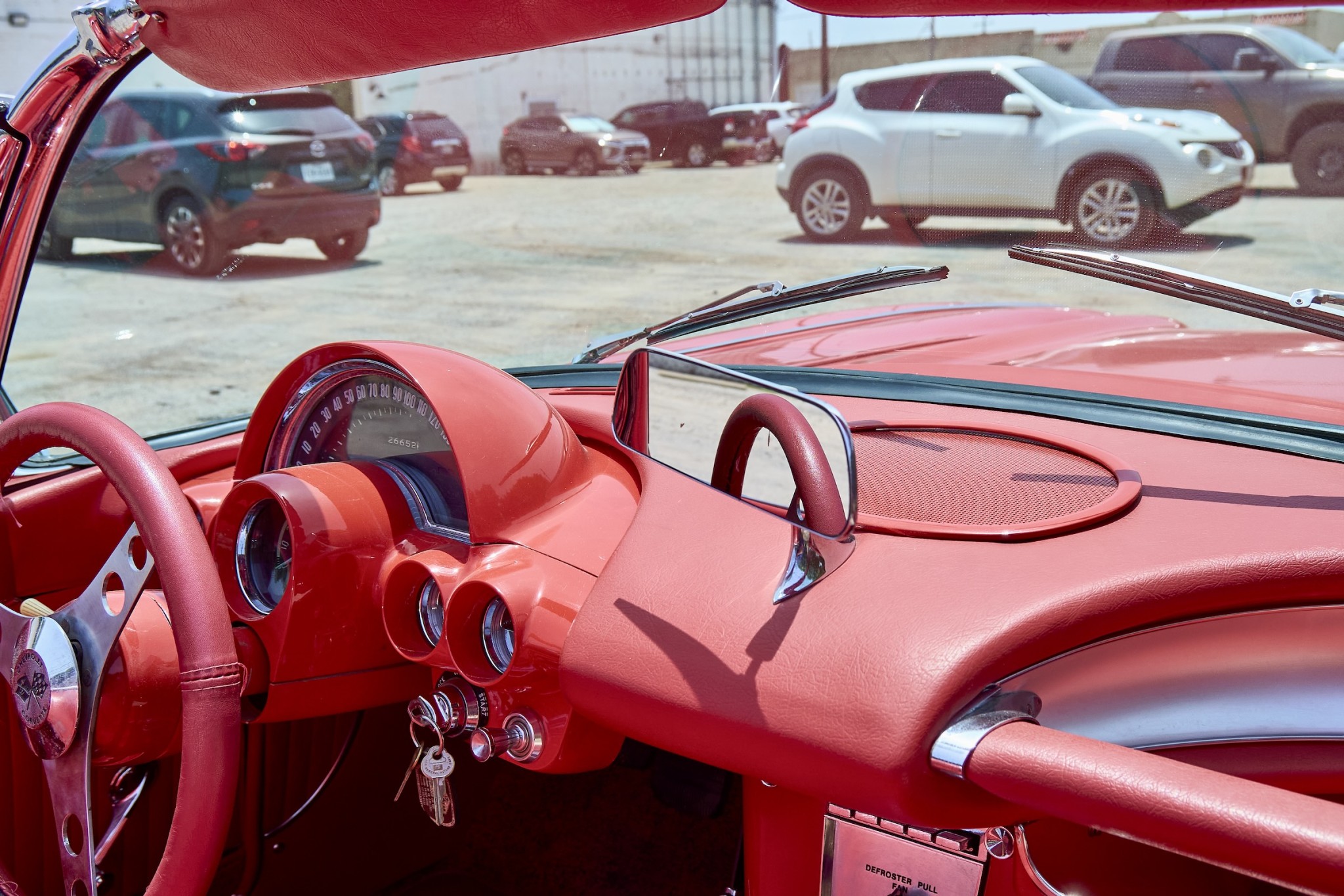
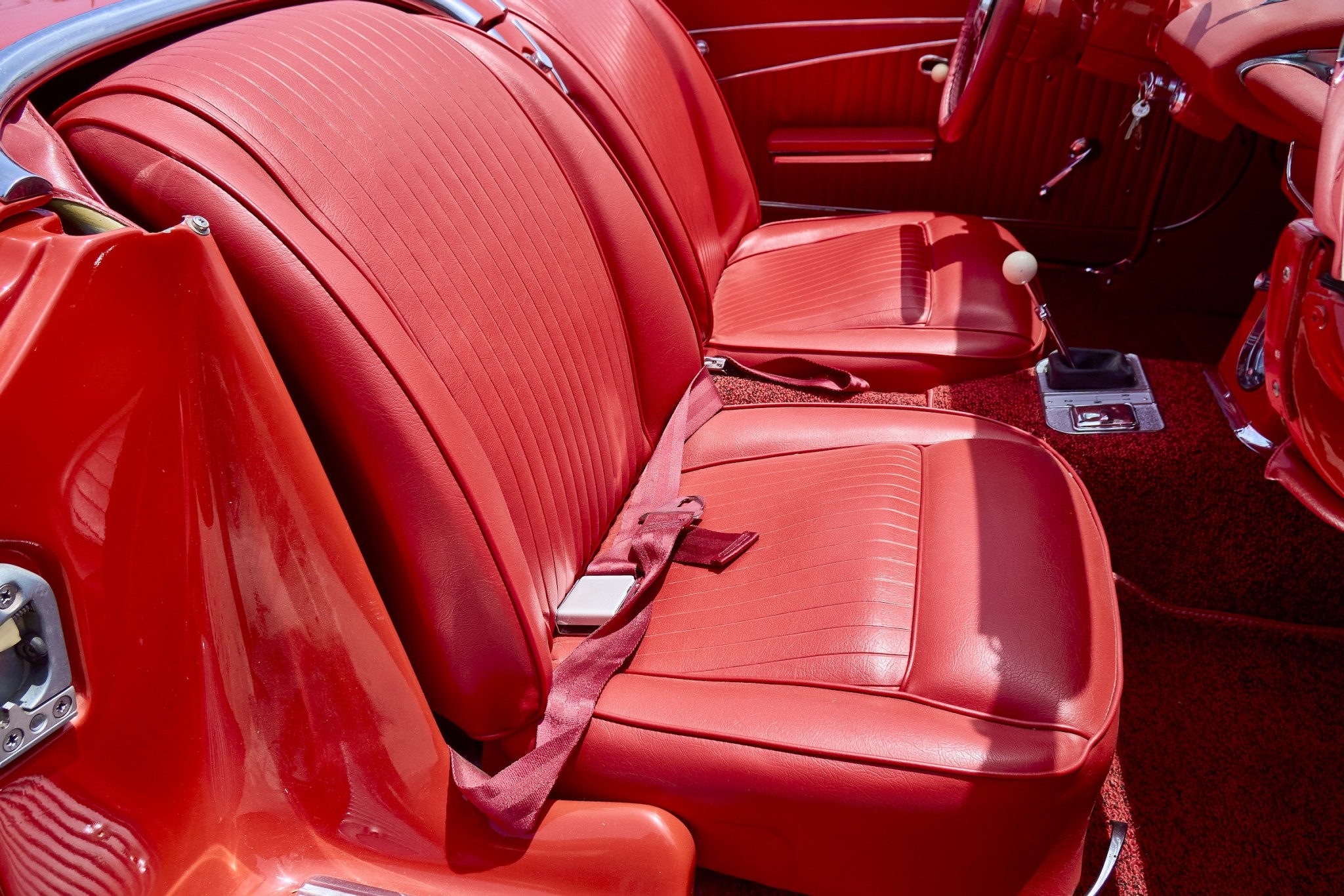
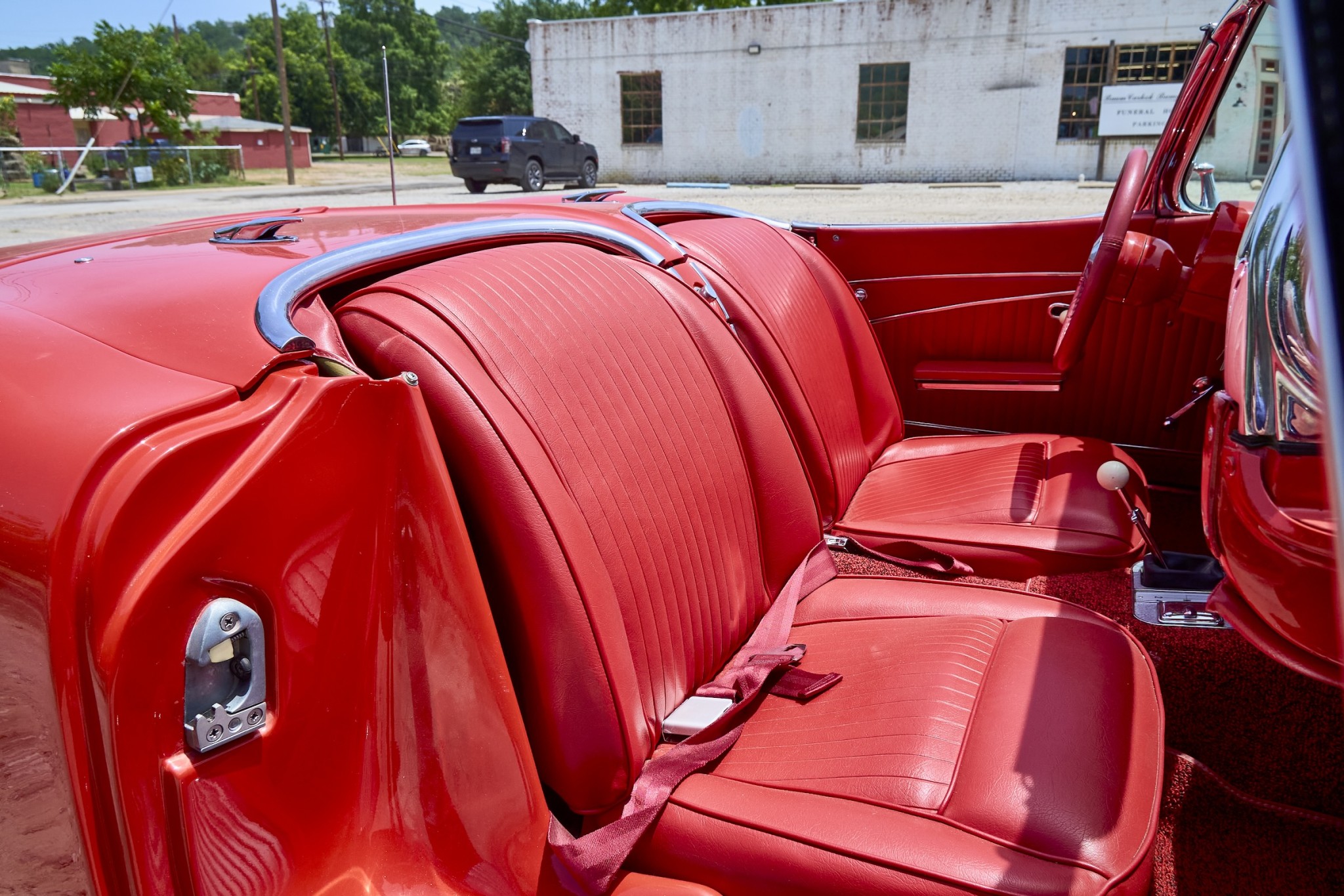
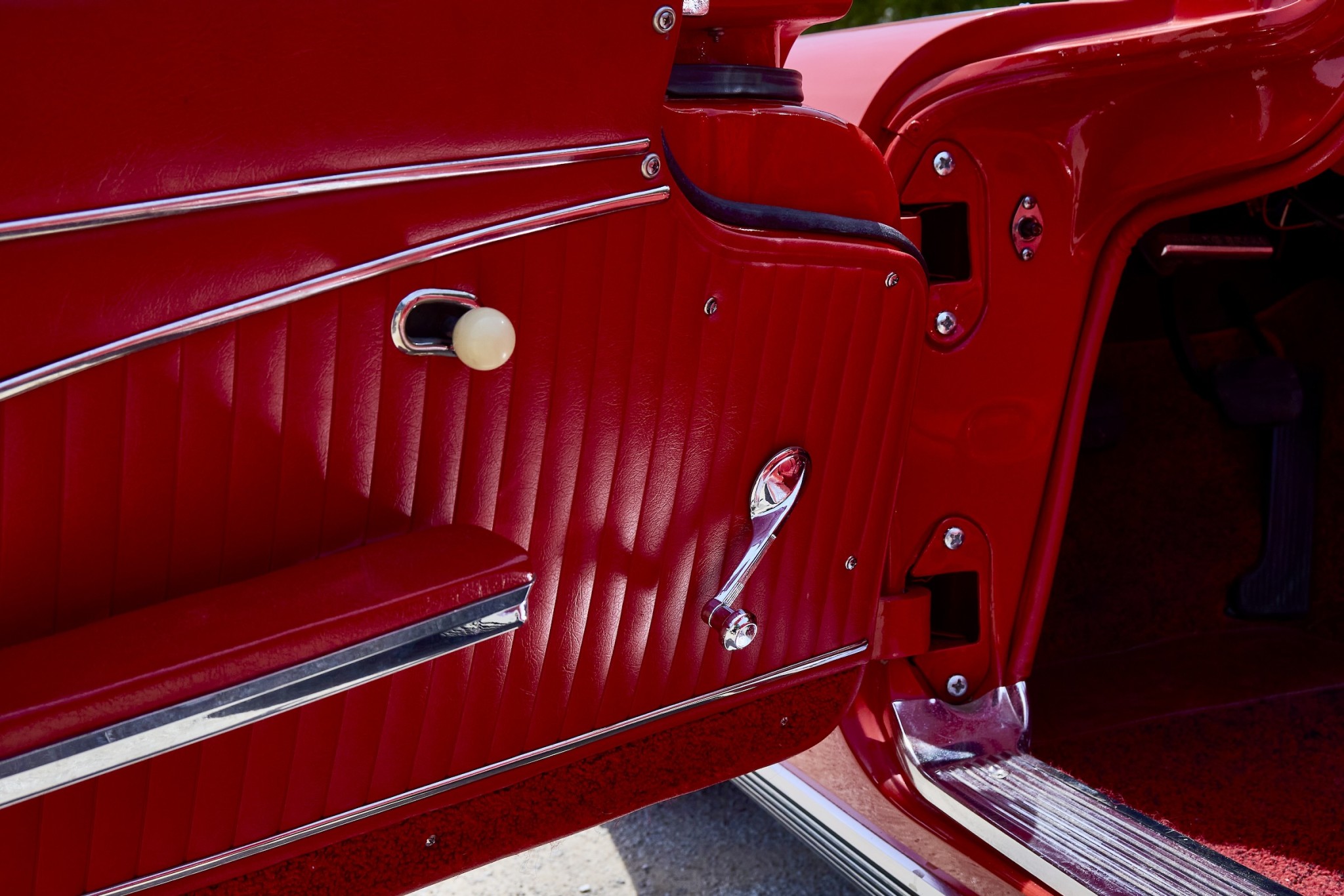
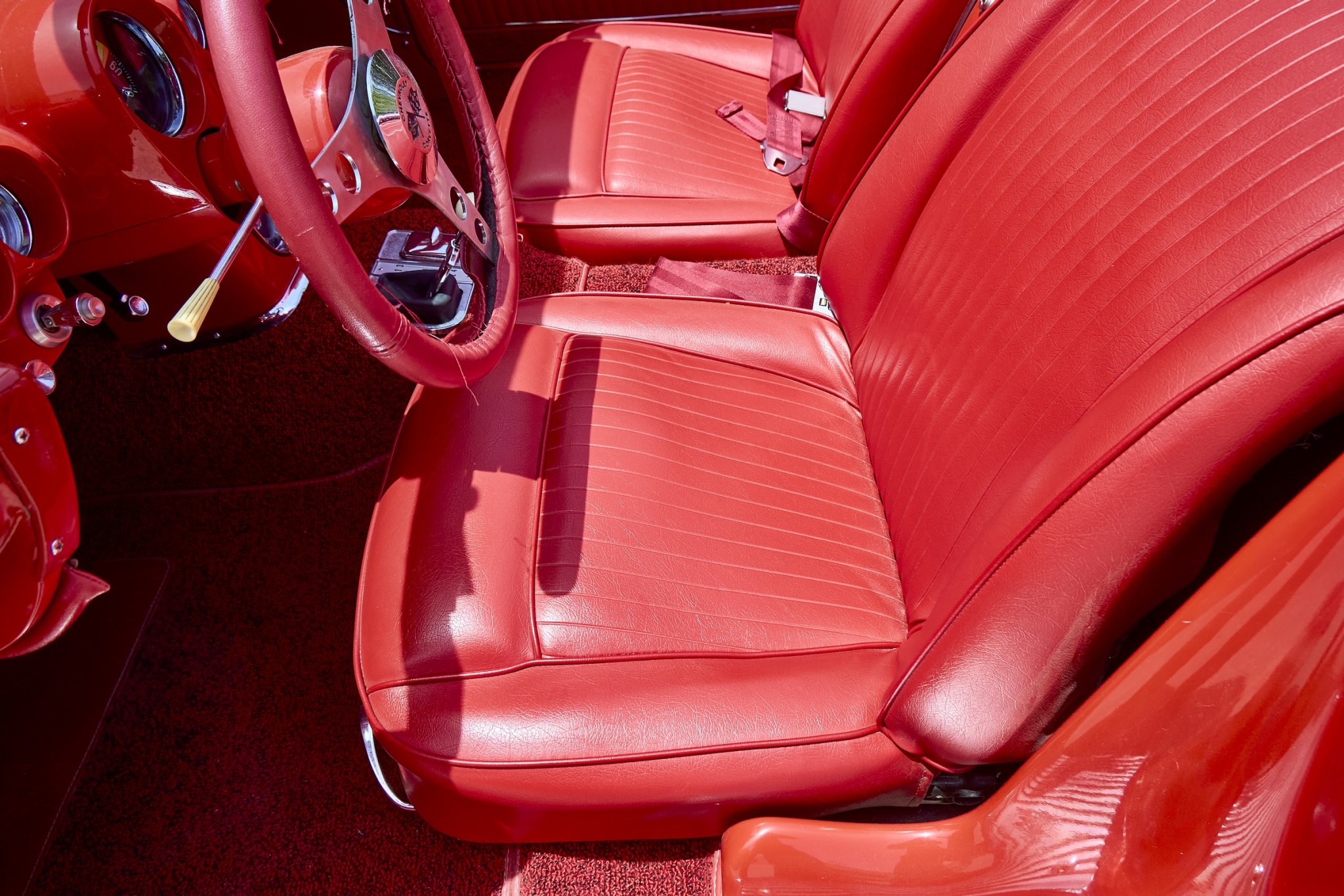
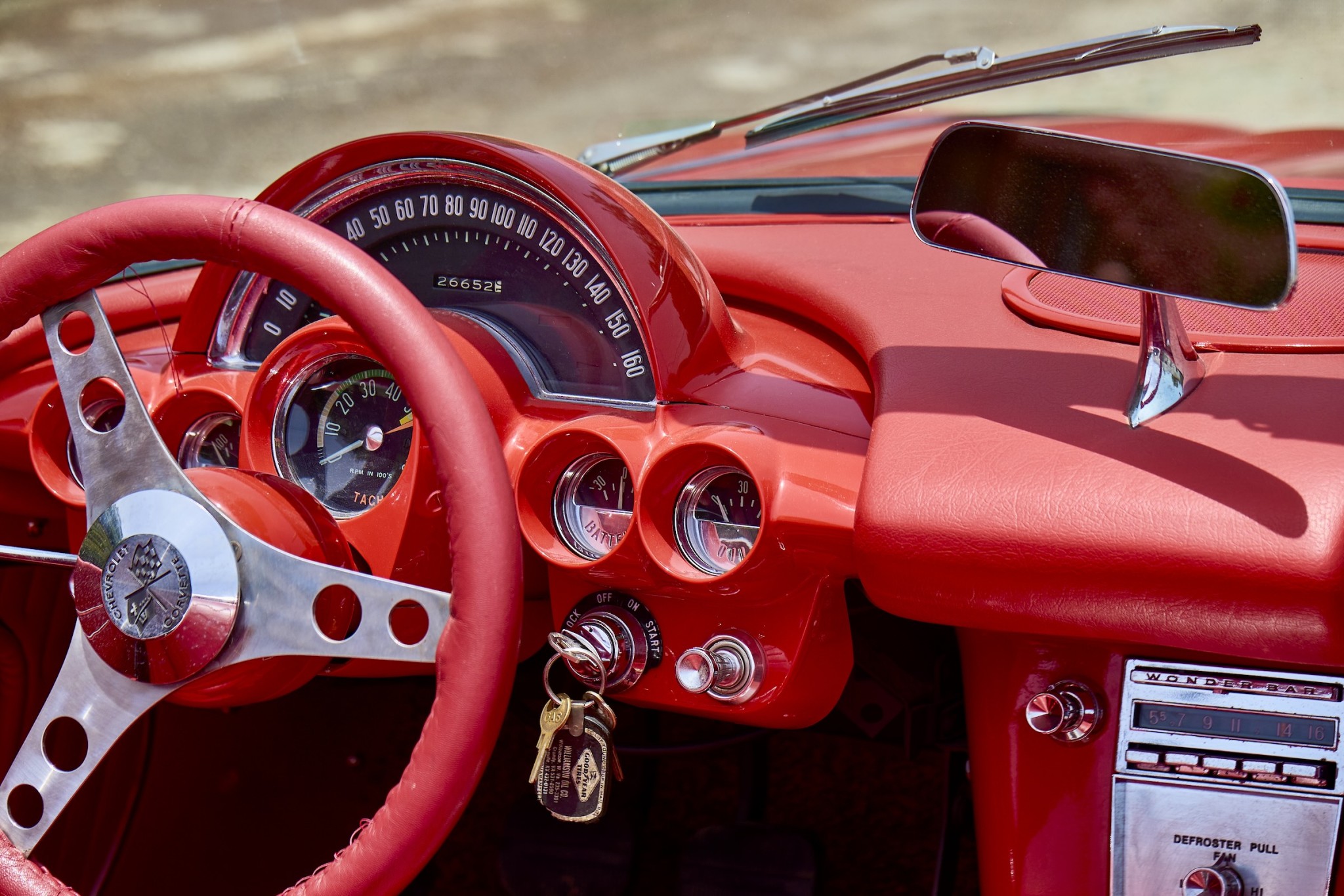
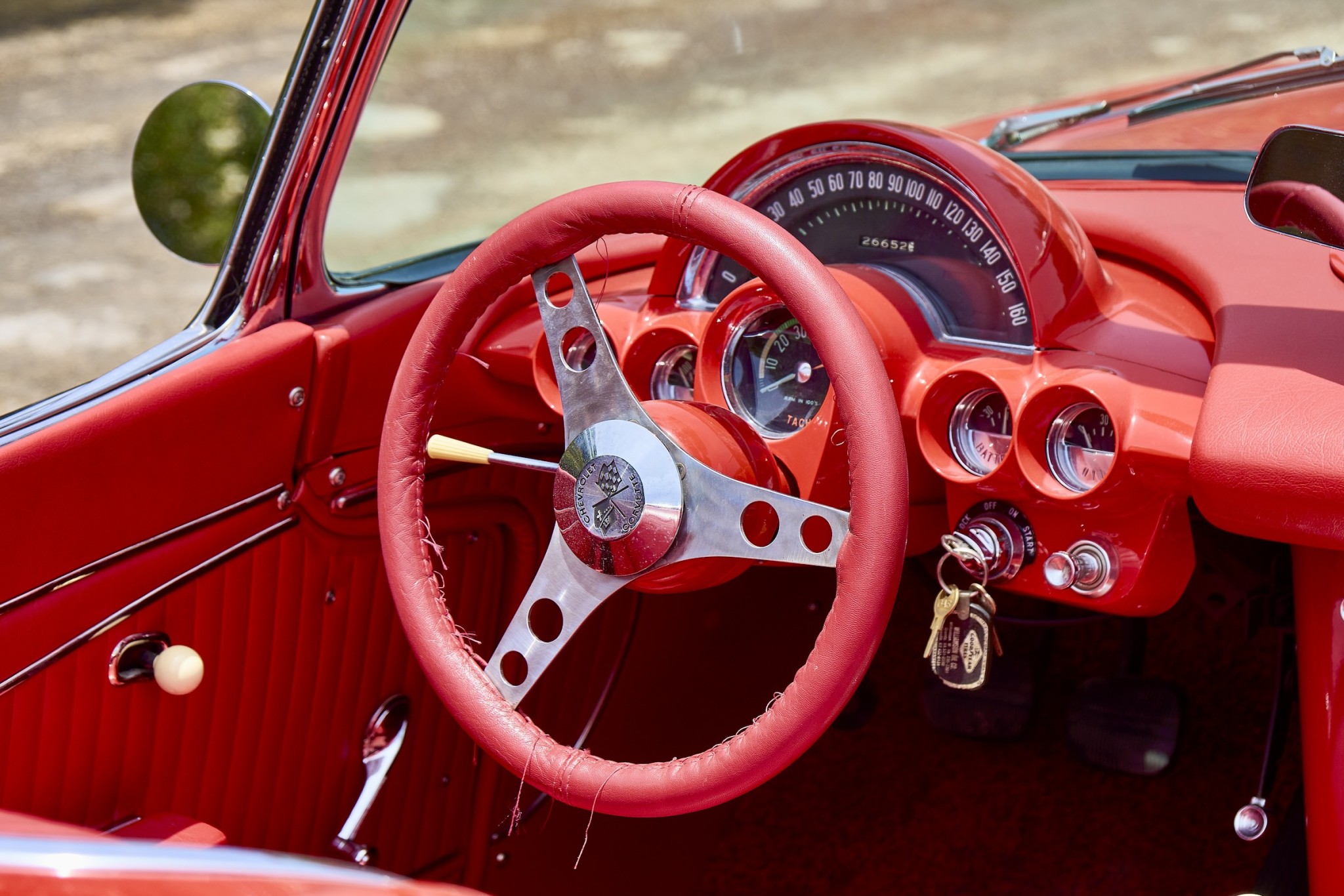
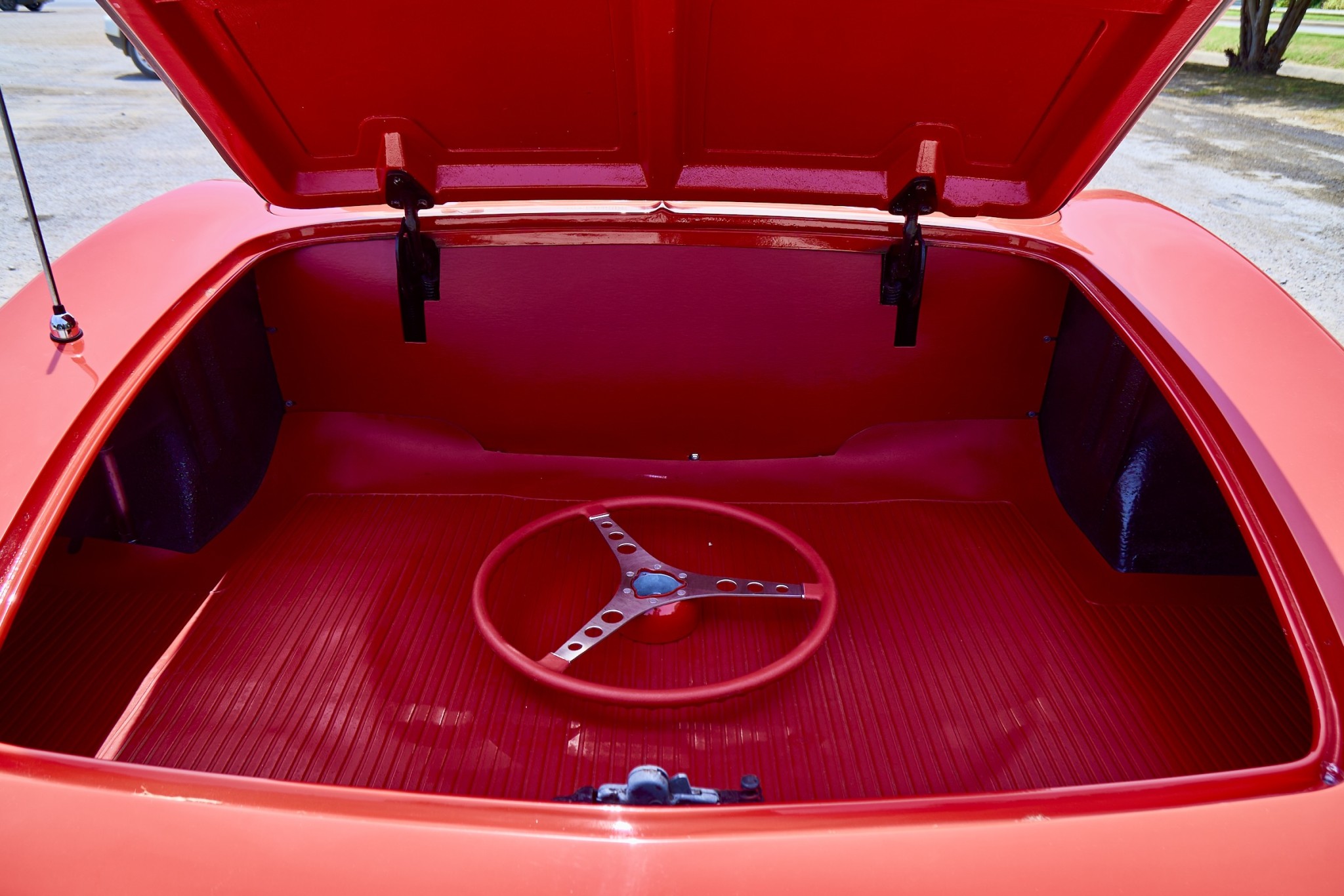
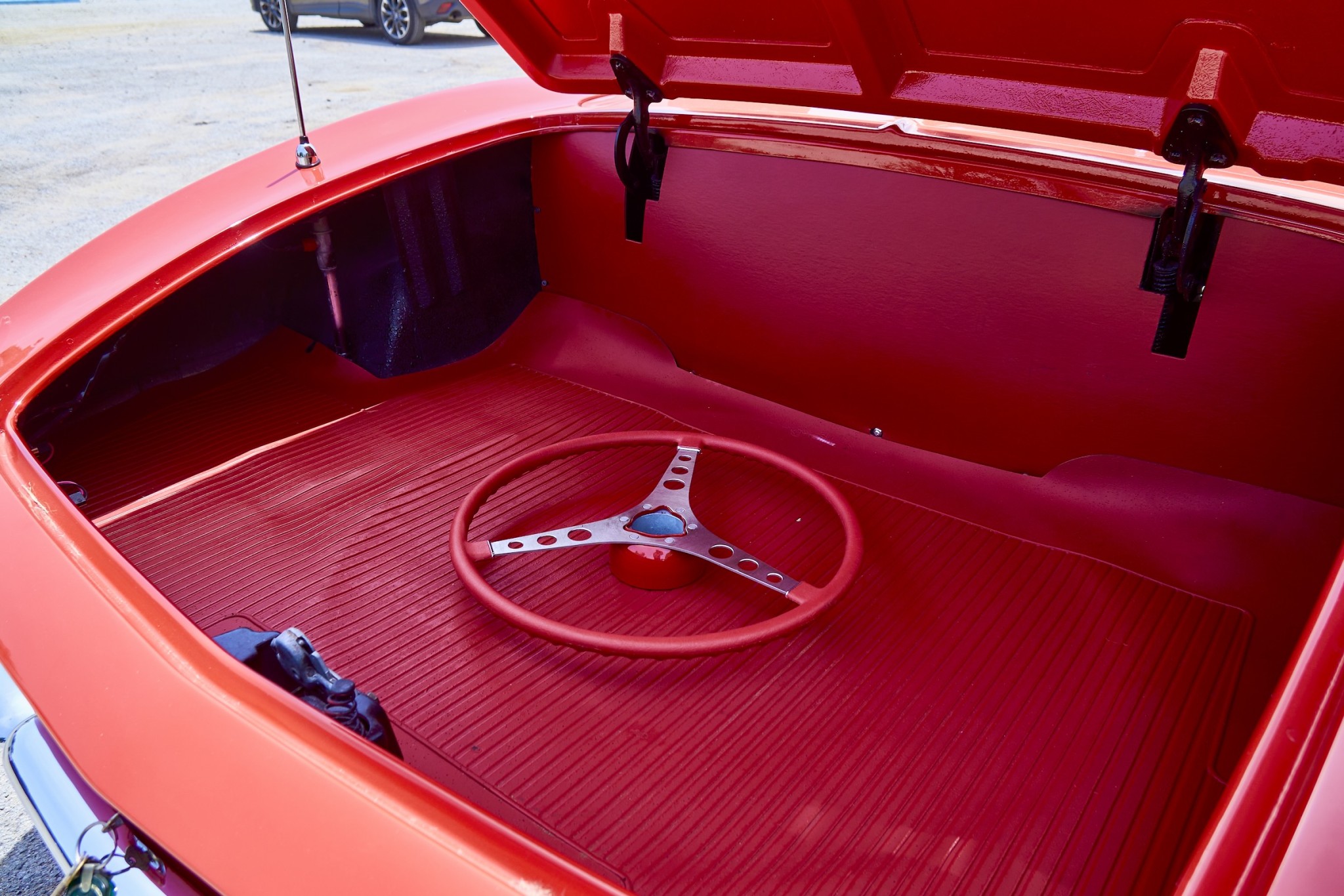
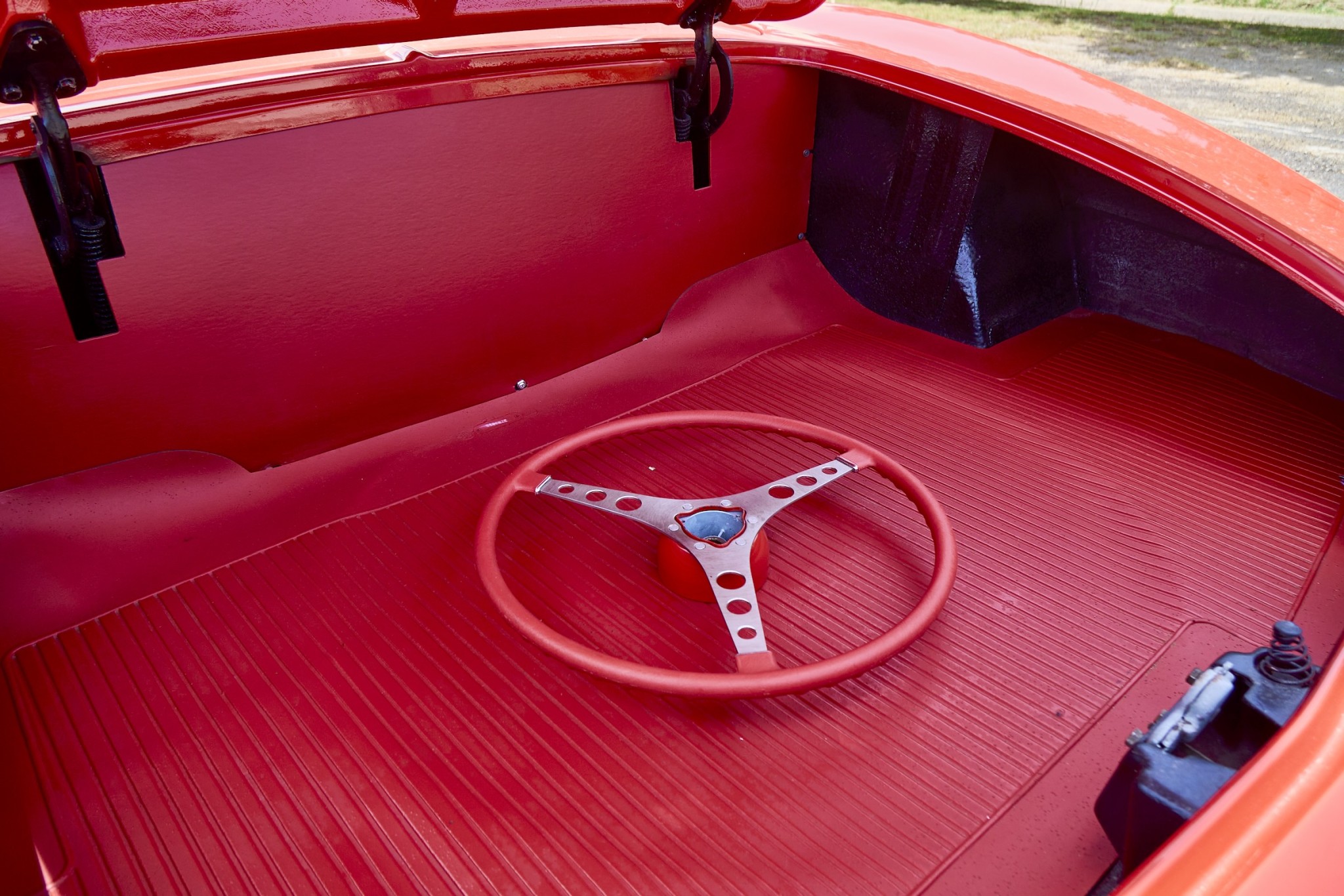
To make this Corvette more comfortable, the seller found a steering wheel and had it modified to provide more room for their legs. Some of the stitching is coming loose from the steering wheel wrap, but an unmodified steering wheel is included with the car for those who don’t need the extra space or simply want it to look original. The rest of the interior presents beautifully, without any flaws, and was clearly restored to a very high level.
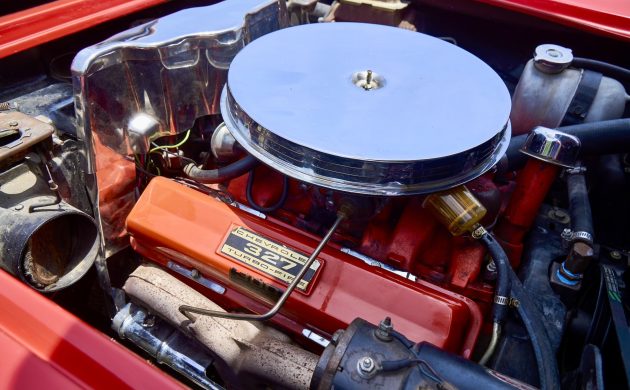
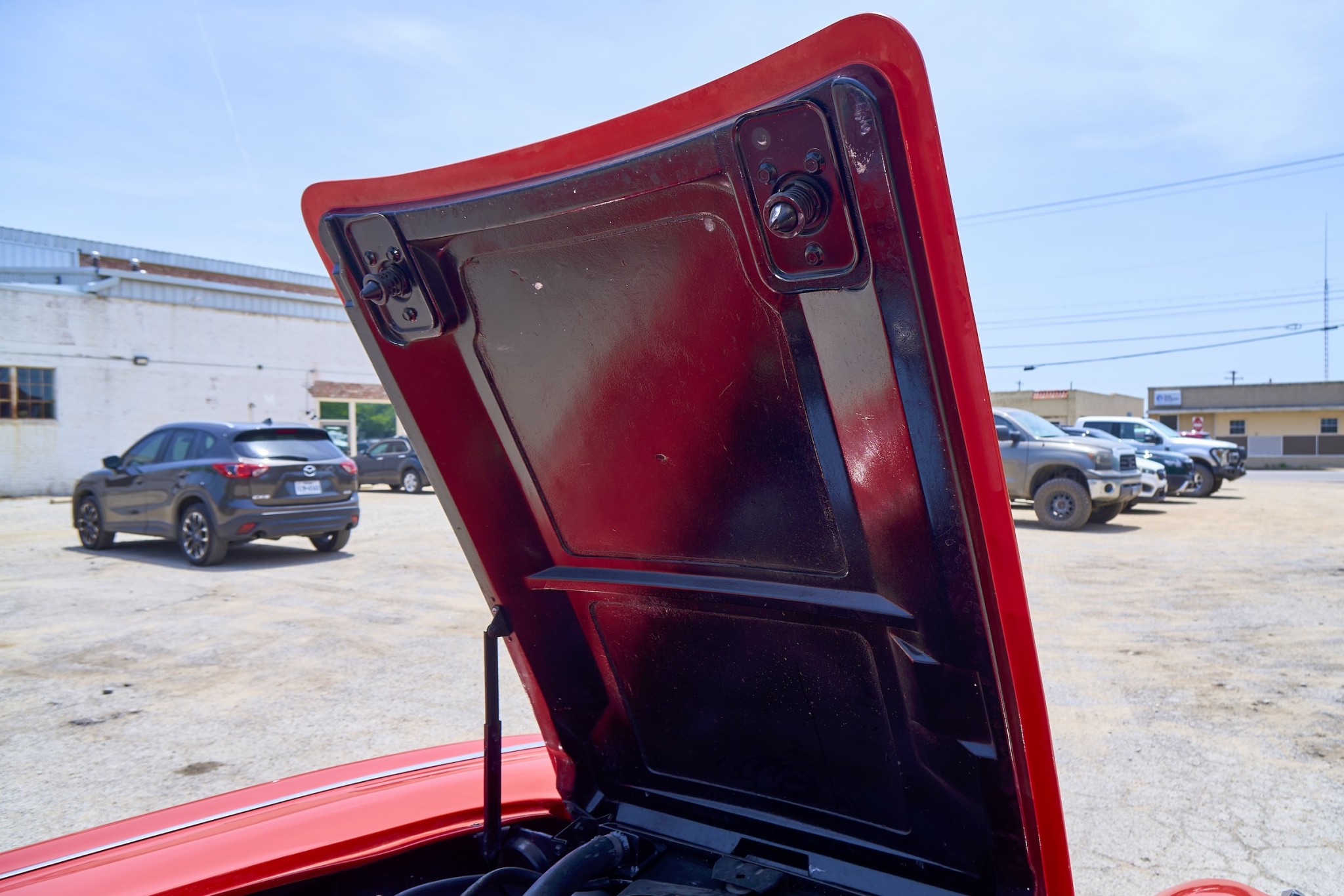
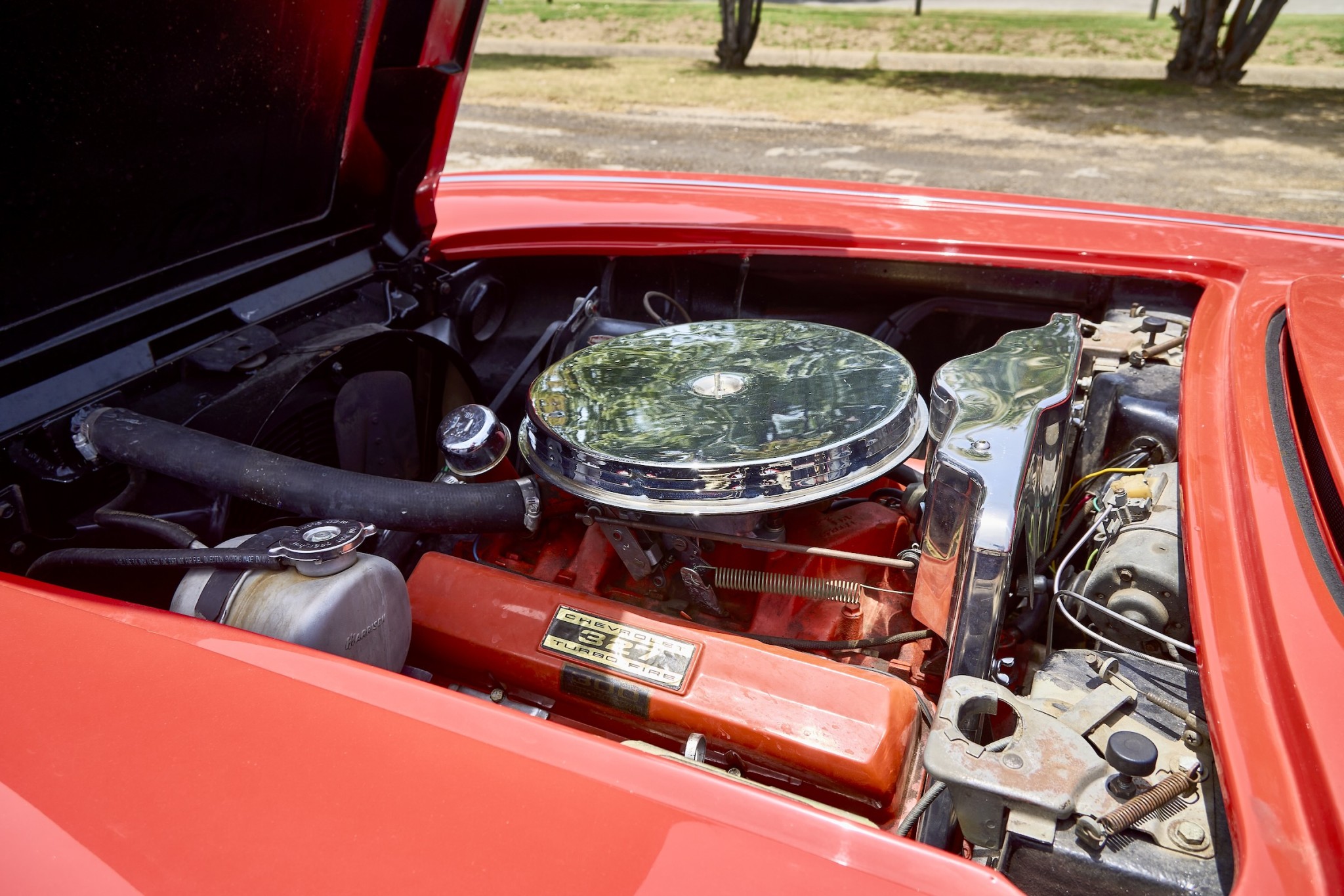
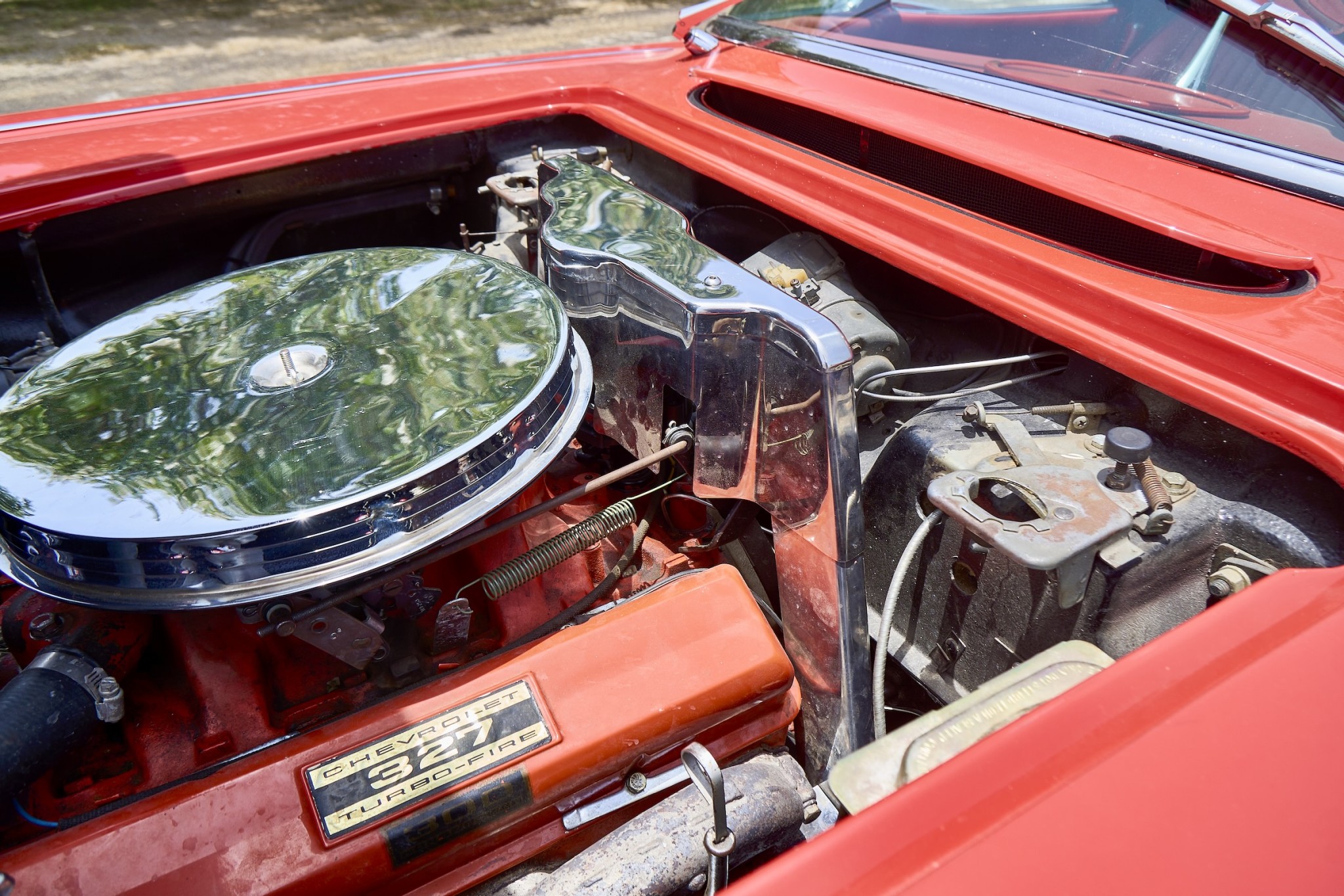
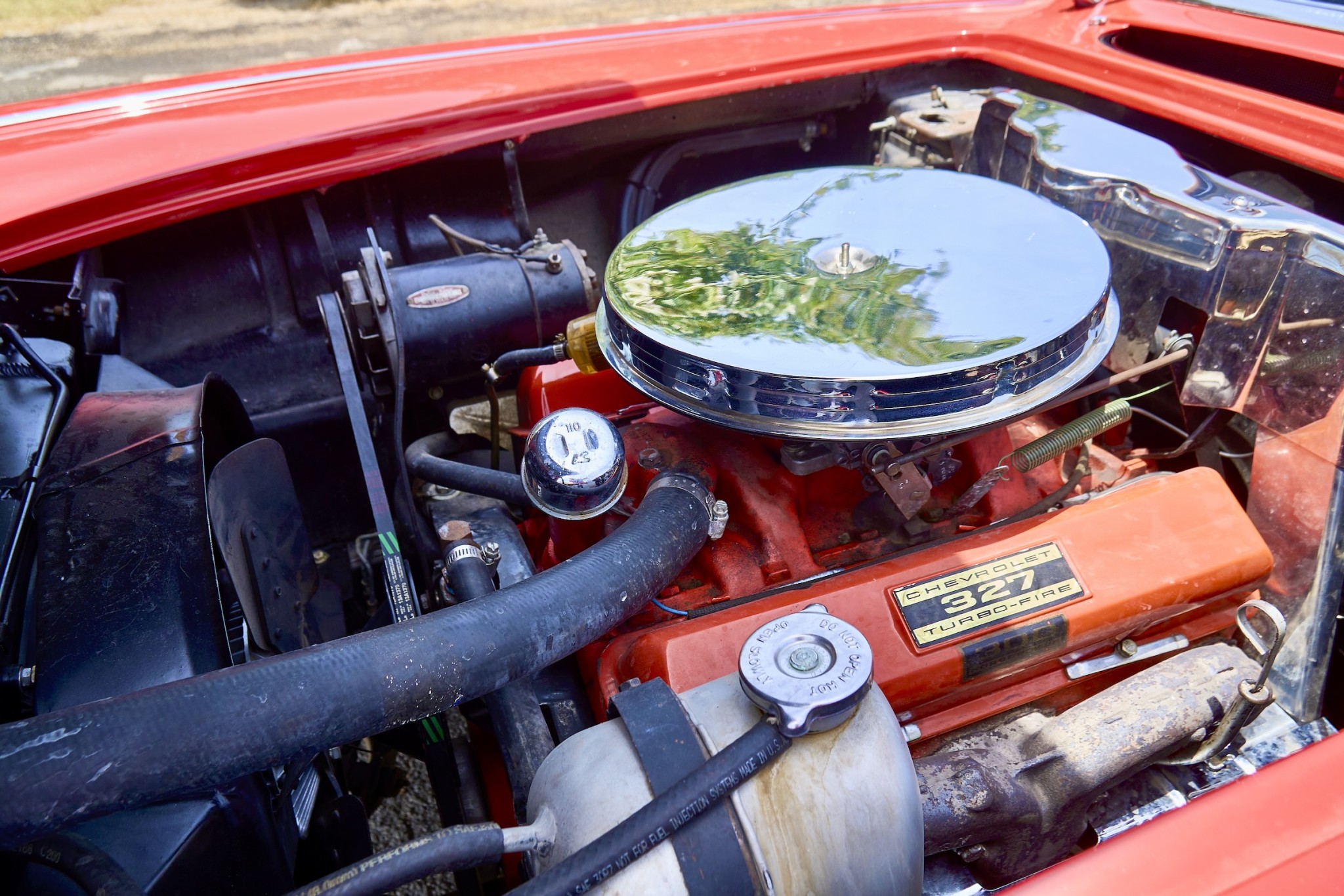
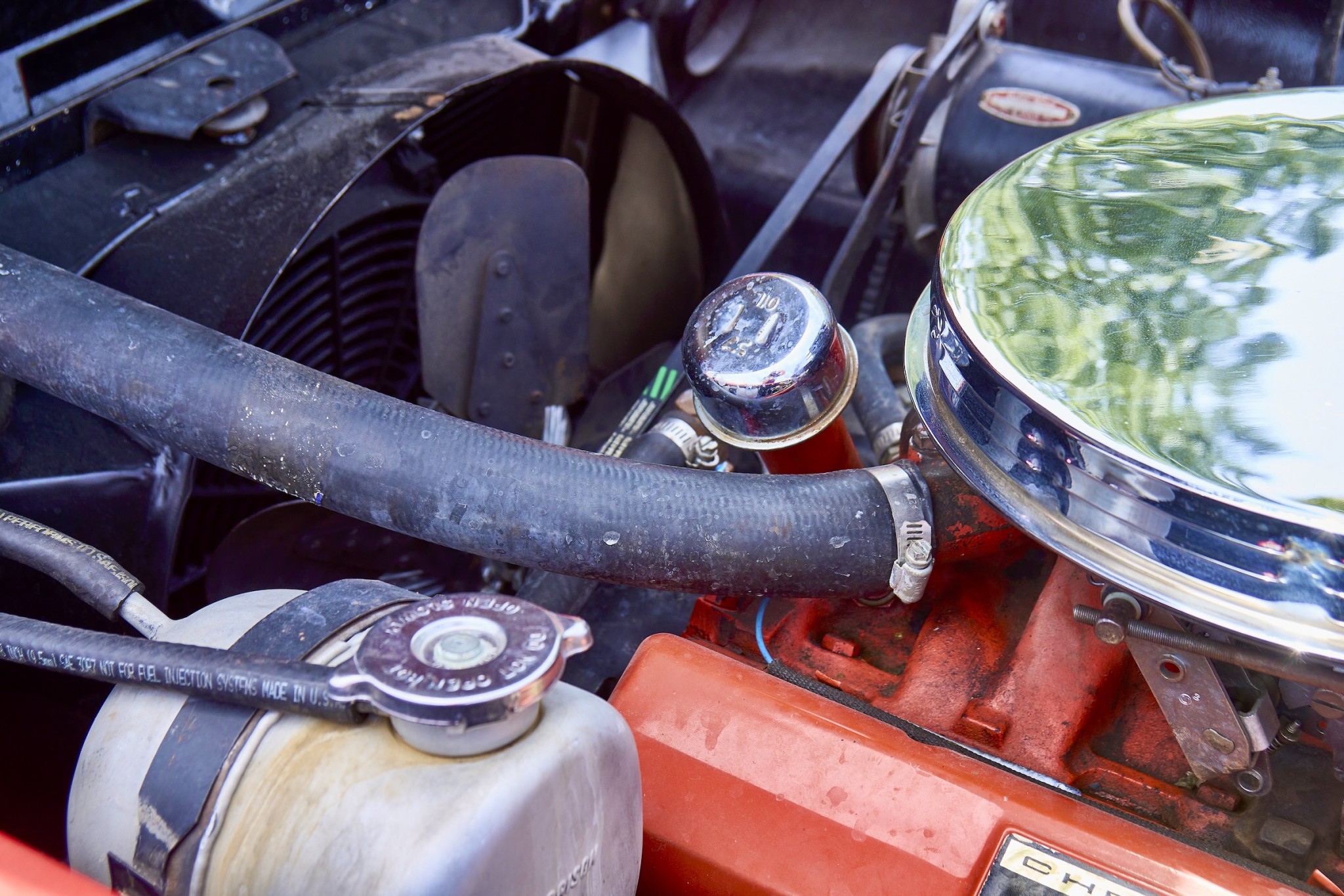
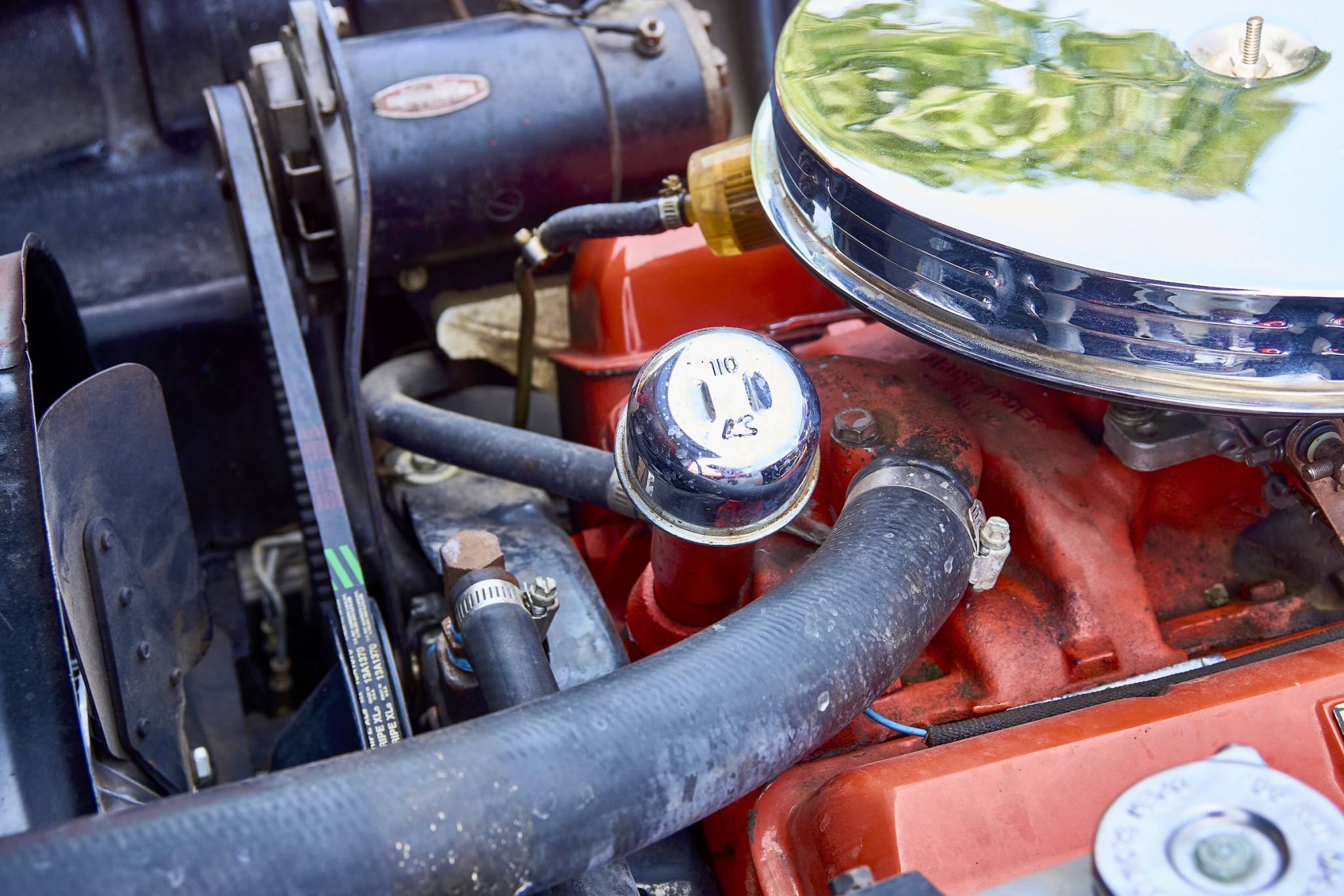
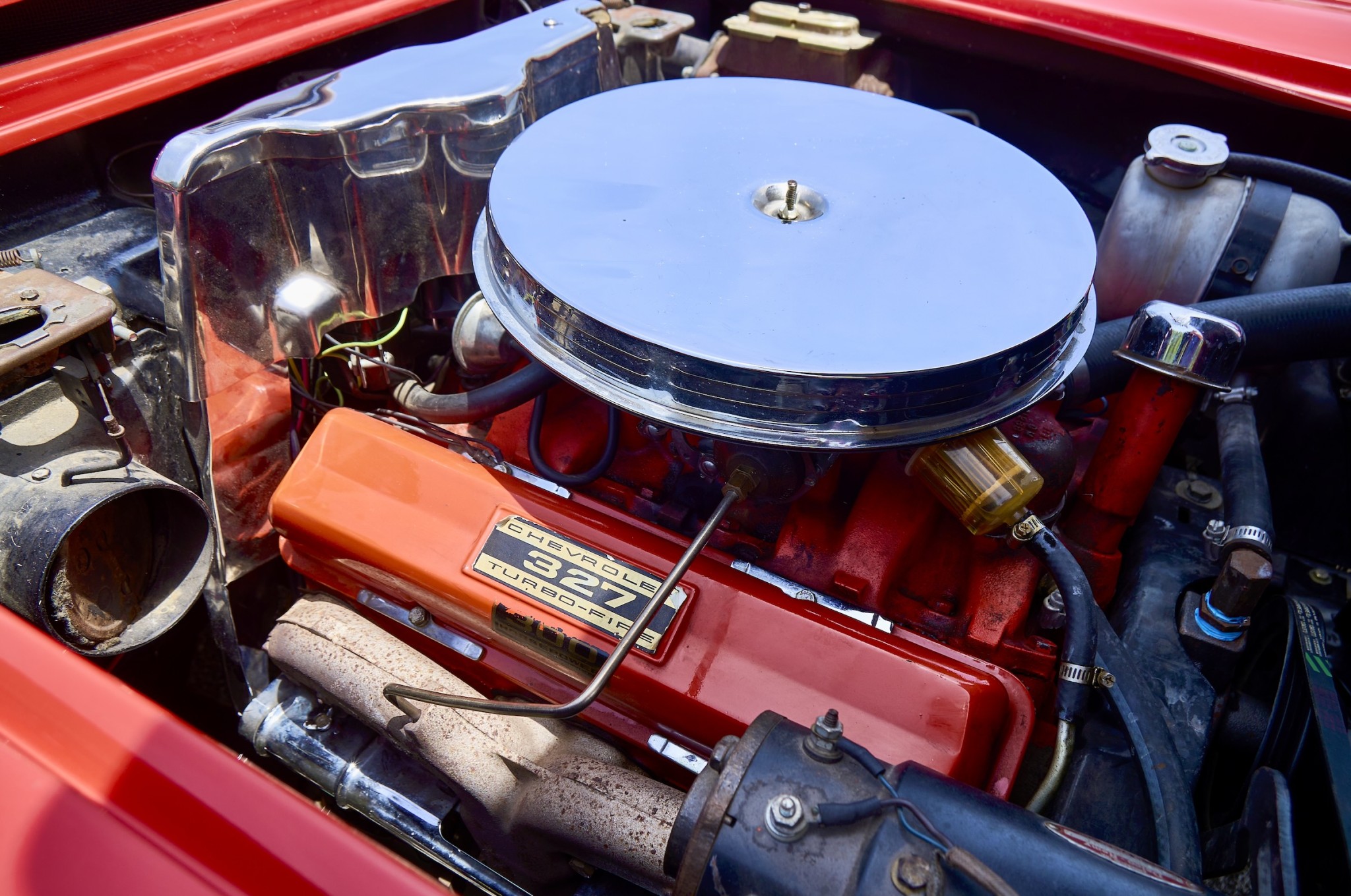
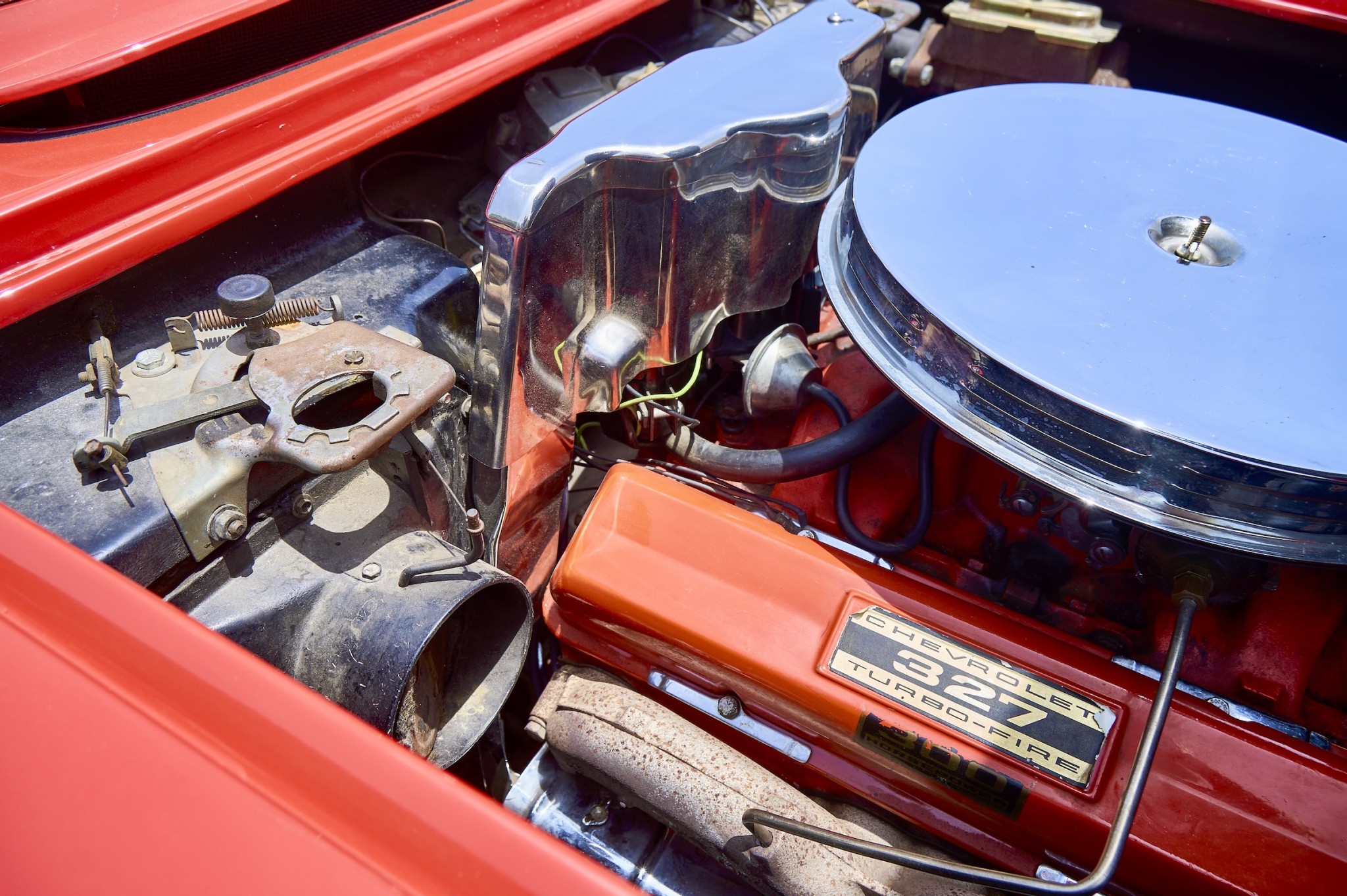
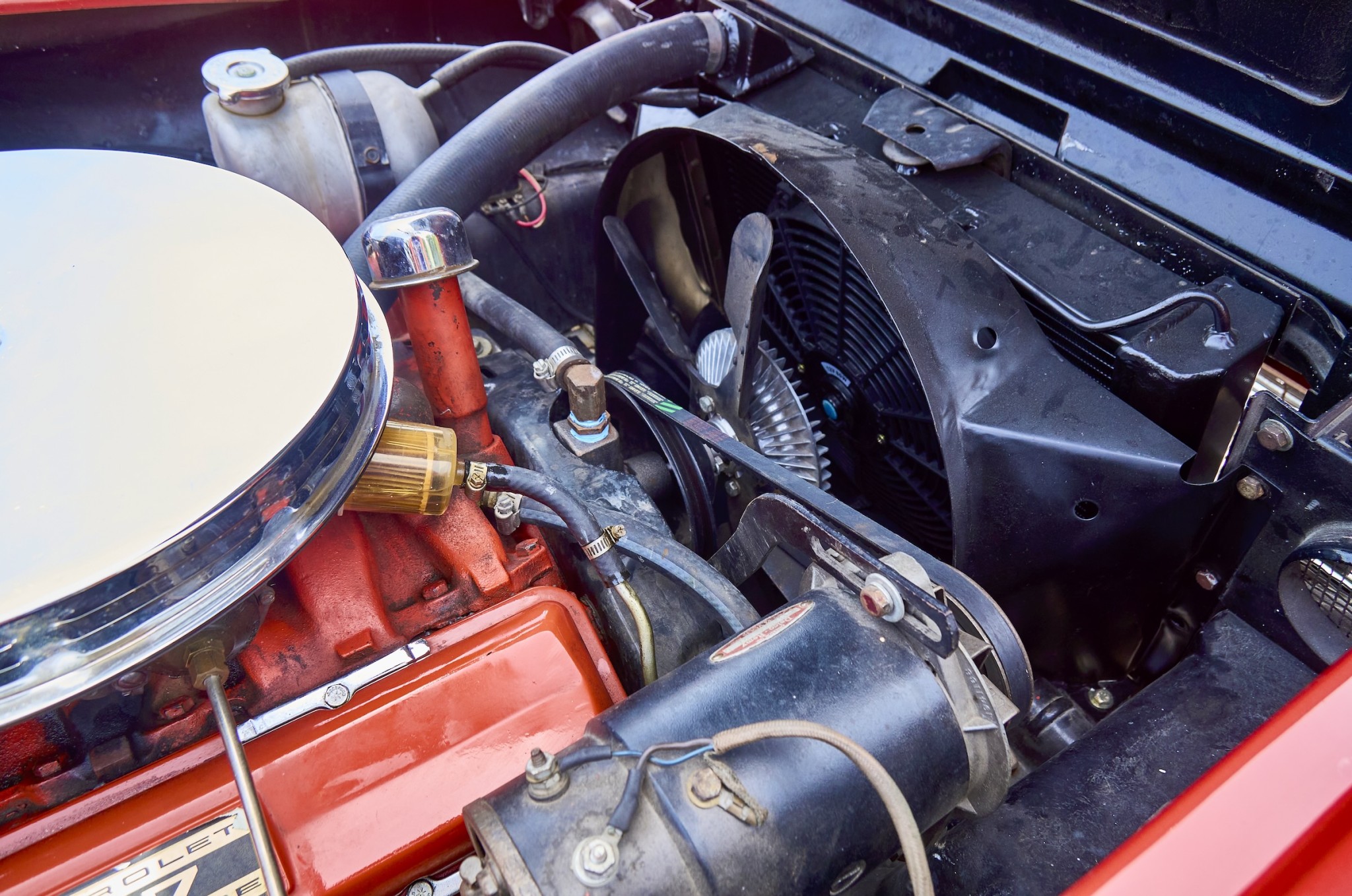
Under the hood, we find a 300 horsepower 327 V8. The numbers on the engine show that it’s 3 months newer than the car, so it’s clearly a replacement. It runs well and is a nice upgrade over the 250 horsepower 327. Paired with the 4-speed and 4:11 rear, it should go nicely and keep up with modern traffic. The engine bay could benefit from some detailing, but presents well as is. The only change we would make here would be to add a brake booster, but even that isn’t necessary to enjoy this Corvette.
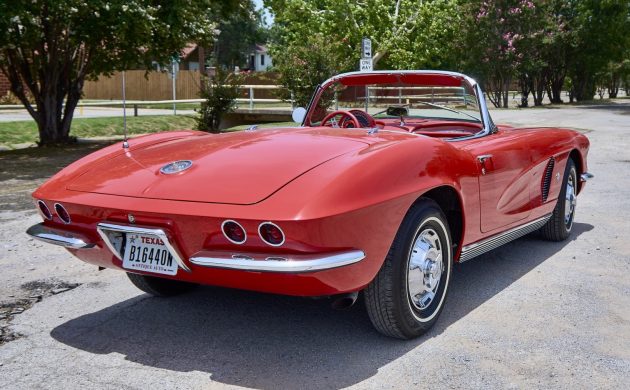
This Corvette looks and sounds great! It has held up well since being restored, and clearly, the seller wanted to ensure this was an exceptional car. The upgrades should make it an enjoyable car to drive. As beautiful as it is, this one deserves to be enjoyed. You can view the professional full-resolution photos here. So, if you’d love to hit the road in this C1, be sure to bid. And if you have any questions for the seller, leave them in the comment section below!
Bid On This Auction
 TEDIS bid $30,000.00 2025-10-04 01:00:56
 Jay Sea bid $25,000.00 2025-10-03 08:43:32
 Needaproject bid $2,000.00 2025-10-02 20:44:16
 Spartan17 bid $1,000.00 2025-10-02 16:52:22
- Needaproject bid $300.00 2025-10-02 10:52:52




I like it!
I graduated from high school in 1961 and I specifically asked my parents for a new Corvette. Apparently it fell on deaf ears, I was crushed. Maybe now if I tell my wife how traumatic that has been for me all these years, she will let me buy it. It would be a big boost to my mental health and I could come to grips with my neglected youth.
Funny, Joe!
I graduated in 1968, and made no effort to hide my ardent, over-the-moon desire for a new MGB. Having lived through the Great Depression, my parents didn’t–shall I say–appreciate that their son’s thoughts were consumed with any car, not to mention one as impractical as a two-seater British sports car. So I was never going to get the MG–but I did get a car: a ’49 Buick! (After college, I finally got my MGB, which I of course bought–the first of five I would own.)
Well, that straight 8 nailhead Dynaflow Buick was about the same, wasn’t it? 😁
I graduated high school 1968. I bought a Fawn Beige 62 with both tops. No power anything only extras were both tops and a wondebar radio. It was a 3 speed 327. I sold it in 1970 to pay for my first wedding. I really miss that car.
…Arf I hope your decisions were a lot wiser since then. That sounds like two bad choices in one transaction. LOL
Sounds like a great angle to me. Please advise as how this worked. I will try it if it works for you!! Except I want a Ford GT!
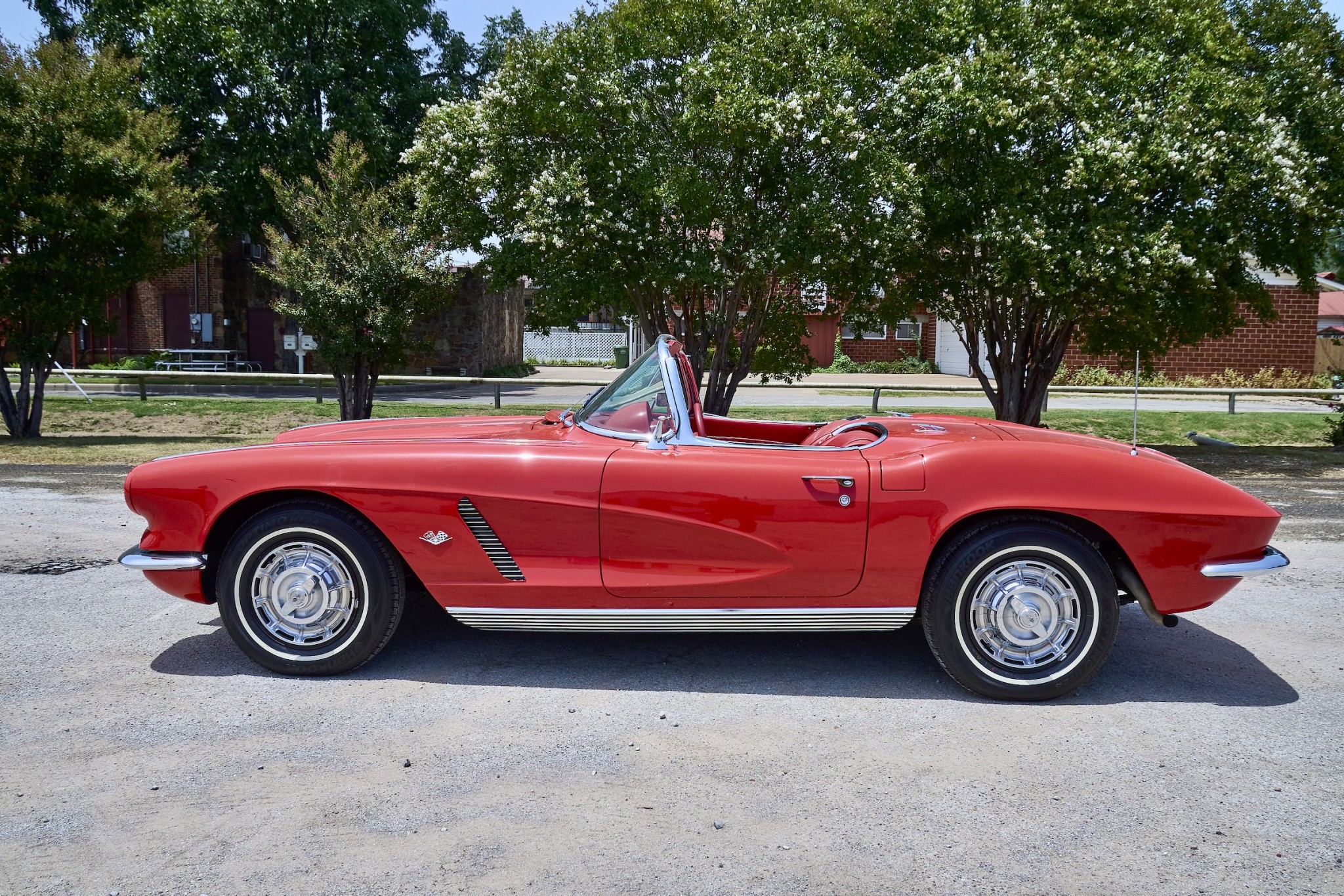
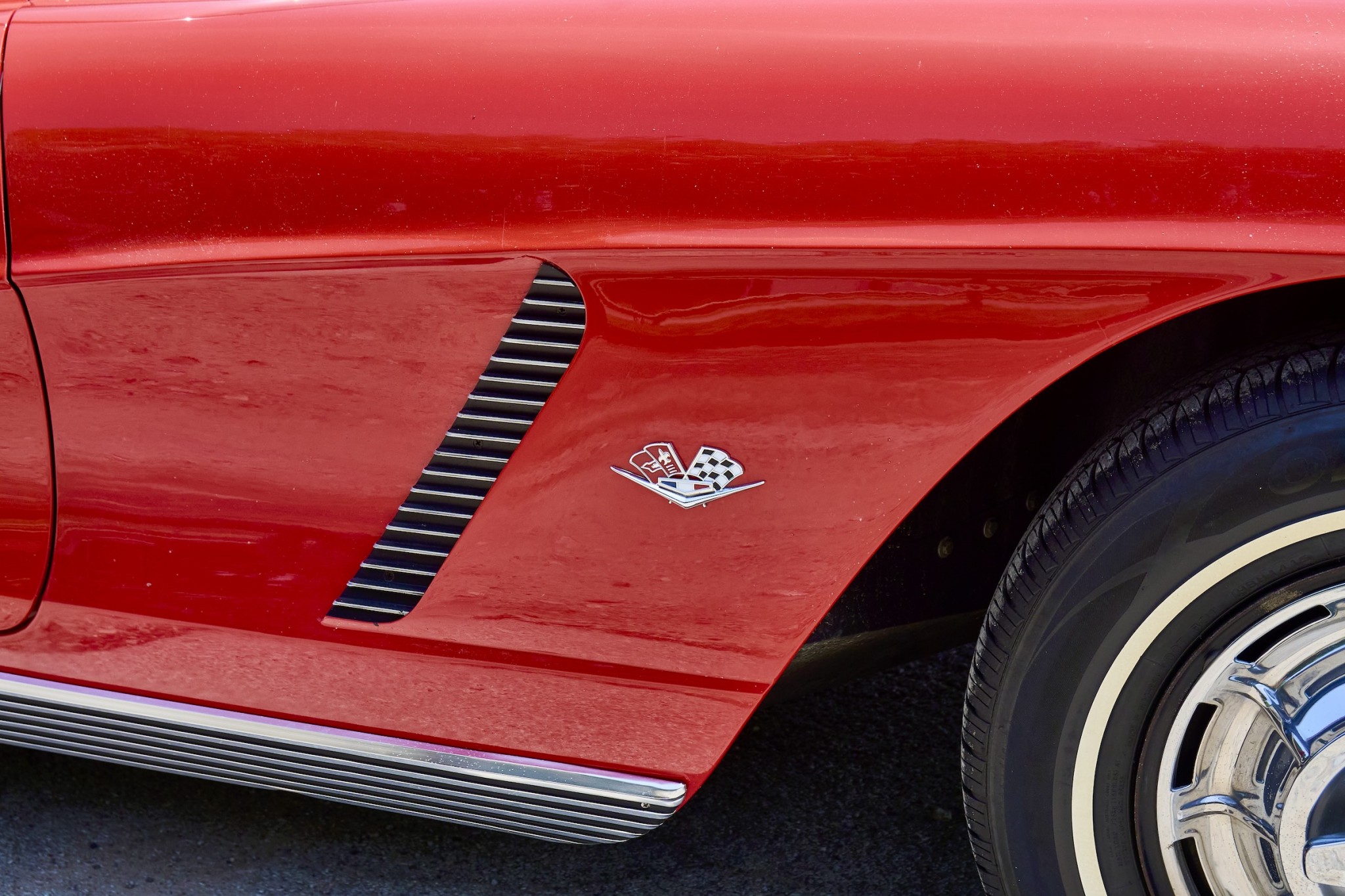
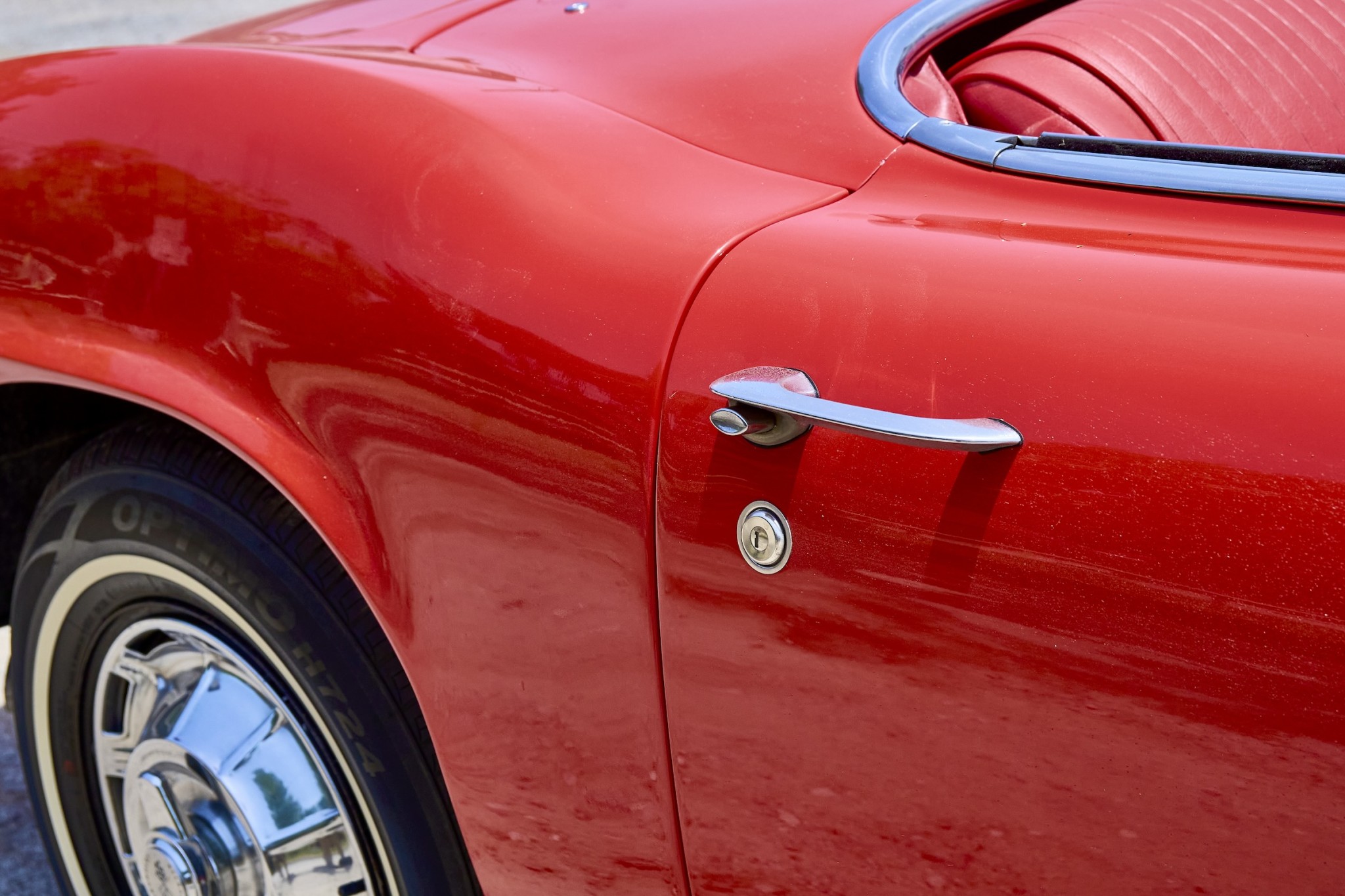
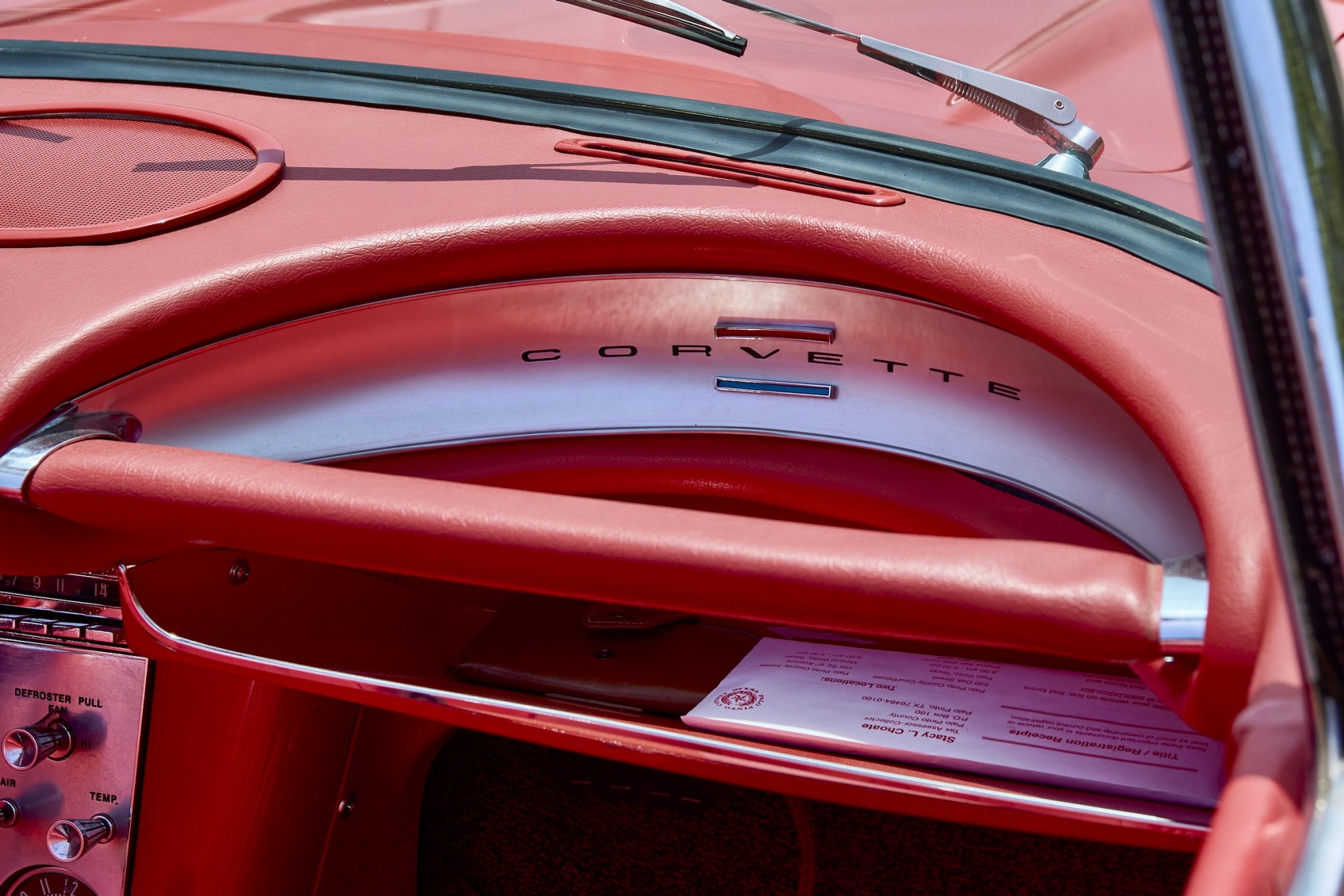
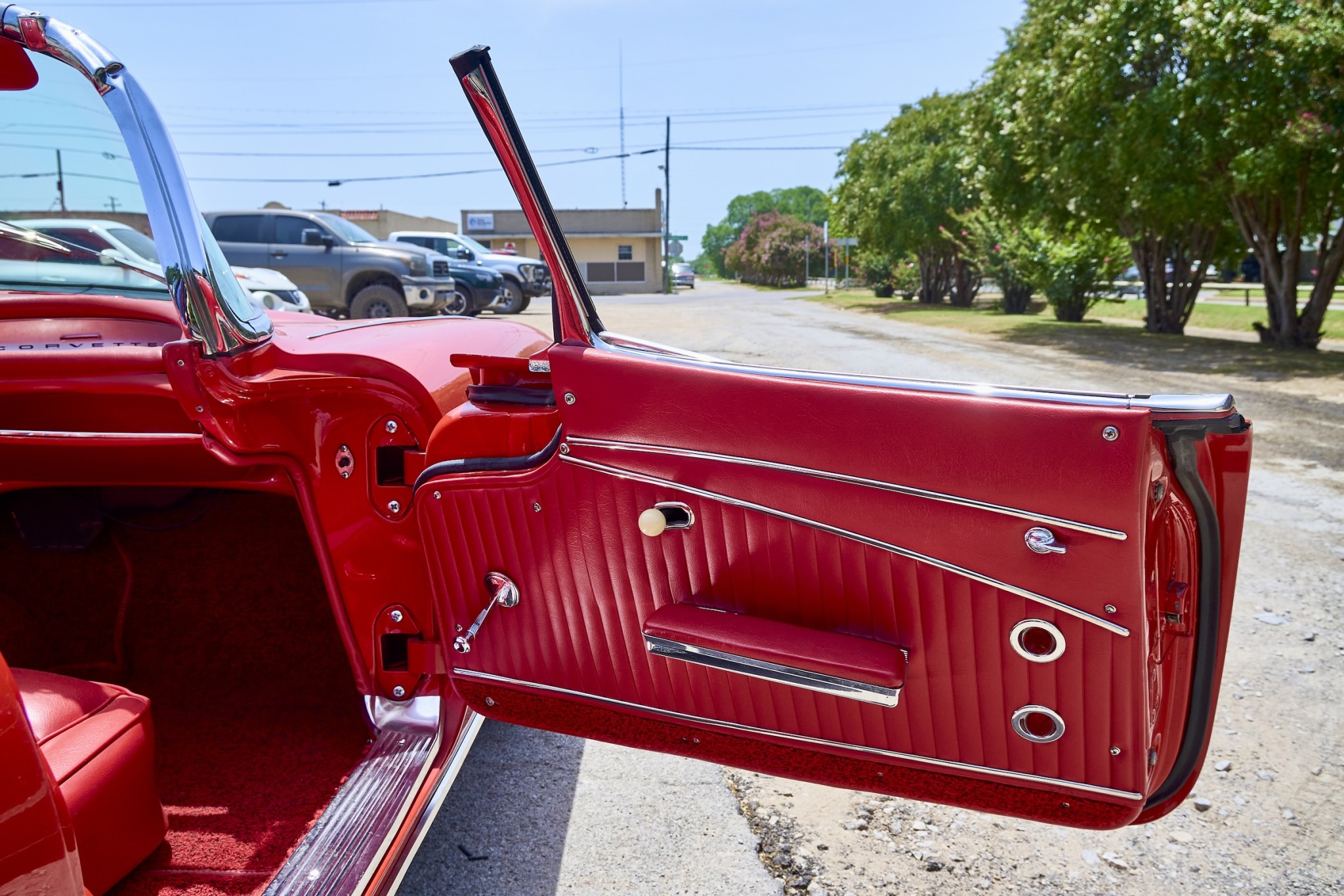
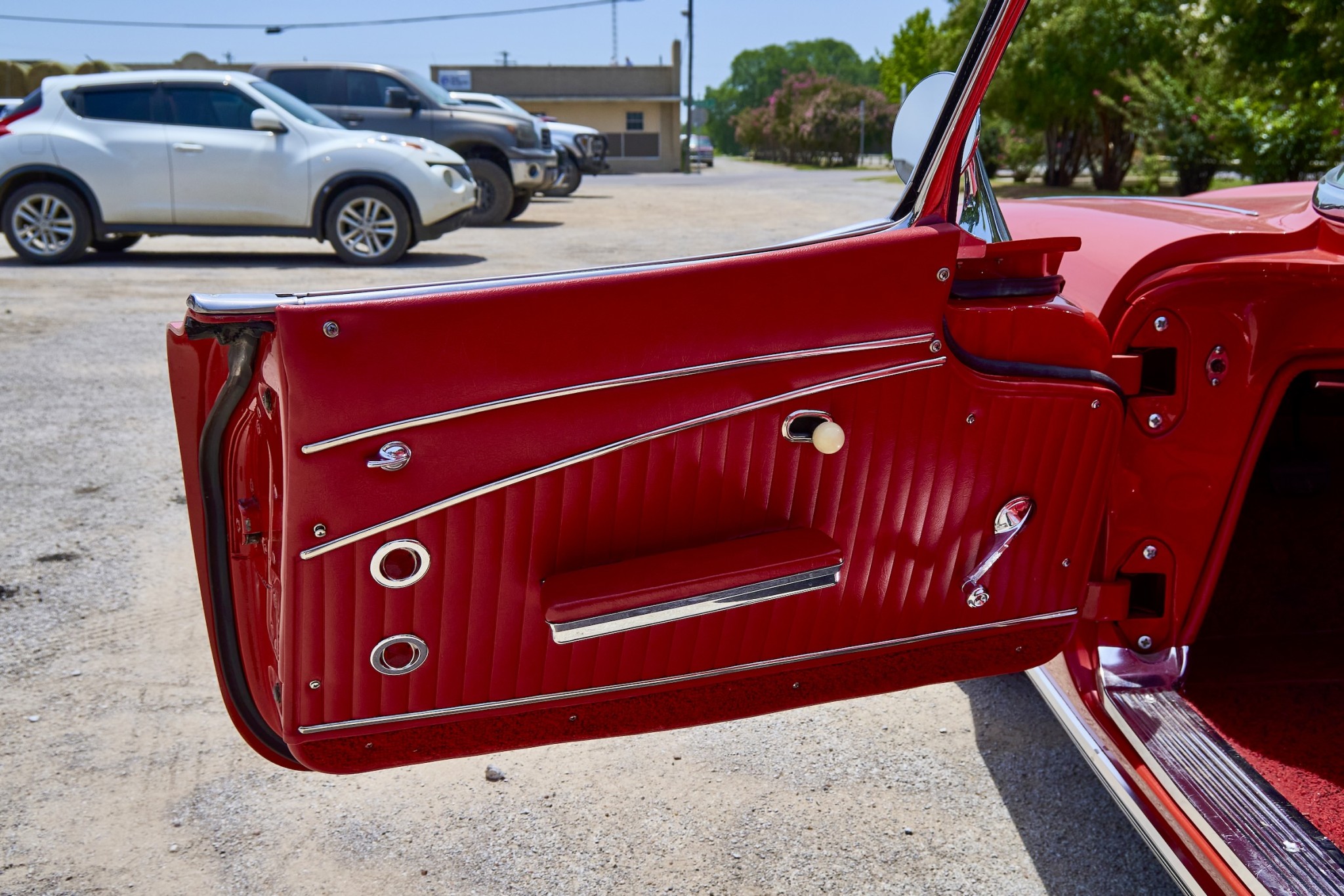
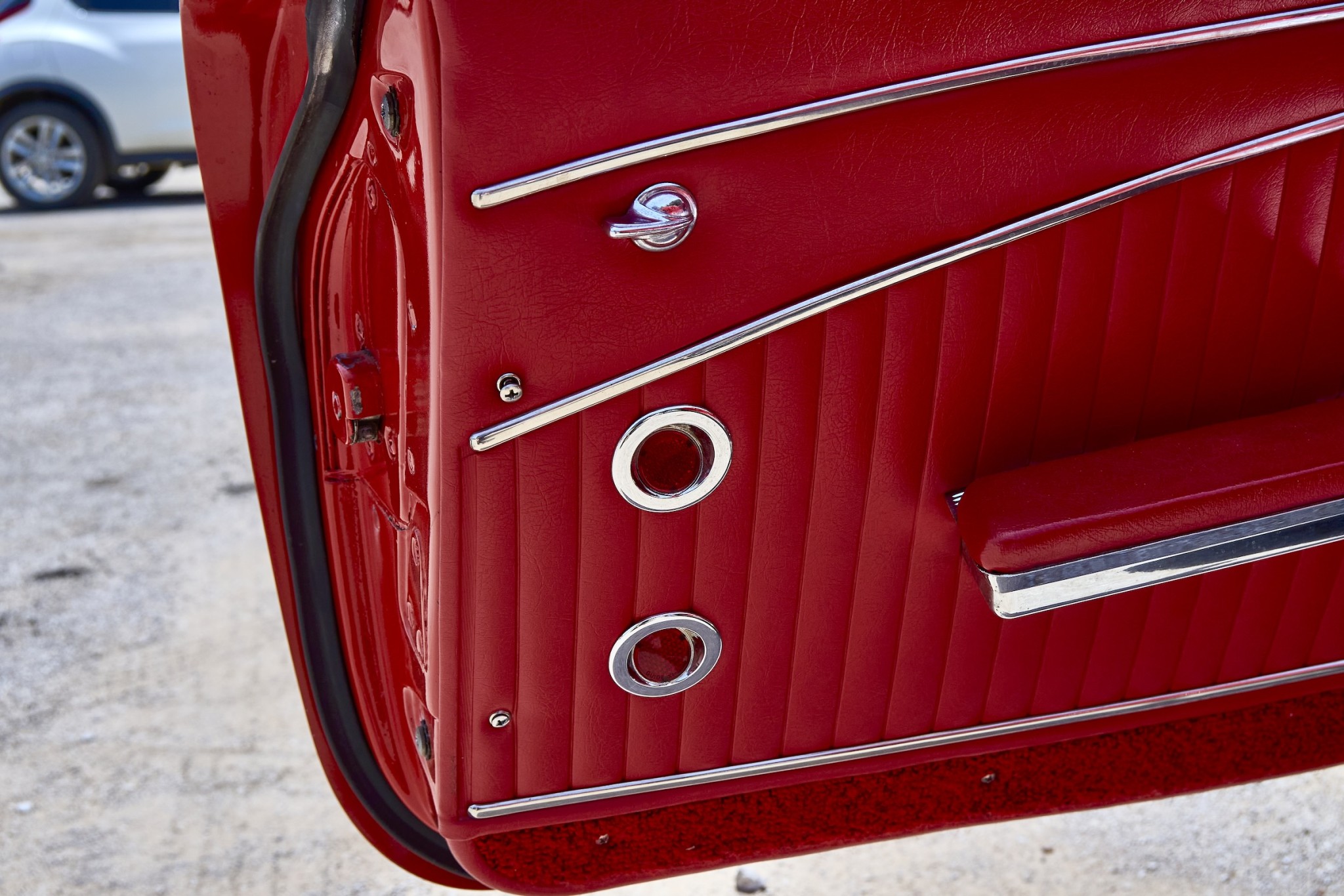
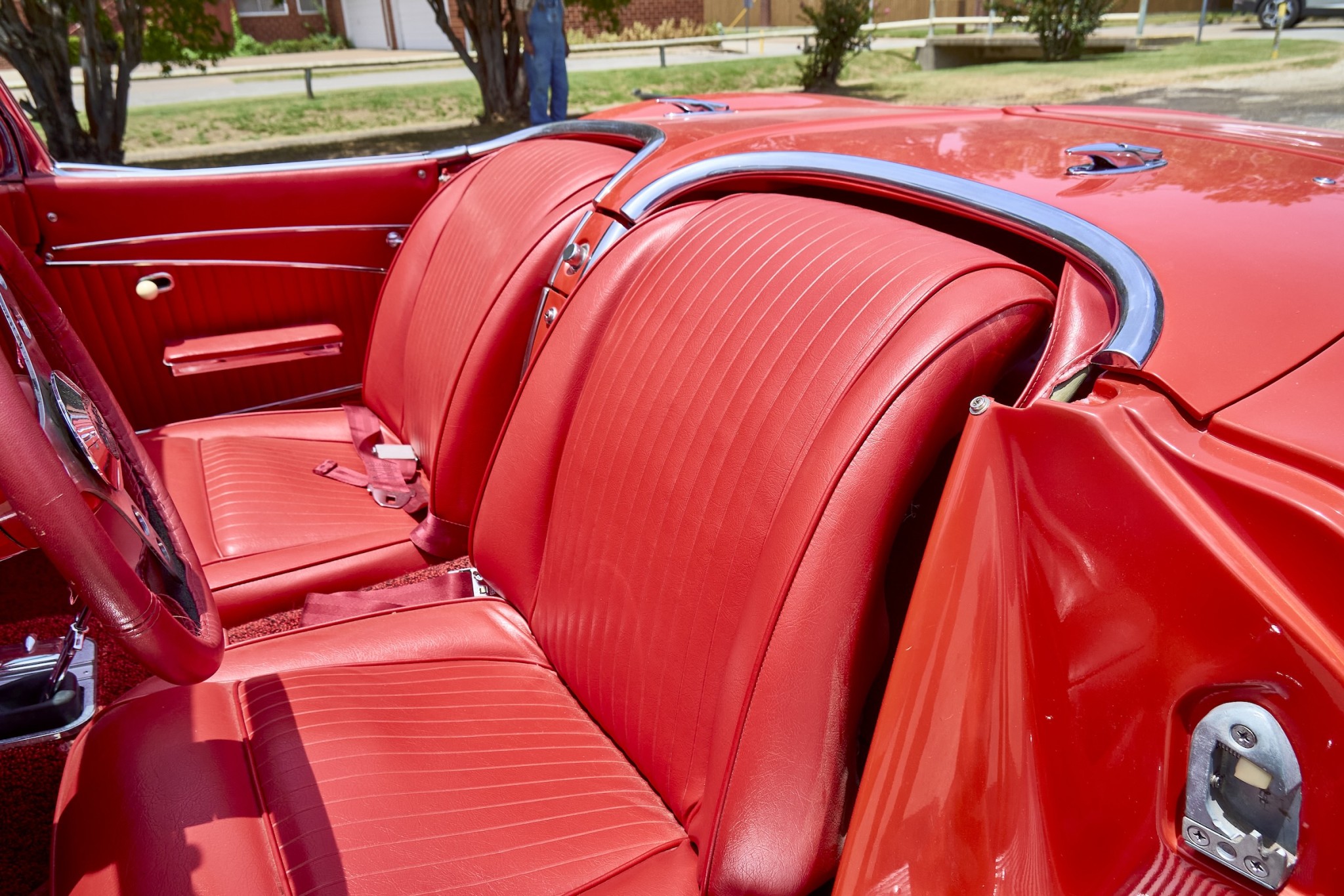
Nice Vette. The passenger grab bar is like something you’d see on a roller coaster. I’m curious though. What are those port looking thingies on the door panels?
Good question. They look like reflectors, but IDK.
Very nice Corvette! Those are reflectors!
I dont know if I’m the only one that noticed but the driver in the 2nd U-Tube video was smoking ….Yikes….the car is gorgeous but wont be if someone burnt the seats with a cigarette ? Whats up with that ?
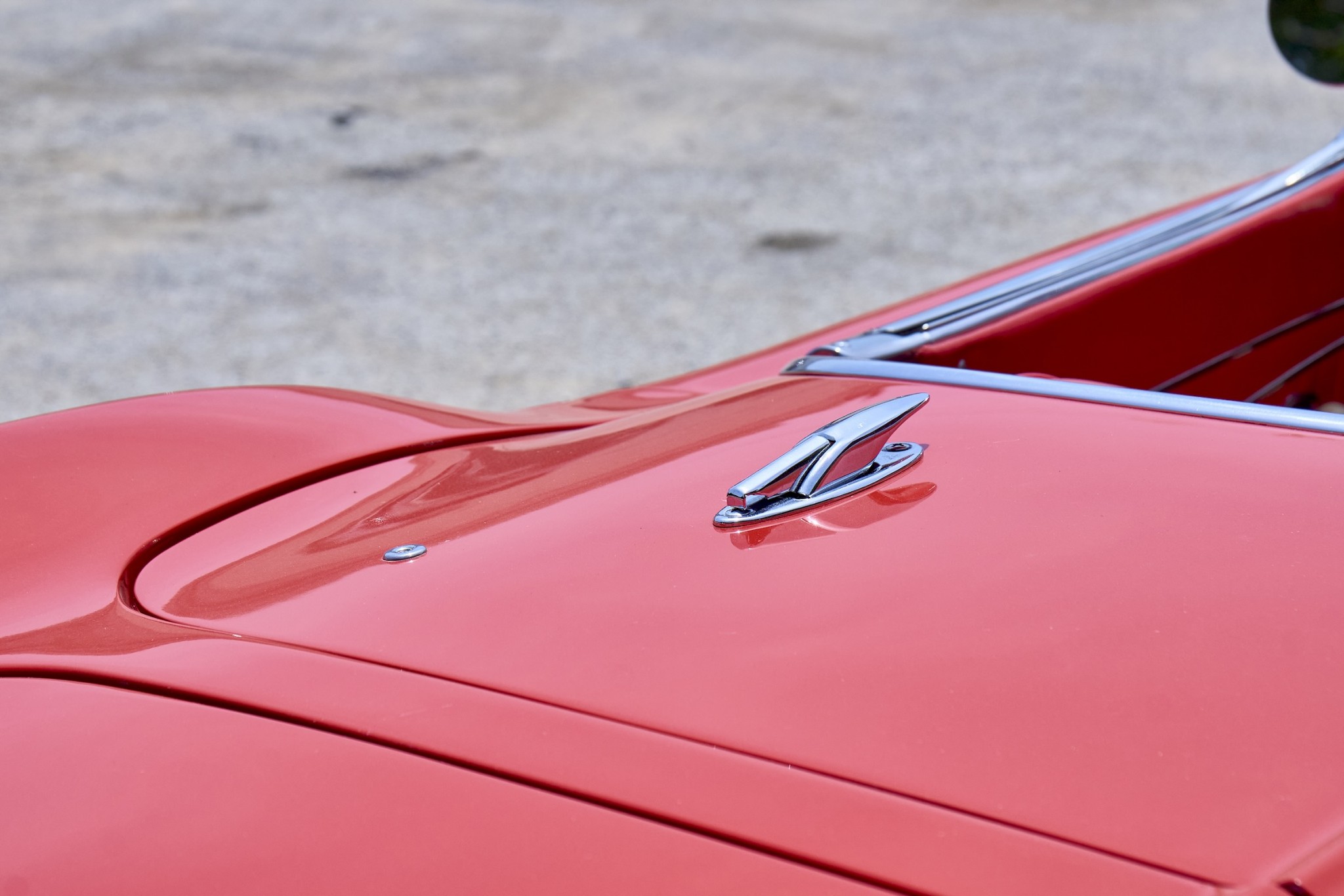
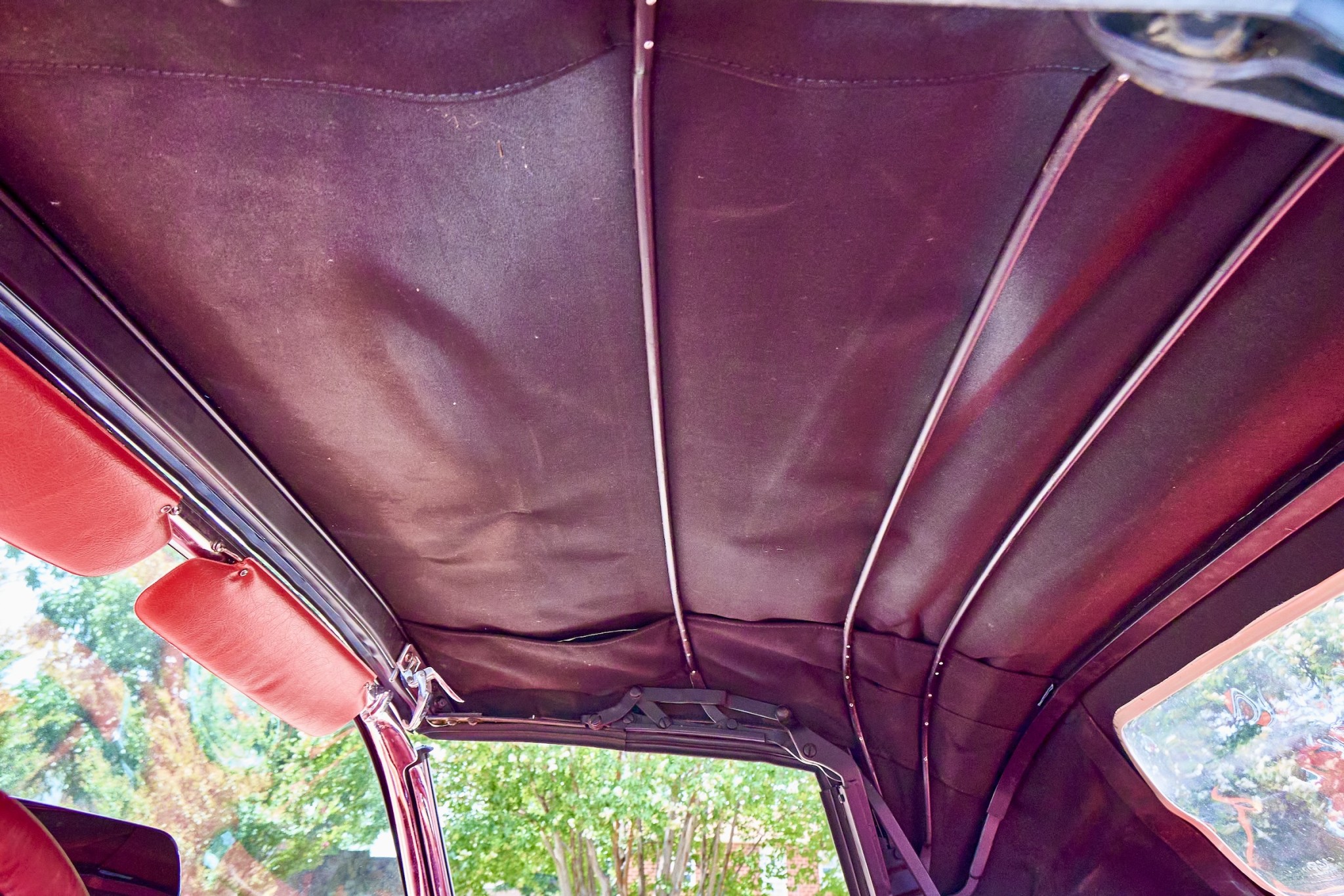
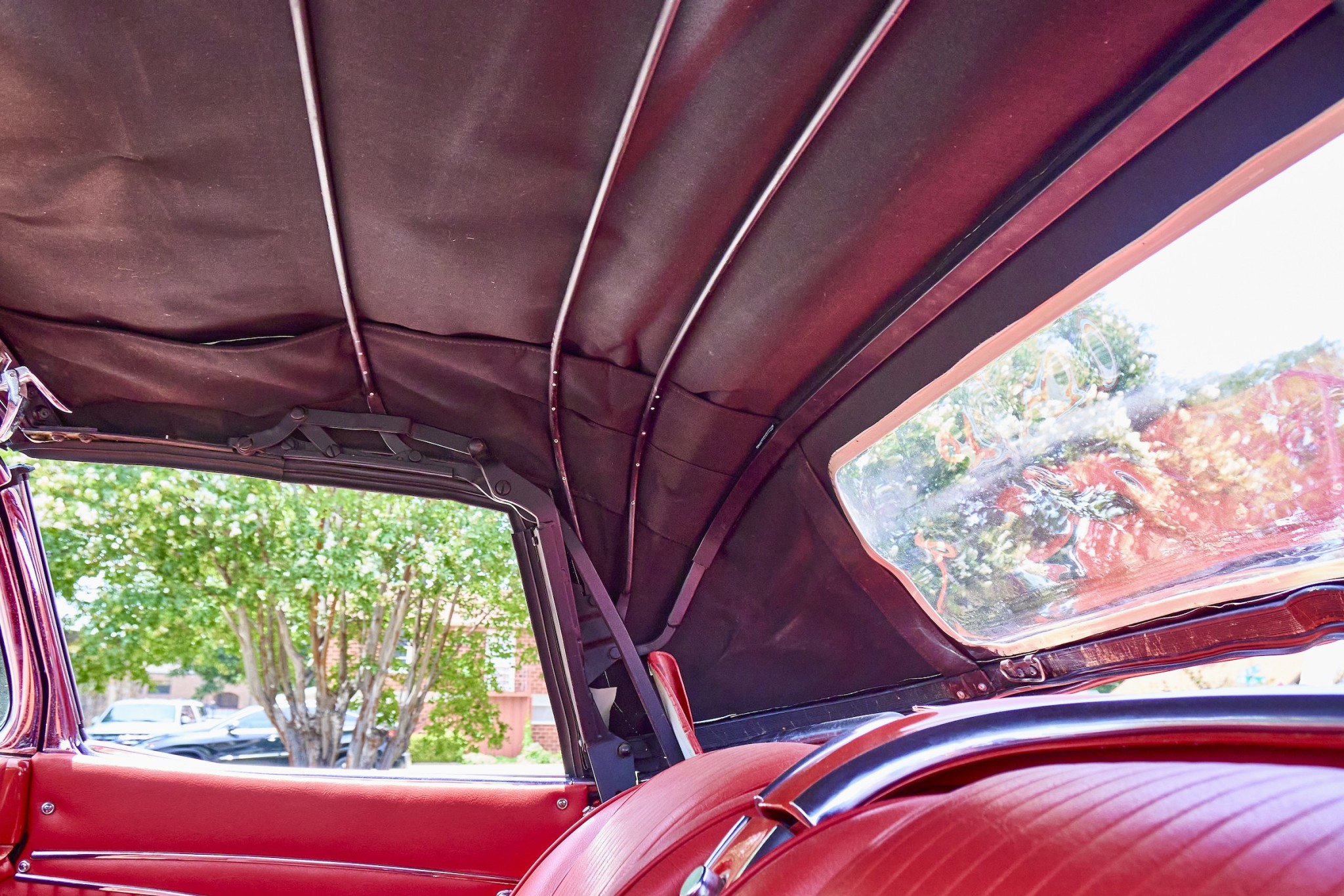
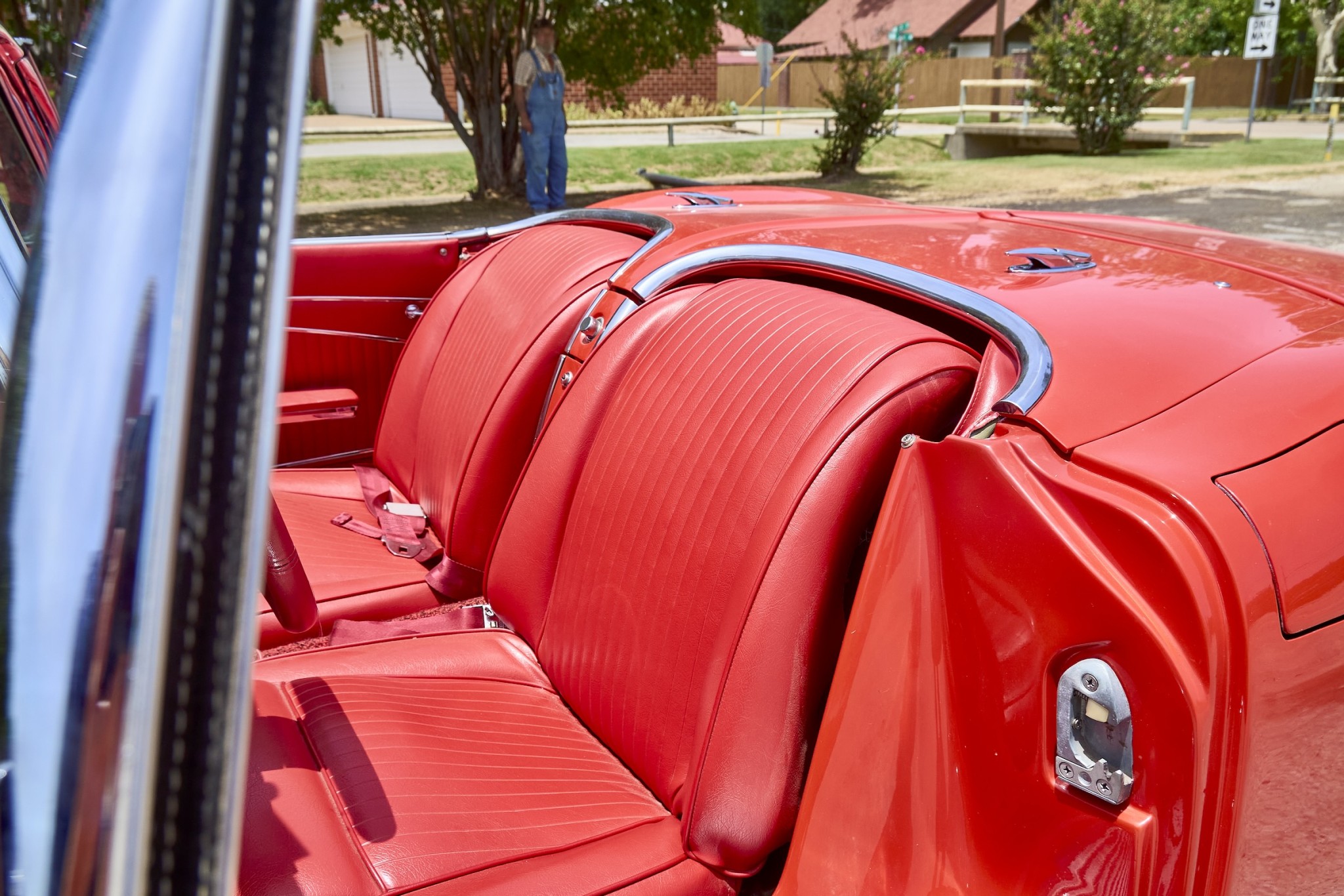
Can a hard top be applied to this car or does some alteration required to fit the hard top?
Yes…..but only a hardtop for a 1961 or 1962 will fit correctly due to the raised center portion on the soft top stowage lid. No alteration needed except for holes for the hard top mounting pins.
The port “thingyese” on the doors are indeed reflectors
My favorite Corvette year of all (a Route 66 fan as a kid). Beautiful car, but not to be picky, shouldn’t there be a duct from the heater fresh air vent to the side of the radiator?
I think you answered the question that came to mind when I initially saw this entry, which was whether this is the Corvette model year featured in the “Route 66” TV series.
My first car in 1968; 1962 Corvette; Honduras Maroon. Prior owner dropped in new engine; 327 stroked and bored to 375HP with a 4-11 posi. Went back to college; grades dropped and Dad sold it before I got back from Xmas break in Miami. I’m lie Captain Ahab looking for that car; this would do very nicely; no room and no$.
Be careful. The engine bay is awfully dirty for such a nice restored car. It looks to me they had some overheating problem. I have a 64 with this engine and it sounds smooth when idling. A 300 hp doesn’t have a heavy cam sound.
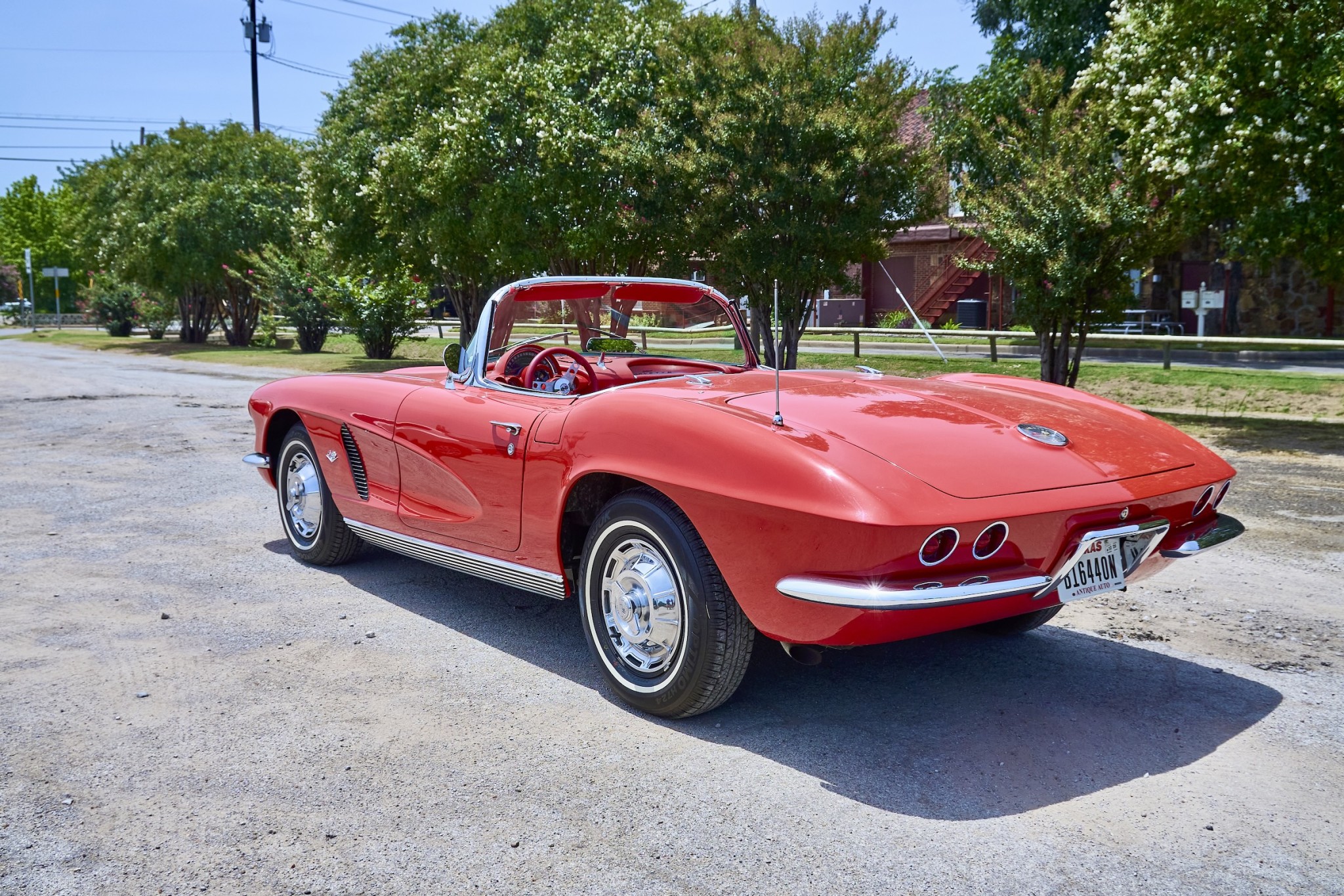
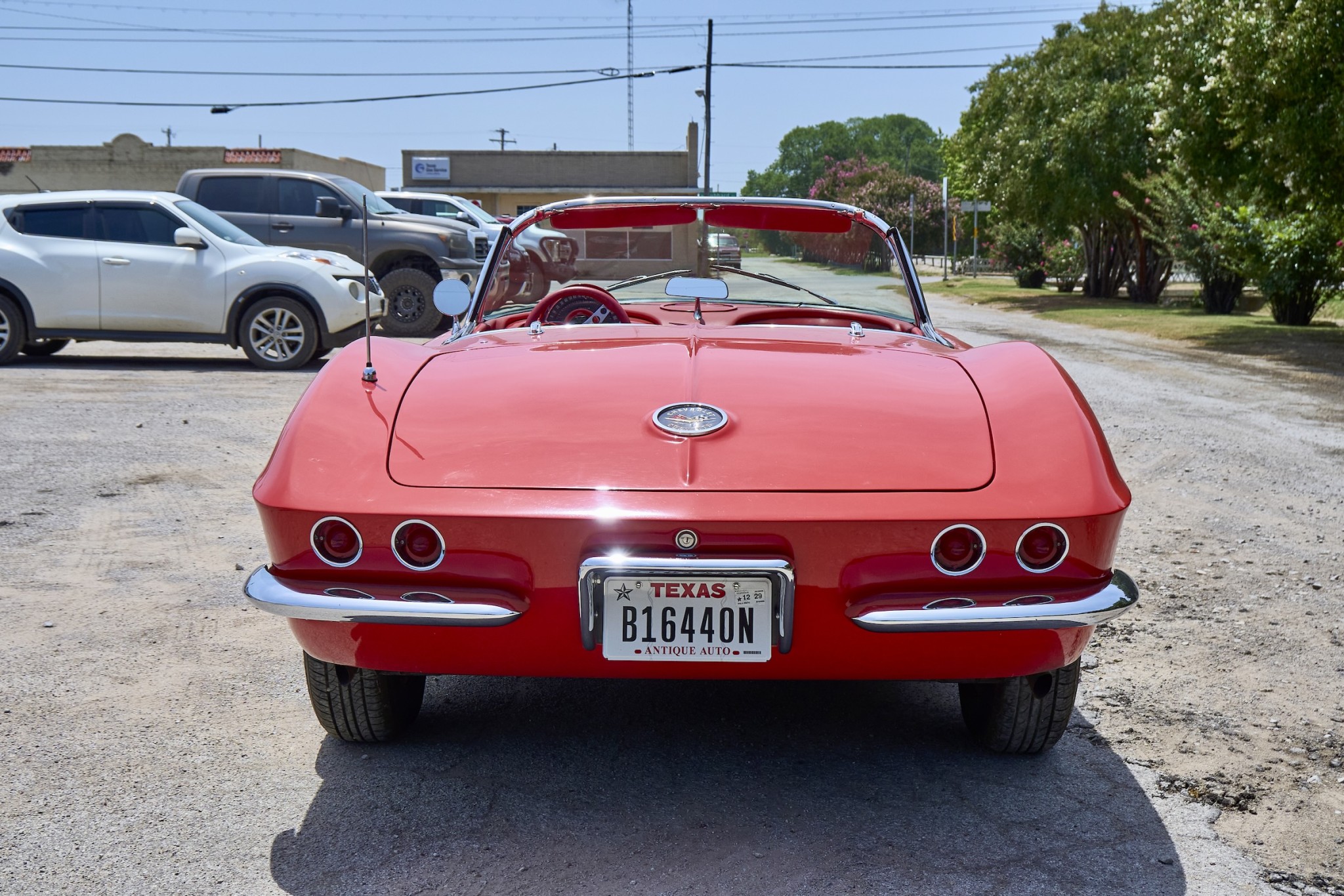
I love this quad headlamp arrangement with the updated duck tail rear. The small diameter steering wheel is no doubt functional but doesn’t look right. Probably a blast to drive with the short gears.
Kudos to the author for using the proper body off terminology.
Frames do not come “off”.
You might want to take another look (courtesy of Google)
Frame Off (Restoration Context)
Process: A restoration technique where the vehicle’s body is completely removed from the frame, allowing for detailed inspection, repair, and painting of both the frame and the body individually.
Purpose: To perform a thorough restoration to a vehicle that has a separate body and frame (body-on-frame construction), ensuring every component can be accessed, rebuilt, and restored to pristine condition.
Vehicle Type: Applies to classic cars and some trucks that have a body-on-frame design, not vehicles with unibody construction.
Body Off (Manufacturing Context)
Process: Refers to the manufacturing design of a body-on-frame vehicle where the vehicle body is built separately from the chassis and then bolted onto it.
Purpose: This construction method allows for greater modularity, simpler manufacturing, and better payload/towing capabilities, making it suitable for trucks and heavy-duty applications.
Vehicle Type: Refers to the design of body-on-frame vehicles, such as many SUVs and pickup trucks, in contrast to unibody construction, where the body and frame are integrated into a single unit.
Key Differences
Context: “Frame off” is almost exclusively used in the context of car restoration, while “body off” (in the manufacturing sense) describes a type of vehicle construction.
Scope: “Frame off” implies a deep, complete disassembly for restoration, whereas “body off” can refer to the process of placing a separate body onto a frame.
Goal: “Frame off” aims to restore a classic vehicle, while the “body off” construction method is for creating robust, heavy-duty vehicles.
Regardless of how Google defines it, I’ll stick with my original nomenclature. If I am restoring a body on frame vehicle, I am unbolting the body off of the frame. I am not taking the frame off.
Tomato / Tomahto – you can still use frame off, I won’t be mad, but I am certainly not wrong either.
I had a ’61, which were essentially identical, ‘cept for larger “teeth” in the side chrome, and a 283 small block rather than the 327.
Being in the “young stupid guy” phase most of us went thru, I installed a 327 crank in the 283, making a 301.6 cu in over square motor, which the factory emulated a few years later in the Z 28 Camero.
Of course I wangled one of those solid lifter cams to go with the hi rise dual plane manifold and 780cfm Holly double-pumper , and tube headers that were a MoFo to install..
And the hood wouldn’t close ’til I cut a hole in it to clear the Custom air cleaner with the foam element.
But my BIGGEST stupidity was installing the ultralight bronze-faced flywheel.
Sucker wouldn’t idle. You had to continuously romp-romp the throttle, or it would cough and die.
And not infrequently, it would BackFire..
Which would Melt the air cleaner element, which woul drip into the Holley, causing a small fire and a carburetor rebuild.
Plus I got fired from my job ( I was late a lot) and moved to Los Angeles. Well, it was bad enuff to deal with El Paso traffic, but in LA, the tediousness of Romp Romp backfire melt fire rebuild carb became onerous immediately
Blah blah blah, I parked it and sold it for a lot less than I had recently put into it, to a fellow that returned it to bone stock, just as when I’d bought it .
Loser! How boring. (SOB!)
I saw the car several times over the ensuing years, and. And. And,
Oh never mind. It’s too sad to relate.
Great story! Just one comment/correction; the Z28 302 was a 283 crank in a 327 not the other way round as you had mentioned
Yup. He just described a 307. That was a somewhat common crank swap when I was in high school before Chevy ever sold a 307. Also a 283 already was an “over square engine”; 3.875″ bore x 3.00″ stroke. Putting a 327 crank in it made it a little less “over square”; 3.875″ x 3.25″.
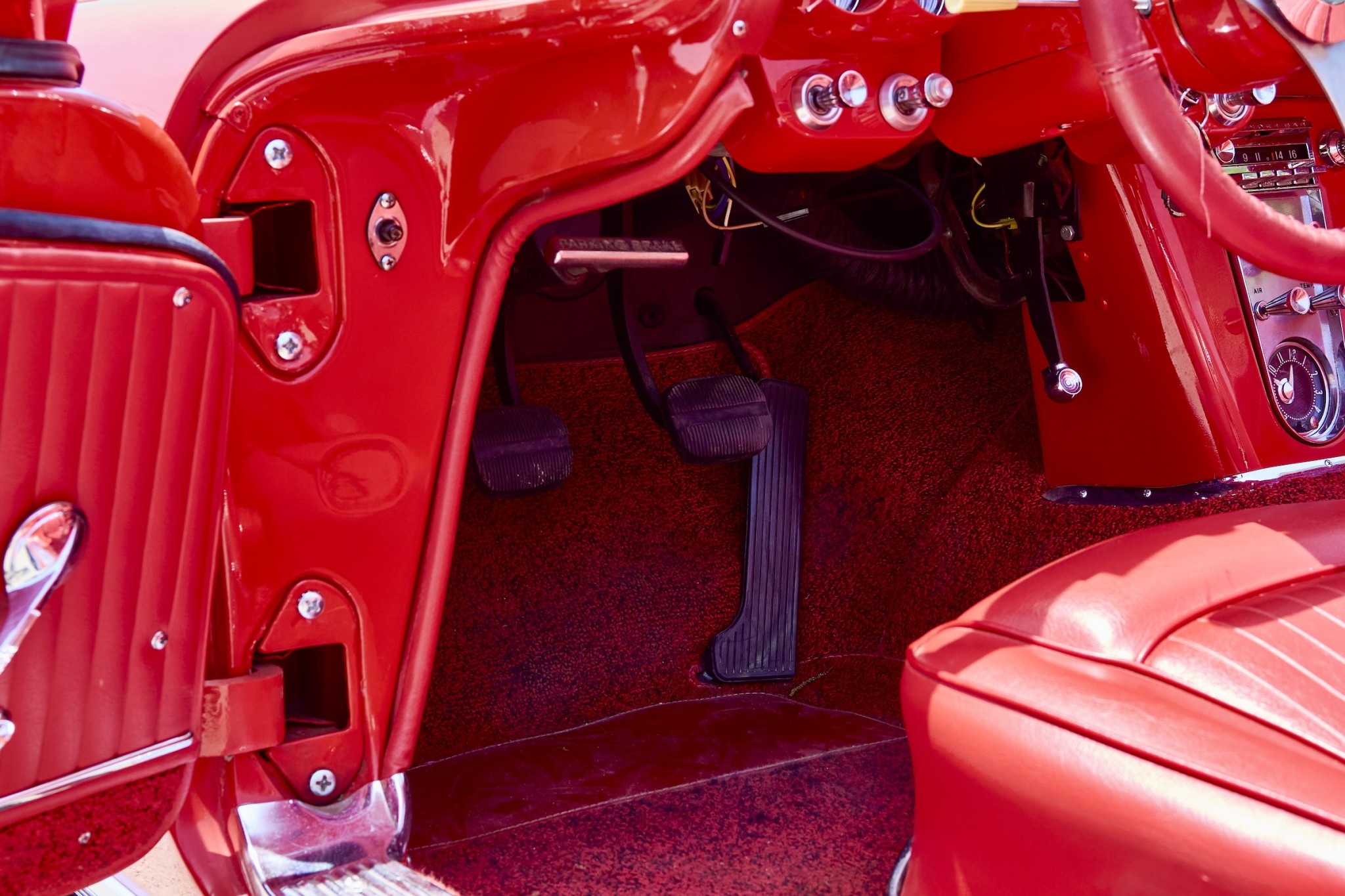
Looks like the fresh air inlet on the passenger side firewall is missing the flexible ducting and may also be the location of a mouse house.
I agree with the mouse house on the back side of the air damper valve. There is a reason that the front hose connection has a grille in front of the hose! Been sitting a week or two? Having said that. My wife’s car that is driven almost every day.Ended up with a mouse the other day. I tell .her to turn off the HVAC system before she turns off the car. But that is too much trouble.