- Seller: Iconic Motors (Contact)
- Location: Oklahoma City, Oklahoma
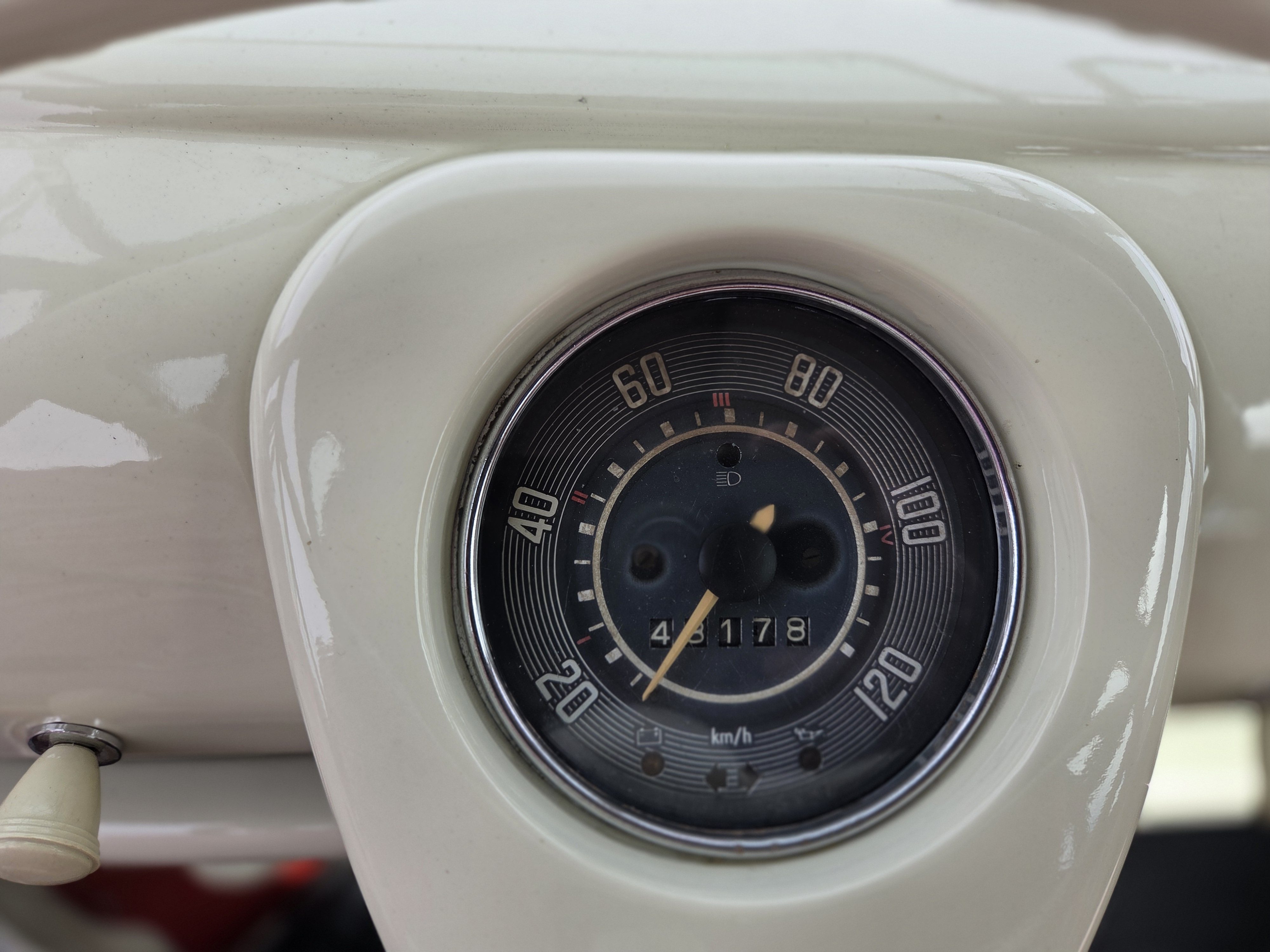
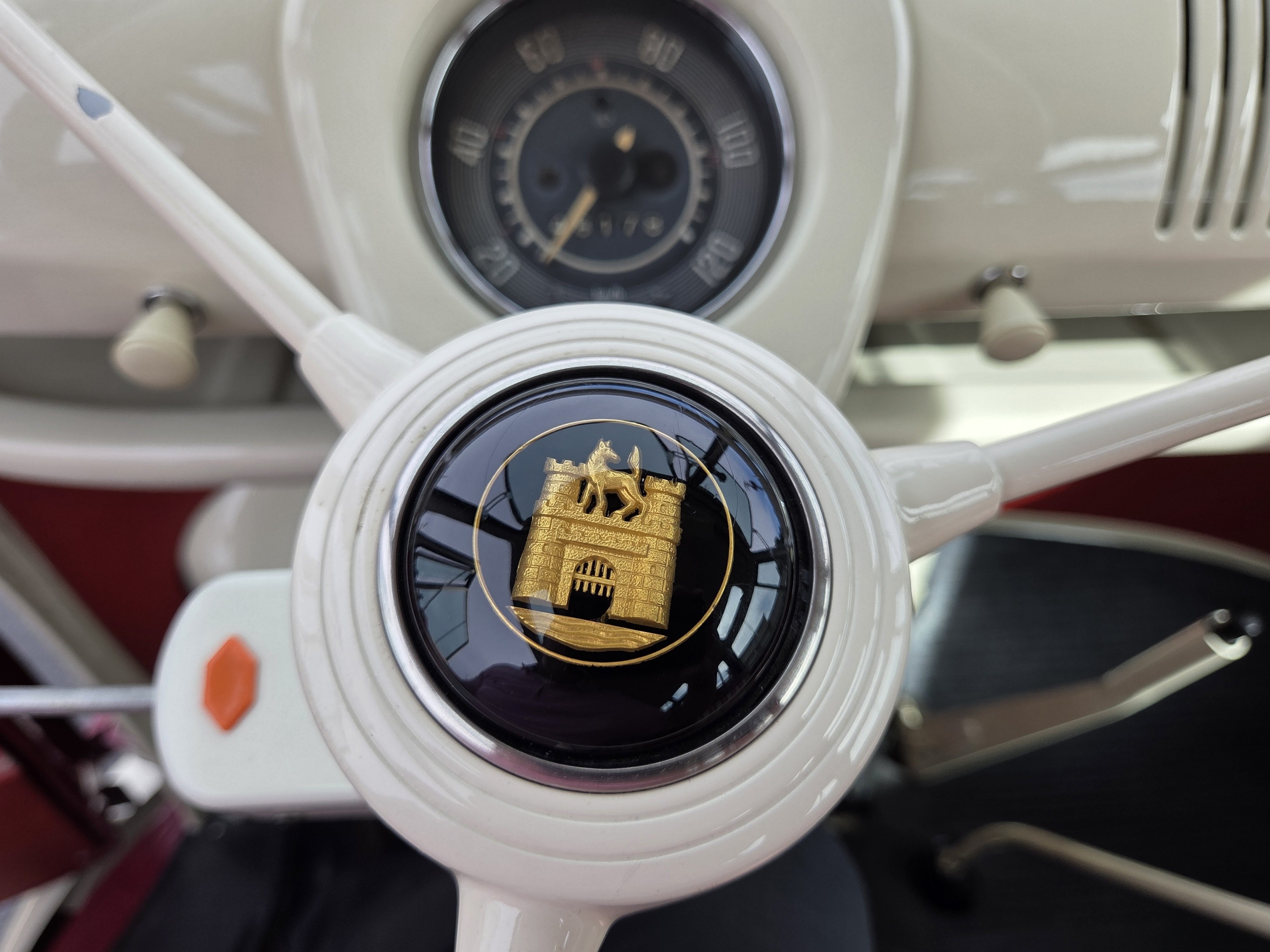
- Mileage: 48,178 Shown
- Chassis #: BH376684
- Title Status: Clean
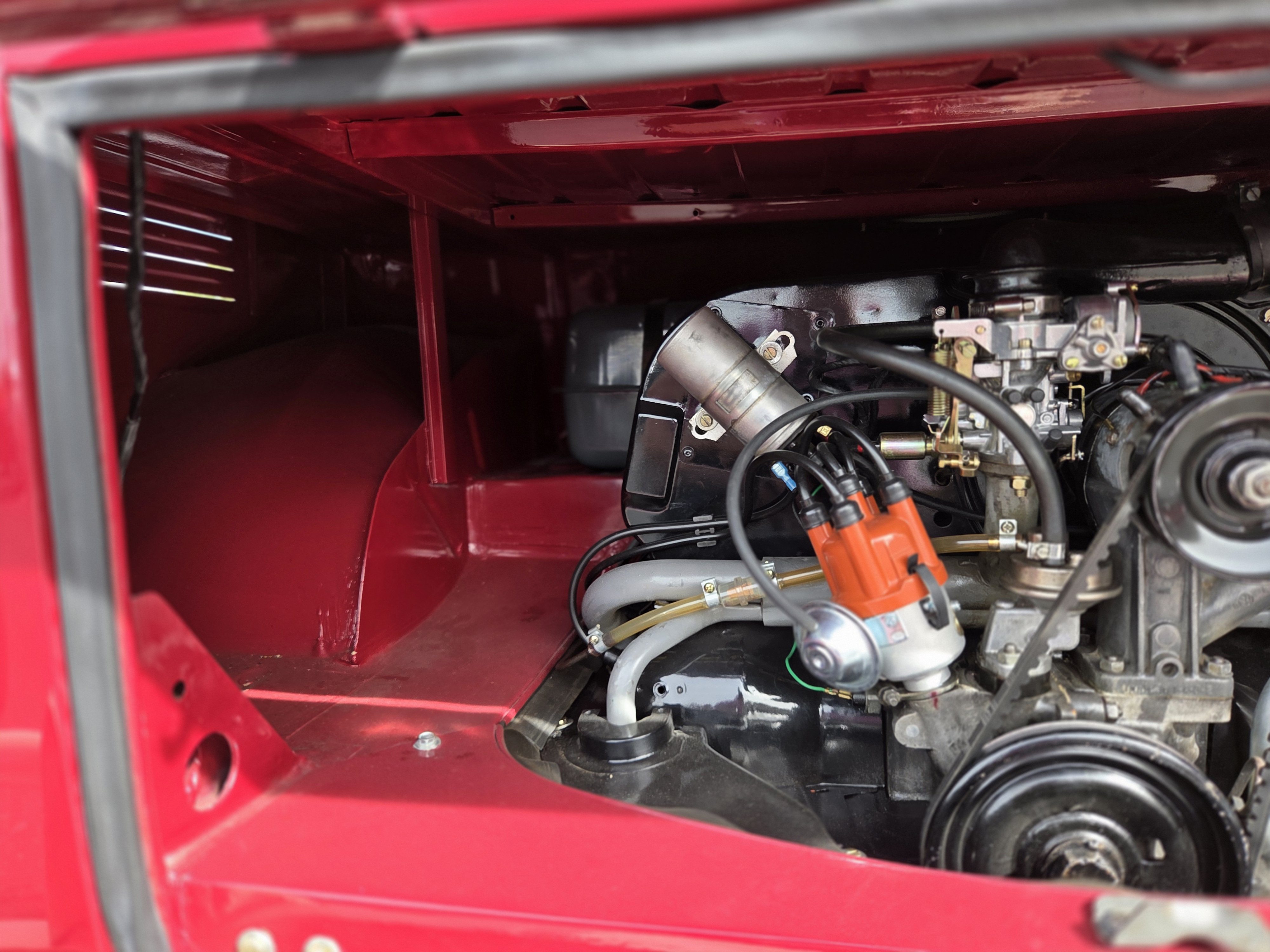
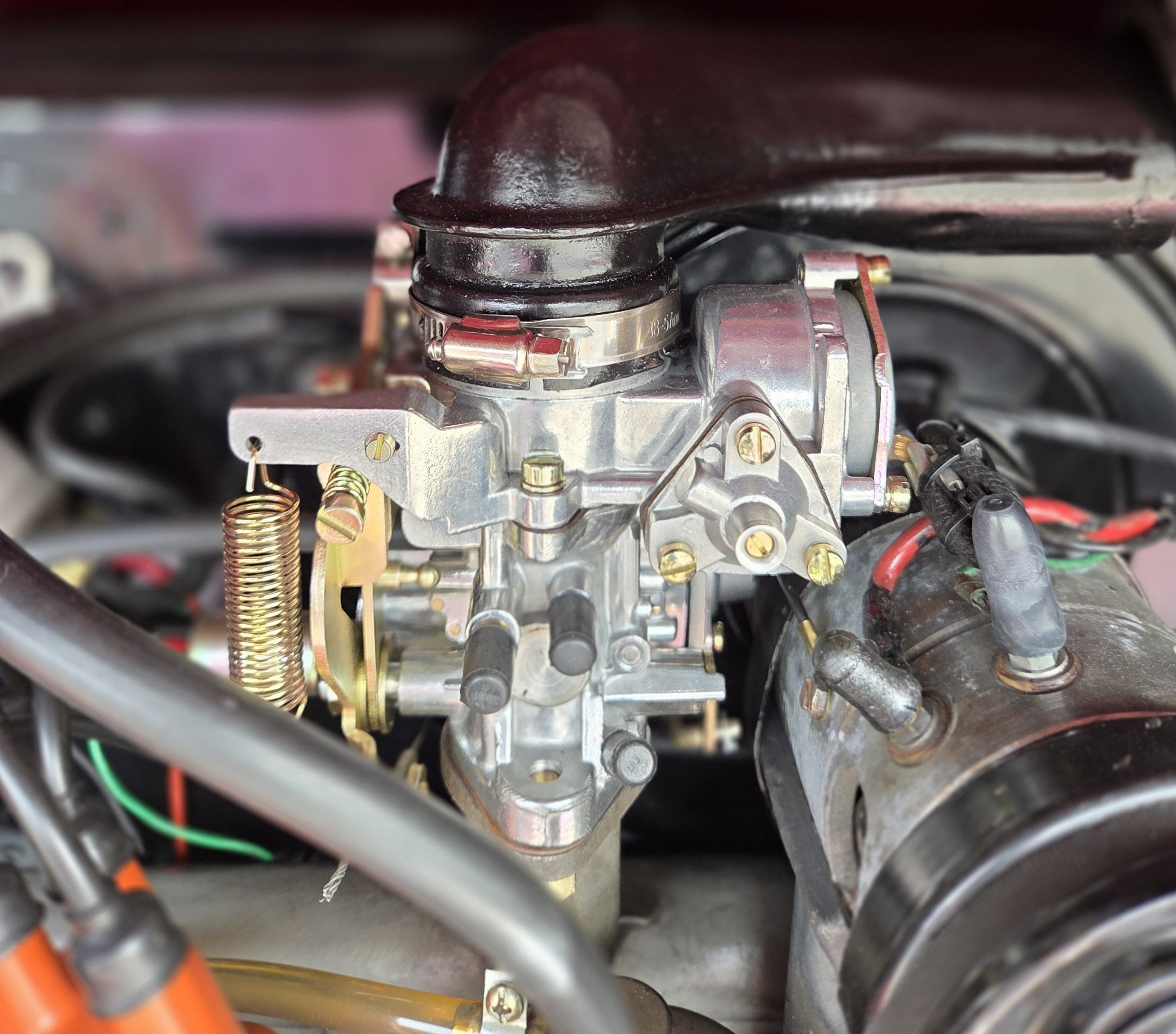
- Engine: 1500cc Flat-4
- Transmission: 4-Speed Manual
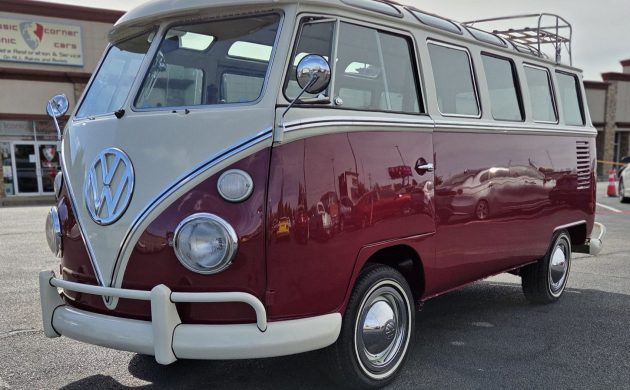
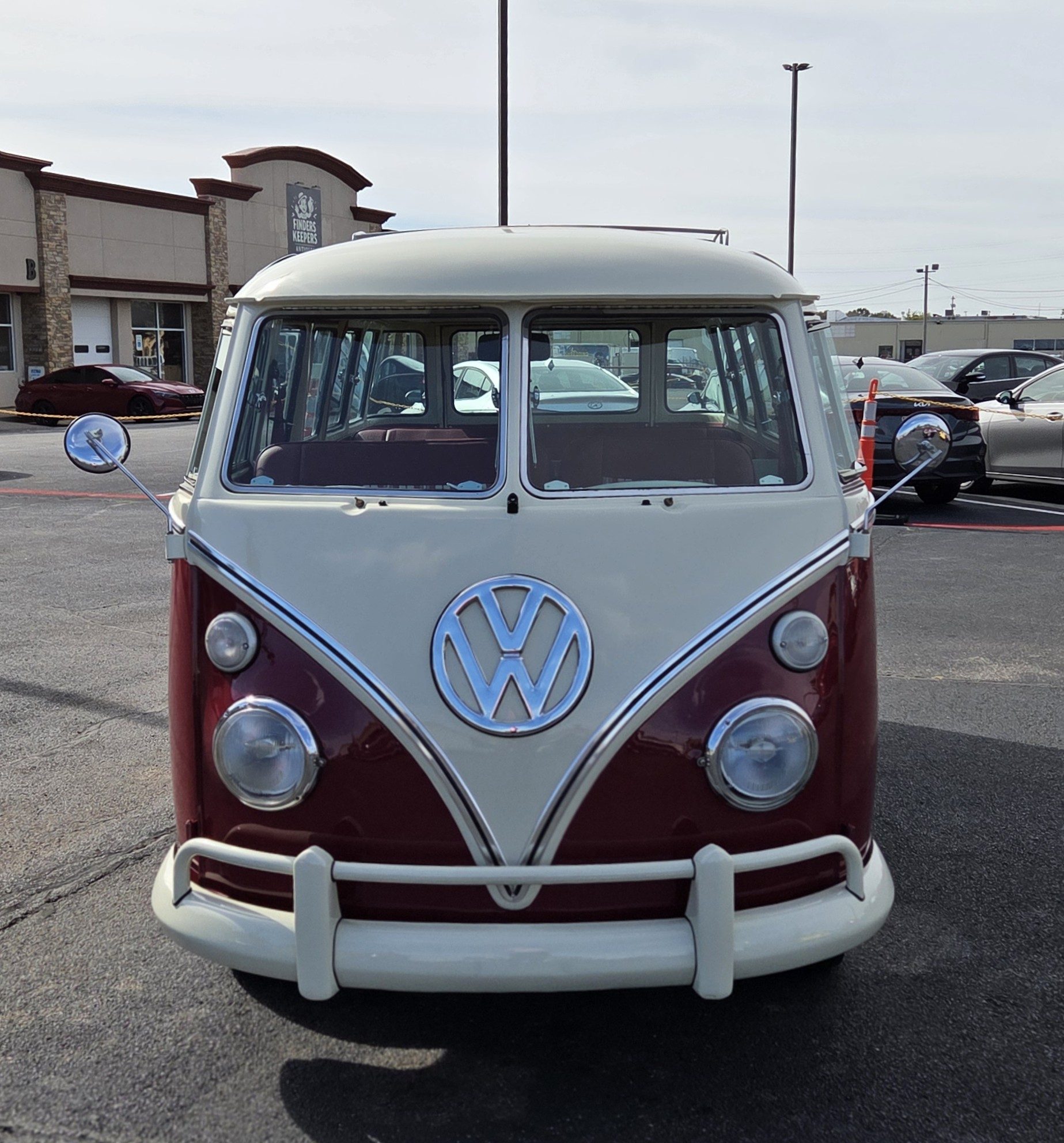
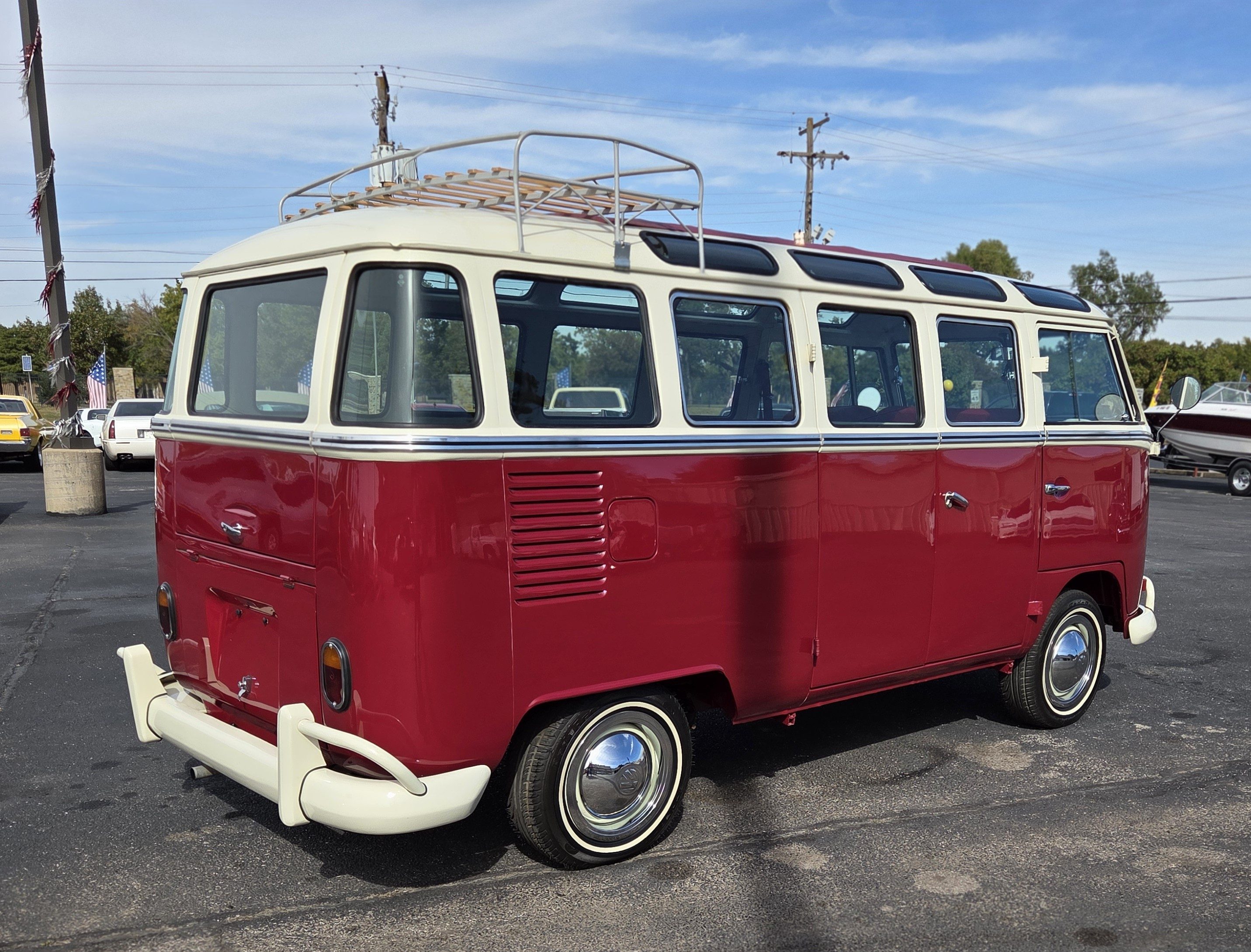
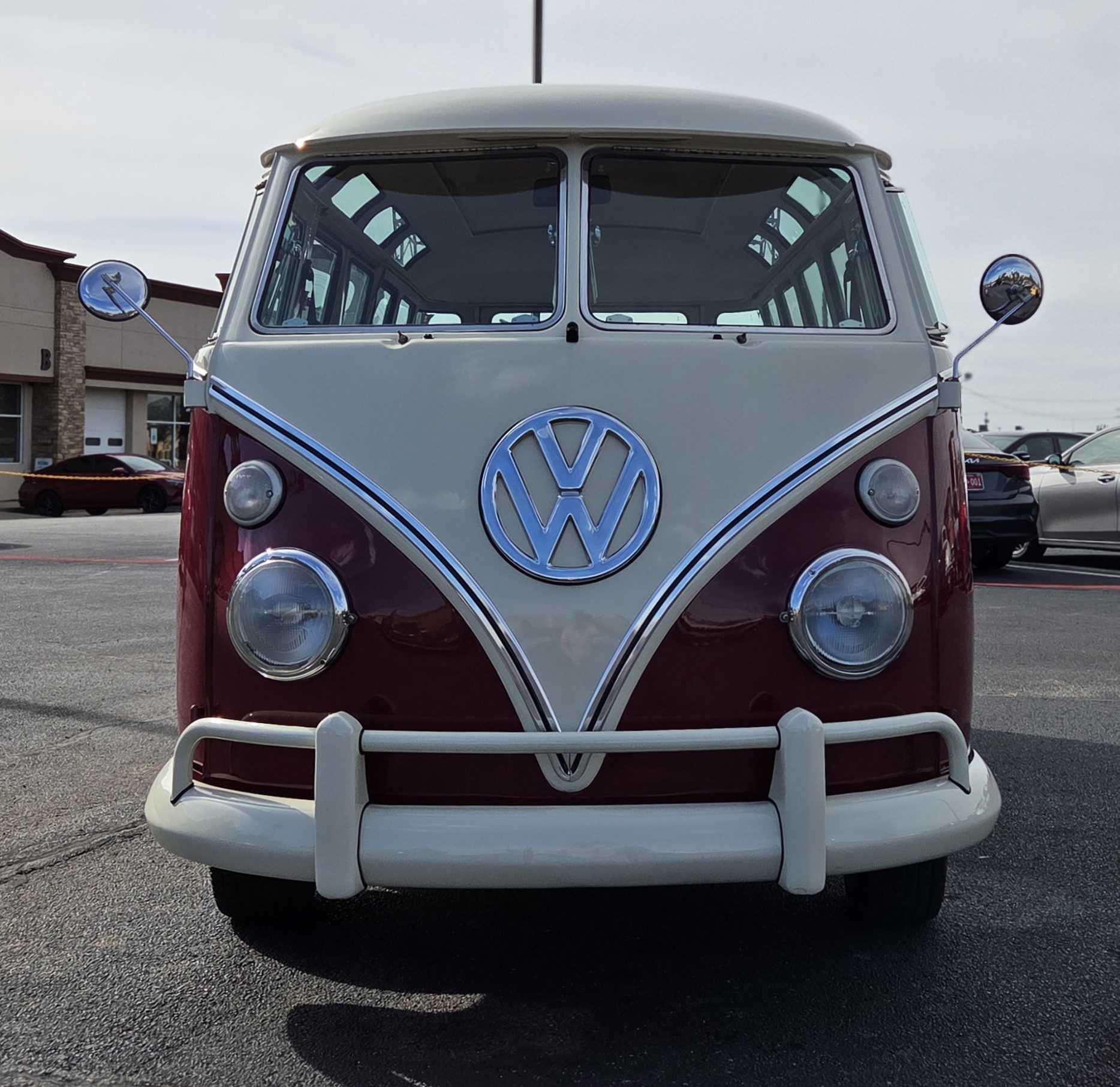
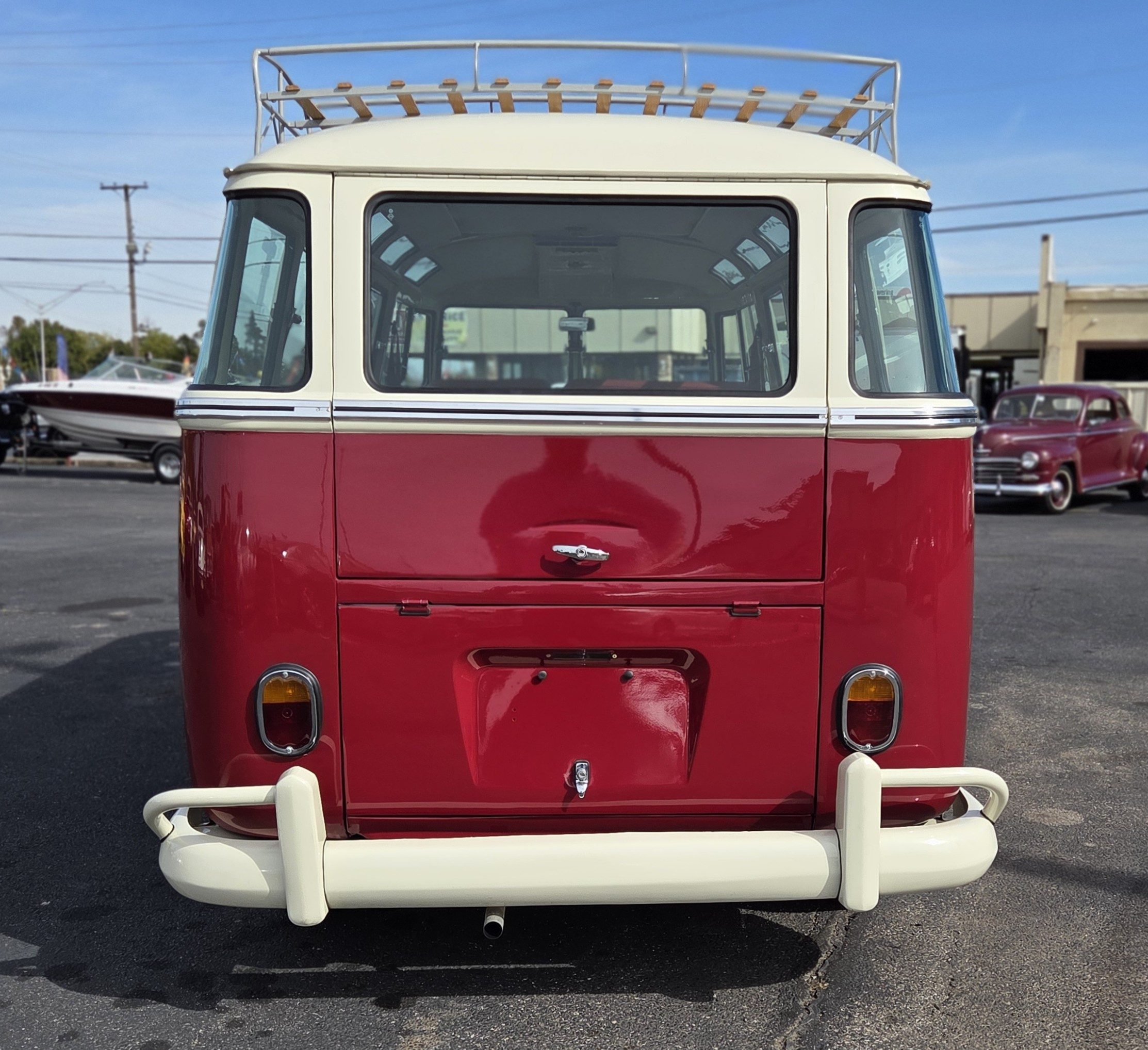
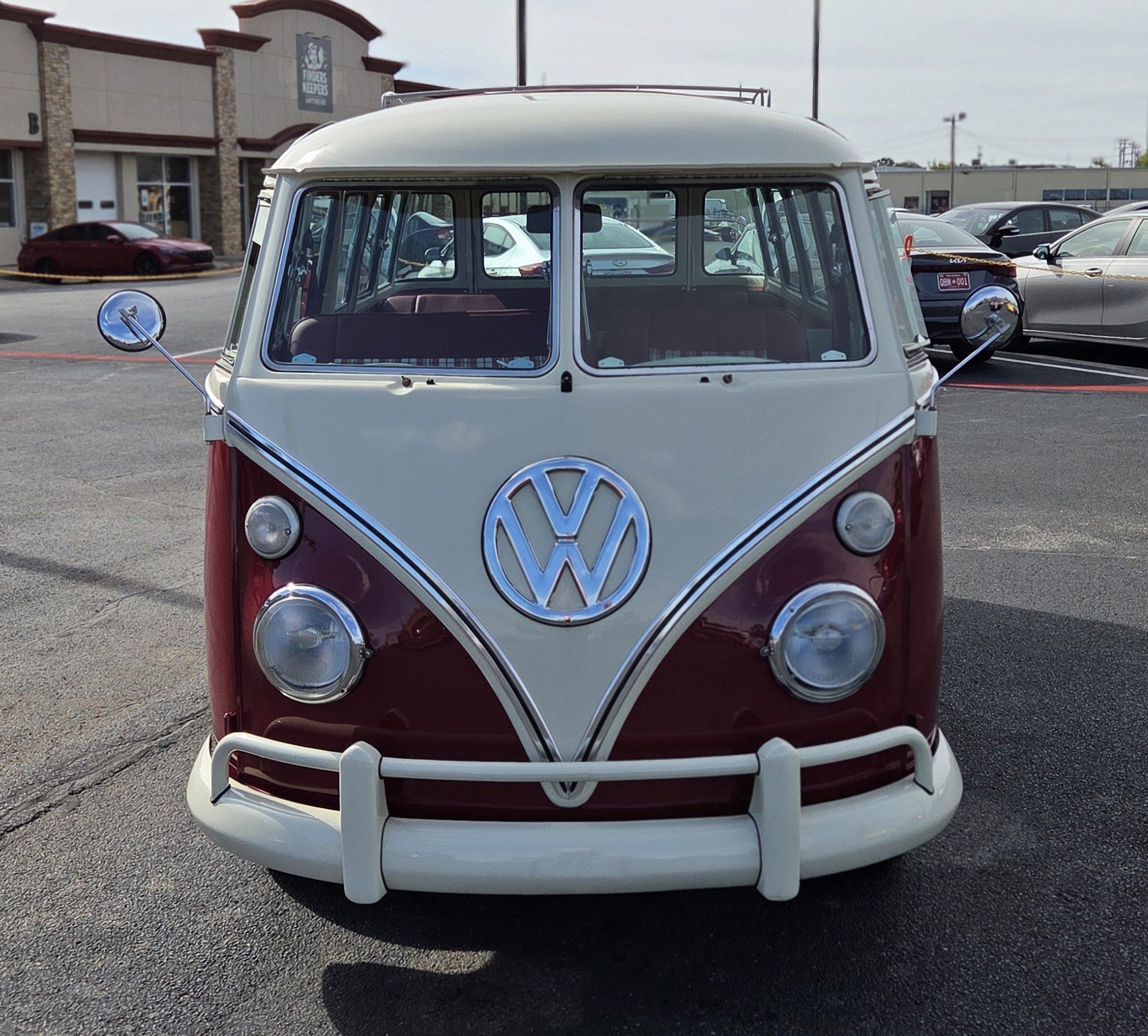
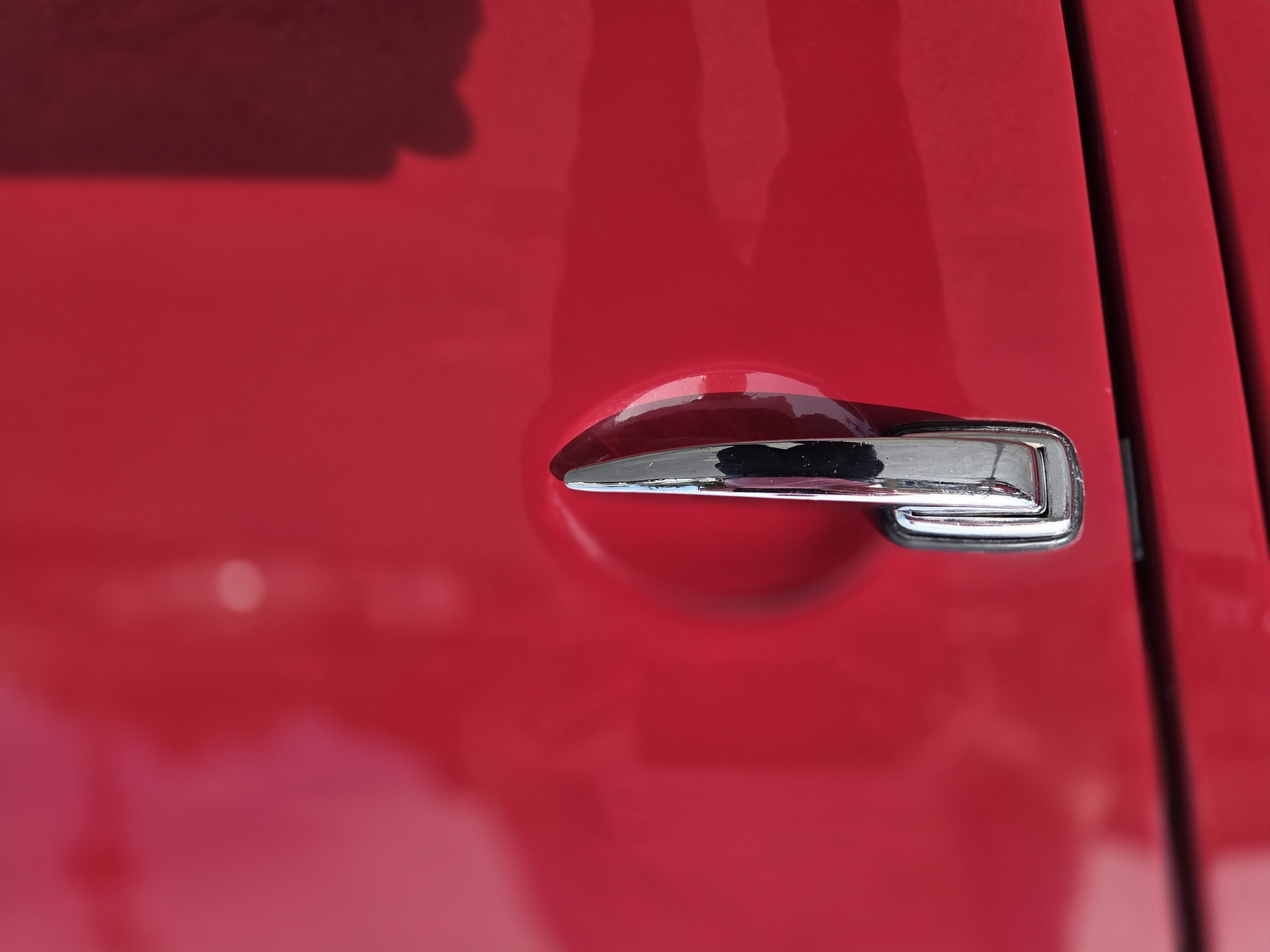
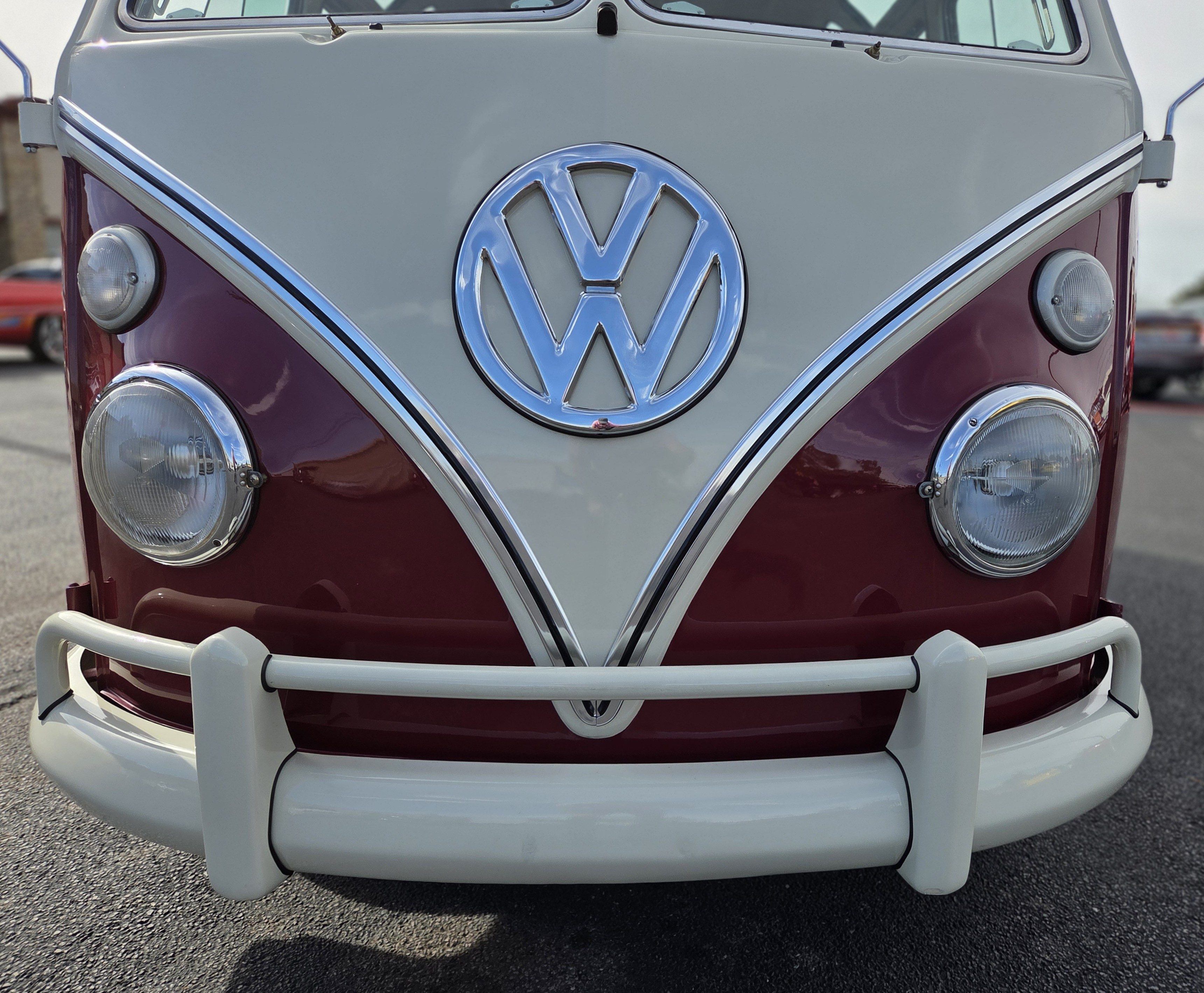
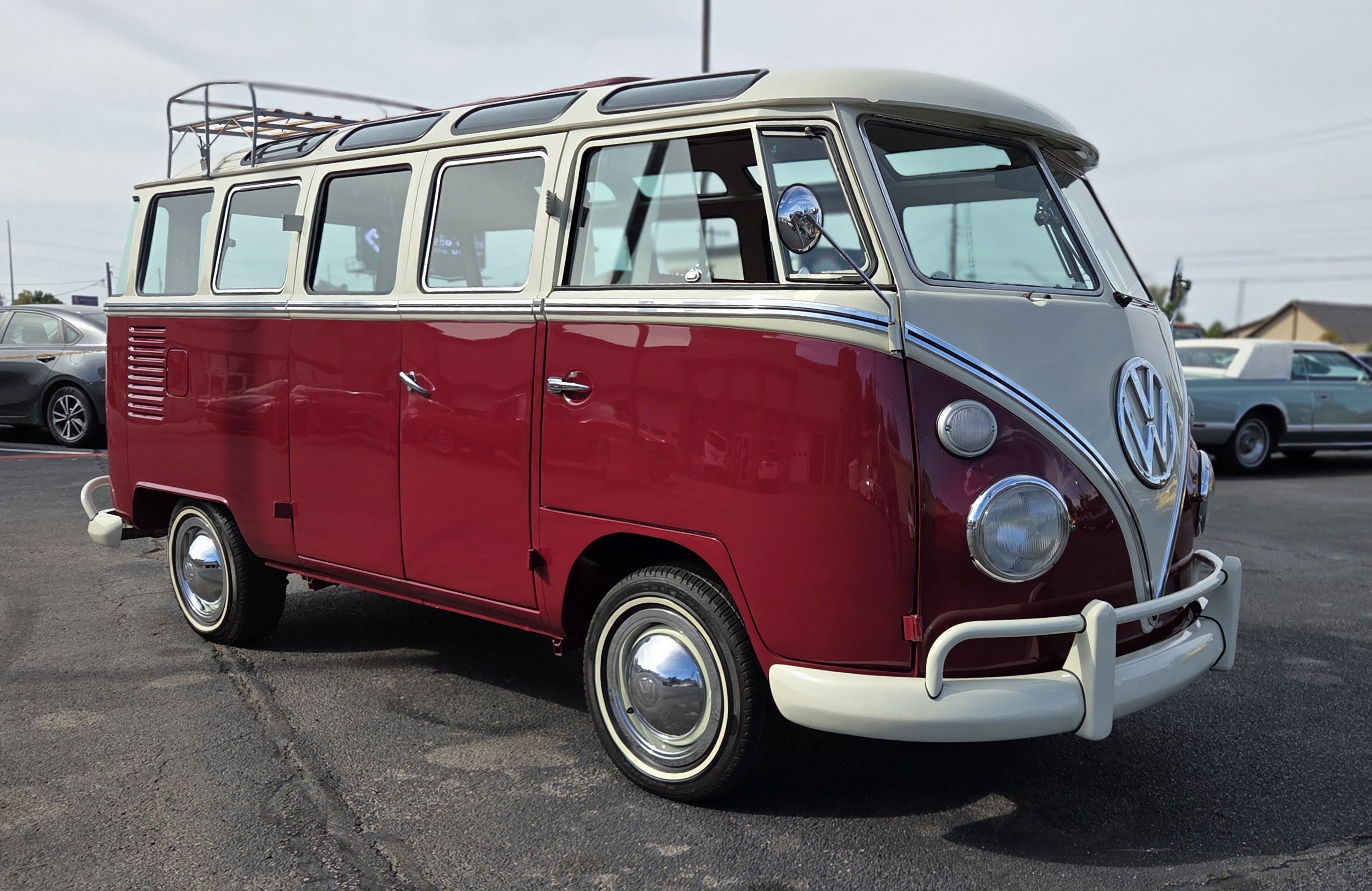
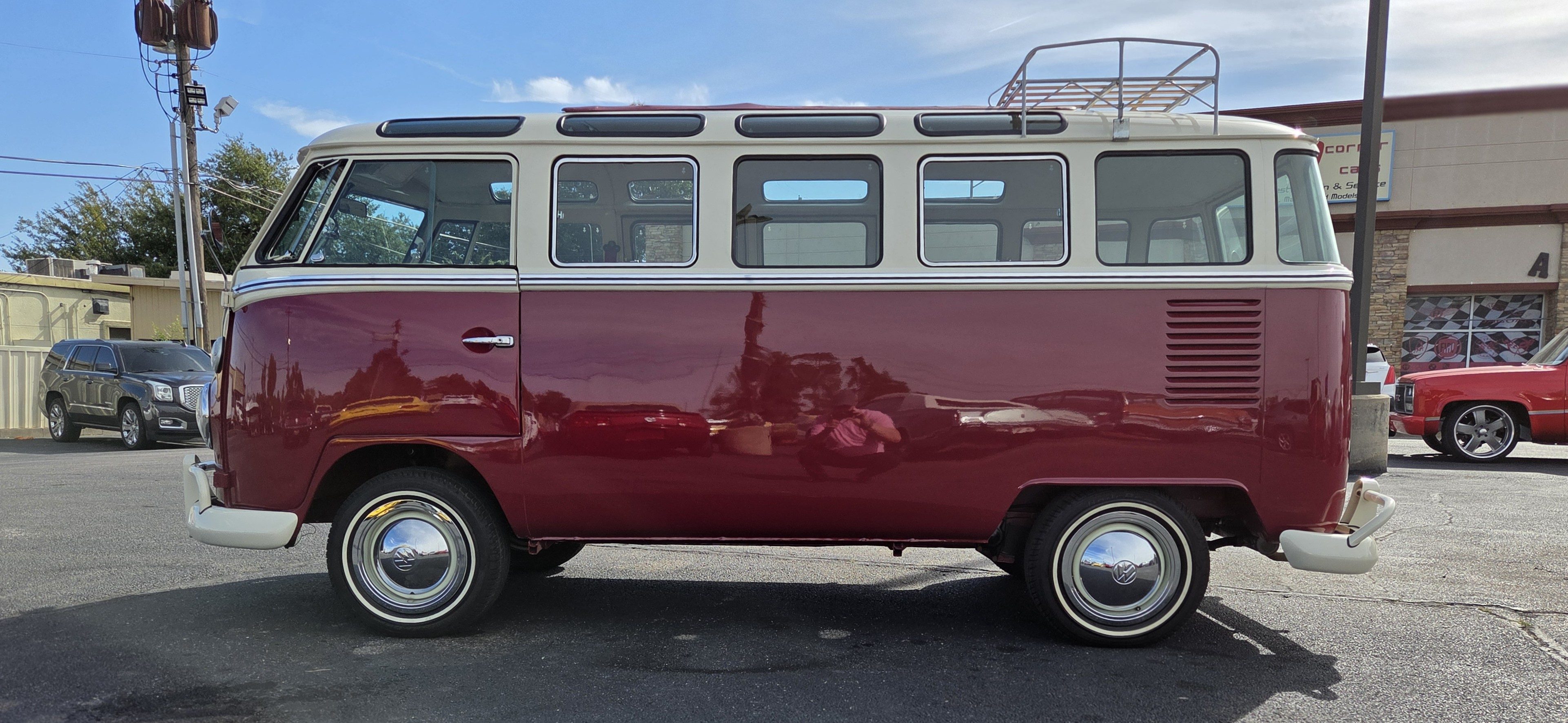
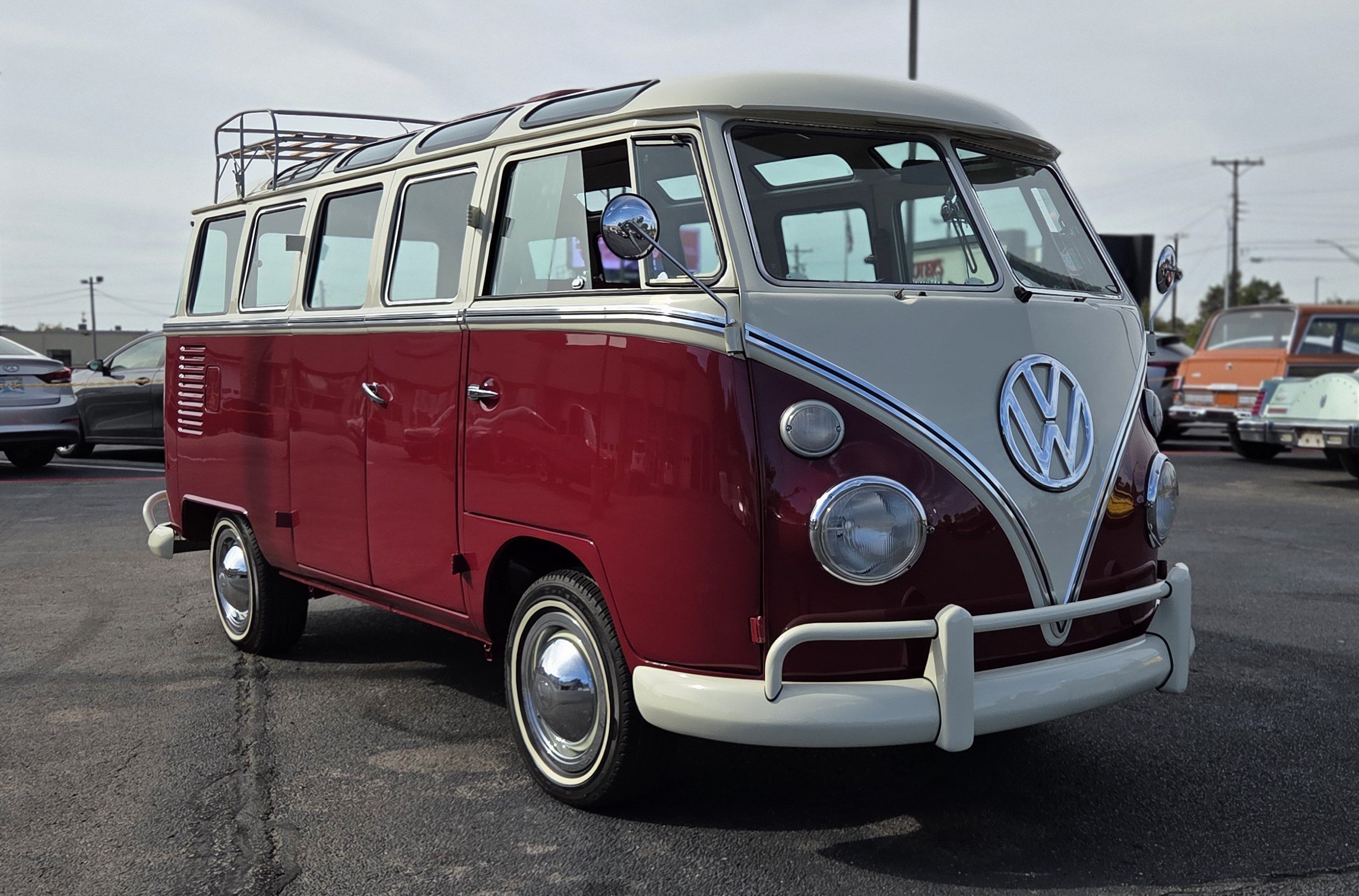
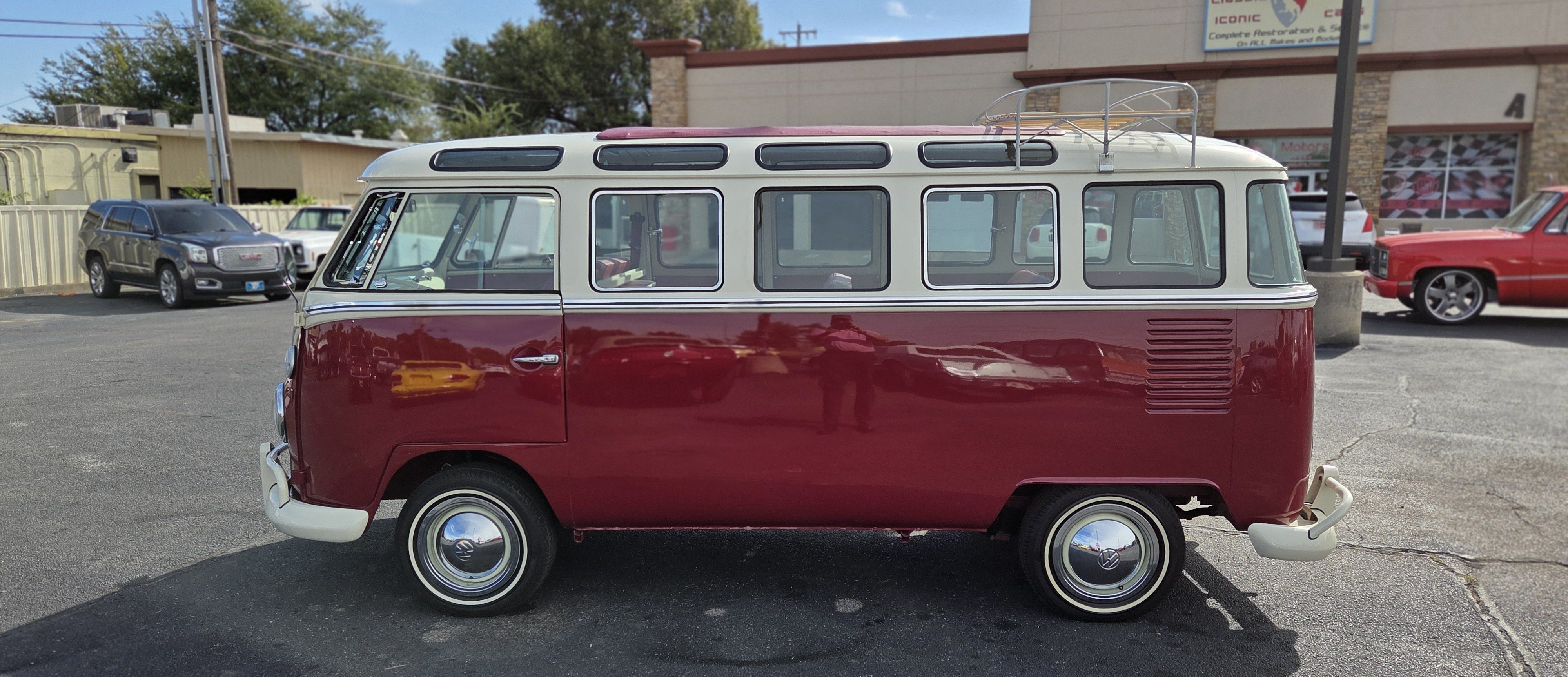
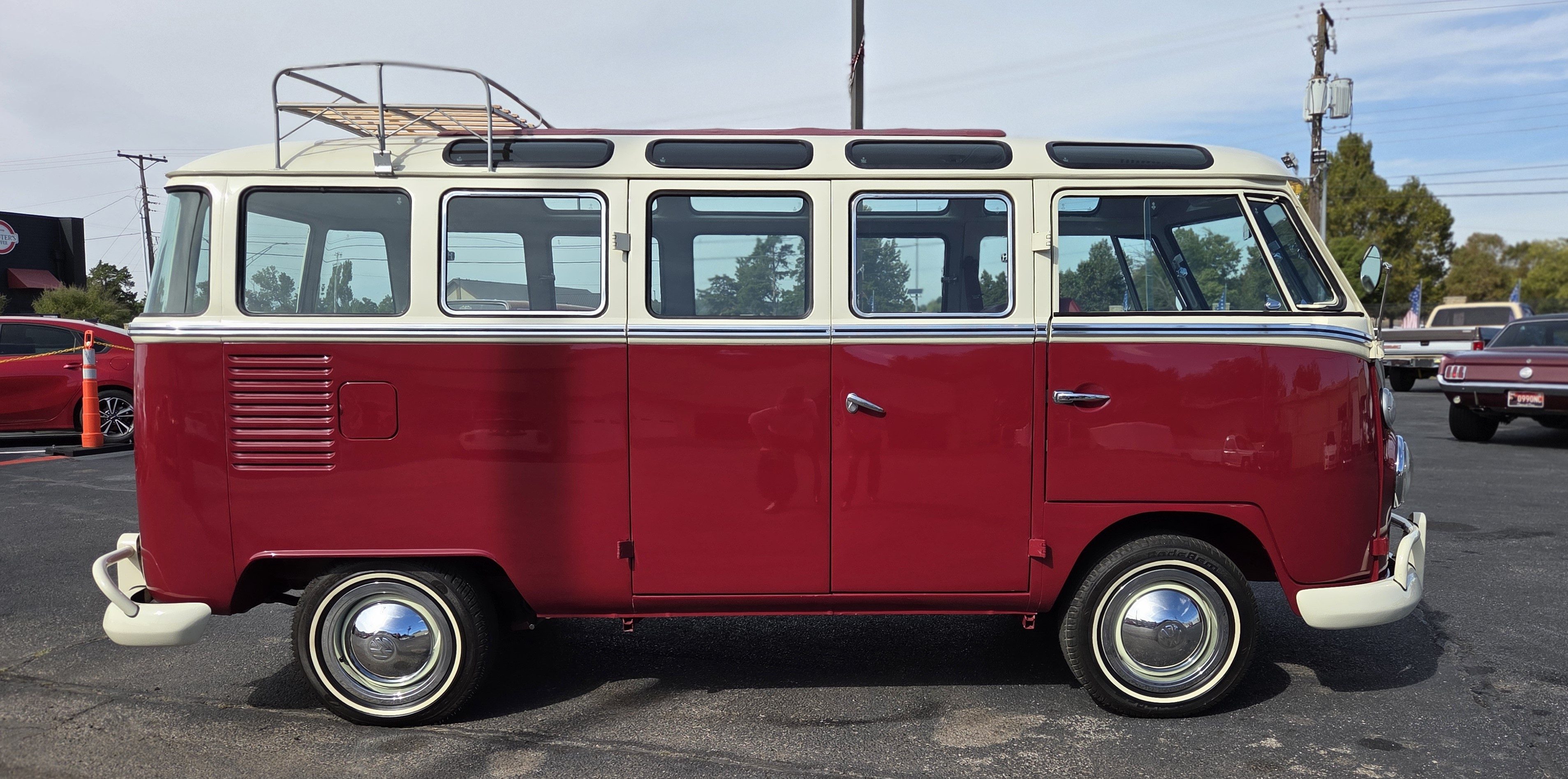
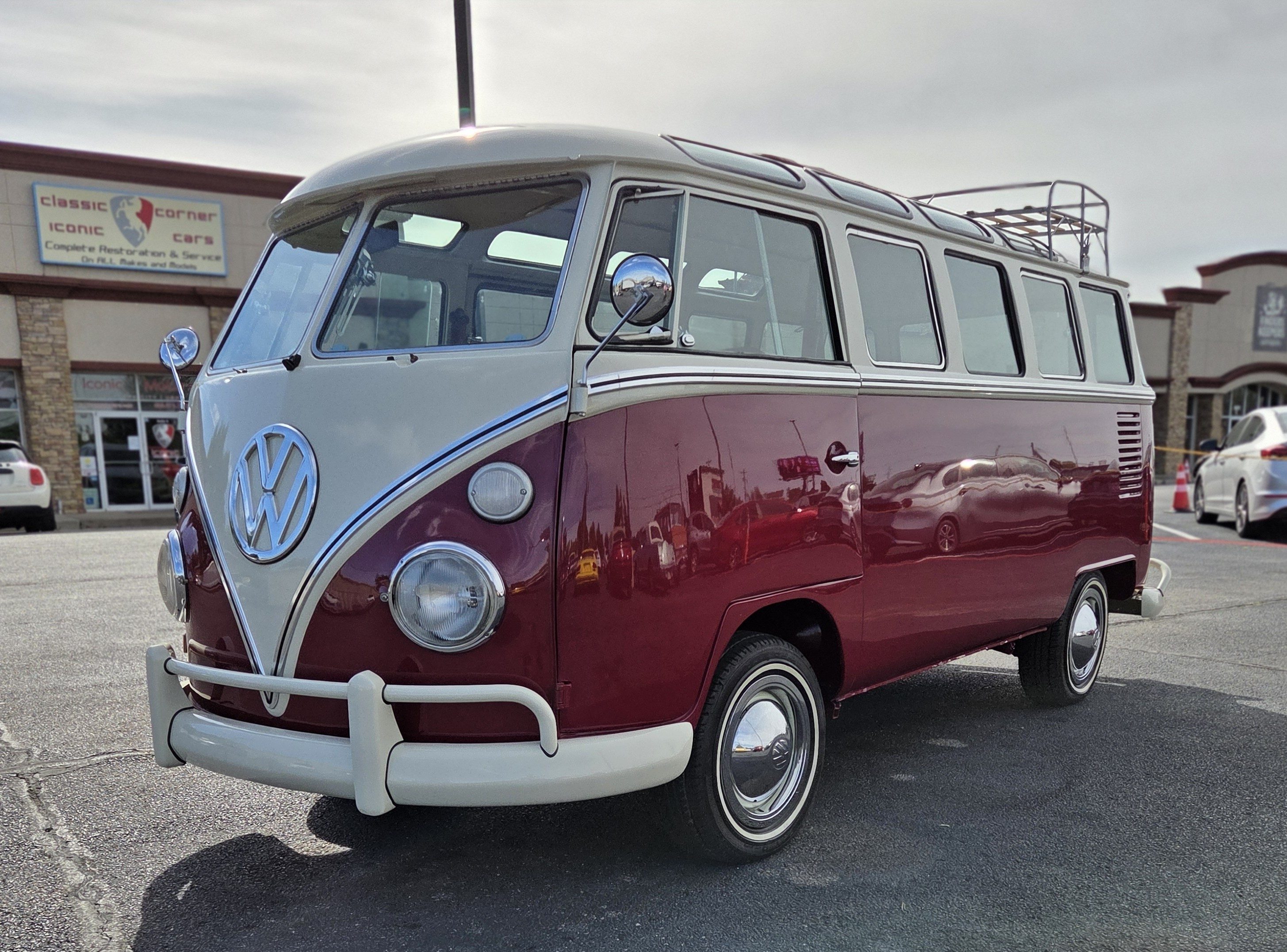
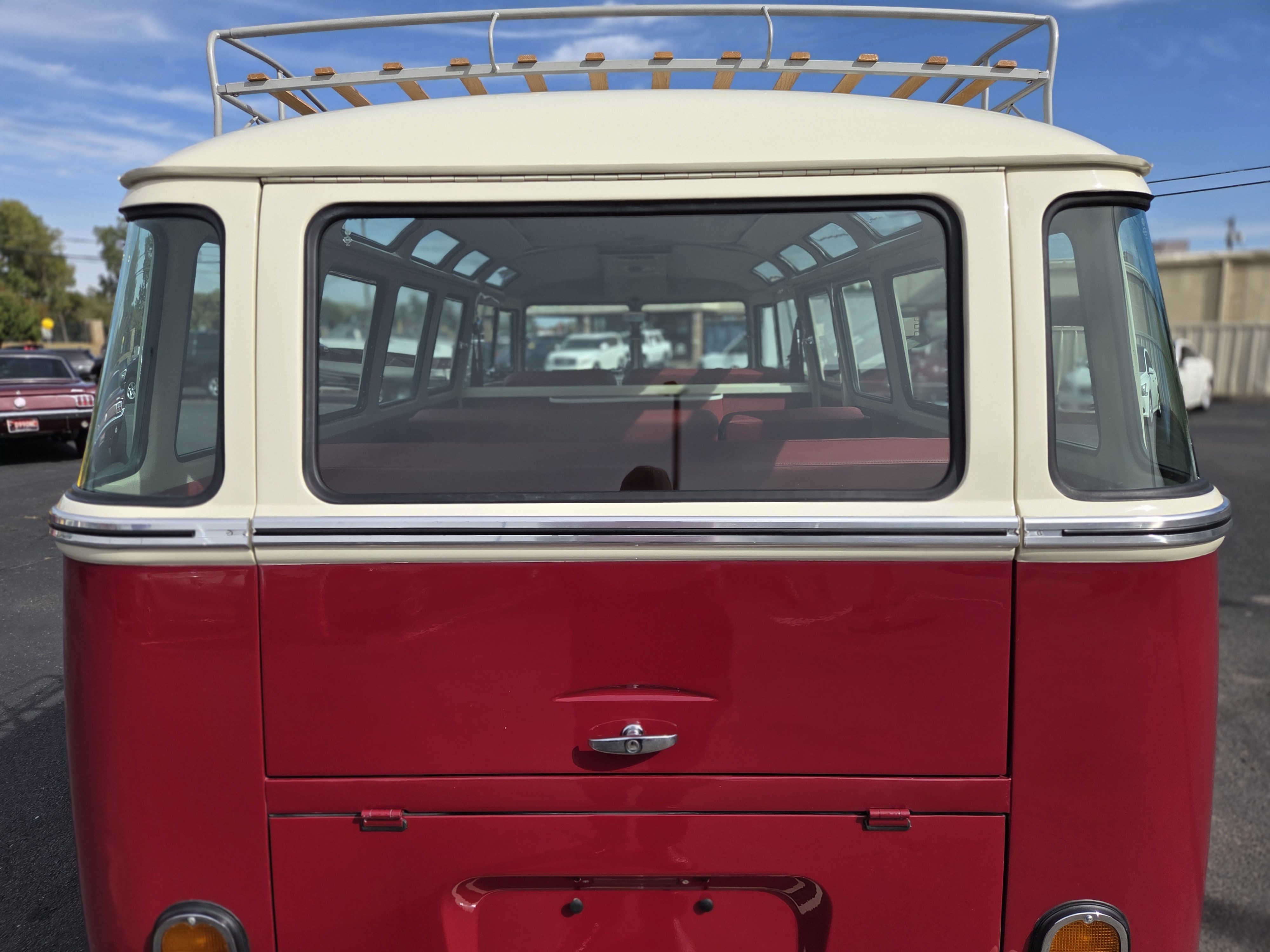
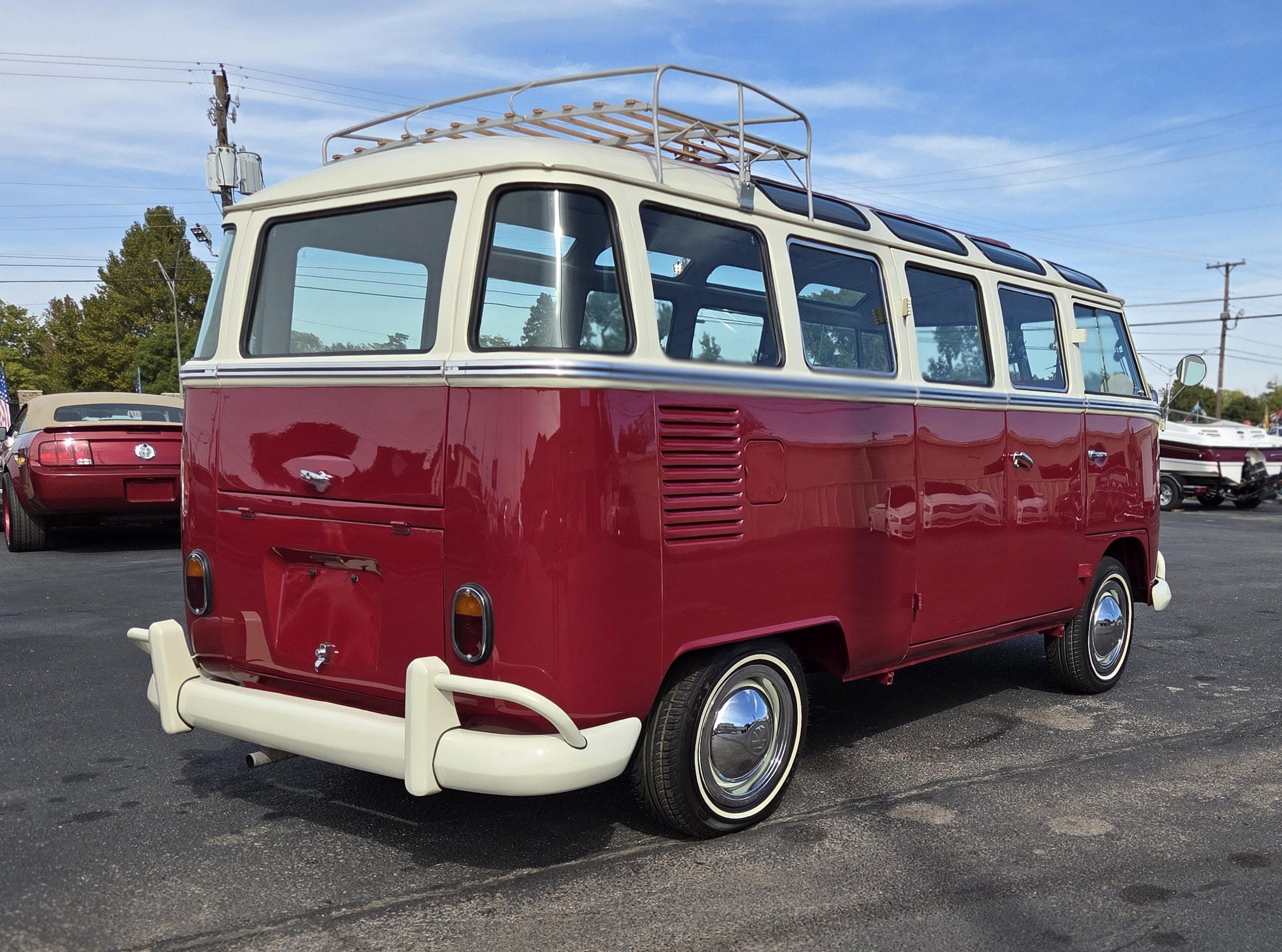
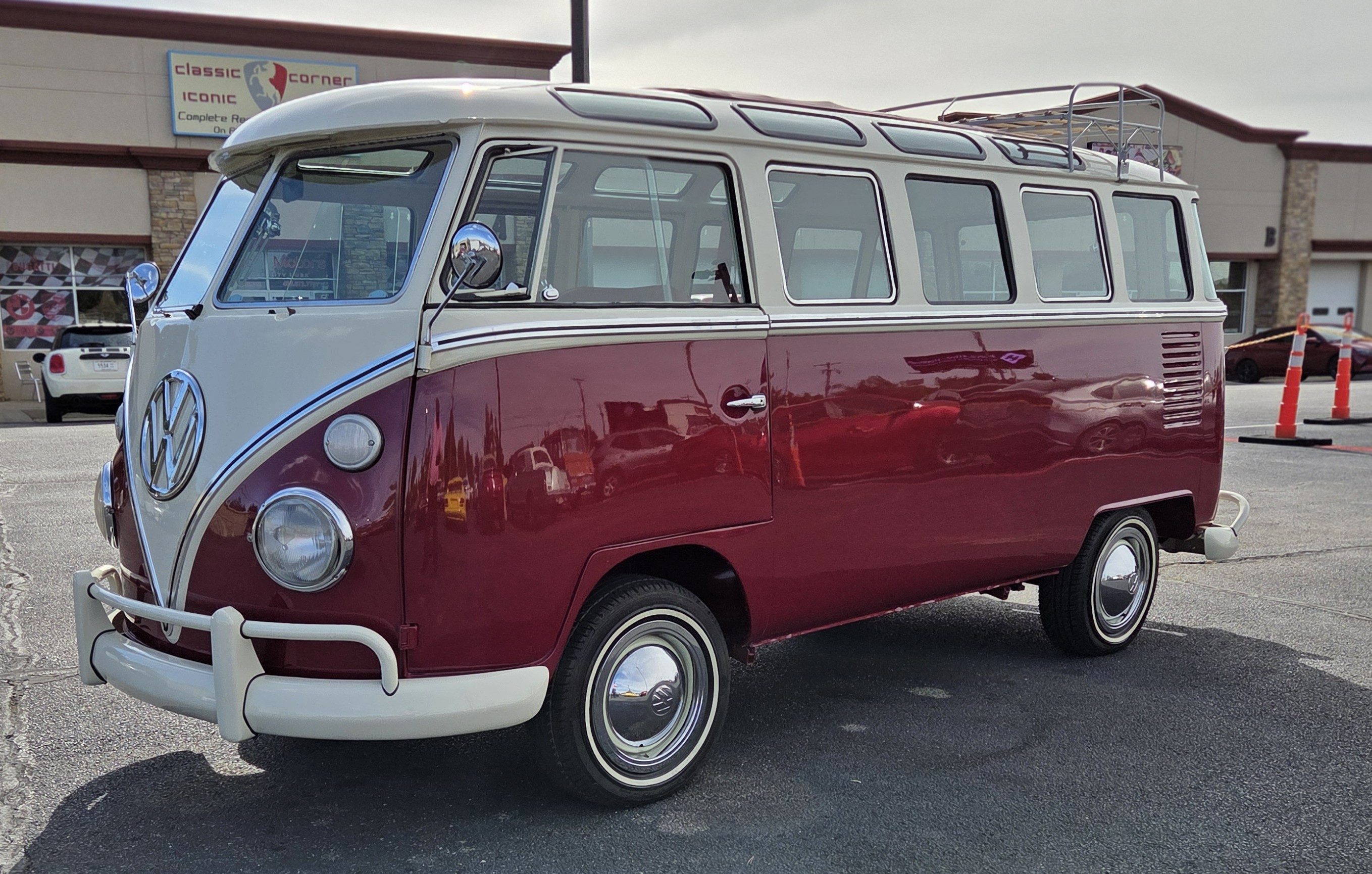
Few vehicles generate smiles and nostalgia quite like the Volkswagen Type 2 Bus, and the legendary 23-window configuration has long represented the most desirable version of them all. With its panoramic roofline, unmistakable silhouette, and carefree personality, the 23-window bus has become one of the most recognizable icons of classic motoring. This 1975 Volkswagen Type 2 Bus, offered as part of a Barn Finds Auction in Oklahoma City, features a custom 23-window conversion along with a restored presentation and eye-catching two-tone styling.
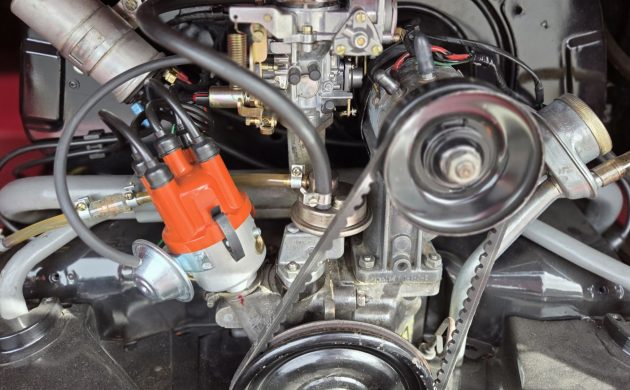
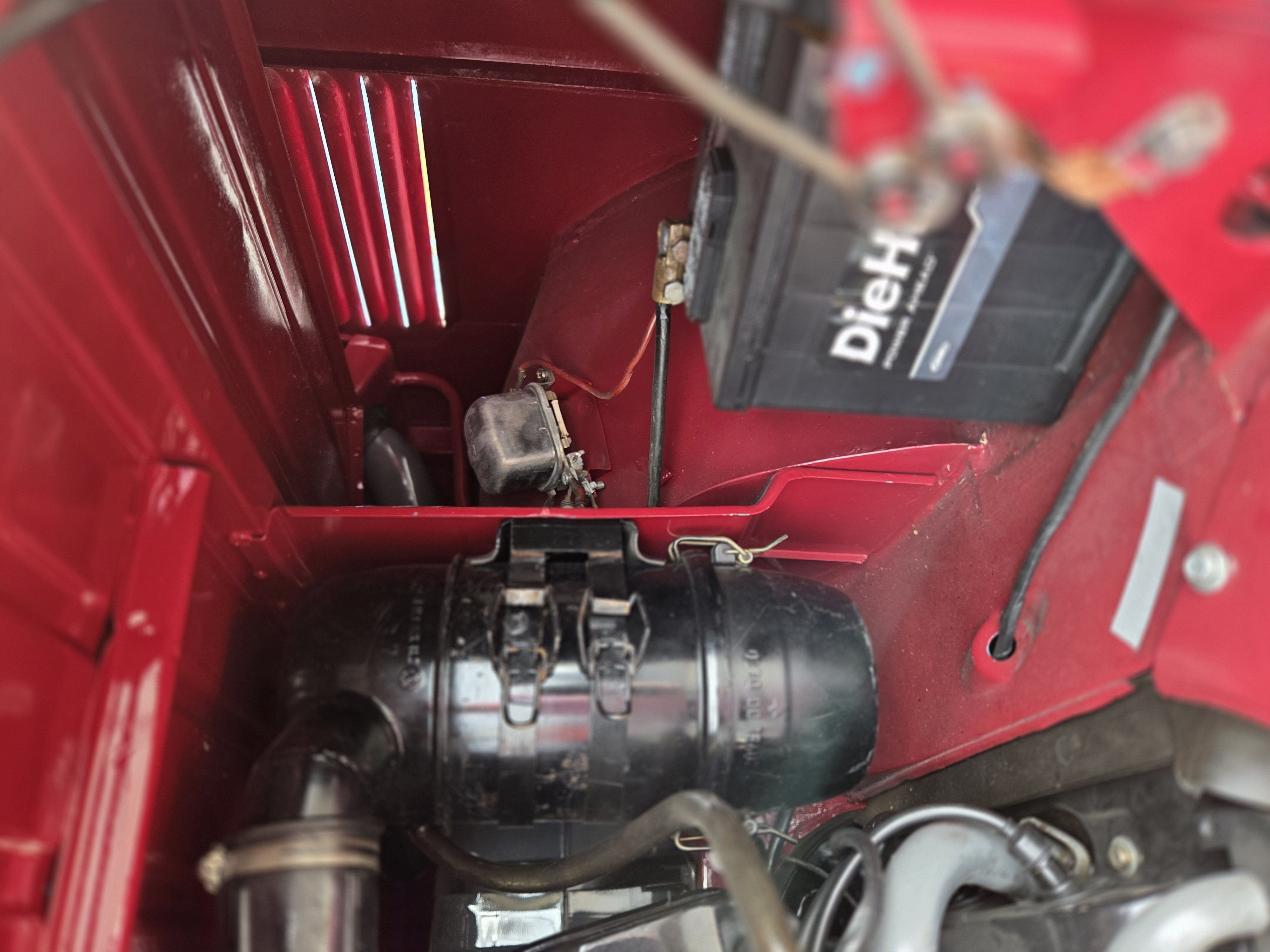
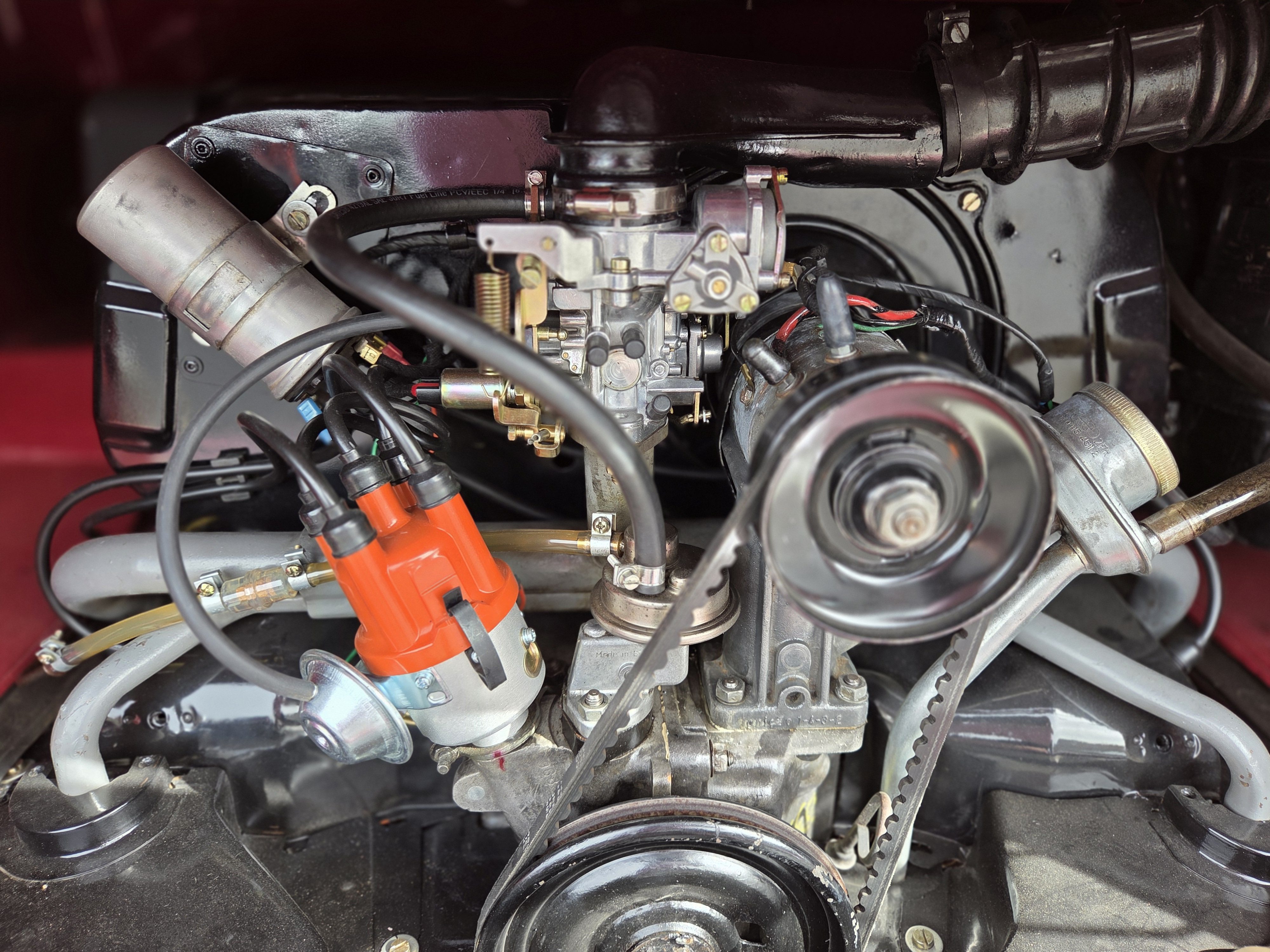
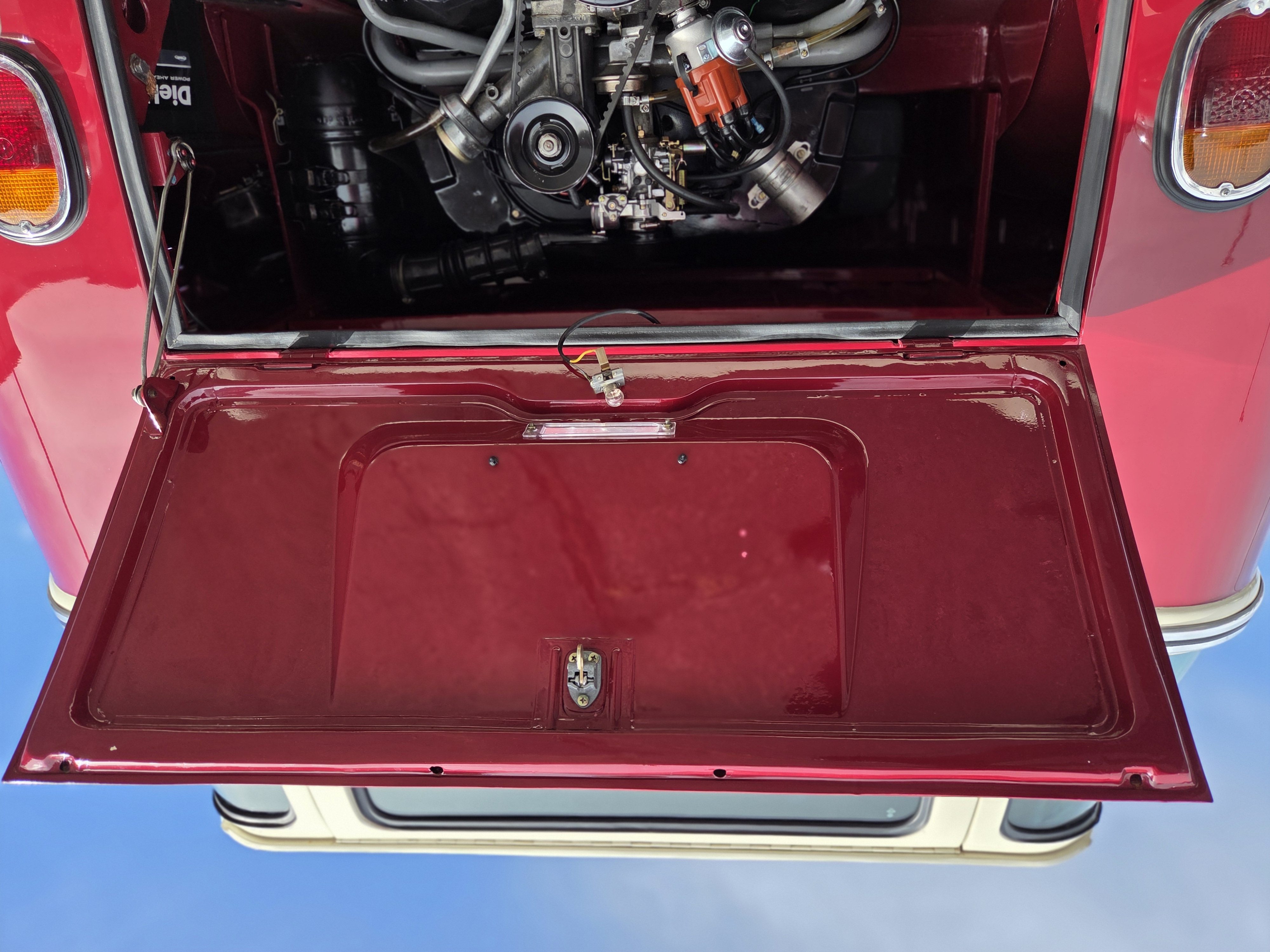
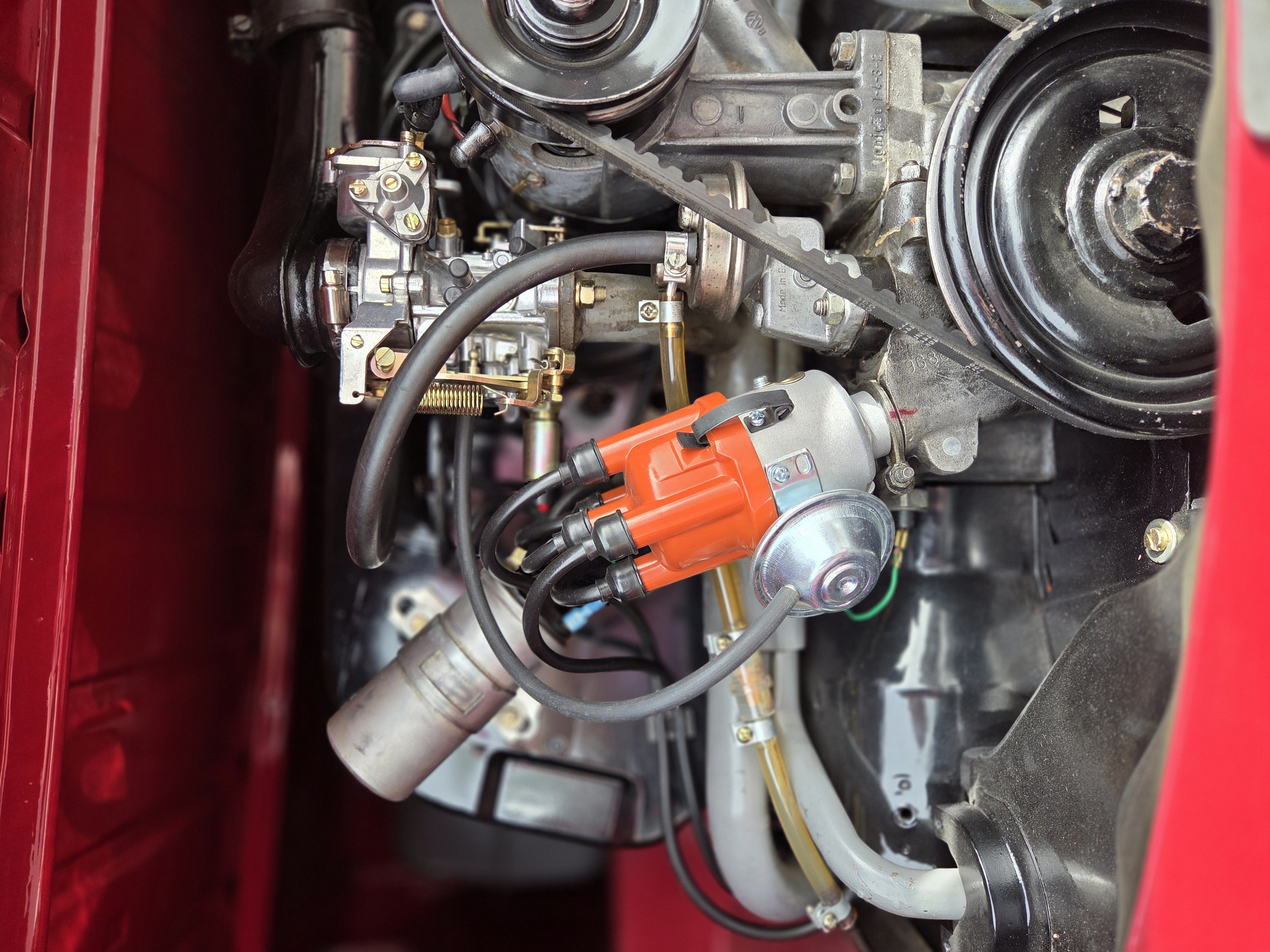
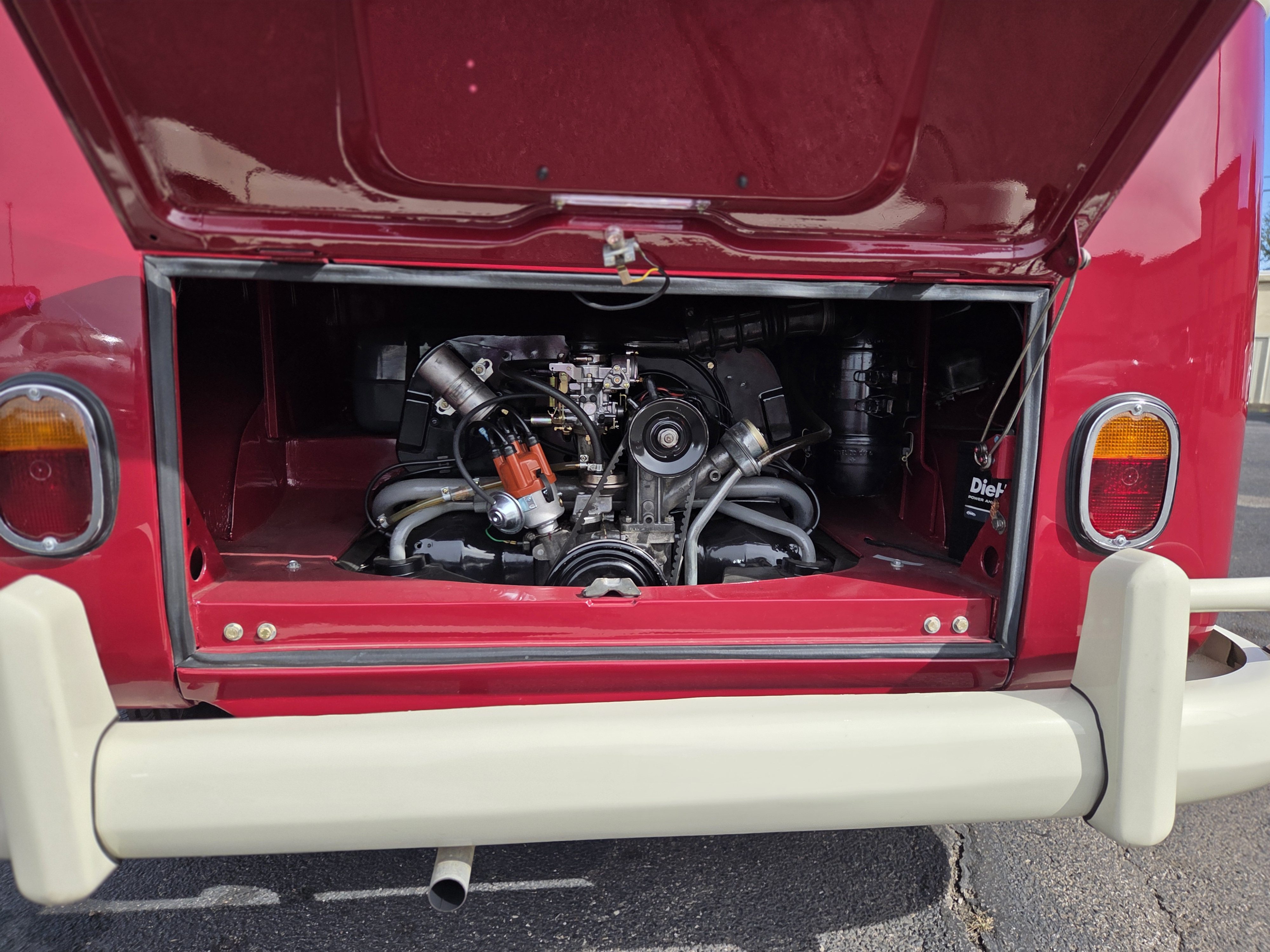
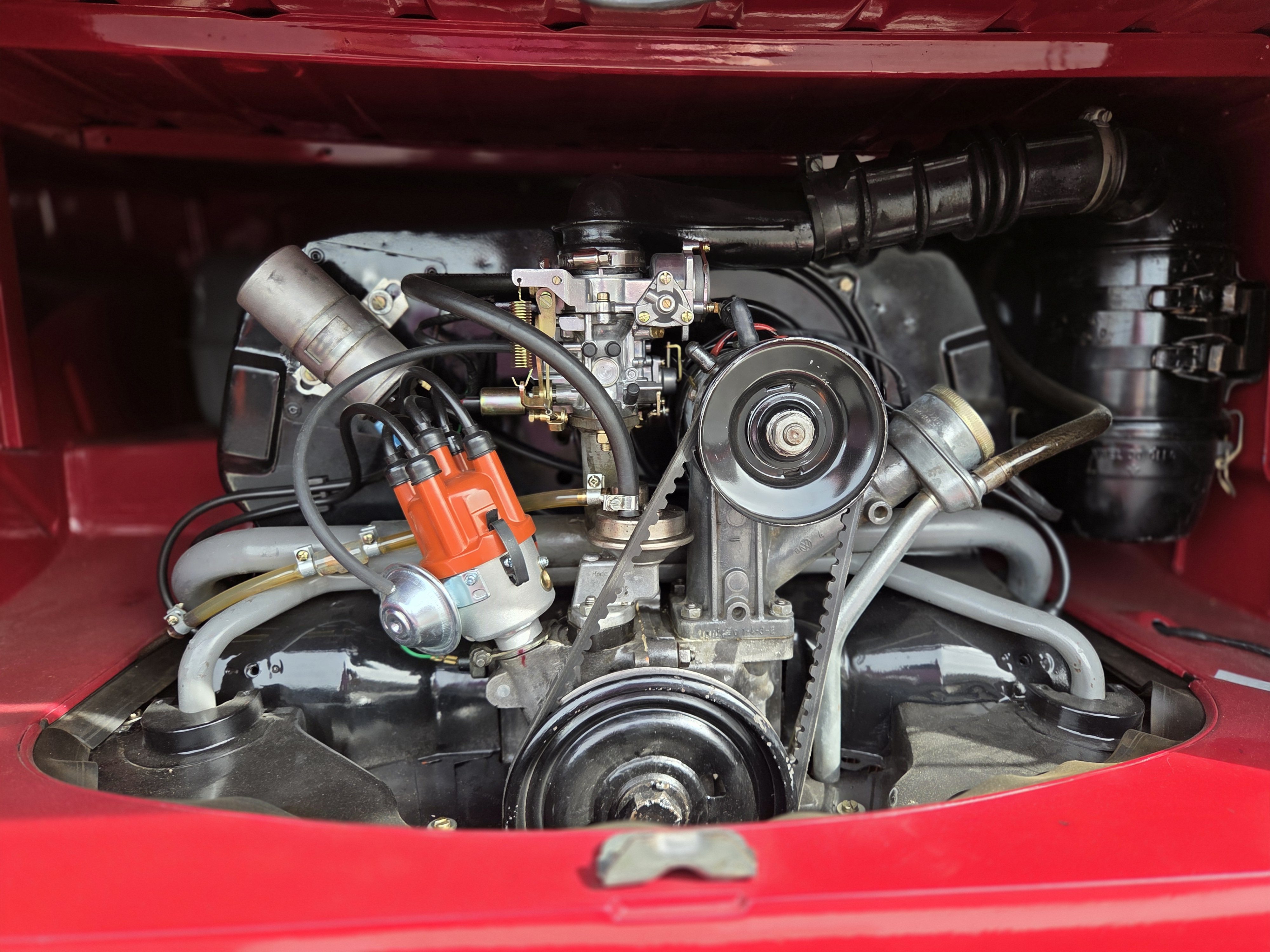
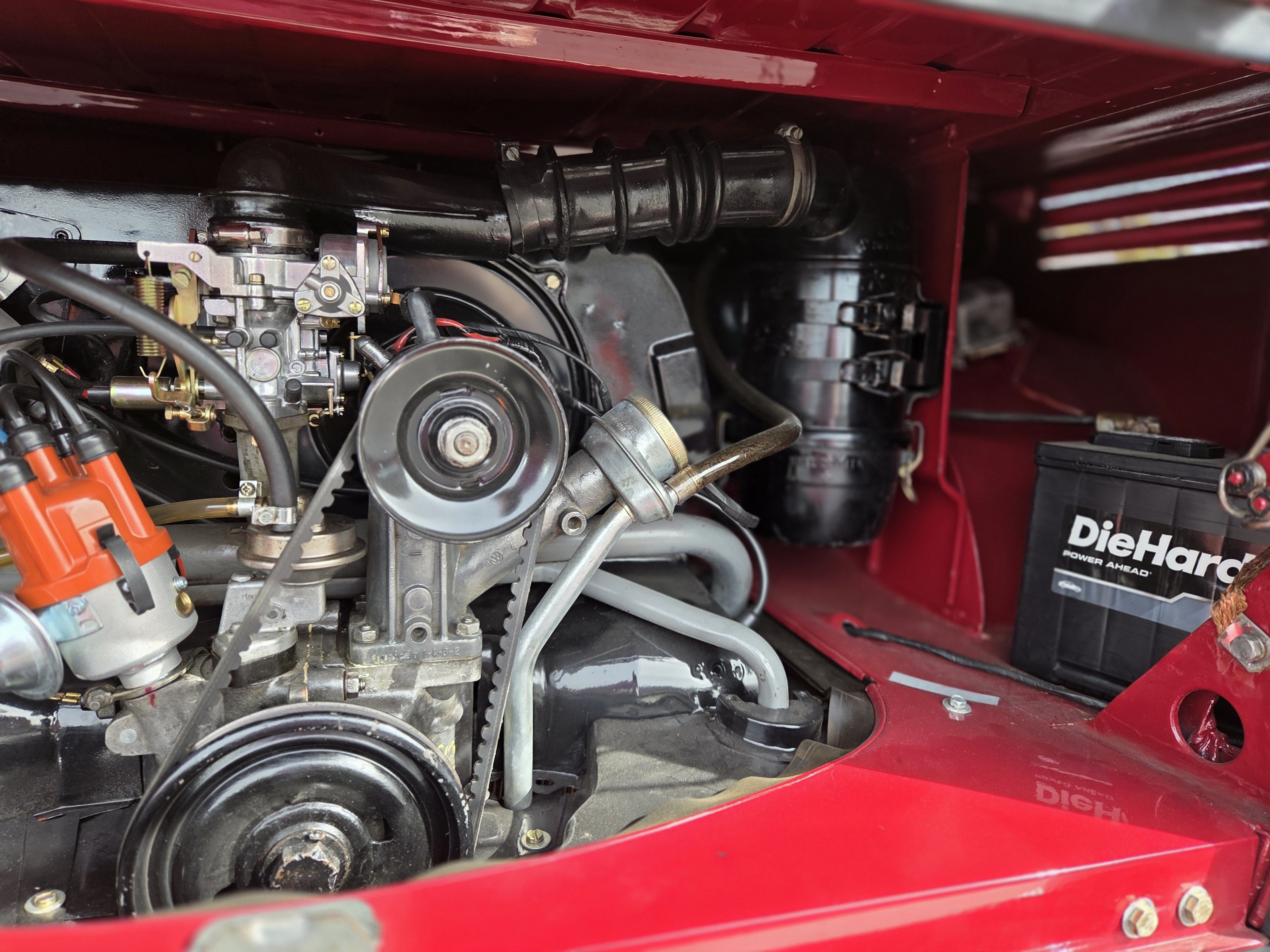
Power comes from a 1500cc air-cooled engine paired with a 4-speed manual transmission. That simple, traditional Volkswagen drivetrain keeps the driving experience authentic and approachable, just as these buses were originally intended. The seller notes that this example began life as a Brazilian-built bus and has since undergone a comprehensive restoration in which, according to the listing, every inch has been addressed.
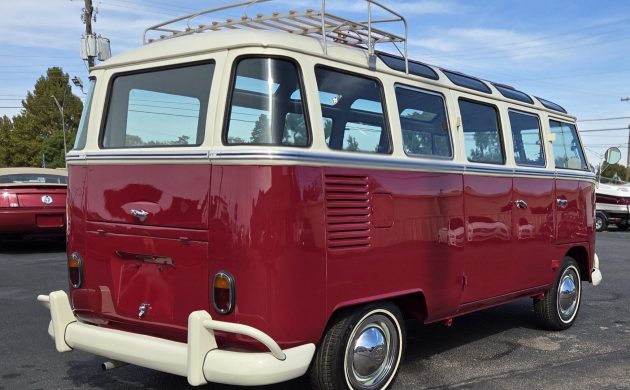
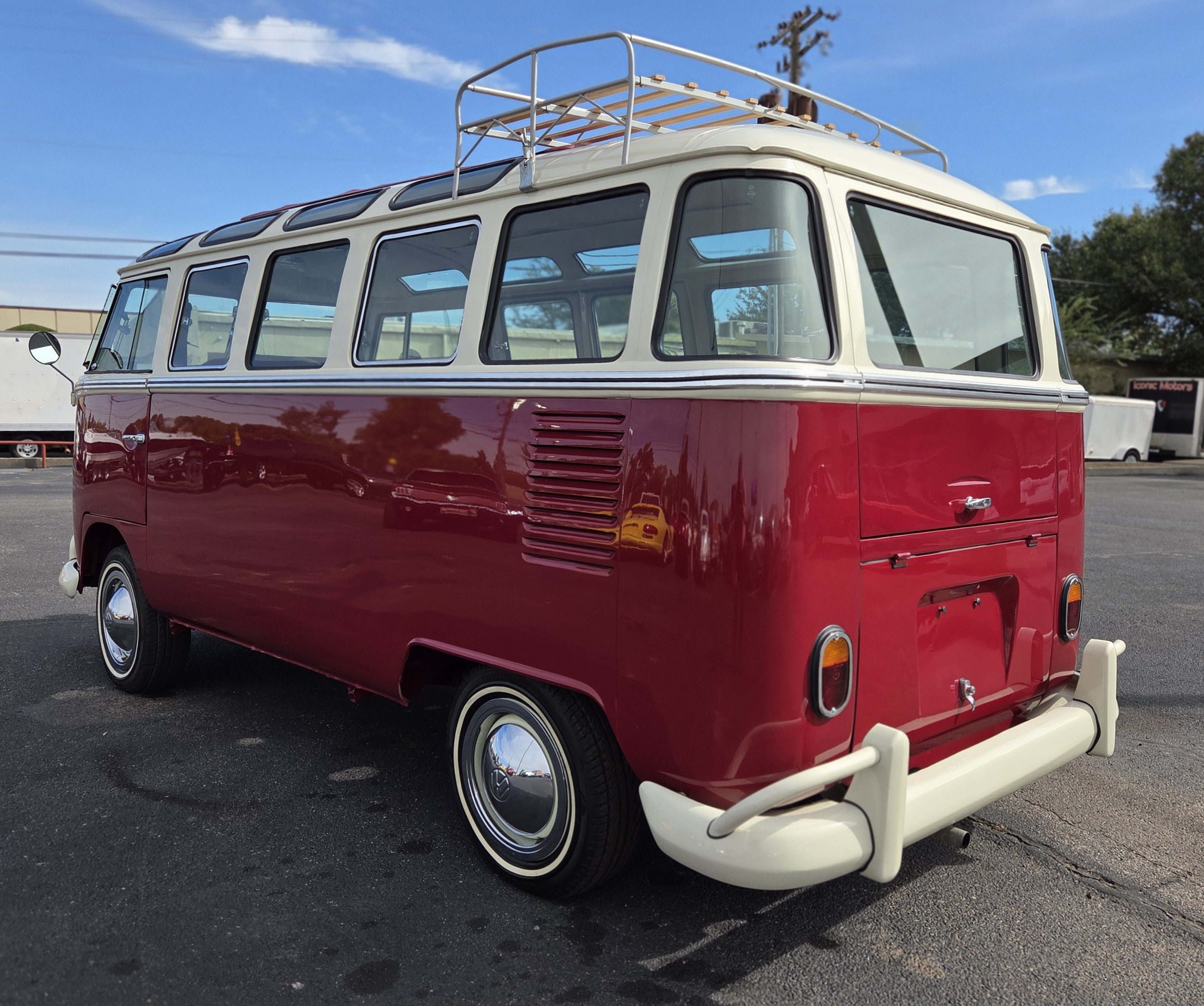
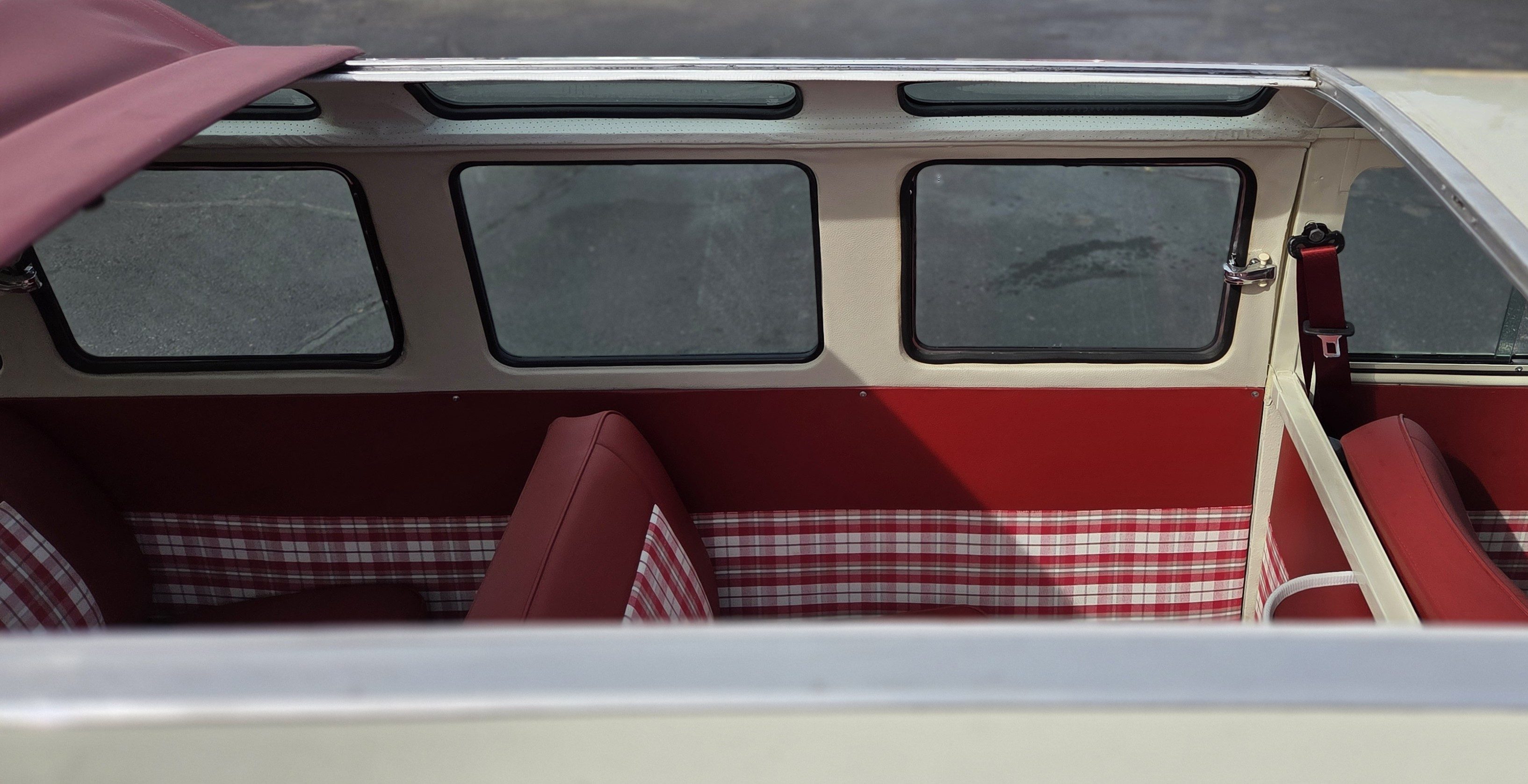
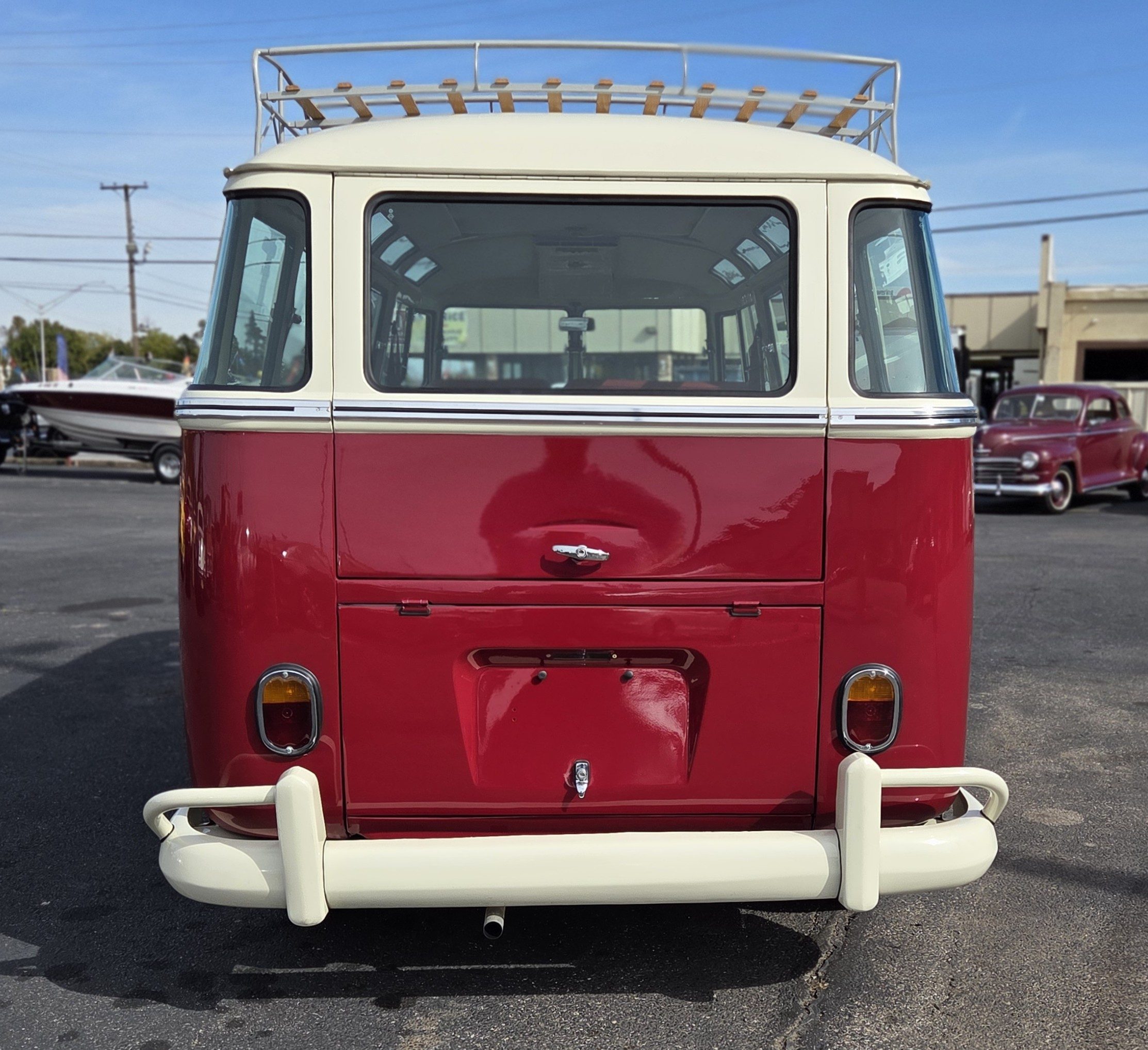
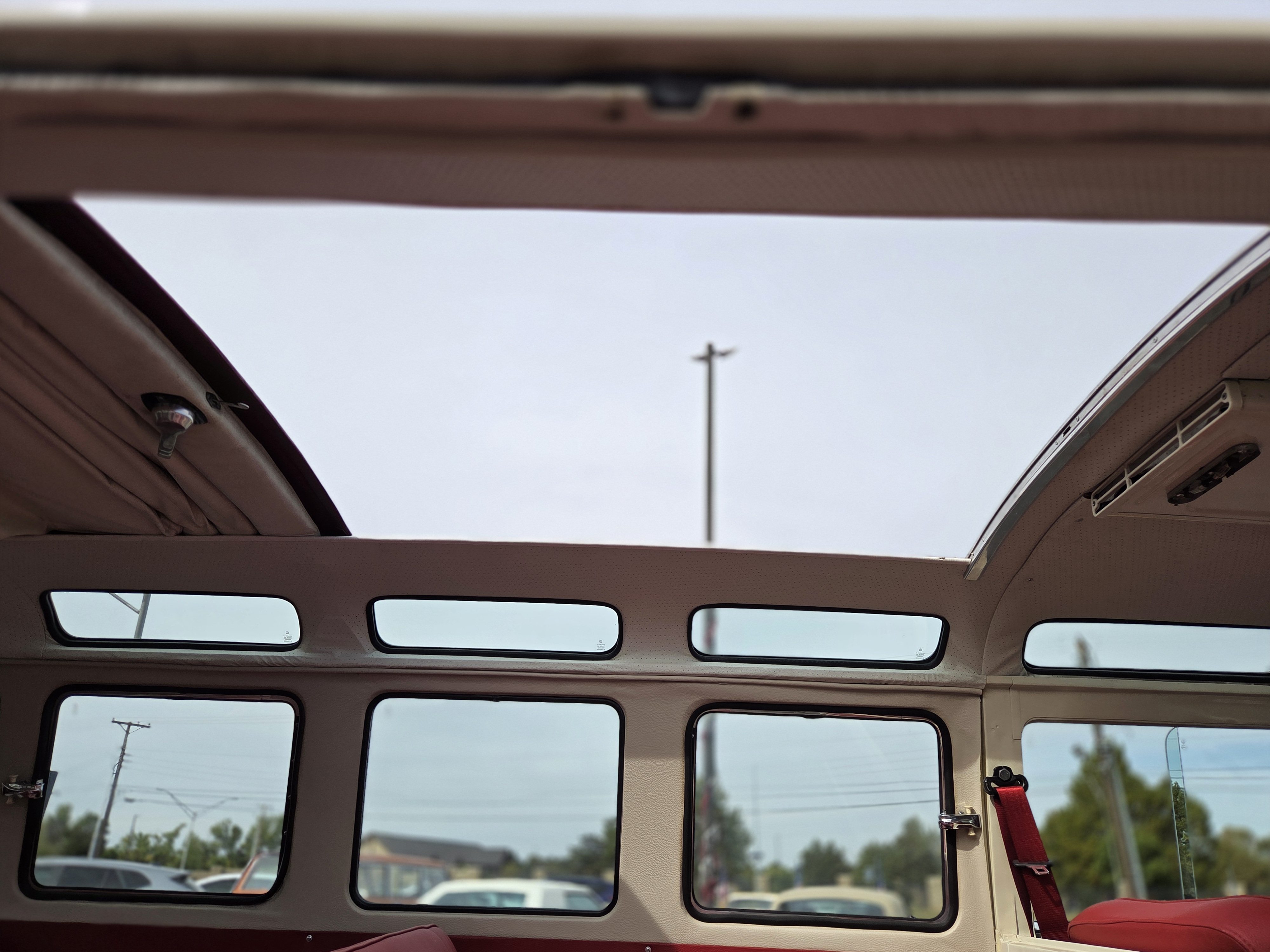
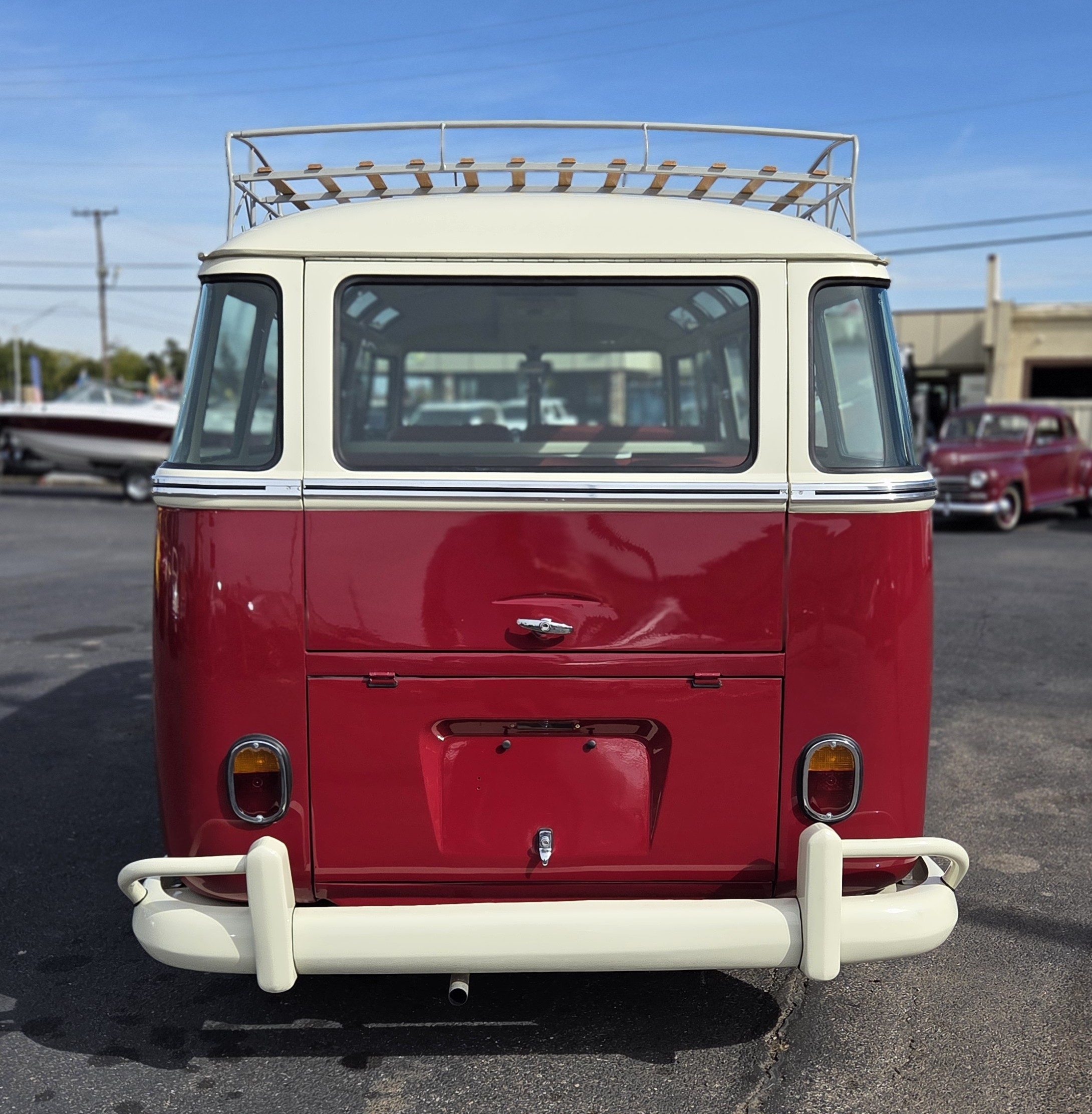
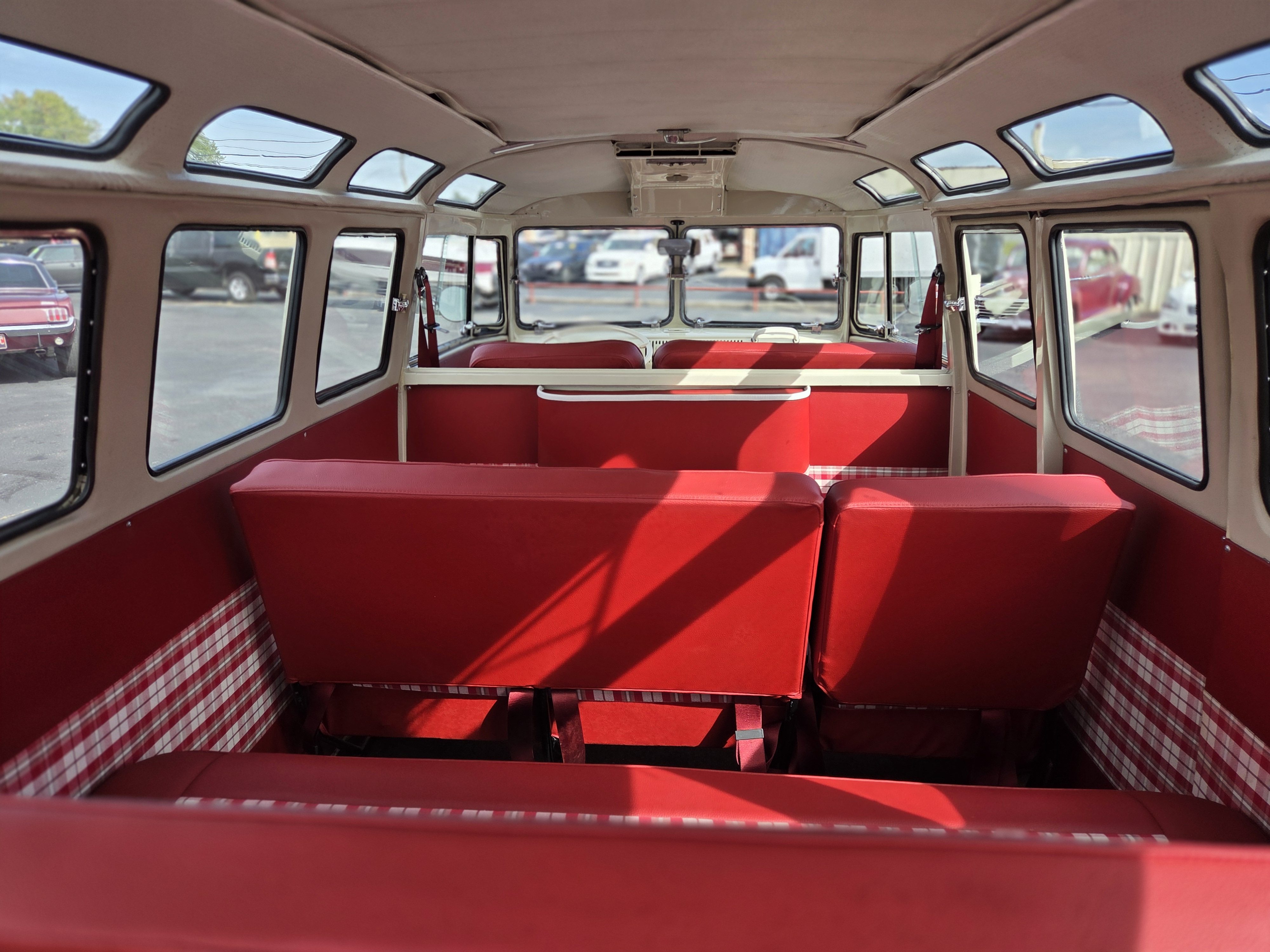
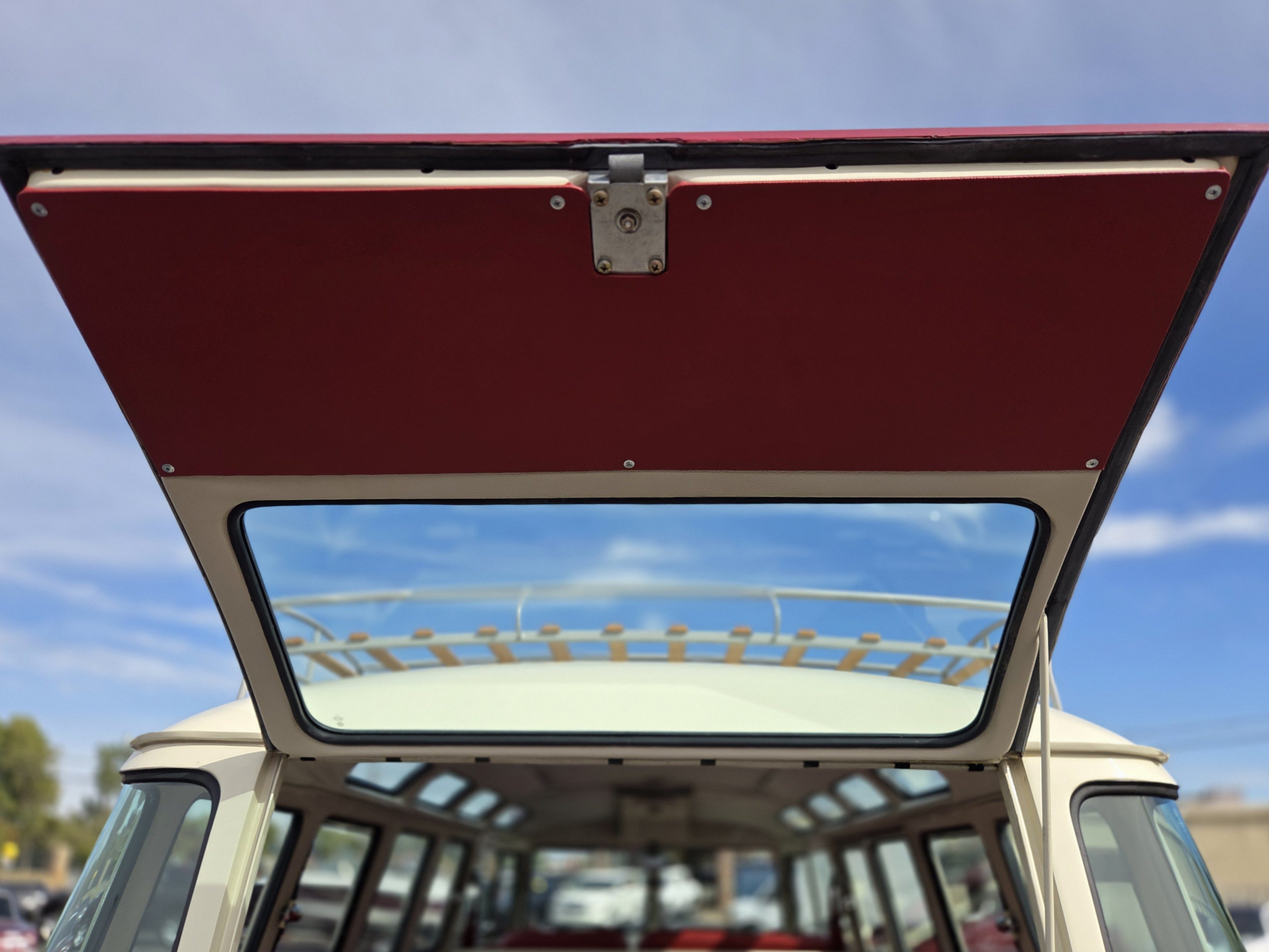
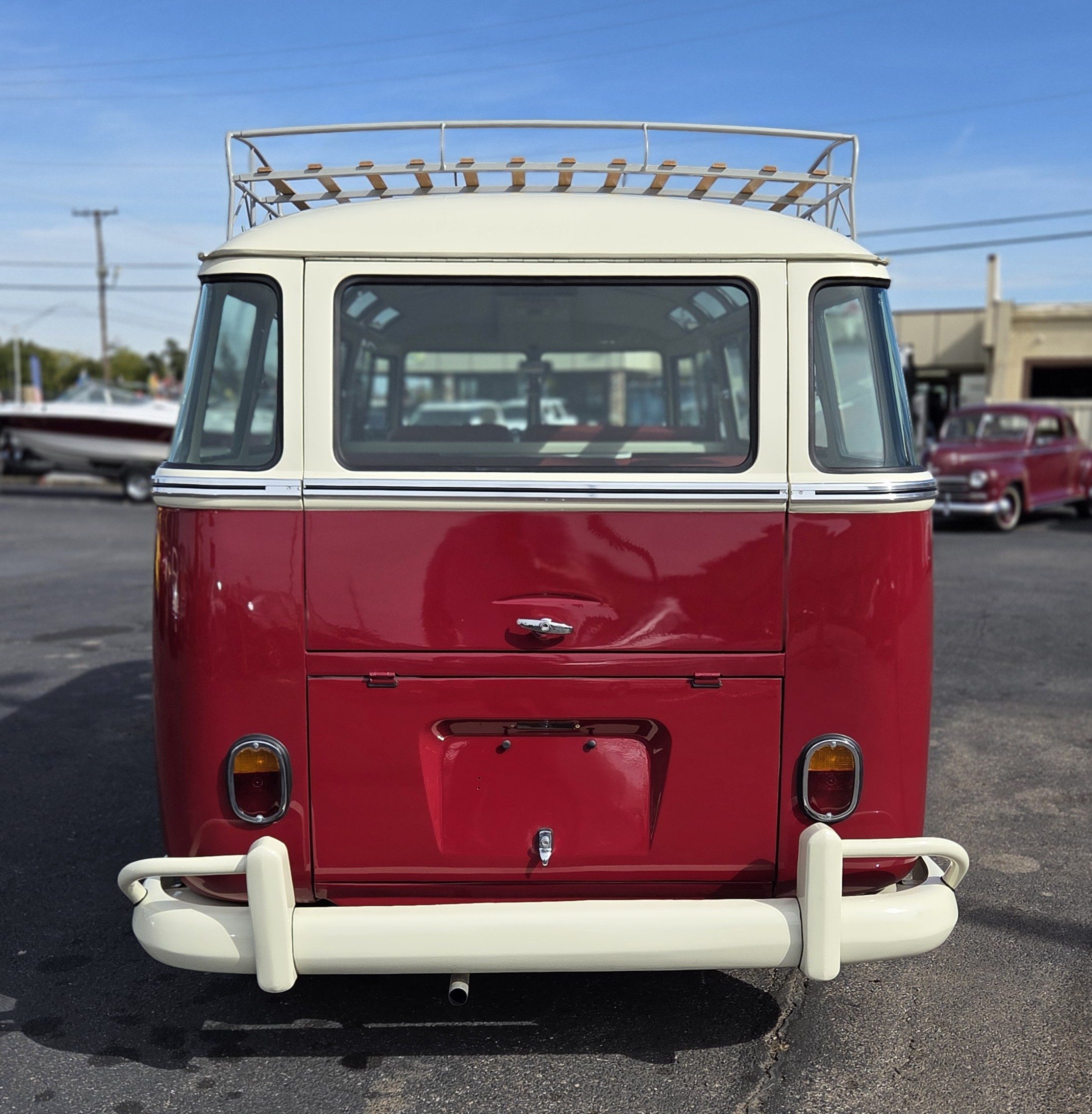
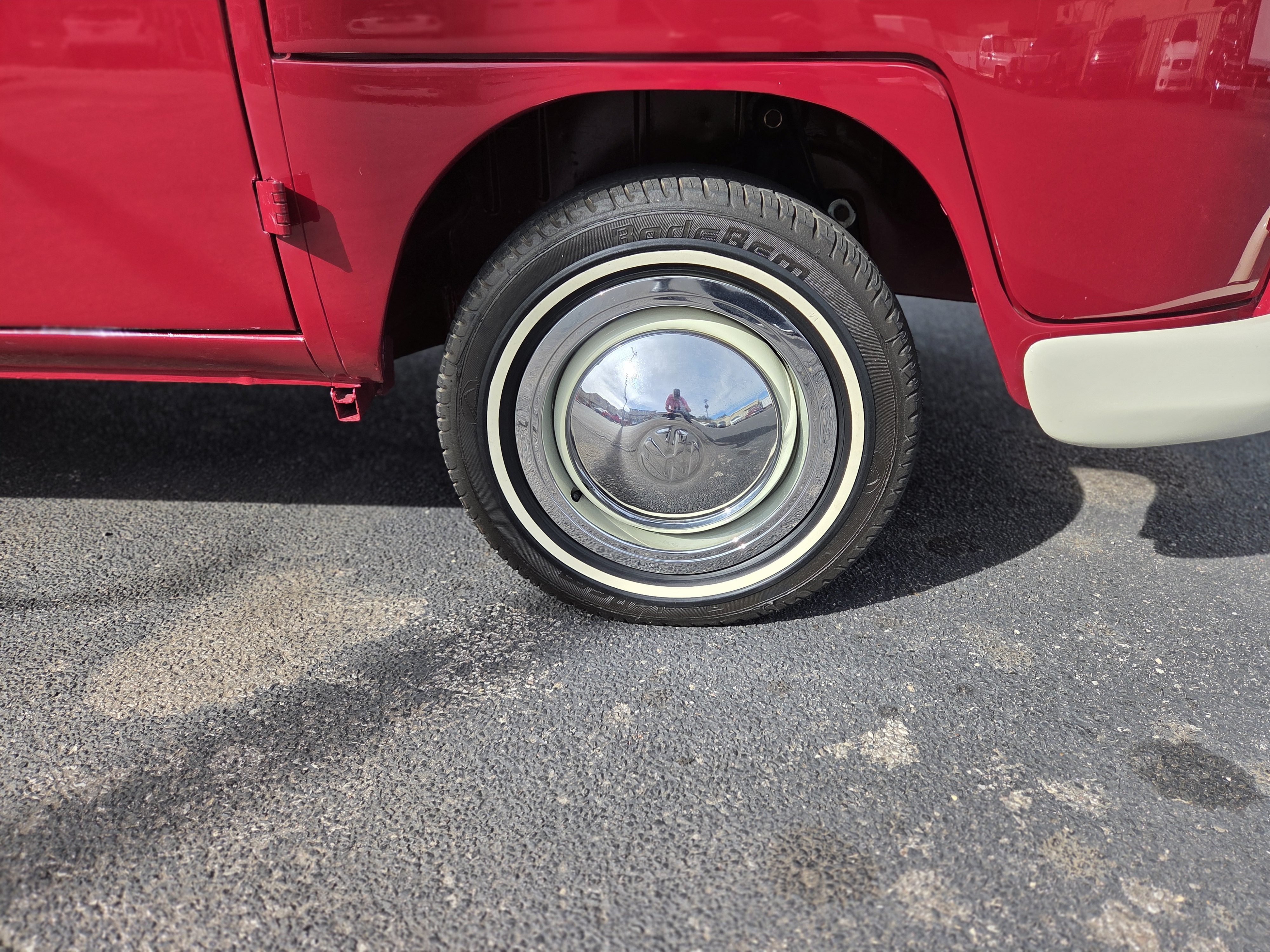
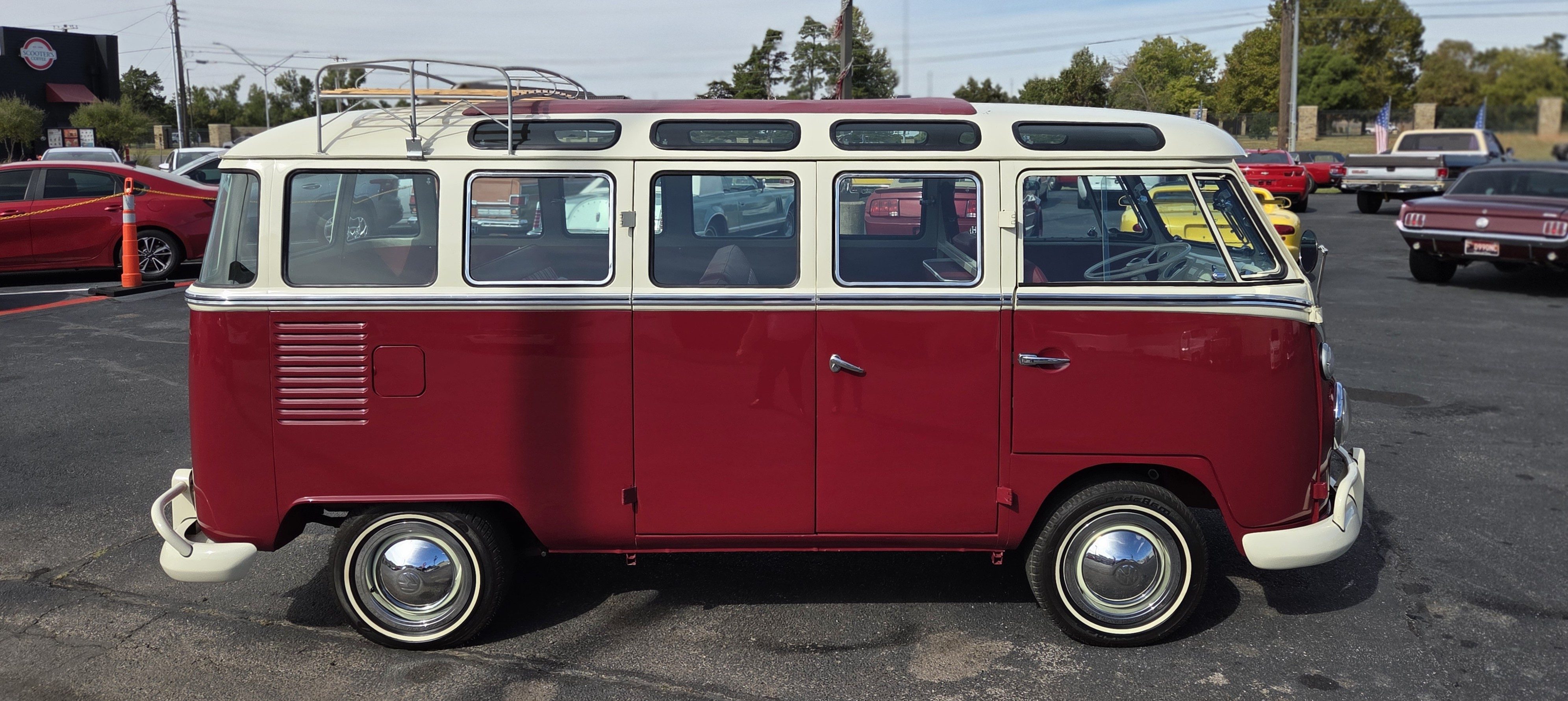
One of the most notable elements is the custom 23-window conversion. The 23-window layout is among the most recognizable configurations in the Volkswagen bus world, prized for its panoramic look and classic styling. Finished in a two-tone red-and-white color scheme, this bus delivers the kind of vintage appearance that instantly stands out.
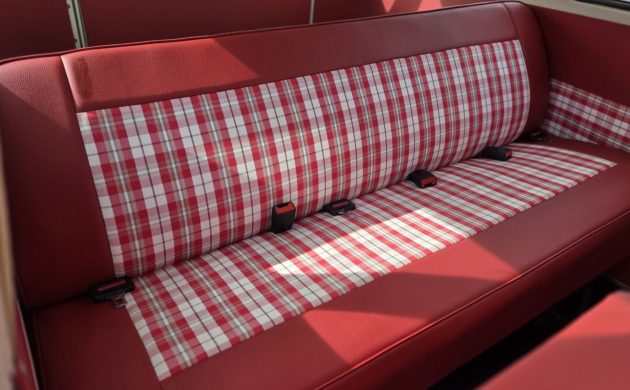
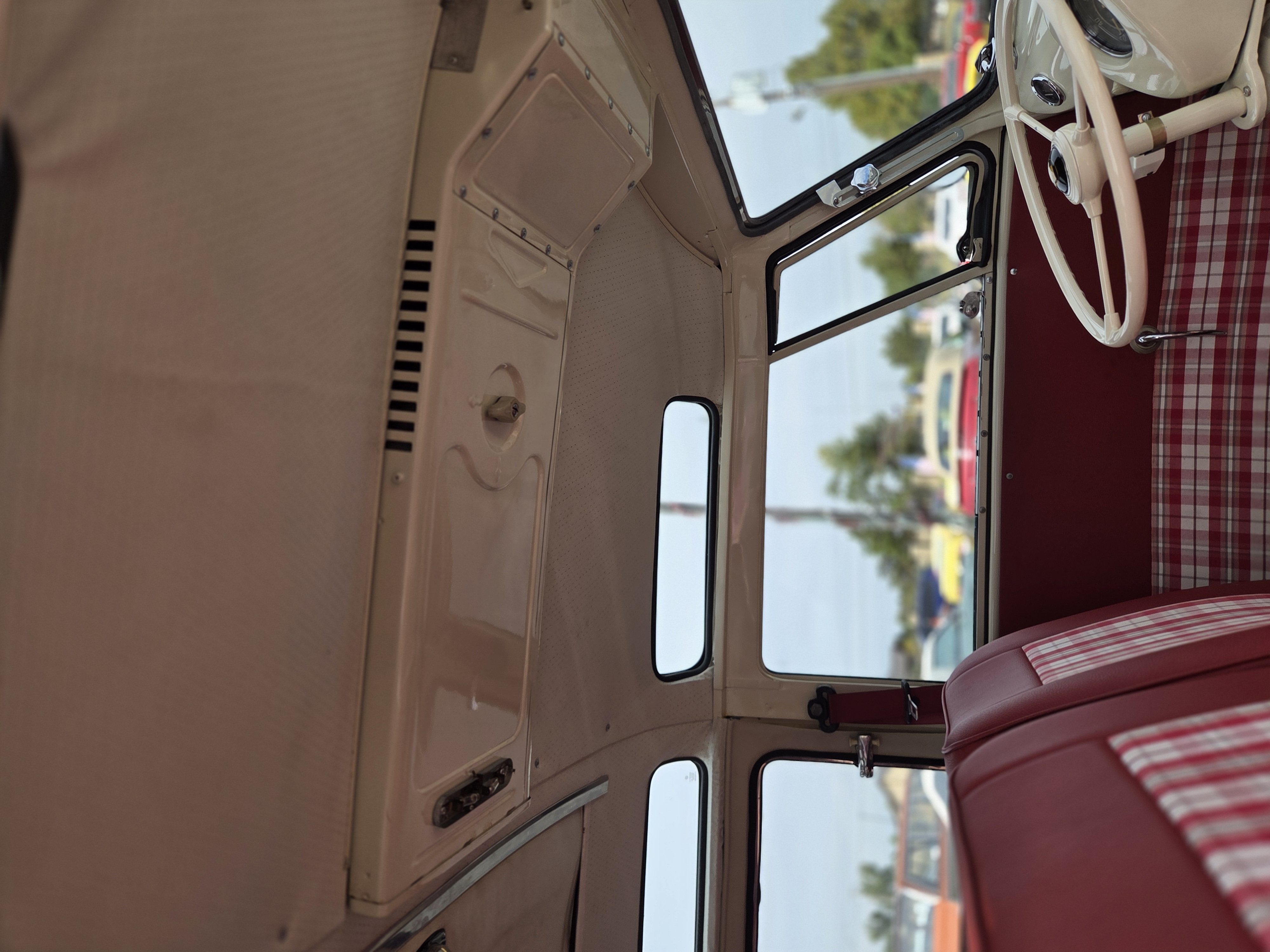
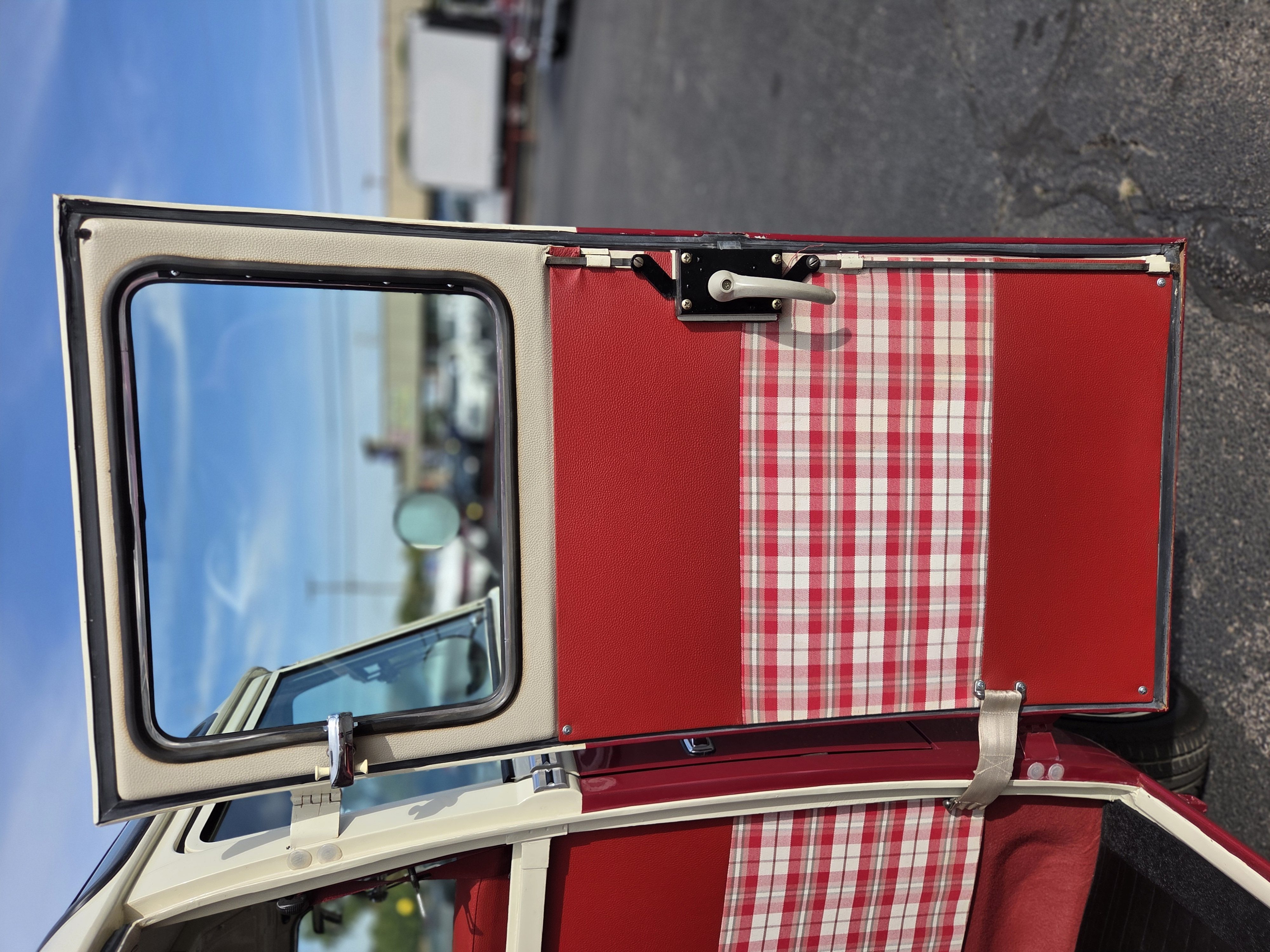
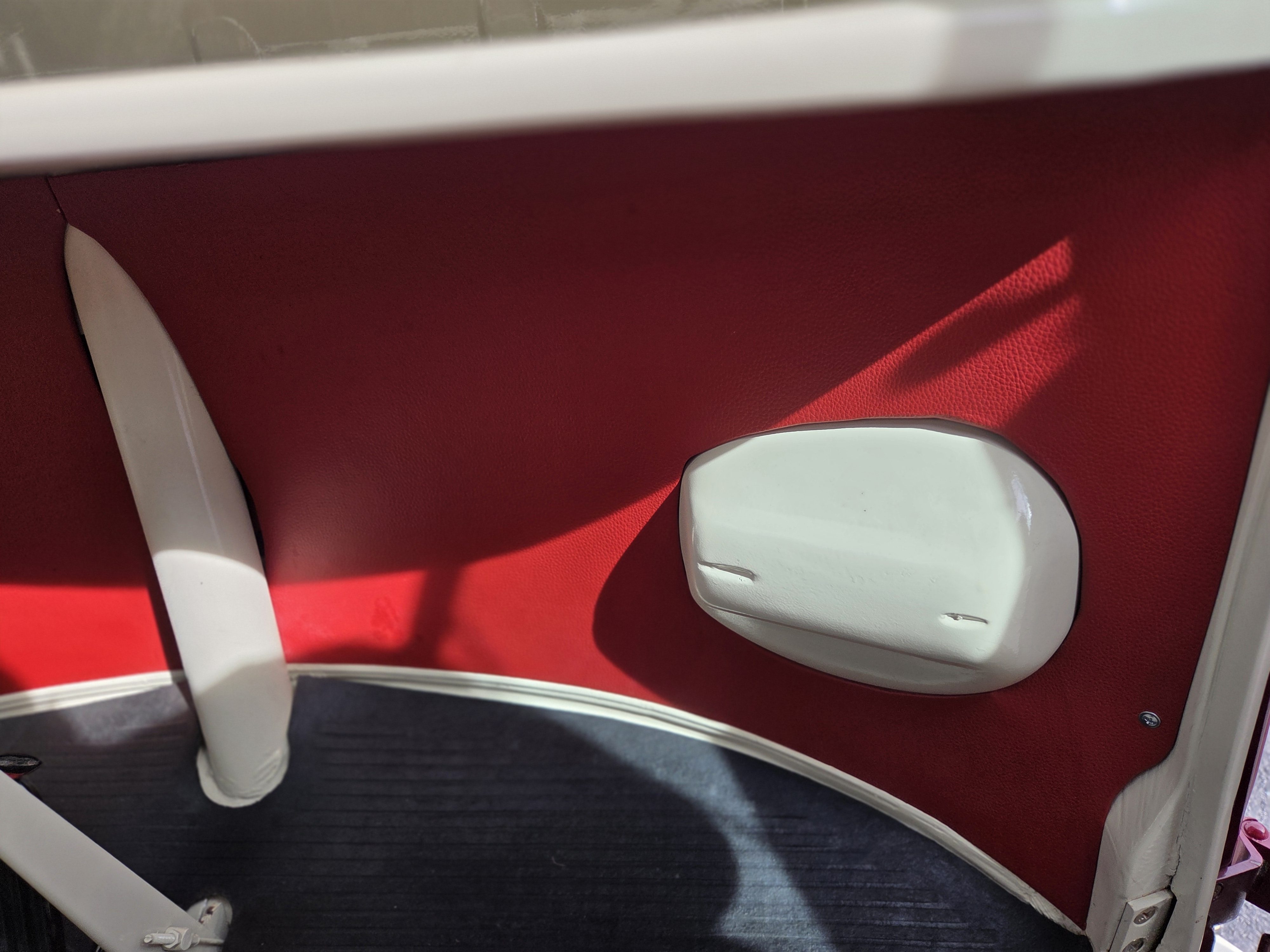
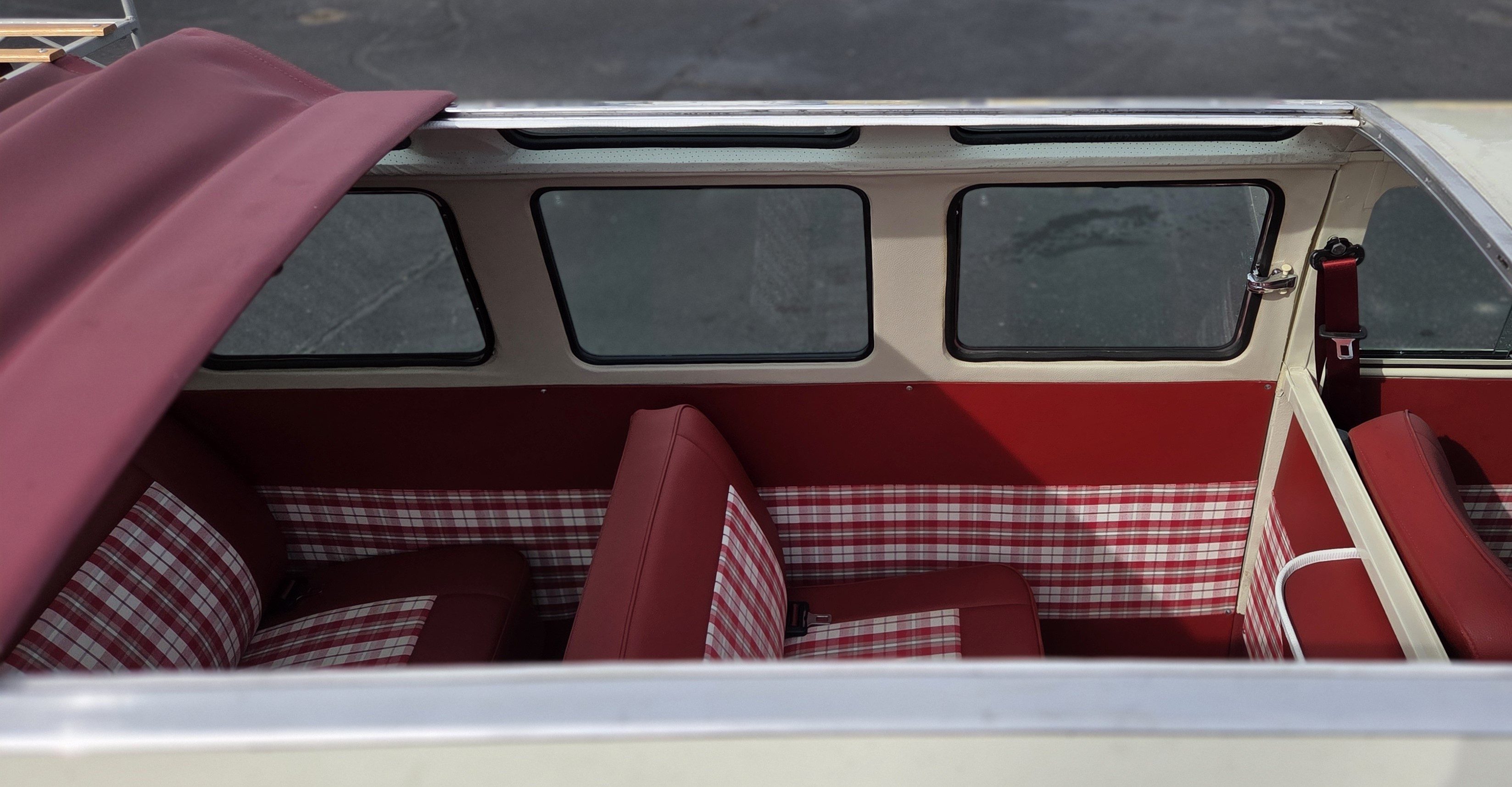
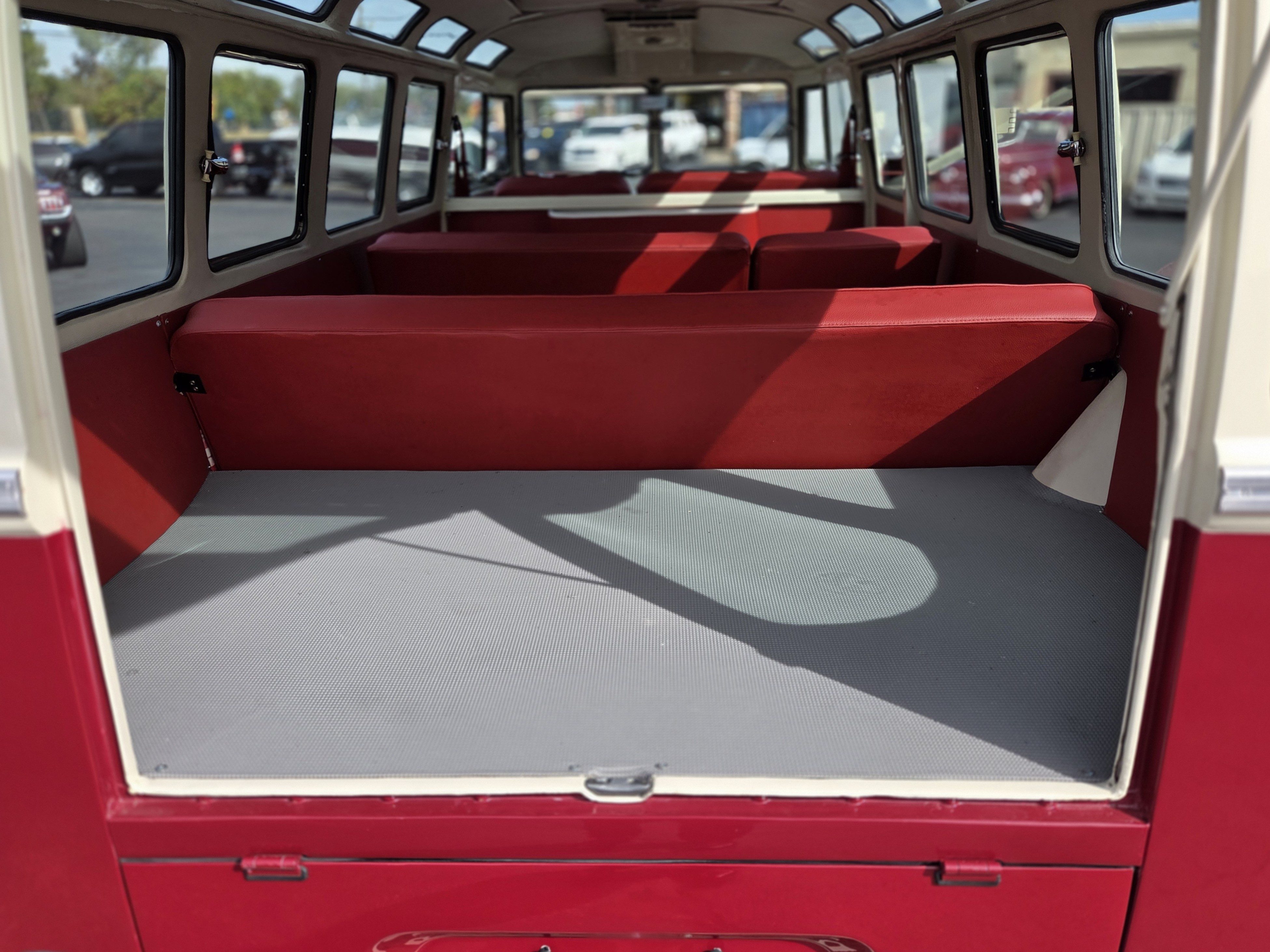
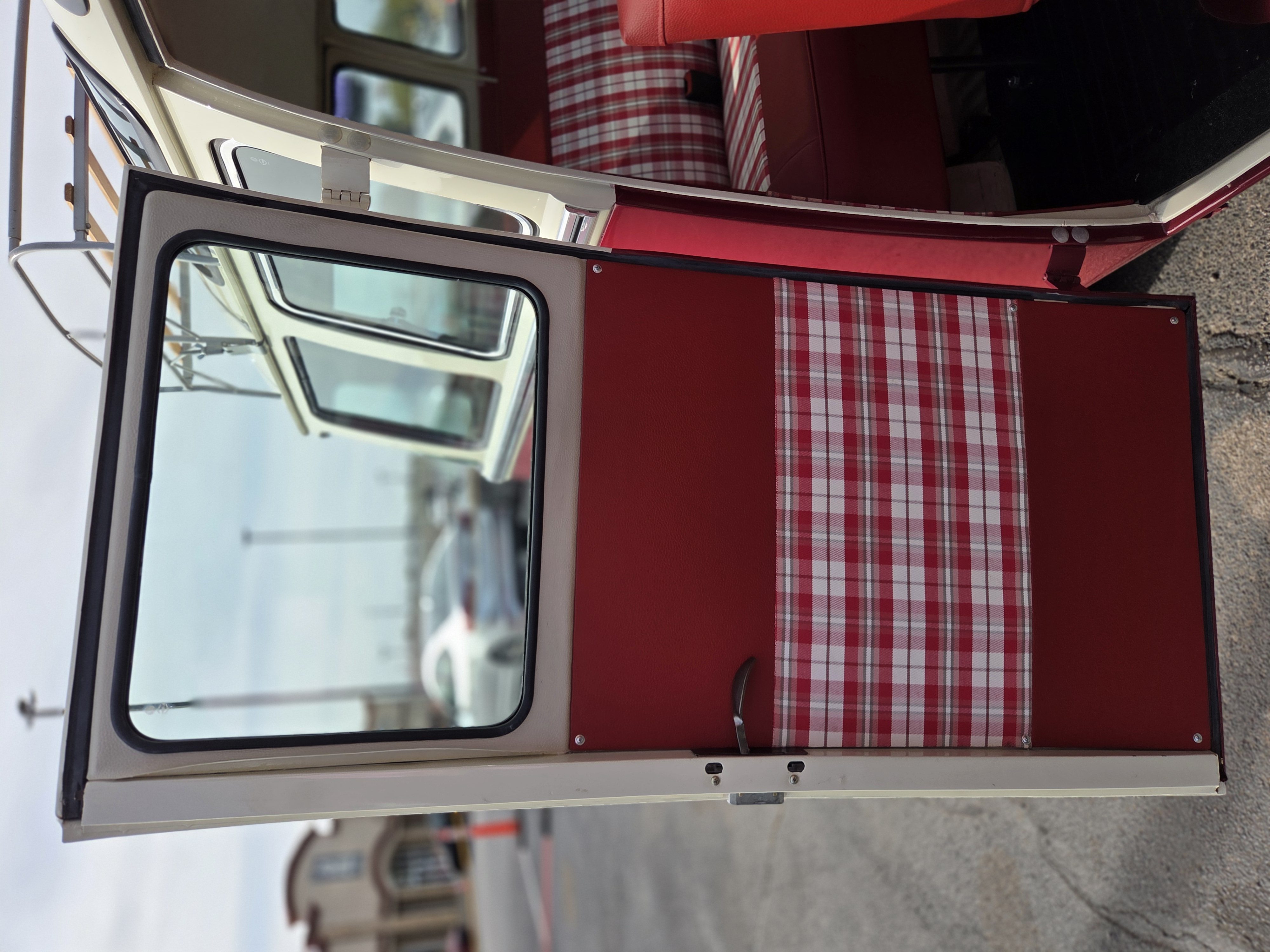
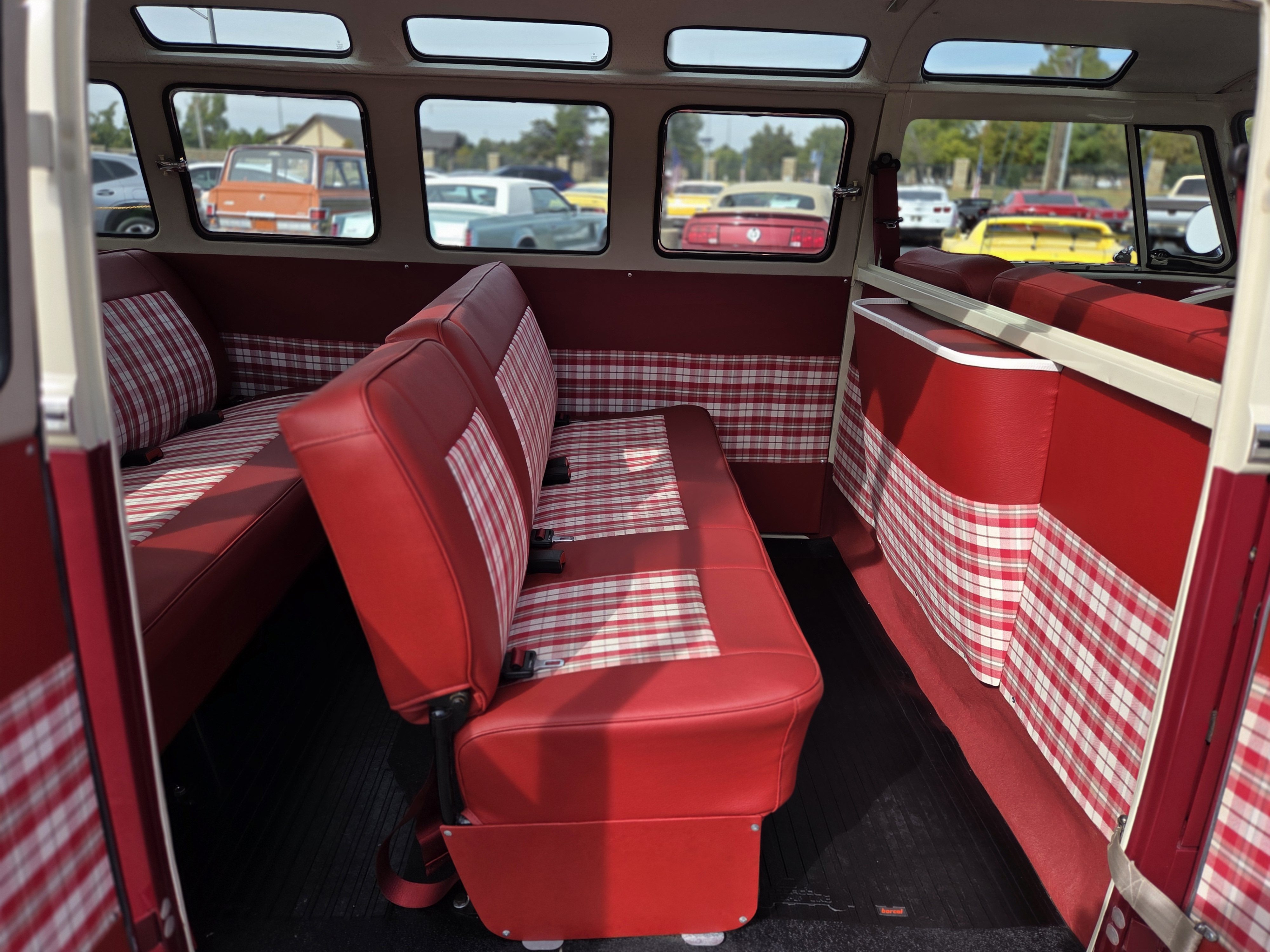
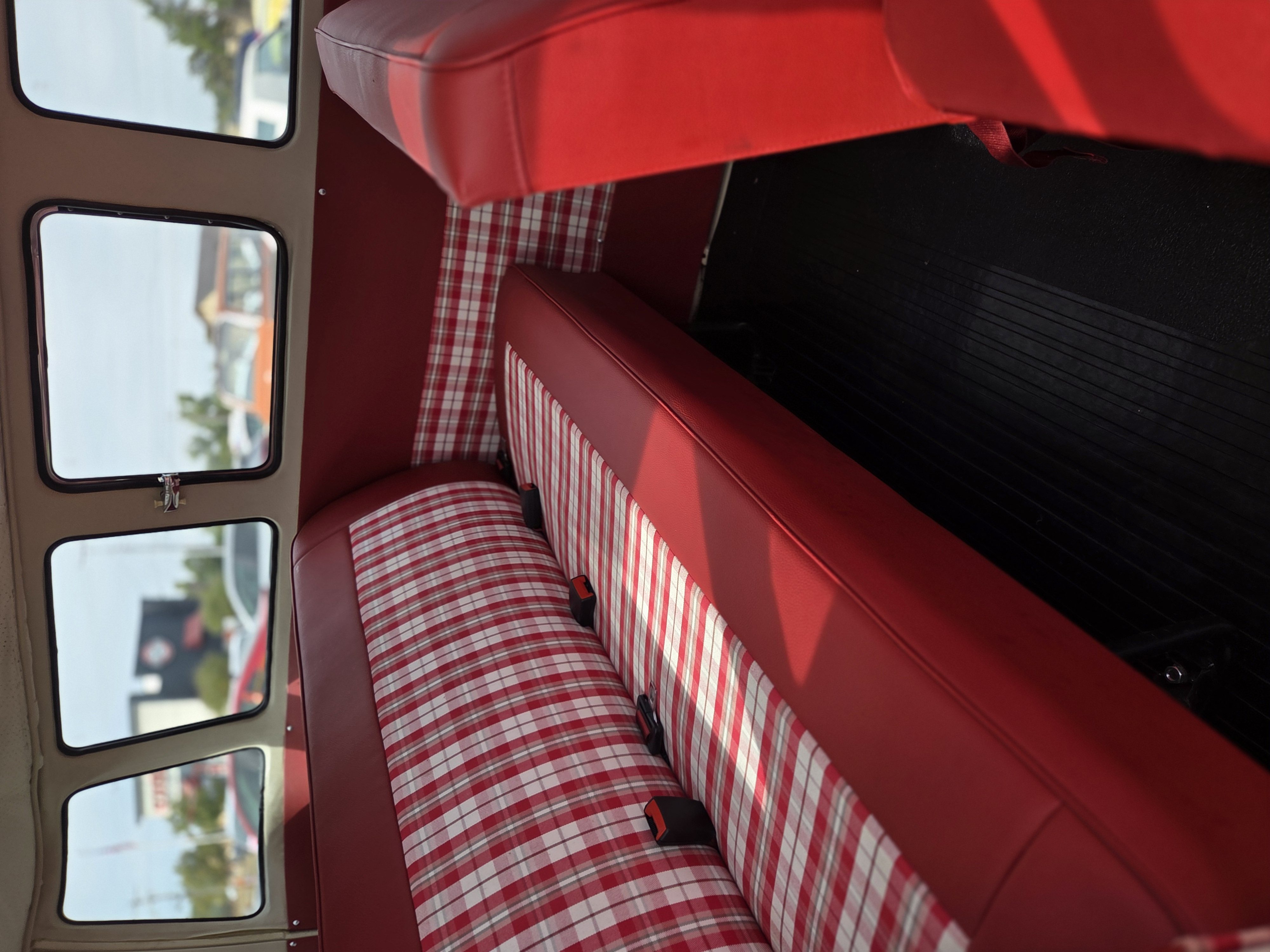
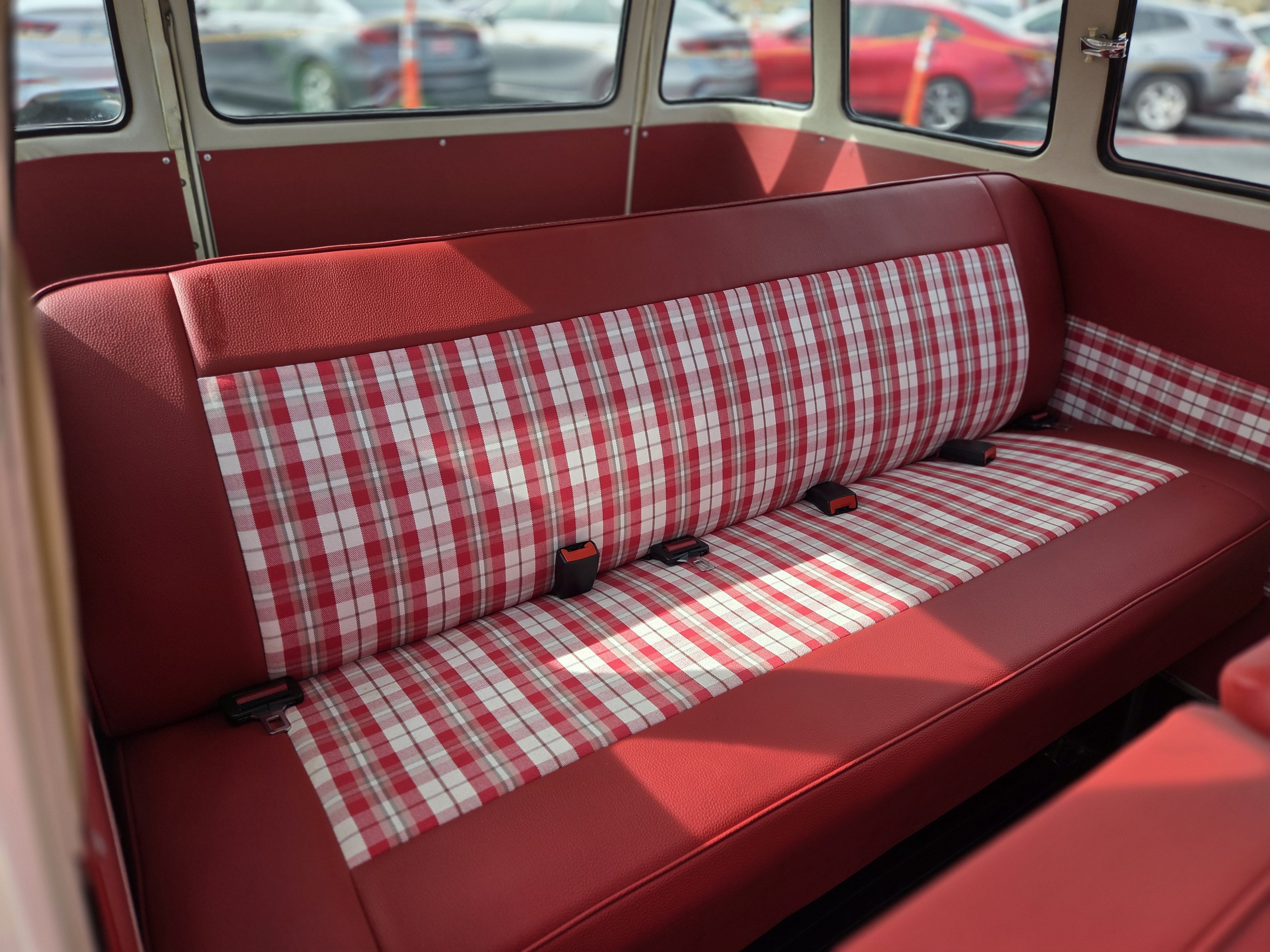
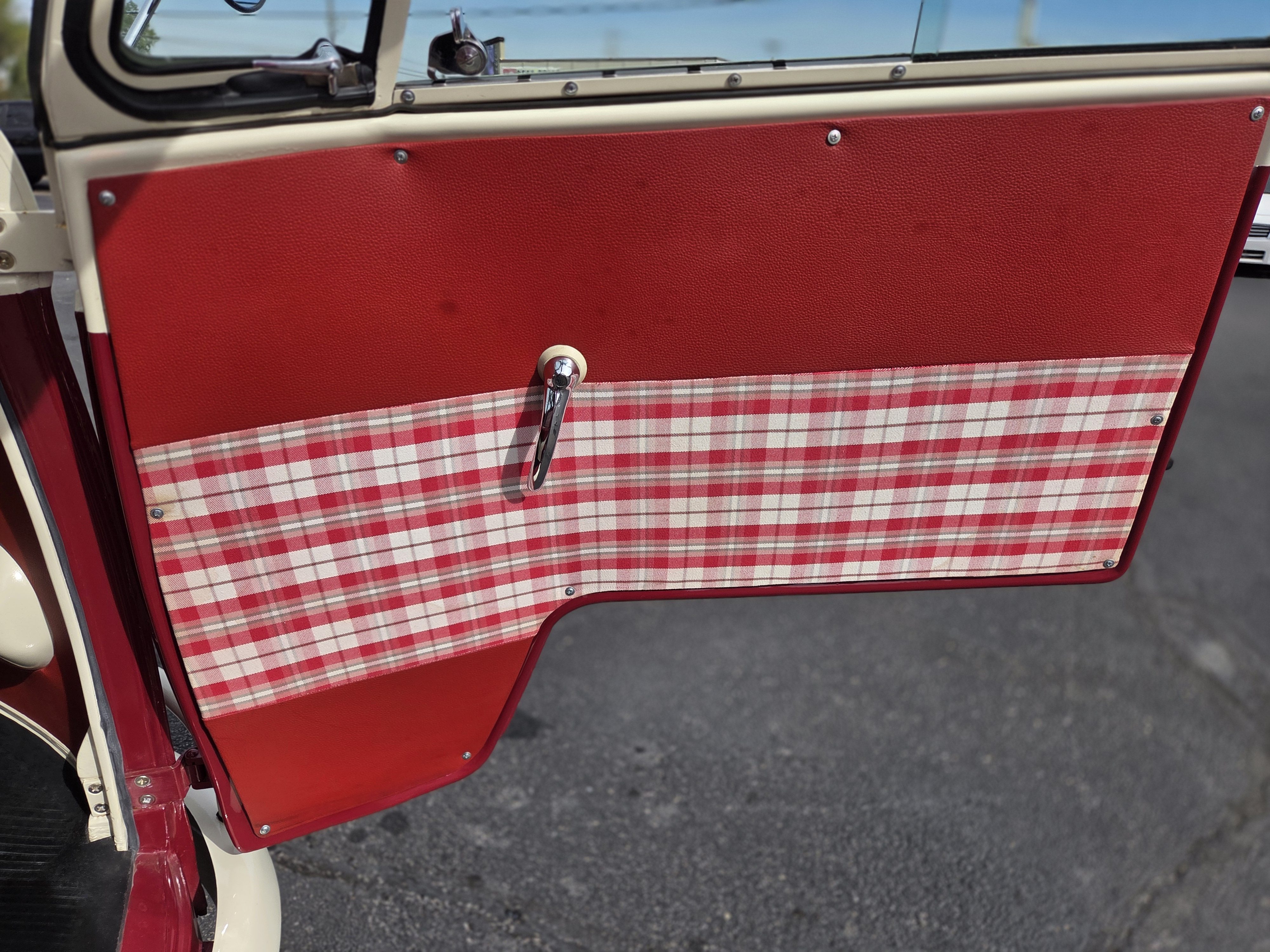
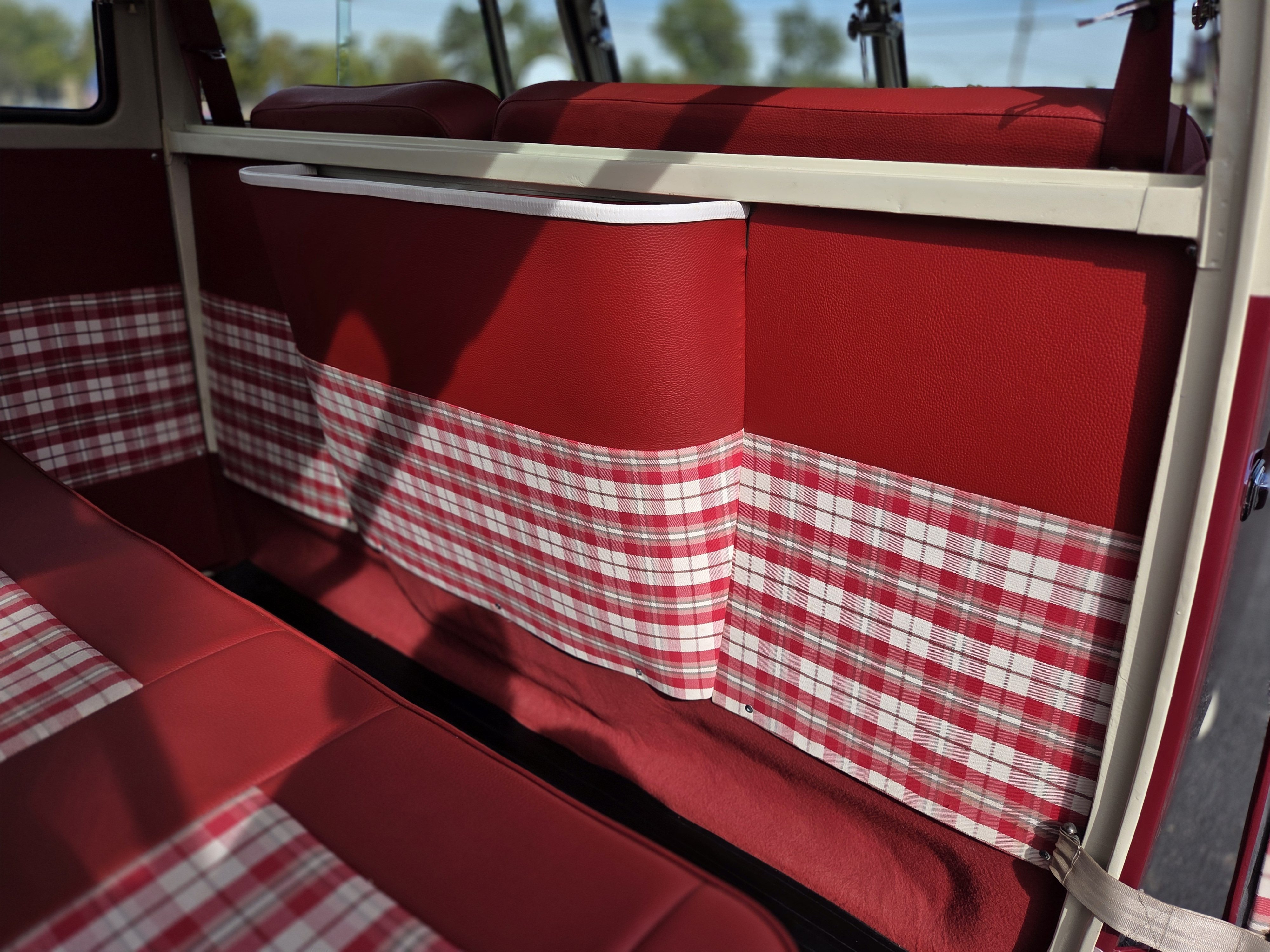
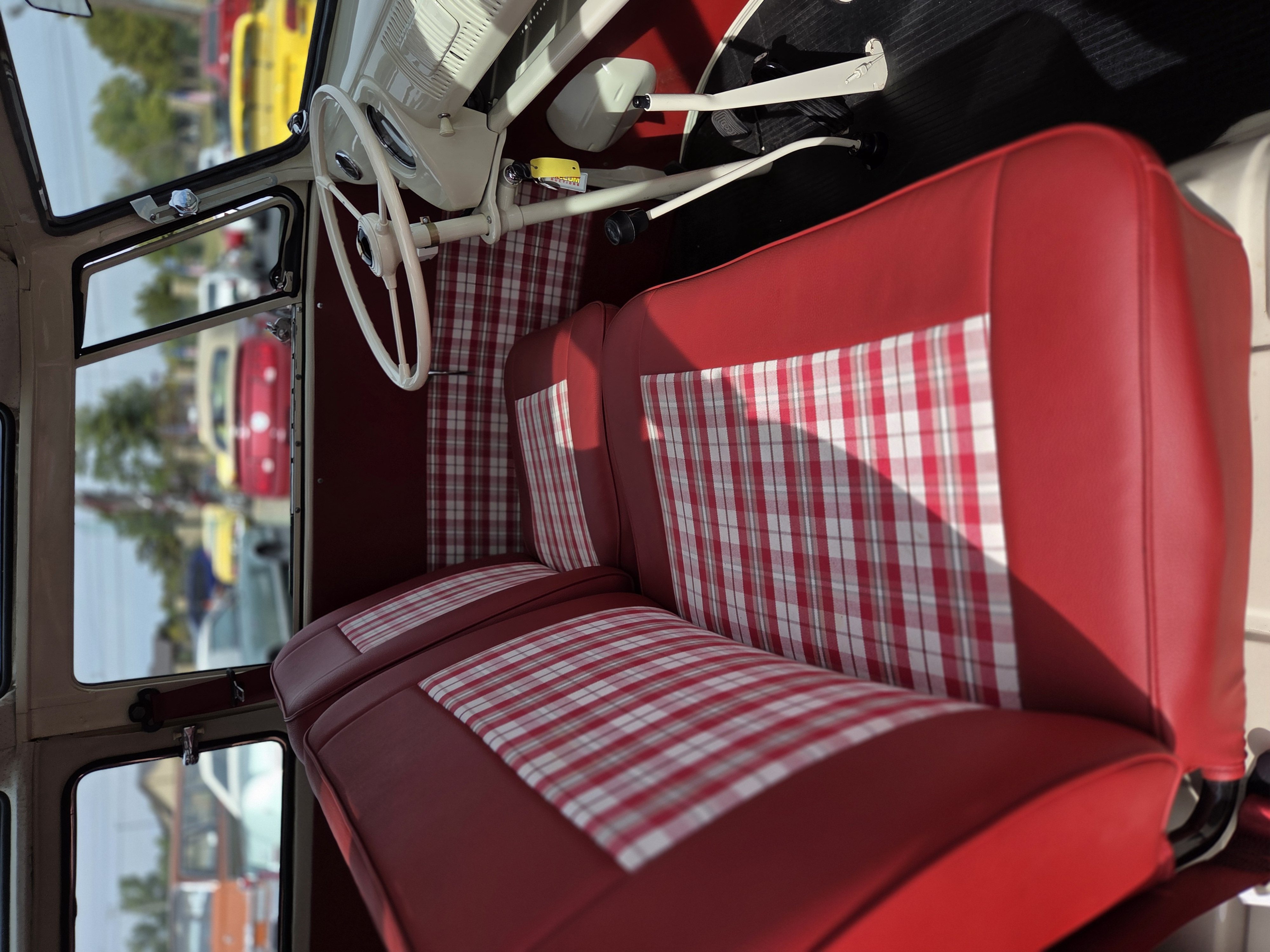
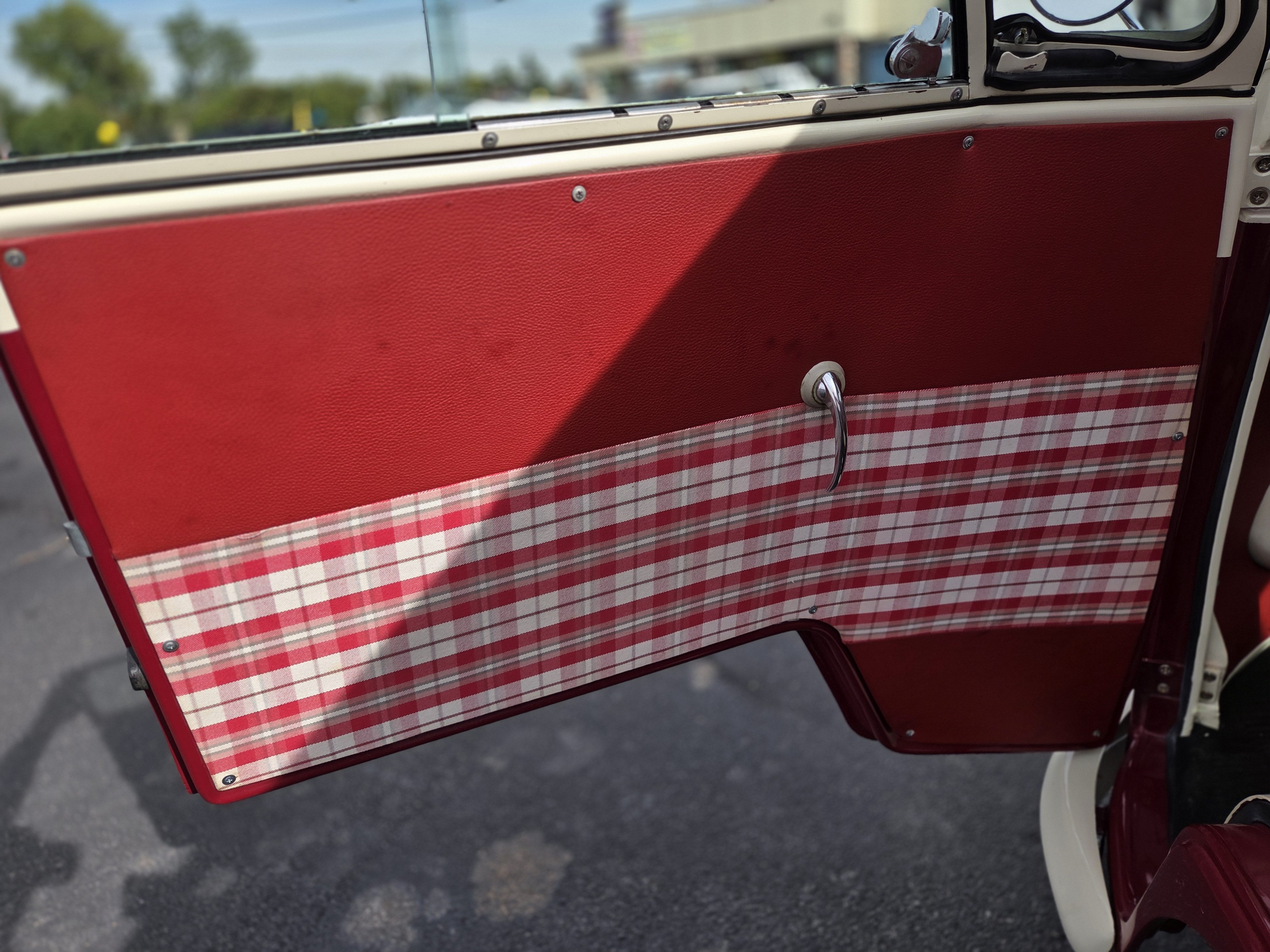
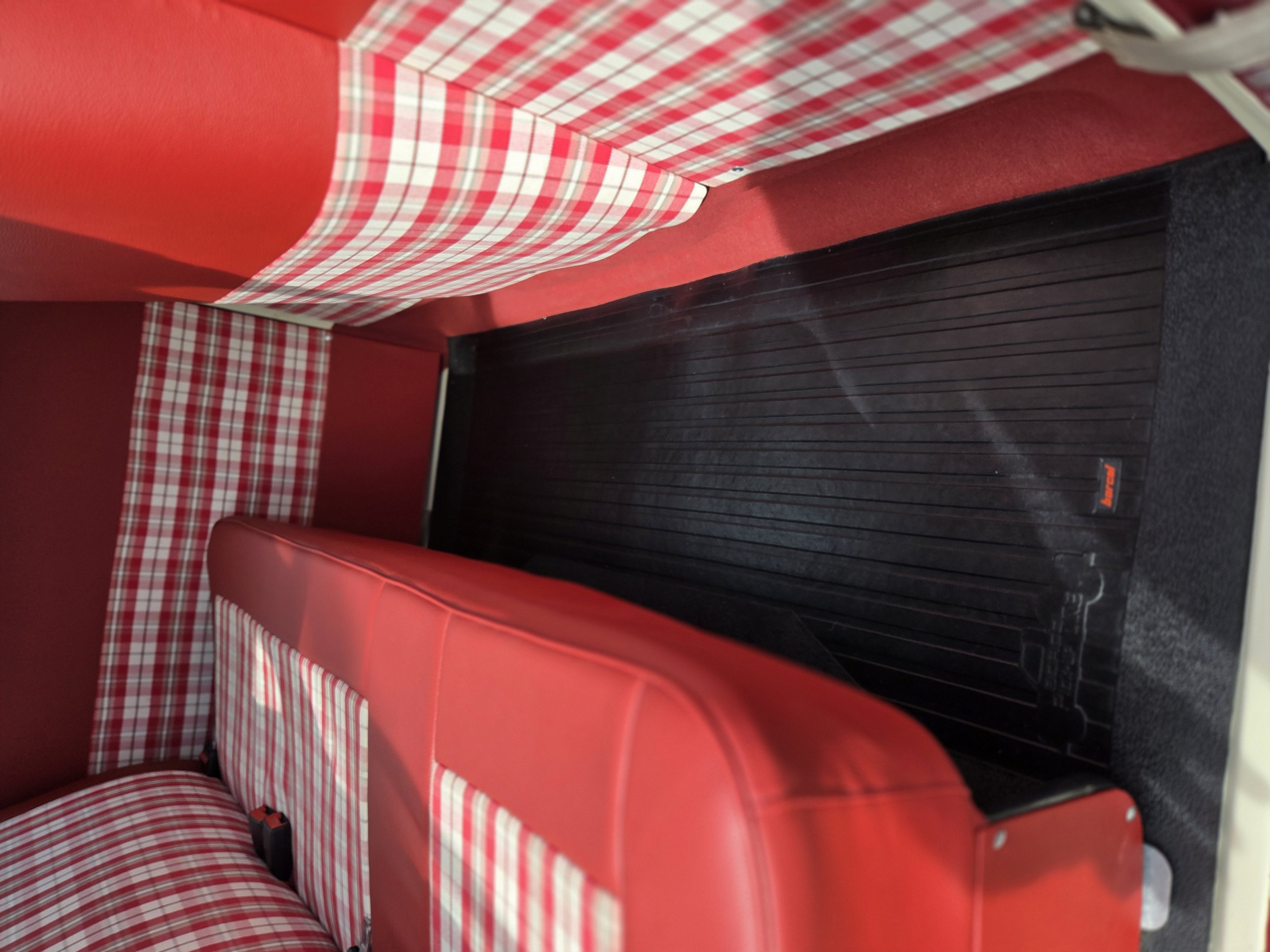
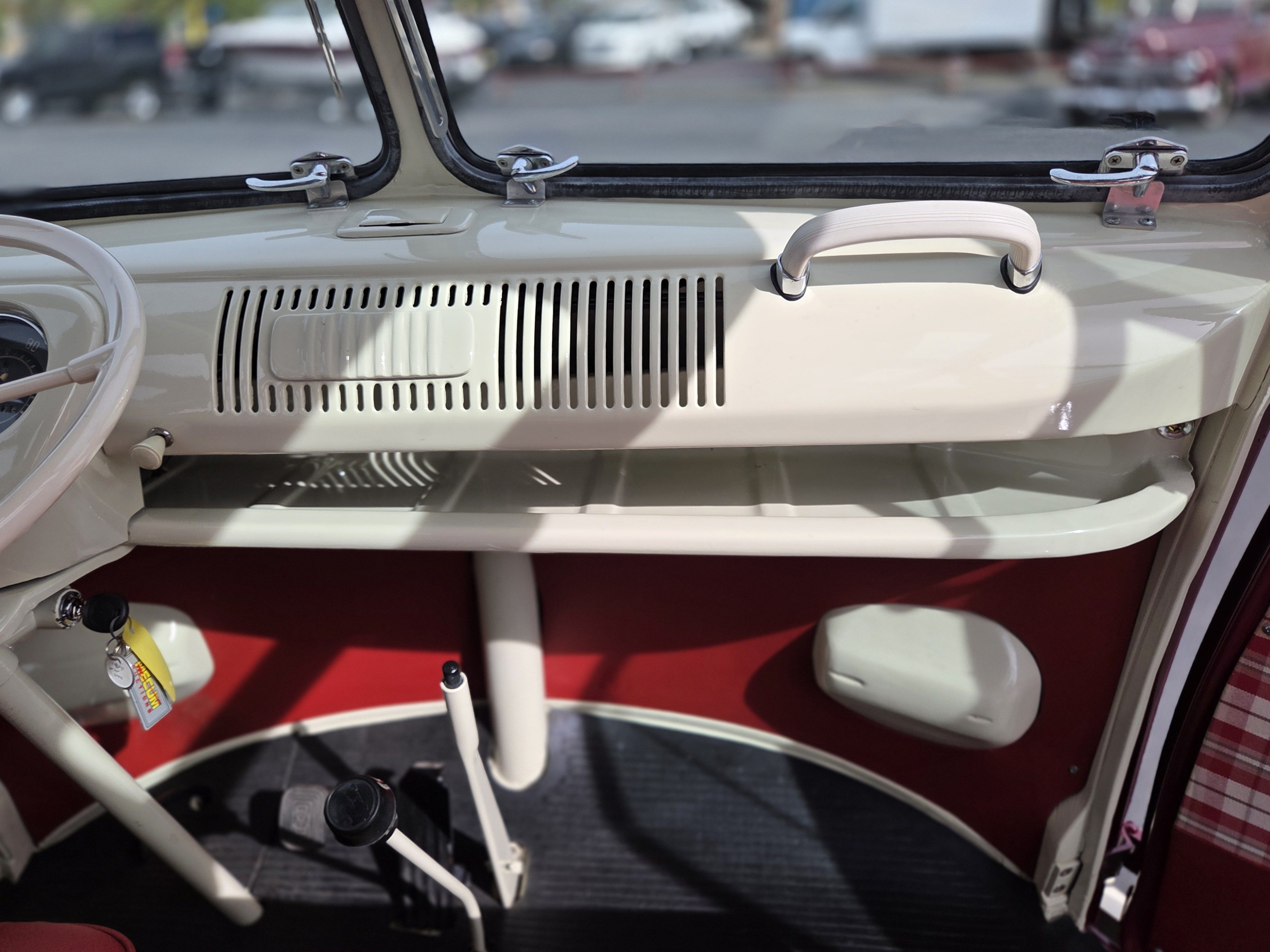
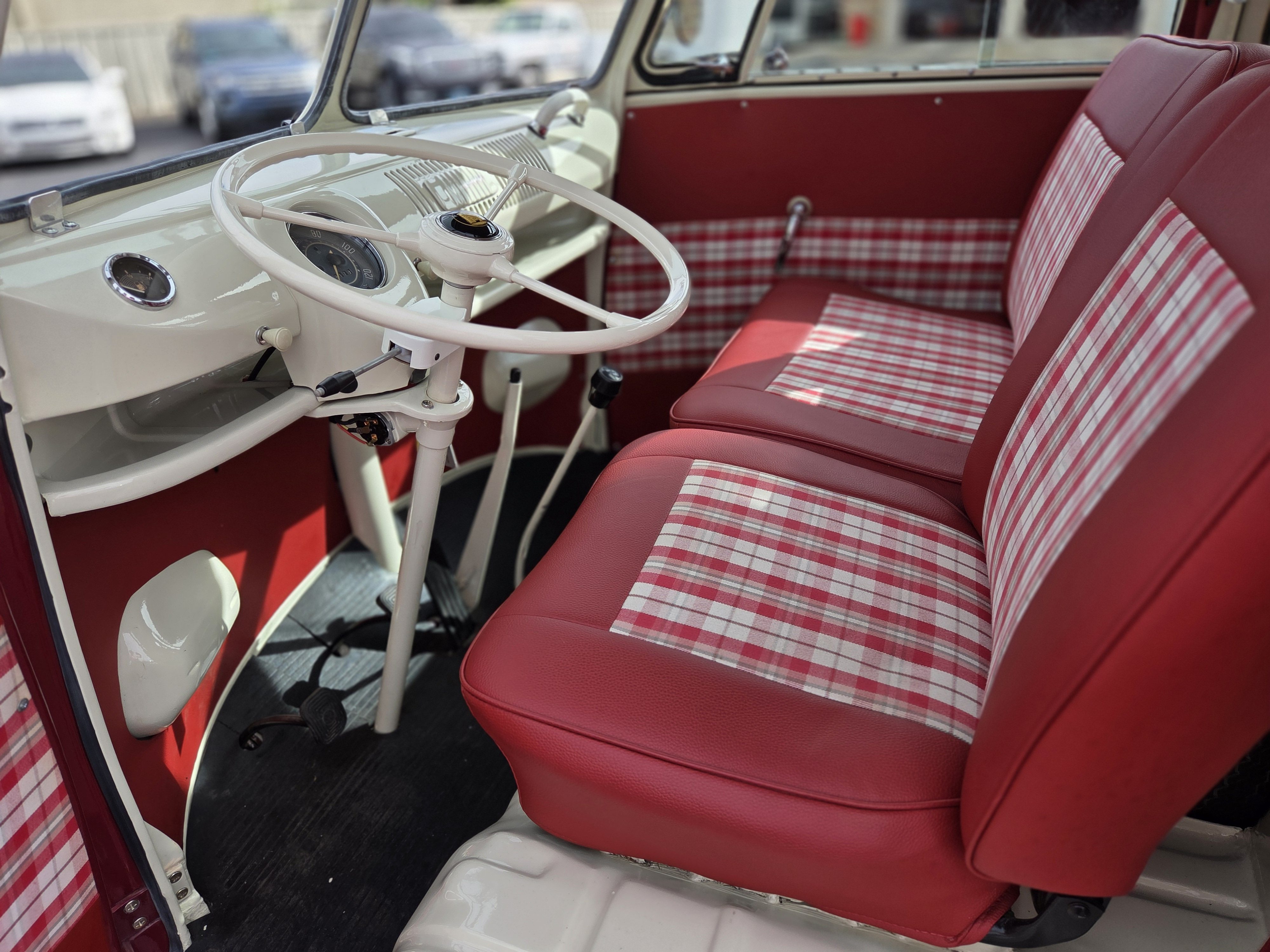
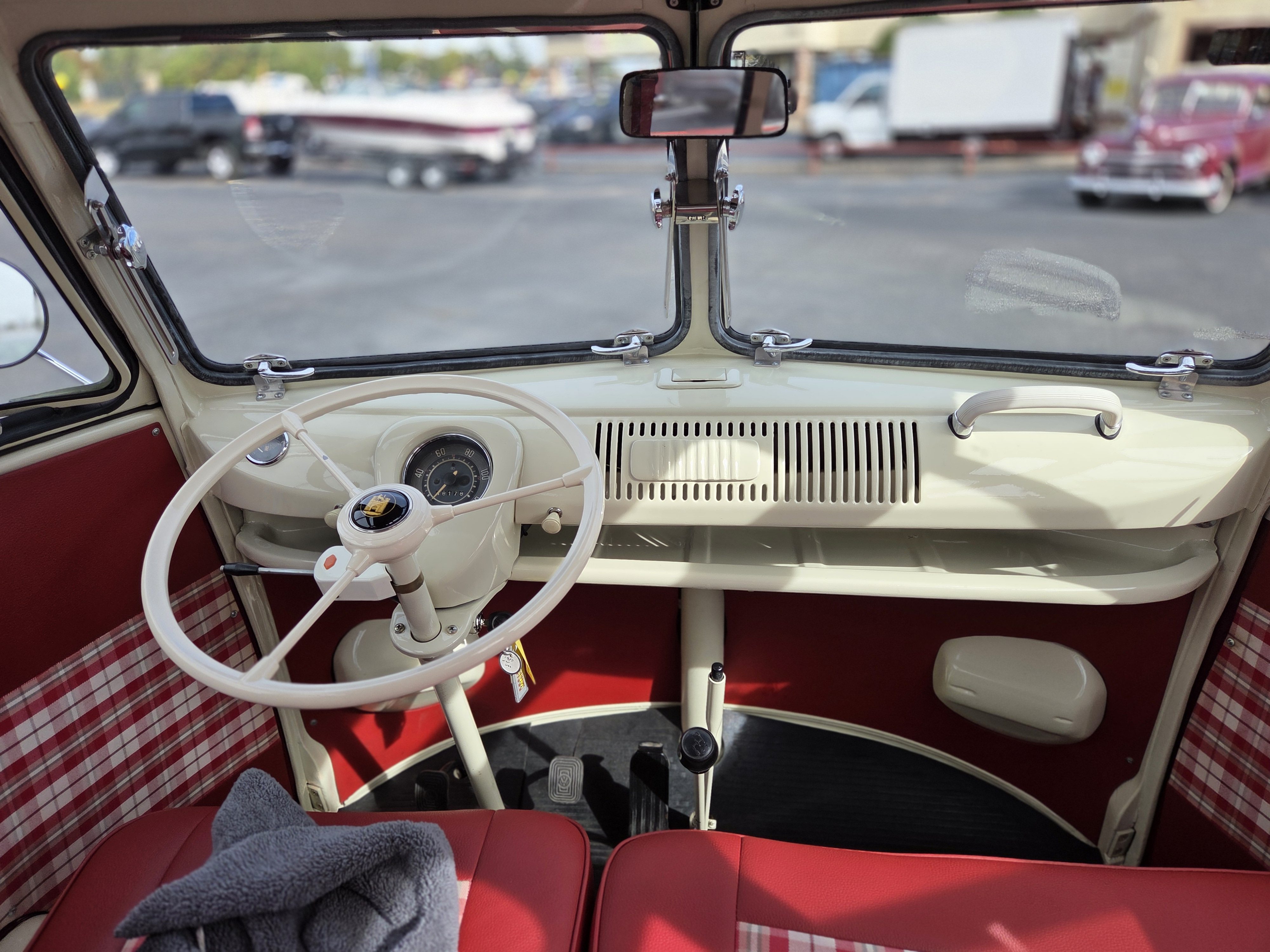
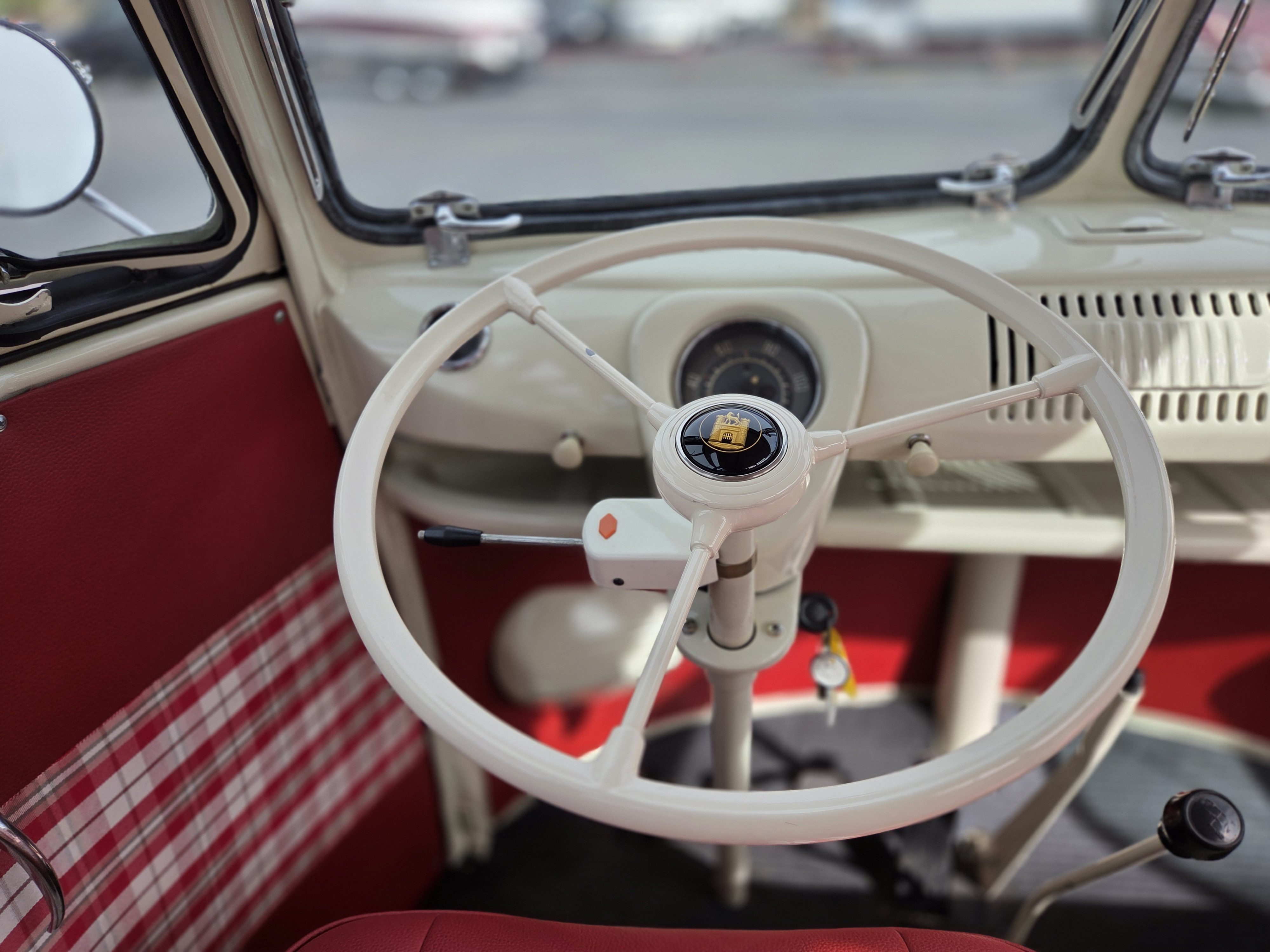
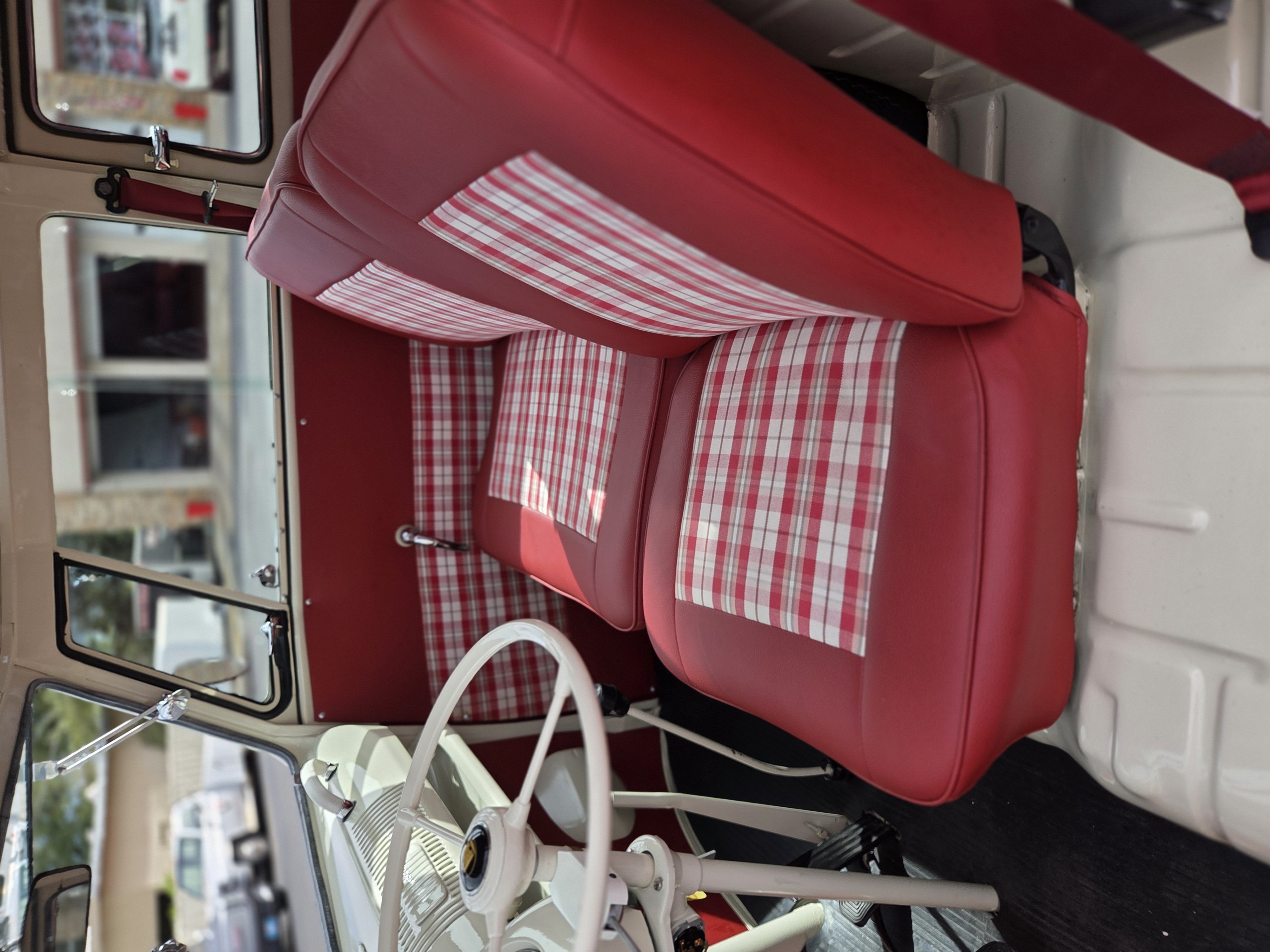
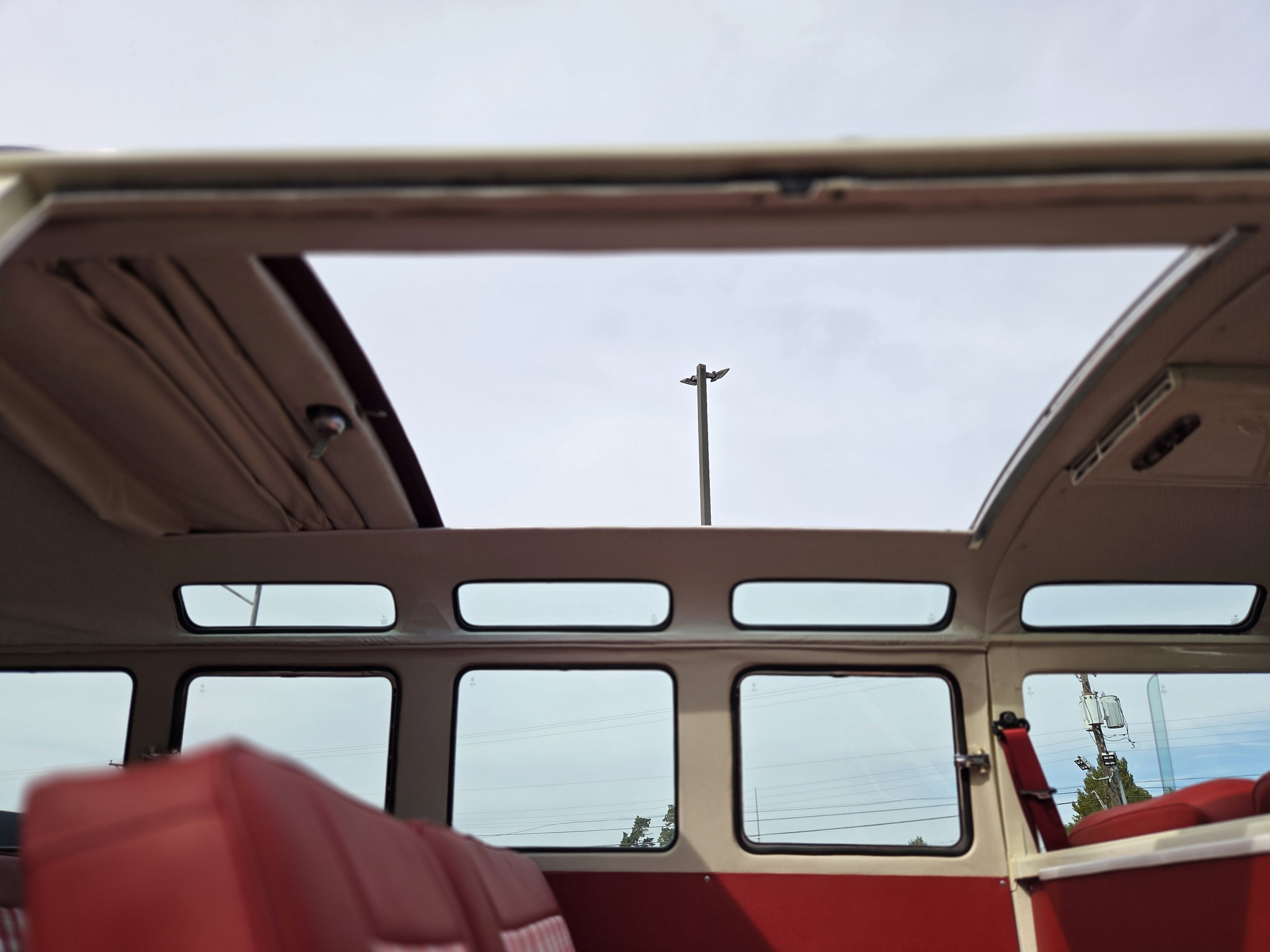
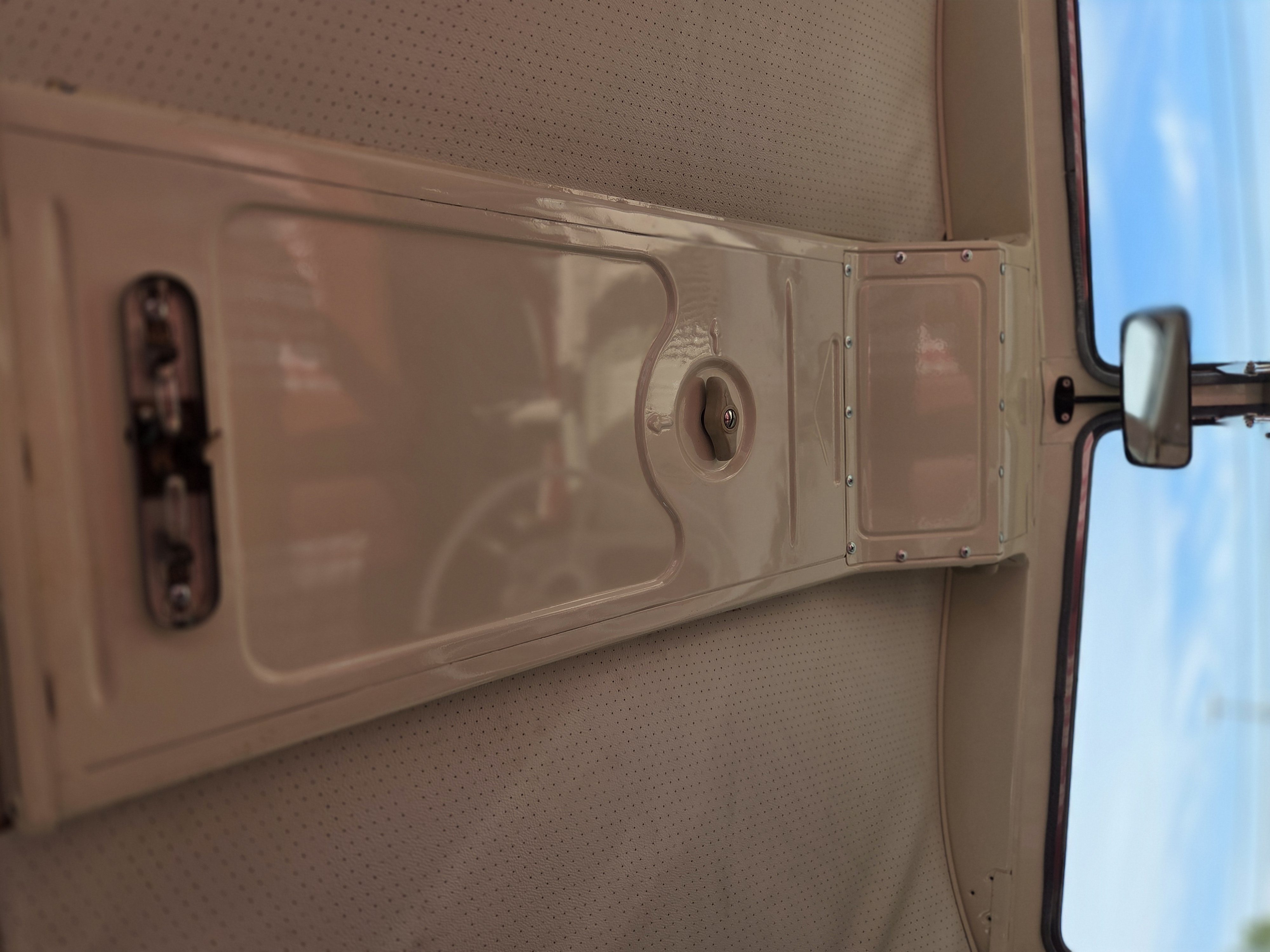
Inside, the interior is described as flawless and continues the same red-and-white theme seen on the exterior. The coordinated color scheme reinforces the classic VW aesthetic and gives the cabin a cohesive, nostalgic feel.
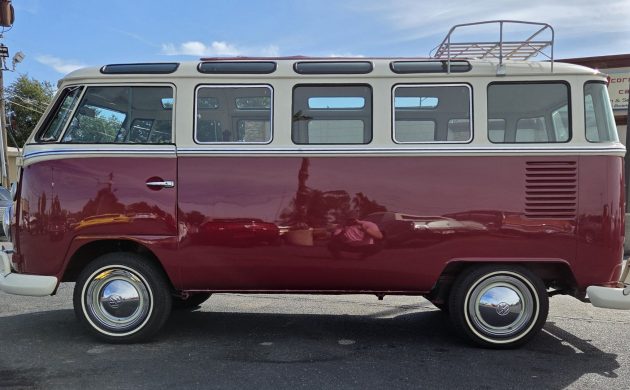
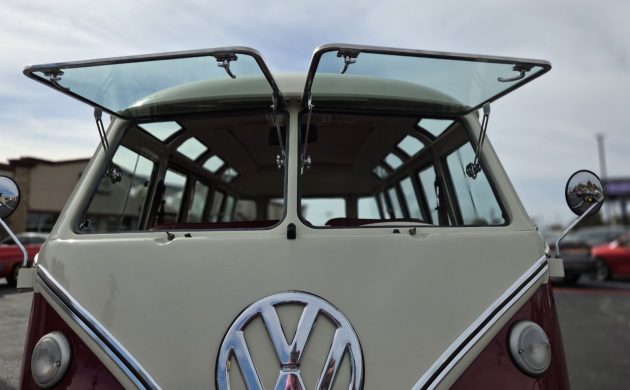
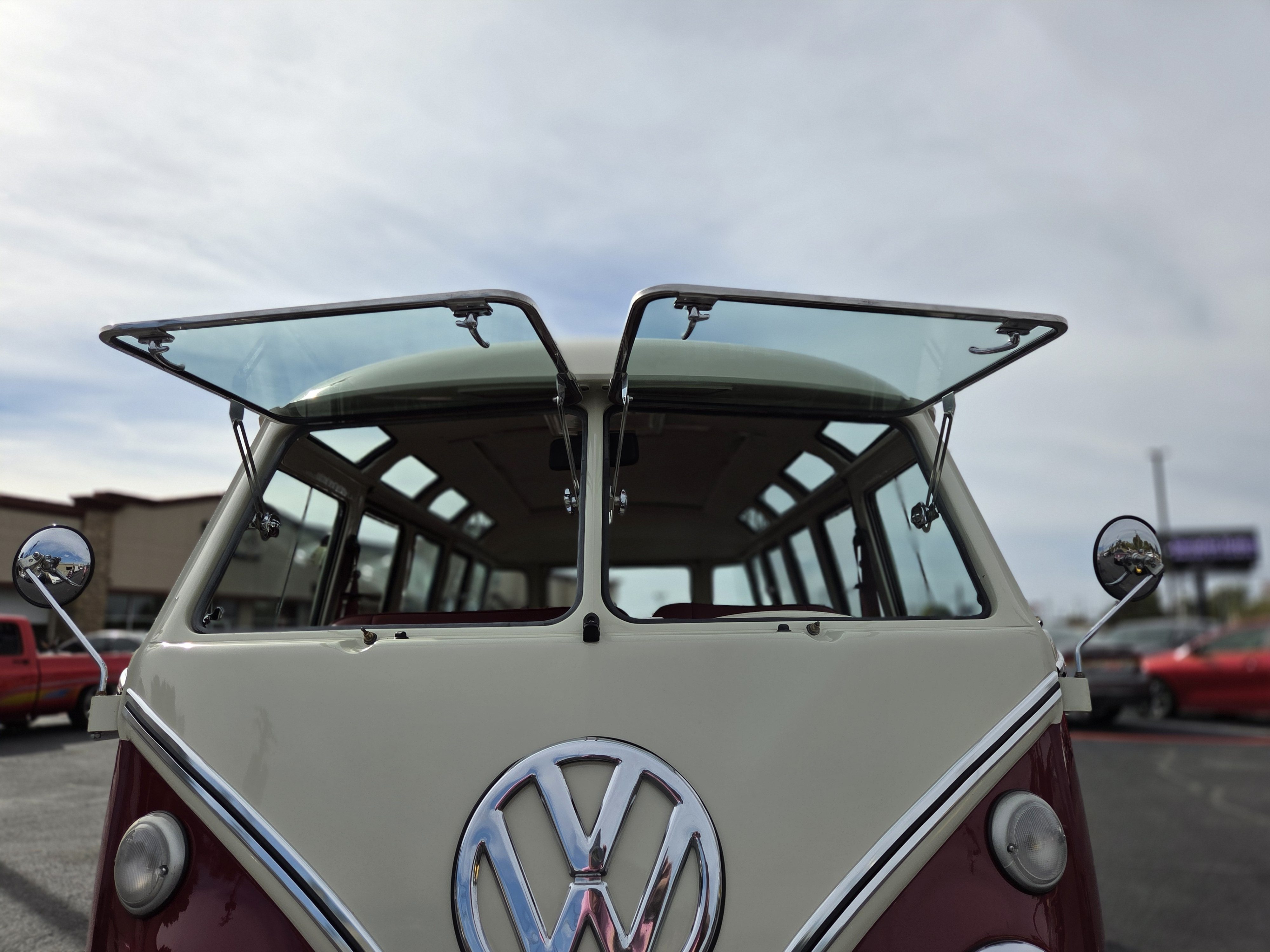
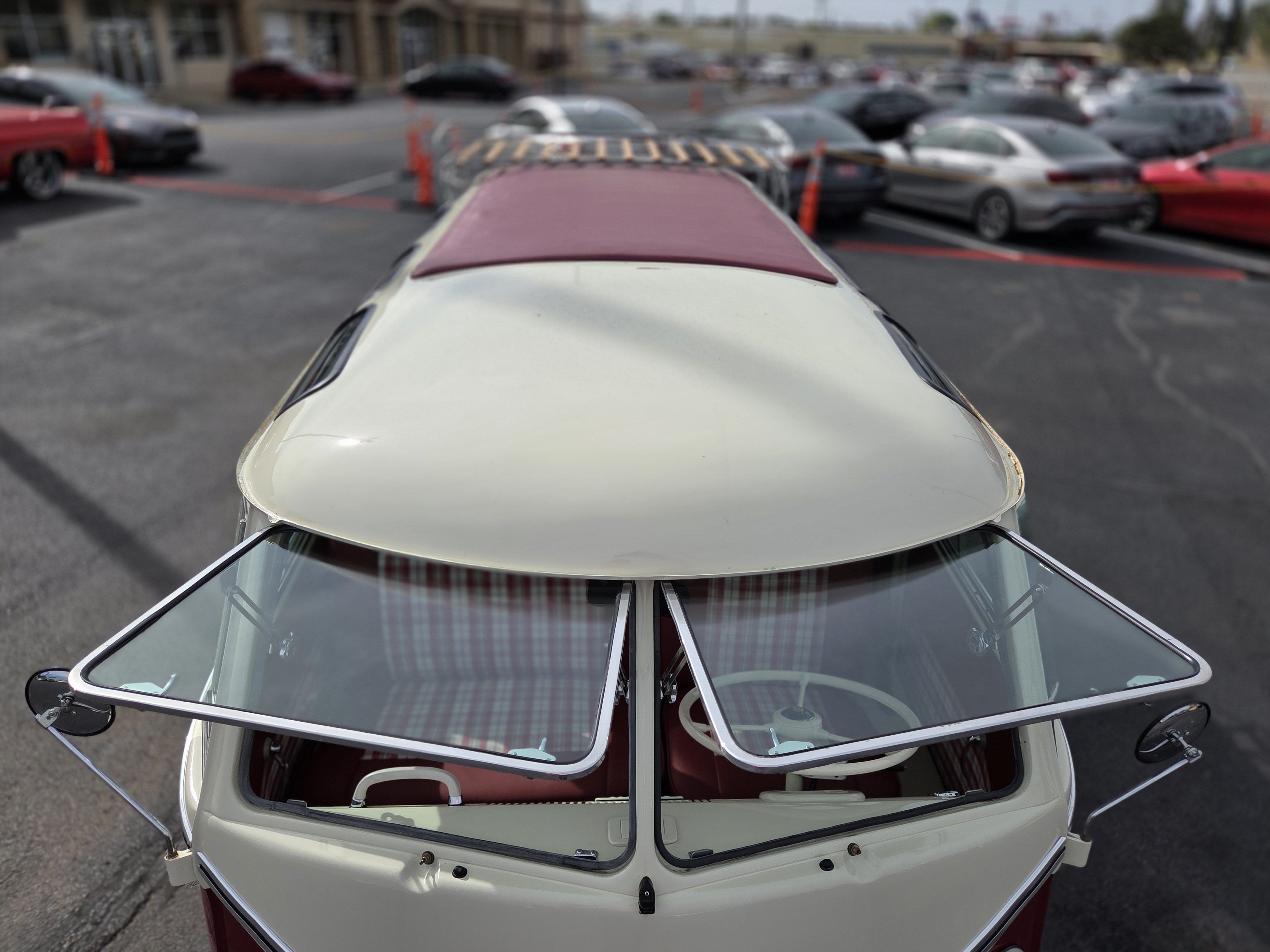
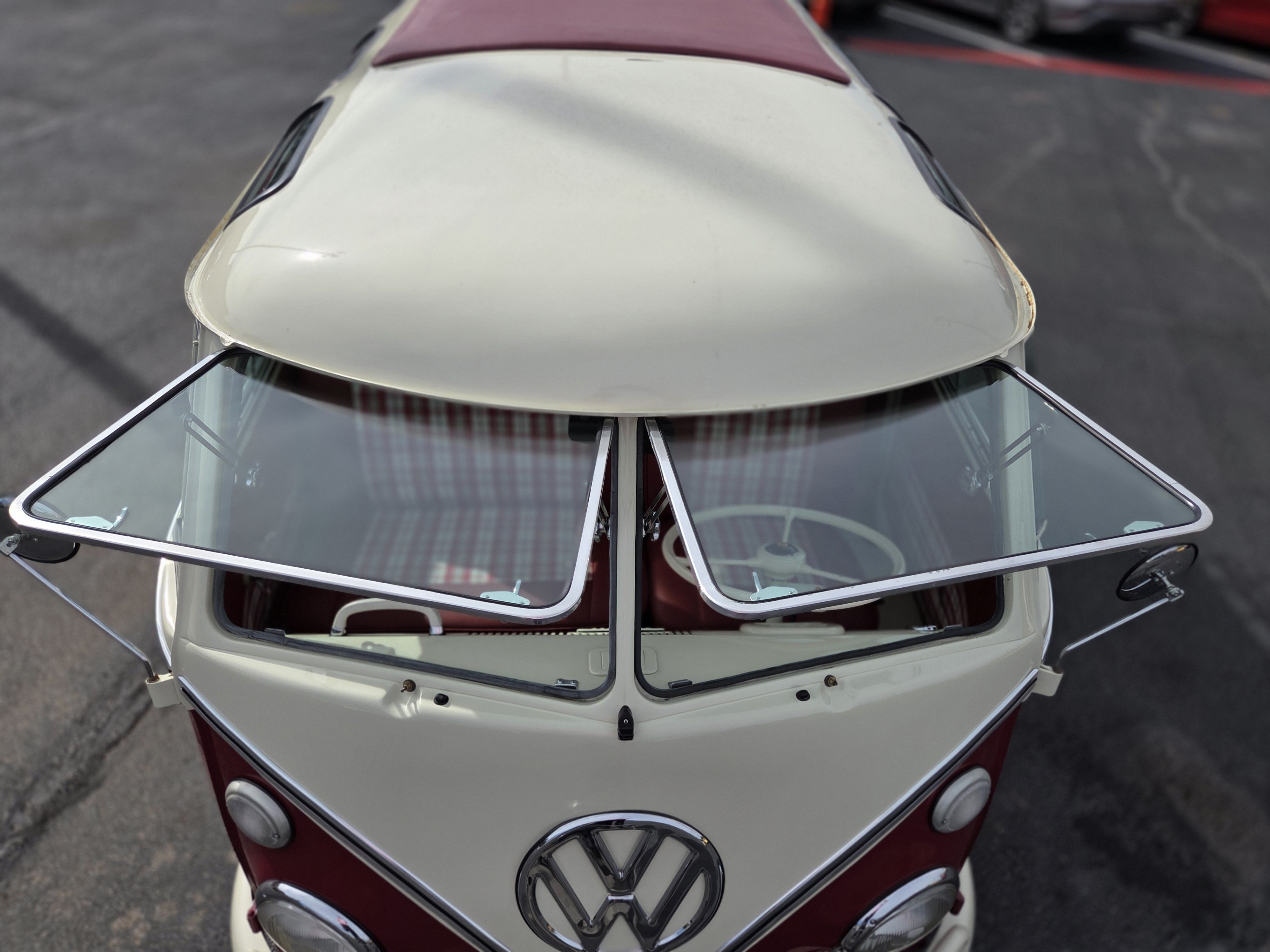
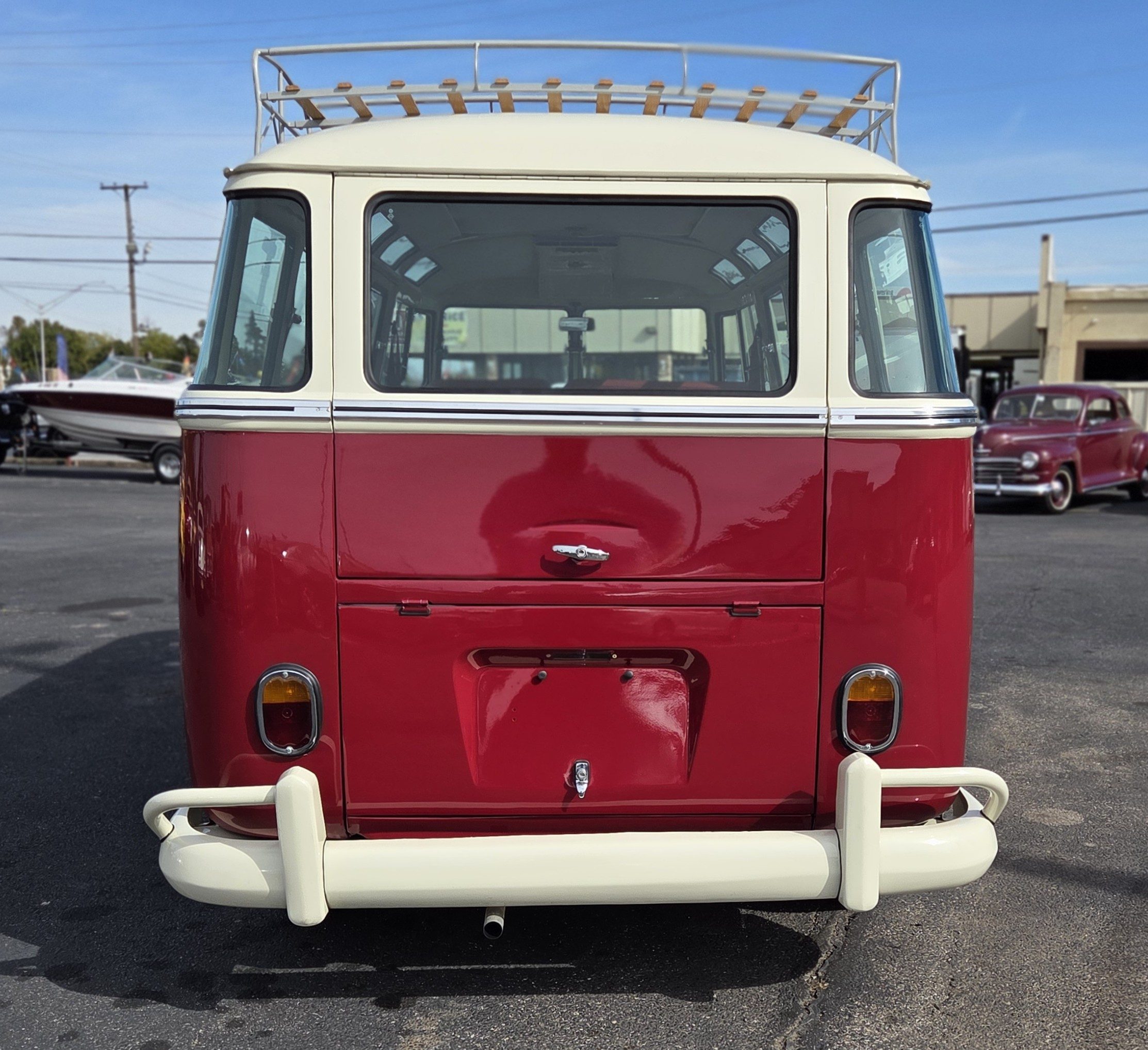
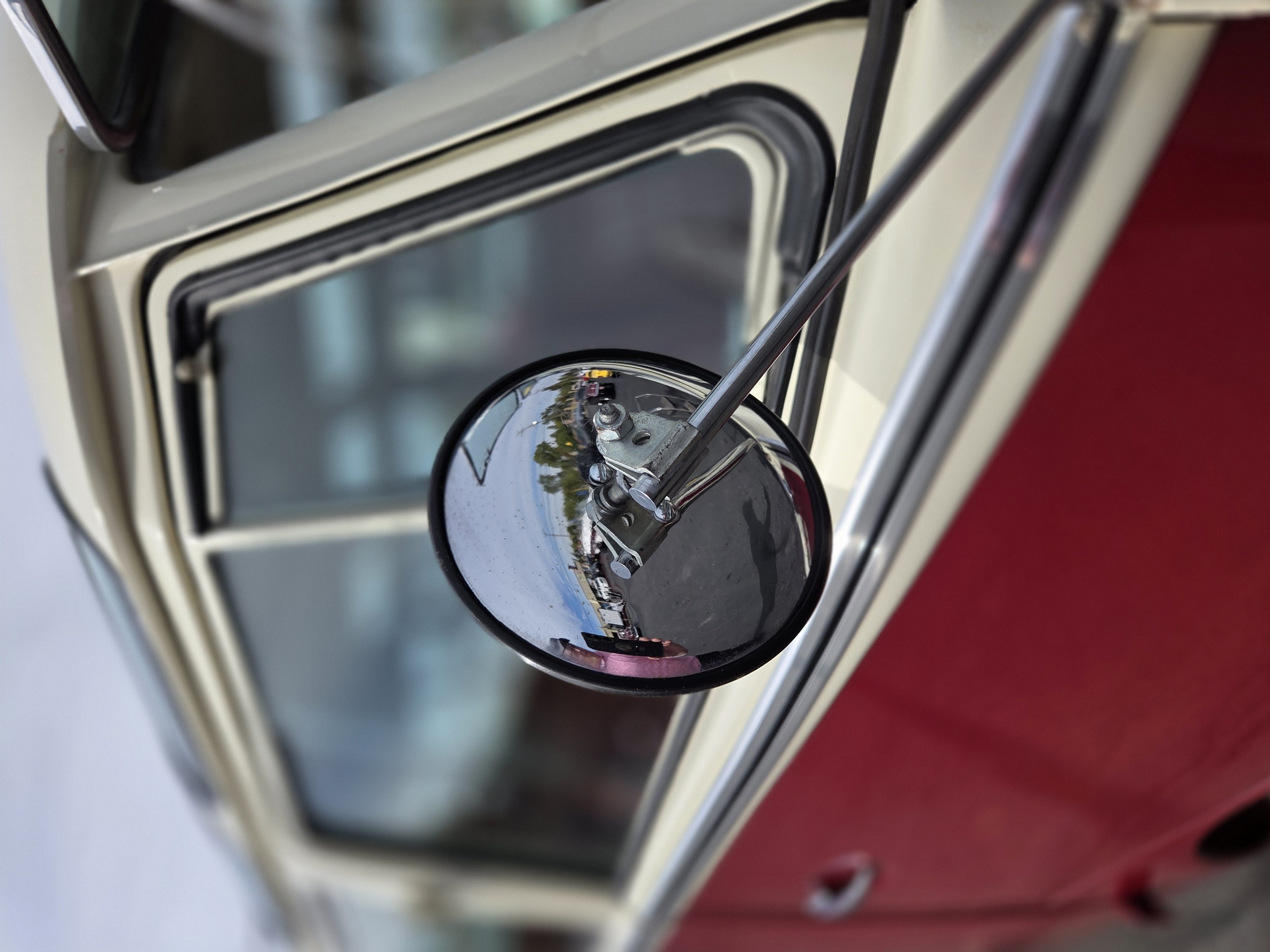
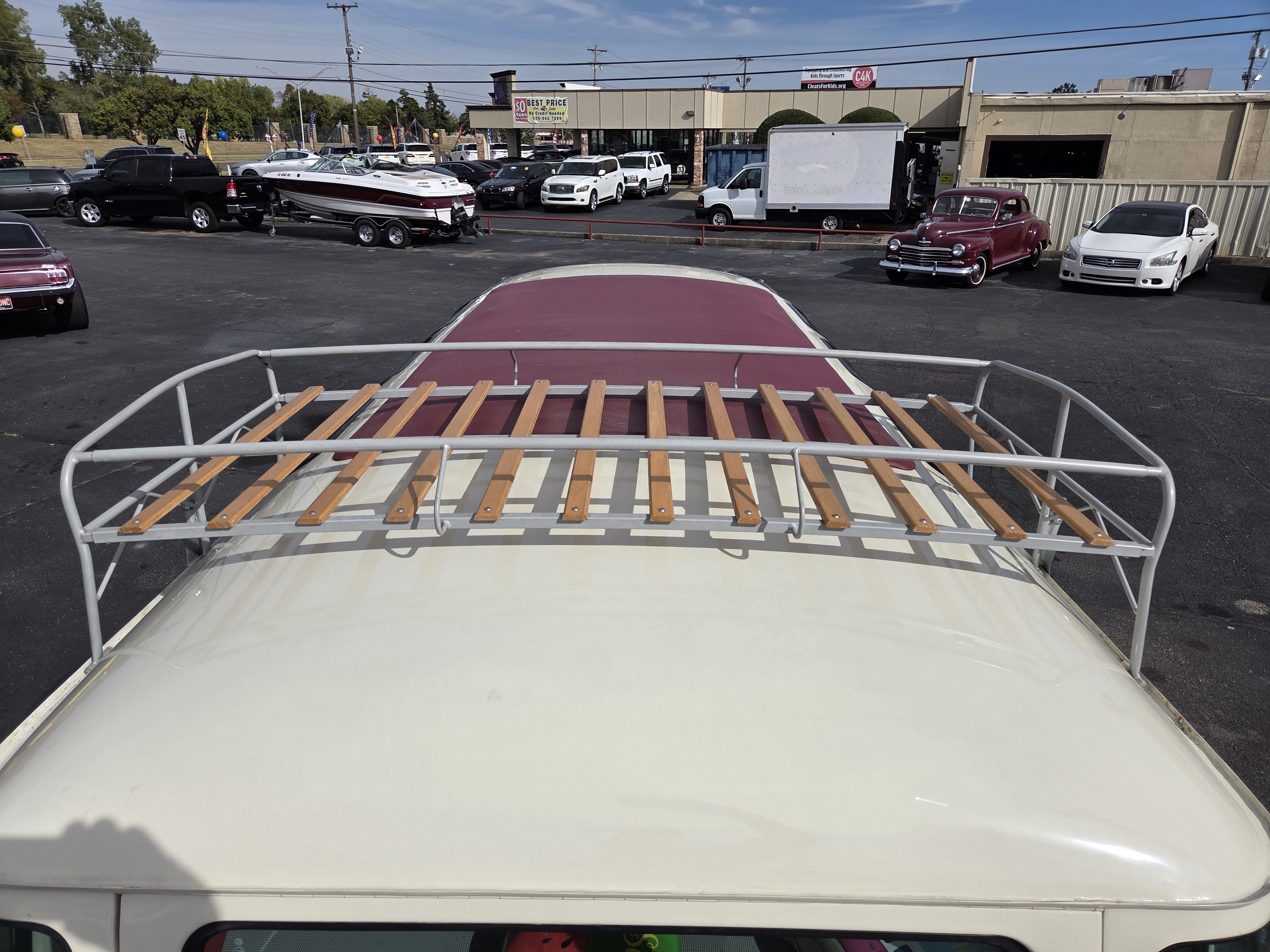
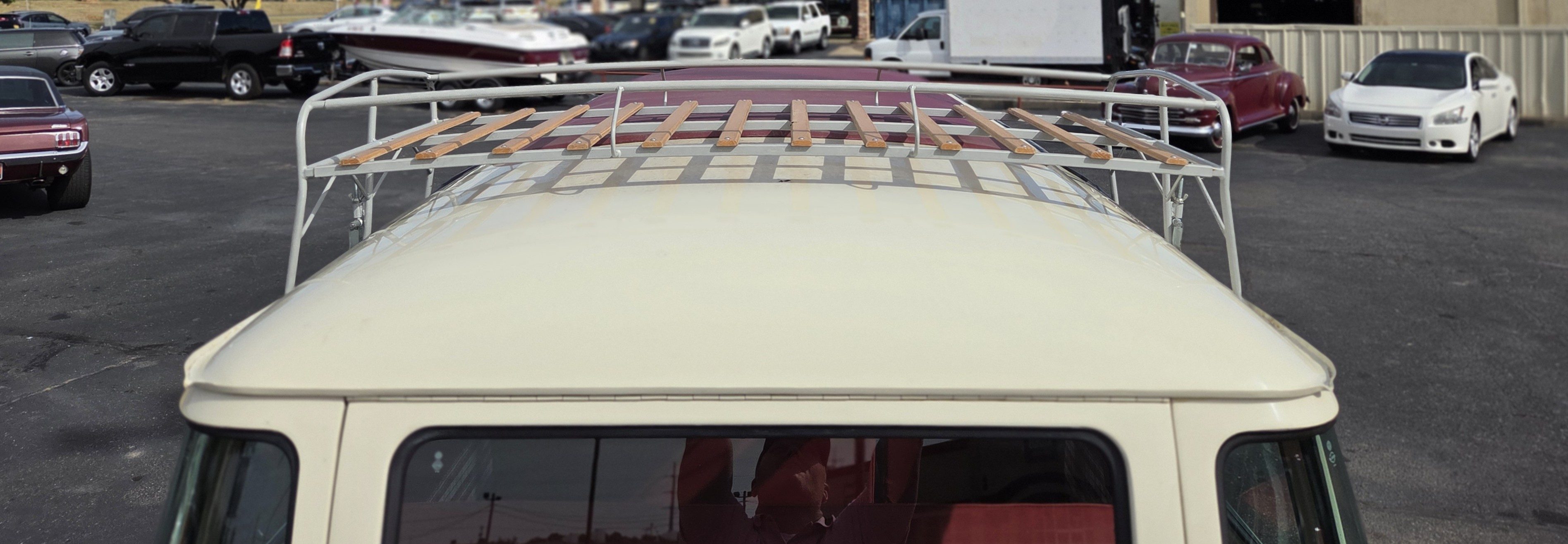
Additional exterior details further enhance the bus’s appeal. A deluxe trim kit adds bright accents, while safari-style pop-out front windshields provide both vintage charm and added ventilation. A sliding ragtop roof allows occupants to enjoy open-air cruising, making sunny drives even more enjoyable. Mounted up top is a period-style luggage rack, another hallmark of the classic Volkswagen bus look. Combined with the two-tone paint and distinctive window configuration, it creates the unmistakable silhouette that has made these vehicles beloved for decades.
The seller describes the bus as very clean and a joy to drive, noting that it draws attention wherever it goes. With its restored presentation, distinctive 23-window configuration, and classic Volkswagen drivetrain, this Type 2 offers the kind of charm that continues to attract enthusiasts across generations. For fans of vintage Volkswagens, could this 23-window conversion be the perfect weekend cruiser?
*Note – Oklahoma Document Fee of $495
Bid On This Auction
 Bruce Phillips bid $5,500.00 2026-03-10 16:36:08
 JASC bid $5,000.00 2026-03-05 09:14:16




I believe this is a 65 not a 75. My parents had a new one in 65 and we used to roll down Main Street in Danville California with the top opened and yelling at the top of our lungs (Seatbelts? What are those?!)
In Brazil, the VW Kombi T1 was manufactured until 1976.
My first impulse was to comment on the year shown in the listing being wrong. I believe 1967 was the last year for the flat windshield type 2’s sold in the U.S. The updated versions with curved windshields sold afterwards IIRC were referred to as “bay window” type 2’s. But if this was actually built in 1975, in Brazil then I would presume it only needed the addition of more windows to make it a 23 window as they could very well have continued to make the original version of the type 2. Ford’s South American operations made the original Falcon with most of the styling of the very first 1960 version well into the 1990’s. Correct me if I’m wrong.
In 1959 I was seven years old with two younger sisters and my father felt compelled to continue his graduate school education with a move from Athens, GA to Berkeley, CA. He bought a VW micro bus for the adventure, one very similar to today’s Barn Find in some respects. Ours had the windows all around, a rack on the top, but no sunroof and the windshield was secure. Also it was the original 36hp model, slow and not so steady in crosswinds. I got to drive it across much of Kansas. Plus we had no clue how far ahead of the times we were with a VW bus in Berkeley, 1959.
How old again were you when you drove it across much of Kansas? Your write-up makes it sound like you would have been 7 years old.
Lovely looking Bus. Are you sure it’s a 1975 VW Bus? That looks like a 1965 VW Bus. After 1967 VW switched to the “Bay Window” windscreen for the Transporter.
In Brazil, the VW Kombi T1 was manufactured until 1976.
Okay. I love the VW Split windscreen Microbus. The only upgrades I’d install would be either later 2.0 litre Boxer engine used on Bay Window buses, or the water-cooled Boxer engine used on 1980s Vanagons. I’d also upgrade the braking system, from Drum braking to Disc braking.
The ad says this is a Brazilian bus. They kept building early style split windshield buses much later than the Germans.
A German 1965 bus sacrificed the corner windows for a wider rear hatch
The greatest number of windows in the 64-67 bus was 21.
I must’ve missed the “Brazilian” part. I got that now. It still looks beautiful! If I bought one, I’d keep what I can as original as possible, while also upgrading a few things.
A long Type 2 affair: I met my first wife in Northern NH. She and a friend had bought a 1963 type 2 and were going to drive “out west.” I got involved and invited and the girlfriend dropped out. We did a 12v conversion and headed out, ended up in Tucson for a nice winter and traveled around a bit before heading back East. Next, a work-focused Type 2, a 1966, than we found a 1971 (the best year) that had been crashed and persuaded the body shop to make it work. Once more, across the country and ended up in the SanFran East Bay in 1974. Still here, but I wish I had that last 1971, lots of memories and fun times.
I have to ask, maybe one of you know the answers. If this is registered as a ’75, would states insist on seat belts and side marker lights before licensing?
Very nice Van. I want it.
What country is this from?
I see a whole lot of not correct for an export to the US.
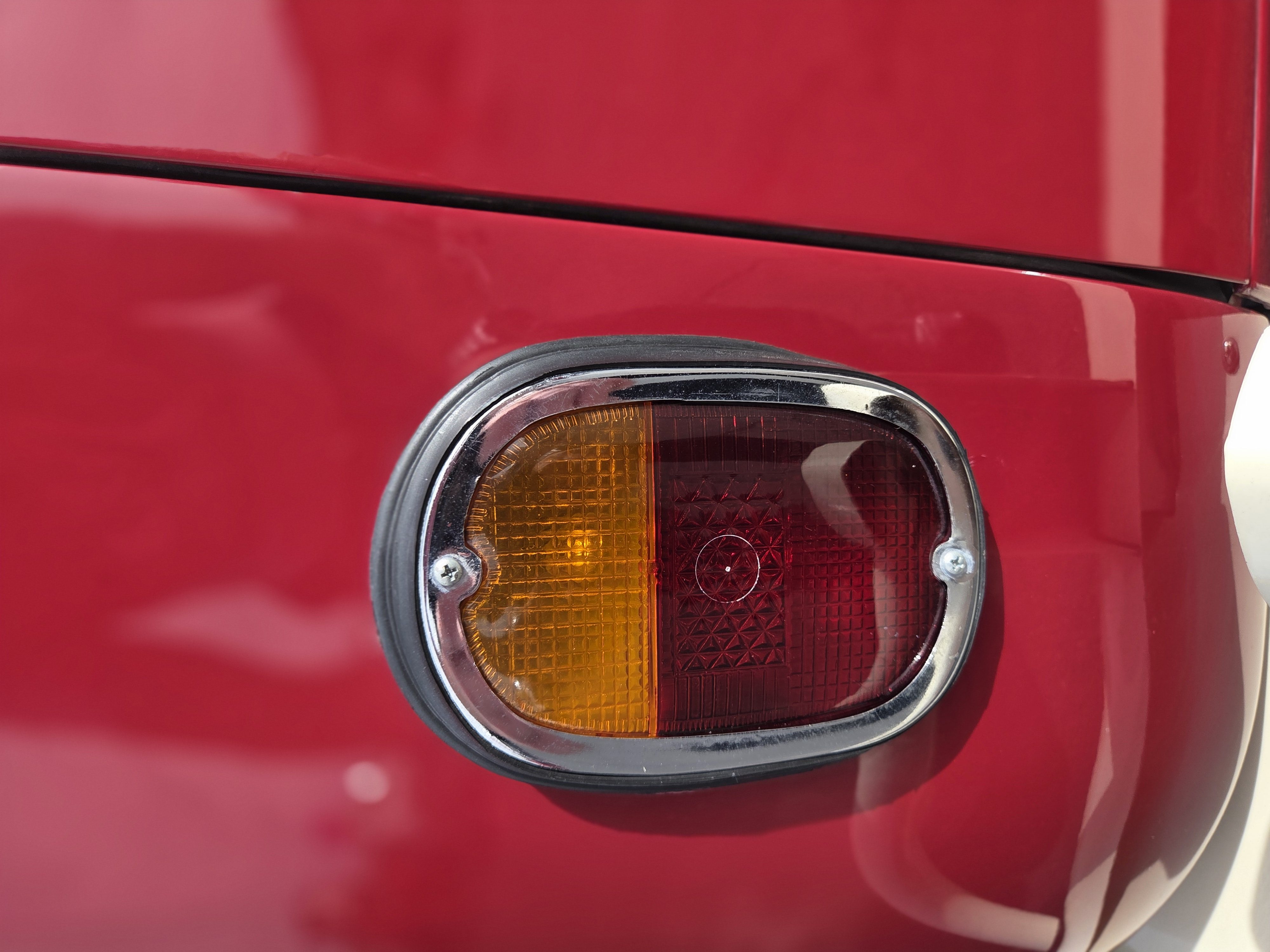
63 was the last year for the 23 window, louvers go the wrong way, engine lid not correct; push button didn’t start til 64, steering wheel a very early version, Horn button was normally blank.
I could go on; but I would be nit picking every detail.
I have been buying and selling for the last 45 years, still have my first one.
This is a Kombi manufactured in Brazil. VW arrived in Brazil in 1950 and manufactured the first version of the Kombi until 1975. In 1976, the 2nd generation arrived, with a front similar to the German one, but still with the old opening door.
The Brazilian Kombi has some different details. And this one is customized, so it has several modifications, such as the interior and the extra windows in the roof. There was never a “Samba” Kombi in Brazil.
Thanks! I had to wonder.
This looks so far off from an American import.
It has 3 generations of bus parts on 1 vehicle.
What I don’t get is why a vehicle with a German name (Volkswagen) is made in South America (Brazil, etc.)
VW arrived in Brazil in 1950 and remains here to this day. It was the first factory outside of Germany. Therefore, it is older in Brazil than in North America. It is among the largest car manufacturers in the country.
I have nothing against Brazil producing Volkswagen. I’m sure they’re capable of producing awesome cars. I’ve never visited South America, so I don’t know what the roads are like there.