
- Seller: Kevin M (Contact)
- Location: Lanesboro, Iowa
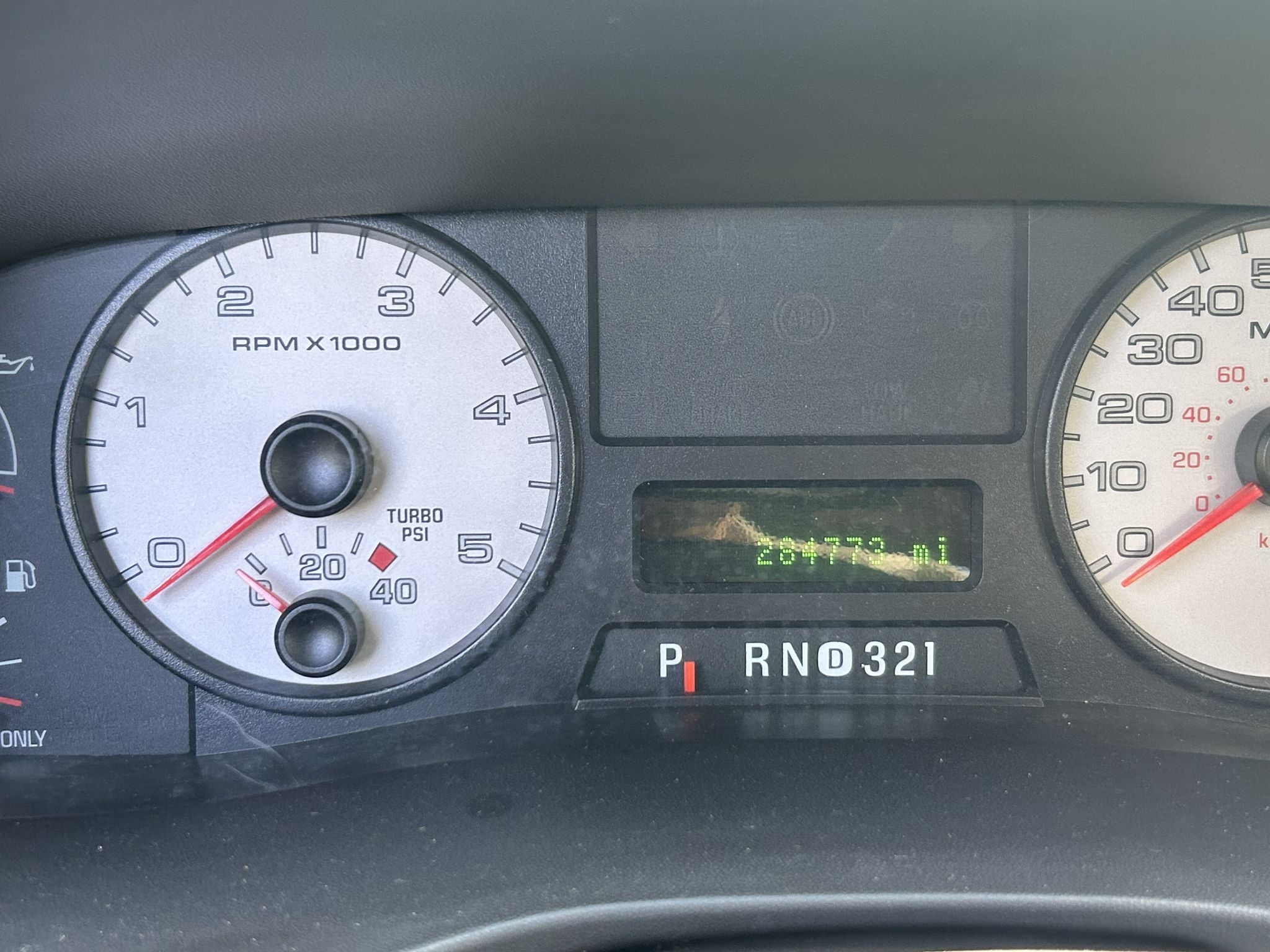
- Mileage: 284,339 Shown
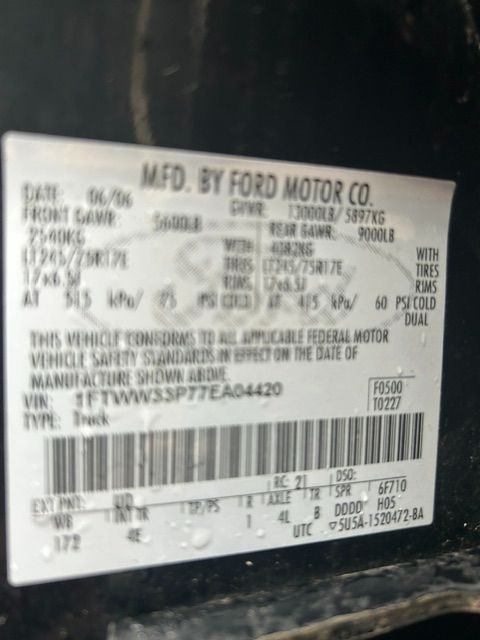
- Chassis #: 1FTWW33P77EA04420
- Title Status: Clean
- Engine: 6.0-Liter V8 Turbo Diesel
- Transmission: Automatic
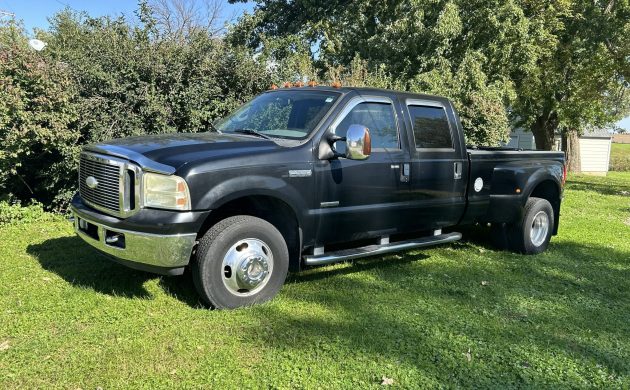
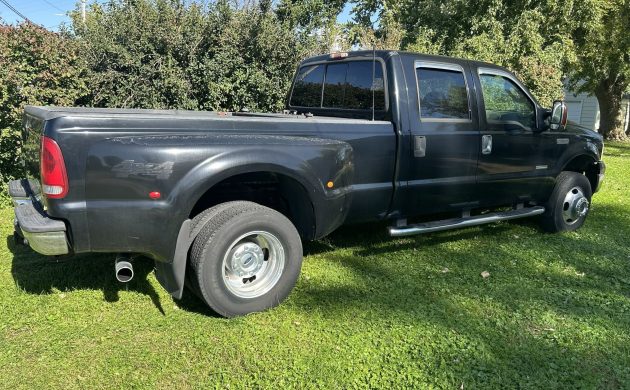
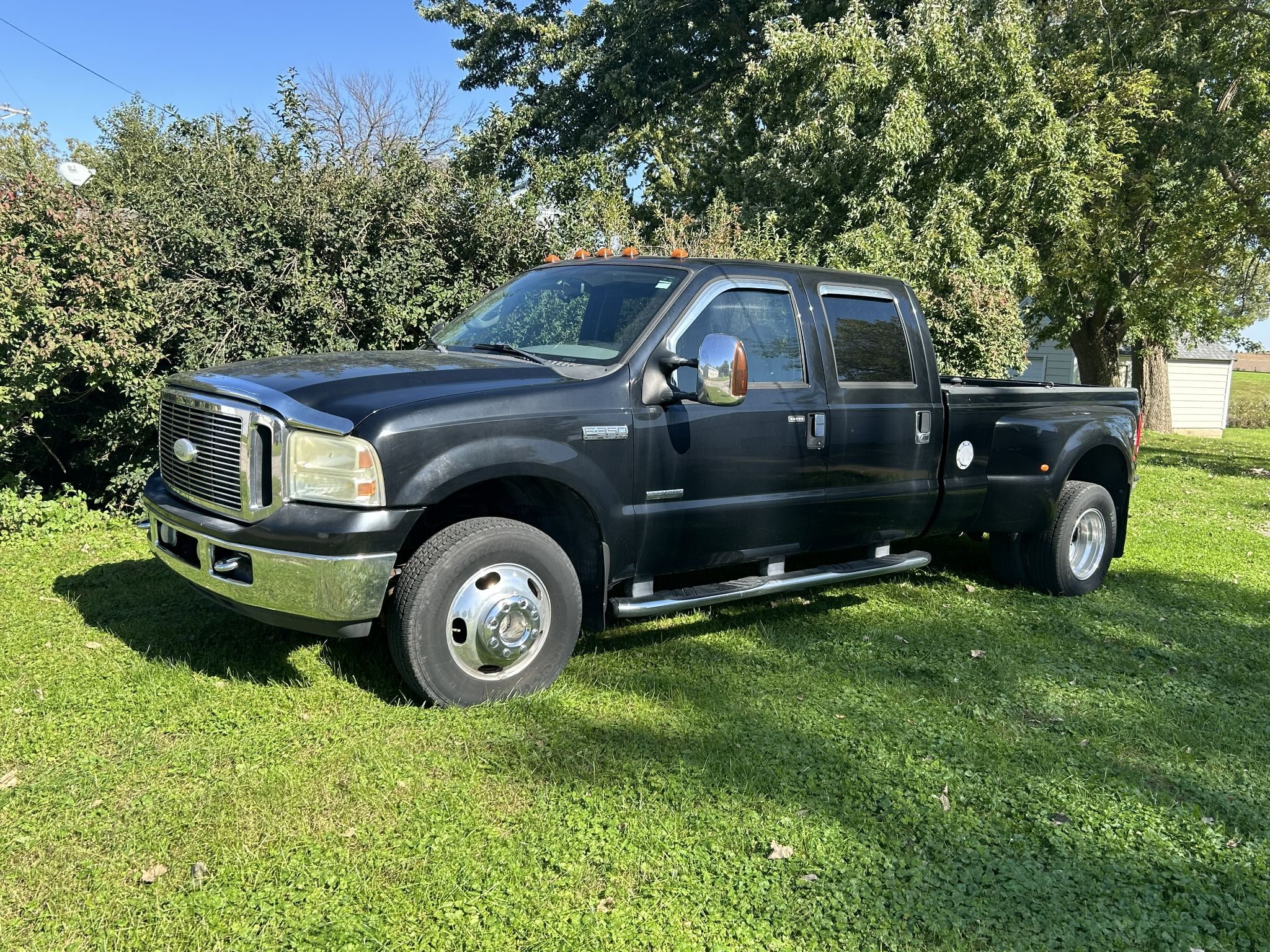
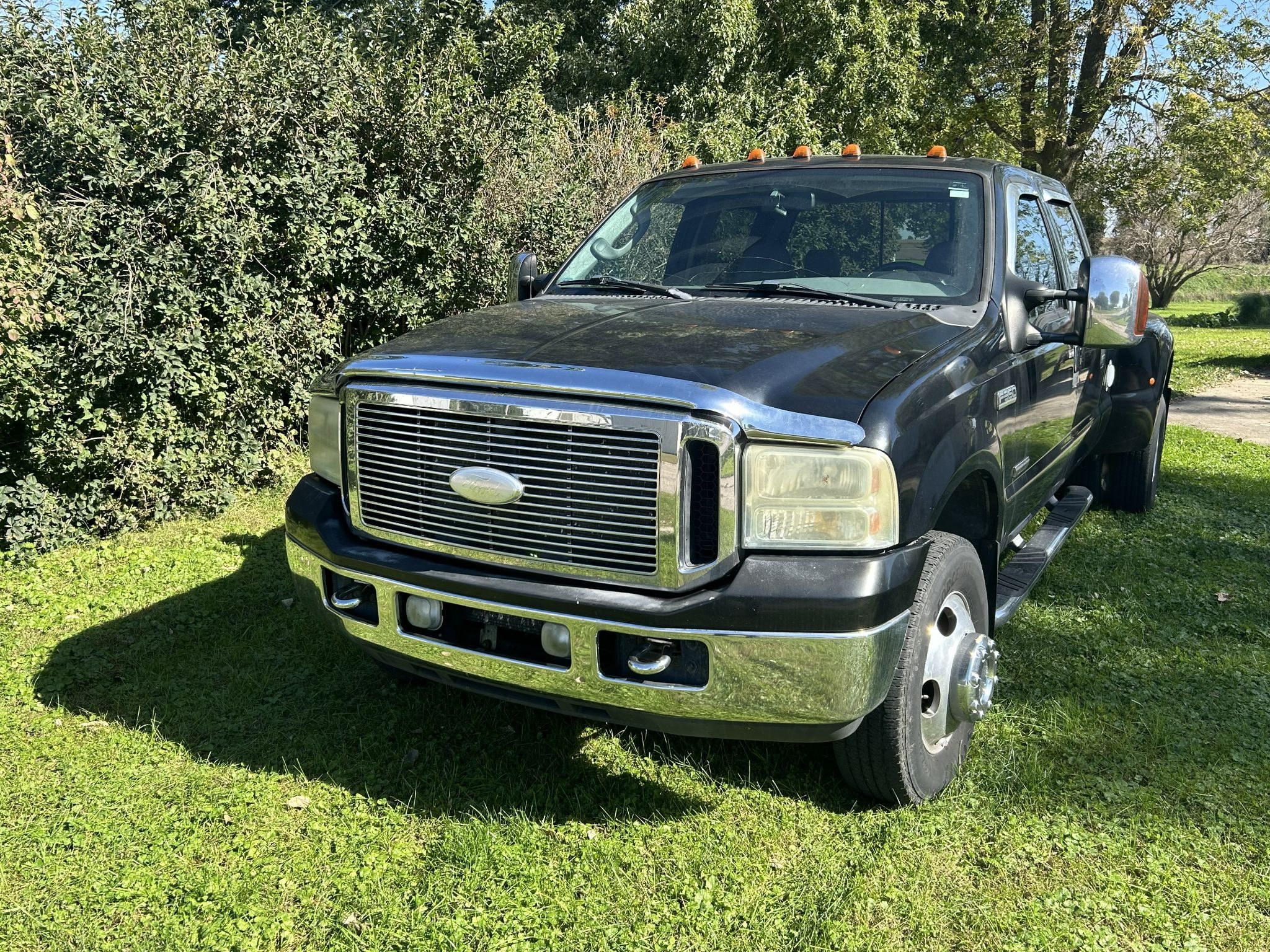
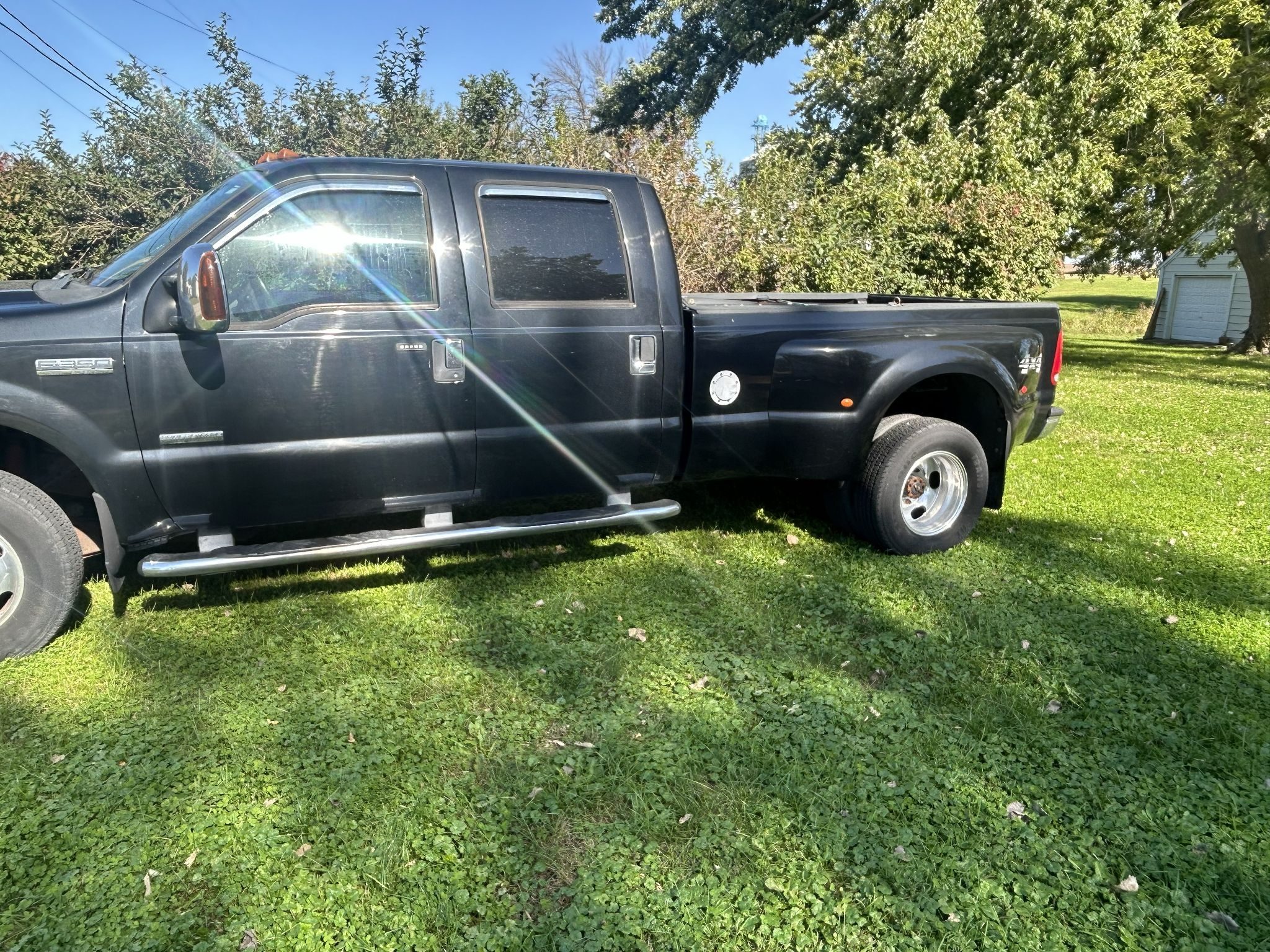
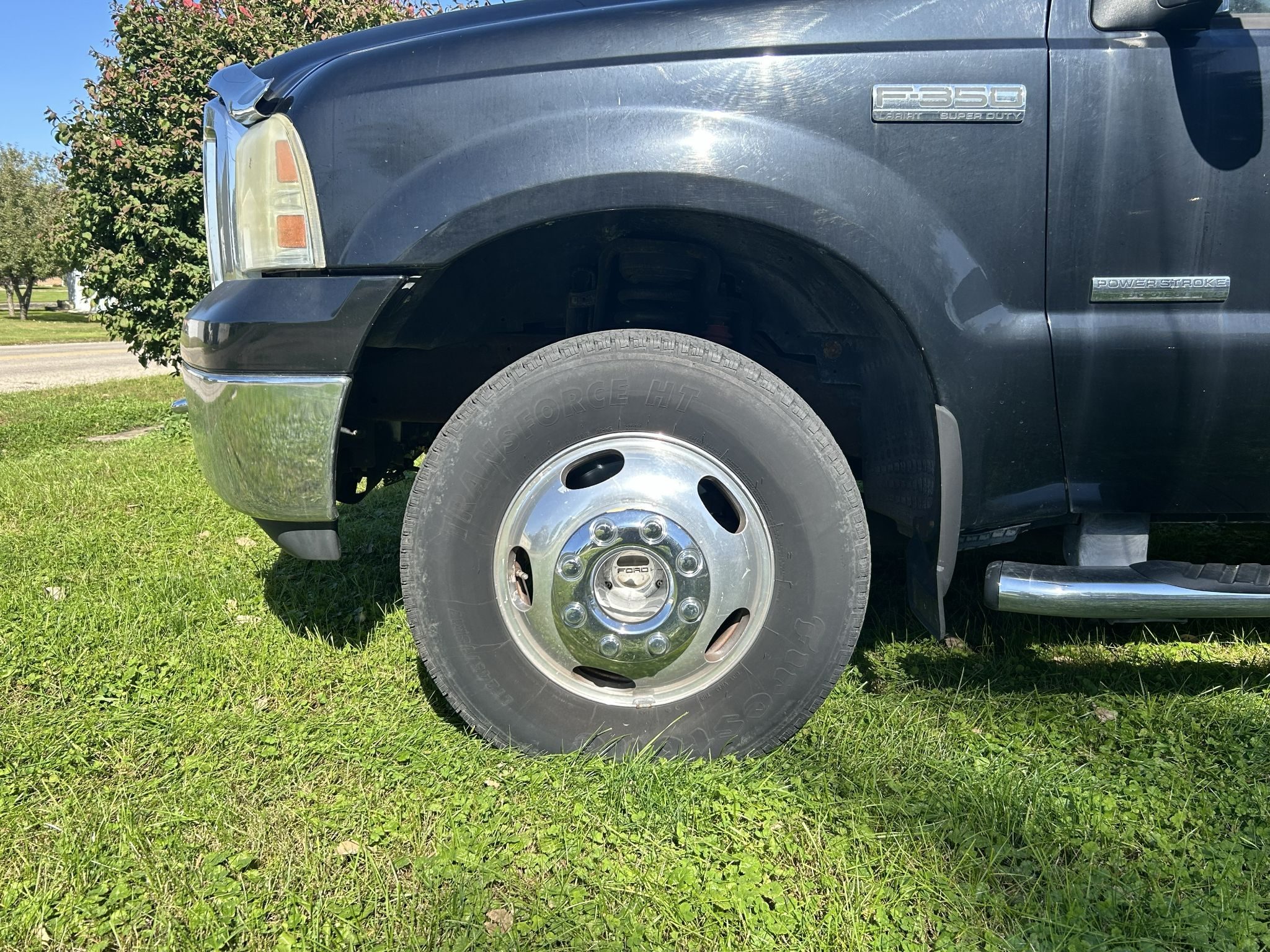
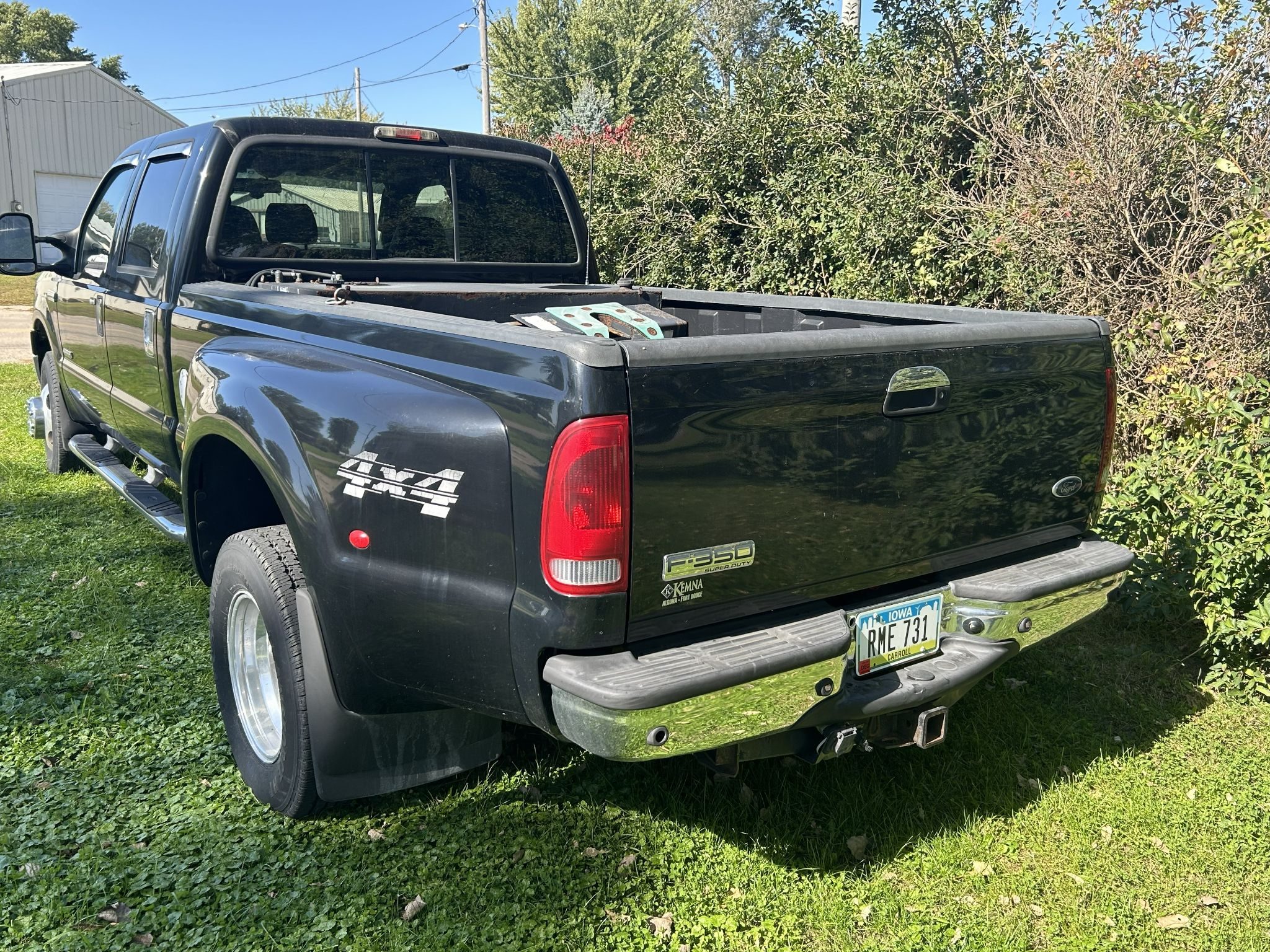
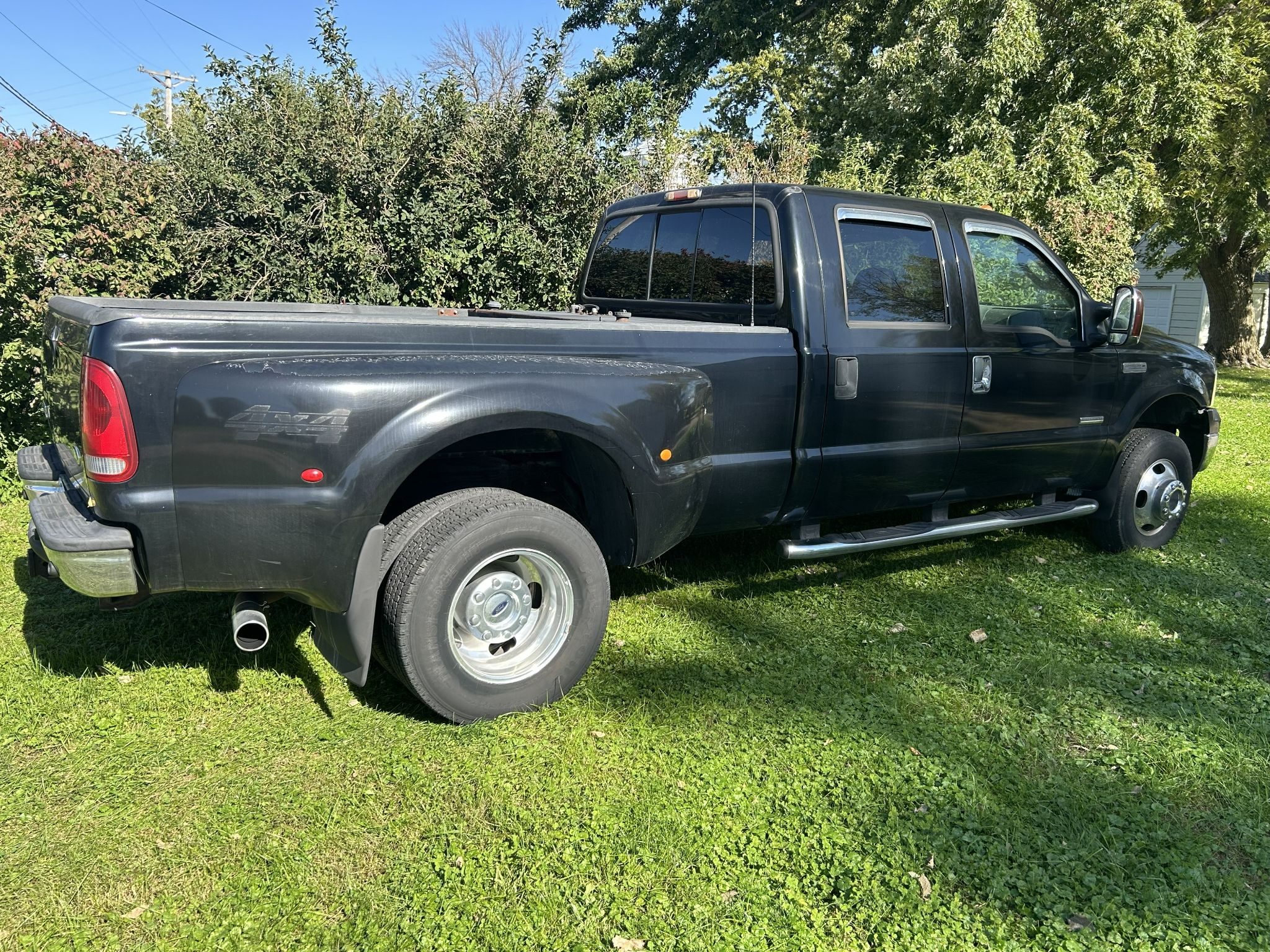
This 2007 Ford F-350 Super Duty is equipped for the kind of work that quickly separates a real tow rig from a lightly used pickup. Its crew-cab, four-wheel-drive, dual-rear-wheel configuration includes an auxiliary fuel tank and heavy-duty towing hardware, and the seller describes it as a professionally maintained truck with one previous owner. It is located in Lanesboro, Iowa, with a clean title and 284,339 miles showing.
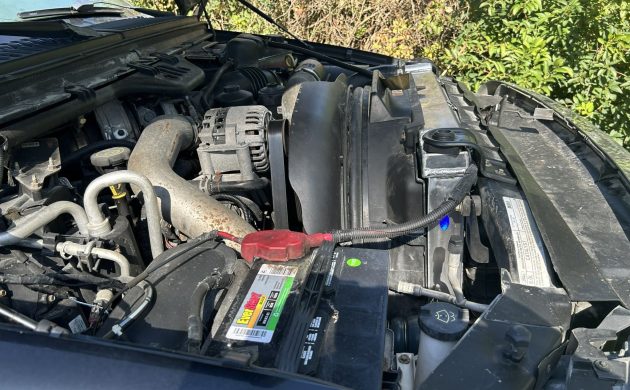
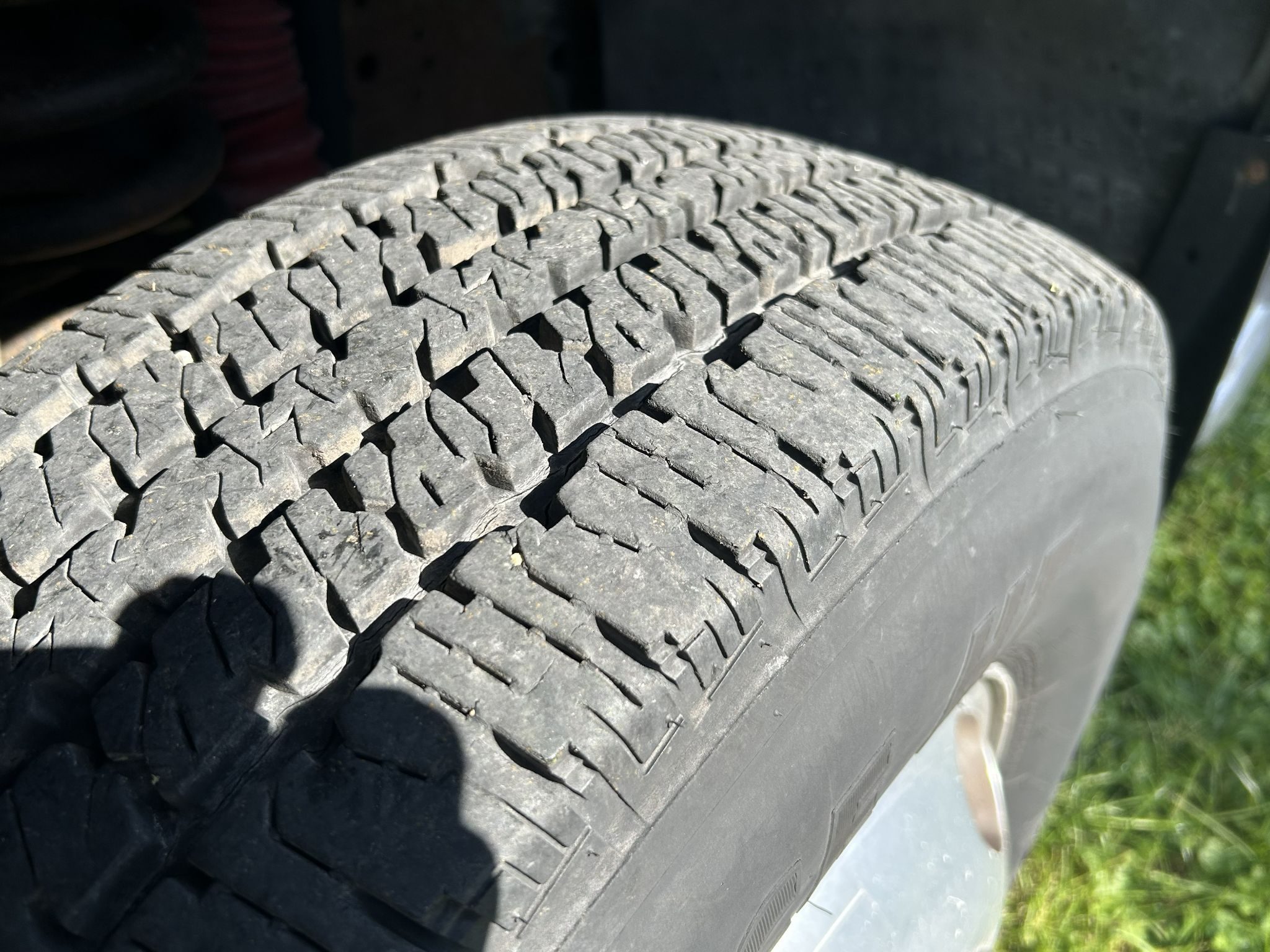
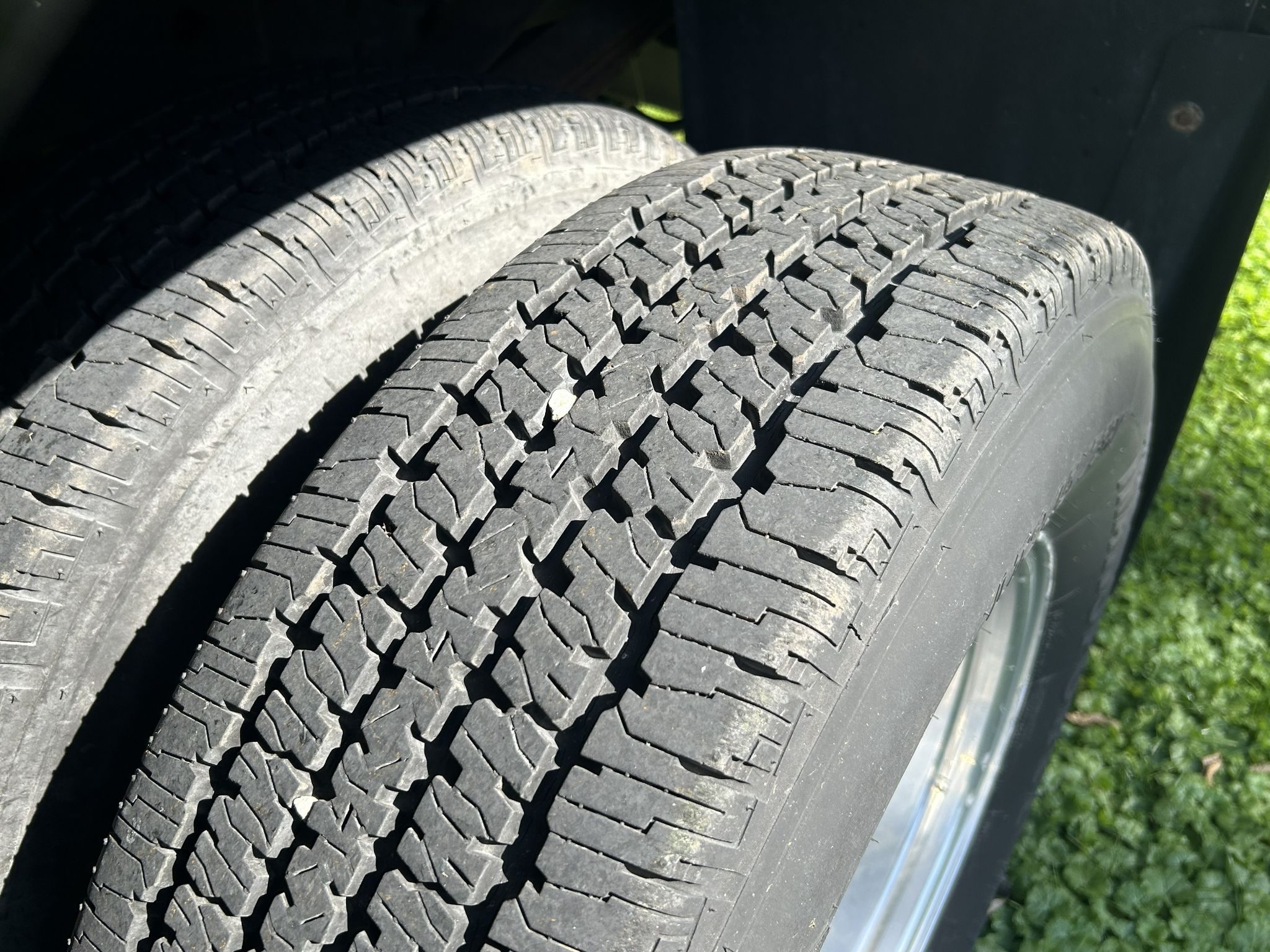
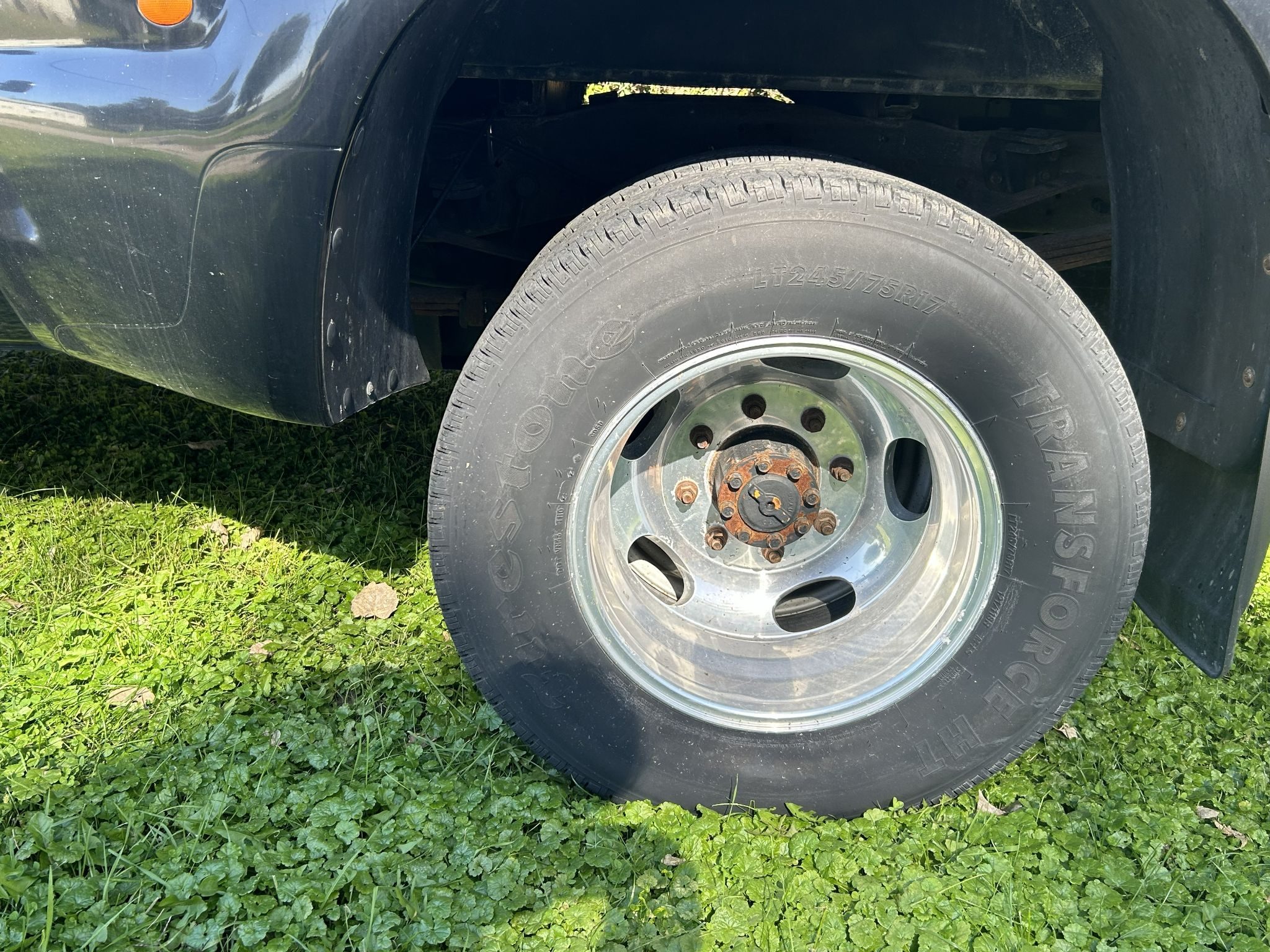
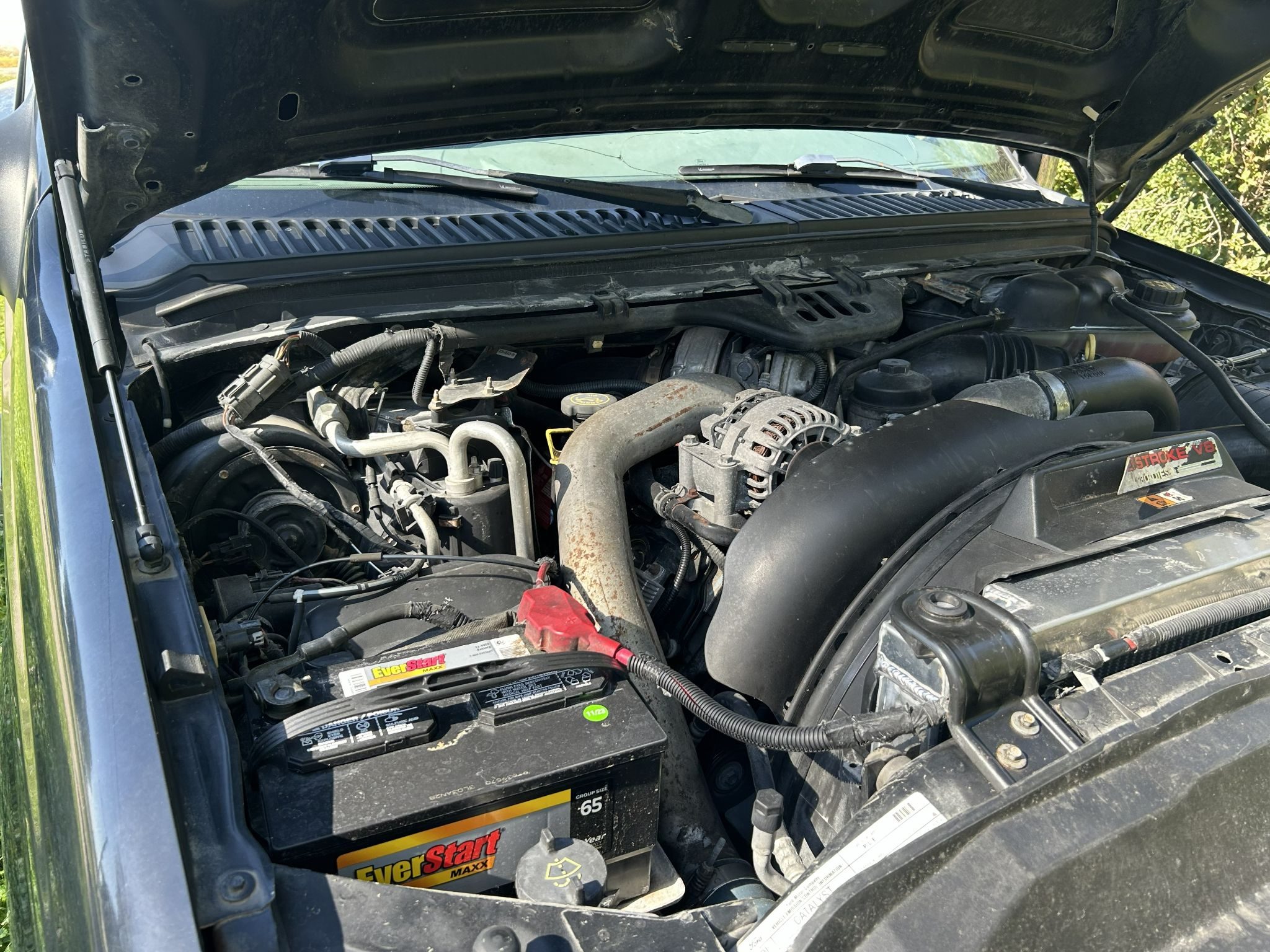
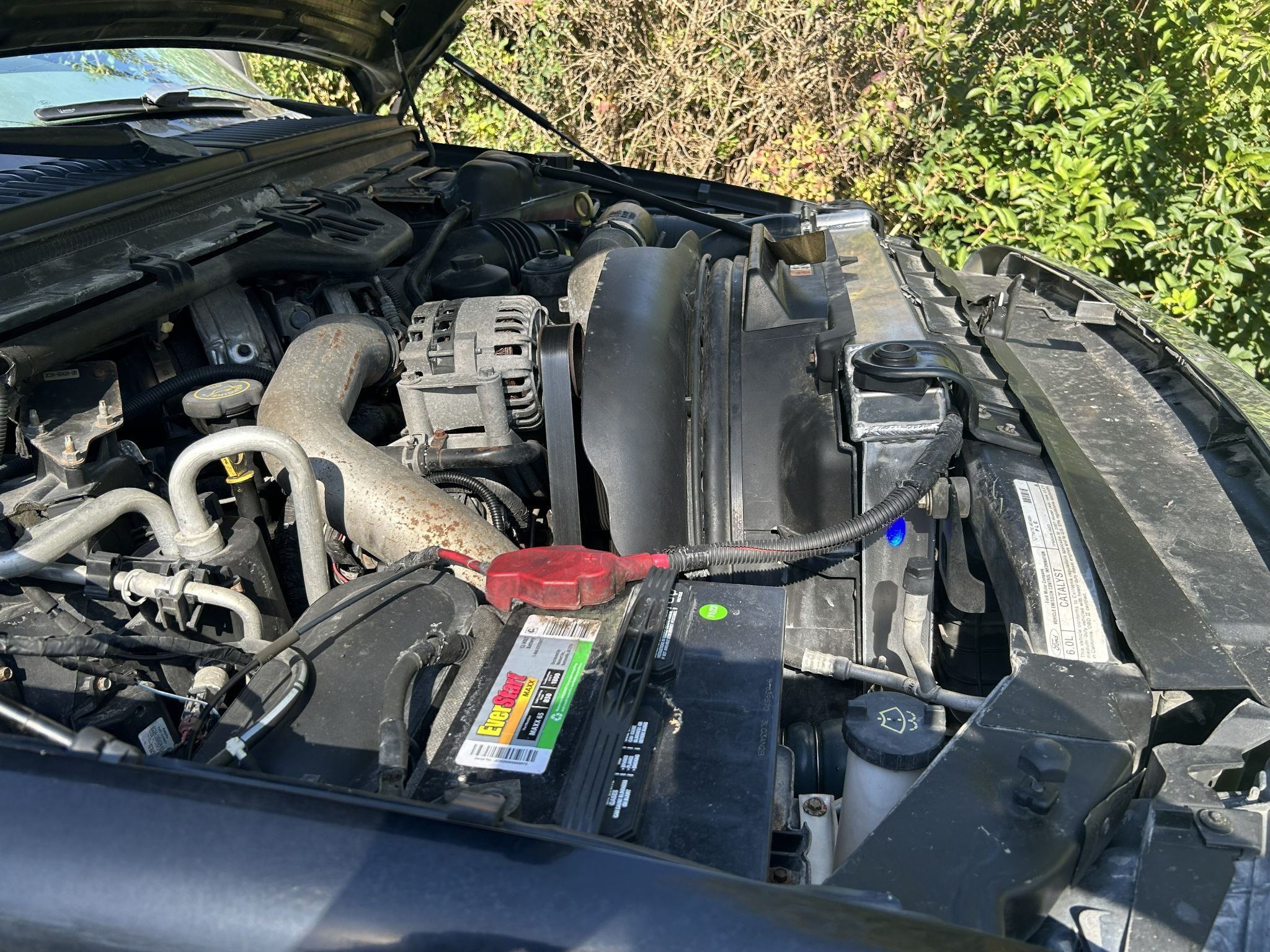
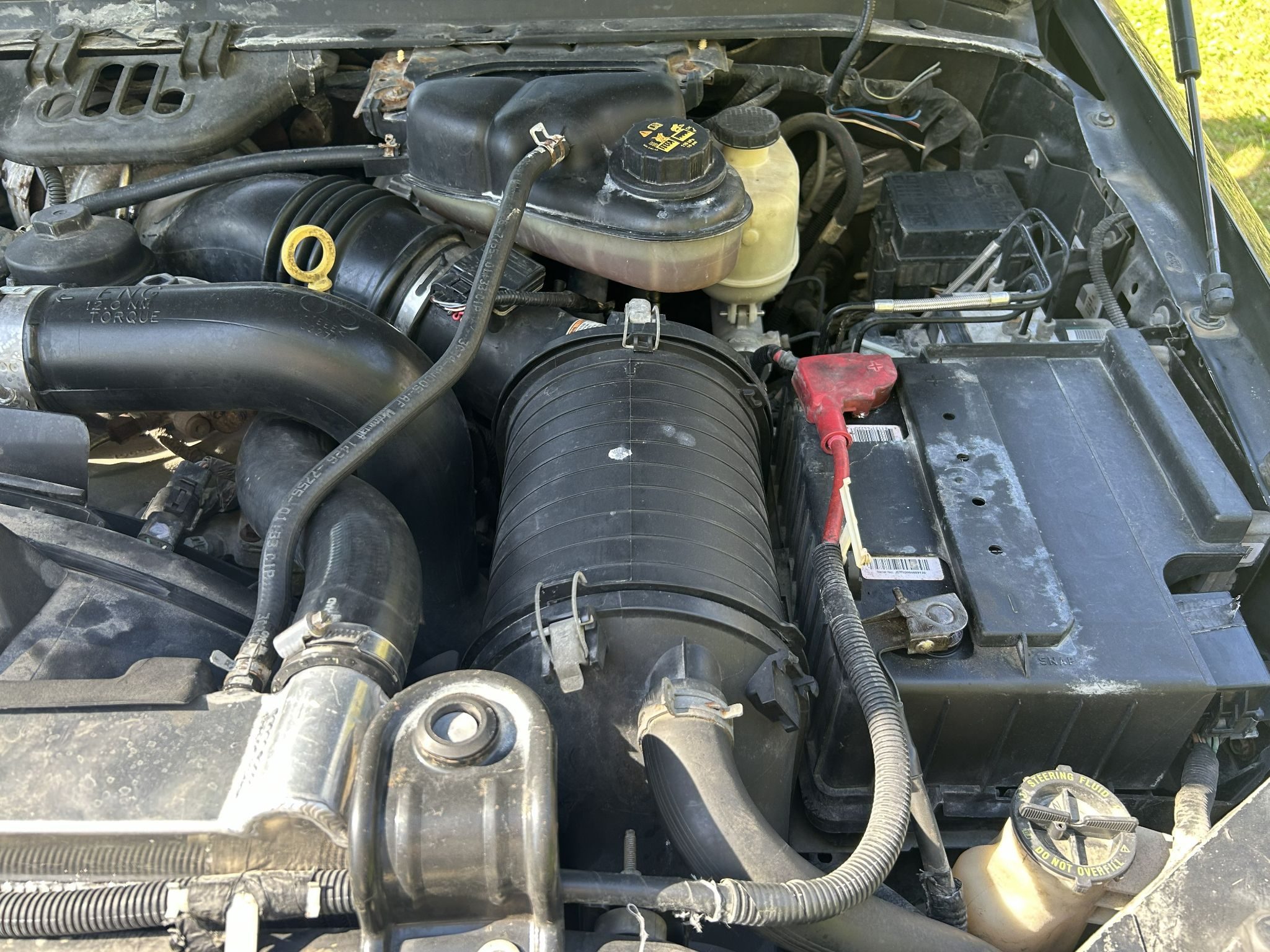
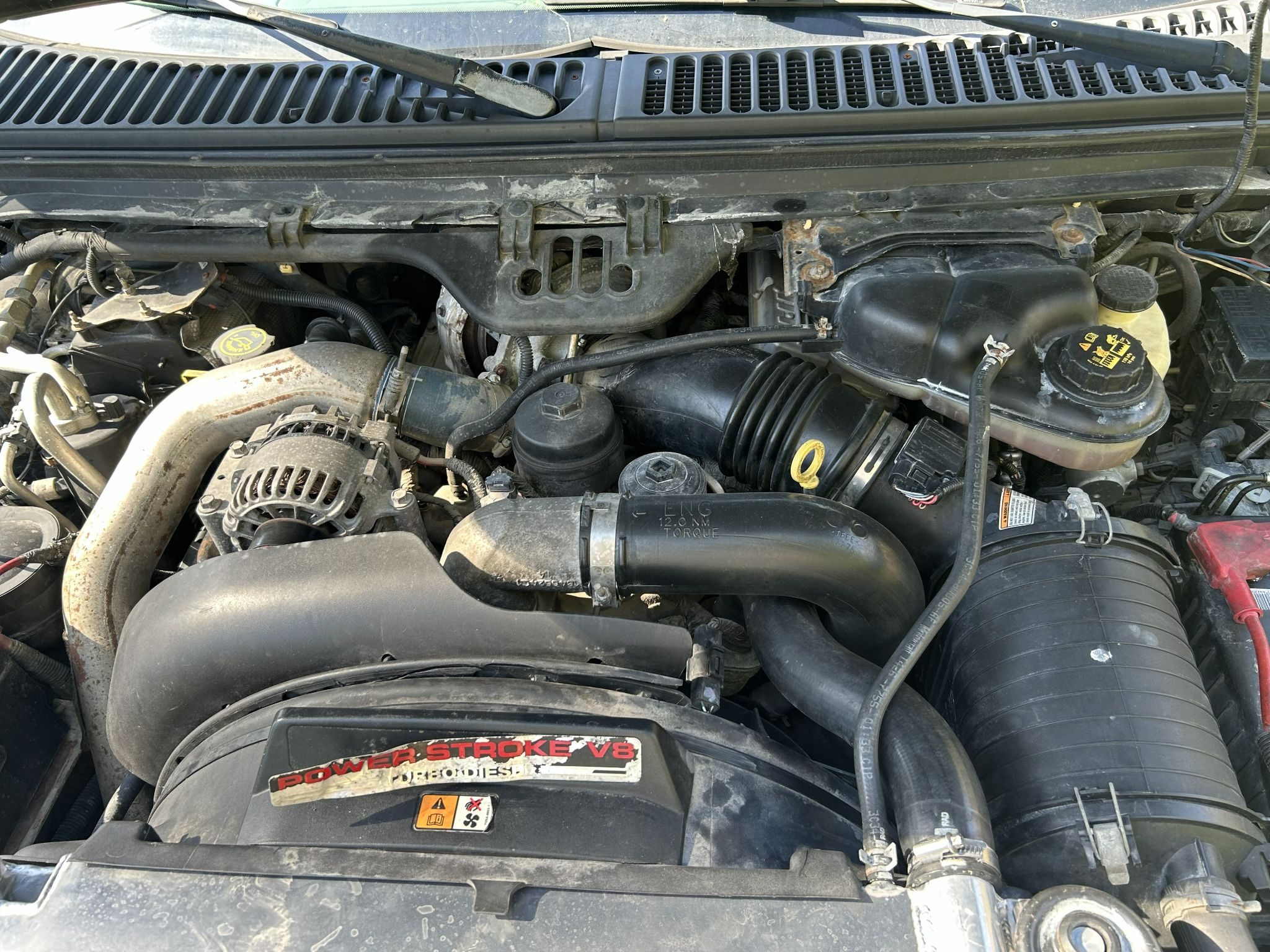
The truck is powered by a 6.0-liter V8 Power Stroke turbodiesel backed by an automatic transmission. The seller says it remains in strong condition and recently received an all-aluminum radiator that has fewer than 100 miles of use. The tires are described as nearly new, and the photos show deep tread on the rear tires. The Power Stroke is a durable, powerful engine with 325 horsepower and 570 foot-pounds of torque on tap. When well maintained, these engines are known to be bulletproof.
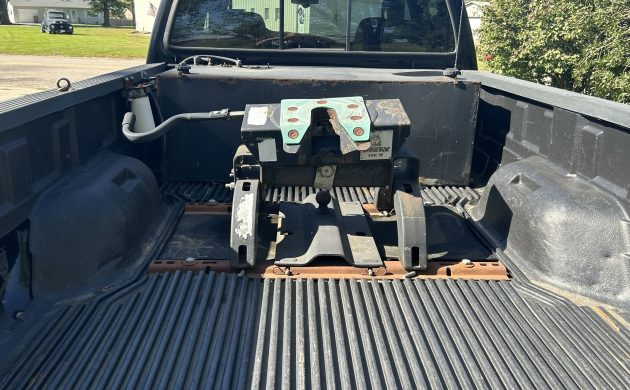
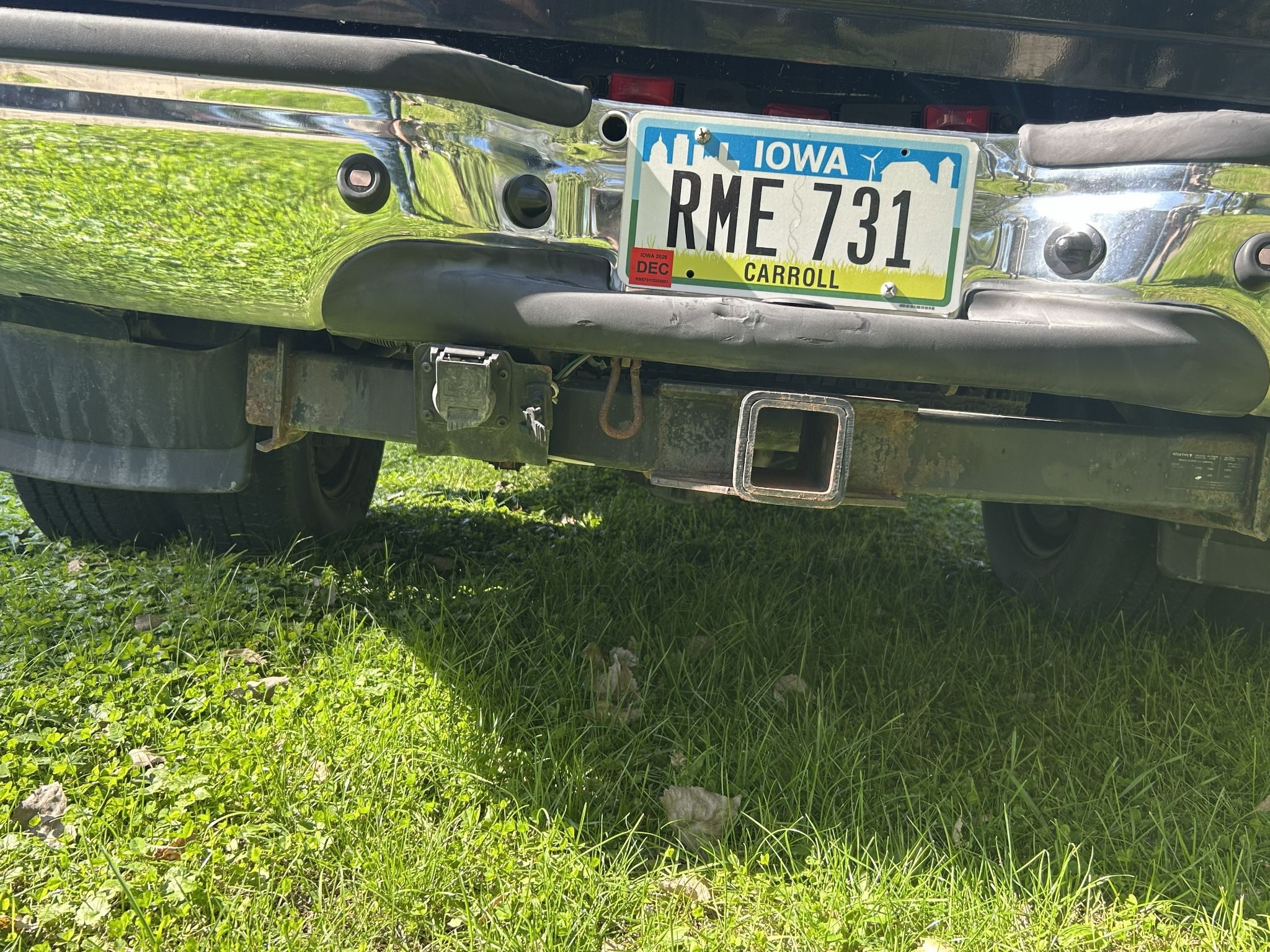
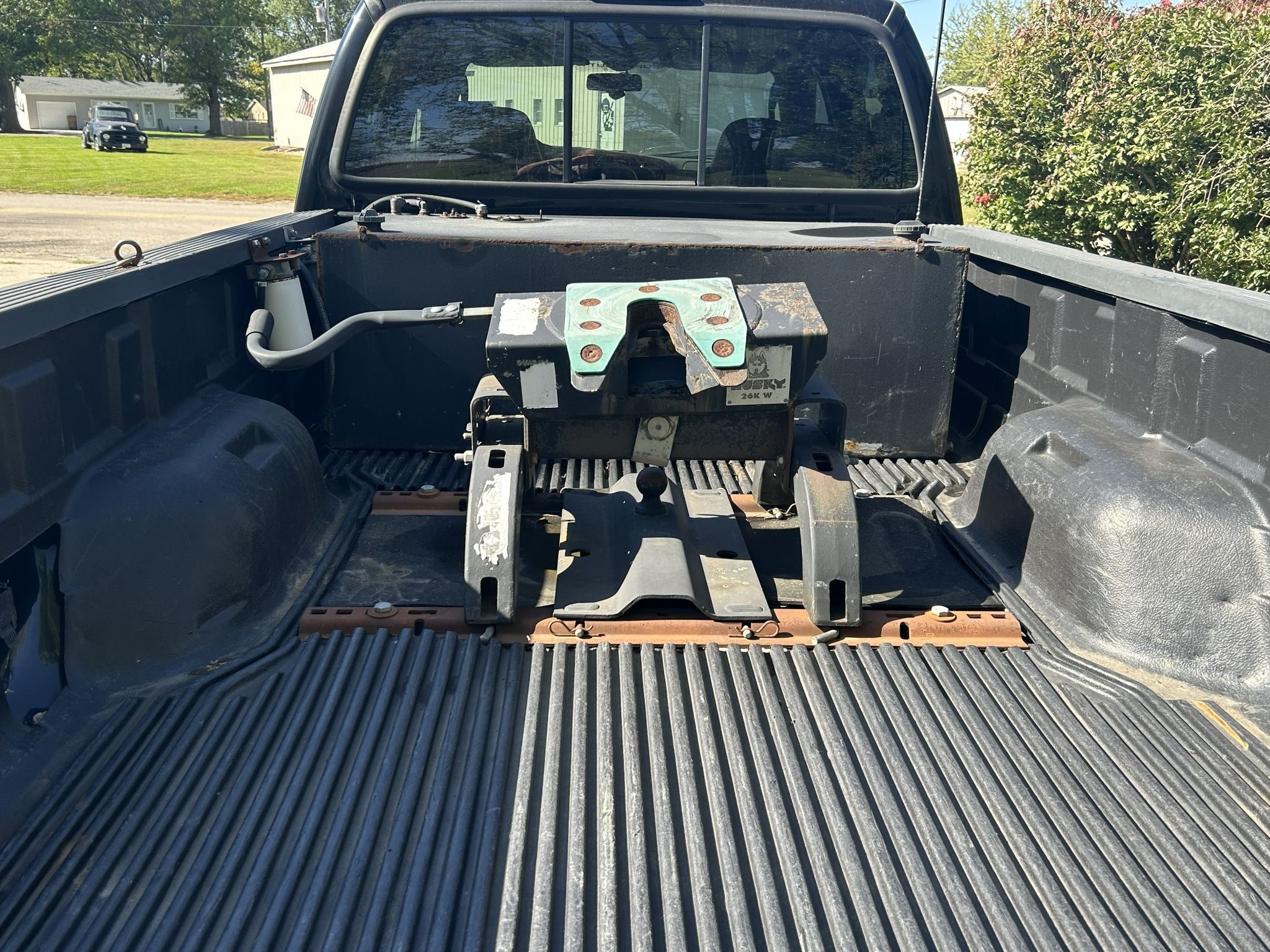
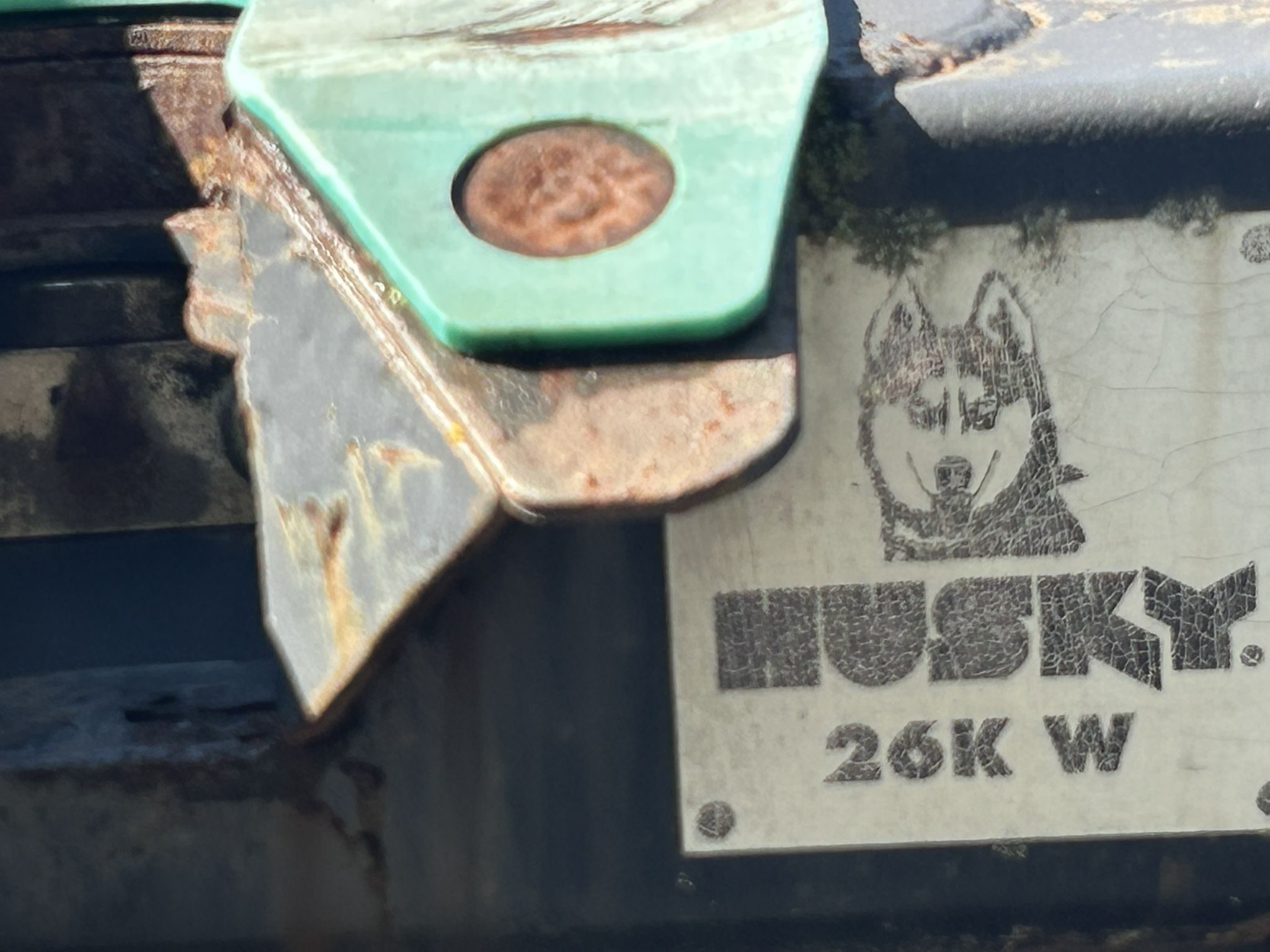
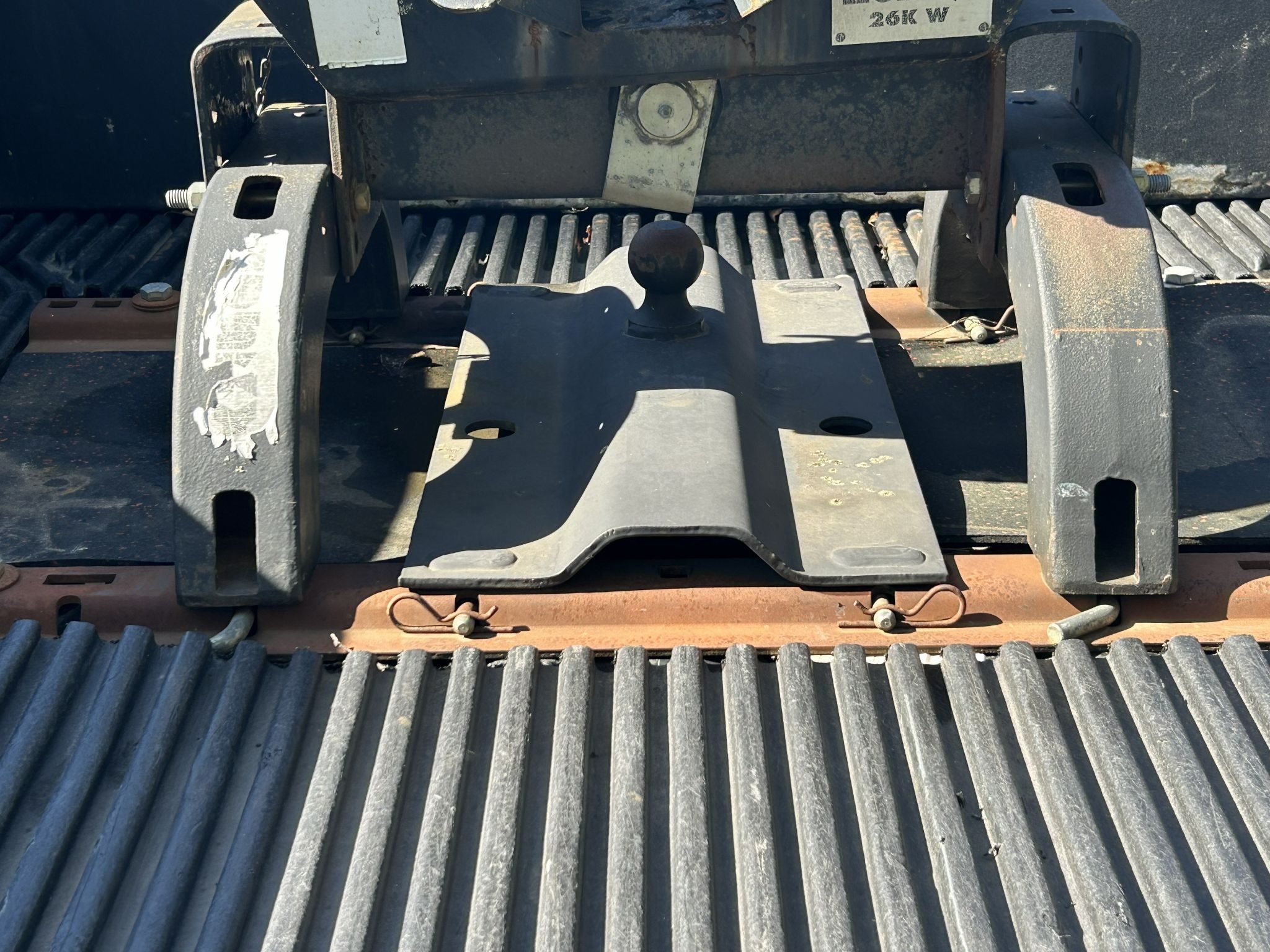
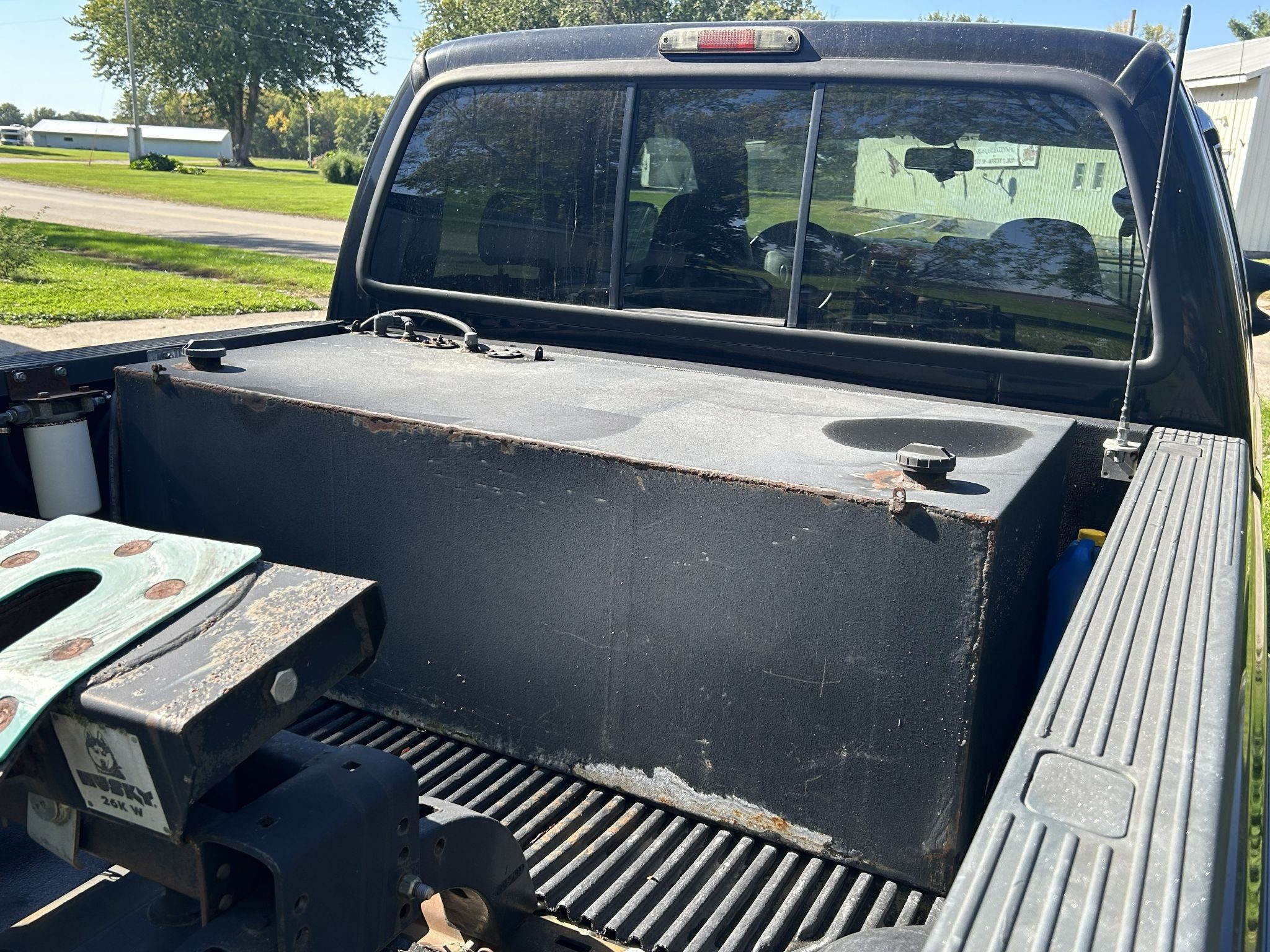
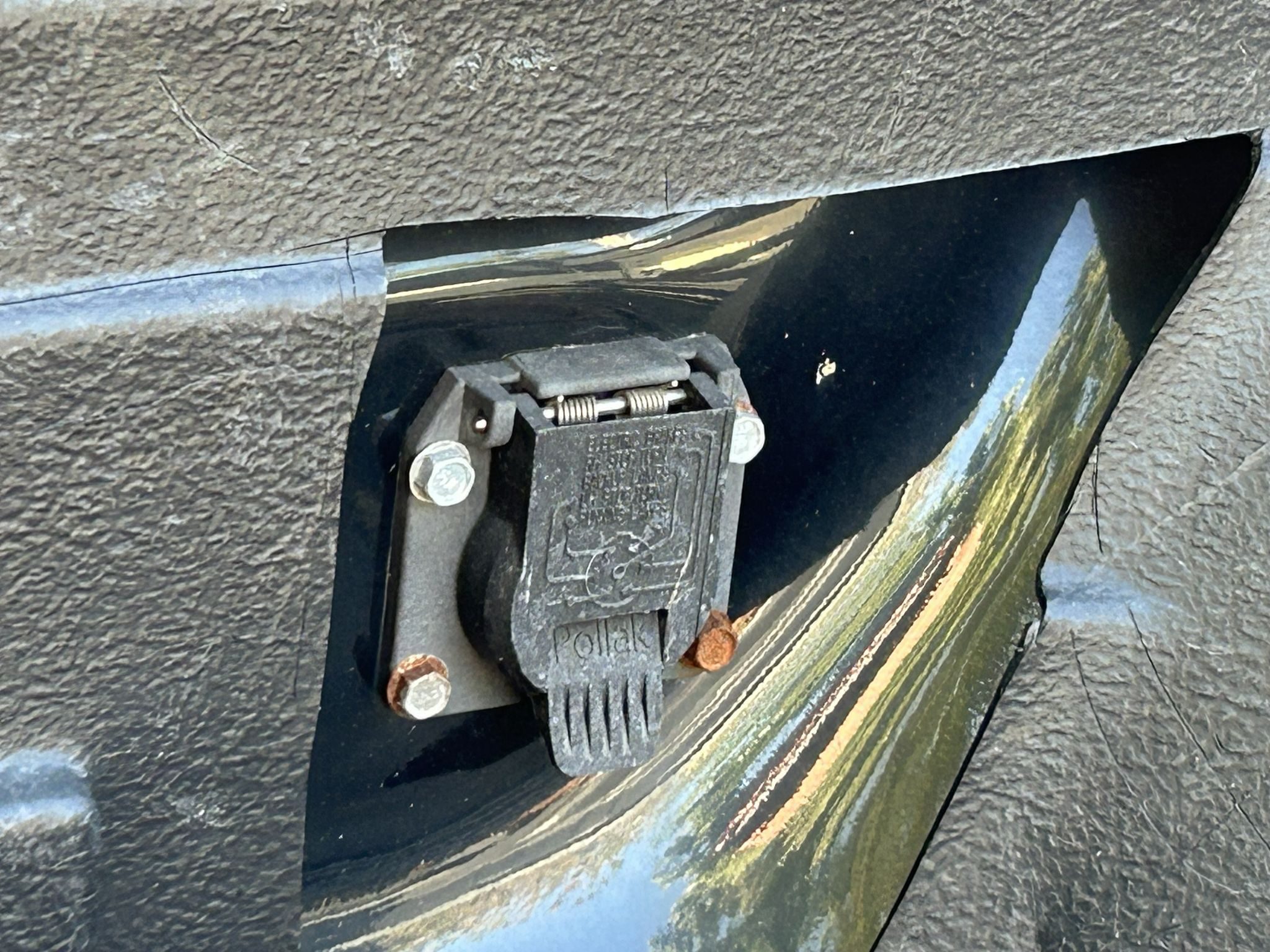
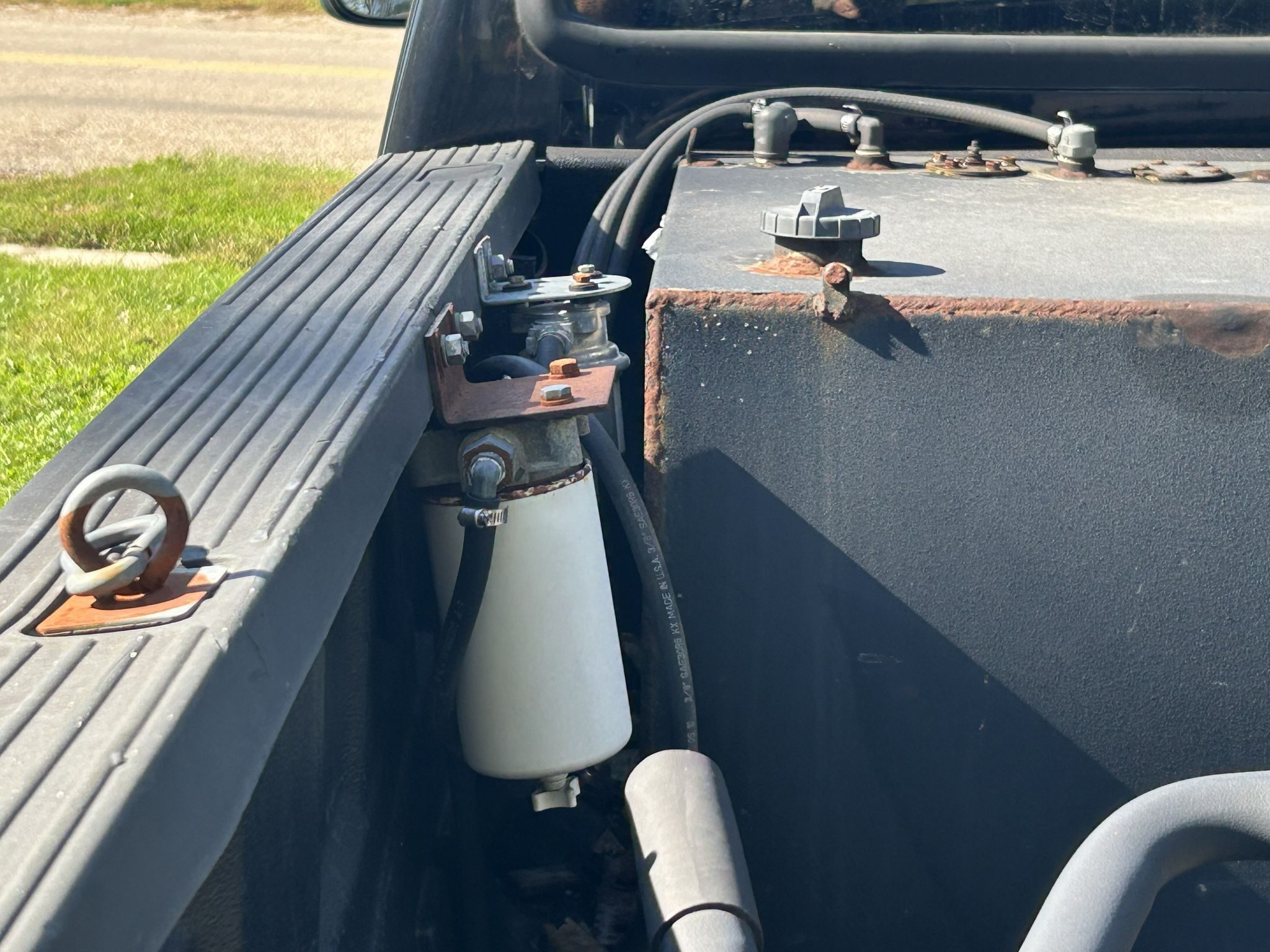
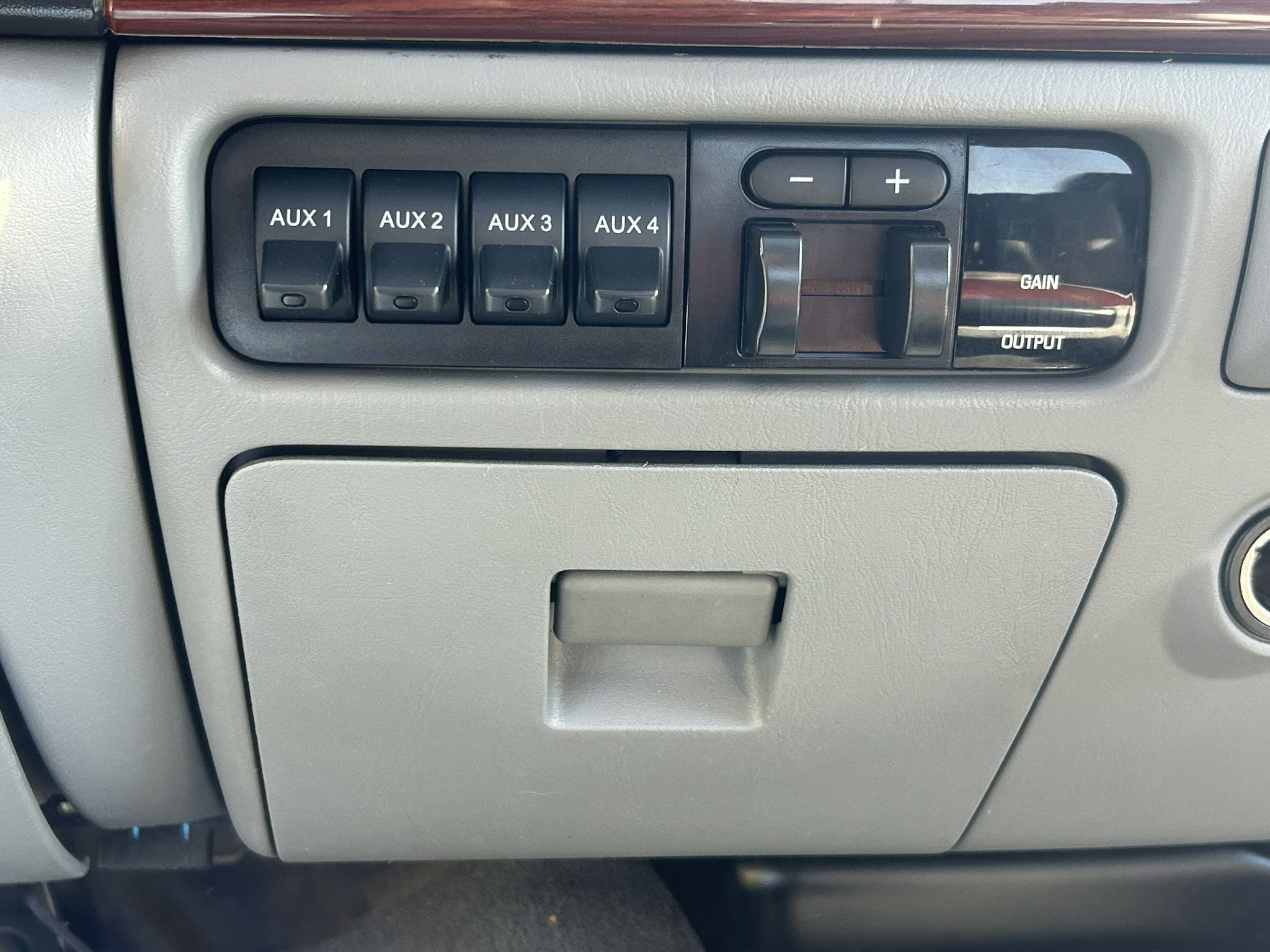
The bed carries an auxiliary fuel tank with its own pump and filter, which can extend range between stops. It also has a 26,000-pound Husky fifth-wheel hitch and a gooseneck-ball attachment. Buyers should verify that all of this equipment is included in the sale, inspect its installation, and make sure its ratings suit their intended trailer and load.
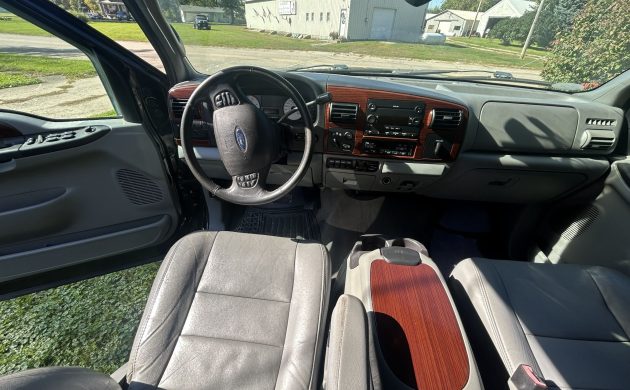
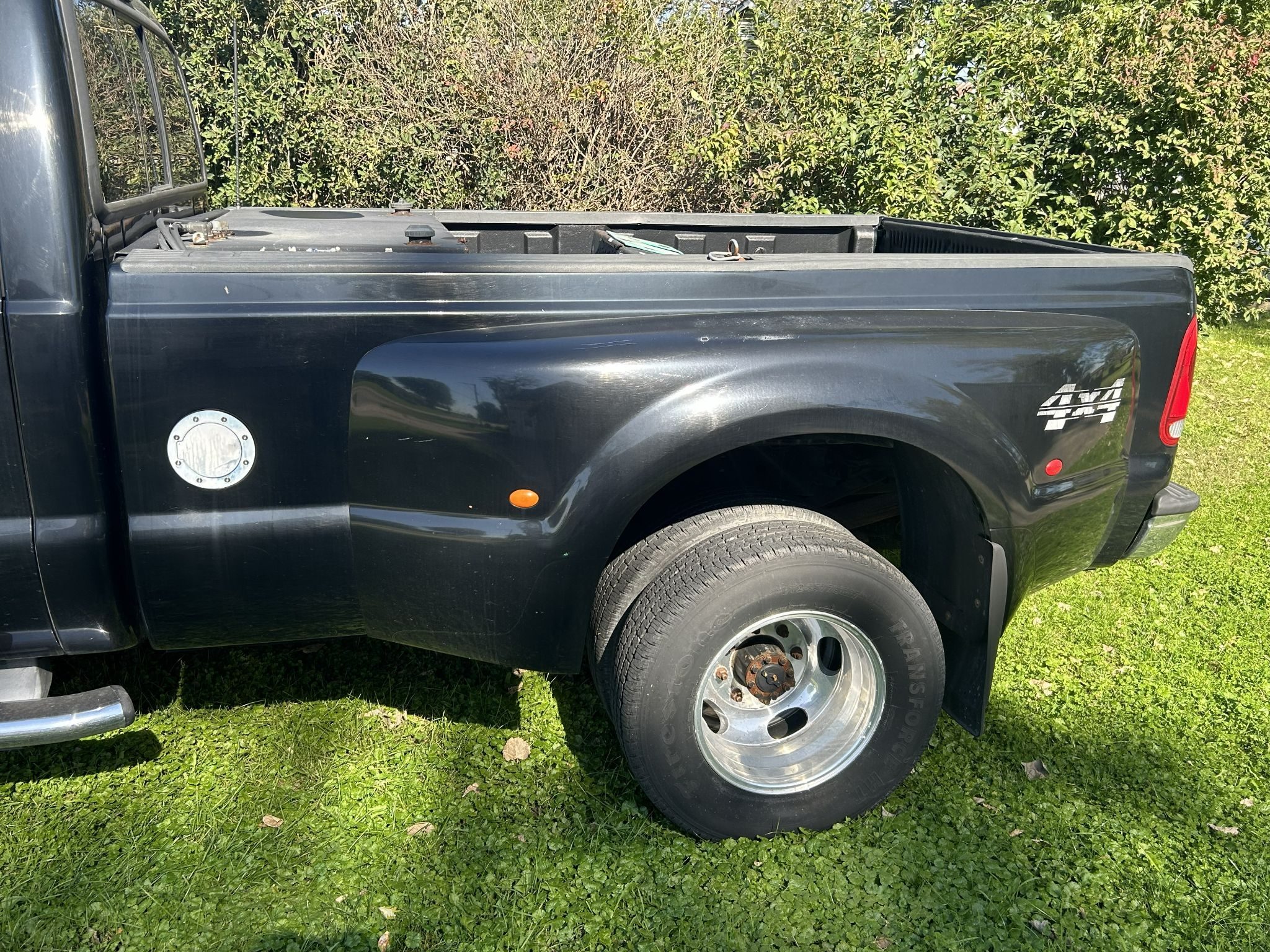
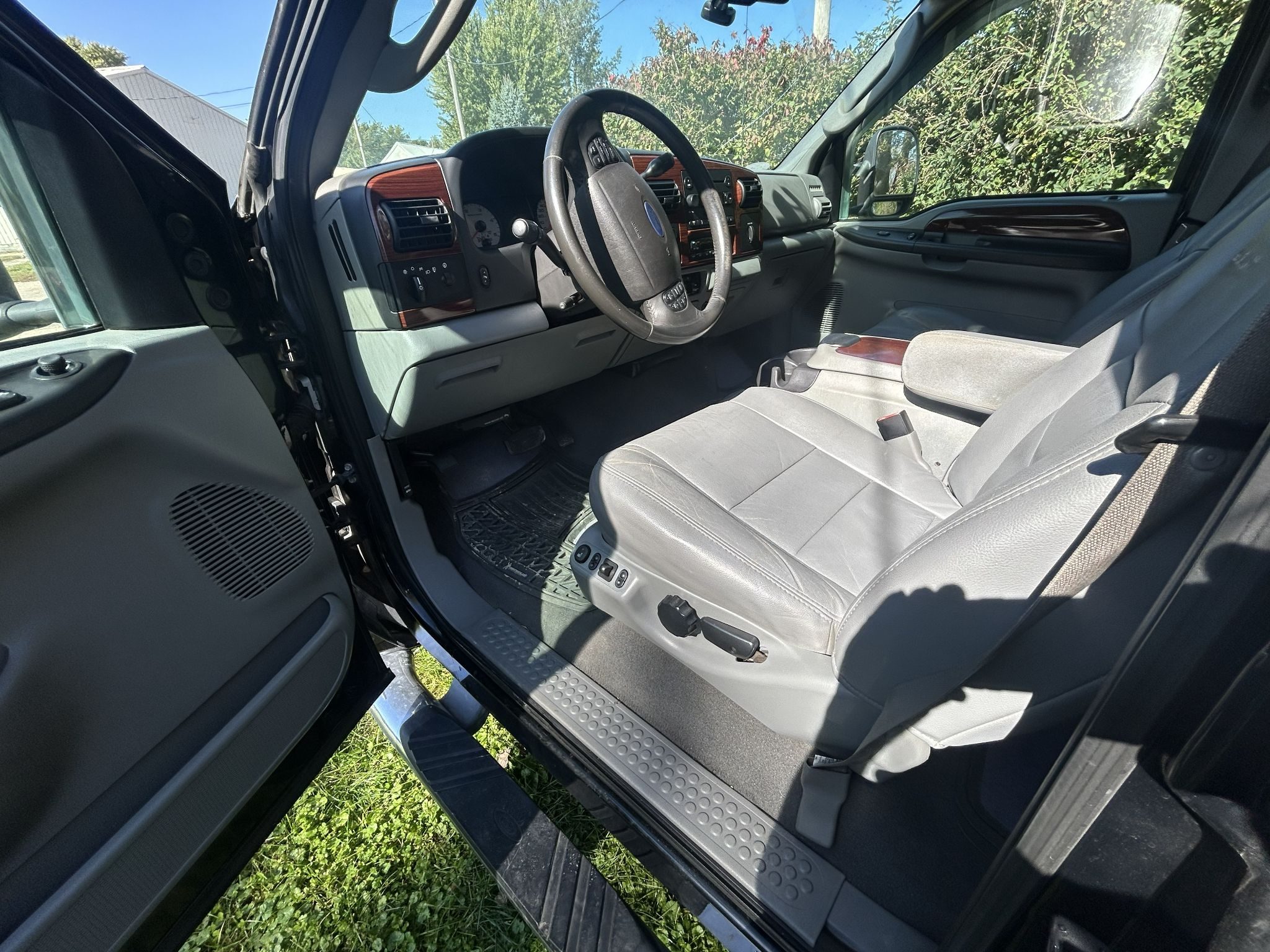
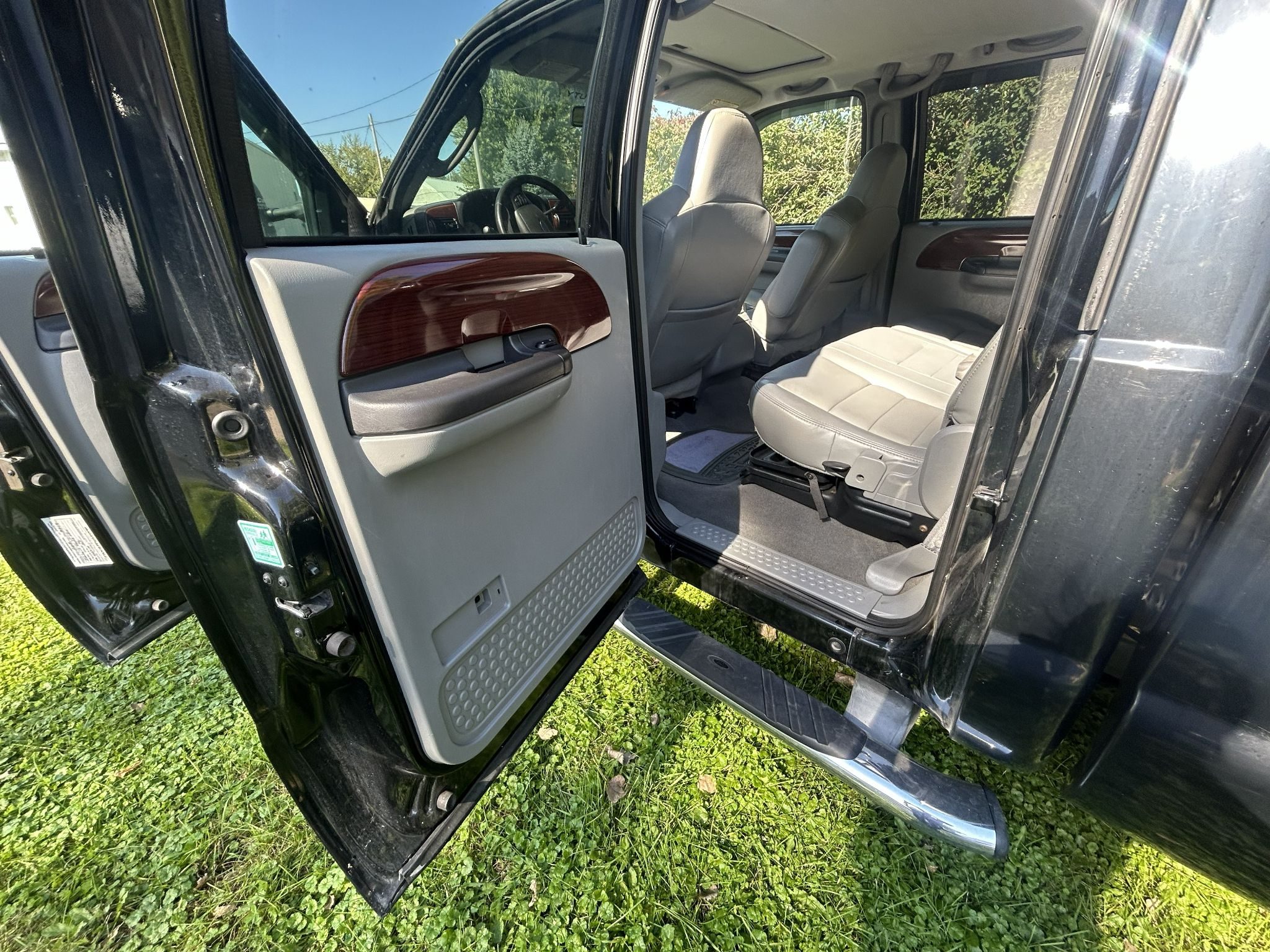
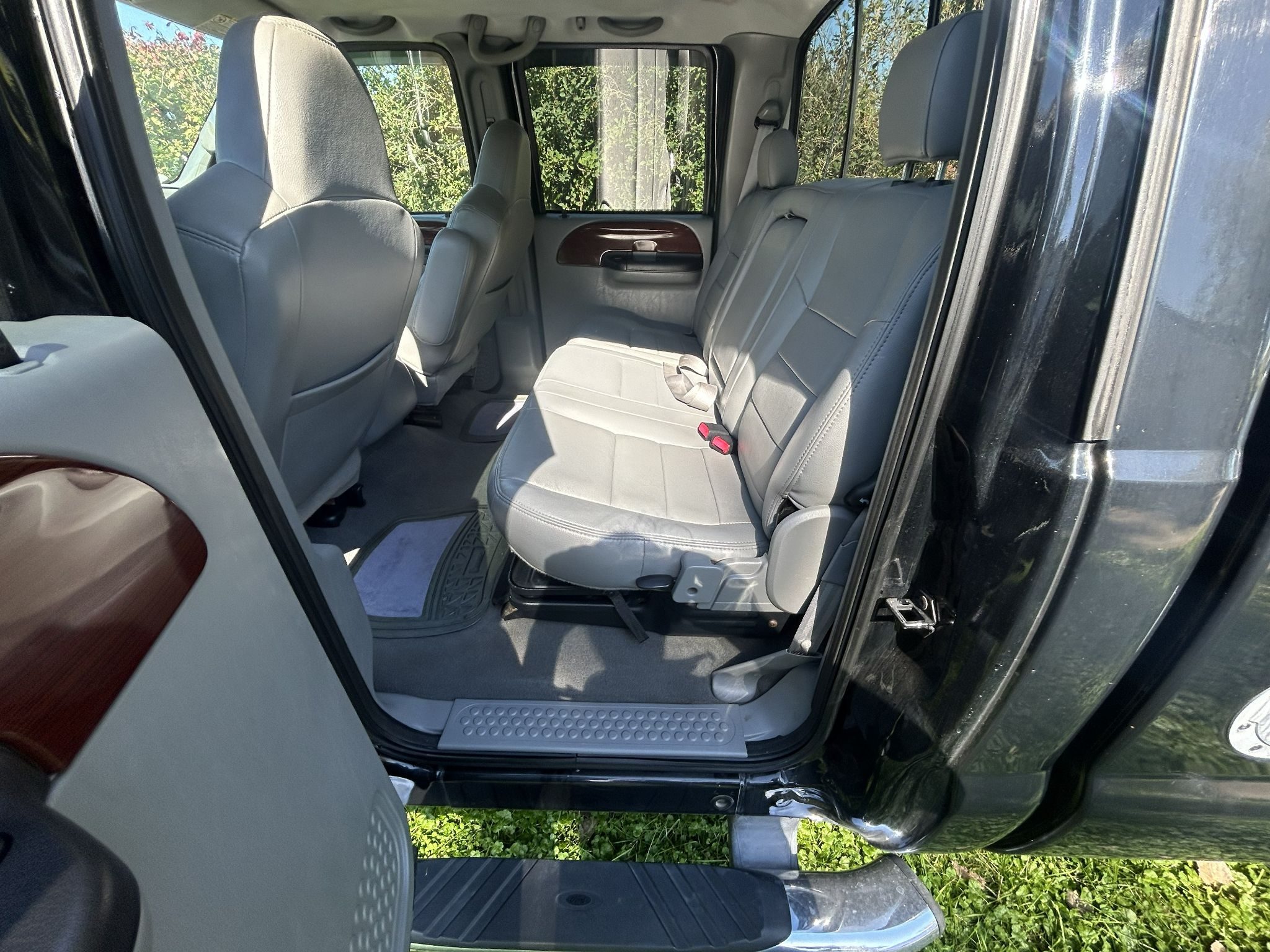
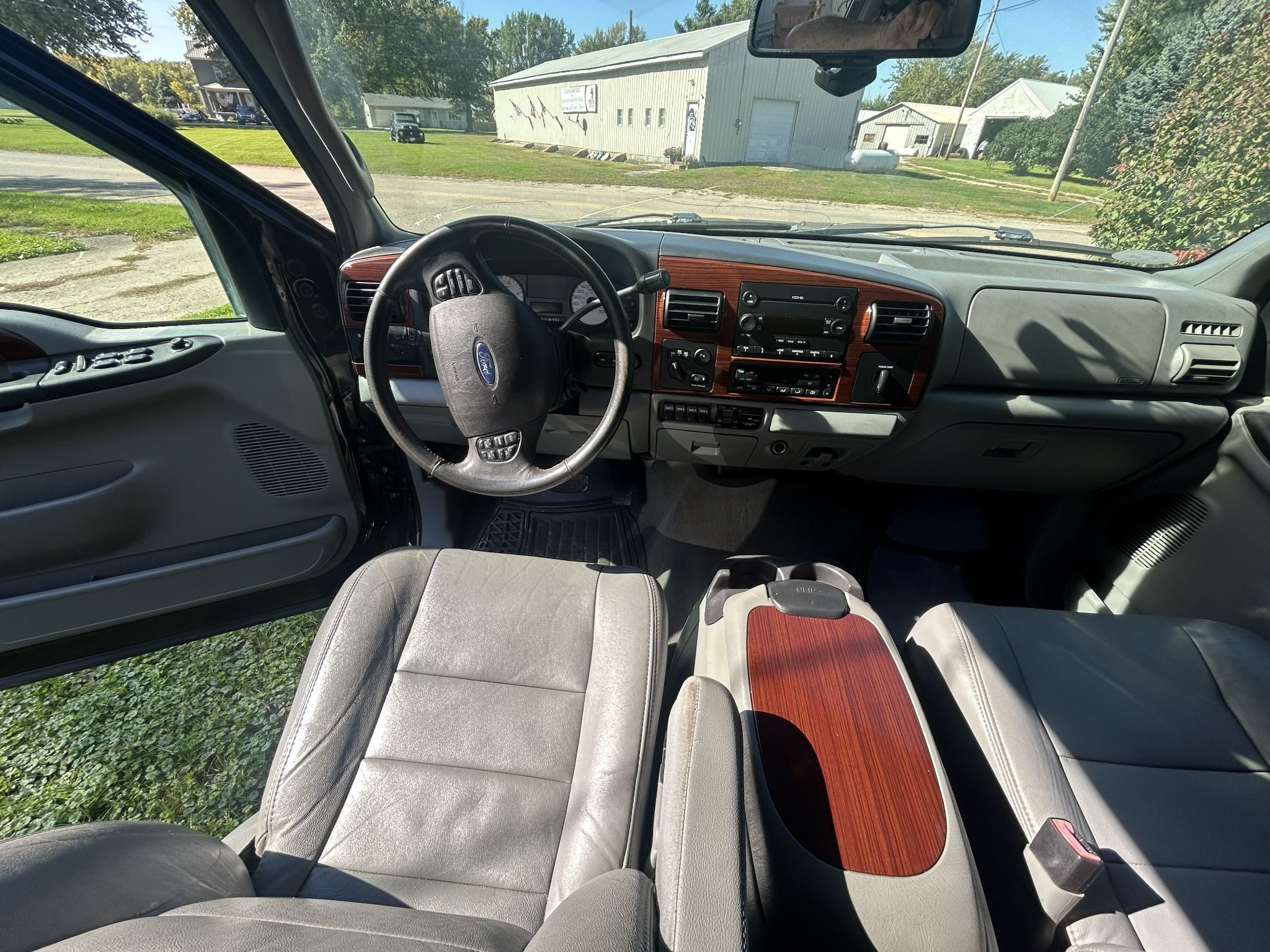
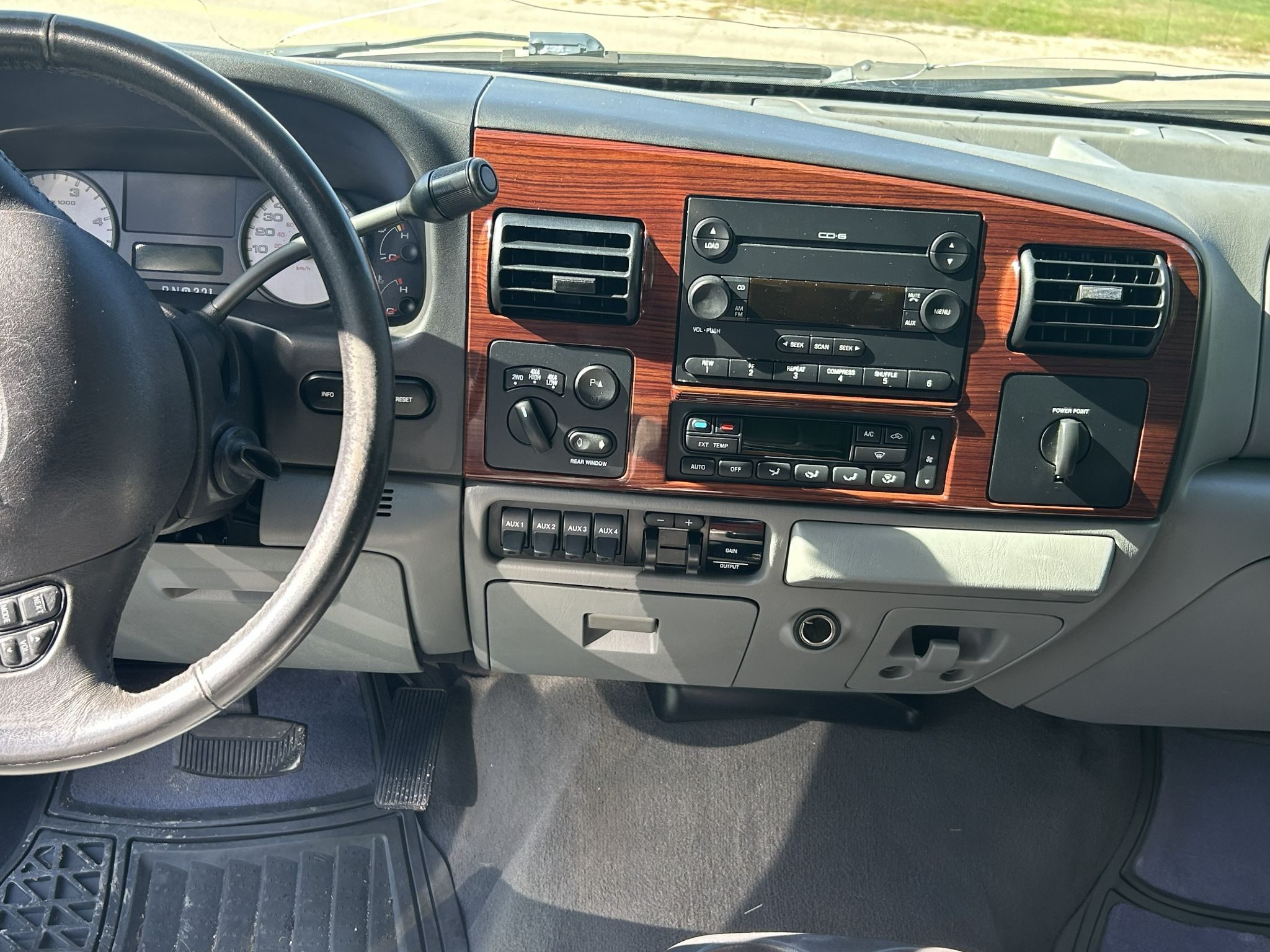
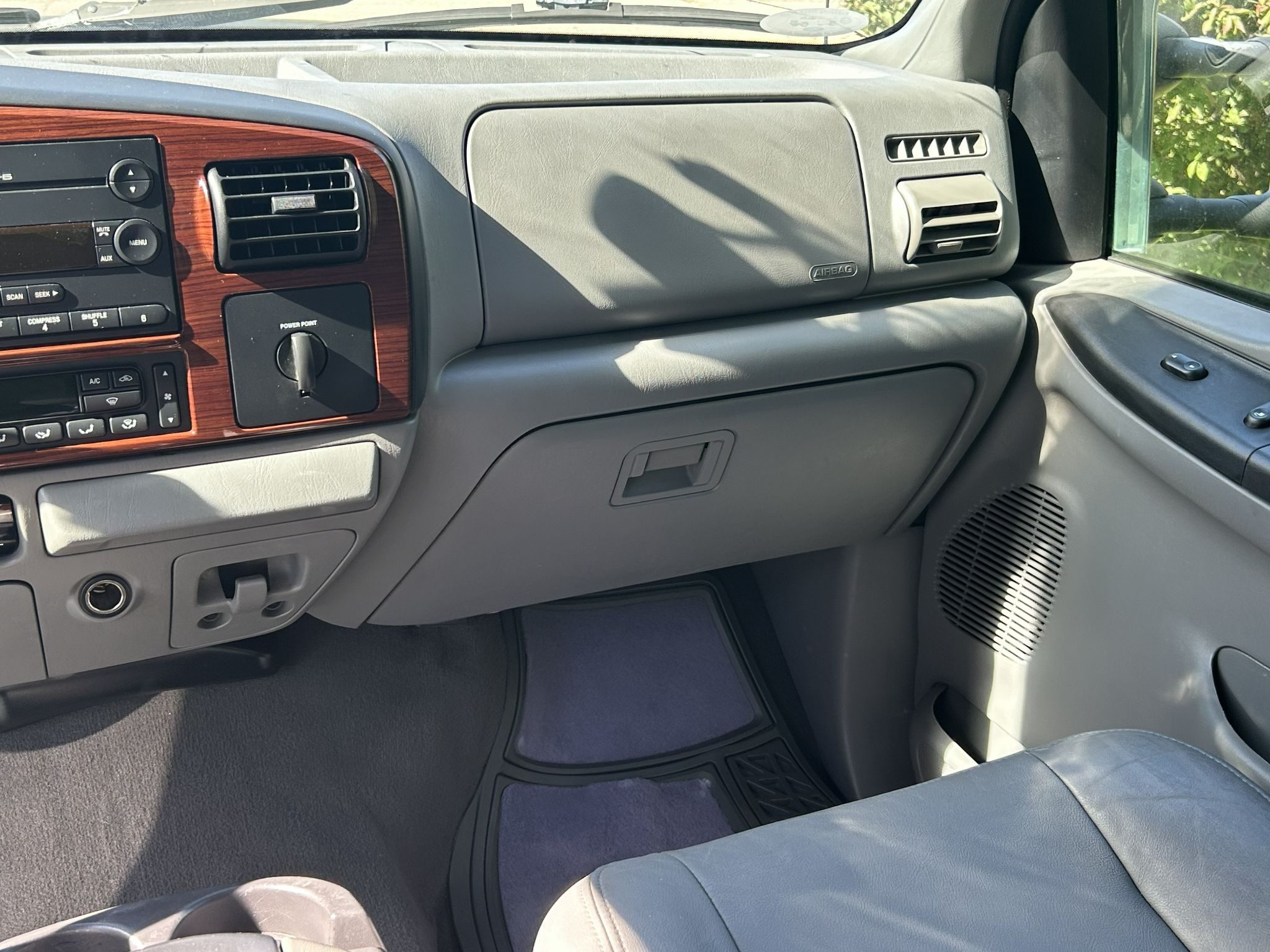
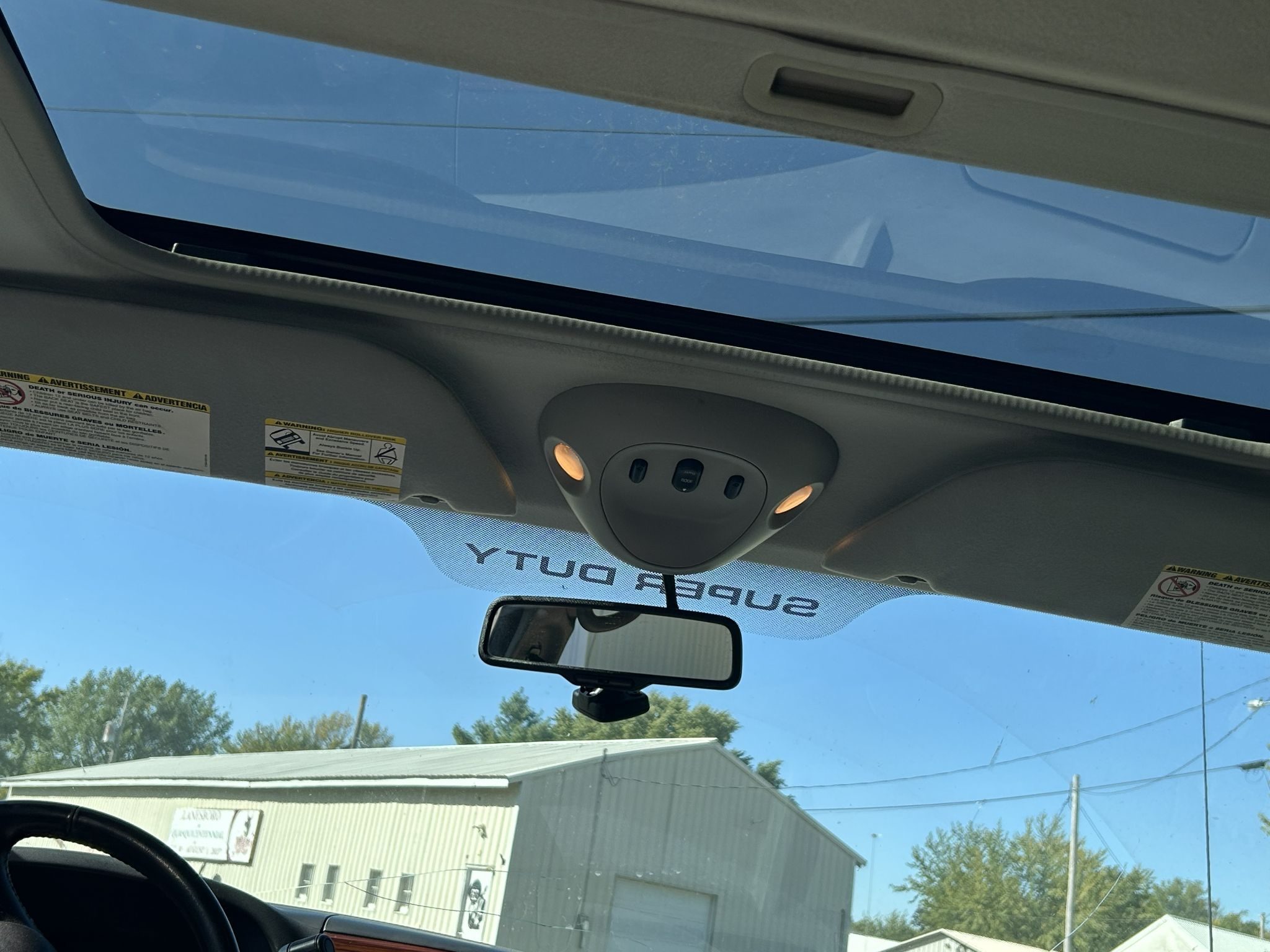
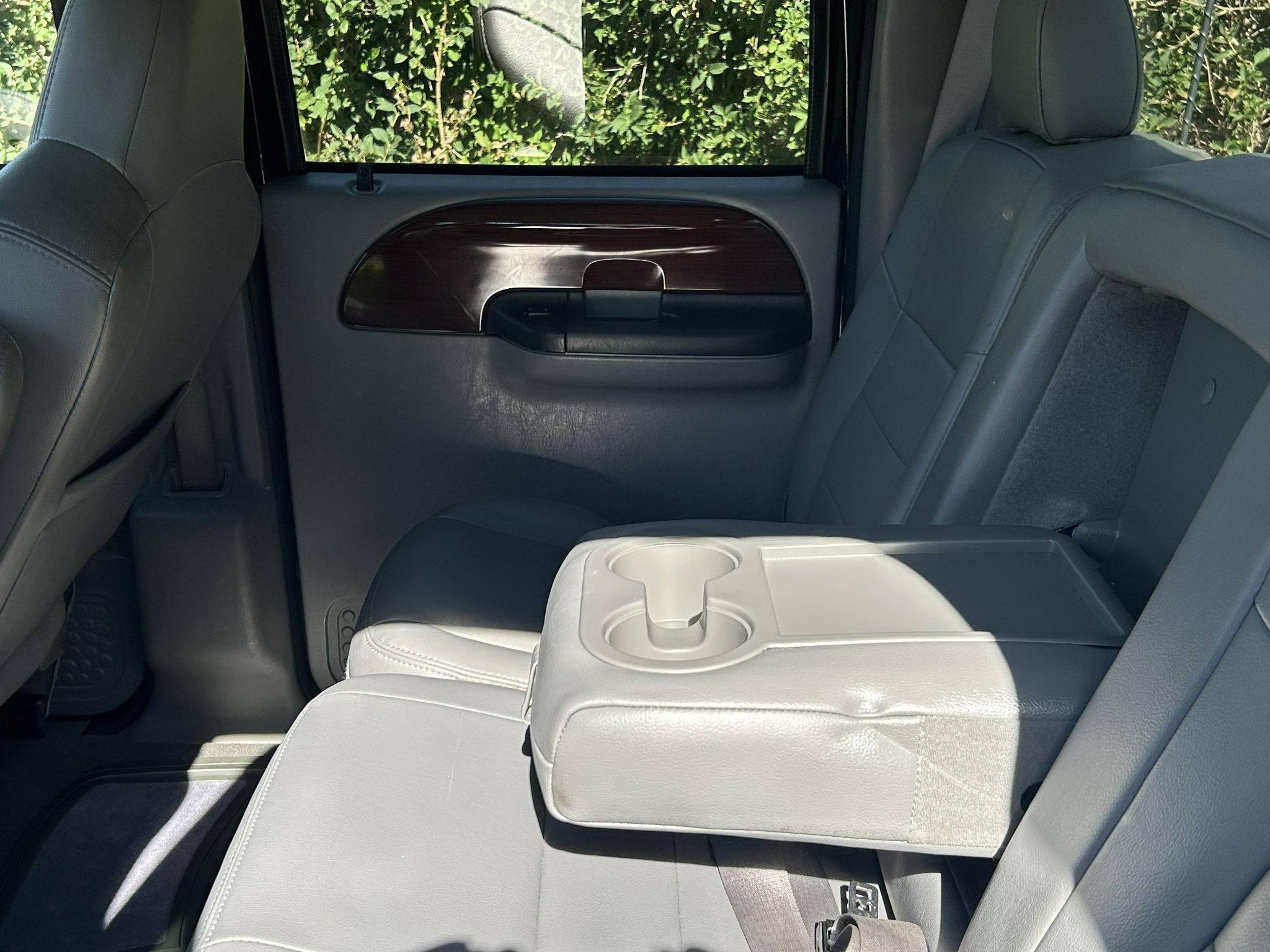
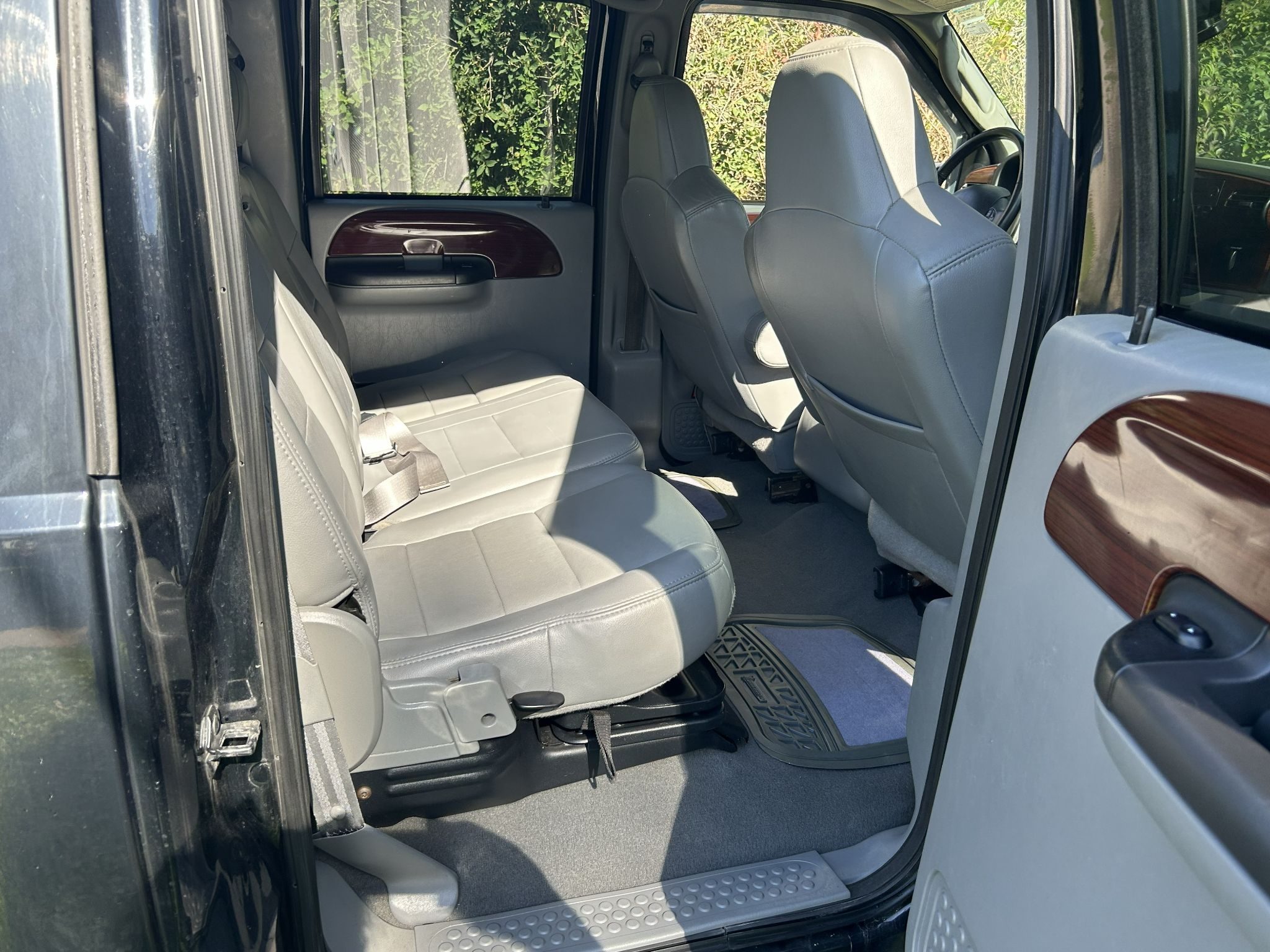
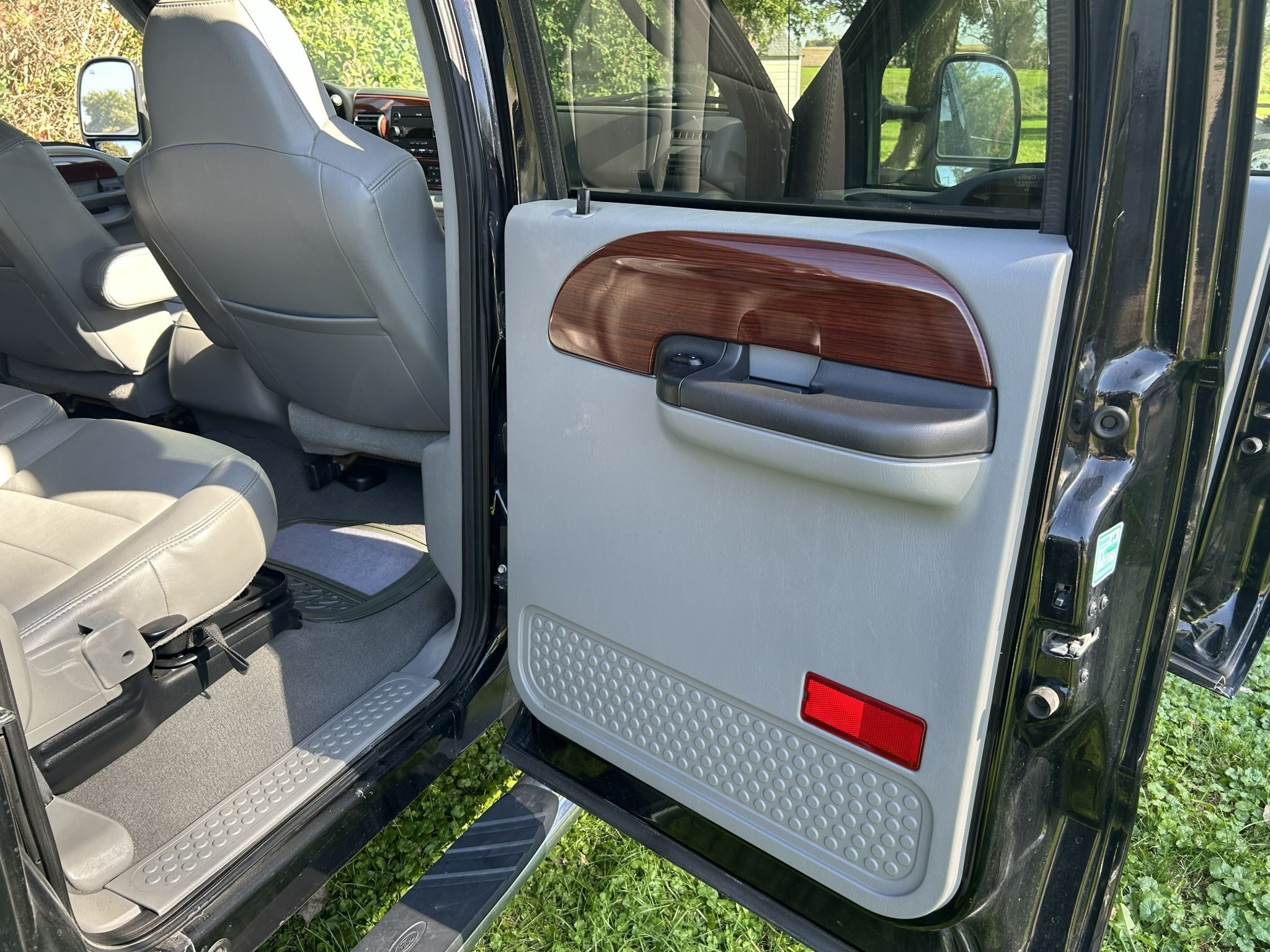
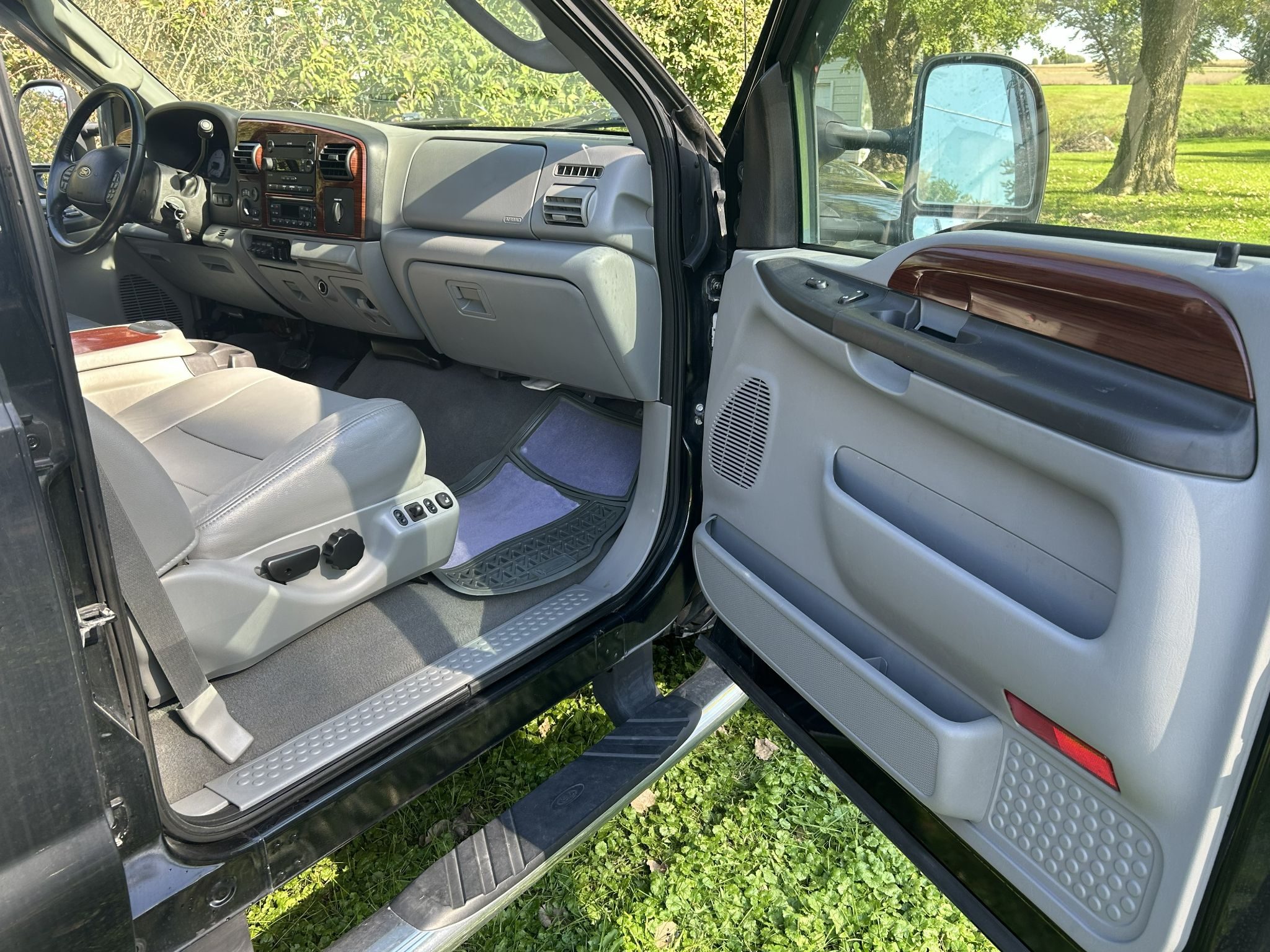
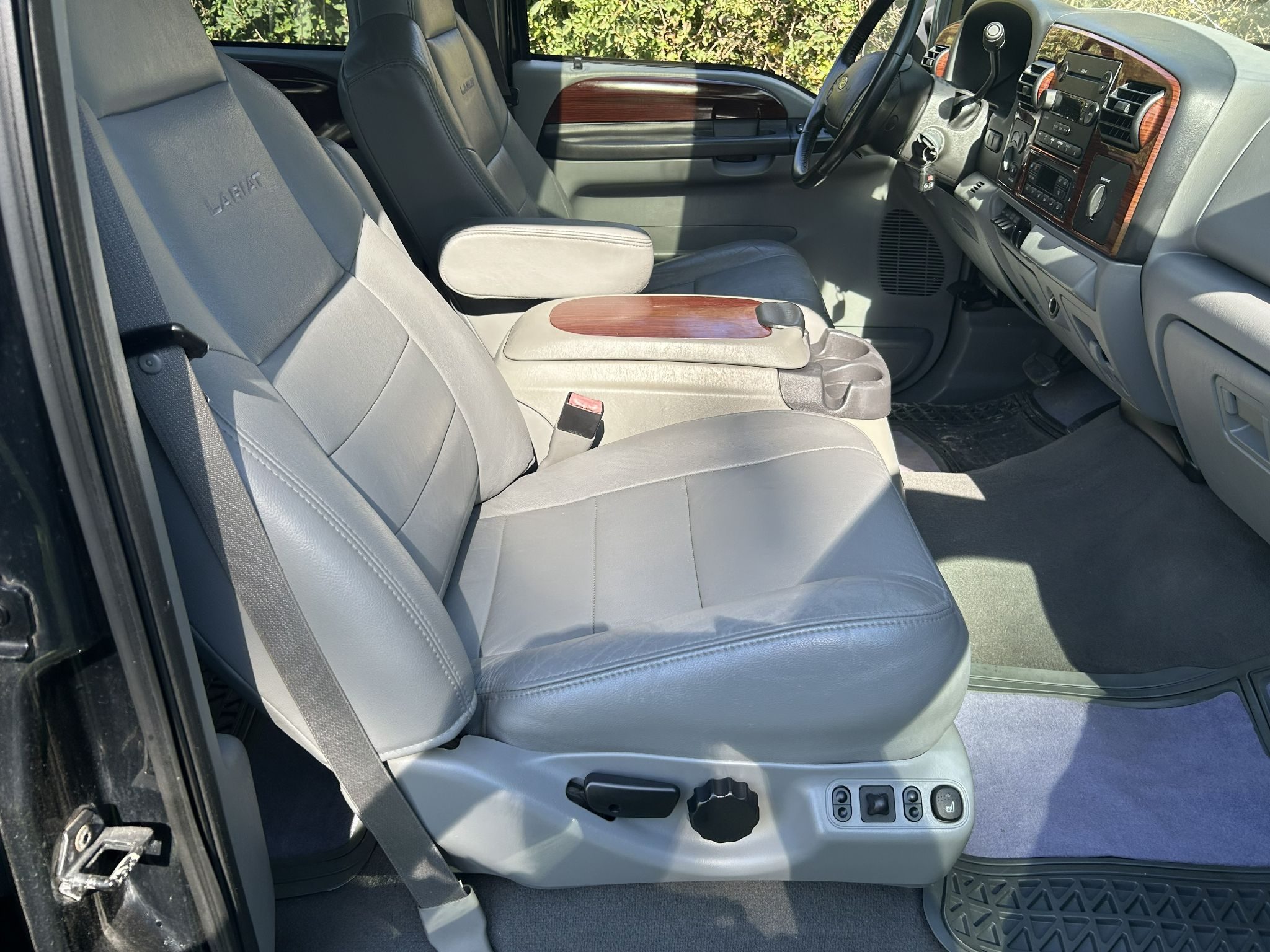
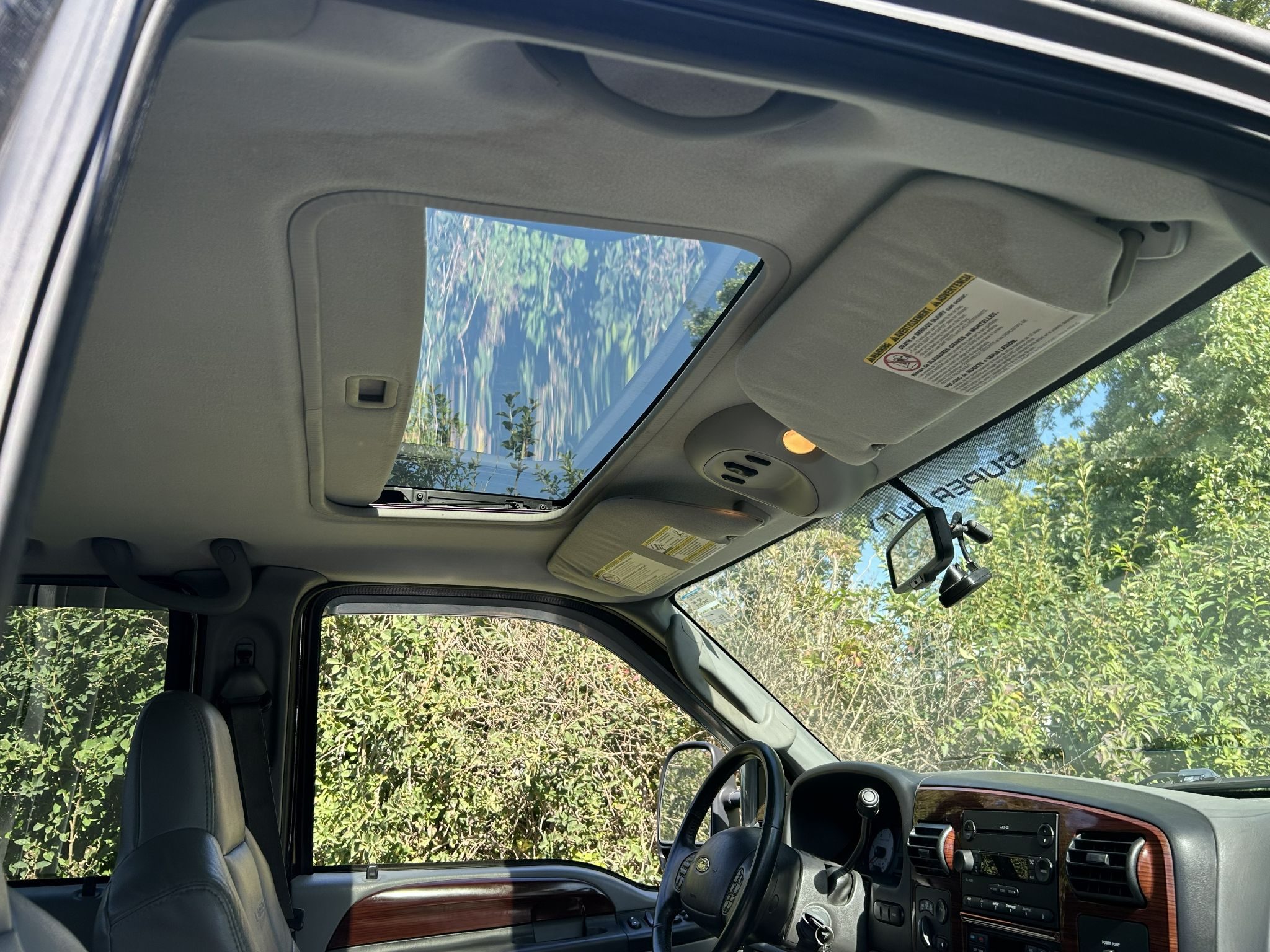
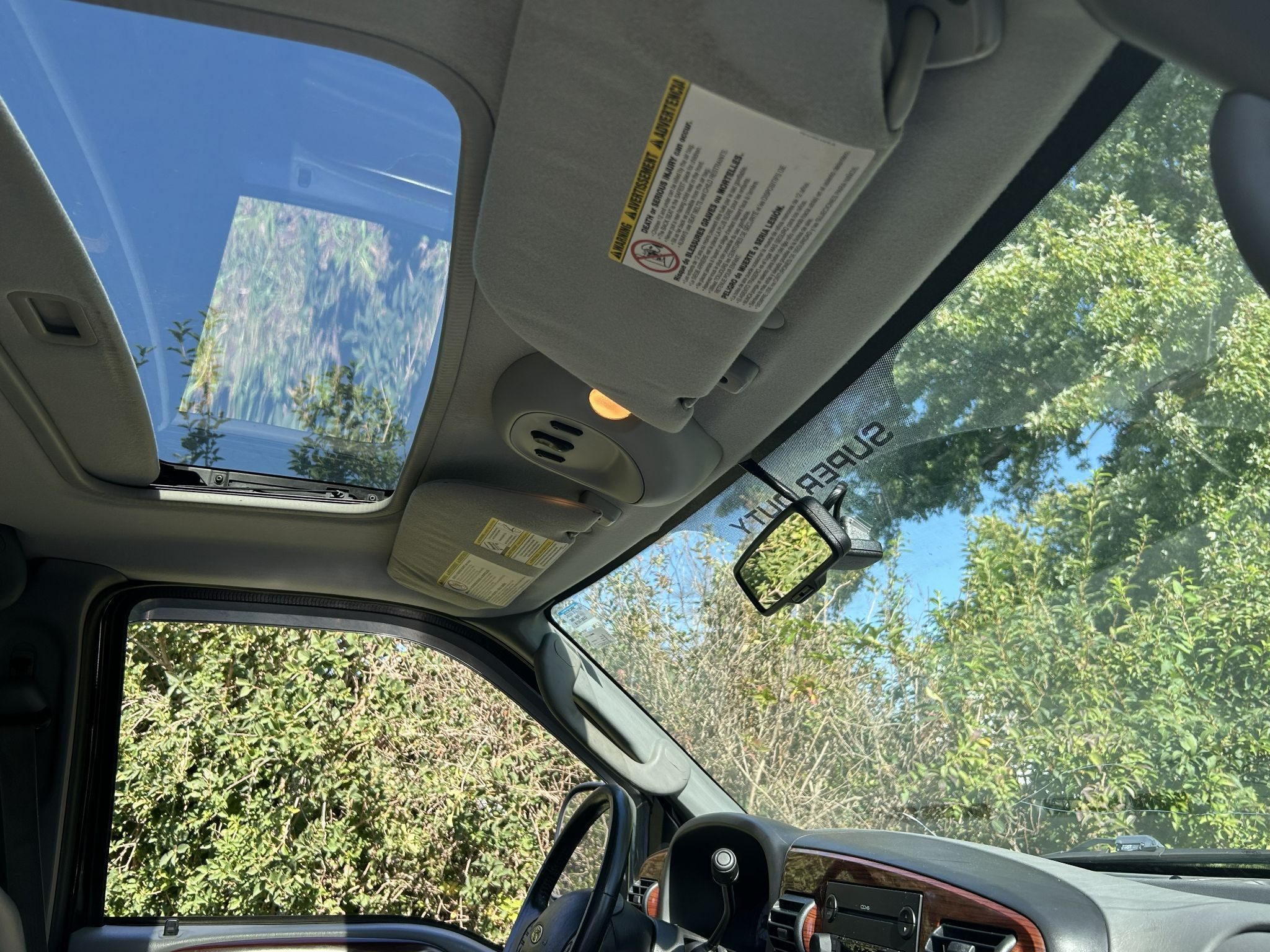
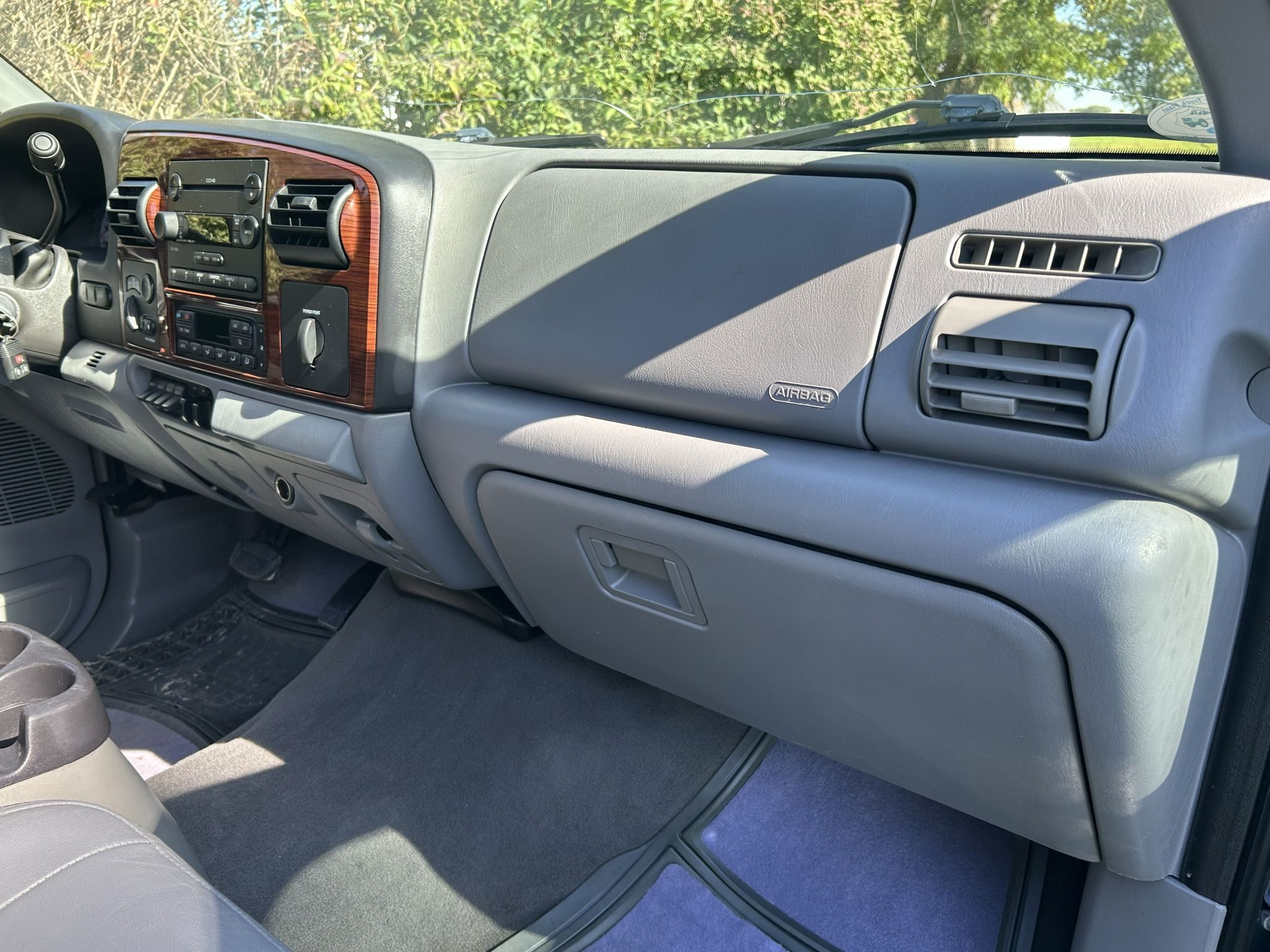
The black body presents well for a work truck, and the seller describes it as rust-free with no collision damage on record. The gray interior appears complete and serviceable, with crew seating, a power sunroof, and woodgrain trim. It shows some wear but is far better than you would expect from a truck that’s covered more than a quarter-million miles. The photos don’t show the frame or lower body well, so you’ll want to inspect those areas more closely.
At this mileage, service records matter as much as cosmetics. Bidders should review the maintenance history for the cooling system, fuel system, turbocharger, transmission, four-wheel-drive components, and any major engine work or updates. If the documentation supports the seller’s description, this could be an appealing, ready-equipped hauler for someone who needs range, serious towing capacity, and four-door practicality without buying a new overpriced truck.
Bid On This Auction
 Mister bid $650.00 2026-10-29 15:59:52
 Twe1963 bid $400.00 2026-10-29 11:21:28
- Mister bid $103.00 2026-10-28 19:21:43

6.0? 6NO! 4 year only engine with more than it’s share of problems, no thanks I’ll pass.
When a commercial buyer would come on the lot. And you asked them if you could help them. (And this happened several times) They would say “As long as you aren’t going to sell me a 6.0! The new owner horror stories and my buddy Ford service engineer relating some issues and just shaking his head. Are enough for me to stay away.
In spite of the author’s wording, rather than being bulletproof….these need to be “bulletproofed”. Even after that, they still seem to be problematic. Once in a while you will see one go a long time with little trouble, but they seem to be the exception.
Exactly, had one and after about 12k miles had mine done and still issues! Run do not walk from this one at 250k miles
Yes there’s not a lot of love for the 6.0 PSD. Certainly the 7.3 PSD was a hard act to follow. Some suggest it was the 7.3, which was very often “rode hard and put up wet” with little adverse effect which created some unrealistic expectations about just how diligent one would need to be about scheduled maintenance on the 6.0.
Add to that the lobbying of oil companies for a delay in the release of low sulfur fuel. The 6.0 which had to deal with new regulations for the reduction of NOX had to use EGR, and that delay in low sulfur fuel caused fouling of that system.
I’ve driven an Excursion with the 6.0, pulling a trailer and when everything is right they are awesome.
At 284,000 it is right at the time when it will need new head studs and bullet proofing. It’s a major job that requires removing the cab to get the heads off. International Harvester never intended for this engine to be turbo charged.
Right on. The head studs were the problem. However, my 2008 F250 was running stronge with no issues when I sold in 2017. I had a ranch and towed a lot of stuff, but didn’t overload it, that was the main reason the studs blew. This is a hard sell at that mileage. The right prices would move it.
IIRC Internstional (we’ll it IH for now) had been building the Ford engines. Then Ford decided to design their own and have IH build it. IH refused. Ford took them to court for breech of contract. Court said IH you have to build it. So they built it the way Ford designed it. Ford had this huge pile of warranty repairs and dumped them in IH’s lap. IH said not covering those. Ford took IH to court. Court basically said Ford, you made your bed, now you lay in it. IH was cleared of any wrong doing.
Where did you come up with that? You have it almost exactly backwards. The gestation of the 6.0 was during the time that former CEO Jac Nasser sought to put more of the engineering responsibility into the hands of suppliers, and that was all suppliers, not just Navistar. Internally in Ford they were known as full service suppliers, meaning they would take on more of the engineering and development of the components they supplied. Ford had to abandon that approach to their supplier relationship.
Read it in a trade magazine way back when. And my buddy one of Ford’s district service engineers confirmed it.
When a commercial buyer would come on the lot. And you asked them if you could help them. (Andv this happened several times) They would say “As long as you aren’t going to sell me a 6.0! The new owner horror stories my buddy Ford service engineer relating some issues and just shaking his head. Are enough for me to stay away.
Convert it to a Cummins or put a gas engine in it.
That would be the fix. But to me it wouldn’t be worth the money, time,and effort on a 20 year old vehicle. . .
Lots of these out west back in the day. Unfortunately the 7.3 Power Stroke spoiled the crowd and when the 6.0 came out there were a lot of disappointed people.
I don’t know what happened to Navistar back then. They built a very potent engine in the 7.3 then someone drank their own bath water and ended up with something that wasn’t even a good door stop.
They were fine by themselves but so many “Rig Pigs” in our region with lots of money to spend. And they needed lots of power–in the form of NMD chips. The 7.3 could handle it but the 6.0 was just too small; those smaller cylinders just couldn’t handle the heat. And, of course, when they melted the engines out from between the frame rails, the owners expected to simply remove the chips then got to Ford for warranty. Well, Ford had some surprises for them.
Ford started auditing major failures. What the average owner didn’t realize was that ALL operating situations were logged into a space on the ECU; it recorded the pulse-widths of the injectors and compared everything to what was allowed. If a major failure occured Ford’s blockman would come down with that special analyzer and in no time at all, the owner found out that he owned the melted remains of an engine, and sometimes a transmission. The local Ford dealers had a few repos on its lots.
Unfortunately, that hurt Ford a lot and allowed Dodge to take over. But we also got some Cummins engines that were melted out of existance. It took the better part of 10 years to educate those rig pigs about chipping their engines to the point of no return.
There was a popular truck enthusiast’s program on TV back then. Oftentimes, the host of the show would install some super chips, or a super turbo or super injectors and then do a smoke show to give the viewing audience an idea of what they could expect. I’d watch that program Saturday morning and you could count of getting a barrage of questions about cranking diesel engines into the stratosphere.
I always told them that their warranty would be voided. This started getting old fast so I finally sent a snot-o-gram to the show, advising them to warn potential installers of the dangers connected to unauthorized modifications, and what it did to the warranty.
He did write me back, acknowledging that he received my letter but he never warned anyone of the dangers.
I used to like to answer customers’ questions of souping their engines up. I kept the charred remains of a piston out of a 6.7 under the counter. A customer always asked what would happen if he chipped his engine. I would take out that piston and show him.
It soon became NOT a good idea to soup up their engines.
I never understood the idea behind racing trucks, especially diesel trucks. The number one job for a truck is for work, not racing. If you’re looking to race something, get a gas powered car. Much less expensive to get the kind of acceleration, you’re looking for. People buying $60k-$90k diesel trucks and pushing the engine beyond its performance parameters, is ridiculous.
Overcompensation for other shortcomings.
You nailed it!!! Listen to Randy Newman’s song and that’s typical of some of those who came into our shop. They spent a small fortune on an F350 then spent another small fortune on lift kits, huge wheels and tires, AND performance chips. I’ll refrain from what we used to call those additions in case I get censored; but I actually felt sorry for a lot of those guys. Just like a terrier dog, they couldn’t keep their mouths shut. And they always seemed to have a girlfriend who was three or four inches taller than they were.
Yet they were still a minority; we had a lot of shorter people come through the door who were just out to enjoy life, like the rest of us. Be straight with them and they were straight with you.