

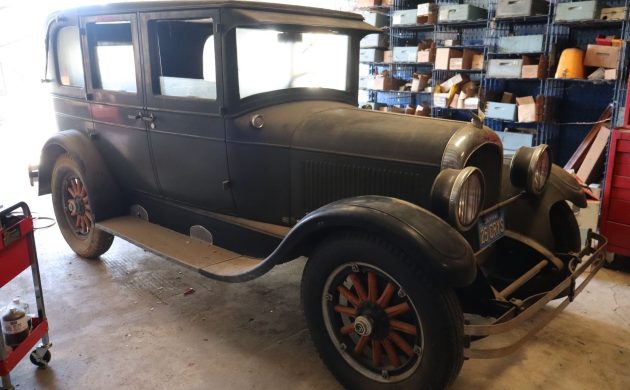
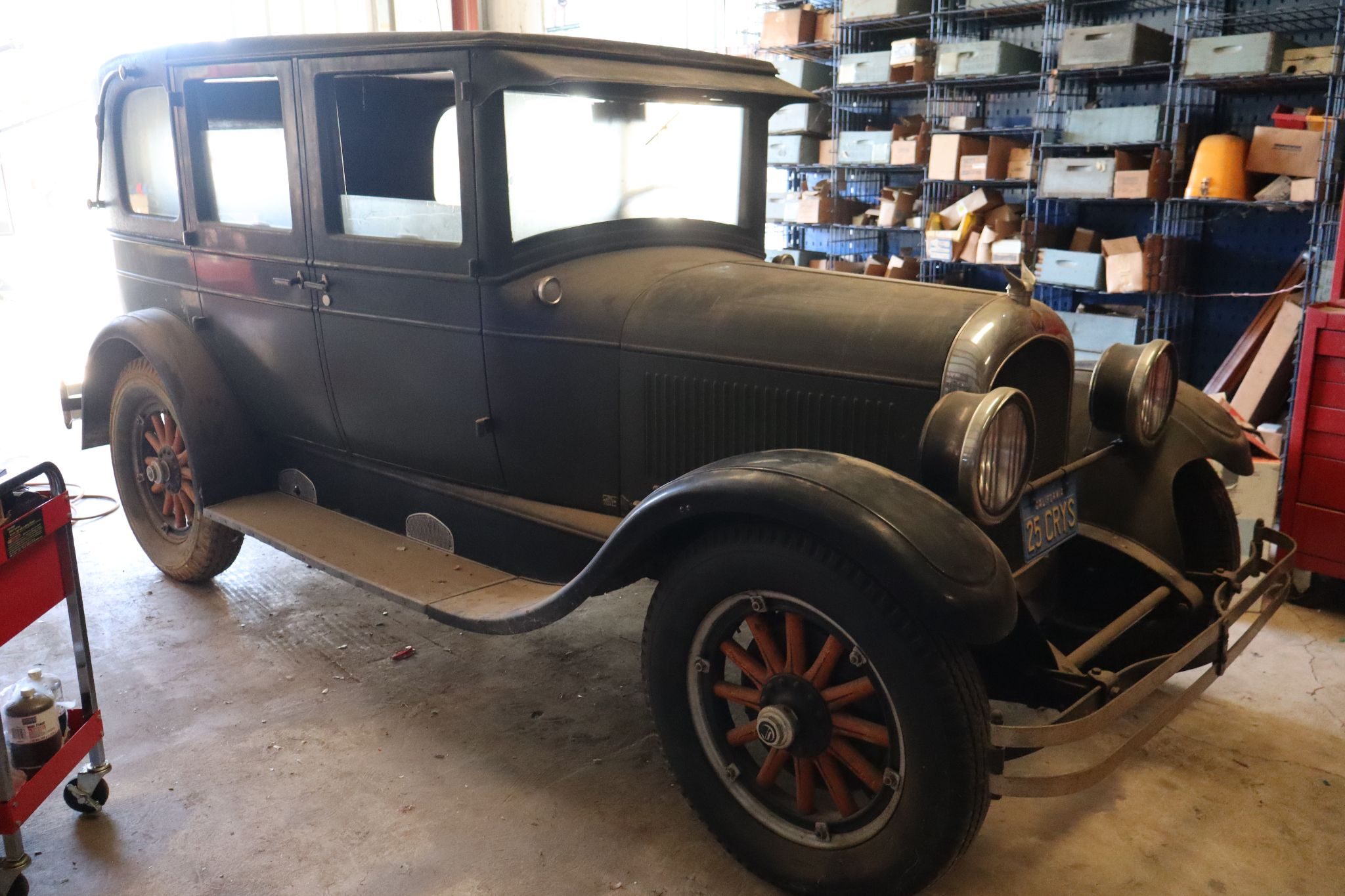
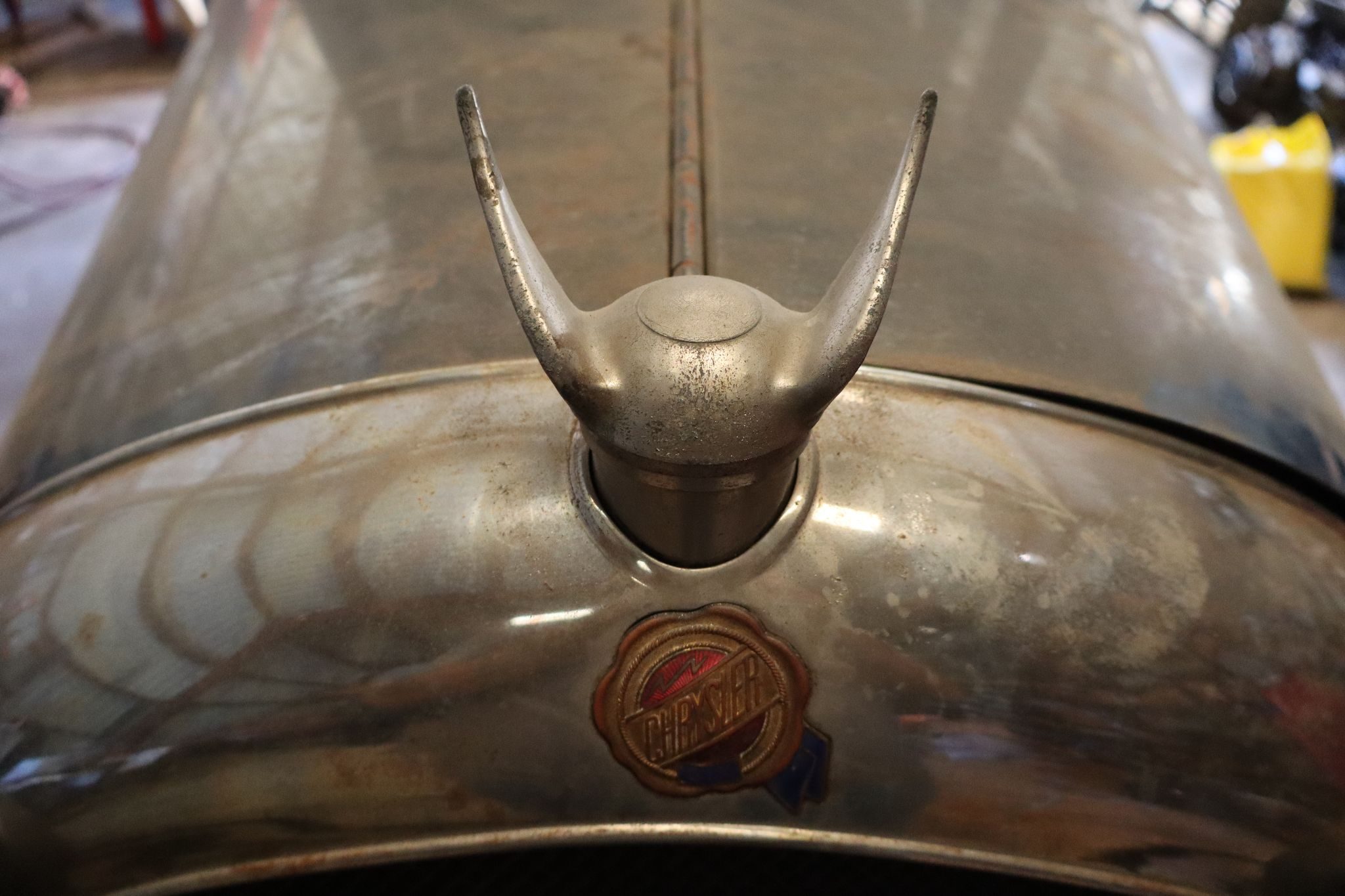
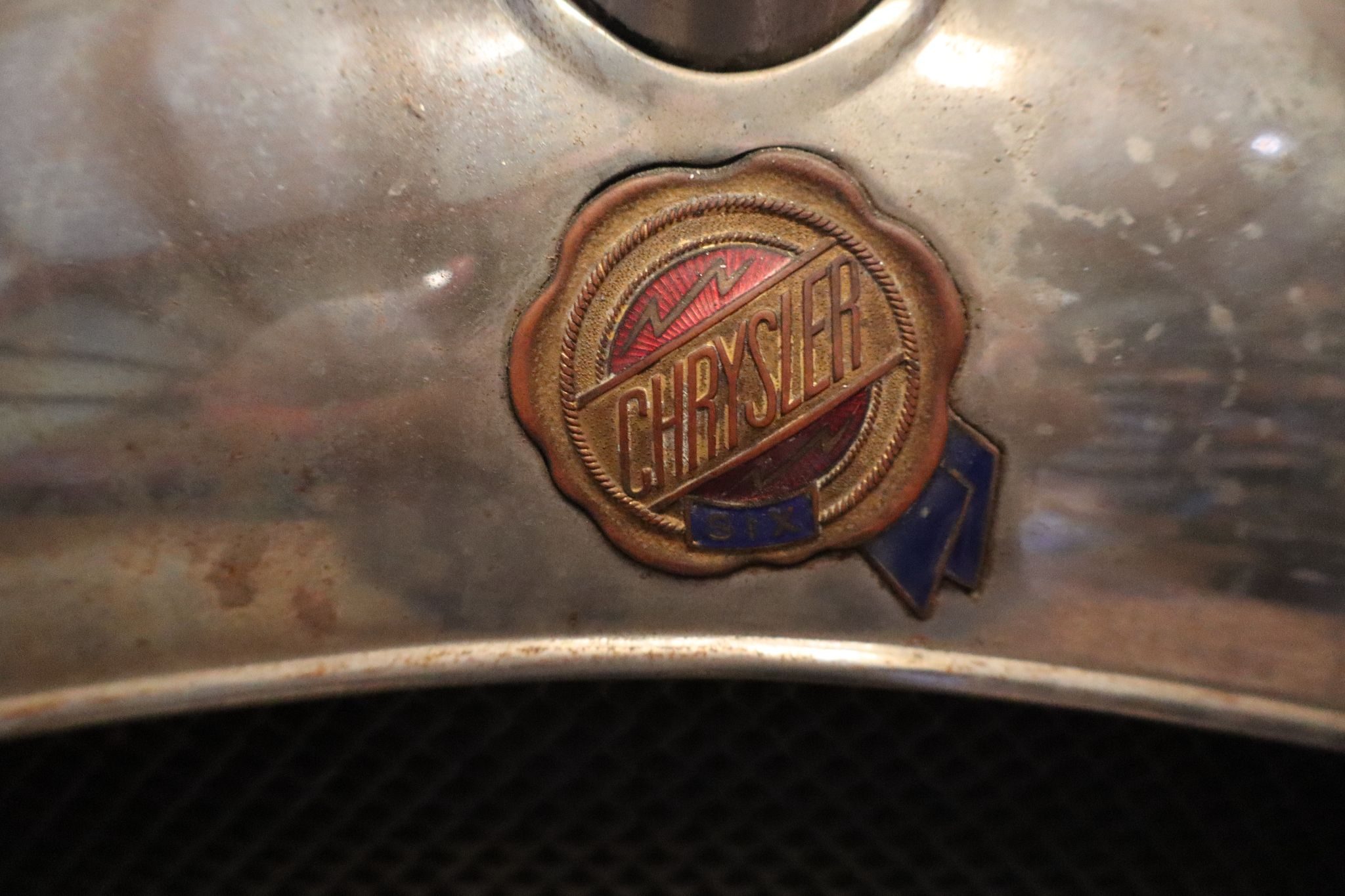
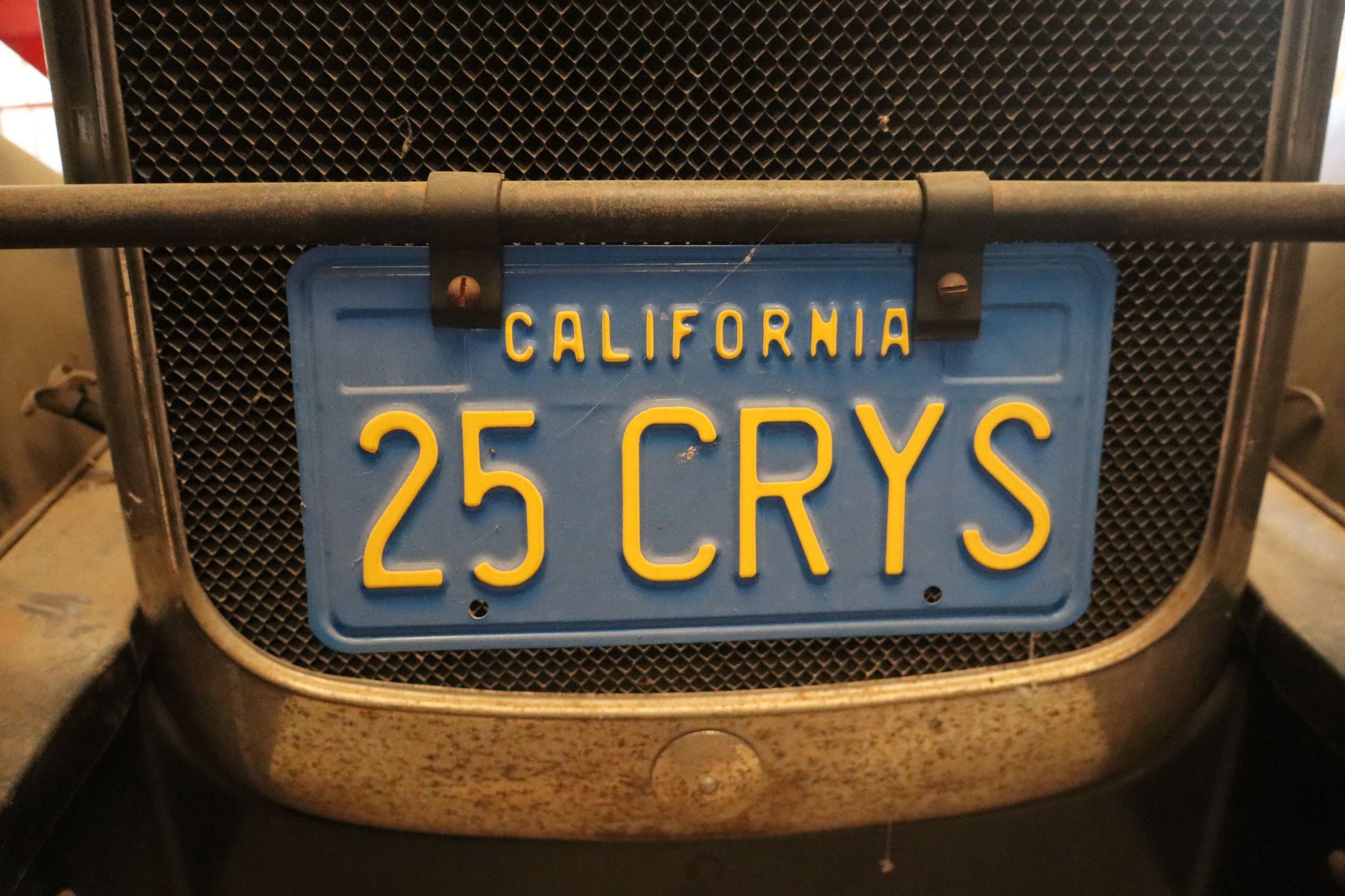
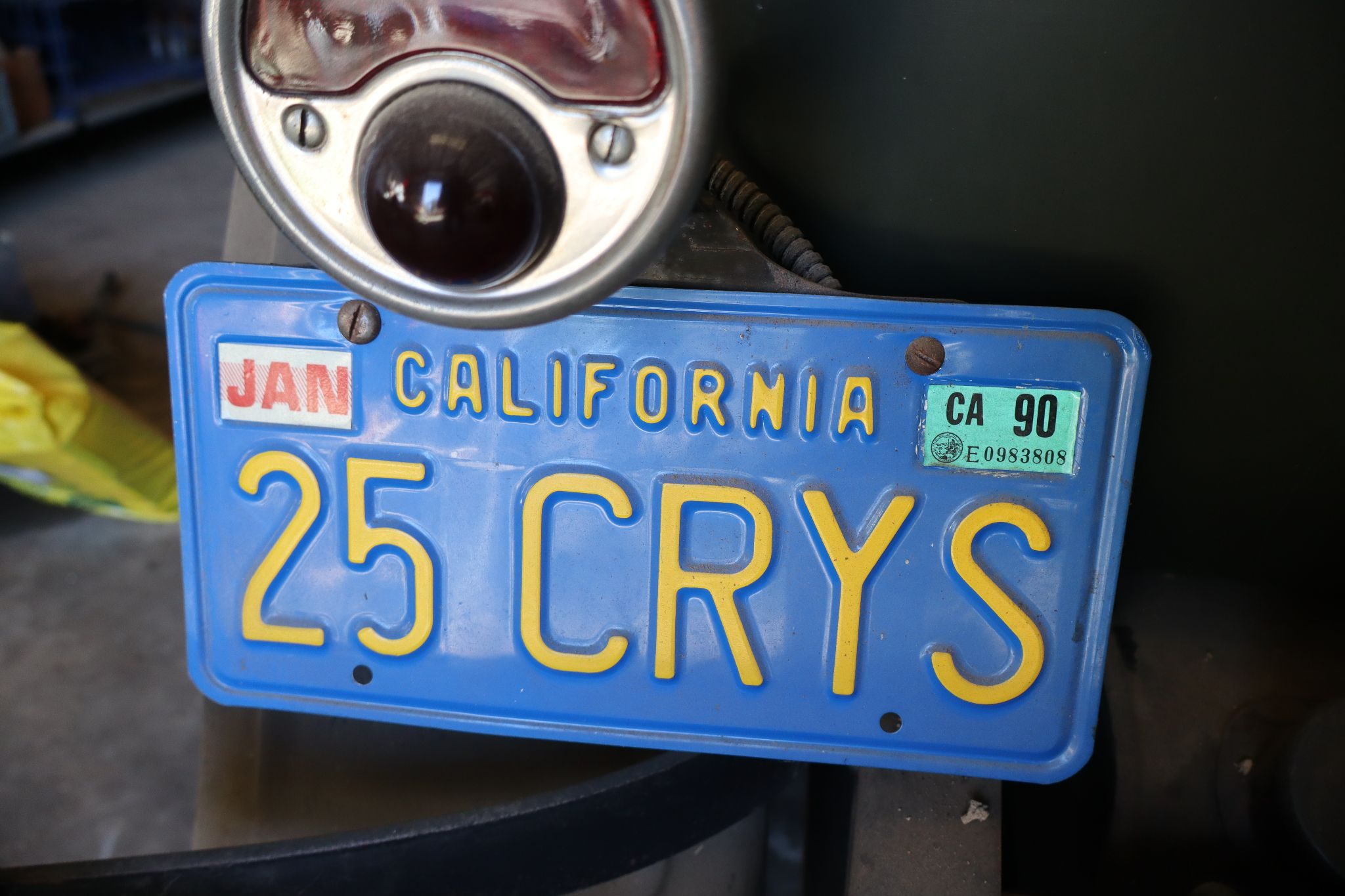
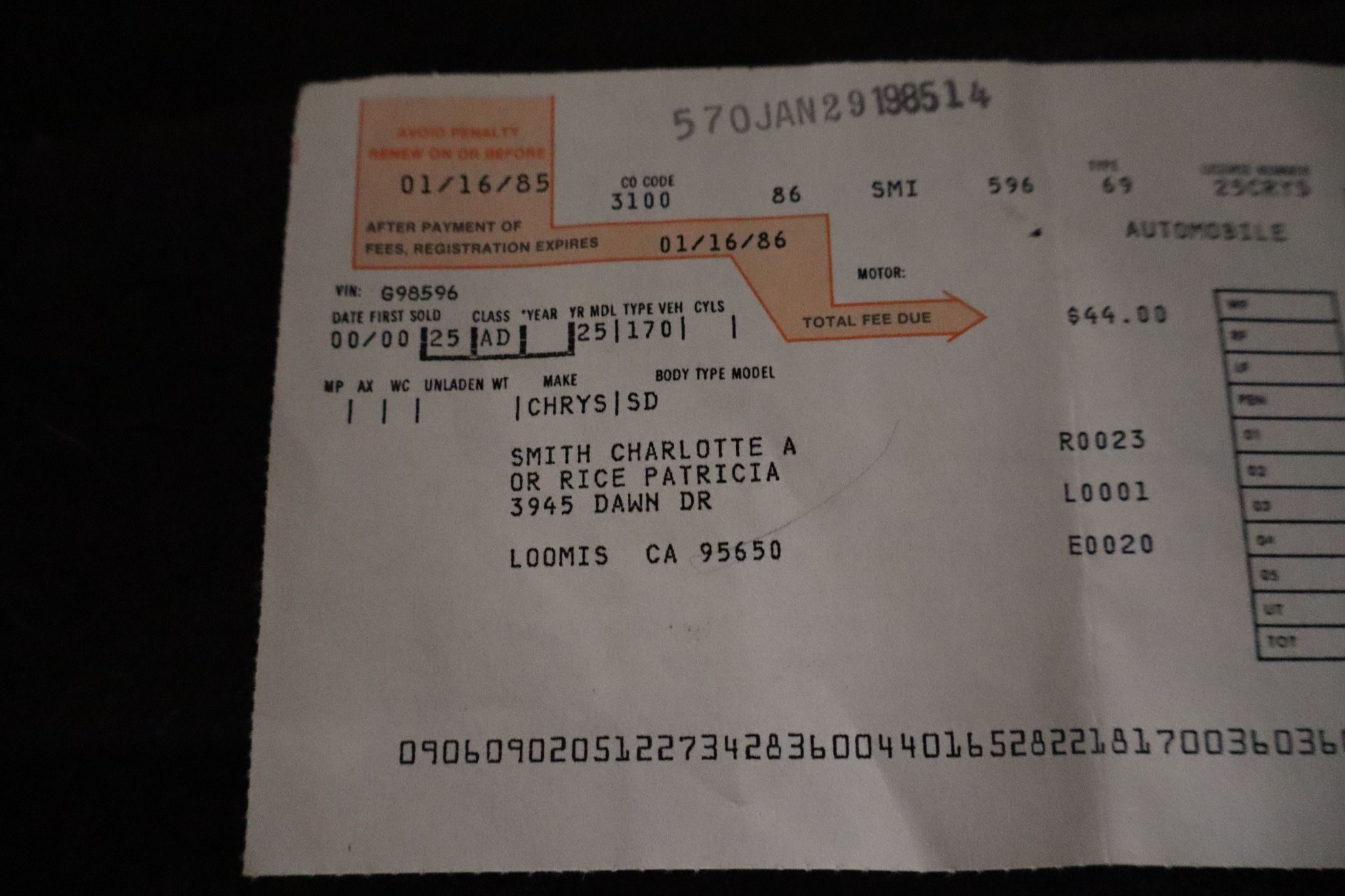
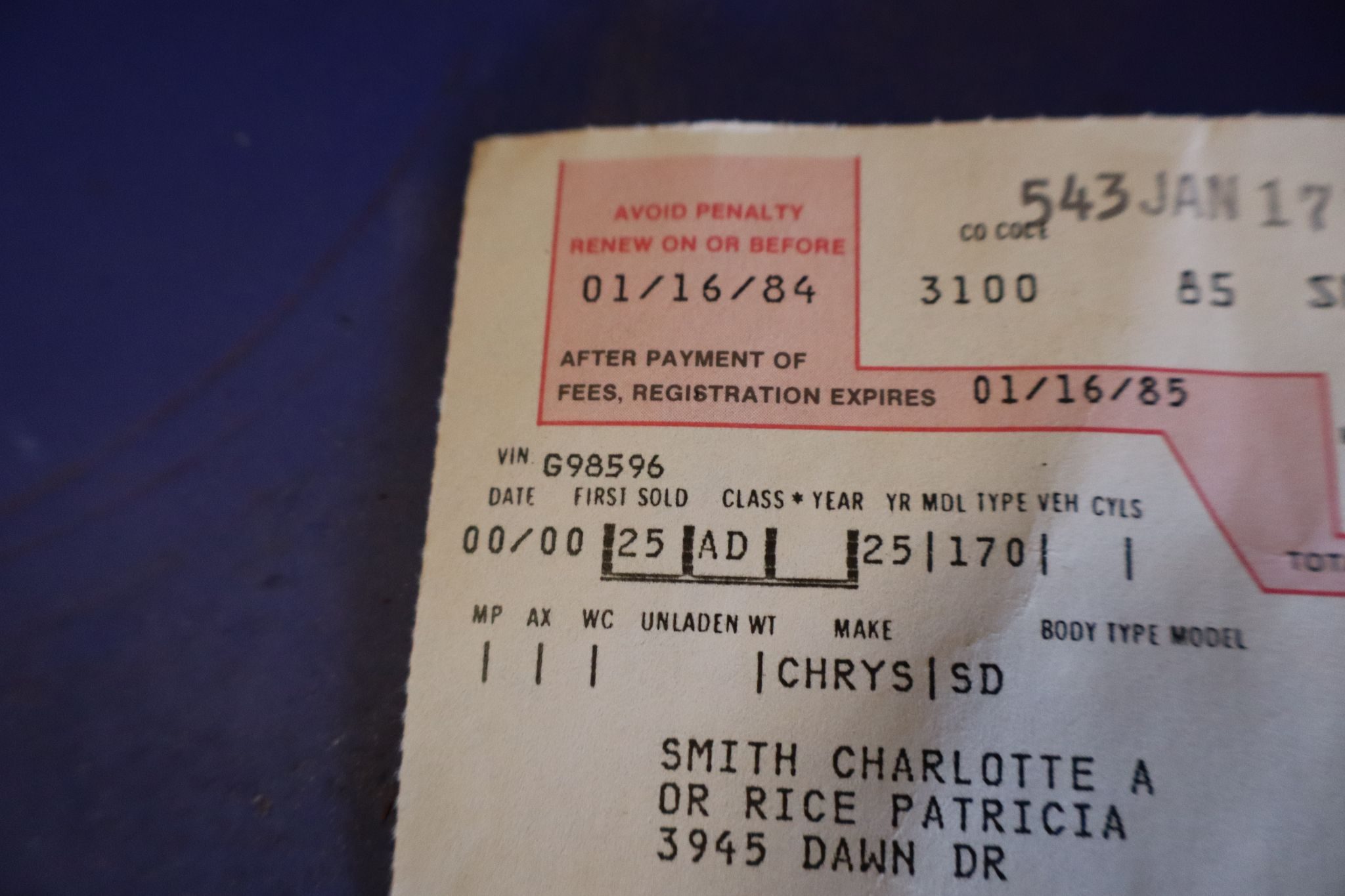
Some classics spend decades in storage, waiting for the day someone rolls them back into the sun and returns them to their rightful place on our roads. Such is the case with this 1925 Chrysler Six. It has remained untouched since being parked in 1990, and the favorable environment has helped it survive remarkably well. It could be a prime candidate for a faithful restoration, although revival and returning it to the road as a genuine survivor is also viable. The current owner feels the time is right for the Chrysler to find a new home and has listed it exclusively with us at Barn Finds for $7,995.
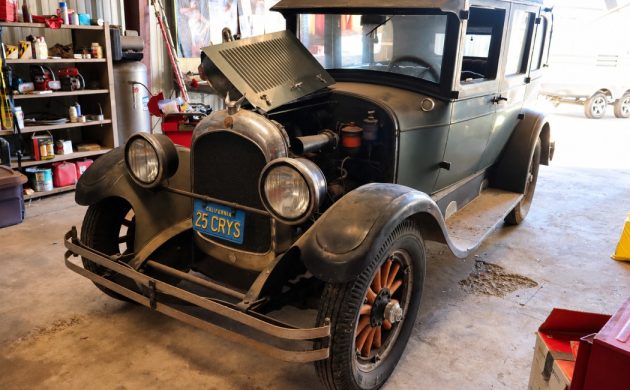
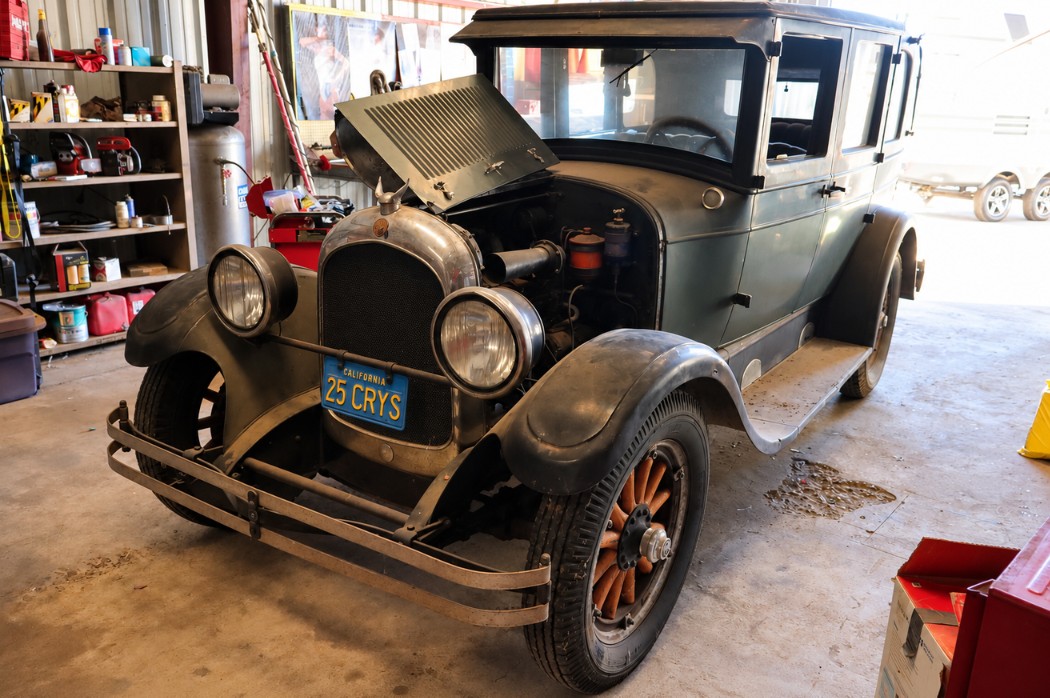
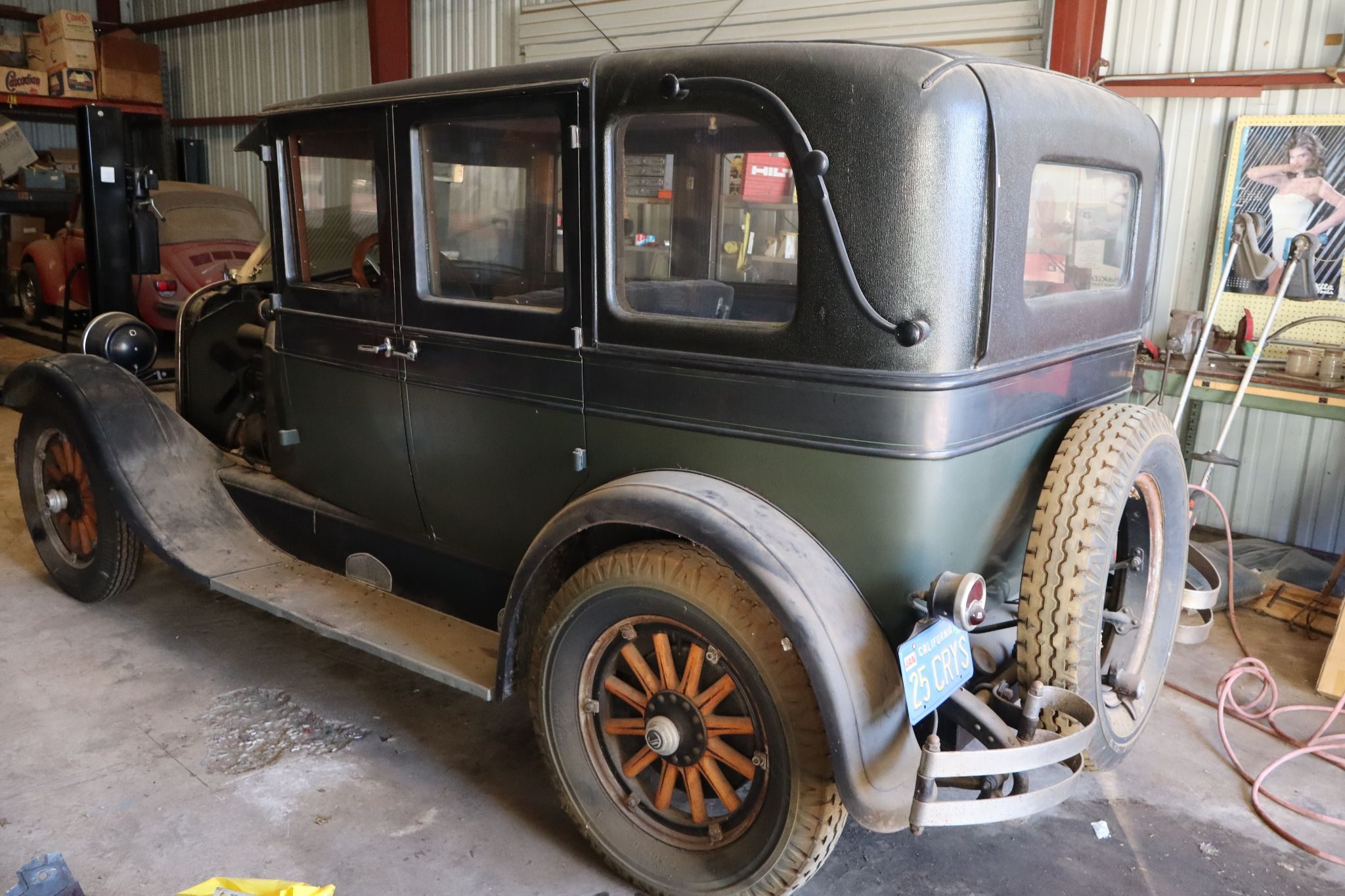
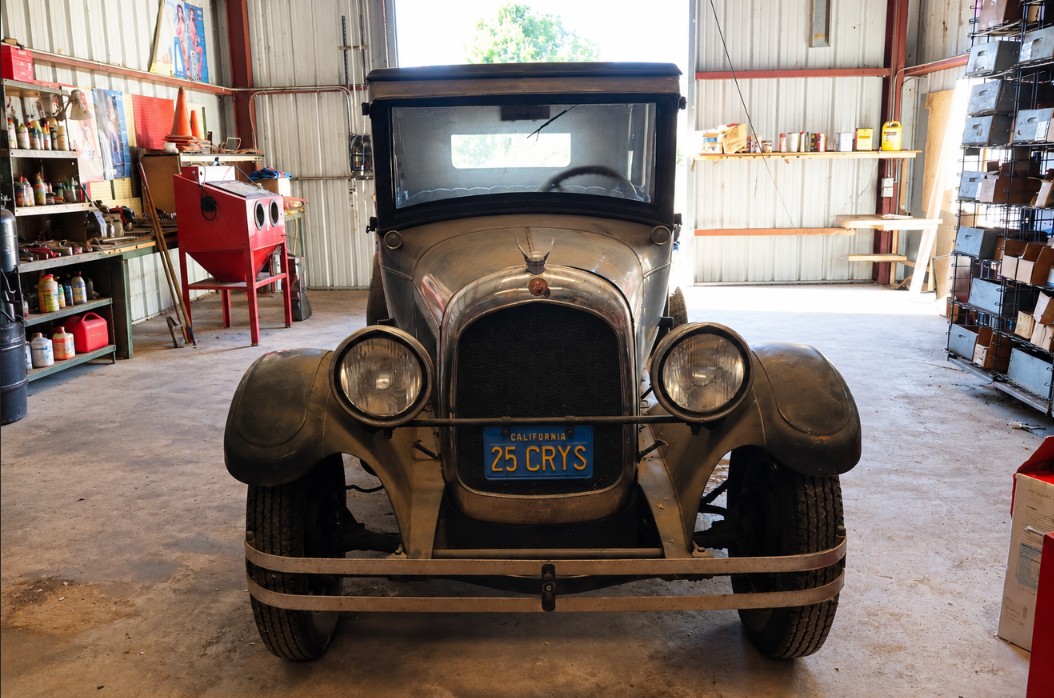
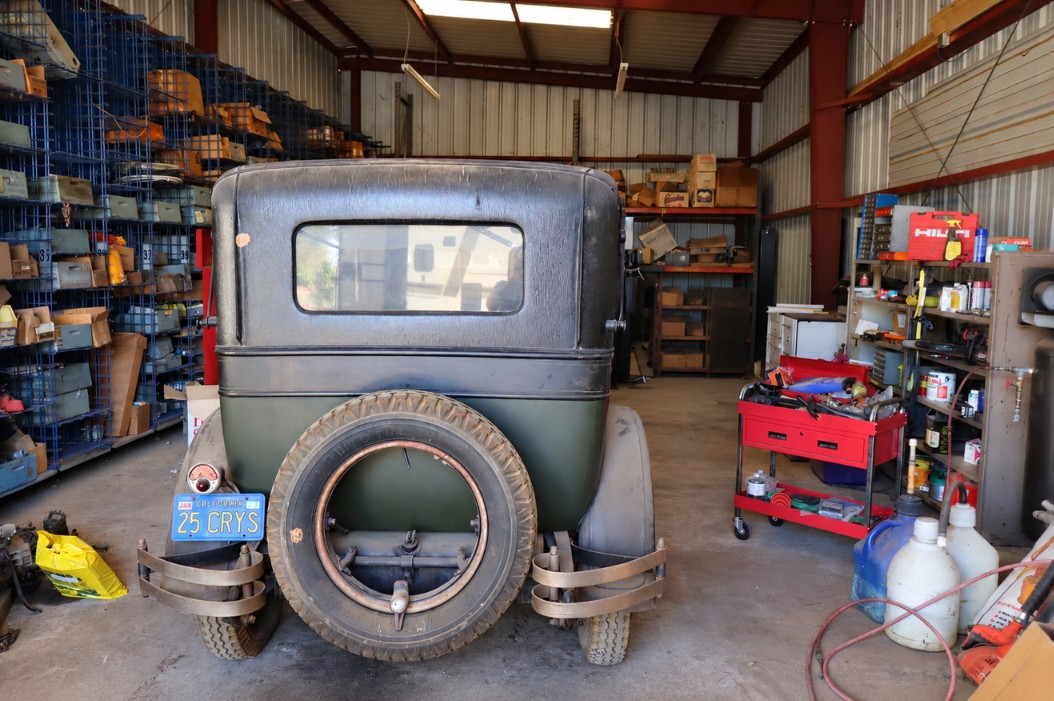
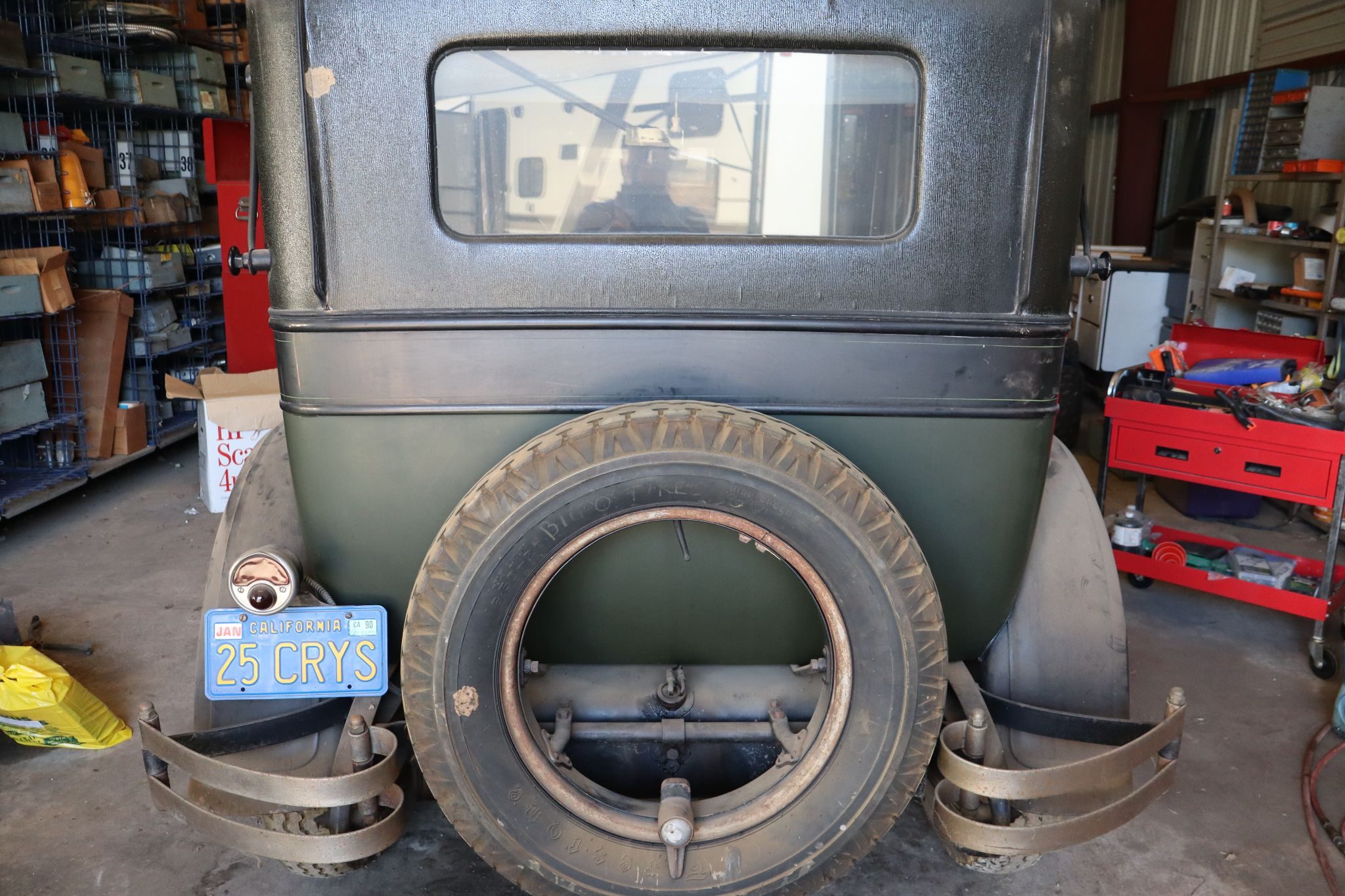
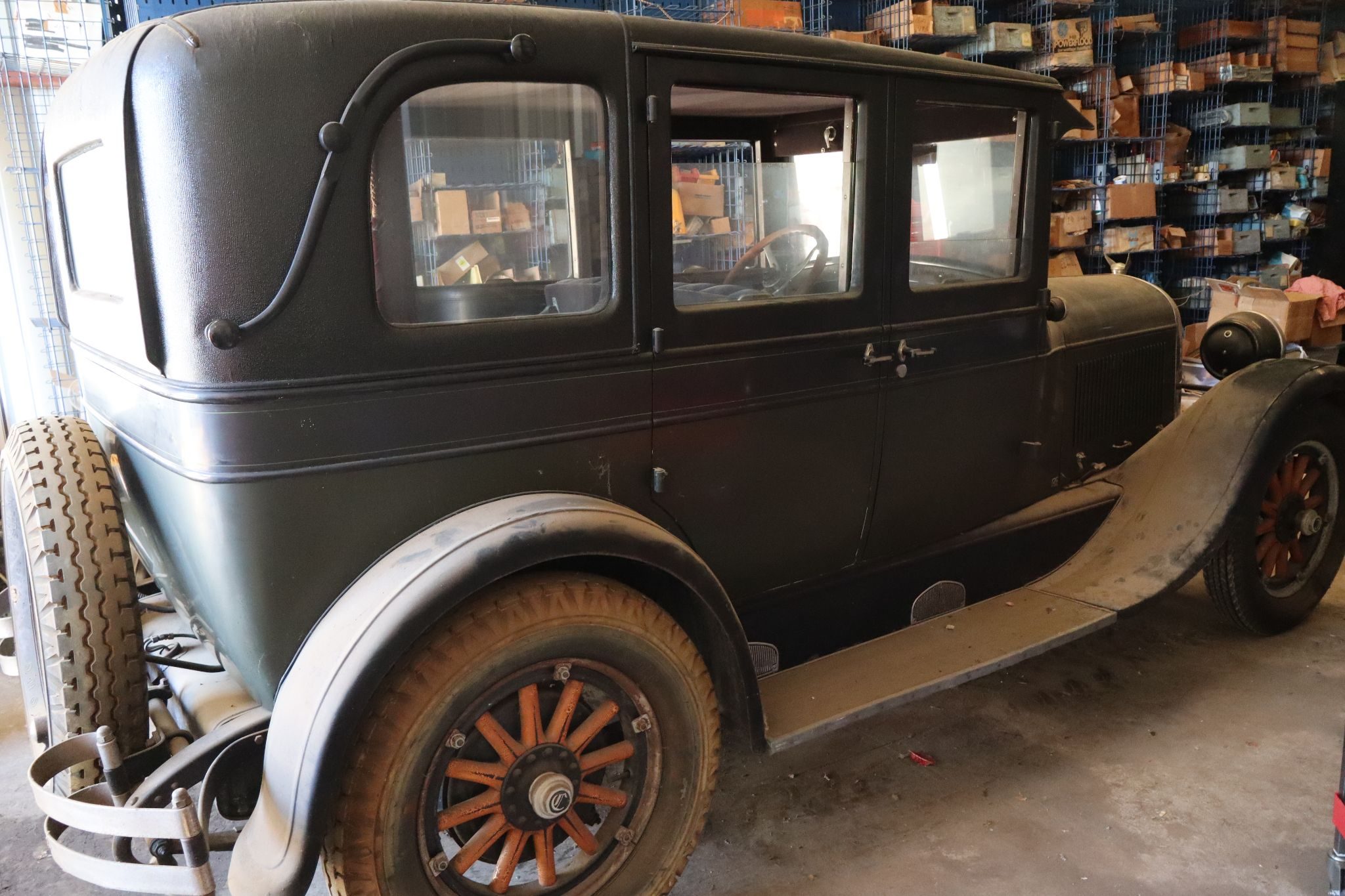
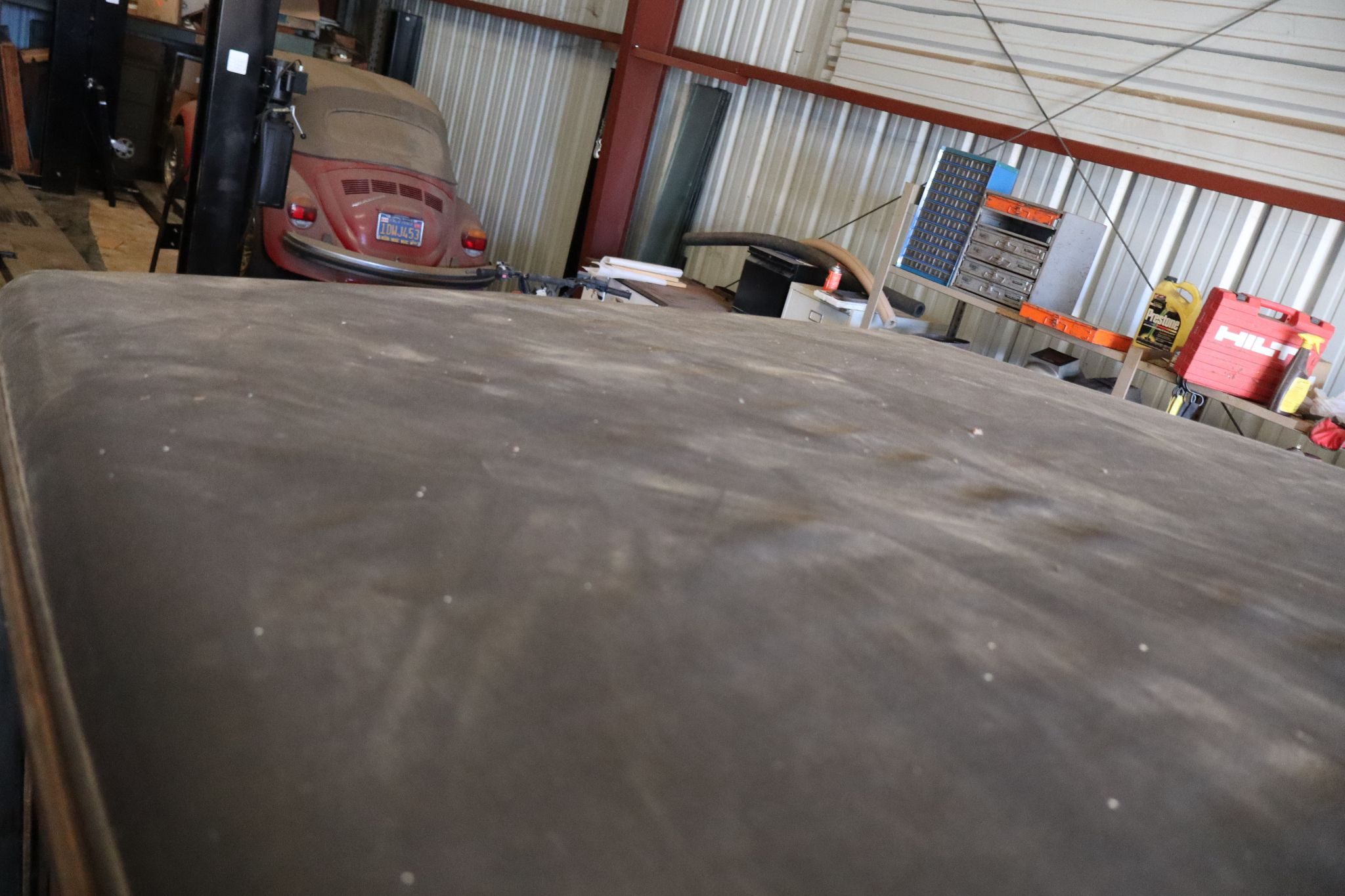
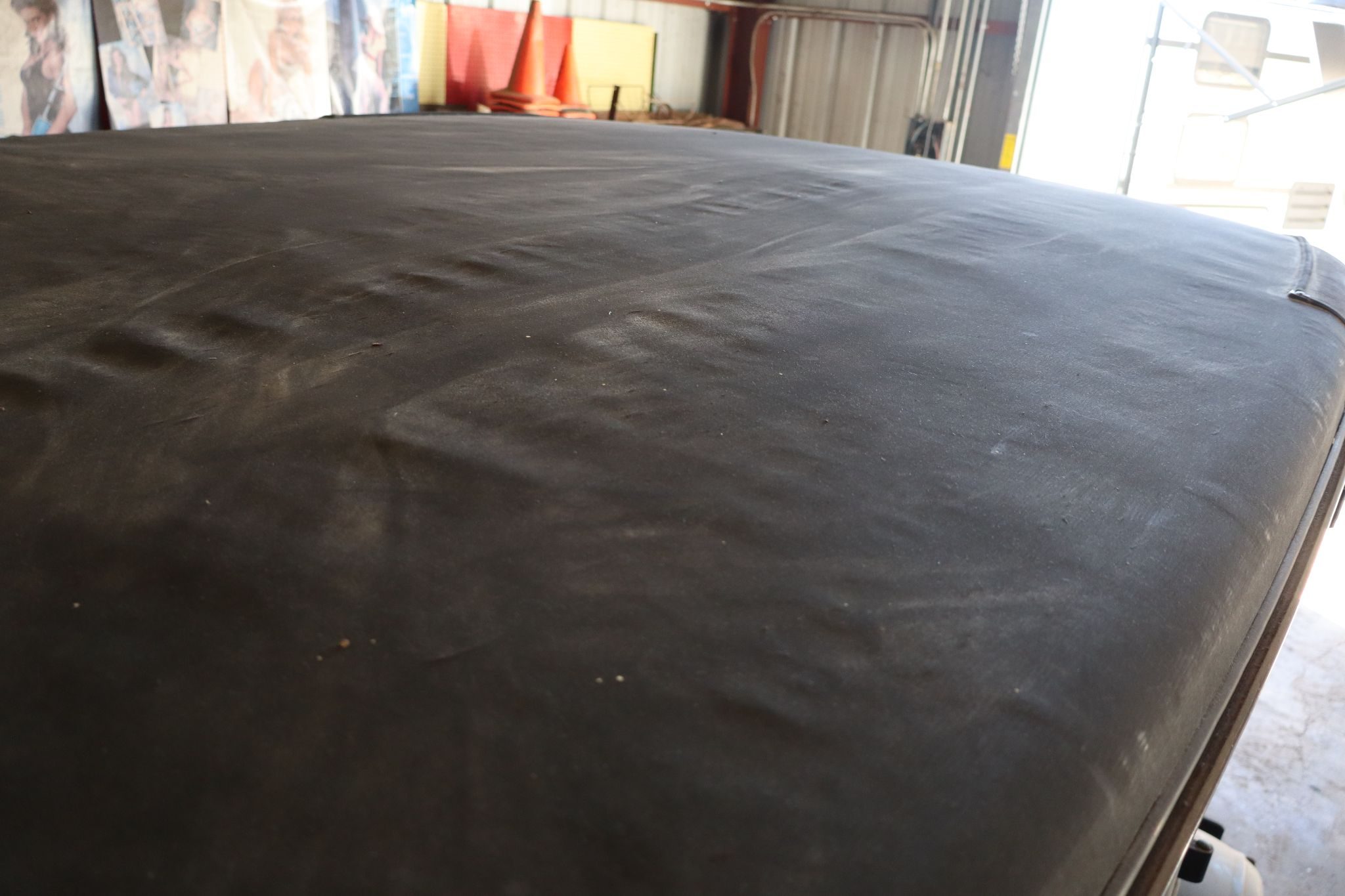
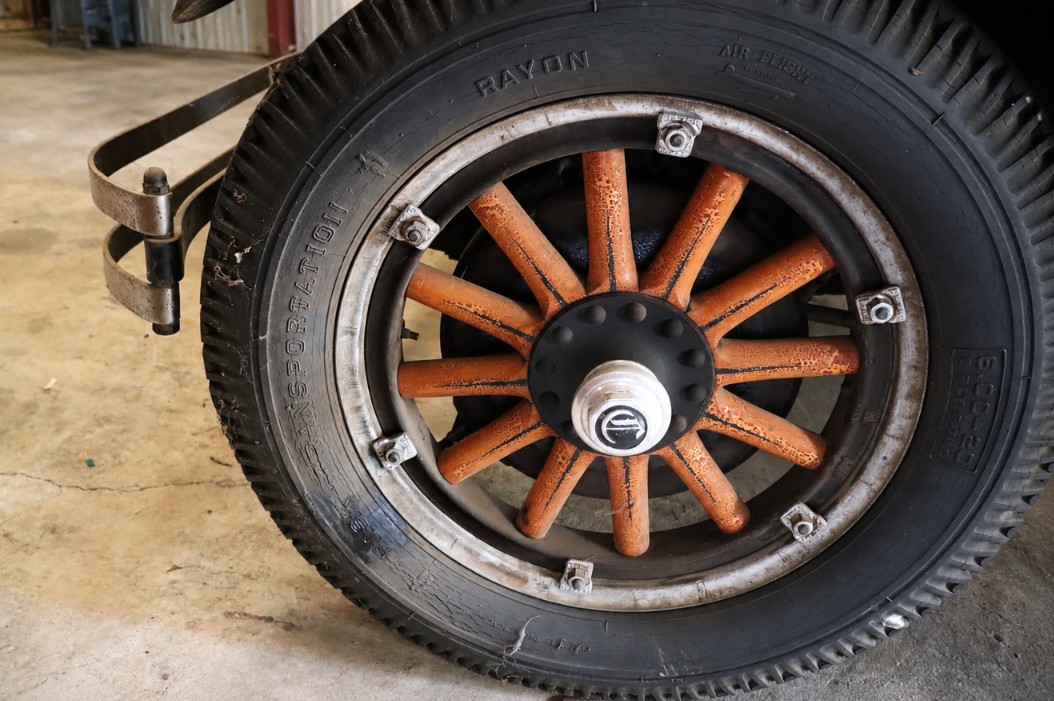
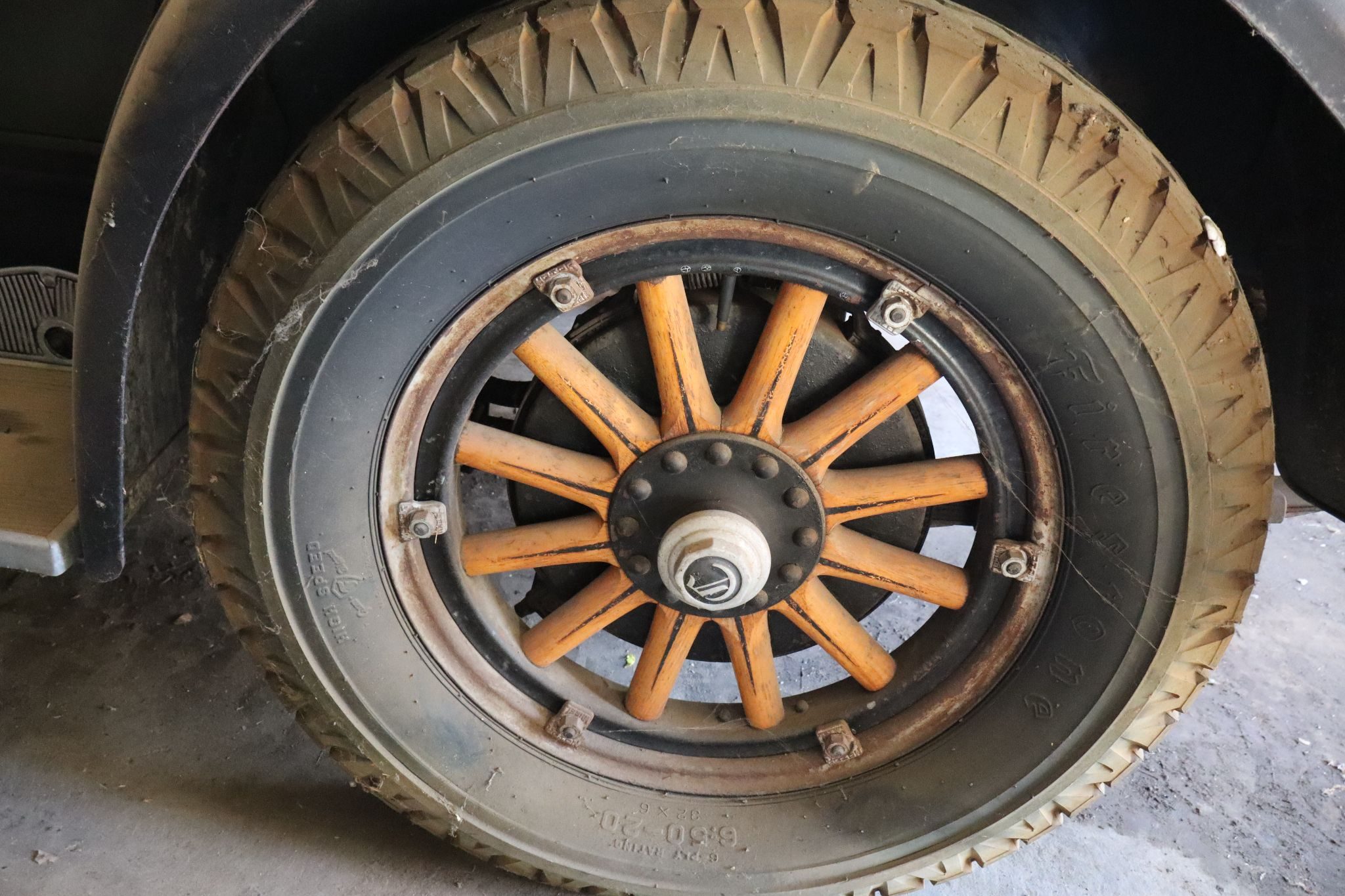
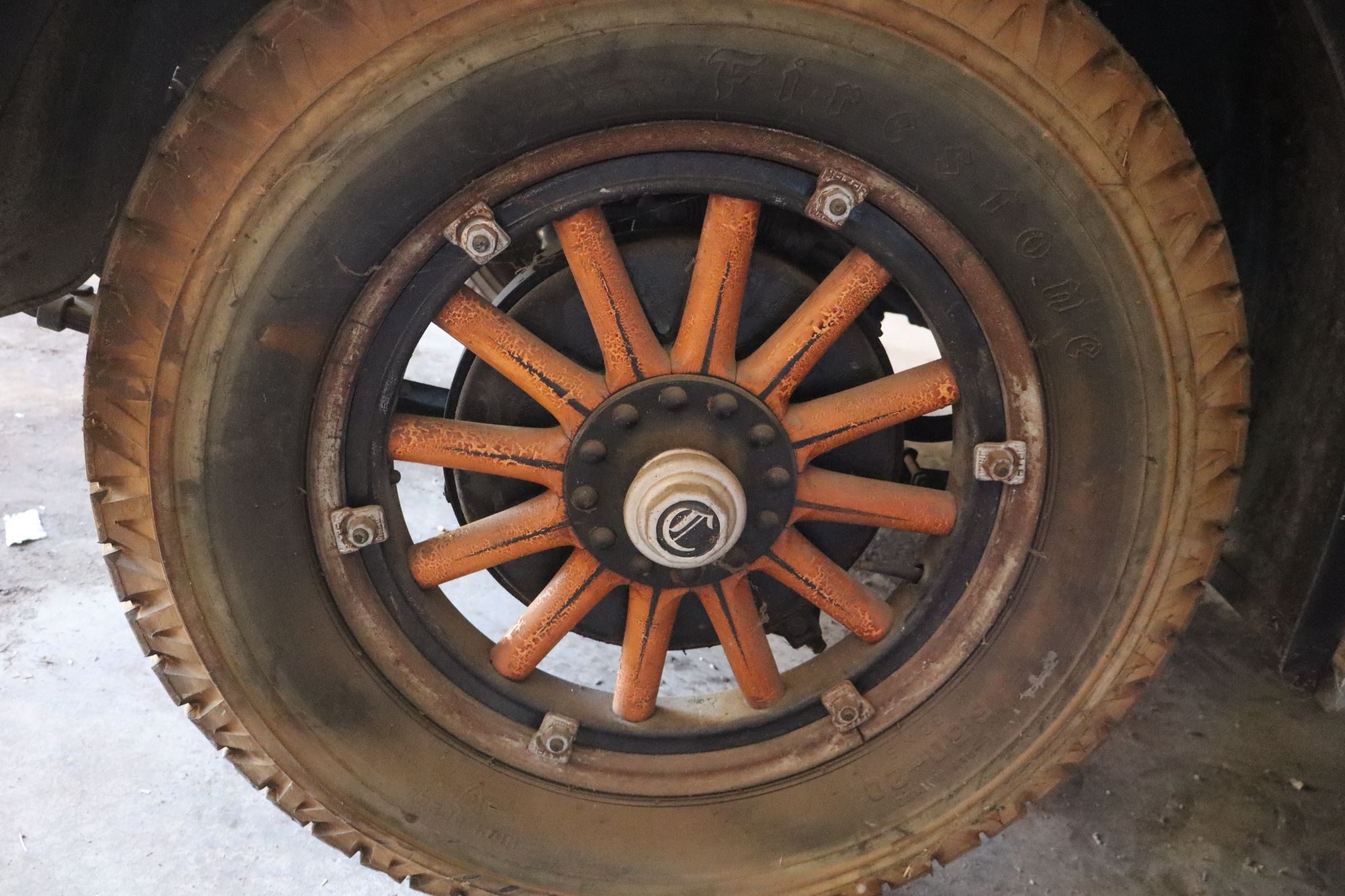
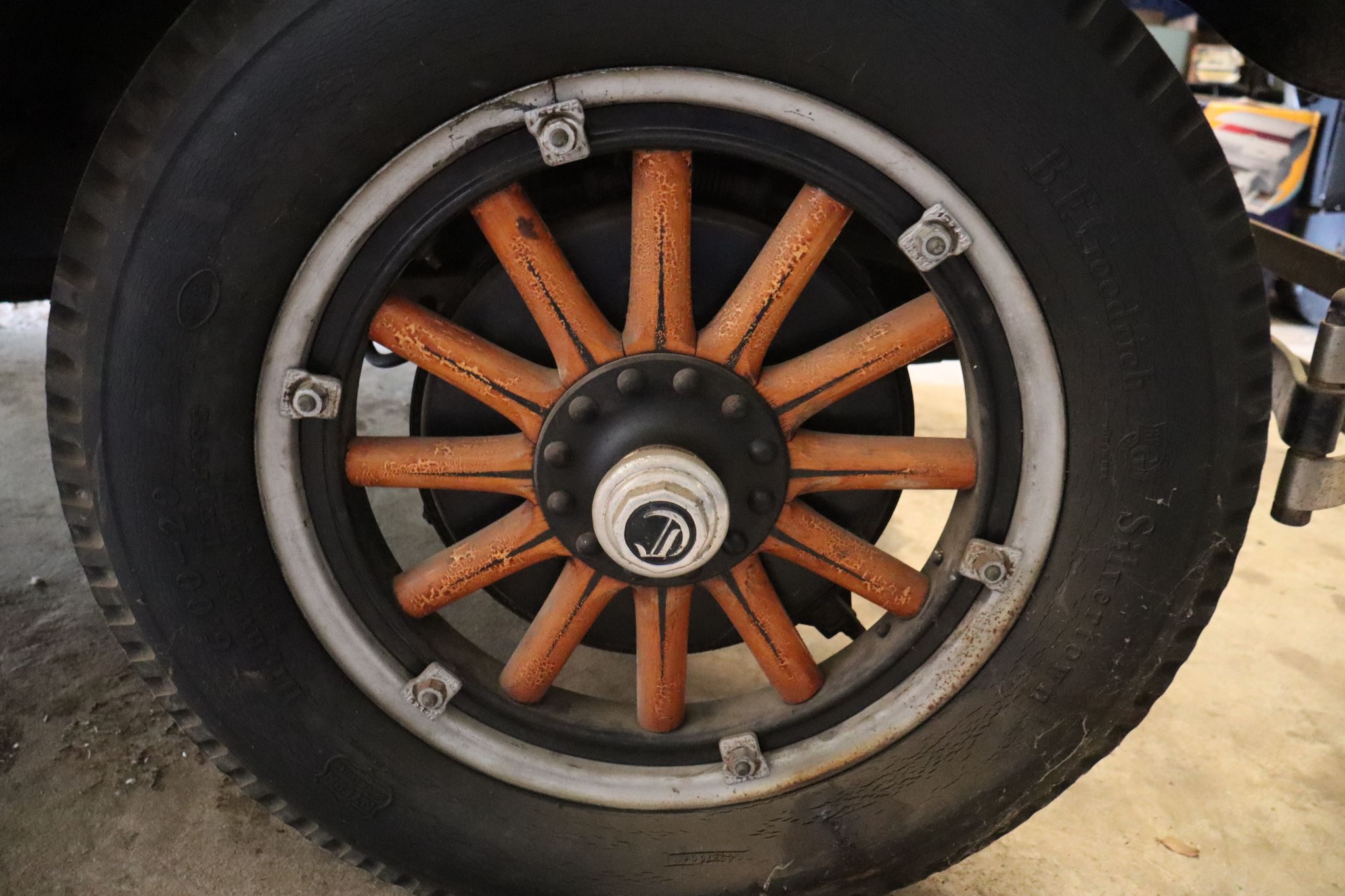
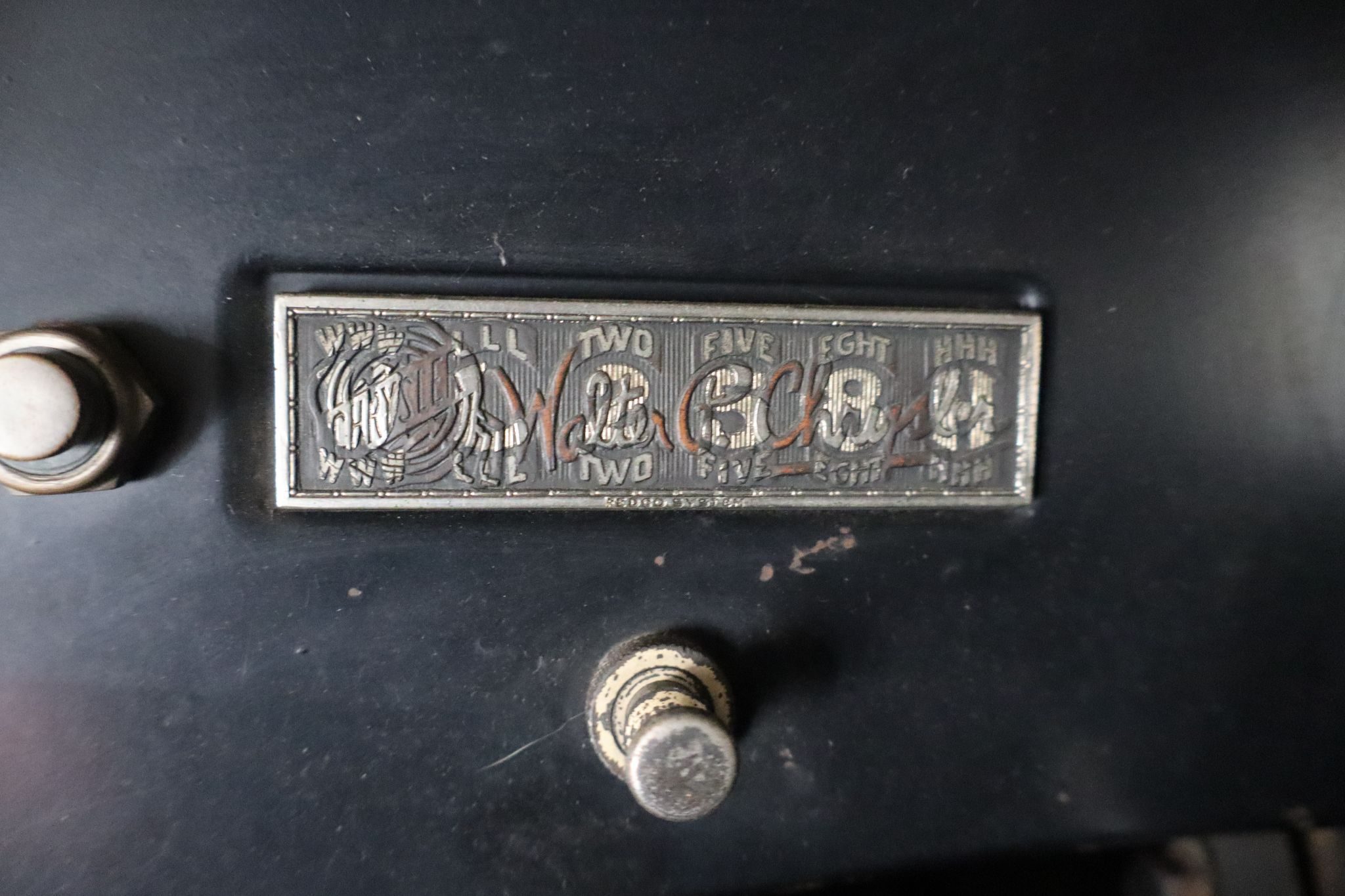
The Six was Chrysler’s first passenger car, produced in 1924 and 1925 as the Model B-70. Our featured Six is a second-year example that has been stored since 1990. Finished in Dark Green and Black, the paint looks consistent beneath the accumulated dust. Washing and polishing the car seems worthwhile, because it might present acceptably as a survivor-grade classic with a century under its belt. If the paint doesn’t tick the boxes for the new owner, the lack of panel damage and rust should make a cosmetic restoration pretty straightforward. Some bright trim might benefit from restoration, but as with the paint, cleaning and polishing may produce a result consistent with the rest of the exterior’s presentation. The Chrysler rolls on beautiful timber-spoked wheels that add a classy feel, and the correct spare is mounted on the back. The glass looks exceptionally clean, with no cracks or cloudiness.
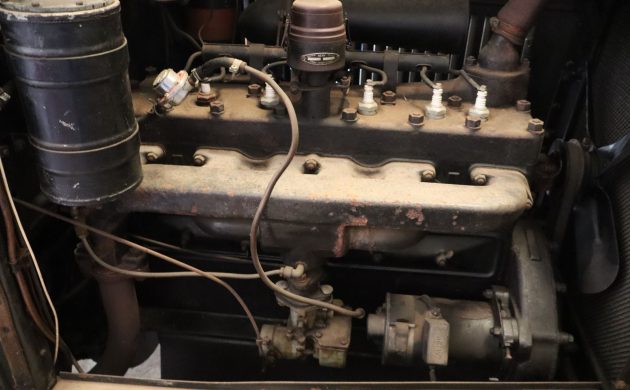
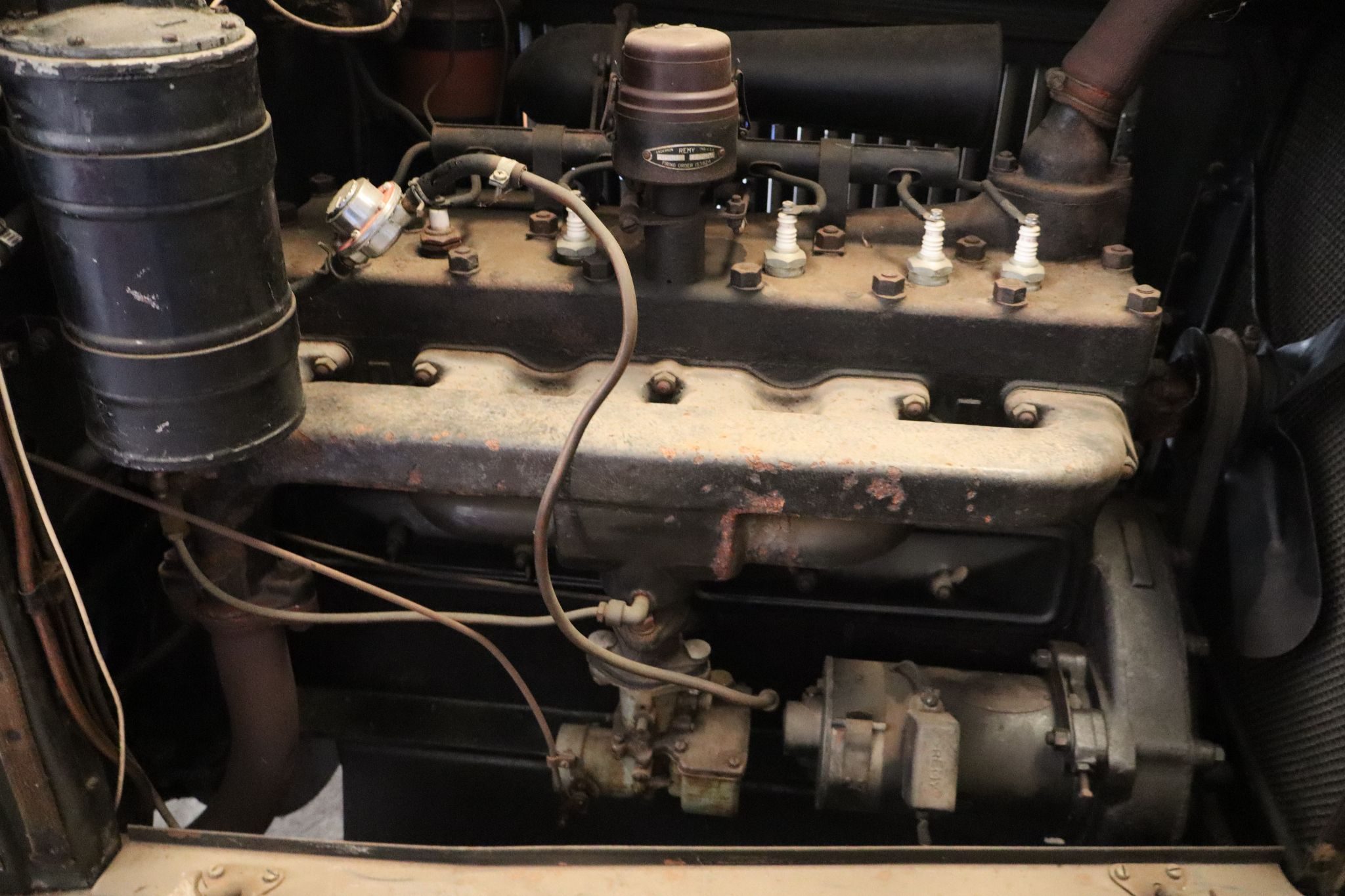
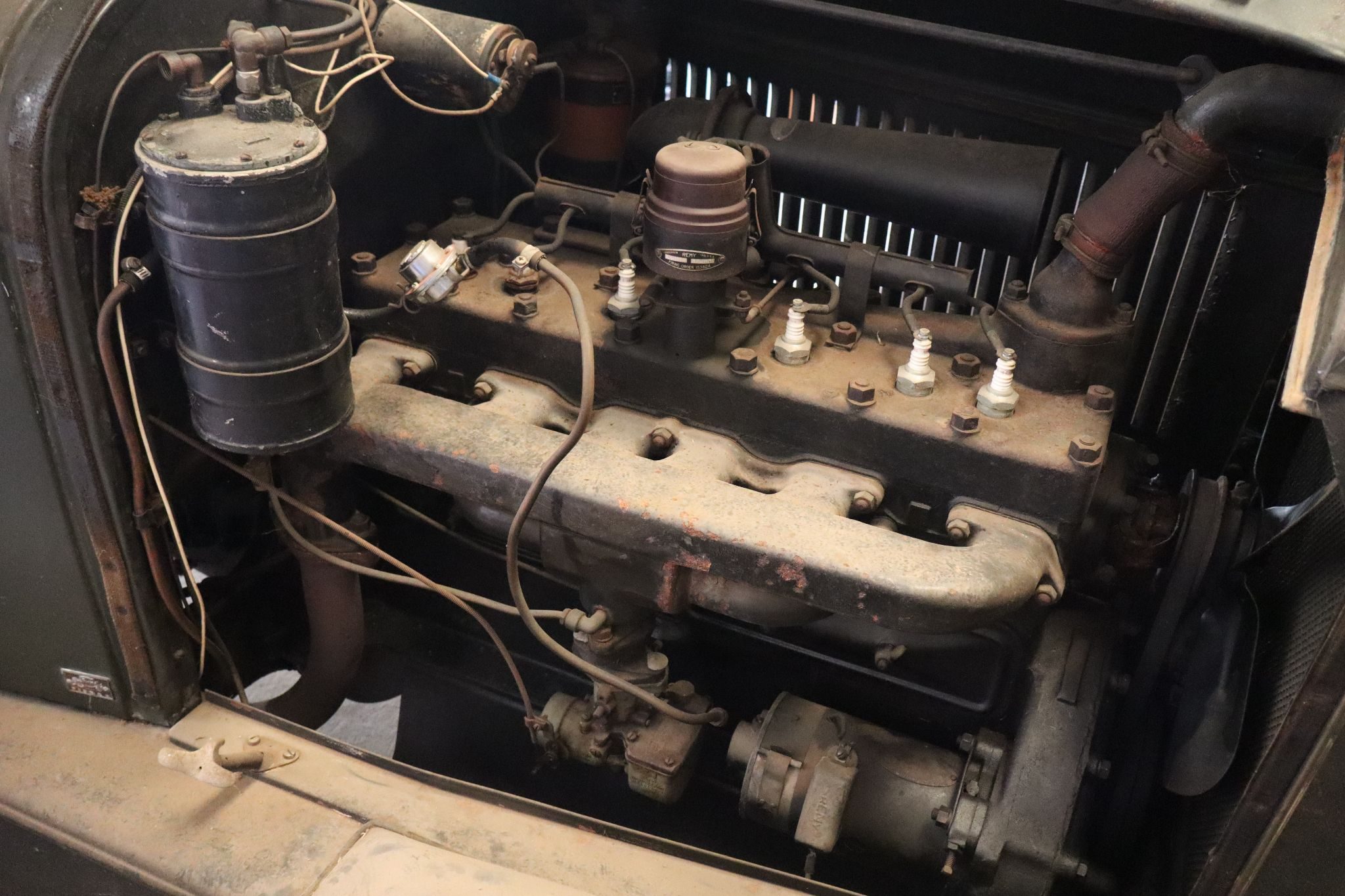
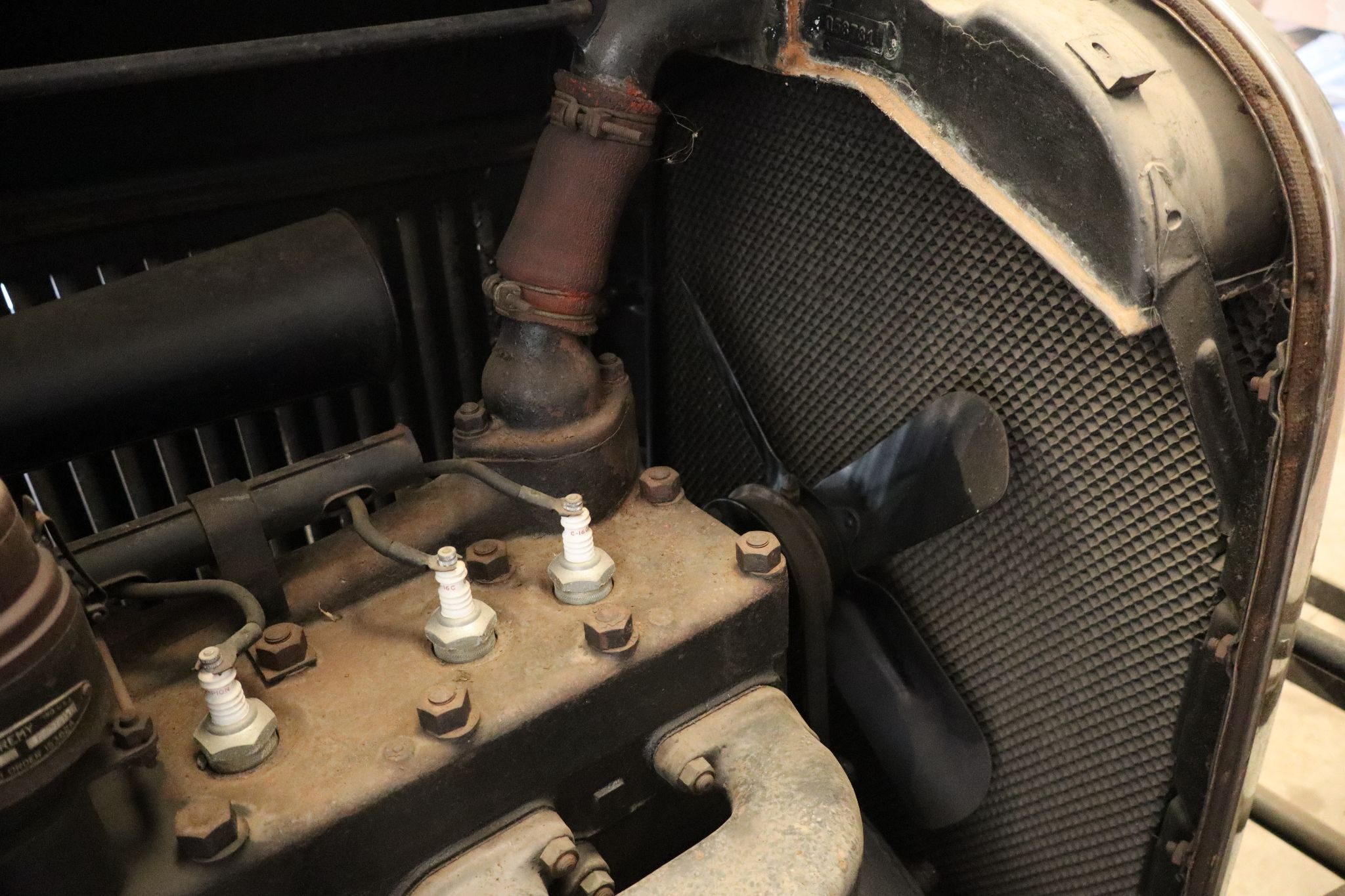
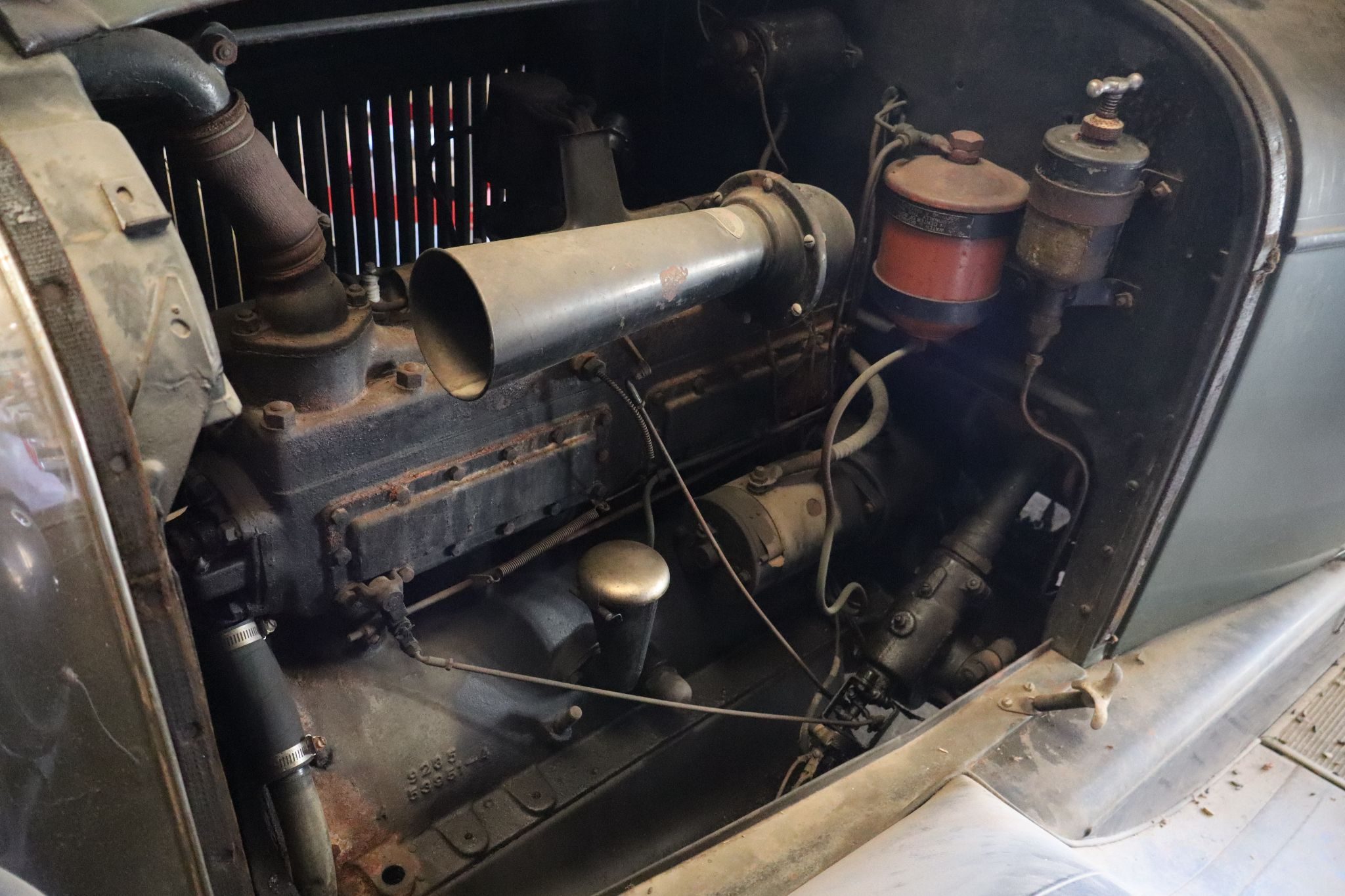
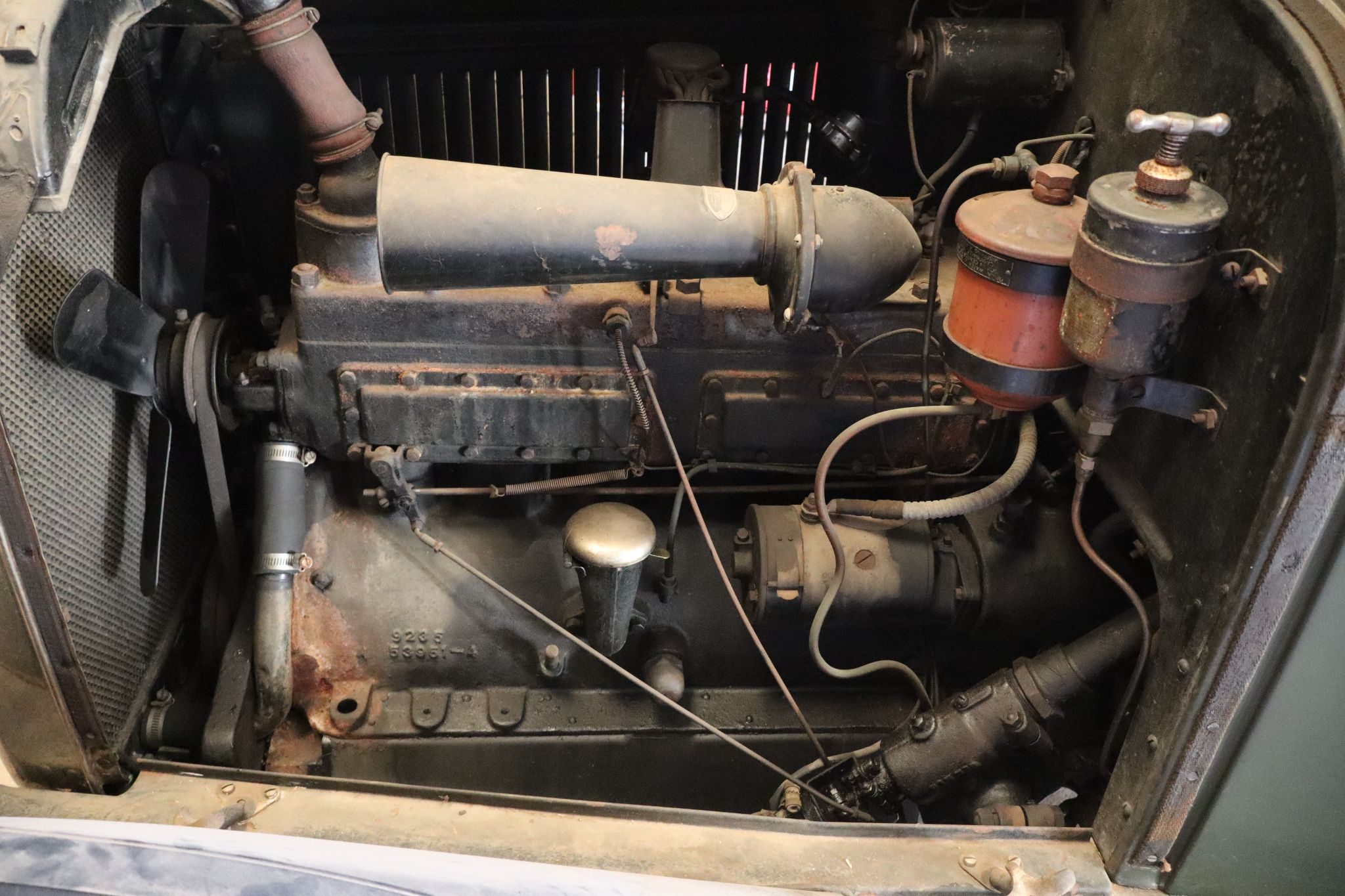
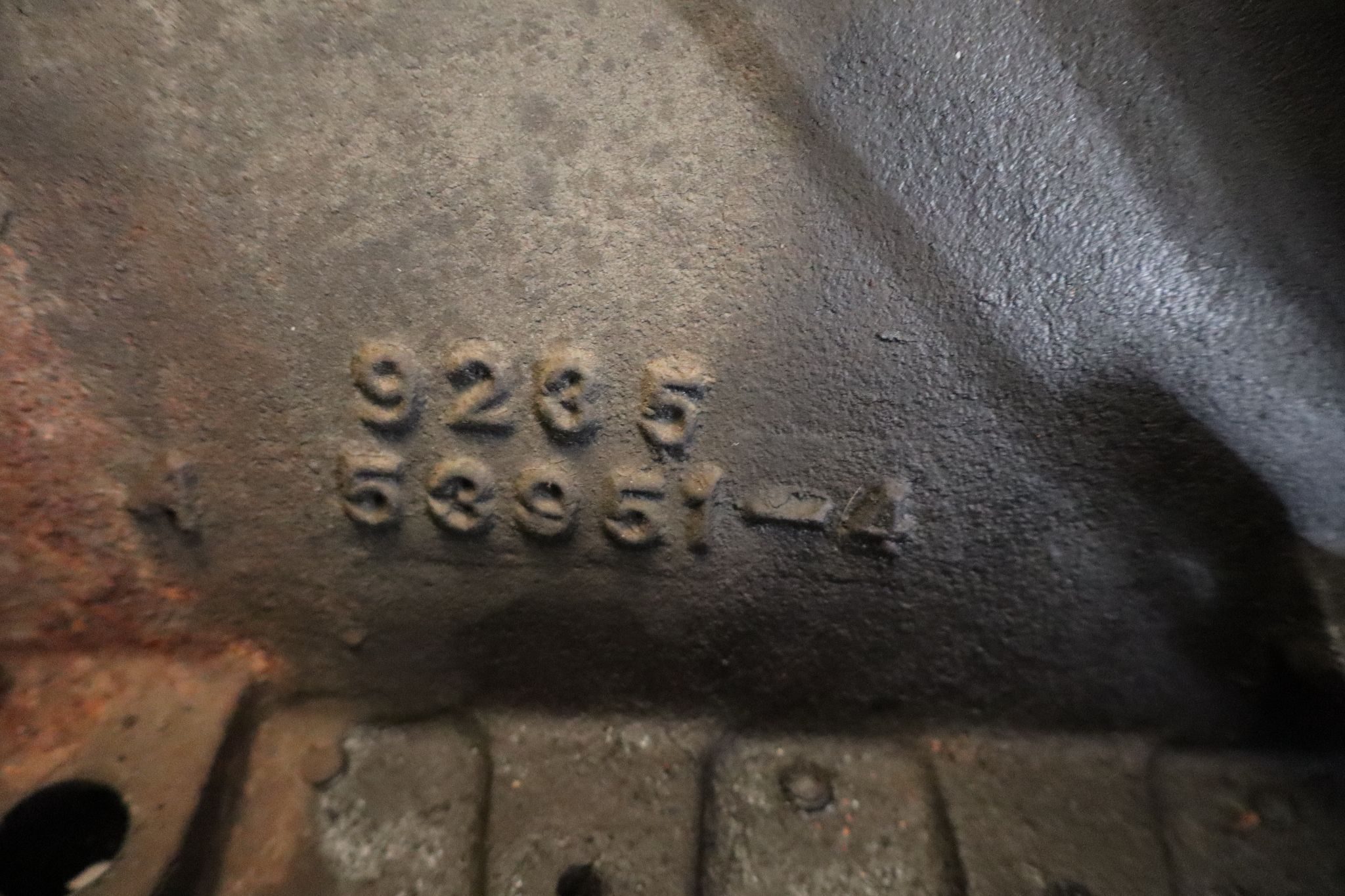
Powering this Chrysler is a 201ci flathead six, giving the car its model designation. Introduced in 1924, the motor was advanced for the era, featuring a seven-bearing crank that made it a favorite for long-distance endurance racing. These motors saw action at Le Man in 1925, 1928, and 1929, scoring multiple Top 10 results in the latter two years. The Six produced 69hp at its peak, fed to the back wheels through a three-speed manual transmission. The four-wheel hydraulic drum brakes were another notable feature at a time when many manufacturers still relied on rod activation. The Chrysler doesn’t currently run and may not have done so since 1990. Its mechanical condition is unknown, but it appears complete. Therefore, if the motor turns, revival might only entail a thorough inspection and basic maintenance.
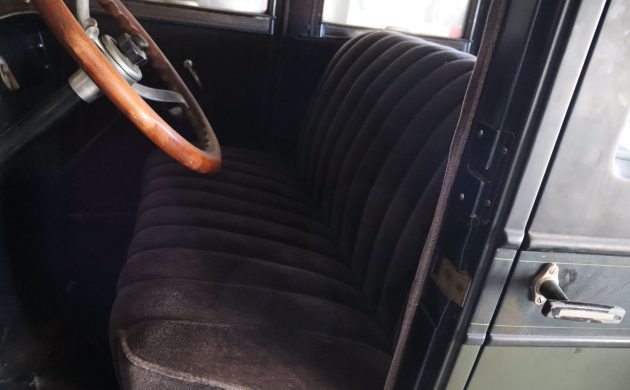
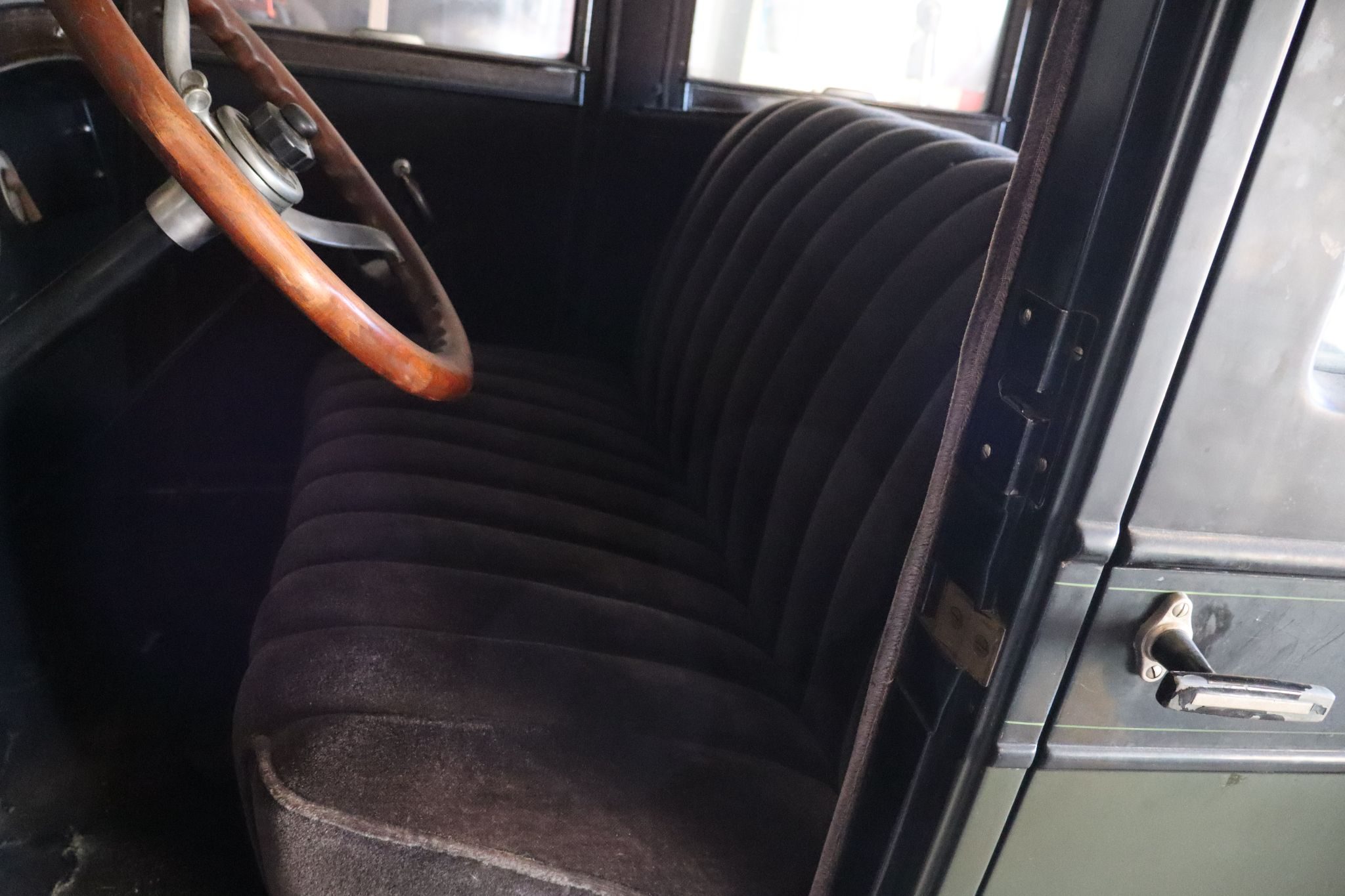
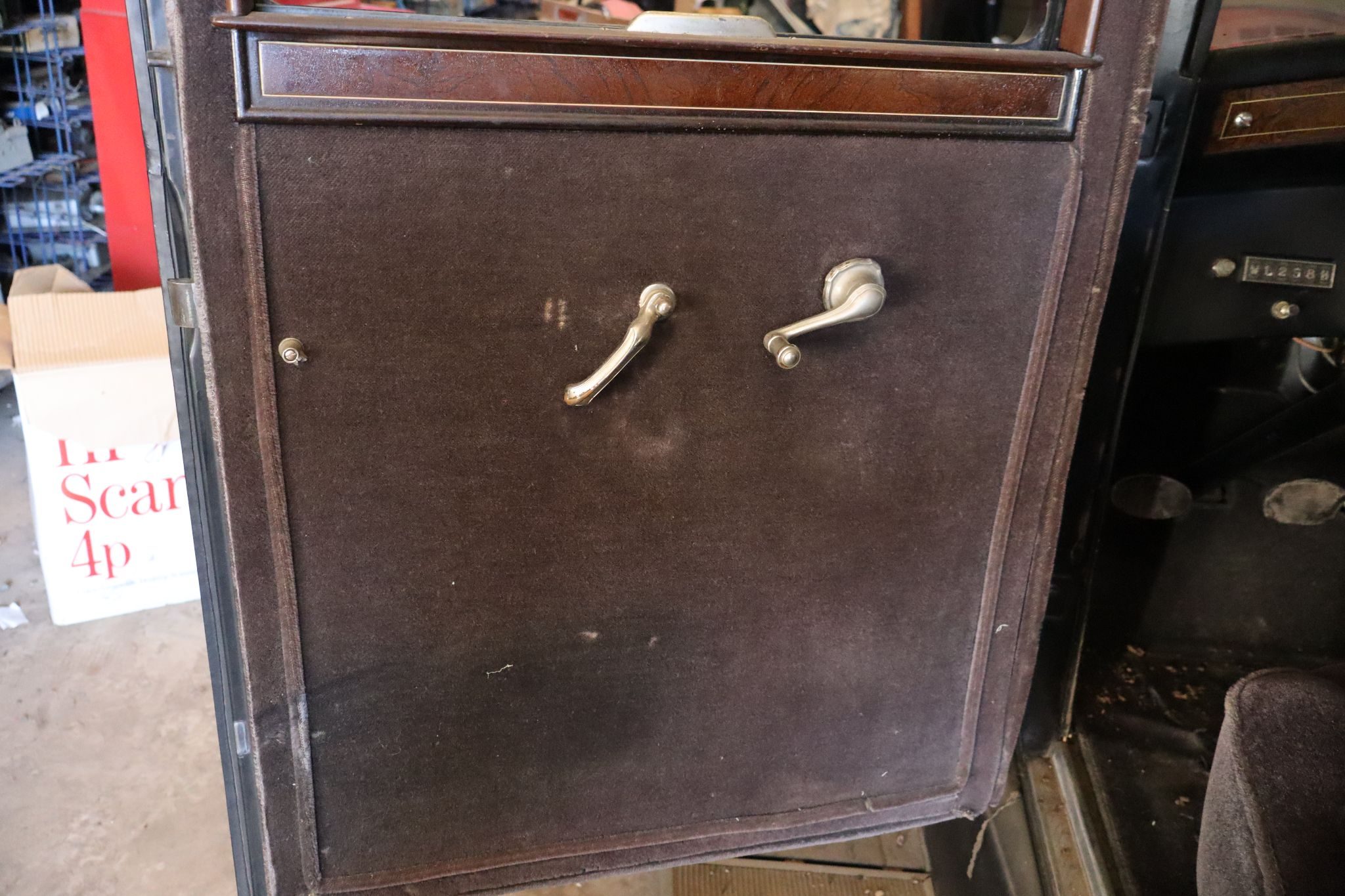
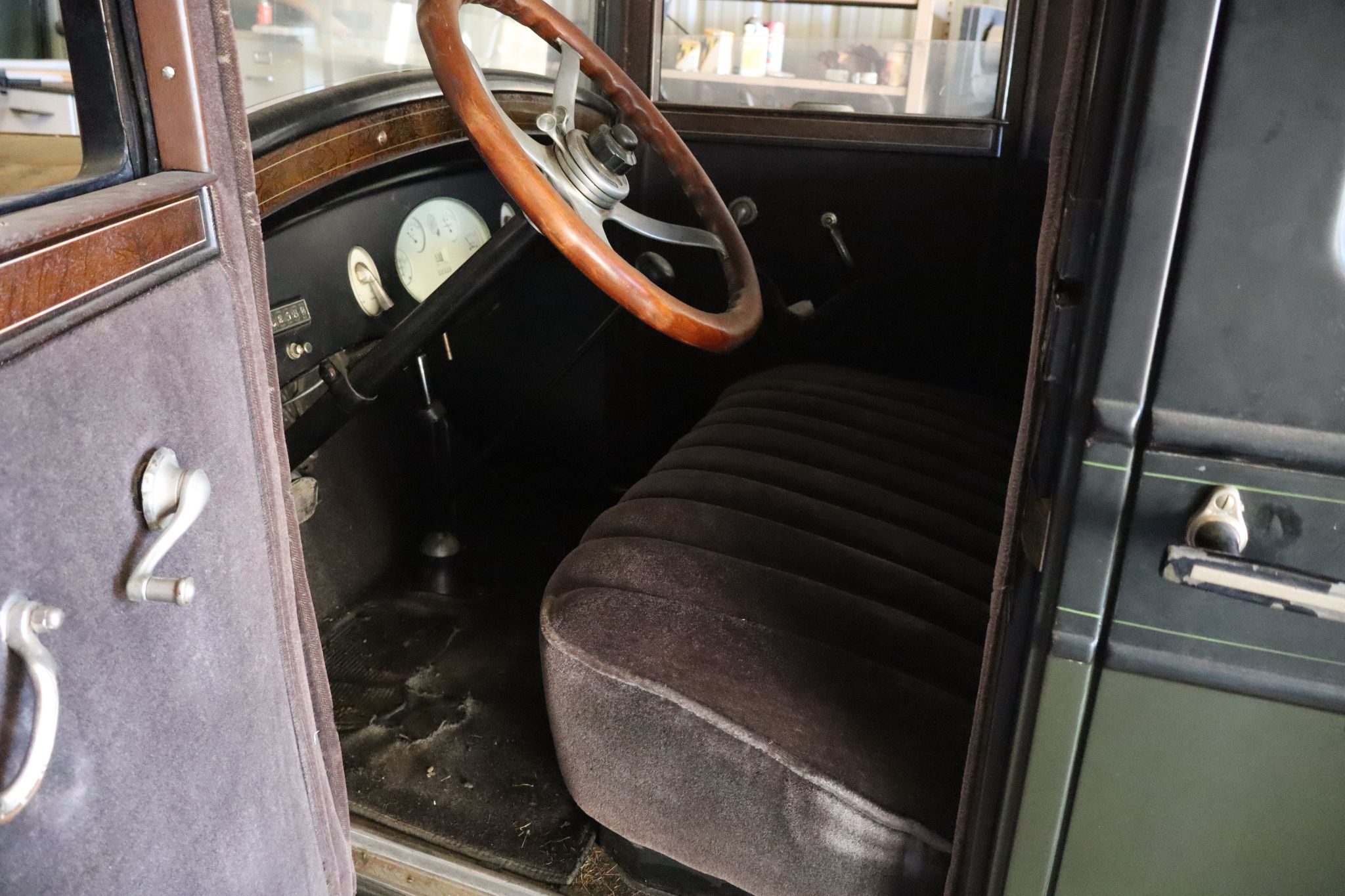
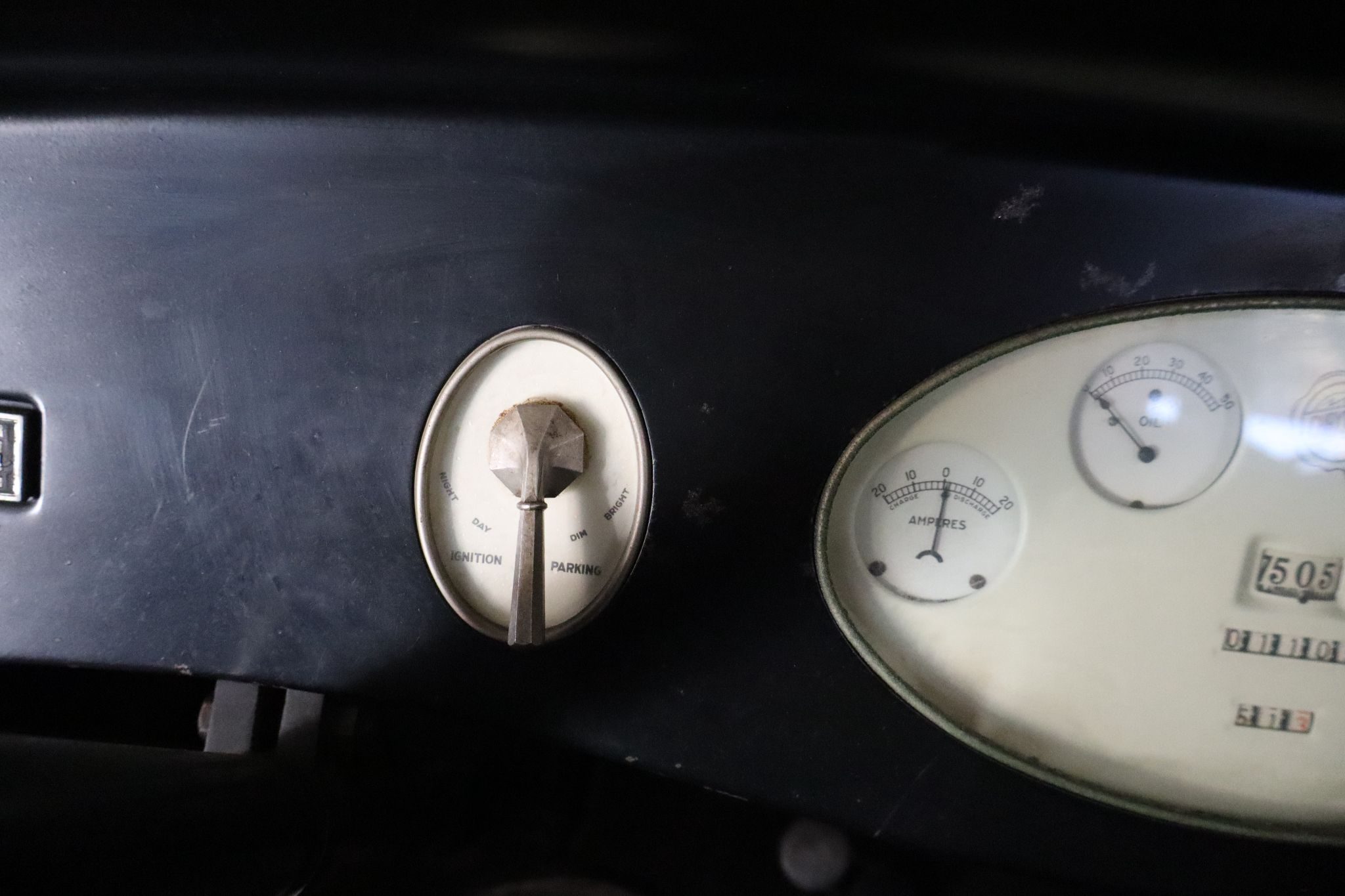
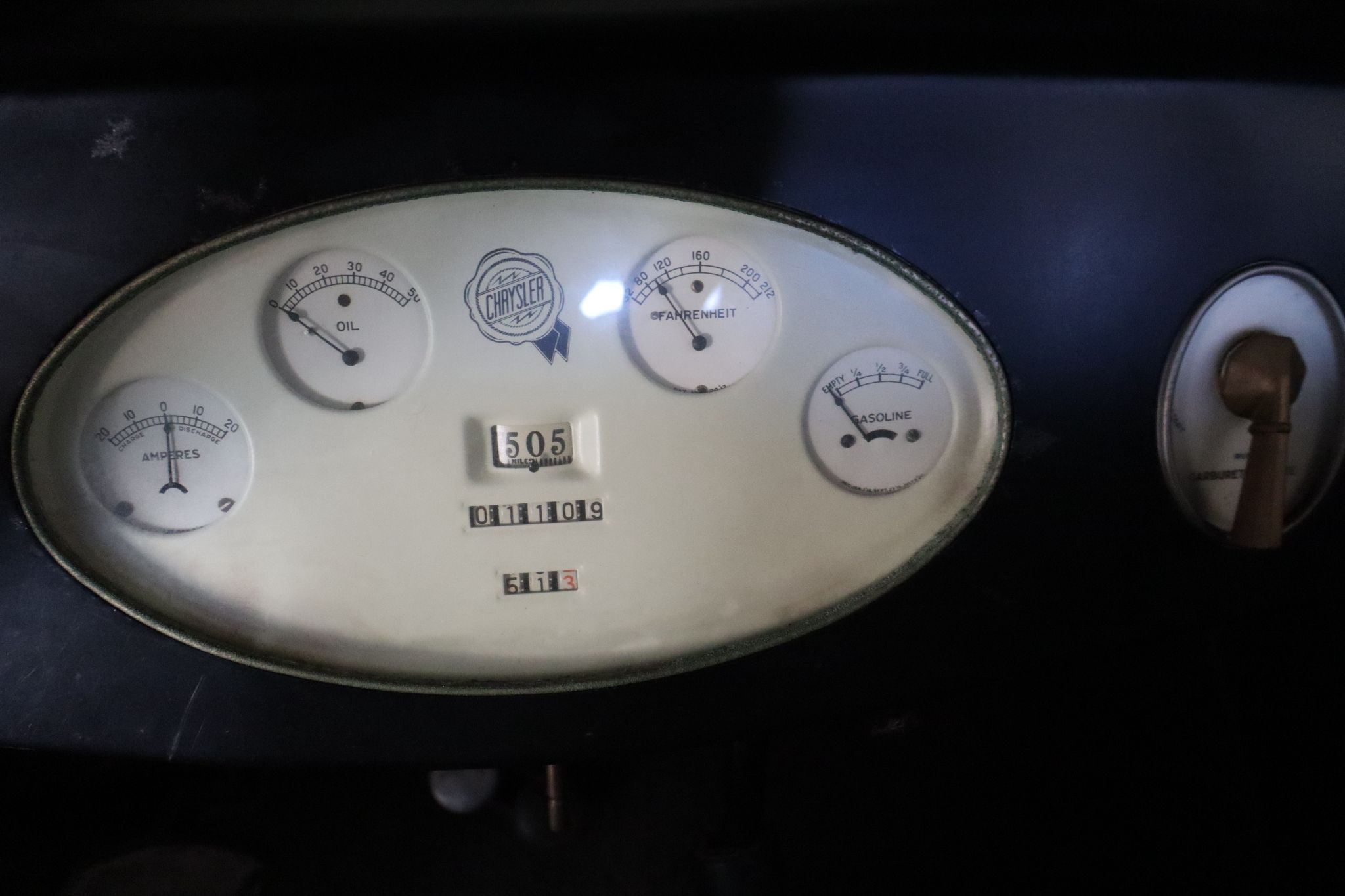
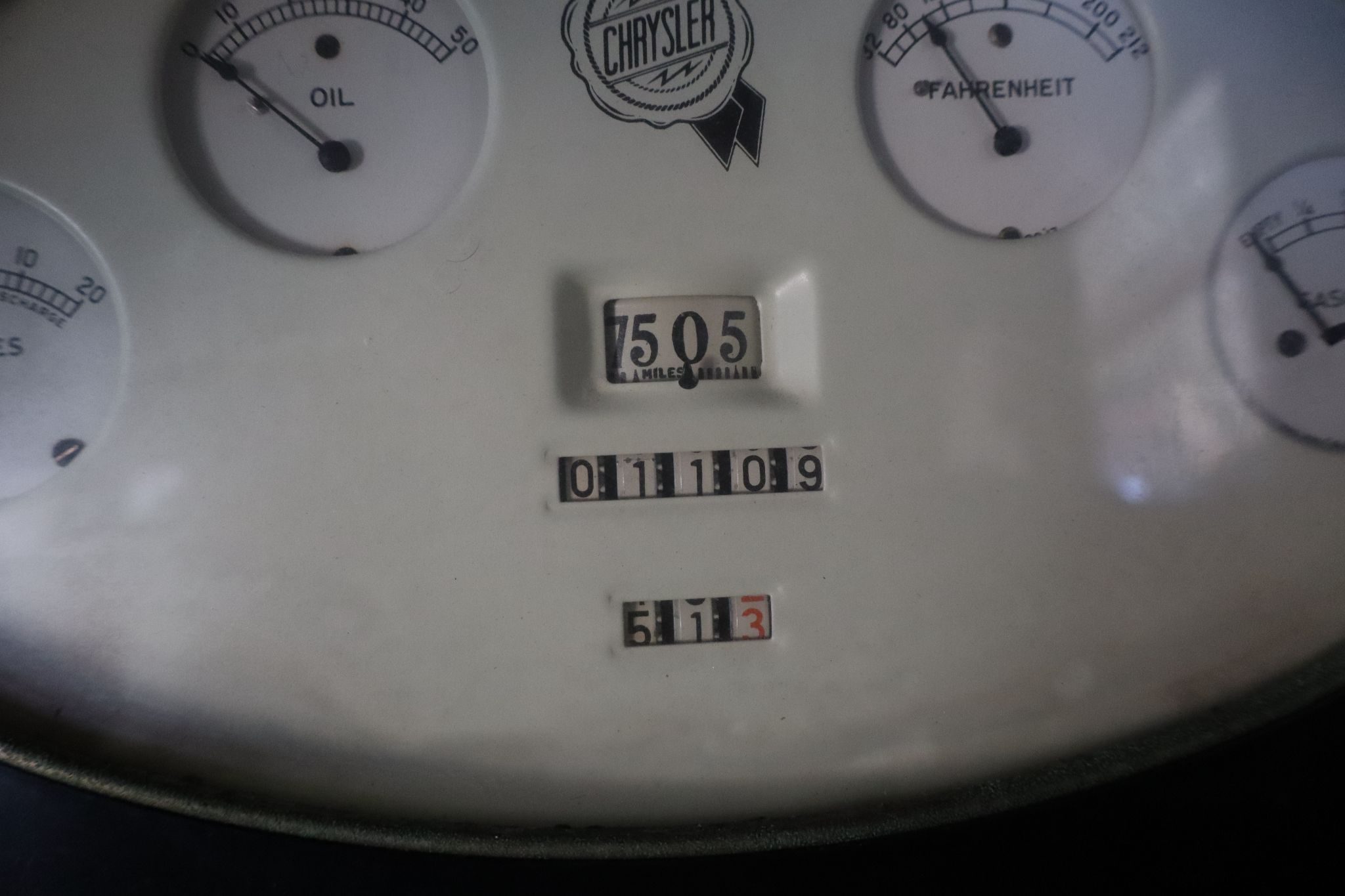
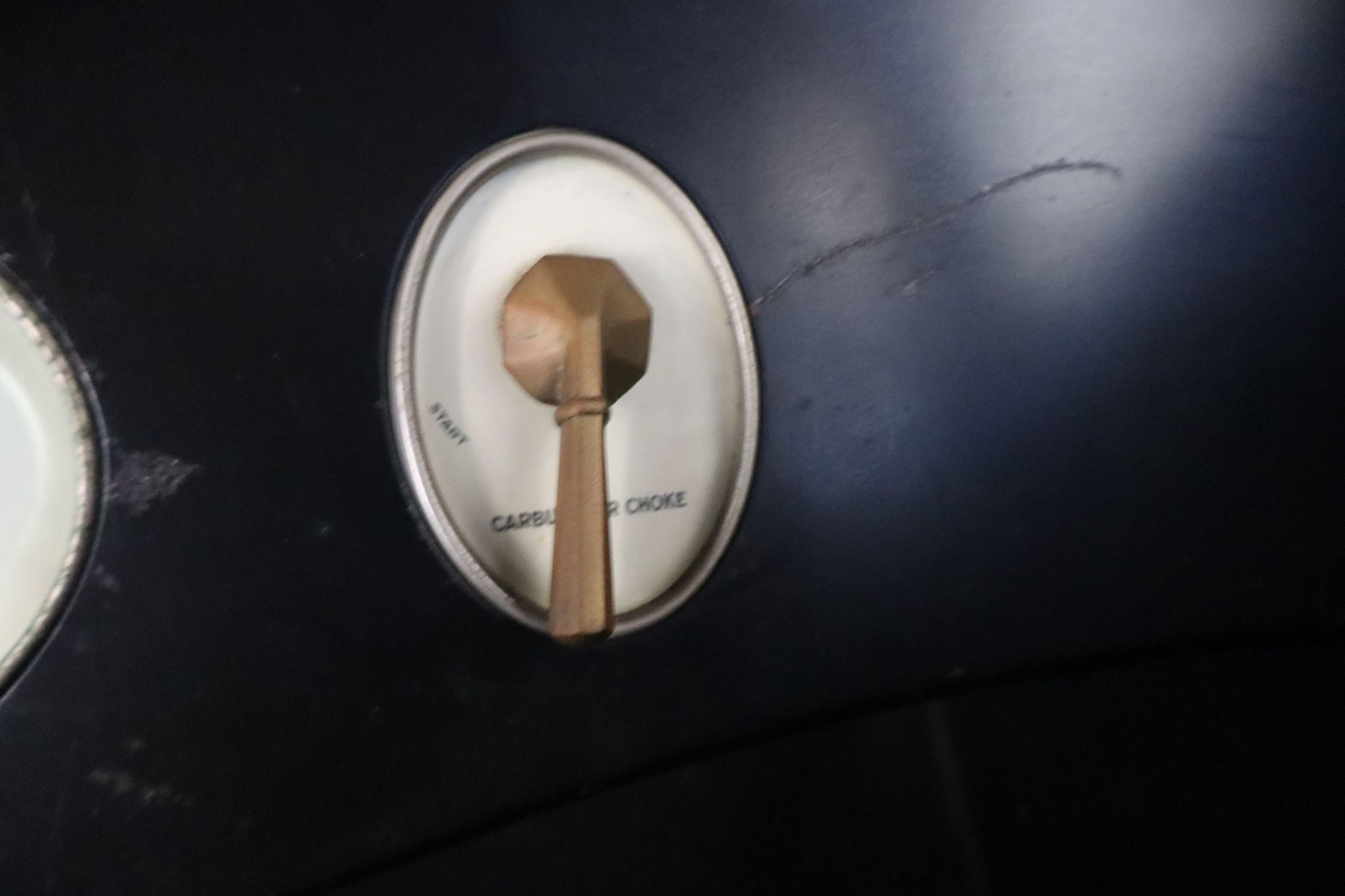
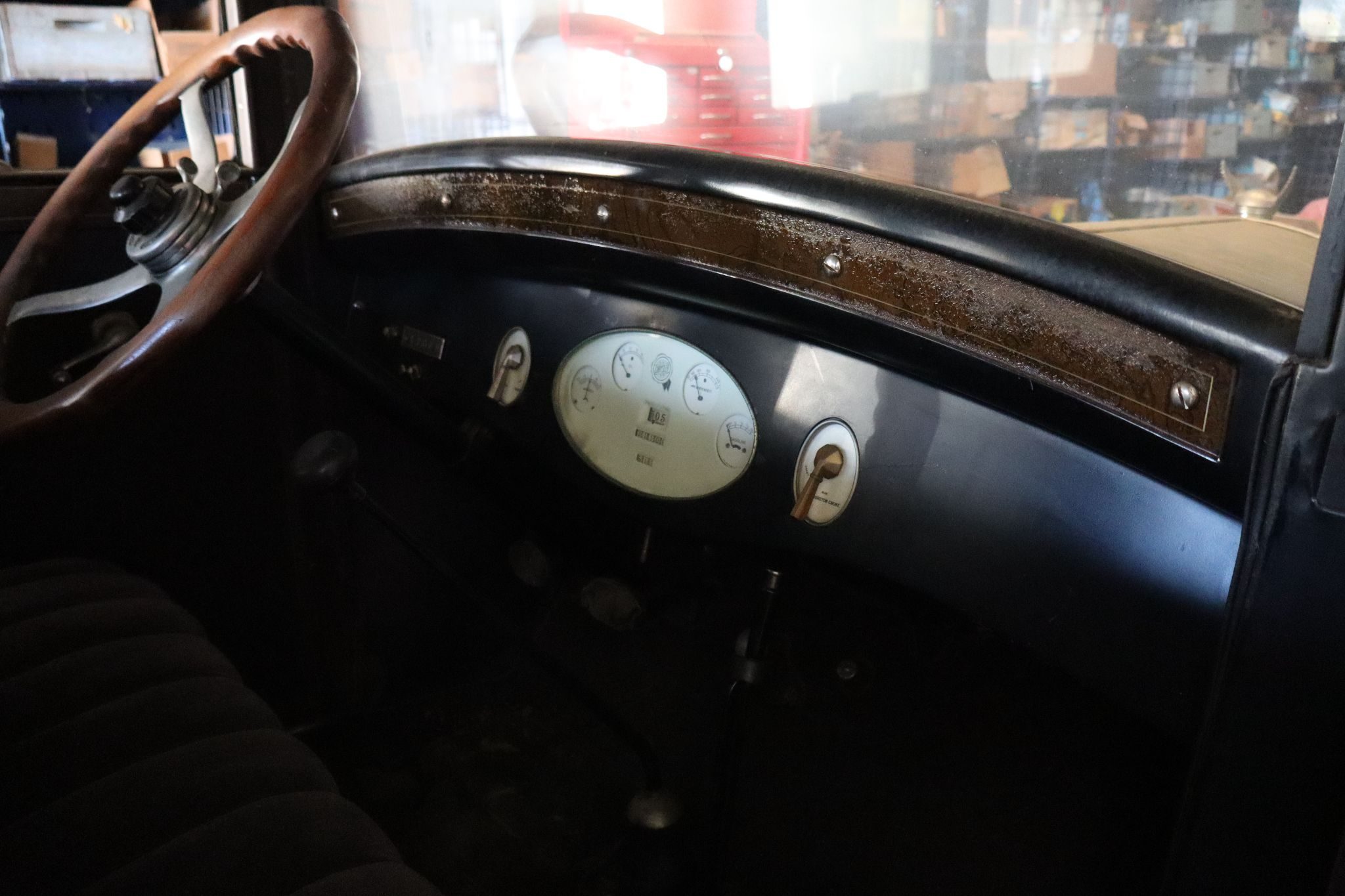
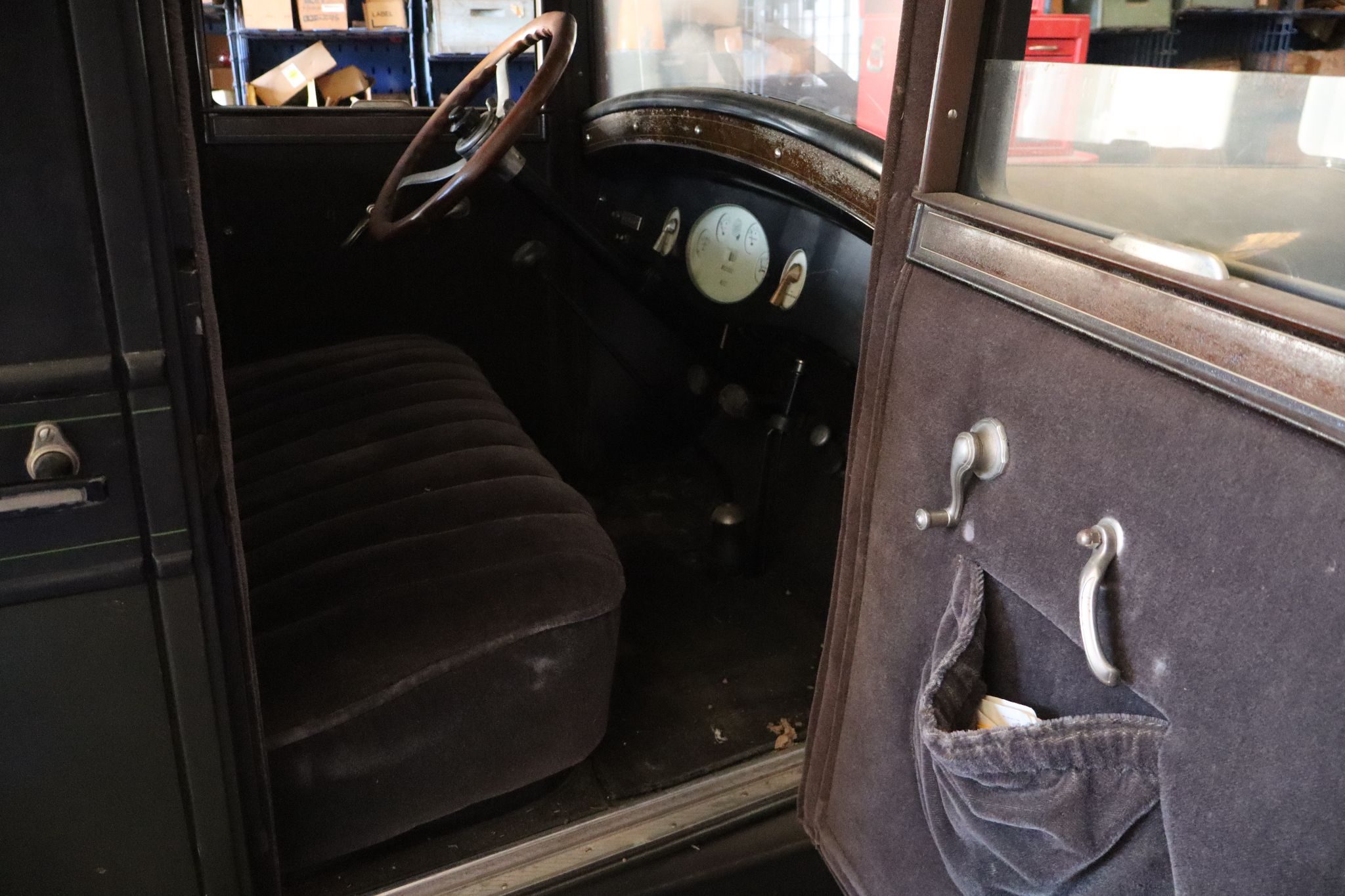
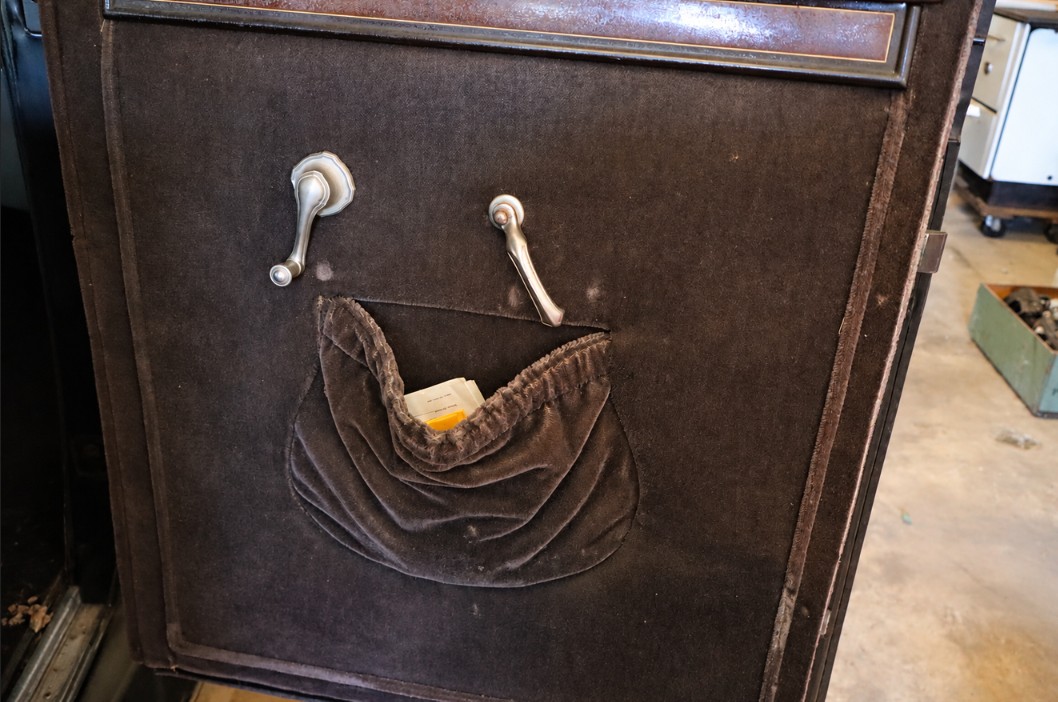
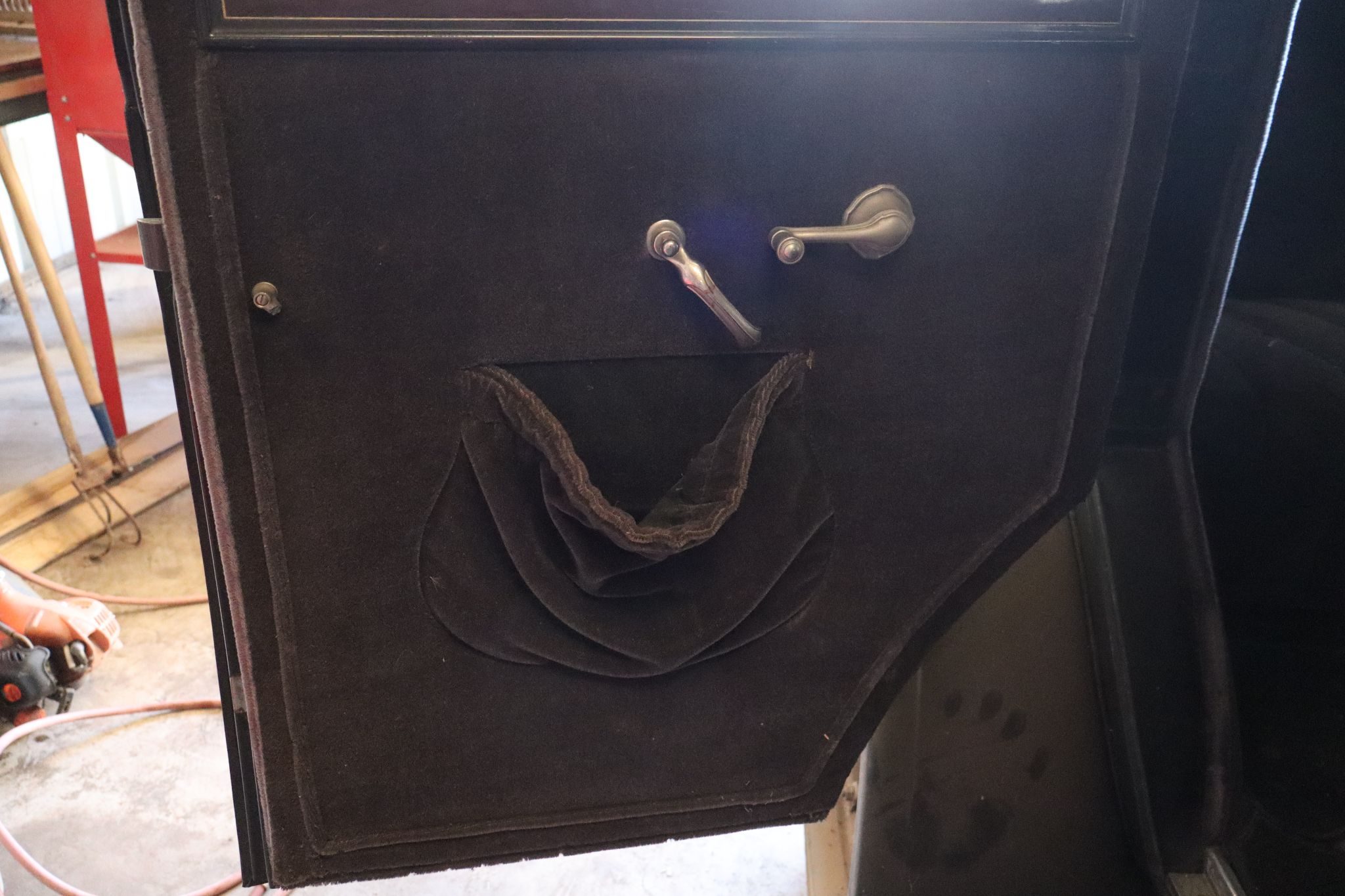
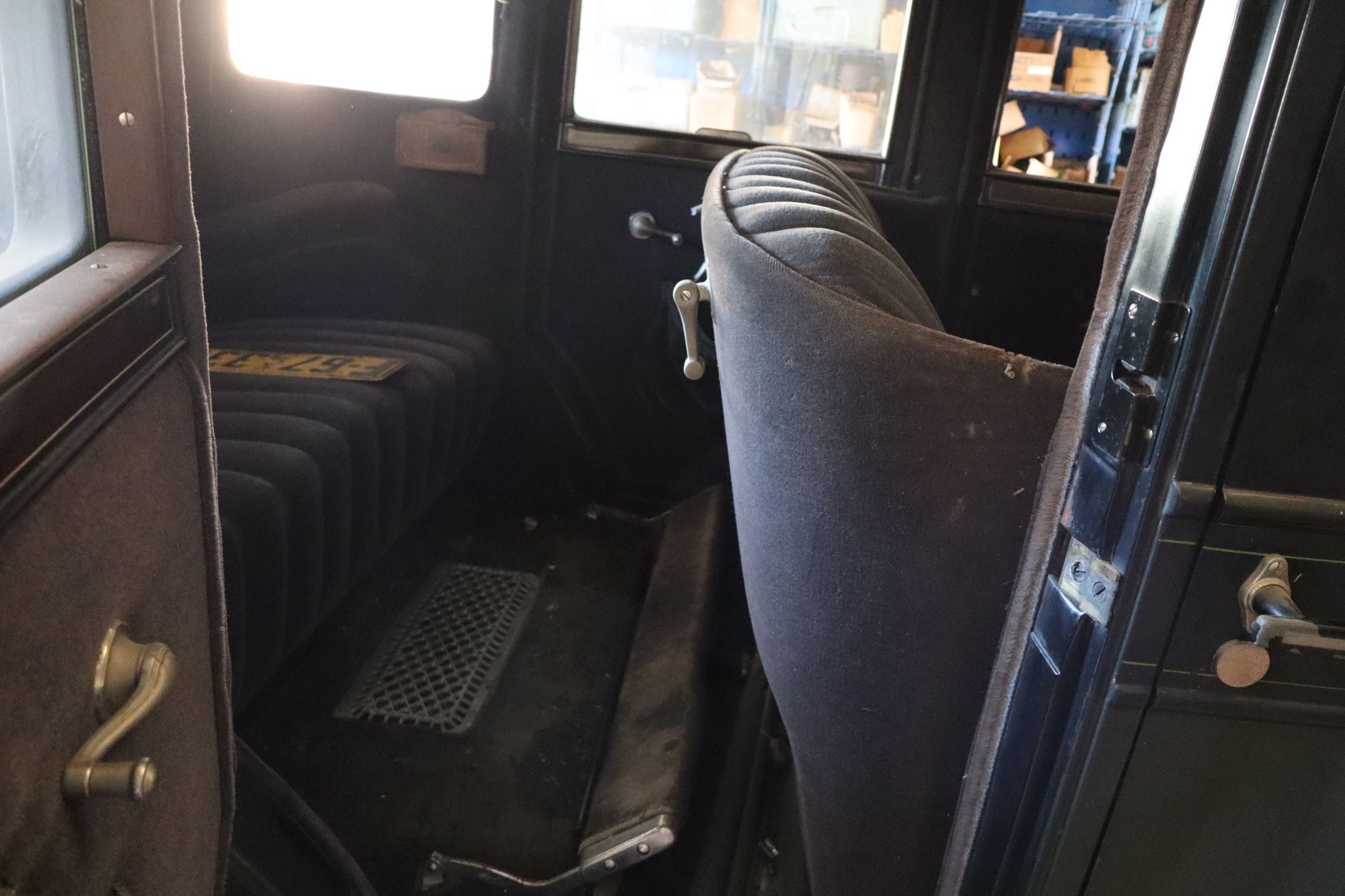
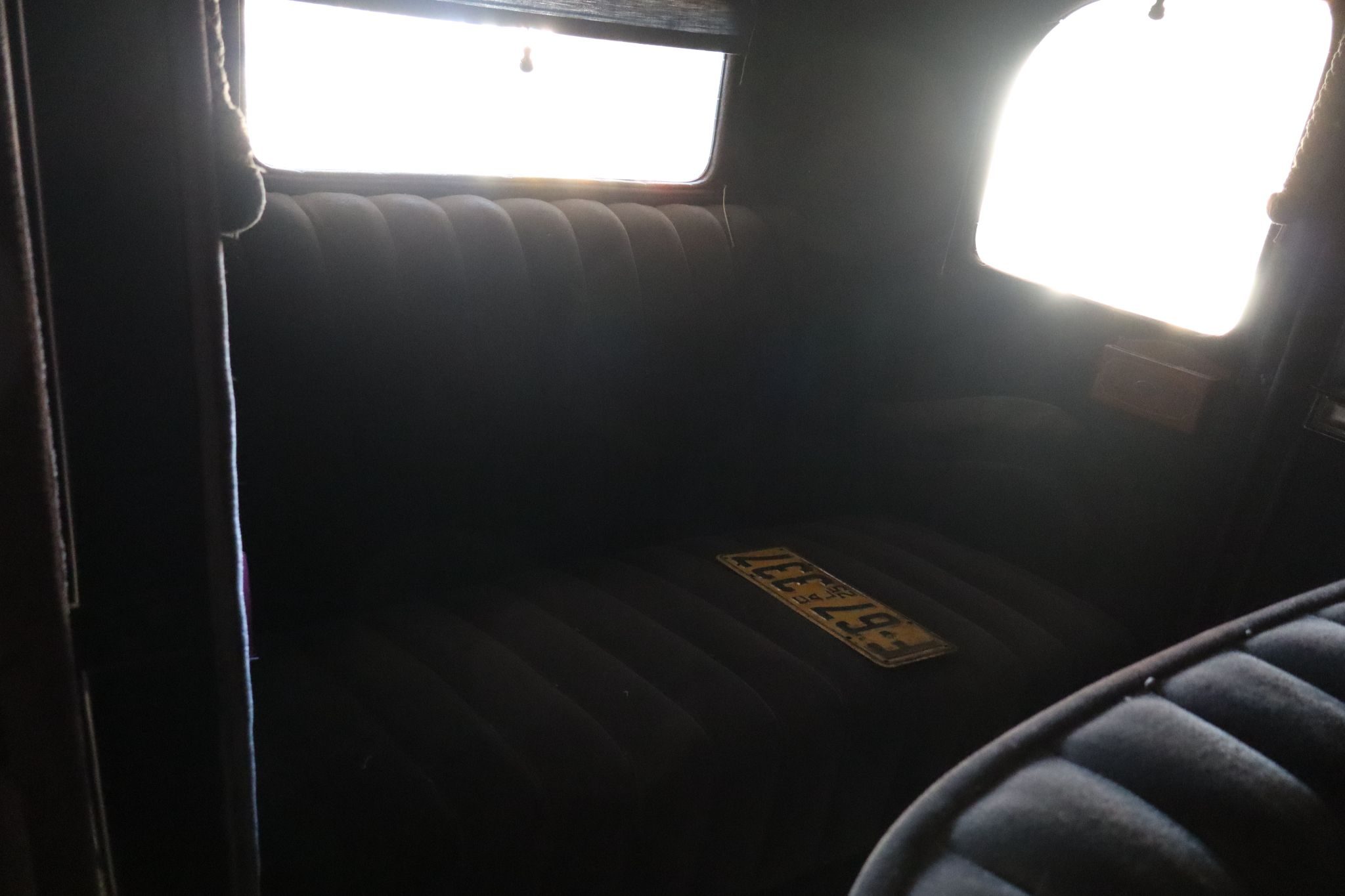
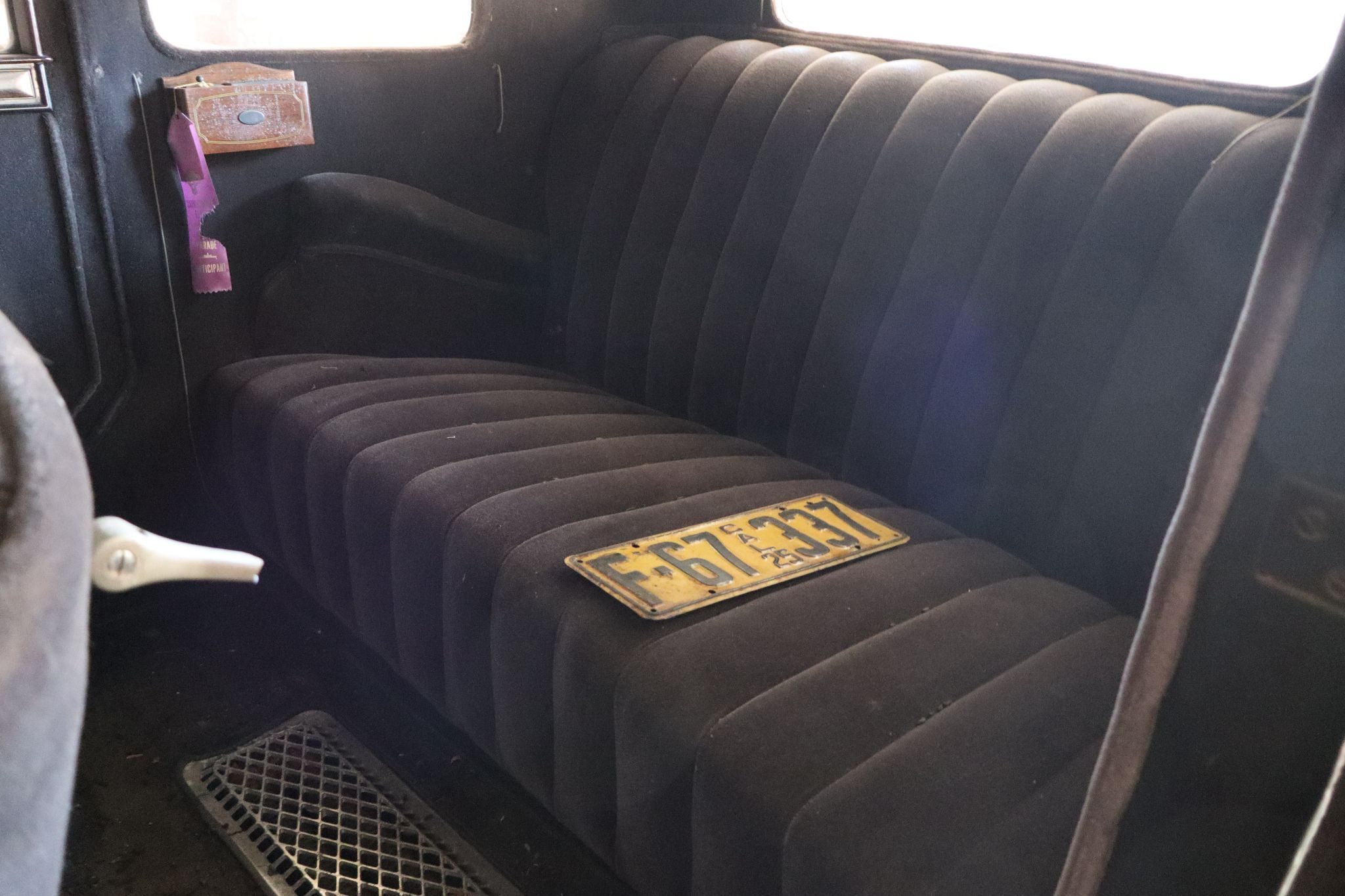
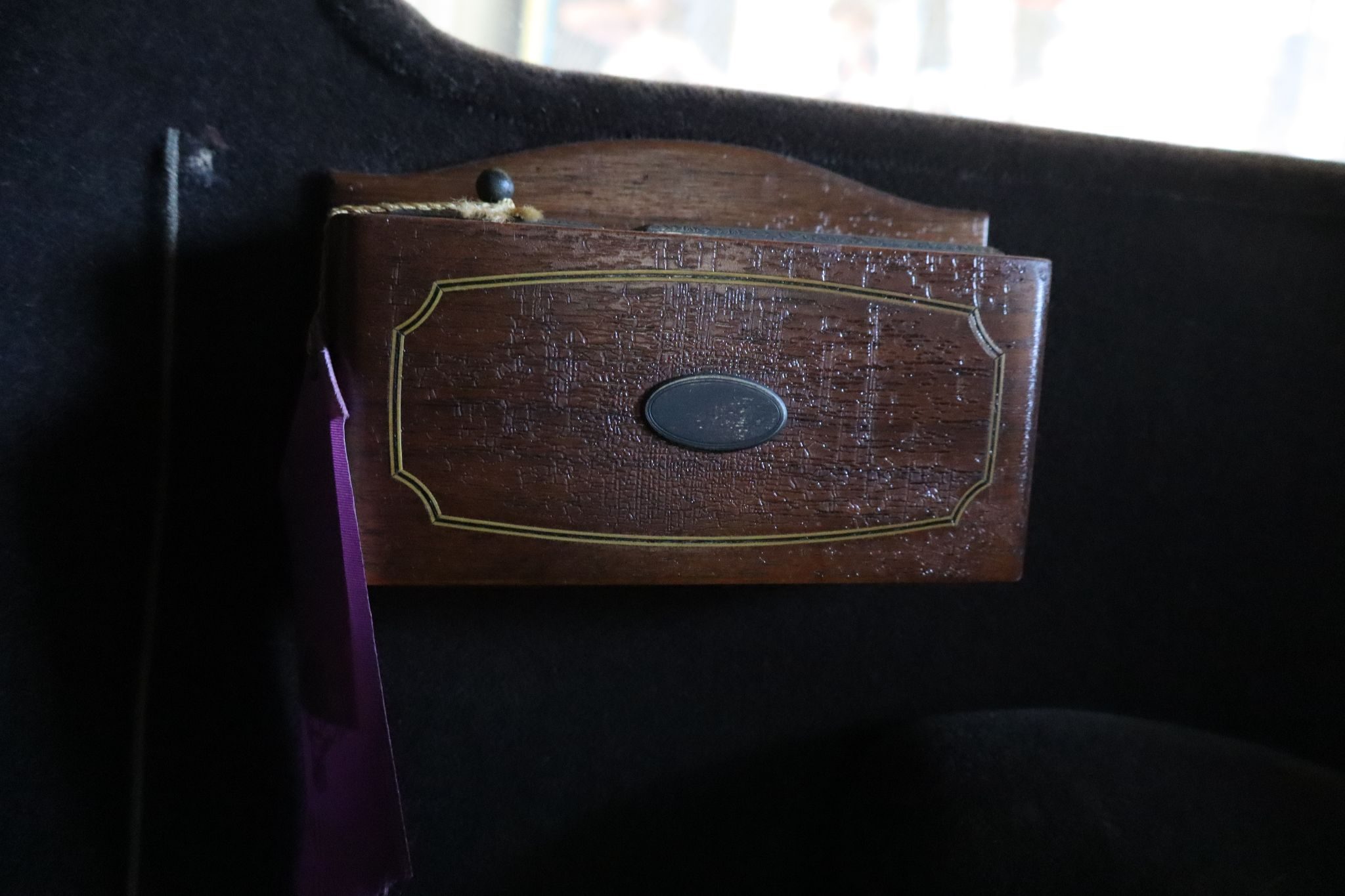
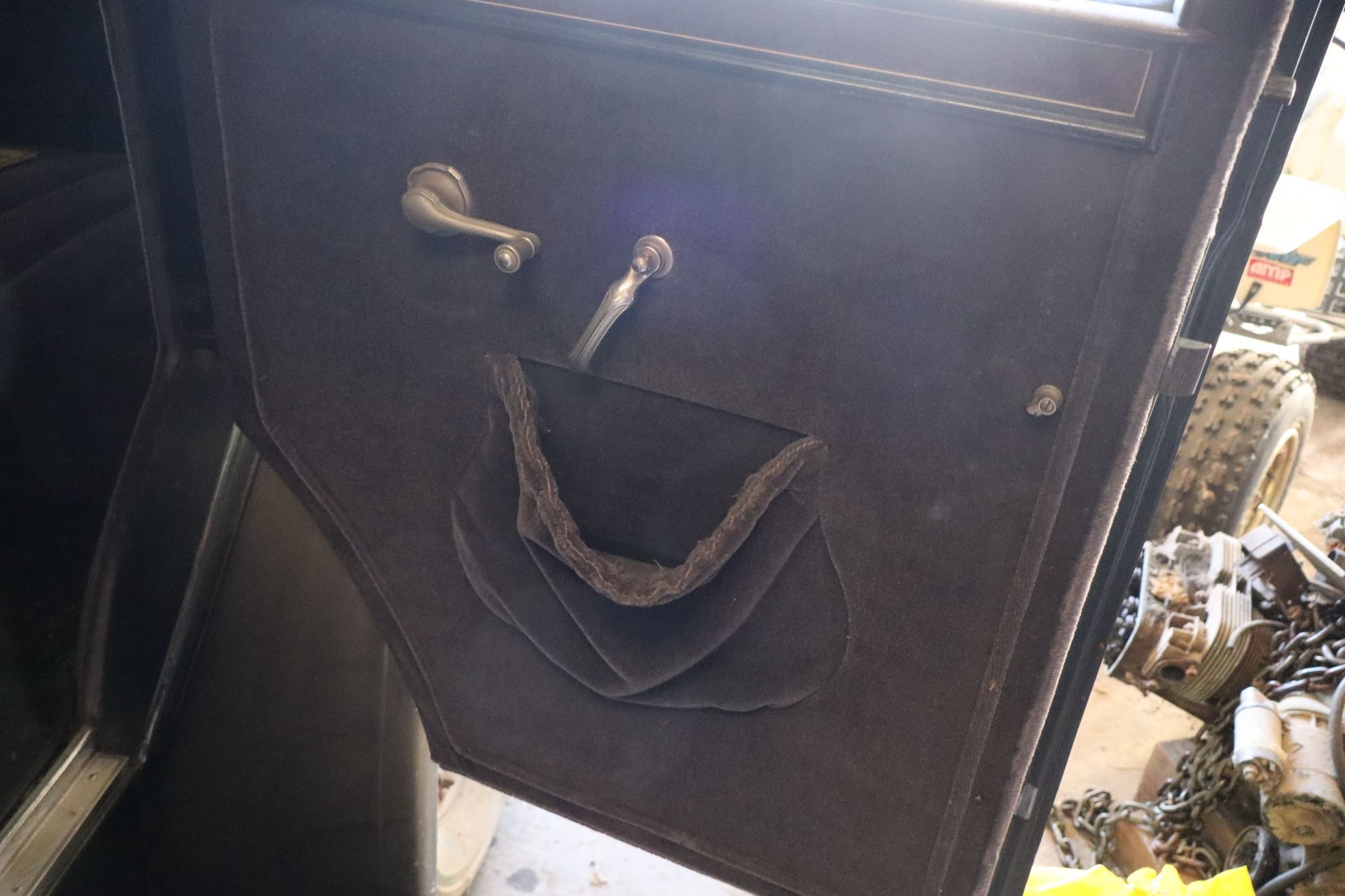
The Six was a fairly upmarket model, as reflected in its interior trim. Buyers received cloth upholstery, a comprehensive gauge cluster with an ornate appearance, and a range of door pockets and timber trim accents. This car’s interior looks remarkably good for its age. The seats and other upholstered surfaces are free from holes and significant wear, and the timber wheel is a definite highlight. The gauge cluster features clear glass and crisp markings, and the control markings aren’t worn. I believe that a few days in a workshop performing a deep clean would lift its appearance, allowing it to present extremely well for a survivor of this vintage.
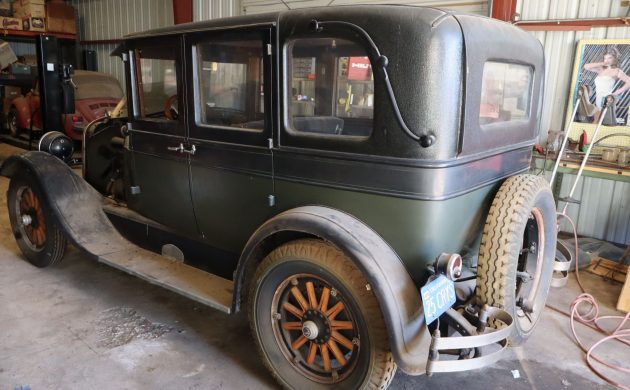
It is common to find classics that have spent decades in storage that have deteriorated significantly. Some are partially dismantled, or owners scavenge parts for other builds. This 1925 Chrysler Six has avoided those potential problems and is a complete classic offering several possibilities. A total restoration would be straightforward, allowing the buyer to return the vehicle to its former glory. However, I believe it would command more respect if cleaned, detailed, and left largely as-is. One thing is undeniable: It is an affordable car offering someone the chance to enter the world of classic ownership without breaking the bank. That is why this Six deserves a closer look.

8 grand seems reasonable. Looks complete. Get’er running and drive it.
Interest wanes in these old vehicles, but cars like this are what got me into the hobby. 8k is a good price for what looks like a very nice car. Buy it, Clean it up and drive it every chance you get. Sad to say but the next owner will probably be the last.
A former coworker had a 27 Chrysler similar to this one. He bought it back in the 60s, restored it himself, and hired himself out for weddings. It’s probably still in his garage, and used occasionally.