
- Seller: Tony H (Contact)
- Location: Lucky Lake, Saskatchewan, Canada
- Mileage: 111111 Shown
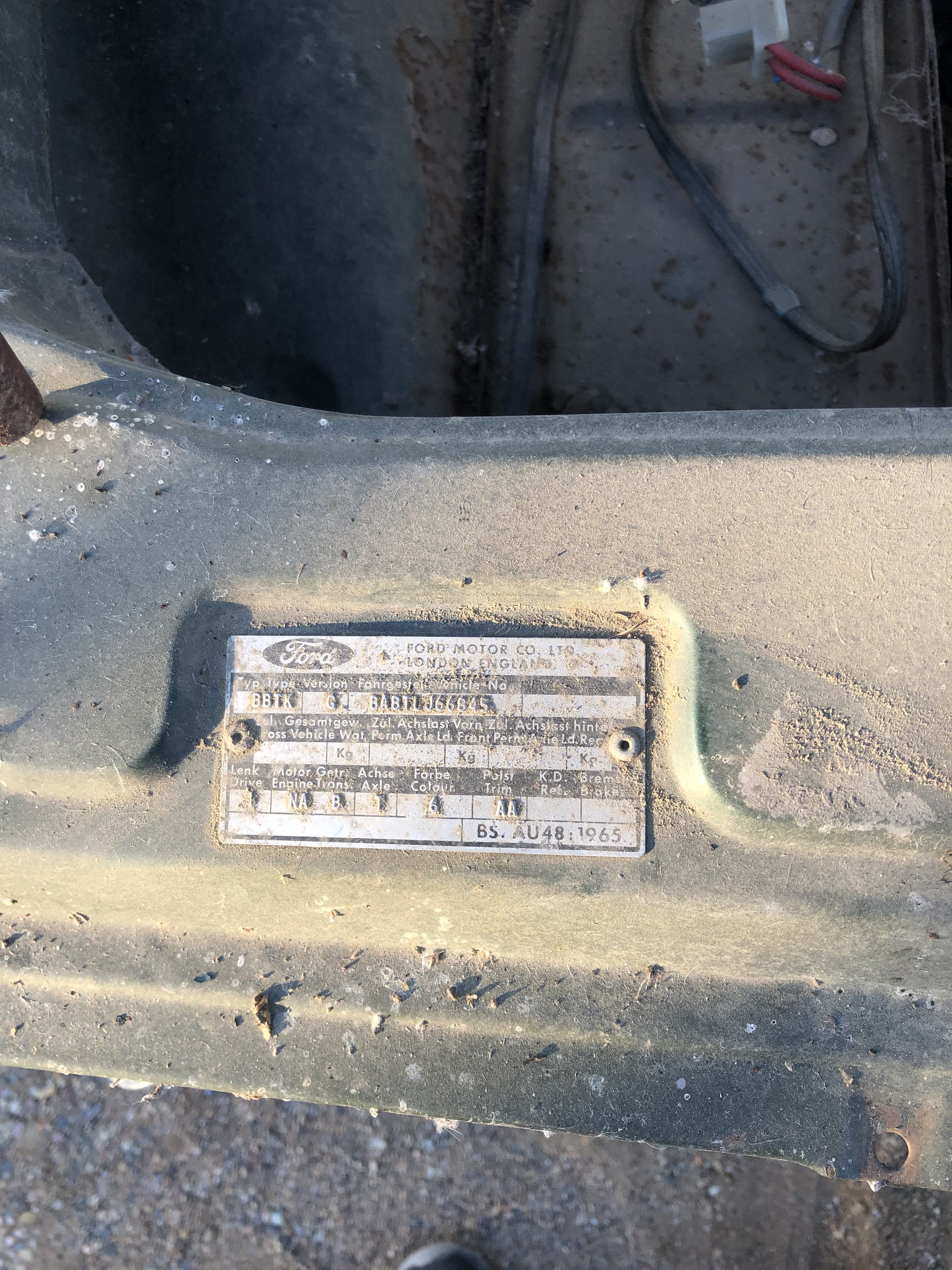
- Chassis #: BABTLJ66845
- Title Status: Clean
- Engine: 2000cc Inline-4
- Transmission: 4-Speed Manual
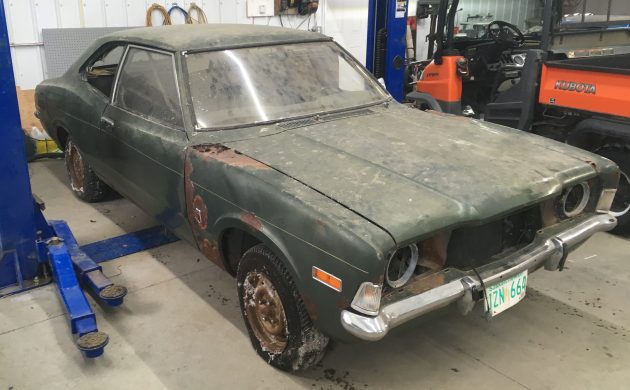
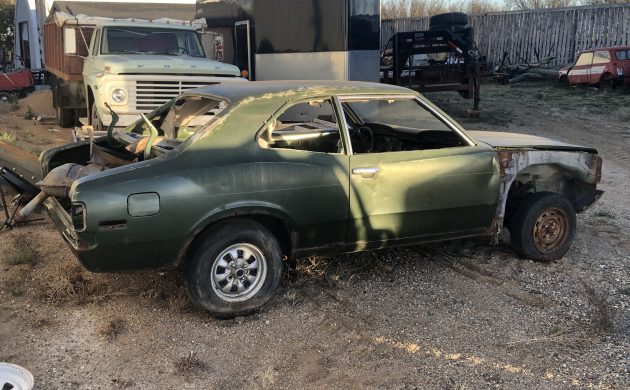
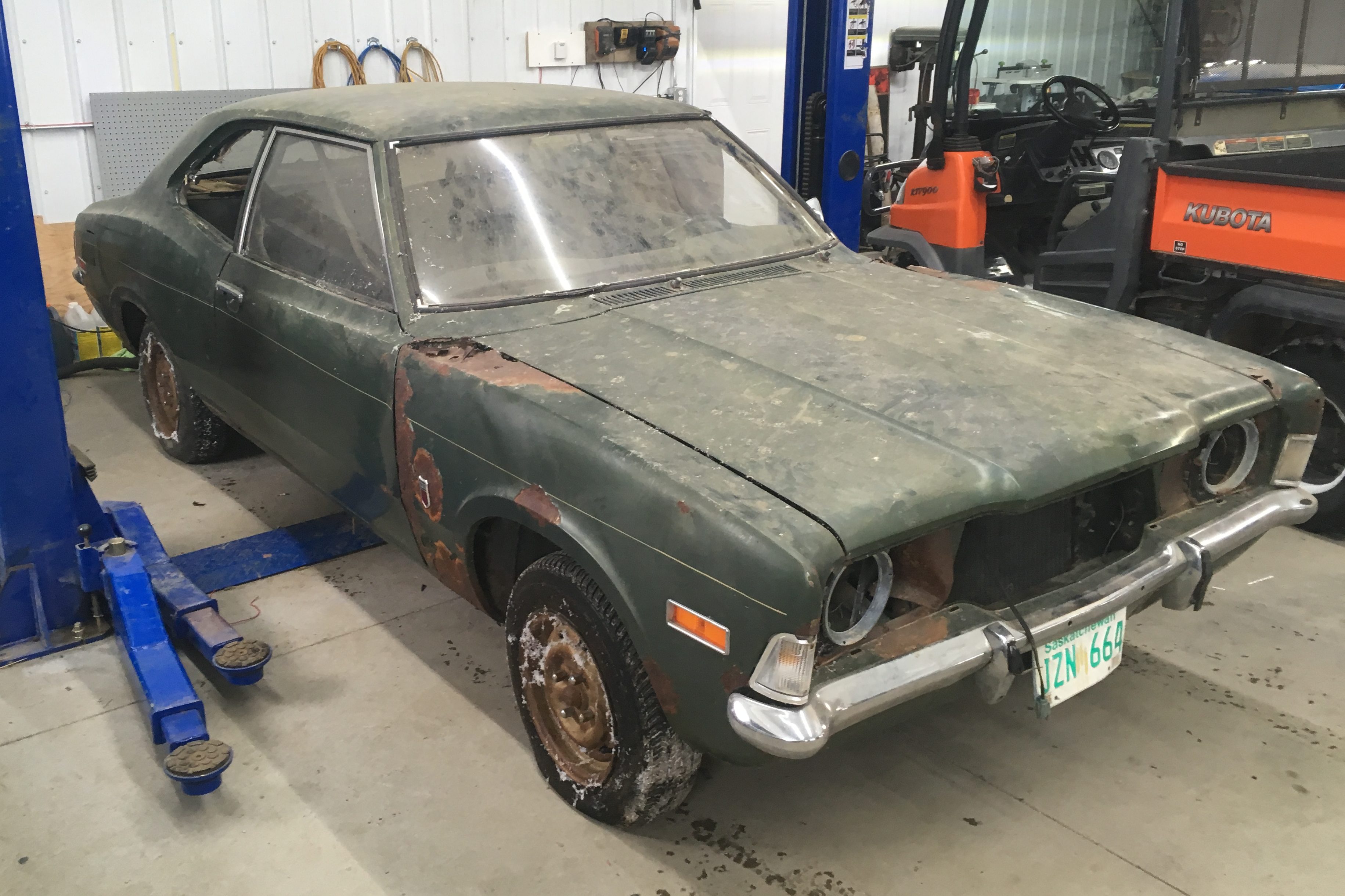
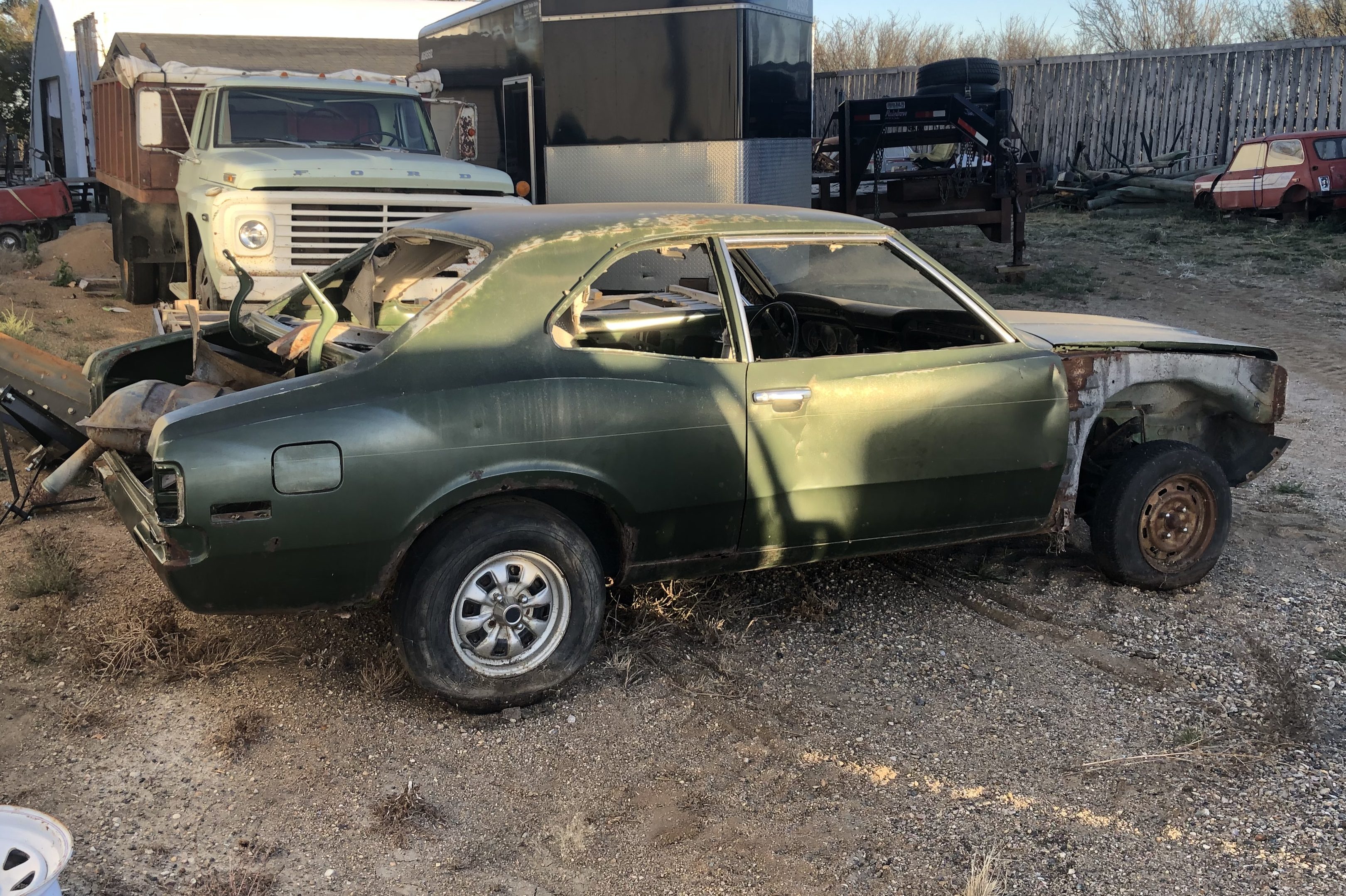
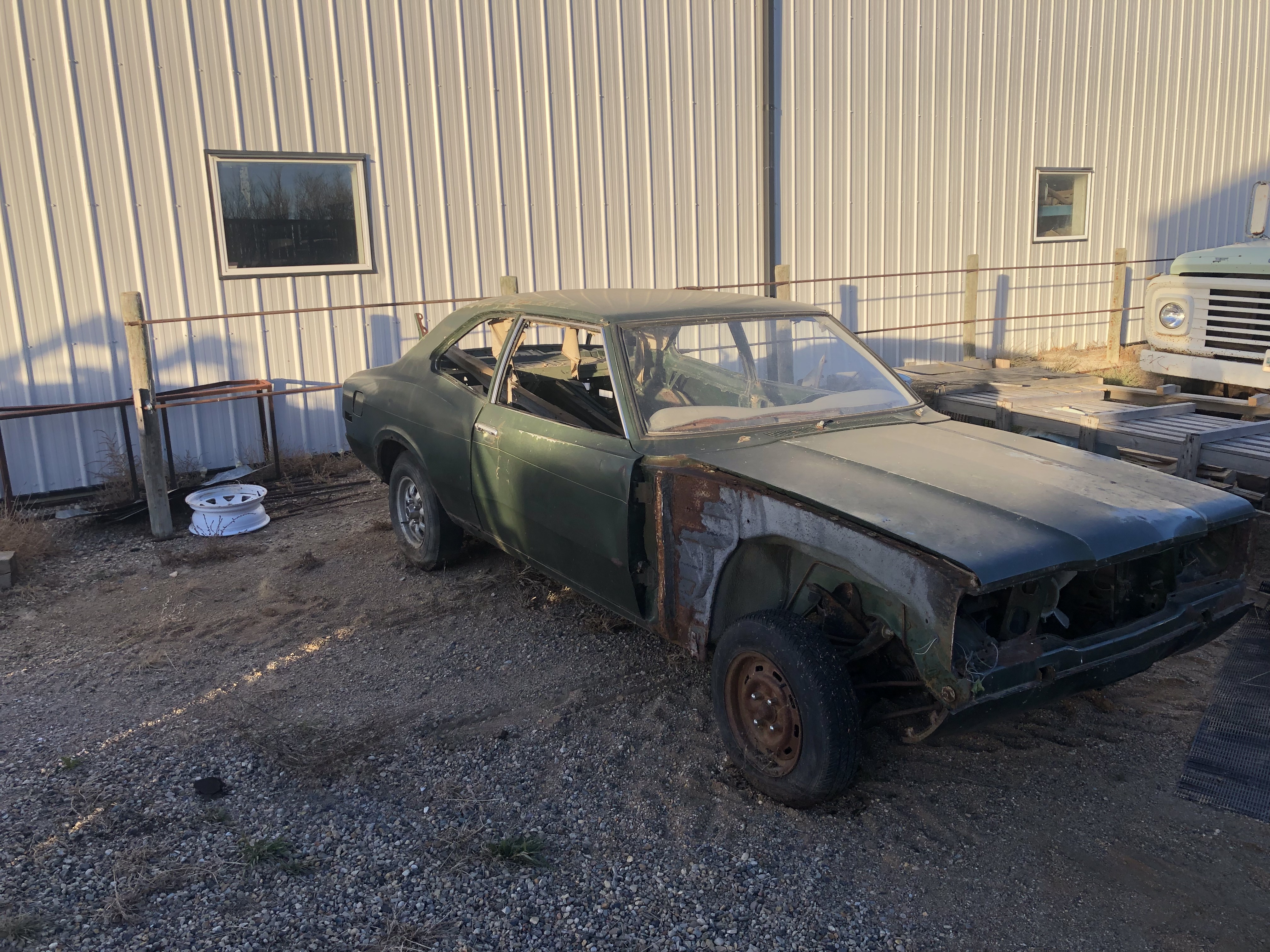
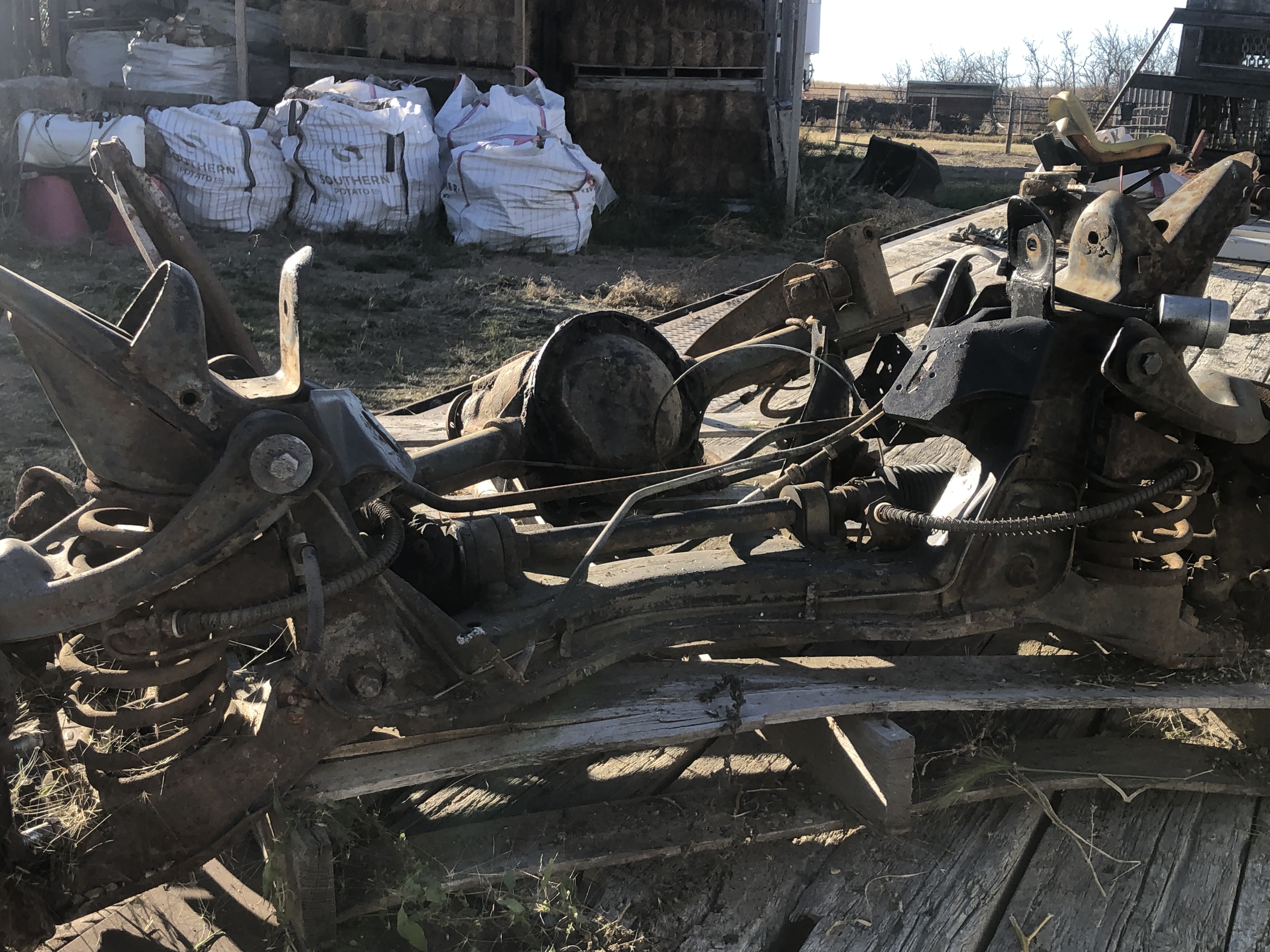
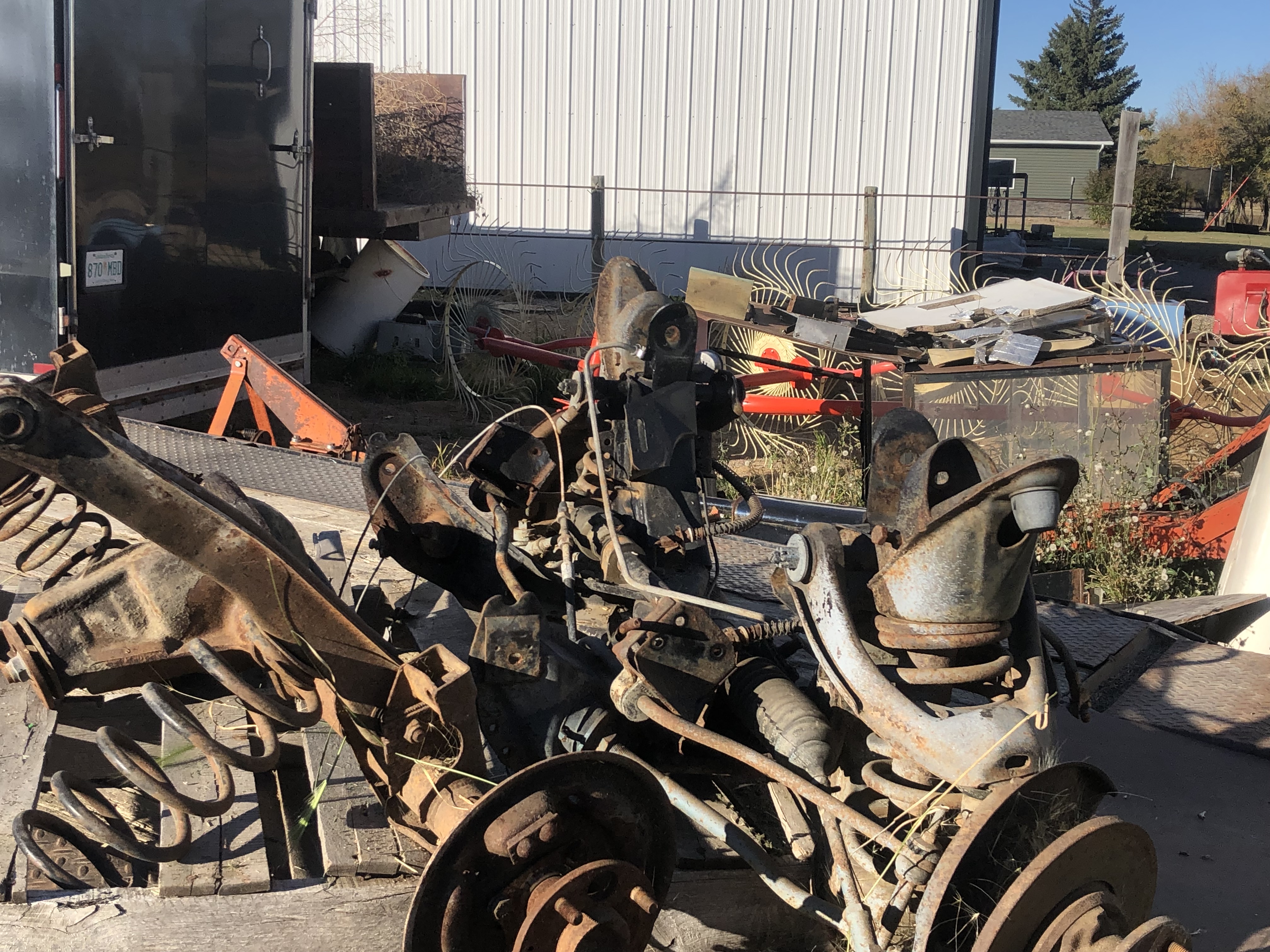
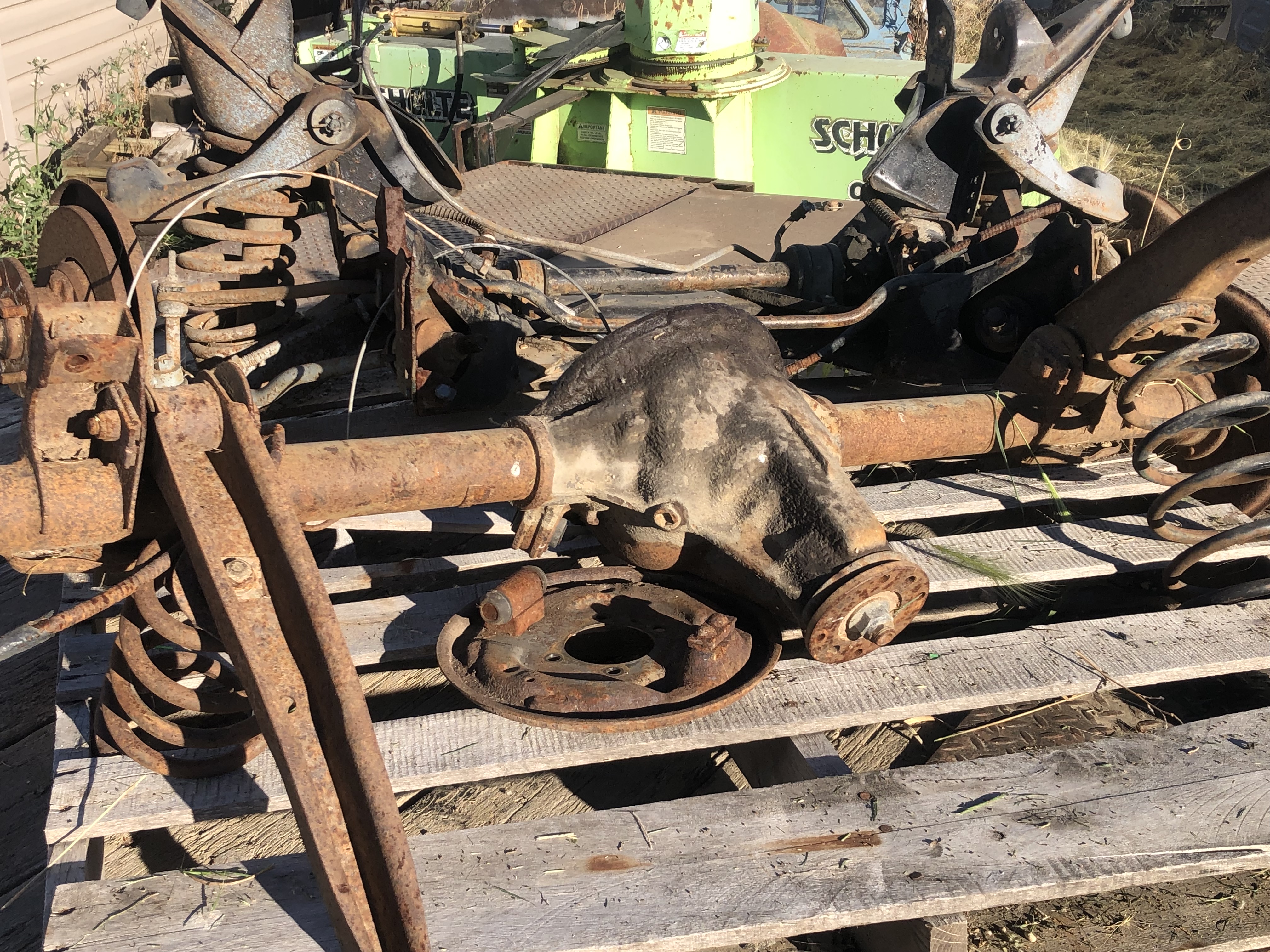
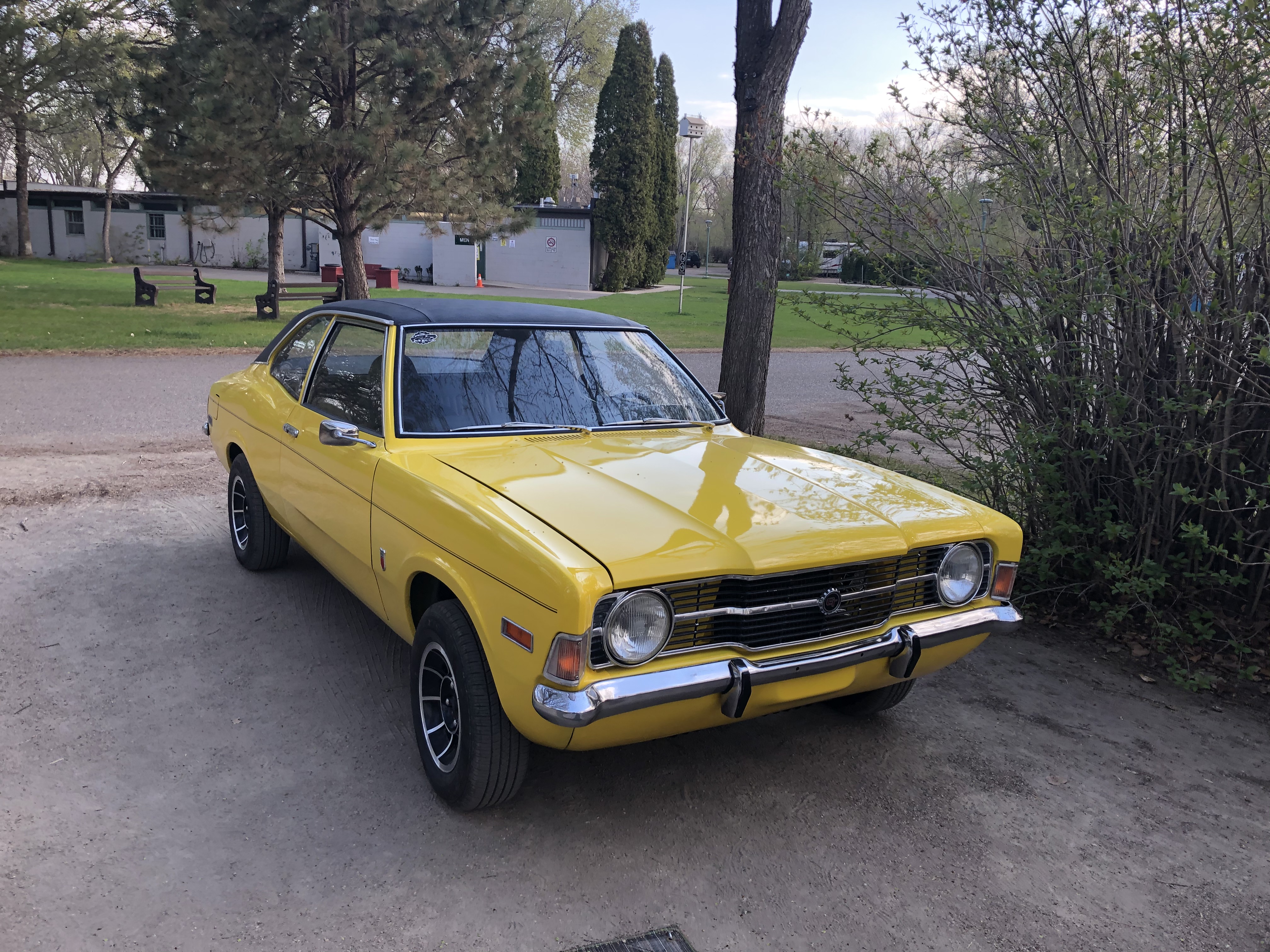
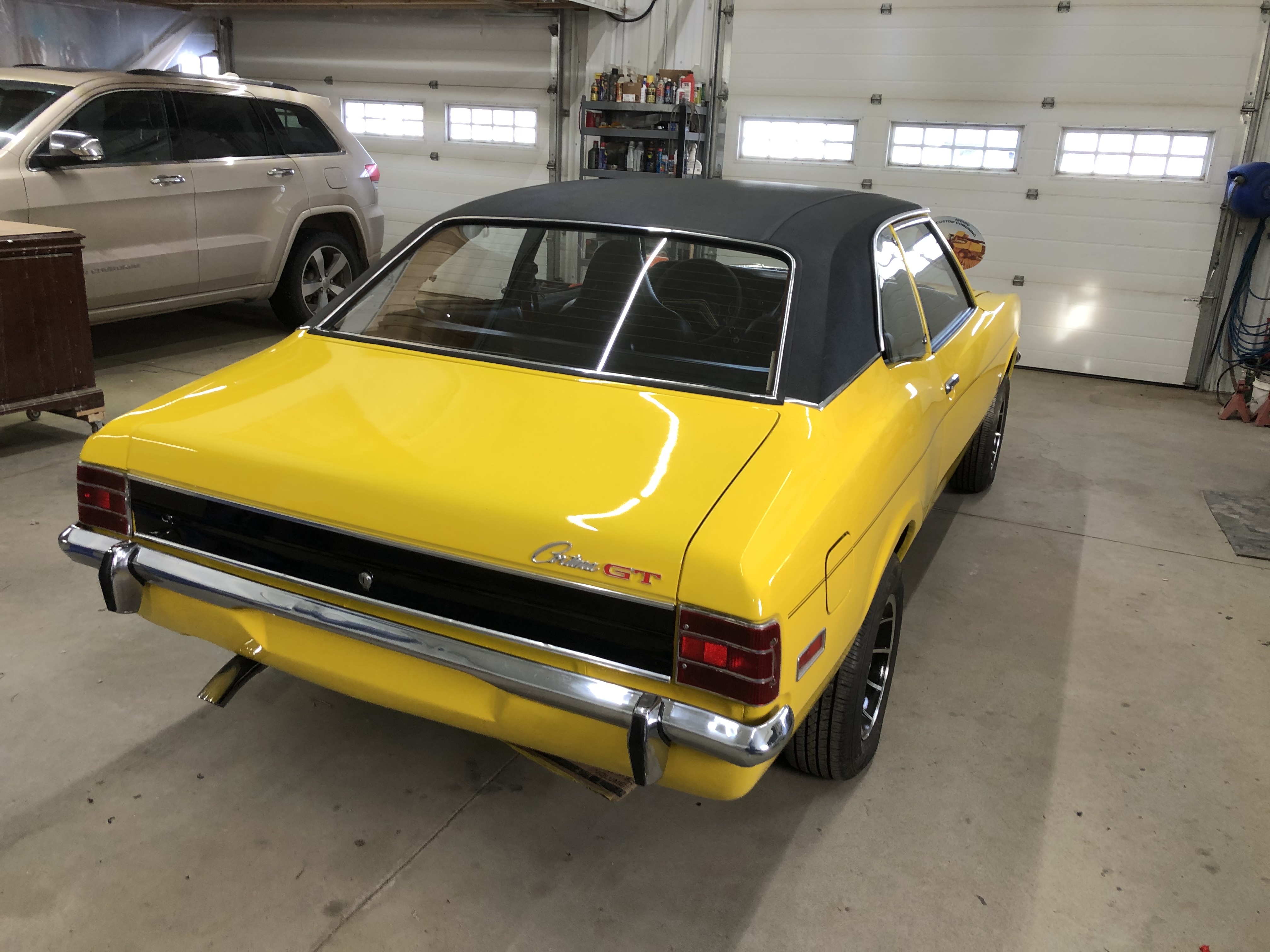
One challenge in selecting a suitable project candidate is locating an appropriate, affordable vehicle. The more money an enthusiast invests in their chosen car, the greater the risk. Therefore, classics like this 1972 Ford Cortina Mk III GT are worth a close look. It needs plenty of work to recapture its youthful good looks, but it is cheap, and the owner includes an enormous collection of parts as a starting point for the buyer to commence their restoration. If you’re feeling tempted, the owner has elected to send the Cortina to a new home by listing it exclusively with us at Barn Finds for a modest $2,000.
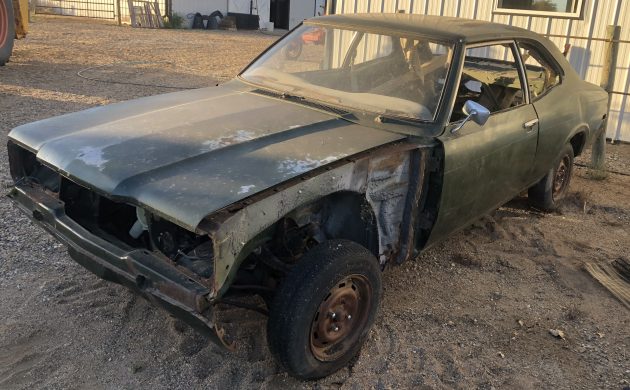
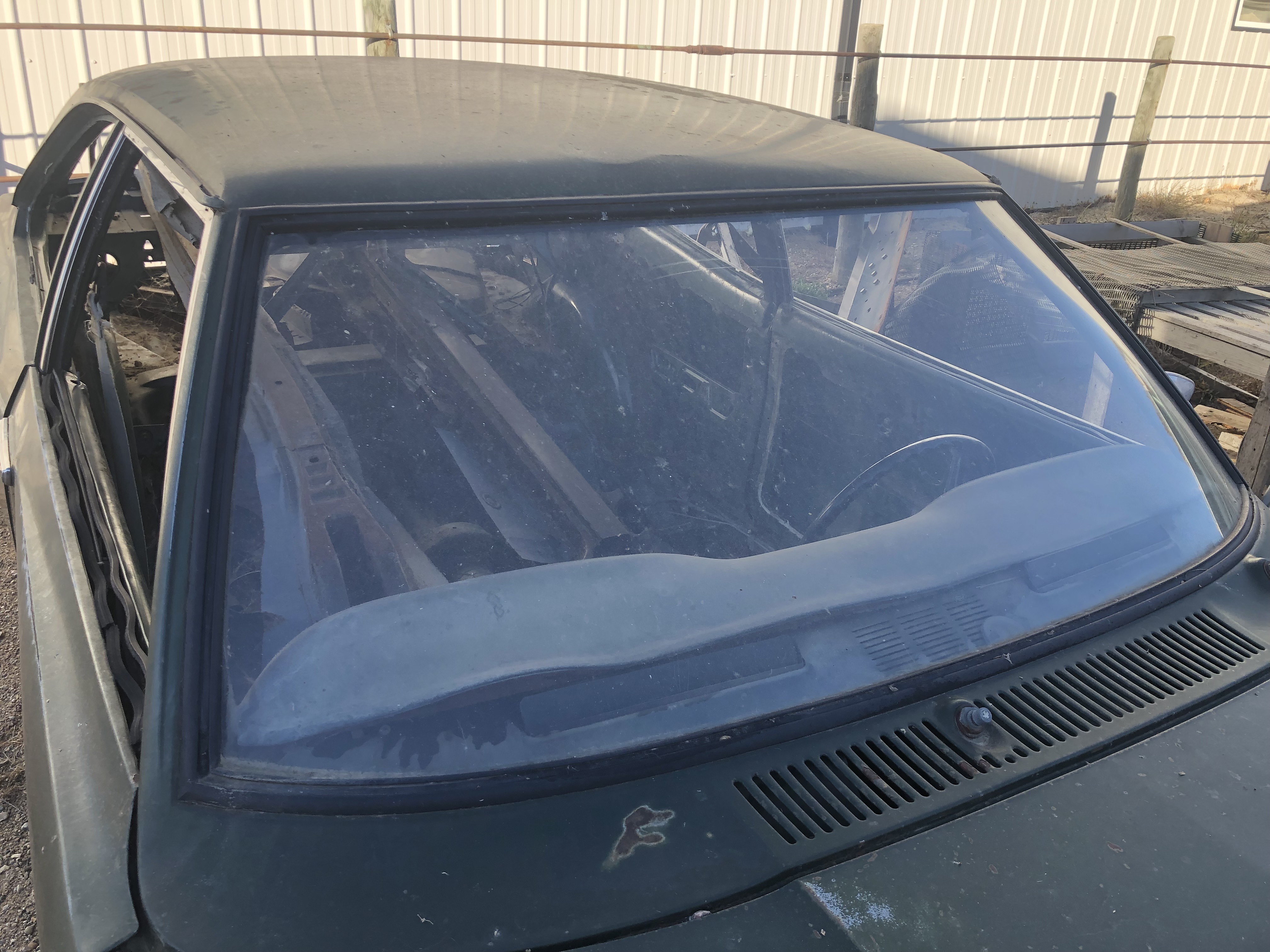
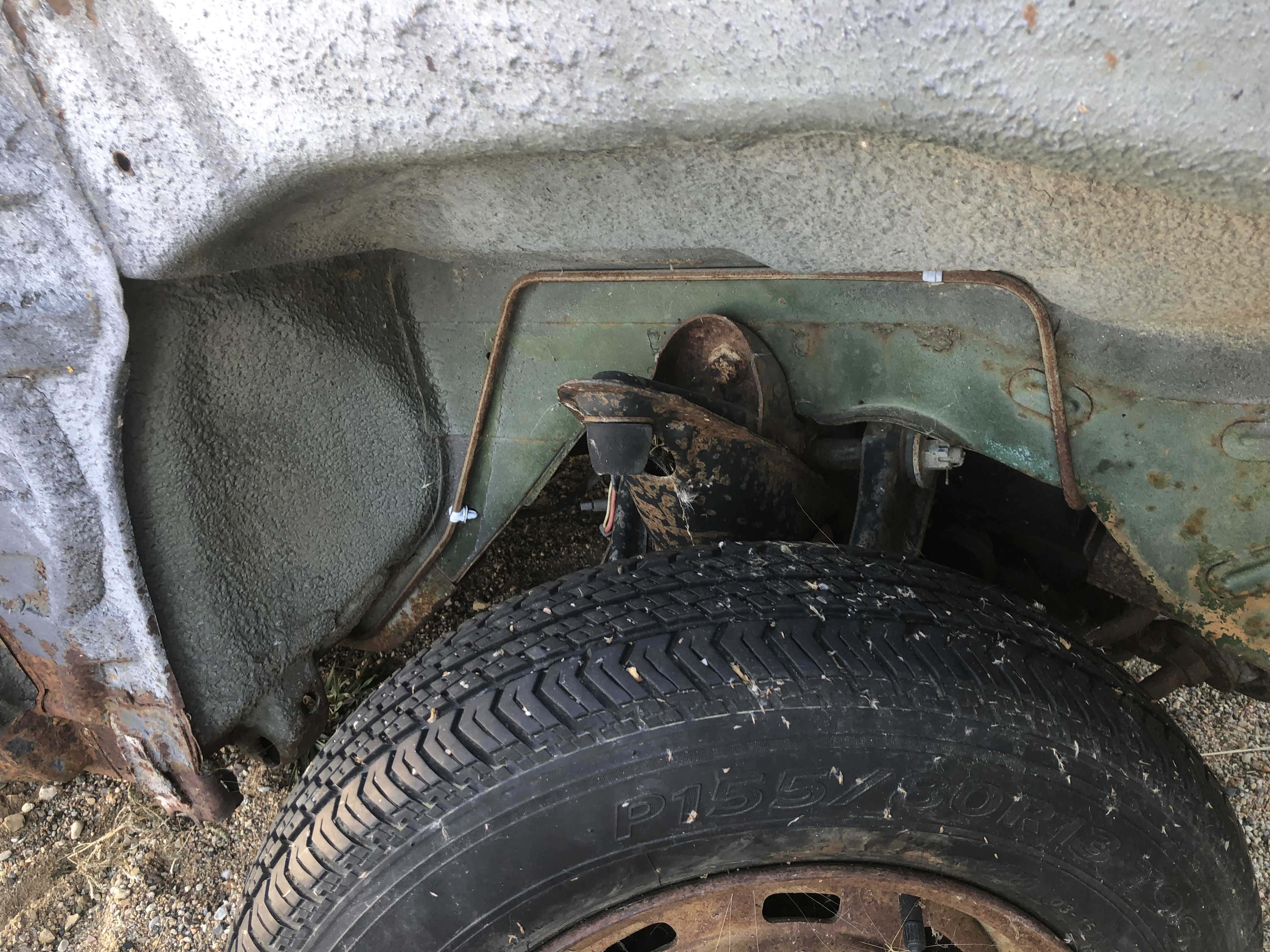
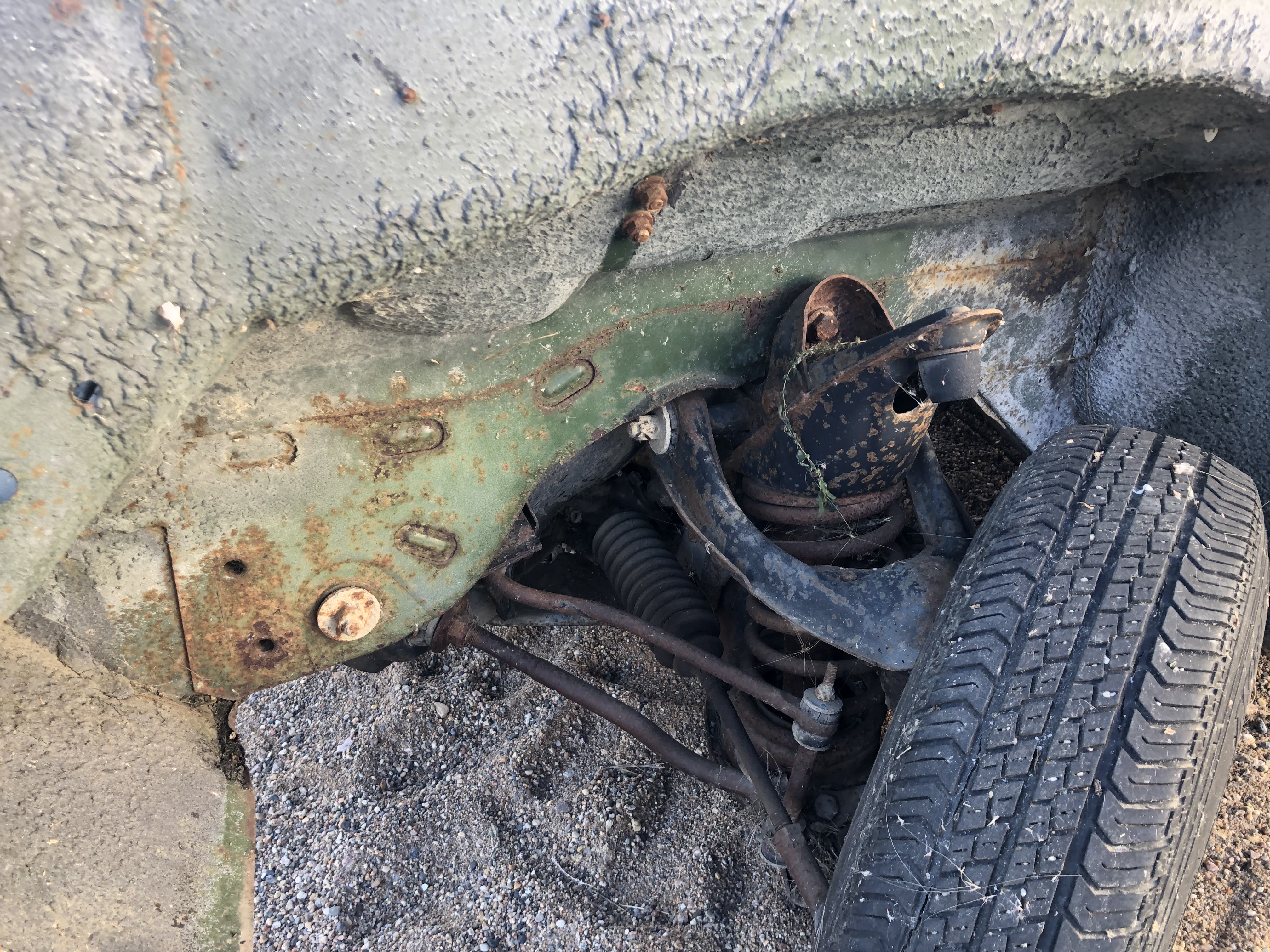
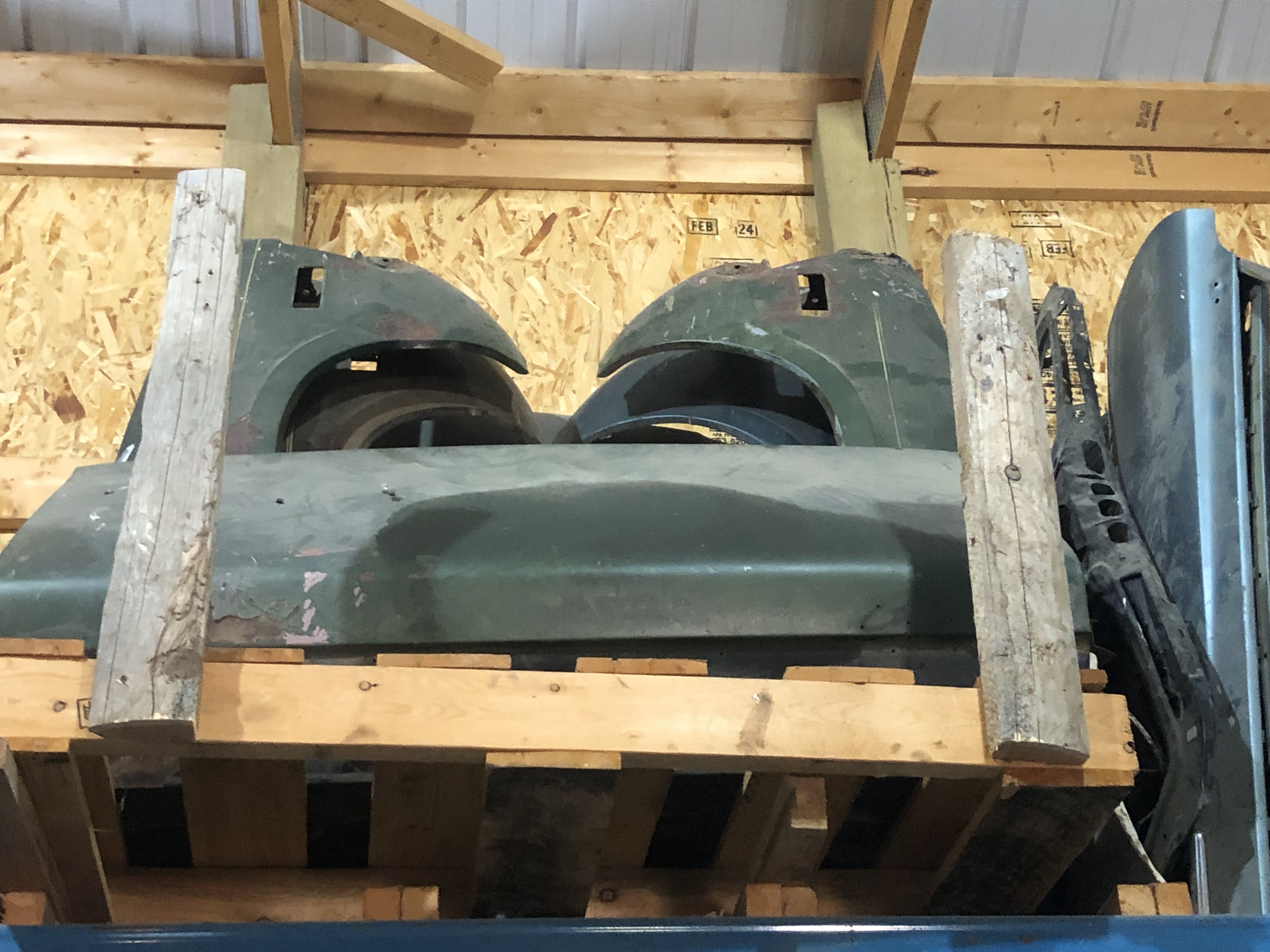
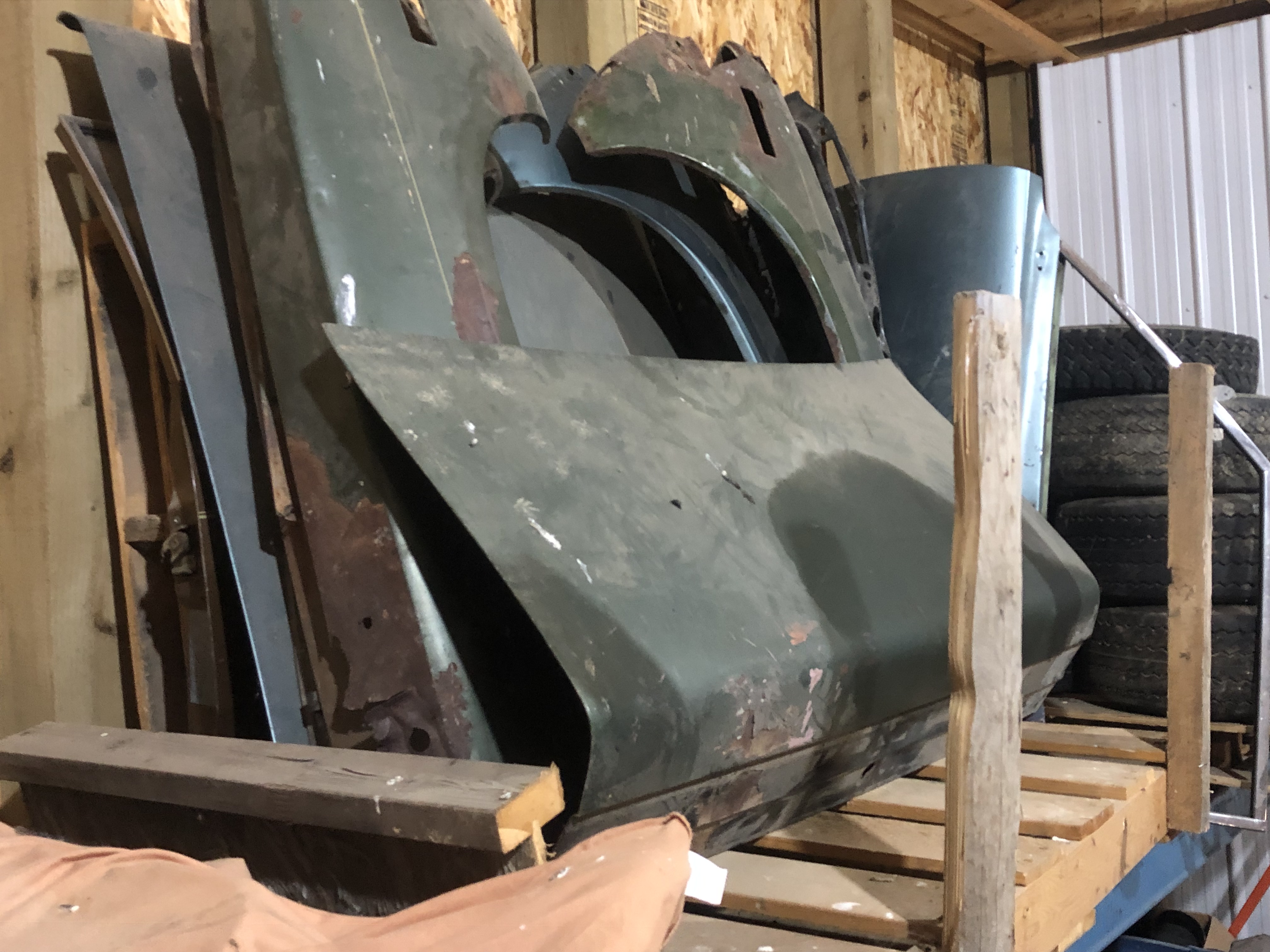
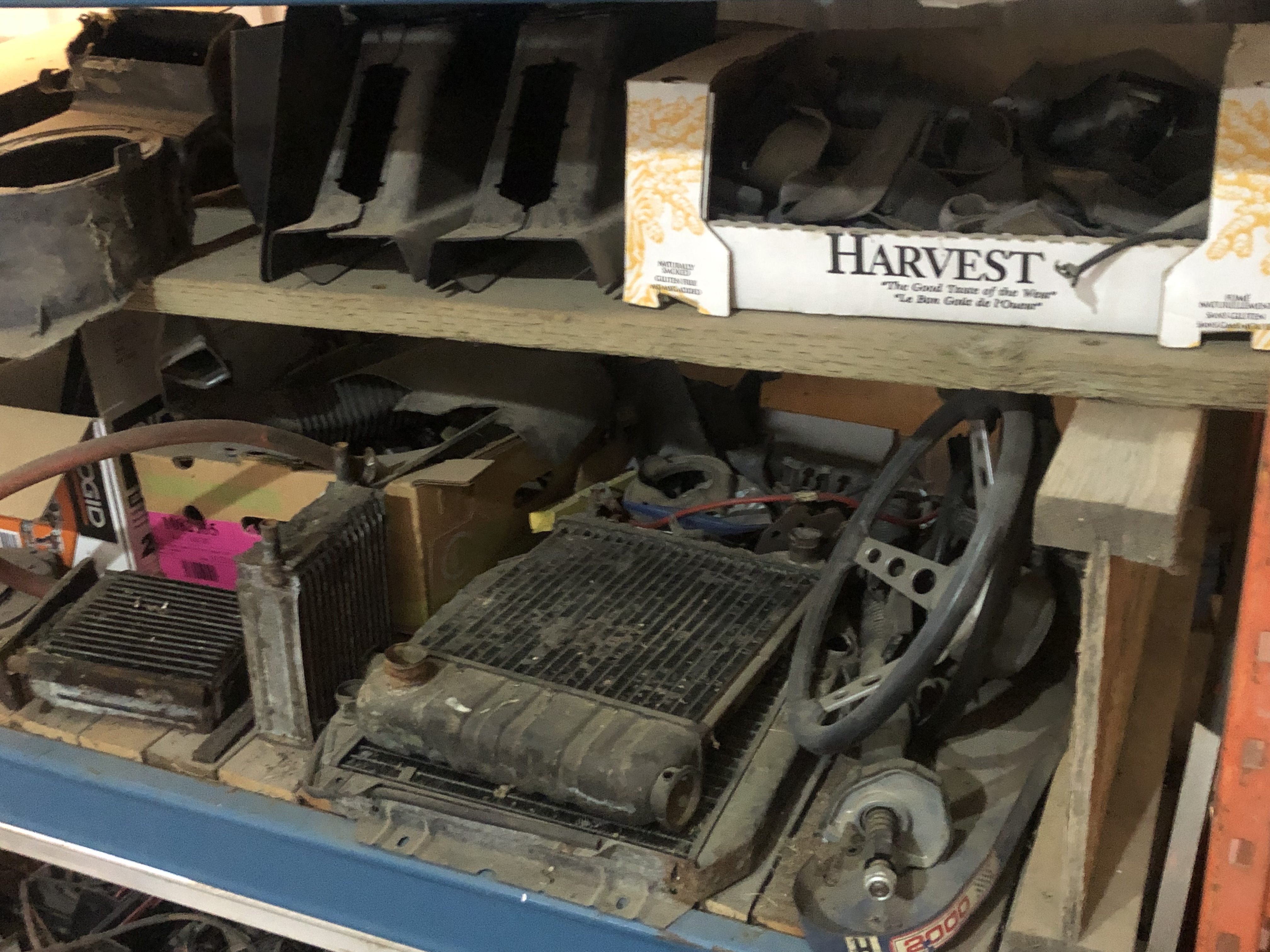
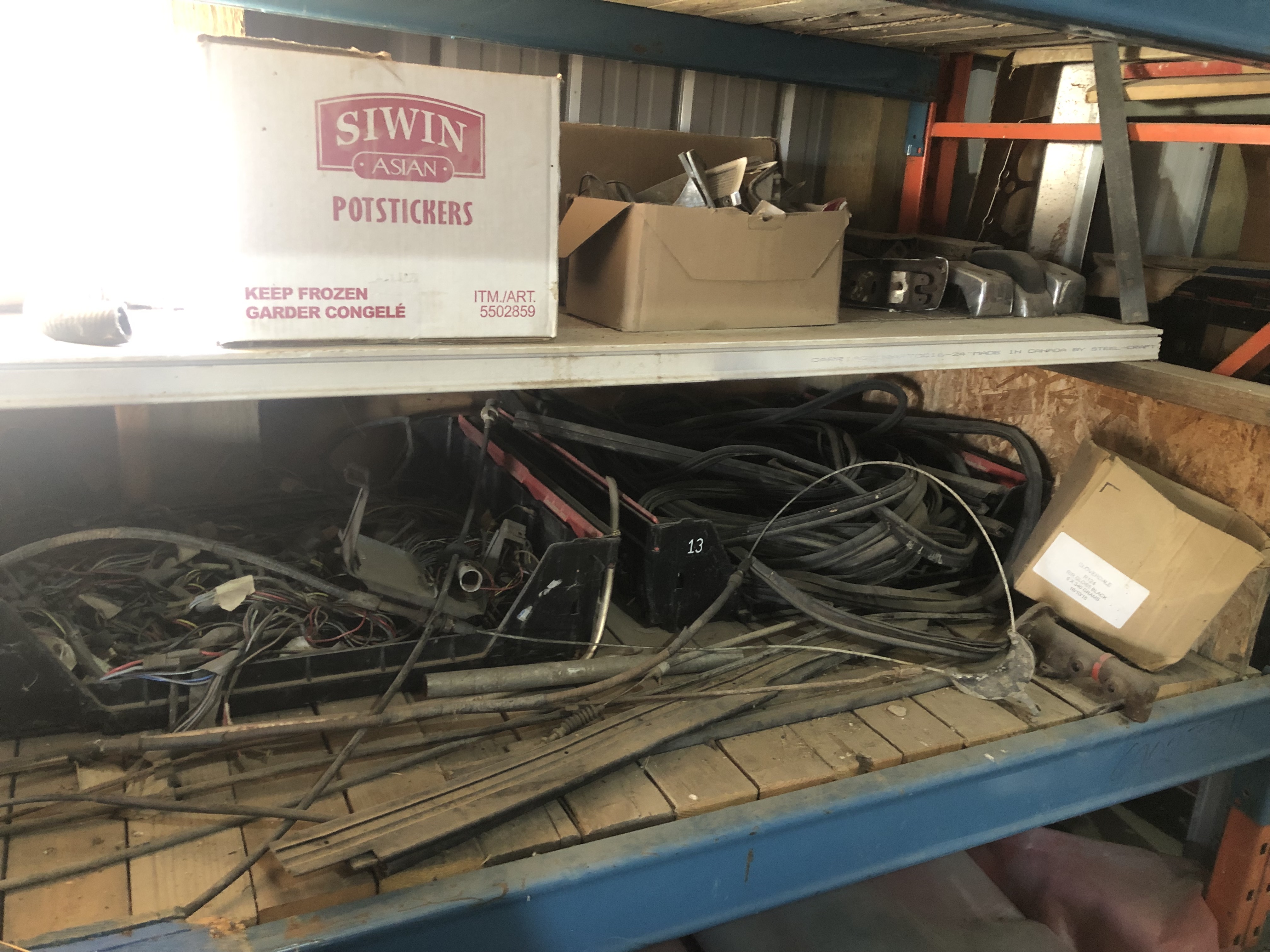
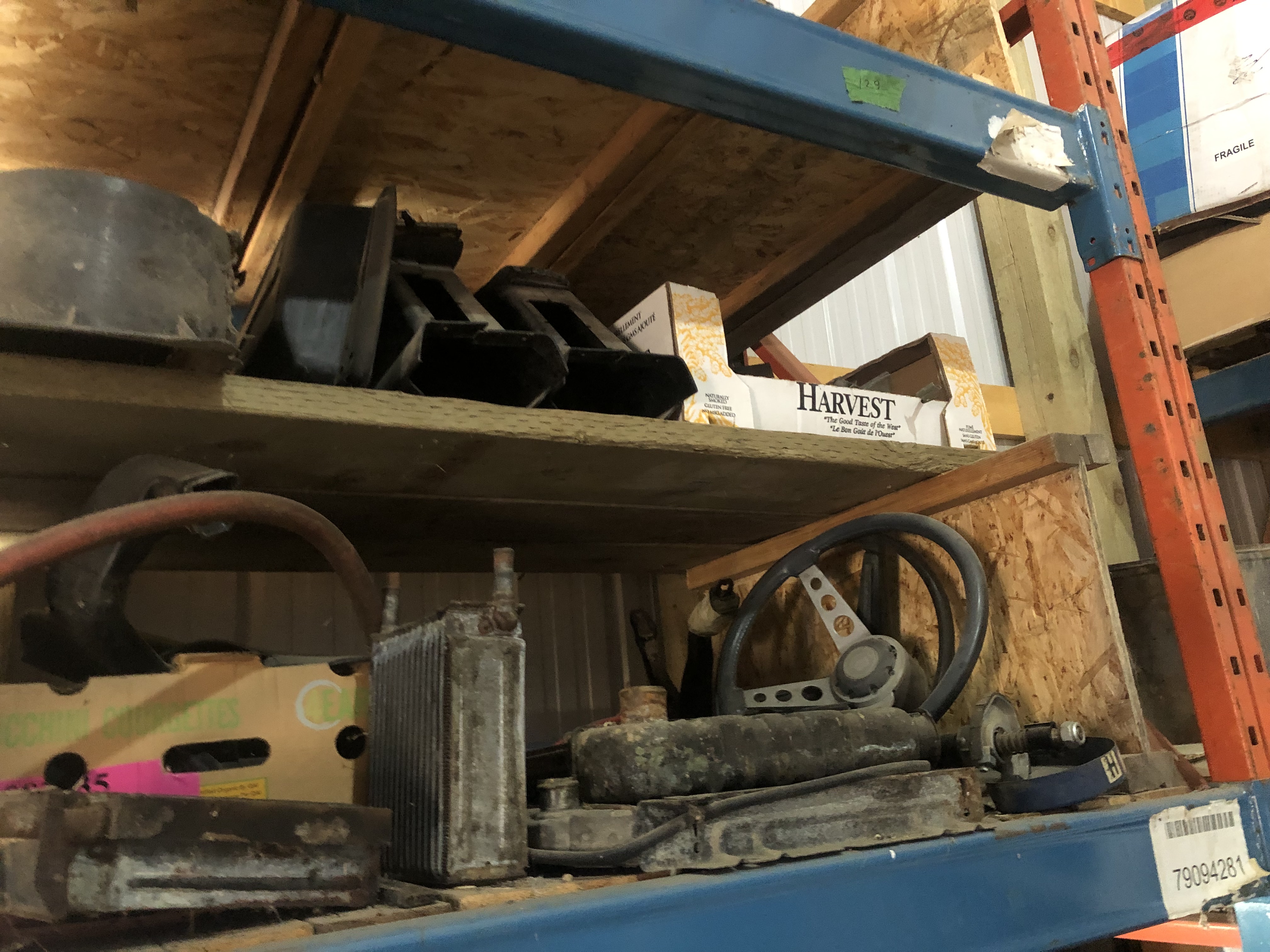
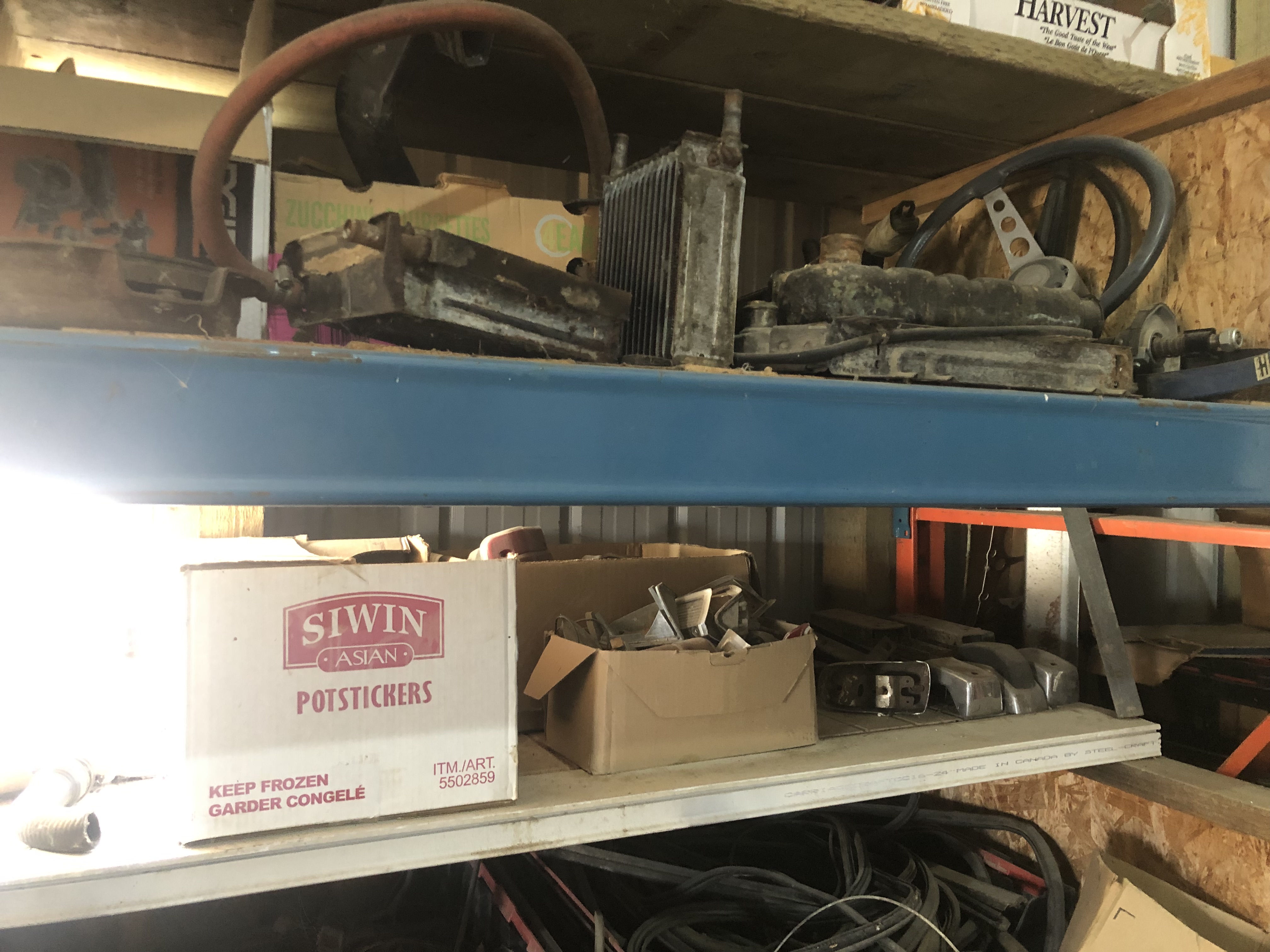
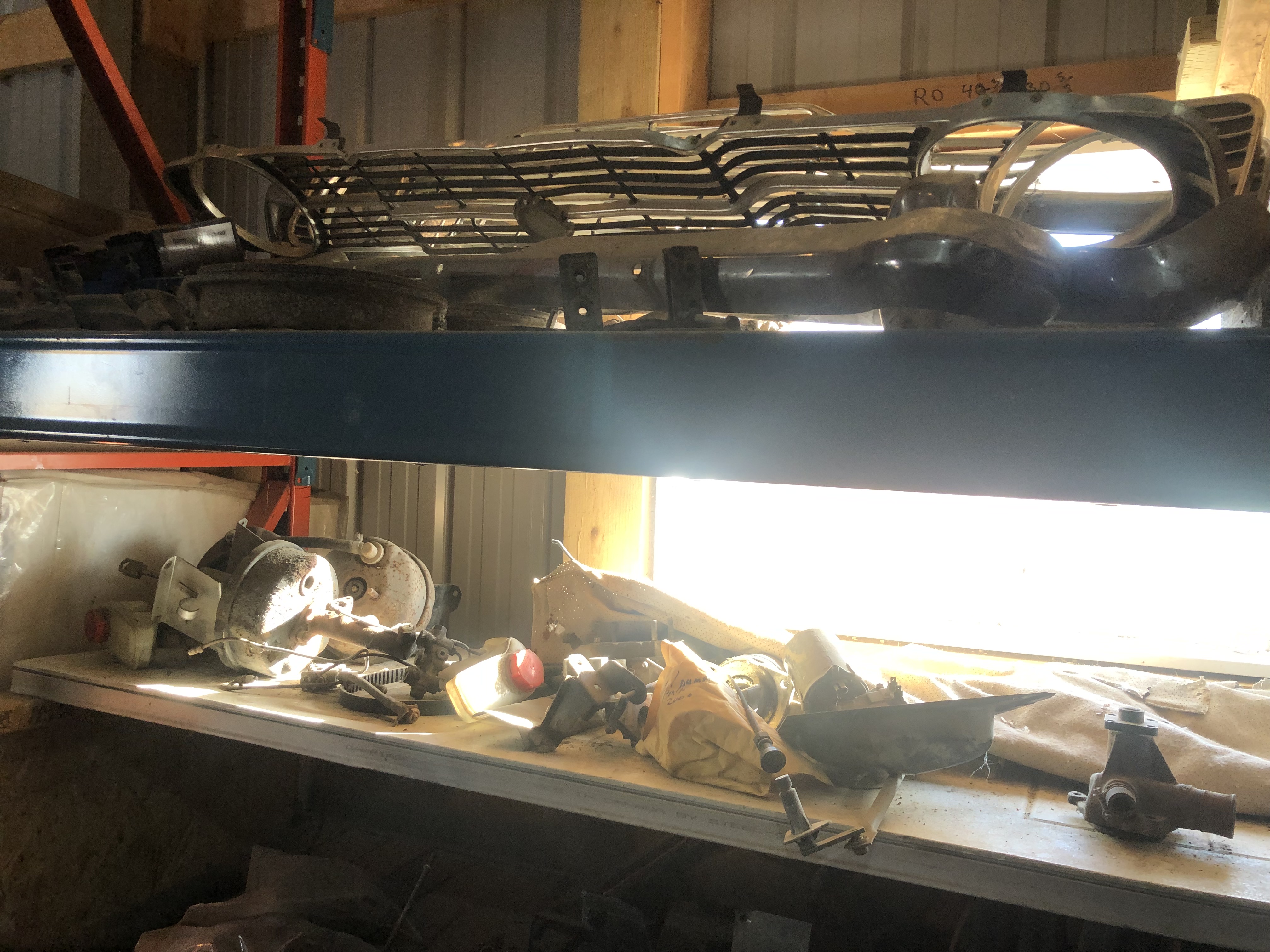
Ford introduced the Cortina Mk III in 1971 as a replacement for the Mk II. Although both cars had the same overall length, Ford’s decision to lengthen the wheelbase and widen the track increased interior space and improved handling and stability. This 1972 Cortina is the sporting GT variant, and, as the owner rightly stated, finding one of these classics in North America is challenging. It needs a lot of work to return to its former glory, but there are many reasons why it deserves more than a passing glance. It appears to be a pretty solid vehicle, and any visible rust could be easily addressed with readily available reproduction panels. It is worth noting that any required items that aren’t available locally are produced in the UK and Germany, and many of the companies involved will happily ship items to North America. Not only is the car complete, but the owner has amassed a significant selection of parts that he includes in the deal. It isn’t limited to items like a new front clip, because the buyer receives rubber seals, exterior brightwork, interior trim, and a vast selection of additional mechanical parts. Scrolling through the image gallery is worthwhile for two reasons. Firstly, you can get a feel for the selection of components. There are also a couple of images of another GT that the owner tackled as a COVID project. It graphically demonstrates the potential contained in this Cortina.
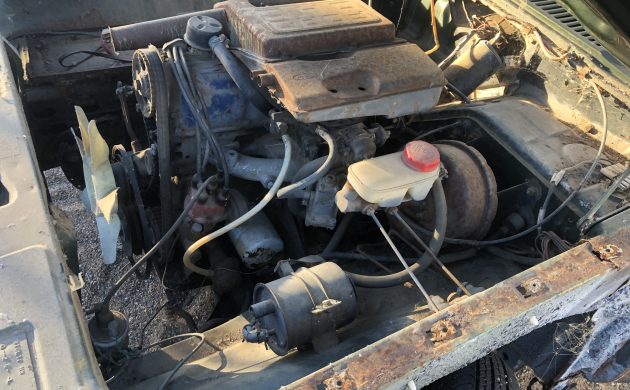
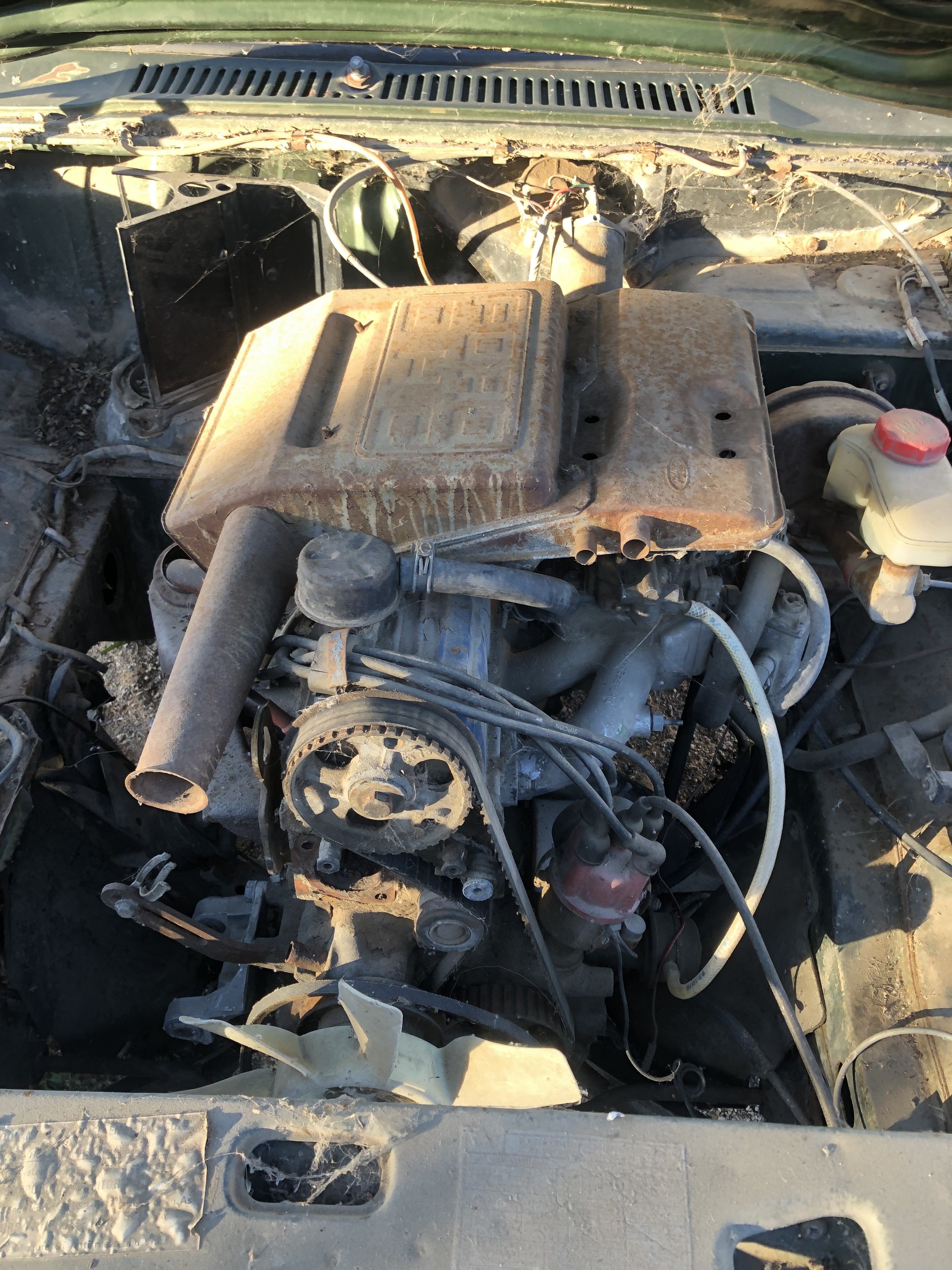
Ford offered buyers a broad selection of engines for the Mk III Cortina, but the GT received the 2.0-liter OHC four that produced a very respectable 97hp and 111 ft/lbs of torque. This car features the desirable four-speed manual transmission that provides drivers with an exceptionally engaging motoring experience. The power and torque figures may not seem overwhelming, but it is worth remembering that with a curb weight of around 2,200 lbs, the GT delivered surprising performance. It is also exceptionally easy to squeeze considerably more power from these motors without sacrificing driveability. The owner confirms that this four ran well three years ago, but he hasn’t tried to coax it back to life. That is good news, because it means that the buyer can follow their preferred process to return the motor to a running state.
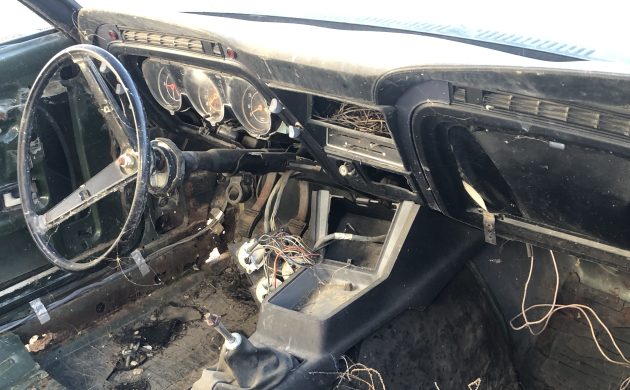
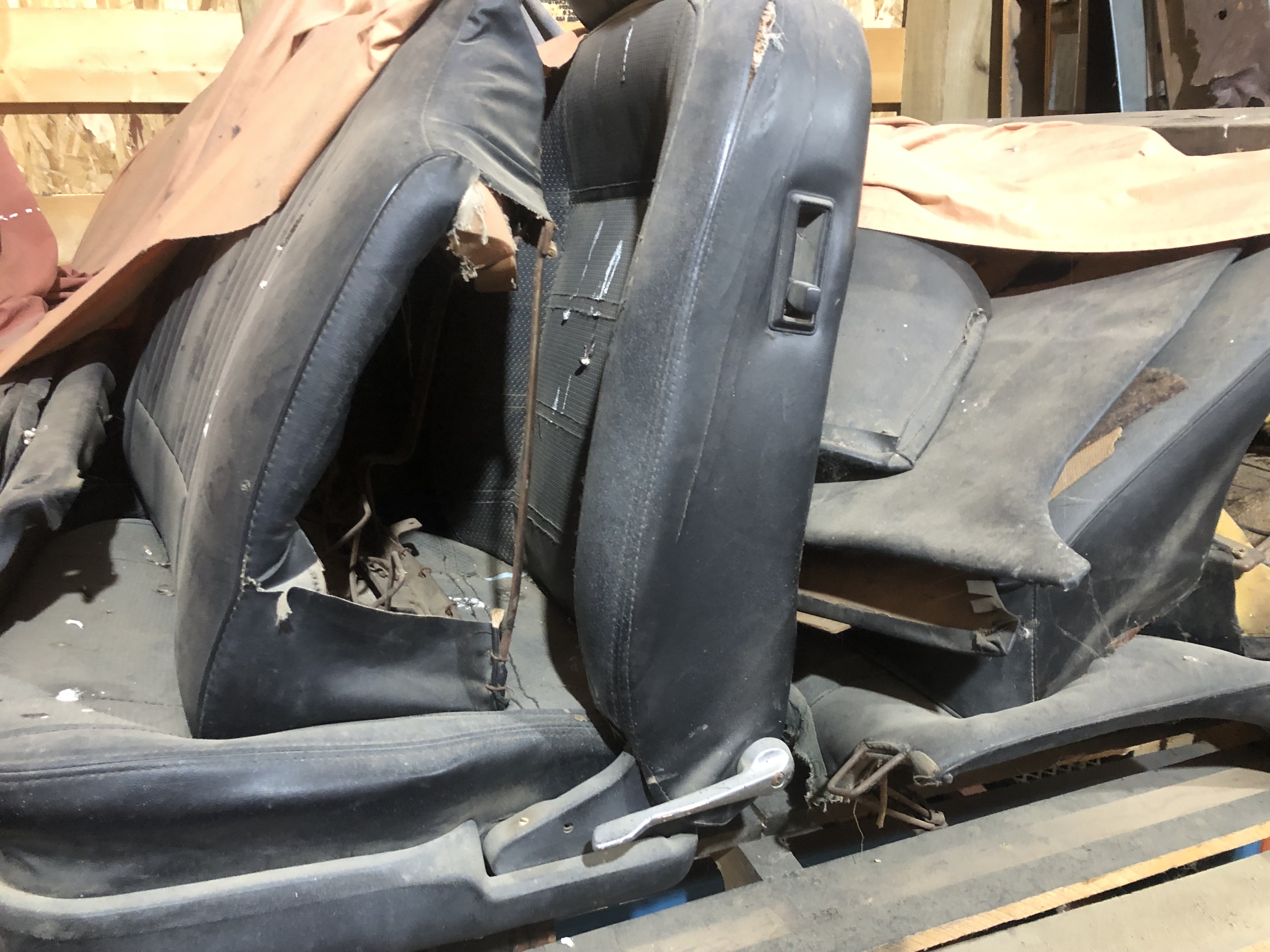
The first owner teamed this Cortina’s Green paint with an interior trimmed in Black vinyl. Bucket seats and a console were standard GT fare, along with a gauge cluster featuring a tachometer. This car’s interior is partially disassembled, but the removed items are included. The owner has also accumulated a fair collection of additional items that are included in the sale price.
Ford hit a sweet spot with the Mk III Cortina, enjoying significant global sales success. However, as with many cars from this era, they were considered disposable items. The vast majority made their final journey to the scrapyard years ago, and finding a decent Mk III, especially in GT form, is increasingly challenging. This affordable project candidate offers someone the chance not only to return a GT to its rightful place on our roads but also to slip behind the wheel of a classic guaranteed to turn heads. That makes this fantastic Ford worth a closer look.





This seems like a no-brainer, what with all the included extra parts and what not, pending a thorough tin worm inspection, of course! I hope it finds a great new home, preferrably returned to the road in that color! Great way to stand out at a car show.
That’s a rare beastie, especially as a 2-door.
These where the best selling car in the UK during its production span of six years with it’s replacement the mk4 achieving the same sales success in the following 6 years ( this equated to one being bought every 80 odd seconds) but now any version is rare.they are a cultural icon here in the UK.
In the 70’s ford UK could do no wrong regularly hold the top 2-3 positions in the UK new sales charts ( one in three new car sales was a ford) the Cortina regularly out sold it’s closest rival buy 6-7 to 1.
They are my obsession ( I own 7 & over 300 toy/model versions from around the world)
Here’s the ’72 MKIII L that I bought 25 years ago near
Butchart Gardens,in British Columbia.These were never officially
imported to the US by Ford,but there is a fair number of them here
in the US.
Mine was in really nice shape,& it had the same 1600 engine
as the MKII’s.If you look under the hood,they look a lot like a Capri
of that era,but had upper & lower control arms,not McPhearson struts.
I was offered to buy it back,but it would cost at least $2000 to\have
it shipped cross country,plus I don’t have anyplace to store it indoors.
I remember taking a GT for a test drive and quite enjoying the ride, performance and handling. It was considered as my first new car when I finished my post-secondary education. But I was drawn to other compacts with hatchbacks eventually buying a Vega GT. No idea what a Cortina cost in Cdn dollars back then. Certainly a big more than a Pinto.
It will need LOTS of time, and even LOTS more money on everything else, and at the end of the day you will still have a piece of rubbish that has rusted to a state most probably worse than when you acquired it !! While I was restoring my Cortina I had the rust repaired by a panelbeating shop. It never seemed to get to the end of it as when I visited the shop to see how it was coming along, places that had already repaired had rust coming through again.
There is one design point that every manufacturer with a rubber timing belt should copy. The German engine designers made the timing belt cover in two pieces split around the crankshaft behind the crank pulley. With a 10mm and 13mm spanner only, you can replace the timing belt. I have done this out in the street in a few minutes as the crank pulley is not removed. The belt uses a spring loaded tensioner that is just pulled back with the 13mm spanner and not even locked, as I recall. Another plus is that it is a non-interference engine so valve or piston problems if the belt breaks.
Was most likely a parts car for the yellow one with most of the good parts taken….good luck to the new owner….