
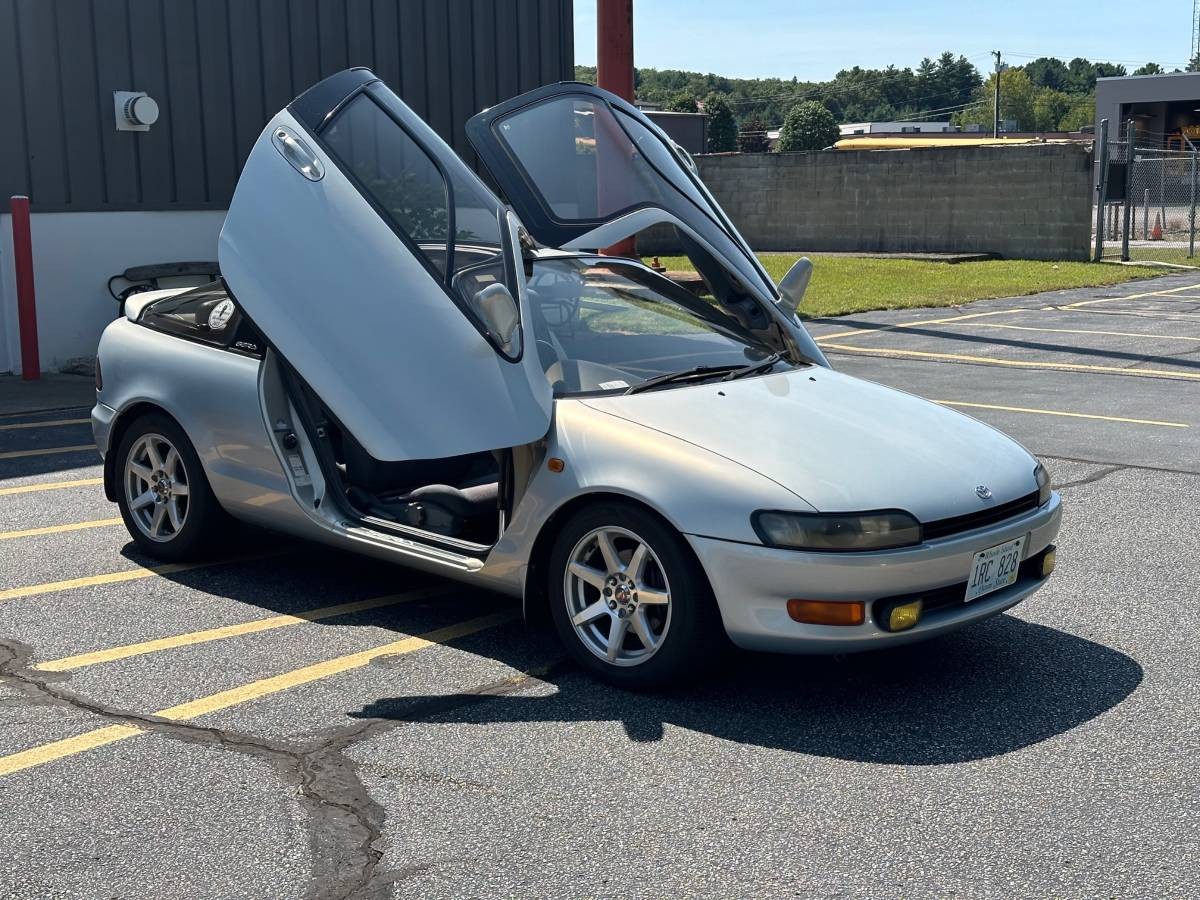
Most manufacturers follow a fairly conventional path when attaching the doors to their cars. The hinges go at the front, the lock at the back, and the doors swing in a horizontal arc. However, some companies adopt a different approach. Rolls-Royce still offers suicide doors, Mercedes-Benz virtually perfected the Gullwing, and Lamborghini felt that scissor doors were perfect for the Countach. Toyota, a marque not traditionally renowned for bold designs, released its Sera model with “butterfly” doors that help it to stand out. The rest of the car is pretty conventional, being a typically tidy Japanese offering from the period. This 1993 example is a neat survivor needing a new home. I must say a big thank you to Barn Finder Mitchell G. for spotting it listed here on Craigslist in Smithfield, Rhode Island. You could drive it home after handing the seller $19,500.
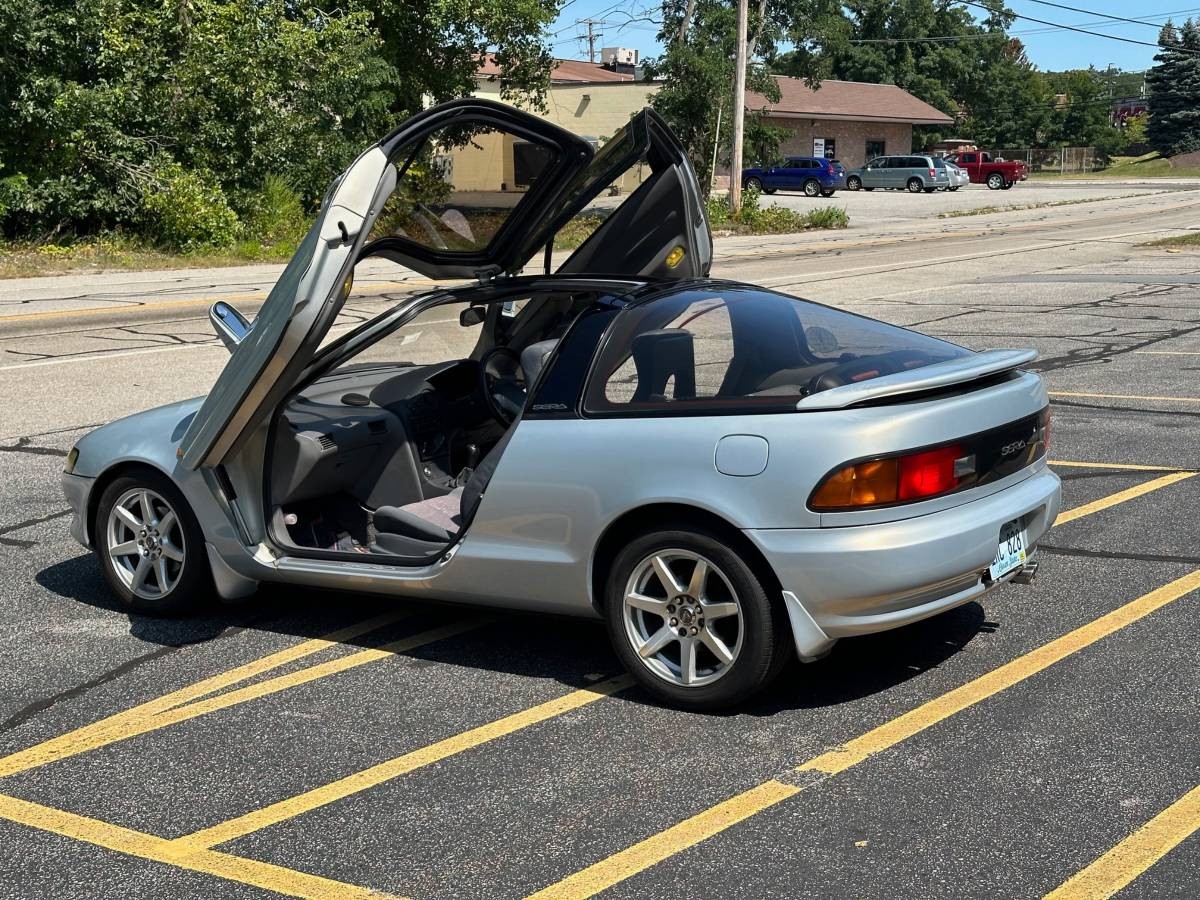
Toyota introduced the Sera to the Japanese market for the 1990 model year. Intended for domestic consumption, it was based on the AXV-II Concept that was unveiled in 1988. A production-ready version appeared at the 1989 Tokyo Motor Show, with the Sera hitting showroom floors only a few months later. This 1993 example is finished in Bright Silver Metallic. It is unclear when it arrived in North America, but the seller confirms it has done the rounds of a few shows during its life and spent time as a museum piece. The overall appearance is positive. The paint shines nicely, the panels are straight, and there is no significant plastic deterioration. The car features vast expanses of glass that is clear, and the alloy wheels show no evidence of physical damage. However, the most important consideration is the doors, which appear to function perfectly. This is a critical consideration because popping into your local Toyota dealer for parts to address any problems won’t be an option.
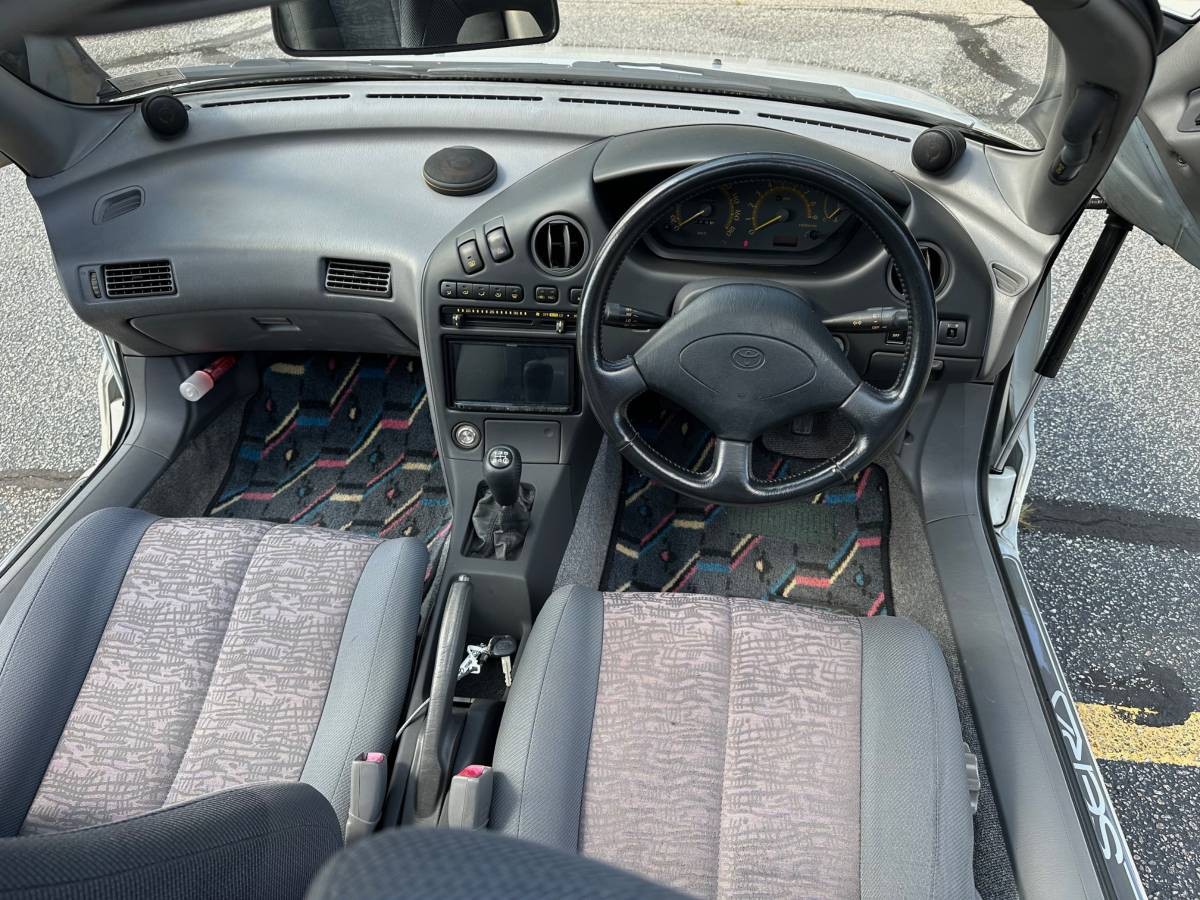
While the Sera’s exterior might feature radical design touches, the interior is pretty typical Toyota fare from the period. That means that there is plenty of Gray plastic, cloth on the seats, and power operation for the windows, locks, and mirrors. The surprising aspect of this interior is the amount of rear seat space. Adults might find it uncomfortable on long journeys, but shorter distances would be okay. The good news is that this interior hasn’t succumbed to the types of problems that often afflict Japanese vehicles from this era. That means that the plastic hasn’t surrendered to UV exposure, the cloth trim looks extremely good for its age, and the carpet isn’t badly worn. Someone has added an aftermarket stereo, but I consider that to be acceptable.
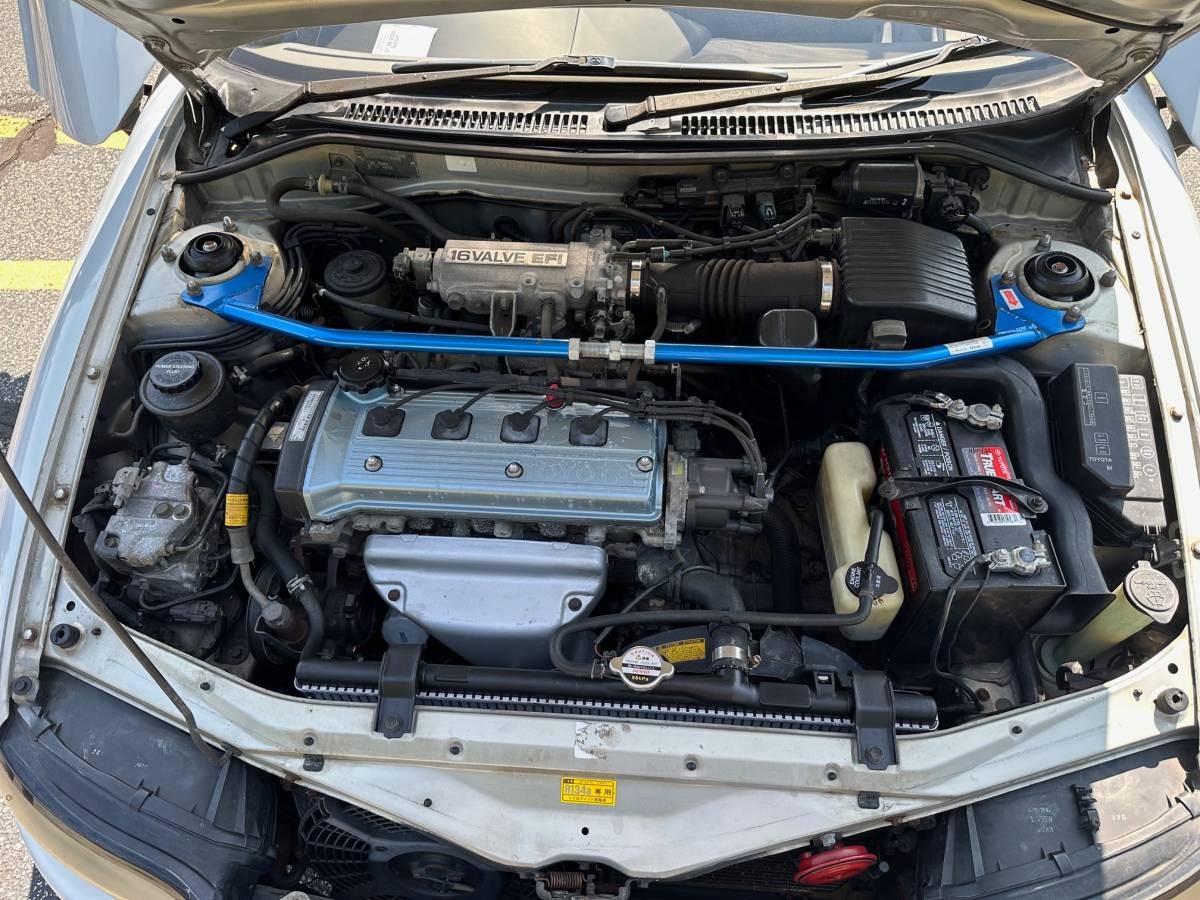
Delving below the surface reveals that Toyota raided its Parts Bin to create the Sera. It derives its power from a 1.5-liter DOHC four, which sends 108hp to the front wheels via a five-speed manual transmission. Power steering was standard fare, with this car benefiting from anti-lock brakes. I appreciate the seller’s sense of humor when discussing the Toyota’s performance credentials. They quote a 0-60mph figure of “leisurely,” and a standing ¼-mile ET of “even more leisurely.” However, tackling the cut-and-thrust of heavy city traffic or sitting at 70 on the open road shouldn’t present many challenges to this lightweight classic. The seller supplies no information on the car’s mechanical health, but the bulletproof nature of Toyota’s mechanical components should ensure that there are no problems for the buyer to tackle.
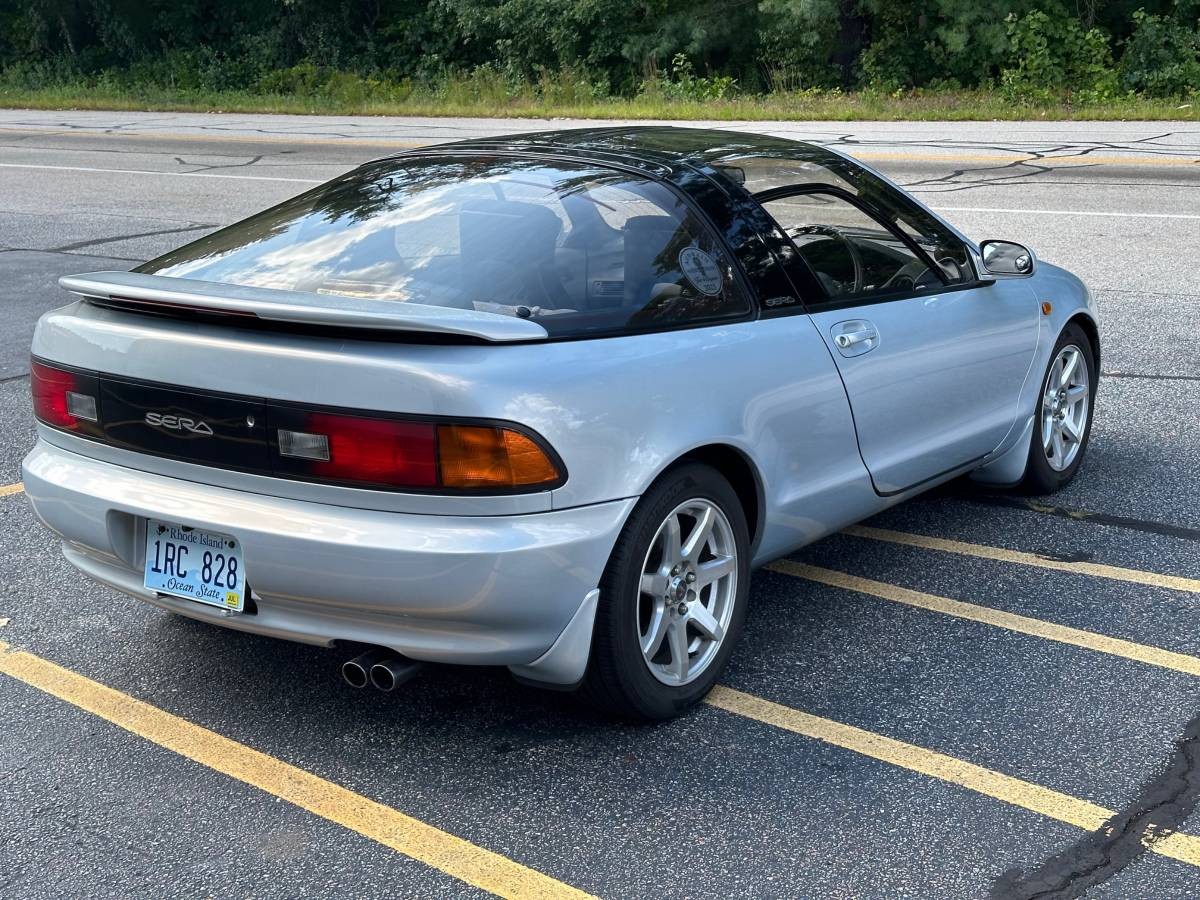
The Toyota Sera was a domestic model that featured fairly conventional styling for the era. However, its doors represented a radical departure from the company’s conventional approach to vehicle design, and remain the defining feature of a vehicle that graced showroom floors from 1990 until 1996. It is unclear how many of these little gems found their way to North America, but it is fair to say that we haven’t seen many at Barn Finds. The sticking point for many might be the price, which is higher than the average for recent successful sales. Of course, it only takes one dedicated individual for this Toyota to find a new home. Are you tempted?



I have had my Sera for some years, replaced the T-belt and waterpump, brakes and the usual maintenance things when I 1st received it. I find it a useful car. Eventually I removed the ‘log’ of a sound bar and huge amp that encompasses so much space in the rear. This allowed use of the trunk and the resulting folding seat platform. It is a lazy car, moves along with traffic but never offers driving spirit it seems to offer in its style. It is quite warm inside on a sunny summer day, A/C isn’t capable of keeping up with our high US temps.
I’ve had mine for 5 years, and love it. Great on gas, handles well and turns a lot of heads! Not terribly fast, but having the manual trans makes it much peppier than the A/T. The glass roof does make it hot in the summertime, but mine came with snap in inner roof panels that help a lot, even here in Florida.
I hope the removed factory sound bar and amplifier were saved, as it’s a hard to find option. GLWTA.
Loved it at first encounter at an auto show. I do think it’s trying to split personalities by being flashy, demure, bold, mundane at once. Even without a power upgrade it would make a great gliding around, night on the town car in a tangerine metallic hue (& maybe some bolder upholstery to match), with no worries about solar roasting.
On a Lamborghini, yes. On a Toyota, not so much.
The phrase lipstick on a pig comes to mind when seeing the doors on this econobox. That and the boring silver paint that was everywhere back then gets a hard no from me
(singing) Que Sera Sera, whatever will be, will be.