

- Seller: Giordano’s Vintage Motors (Contact)
- Location: Carnation, Washington
- Mileage: 40,000 Shown
- Chassis #: 590218
- Title Status: Clean
- Engine: 2.5-Liter Flathead Inline-4
- Transmission: 3-Speed Manual
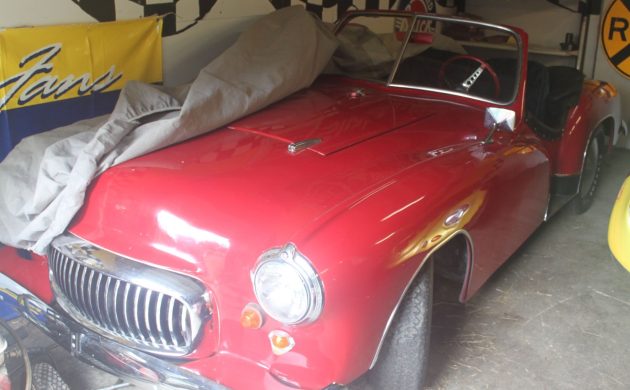
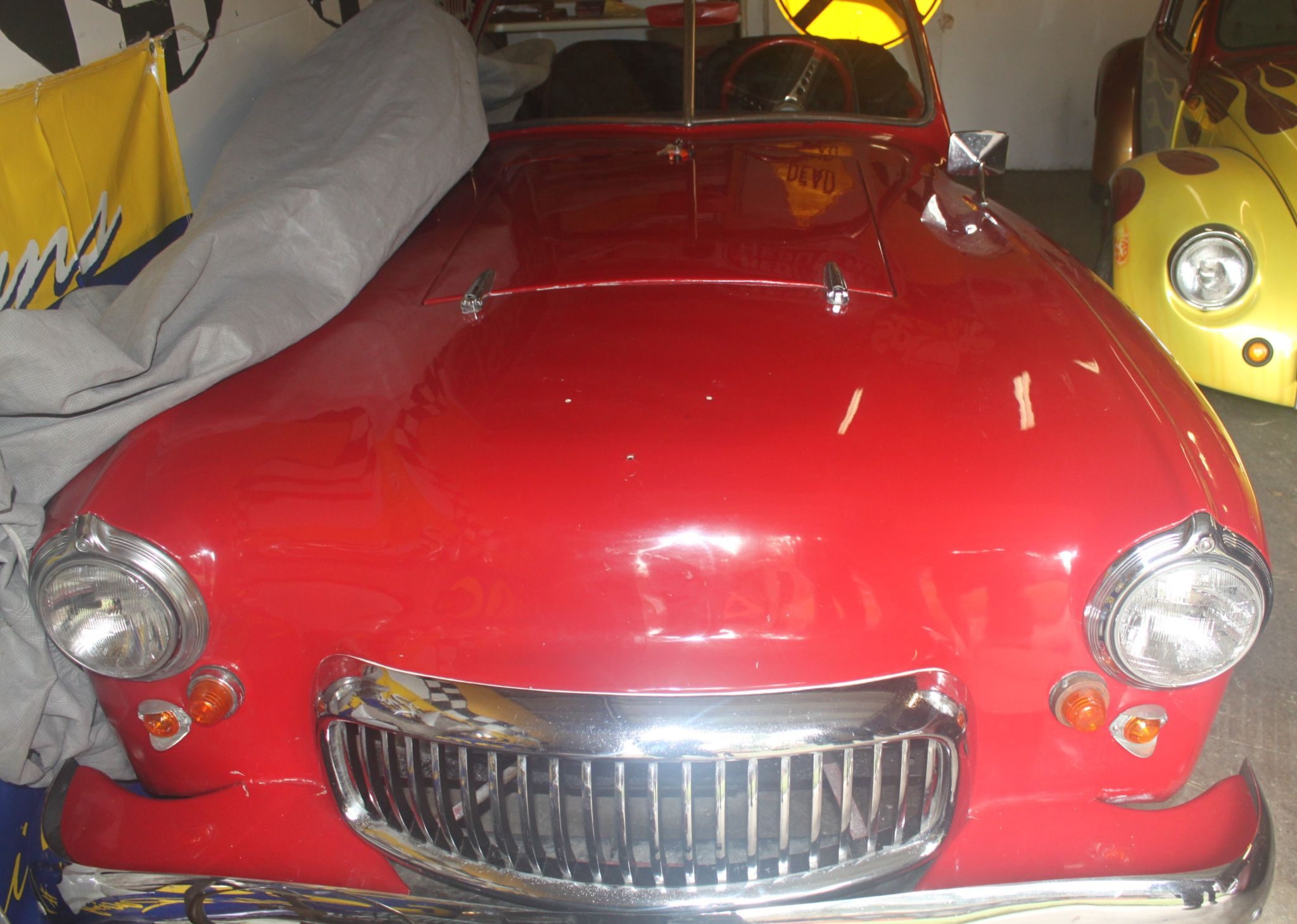
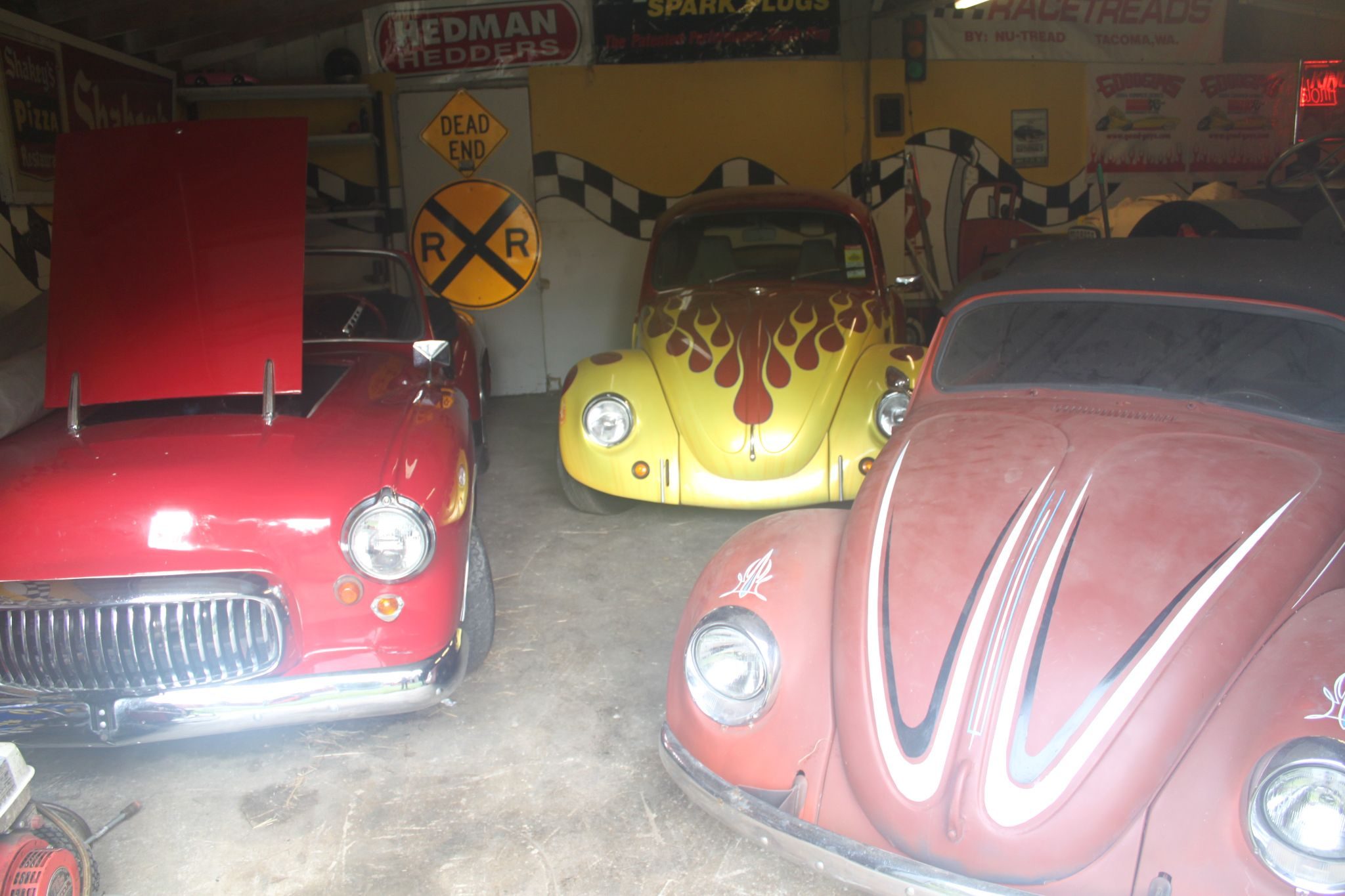
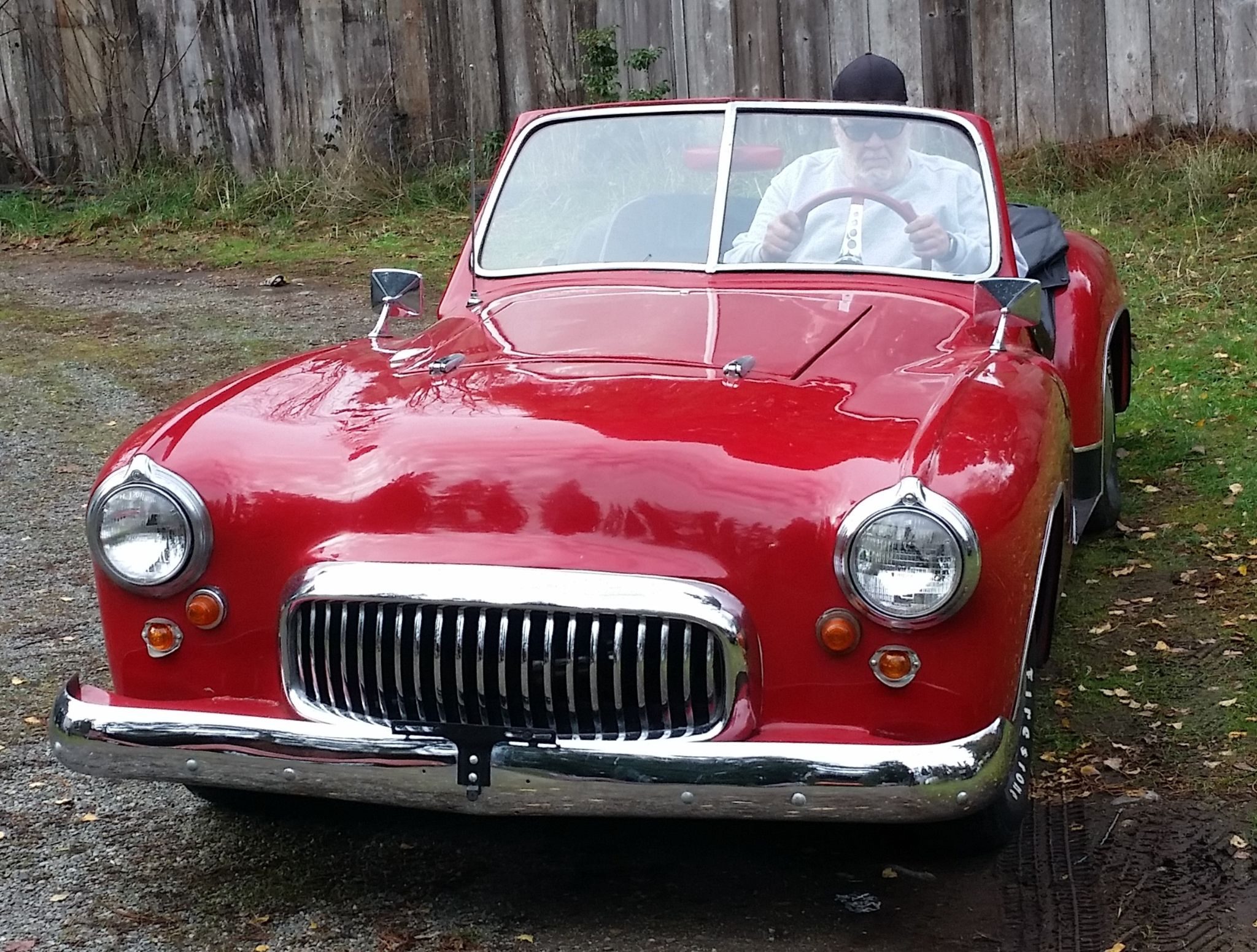
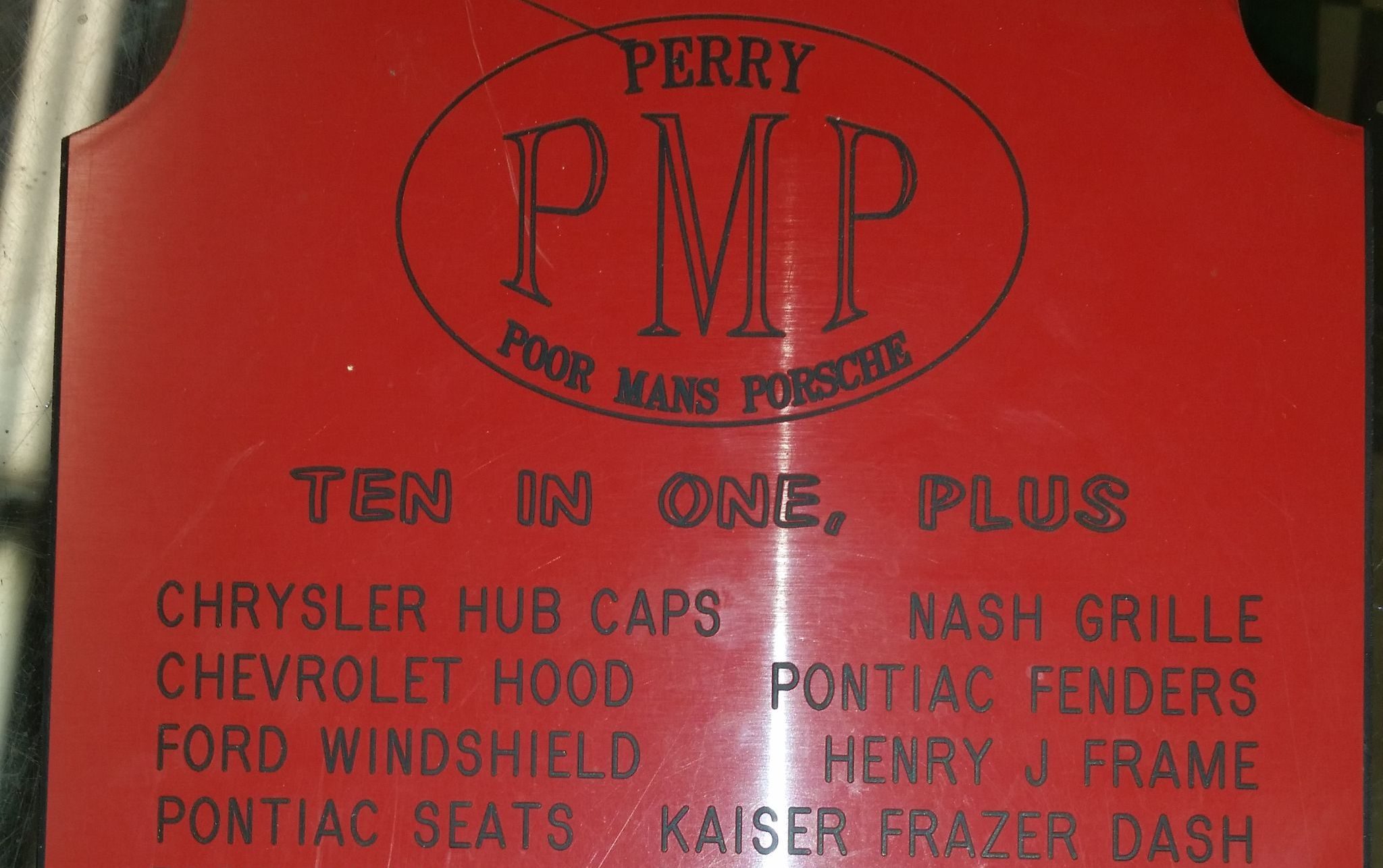
Some custom cars are built from a kit. Others are built from one person’s vision and what parts they can make work together. This 1959 custom roadster falls squarely into the latter category. Its recipe reportedly includes a Henry J chassis, Chevrolet bodywork, Pontiac fenders and seats, a Nash grille, Kaiser dashboard, Ford windshield and bumpers, Chrysler hubcaps, Rambler brakes, a Willys flathead four, and even a Triumph convertible-top frame. A surviving show placard appropriately describes it as “10 in One, Plus.” Located in Carnation, Washington, the roadster shows approximately 40,000 miles, carries a clean Washington title, and is offered as a Barn Finds Exclusive. The title identifies it as a 1959 ASVE Roadster.
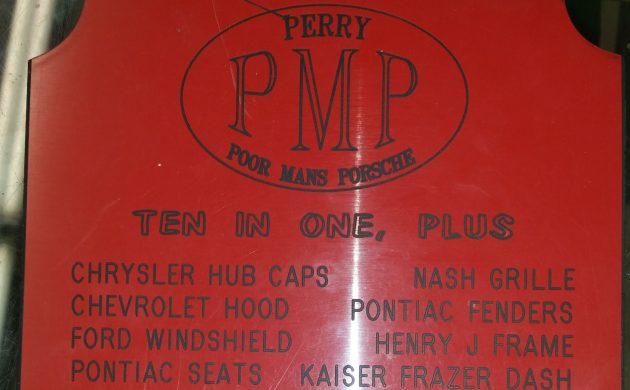
The seller believes the car was designed and built by Jim Perry, a Willys drag racer and builder. That history has not been independently documented, so it is best treated as believed rather than proven. The car is thought to have been completed around 1959, which corresponds with the year shown on its Washington title. The name shown on the included plaque for the car may be the best part: Perry PMP, or “Poor Man’s Porsche”.
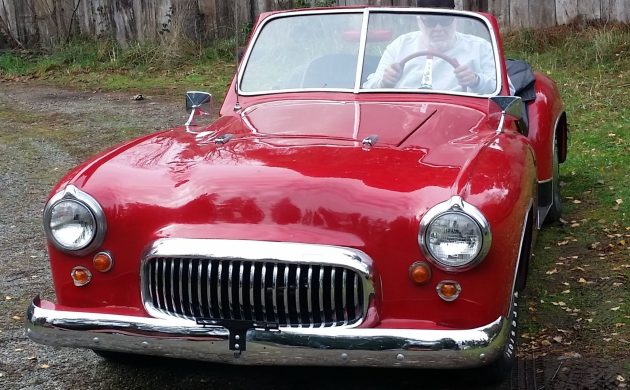
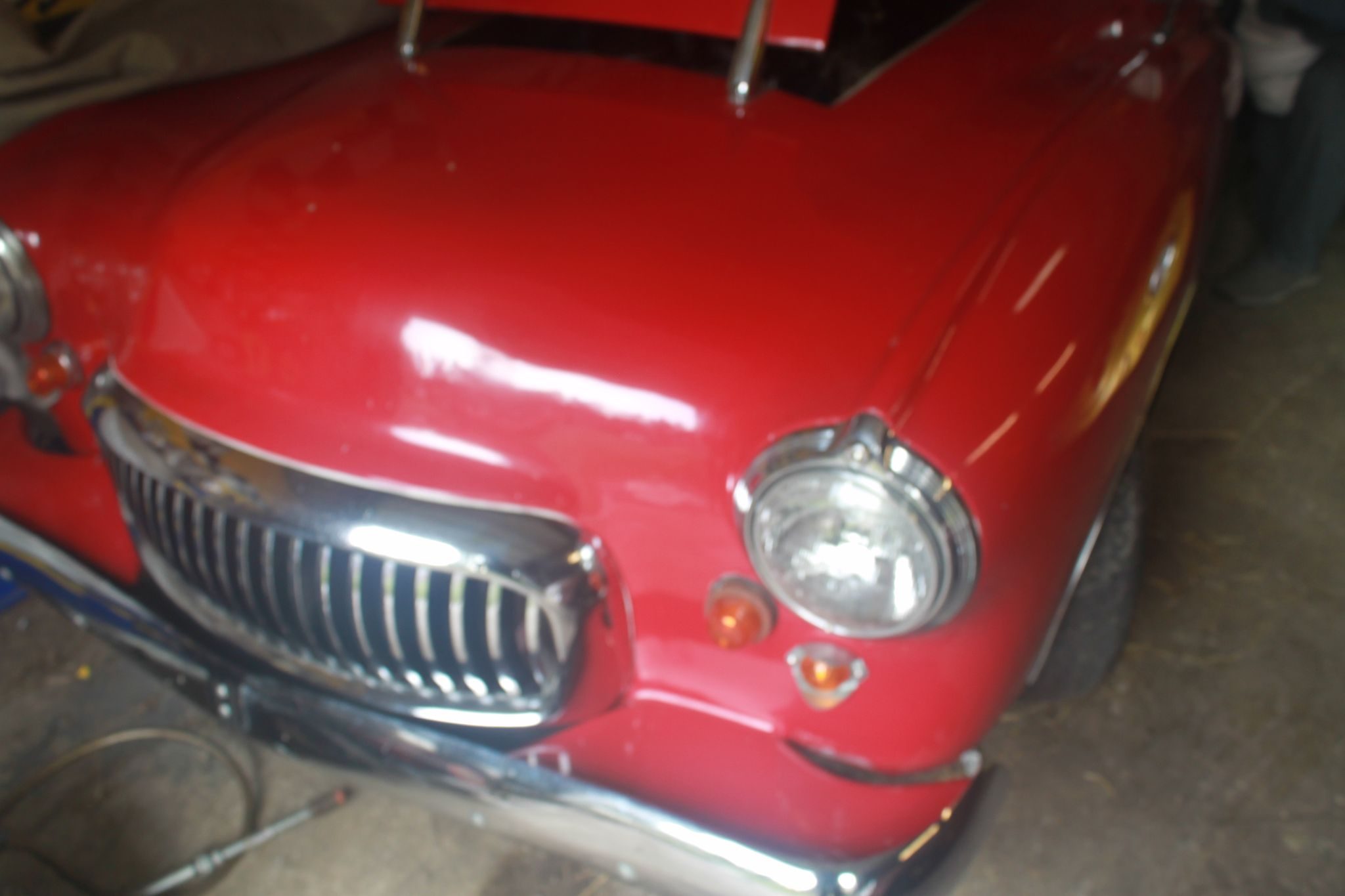
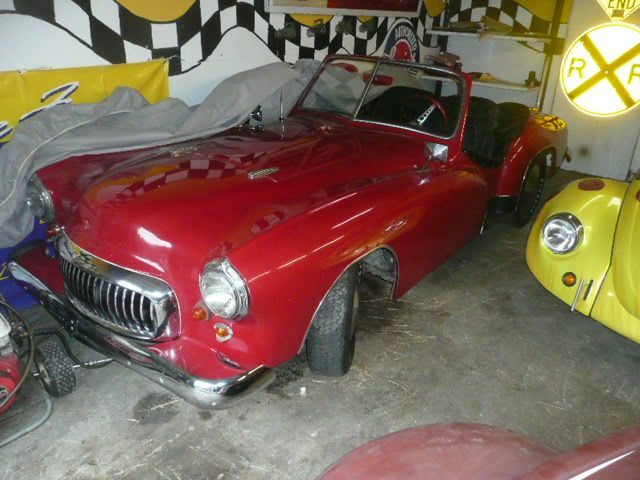
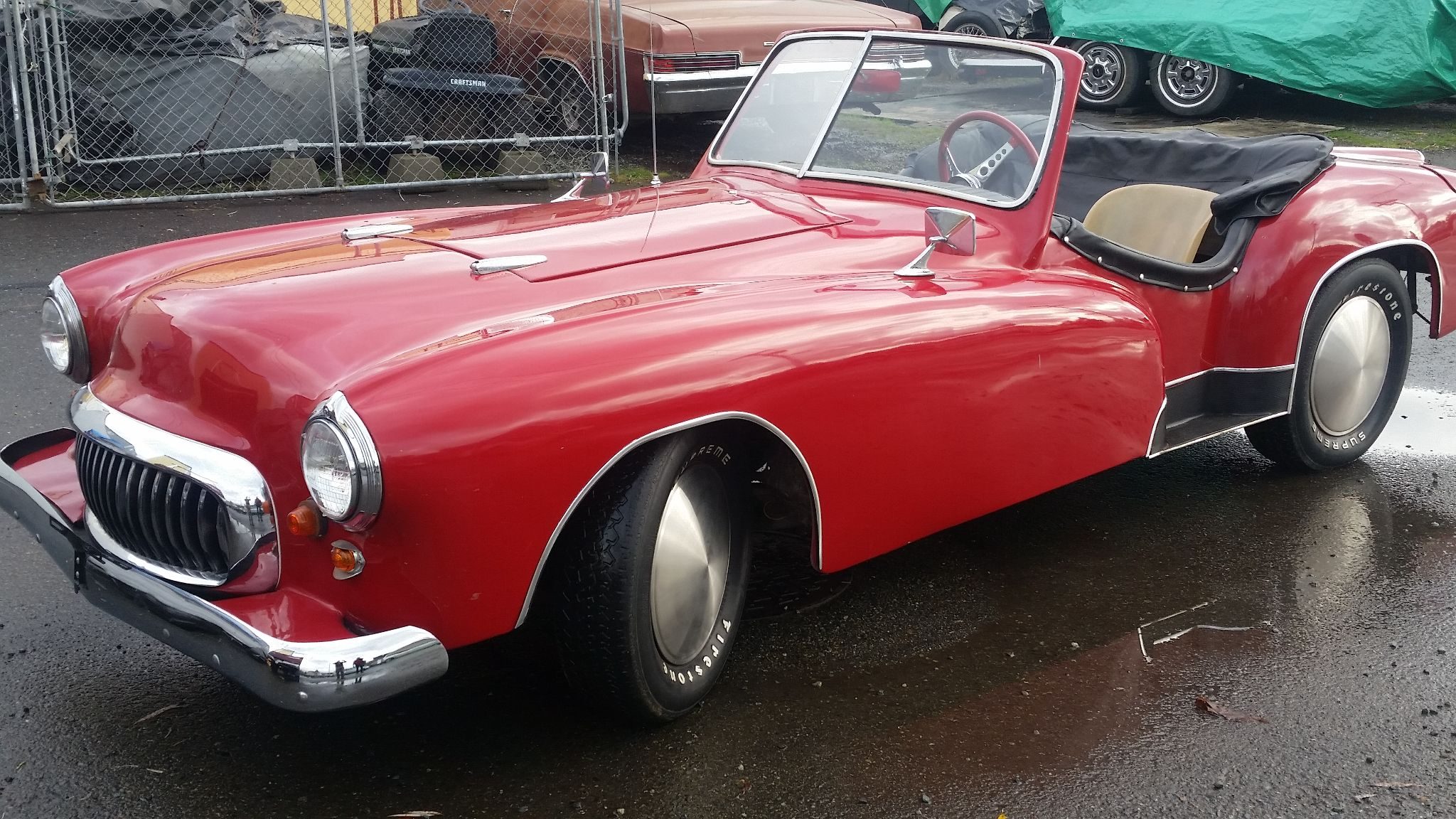
In the photos, you notice styling cues from a number of cars of the era, which makes sense given how it was made. That being said, it certainly doesn’t look like anything that rolled off an American production line. And remarkably, the body is described as all steel. The quality of the work is quite impressive for a one off. Maybe it’s just the grille, but I’m getting strong Nash-Healey vibes here.
The underlying frame is from a Henry J, while the seller believes portions of a 1957 Chevrolet hood and rear body section were incorporated into the body. Pontiac contributed the fenders, Nash supplied the grille, and Ford components were used for the windshield and bumpers. Chrysler hubcaps add yet another manufacturer to the mix.
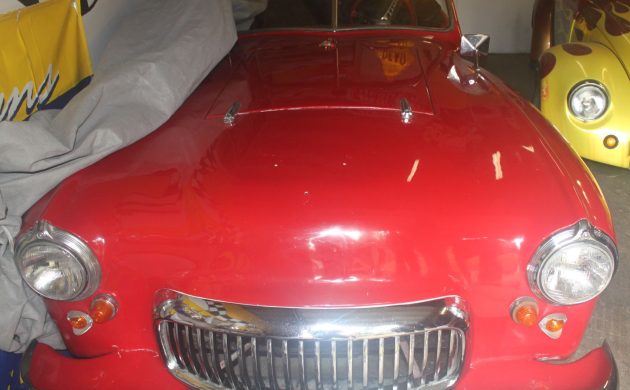
The bright red paint is believed to be the car’s original finish and is attributed to Ed’s Body Shop. It shows age, chips, wear, and imperfections, but that may be preferable to restoring away what makes this car interesting. A shiny new paint job could make it prettier, but preserving the old finish keeps it looking like the artifact it appears to be.
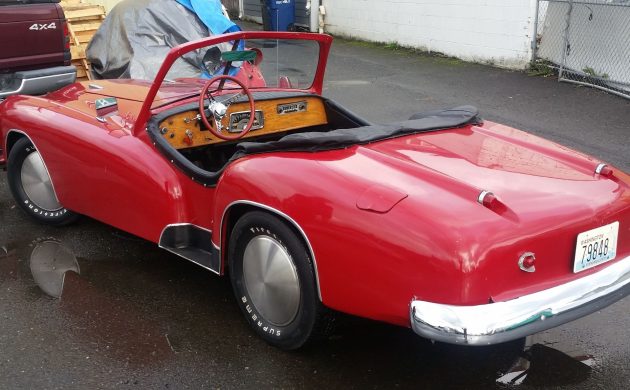
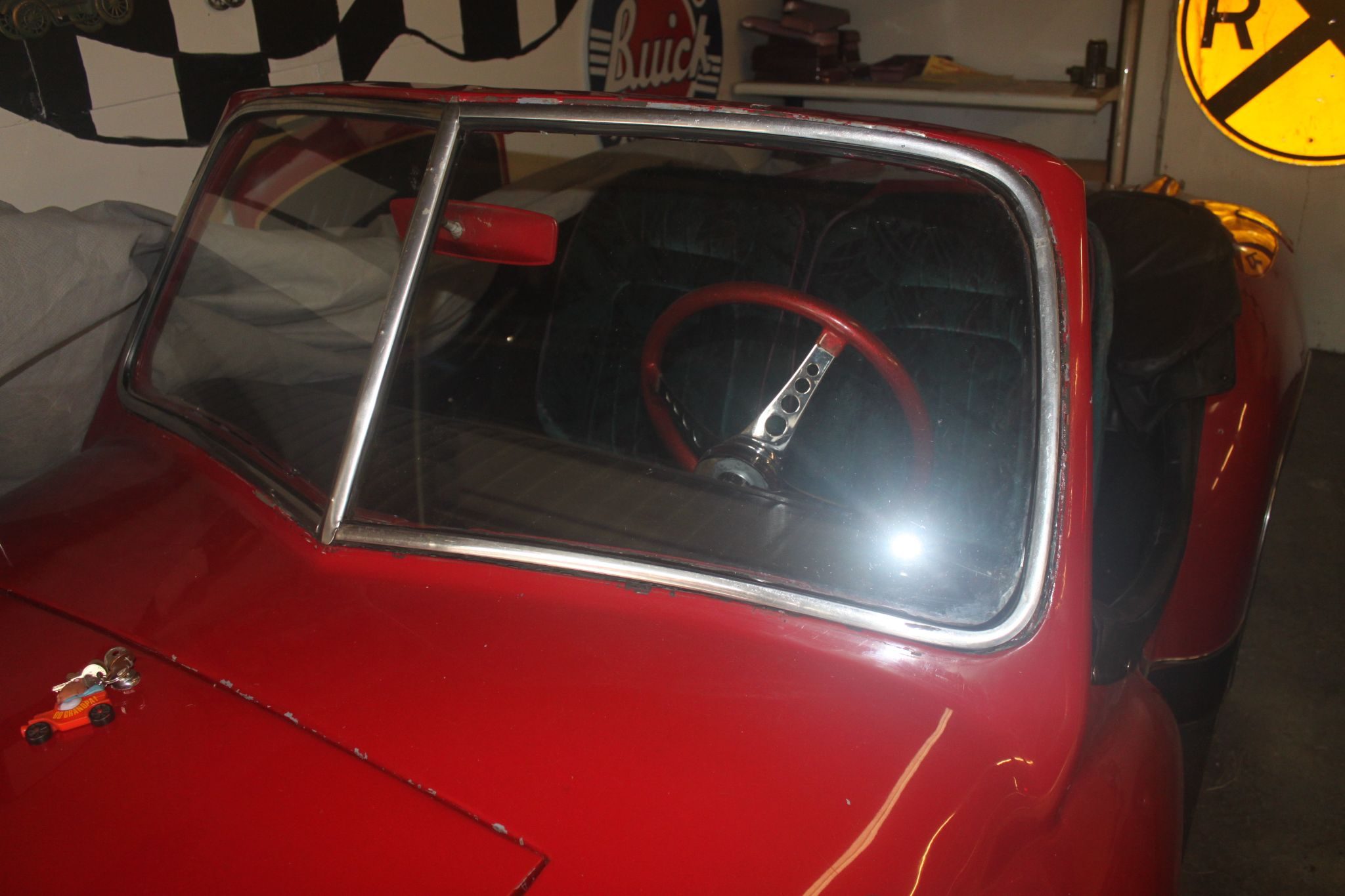
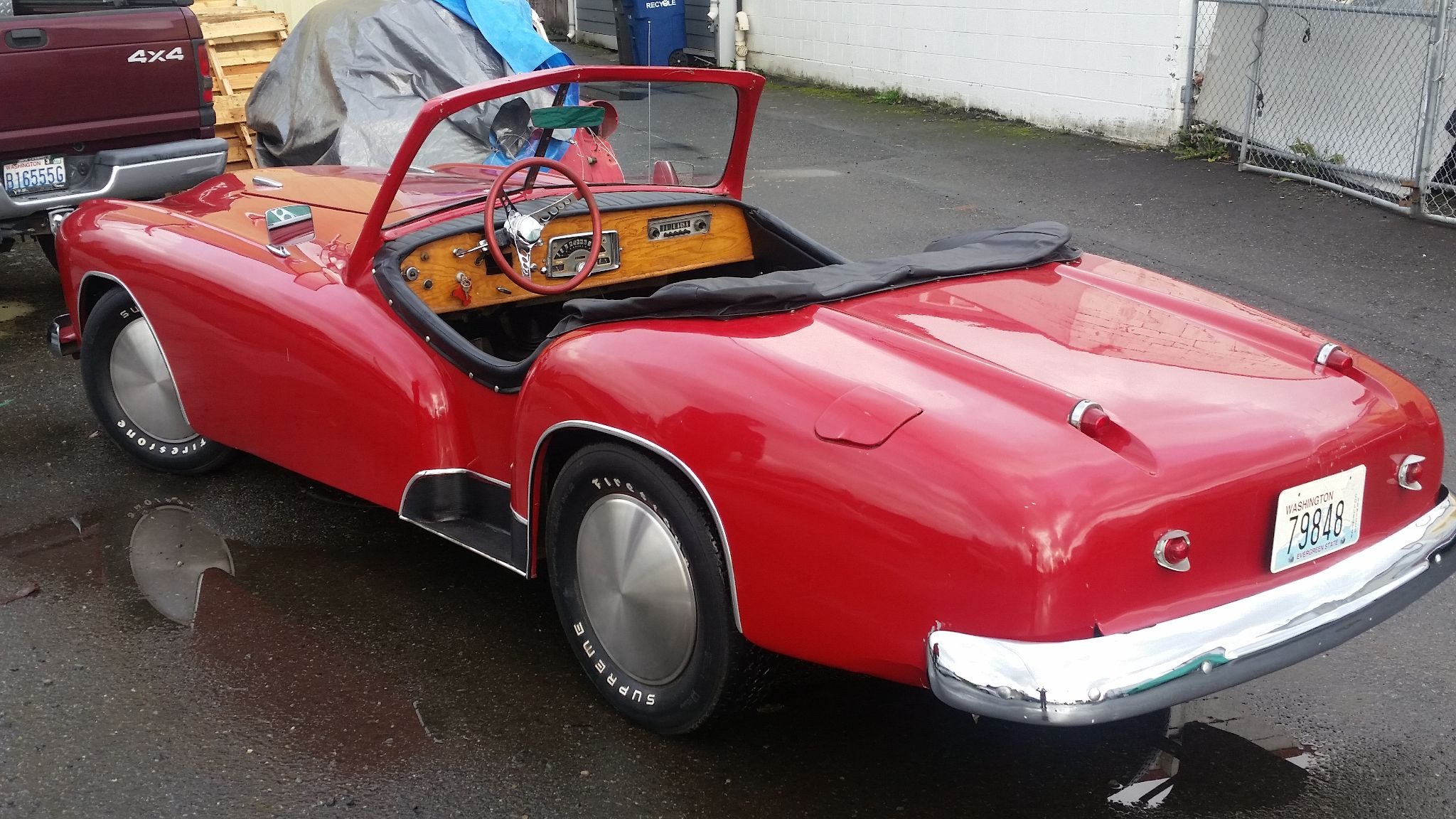
The tall, flat windshield is one of the roadster’s more unusual visual features. The seller purchased a 1953 Corvette windshield frame and usable windshield to replace the existing setup and give the car a lower, more conventional 1950s sports-car profile. Those rare Corvette pieces may be included with an appropriate offer. Would we make that modification? The Corvette windshield would probably make the car look sleeker, but the awkward original windshield is also part of what gives this custom its personality. Once changed, recreating its earlier appearance might not be easy.
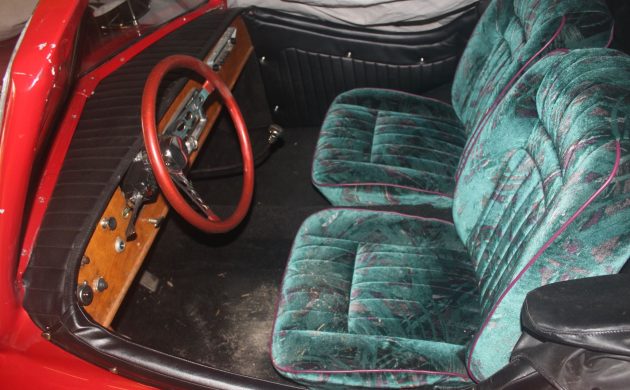
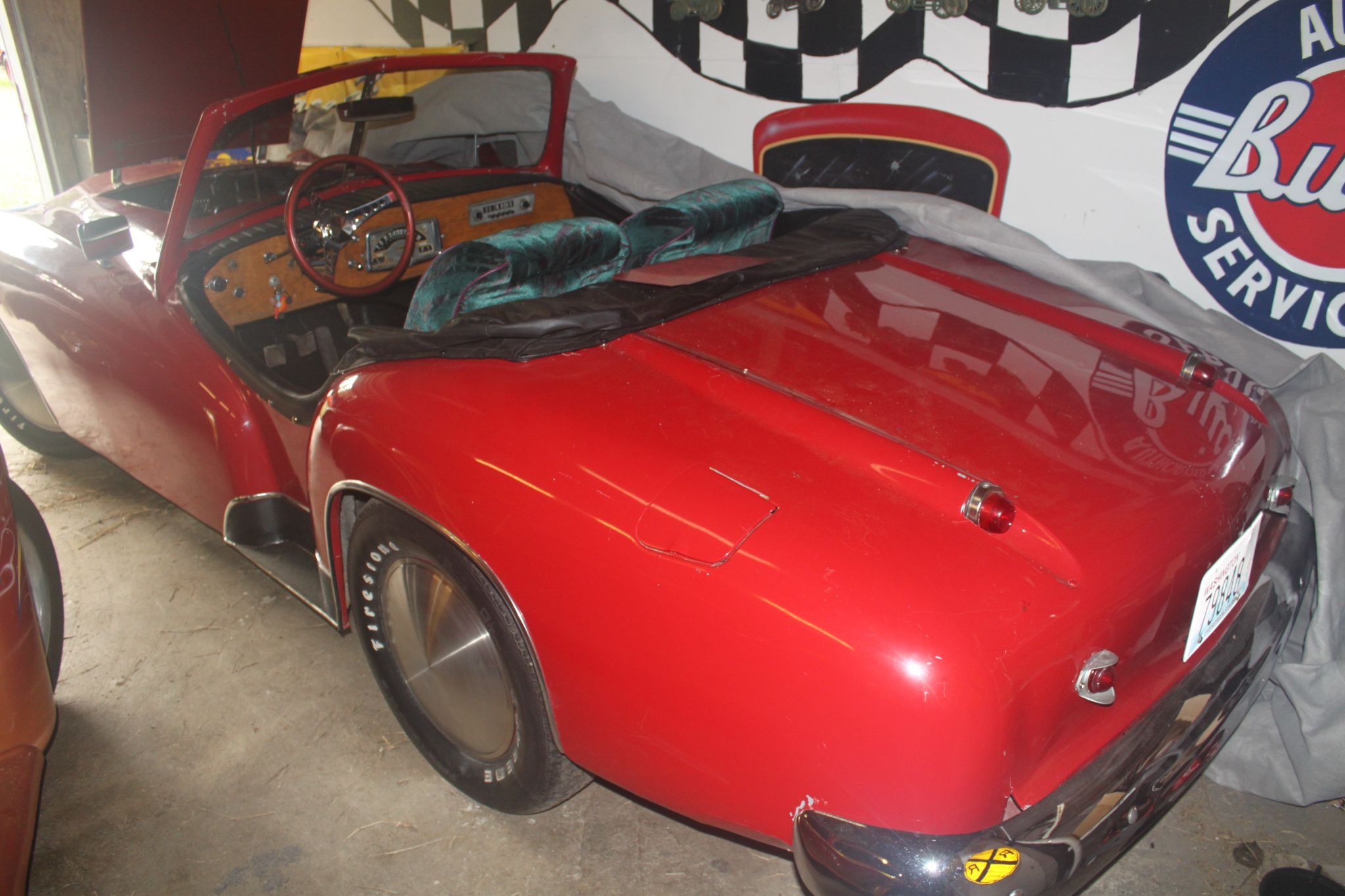
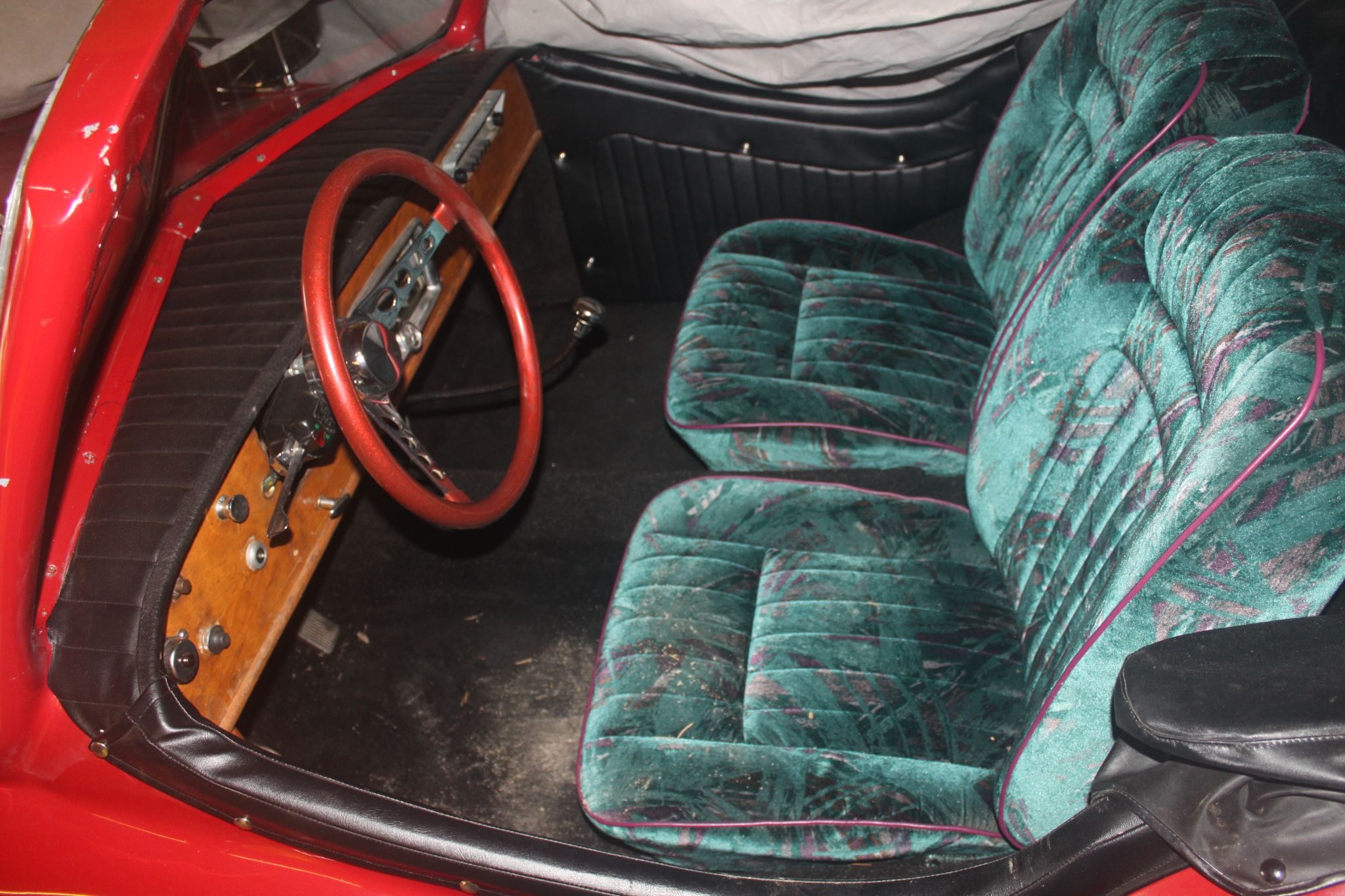
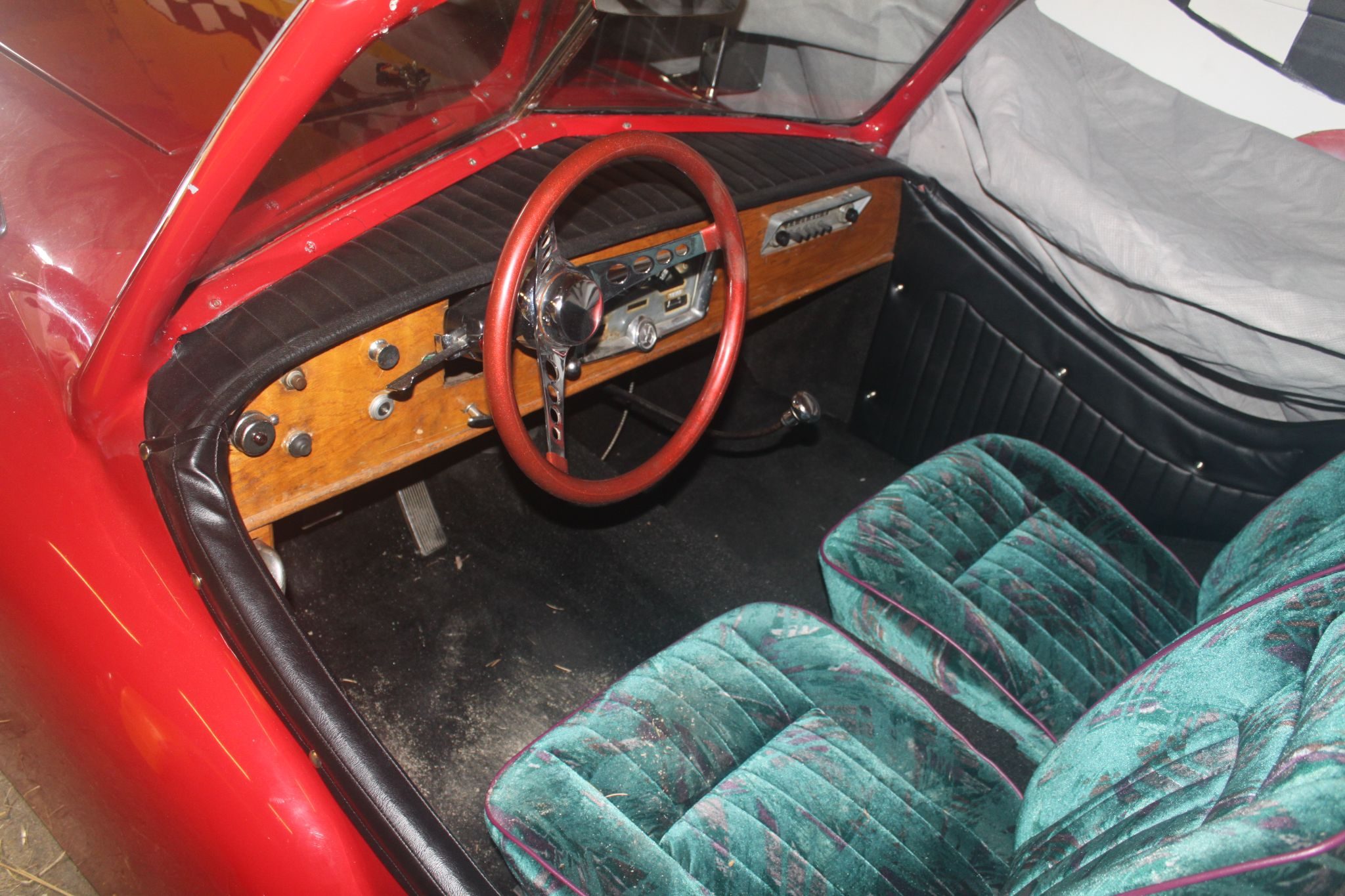
Inside, the parts-bin approach continues. Pontiac seats are upholstered in green, while the dashboard is reportedly sourced from Kaiser. A woodgrain fascia, aftermarket steering wheel, floor shifter, and simple instrumentation give the cockpit the feel of a homebuilt sports car from an era when ingenuity mattered more than ordering the parts online. A Triumph convertible-top frame and folding black vinyl top are also said to accompany the car. We would love to see it with the top up to see how that fits.
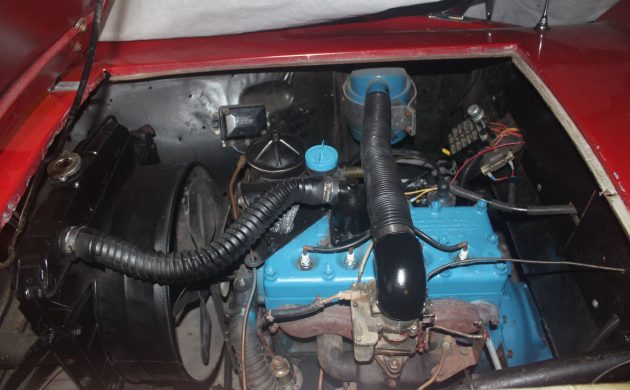
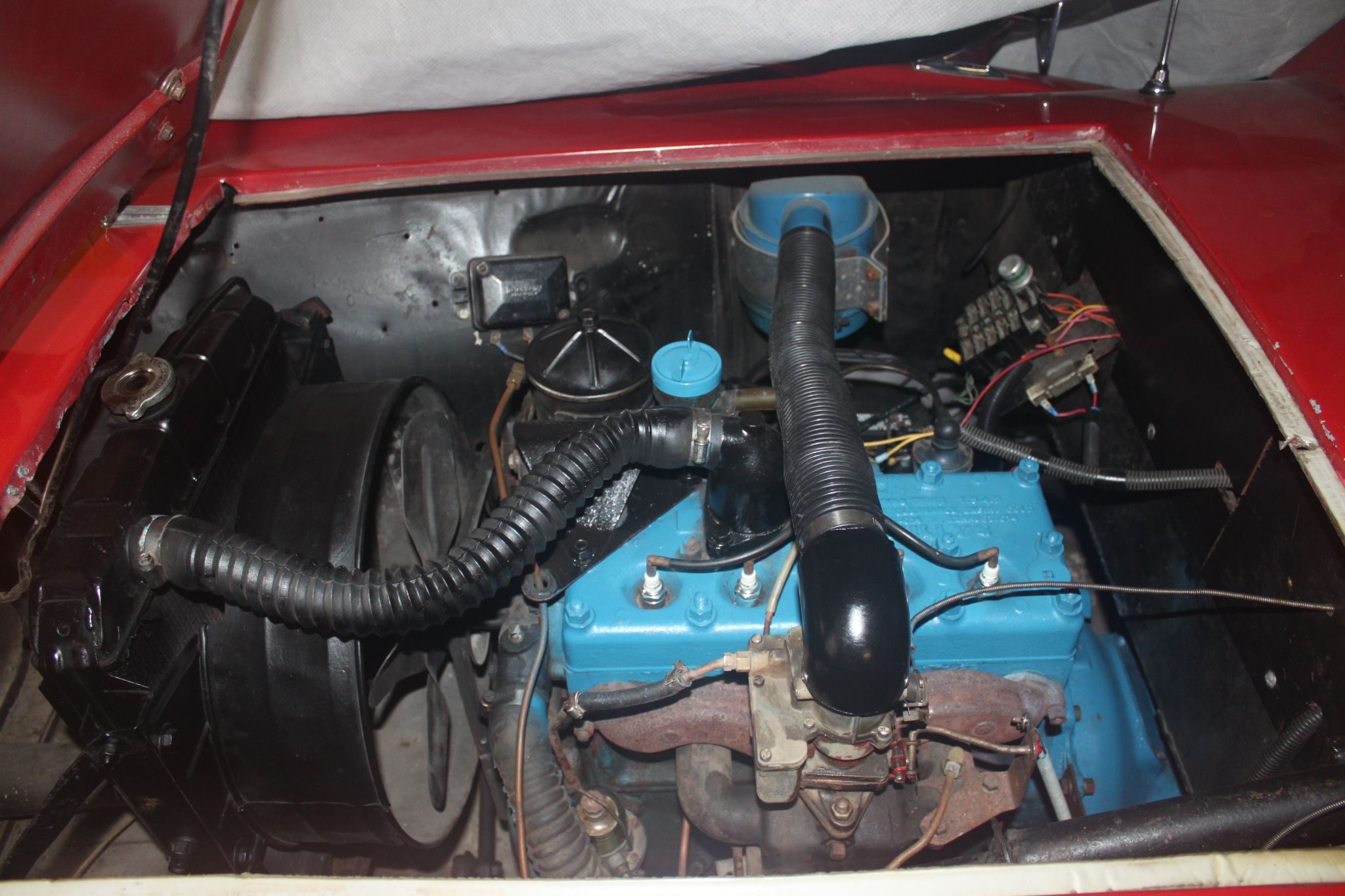
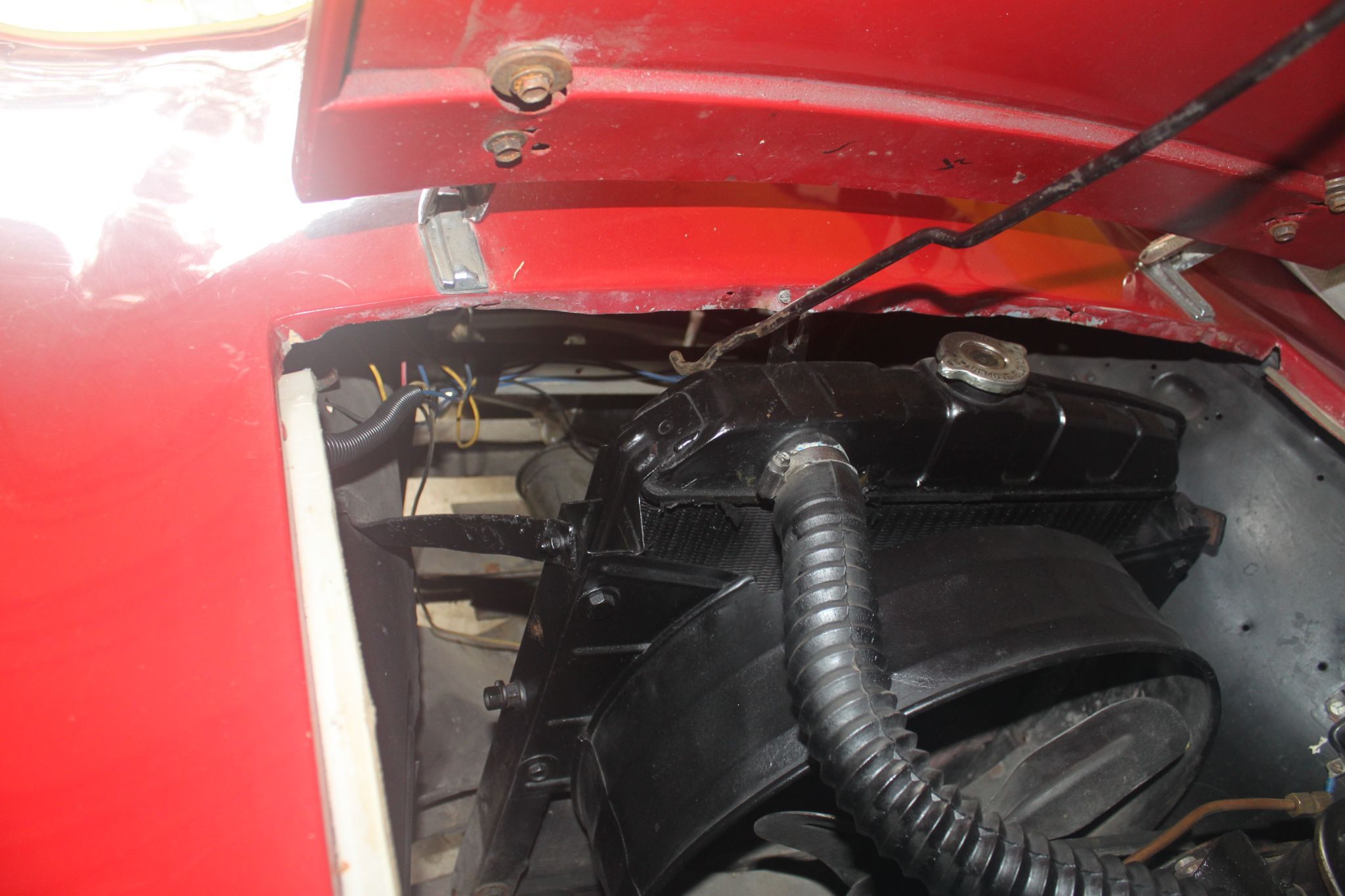
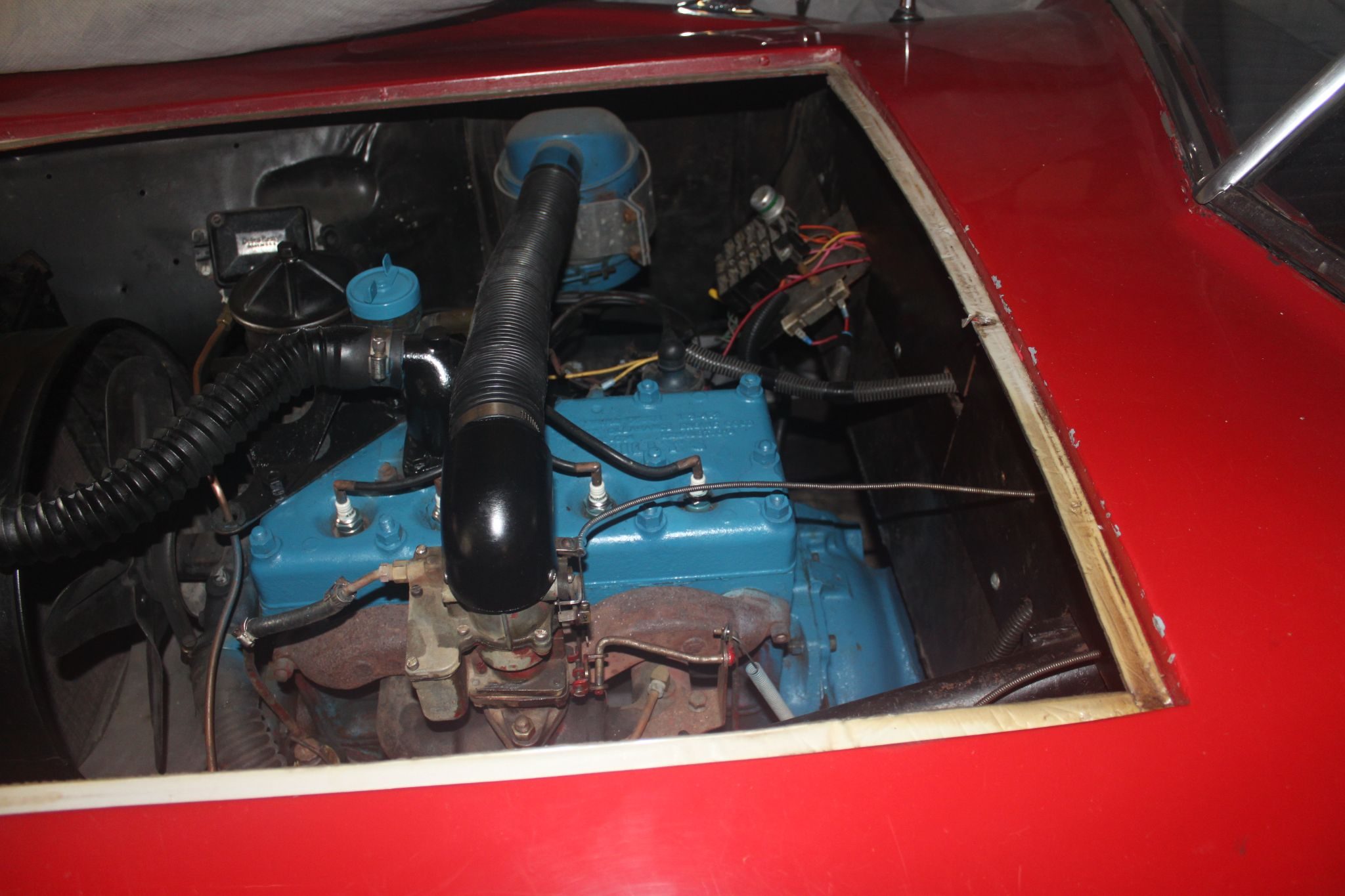
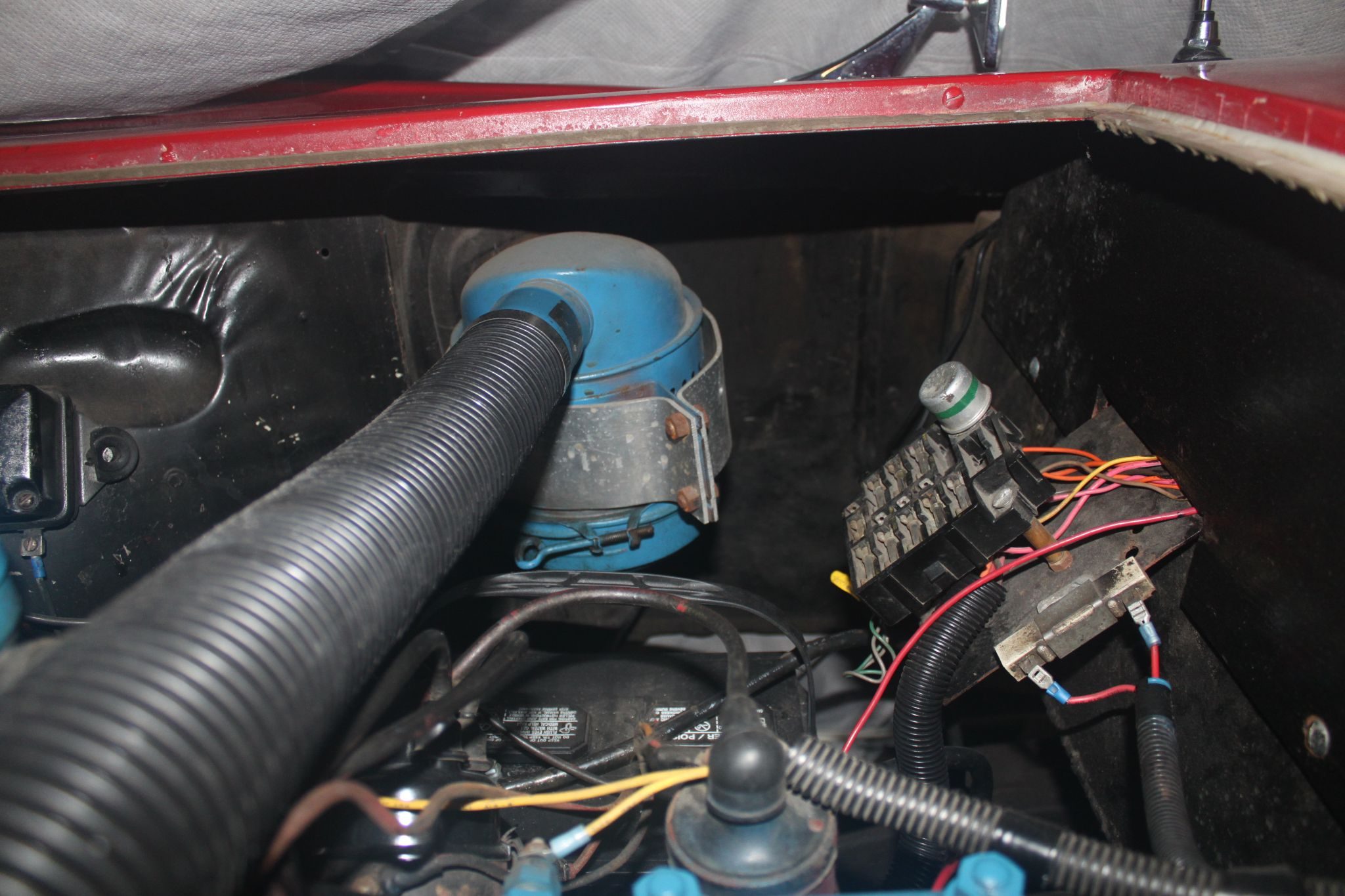
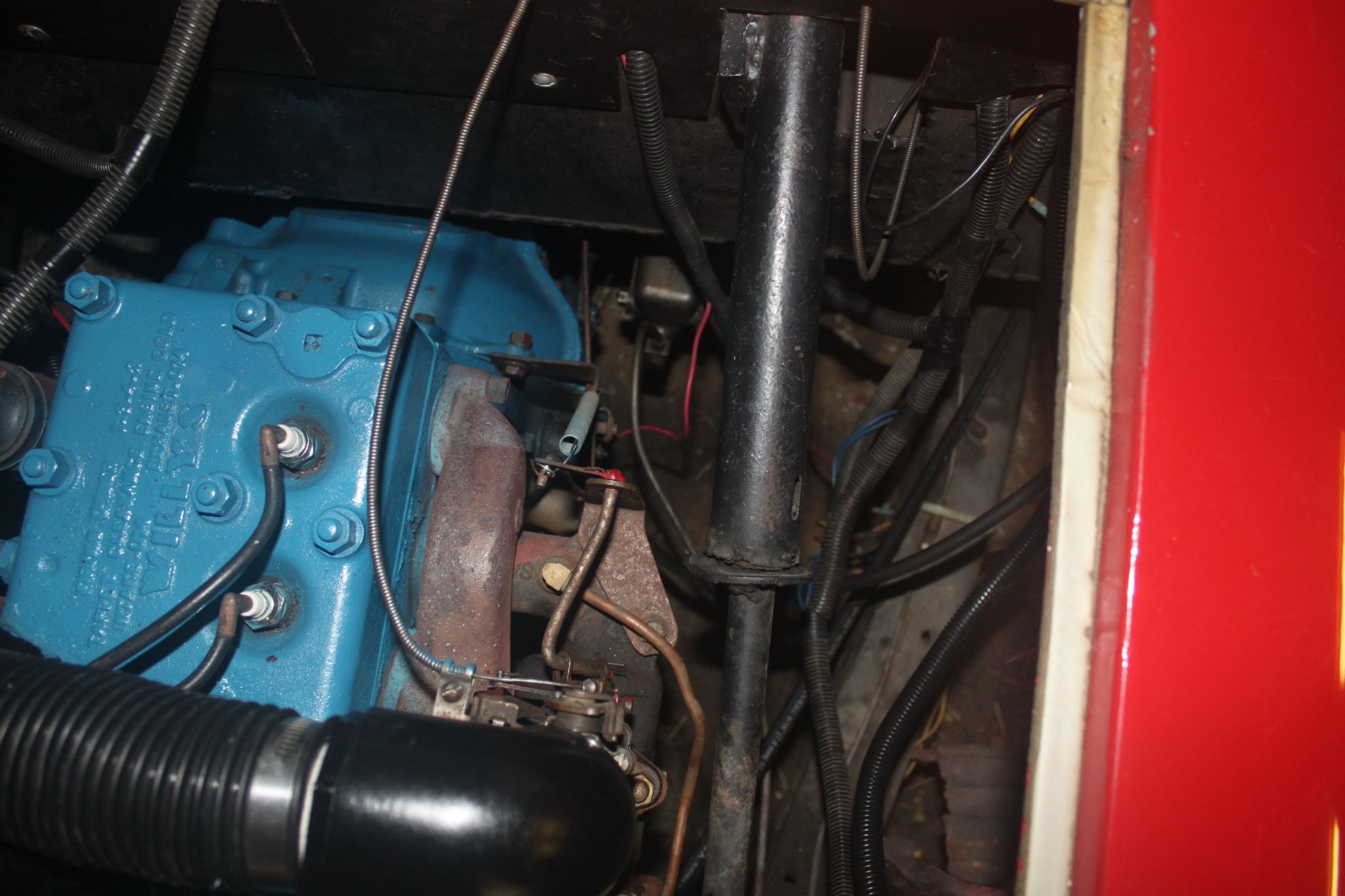
Under the custom-made hood is said to be a Willys flathead four-cylinder engine paired with a three-speed floor-shift manual transmission. The listing identifies the engine as approximately 2.5 liters. Visually, it appears to be an L134 Go Devil, which was rated at 60 horsepower and 105 foot-pounds of torque. This isn’t likely to be a serious challenger for a Porsche 356 in a race, but outright speed isn’t always the main objective. Lightweight, simplicity, and the experience of driving something unlike anything else on the road were likely the main goal.
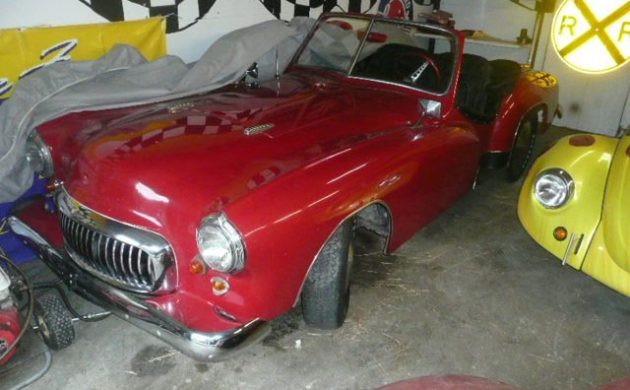
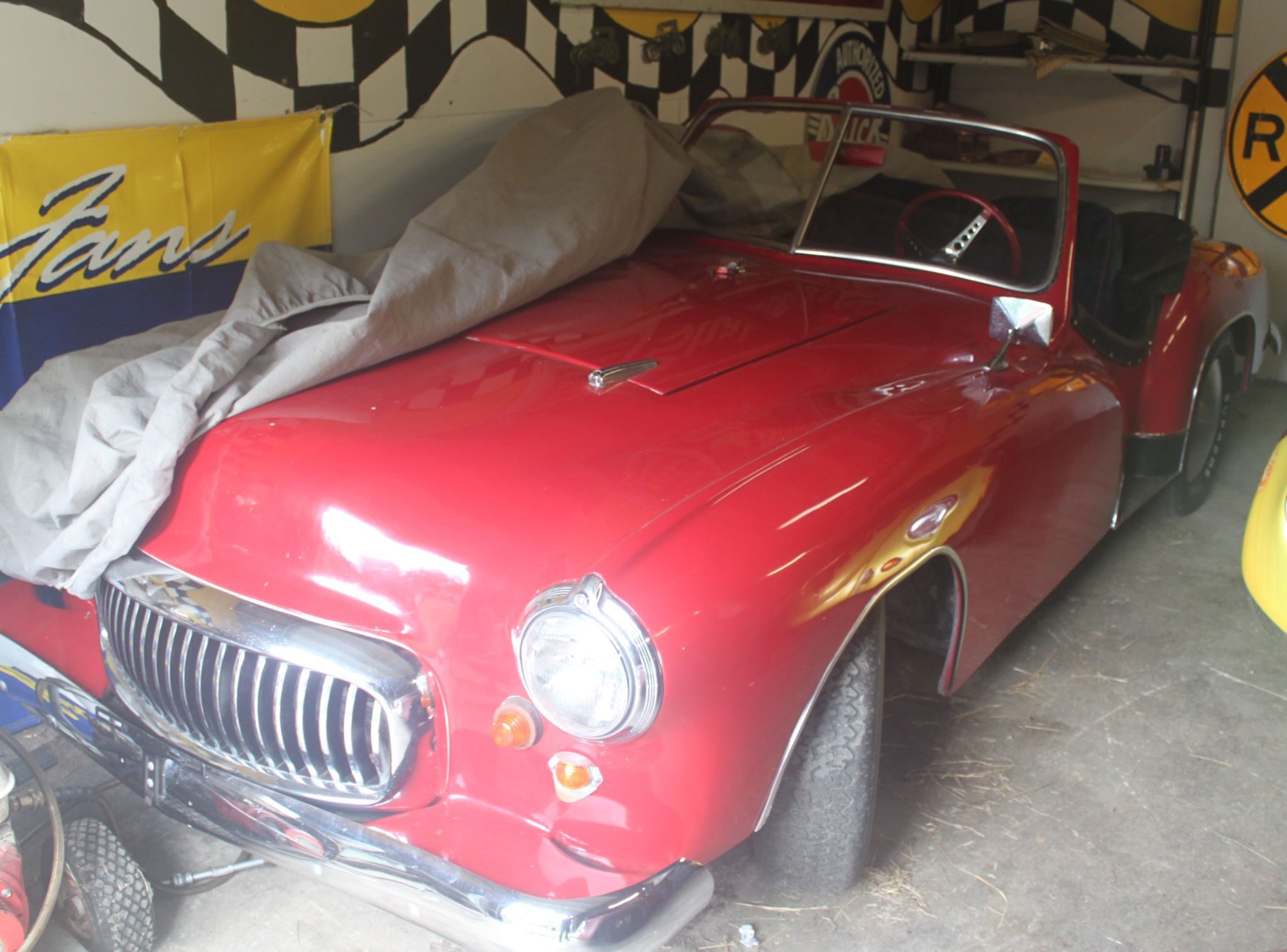
The seller states that the roadster ran and drove well when placed into storage several years ago and believes it may primarily need fresh gasoline before being returned to service. As with any vehicle that has been sitting, however, the fuel system, brakes, fluids, hoses, tires, and other age-sensitive components deserve inspection before regular driving.
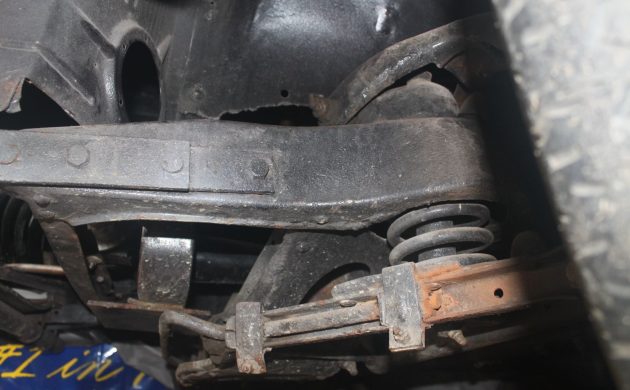
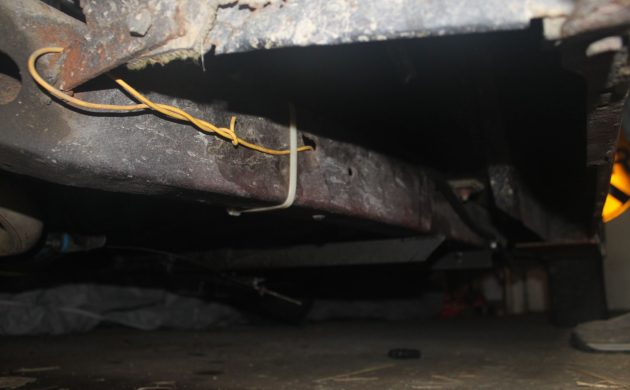
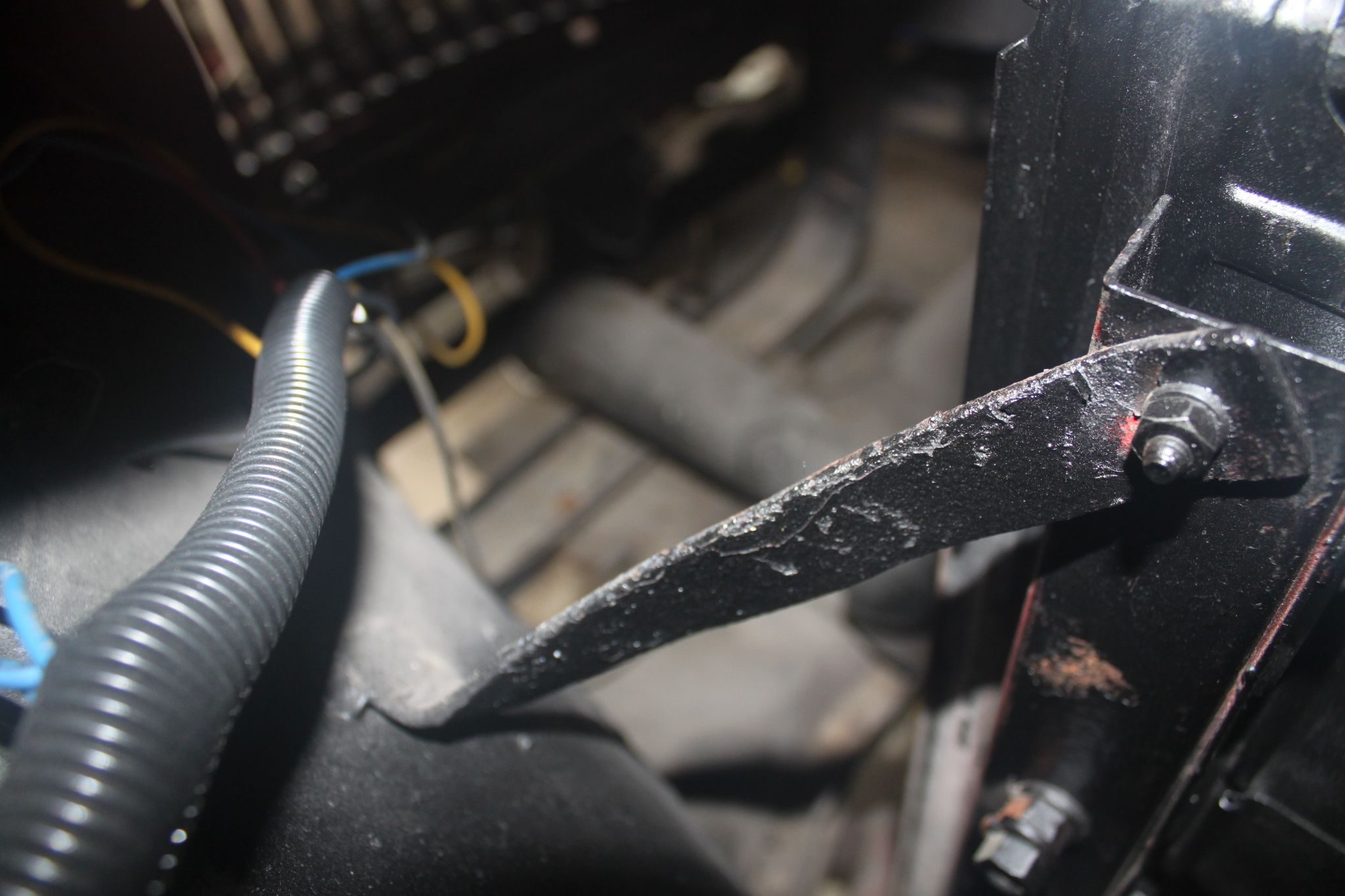
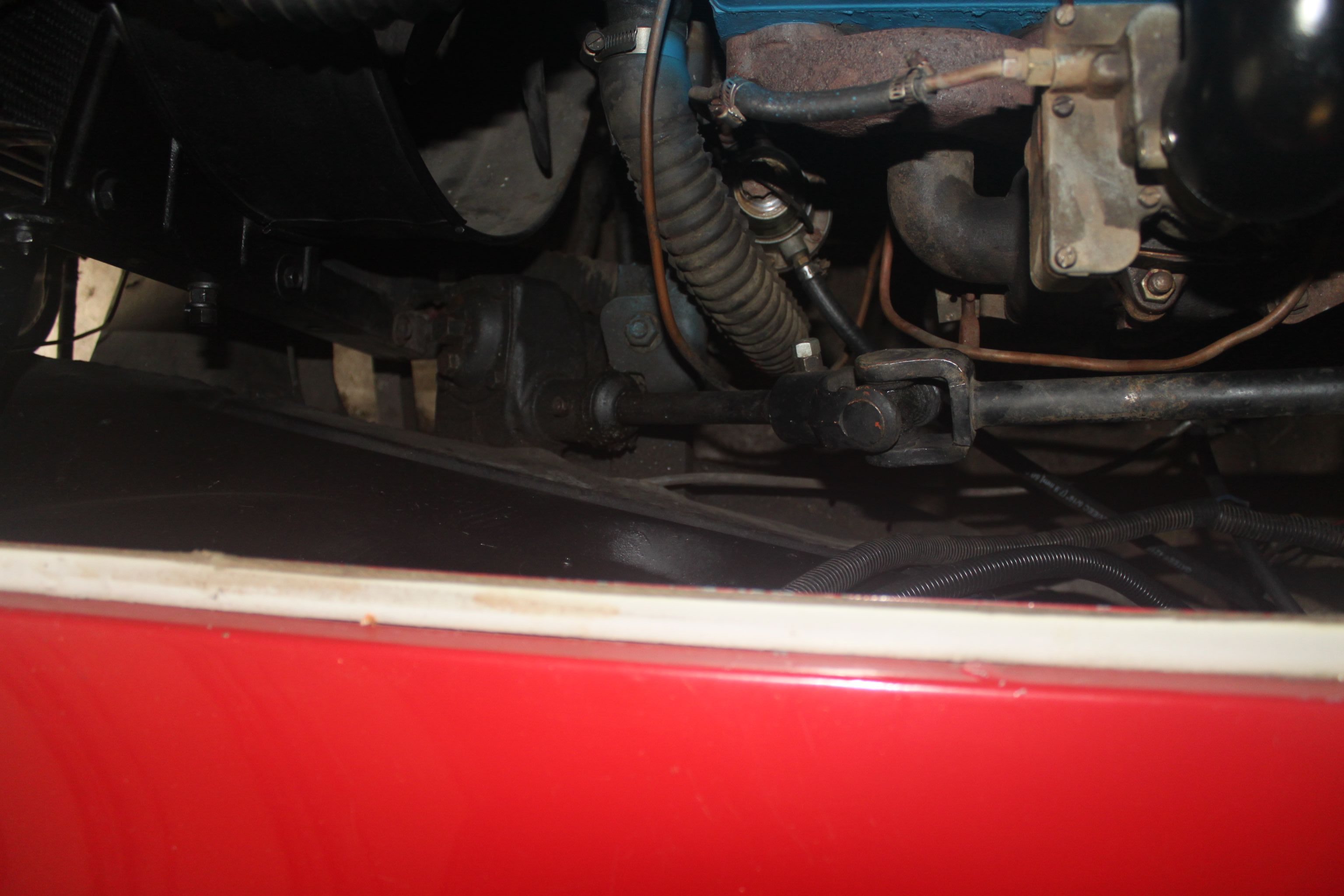
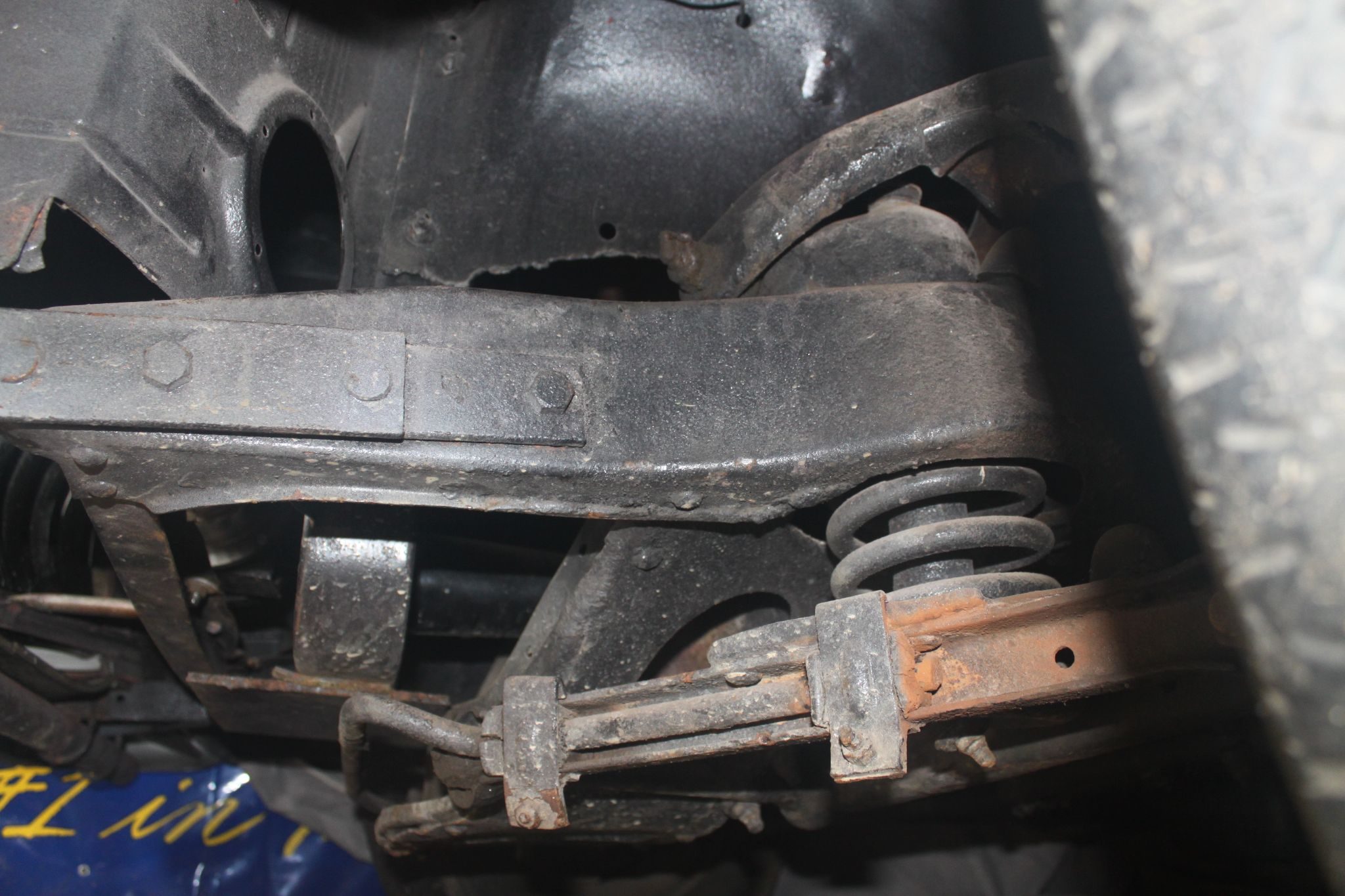
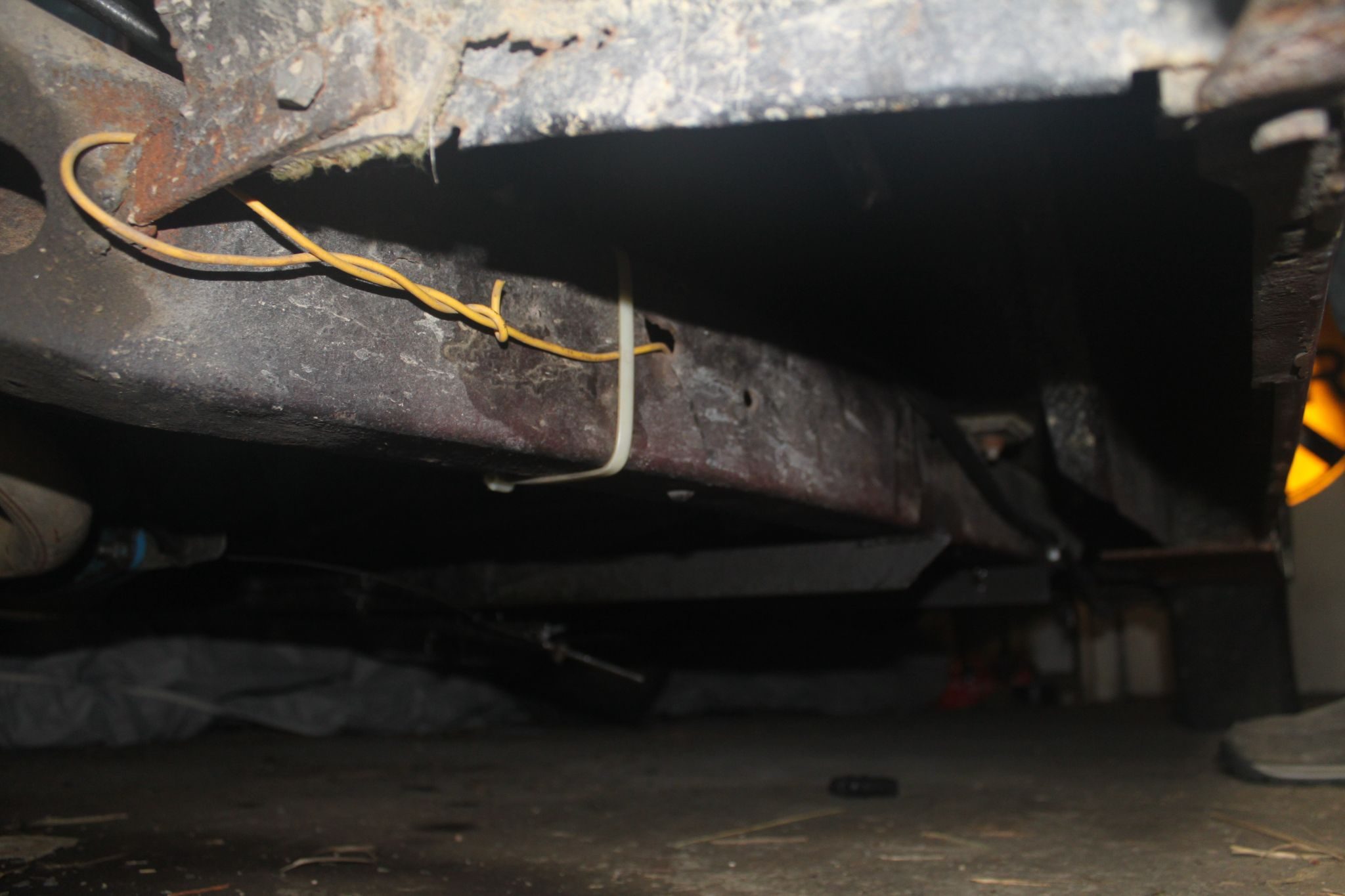
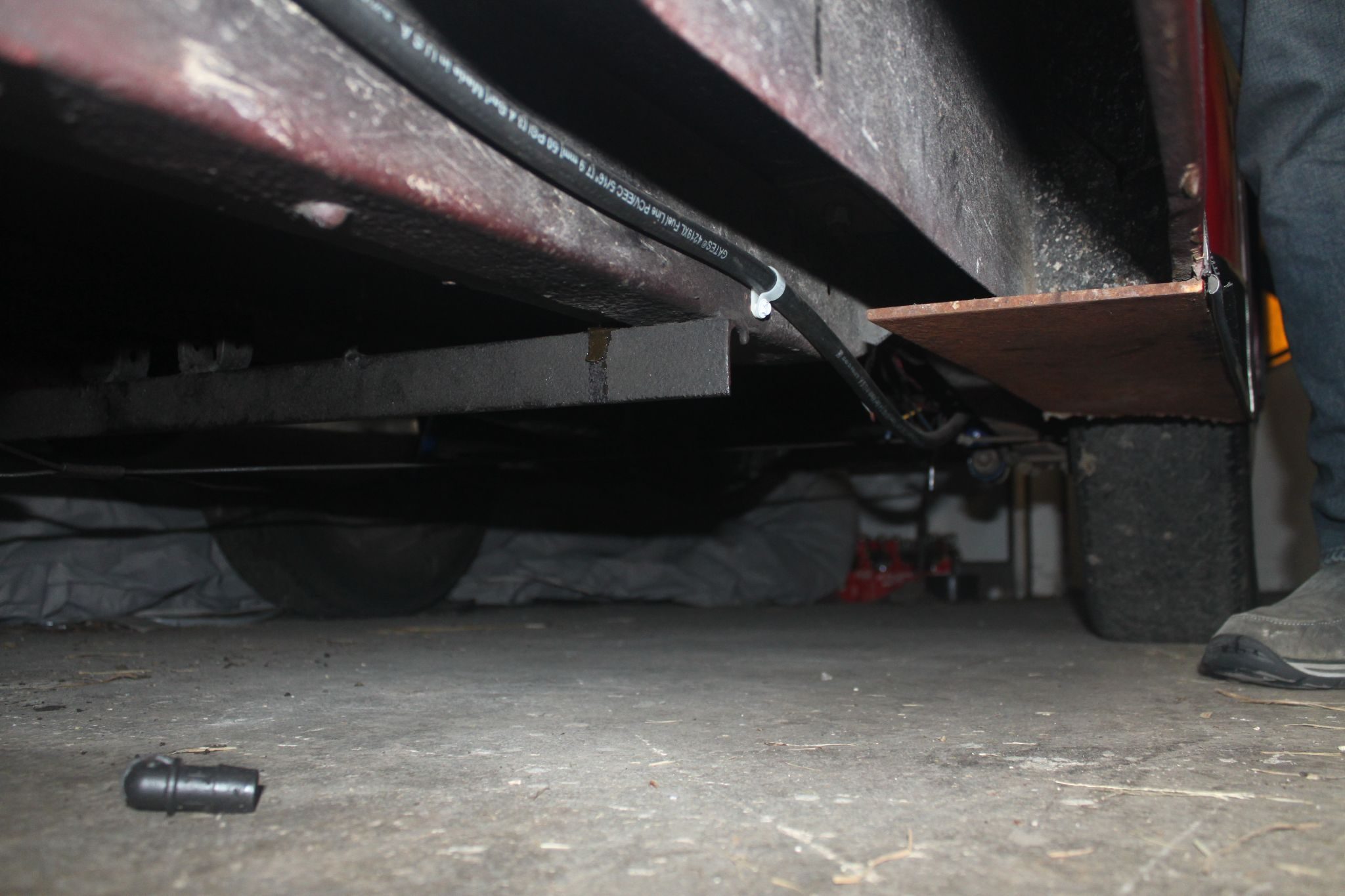
The underside photographs show minimal modifications to the Henry J chassis. While not overly sophisticated, the car is light enough that it likely handles as well as any other sports car from the ’50s. It is a fascinating example of an era when an ambitious builder could combine a Henry J, Nash, Pontiac, Kaiser, Ford, Chevrolet, Chrysler, Rambler, Willys, and Triumph and somehow end up with a sports car.
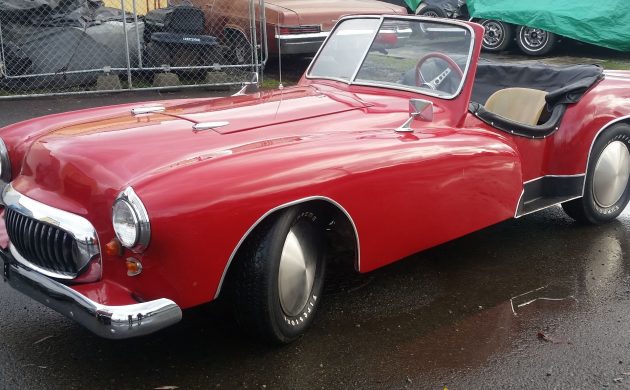
Restoring a conventional 1950s car usually means trying to make it exactly like thousands of others. Restore this one, and you’re preserving something that may genuinely be one of one. Or perhaps the right move is to do as little as possible: recommission the mechanical systems, polish the old red paint, leave the tall windshield in place, put the top down, and let everybody at the next cars-and-coffee try to figure out what they’re looking at.
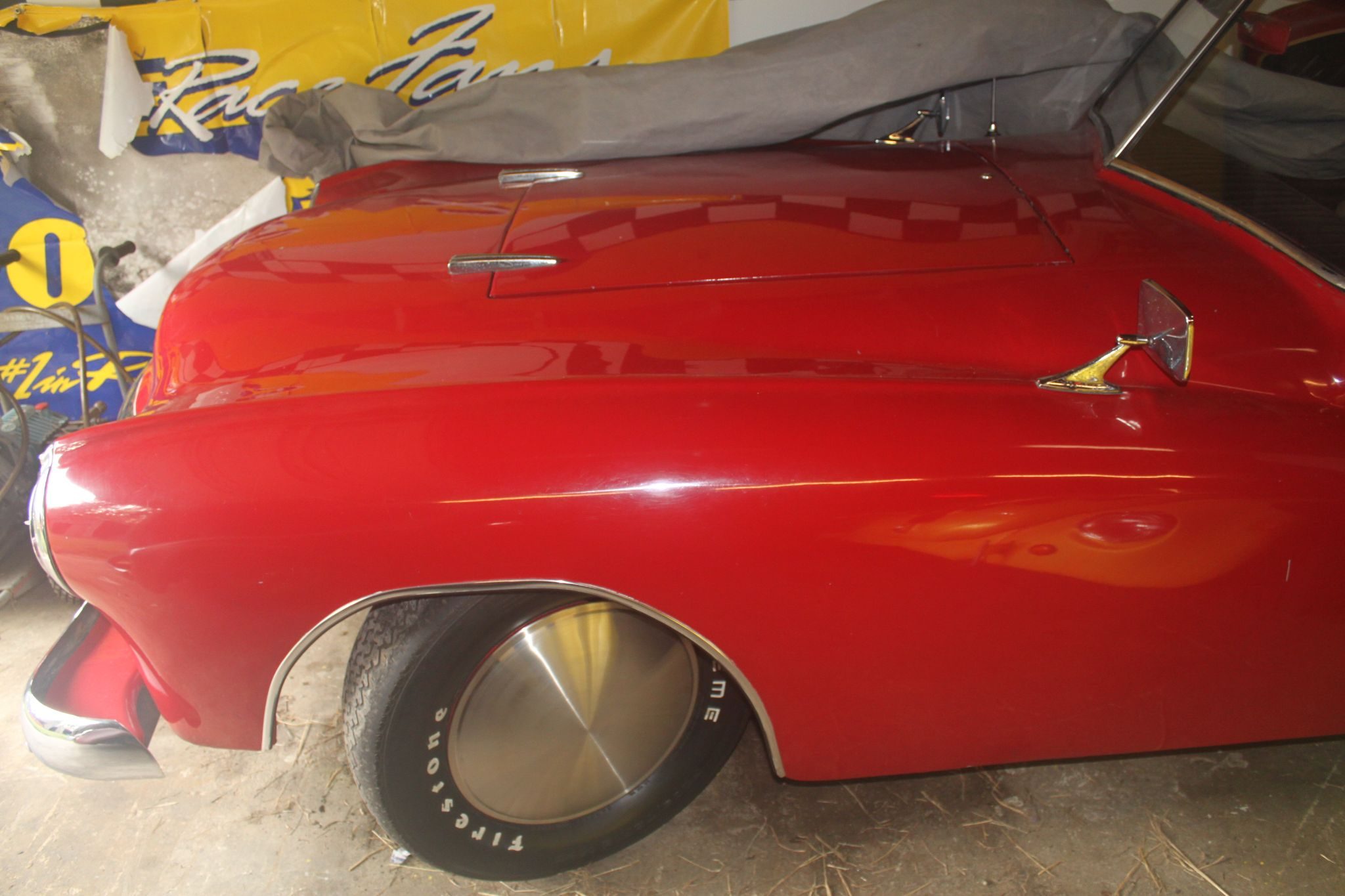
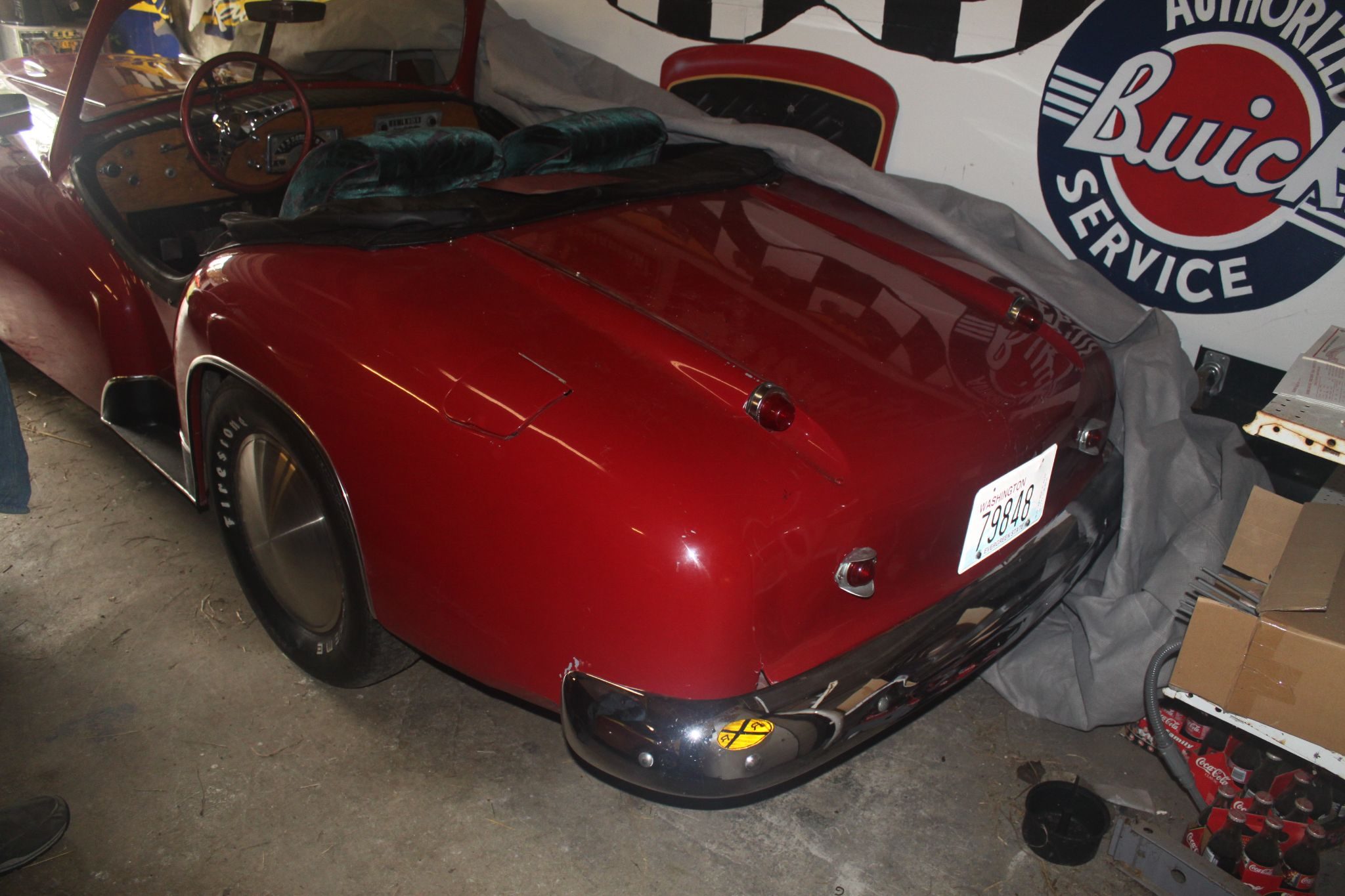
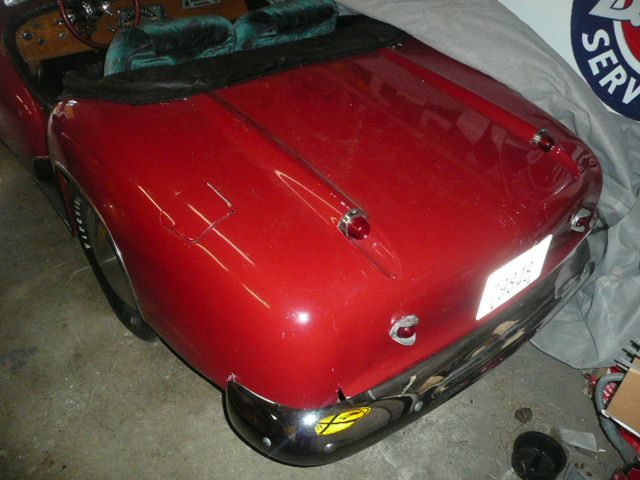
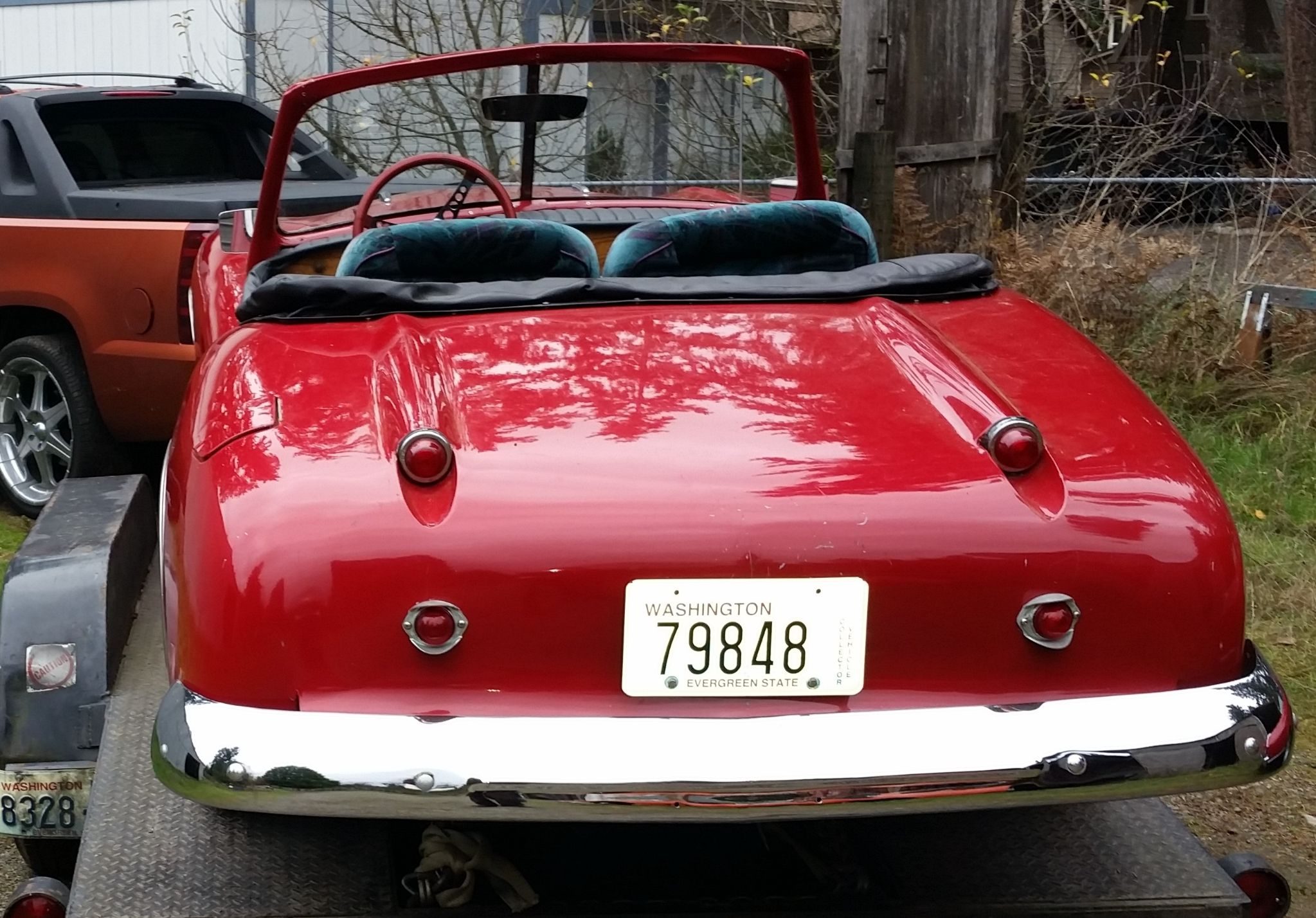

Those don’t look like any Chrysler hubcaps I’ve ever seen! But that notwithstanding, this is truly one of a kind. And most likely the only one of it’s kind.
They just aftermarket hub caps from the 1970s. They never put those on new Chryslers.
They just aftermarket hub caps from the 1970s. They never put those on new Chryslers.
Full Moon wheel covers. (VS baby moom.hub caps) Very interesting vehicle.The Henry J chassis is very robust, so if you wanted to upgrade the engine, the chassis woyld not be of major concern. I think a period V8 would be cool. An older Oldsmobile or a Nail head Buick. Or try the Allard thing with a Caddy engine. It looks kind of fast (in a nostalgic way) So a period V8 would be cool. 318 Poly Plymouth? OR even a flathead Ford?
I guess I just can’t leave well enough alone.
It looks like my previous comment got deleted but that type of hubcaps were used on cars running at the Bonneville Salt Flats back in the day and they’re still available aftermarket.
That looks to be a poor man’s Kaiser Darrin, not a poor man’s Porsche.
I’d buy that just for the groovy seats.
This is one of those exercises best left to fade into oblivion!
Those seats are horrendous. One pic shows a different seat that looks much more fitting to the character of the car. I really wonder how sporty it is hauling that all steel body around.
To say this is unusual is an understatement. Holy Moly! It’s a remarkable piece of engineering, they did a nice job of piecing a myriad of parts together and making what I think is a very cool car. The only thing I’d potentially change is the windshield and the seats, and for sure the hubcaps. I can’t find any evidence that those were made by Chrysler, but I do know they’re called Racing Disks and have been widely used on cars that run at Bonneville Salt Flats. Here’s a website I found that sells them: https://hubcapmike.com/vintage-hubcaps/racing-disc-wheel-covers/
No doors, just a step plate, interesting. Also, no trunk lid. Perhaps the seats fold forward for luggage semi-access. Looks like most of the weight would be the front and rear bumpers (and the grill). I’m sure the builder had lots of exciting dreams about what the finished product would be. I hope he had fun on the project.
That’s a very interesting looking car. Appears to have a top, but no wipers.
Nothing Porsche about this. A bit of an ugly duckling. Those are what I call “salt flat” wheelcovers — nothing the Chrysler Corp ever cranked out. The seats remind me of something from the movie Boogie Nights. Still, heres an open car that is not as graceful as a Nash Healey or frog like as a Daimler Dart SP250 ready to find a willing slot in someone’s stable.
Not Baby Moons either.