
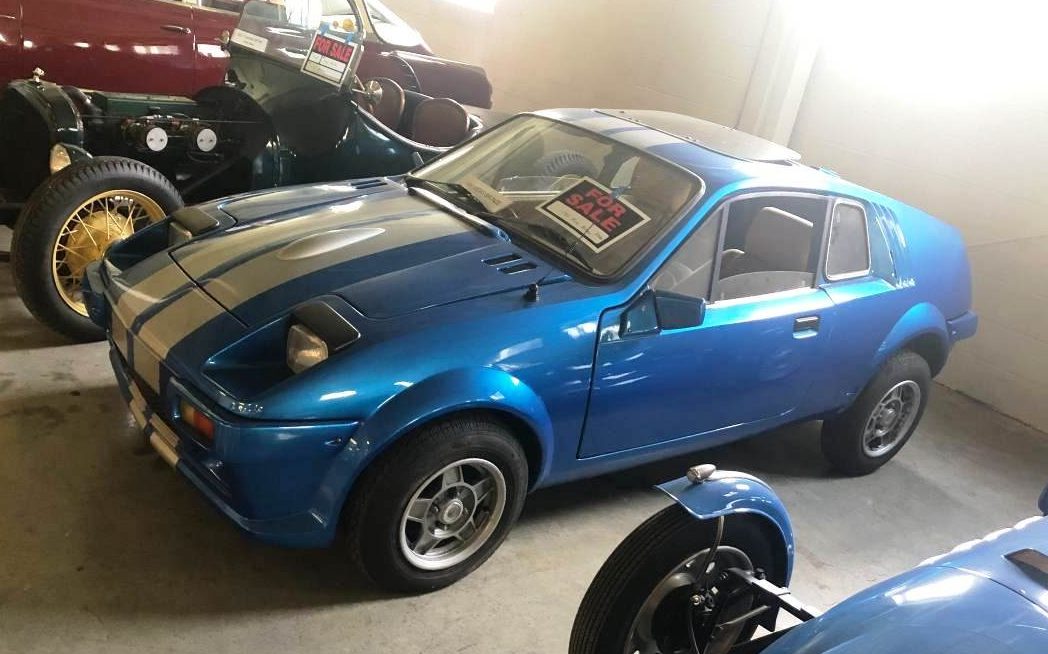
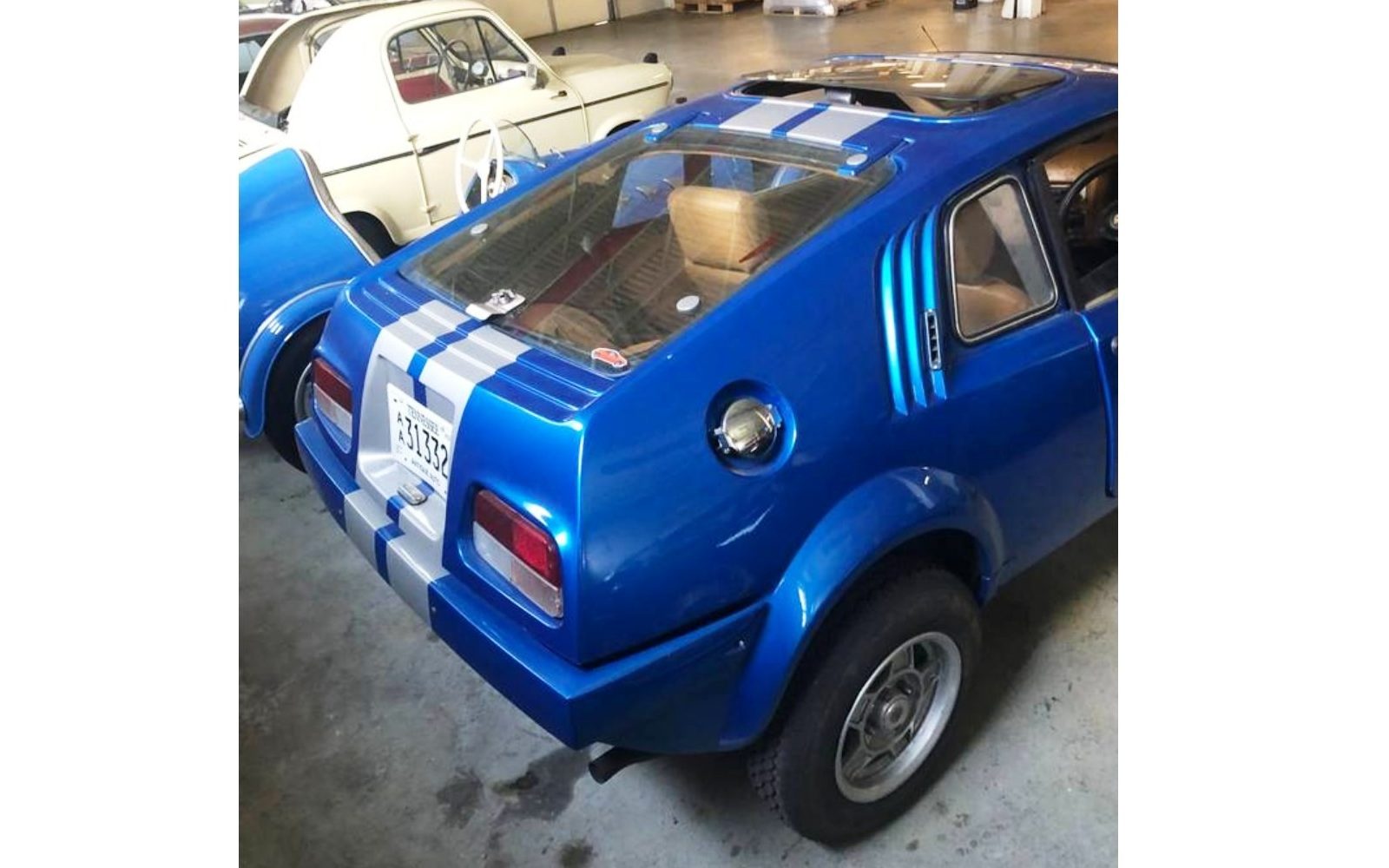
Pairing the ingenious and practical Mini mechanicals with a sporty composite body, Midas Cars, Ltd. offered a kit car called “Britain’s economy superstar,” according to Wikipedia. Where else would we find this specimen of a tiny right-hand-drive British kit car than the home of pickup trucks and country music, Nashville, Tennessee? Though titled as a 1980 vehicle, this unit’s in-bumper turn signals hail from the Mark 2 Midas sold beginning in 1981, according to MidasOwnersClub. Check out a brief description here on Craigslist, where $7500 buys this Music City motor.
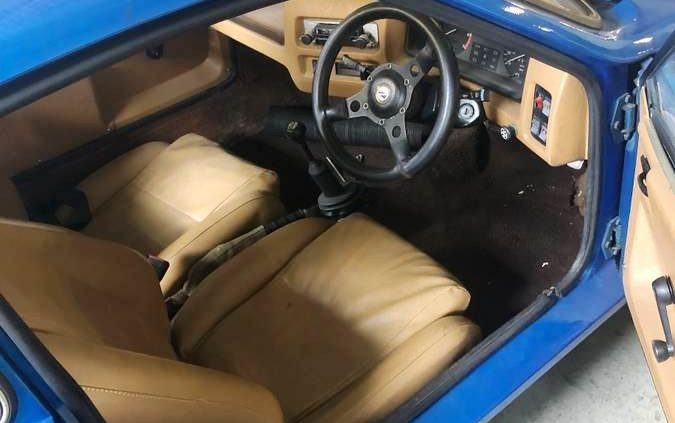
“Bronze” designates the lowest of three trim levels, this before Silver, then, you-guessed-it, Gold. Overall it looks well-kept and supports the claimed 56,000 miles traveled. Far from a simple re-body, the Midas uses a self-supporting composite steel and GRP body with a Mini front subframe and a custom crossmember supporting the rear suspension.
This may be the same Midas Bronze featured by the Lane Motor Museum in Nashville, and if so, sneak a peek at the engine here at LaneMotorMuseum. The original Mini pretty much wrote the book on FWD, front-engine economy car design that dominates small car packaging to this day.
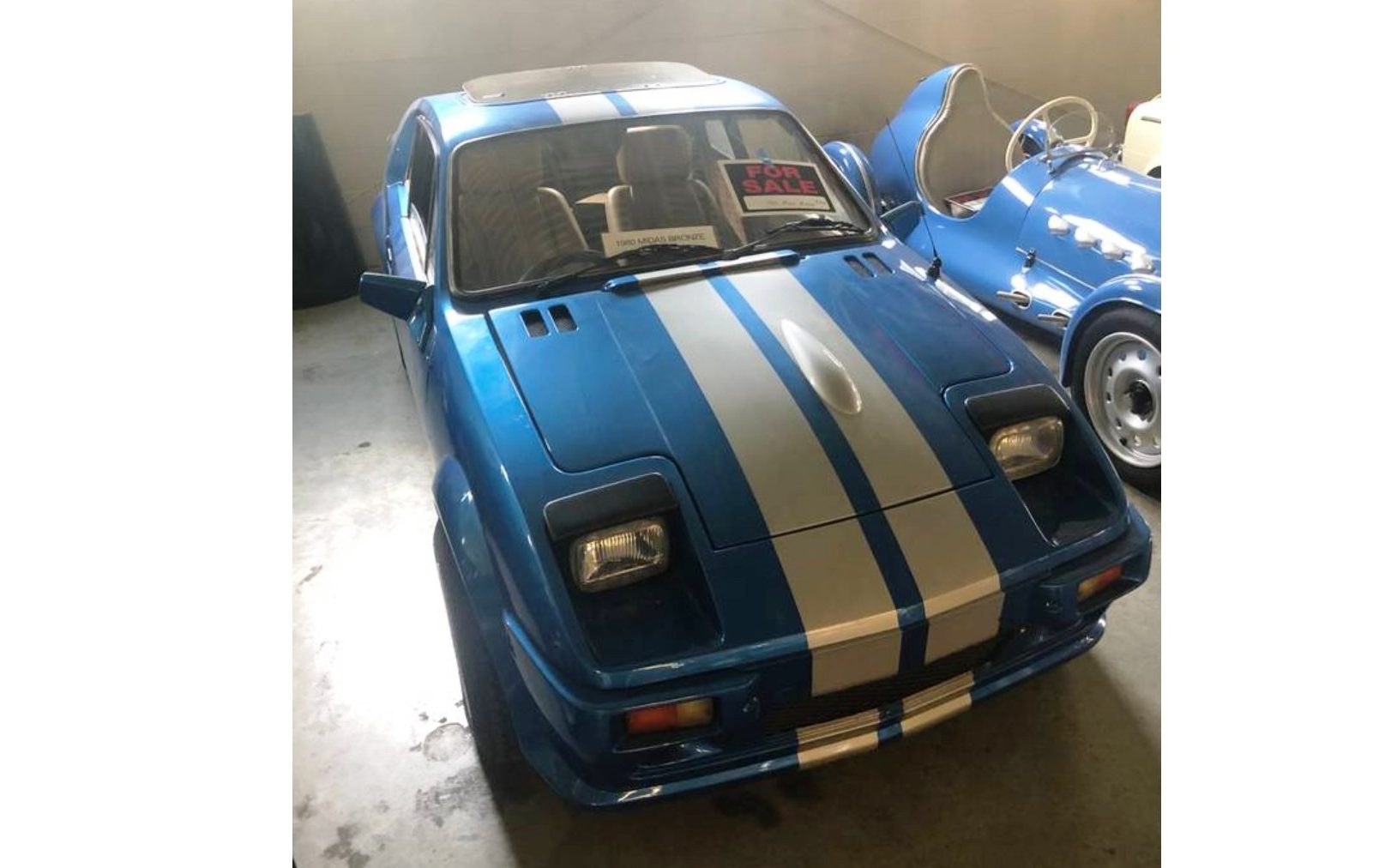
Reviewing the whopping four pictures accompanying the listing, I wonder if we could invent a way to take dozens of pictures that could be saved electronically then easily edited. If that kind of technology could be combined into a small device that might fit in your pocket… boy, that could really help sell a car. Until then we’ll have to accept what we get. Joking aside, I like this little ride. Supposedly it’s a 2+2 with room for four, so long as the back seat passengers are children or gymnastically flexible, or both. The original advertising boasted the Midas could achieve “100 mph, 41.2 mpg, 0-60 in 9.9 secs, & it will never rust.” Where do I sign? Do you picture yourself traversing today’s world of giant pickup trucks. SUVs, and 5000 lb Teslas in this composite mini-powered Midas?


Nice one, Todd! That’s my Mecca, the Lane Motor Museum outside of Nashville. Jeff Lane is a great guy. I met him a few years ago, related to a Barn Finds article that I wrote about a 1962 Walker Power Truck. I was the high bidder, but a guy with hundreds of vehicles in his museum doesn’t mess around; he just clicked on the buy-it-now button, and that was that. I was bummed, but then I got to meet him and got a tour of the hidden basement and it made it worth not coming home with a 1962 Walker Power Truck. Sort of…
Hey, Scotty, thanks! I’ll have to put that one on my list. Most “hidden basement” stories don’t end so well. Cheers!
Ha, no lie.
“Yeah, let’s meet in my basement and I’ll show you this obscure mini bike that I have for sale.”
“Hey, whatever happened to Scotty G?”
I get offers like that all the time-I always check the beard length, breath, and teeth color first….Great Midas!
That’s an interesting car,& the price seems fair.
I too stopped by the Lane Museum on my way to Virginia
in 2015.Although they were closed,one of the employees
told me that I could go & walk around & see the cars.
I was stoked!
Just as brief are the pictures, but enough to show an interesting collection!
So what would a silver or gold have? A cup holder? Very tiny and very cool!!
Another little’ Brit kit’ that I have never seen. I like it! No rust is a great benefit! For me, I don’t know about 100 mph. I did 85 in the rain at night in a 1275 Countryman and that was white knuckle time for me! Plenty of speed that low to the ground!!
These are really cool..there was also the similar Mini Marcos by the Marcos GT folks.I wonder if you could register this in Ca….
There’s more pedigree to the Midas than meets the eye. Gordon Murray was an esrly adopter and enthusiast. Gordon Murray designed Championship- winning F1 cars for Brabham and McLaren, the McLaren F1 and then went on to build amazing Supercars under his own name. Gordon Murray is a design genius who has never put a foot wrong….
Everybody puts a foot wrong occasionally-we just don’t always hear about it!
Fun fact: these cars were designed by Richard Oakes, the designer of the Nova kit car back in the late 60s.