
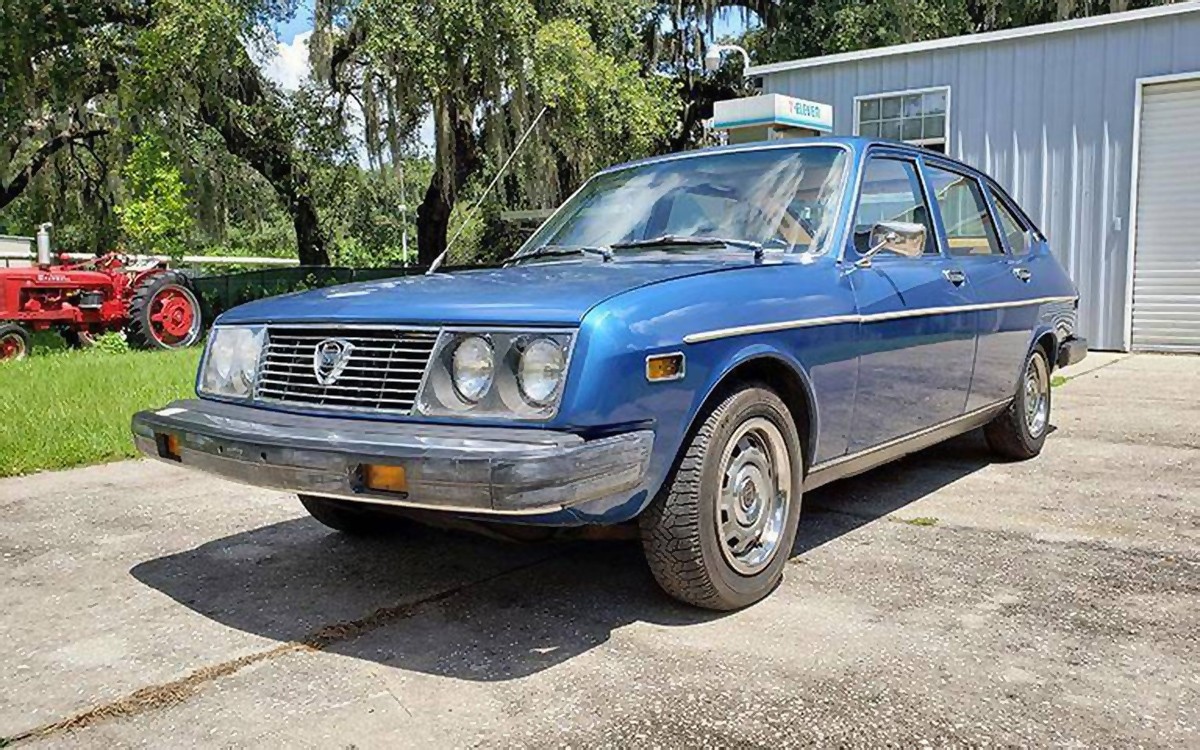
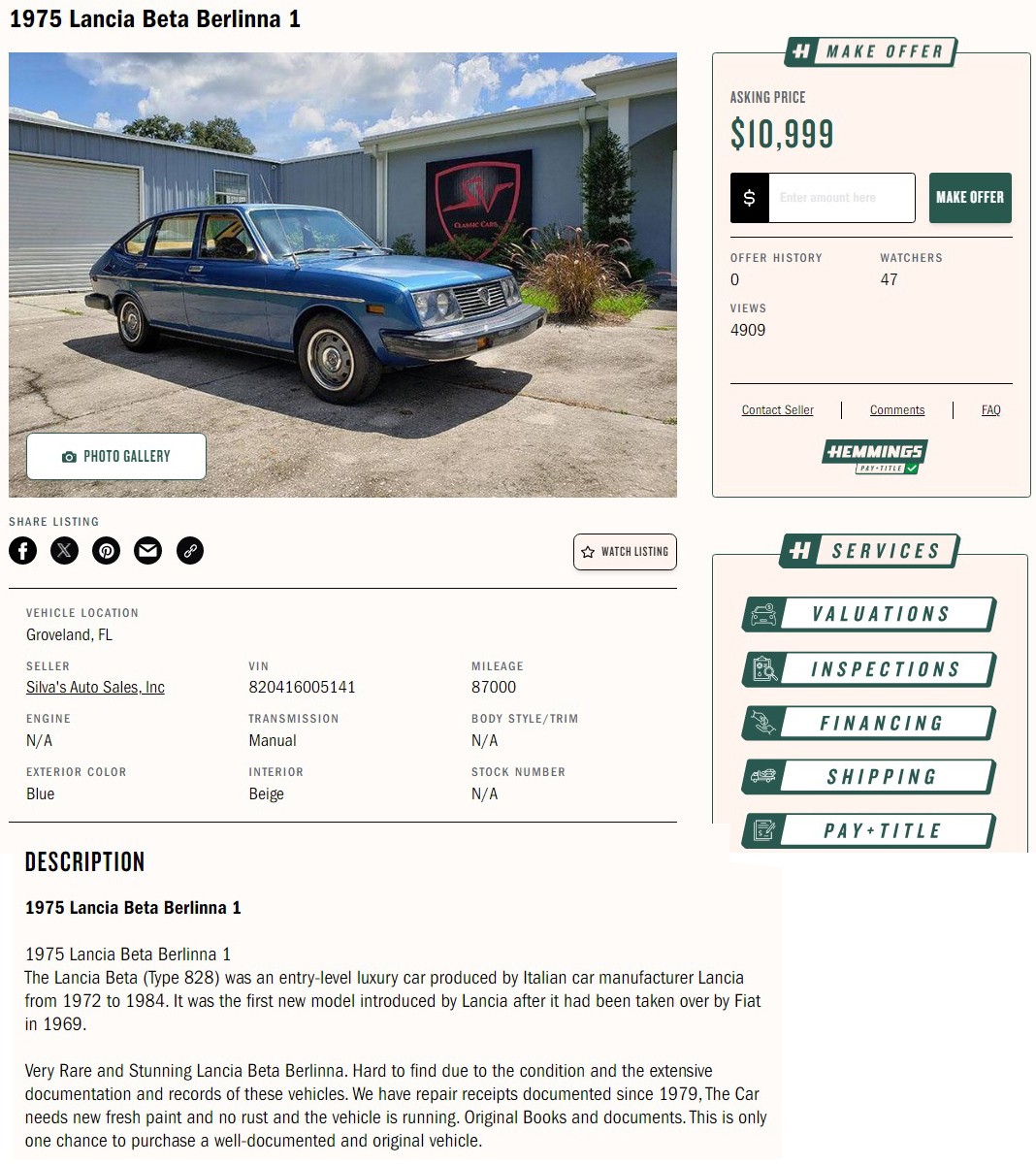
Looking appropriately Americanized in its first year on sale in the U.S. market, this 1975 Lancia Beta Berlina appears to have been as well-preserved as a 1975 Barolo Riserva Dosio Speciale. I normally don’t compare vehicles to wine, but in this case, when in Rome… The seller has this rare-in-the-U.S. example listed here on Hemmings in Groveland, Florida and they’re asking $10,999, which is the equivalent of 73 bottles of fine Italian wine. Here is the original listing.
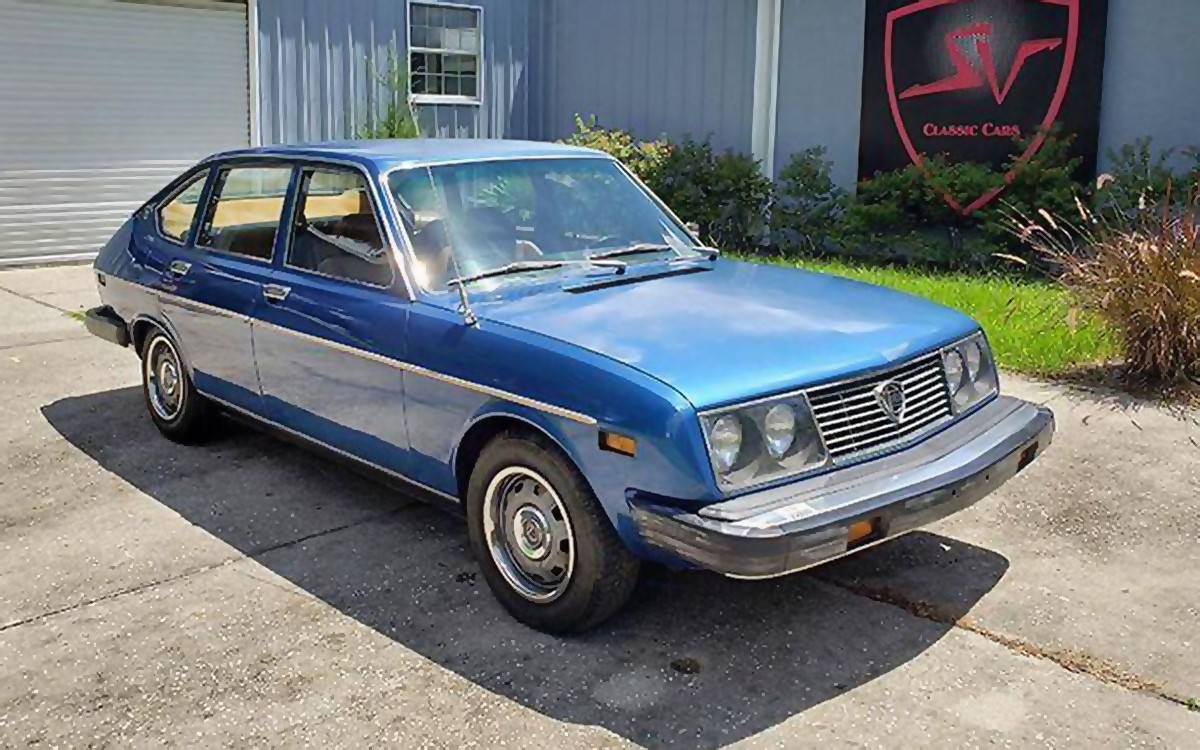
The bumpers are as ungainly as a nose ring on the Mona Lisa, but this was the mid-1970s and all sorts of new regulations were catching up with automakers. It didn’t matter if they were making cars here, in Italy, Germany, Japan, or anywhere else, to sell vehicles here they had to put these giant bumpers on what could be otherwise considered beautiful cars. This one is said to be rust-free.
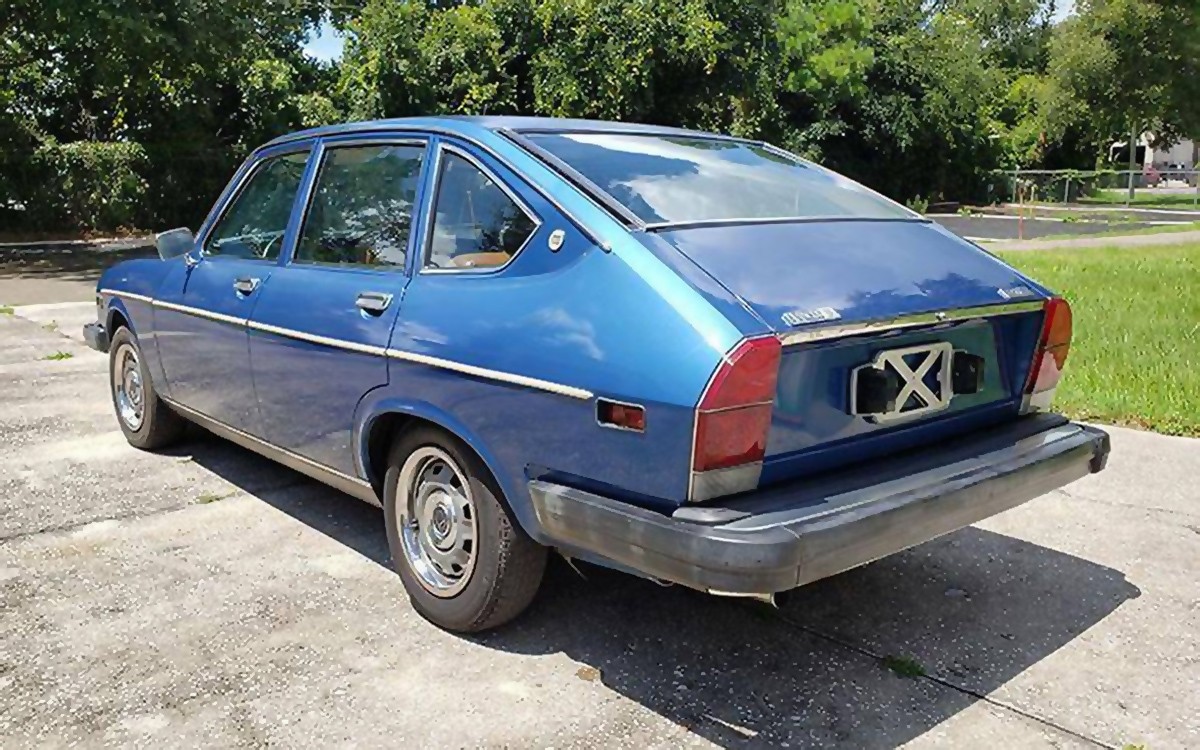
I’m probably not the only one who gets a bit of a (gasp) Chevette four-door hatchback vibe from this car. This Lancia is not a hatchback, for the record, it just looks that way, it has a trunk and fixed back window. And my apologies to company founder, Vincenzo Lancia, who had passed away 35 years before the Berlina was introduced, for comparing this beauty to a Chevette. Lancia was struggling before Fiat gained control of the company in 1969, and Sergio Camuffo, head of engineering, was given the task of finding enough former Lancia engineers and designers who were somehow able to create the new Beta model for its 1972 debut; Lancia’s first new car under Fiat ownership. They were available in the U.S. beginning in 1975, coincidentally the model year of the car shown here.
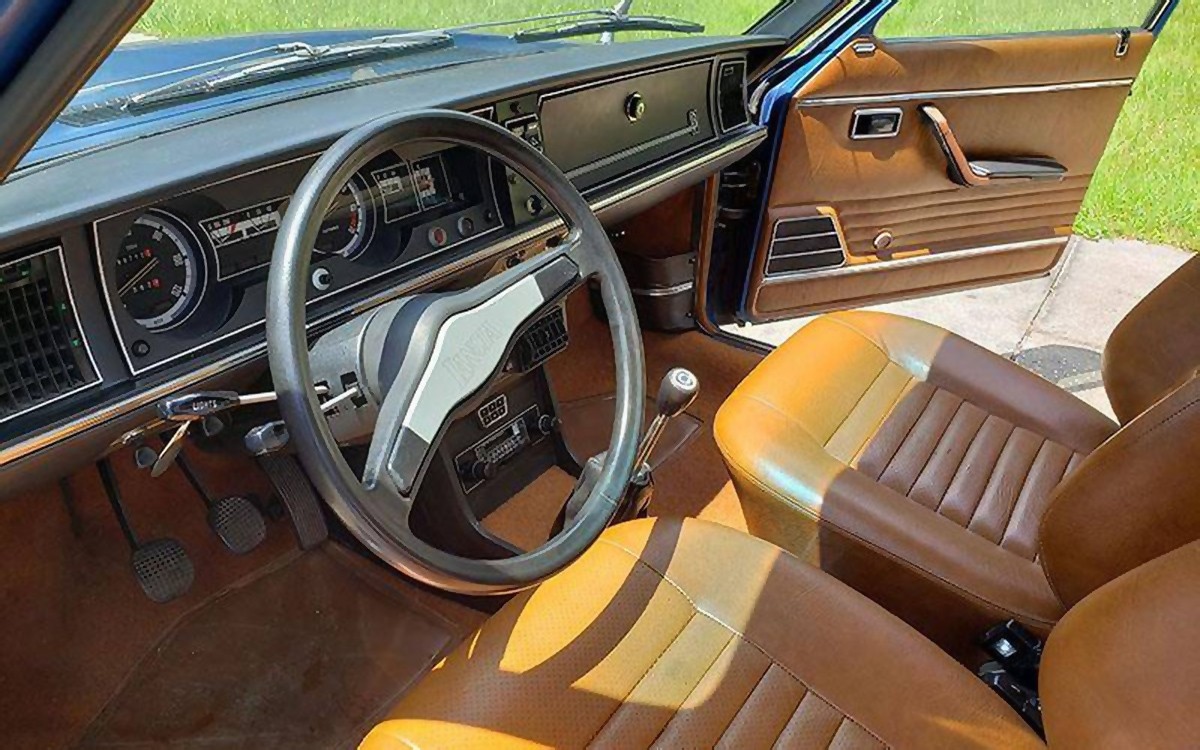
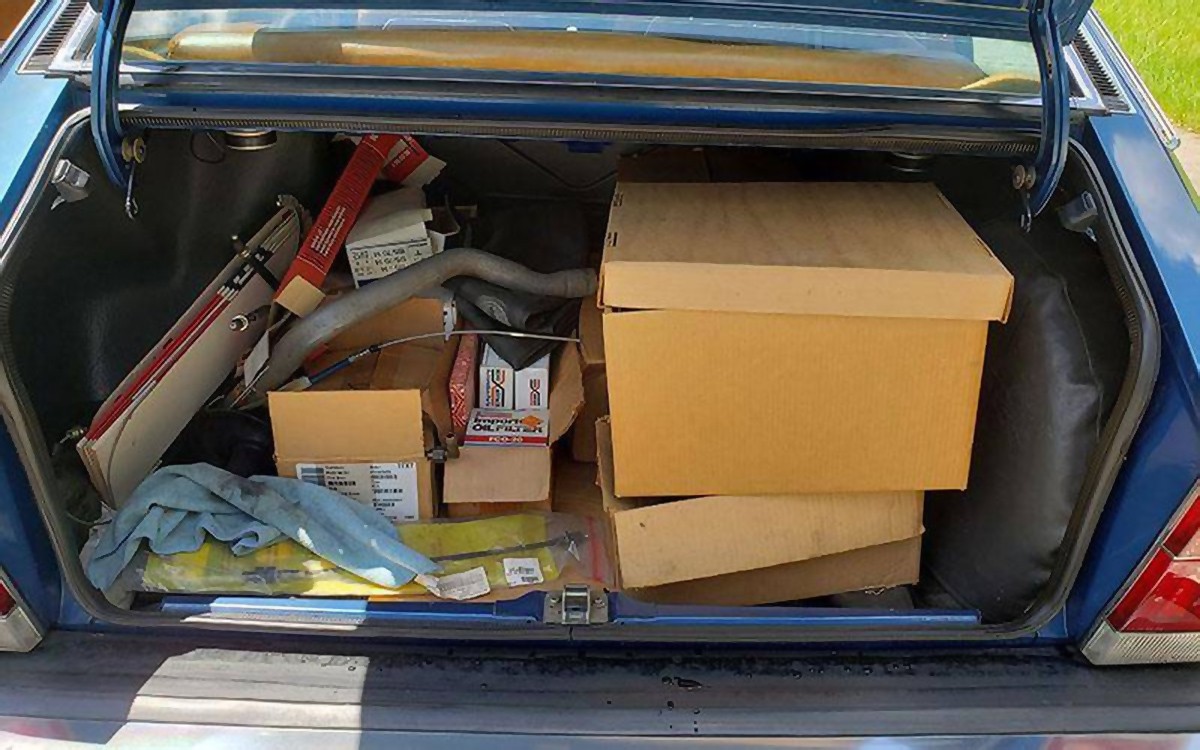
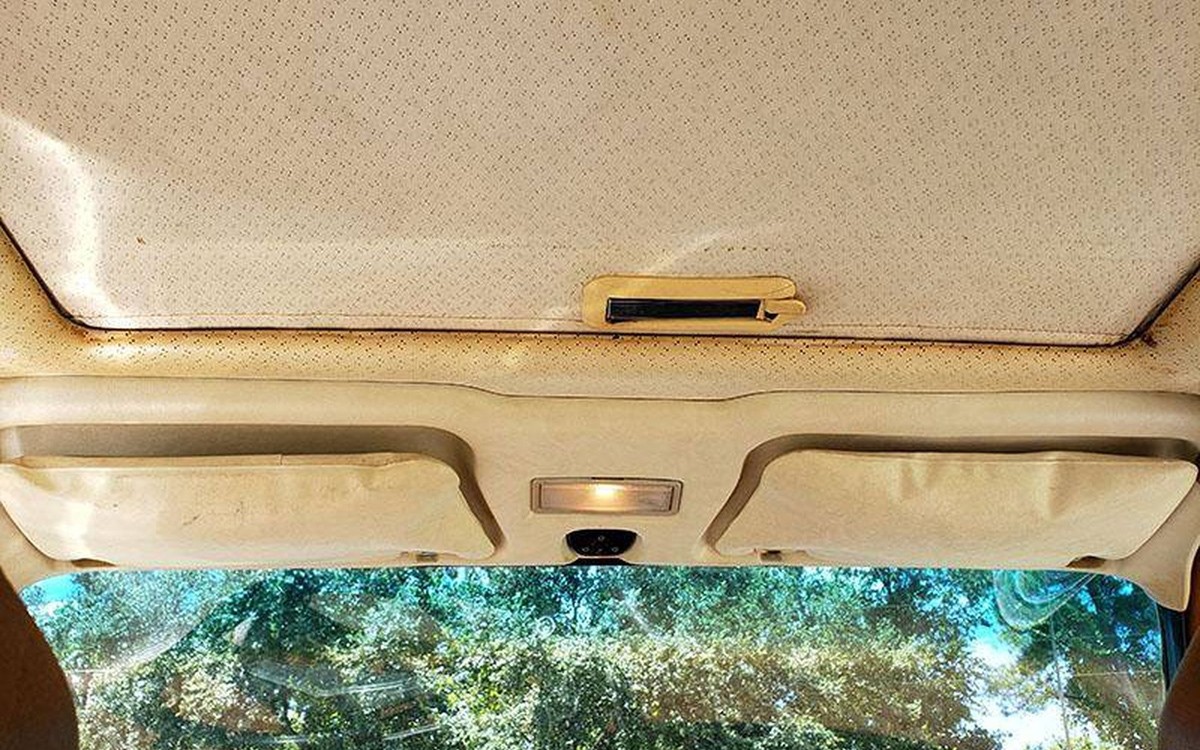
A gorgeous and almost-perfect-looking interior awaits the next owner of this Italian sedan/saloon, and, as expected, a five-speed manual transmission is seen here. Anything less would have been incomprehensible for an Italian car. The back seat does not look five decades old and the trunk is overflowing with spare parts and other goodies. This car also has a sunroof but there’s no word on its function.
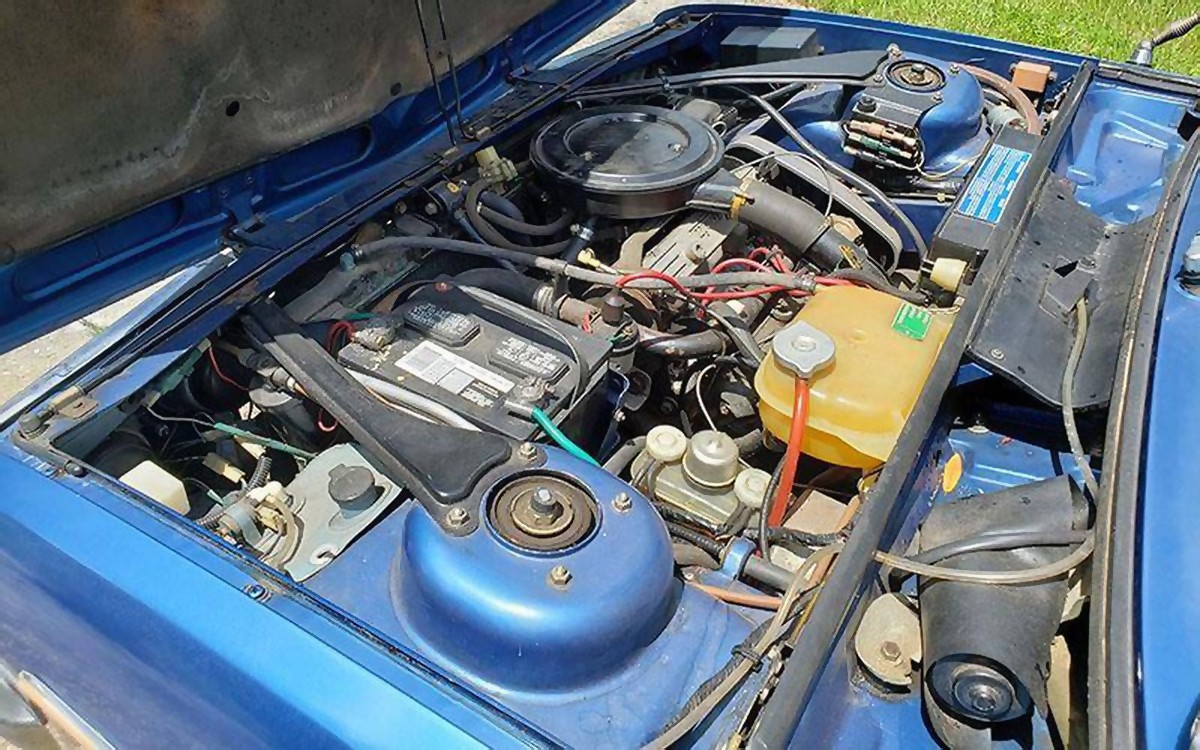
The engine is Lancia’s 1.8-liter DOHC inline transverse-four with around 90 horsepower flowing through that five-speed manual to the front wheels. The seller has maintenance records dating back to 1979 for this now-rare car. Have any of you heard of the Lancia Beta Berlina?




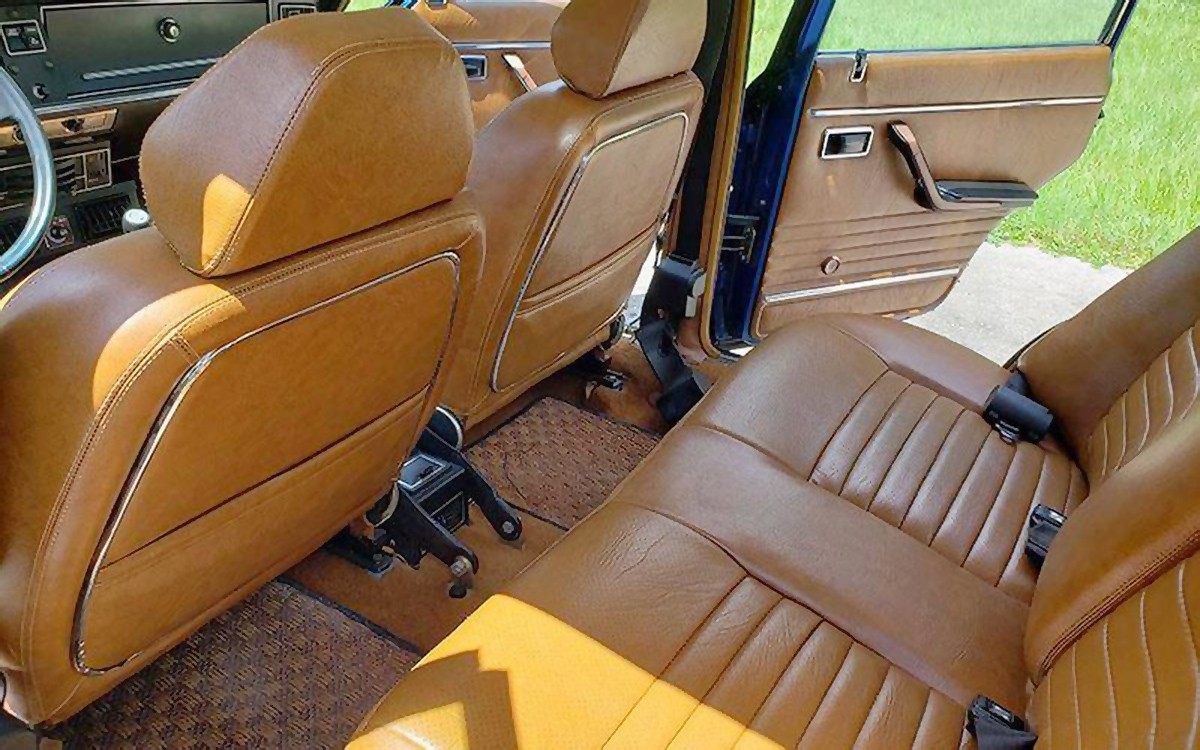
For a Chevette has a nice interior.
Ditto, Chevette fastback or spawn of a Chevette and VW 411 fastback. Interesting, never saw one.
I was thinking the car looks like a blend of Chevette and Plymouth Fire Arrow with a dash of Citroen and Renault added to the mix.
More like a Chevy Citation styling-wise (not to mention size), tho’ of course that model came well after the Beta and probably nicked some styling cues from it, too bad they didn’t just copy more of it outright… (more on that below)
Never saw one of these before. They must have been rare as he’s teeth in the US. This would be a fun one to take to shows. Bet it would attract a ton of curious car lovers.
*hen’s teeth.
And I wonder if that recall work was ever performed!
I had a 1976 Beta in the 1980s .
It ran great but loved tin mites.
As a long-time Lancia owner, I’m really surprised to see that one of these 4-doors still exists in the US. I’ve had Zagatos and seen many coupes, Scorpions and HPEs, but never a Berlina.
Funny, same situation here – a Coupe, Scorpion and an HPE too. But I have never seen one of these listed anywhere, and of course, never one out in the wild. But – I said to myself I would never own another Lancia (too much trouble with maintenance/parts and aging everything). One would have to be very, very passionate about Lancia/Fiat to bring this one home.
“I’m probably not the only one who gets a bit of a (gasp) Chevette four-door hatchback vibe from this car.”
Close. I’ve read from several sources that GM bought one of these and used elements of its styling on the 1980 X-body 5-doors.
GM purchased several Beta berlinas as powertrain test mules for development of their FWD X-cars, too bad they didn’t just copy more of the Beta’s engineering outright.
The Lancia Beta was the very first car mass-produced to the overall engineering formula that ultimately prevailed across the industry worldwide, boasting FWD with a transverse powertrain, DOHC engine, 5-speed full-syncro transaxle, 4 wheel disc brakes, rack and pinion steering, and a fully independent strut-based suspension with a multilink rear — all commonplace in recent decades, but few cars had any of that, let alone all of that, when the Beta debuted in 1972, nor many more when the platform retired a dozen years later, though many subsequent Fiat-family platforms inherited much of what the Beta pioneered.
There rare anywhere they were renowned for literally rusting on the showroom.
I’m surprised that this has a trunk rather than a hatch.
Very pretty car.
I immediately thought of the Chevette, too! I proceeded to look at other views of the car just to see how much like the Chevette it looked. Kinda spooky, really. :)
I immediately thought of the Chevette, too! I proceeded to look at other views of the car just to see how much like the Chevette it looked. My initial thought was, “Huh! Somebody put dual headlamps on a Chevette!” Kinda spooky, really. :)
My uncle worked as sales executive in Lancia and happended to drive a Beta as Company car in the early 70ies. The same car was handed over to my father as the mileage was still low and the price nice. Fiat had been running Lancia for just few years but still a lot of Lancia vibe survived especially in the interiors. It was a dark “Blu Lancia” with cream cloth (“panno Lancia”) covered seats. That time I used to spend summer holidays in Jersey (Channel Islands) and I remember that the family who hosted me owned a Lancia Beta Berlina together with a Aston Martin. Thar Beta was in a surprisingly fire engine red never seen in Italy. The gentleman who possessed it was indeed really proud of its red Lancia.
These are good cars with a terrible reputation. There was a design flaw in the front subframe which could rust out in less than 3 years. The exterior panels rusted as well, so the Beta killed a lot of interest in Lancia. The Russian steel thing is an urban myth, however, FIAT’s steel was sourced in Italy, which doesn’t mean it was good steel.
Traditional Lancia people bemoan the FIAT management of what was a bankrupt company, which seems unkind. So the Lancia engine you refer to is a Lampredi FIAT twin cam and most of the running gear is FIAT *so not hard to source(. Lancia was aimed at a higher segment of the market. To recap, nice car, not expensive, hope it goes to a Lancia freak.
That subframe design flaw only affected the very earliest run of Beta berlinas; they already corrected it by the time the other bodystyles (coupe, HPE, and Zagato spider) started production from ’73-on. The flaw allowed water to collect in the mount points where the rear of the powertrain subframe bolted to the body, leading to rapid rust-out of that area esp. where winter roads were salted.
The other rust foibles of Italian cars from that era weren’t so much about the quality of the steel but, rather, frequent labor strikes, often leaving bare bodyshells and panels sitting idle and exposed to the elements before they even got primer. This explains why some owners had horrorshow rust while others didn’t see much if any worse than other cars of the era, depending on exactly when their respective cars were built. Those surviving today tend to be the good ones built without much if any such interruption.
The only thing FIAT about the Beta was the styling of this berlina variant (drafted at Fiat Centro Stile) and that DOHC engine designed by Aurelio Lampredi of Ferrari V12 fame, which was one of the most advanced and efficient engines in Europe at the time and thus really a no-brainer for Lancia to adopt for rapid development of the Beta as a long-overdue replacement for the aging Fulvia.
Aside from that and minor parts-bin items like the odd bracket and such here and there, literally everything else about the Beta was designed in-house at Lancia by Lancia engineers and stylists who remained on-staff after the buyout.
Yeah, never seen one not horribly rusted out. Always rusted out door bottoms…heck everywhere.
I don’t see the Chevette. I’d say more along the lines of a four door Scirocco or a more sleek Dasher.
Wonder if those taillights are the same as a Fiat 124 Coupe? Looks like it.
The tail light styling is similar to the CC-series 124 Sport coupe, but not actually the same if you compare them closely.
These are the cars that started to kill off the Lancia name forever in the UK. (Yes, we had the Y10, but that was simply a rebadged Fiat Cinquecento).
Ironically, we still get Lancia cars now – but unlike the ones in the rest of Europe that still have the Lancia badge, ours come with Chrysler name on them.
nice
I had one back in the late 80s. Yes the car was ugly, and had some rust on the hood but nowhere else oddly enough. It was burgundy in color, same interior color and condition as this one has. I drove it up until the engine exploded (rod through the block) at almost 200K miles. It was an ugly car but ran so well for so long that when that happened, I laughed out loud and said “oh well, who can complain really?” It was a love hate relationship. Super comfortable interior though and it really did handle well.