

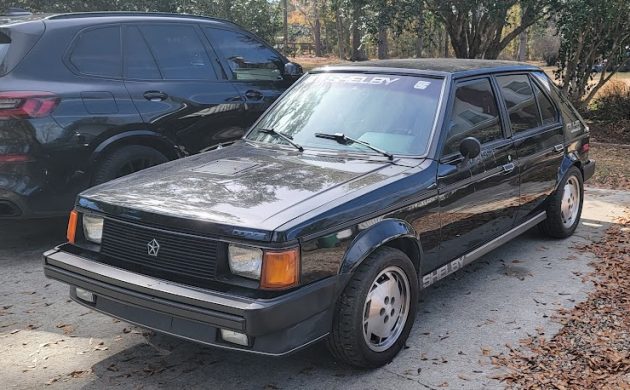
Hot hatches were a staple of the 1980s, though some were hotter than others. The Dodge Shelby Omni GLH-S was a one-year-only model that provided exceptional performance for its size. Only 500 cars rolled off the factory floor in 1986, each with a numbered dash plaque. Our featured GLH-S is one of those cars and is a genuine survivor that runs and drives well. I must say a big thank you to Barn Finder PRA4SNW for spotting the Omni listed here on Facebook Marketplace in Havana, Florida. The seller listed this beauty for $18,000.
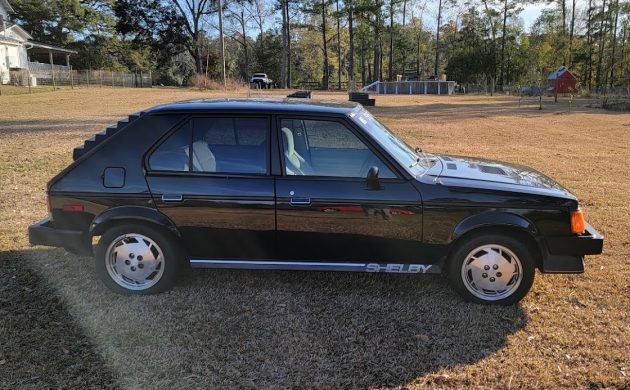
The Omni, introduced for the 1978 model year, was Dodge’s entry into the subcompact market segment. It featured front-wheel drive and competent performance, and the styling was considered neat and contemporary. Its styling remained largely unchanged until production ended in 1990, and it is one of the few cars from the era with styling that aged quite well. The company handed it to Carroll Shelby in 1984, resulting in the high-performance GLH variant. The 1986 model year introduced the GLH-S as a limited-edition run of 500 vehicles. Cars received some aerodynamic additions, unique vinyl decals, and a beautiful set of 15″ Shelby Centurion alloy wheels. Our featured GLH-S brings plenty of positive news. The seller says the underside has light surface corrosion, but no penetrating rust. Its Black paint holds a healthy shine, and the decals look crisp and clean. The wheels are the only exterior item needing TLC. They look okay, but the seller says they would benefit from professional attention to present at their best.
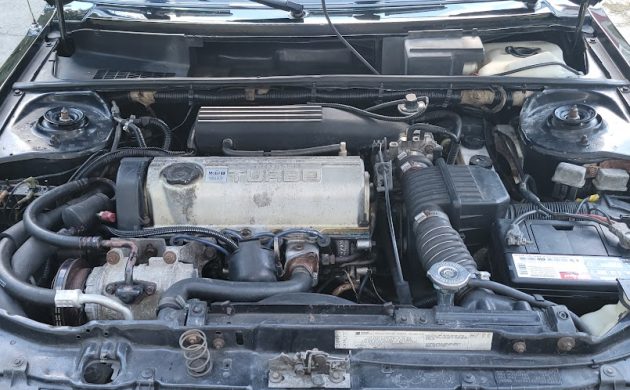
Carroll Shelby said that the Omni’s GLH designation stood for “Goes Like Hell.” Therefore, it was unsurprising that the GLH-S was tagged “Goes Like Hell S’more.” It was a pretty potent package, with the 2.2-liter four under the hood receiving a Garrett AiResearch T03 turbocharger, an air-to-air intercooler, a unique intake, and a 46mm throttle body. It placed 175hp and 175 ft/lbs of torque at the driver’s disposal. Power was sent to the road through a five-speed manual transmission, with adjustable Koni low-pressure gas shocks and wider tires as part of the package. The company claimed a ¼-mile ET of 14.9 seconds, a figure matched consistently in contemporary road tests. The seller has performed a long list of recent work, including rebuilding the transmission, fitting a lightened flywheel, and installing a heavy-duty clutch to handle the power and torque. That list is the tip of the iceberg, but the upshot is that the GLH-S is a turnkey proposition that runs and drives well.
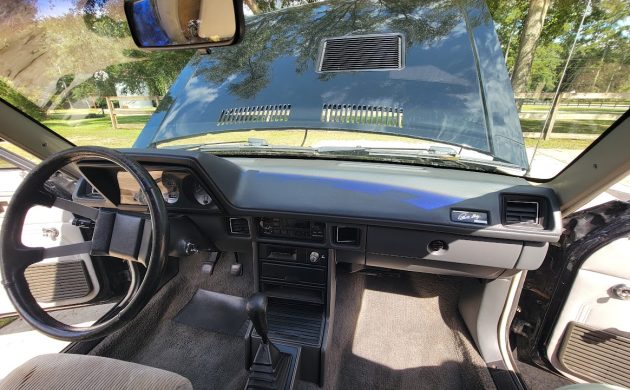
The Omni’s interior is tidy and unmolested, although it isn’t perfect. The headliner is missing, and the driver’s seat has some wear and a split. The window seals haven’t aged well, and the wheel exhibits deterioration. However, the dash and interior plastic look remarkably good, with no cracks or signs of crumbling. It isn’t lavishly equipped, but does feature air conditioning, remote exterior mirrors, an AM/FM stereo radio, and the crucial numbered Shelby dash plaque.
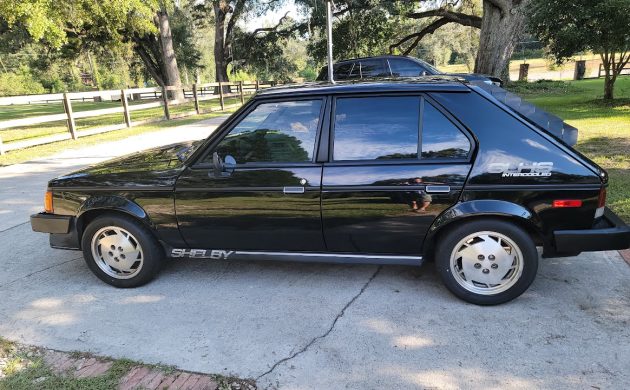
The 1986 Dodge Omni GLH Turbo was a respectable performer, but the GLH-S took it to the next level. The reality is that although forty years have passed since the last cars left the factory, the performance is still considered pretty impressive compared to modern alternatives. This GLH-S is a tidy survivor that appears to have been treated respectfully and not abused or modified. That last point is crucial, because many home-grown “experts” have tried to extract more power from a GLH-S, compromising the car’s originality, reliability, and driving dynamics. The seller’s price looks realistic, but if they are willing to negotiate, the situation could improve. Are you tempted to reach out, drawn by the lure of a 1980s hot hatch? I’d love to learn the results if you do.

Not a super Hot Hatch fan but these cars intrigue me. I missed them completely when they came out but I love the fact that Shelby took a car like this and laughed at the contemporary Mustangs, Camaros, and Vettes.
It’s in my state but my wife would not share the enthusiasm.
My younger daughter though..
Those rear window slats make this much more aerodynamic.
I would’ve liked to have seen another generation of these, with AWD. Something about them says “rally car” to me.
In an alternate universe Shel and Lee built a Group B Omni, the Lada Samara-based one was fully developed and the highest level of rallying turned into the last great superpower showdown of the Cold War.
More aero but “dang!” that rattle when you slammed the hatch,lol.
Very cool cars for the era!!
The ubiquitous 80s hot hatch. Man, these things would squirt through traffic. Kinda crude but totally purposeful. Would it be great to have a time machine or what?
These were really quick little cars for the time, and being a GLHS Shelby factory car definitely increases it’s value. Sale seems to be currently pending.
Yes, now listed as Pending, and not surprised. These are a limited edition version of Shelby history, despite what the negative nellies will say.
And, based on how fast my ’86 GLH-T was, ol’ Shel was right by saying these “Go Like Hell – somemore”.
Wow these cars were little rockets! I had a buddy who had a Rabbit GTI, and one of these guys handed it it’s ass one night while cruising! Man if I had the space in my driveway-turned-car lot I’d put in a tiny garage for this little hot hatch! Talk about rare!!
Most people have no clue to what these were ( as far as pocket rockets go). Even when they came out, they simply looked like every other Omni except for a few appearance items. They were far from a stock Omni!! The other car that comes to mind with a similar situation is the early 90’s Nissan SE-R. It looked like every other SE but was a completely different car! I would like to have had either one of these cars!!