

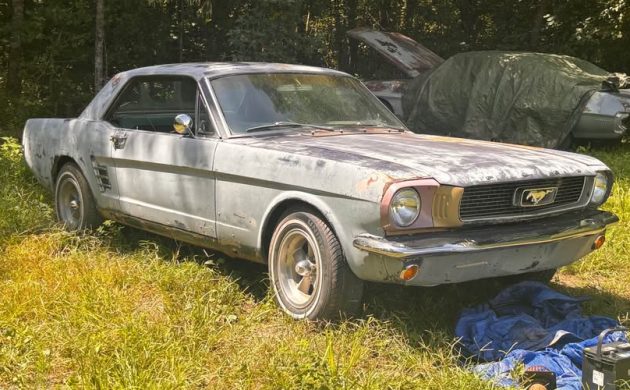
Ford sold a record 607,000 Mustangs in 1966 (on top of the 559,000 in 1965 and 121,000 in 1964). Many of them were built like this one – with a 200 cubic inch inline-6 and an automatic transmission. But the seller began converting this one to V8 power with a 4-speed manual, and that may be where the work stopped. Located in a field in Alpharetta, Georgia, this unfinished and rough project is available here on Facebook Marketplace for $7,000.
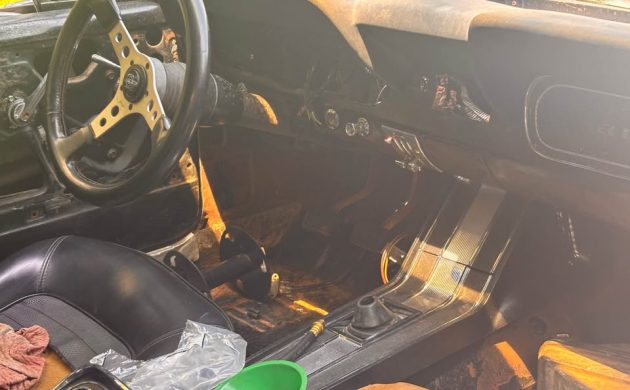
I’m personally not a fan of unfinished projects, as you often don’t know where things truly left off. And you may find yourself replacing stuff that has already been replaced. The seller ditched the factory powertrain and installed a 302 V8 (from 1968 or later) with a 4-speed (vintage unknown). The overall car has 185,000 miles, but do any of them include the transplanted source of power? There is no shifter, though the clutch, flywheel, and driveshaft are new. And the engine was treated to new gaskets and more, perhaps before being installed.
The litany of new parts goes beyond the motor and tranny. These items include the starter, distributor, tune-up, headers, a correct pedal box, front disc brake conversion, gas tank, front suspension, and some other items. However, the wheels have the 5-log setup, so the hubs have already been upgraded from the 4-log combination that the six-cylinders got.
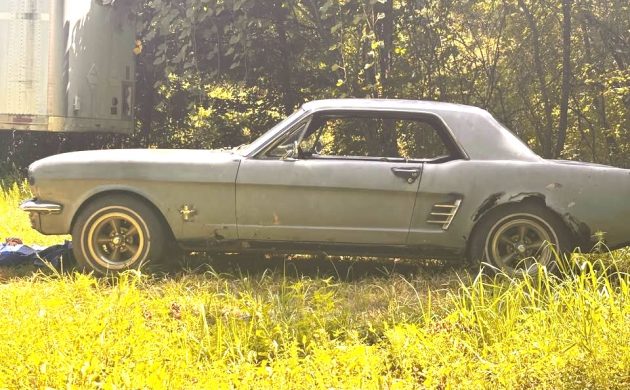
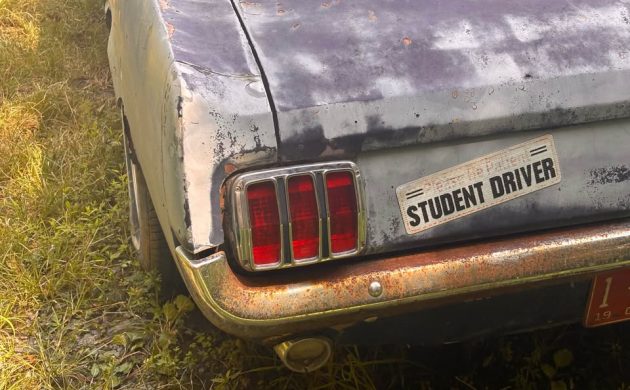
On the negative side, the undercarriage in the rear is rotted out and needs to be replaced. The floor and trunk pans have already been fixed or patched. Should you feel the car isn’t worth the seller’s asking price, he has receipts to back up most of the work already done on the car. But you still have some rust to deal with before applying new paint; the chrome is pitted, and the interior will require an extreme makeover. Is this a project you’d like to finish?

Overpriced parts car.
Steve R
Younger folk will probably never appreciate the impact the first few years of Mustangs had on American society. Just about everyone owned one or wanted one. Kids played games on the school bus where they counted mustangs on the way to and from school and whoever counted the most was the winner. It was the one car that anyone could identify from half a mile away. In a way, it also stood as evidence that boomers had been recognized as a force important enough to be accommodated by society like no youth group before it. It was an automotive phenomenon that, I dare say, has never been duplicated, probably by any other car anywhere, ever.