

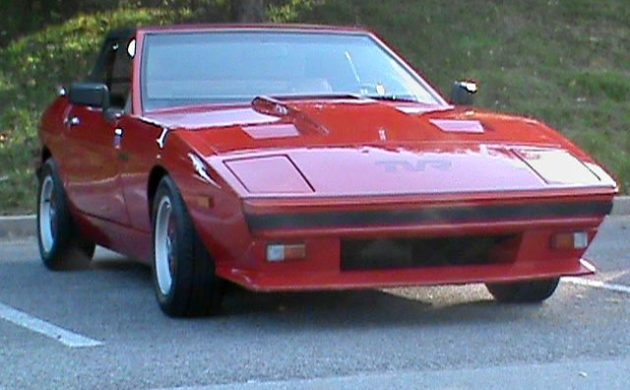
Rarely seen in the US anymore, the TVR 280i was produced from 1980 to 1987. It’s a member of the TVR “Wedge” series, which ran to 1991 and comprised several models, mostly distinguished by engine size. Only about 1167 280is were made, including a tiny number of coupes. In the 1980s, the whole idea of a British roadster in America was akin to swimming upstream – both the MGB and the TR7/8 were on their way out, and convertibles in general were a tough sell. If you’re a diehard British car fan yearning for something unusual, this TVR may be for you. Find it here on facebook Marketplace for $10,000; it’s located in Franklin, Tennessee. Thanks to PRA4SNW for the fabulous tip – keep them coming!
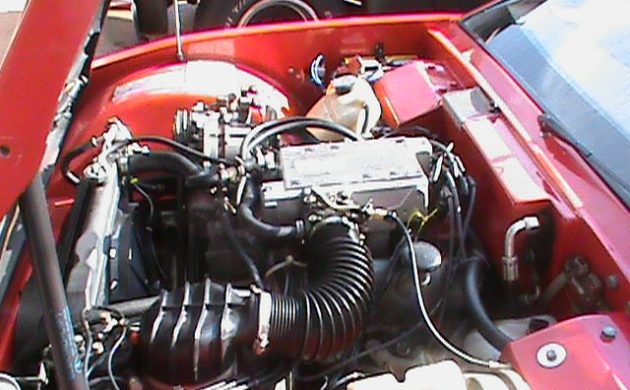
That’s a 2.8-liter, fuel-injected Ford Cologne V6 sitting in the engine bay – a big improvement over the 2.0-liter Pinto four-banger TVR tried to sell as an economy option. The 160 hp mill embedded in a 2400 lb car produced a zero-to-sixty time of around 9 seconds – but only overseas. In the US, the engine received a regulatory detune to 145 hp. The gearbox is a four-speed manual. Brakes are disc all around, but inboard in the rear. If you’re going to work on this car, you need Steve Heath’s TVR “Bible”, if you can find a copy. TVRs were parts-binned together, and Heath will let you know which parts come from what cars, as well as help you navigate the car’s quirky mechanicals. This car shows 38k on the clock; the seller is the second owner and indicated that he racked up 8000 miles during his ownership.
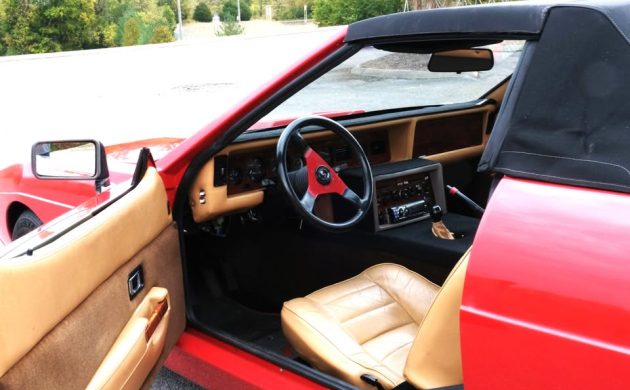
The TVR 280i was no beneficiary of the elegant interiors of the 1960s, with their curvaceous instrument panels and bright gauges. The rectangular boxes here are a reminder that Oliver Winterbottom’s styling prowess did not extend to the cabin. Despite the low miles registered on the odo here, the driver’s side upholstery exhibits wear – visible despite the cursory glances we are provided in the photo suite. The top offered three positions like a drophead coupe.
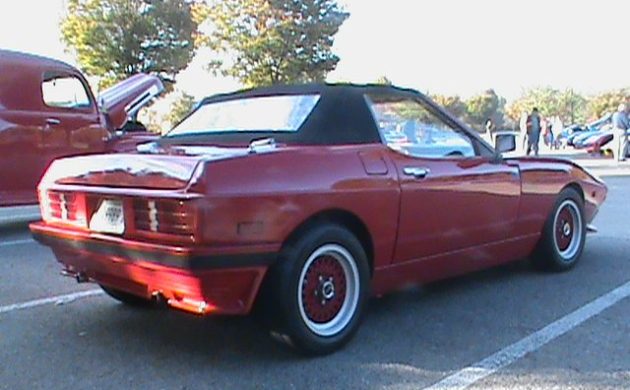
While it has a fiberglass body, the TVR can still throw a few curveballs in the rust department. It sits on a steel backbone frame with outriggers that support the sills. These will rot with abandon. The fiberglass panels won’t reveal the problem; a screwdriver will help. Forum participants note that the body was set onto the chassis with burlap padding between the two elements. Burlap absorbs water and rusts the steel beneath it. These factors are enough to encourage an in-person inspection of any 280i you may have in your sights. It will pay to find the best you can buy.

Looks like a bargain for 10K. Go into the used car mainstream market and see what you get for 10K….. not much……
I have it in the back of my head the TVR was v8 powered, or was that a Griffith? I’m getting so I think I remember what they were based on what girl was involved. An 18 year old mind in an 81 year old body..
That was the Griffith you’re thinking about.
Thanks!