

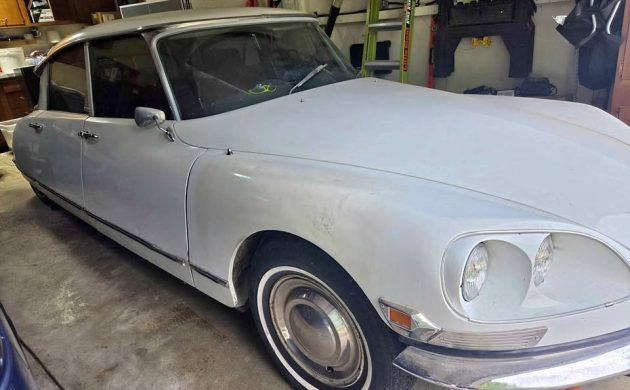
This 1970 Citroen is advertised as an ID19, the less expensive alternative to the famous DS. It shares the DS’s distinctive styling and hydropneumatic suspension but uses a conventional manual gearbox and clutch rather than the more complicated semi-automatic arrangement offered on some DS models. The seller reports that it runs and drives, although the hydraulic system needs work. Located in Tipp City, Ohio, the car is listed here on Facebook Marketplace for $12,000 or best offer. Thanks to Zappenduster for the tip!
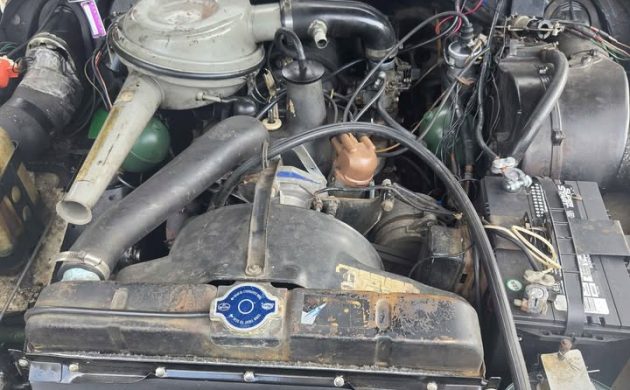
Interestingly, Citroen discontinued the ID19 name for the 1970 model year, replacing it with the D Spécial. The more powerful ID20 was similarly renamed the D Super. These weren’t entirely new cars, but updated versions of the existing ID models, retaining their simpler mechanical arrangements while receiving revised badging and a new three-dial dashboard. That makes the ID19 designation on this 1970 example worth investigating. It could be an earlier car registered in 1970 or simply a D Spécial advertised under its predecessor’s name. Either way, the entry-level model continued with a 1,985cc four-cylinder engine producing approximately 91 SAE horsepower.
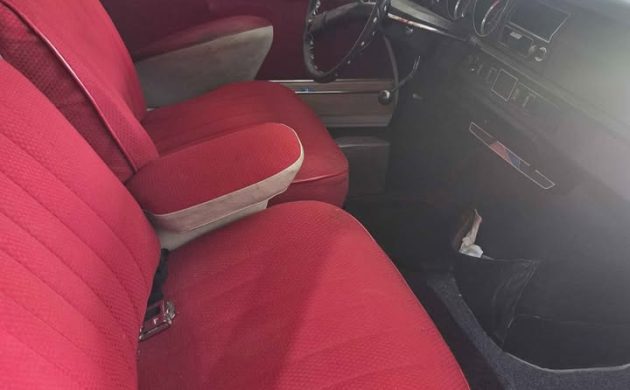
The red interior provides an interesting contrast with the white exterior. The seller’s statement that the car runs and drives is encouraging, but the hydraulic system deserves careful attention. Citroen’s suspension relies on a high-pressure hydraulic pump, accumulator, spheres, and associated plumbing. Depending on the problem, repairs could range from replacing deteriorated hoses or spheres to more extensive work. Prospective buyers should also inspect the body structure closely for corrosion, particularly around the sills, floors, and suspension mounting areas. The actual mileage remains unknown.
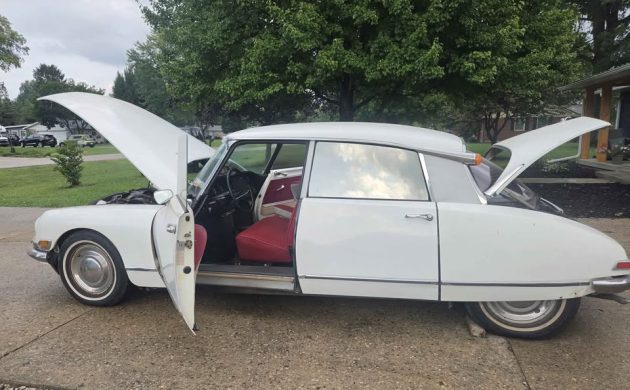
The $12,000 asking price puts this Citroen within the broad range of prices achieved by D Spécial models at auction, although condition makes a substantial difference. The seller’s disclosure about the hydraulics is an important consideration, especially for buyers without access to a Citroen specialist. Parts and technical support are available through suppliers and enthusiast communities in the United States and Europe, but this is still a car that rewards knowledgeable ownership. With the price listed as negotiable, would you take a chance on this unusual French classic?

The stance looks OK, so why not just drive it as it is? That is, what is the hydraulic system NOT doing that it should be doing. Just askin’.
The hydraulic system is not doing as much as it would in a DS 19. The ID was the entry-level car, with a true manual transmission (so a clutch pedal instead of pressurized gear-changes) and, IIRC, a normal braking system with a pedal instead of the “mushroom” button in the floor.
From my own experience as a former DS owner, if there’s not a pool of fluid on the ground, the fault is generally with the pressure pump or its regulator. Leaks almost always indicate bad seals, which are not too difficult to find and replace. I believe this car uses brake fluid in the hydraulic system; the switch to “green fluid” came later. In any case, I’d check the fluid level first, and then the regulator.
Nicholas is right: parts are not the issue they used to be. Had the current sources been around when I owned one, I’d likely still have it. DSes are wonderful.
All Citroens sold by them in the US after mid ’69, had the LHM green fluid (a mineral oil like ATF) in the suspension system Due to our illustrious DOT, the US kept the non-corroding Liquid Hydraulic Mineral green fluid out of cars coming to the US, meaning that even tho the LHM was introduced in Europe yrs earlier, we in the US got stuck with DOT3 brake fluid up to mid ’69. But this car should have the later much nicer flluid. AND I just found a source in the US for the proper LHM fluid, with even a French label! It can be found at industrial shops which cater to heavy hydraulically operated lift booms, caterpillars, and other professional heavy duty road equipment. Cost is about $28/qt – not cheap, but easily available if you know where to look.
Also, new suspension spheres are very reasonably priced – about under $425 apiece at Brad Nauss automotive now run by Paul – can’t recall last name.
For comparison, a couple yrs ago when I had my ’67 DS21 cabrio (with LHM system) at a local Michigan car show, a fellow came by driving a brand new Caddy with the “new” Delco Magnaride electronically controlled suspension shocks – shocks, but still steel springs. He knew about the Citroen hydropneumatic system, and as he was driving away, he said “one of my front Magnaride shocks failed, but it was replaced under warranty. I asked how much the cost was to the dealer – “$2100.00” was the reply, and I don’t know if that included labor! The rears were only $1800!! And I’ll bet there was at least one hr shop labor charge for it – and in many shops the labor rate is upwards of $150-200/hr these days.
So – Replacing a front sphere on a DS takes less than 15 minutes, and can be done with nothing but a strap wrench, and a sphere with never-wearing shock absorber for less than $425 – a BARGAIN compared to the Magnaride system, or any other one like the fancy new BMW air ride on their top model. I rode in one of those last yr in Ca. and it wasn’t as smooth as a DS – so much for “modern” technology!