
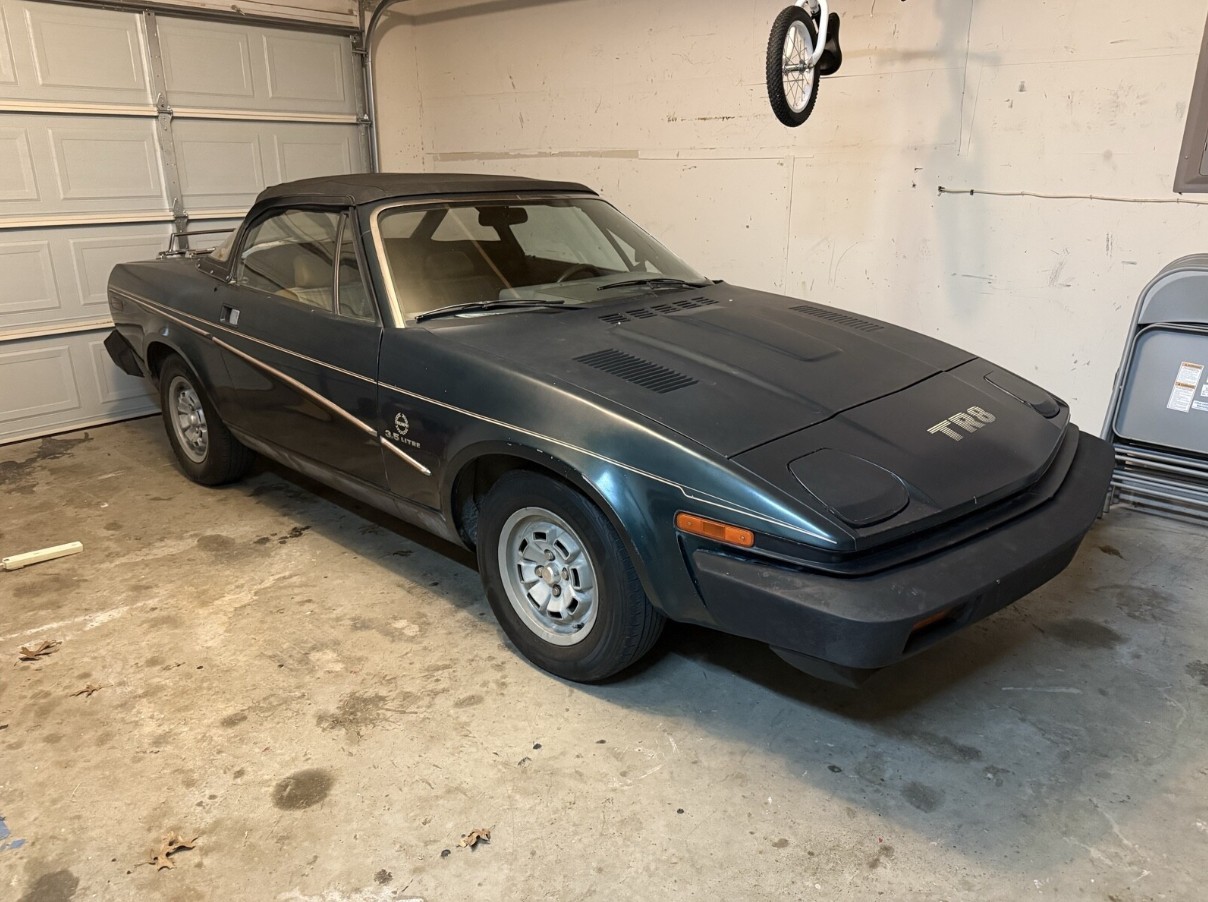
Many people believe that the TR8 Convertible is the car that Triumph’s TR7 should have been from Day One. By lopping the top off the Coupe version and slotting a V8 under the hood, it resulted in more elegant styling and improved performance befitting a sports car. This TR8 left the factory in 1980 and is a rock-solid survivor that runs and drives exceptionally well. The buyer could enjoy all that it offers immediately, tackling any restoration when or if they deem it necessary. This wonderful Triumph is listed here on eBay in Denton, Texas. The seller set their BIN at $11,500 with the option to make an offer.
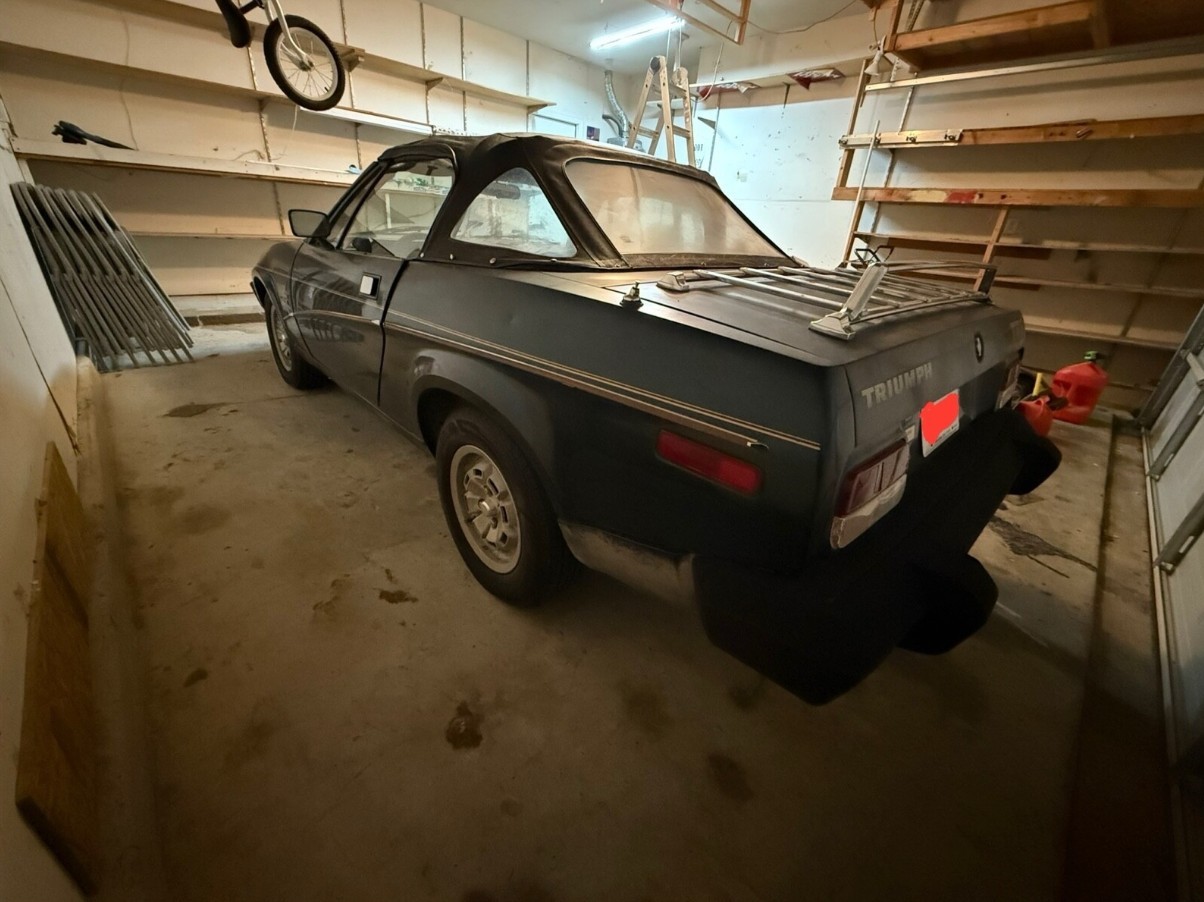
The TR7 divided opinions at its unveiling, with some applauding the styling, and others failing to warm to the “wedge” appearance and the prominent swage lines down either side. What most agreed on is that Triumph had failed in one crucial area: It had produced a Coupe when the buying public yearned for a Convertible. It addressed this shortcoming in 1979, although it is fair to say that sales didn’t increase dramatically. One update that preceded the drop-top was the release of the TR8, a V8-powered variant that offered a significant performance boost. This example rolled off the line in 1980, finished in Poseidon Green Metallic with a Black soft-top. The paint looks respectable for its age, with a healthy shine and only minor panel and paint imperfections. The soft-top shows its age more readily, but the seller includes a shiny new replacement for the buyer to fit. Perhaps the most crucial news hides below the surface, with the seller confirming that this British gem is rock-solid and rust-free. That means that the grinder and welder can remain in the cupboard, and that a cosmetic refresh could be undertaken in a home workshop. The trim generally looks quite respectable, and there are no glass or wheel problems.
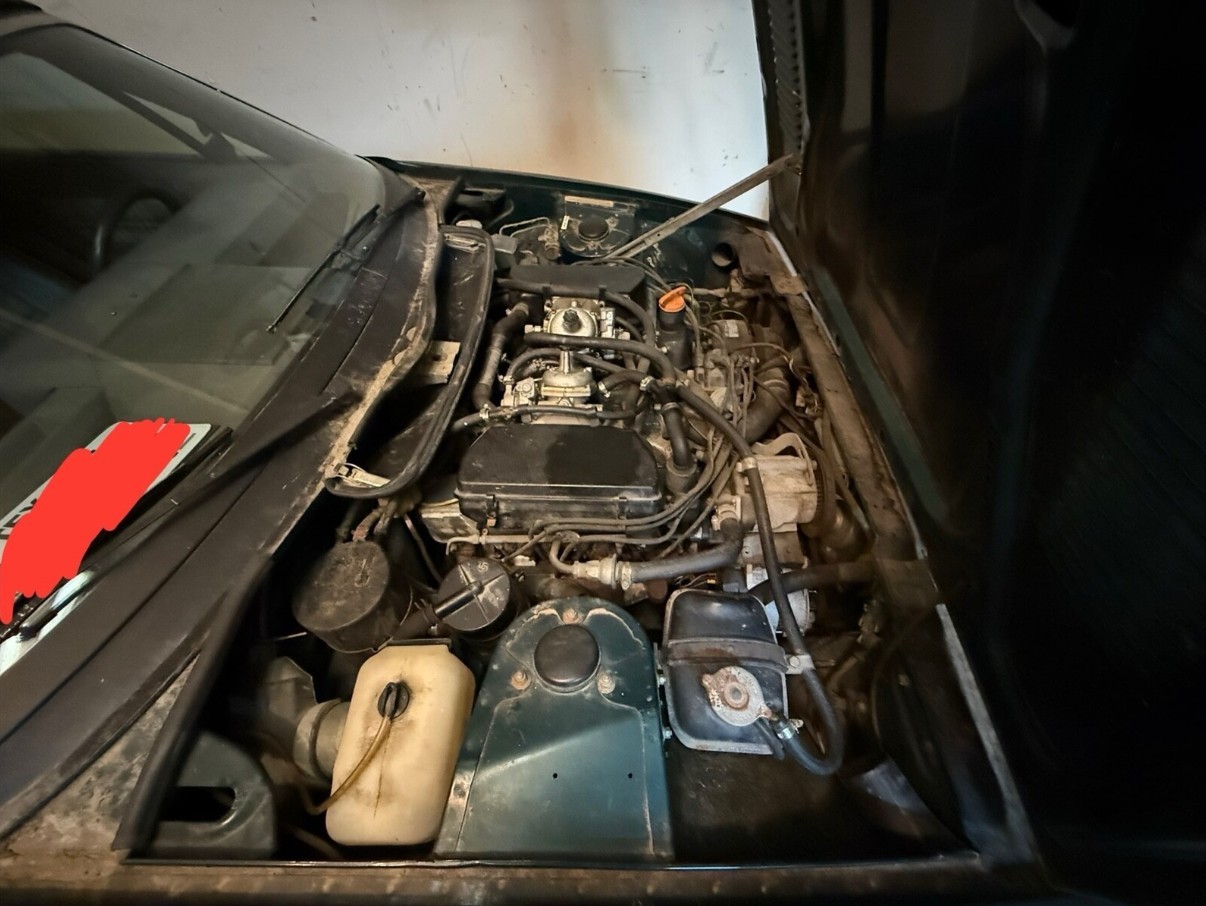
Triumph was guilty of some fairly illogical decisions during the 1970s, helping to explain why its car division became extinct in the 1980s. A perfect example of the scope of the problems is best demonstrated by the Stag. Triumph had access to the same 3.5-liter V8 that Rover used in some of its models, but chose to develop a unique engine for the Stag. Depending on who you talk to, some will describe this motor as hurriedly engineered, and others will state that it was horribly engineered. Reliability wasn’t an issue with those engines because they came with an almost iron-clad guarantee that something would fail fairly quickly! Thankfully, the company had come to its senses by the time it unveiled the TR8, with the sweet little Rover powerplant chosen to improve reliability. This motor generates 133hp and 165 ft/lbs of torque, which feeds to the rear wheels via a five-speed manual transmission. Engineering upgrades to cope with the larger and more powerful engine added to the TR8’s curb weight, but contemporary road tests consistently quoted ¼-mile ETs of around 16.3 seconds. The seller believes that this TR8 has around 30,000 genuine miles under its belt, although there seems to be some doubt in their mind. They do hold documentary evidence supporting their belief. It has the typical minor oil leaks that most owners expect from a Triumph, but this beauty runs and drives perfectly. The embedded video in their listing reveals that the engine kicks into life at a turn of the key, running smoothly and sounding strong. It appears that flying in and driving home is a valid option for the new owner.
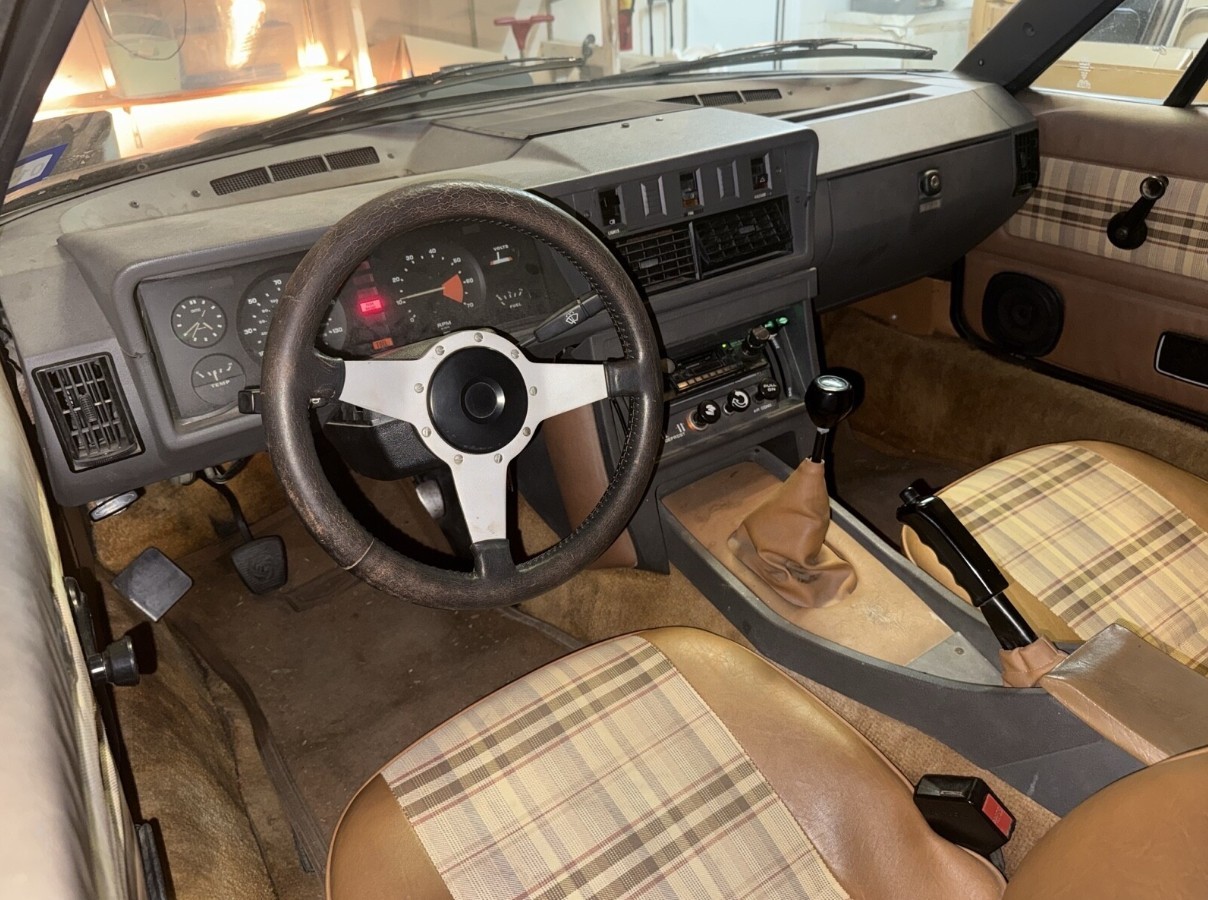
If you’re not a great fan of tartan cloth, you probably won’t be taken by this TR8’s interior. You will find that material on the seats and door trims, bordered by Brown vinyl. This interior is unlikely to win many show trophies, but it has a few positive attributes that are worth considering. Dash tops were renowned for cracking and splitting, but this car has avoided that fate. Most of the plastic is in good condition, and there is no appreciable seat wear. In fact, performing a deep clean might be all that this interior requires to present nicely as a survivor-grade vehicle.
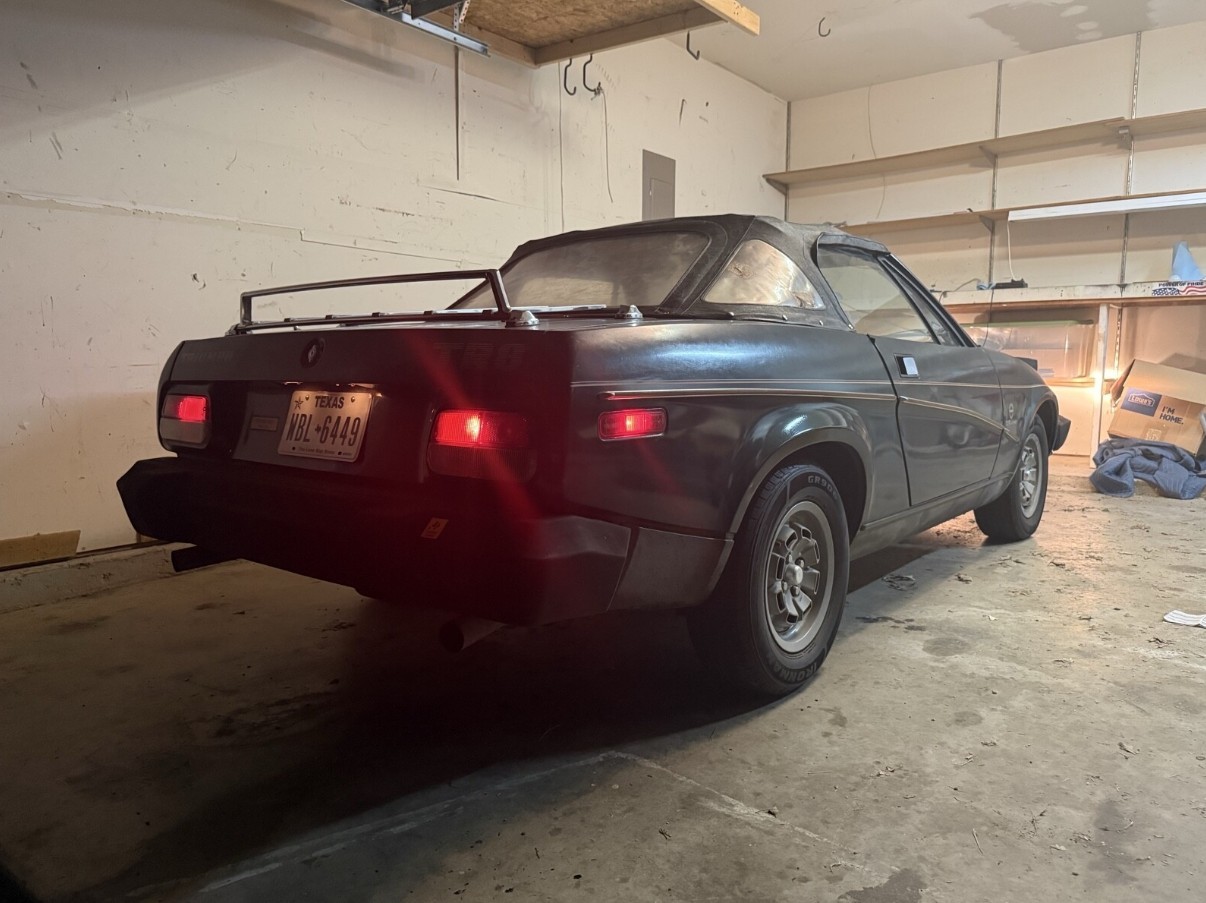
It is no secret that by 1980, British Leyland was rapidly imploding under the weight of poor management strategies, worker unrest, substandard build quality, and engineering that was well below what many buyers considered acceptable. That this Triumph TR8 Convertible emerged from that period and hasn’t succumbed to the myriad mechanical woes and rust problems to which the badge was renowned demonstrates that it is a genuinely good one, deserving of restoration or preservation. Either path is a valid approach, and the car’s solid nature and excellent mechanical health will allow the buyer to make that choice at their leisure. The seller’s BIN figure appears to be slightly optimistic in the face of recent successful sales, although a cosmetic refresh would be inexpensive if the new owner chose a DIY approach. Are those thoughts enough to tempt you to park this British classic in your garage?




Can’t go wrong with a wedge Clarkey.
Regards,
Lotus Esprit 🥂 🇬🇧
I guess it would be too much trouble to back the car out of the garage for better photos.
If you look at Triumph’s long history you see a lot of good looking and reliable sports cars. To end all that with the TR7 and 8, ugly cars with flawed engines, is really a shame. We were in Europe in the mid ’70s when the car manufactures were imploding in England. Union strikes all over the place and dumb moves by BMC and Triumph brass, all available to monitor on radio and TV. Sad.
I would definitely buy another TR8 if the right deal came around. I had the 81 with Bosch fuel injection. Yeah, it was a whole different experience from my TR6s, TR4s, etc., but a heck of a lot more comfortable for a trip across the country with cold A/C and reliability.