

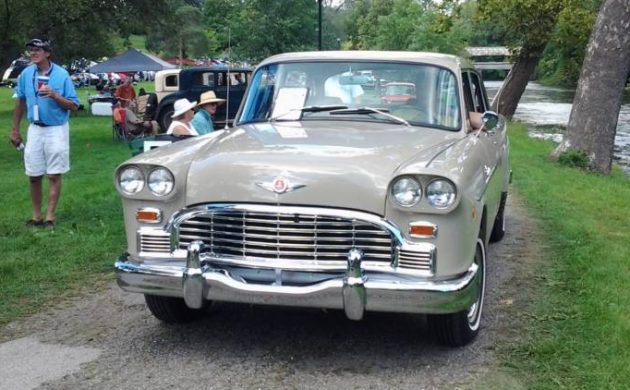
Checker Motors traces its roots to Morris Markin, a Russian tailor who immigrated to Chicago in 1913, became wealthy selling uniforms to the military during WWI, then invested in local automobile makers. One of those makers – Commonwealth Motors – made a taxi cab for Checker Taxi, a service company. Markin bought up licenses owned by Checker cab drivers, contributing to fierce and violent rivalry in the taxi business. After Markin’s home was firebombed, he made a move to Kalamazoo, Michigan, where the company redesigned its taxi and commenced selling to the trade nationwide. Several evolutions of its cabs proved to drivers that its product was robust and reliable. In 1959, Checker aimed for a slice of the passenger car market, launching the Superba, which was nothing more than a cab without the fancy paint. The Marathon arrived in 1960, also barely changed from the 1950s-era styling of the company’s cabs. Today’s featured Marathon was minted in 1969, and other than a few details, looks almost identical to its siblings from ten years earlier. This Marathon is advertised on craigslist for $25,000, and it’s located in Port Huron, Michigan – just 200 miles from its birthplace! Thanks to Tony Primo for the great tip!
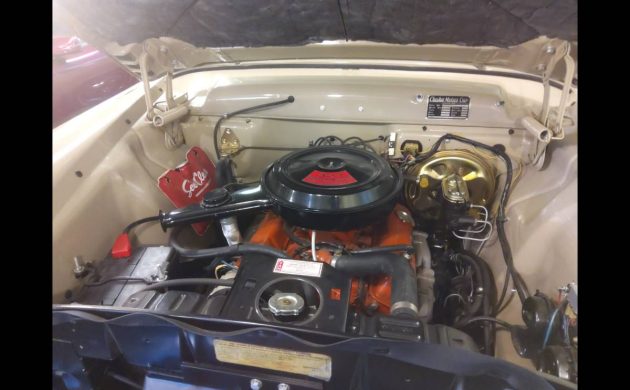
Checker made its cars of stout materials: the frame was nearly flex-free, the sheet metal was heavy gauge. Production was low – a big year was 8000 units. Engines varied, beginning with Buda and Lycoming, rotating to Continental, and finally – starting in 1965 – Chevy inline sixes and V8s. This example was given a nut-and-bolt, frame-off restoration. The 327 cu. in. V8 nestled in the engine bay is backed by an automatic transmission.
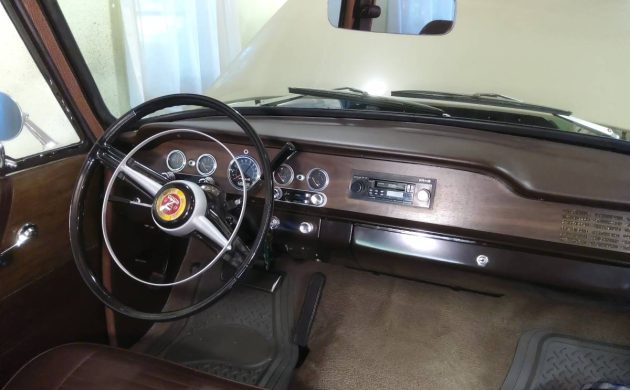
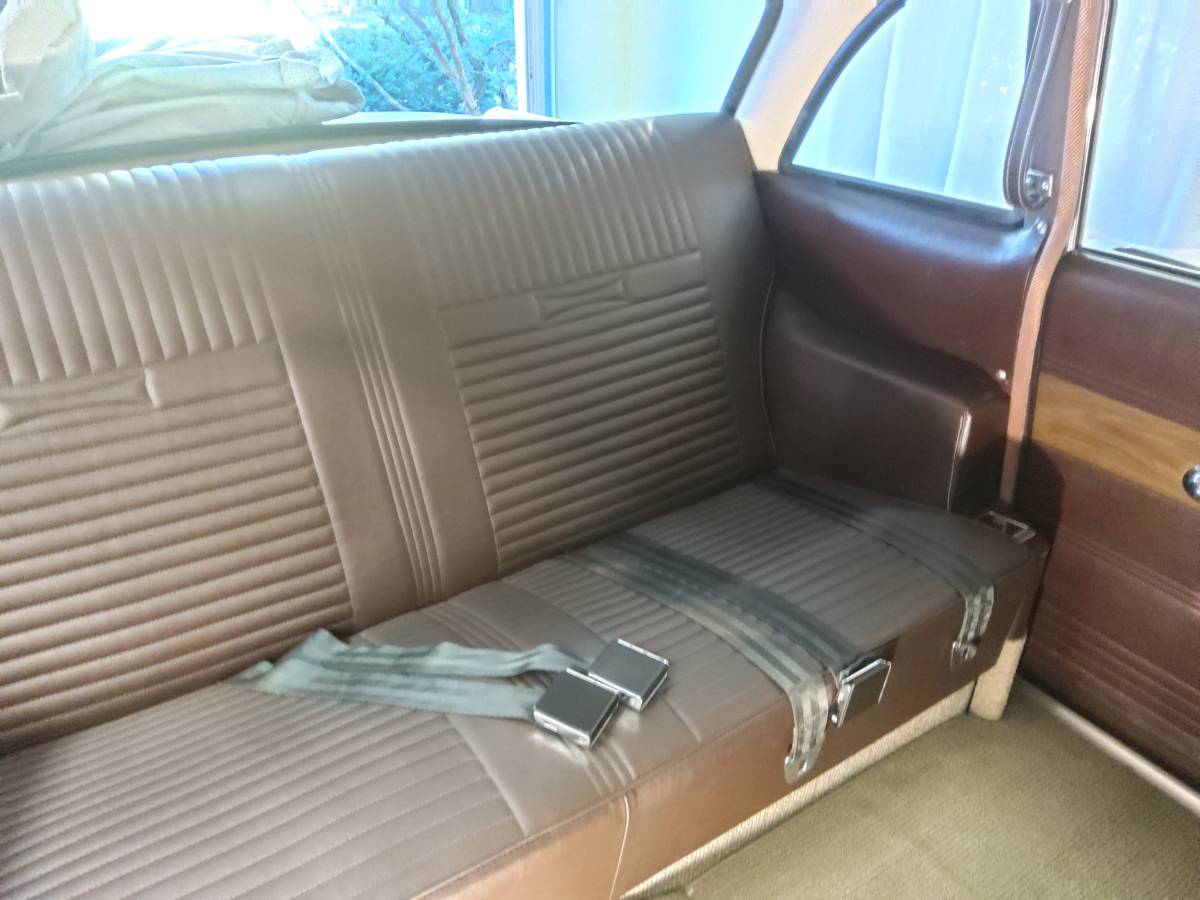
Checker Motors managed strong profitability throughout its history by remaining focused on its niche but also by keeping frills and changes to an absolute minimum. The consistency from year to year was a benefit to fleet managers, who could reliably swap parts from one Checker to another almost without regard for year of manufacture. The simplicity of the car’s make is seen here in the austere cabin. Bench seats front and rear, simple vinyl upholstery, and a limit to the color palette helped keep the car’s cost down. Occupants sit high, enjoying great exterior visibility. The rear seat area is capacious. This example has power steering and power brakes.
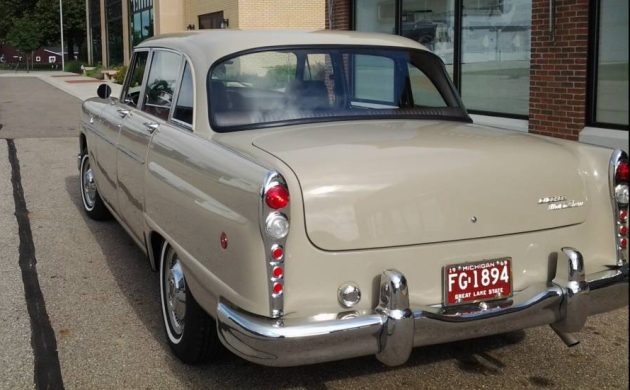
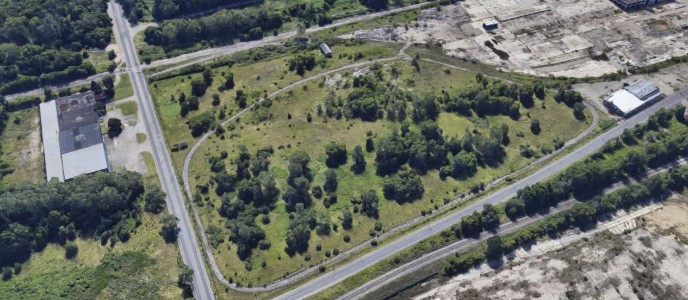
The Checker is a tall car at over 62″, and it weighs close to 4000 lbs. Eventually, its anachronistic styling and horrific gas mileage made it untenable in a world of fast-changing fashions and serial gas crises. The company ceased new-car production in 1982, but it remanufactured cabs until 1997. When that business faded, it made parts for General Motors until 2009, when it filed for bankruptcy. After a few years of dereliction, the factory site was absorbed by a packaging plant, but Checker’s test track – long abandoned – remains intact, yearning to host another set of tires.

Leave A Comment