

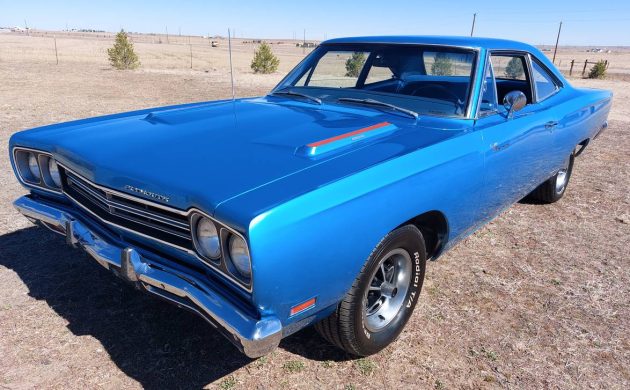
Many words could describe this 1969 Plymouth Road Runner, and I know “stunning” would make the list. It was repainted in its original shade in February, ensuring it stands out in a crowd. Its engine bay houses its numbers-matching V8, and the few changes the seller made could be easily reversed at no cost if the buyer prefers authenticity. I must say a big thank you to Barn Finder Jack M. for spotting the Road Runner listed here on Craigslist in Bennett, Colorado, for $47,995.
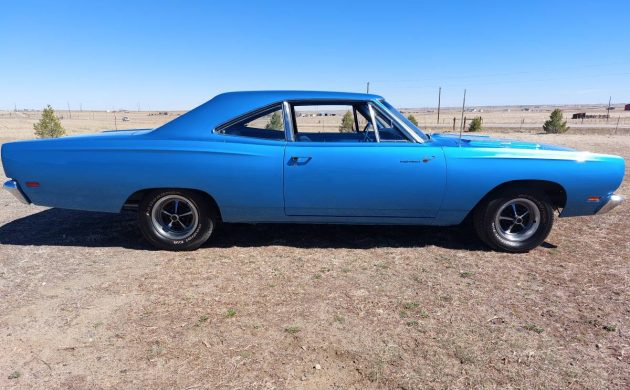
Although the 1960s saw the rise of pony and personal luxury cars, many enthusiasts view it as the muscle car decade. This is understandable because it gave us the Pontiac GTO, Oldsmobile 442, Chevrolet Chevelle SS, and the Dodge Charger. Plymouth joined the party in 1967 with the GTX, but saw a niche for a more affordable alternative. Thus, the Road Runner was born in 1968. Our featured Plymouth left the factory in 1969 and appears to have spent its life in favorable locations. That is great news for potential buyers, allowing it to avoid the common rust issues and to remain rock-solid. The seller repainted the car in February in its original Blue Fire Metallic, as verified by the intact Fender Tag. The results justified the effort and expense, because its exterior presentation is first-rate. The paint shines beautifully, and the panels are laser-straight. I can’t spot any genuine trim issues, and the glass is crystal-clear. So far, everything looks very positive.
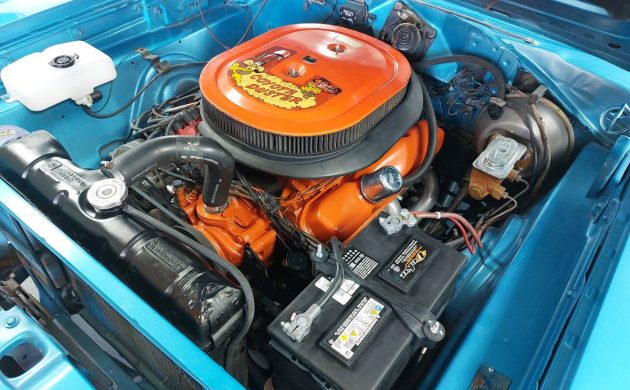
The Road Runner significantly exceeded sales projections upon its 1968 release, and volumes almost doubled in 1969, with over 81,000 buyers taking one home. It is easy to see why. Plymouth’s latest muscle car was very affordable in its most basic form, and the entry-level 383ci V8 delivered an impressive 335hp and 425 ft/lbs of torque. This Road Runner features that motor, teamed with a three-speed A-727 automatic transmission, power steering, and power front disc brakes. The combination made the Plymouth genuinely fast in a 1960s context, with contemporary road tests consistently returning sub-15-second ¼-mile ETs. The seller says this beauty is numbers-matching and that the transmission has only 700 miles under its belt since they rebuilt it. The car runs and drives perfectly, ready for action with the new owner behind the wheel.
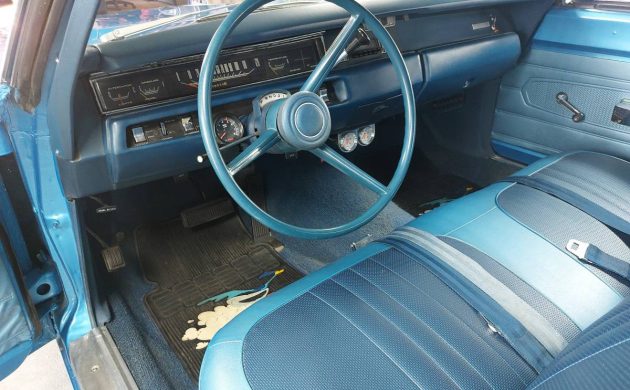
The interior reflects Plymouth’s focus on affordability, with the First Generation Road Runner featuring the basic Belvedere dash setup and a bench seat. Buyers could add features from a long list of factory options, but this naturally raised the sticker price. However, most customers bought a Road Runner for its exceptional performance, not to sink back into the lap of luxury. Trimmed in Bright Blue vinyl, this classic’s interior makes a positive first impression. Only by scrutinizing the listing images do you discover a pretty glaring fault. The driver’s door trim is wrinkled and has a significant tear near the window regulator. That is disappointing, because the remaining upholstered surfaces are excellent. I’m unsure why this slipped through the net, but it isn’t the end of the world. Companies like Legendary make high-quality replacements that sell for about $480 per pair. That would address the problem and leave the interior looking first-rate. Aftermarket additions include a column-mounted tachometer and an underdash gauge cluster that the buyer could remove for authenticity.
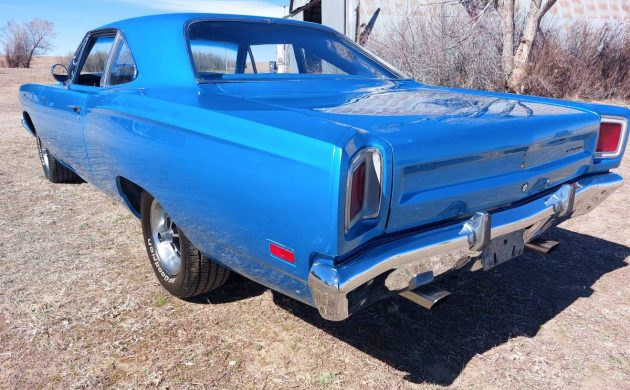
I know many Barn Finds readers are passionate about Mopar classics, especially 1960s muscle cars. That is understandable, because these cars typically featured stunning styling and impressive performance. This 1969 Plymouth Road Runner is no exception, because it looks drop-dead gorgeous, and its numbers-matching status will appeal to purists. My only disappointment is the damaged door trim, which detracts from a car with no other genuine faults. Replacing the offending item is possible because high-quality reproduction trims are readily available. I feel that spending that money shouldn’t be required for a ’69 Road Runner in this price bracket. However, with that problem addressed, this classic should turn heads and draw crowds for decades to come. Therefore, the investment might be justified. Do you agree?

Did I miss the air grabber hood ?
Love the Road Runner, the 383, the Torq-flite. Just a great highway machine. Floor it and pass with ease 😌
Hey Stan, I read the pop up air grabber scoop came out in 1970. This has an air box attached to the underhood, and sucks air through the red screens in the hood. It was a $55 option, and I never saw one.
That’s a really nice looking car.
The color really makes it.
Yes a real beauty!!